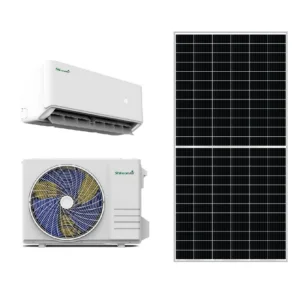
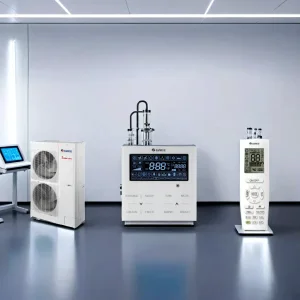
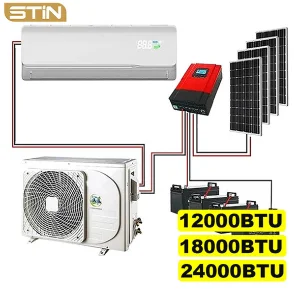
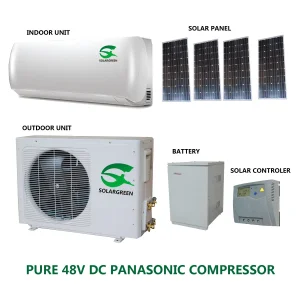
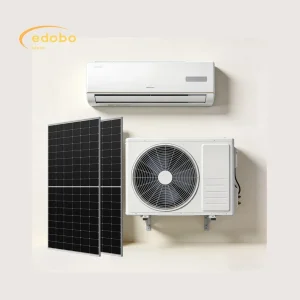
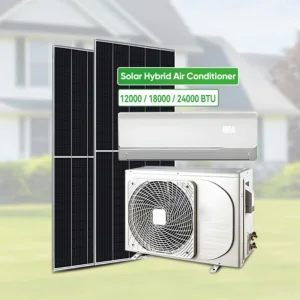
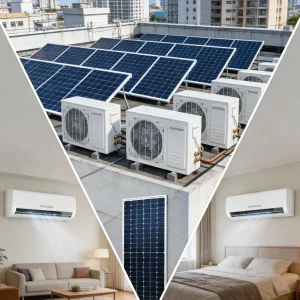
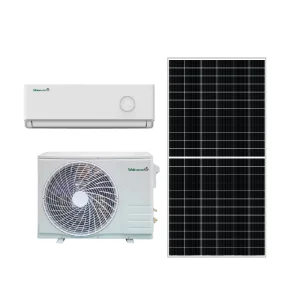
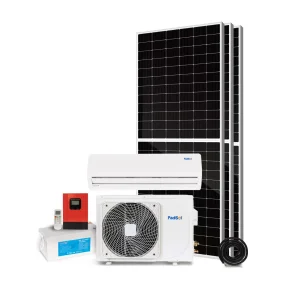
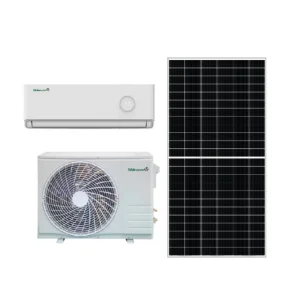
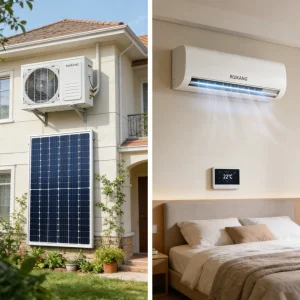
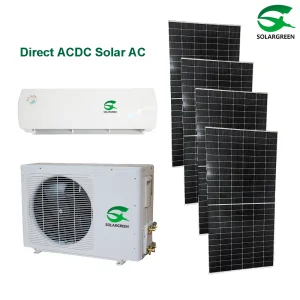
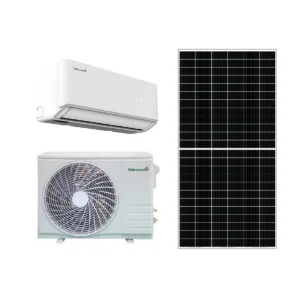
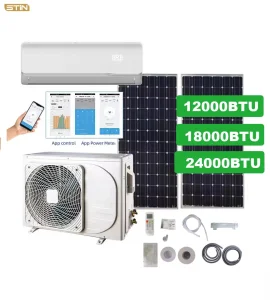
Direct-drive solar PV cooling systems engineered for optimized load shaving in western Japan's hot summers.
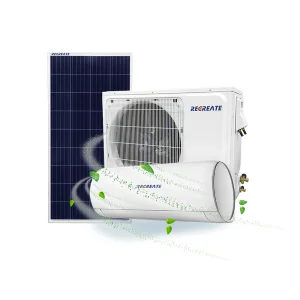
As the commercial capital of the Kansai region, Osaka is driving some of Japan’s most aggressive carbon reduction and net-zero energy policies. Under the Osaka Prefecture Global Warming Prevention Action Plan, local enterprises and industrial facilities are required to dramatically cut Scope 1 and Scope 2 emissions. Crucially, industrial HVAC systems represent up to 40% to 50% of the total energy footprint during summer peaks.
With electricity tariffs from Kansai Electric Power Co. (KEPCO) fluctuating under the pressure of global fuel adjustments, local businesses face severe operating cost challenges. The urban heat island effect in Osaka City—amplified by the dense concrete infrastructure in wards like Chuo, Kita, and Yodogawa—leads to protracted, humid summer conditions where cooling demands peak concurrently with solar generation windows. Installing direct solar-driven air conditioners addresses this exact thermodynamic and economic profile: providing maximum cooling output at the absolute peak of solar irradiance, thereby flattening grid draw, avoiding demand charges, and safeguarding operations during Kansai's peak load warnings.
Direct matching between solar irradiance peak curves and maximum HVAC cooling demands, completely insulating operations from peak-hour KEPCO demand surcharges.
Fully supports emergency cooling during grid disturbances or typhoons along Osaka Bay via autonomous solar generation and battery integration.
Earn high marks in local environmental audits and unlock structural subsidies by deploying renewable systems that directly drop Scope 2 emissions.
The progression toward smarter, multi-terminal, and grid-supportive localized cooling infrastructures.
The technical evolution of solar air conditioning systems is moving away from basic, inefficient off-grid battery arrays toward sophisticated, grid-tied hybrid architectures that feature direct DC PV input. Anhui Aryam Energy is leading this transition by integrating dynamic energy routing algorithms directly into our variable-refrigerant flow (VRF) and split systems.
In our current technology roadmap, the integration of wide-bandgap semiconductors (such as Silicon Carbide/GaN power switches) inside our inverter units reduces thermal dissipation and increases DC-to-DC conversion efficiency. Looking toward future microgrid compatibility, our systems are designed to communicate natively with building automation protocols (such as Modbus, BACnet, and Japanese ECHONET Lite). This permits real-time scheduling based on regional virtual power plant (VPP) signals, turning commercial cooling systems into responsive, decentralized grid balancing assets.
Advanced AC/DC balanced technologies configured for commercial warehouses, manufacturing hubs, and residential zones.
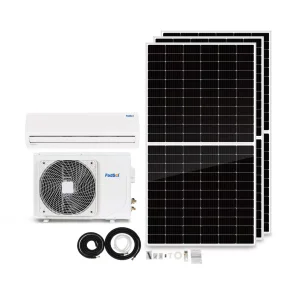
How Anhui Aryam Energy ensures top-tier quality and steady global delivery through vertically integrated manufacturing.
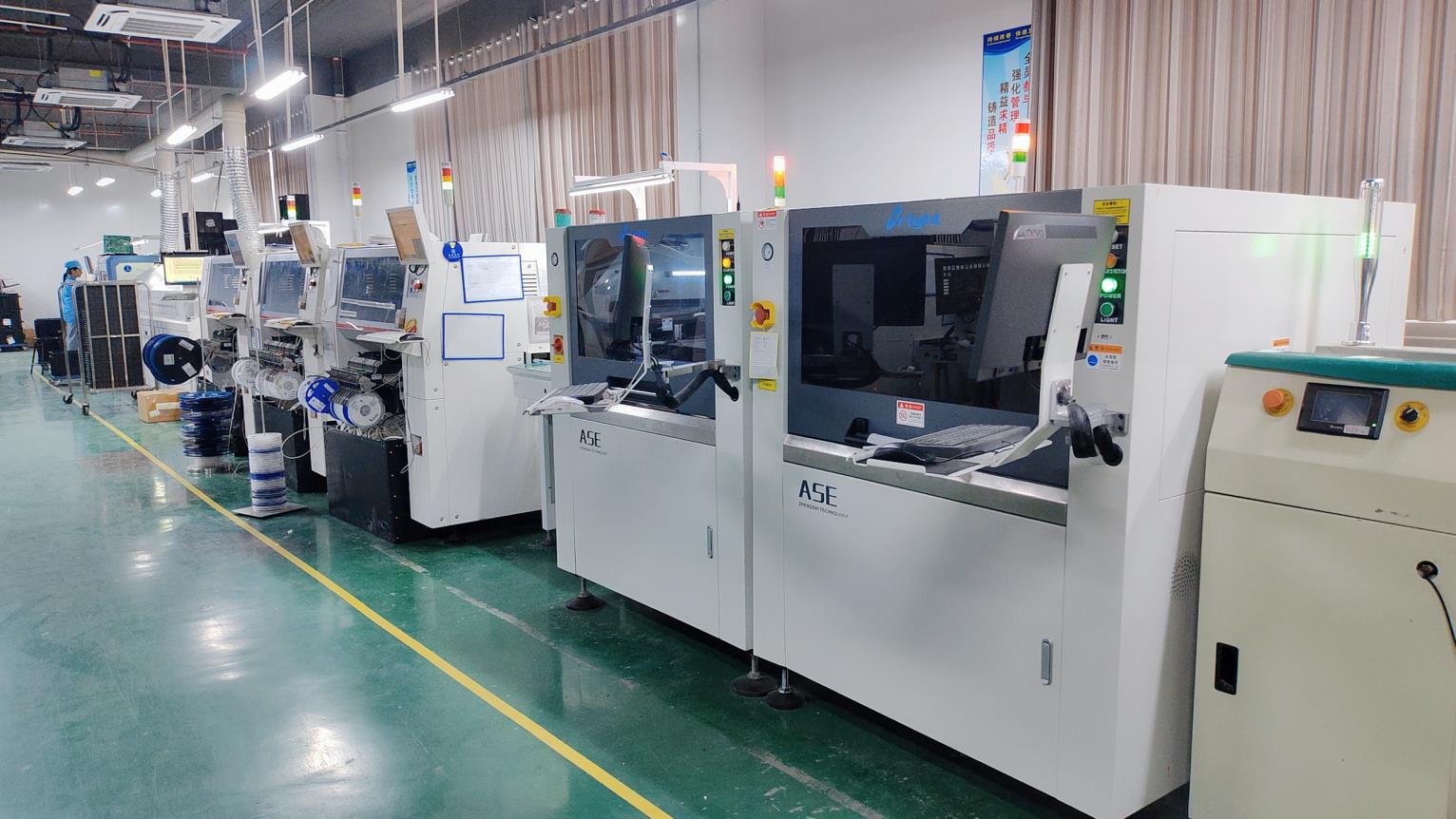
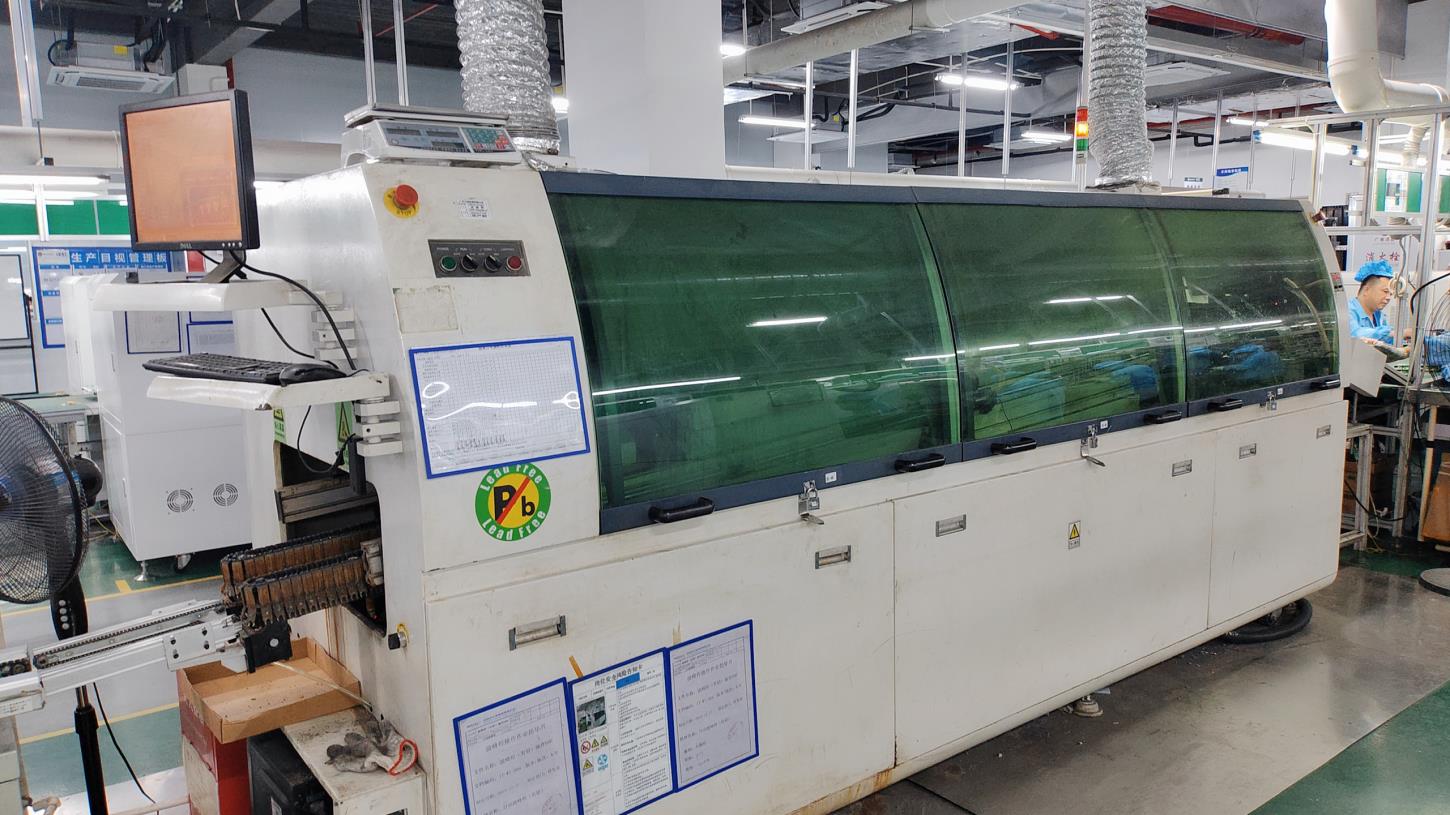
Our manufacturing complex utilizes the latest Industry 4.0 standards to maintain strict production quality and component resilience. By utilizing state-of-the-art SMT (Surface Mount Technology) lines and automated wave soldering systems, we guarantee the longevity of our control electronics under high-temperature conditions. Our fully integrated processes span from structural welding and automated precision assembly to multi-phase climate-chamber testing and standardized logistics packing.
Each unit undergoes strict testing simulating high-ambient thermal stress, dynamic power surges, and humidity chamber cycling before warehouse dispatch. This end-to-end quality assurance ensures that every commercial and industrial solar air conditioner meets the highest benchmarks for international markets, offering Japanese EPCs and distributors high-cost-performance (C/P ratio) advantages backed by solid supply chain stability.
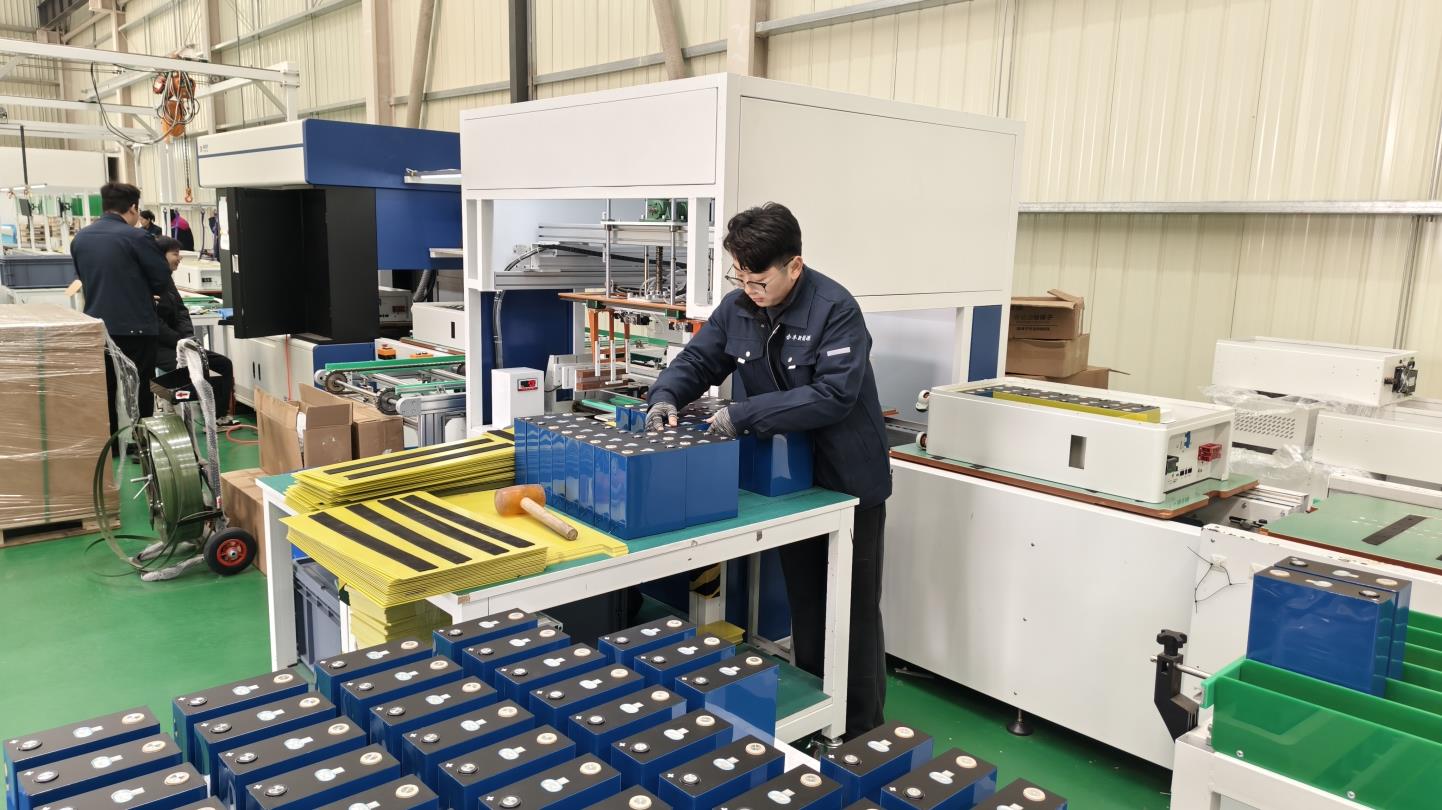
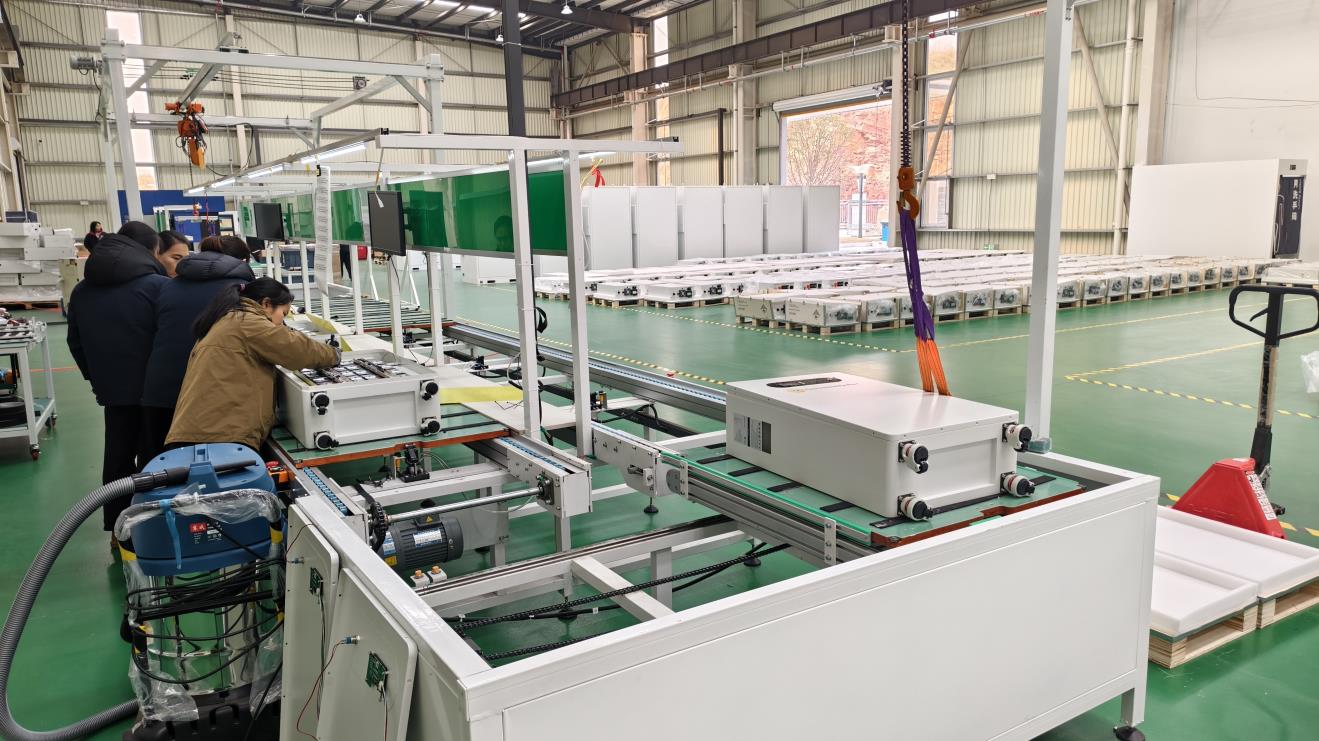
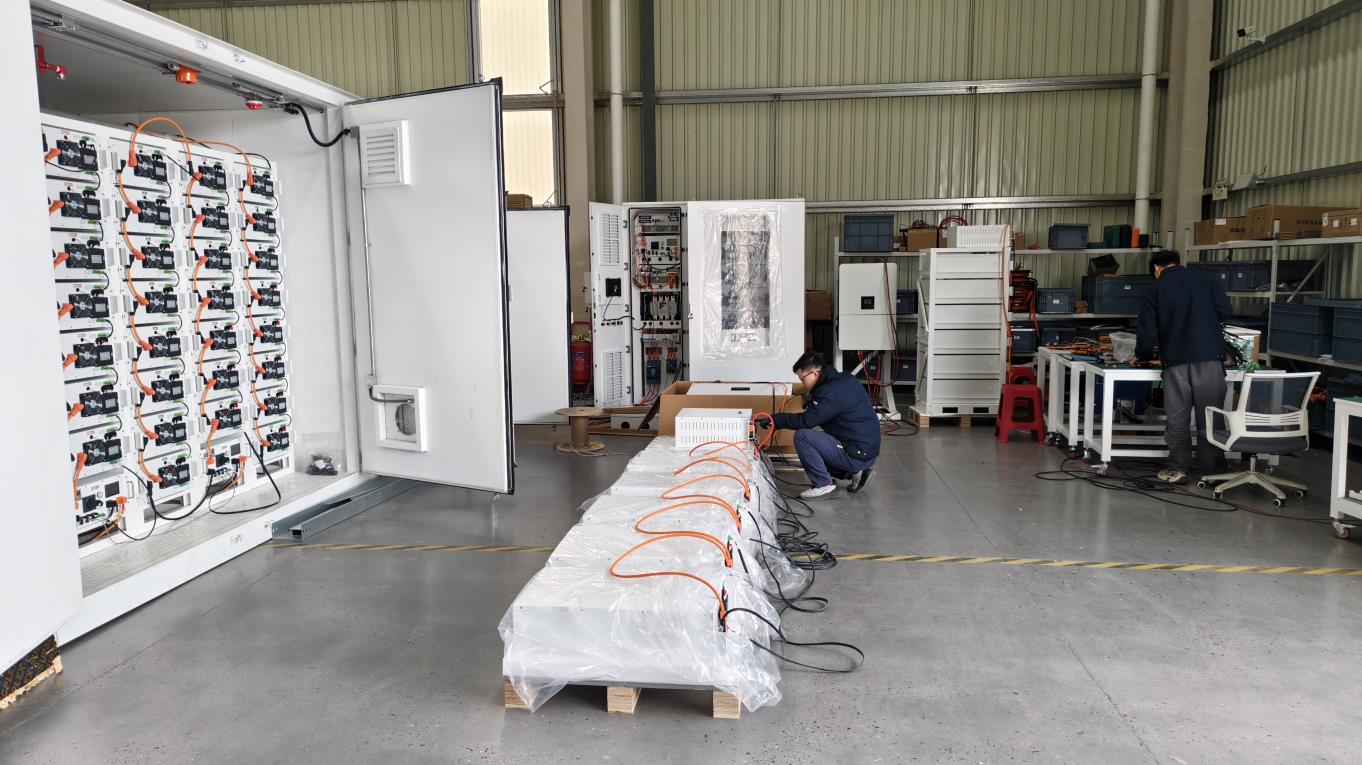
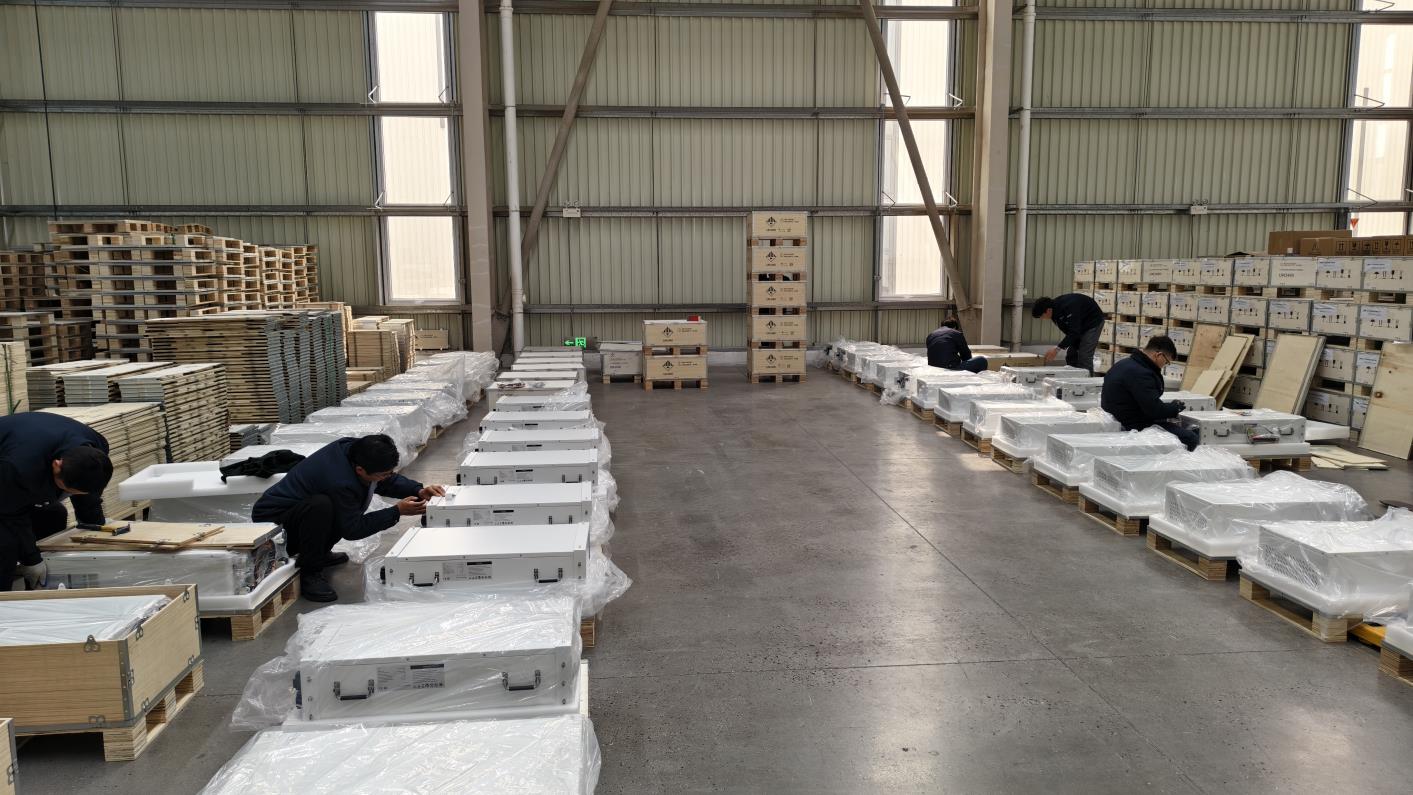
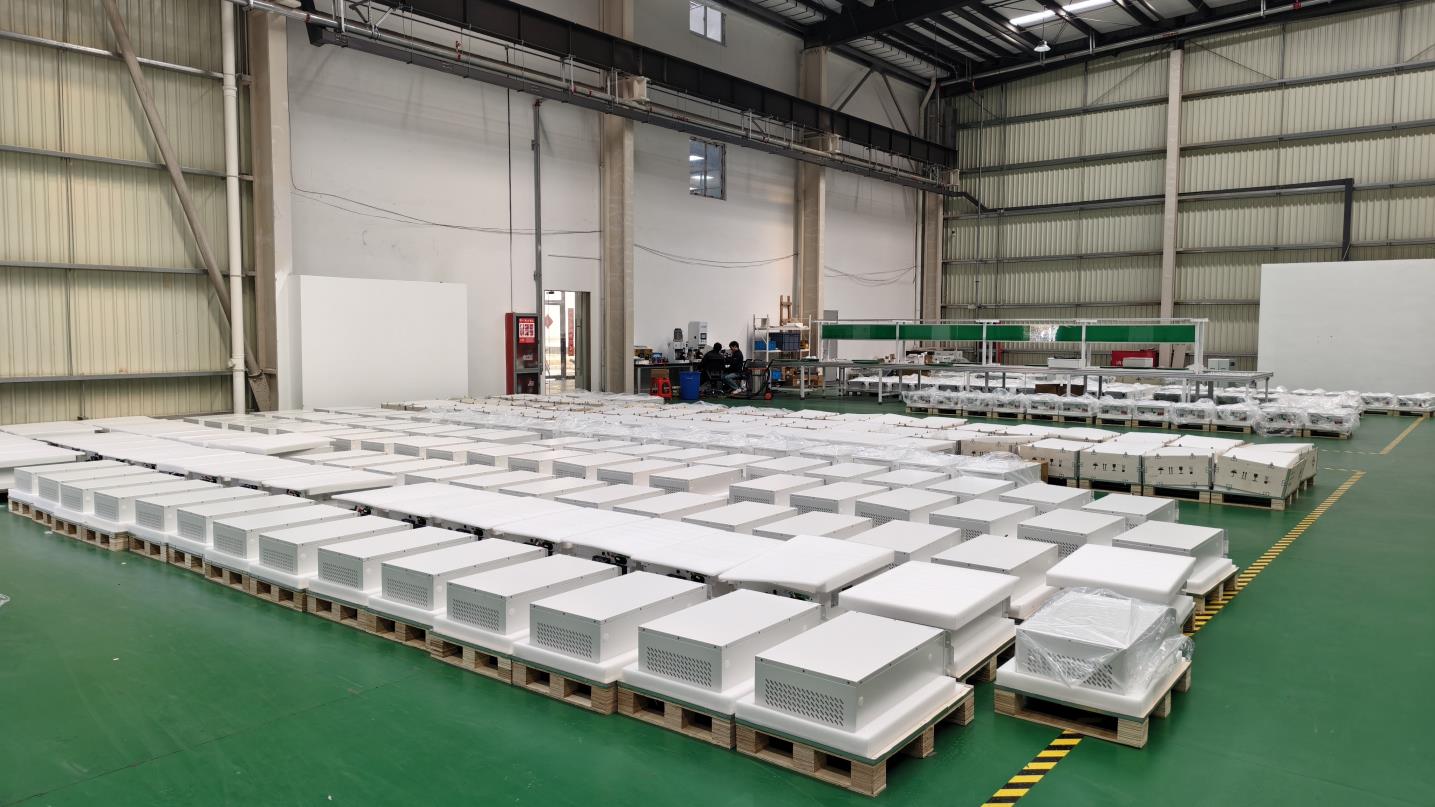
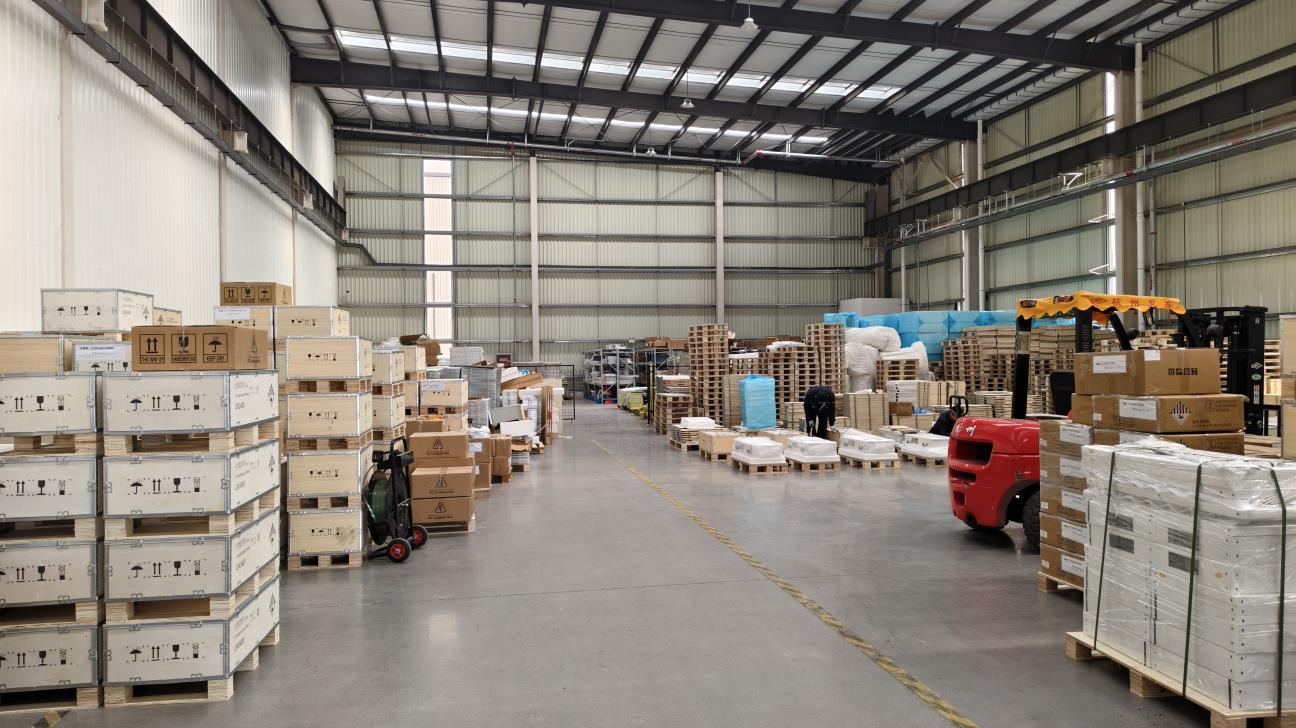
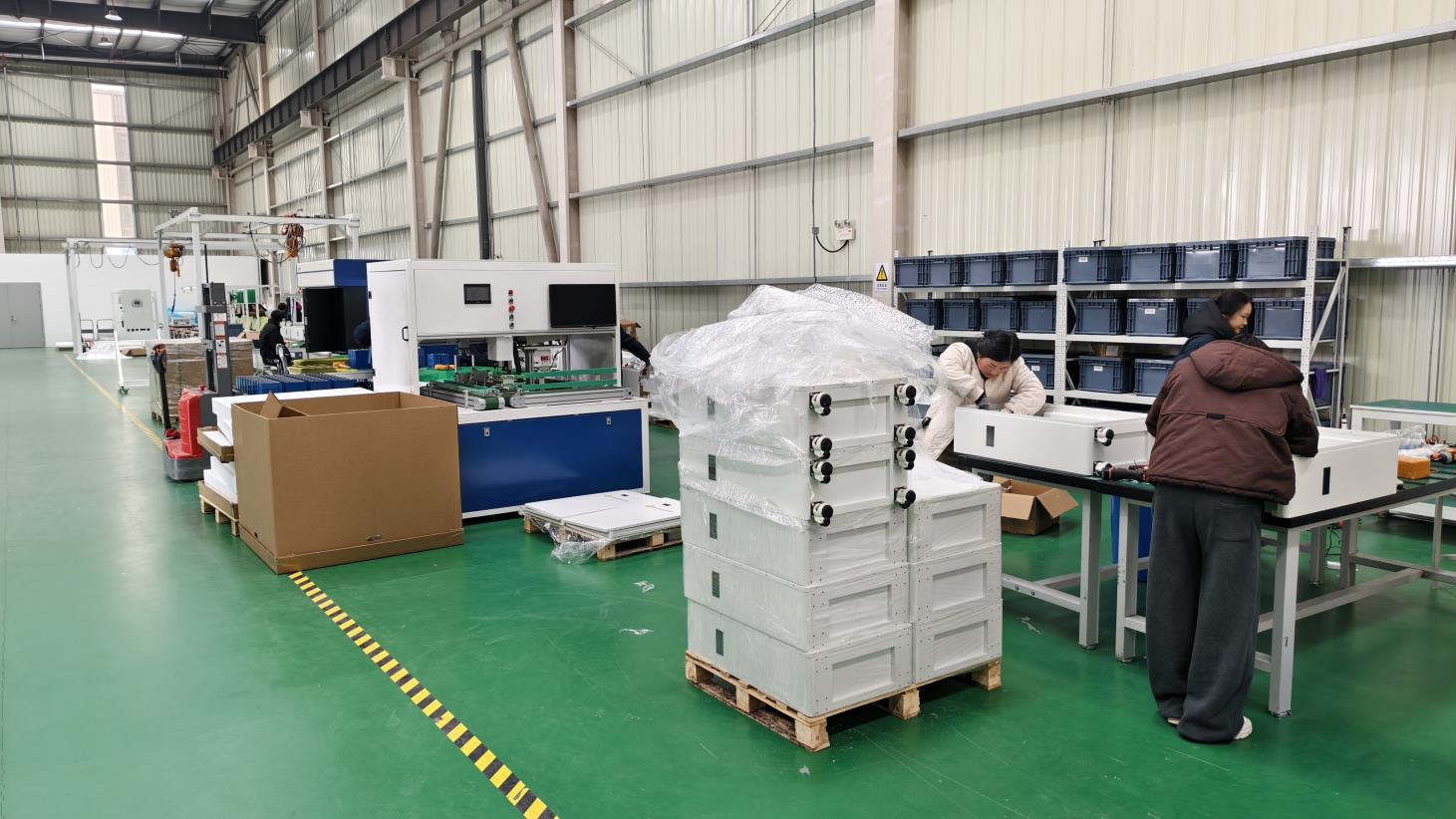
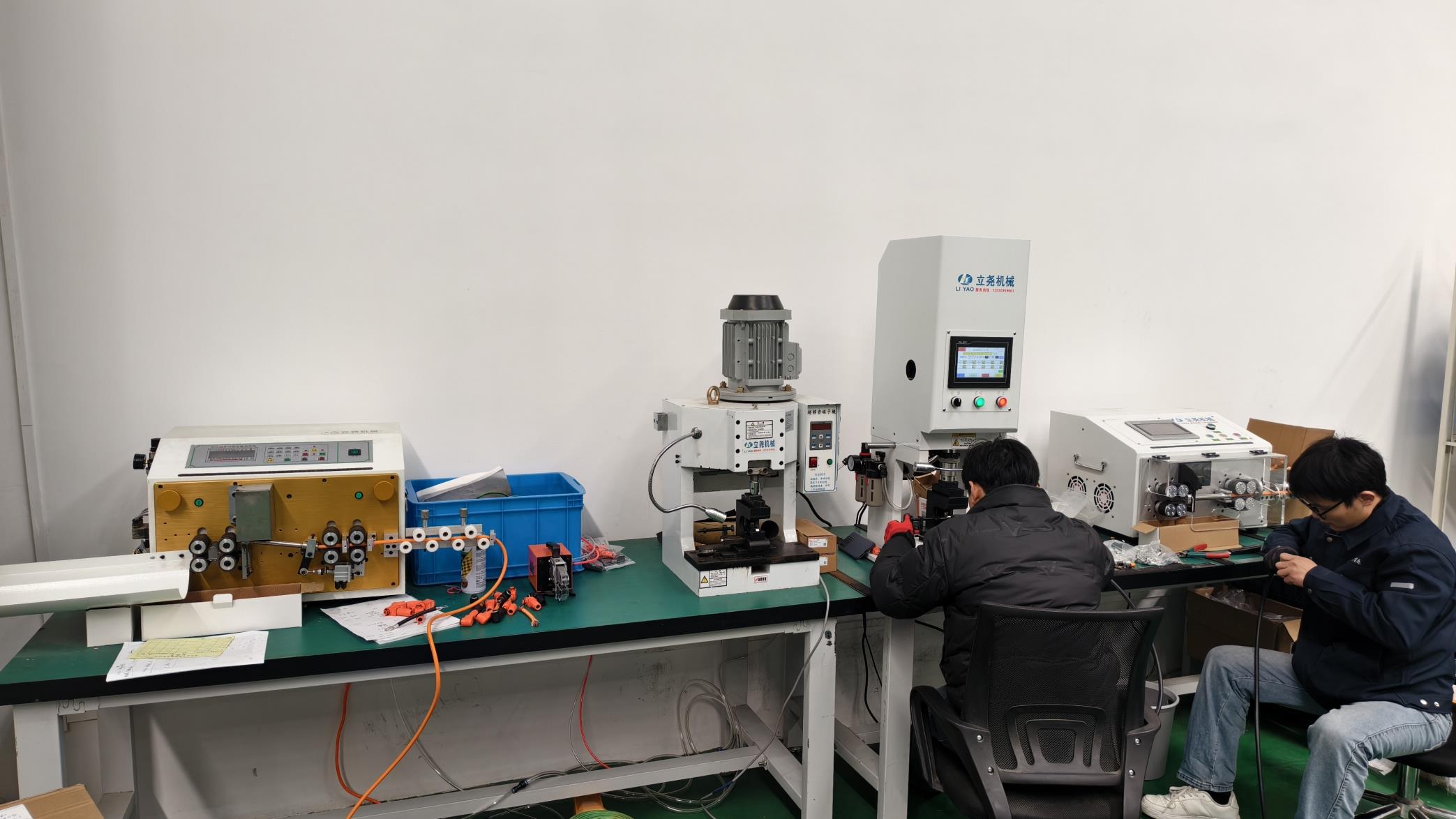
Importing commercial electrical products into Japan requires strict compliance with domestic standards. Our solar air conditioner range is systematically built to pass the rigorous Electrical Appliance and Material Safety Act (PSE) requirements, verifying electronic stability and component safety. In addition, heat exchangers and copper connections comply with Japan Industrial Standards (JIS) guidelines to prevent premature corrosion under Kansai's maritime summer atmospheres.
To address the structural challenges of western Japan, we build specialized physical improvements into our outdoor compressor units. Each chassis features reinforced seismic anchoring points to withstand tremors, alongside aerodynamic fan casing designs to withstand wind loads up to 60 m/s, complying with Kansai's building structural codes for typhoons. Anti-salt-mist coatings are also standard options, protecting internal circuitry and aluminum fins from the humid, salt-heavy breezes of Osaka Bay coastal industrial zones.
Choose from our comprehensive range of off-grid, hybrid, and smart split-system air conditioning systems.
Evaluating electrical engineering metrics, system configurations, and structural parameters for Kansai-based projects.
| Feature/Specification | Acdc Hybrid Range (9k - 24k BTU) | 100% Off-Grid DC48V Systems | Industrial GMV5 VRF Series |
|---|---|---|---|
| Power Input Strategy | Simultaneous DC (PV) + AC (Grid) auto-blending | Pure DC 48V input (Direct PV / Battery bank) | Three-phase AC power with intelligent solar assist |
| Operating Voltage Ranges | PV DC: 90V - 380V; AC: 208V - 240V | DC: 42V - 58V (Nominal 48V battery) | PV DC: 300V - 800V; AC: 3-Phase 380V/415V |
| COP / EER (Cooling Mode) | COP up to 4.2 (Equivalent APF > 5.8) | COP up to 4.5 (High efficiency compressor) | COP up to 4.8 under partial loads |
| Local Compliance Certifications | PSE Mark, JIS, CE, CB, RoHS compliant | IEC 60335, CE, ISO 9001, JET-compatible components | JIS Standardized multi-split architecture |
| Corrosion & Wind Protection | Optional salt-mist treatment; wind resistance up to 60m/s | Epoxy-coated outdoor fins; heavy-gauge metal chassis | Double anti-rust outdoor painting; reinforced feet |
For large-scale architectural and municipal projects in Kansai, engineering teams must evaluate peak starting currents. Our solar air conditioners utilize soft-start variable frequency BLDC (Brushless DC) compressors. By ramping up operating speeds linearly, the system eliminates startup current spikes, safeguarding local electrical systems and ensuring seamless transitions during off-grid operations.
In addition, our digital controls support real-time RS485/Modbus telemetry, enabling plant engineers in Sakai, Suita, or Ibaraki industrial estates to coordinate real-time solar yield against facility HVAC power consumption curves directly from centralized SCADA systems.
Answering key regulatory, technical, and economic questions for procurement managers in the Japanese market.
 Aryam Energy