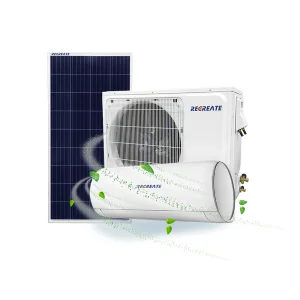
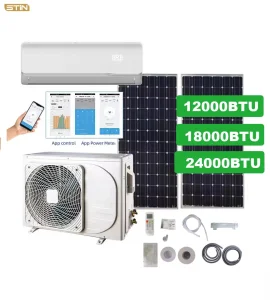
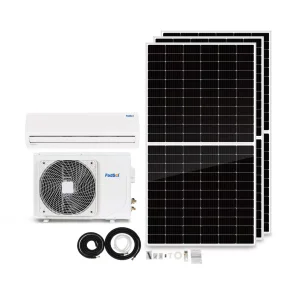
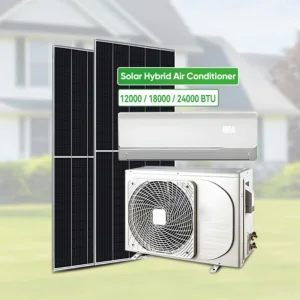
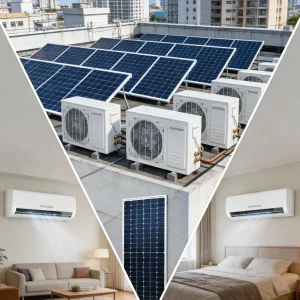
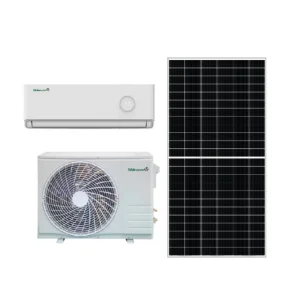
Engineered for high thermal tolerance, low power consumption, and direct integration with solar arrays. Highly optimized for Rabat, Casablanca, and Marrakech environments.
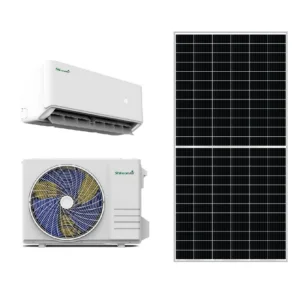
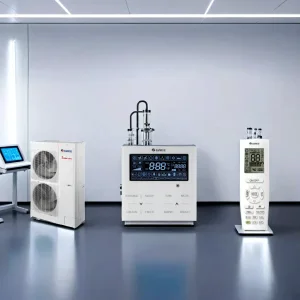
Morocco is rapidly positioning itself as a clean energy titan in North Africa. Guided by its ambitious National Energy Strategy, the Kingdom aims to source over 52% of its installed electrical capacity from renewable sources by 2030. Simultaneously, Morocco faces unique climatic challenges. With scorching summer temperatures rising above 48°C in interior zones like Marrakech, Ouarzazate, and Errachidia, the demand for space cooling has spiraled exponentially. Traditional cooling solutions exert tremendous pressure on the national grid (ONEE) and expose commercial operations to soaring peak-hour utility tariffs.
This reality has catalysed a strong pivot toward Solar Air Conditioning. By aligning the hours of peak solar irradiance with peak cooling demand, solar air conditioning systems deliver an immediate, logic-driven load reduction. For industrial estates, agricultural packaging facilities, and tourism resorts, integrating solar-assisted HVAC systems is no longer just a corporate social responsibility initiative—it is an existential strategy to ensure operational continuity and protect profit margins.
Unlike heating loads, which often peak when the sun is down, air conditioning demands track solar irradiance perfectly. The Daily Normal Irradiance (DNI) in Morocco averages between 5.5 and 7.5 kWh/m²/day. This abundant solar resource allows B2B enterprises to offset up to 90% of daytime HVAC electricity consumption directly through solar PV integration without the round-trip conversion losses of intermediate grid injection.
For Moroccan factories in Casablanca, Tangier, and Kenitra Free Zones, electricity tariffs are multi-tiered. High-voltage and medium-voltage consumers pay peak prices that significantly increase operating costs. Solar cooling systems allow factories to peak-shave. Integrating ACDC hybrid units guarantees that when the sun shines brightest, the air conditioner is powered entirely by dedicated solar panels, completely bypassing the utility grid. If solar output fluctuates, the system seamlessly takes the remaining balance from the grid, ensuring zero disruption to delicate manufacturing operations.
52%+ of capacity generated via renewables by 2030.
Average DNI exceeds 2,300 kWh/m²/year across southern valleys.
Bypasses peak industrial tariffs, reducing HVAC operating costs by up to 90% during peak solar windows.
Deciding which technology to deploy depends entirely on grid accessibility and operational hours.
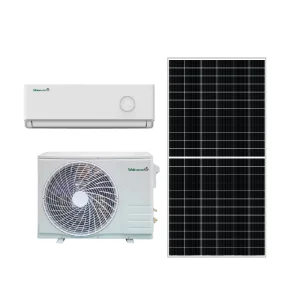
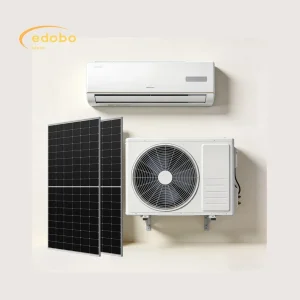
Direct solar panel input during high-sun hours. Supplements power from the grid seamlessly when clouds pass or at night. No battery storage required. Best for offices, schools, and daylight manufacturing.
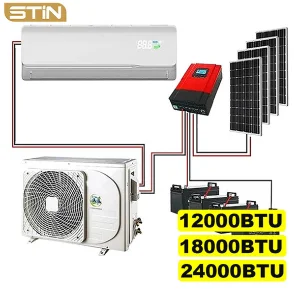
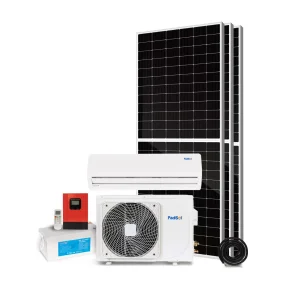
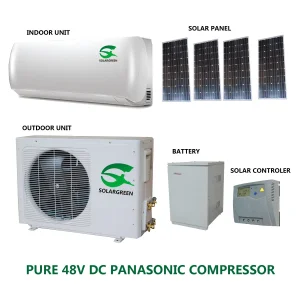
Runs directly off solar panels and a DC battery bank. Operates completely detached from the electrical utility grid. Ideal for remote telecom base stations, Sahara desert outposts, and agricultural cold hubs.
Engineering solar air conditioners requires a deep understanding of thermodynamics under extreme heat. Standard systems suffer from severe efficiency drops (derating) as ambient temperatures exceed 40°C. To serve the Moroccan market reliably, solar air conditioning systems must utilize high-spec Rotary Compressors (such as GMCC or Panasonic) coupled with R410A or R32 eco-friendly refrigerants. These components are specifically chosen to maintain a high Coefficient of Performance (COP) even when outside temperatures hover around 50°C in inland regions.
Additionally, Morocco’s long Atlantic and Mediterranean coastlines expose equipment to highly corrosive, humid, salt-rich air. This requires manufacturers to apply specialized anti-corrosive treatments like "Blue Fin" or "Gold Fin" coatings to the condenser and evaporator coils. These coatings act as barrier layers, preventing galvanic corrosion, maintaining heat exchange rates, and extending the life of the systems in coastal industrial clusters like Casablanca and Tangier.
Agriculture is a major pillar of Morocco's economy, particularly in the fertile Souss-Massa region. However, remote crop preservation facilities often struggle with weak, unreliable electrical grids. Off-grid DC solar air conditioners provide a reliable solution. By running directly on 48V DC power from solar panels and batteries, these systems avoid the energy losses and cost of DC-to-AC inverters. They keep temperature-controlled storage rooms cooled during the hottest parts of the day, preserving crop quality and reducing waste without relying on the main grid.
| Feature Parameter | ACDC Hybrid Air Conditioner | 100% Off-Grid DC 48V Air Conditioner |
|---|---|---|
| Primary Power Source | Direct Solar PV during day + Utility Grid fallback | 100% Solar Panels & 48V DC Battery Bank |
| Battery Requirement | None (Optional for backup) | Mandatory (Lead-Acid or LiFePO4) |
| Grid Connection | Required (Automatically balances loads) | Not required (Independent microgrid operation) |
| Optimal Environment | Urban offices, retail, C&I factories | Remote farms, telecom towers, desert outposts |
| Anti-Corrosive Fin Treatment | Gold Fin Coating (Standard for Morocco) | Double Gold Fin + Anti-saline protection |
engineered to withstand desert conditions, coastal sea spray, and isolated electrical grids across Morocco.
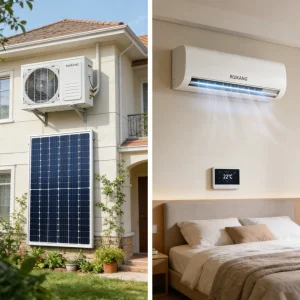
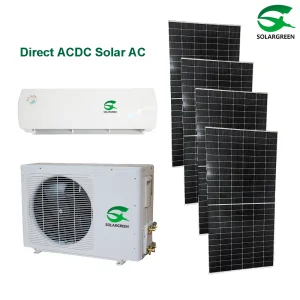
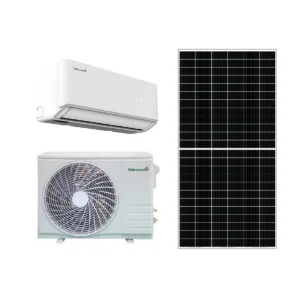
Anhui Aryam Energy Co., Ltd. is a leading provider of advanced renewable energy solutions, dedicated to delivering reliable, efficient, and sustainable power systems for residential, commercial, industrial, and utility-scale applications worldwide. Through continuous innovation and a strong commitment to clean energy development, Aryam Energy has established itself as a trusted partner in the global transition toward a low-carbon future.
The company specializes in the research, development, manufacturing, and integration of solar energy systems, energy storage solutions, hybrid power systems, and intelligent microgrid technologies. Leveraging cutting-edge engineering expertise and strict quality management standards, Aryam Energy provides comprehensive energy solutions tailored to diverse market needs, particularly in regions facing energy shortages, unstable grid infrastructure, or increasing demand for sustainable power generation.
With a professional R&D team and a growing portfolio of proprietary technologies, Aryam Energy continuously invests in innovation to enhance system performance, energy efficiency, and long-term reliability. Its products and solutions are designed to meet international standards and have been successfully deployed across Asia, Africa, the Middle East, Europe, and Latin America, serving customers in more than 100 countries and regions.
Aryam Energy's product portfolio includes solar inverters, energy storage systems, hybrid inverters, lithium battery solutions, solar water pumping systems, microgrid systems, and customized renewable energy projects. The company is committed to providing integrated energy solutions that maximize energy independence, reduce operational costs, and support environmental sustainability.
Driven by the vision of becoming a globally recognized clean energy technology leader, Aryam Energy actively collaborates with distributors, EPC contractors, government agencies, international organizations, and development partners to promote renewable energy adoption worldwide. Through its mission of "Empowering Sustainable Energy for a Better Future," the company strives to create long-term value for customers while contributing to global carbon reduction goals and sustainable social development.
By combining technological innovation, product excellence, and customer-centric service, Anhui Aryam Energy Co., Ltd. continues to deliver smart, reliable, and environmentally responsible energy solutions that help build a greener and more sustainable world.
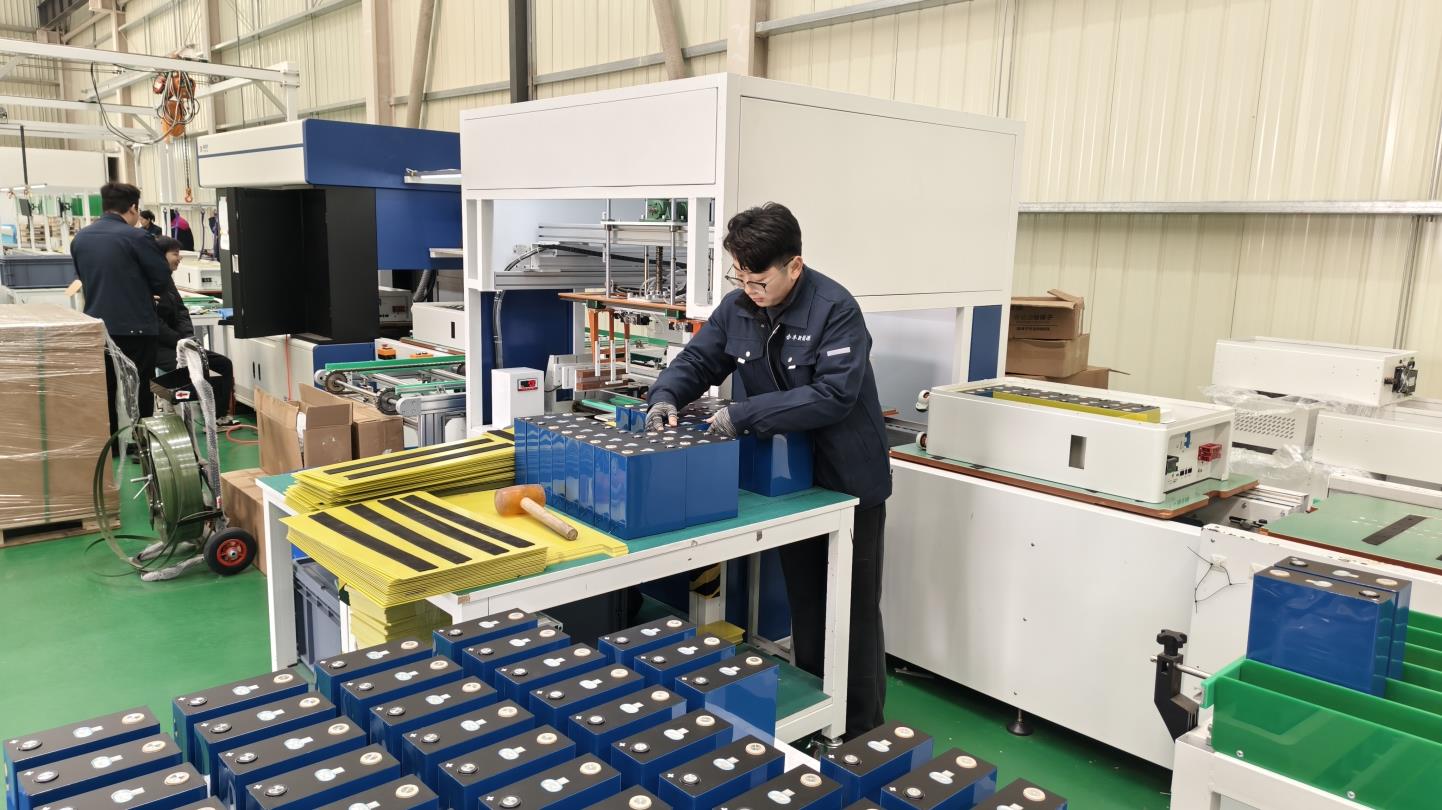
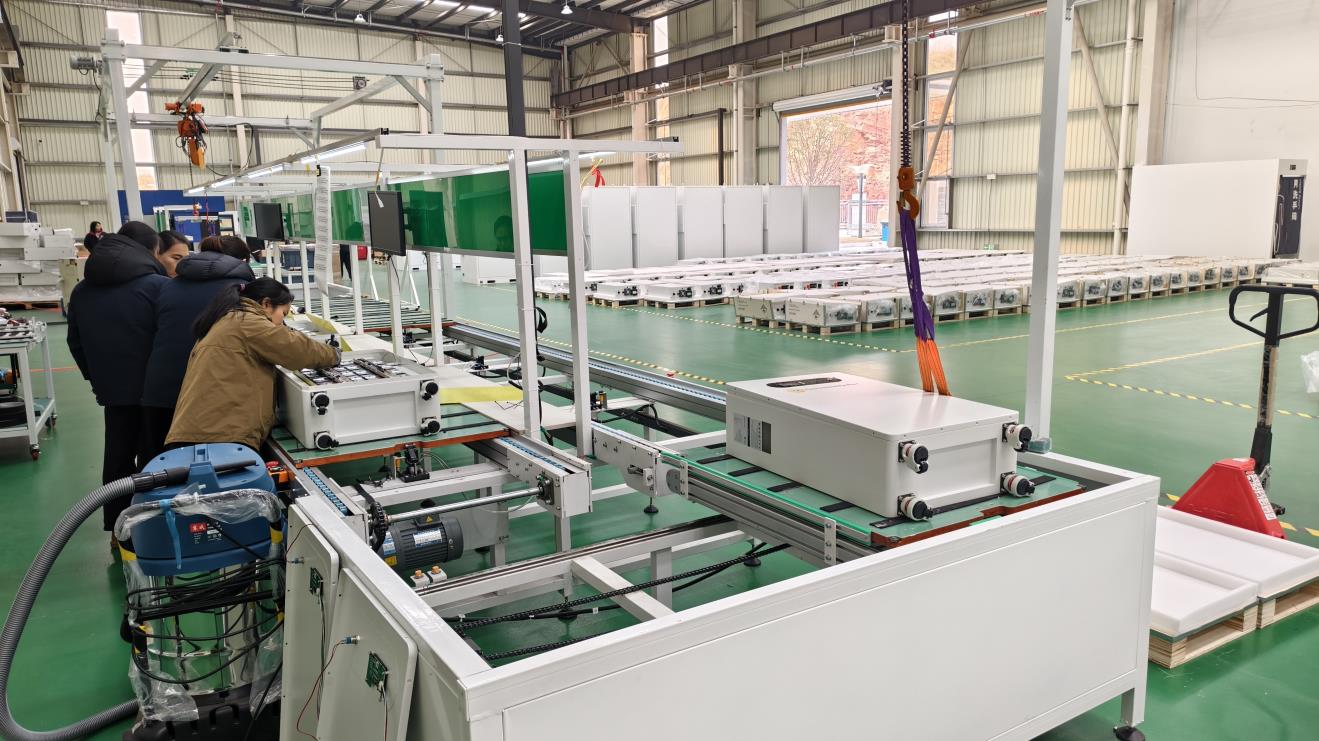
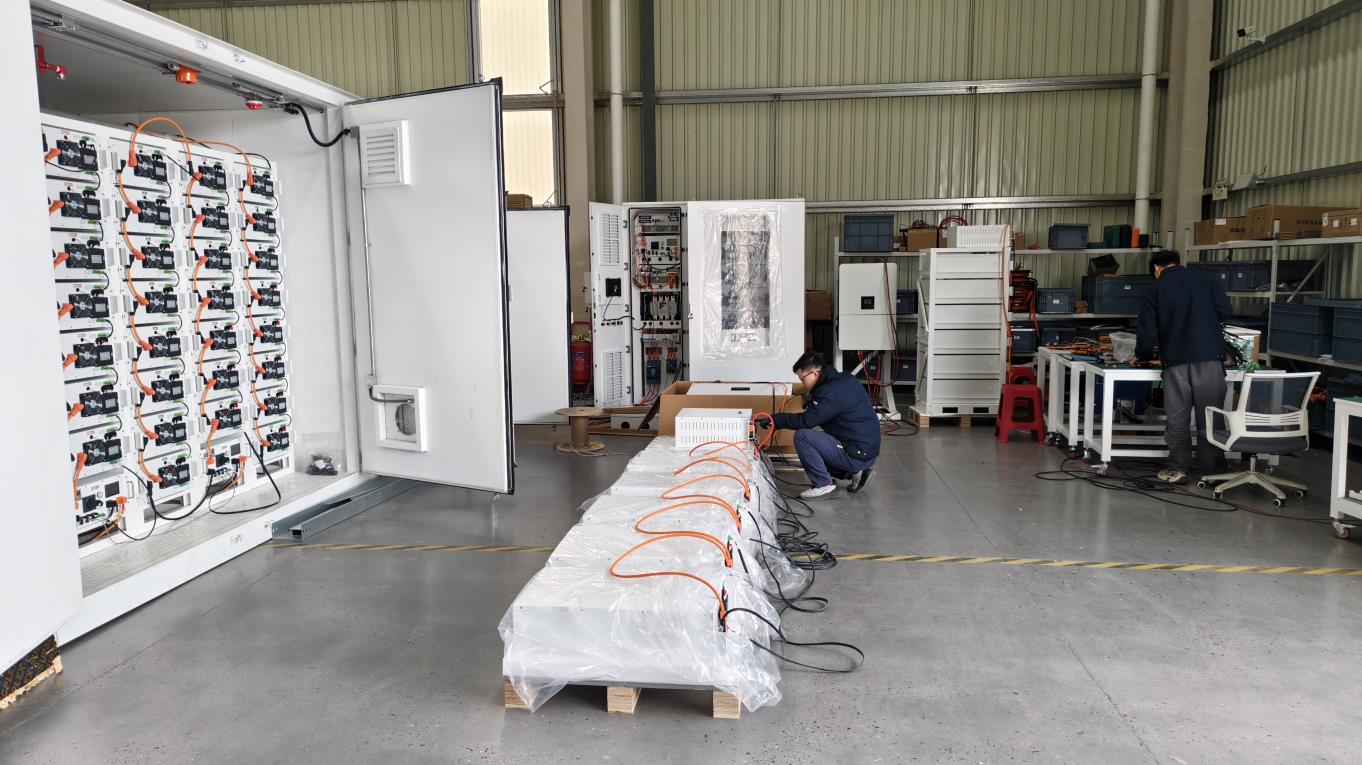
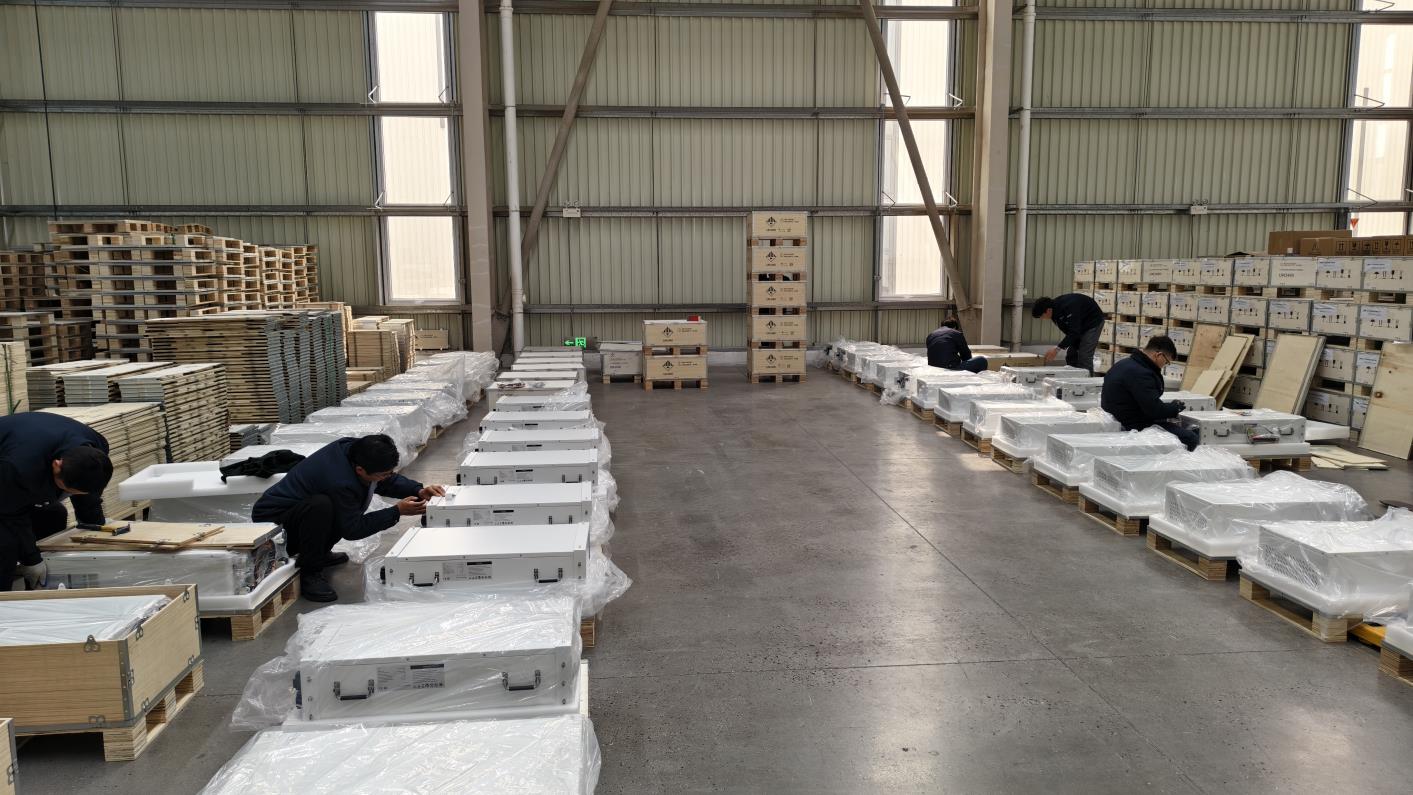
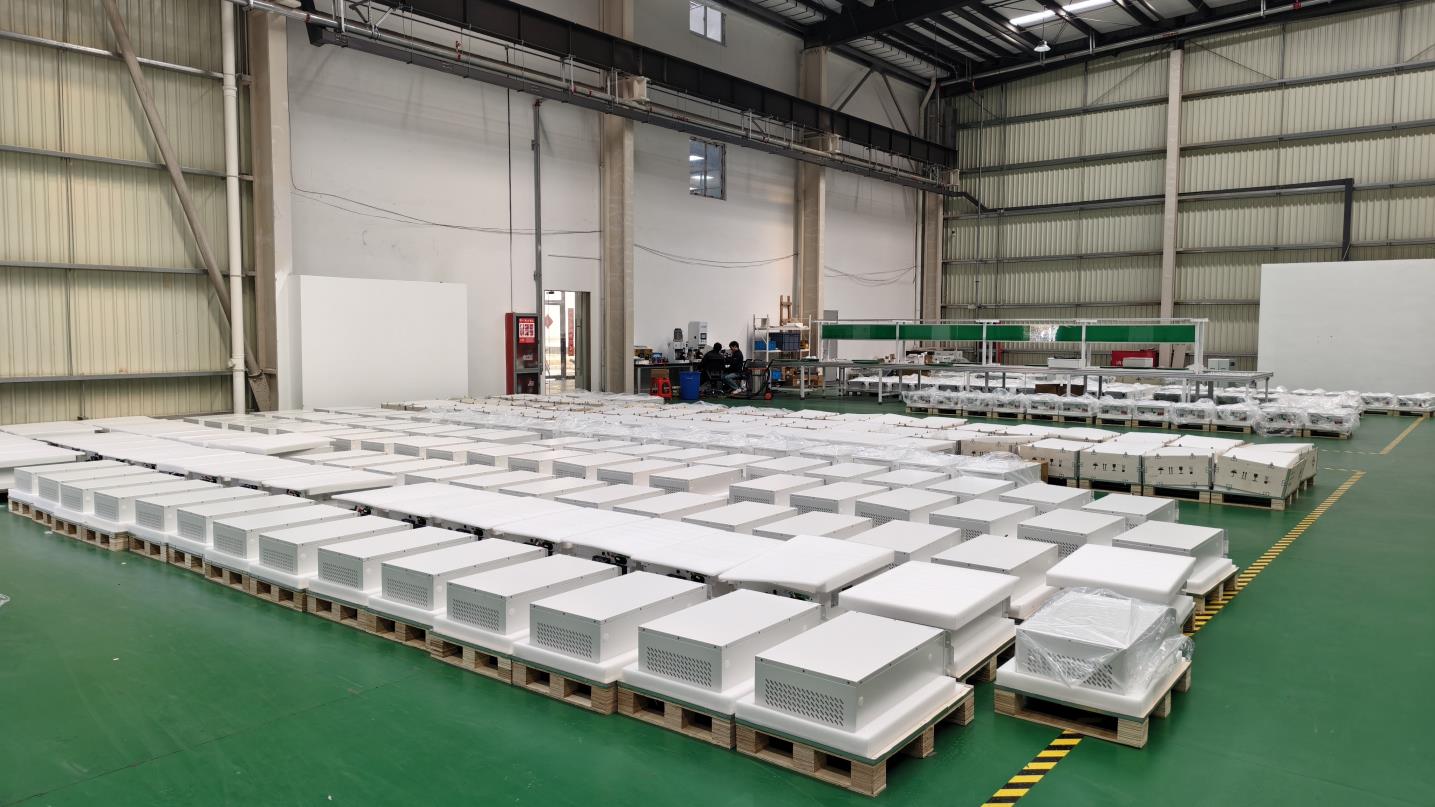
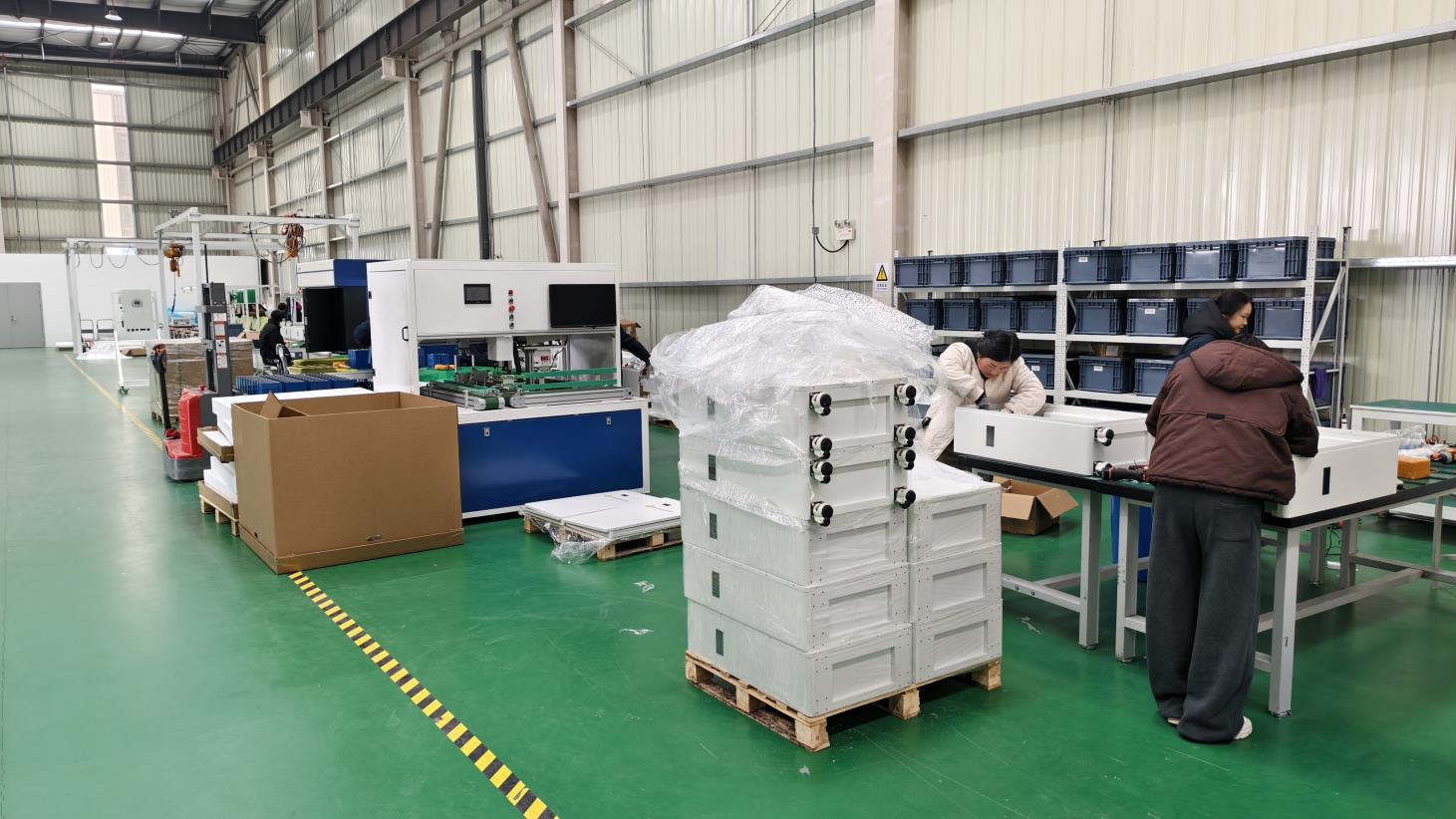
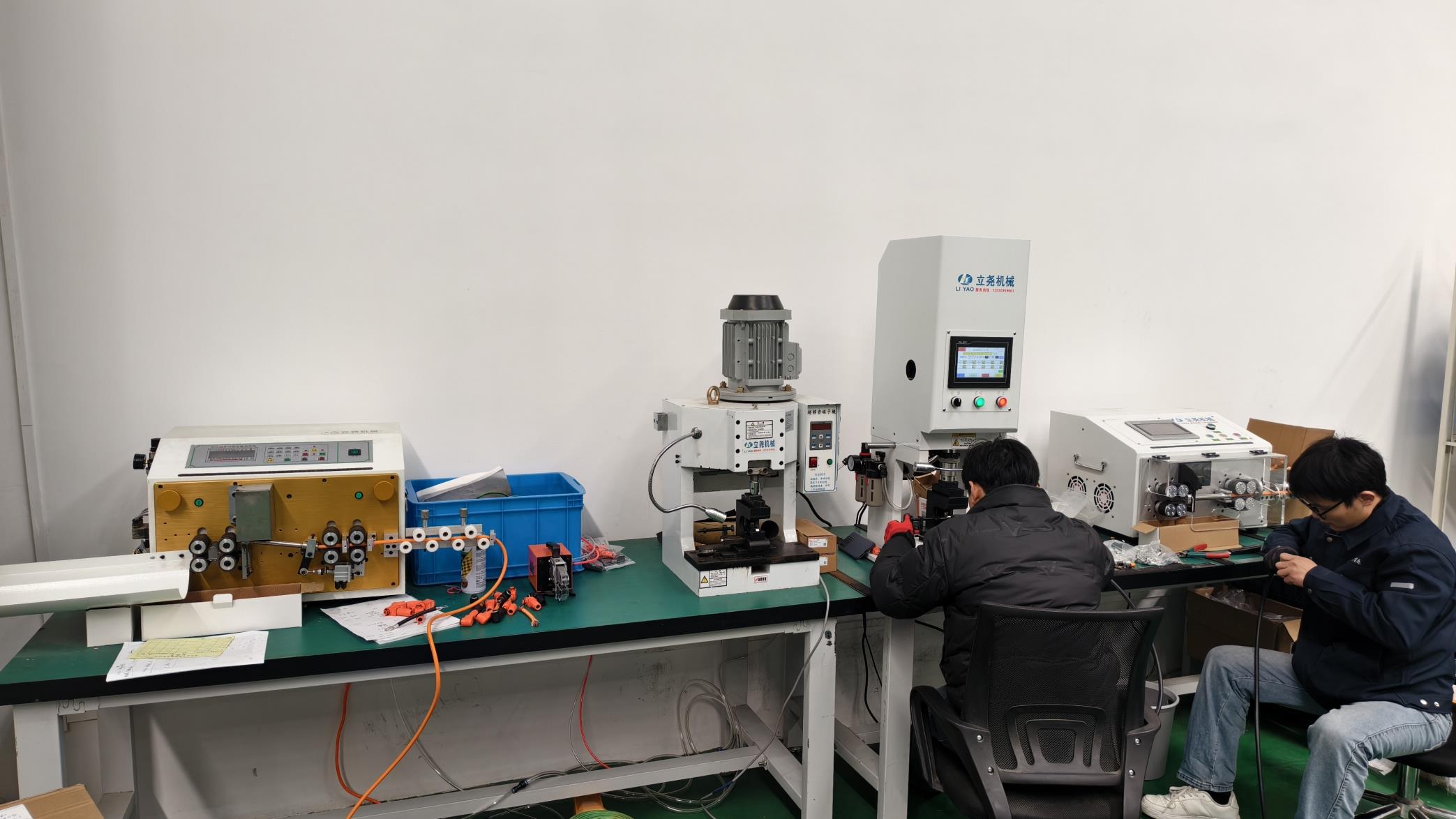
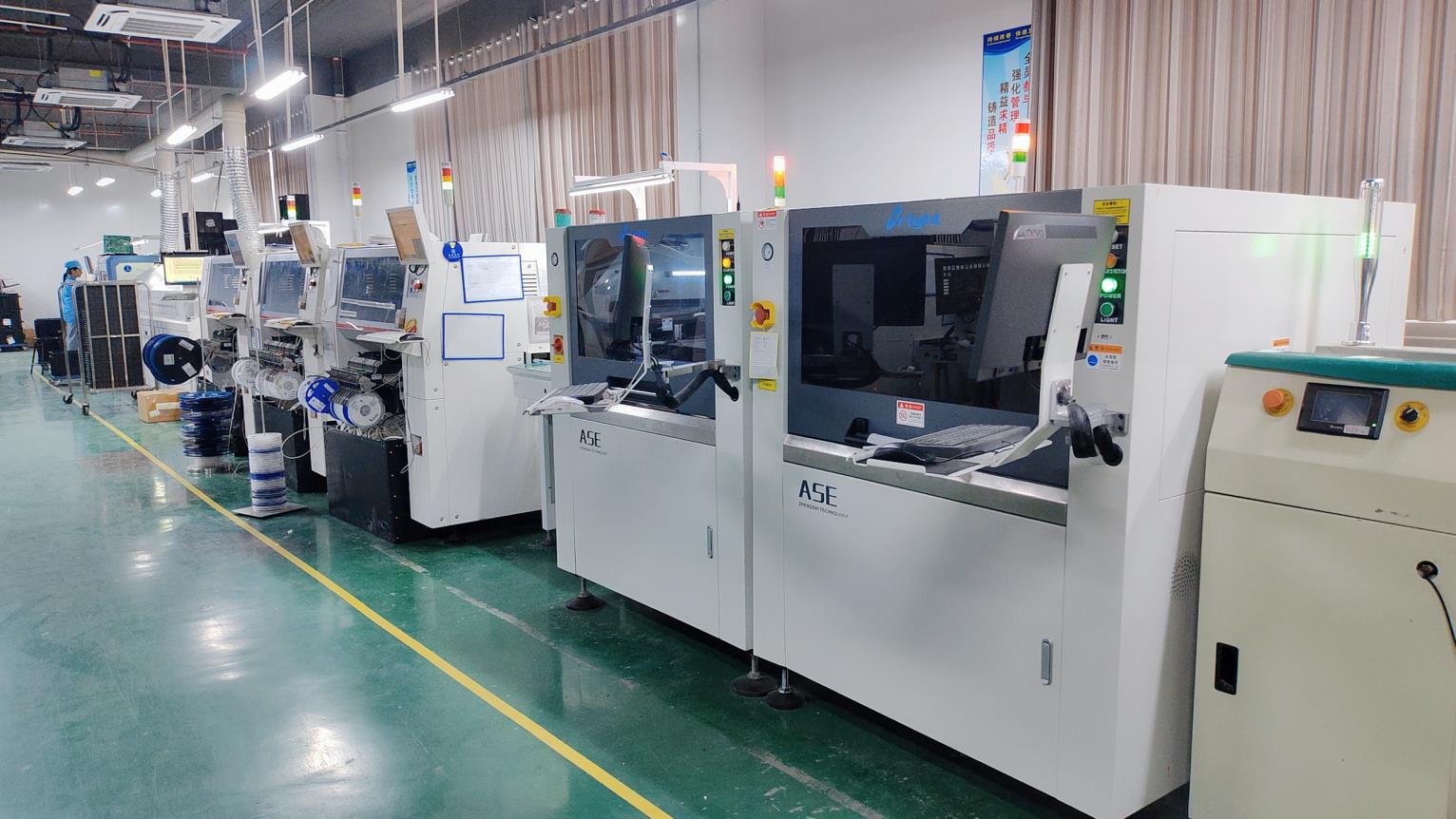
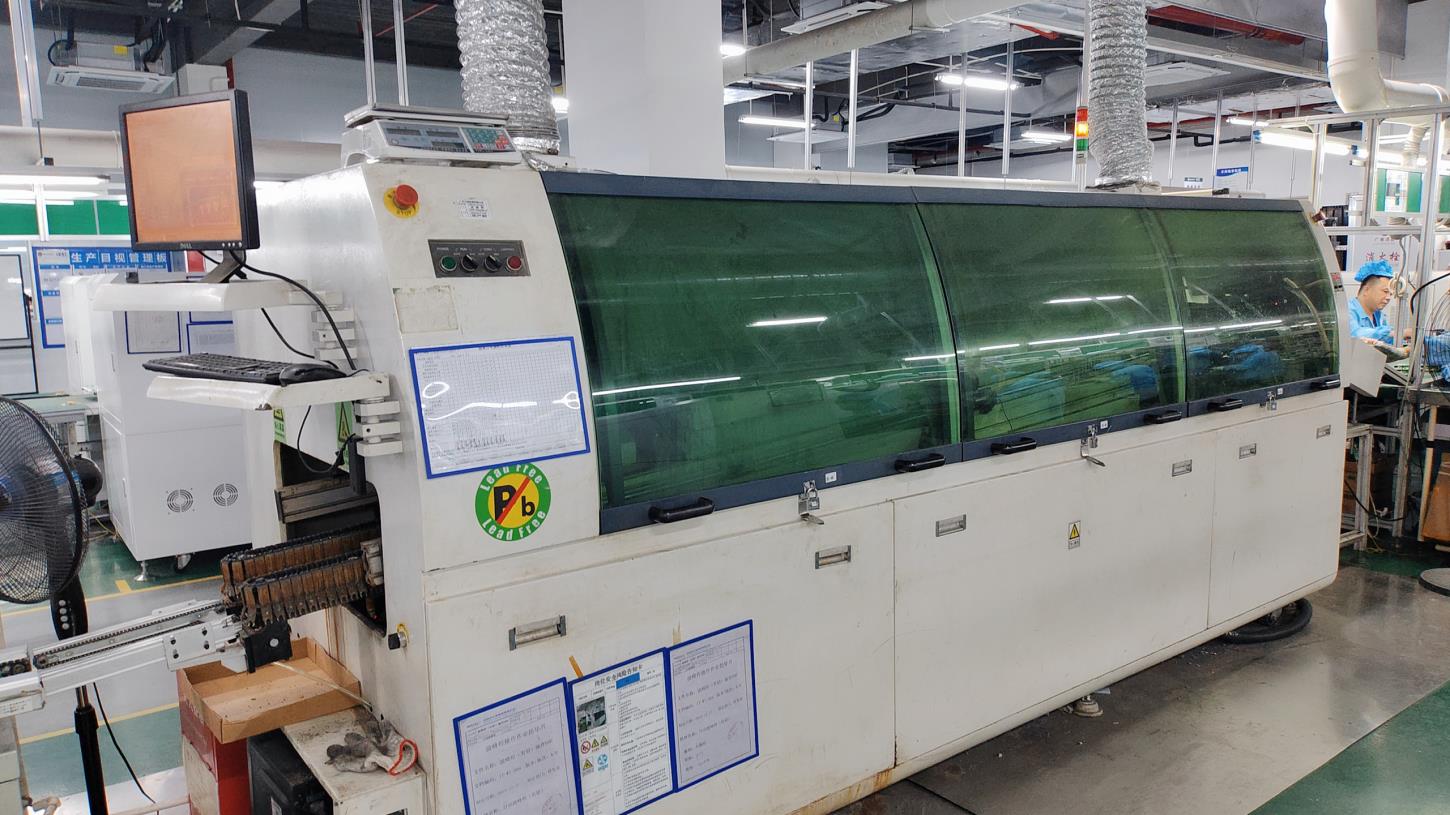
Our advanced production facility uses automated SMT lines, wave soldering machines, and multiple testing phases to guarantee quality. This ensures that every solar HVAC system shipped to Morocco can withstand harsh desert climates and operate reliably for years to come.
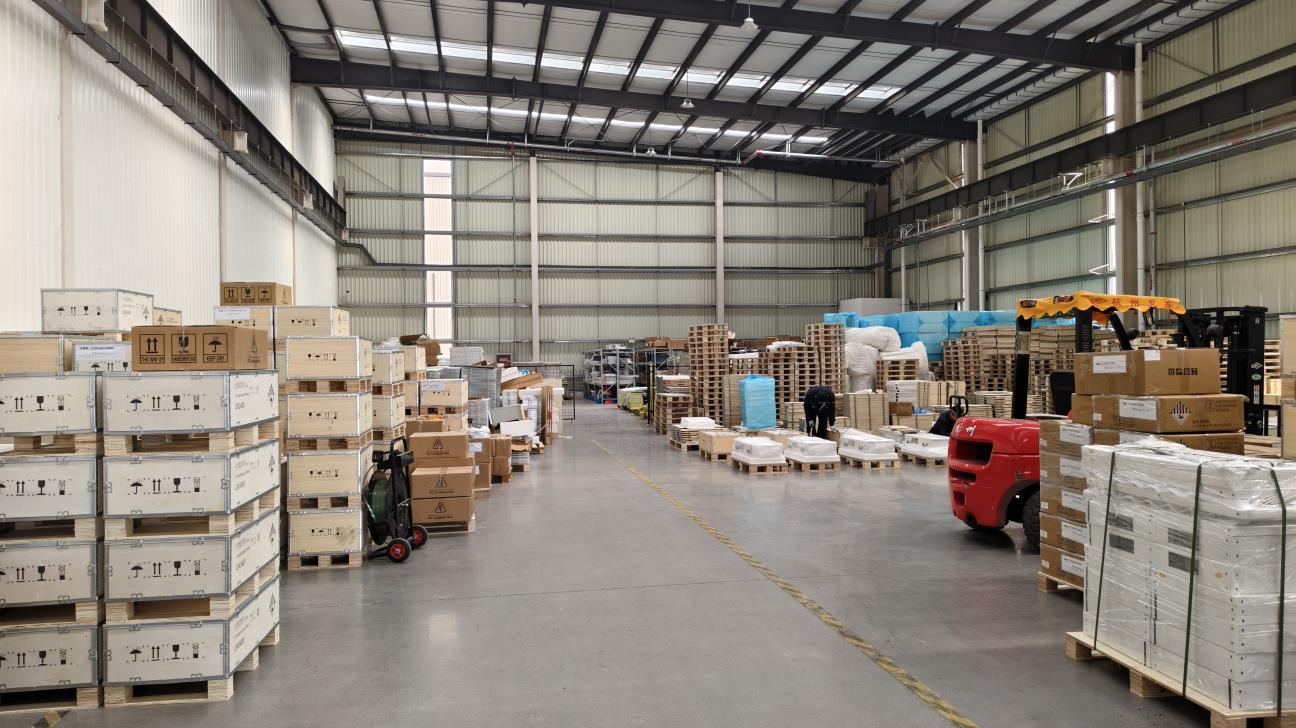
Take a look at the key processes in our facility—from initial circuit board manufacturing to final inspection and packing.
To import solar air conditioning products into Morocco, manufacturers must comply with local import laws and environmental regulations.
Importing commercial solar cooling equipment into Morocco requires careful planning. First, check that the equipment complies with the Moroccan CMIM certification scheme. This safety and compatibility standard is mandatory for electrical products imported into the Kingdom. Working with a manufacturer that provides complete documentation—including test reports for low voltage (LVD) and electromagnetic compatibility (EMC)—helps avoid delays at customs.
Logistically, shipping to Morocco is highly efficient. The modern deepwater port of Tanger Med acts as a major hub connecting Morocco to global shipping lanes. When ordering in bulk from our factory, shipping containers typically arrive at Tanger Med or Casablanca within 20 to 30 days. We also offer secure export packaging to protect fragile components (such as compressors and condenser fins) from moisture and movement during transit.
For Moroccan B2B buyers, a strong warranty is essential. Outposts in regions like Ouarzazate or Erfoud operate in extreme heat and dust. We offer comprehensive warranties on all critical parts, including compressors and PCB controllers, along with easy access to replacement parts. This support minimizes downtime and ensures local engineering teams can quickly resolve any issues.
Expert technical answers to common questions about deploying solar-powered HVAC systems in Morocco.
ACDC hybrid systems connect directly to both solar panels and the utility grid. The system prioritizes solar DC power. When solar energy is high, the unit runs entirely on solar power. If the solar output drops (e.g., due to cloud cover or at night), the system automatically draws the remaining power from the grid without requiring any batteries.
Morocco requires the CMIM mark for electrical imports to confirm safety and electromagnetic compatibility. Our systems hold all necessary CE and IEC certifications, and we provide the full test reports required for smooth customs clearance at Casablanca or Tanger Med.
Yes, our units are engineered with high-temperature compressors (such as GMCC) and utilize anti-corrosive "Gold Fin" coatings. This design ensures reliable cooling performance and maintains efficiency at temperatures up to 52°C.
Depending on your local utility rates and peak tariffs, most commercial and industrial installations in Morocco see a full return on investment within 2 to 4 years due to significant savings on daytime electricity bills.
Yes, we provide complete OEM and ODM services. We can customize unit capacities, branding, casing colors, and technical specifications (such as adding specialized anti-corrosion protection) to meet the needs of your local projects.
Available for direct-to-factory ordering with customizable configurations for commercial, industrial, and residential projects in Morocco.
 Aryam Energy