Explore our Tier-1 off-grid power transmission systems, high-efficiency monocrystalline solar panels, and portable personal energy collectors.
Anhui Aryam Energy Co., Ltd. is a leading provider of advanced renewable energy solutions, dedicated to delivering reliable, efficient, and sustainable power systems for residential, commercial, industrial, and utility-scale applications worldwide. Through continuous innovation and a strong commitment to clean energy development, Aryam Energy has established itself as a trusted partner in the global transition toward a low-carbon future.
The company specializes in the research, development, manufacturing, and integration of solar energy systems, energy storage solutions, hybrid power systems, and intelligent microgrid technologies. Leveraging cutting-edge engineering expertise and strict quality management standards, Aryam Energy provides comprehensive energy solutions tailored to diverse market needs, particularly in regions facing energy shortages, unstable grid infrastructure, or increasing demand for sustainable power generation.
With a professional R&D team and a growing portfolio of proprietary technologies, Aryam Energy continuously invests in innovation to enhance system performance, energy efficiency, and long-term reliability. Its products and solutions are designed to meet international standards and have been successfully deployed across Asia, Africa, the Middle East, Europe, and Latin America, serving customers in more than 100 countries and regions.
Aryam Energy's product portfolio includes solar inverters, energy storage systems, hybrid inverters, lithium battery solutions, solar water pumping systems, microgrid systems, and customized renewable energy projects. The company is committed to providing integrated energy solutions that maximize energy independence, reduce operational costs, and support environmental sustainability.
Driven by the vision of becoming a globally recognized clean energy technology leader, Aryam Energy actively collaborates with distributors, EPC contractors, government agencies, international organizations, and development partners to promote renewable energy adoption worldwide. Through its mission of "Empowering Sustainable Energy for a Better Future," the company strives to create long-term value for customers while contributing to global carbon reduction goals and sustainable social development.
The transformation of portable power storage from consumer gadgets to highly ruggedized industrial and utility assets.
Traditional cobalt-based lithium batteries are rapidly being replaced by Lithium Iron Phosphate (LiFePO4). With thermal runaway thresholds exceeding 600°C and cycle lives surpassing 3,000–5,000 charges, LiFePO4 offers unmatched safety and durability for long-term off-grid deployments.
Modern PV integration relies on N-Type TOPCon and HJT (Heterojunction Technology) monocrystalline cells. Achieving up to 22-24% laboratory conversion efficiency, these technologies allow power banks to gather charge even under low-irradiance conditions or indirect winter sunlight.
Modern microgrid-enabled solar chargers must integrate IoT hardware (Wi-Fi, Bluetooth, 4G) for remote telemetry. Project managers can analyze temperature curves, cell balancing states, and output wattages in real-time across decentralized infrastructure deployments.
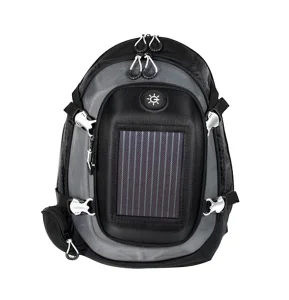
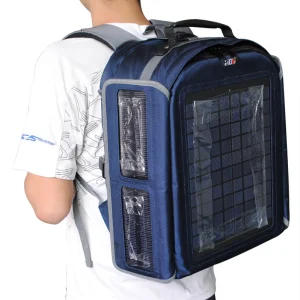
In the past, "solar power banks" referred exclusively to low-capacity smartphone chargers. Today, the term encompasses a broad range of decentralized, photovoltaic-coupled portable storage systems. These range from integrated solar backpacks with lightweight thin-film panels for emergency personal power to ruggedized, high-capacity portable power stations that function as mobile solar generators. As public grids face increased volatility due to geopolitical tensions, climate events, and transitioning energy architectures, global demand has shifted toward integrated systems that pair smart Maximum Power Point Tracking (MPPT) regulators with chemical battery storage.
What global procurement officers, EPC engineering firms, and industrial distributors analyze when selecting solar partners.
| Procurement Indicator | Technical Challenge Solved | Aryam Energy Engineering Standard |
|---|---|---|
| Levelized Cost of Storage (LCOS) | Preventing premature battery capacity decay and early system degradation. | Deep-cycle LiFePO4 cells offering > 80% capacity retention after 3,500 full charge cycles. |
| Certifications & Regulatory Compliance | Customs delays and safety-regulation roadblocks in North America and Europe. | Complete regulatory compliance including UN38.3 (shipping safety), IEC 62133, CE, RoHS, and UL certificates. |
| Thermal Stability & Protection | System failures or thermal events in high-ambient operations (desert, equatorial zones). | Advanced battery management systems (BMS) with redundant thermal cutoffs and PC housing. |
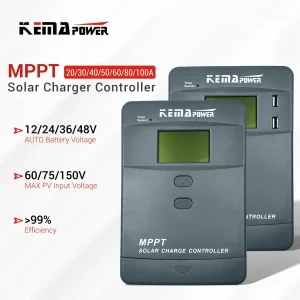
| System Efficiency Balance | Traditional PWM charge controllers wasting up to 30% of energy during conversion. | High-efficiency MPPT (Maximum Power Point Tracking) with > 99% conversion efficiency and auto-tracking. |
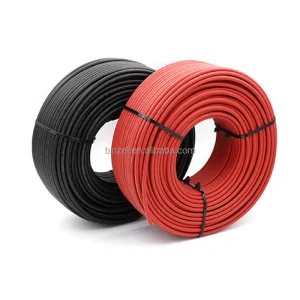
Procuring energy assets is not just about comparing base prices. Successful procurement teams evaluate the total cost of ownership (TCO). A lower-priced solar asset that fails after 12 months in hot, humid conditions creates severe liabilities for the installer. By insisting on rigorous components—such as pure copper connections (like our 4mm copper PC housing solar connectors), IP67 waterproof ratings, and certified MPPT algorithms—B2B buyers ensure that local infrastructure projects function continuously, reducing expensive maintenance runs in hard-to-reach rural regions.
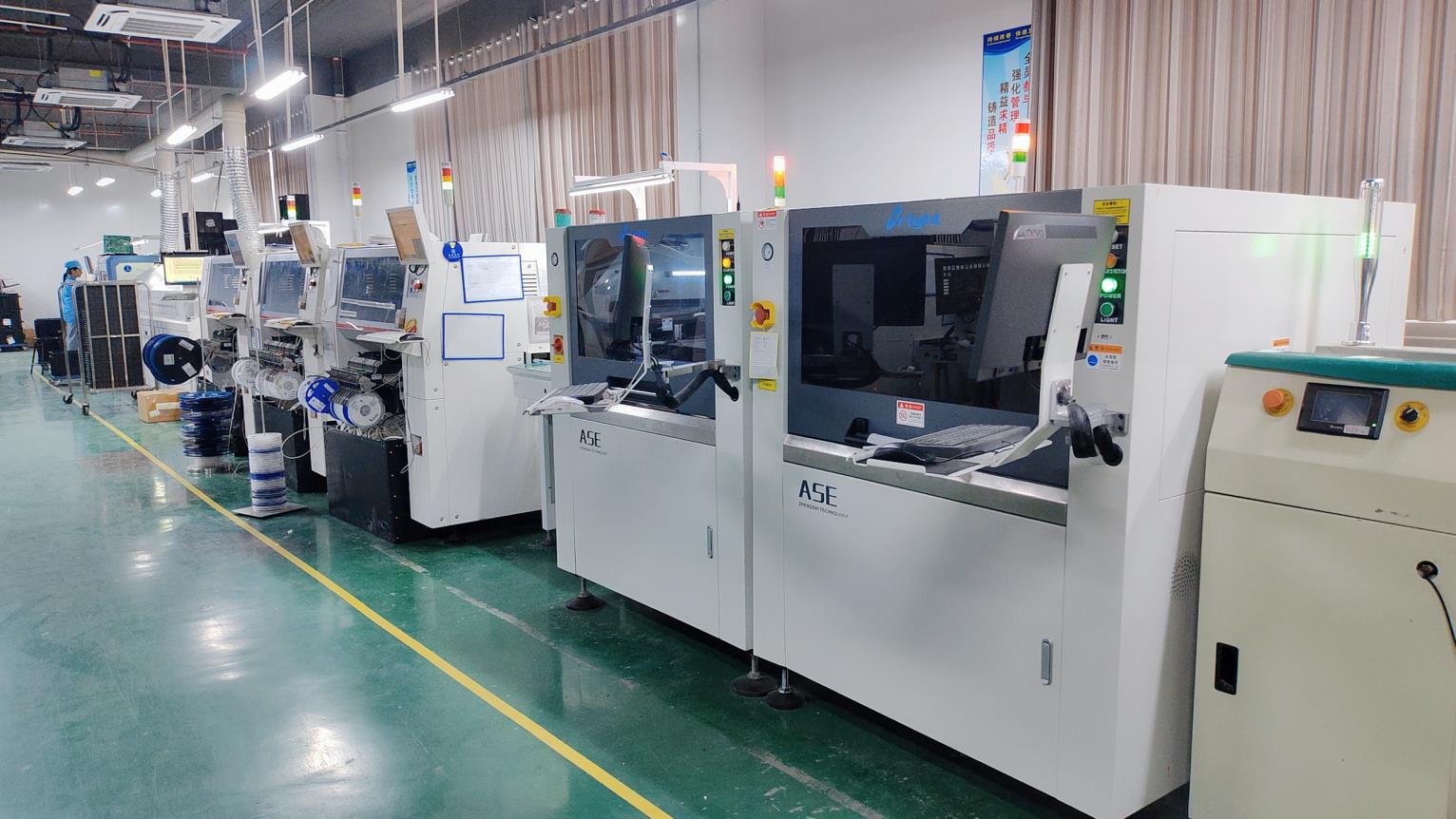
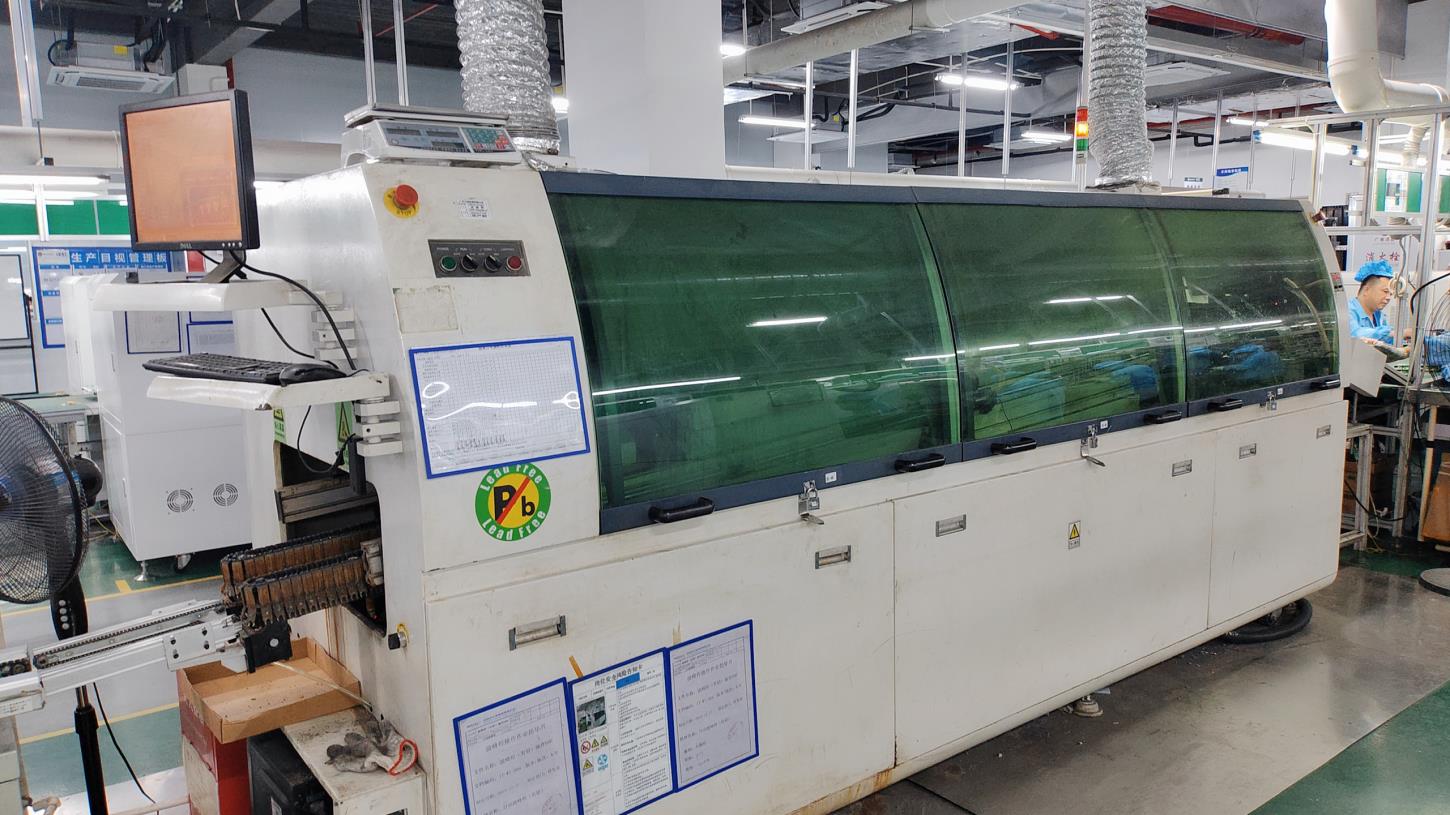
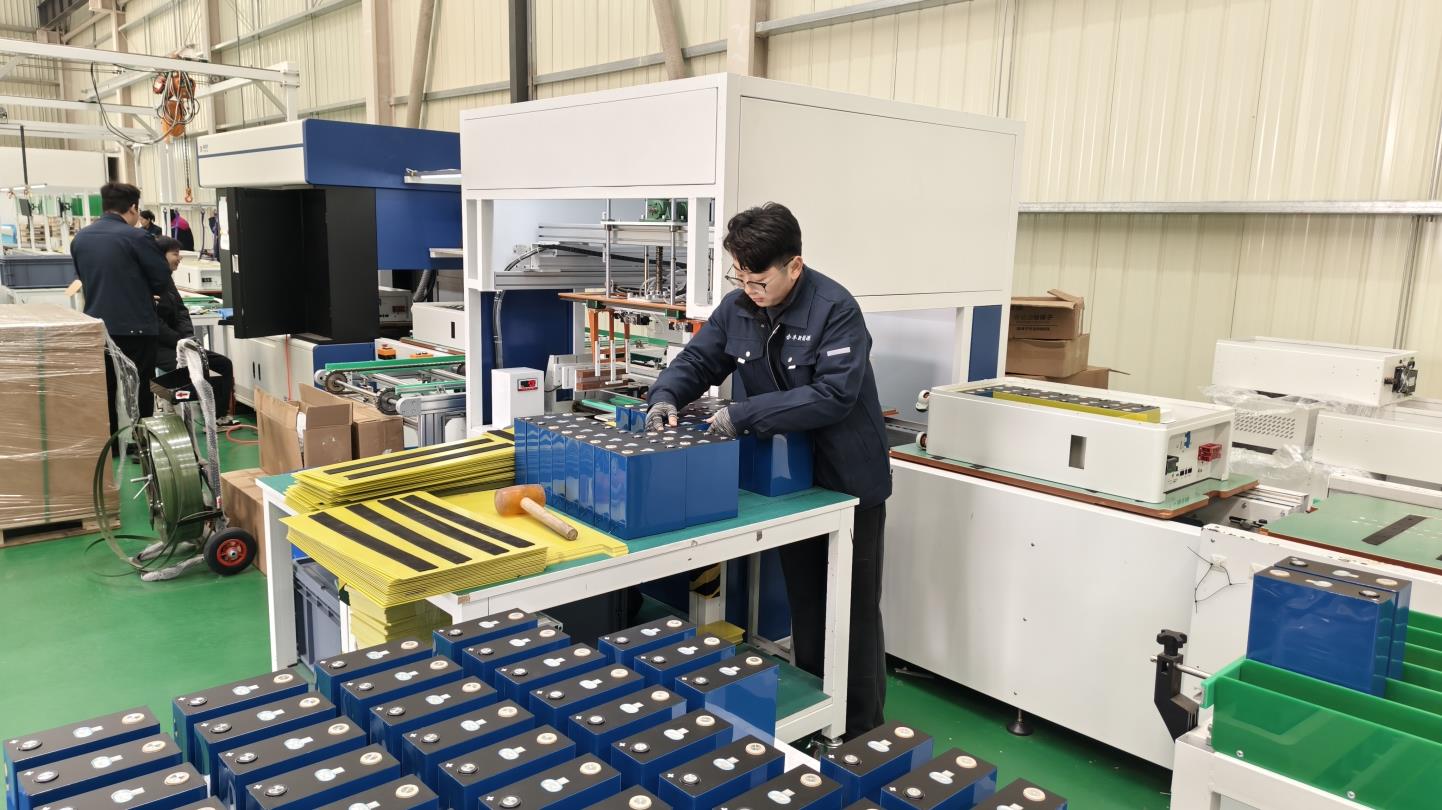
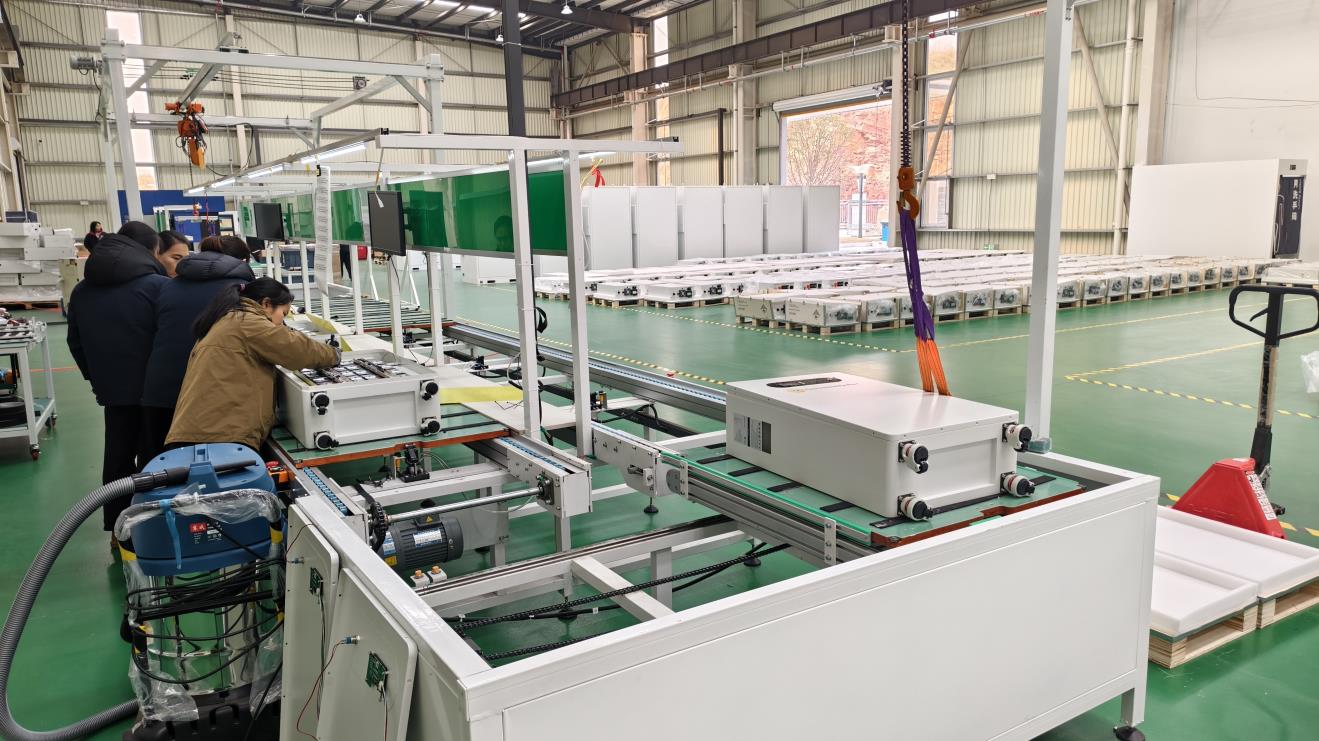
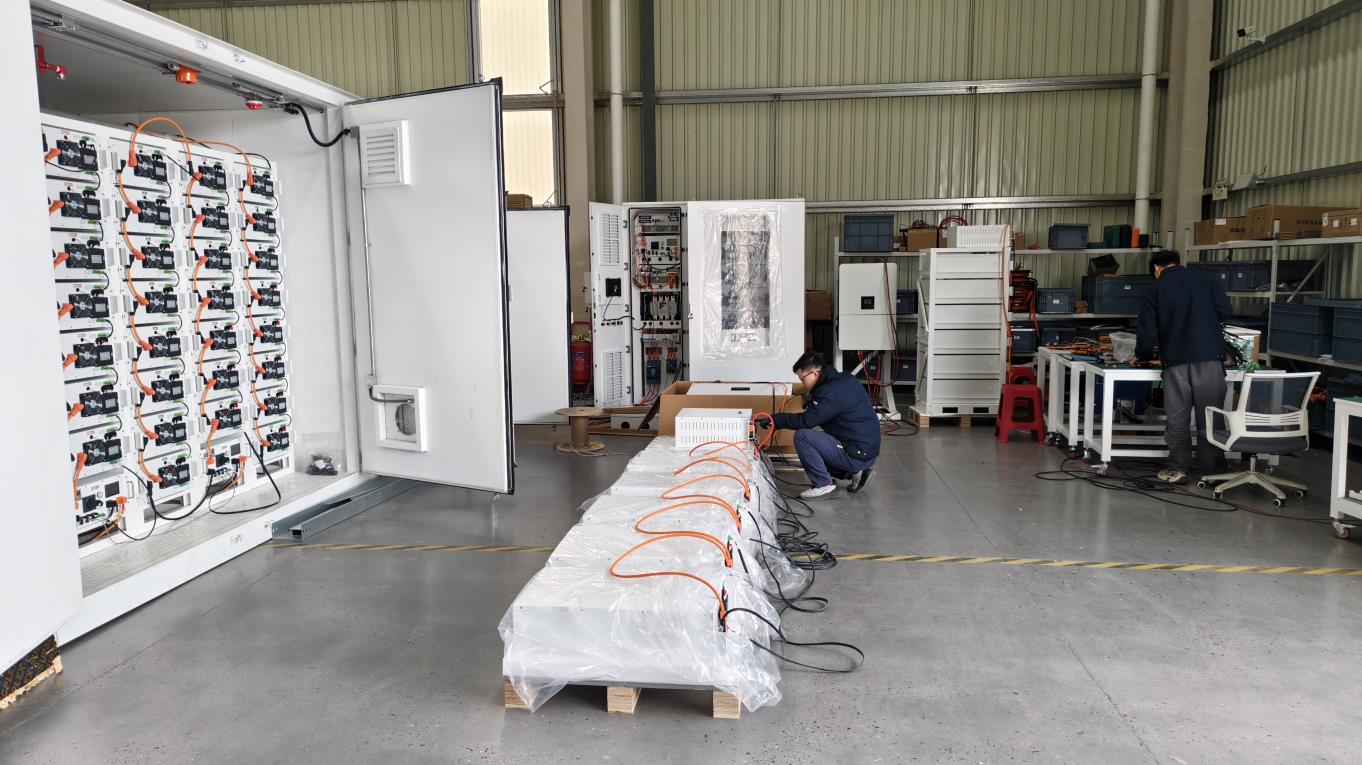
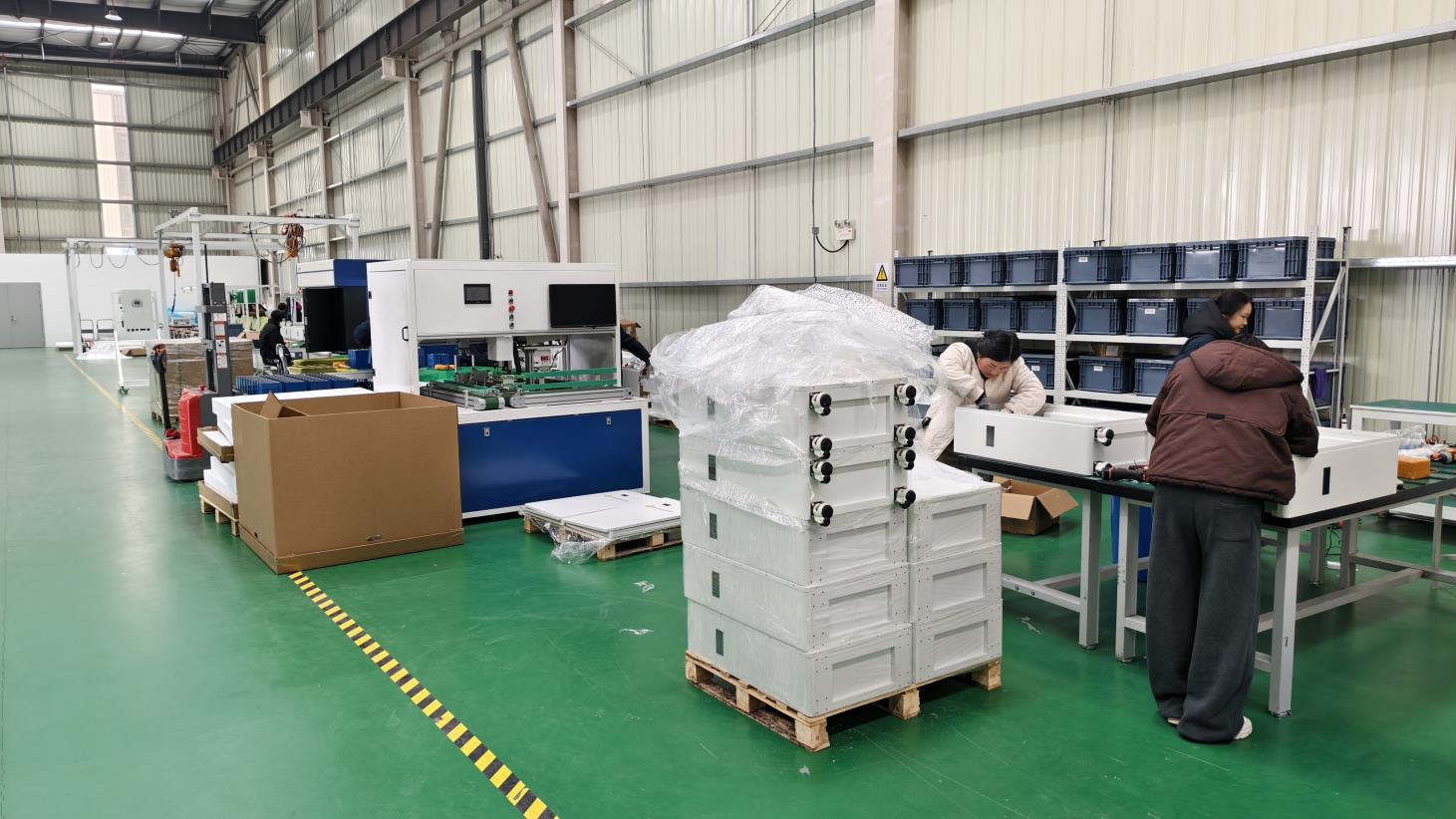
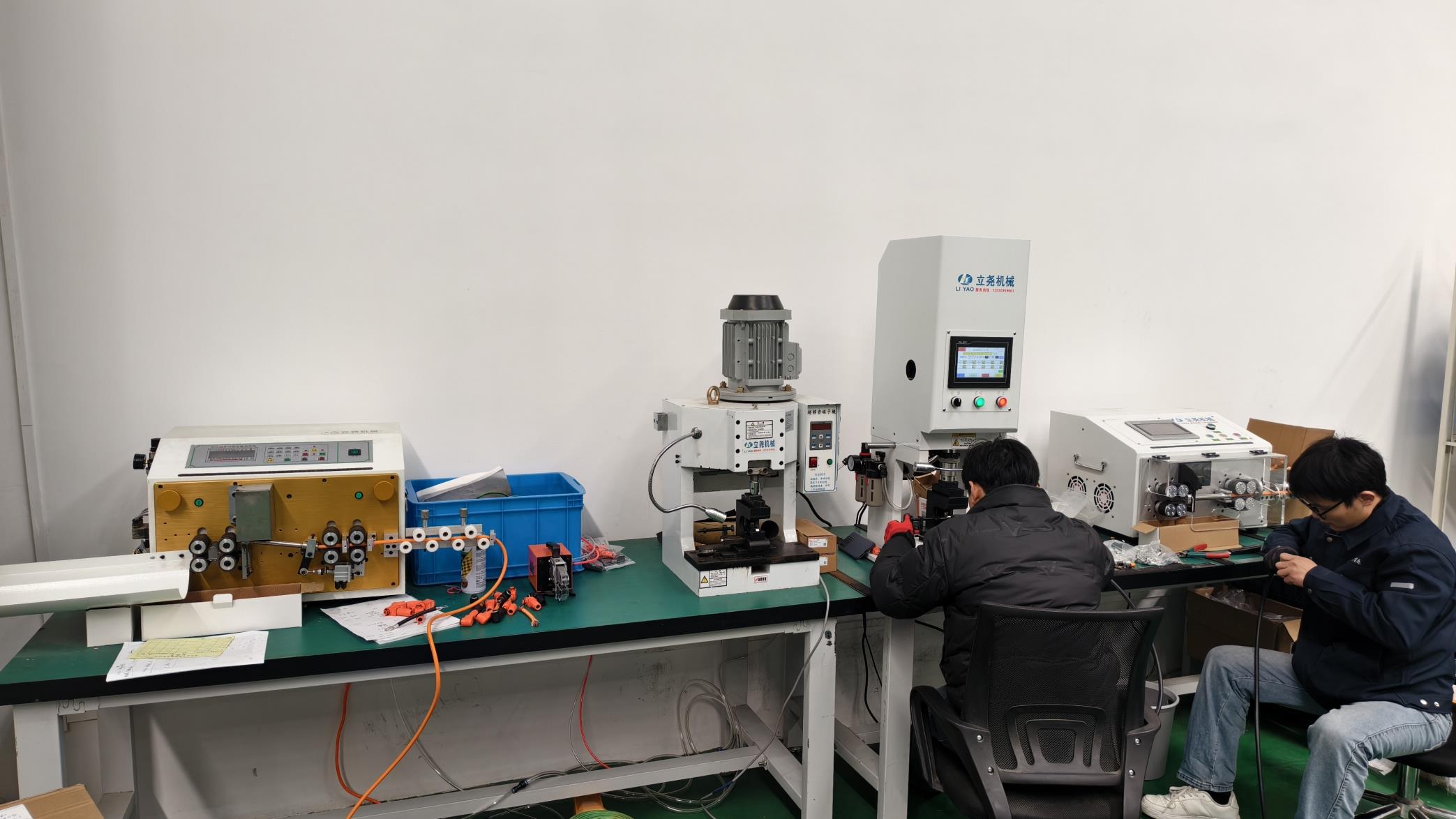
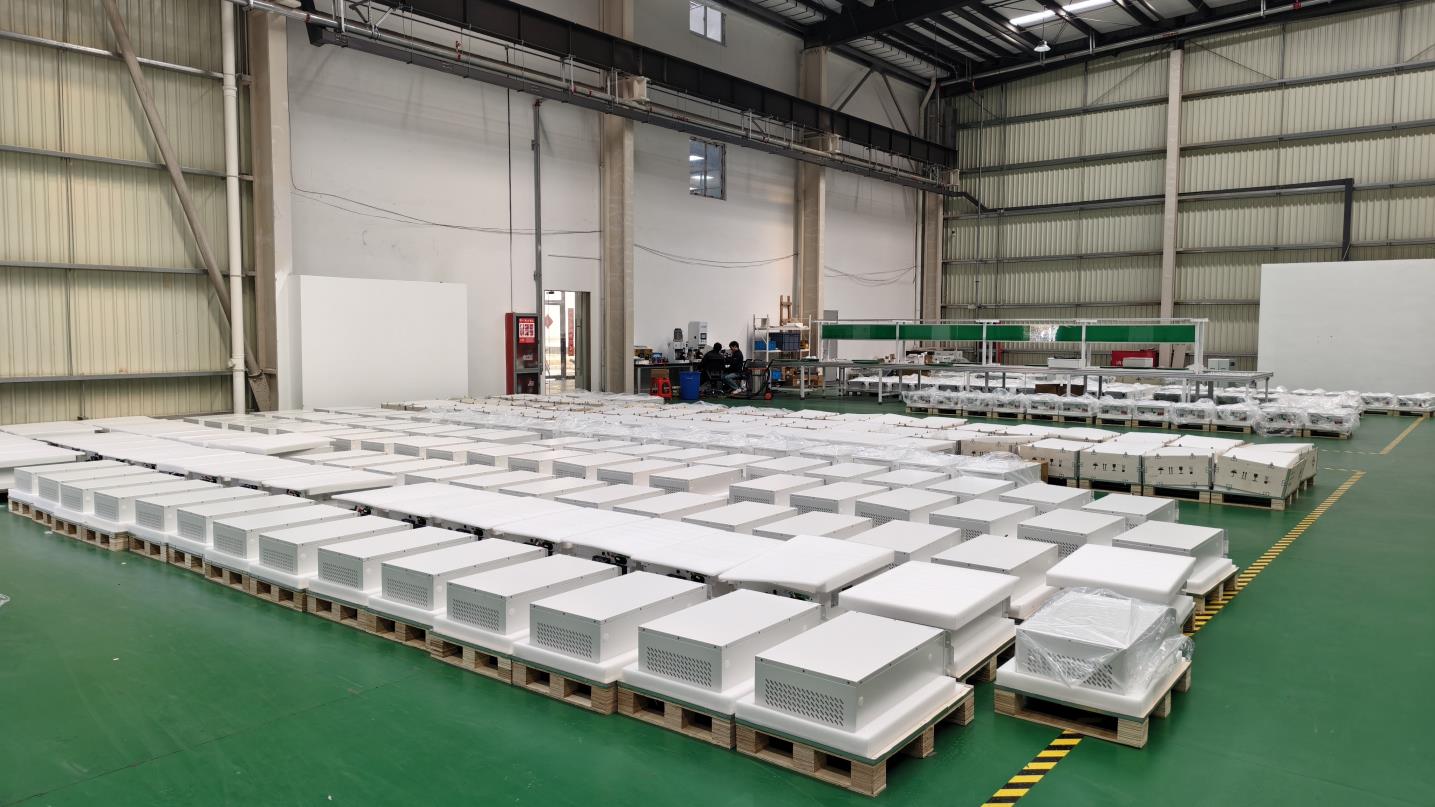
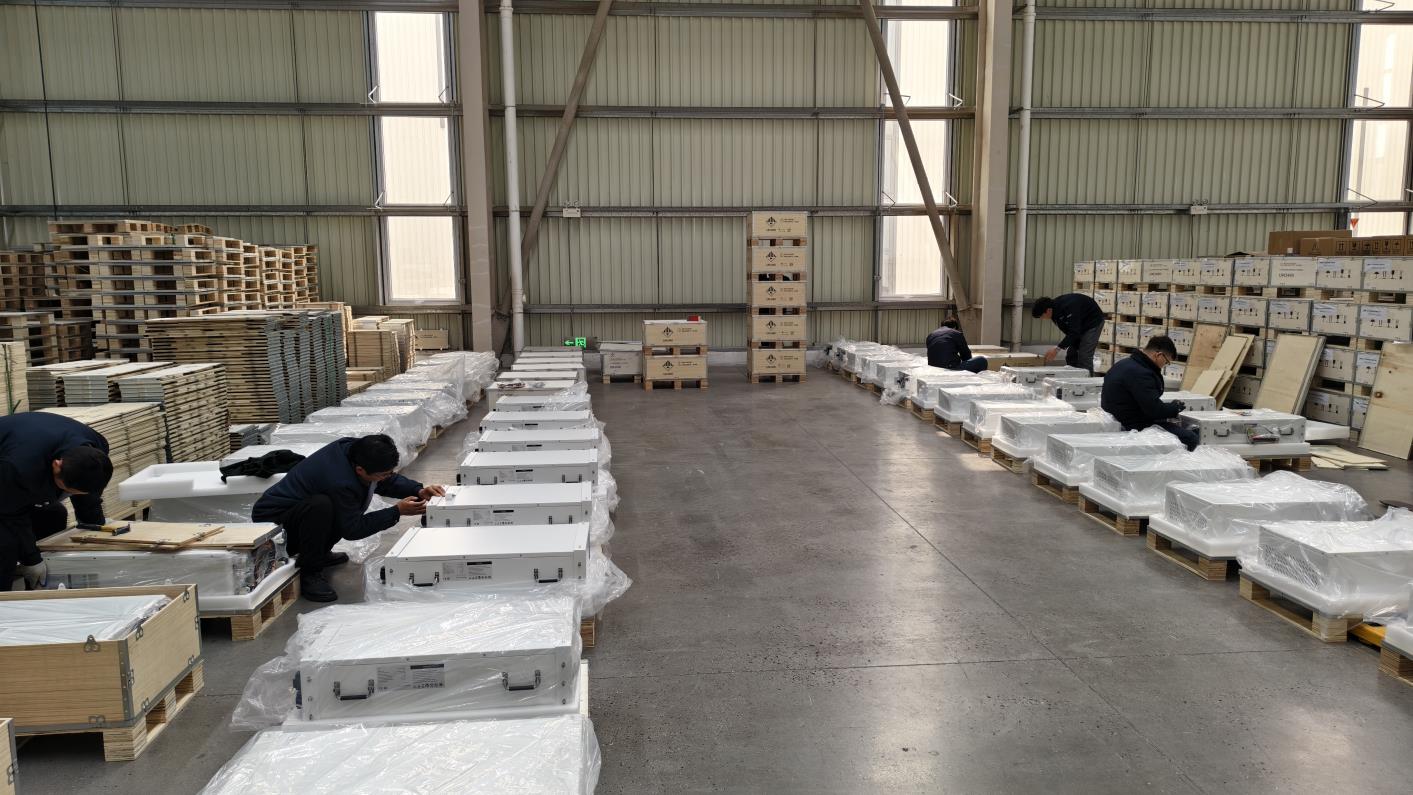
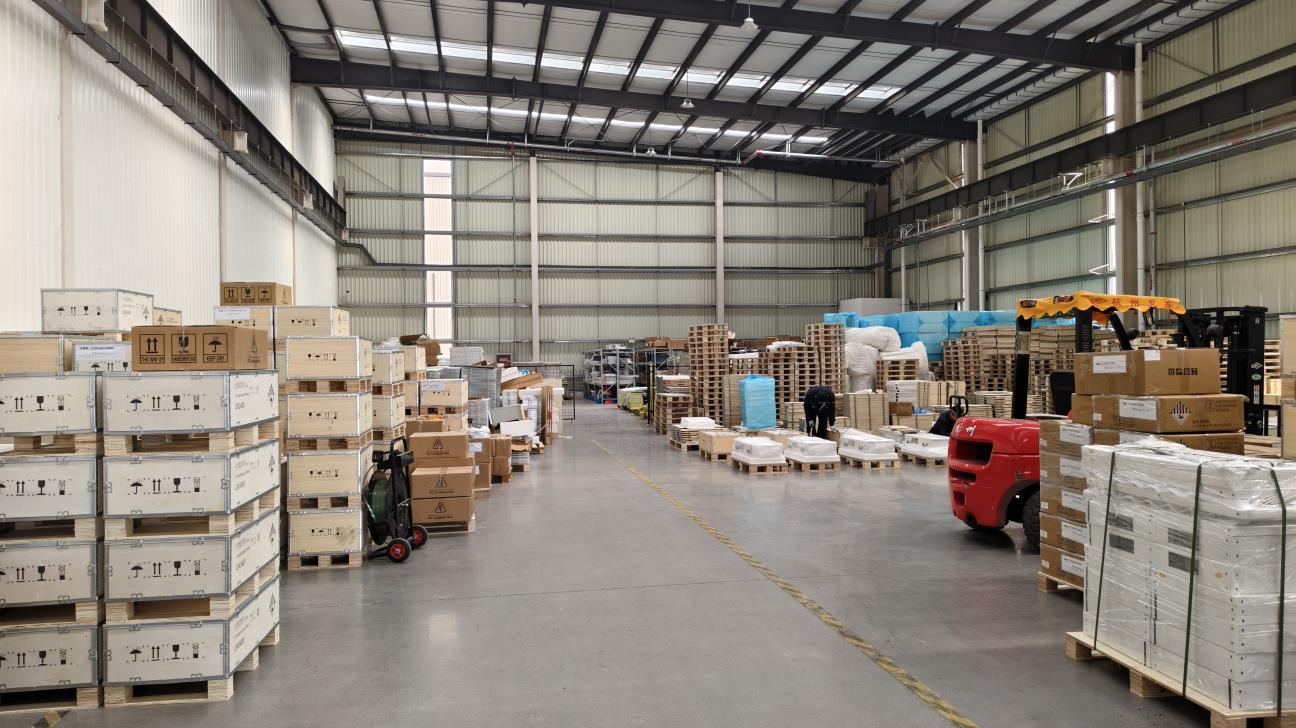
Step inside Anhui Aryam Energy Co., Ltd.'s state-of-the-art manufacturing plants, where precision automation meets strict quality assurance.
To maintain consistency, Aryam Energy has integrated advanced smart factory standards. From the initial high-speed surface-mount technology (SMT) line to final packaging, our automated systems minimize defects and ensure consistent build quality. The assembly process is carefully monitored, integrating automated optical inspection (AOI) alongside rigorous human quality control at every stage.
Deploying our solar ecosystem to address diverse, real-world operational challenges.
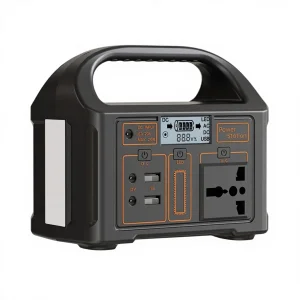
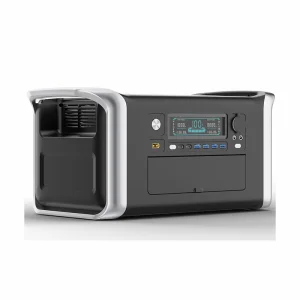
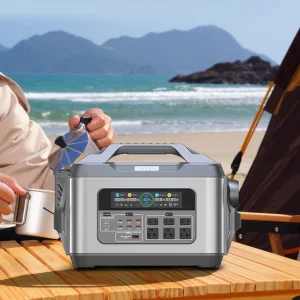
When natural disasters damage regional power grids, quick deploy solar generators (such as our 1000W–2200Wh portable power stations) become essential lifeline equipment. They power field clinics, emergency communications, and clean water pumps without relying on diesel supply lines.
Operating field offices and testing equipment on remote construction sites is highly complex. Pairing rooftop solar arrays with flat roof brackets, high-efficiency MPPT controllers, and localized lithium storage units provides constant 220V/110V AC power, reducing fuel expenses and site emissions.
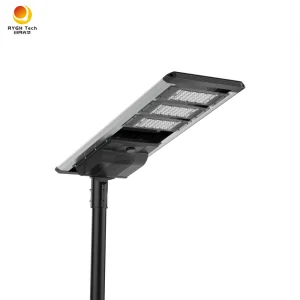
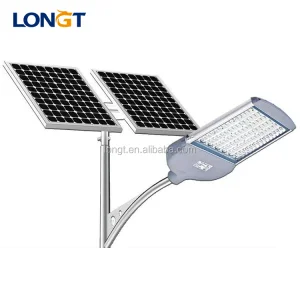
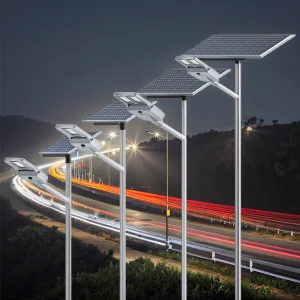
Municipalities globally are reducing energy costs by installing off-grid street lighting. Our certified integrated 80W solar street lamps run completely independent of the power grid, charging during daylight and utilizing intelligent light and motion sensors to provide illumination throughout the night.
Detailed technical answers for procurement directors, system designers, and logistics coordinators.
Maximum Power Point Tracking (MPPT) continuously monitors the current and voltage output of solar panels to match it to the dynamic requirements of the battery bank. Unlike basic PWM controllers, which clamp panel voltage to match the battery voltage, MPPT controllers step down the voltage and increase current accordingly. This allows panels to operate at their peak power point, boosting overall charging efficiency by 20% to 30%, which is particularly beneficial in fluctuating weather conditions.
LiFePO4 (Lithium Iron Phosphate) offers significant safety and longevity advantages. It features high chemical stability and a high thermal runaway threshold (around 600°C), making it far less prone to combustion. Furthermore, LiFePO4 cells support 3,500 to 5,000 deep discharge cycles, compared to the 500 to 1,000 cycles typical of ternary lithium chemistries. This longevity reduces battery replacement costs, offering a lower total cost of ownership (TCO) for large-scale projects.
While high-power monocrystalline panels (such as 560W–585W modules) offer high efficiency, performance is affected by temperature and shading. High temperatures increase electrical resistance, causing a slight drop in voltage output (determined by the panel's temperature coefficient). Shading on even a small portion of a series-connected panel string can significantly reduce output. To mitigate this, our systems utilize bypass diodes and high-performance MPPT algorithms to optimize power output under partial shading.
International maritime and air logistics require lithium battery shipments to be UN38.3 certified. This ensures the batteries have undergone testing for thermal stability, vibration resistance, impact resistance, and overcharge protection. Additionally, high-capacity battery packs (over 100Wh) are classified as Class 9 Dangerous Goods, requiring certified packaging, labeling, and Material Safety Data Sheets (MSDS) to ensure safety during transport and smooth customs clearance.
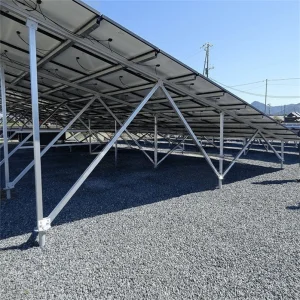
Complete your design with robust racking systems, versatile solar lighting assemblies, and high-capacity portable power systems.
 Aryam Energy