
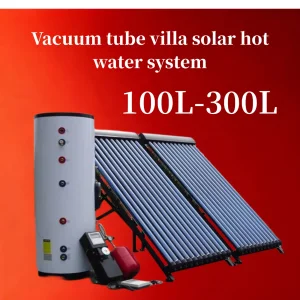
The global energy landscape is undergoing a monumental transformation, moving away from centralized fossil-fuel reliance toward decentralized, highly resilient, and smart renewable energy microgrids. At the core of this transition are solar research tools and state-of-the-art power components that allow industrial engineers, university research centers, and utility developers to analyze, validate, and optimize solar performance.
China has established itself as the premier hub for solar engineering, exporting not just solar panels, but the research-grade technology and complex microgrid units required to make clean energy reliable under variable environmental conditions. By leveraging advanced manufacturing processes, rigorous quality controls, and a complete supply chain from raw materials to intellectual property, China-based exporters are empowering global companies to achieve energy independence.
"True efficiency in clean energy is not only about harvesting photons; it is about the real-time management of that power via sophisticated charge controllers, ultra-safe storage chemistry, and direct-load DC electronics."
To understand why China leads as a solar exporter, one must examine the specific technological solutions developed to address energy losses, grid instability, and installation challenges.
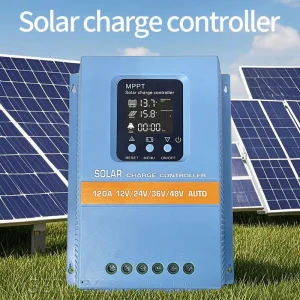
For researchers and engineers, MPPT represents the mathematical barrier to maximum efficiency. In variable weather conditions, standard solar panels experience fluctuating voltage curves. High-efficiency MPPT controllers developed in China, boasting efficiency rates up to 99%, constantly adjust operating points to harvest the maximum possible wattage. This is particularly crucial in solar research environments where precise output measurements are vital for validating new PV cell compositions.
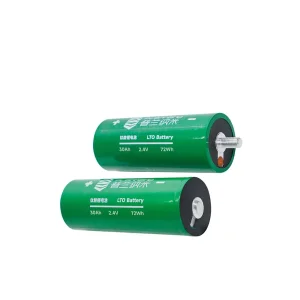
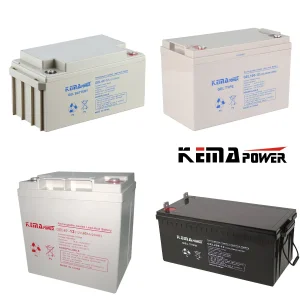
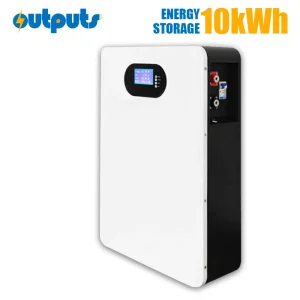
While standard lead-acid batteries remain crucial for budget-friendly utility scale grids (such as Tubular Gel and OPzS types), research and high-performance microgrids require specialized chemistries. Lithium Titanate (LTO) batteries represent a massive breakthrough. With the ability to withstand up to 20,000 cycles, sustain rapid charging rates, and operate in extreme temperatures (-30°C to 55°C), they provide researchers with durable power configurations. Concurrently, Lithium Iron Phosphate (LFP) remains the global gold standard for wall-mounted home and commercial energy storage systems (BESS), offering the ideal balance between safety, energy density, and longevity.
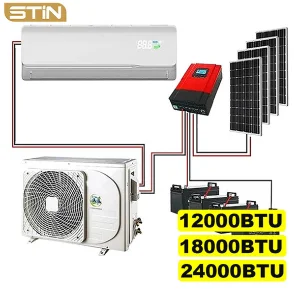
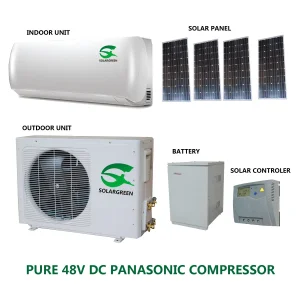
Traditional solar setups convert DC current to AC, which is then often inverted back to DC by end-point electronics, creating significant conversion losses. By exporting direct 48V DC Off-Grid Air Conditioners and DC powered systems, Chinese exporters are establishing new benchmarks for energy efficiency. Eliminating the inversion process saves up to 20% of harvested solar energy, illustrating how research-driven product development meets commercial practicality.
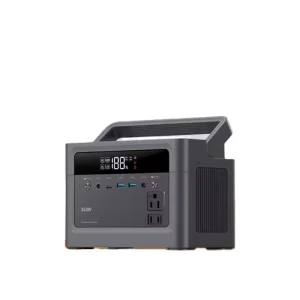
Anhui Aryam Energy Co., Ltd. is a leading provider of advanced renewable energy solutions, dedicated to delivering reliable, efficient, and sustainable power systems for residential, commercial, industrial, and utility-scale applications worldwide. Through continuous innovation and a strong commitment to clean energy development, Aryam Energy has established itself as a trusted partner in the global transition toward a low-carbon future.
The company specializes in the research, development, manufacturing, and integration of solar energy systems, energy storage solutions, hybrid power systems, and intelligent microgrid technologies. Leveraging cutting-edge engineering expertise and strict quality management standards, Aryam Energy provides comprehensive energy solutions tailored to diverse market needs, particularly in regions facing energy shortages, unstable grid infrastructure, or increasing demand for sustainable power generation.
With a professional R&D team and a growing portfolio of proprietary technologies, Aryam Energy continuously invests in innovation to enhance system performance, energy efficiency, and long-term reliability. Its products and solutions are designed to meet international standards and have been successfully deployed across Asia, Africa, the Middle East, Europe, and Latin America, serving customers in more than 100 countries and regions.
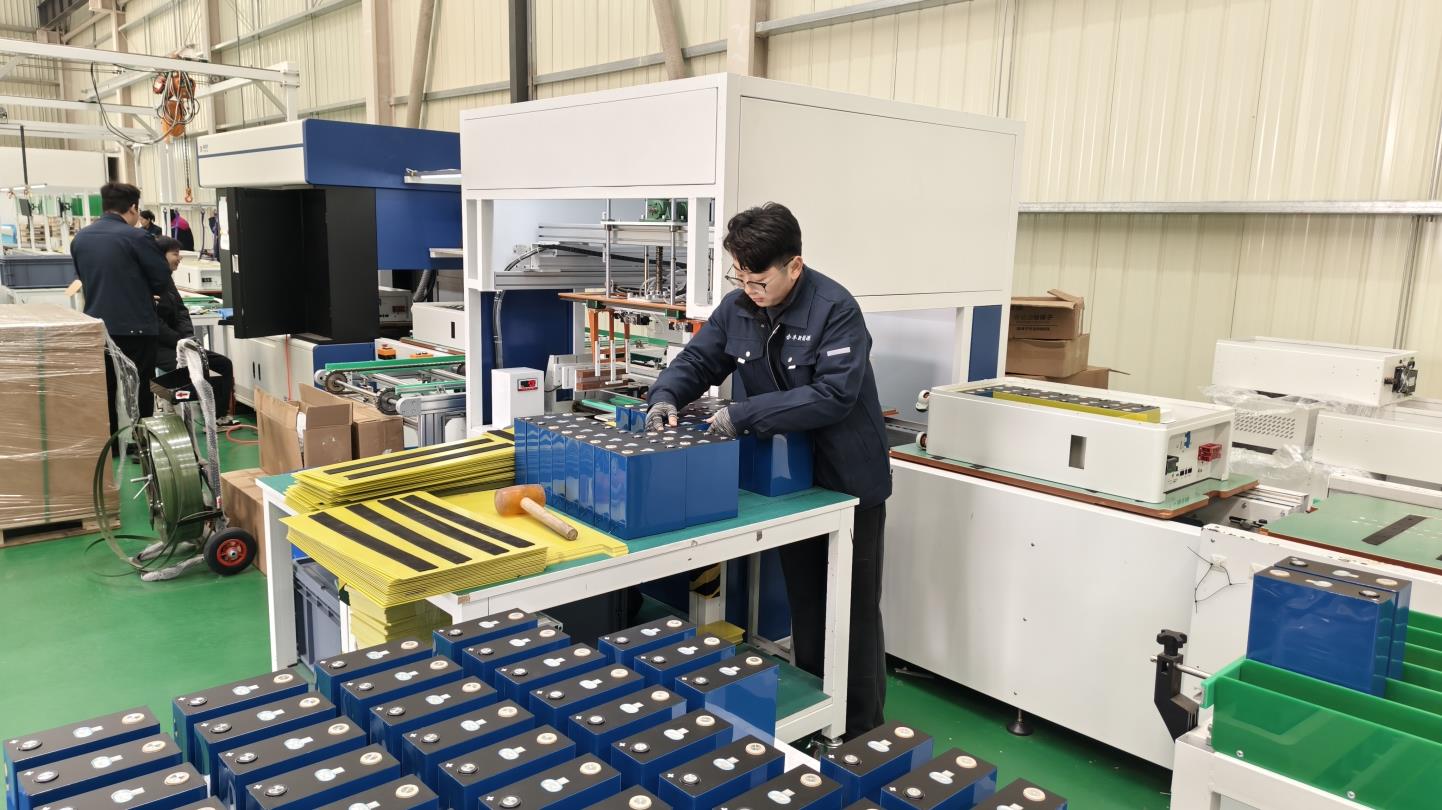
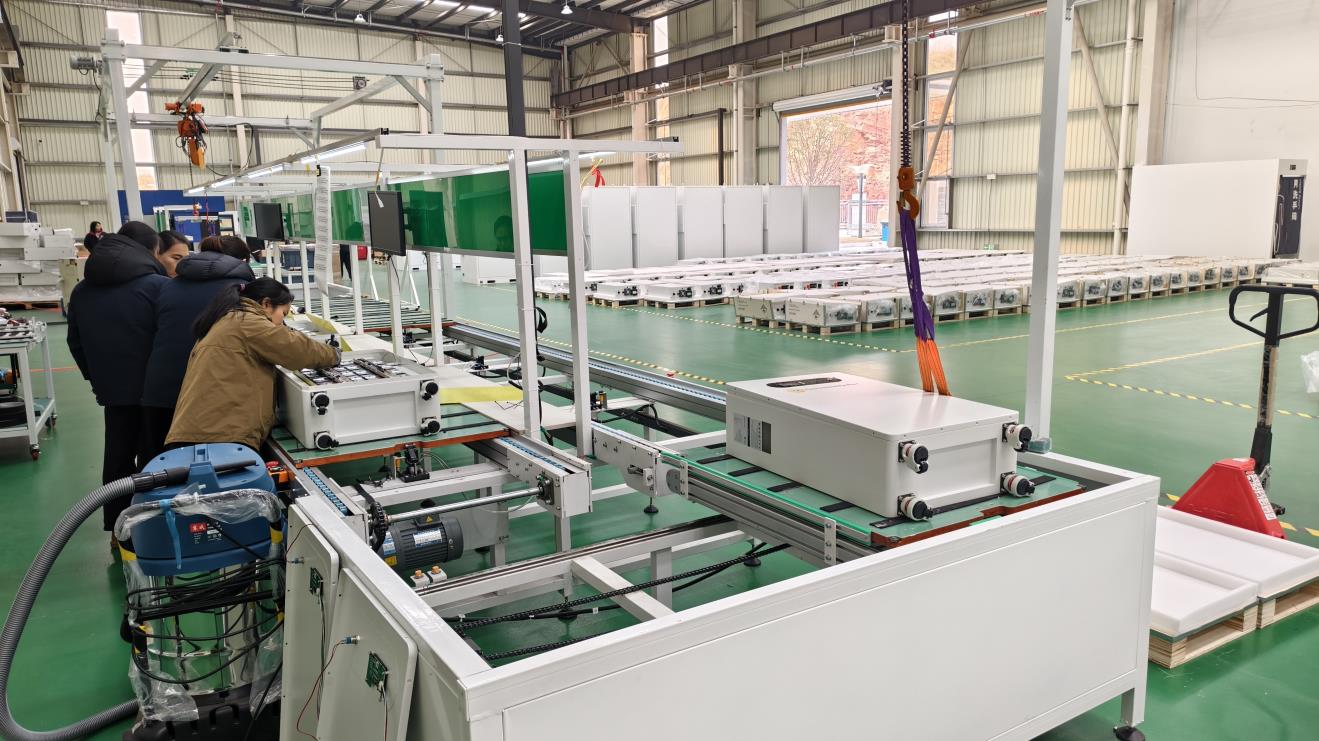
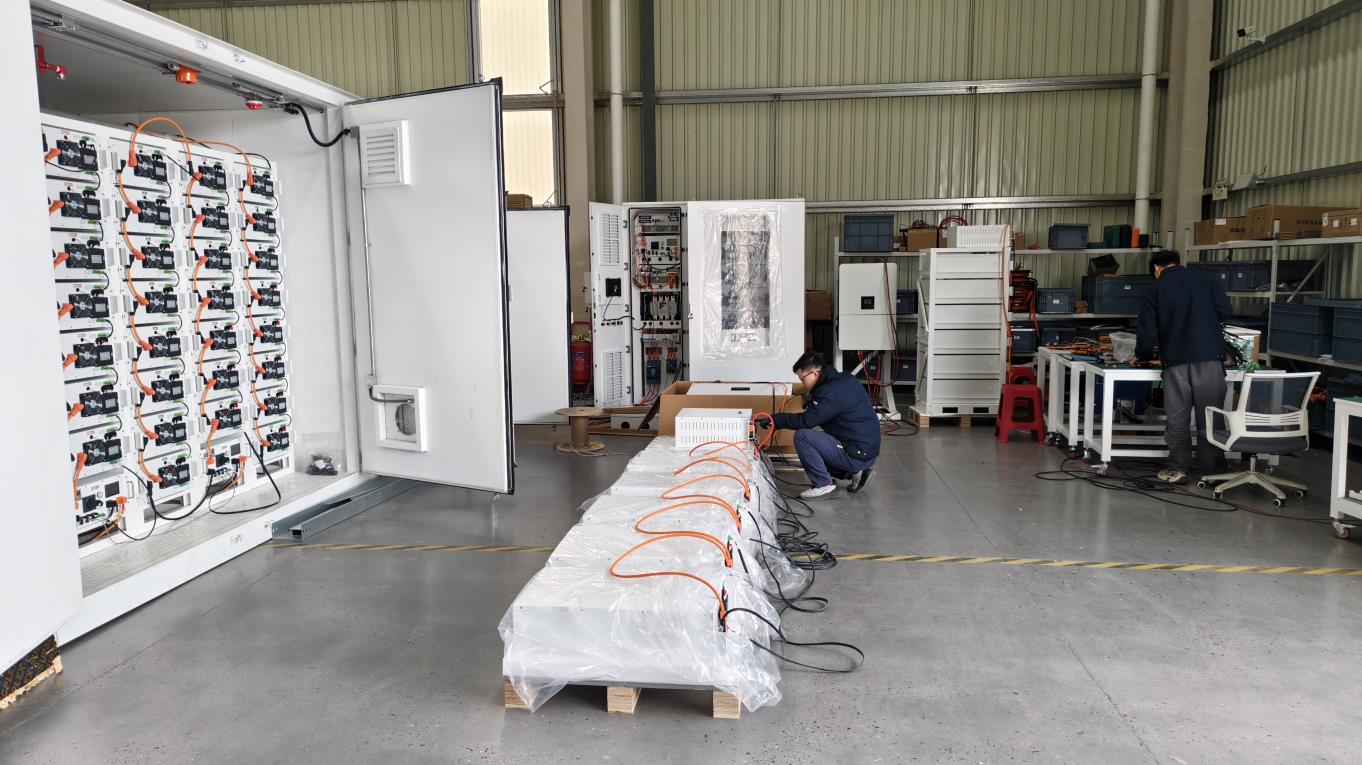
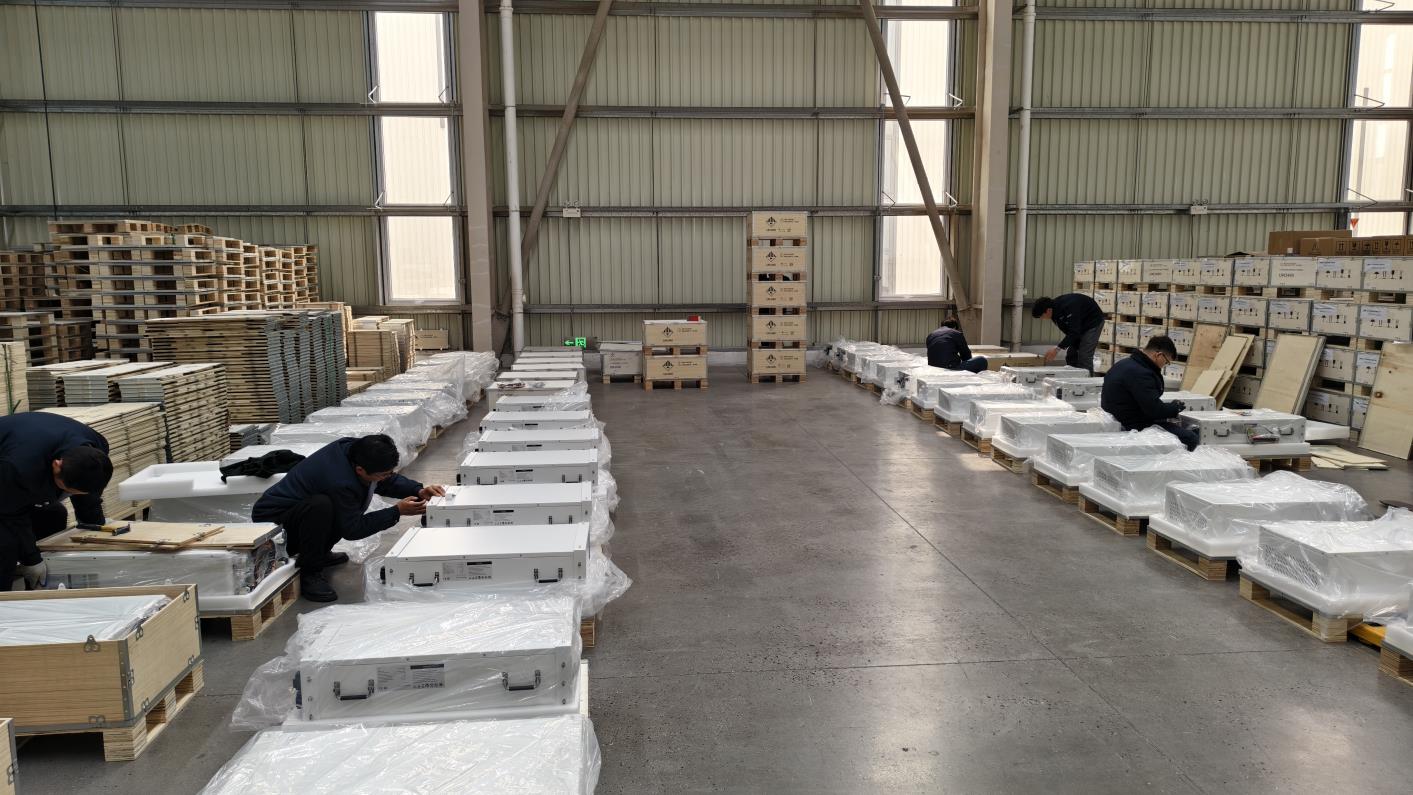
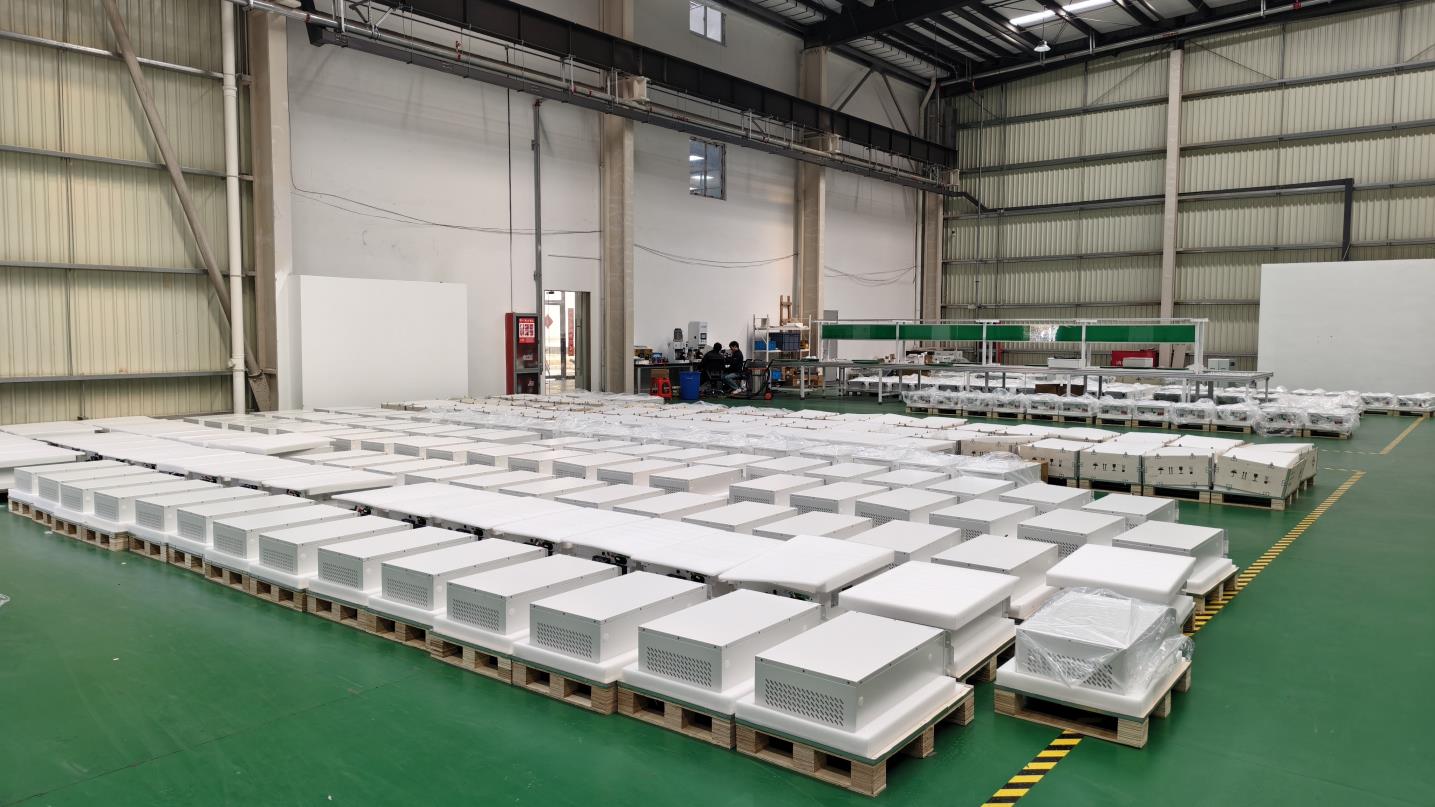
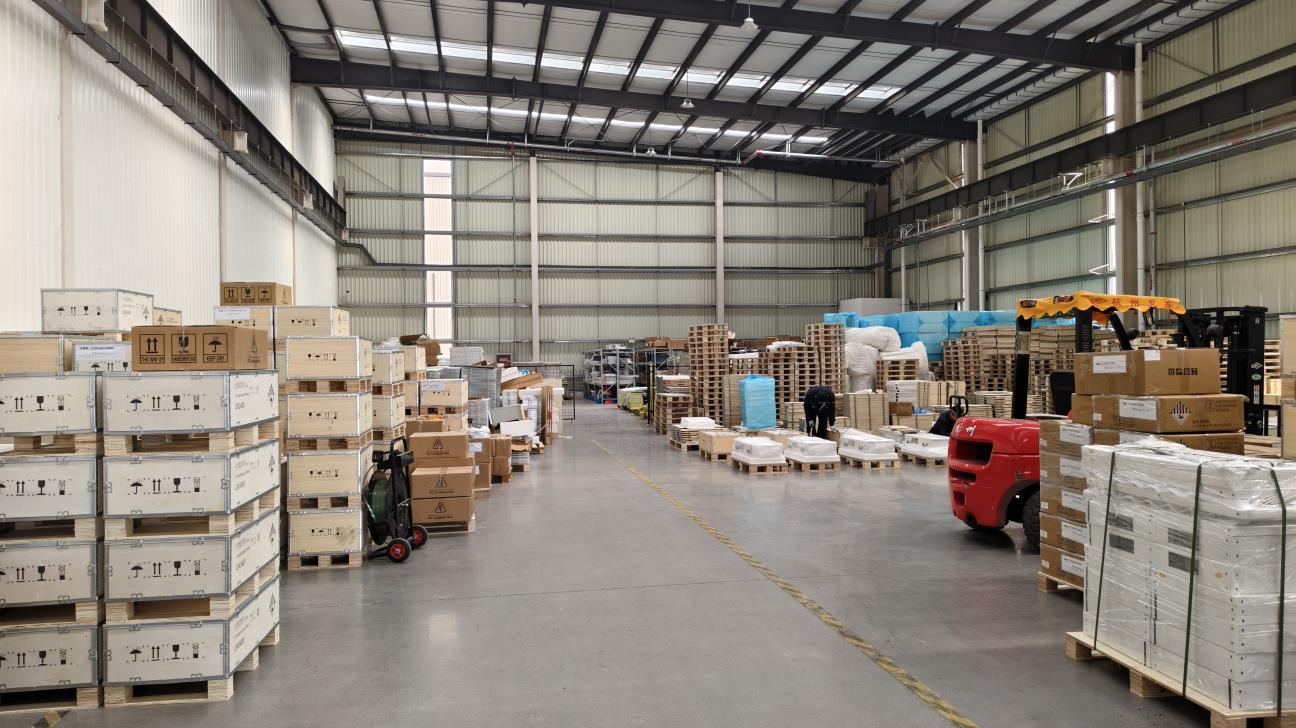
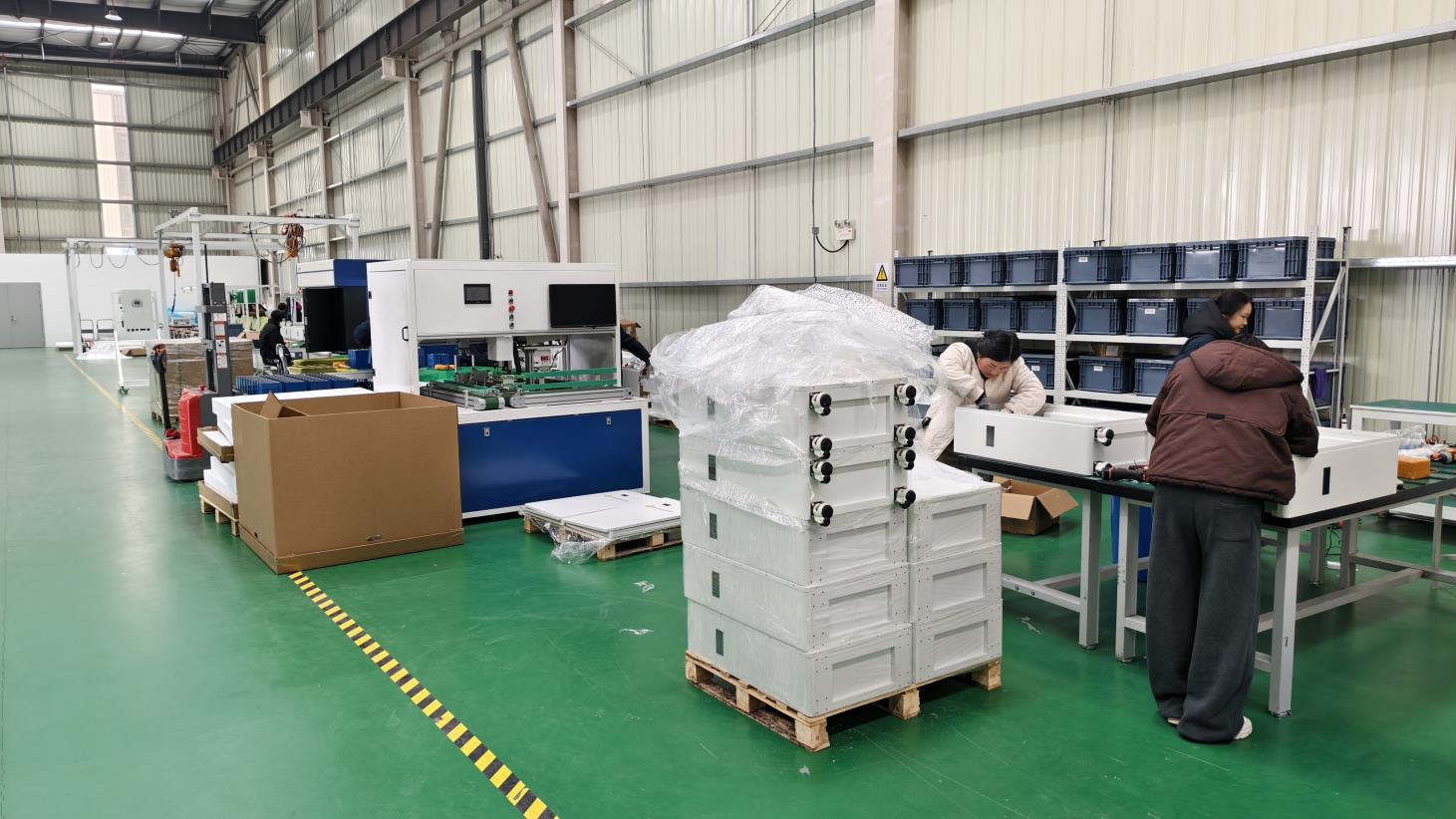
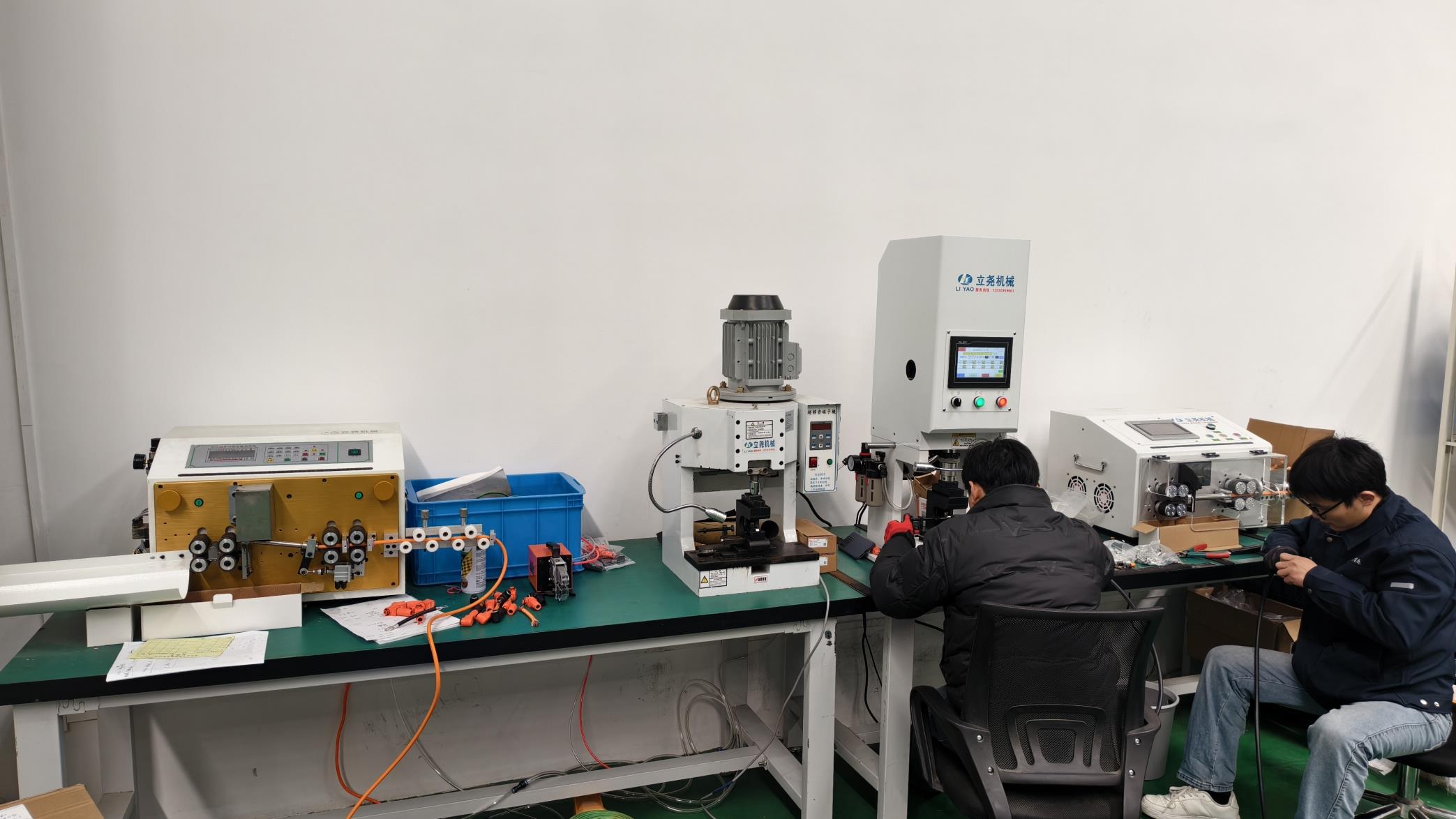
Rigorous multi-stage validation ensures every system performs flawlessly in high-demand research & grid tasks.
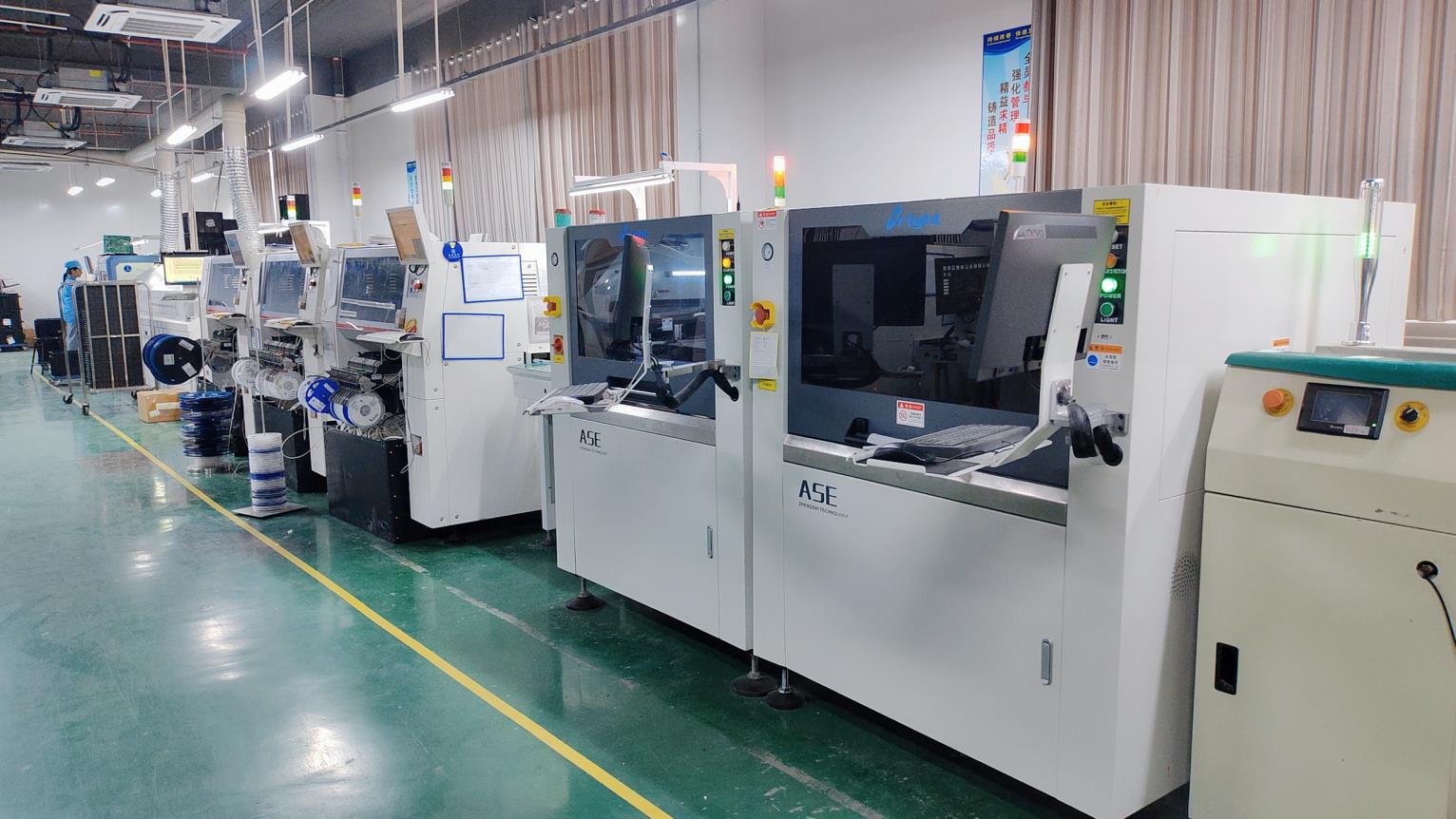
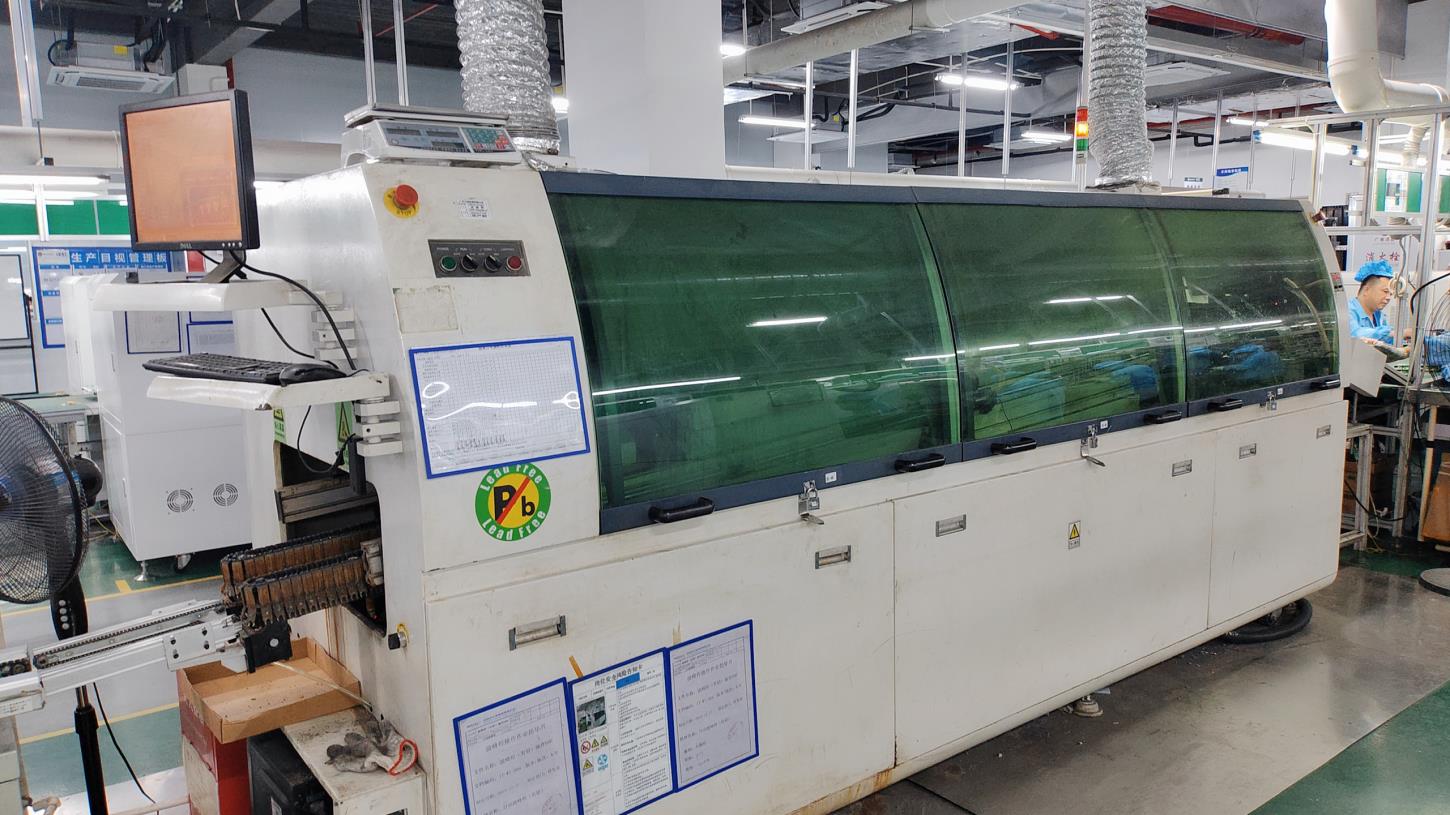
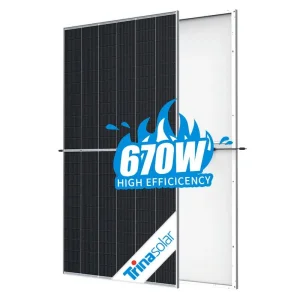
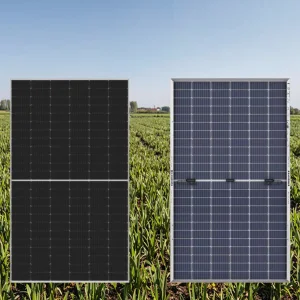
To remain competitive, global procurement departments must align their solar infrastructure budgets with dominant market trends. The shift toward ultra-high efficiency mono-photovoltaic cells, such as N-type TOPCon and HJT (Heterojunction Technology), requires advanced testing tools to accurately measure quantum efficiency and spectral response.
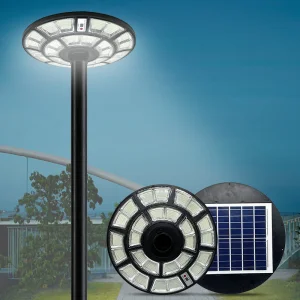
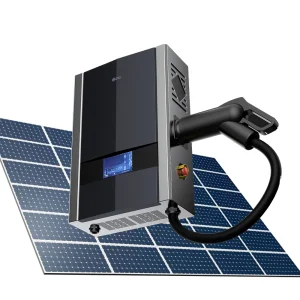
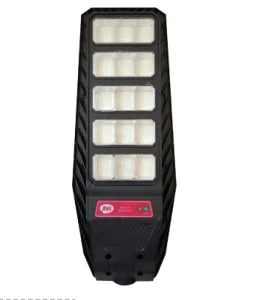
Furthermore, smart city projects are integrating solar energy harvesting directly into municipal infrastructure. The popularity of all-in-one solar streetlights utilizing highly efficient LED modules, PIR motion sensors, and robust lithium storage demonstrates how research translates to commercial utility. Additionally, solar-integrated carports are transforming parking structures into active green power stations capable of feeding local EV fast-charging networks.
 Aryam Energy