Aryam Energy
1 / 5
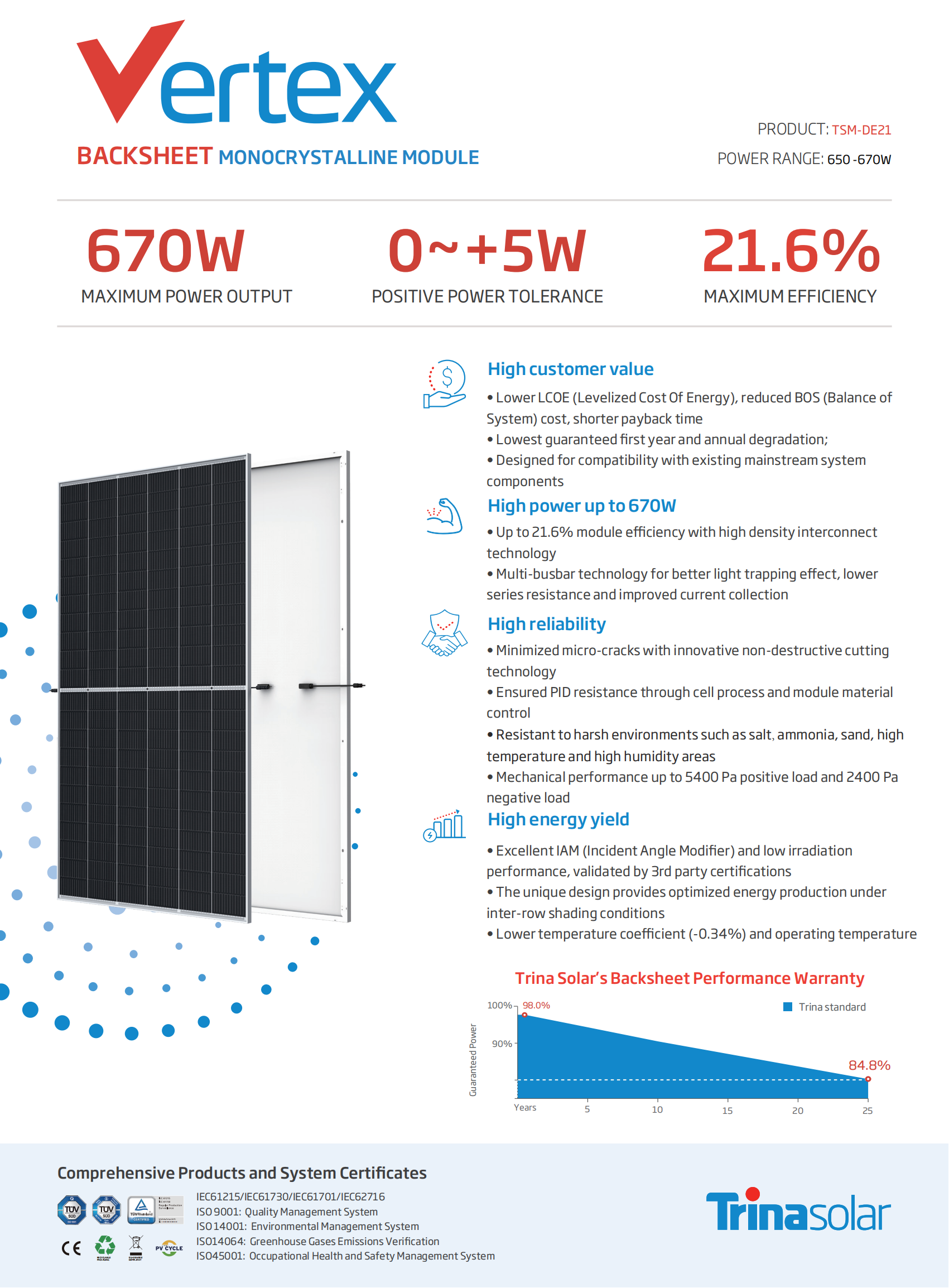
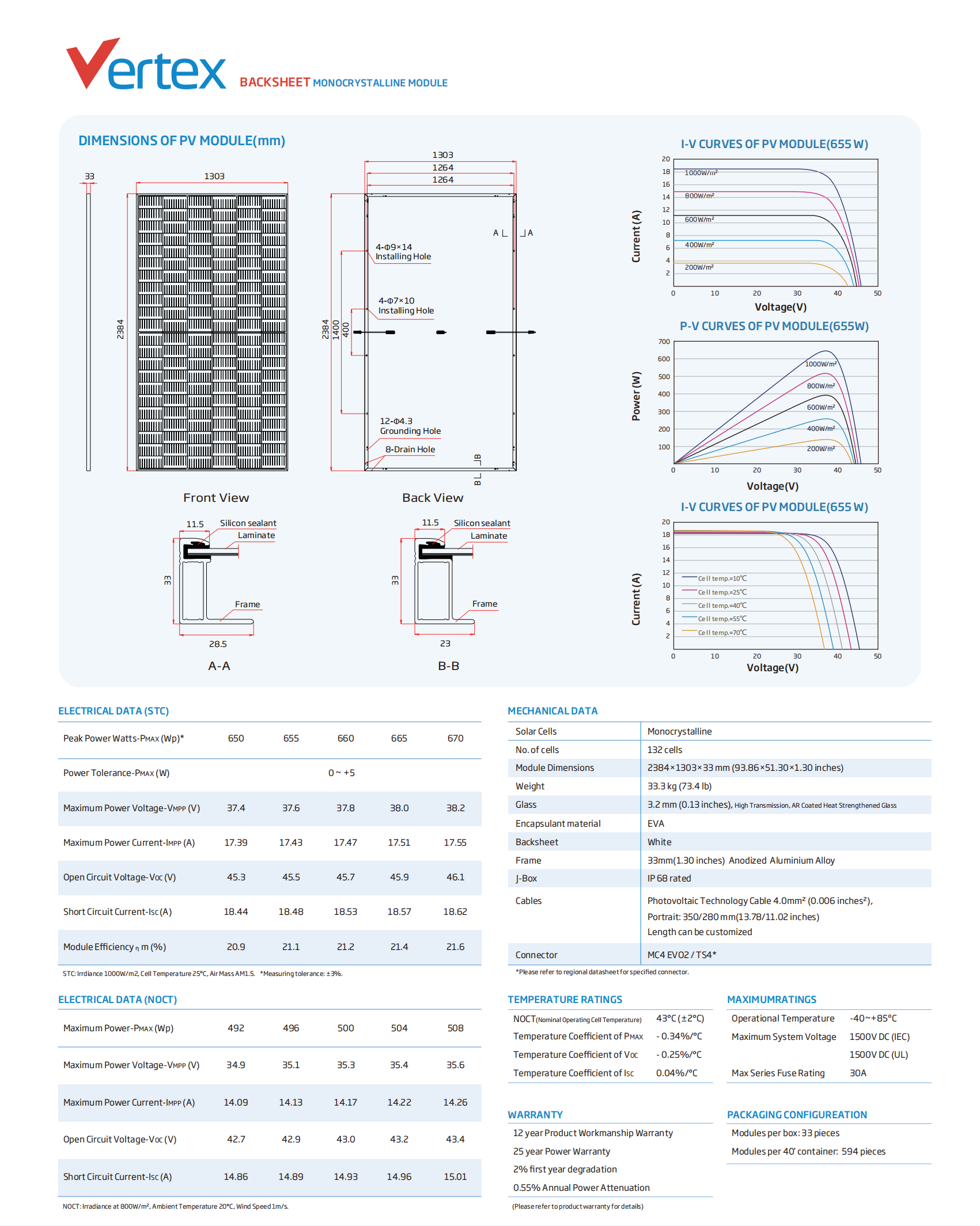
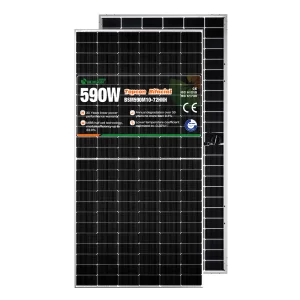
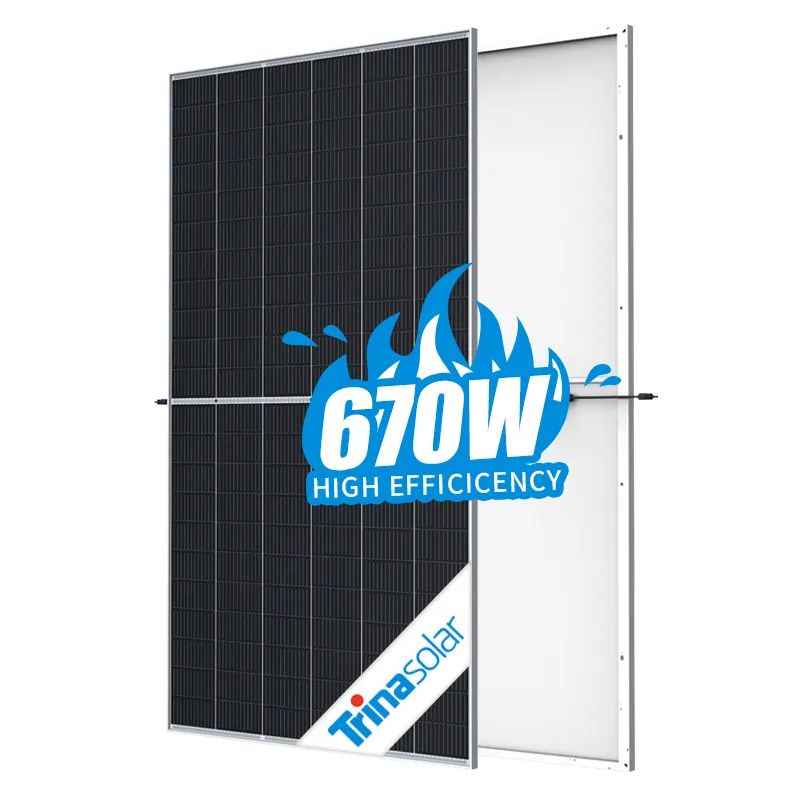
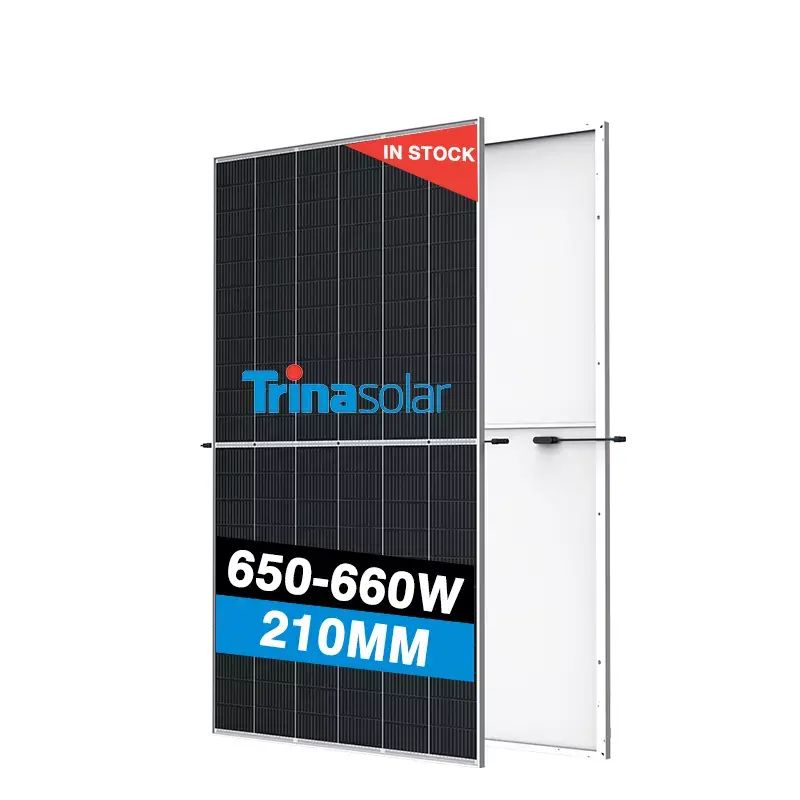
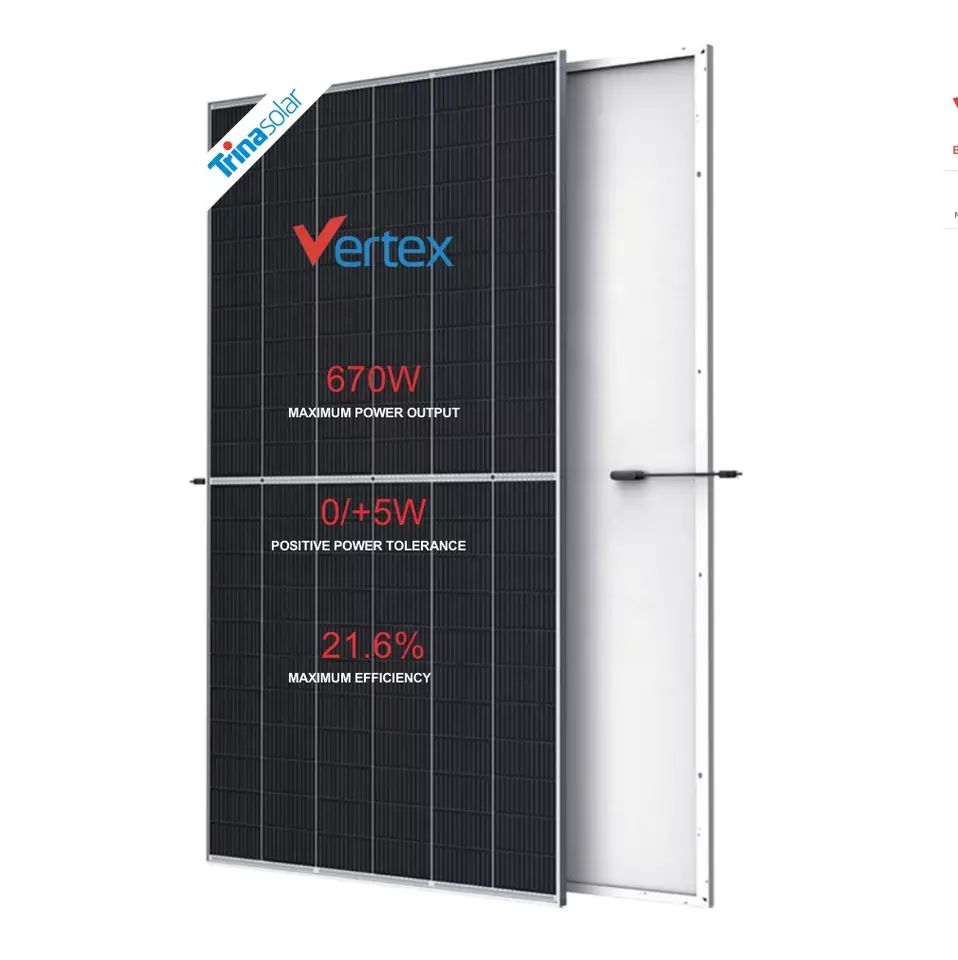
| Module Type | DE09R.05_650 | DE09R.05_655 | DE09R.05_660 | DE09R.05_665 | DE09R.05_670 |
| Maximum Power (Pmax) | 650Wp | 655Wp | 660Wp | 665Wp | 670Wp |
| Maximum Power Voltage (Vmp) | 37.4V | 37.6V | 37.8V | 38.0V | 38.2V |
| Maximum Power Current (Imp) | 17.39A | 17.43A | 17.47A | 17.51A | 17.56A |
| Open-circuit Voltage (Voc) | 45.3V | 45.5V | 45.7V | 45.9V | 46.1V |
| Short-circuit Current (Isc) | 18.44A | 18.48A | 18.53A | 18.57A | 18.62A |
| Module Efficiency STC (%) | 20.9% | 21.1% | 21.2% | 21.4% | 21.6% |
| Operating Temperature | -40°C ~ +85°C | ||||
| Maximum system voltage | DC1500V (IEC/UL) | ||||
| Maximum series fuse rating | 25A | ||||
| Power tolerance | 0~+3% | ||||
| Temperature coefficients of Pmax | -0.34%/°C | ||||
| Temperature coefficients of Voc | -0.25%/°C | ||||
| Temperature coefficients of Isc | 0.04%/°C | ||||
| Nominal operating cell temperature (NOCT) | 43±2°C | ||||
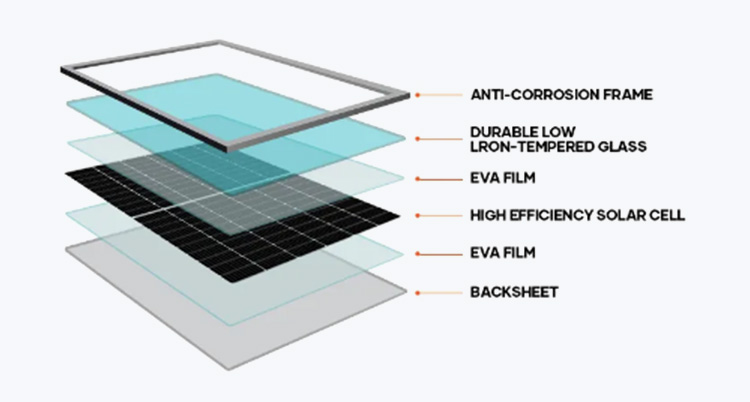
Under the same shadow condition, power loss of half-cell solar panel is less than that of full cell solar panel.
MBB technology improves efficiency of modules, offers a better aesthetic appearance.
The PERC cell has a passivated rear side and a laser grooving process, which significantly improves the cell efficiency.
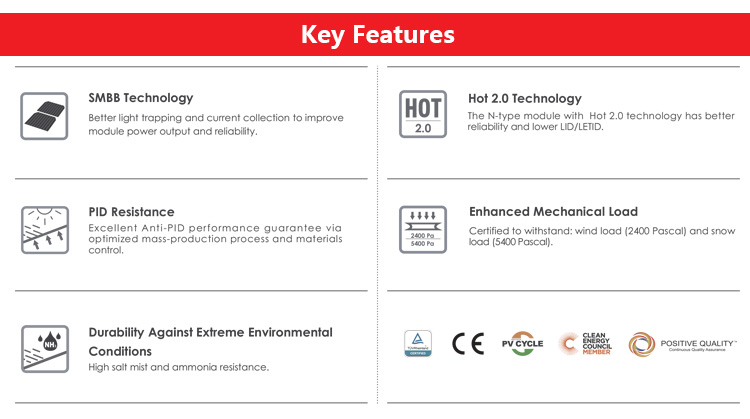
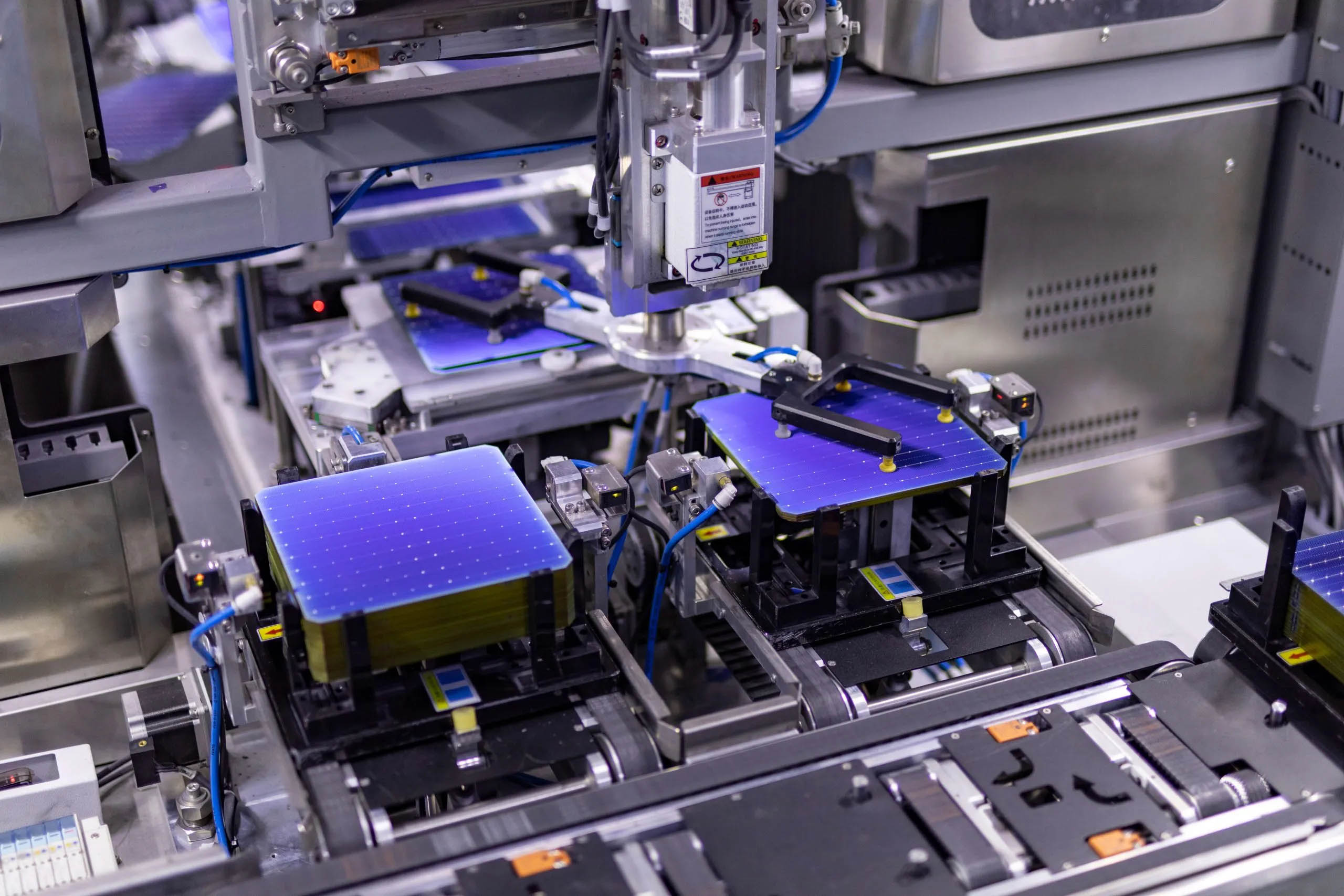
Ensure Color and Power Difference. Ensure high yields, consistent performance and durability.
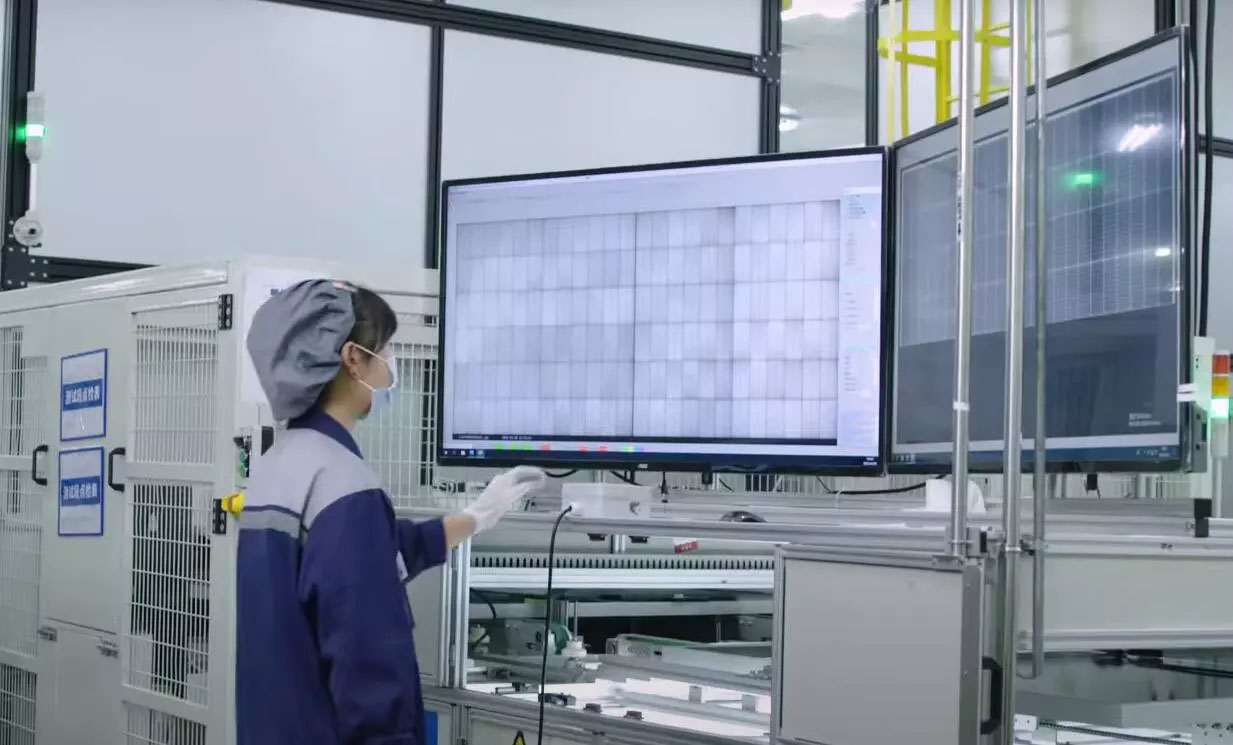
Before and Following Lamination. Ensure "Zero" micro crack monitoring before final Inspection. Continuous line monitoring and video/photo record for each cell and panel.
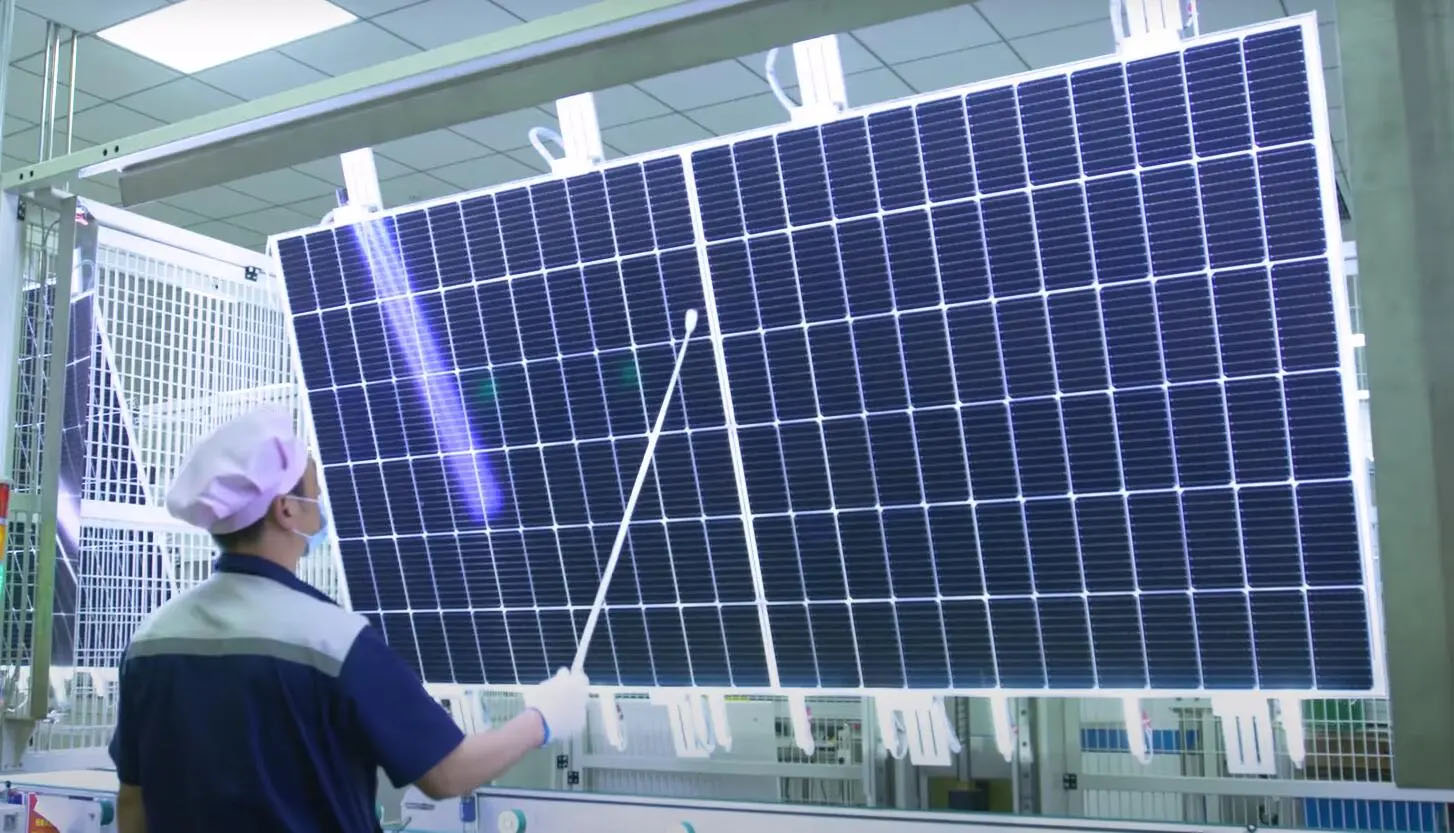
Before and After Lamination. Most stringent acceptance criteria and tightest tolerance. Intelligent alarm and stop mechanism in case of any deviation or errors.

Under identical shadow conditions, the power loss of a half-cell solar panel is lower compared to a conventional full-cell solar panel. This design maximizes energy capture and performance in real-world environments.
MBB technology shortens the current transmission distance and reduces ribbon resistance, which enhances overall module conversion efficiency. It also gives the modules a sleeker, more modern aesthetic look.
PERC (Passivated Emitter and Rear Cell) features a passivated rear layer and a precise laser grooving process. This structure dramatically improves light absorption and internal reflection, yielding significantly higher cell efficiency.
Electroluminescence (EL) testing serves as an X-ray scan for solar cells. Performing it both before and after lamination ensures the absolute exclusion of micro-cracks or processing defects, guaranteeing long-term system durability.
Each panel undergoes stringent inspection protocols involving intelligent alarms and automatic stops for any deviation. Continuous video and photo logging are maintained for every single cell and panel to ensure peak reliability.