Direct manufacturer supplies designed for high durability, peak energy performance, and seamless off-grid utility.
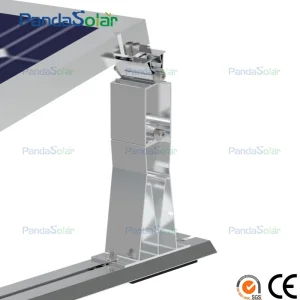
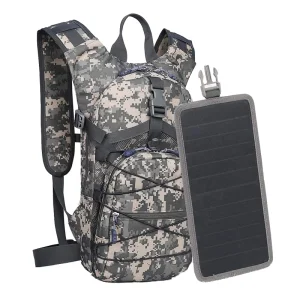
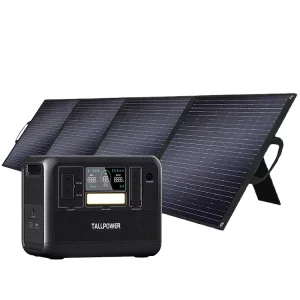
The global energy infrastructure is undergoing a fundamental structural transition. Traditional centralized power transmission architectures face dual pressures: escalating grid instability due to extreme weather phenomena, and the economic imperative to reduce high operational expenditures (OpEx). In this climate, Compact Solar Solutions have transitioned from niche off-grid utilities into central components of mainstream industrial, commercial, and municipal energy planning.
By definition, a compact solar system integrates photovoltaic conversion, energy management systems (EMS), and high-density battery storage (typically lithium-ion chemistry) into unified, easily deployable structures. In mature markets like North America and the European Union, compact systems are heavily utilized to avoid high peak-demand grid tariffs and secure uninterrupted critical operations in data facilities, cold-chain warehouses, and municipal facilities.
Conversely, in developing regions across Sub-Saharan Africa, Latin America, and Southeast Asia, compact solar structures function as primary energy providers. They bridge the gap created by absent or highly unreliable utility grids, replacing expensive and carbon-intensive diesel gensets with stable, hybridized clean power. This shift is highly accelerated by local government initiatives that aim to achieve rural electrification and build modern microgrids.
As a leading innovator, Anhui Aryam Energy Co., Ltd. has positioned itself at the forefront of this industrial transformation. By leveraging advanced manufacturing protocols and deep material supply networks in China, the company engineers ruggedized systems that can withstand variable climatic stresses—from high humidity in coastal zones to extreme heat loads in arid continental territories.
Understanding the evolutionary curve of decentralized solar energy allows system integrators and distributors to future-proof their supply pipelines.
The market is moving rapidly from traditional P-type PERC cells to N-type (TOPCon and HJT) architectures. These technologies offer superior temperature coefficients and reduced light-induced degradation (LID). This technical progression directly increases the energy output per square meter, making compact installations significantly more viable in space-restricted environments.
Lithium Iron Phosphate (LFP) remains the gold standard for Commercial & Industrial (C&I) battery energy storage systems (BESS). Its deep cycle life (exceeding 6,000 cycles at 80% Depth of Discharge) and high thermal stability outperform other lithium variants. Future designs will transition toward semi-solid-state systems to increase volumetric energy density and environmental safety profiles.
Modern energy projects require real-time resource allocation. High-performance MPPT controllers and smart cloud software work in tandem to predict solar generation using localized weather data. This allows for optimized charge/discharge patterns, peak shaving, and automatic grid-isolation in the event of voltage drops or blackouts.
Compact solar configurations show optimal performance when engineered with specific environmental and operating conditions in mind.
In agricultural zones with limited grid access, solar energy powers water pumps to sustain livestock and crops. Using customized mounting layouts and weatherproofing, compact PV panels feed directly into water pumps. This eliminates fuel costs associated with diesel generators and ensures water delivery during hot peak daylight hours.
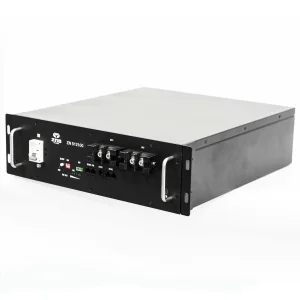
Telecommunication towers in remote mountains or desert areas require consistent uptime. Compact solar units combined with rack-mounted LiFePO4 batteries deliver reliable, low-maintenance energy. The compact structural layout reduces deployment footprints and minimizes transportation costs during assembly in challenging terrains.
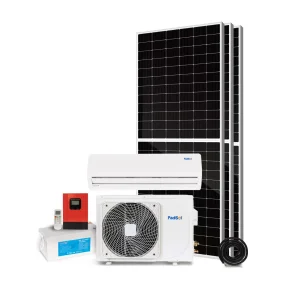
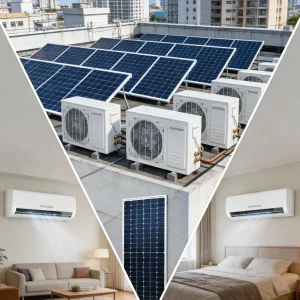
In tropical areas, cooling demands align with peak daylight. Hybrid solar-powered DC inverter air conditioners consume power directly from solar arrays without needing an inverter translation loss. This direct integration optimizes thermodynamic performance and limits grid strain during hot summer days.
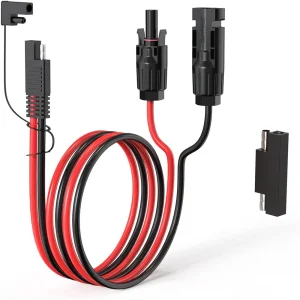
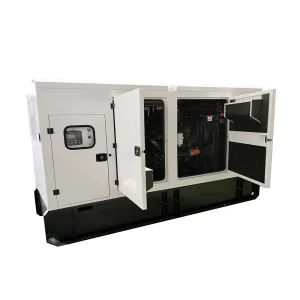
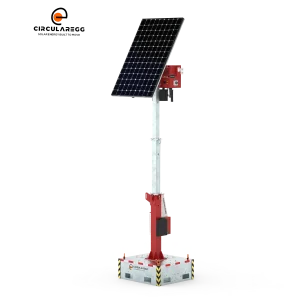
In disaster response zones or construction areas, rapid setup is critical. Mobile solar light towers and compact wheeled generators provide immediate power. High-efficiency MPPT controllers and heavy-duty cabling allow operational crews to set up communication nodes and high-luminance LED lighting arrays without delay.
Anhui Aryam Energy Co., Ltd. delivers integrated solar systems built on rigorous technical design, certified reliability, and a global supply network.
Anhui Aryam Energy Co., Ltd. is a leading provider of advanced renewable energy solutions, dedicated to delivering reliable, efficient, and sustainable power systems for residential, commercial, industrial, and utility-scale applications worldwide. Through continuous innovation and a strong commitment to clean energy development, Aryam Energy has established itself as a trusted partner in the global transition toward a low-carbon future.
The company specializes in the research, development, manufacturing, and integration of solar energy systems, energy storage solutions, hybrid power systems, and intelligent microgrid technologies. Leveraging cutting-edge engineering expertise and strict quality management standards, Aryam Energy provides comprehensive energy solutions tailored to diverse market needs, particularly in regions facing energy shortages, unstable grid infrastructure, or increasing demand for sustainable power generation.
With a professional R&D team and a growing portfolio of proprietary technologies, Aryam Energy continuously invests in innovation to enhance system performance, energy efficiency, and long-term reliability. Its products and solutions are designed to meet international standards and have been successfully deployed across Asia, Africa, the Middle East, Europe, and Latin America, serving customers in more than 100 countries and regions.
Aryam Energy's product portfolio includes solar inverters, energy storage systems, hybrid inverters, lithium battery solutions, solar water pumping systems, microgrid systems, and customized renewable energy projects. The company is committed to providing integrated energy solutions that maximize energy independence, reduce operational costs, and support environmental sustainability.
Driven by the vision of becoming a globally recognized clean energy technology leader, Aryam Energy actively collaborates with distributors, EPC contractors, government agencies, international organizations, and development partners to promote renewable energy adoption worldwide. Through its mission of "Empowering Sustainable Energy for a Better Future," the company strives to create long-term value for customers while contributing to global carbon reduction goals and sustainable social development.
We implement advanced quality control frameworks at every stage of the manufacturing cycle, from raw material procurement to automated system testing.
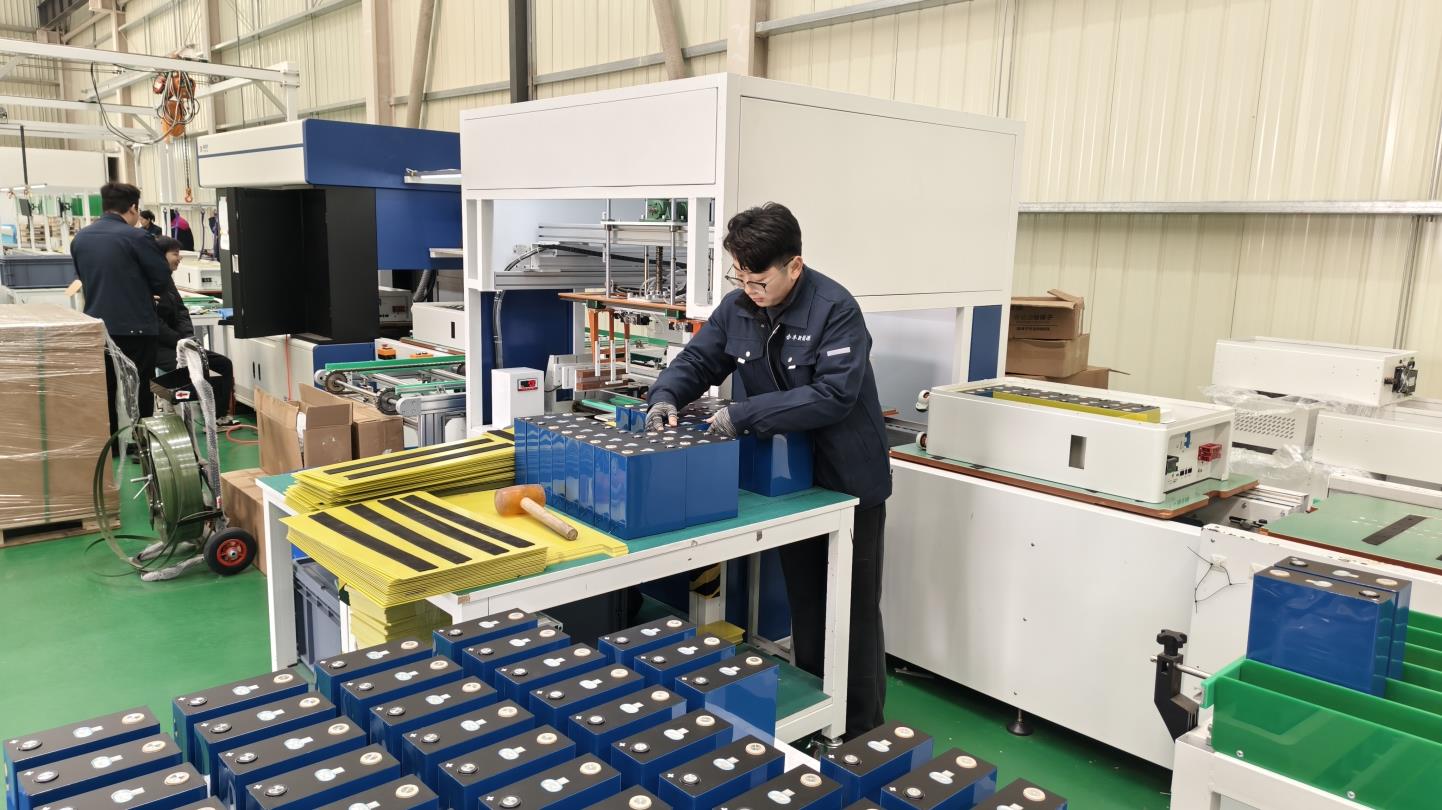
Welding
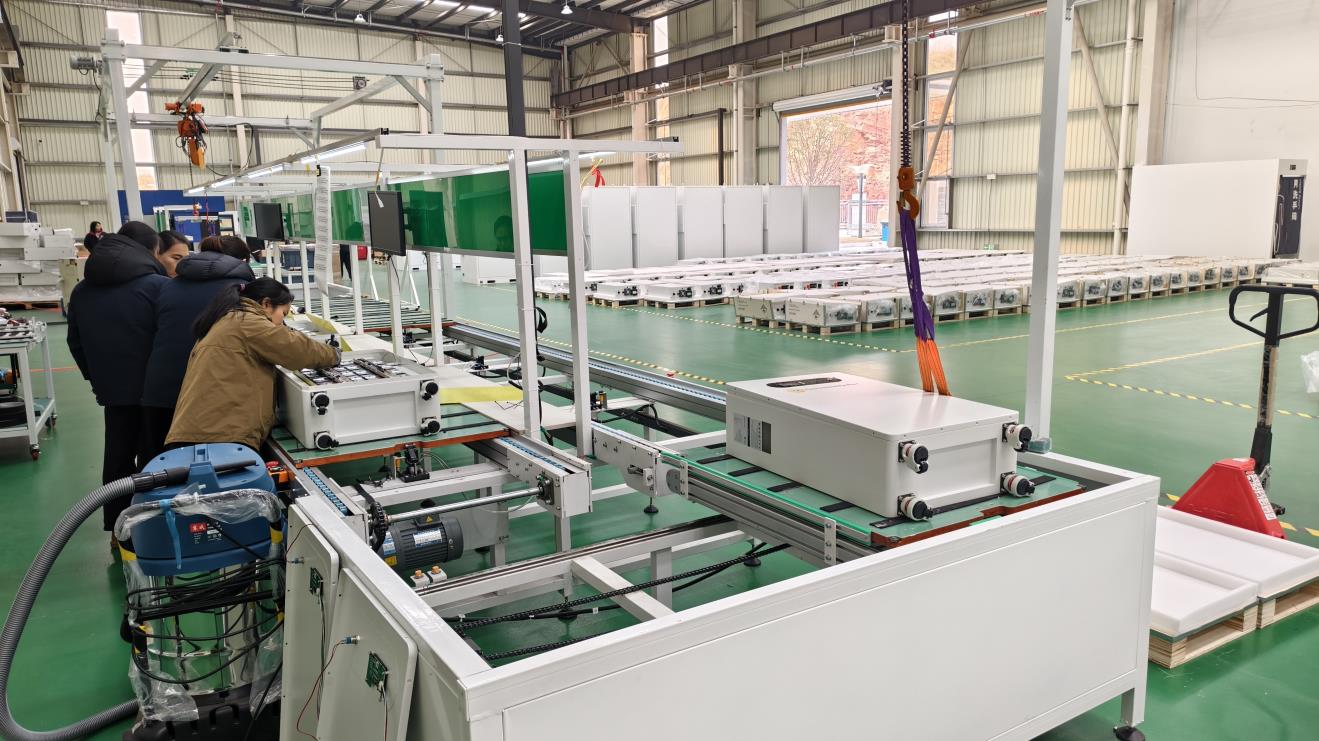
Assembling
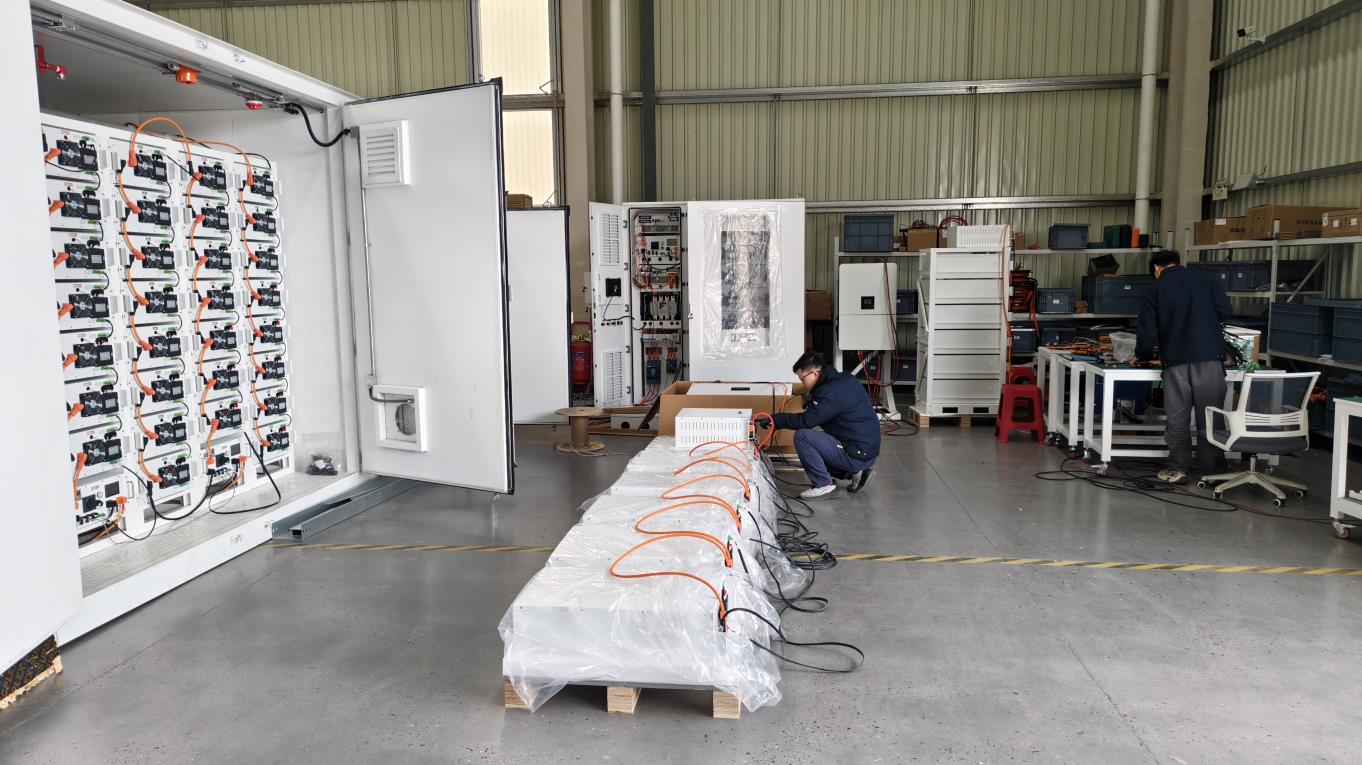
Testing
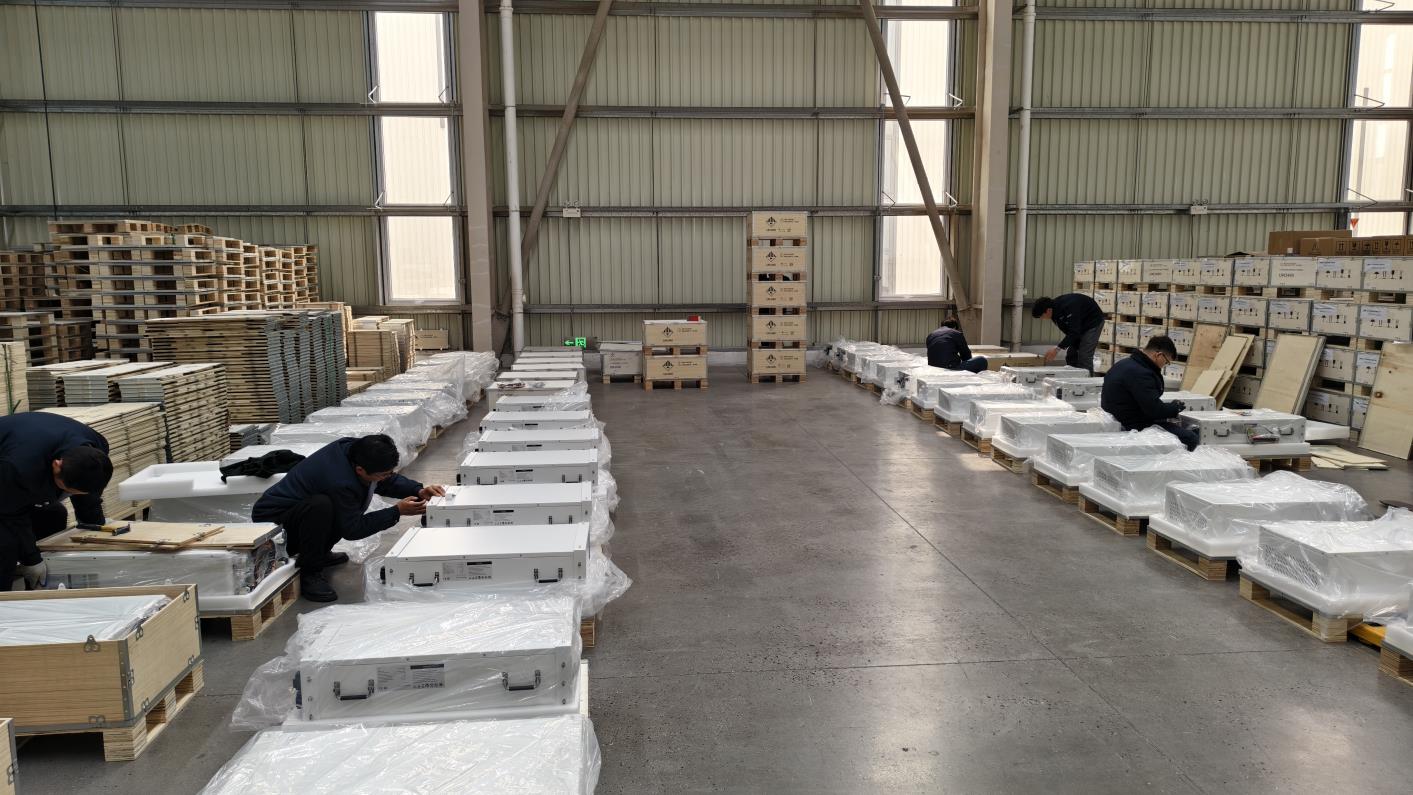
Packing
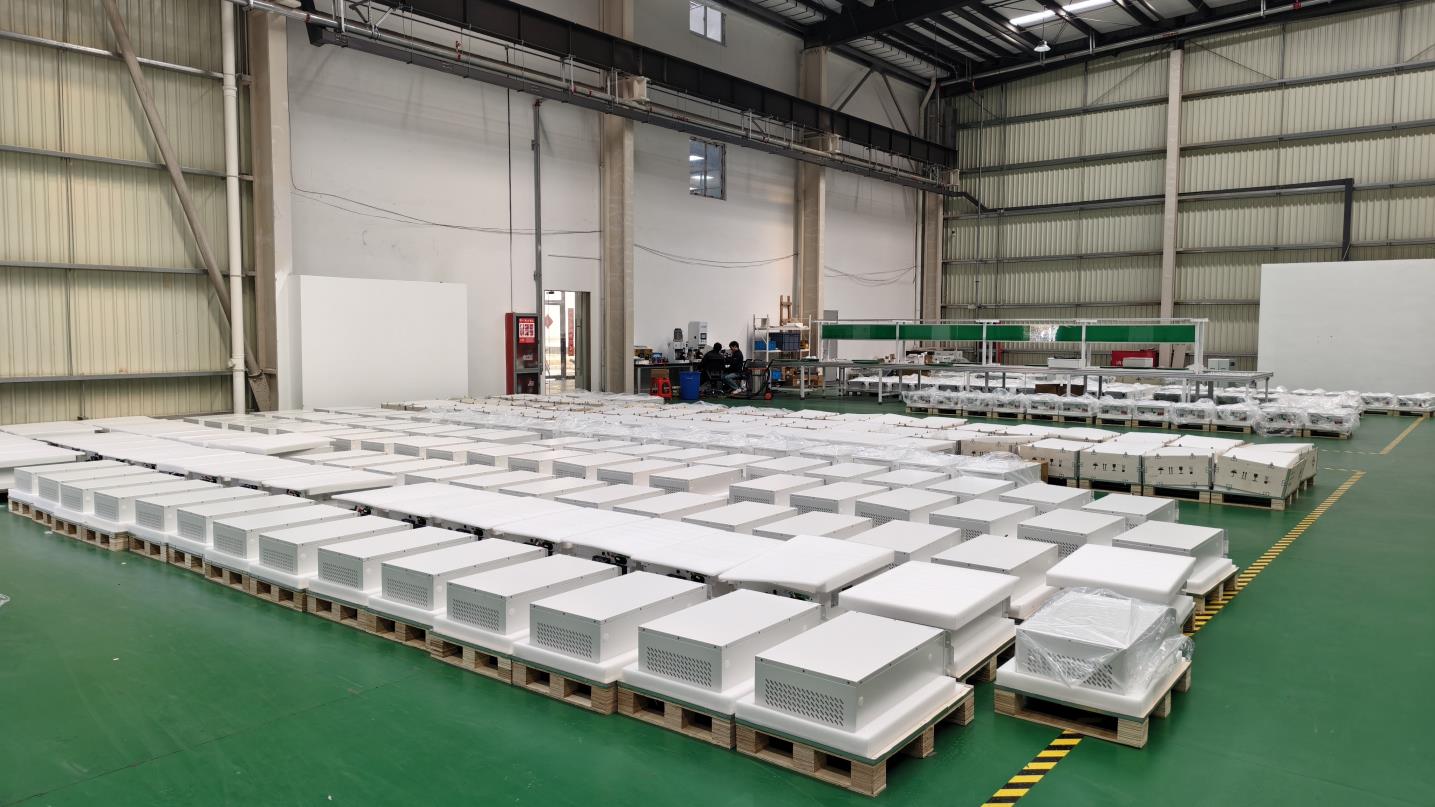
Finished Product
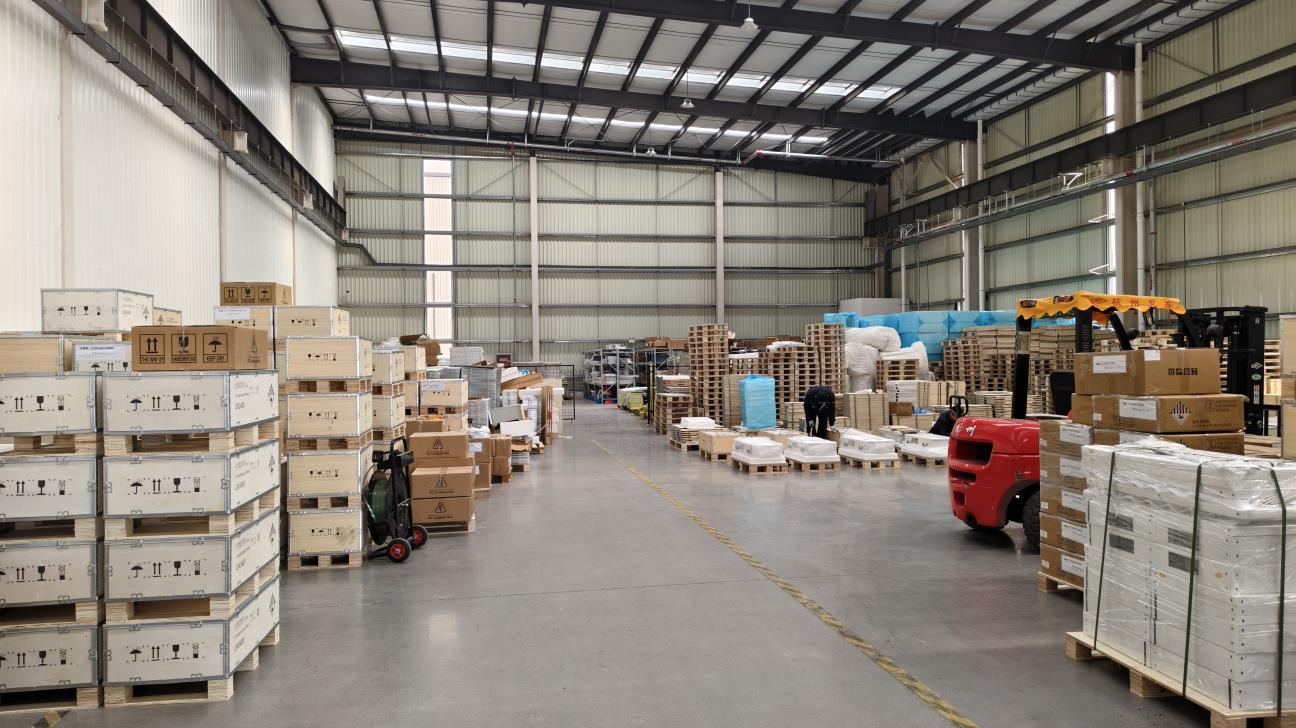
Warehouse
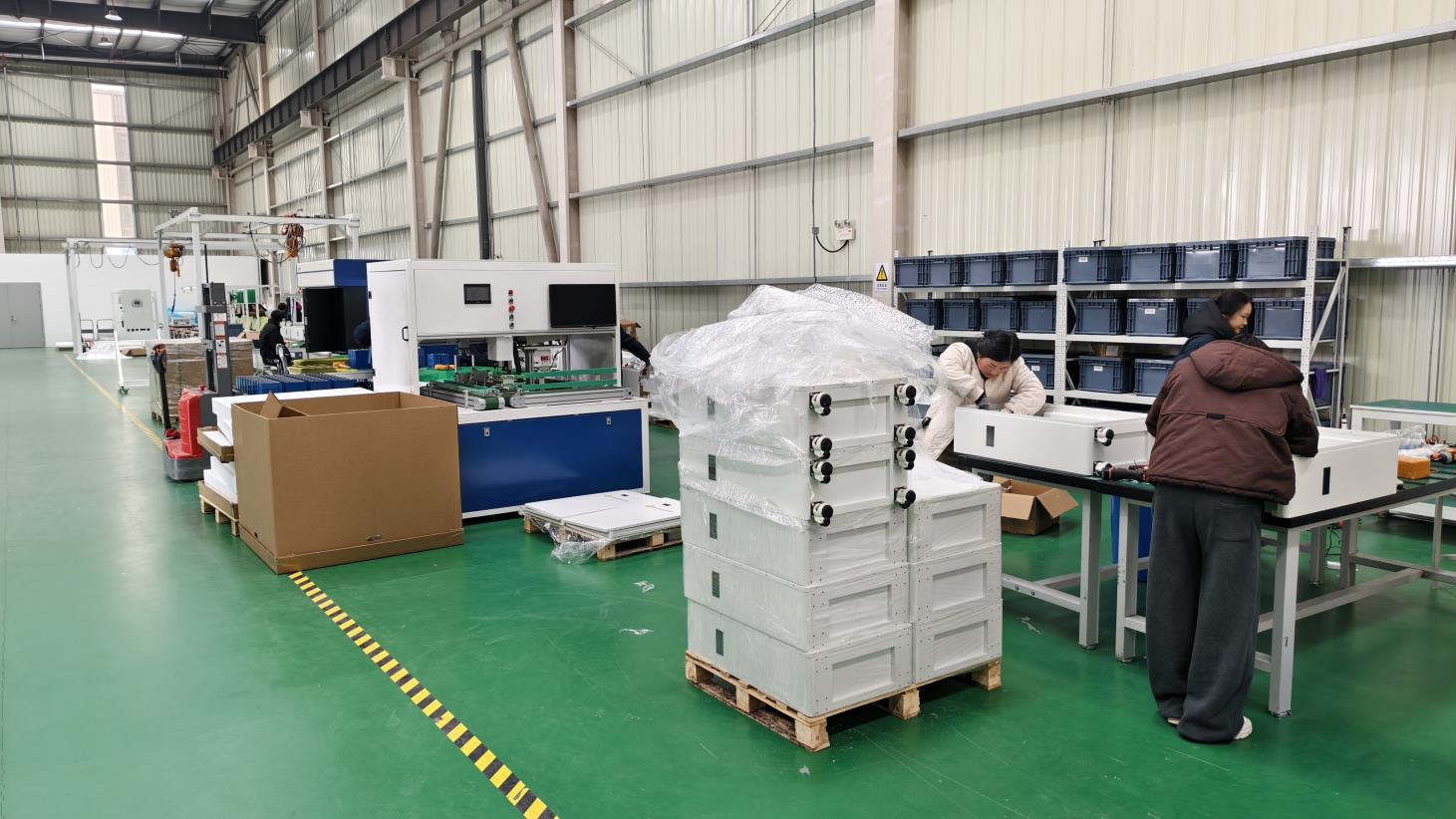
Assembly Line
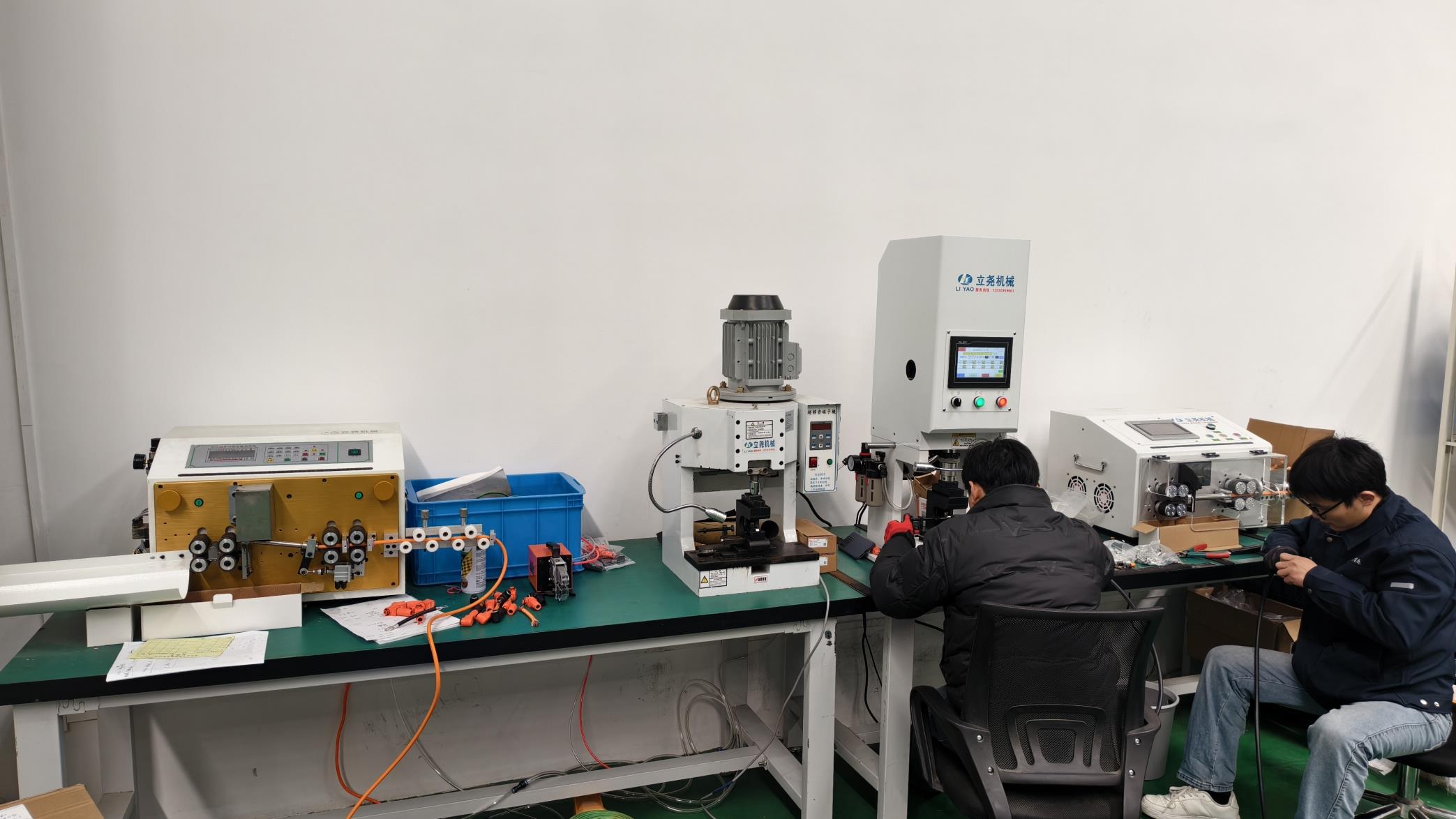
Wire Stripper
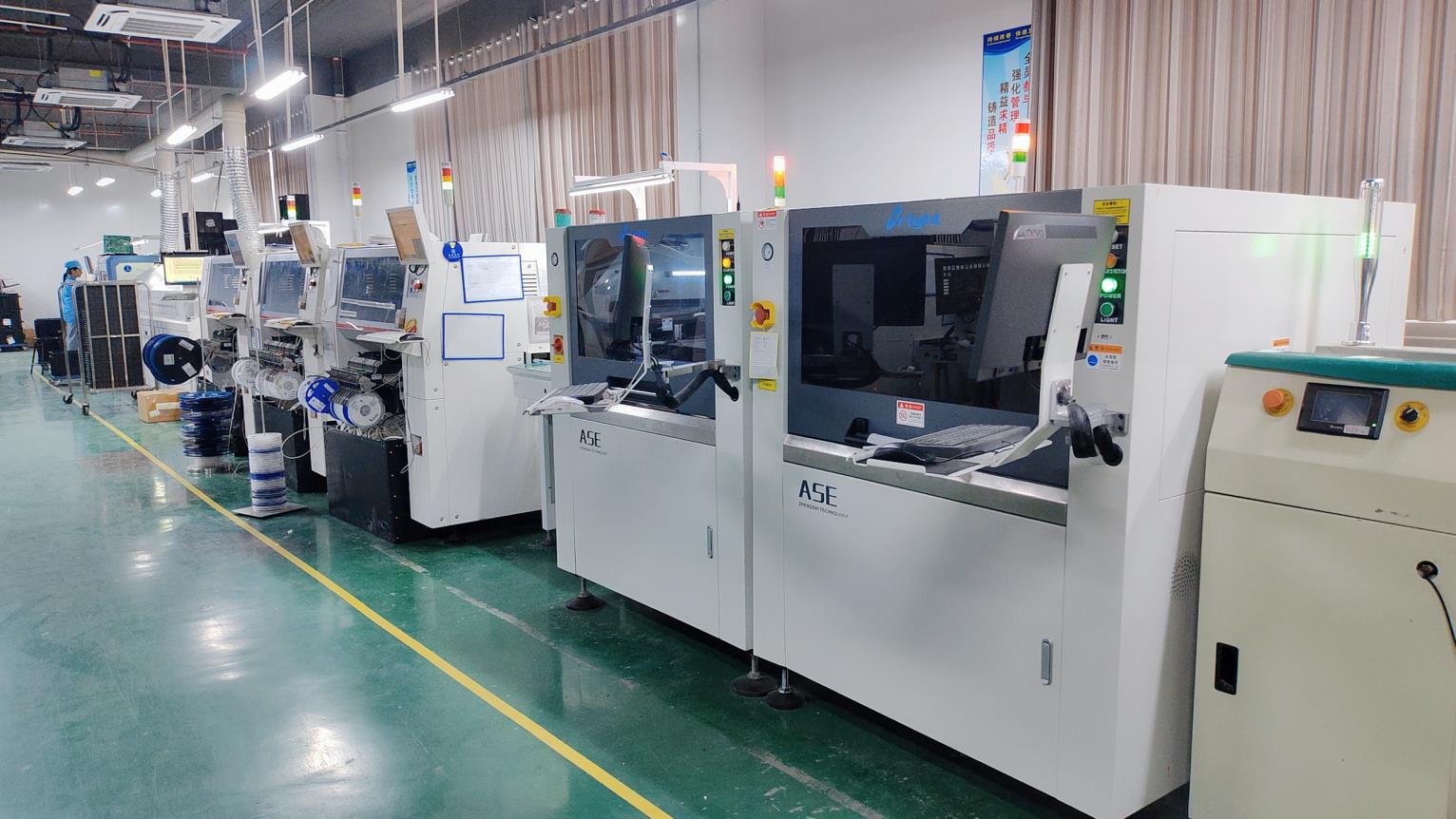
SMT line
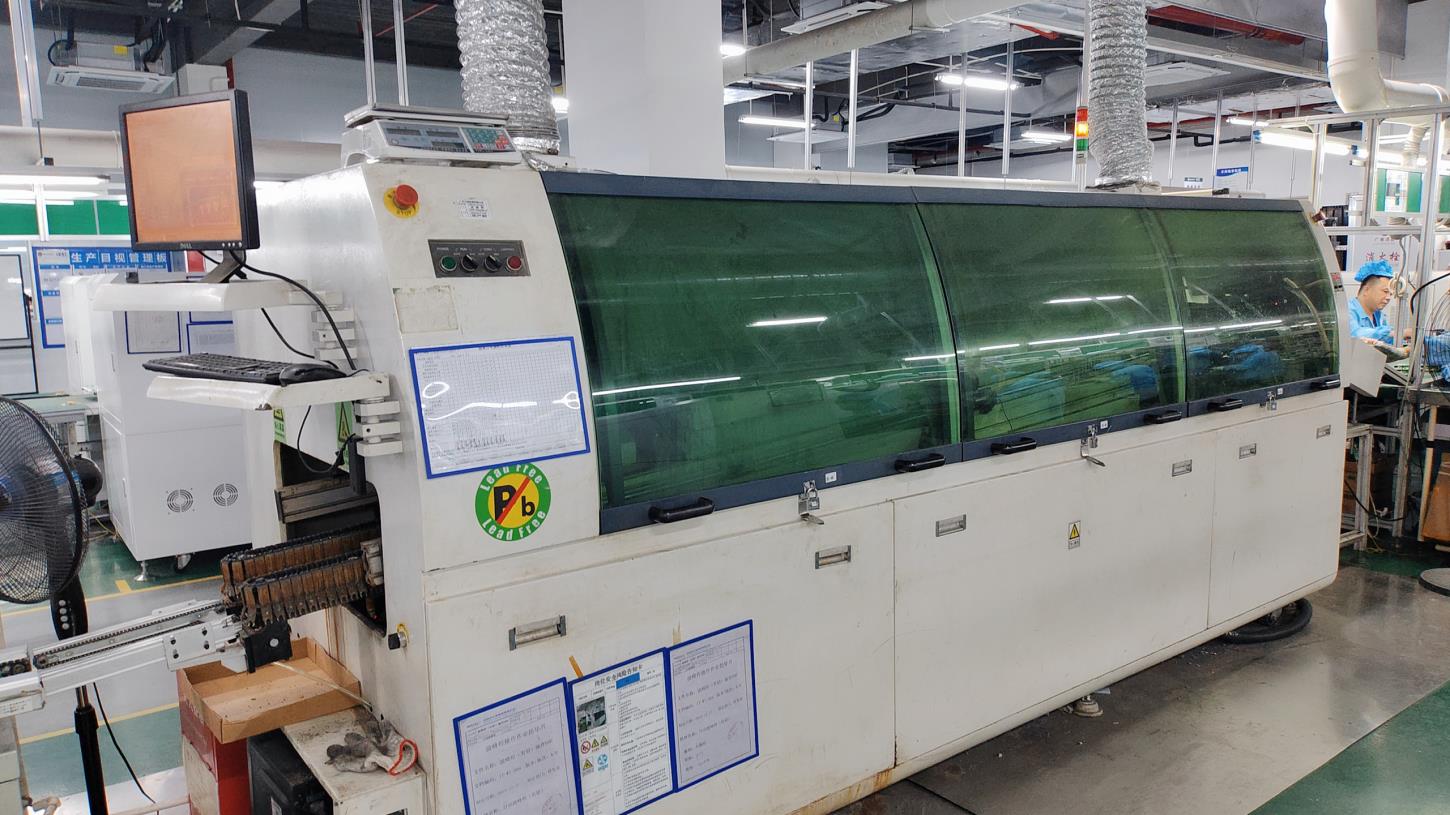
Wave soldering machine
Find answers to essential technical inquiries regarding product selection, regulatory compliance, and system implementation.
Explore our collection of components, engineered for maximum energy yields and low maintenance overhead.
 Aryam Energy