Explore our certified solar support hardware, structural interfaces, and comprehensive renewable energy integrations optimized for global distribution.
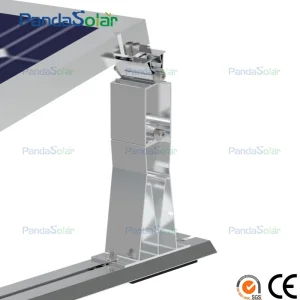
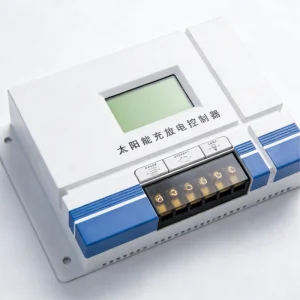

An exhaustive analysis of commercial, industrial, and utility-scale rooftop racking systems, examining structural load metrics, material integrity, and geopolitical economic impacts.
The global transition toward clean, decentralized energy networks has accelerated the deployment of rooftop photovoltaic (PV) systems across the commercial, industrial (C&I), and residential sectors. In this ecosystem, solar roof mounting structures serve as the mechanical backbone of any PV installation. Far from being simple aluminum rails, modern racking configurations are precision-engineered systems designed to withstand dynamic wind forces, extreme snow loads, seismic activity, and long-term electrochemical degradation. As global PV capacities trend upward, the demand for highly optimized, structurally sound, and rapidly deployable racking solutions has surged, making the selection of competent manufacturers and suppliers a critical milestone in any project's lifecycle.
From a commercial and industrial perspective, mounting systems must balance structural rigidity with material weight. Excessive weight can compromise the structural reserve capacity of existing commercial roof decks, while insufficient load resistance exposes asset owners to catastrophic wind uplift failures. Engineering compliance, certified under local structural codes such as the International Building Code (IBC) in North America, Eurocode 9 in the European Union, and AS/NZS 1170 in Australia, represents the baseline of credibility for premium tier manufacturers. Major Engineering, Procurement, and Construction (EPC) firms now mandate exhaustive wind tunnel testing, finite element analysis (FEA), and extensive salt spray resistance testing (ASTM B117) to ensure structures achieve a minimum 25-to-35-year design lifespan equivalent to the PV modules they support.
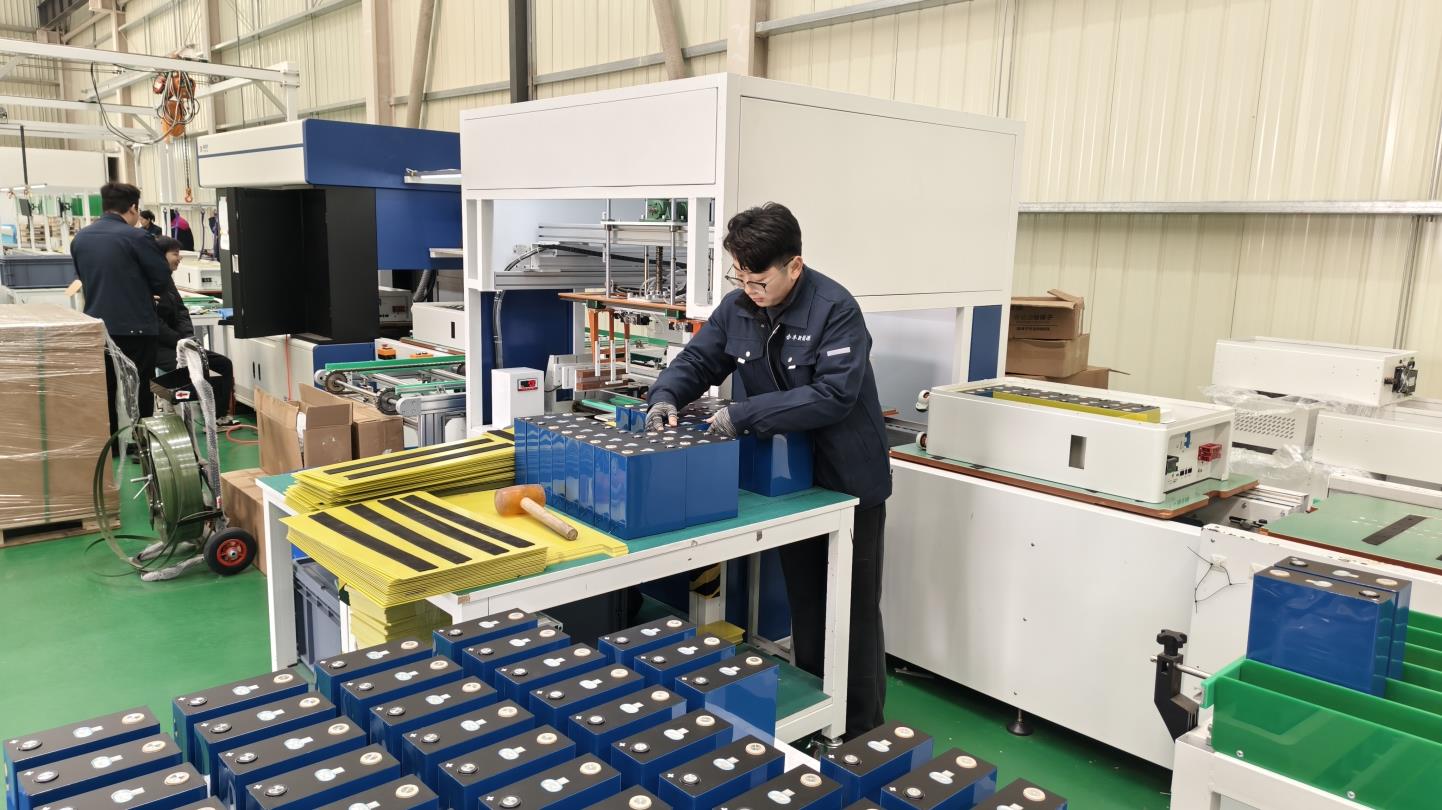
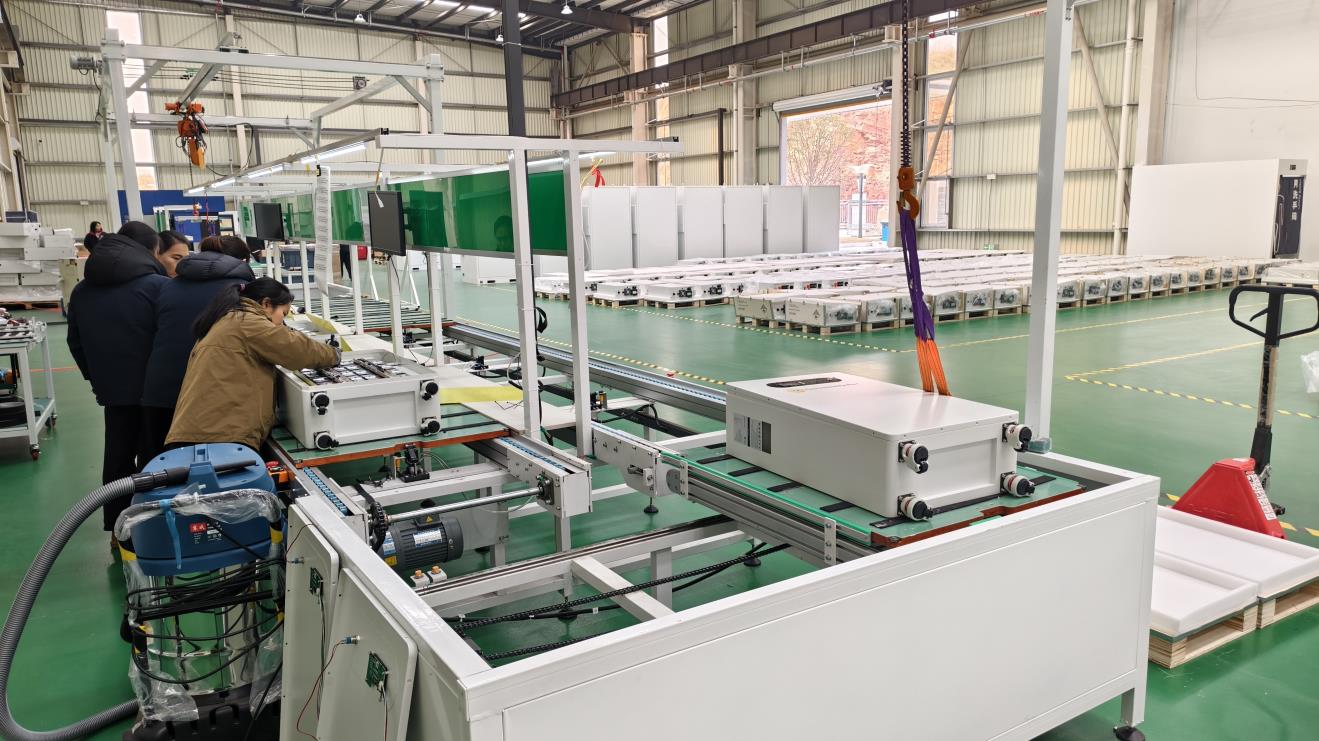
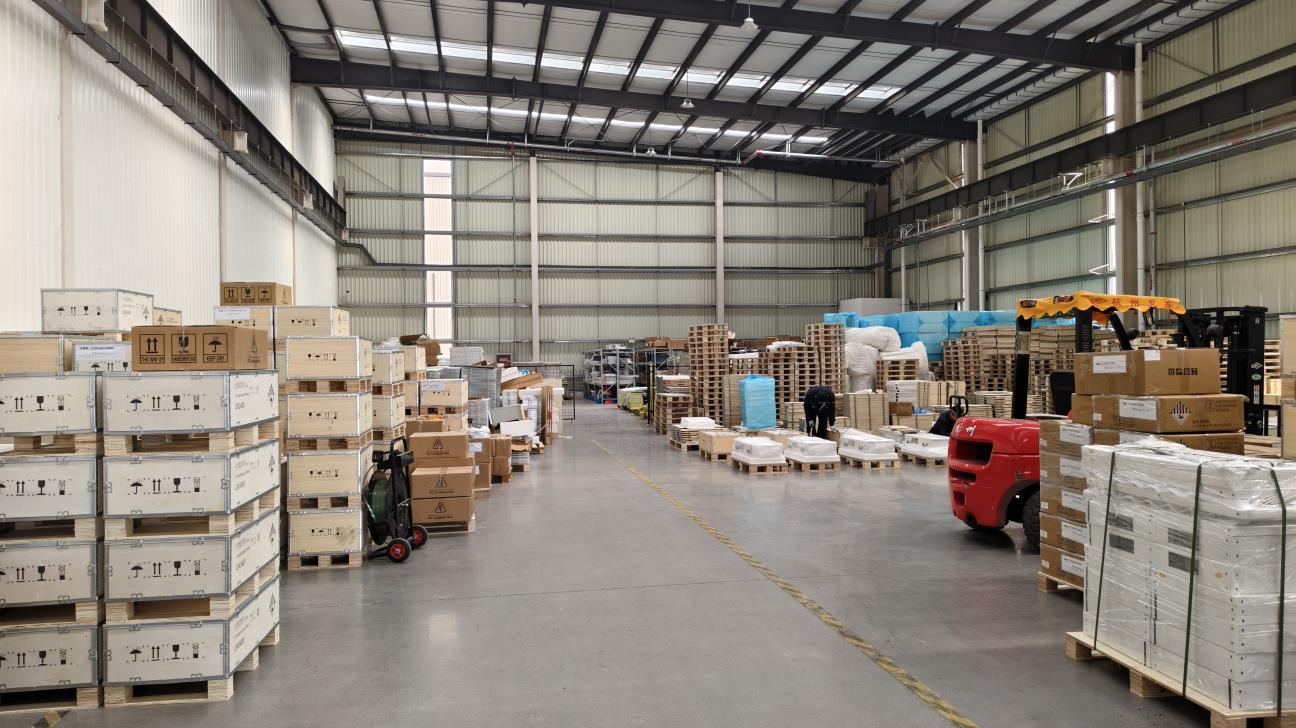
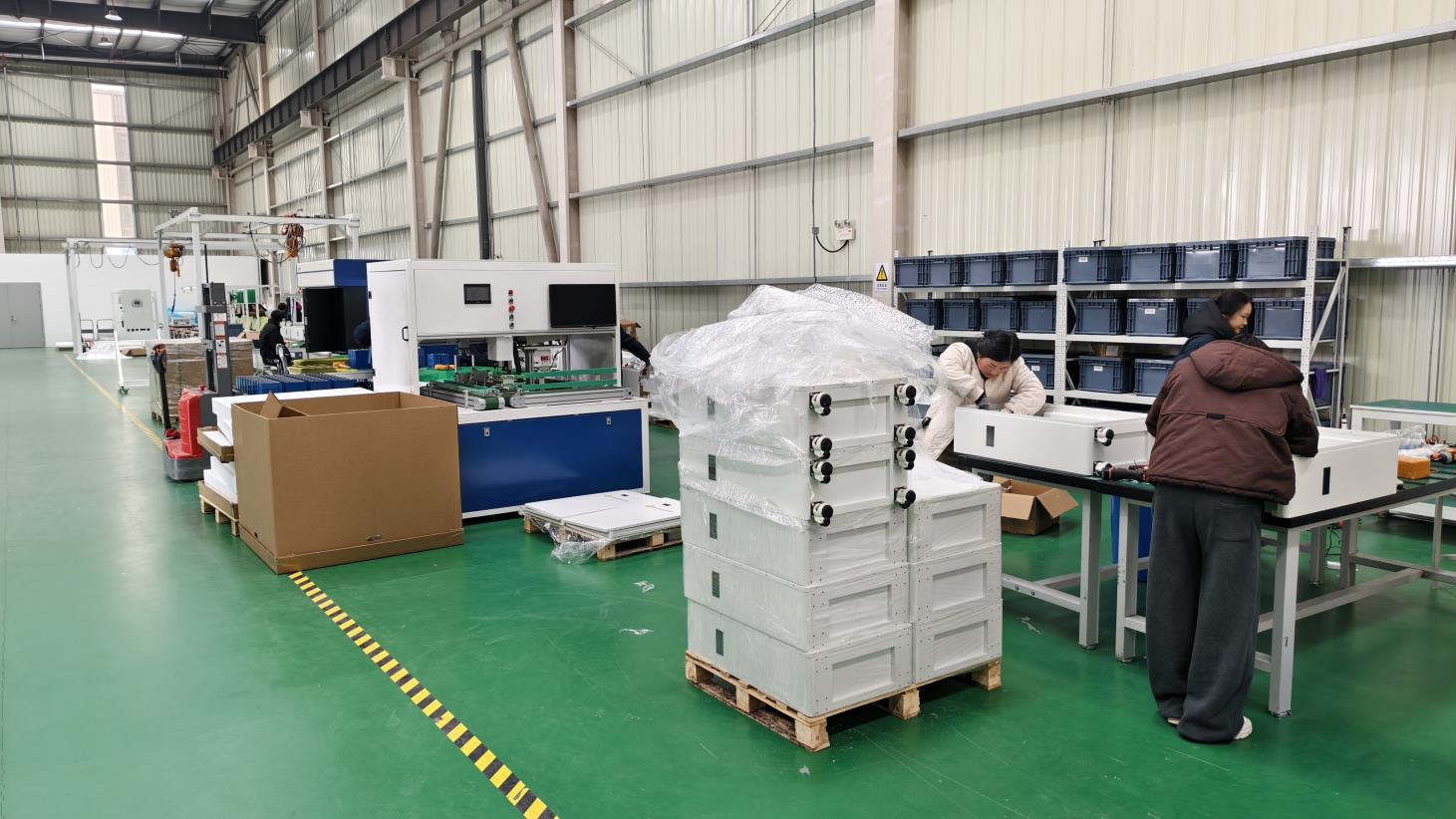
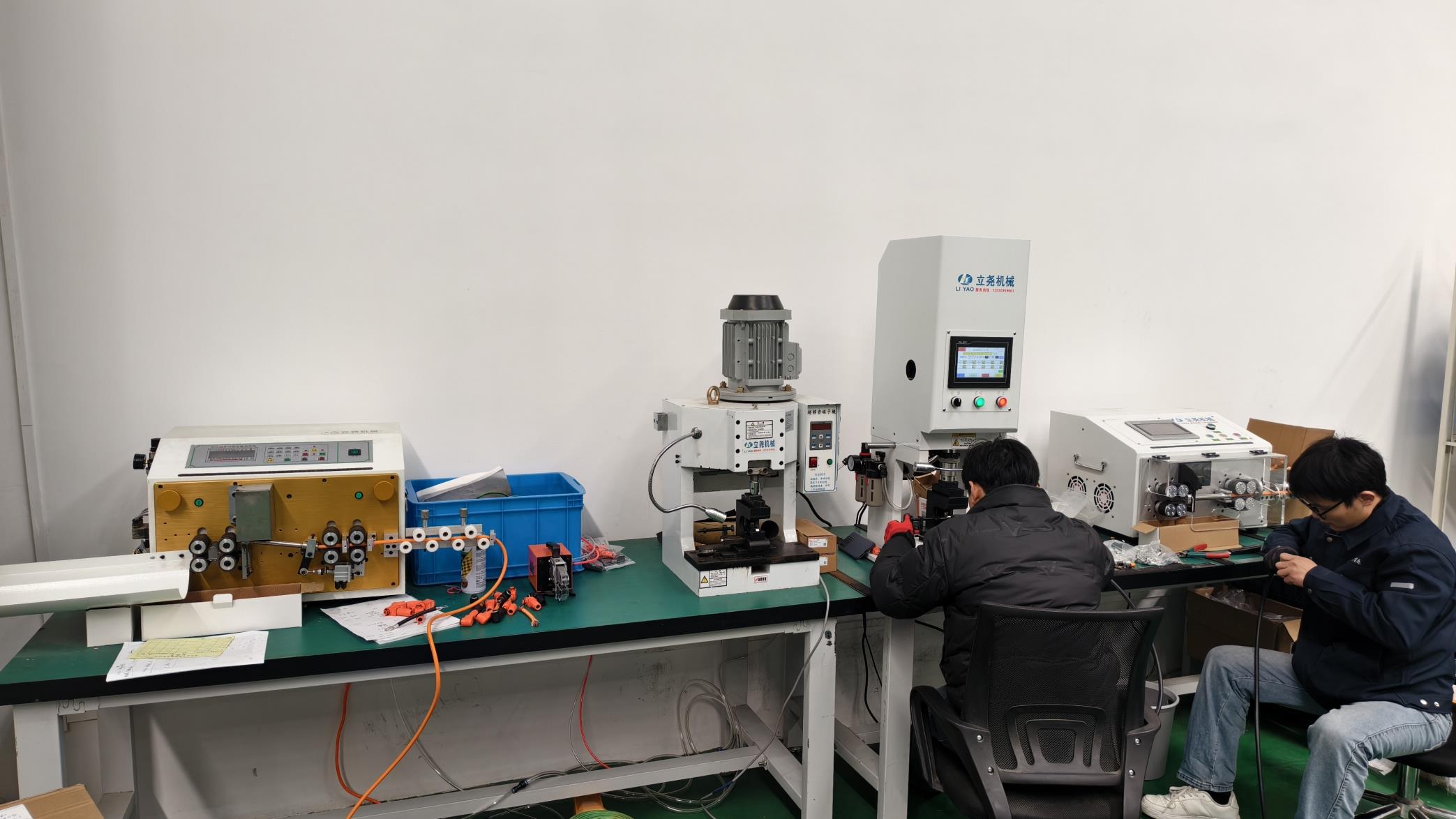
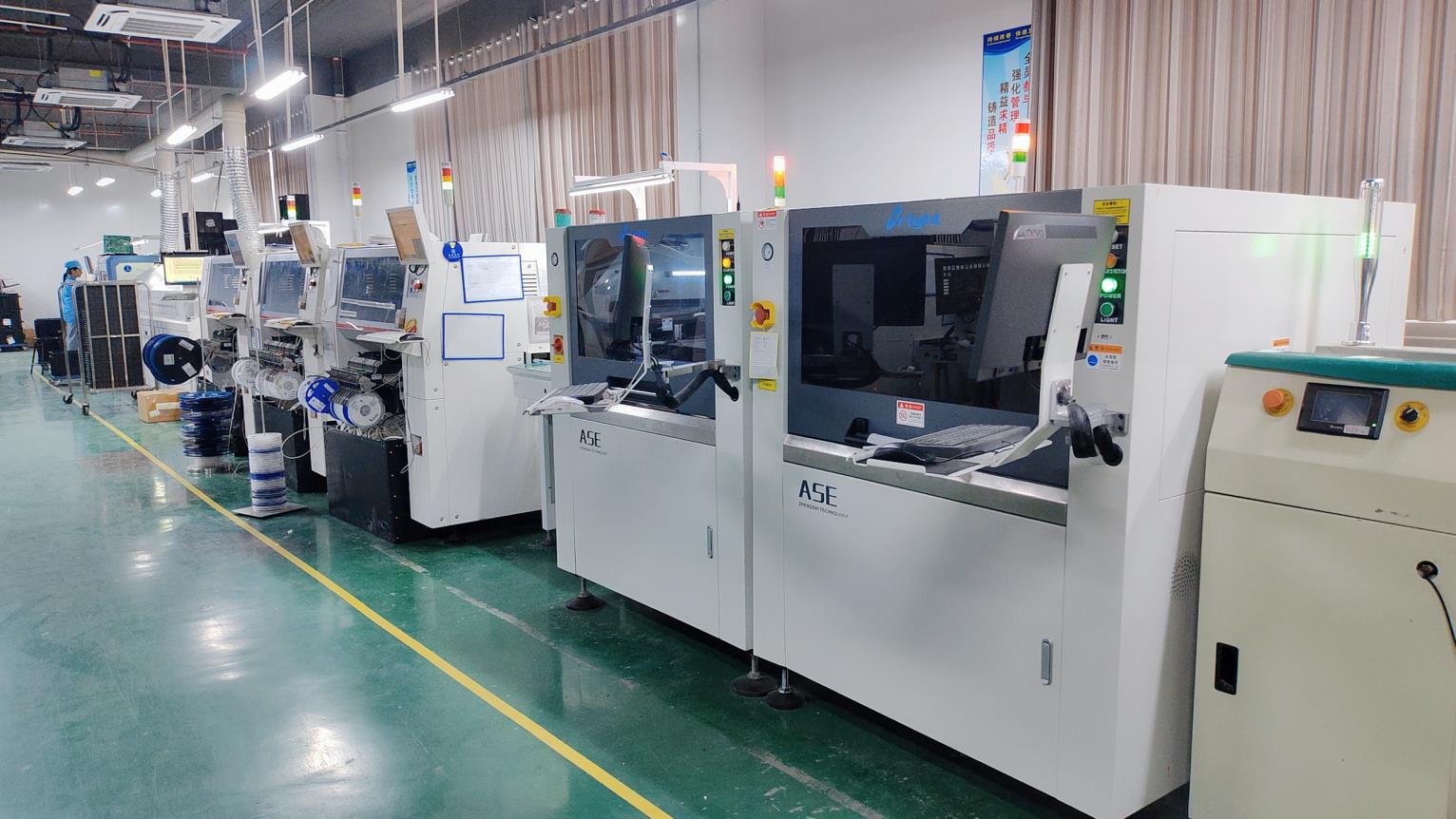
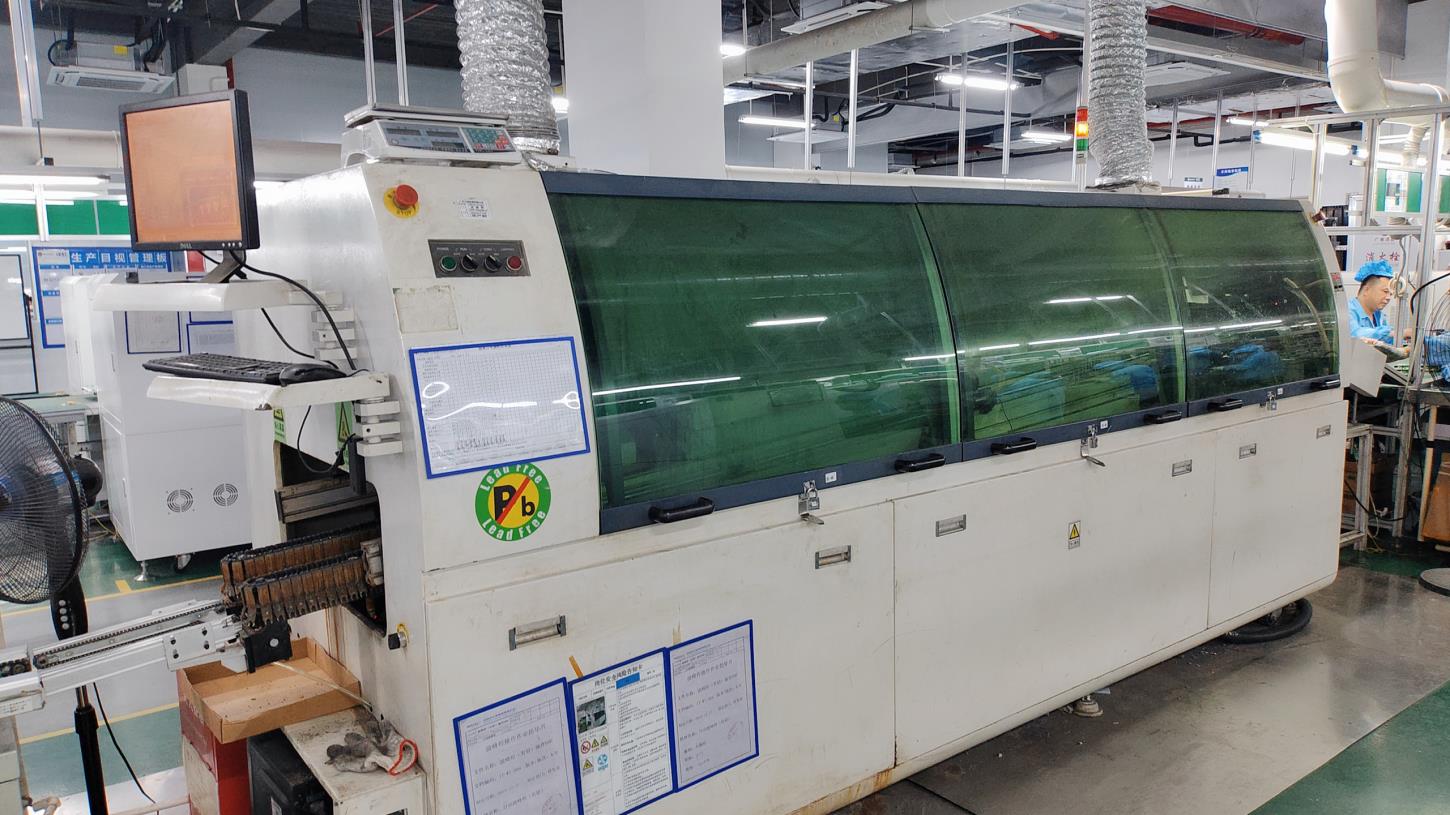
Inside our state-of-the-art production hub, showcasing integrated robotic assembly, precision welding, and advanced electrical testing systems.
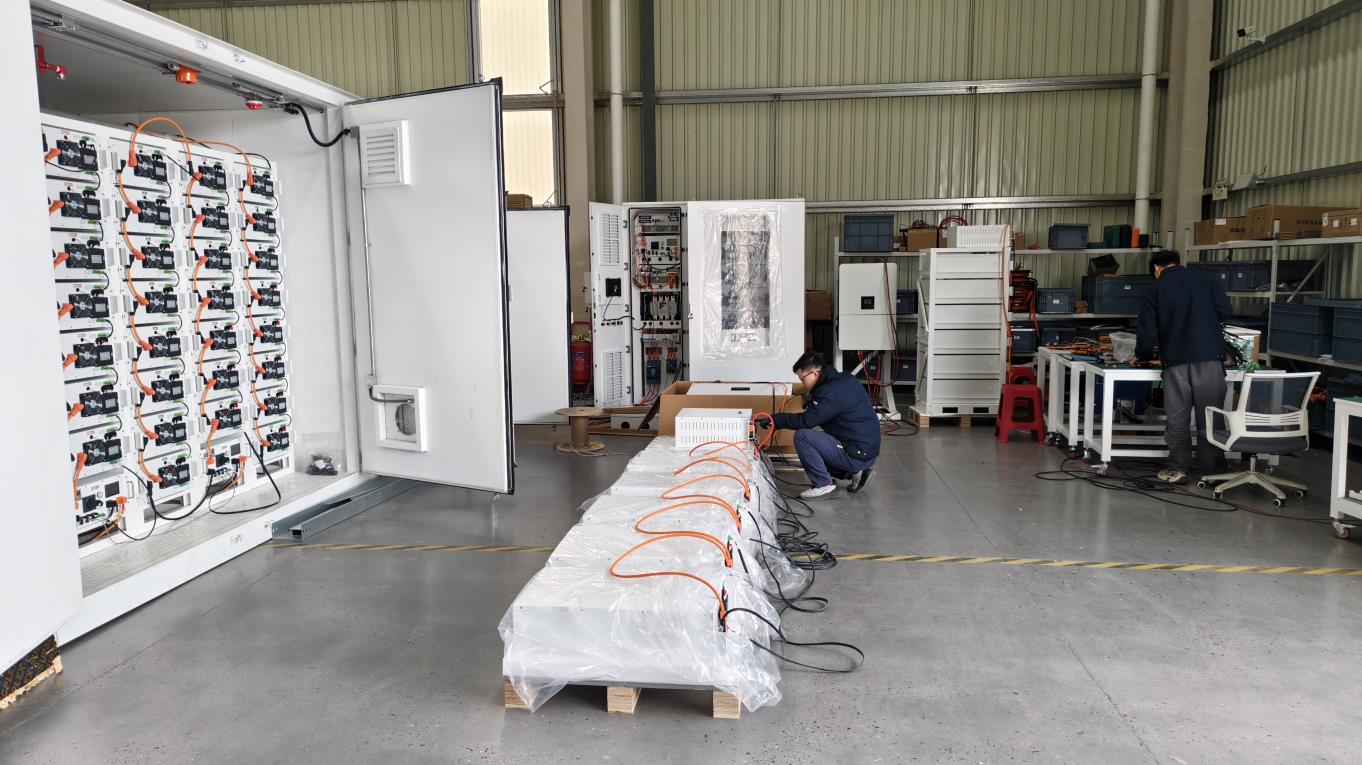
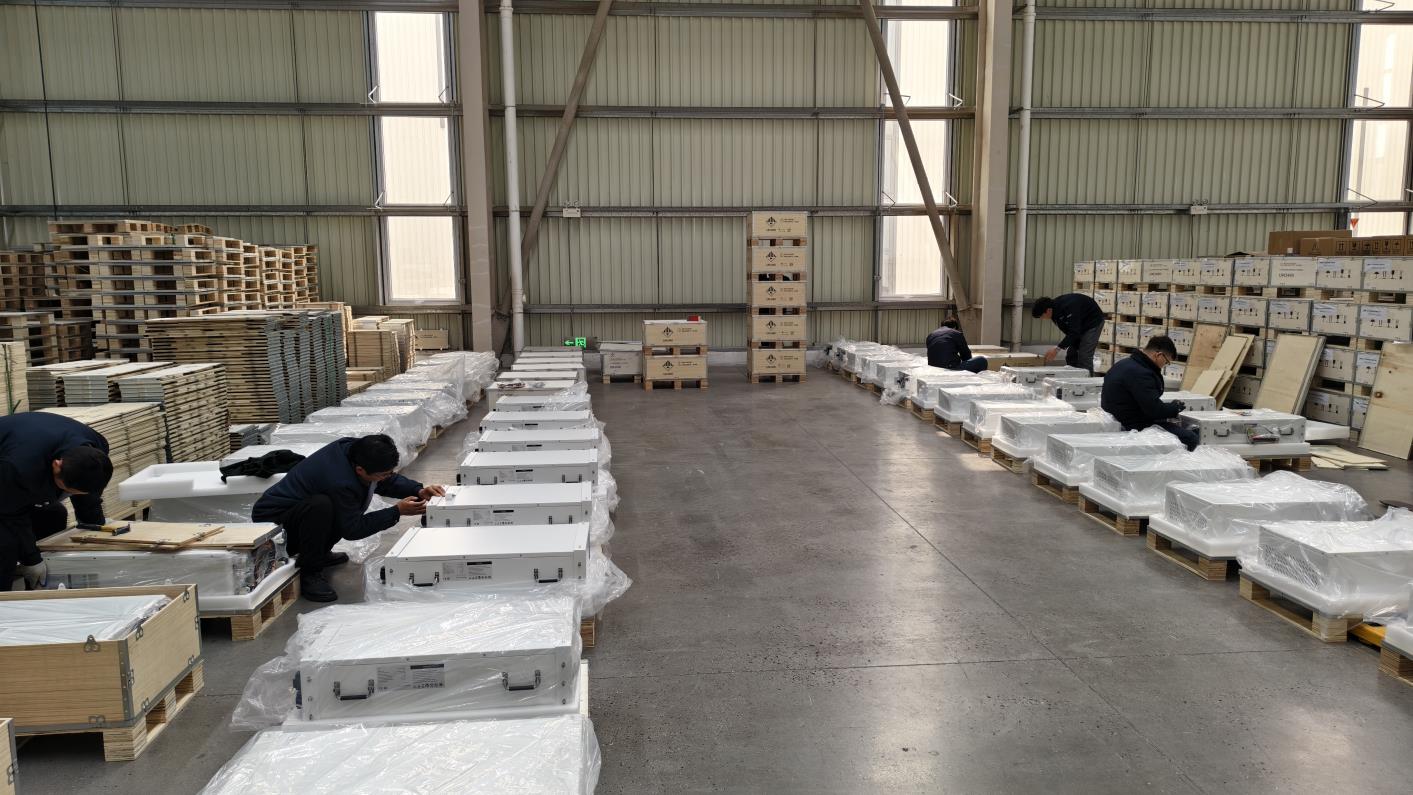
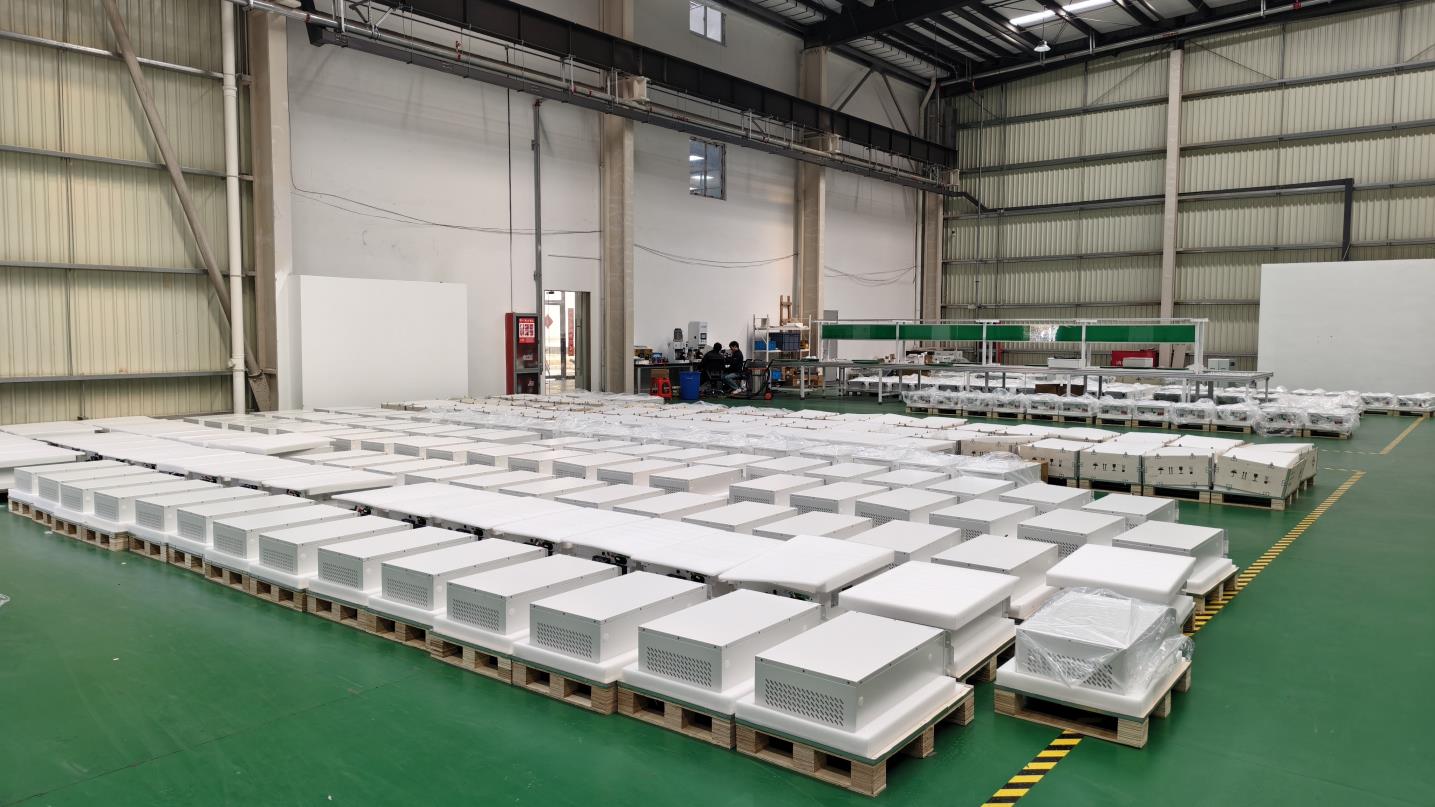
Anhui Aryam Energy Co., Ltd. has established itself as an industry leader by operating vertical manufacturing supply chains that bridge structural metal fabrication with intelligent PV balance-of-system (BOS) components. Chinese manufacturing facilities hold a distinct competitive edge globally, largely due to their hyper-localized material access (such as high-grade extruded aluminum and hot-dip galvanized steel) and advanced automation loops. At Aryam Energy, every phase of production—ranging from structural welding and SMT component mounting for controllers to automated packing lines—is governed by strict ISO 9001 quality assurance protocols.
By keeping processing lines under one roof, our plant eliminates logistical latency and ensures strict uniformity across high-volume production batches. Our automated welding cells utilize robotic arms to produce defect-free joints that resist shearing and stress corrosion, while the wave soldering and SMT lines utilize computerized automated optical inspection (AOI) to verify structural and circuit integrity on hybrid inverter components and racking electronics. Below is a detailed view of our operational workflow, highlighting the rigor involved in transforming raw metals and silicon into certified renewable energy assets.
Analyzing how geographic variance, building structures, and regional regulatory constraints dictate solar mounting design.
Commonly used in large commercial complexes and logistics warehouses, ballasted racking relies on gravity concrete blocks and friction to anchor the array. This method preserves roof waterproofing membranes but requires precise structural analysis of the building's dead load capacity, especially in older structures or regions prone to seismic disturbances.
For residential and light industrial applications, roof interfaces (e.g., L-feet, hanger bolts, standing seam clamps) must match specific roof profiles. Interfacing with trapezoidal sheets or slate tile requires custom flashing and high-durability EPDM rubber seals to eliminate water ingress risks over multi-decade lifecycles.
Coastal and near-shore installations face severe galvanic and chemical corrosion. In these zones, standard aluminum and carbon steel quickly fail. Elite suppliers leverage anodized coatings over 15 microns thick and grade 304 or 316 stainless steel fasteners to guarantee system longevity against saline atmospheres.
Racking failures represent one of the single largest sources of secondary damage to commercial real estate during severe weather. Integrating dynamic wind-deflectors (spoilers) on the northern side of tilted arrays significantly reduces wind uplift force, reducing the overall concrete ballast weight requirement and lowering the structural stress placed upon the building's load-bearing walls.
How international EPC developers structure their solar hardware procurement criteria to manage project risk, delivery timelines, and capital expenditure.
In modern utility-scale and large-scale commercial solar procurement, supply chain diversification and risk mitigation have moved to the forefront of corporate strategy. Procurement officers no longer assess suppliers based solely on initial free-on-board (FOB) price metrics. Instead, total cost of ownership (TCO) models—which account for onsite labor efficiency, pre-assembly levels, warranty claim response times, and freight optimization—guide the decision-making process. The labor cost involved in manually assembling brackets and clamps on a rooftop can quickly eclipse any savings realized during factory procurement, making systems with pre-assembled clamps, click-in rails, and toolless adjustments highly sought after.
Moreover, the integration of energy storage systems (ESS) and smart power control electronics directly impacts mounting layouts. As global requirements shift toward self-consumption and microgrid reliability, solar mounting structures must often work in tandem with decentralized battery enclosures, microinverters, and rapid shutdown devices. This necessitates mounting designs that feature dedicated, UL-listed cable management channels and integrated grounding (bonding) paths, preventing thermal hot spots or insulation faults that could lead to critical system outages.
Get technical answers to the most common engineering and logistical questions regarding rooftop PV systems.
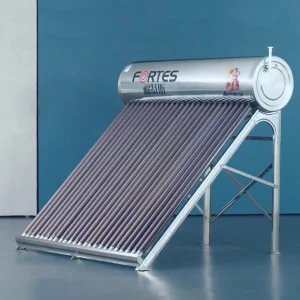
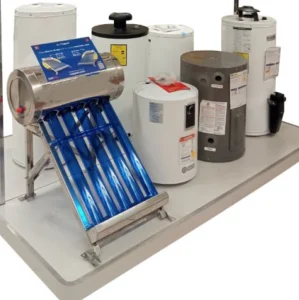
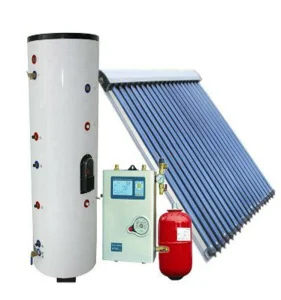
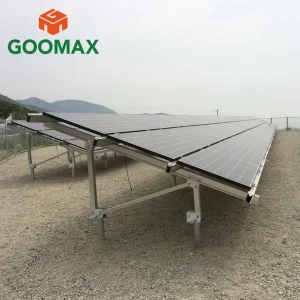
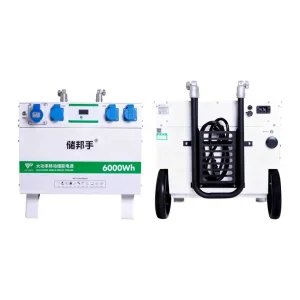
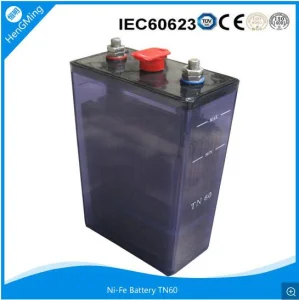
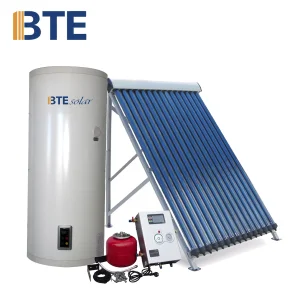
Our comprehensive selection of off-grid power stations, battery packs, and thermal solar collectors designed for residential and industrial applications.


 Aryam Energy