
As global power generation shifts away from fossil fuels, Solar Power Kits have transitioned from alternative energy alternatives to cornerstone commercial infrastructure. Modern utility-scale, industrial, and residential solar deployments require systemic compatibility, high-yield efficiency, and resilient physical components to survive a nominal 25-to-30-year operational lifecycle. This whitepaper analyzes how leading global manufacturers and exporters solve these challenges through technology, supply chain control, and engineering innovation.
Information Gain Notice: Unlike typical product directories, this analysis targets the engineering parameters of solar balance-of-system (BOS) components, the transition pathways of crystalline silicon substrates, and the logistical risk mitigation structures necessary for procurement executives and EPC contractors.
Anhui Aryam Energy Co., Ltd. is a leading provider of advanced renewable energy solutions, dedicated to delivering reliable, efficient, and sustainable power systems for residential, commercial, industrial, and utility-scale applications worldwide. Through continuous innovation and a strong commitment to clean energy development, Aryam Energy has established itself as a trusted partner in the global transition toward a low-carbon future.
The company specializes in the research, development, manufacturing, and integration of solar energy systems, energy storage solutions, hybrid power systems, and intelligent microgrid technologies. Leveraging cutting-edge engineering expertise and strict quality management standards, Aryam Energy provides comprehensive energy solutions tailored to diverse market needs, particularly in regions facing energy shortages, unstable grid infrastructure, or increasing demand for sustainable power generation.
With a professional R&D team and a growing portfolio of proprietary technologies, Aryam Energy continuously invests in innovation to enhance system performance, energy efficiency, and long-term reliability. Its products and solutions are designed to meet international standards and have been successfully deployed across Asia, Africa, the Middle East, Europe, and Latin America, serving customers in more than 100 countries and regions.
Aryam Energy's product portfolio includes solar inverters, energy storage systems, hybrid inverters, lithium battery solutions, solar water pumping systems, microgrid systems, and customized renewable energy projects. The company is committed to providing integrated energy solutions that maximize energy independence, reduce operational costs, and support environmental sustainability.
Driven by the vision of becoming a globally recognized clean energy technology leader, Aryam Energy actively collaborates with distributors, EPC contractors, government agencies, international organizations, and development partners to promote renewable energy adoption worldwide. Through its mission of "Empowering Sustainable Energy for a Better Future," the company strives to create long-term value for customers while contributing to global carbon reduction goals and sustainable social development.
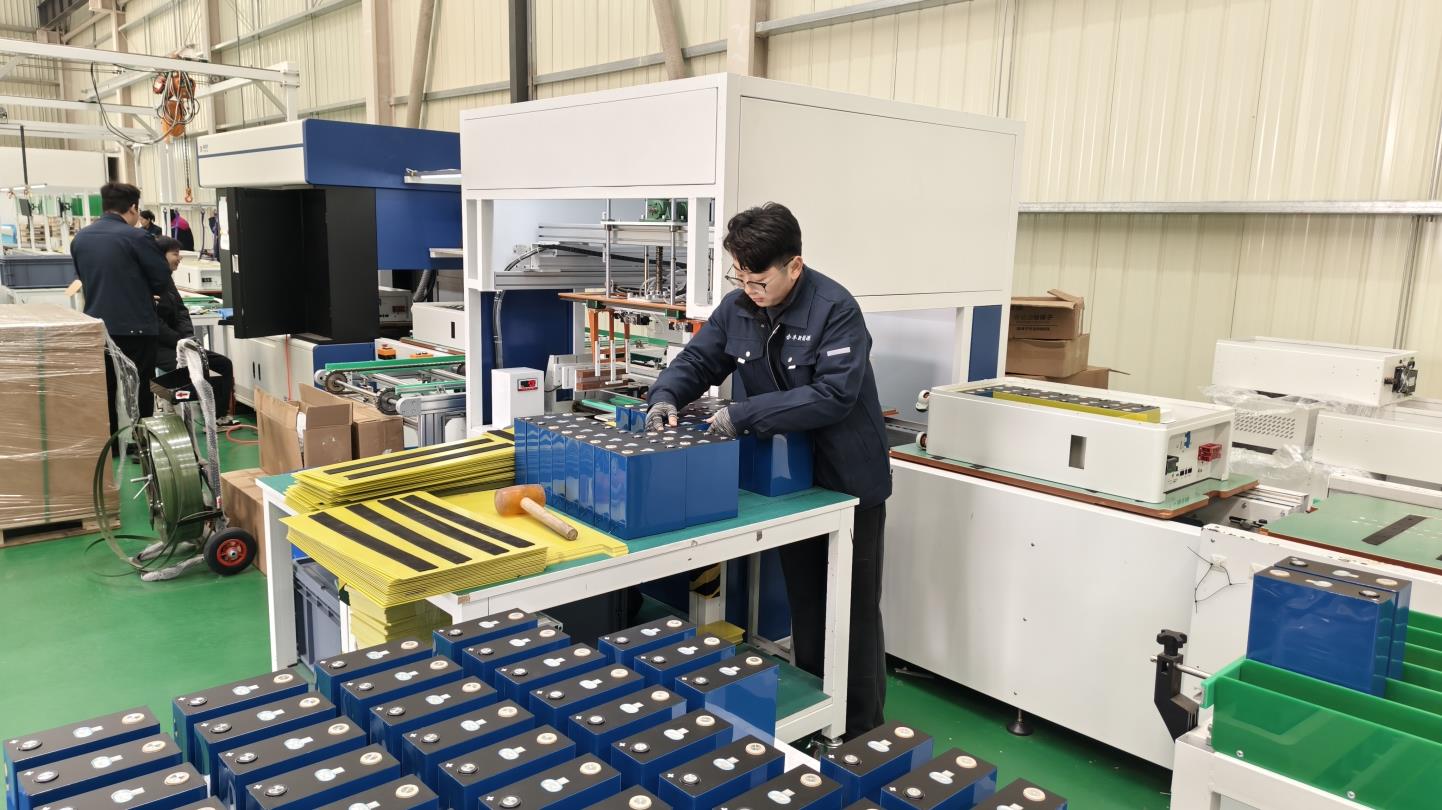
The structural competitiveness of Chinese manufacturers lies in vertical supply chain integration and advanced manufacturing execution. Anhui Aryam Energy utilizes automated assembly lines, surface mount technology (SMT) for controller boards, and automated wave soldering systems to ensure minimal manual variation. High-frequency thermal testing, structural welding inspections, and post-assembly load checks guarantee that every exported solar power kit performs to its exact design tolerances.
Welding
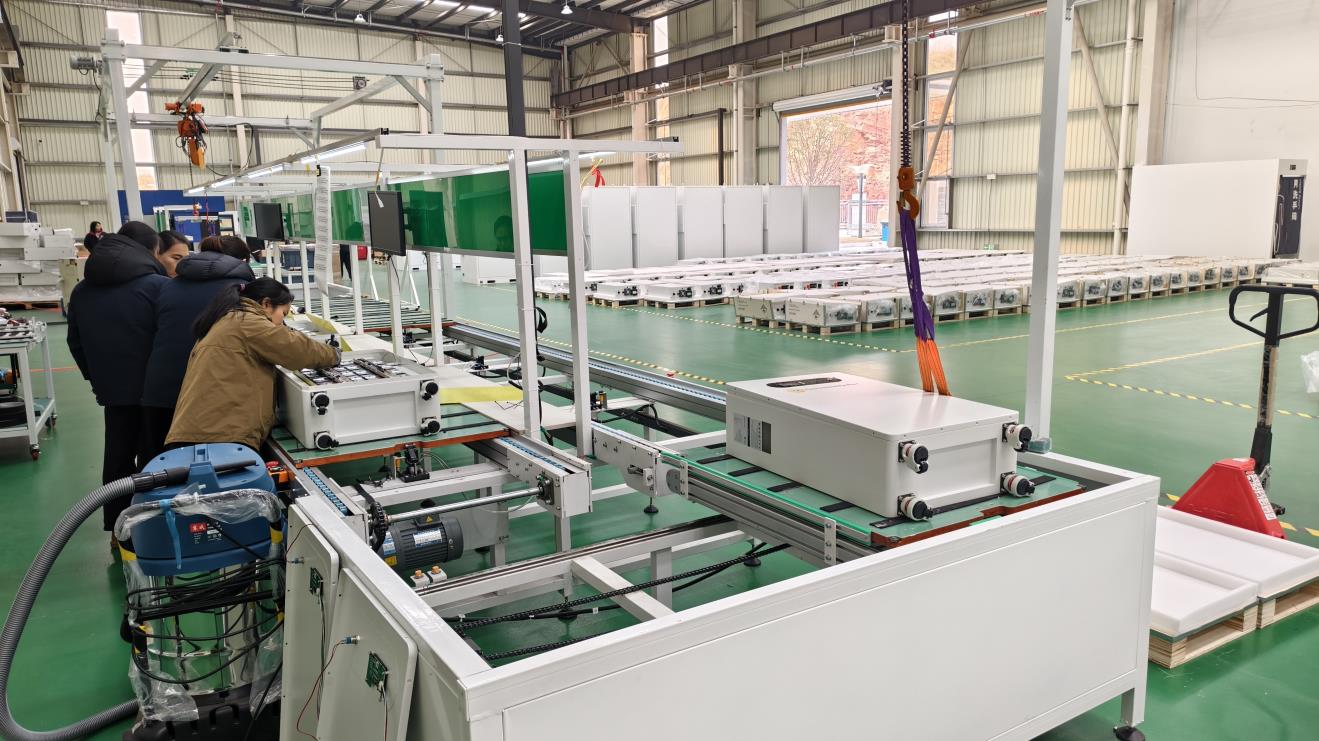
Assembling
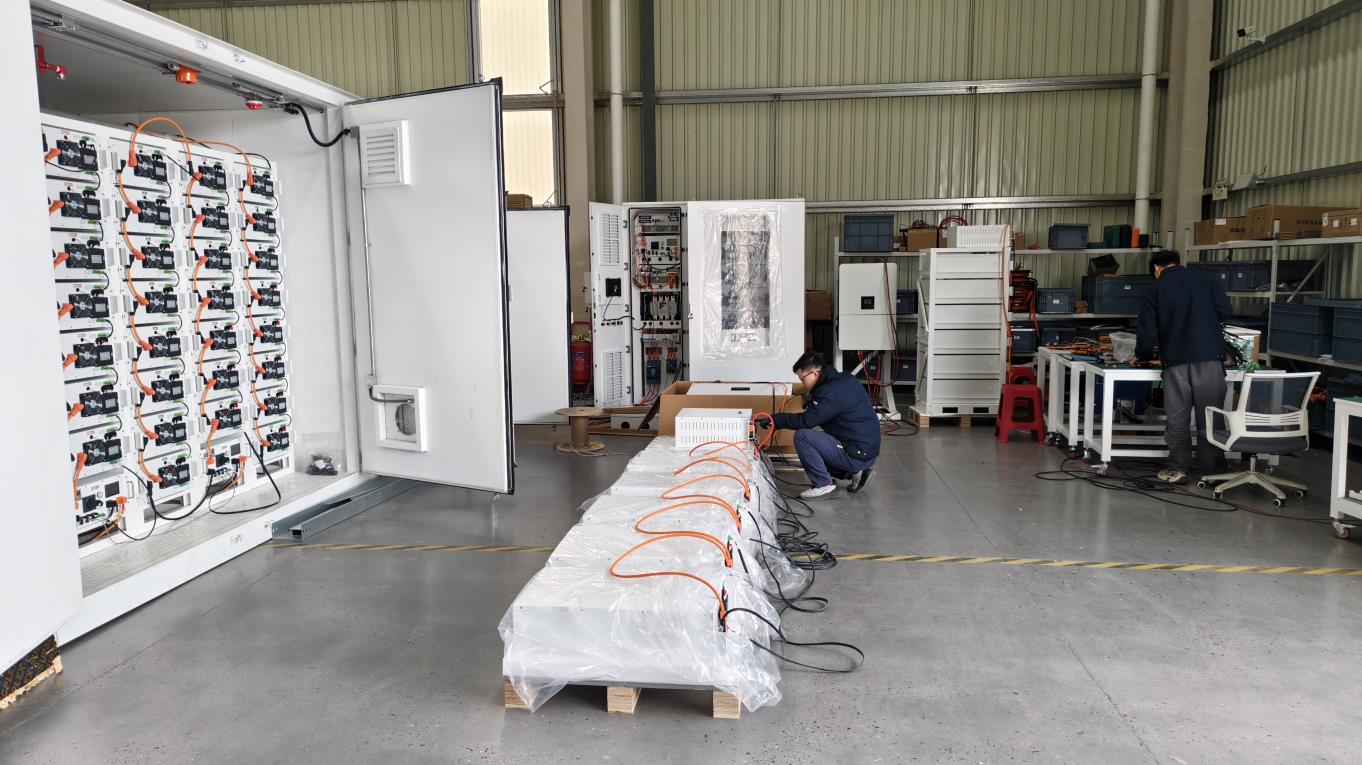
Testing
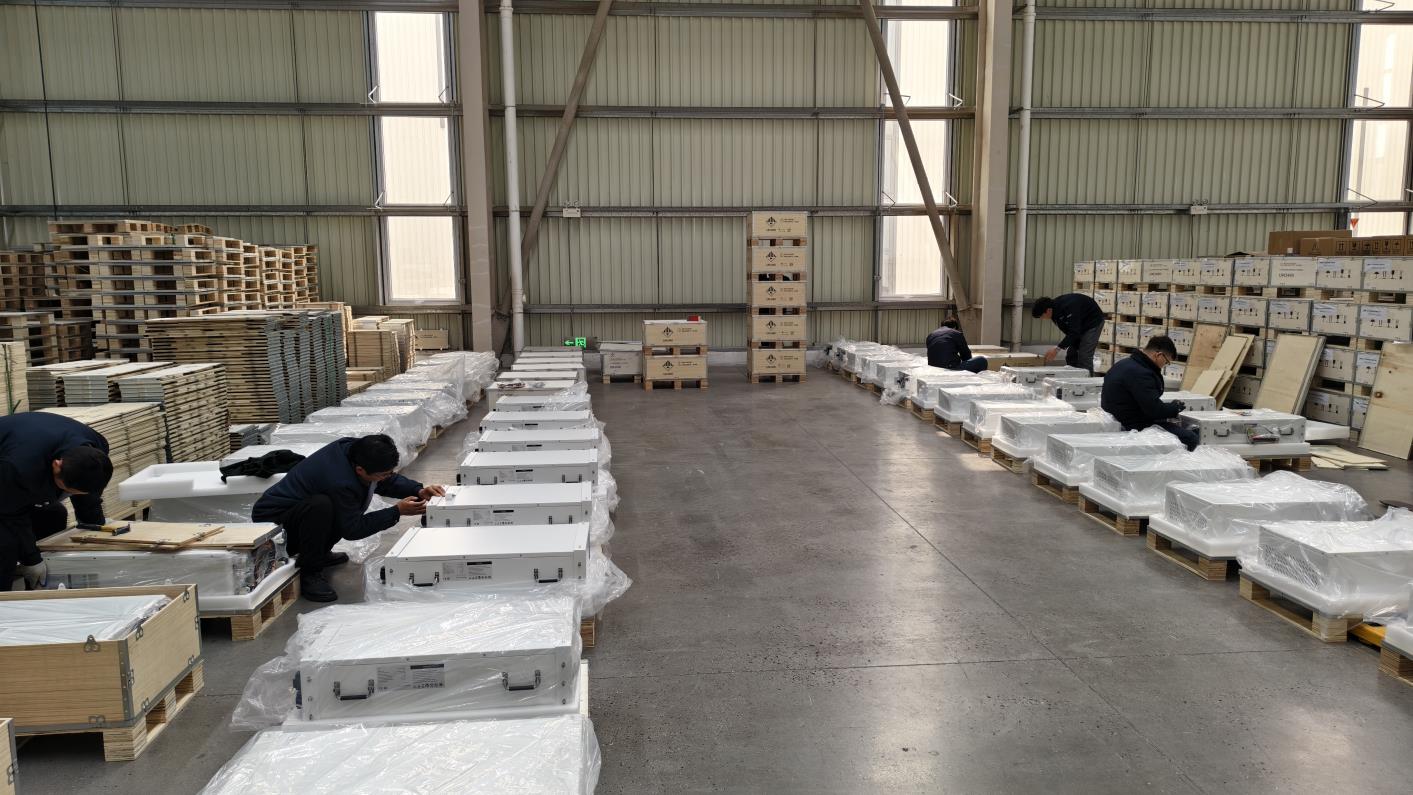
Packing
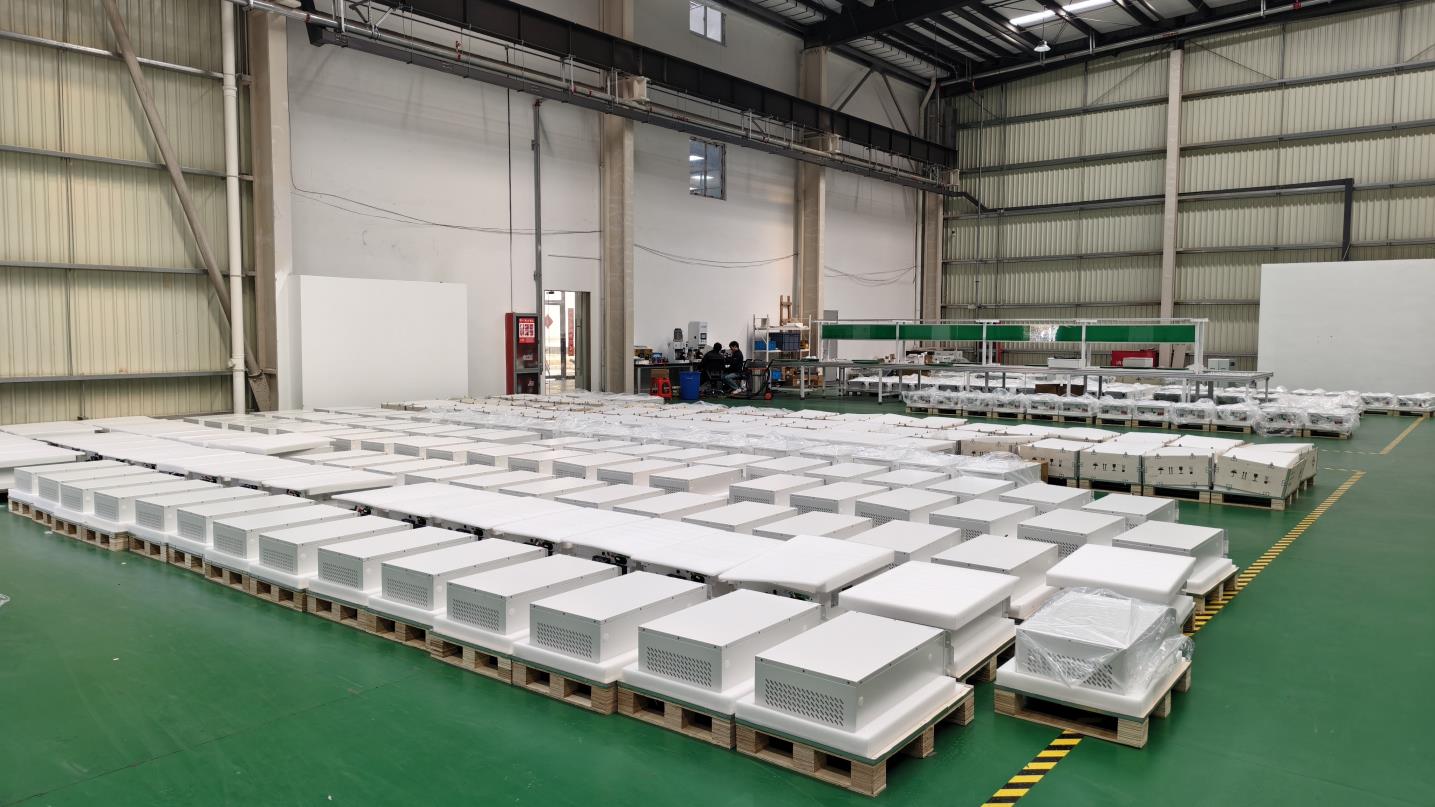
Finished Product
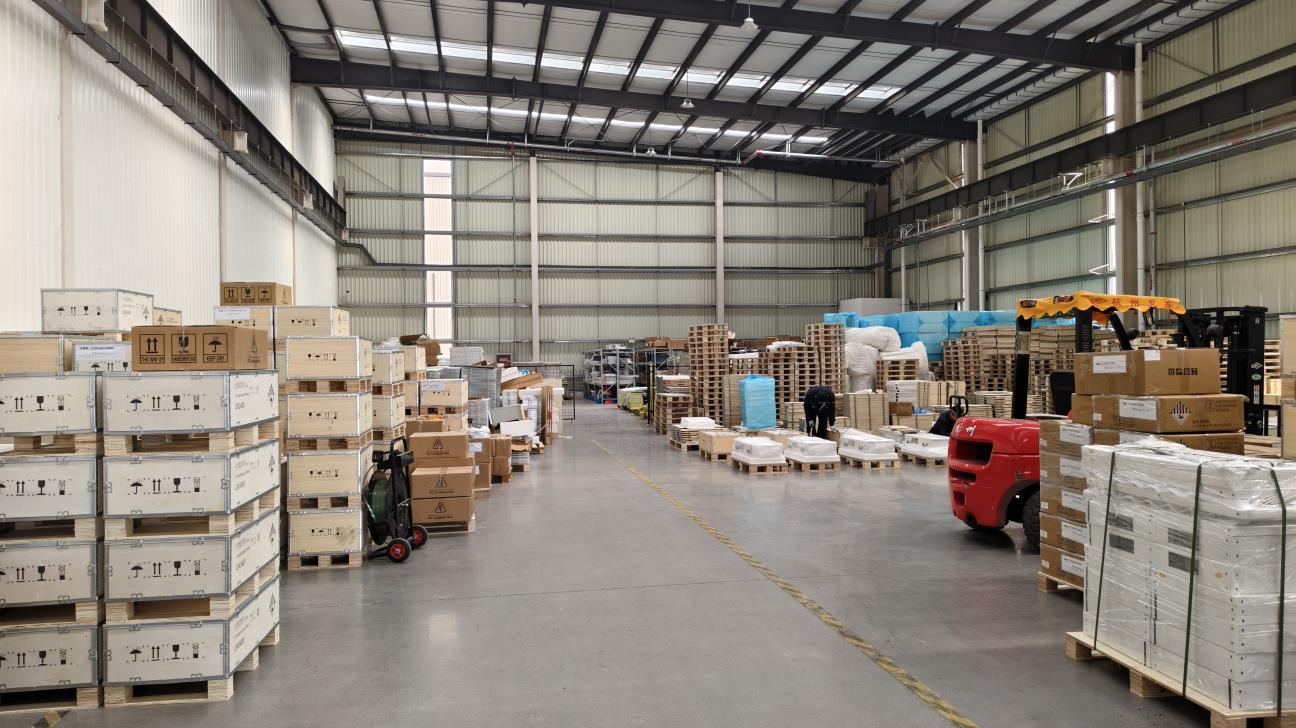
Warehouse
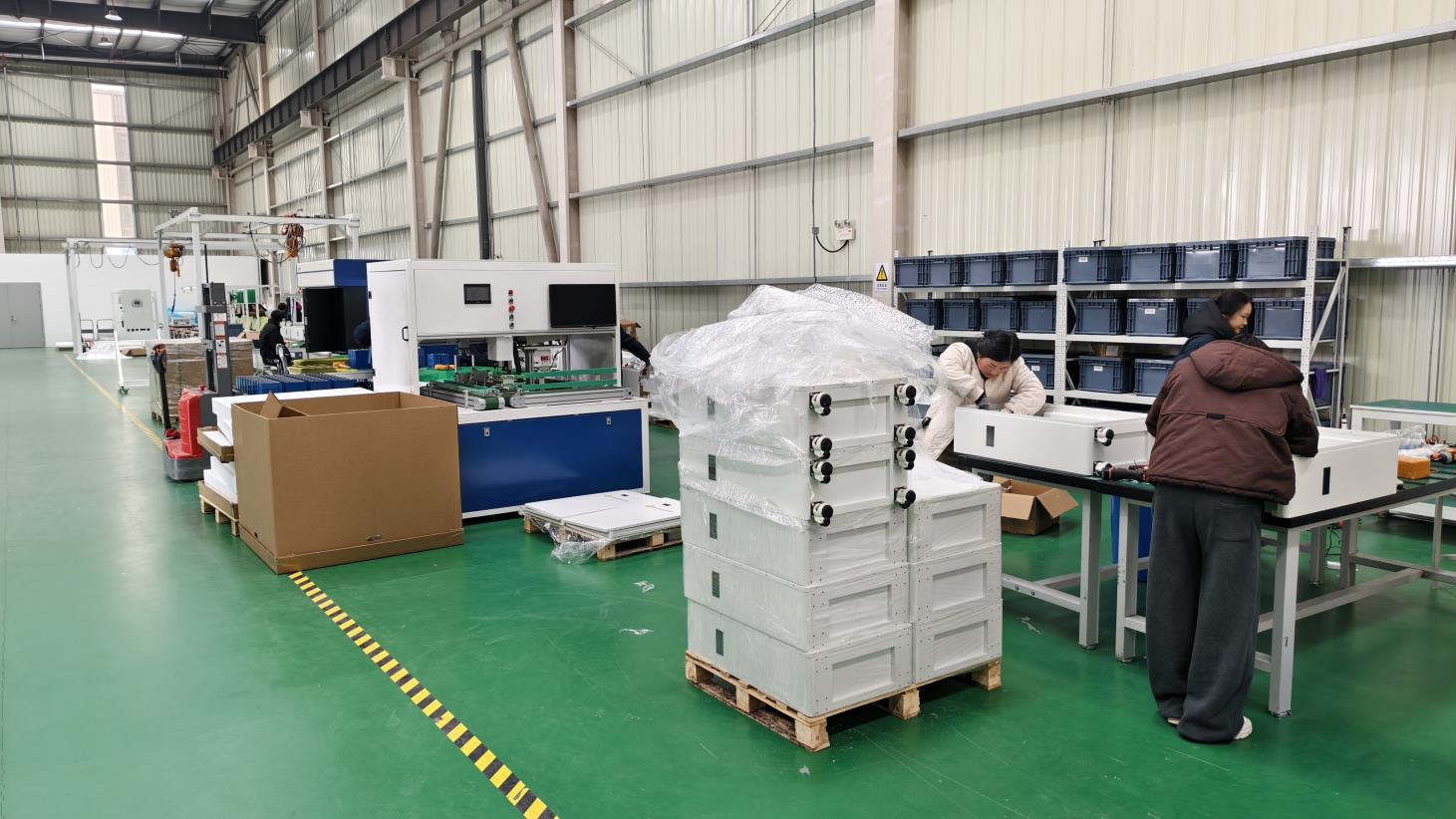
Assembly Line
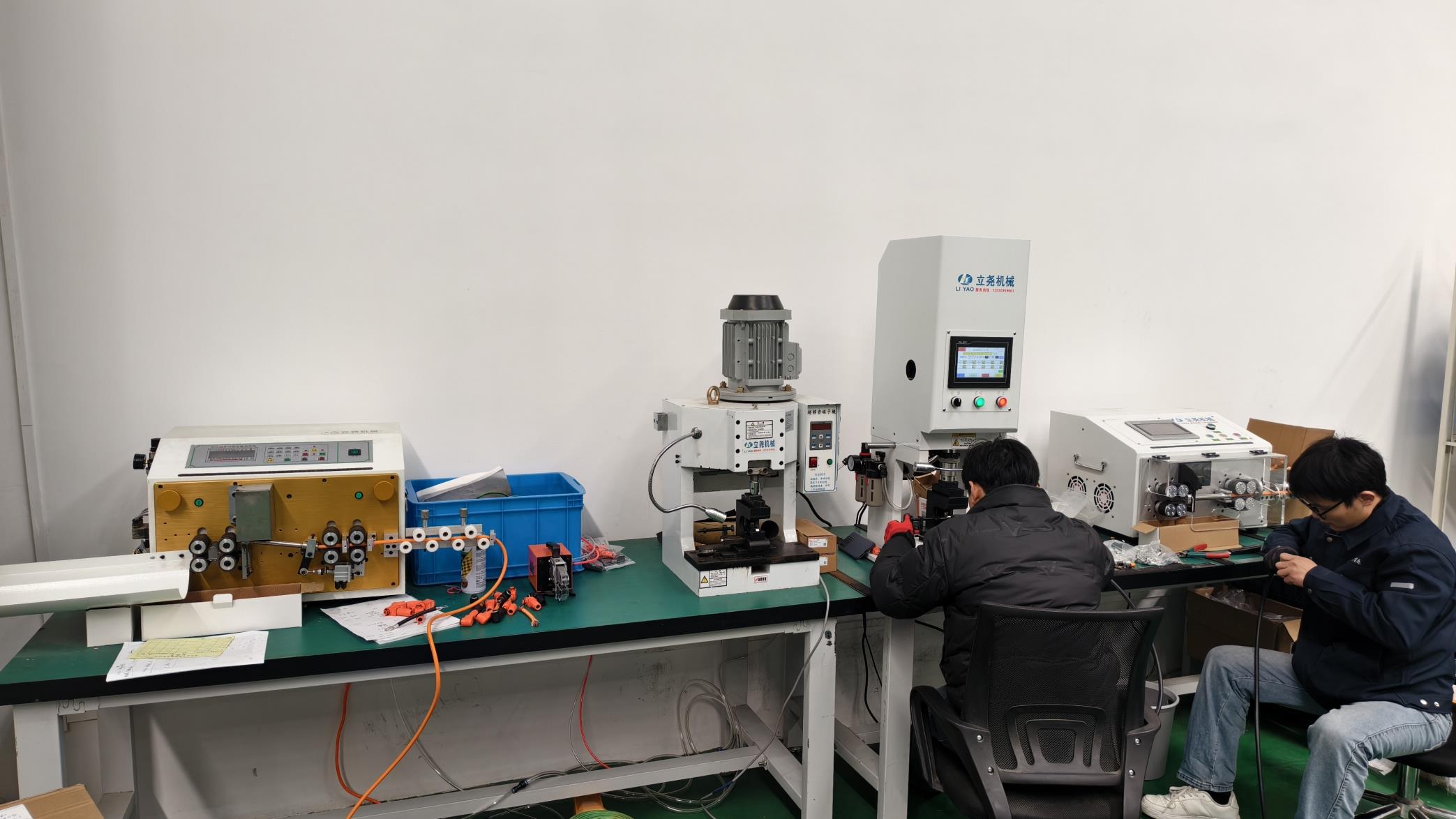
Wire Stripper
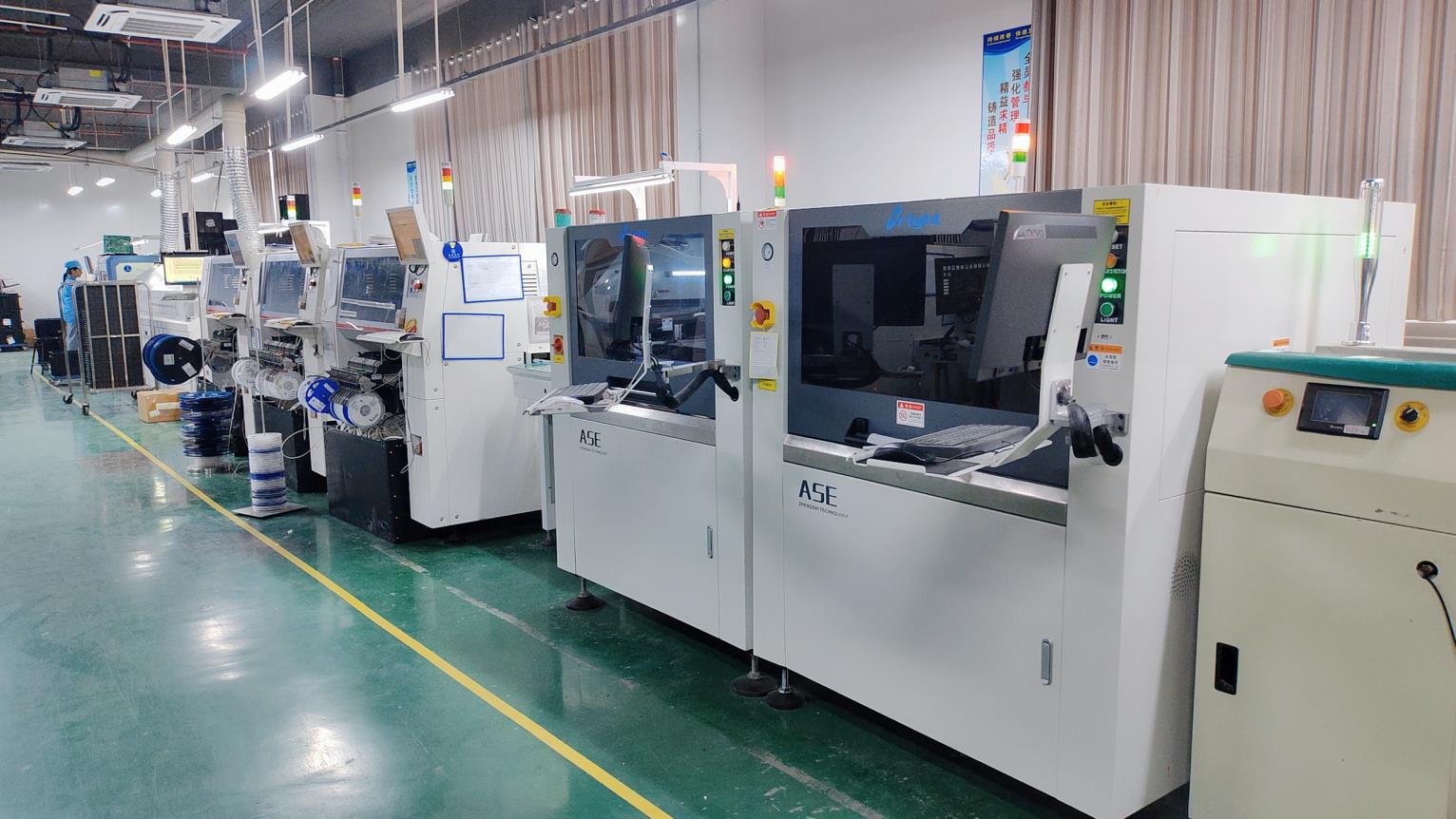
SMT line
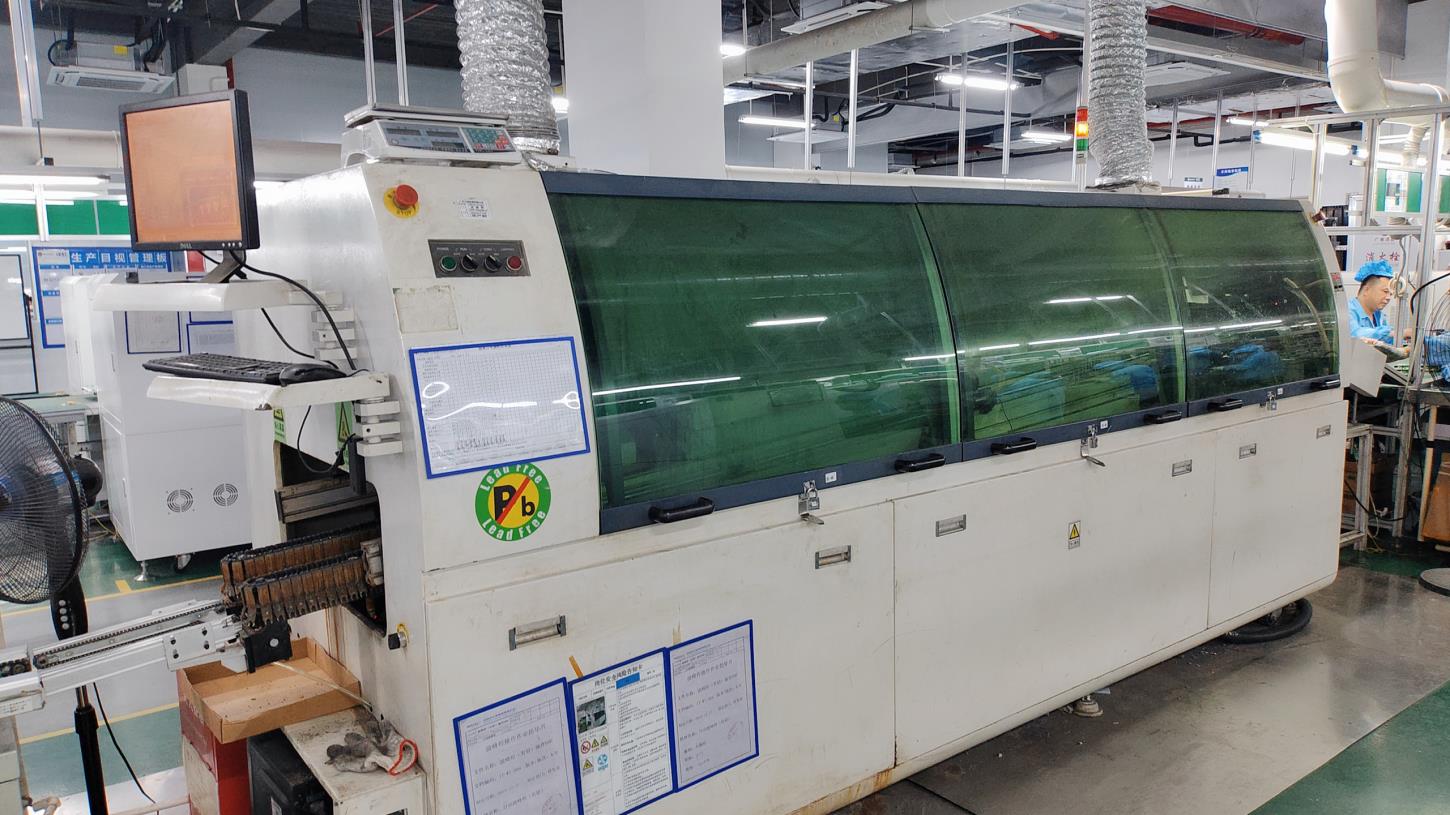
Wave soldering machine
The solar technology landscape is evolving rapidly, driven by efficiency breakthroughs and systemic cost reduction. Key areas shaping the roadmap of next-generation solar kits include:
Transitioning from p-type PERC to n-type technologies, specifically TOPCon (Tunnel Oxide Passivated Contact) and HJT (Heterojunction Technology). These structures achieve industrial cell efficiencies above 26% and exhibit significantly lower light-induced degradation (LID).
Incorporating solid-state batteries and cobalt-free Lithium Iron Phosphate (LiFePO4) chemistries. These chemistries are paired with multi-level battery management systems (BMS) to extend cycling life up to 10,000 charge-discharge iterations.
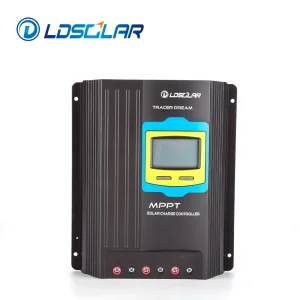
Integrating Artificial Intelligence of Things (AIoT) edge microchips into solar charge controllers. This enables real-time maximum power point tracking (MPPT) even under variable partial shading, boosting system energy yields by 15%.
Solar technology is no longer deployed as stand-alone components. Modern clean energy requires system-level engineering tailored to target use cases.
Commercial structures require customized, scale-up configurations to offset expensive peak grid pricing. By combining hybrid inverters, agricultural mounting systems, and high-efficiency borosilicate glass panels, C&I microgrids can run parallel with grid power. They switch instantly to battery backups in the event of grid instability, protecting delicate operations.
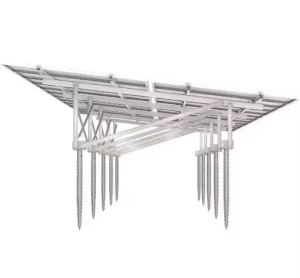
Combining energy generation with active farming is a growing global trend. Economical farm-mounted structures elevate solar panels to allow tractors to cultivate the land underneath. This setup provides shade that lowers water evaporation while generating electricity to power local water heaters, pumps, and farming machinery.
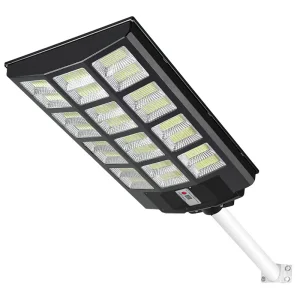
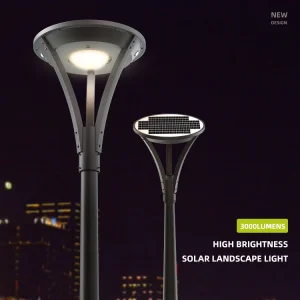
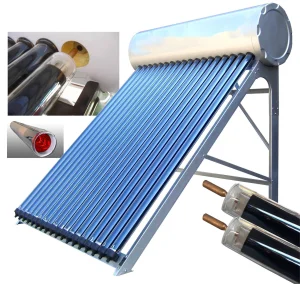
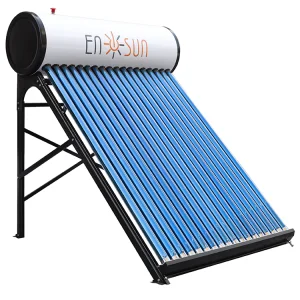
In remote regions without access to utility grids, stable power systems are essential for local economies and communities. High-power solar streetlights, split solar air conditioners, and modular solar water heaters allow off-grid installations to achieve modern living standards without needing expensive grid extensions.
Exporting solar systems requires meeting strict local regulations. To sell to global markets like the EU, Americas, and Asia-Pacific, manufacturers must maintain robust certification portfolios. These compliance frameworks protect the supply chain and guarantee that installations pass municipal grid inspections.
| Target Region | Mandatory Compliance & Standards | Localization Requirement |
|---|---|---|
| European Union | CE, TUV Rheinland, RoHS, EN 62109 (Inverter Safety) | Low-voltage grid connection clearance, bilingual instruction booklets |
| North America | UL 1741, UL 1973 (Battery Pack Safety), NEC Rapid Shutdown | AFCI integration, local warehousing for rapid parts replacement |
| Latin America | INMETRO (Brazil), SEC (Chile), RETIE (Colombia) | Highly corrosion-resistant mounting frames (class C5-M) for coastal areas |
| Middle East & Africa | IEC 61215, SASO, Soncap | Dust-proof, IP65/IP66 enclosures with advanced thermal management profiles |
Procurement agents often face challenges when sourcing solar kits due to fragmented component supply chains. Purchasing panels from one source, inverters from another, and mounting brackets from a third can lead to component incompatibility. A unified B2B sourcing strategy solves this problem by using pre-certified, pre-integrated systems.
Key Engineering Checklist for Sourcing Agents:
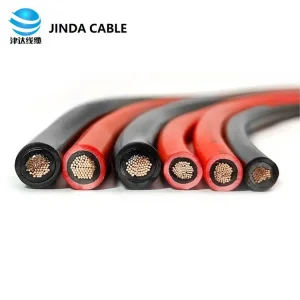
1. BOS Compatibility: Confirm connector systems (e.g., PV1-F single-core cables) match the MC4 standard to prevent resistance-based fire hazards.
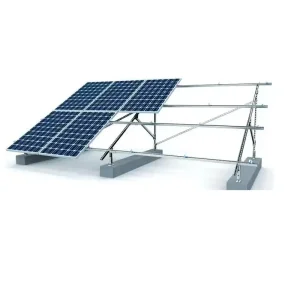
2. Structural Integrity: Ensure mounting structures are hot-dip galvanized and match local wind load requirements (typically 120km/h up to 240km/h).
3. Thermal Testing: Verify the heat expansion rate of borosilicate glass covers to prevent micro-cracking in extreme temperature swings.
Solar installations require high-performance glass, like eco-friendly borosilicate glass, to maintain light transmission over time. Compared to standard soda-lime glass, borosilicate has low thermal expansion and high chemical durability. This prevents the glass from clouding in industrial environments and protects internal cells from thermal shock during rapid temperature changes.
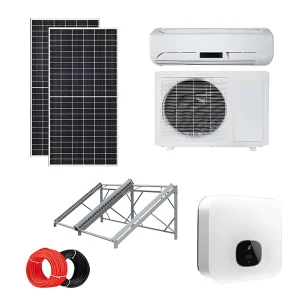
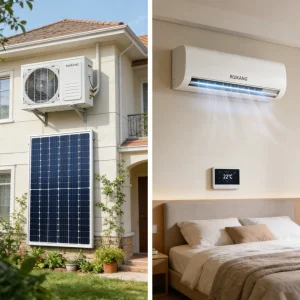
Hybrid AC/DC solar air conditioners connect directly to solar arrays using DC power, eliminating the conversion losses of typical DC-to-AC inverters. During peak sunshine hours, the unit runs entirely on solar DC power. When solar generation drops, the system seamlessly draws AC power from the grid, ensuring continuous cooling with minimal utility costs.
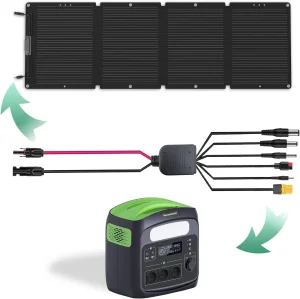
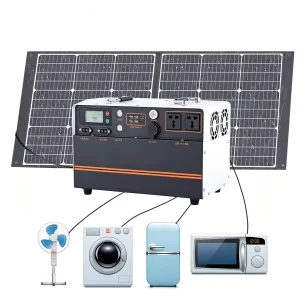
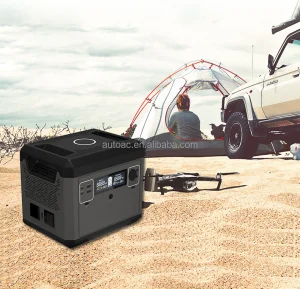
A portable power station built with LiFePO4 battery chemistry offers clean, silent power with zero emissions. It features built-in UPS functionality to protect sensitive electronics, fast charging, and a cycle life of over 3,000 charges. Unlike gas generators, it is safe to use indoors and requires no routine fuel or mechanical maintenance.
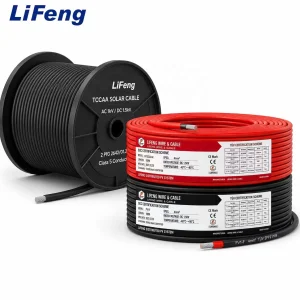
High-voltage PV networks (1000V/1500V) require durable, low-loss wiring. Tinned copper PV cables offer superior corrosion resistance compared to bare copper, especially in humid or coastal environments. The tin coating prevents oxidation, maintaining low contact resistance and reliable power transmission over decades of use.
 Aryam Energy