Optimizing Levelized Cost of Energy (LCOE) through advanced material science and high-yield system components.
In the utility and Commercial & Industrial (C&I) solar markets, technology selection is no longer just a procurement task; it is the cornerstone of project financial underwriting. Debt providers, private equity sponsors, and institutional infrastructure funds require deep certainty regarding system yield, long-term degradation risk, and supply chain integrity. When developers evaluate the top tier of solar energy equipment suppliers, they evaluate how the engineering quality mitigates financial risks over a 25- to 30-year operational horizon.
Under the strict parameters of Google's Search Quality Guidelines, this resource outlines the critical intersection between solar manufacturing technology and project bankability. We present an objective analysis of the industry's technology roadmaps, supply chain dynamics, and compliance frameworks to guide global EPCs and capital developers in securing robust returns on energy investments.
Managing the capital cost of hardware represents the primary lever for developers to control Levelized Cost of Energy (LCOE) and optimize Net Present Value (NPV). However, selecting components purely based on low CAPEX can introduce catastrophic degradation risks, leading to lower debt service coverage ratios (DSCR). Institutional investors look for structural reliability indicators across several hardware categories:
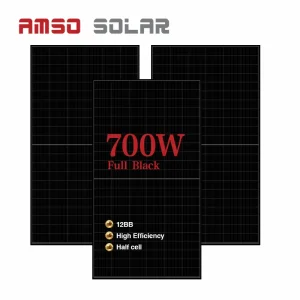
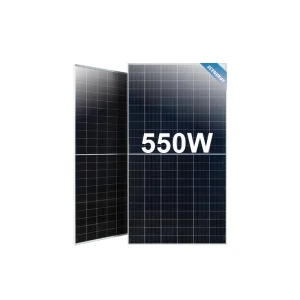
Long-term performance guarantees (such as the 30-year warranty offered on 700W–1000W N-Type PV configurations) directly mitigate output shortfalls. Bankability assessments from firms like BloombergNEF evaluate whether the manufacturer's balance sheet and operational longevity can backstop these extensive lifecycles.
Integrating hybrid power conversion systems with intelligent control systems ensures high round-trip efficiency. High efficiency reduces thermal losses, decreases cooling overhead, and maximizes the energy output profile of behind-the-meter assets.
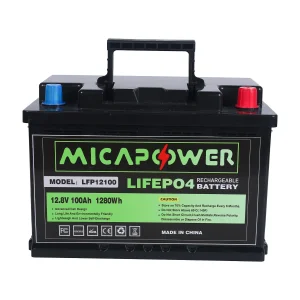
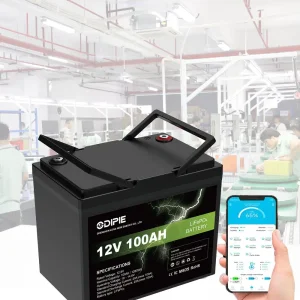
Battery Energy Storage Systems (BESS) represent a major portion of modern microgrid costs. Utilizing deep-cycle LiFePO4 cells with CE and UN38.3 certifications guarantees safety compliance, lowering insurance premiums and mitigating asset loss risks due to thermal runaway.
Institutional project developers analyze multiple hardware configurations based on bankability, risk mitigation, and target deployment scenarios. The table below represents a performance-risk matrix across key solar infrastructure assets:
| Equipment Type | Critical Financing Metrics | Risk Mitigation Target | Key Regulatory Standards |
|---|---|---|---|
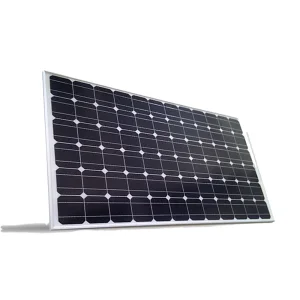
| High-Output Mono PERC/N-Type Panels | Levelized Cost of Energy (LCOE), 30-Year Performance Curve | Light-Induced Degradation (LID), PID resistance | IEC 61215, IEC 61730, CE |
| LiFePO4 Utility Battery Packs (LFP) | Levelized Cost of Storage (LCOS), C-rate, Cycle life | Thermal Runaway, Capacity fade rate | UN38.3, UL 1973, CE |
| Hybrid Inverters & Control Systems | System Round-Trip Efficiency, Grid compliance | Phase synchronization faults, Voltage ride-through | IEEE 1547, UL 1741, CE |
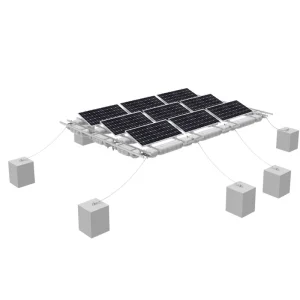
| Floating PV Pontoon Systems | Anchor longevity, Albedo gain ratios | Wind loading structural failure, Corrosion resistance | ISO 9001, ASTM Standard Methods |
Anhui Aryam Energy Co., Ltd. is a globally recognized provider of renewable energy solutions. The company specializes in the research, development, manufacturing, and integration of high-performance solar energy systems, advanced energy storage solutions, hybrid power systems, and intelligent microgrid technologies. By strictly adhering to international quality frameworks, Aryam Energy has built a reputational foundation as a reliable hardware supplier for developers, distributors, and EPC contractors in more than 100 countries.
Aryam Energy’s production footprint is highly verticalized, ensuring absolute quality control from raw materials to finalized products. This clean control loop is demonstrated throughout their advanced manufacturing facilities:
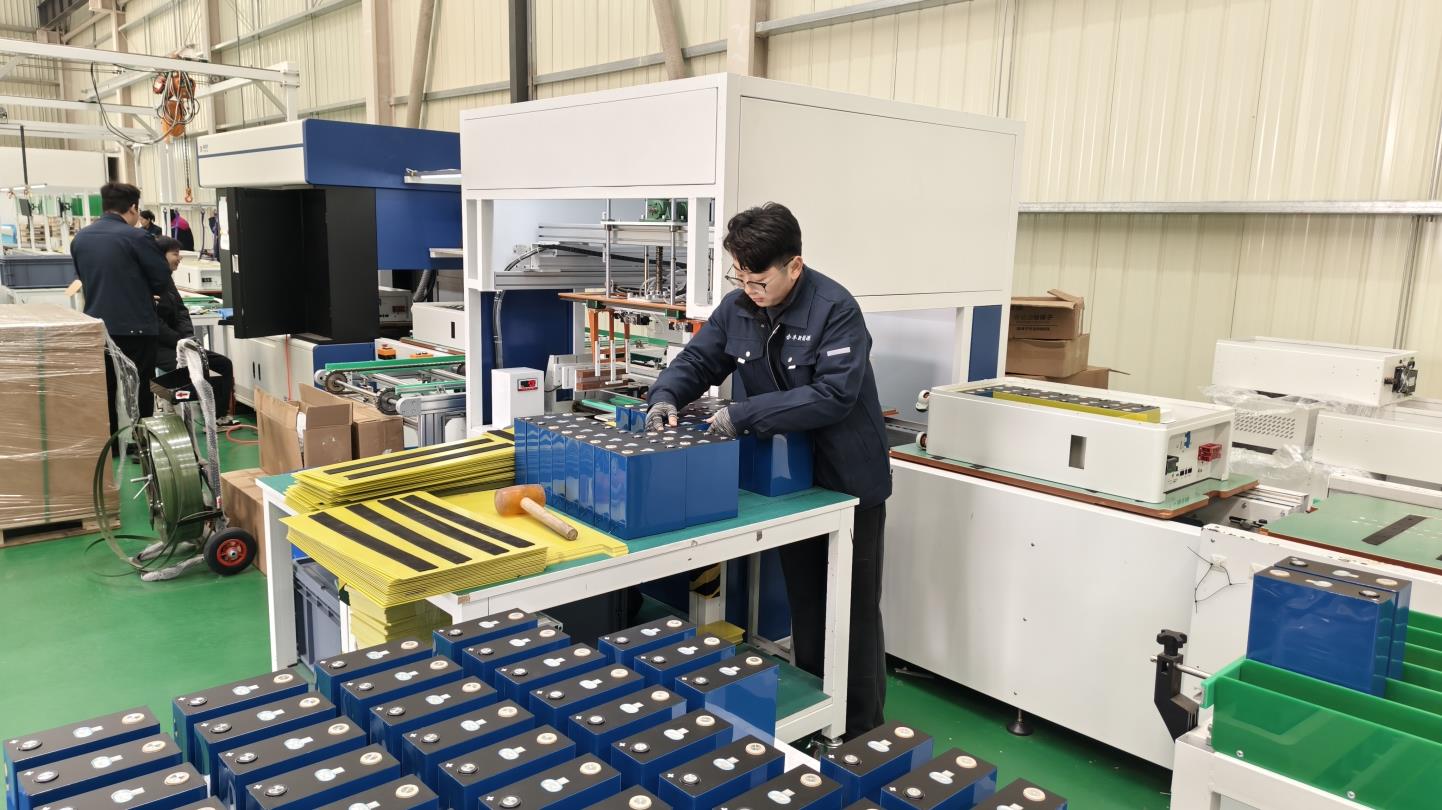
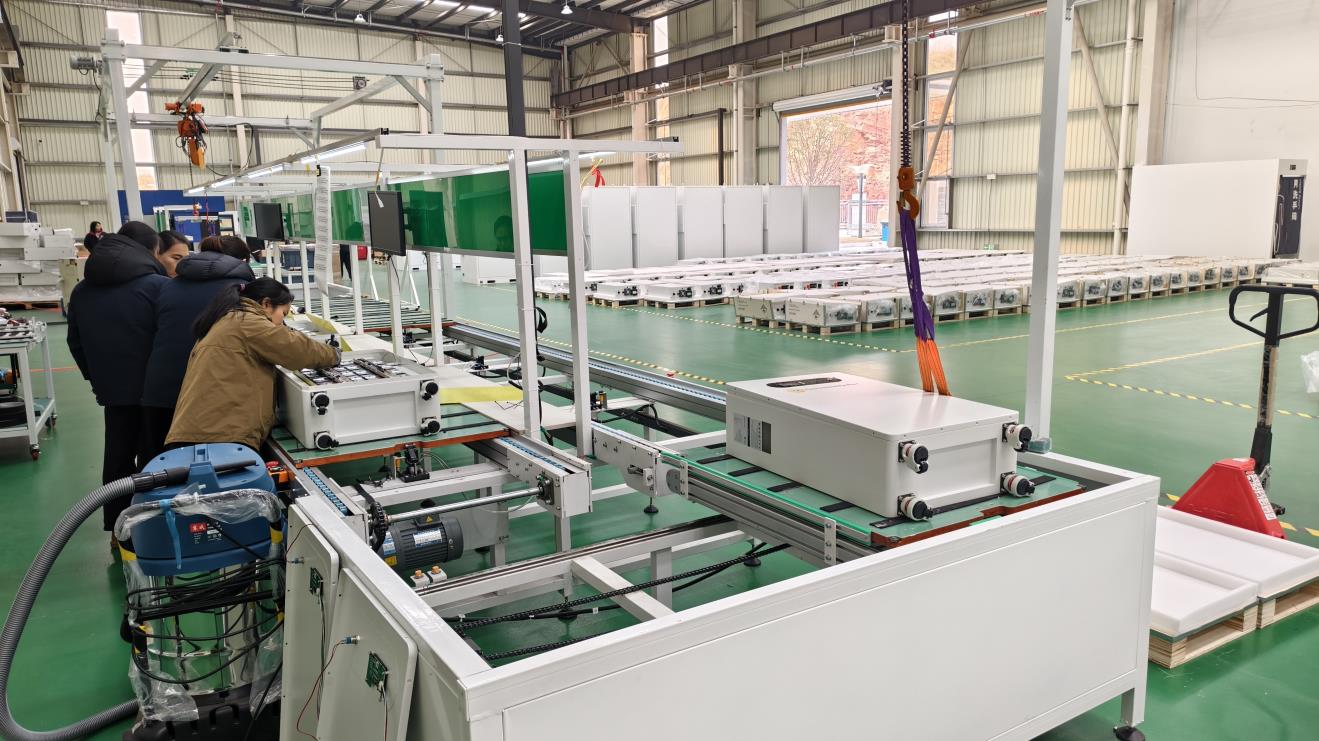
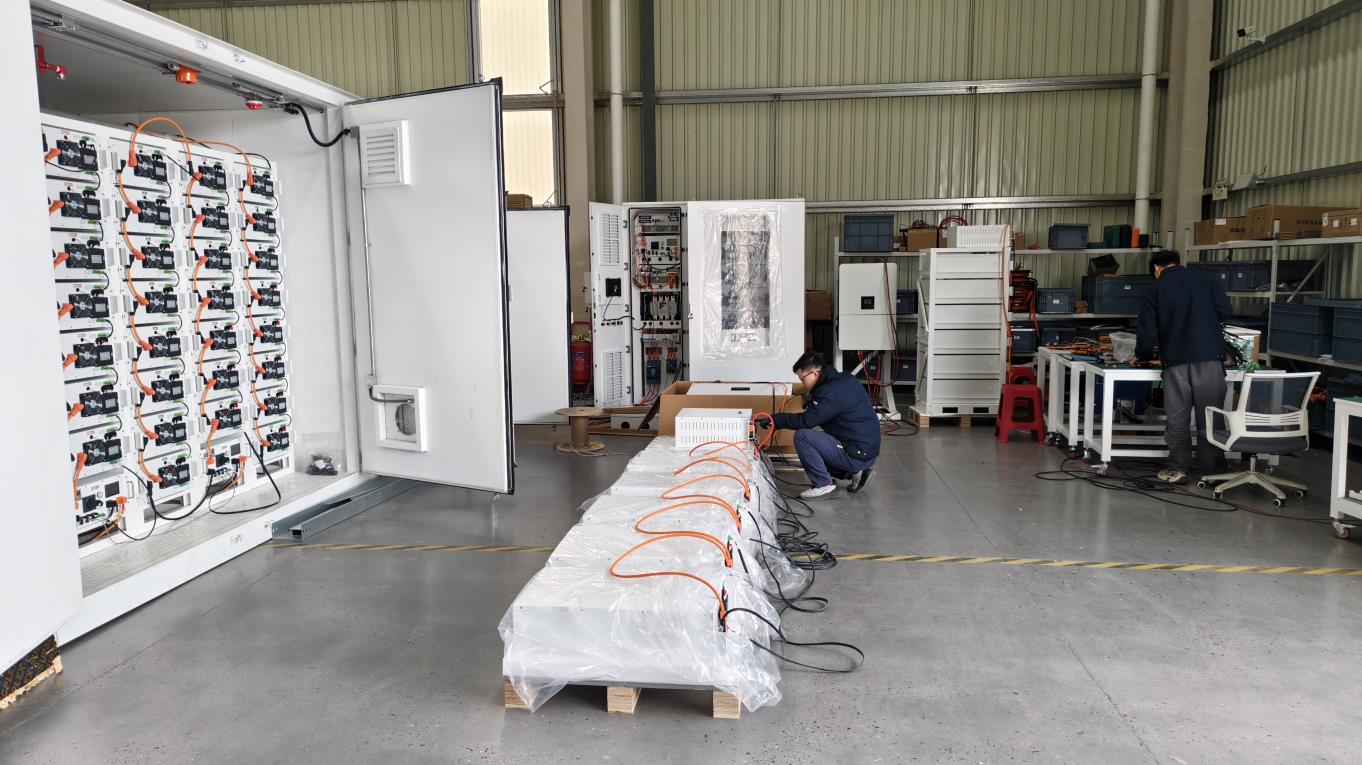
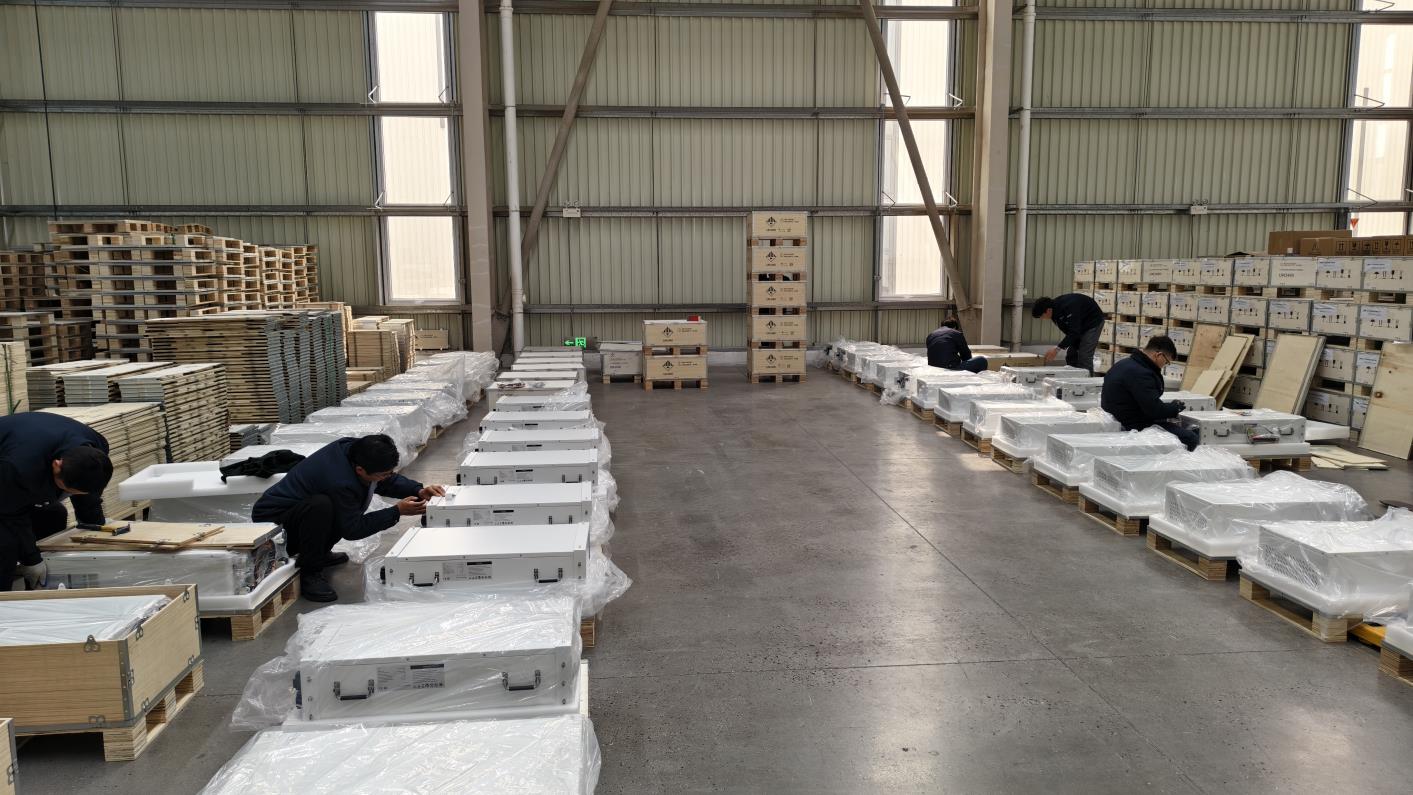
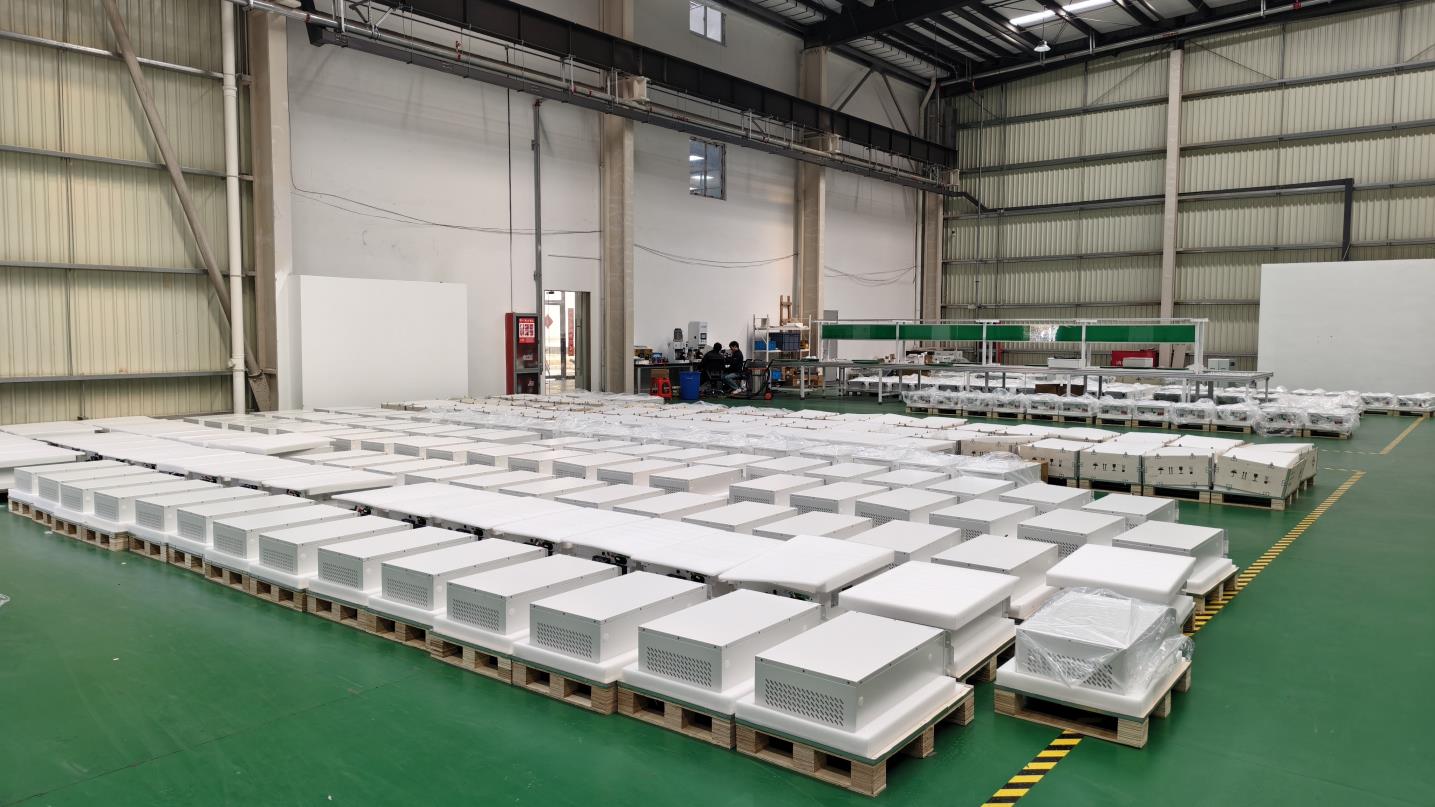
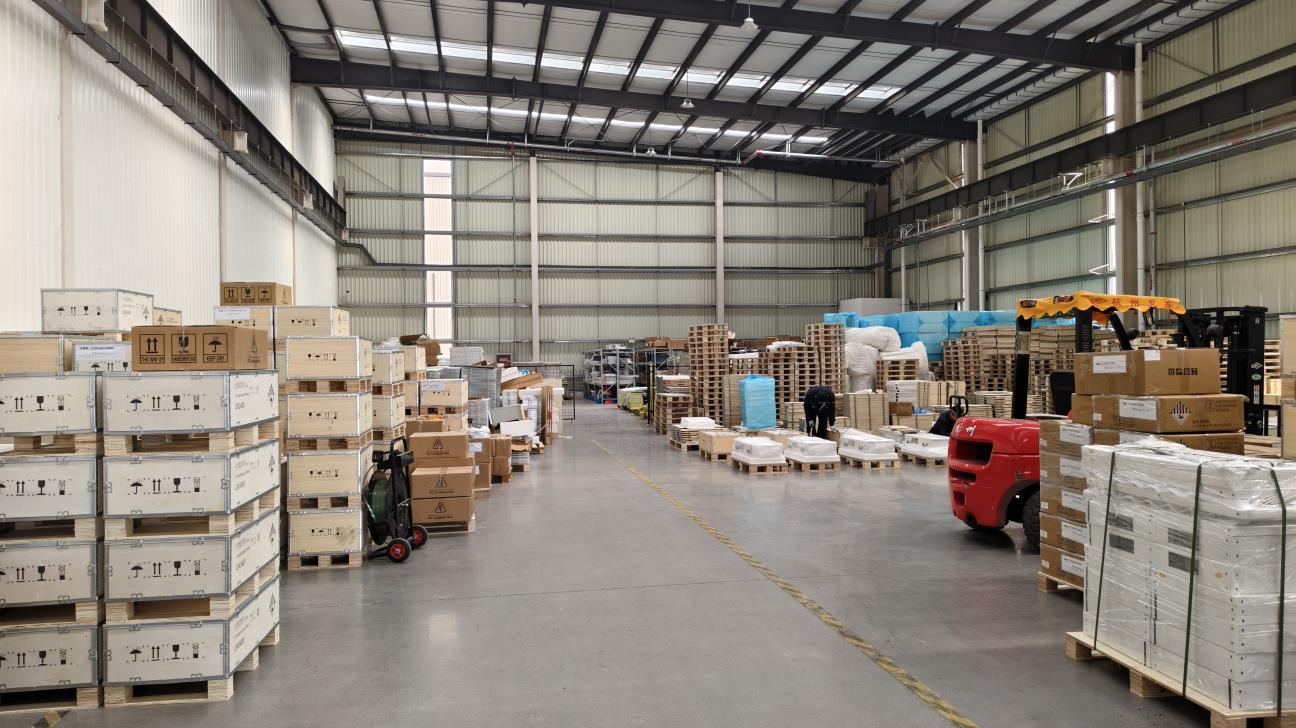
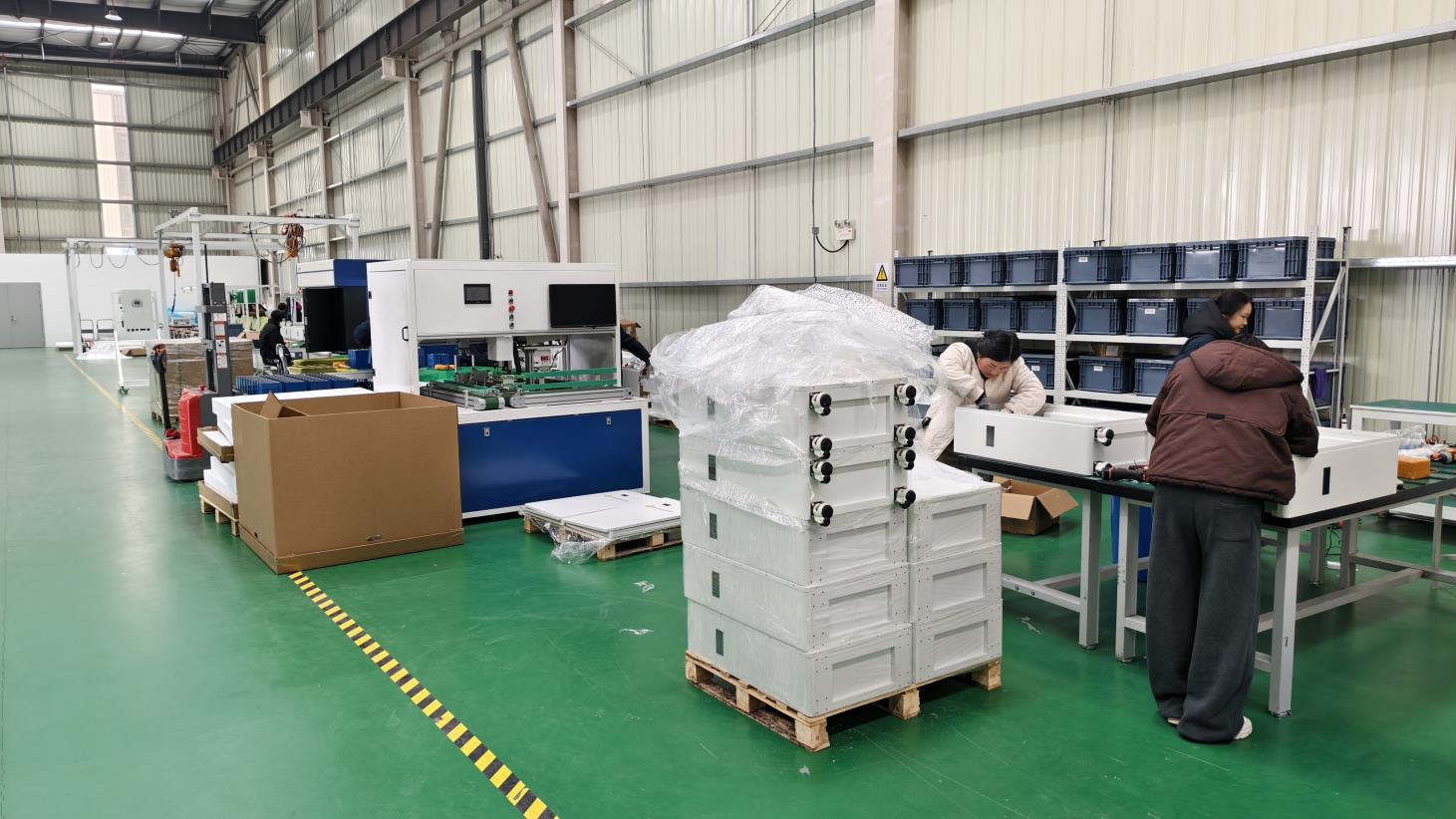
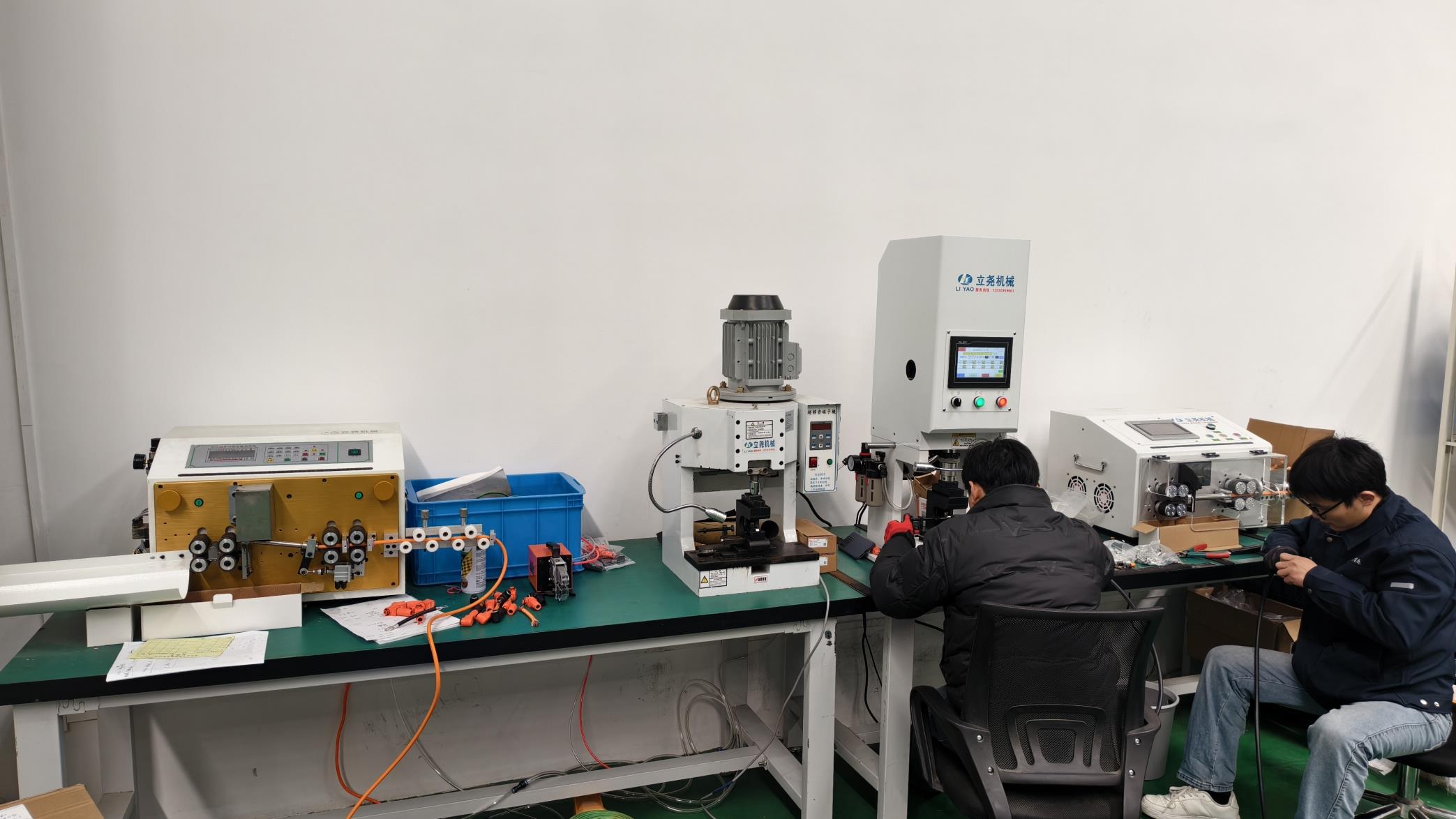
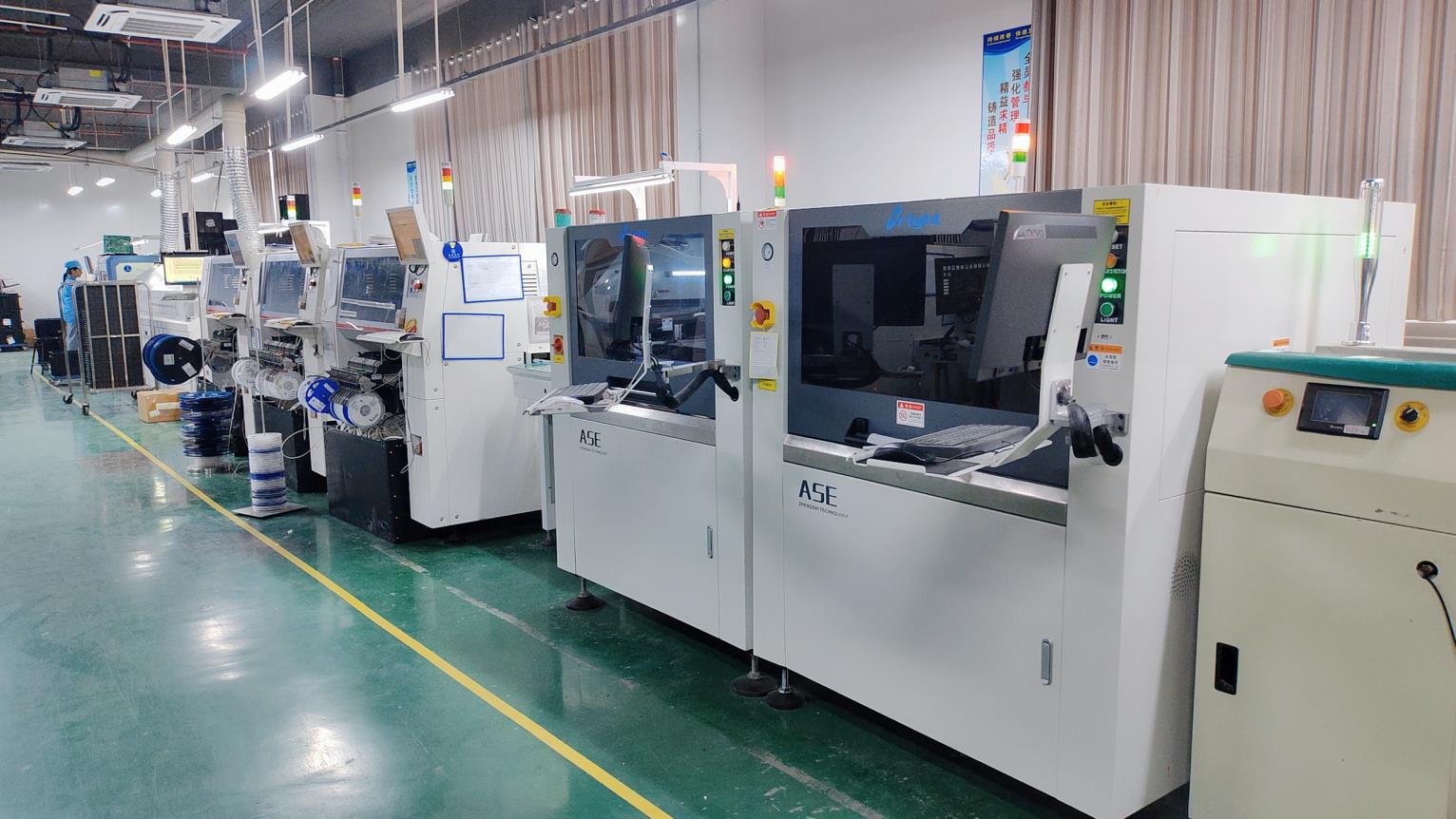
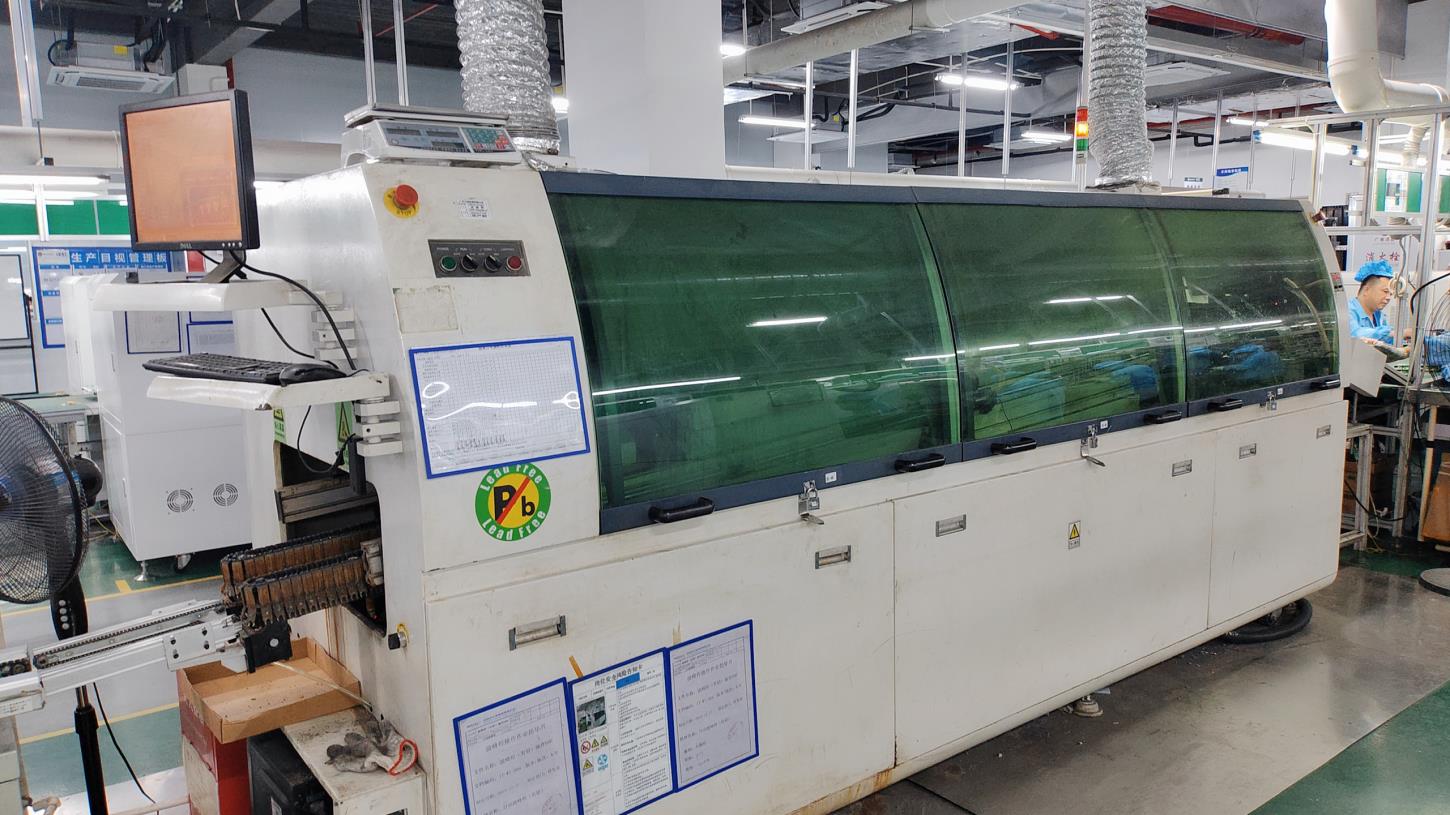
Modern solar project financing requires structural certainty not only in hardware performance, but in supply chain execution. The transition to Industry 4.0 standards across Chinese manufacturing hubs represents a major shift in global clean energy economics. At Aryam Energy’s production facilities, advanced automation systems like Surface Mount Technology (SMT) lines and Wave Soldering machines optimize manufacturing precision, minimizing component-level faults that could escalate into high-cost field failures.
Through automated assembly lines, high-frequency testing, and rigid packaging standards, China's Factory 4.0 model establishes supply chain resilience. This model stabilizes shipping times and mitigates the risk of freight damage. For institutional developers running tight capital deployment schedules, this level of predictability prevents construction delays and ensures grid connection deadlines are met, protecting project equity from late-delivery penalties.
The global solar energy financing landscape is shifting rapidly. The industry is transition from simple module procurement to financing integrated, grid-interactive energy nodes. The technical roadmap is dominated by three main trends:
Traditional p-type mono PERC is giving way to n-type configurations (such as TOPCon and HJT cells). These options offer superior temperature coefficients and higher bifaciality factors, driving down LCOE in high-temperature environments.
Inverters are evolving into dynamic energy managers. With Artificial Intelligence (AI) algorithms predicting solar generation and local consumption spikes, systems can dynamically manage charging and discharging states, opening up ancillary grid services revenue streams.
To achieve high renewable energy penetration, energy storage is transitioning to long-duration options. Chemistries like advanced Lithium Iron Phosphate (LiFePO4) and flow batteries are being developed to support 8- to 12-hour discharge profiles, ensuring stable grid capacity.
Clean energy projects face complex regulatory hurdles across regional jurisdictions. Developers must ensure that all systems comply with local grid connection standards and environmental requirements. In the European Union, this means meeting CE directives and RoHS compliance standards; in North America, systems must comply with UL certifications (like UL 1741 for grid-tied inverters and UL 1973 for battery packs) and IEEE standards.
Furthermore, local technical support and clear warranty coverage are critical for managing operational risks. Aryam Energy maintains strong compliance networks and local technical support channels. By providing pre-certified, bankable products, Aryam Energy simplifies the financing process, reducing project risks and streamlining the approval process with international financial institutions.
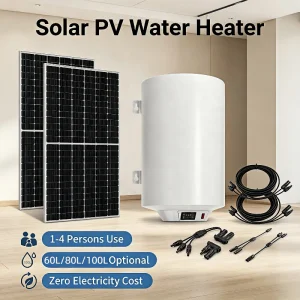
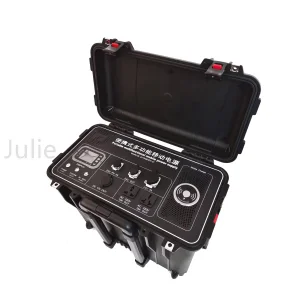
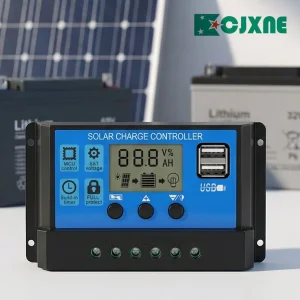
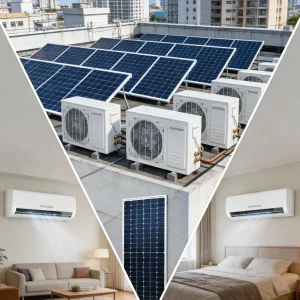
Extended inventory of high-performance components designed to meet strict grid standards and optimization goals.

 Aryam Energy