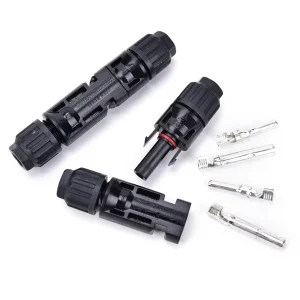
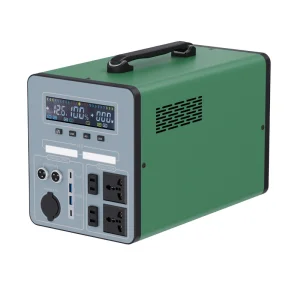
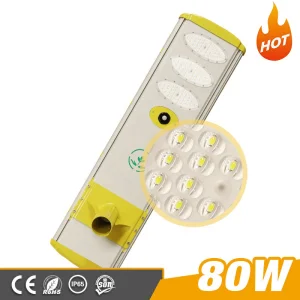
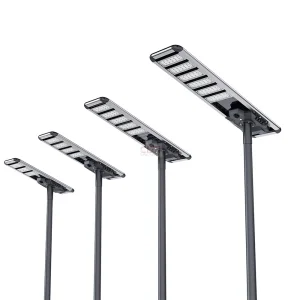
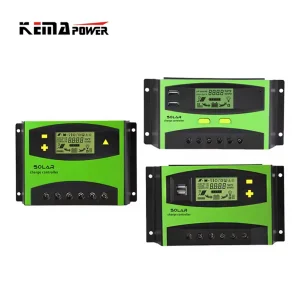
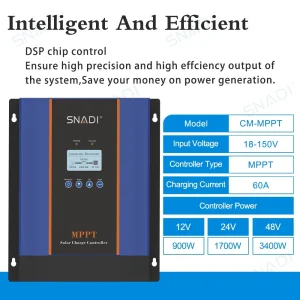
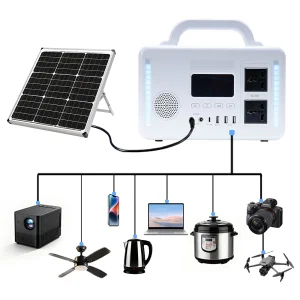
High-performance hardware solutions supporting precise solar monitoring networks, power conversion, and hybrid storage systems engineered to meet international safety and performance standards.
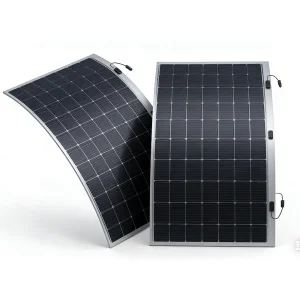


In the utility-scale renewable energy sector, Solar Resource Assessment (SRA) is the foundational milestone for asset valuation, financial feasibility, and engineering design. Unpredictable meteorological variation directly threatens the internal rate of return (IRR) of multi-million-dollar solar investments.
For global developers and EPC (Engineering, Procurement, and Construction) companies, SRA serves as the critical mechanism that turns raw environmental metrics—Global Horizontal Irradiance (GHI), Direct Normal Irradiance (DNI), and Diffuse Horizontal Irradiance (DHI)—into bankable resource data. High-fidelity measurements limit asset-underperformance risk, securing smoother project financing and credit underwriting.
Through custom OEM/ODM configurations, Anhui Aryam Energy Co., Ltd. bridges the gap between laboratory-grade sensor accuracy and tough field durability. Our systems ensure that developers can deploy met-masts and sensor clusters across remote environments, from high-salinity coasts to high-temperature deserts, without losing data integrity.
Financial institutions do not fund projects based on satellite estimates alone. Independent engineer (IE) audits demand minimum 12-to-24-month ground-measured datasets matching ISO 9060 and WMO (World Meteorological Organization) standards to reach P90/P99 solar resource certainty. High-precision OEM hardware reduces measurement uncertainty from ±10% to under ±2%, unlocking optimal financing rates.
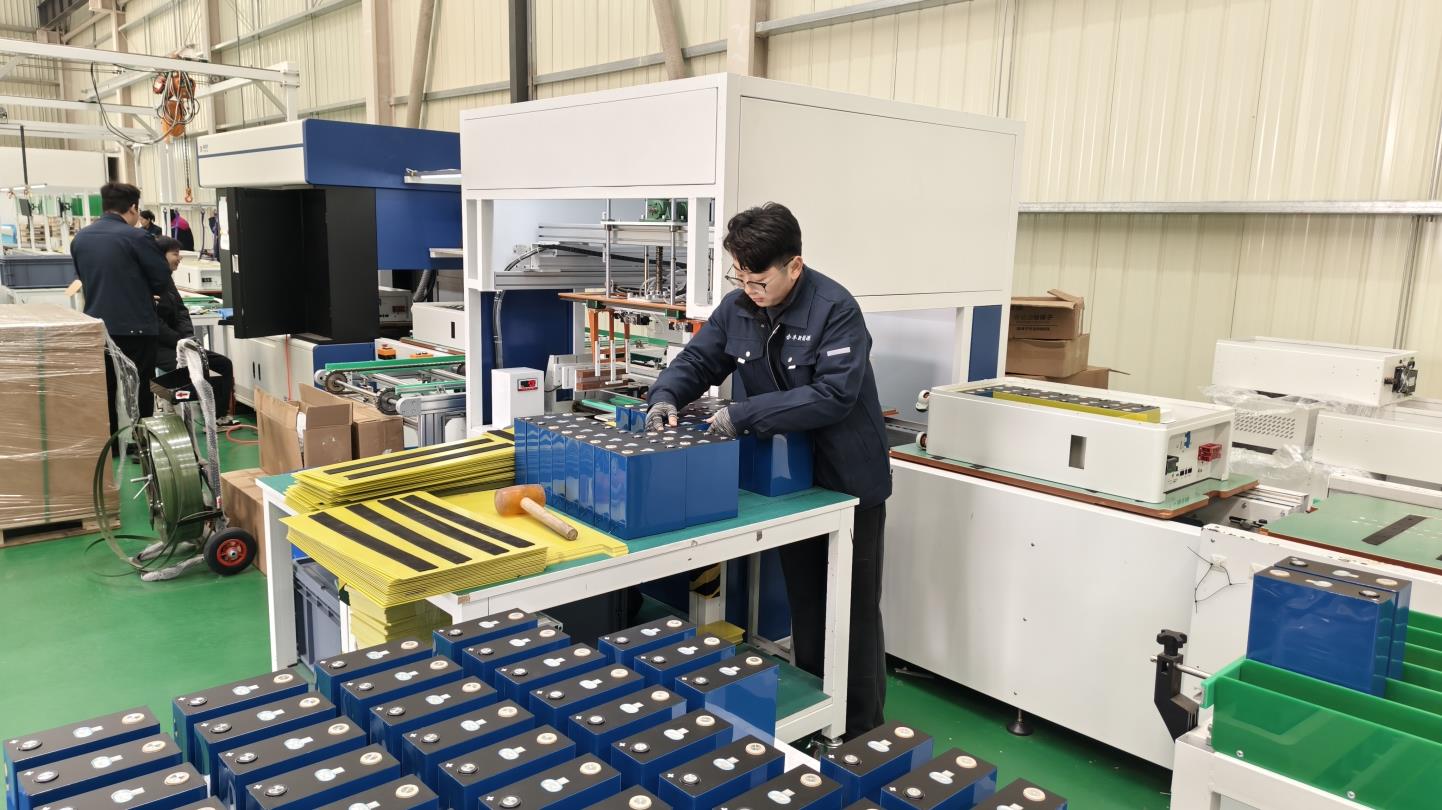
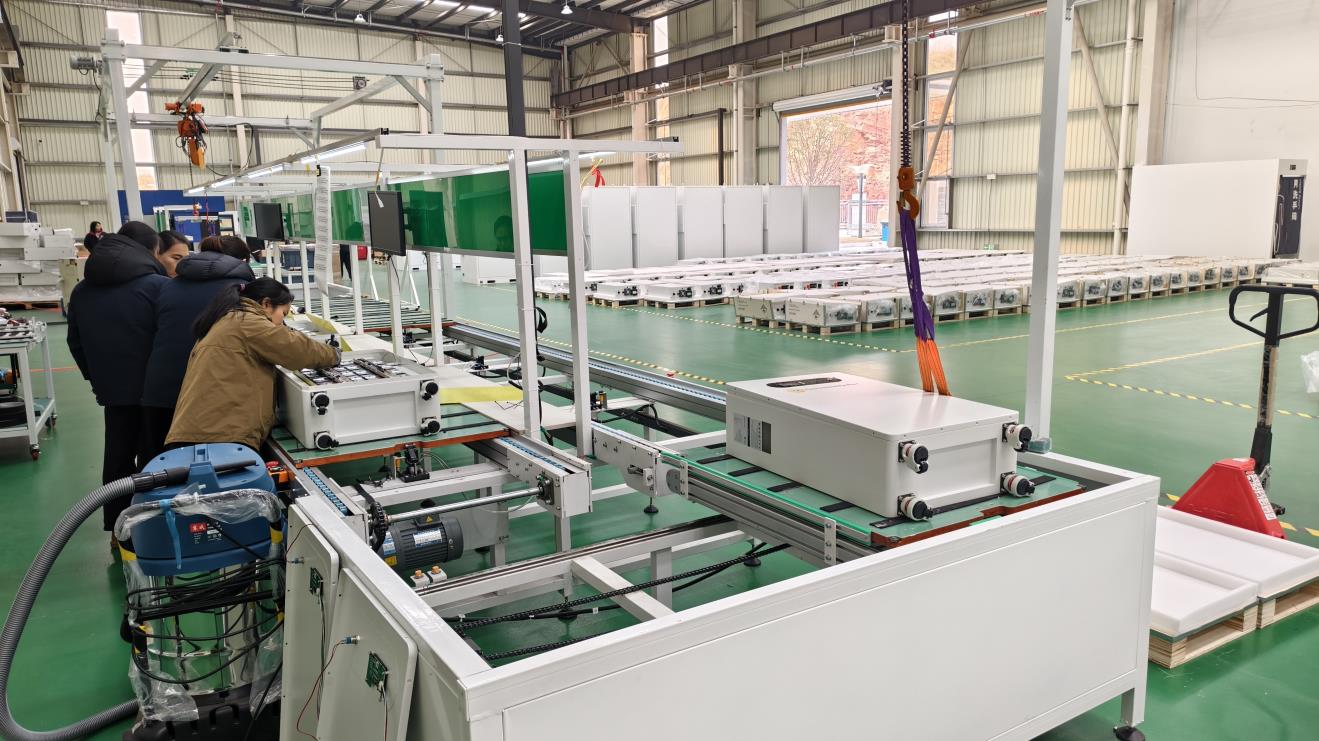
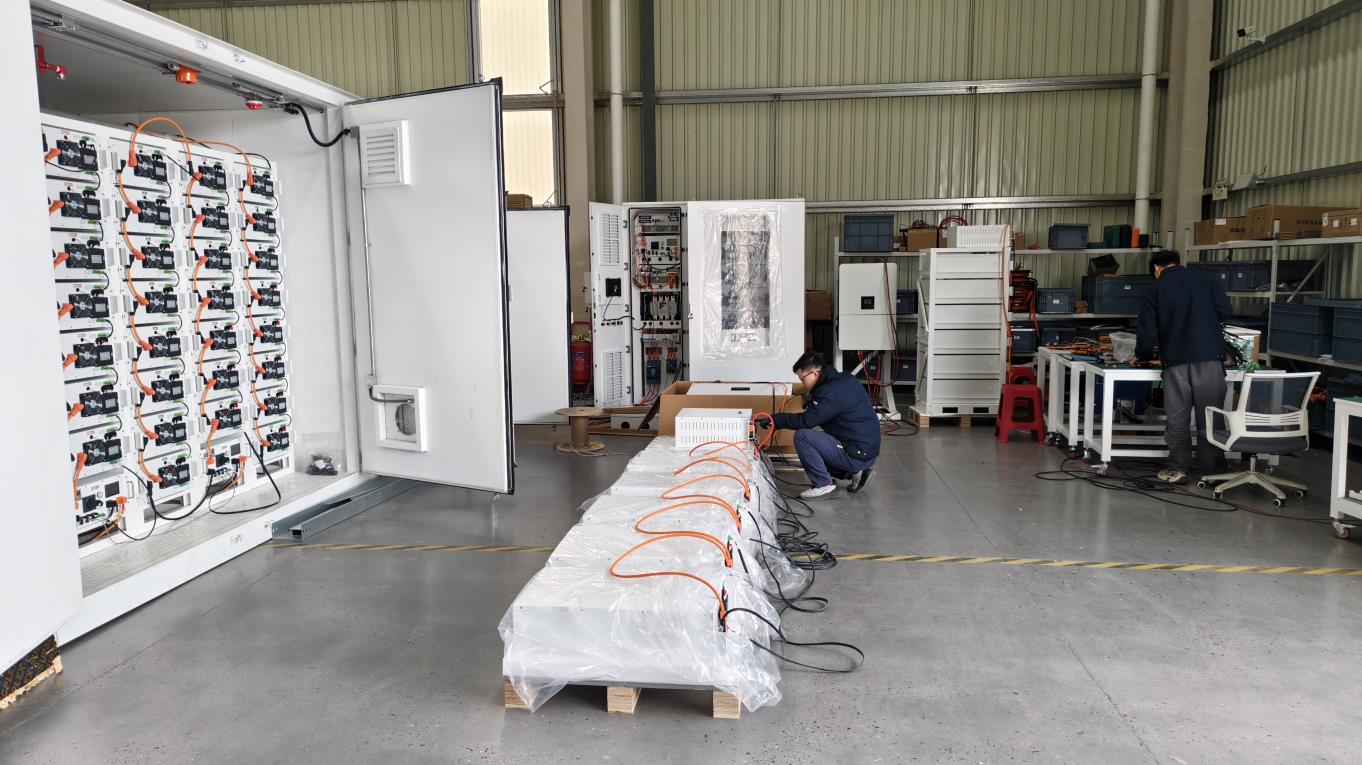
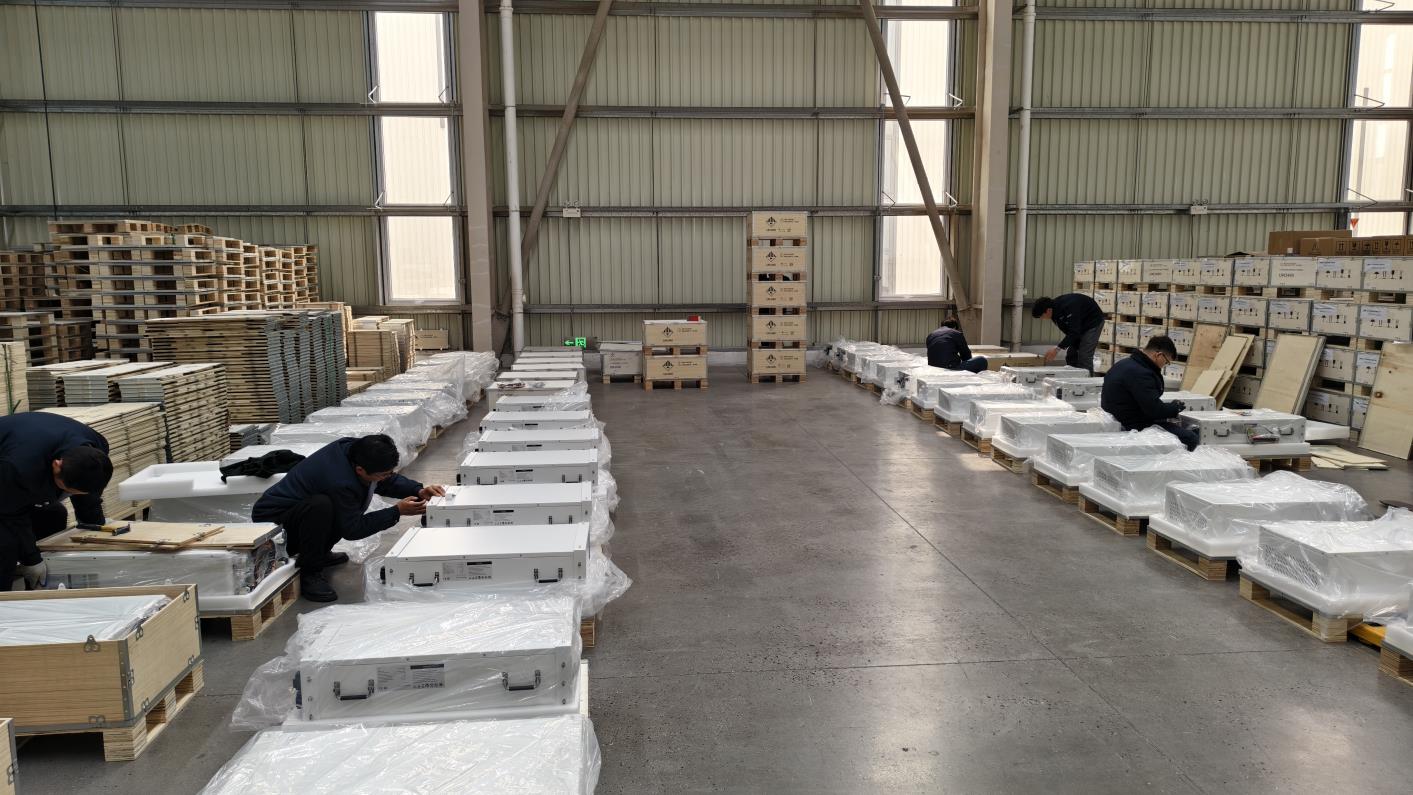
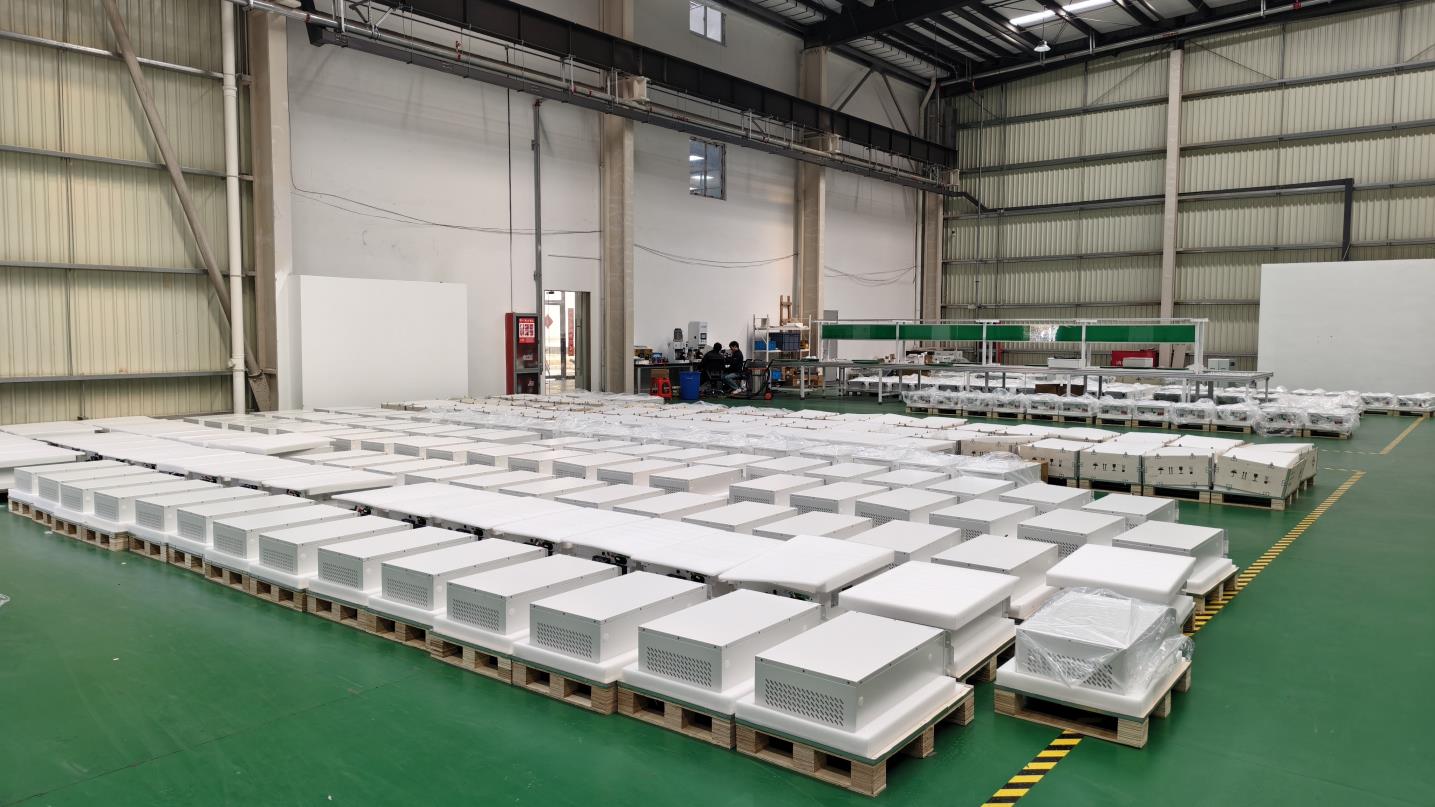
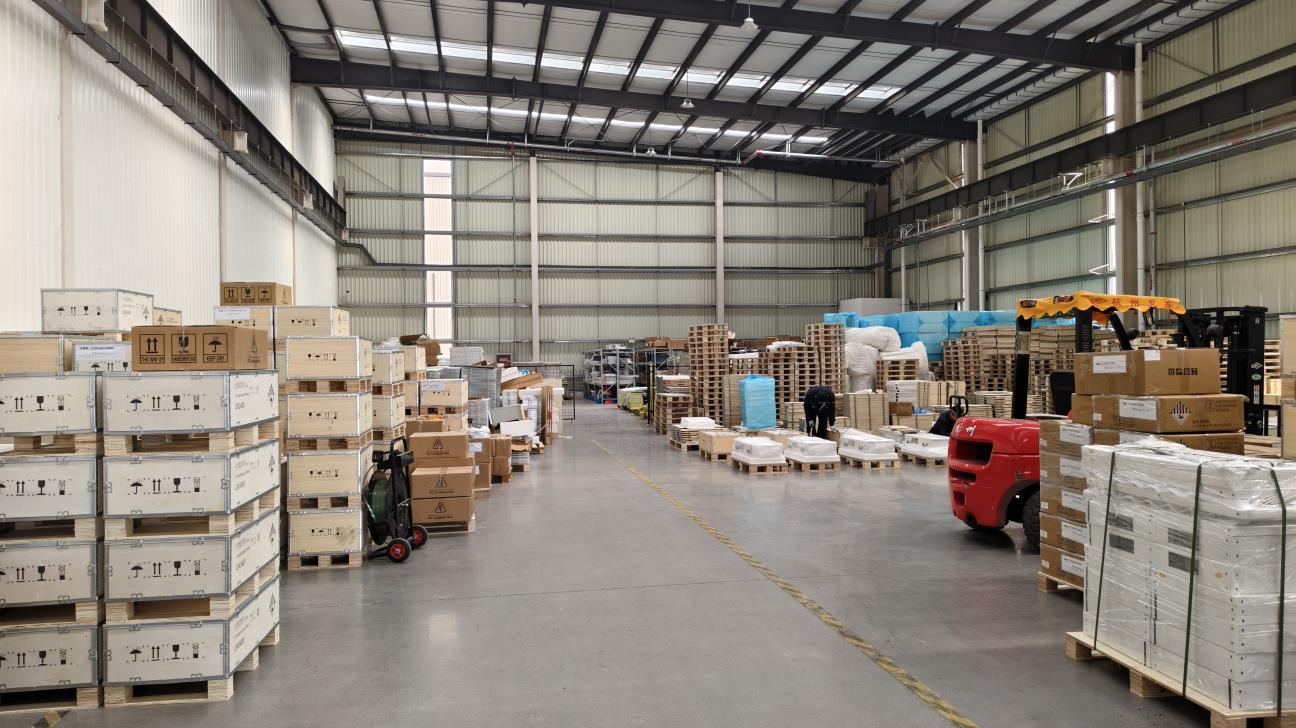
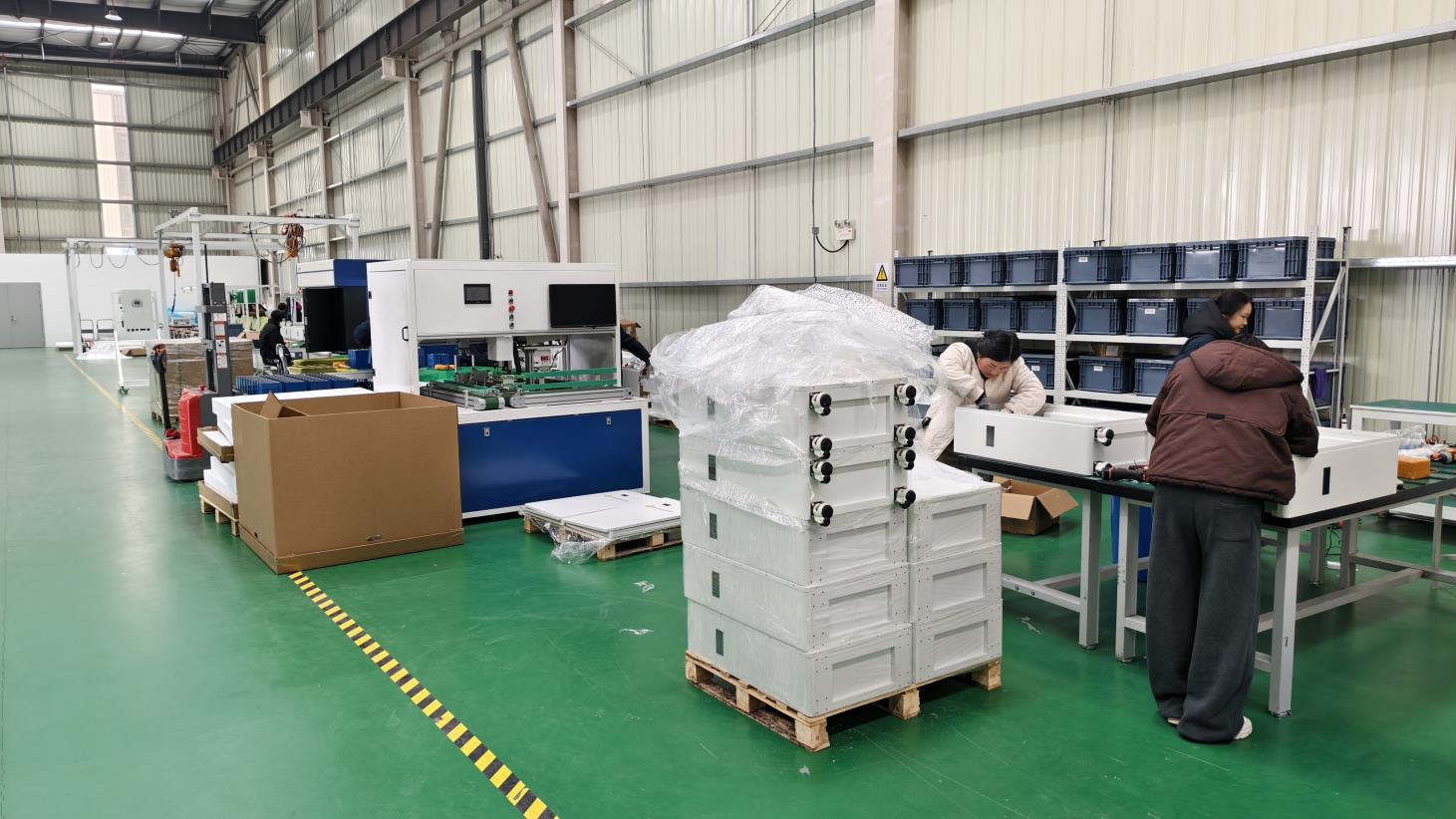
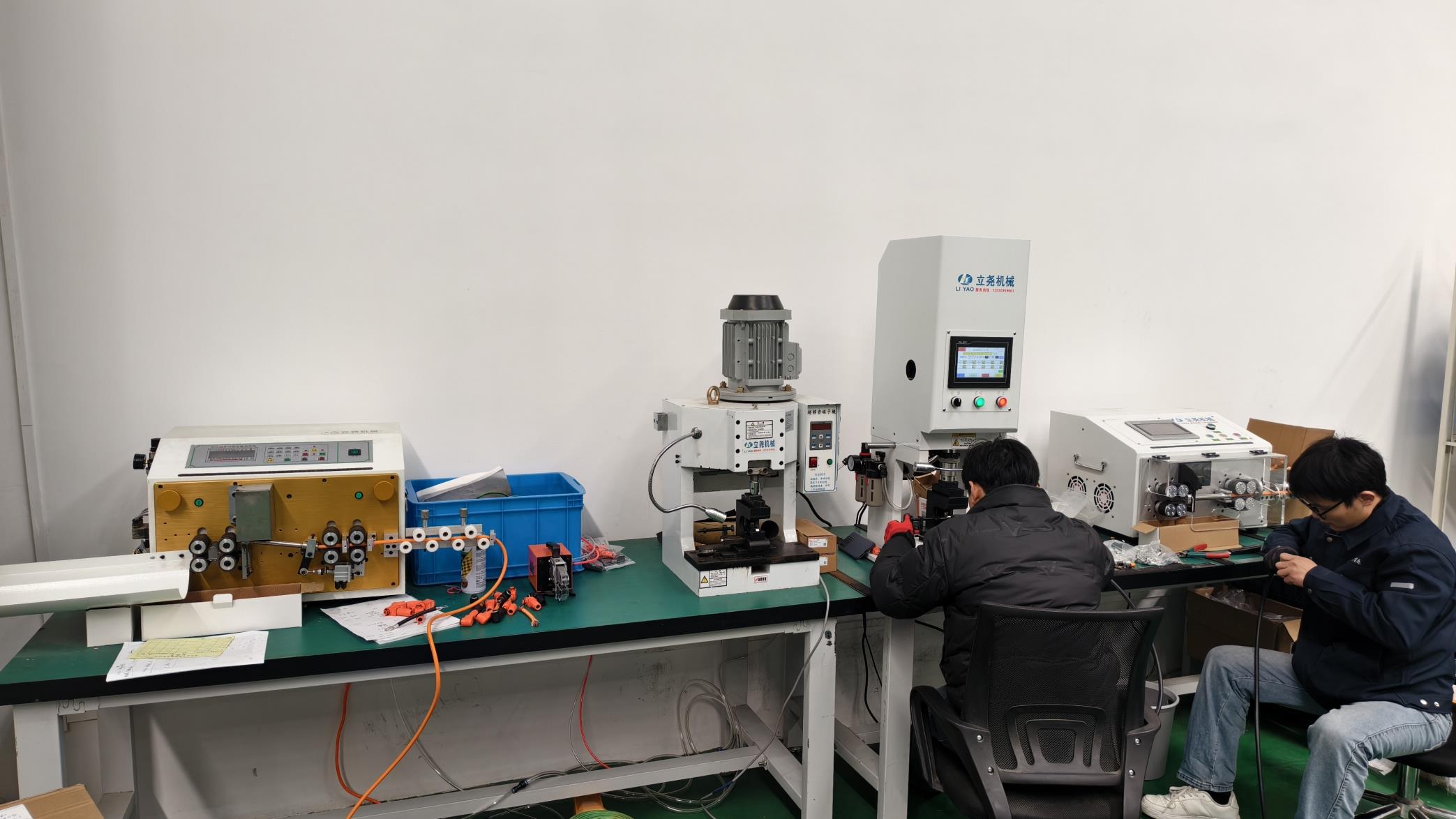
Anhui Aryam Energy Co., Ltd. operates advanced manufacturing facilities designed to provide highly tailored solar resource assessment hardware, monitoring frameworks, and critical infrastructure components.
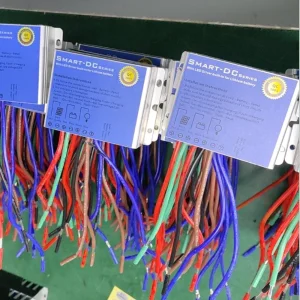
From customized remote terminal units (RTUs), solar charge controllers, data loggers, to robust mounting towers and PV-powered battery assemblies, we tailor all environmental enclosures, wiring, and sensor arrays to unique client specifications.
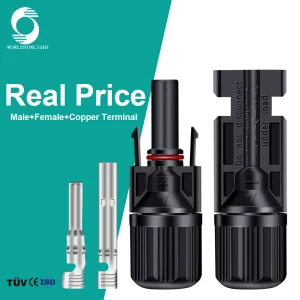
By positioning our production hubs within China's premier solar manufacturing clusters, we enjoy immediate access to silicon, advanced semiconductors, low-resistance IP68 solar cabling, and certified protective enclosures. This translates to shortened lead times and competitive pricing.
We source pyranometers that meet the ISO 9060 Class A and First Class classifications. Our overall control cabinets, solar street components, and portable backup generators undergo rigorous IEC, CE, and RoHS testing. This ensures full operational compliance with grid operators worldwide.
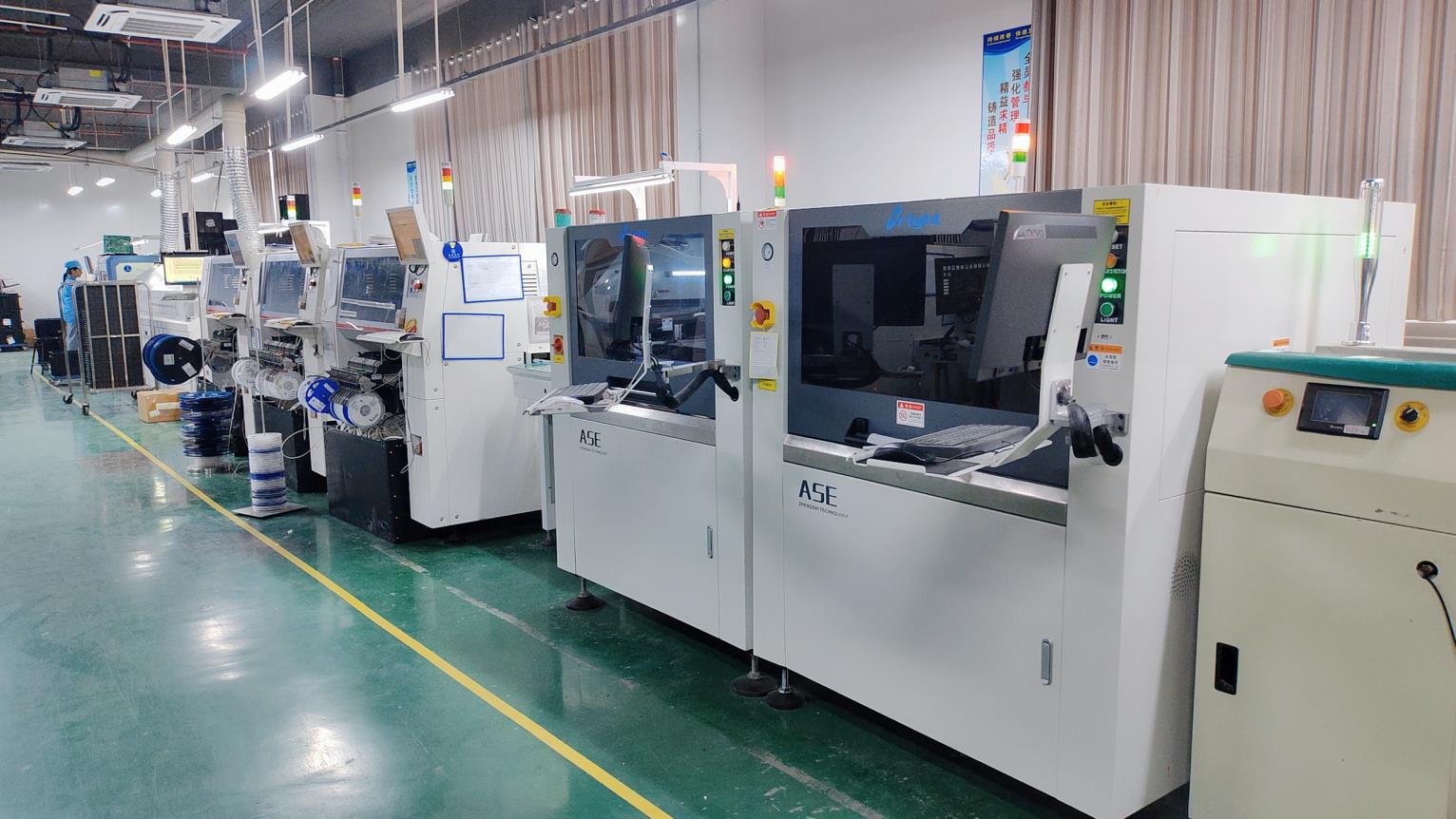
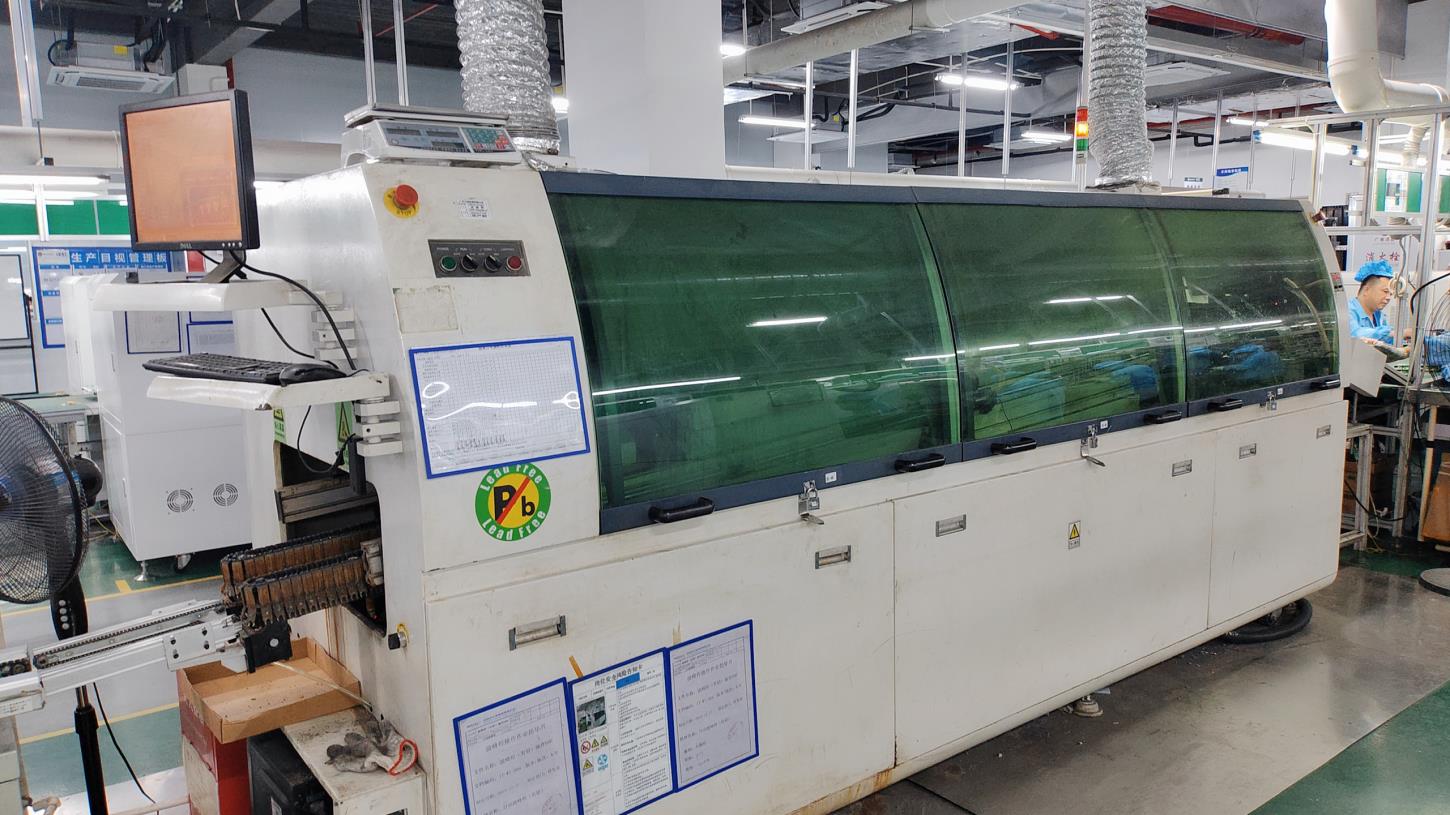
Anhui Aryam Energy maintains ISO-certified facilities employing surface mount technology (SMT), automated wave soldering, precision welding, and exhaustive environmental chamber verification to deliver defect-free systems.
Deploying meteorological stations requires high customization to withstand diverse climates. Here is how we design our systems to match target site environments:
For sites like the Sahara or Atacama deserts, GHI and DNI values are exceptional, but high temperatures, dust deposition (soiling), and thermal expansion degrade standard sensors. We design OEM meteorological enclosures using double-shielded aluminum, ventilated pyranometer housings, and automated cleaning mechanisms to keep sensor optics clear without manual intervention.
Floating solar projects face high humidity, saline fog corrosion, and motion-induced tilt. We offer ODM solutions featuring IP67/IP68 stainless steel (SUS316) enclosures, marine-grade connectors, and dual-axis gyroscopic sensors. These gyros realign solar trackers and pyranometers dynamically, compensating for wave actions to prevent data drift.
As bifacial solar modules become the industry standard, measuring ground-reflected light (Albedo) is vital. Modern met-masts are changing to accommodate dual-sided pyranometers to optimize PV back-side tracking. Additionally, integrating Sky Imagers and edge AI enables 15-minute "nowcasting" algorithms. This lets local hybrid microgrids start ramp-down generators before clouds block the array.
A trusted manufacturing partner in the global transition toward a low-carbon, highly digitized energy infrastructure.
Anhui Aryam Energy Co., Ltd. is a leading provider of advanced renewable energy solutions, dedicated to delivering reliable, efficient, and sustainable power systems for residential, commercial, industrial, and utility-scale applications worldwide. Through continuous innovation and a strong commitment to clean energy development, Aryam Energy has established itself as a trusted partner in the global transition toward a low-carbon future.
The company specializes in the research, development, manufacturing, and integration of solar energy systems, energy storage solutions, hybrid power systems, and intelligent microgrid technologies. Leveraging cutting-edge engineering expertise and strict quality management standards, Aryam Energy provides comprehensive energy solutions tailored to diverse market needs, particularly in regions facing energy shortages, unstable grid infrastructure, or increasing demand for sustainable power generation.
With a professional R&D team and a growing portfolio of proprietary technologies, Aryam Energy continuously invests in innovation to enhance system performance, energy efficiency, and long-term reliability. Its products and solutions are designed to meet international standards and have been successfully deployed across Asia, Africa, the Middle East, Europe, and Latin America, serving customers in more than 100 countries and regions.
Aryam Energy's product portfolio includes solar inverters, energy storage systems, hybrid inverters, lithium battery solutions, solar water pumping systems, microgrid systems, and customized renewable energy projects. The company is committed to providing integrated energy solutions that maximize energy independence, reduce operational costs, and support environmental sustainability.
"Empowering Sustainable Energy for a Better Future"
Driven by the vision of becoming a globally recognized clean energy technology leader, Aryam Energy actively collaborates with distributors, EPC contractors, government agencies, international organizations, and development partners to promote renewable energy adoption worldwide.
Get technical insights directly from our engineering team regarding the procurement, calibration, and maintenance of solar resource assessment infrastructure.
A: ISO 9060 divides pyranometers into three classes: Fast Response (formerly Secondary Standard/Class A), First Class (Class B), and Second Class (Class C). Class A instruments have the lowest uncertainty (under ±1.5%), minimal temperature dependency, and minimal directional response offset. They are required for utility-scale solar project validation and performance ratio (PR) monitoring, while Class B/C sensors are typically used in smaller C&I projects or for general regional meteorological analysis.
A: We configure our OEM/ODM data collection cabinets with Modbus RTU/TCP, DNP3, and IEC 60870-5-104 communication protocols. This enables direct, local SCADA integration. Telemetry modules support international 4G LTE-M networks, local LoRaWAN gateways, or satellite modems (such as Iridium) to guarantee 100% transmission reliability from remote global sites.
A: While satellite models provide excellent historical records, their spatial-temporal resolution is limited. They struggle to accurately account for localized aerosols, cloud cover, and surface albedo variations. Ground-based measurements serve to ground-truth satellite models, reducing P90/P99 uncertainty to the levels required by financial underwriters before project funding approval.
A: Standard practice mandates that pyranometers be recalibrated every two years against a reference standard linked to the World Radiometric Reference (WRR) in Davos, Switzerland. In desert environments, weekly cleaning of the glass dome is recommended. Alternatively, our ODM automated washing systems can be integrated to maintain sensor calibration integrity.
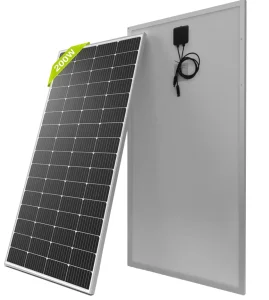
A: Yes. Our systems feature dual-redundant off-grid power configurations. By pairing high-efficiency monopanels with deep-cycle gel batteries or LiFePO4 batteries (equipped with intelligent low-temperature BMS pre-heating), the system supports up to 10-15 days of continuous operation without sunlight.
Explore auxiliary components designed to support off-grid data loggers, industrial solar illumination, and advanced telemetry networks.
 Aryam Energy