Discover our highly configurable, certified renewable energy equipment ready for utility, industrial, and residential deployments worldwide.
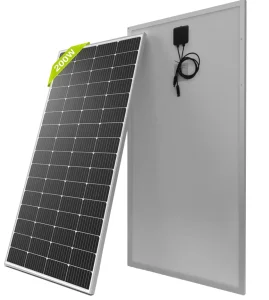
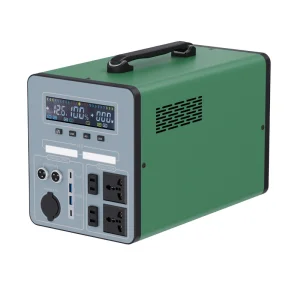
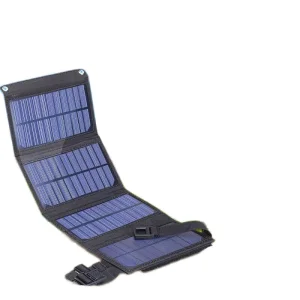
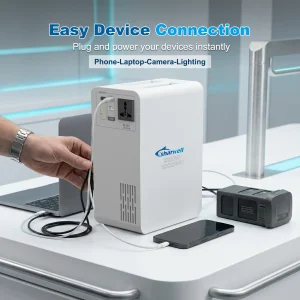

In the current macroeconomic landscape, transition toward sustainable energy is no longer just a corporate social responsibility initiative; it is an economic and regulatory necessity. As carbon-reduction legislations and environmental policies become highly stringent in jurisdictions like North America, the European Union, and the Asia-Pacific region, the alignment between policy frameworks and manufacturing practices has become critical.
Anhui Aryam Energy Co., Ltd. stands at the forefront of this convergence. As a pioneering developer, custom OEM manufacturer, and exporter, we do not merely supply photovoltaic (PV) hardware and energy storage systems. We provide comprehensive, regulatory-aligned hardware configurations tailored to comply with local feed-in tariffs (FiT), import tariffs, clean energy grid codes, and carbon borders. By advocating for practical policy implementation and designing flexible OEM systems, we enable global commercial, industrial (C&I), and utility-scale projects to mitigate compliance risks, secure local tax credits, and maximize long-term energy independence.
Modern solar policy is transforming rapidly. Mechanisms such as the US Inflation Reduction Act (IRA), the EU's REPowerEU plan, and the Carbon Border Adjustment Mechanism (CBAM) have moved policy advocacy to the center of procurement strategies. These policies reward projects that adhere to strict local standards, but they also create challenges for developers sourcing components internationally.
Regulatory compliance is key to unlocking financial incentives. For example, local content requirements (LCRs) specify that a minimum percentage of PV components must be manufactured or assembled domestically to qualify for maximum investment tax credits (ITC). Similarly, grid operators enforce strict compliance codes (such as IEEE 1547 in North America or EN 50549 in Europe) concerning smart inverters and fault ride-through capabilities.
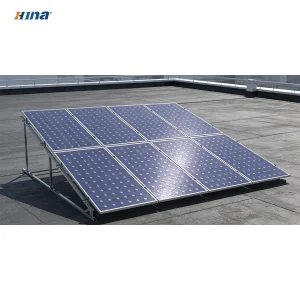
As a custom OEM partner, Aryam Energy engages in regulatory-aware product design. We actively monitor international trade policy adjustments, solar subsidy changes, and grid integration requirements. We ensure that our export products, from high-efficiency monocrystalline solar panels to specialized balance-of-system (BOS) components, are manufactured with traceable supply chains, certified raw materials, and compliant firmware options. This direct alignment ensures that EPC contractors and distributors can confidently apply for regional clean energy incentives and navigate import compliance smoothly.
Full bill-of-materials traceability ensures adherence to international labor standards, environmental codes, and trade compliance.
Configurable firmware and control systems optimized to meet local utility regulations for voltage support and frequency response.
Modular OEM kits and semi-knocked-down (SKD) options designed to support local assembly mandates and tax eligibility.
Global B2B procurement is undergoing a major shift. Major corporations, commercial developers, and industrial parks are transitioning away from buying commoditized off-the-shelf components. In today's market, buyers prioritize strategic procurement, evaluating clean energy partners on key metrics:
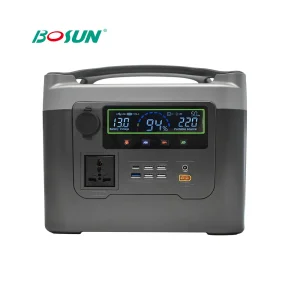
Aryam Energy addresses these needs by acting as an OEM partner that designs for reliability and compatibility. Our custom manufacturing capabilities allow us to adjust technical parameters to match specific installation environments. This includes tailoring mechanical components, such as stainless steel buffers for agricultural farms, as well as optimizing thermal management in lithium-ion portable power systems. This targeted design approach helps limit premature degradation and improves return on investment (ROI).
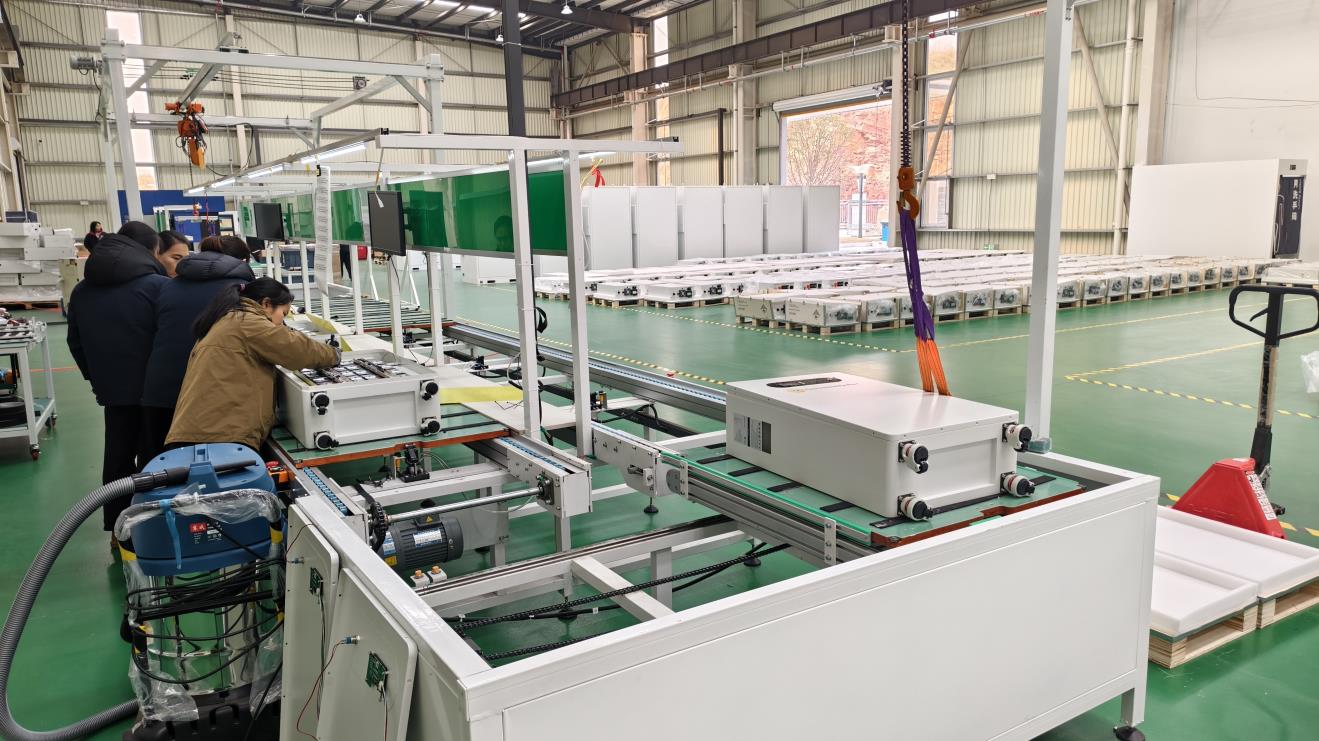
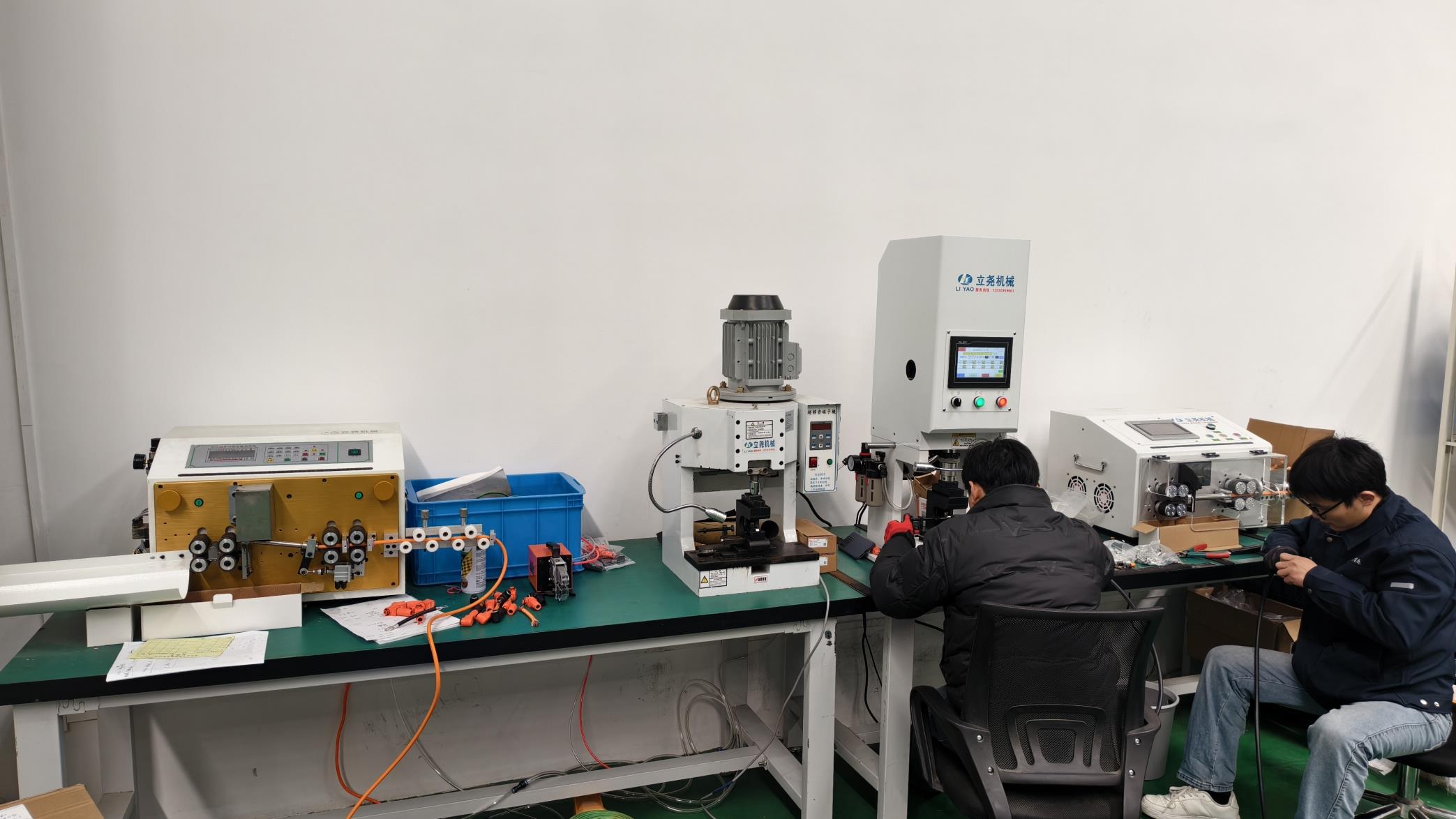
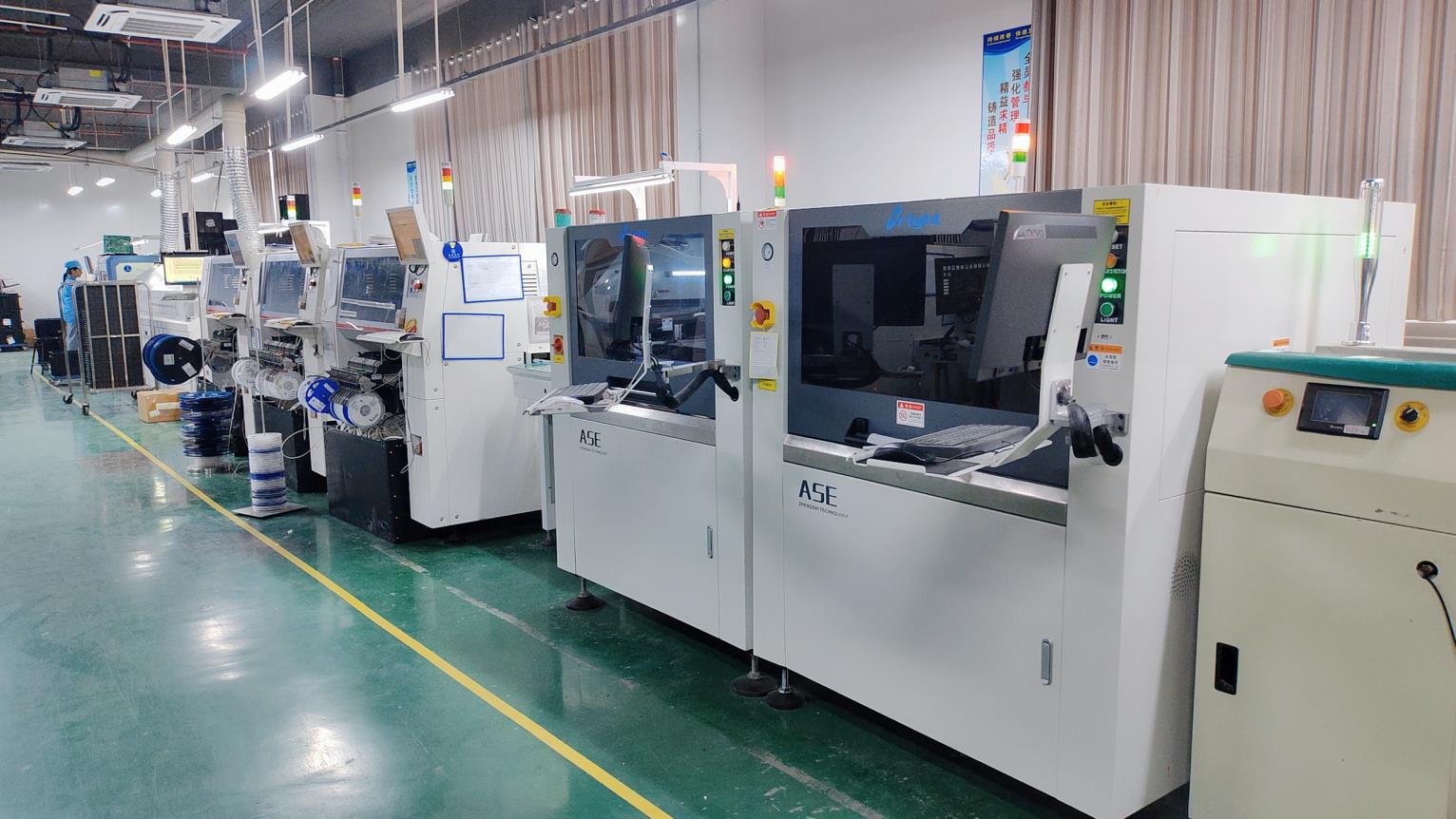
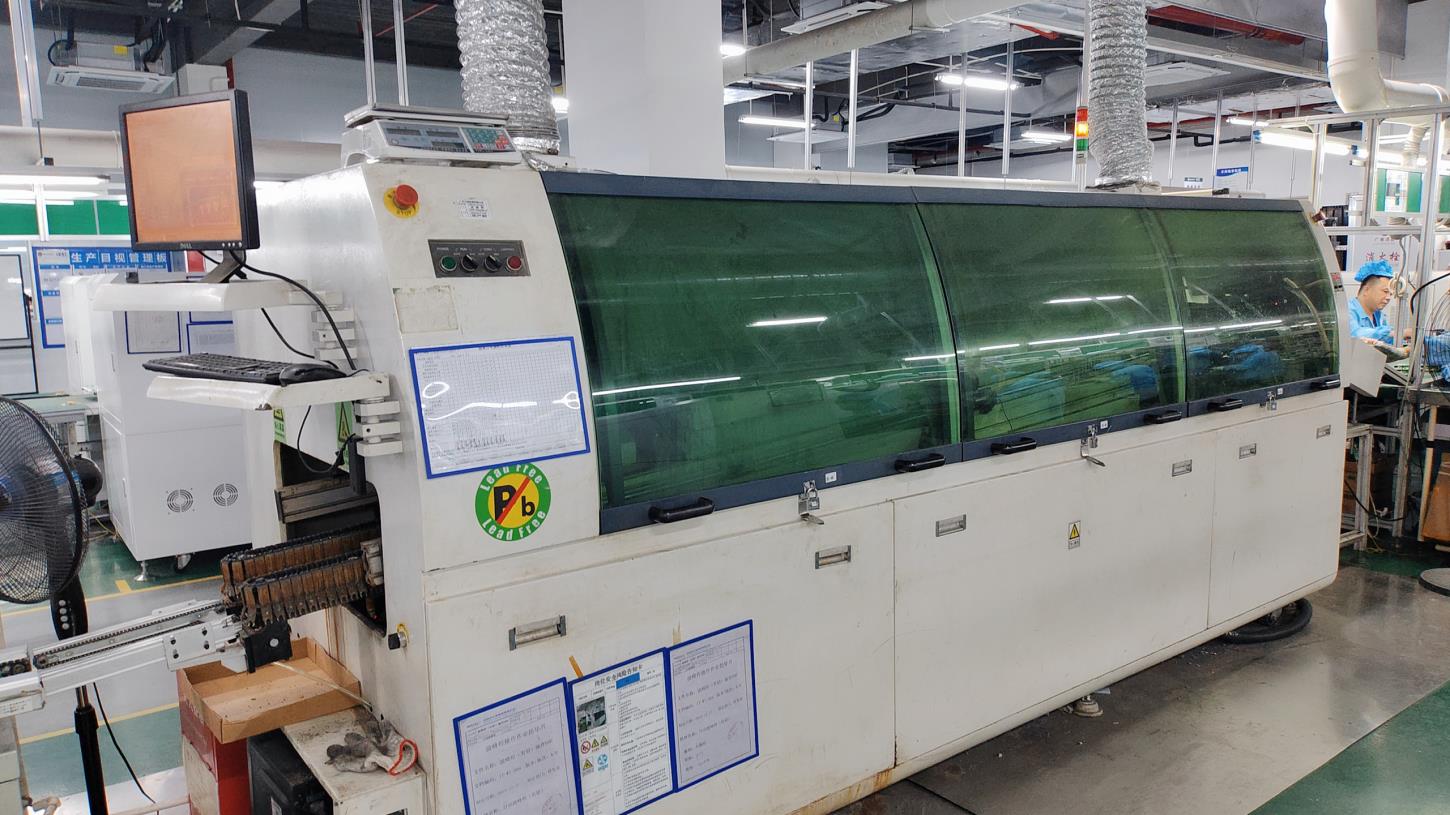
The solar industry's competitiveness relies heavily on manufacturing speed, precision, and quality control. At Anhui Aryam Energy Co., Ltd., we have upgraded our manufacturing capabilities to align with China's Factory 4.0 standards. This integration of automation, industrial IoT, and advanced assembly lines ensures consistent product quality and reliable supply chains.
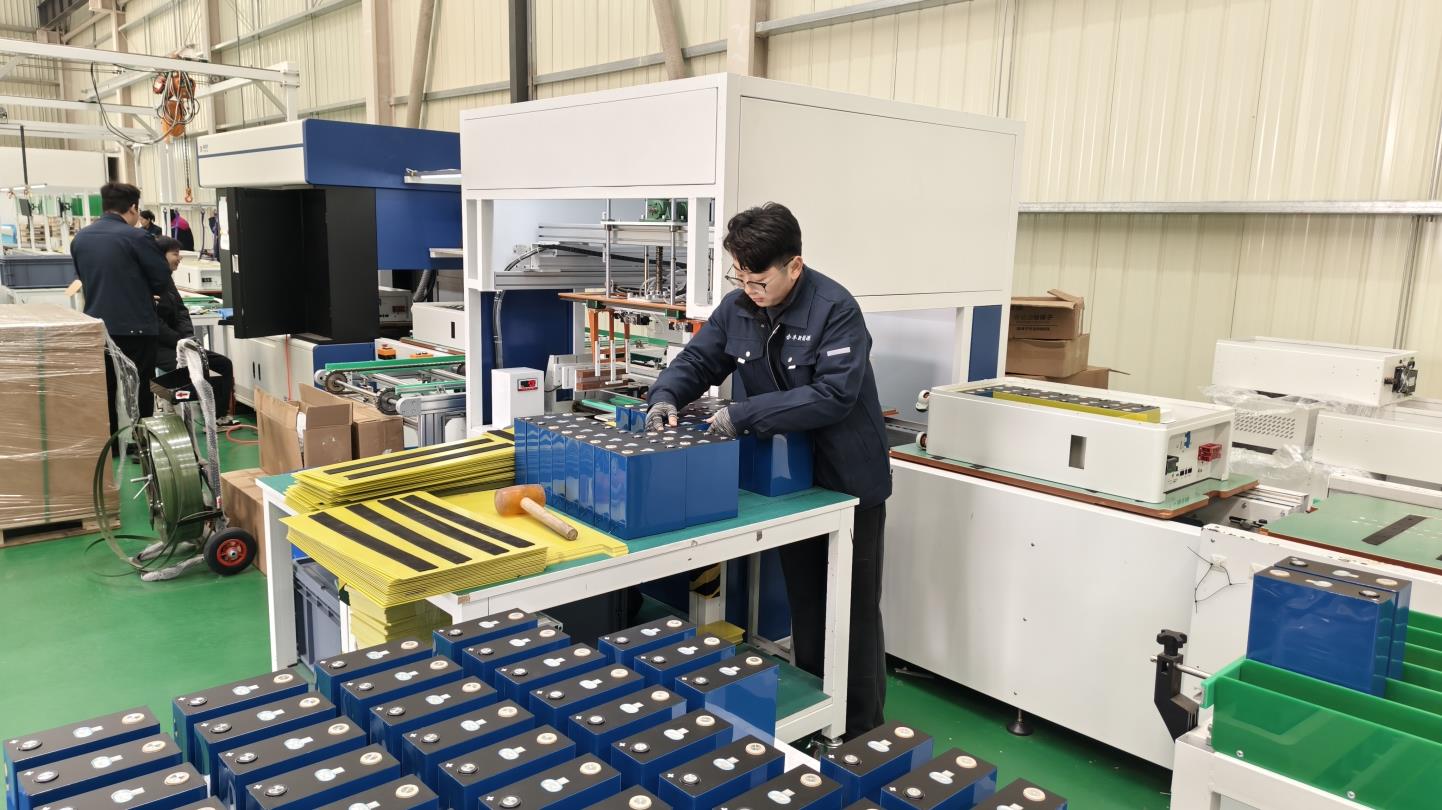
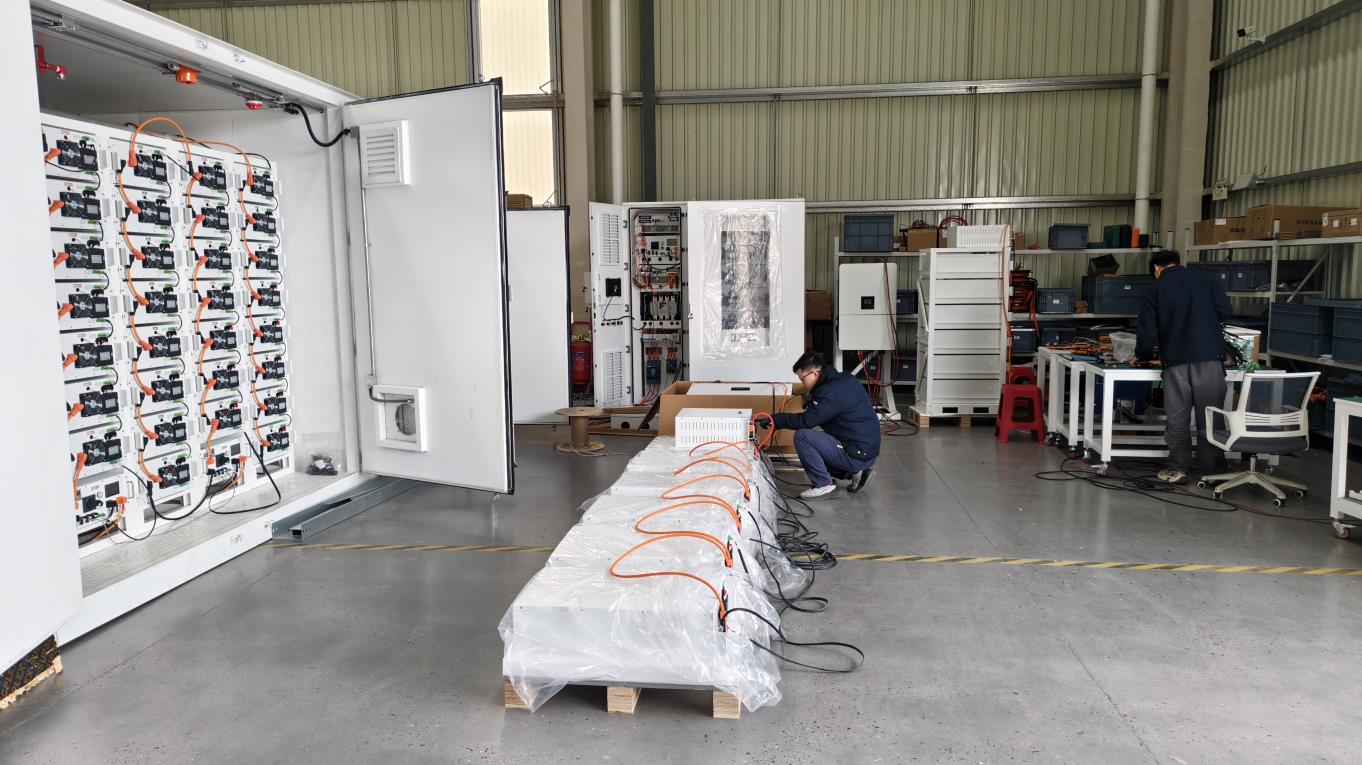
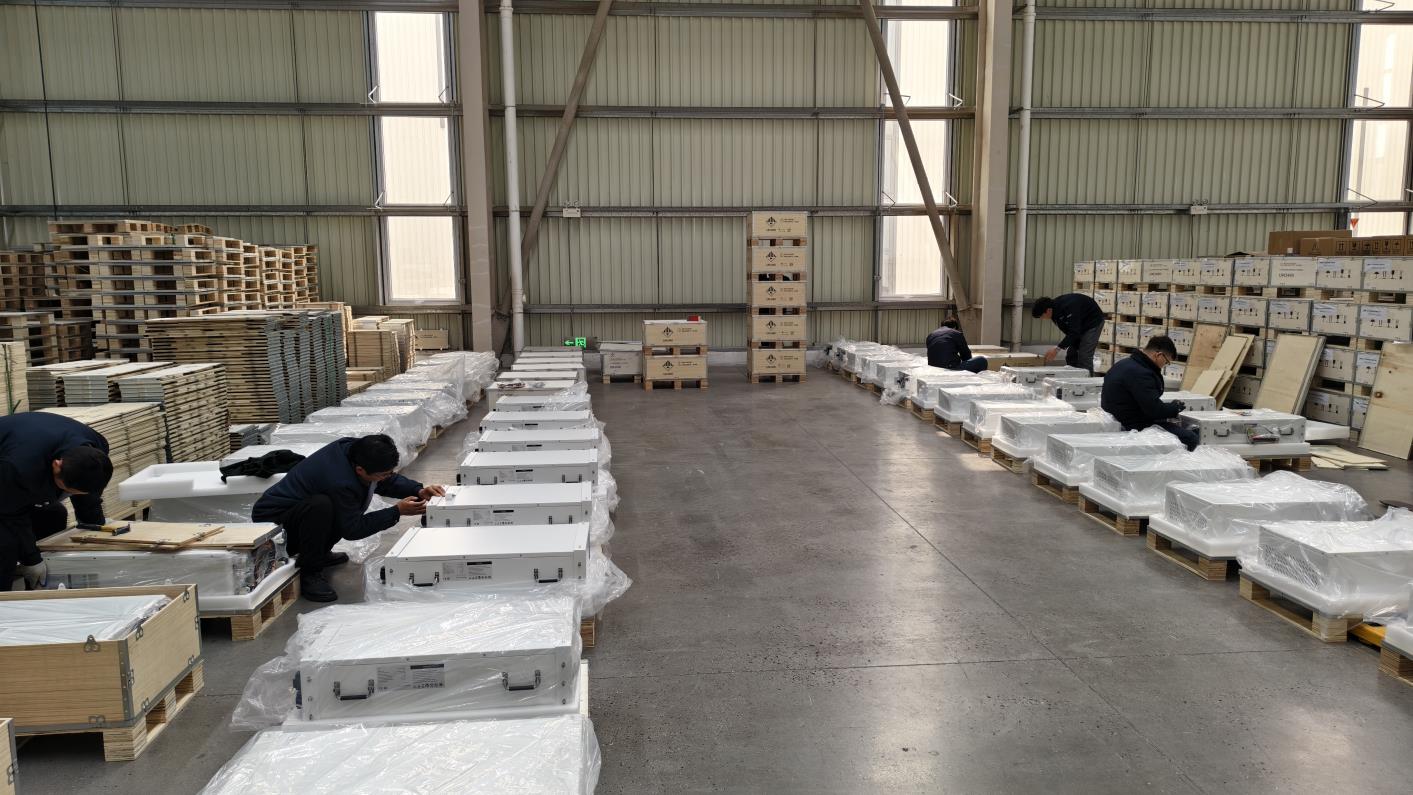
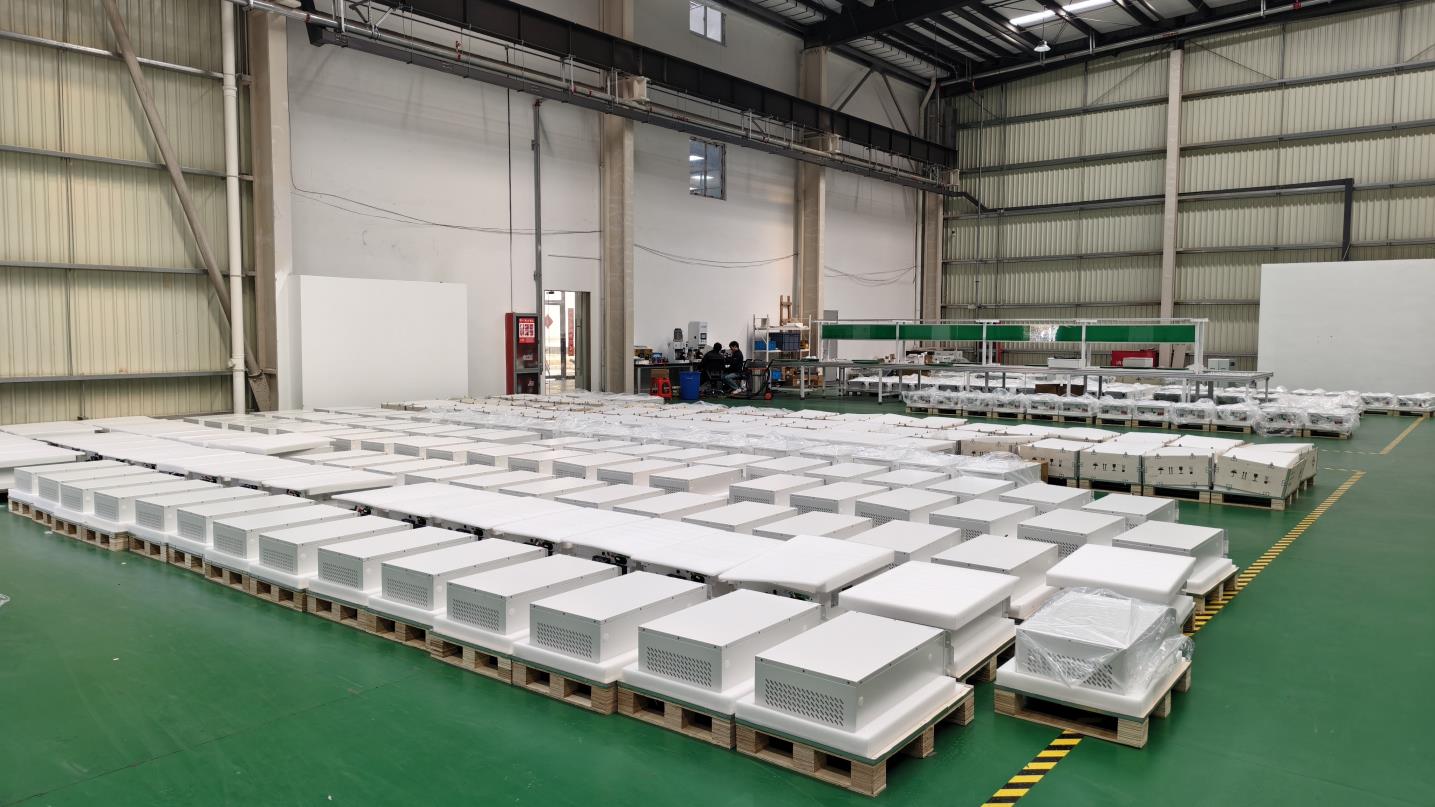
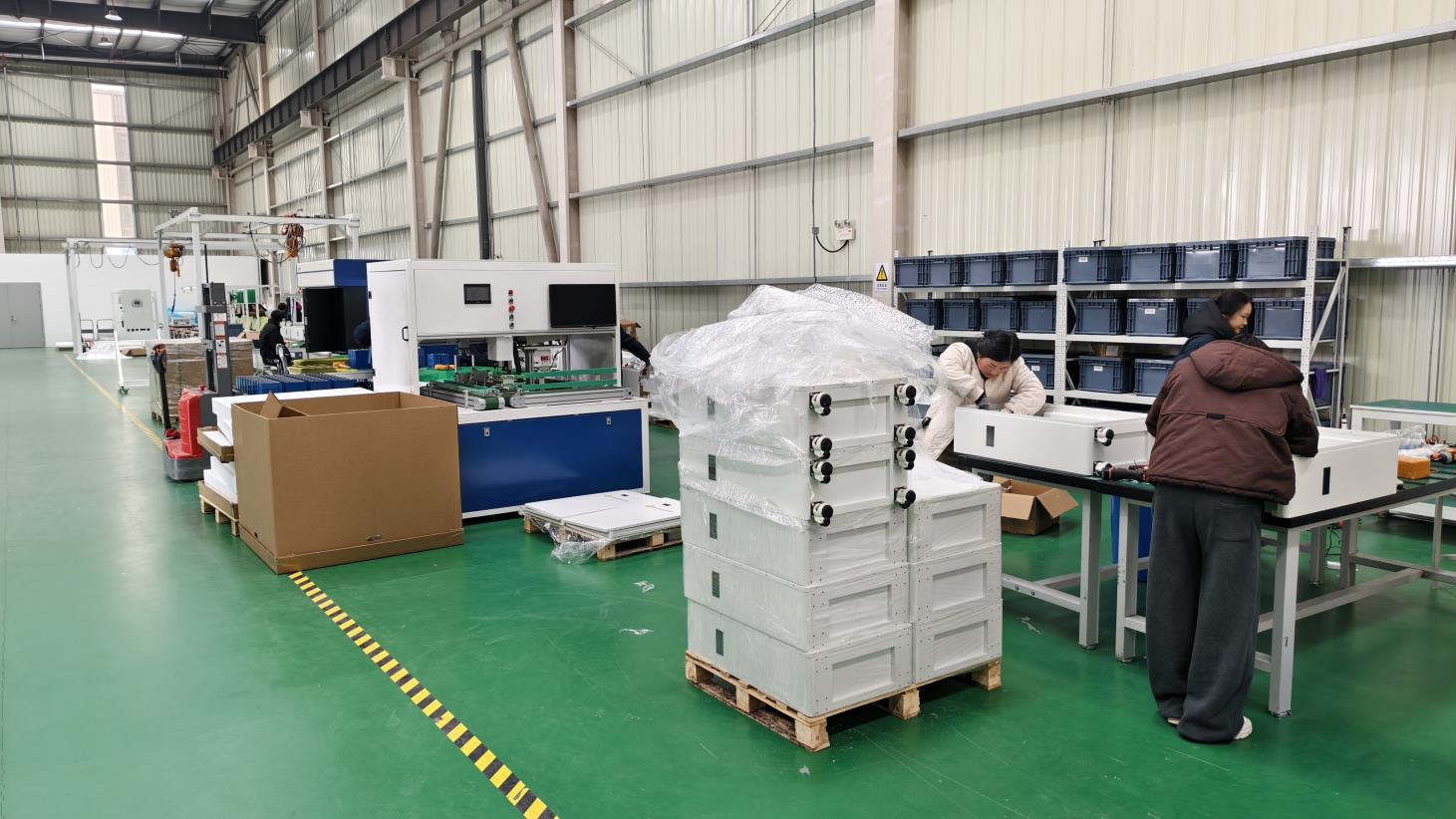
Our manufacturing facility features dedicated lines for SMT assembly, automated wave soldering, precise wiring, and testing. Each stage of production is monitored to trace electrical integrity, mechanical tolerances, and thermal stability. Our strict quality management system includes high-pot insulation tests, temperature chamber aging, and full-load power cycle evaluations.
This structured production process is essential for maintaining supply chain resilience. Even as raw material costs and international shipping rates fluctuate, our automated lines optimize material usage, minimize waste, and maintain reliable production timelines. For our global partners, this means consistent product quality, predictable lead times, and hardware that meets international safety and environmental standards.
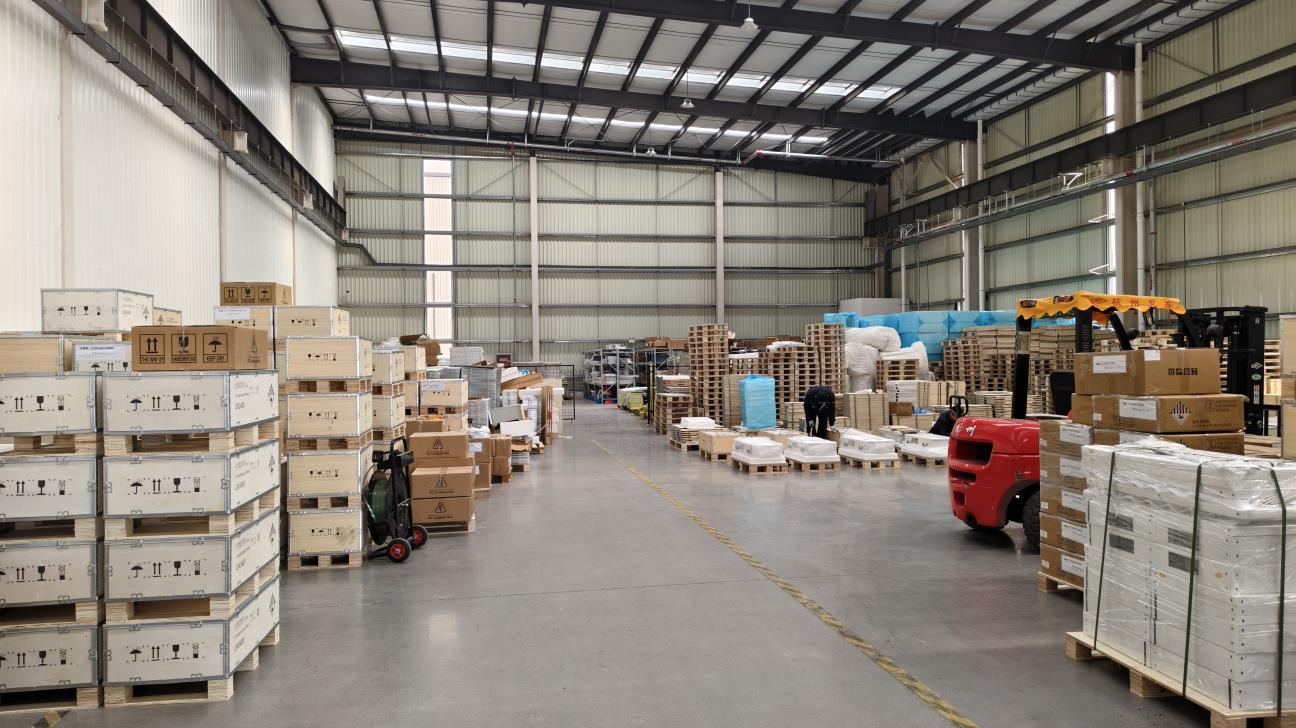
Below is a visual overview of our modern manufacturing facility, demonstrating our structured approach to quality assurance, testing, and distribution:
The adoption of solar energy in C&I applications is driven by specific regional requirements. In regions with mature electrical grids, businesses often focus on reducing peak-demand charges and participating in net-metering programs. This requires smart solar storage setups capable of dynamic grid control.
Conversely, in areas with unstable or remote power grids, off-grid and hybrid installations are essential for maintaining operational continuity. These systems must be robust enough to withstand harsh environmental conditions, such as extreme heat, dust, and moisture. They require reliable battery systems (like LiFePO4 chemistry) and protective enclosures to prevent downtime.
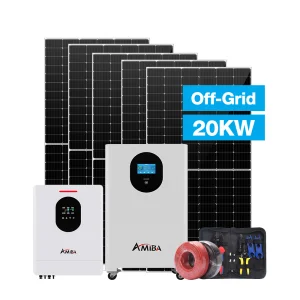
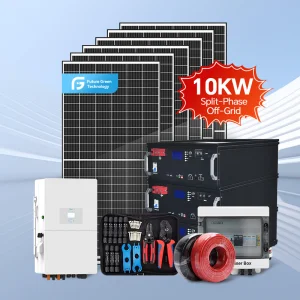
Aryam Energy designs integrated hardware systems that address these distinct challenges. We supply complete 10kW to 20kW off-grid solar kits, dynamic hybrid inverters, and high-efficiency modules. Our systems are engineered to perform reliably under varied conditions, helping enterprises optimize their energy consumption and lower operational risks.
To demonstrate the adaptability of our systems, we examine three localized installation scenarios:
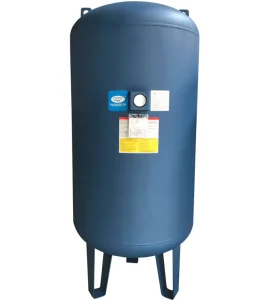
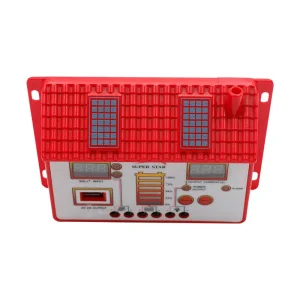
In agricultural regions facing high electricity costs or limited grid access, our stainless steel solar water storage tanks and solar pumping systems provide a self-sustaining irrigation solution. These systems use dedicated solar controllers to pump and store water during peak sunlight hours. This setup minimizes fuel costs associated with diesel generators and ensures consistent irrigation for crops.
For remote facilities, eco-tourism resorts, and scientific outposts, grid extensions are often cost-prohibitive. In these cases, we configure hybrid microgrids that combine solar PV arrays, lithium energy storage, and backup generators. These microgrids utilize smart energy management systems to optimize battery cycles and prioritize solar energy usage, helping to secure reliable power around the clock.
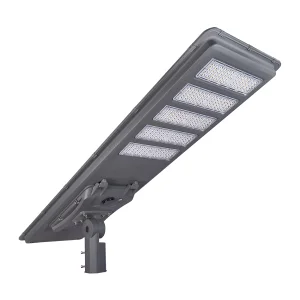
Urban centers and municipalities increasingly deploy off-grid public systems to reduce public energy expenditures and meet sustainability targets. Our all-in-one IP65 solar streetlights feature integrated MPPT charge controllers, high-efficiency solar cells, and motion-activated LEDs. These units install quickly without trenching or grid cabling, operating autonomously and reducing local government infrastructure overhead.
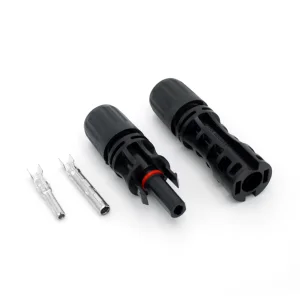
Ensure complete system integration and long-term durability with our highly durable, OEM-designed solar components and accessories.

 Aryam Energy