Aryam Energy
1 / 5
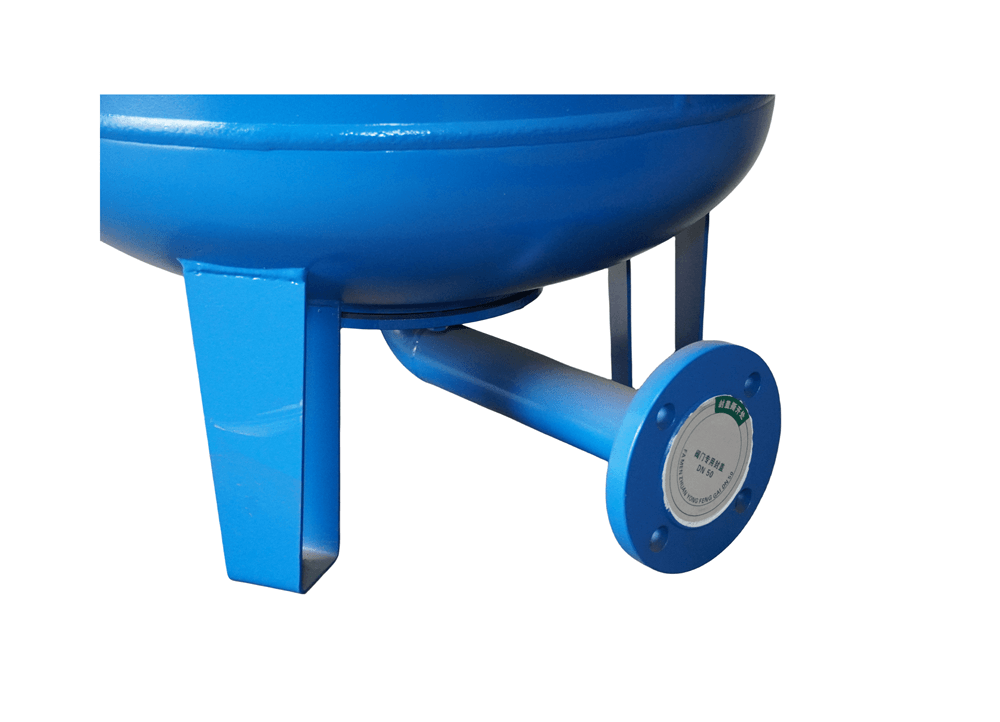
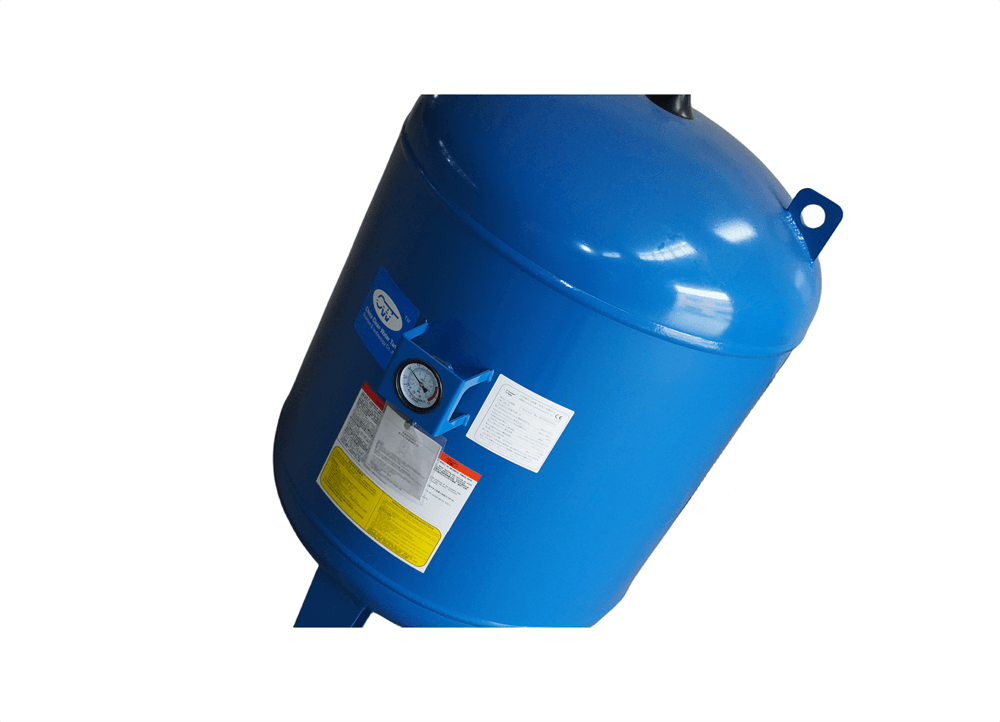
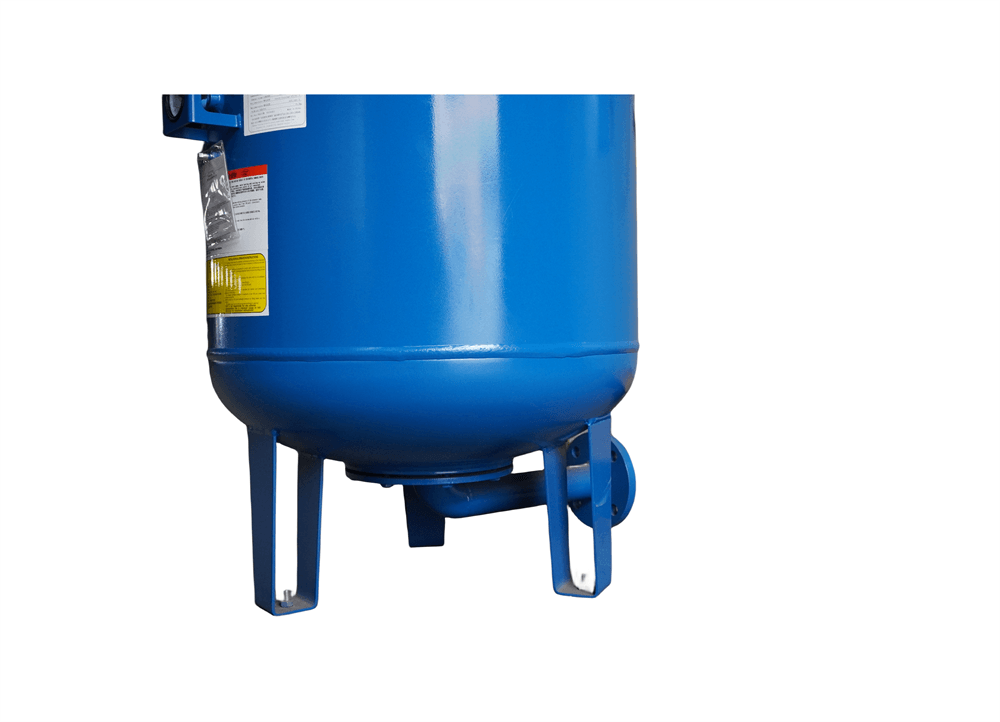
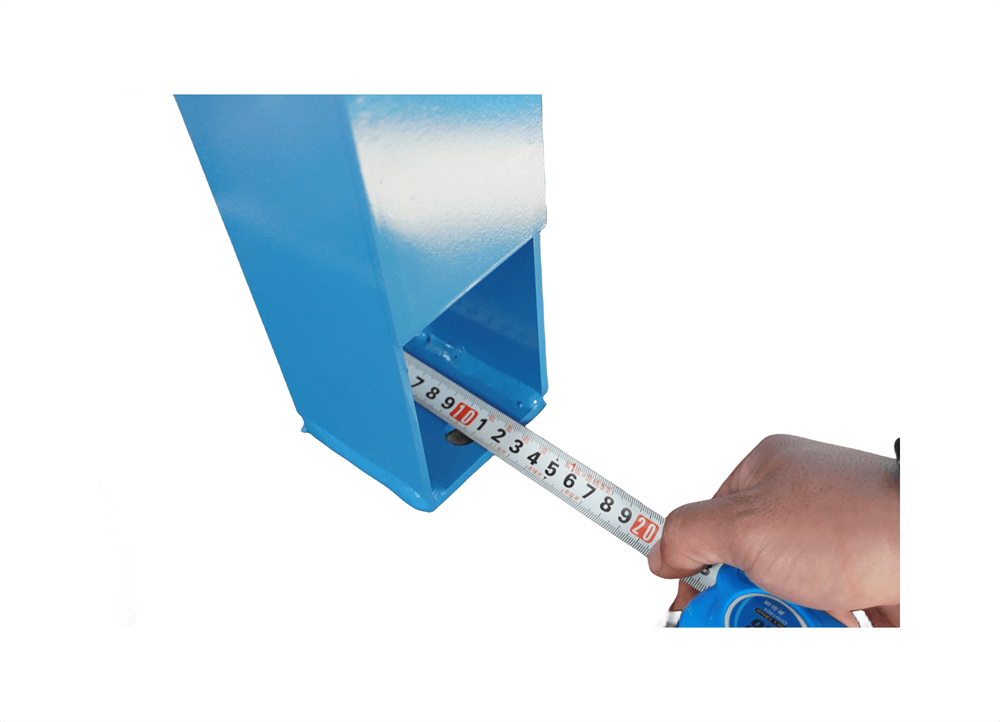
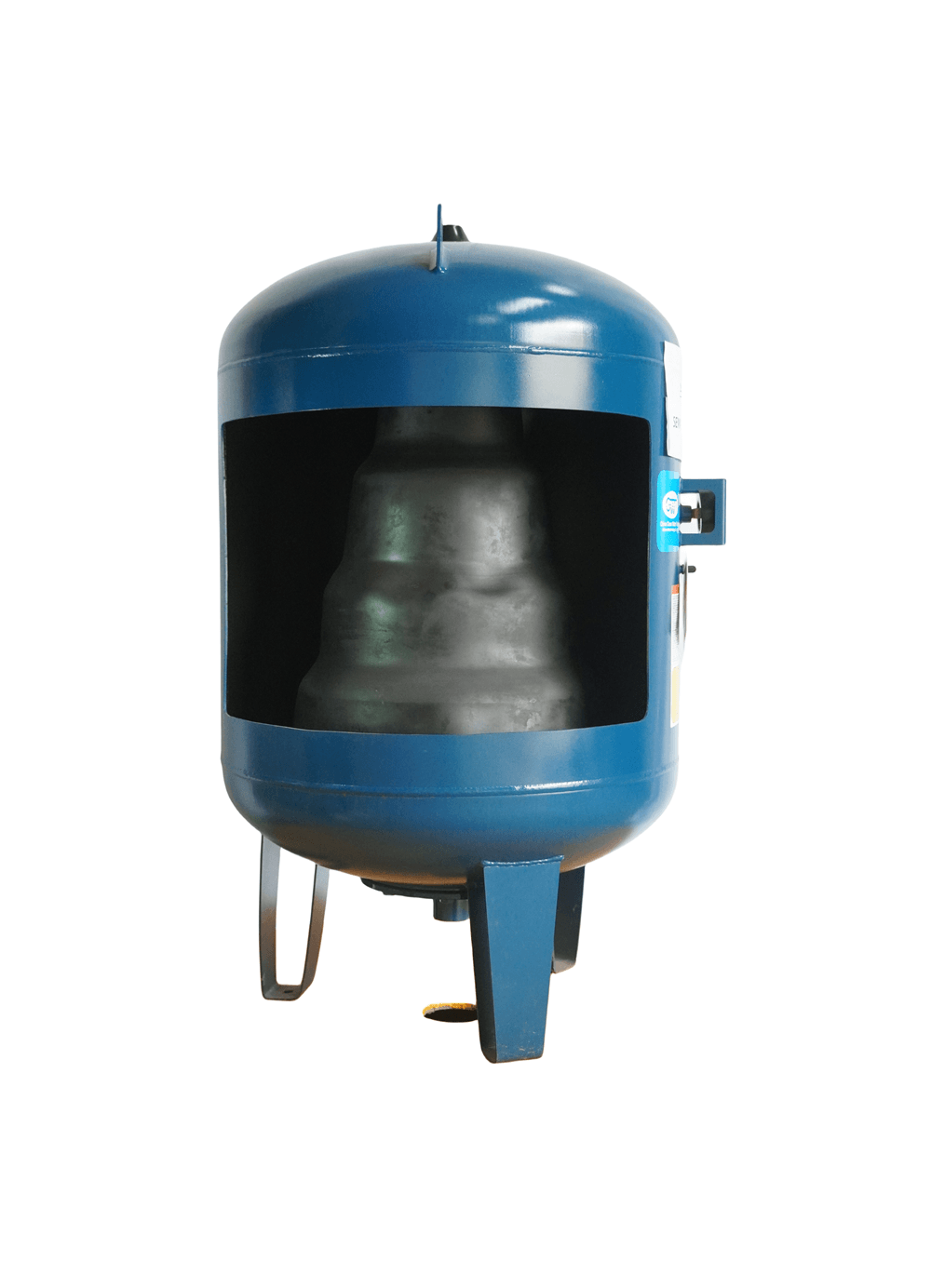
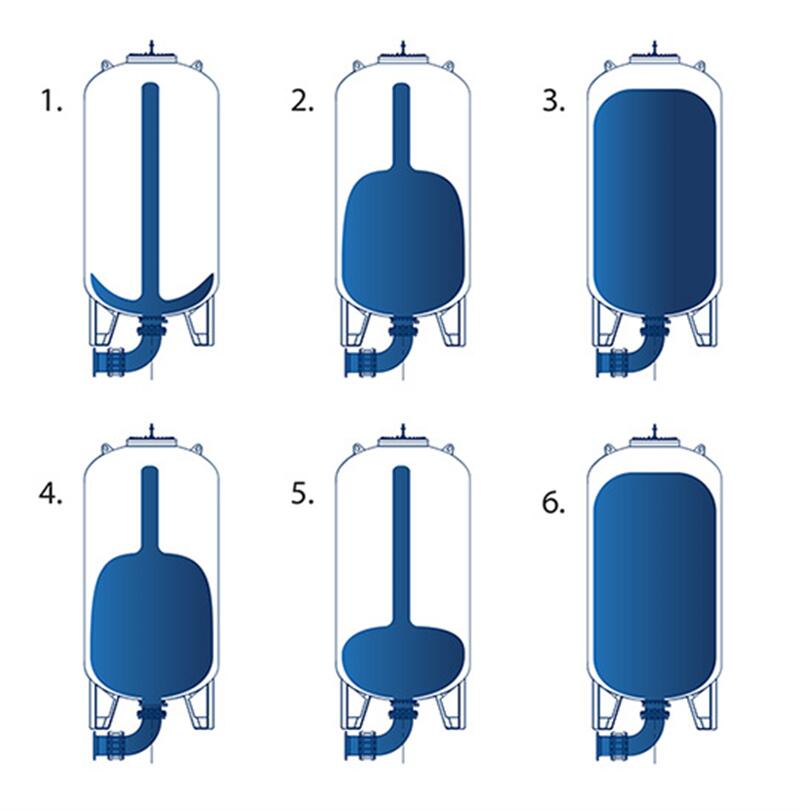
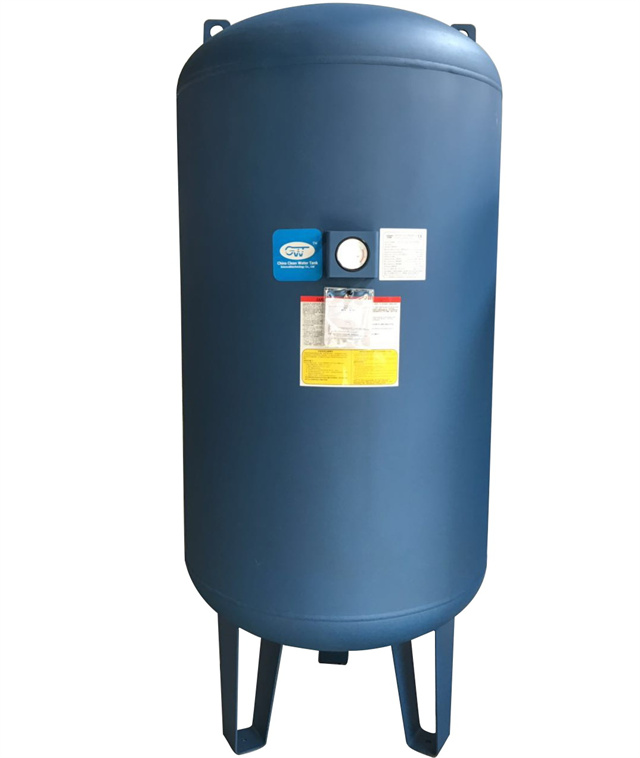
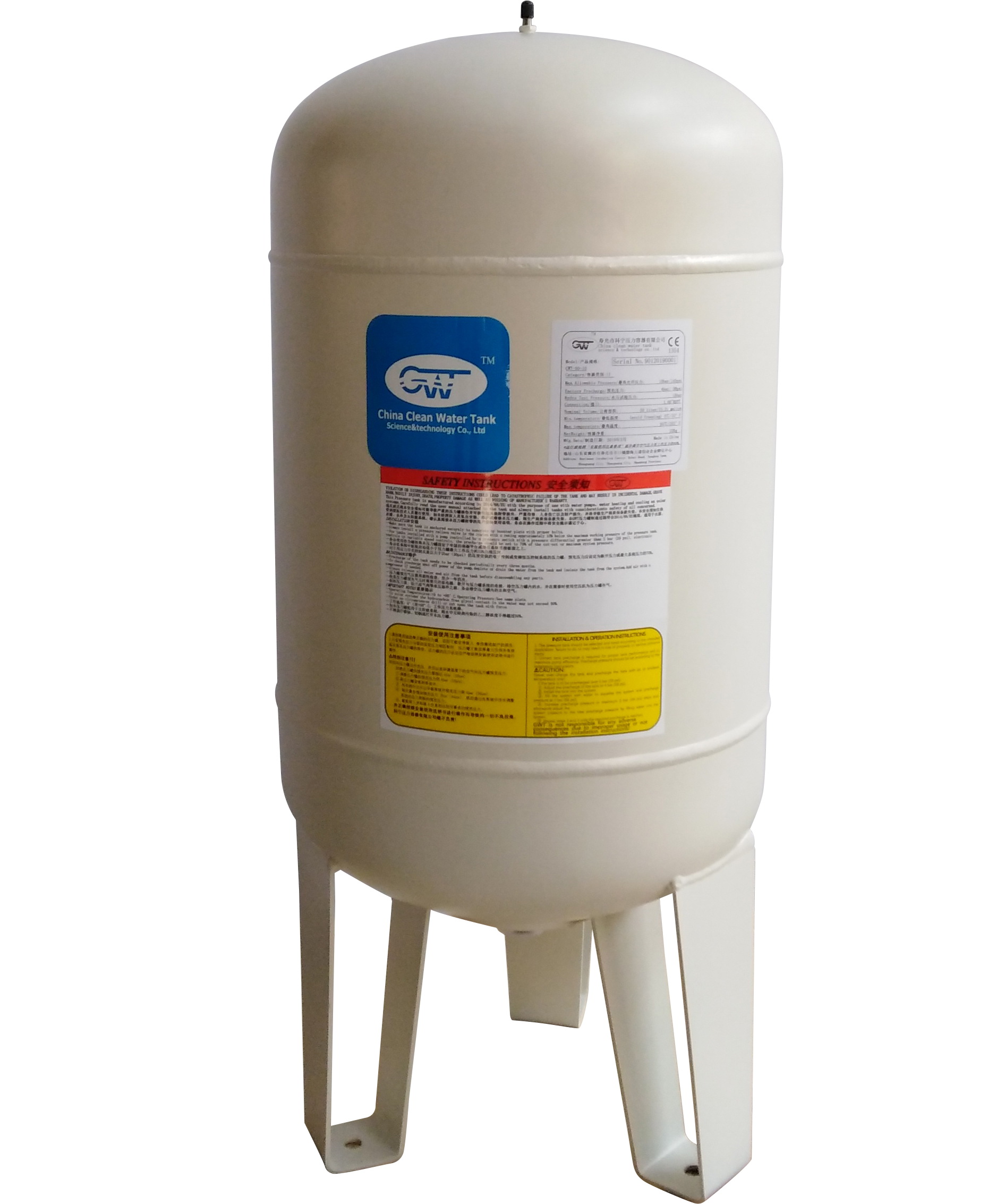
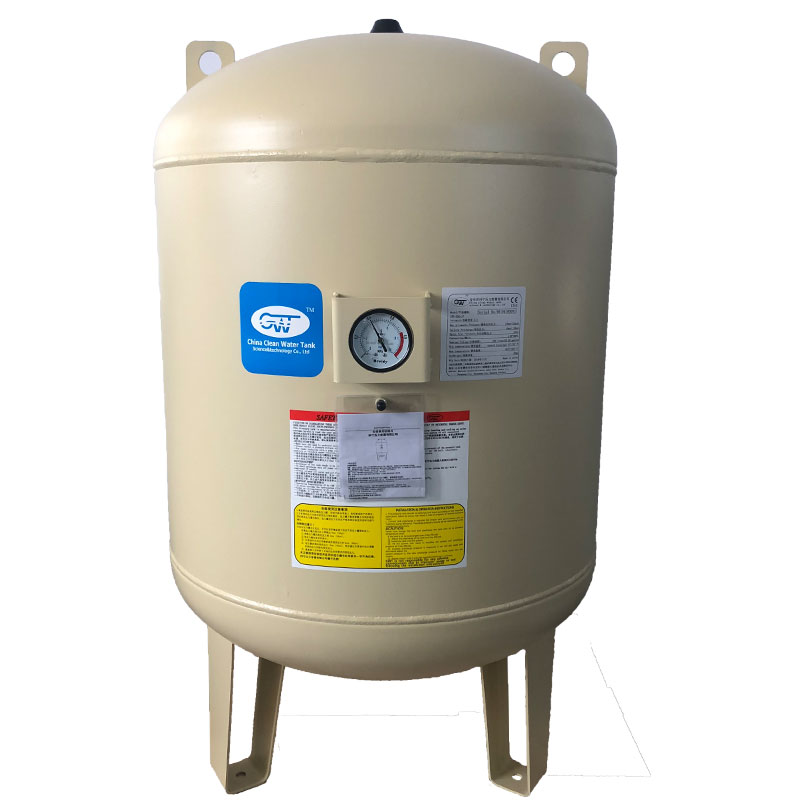
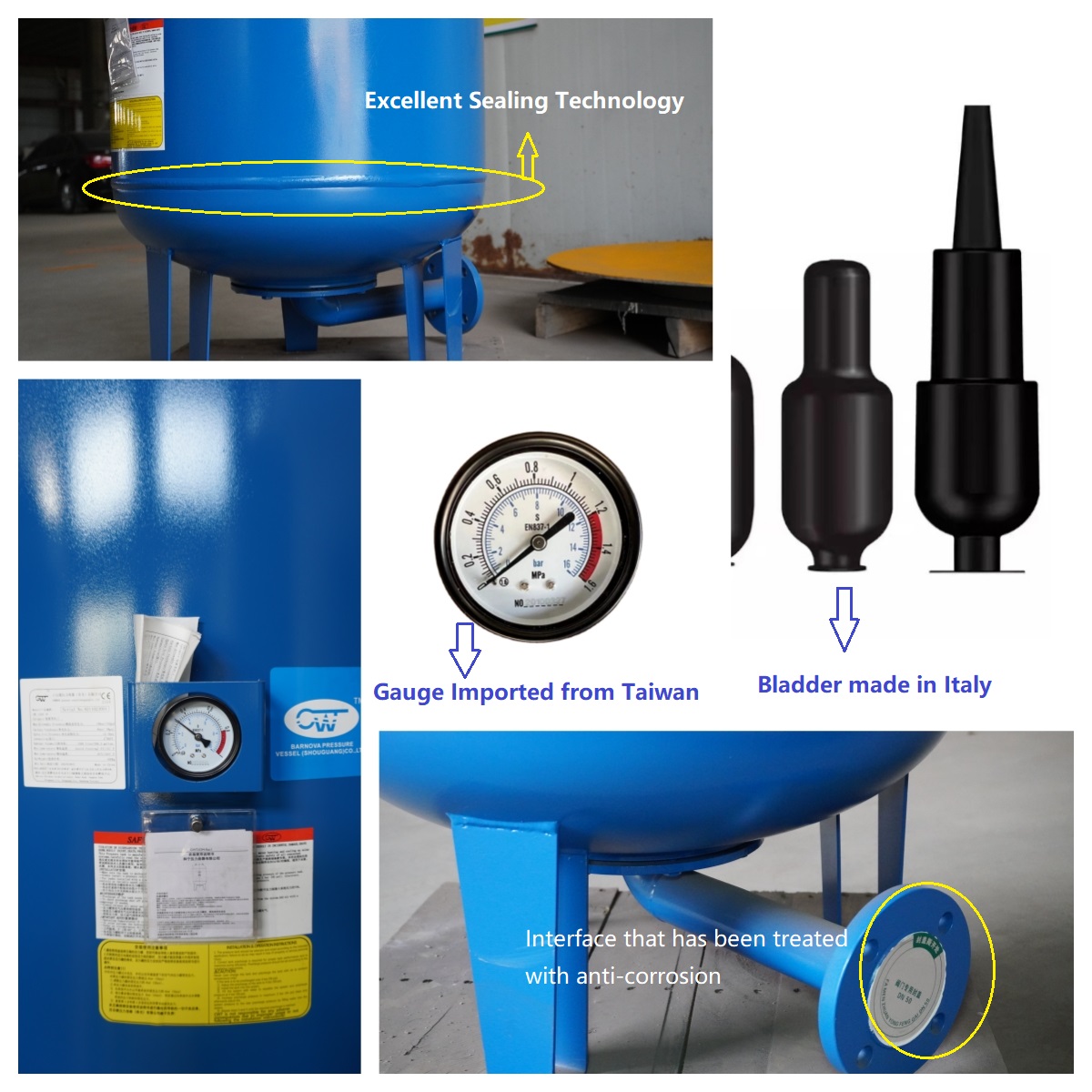
When the pump starts or the pipeline pressure suddenly increases significantly, the air cushion in the cavity is compressed, the volume becomes smaller, and the pressure in the pipeline is absorbed, so that the pressure in the system reaches a balanced state. When the pump stops running and the pipeline pressure is released smoothly, the air pressure in the pressure tank is gradually released to ensure that the pressure in the system is in a balanced state until the pressure is released and the pump is restarted or the pressure in the pipeline surges again, forming a cycle.
| Type | Volume (litre) | Volume (gallon) | Height (mm) | Diameter (mm) | Weight (kg) | Interface Size |
|---|---|---|---|---|---|---|
| CWT-3-10 | 3 | 1 | 195 | 150 | 1.2 | 3/4" |
| CWT-5-10 | 5 | 1 | 235 | 200 | 1.9 | 3/4" |
| CWT-8-10 | 8 | 2 | 280 | 200 | 2.2 | 3/4" |
| CWT-14-10 | 14 | 4 | 350 | 280 | 4 | 3/4" |
| CWT-19-10 | 19 | 5 | 450 | 280 | 5.6 | 3/4" |
| CWT-24-10 | 24 | 6 | 480 | 280 | 6.2 | 1" |
| CWT-30-10 | 30 | 8 | 550 | 380 | 10.5 | 1" |
| CWT-5-10 | 50 | 13 | 750 | 380 | 11.5 | 1" |
| CWT-80-10 | 80 | 21 | 950 | 380 | 13.3 | 1" |
| CWT-100-10 | 100 | 27 | 1000 | 380 | 15.8 | 1" |
| CWT-150-10 | 150 | 40 | 1110 | 461 | 30 | 1" |
| CWT-200-10 | 200 | 53 | 1110 | 613 | 60 | 1.25" |
| CWT-300-10 | 300 | 80 | 1250 | 662 | 72 | 1.25" |
| CWT-500-10 | 500 | 133 | 1540 | 762 | 110 | 1.25" |
| CWT-750-10 | 750 | 200 | 1800 | 762 | 130 | 1.25" |
| CWT-850-10 | 850 | 226 | 1935 | 812 | 145 | 1.25" |
| CWT-1000-10 | 1000 | 266 | 2340 | 812 | 183 | 2" |
| CWT-1500-10 | 1500 | 400 | 2400 | 966 | 272 | 2" |
| CWT-2000-10 | 2000 | 533 | 2480 | 1116 | 347 | 2" |
| CWT-3000-10 | 3000 | 799 | 2810 | 1220 | 488 | 2.5" |
| CWT-4000-10 | 4000 | 1066 | 3100 | 1520 | 800 | 2.5" |
| CWT-5000-10 | 5000 | 1332 | 3550 | 1520 | 900 | 2.5" |
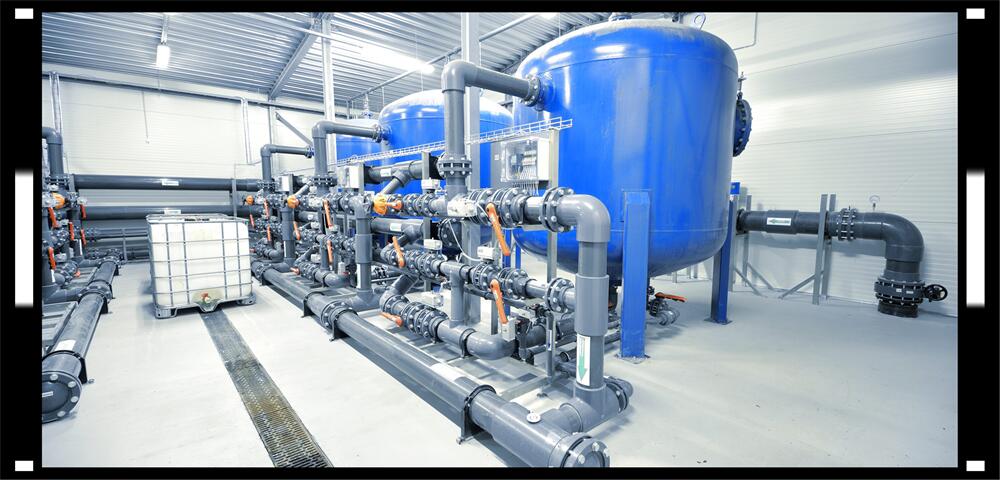
Expansion tanks are used in hydropower systems to stabilise the pipelines' water pressure and flow rate. They help prevent water hammer, a sudden pressure surge that can damage pipelines and equipment.
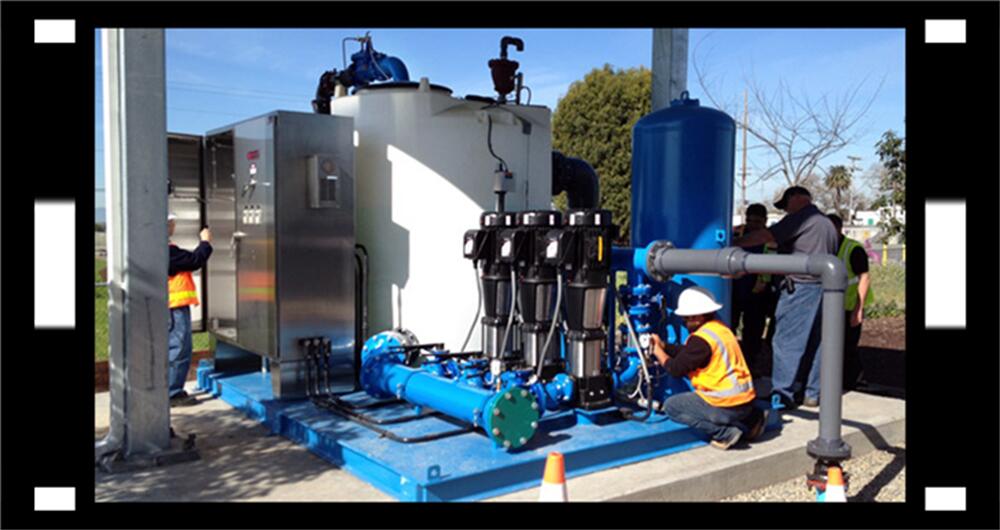
Expansion tanks can be used in irrigation systems to regulate water flow to crops. They also provide a reserve of water that can be used during periods of high demand.
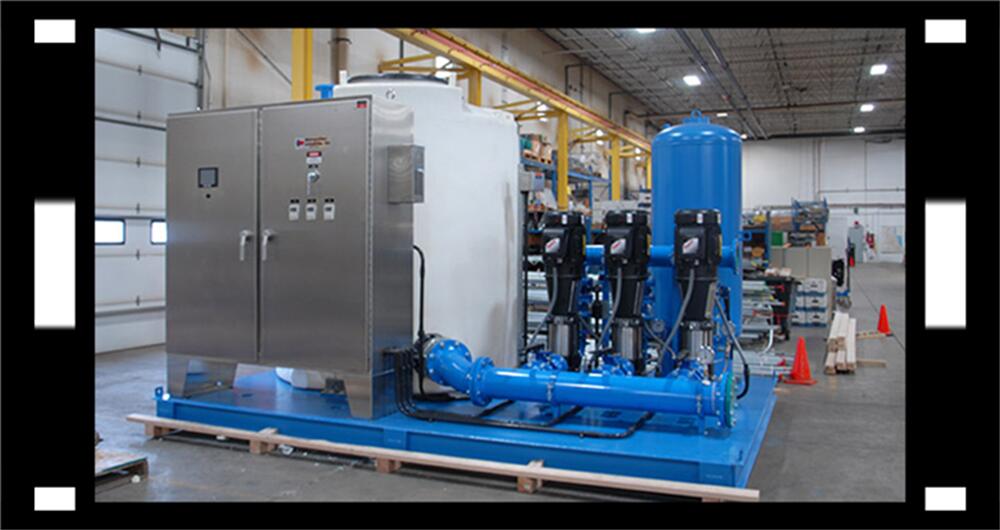
Expansion Tanks are used in water supply systems to regulate water pressure and prevent water hammer. They also provide a reserve of water that can be used during periods of high demand or when the supply is interrupted.
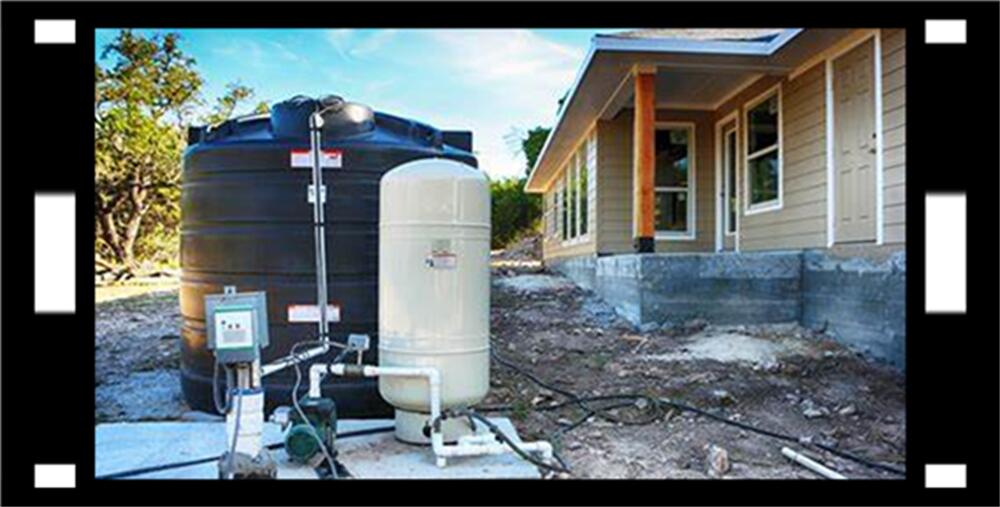
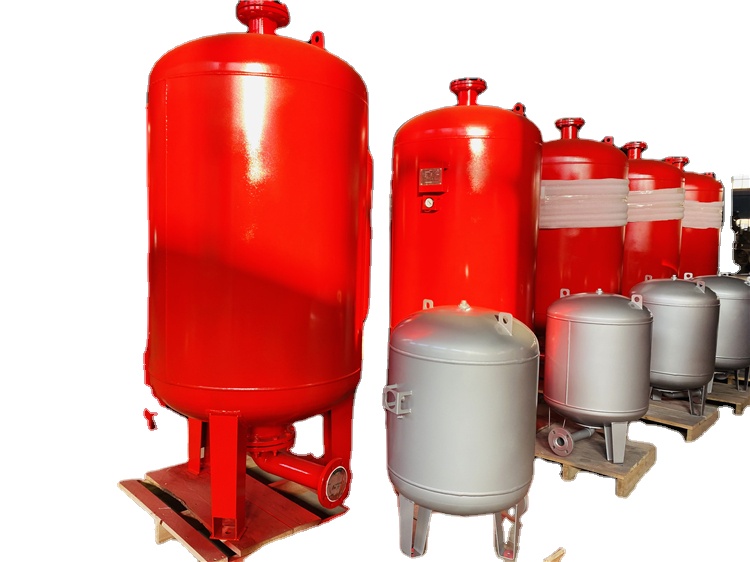
Expansion tanks can be used in fire protection systems to provide a reserve of water that can be used in case of a fire. They also help regulate water flow to prevent water hammer and ensure a consistent water supply to the fire sprinkler system.
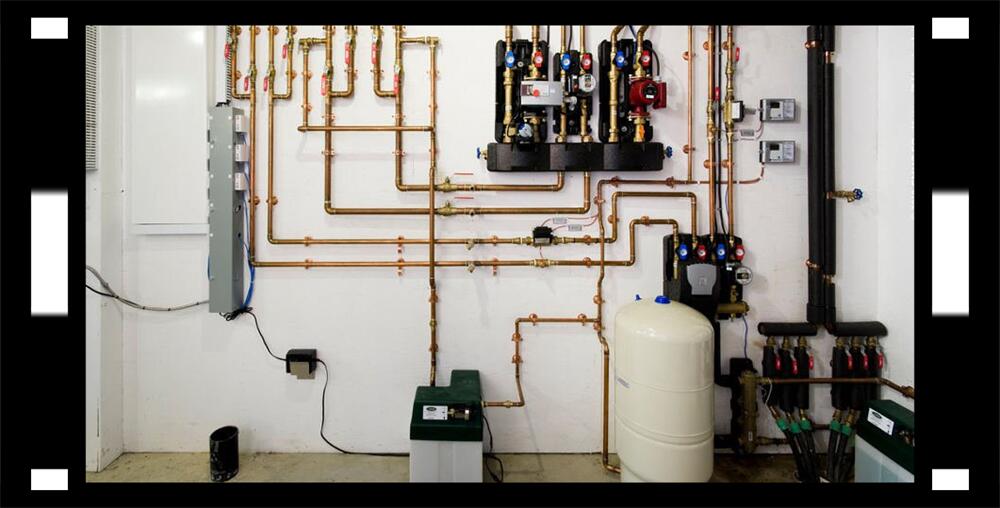
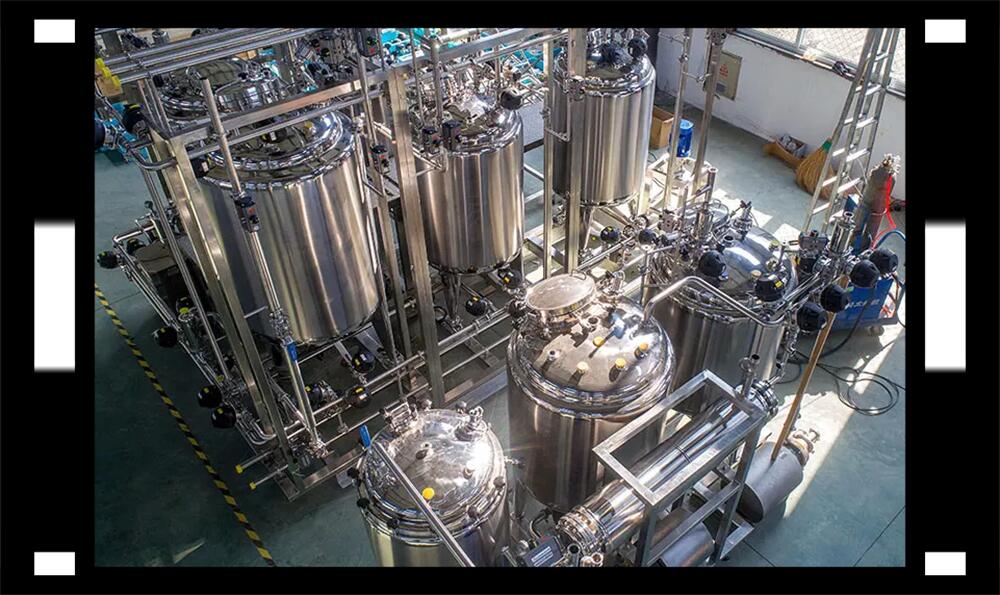
Expansion tanks can be used in industrial processes that require a constant flow of water or other fluids. They help regulate the flow and pressure of fluids and prevent damage to equipment from the water hammer.
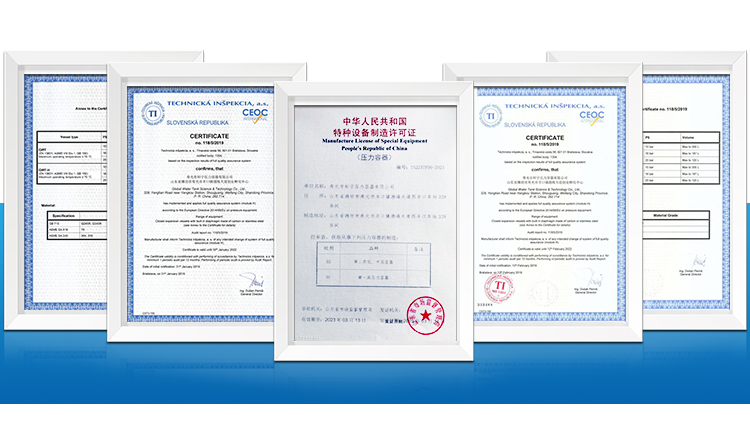
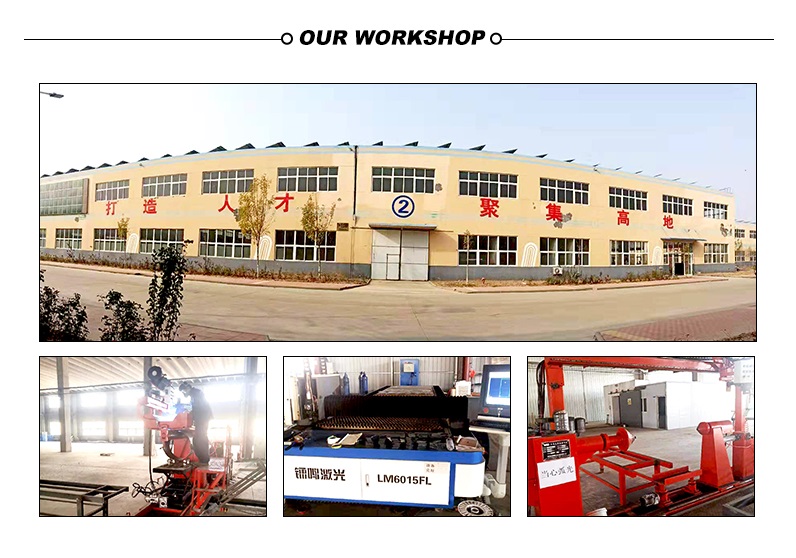
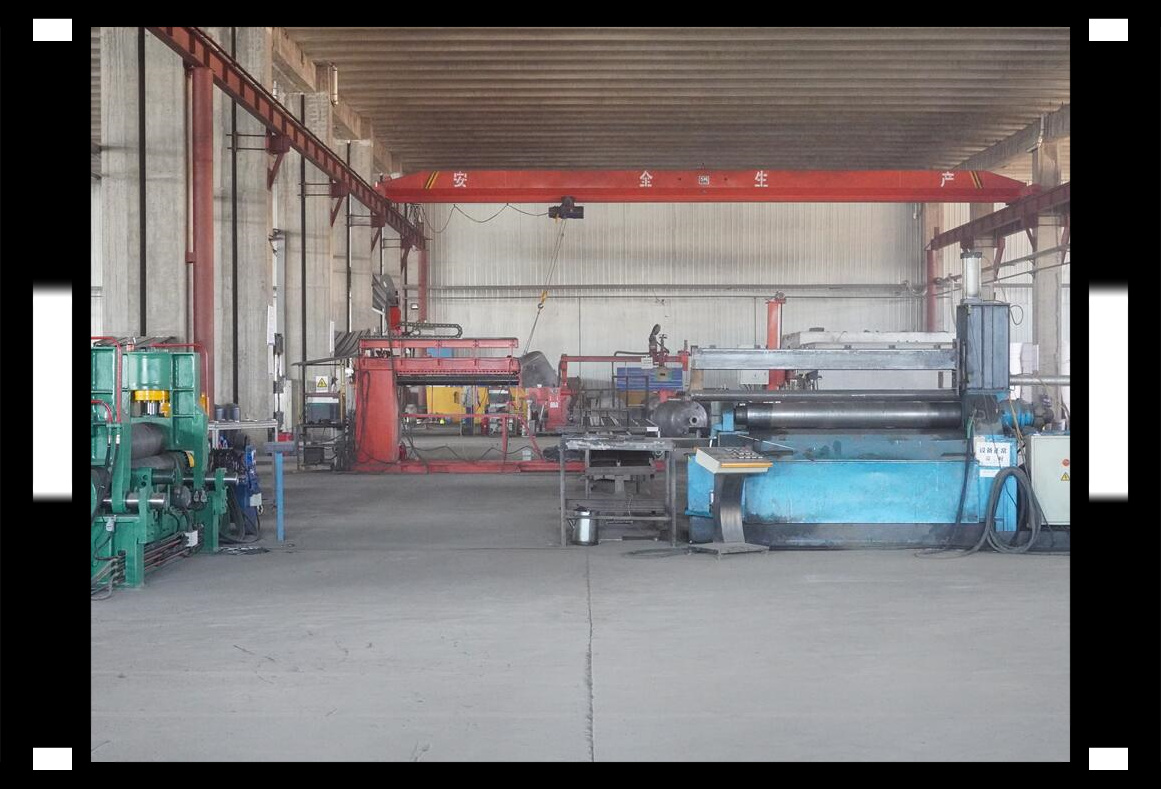
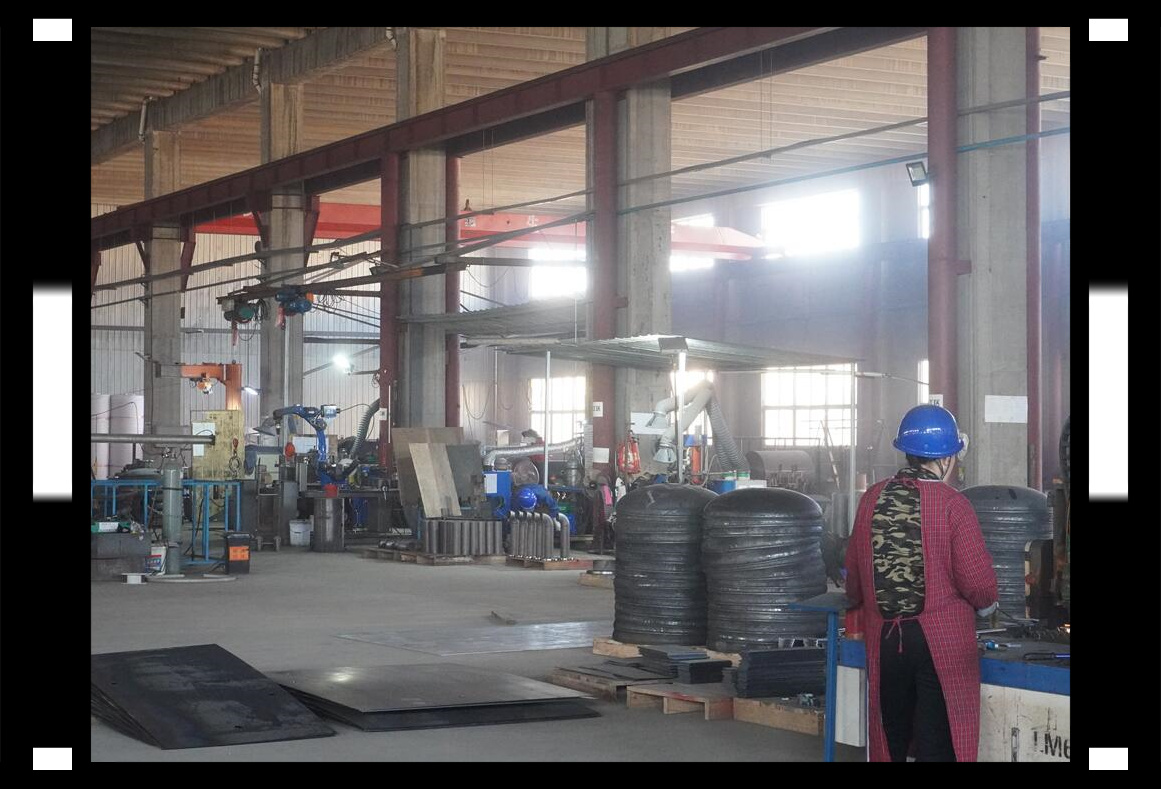
Manufacturing systems comply with leading international quality and safety benchmarks, having passed ISO9001 quality management system certification, ISO14001 environmental management system certification, and ISO45001 occupational health and safety management system certification. Standard capabilities include D1/D2 (<10MPa) pressure vessel manufacturing licensing, simple pressure vessel type test certificates, domestic hygiene approval for drinking water safety products, and PED H model 2014/68/EU (European Union certification).
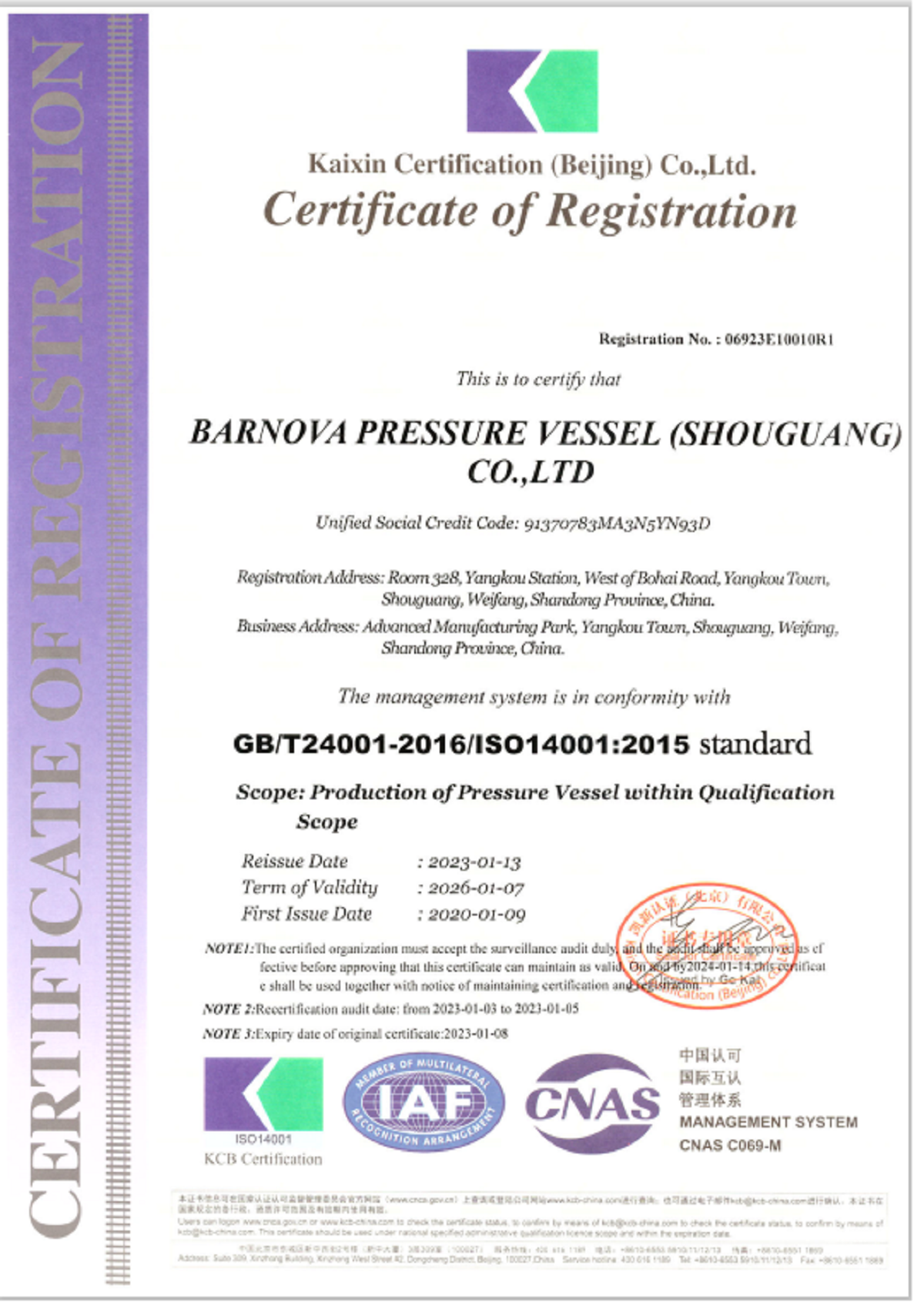
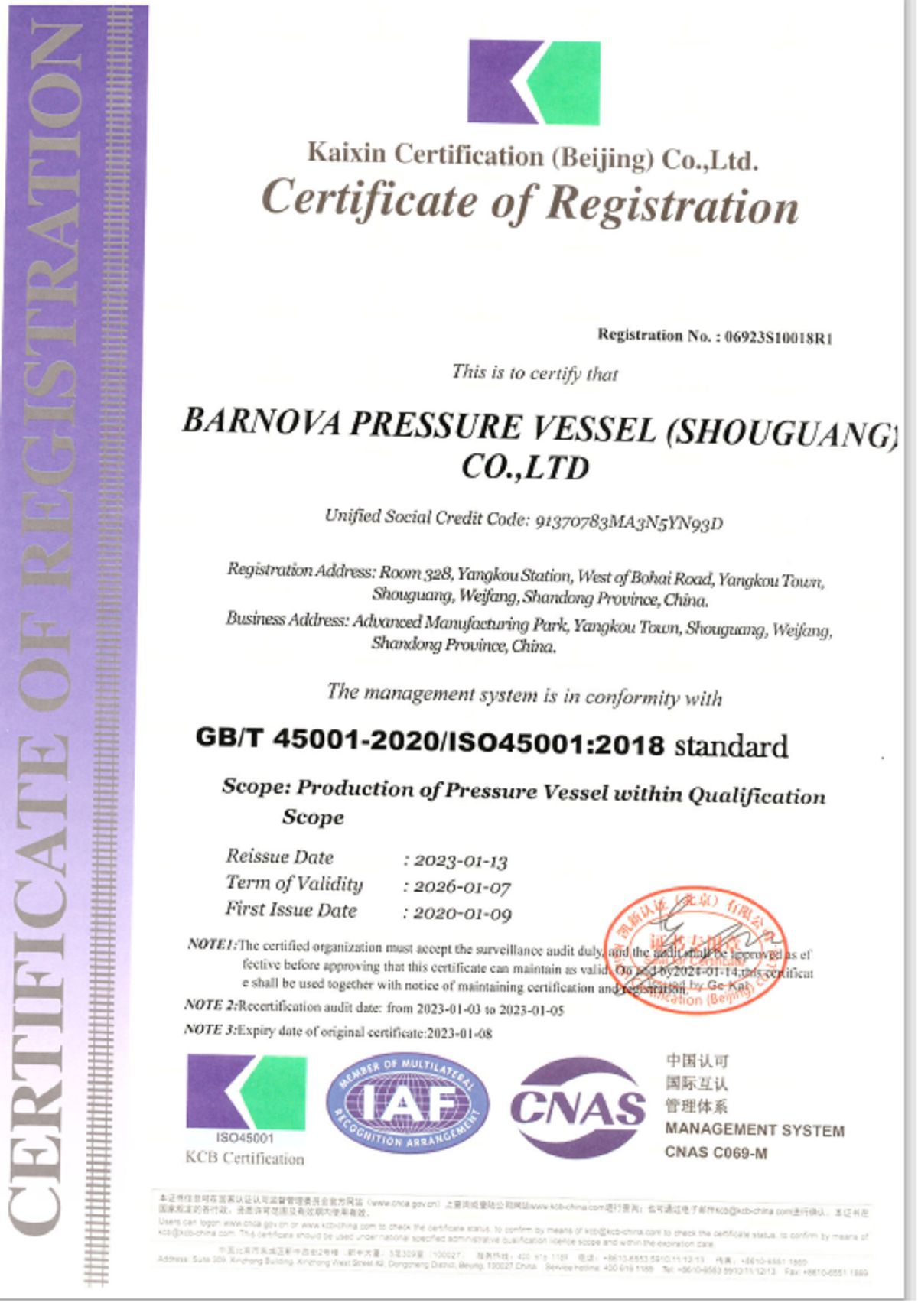
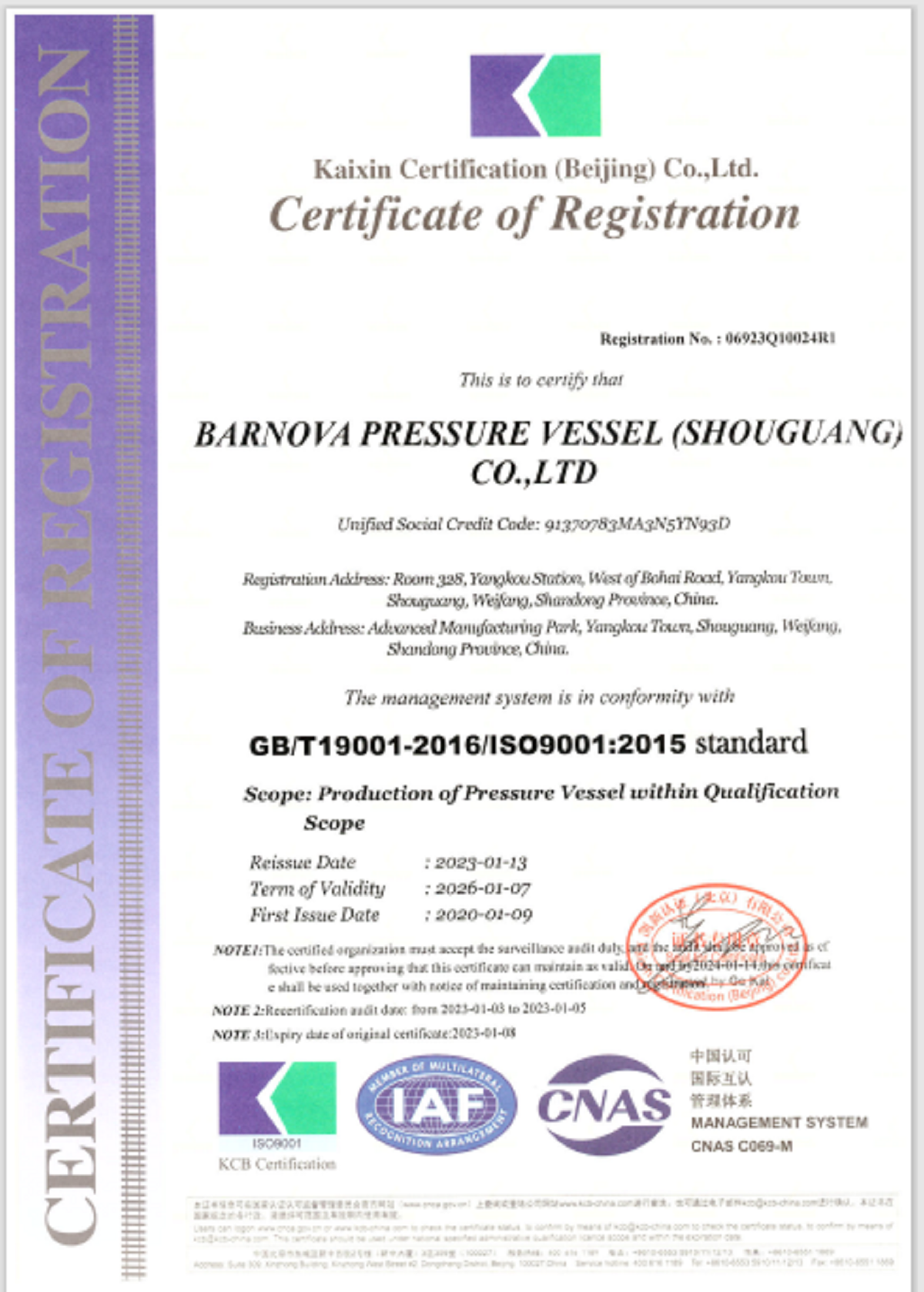
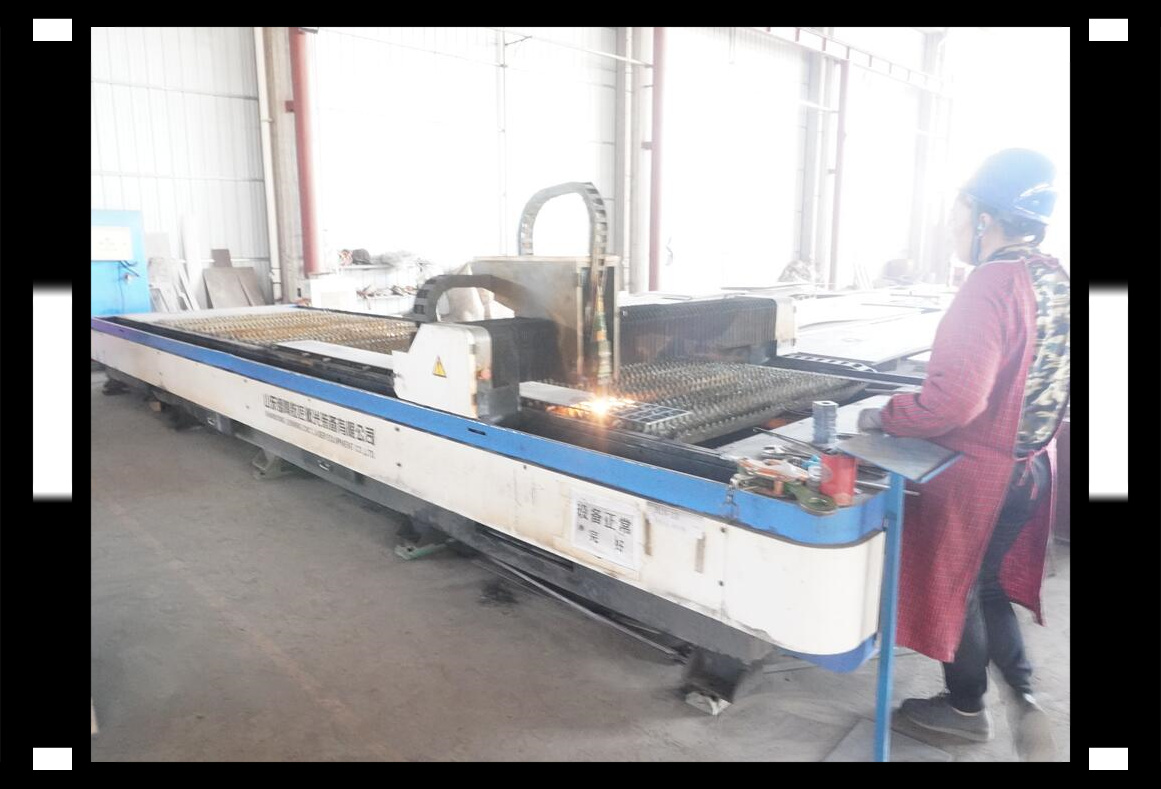
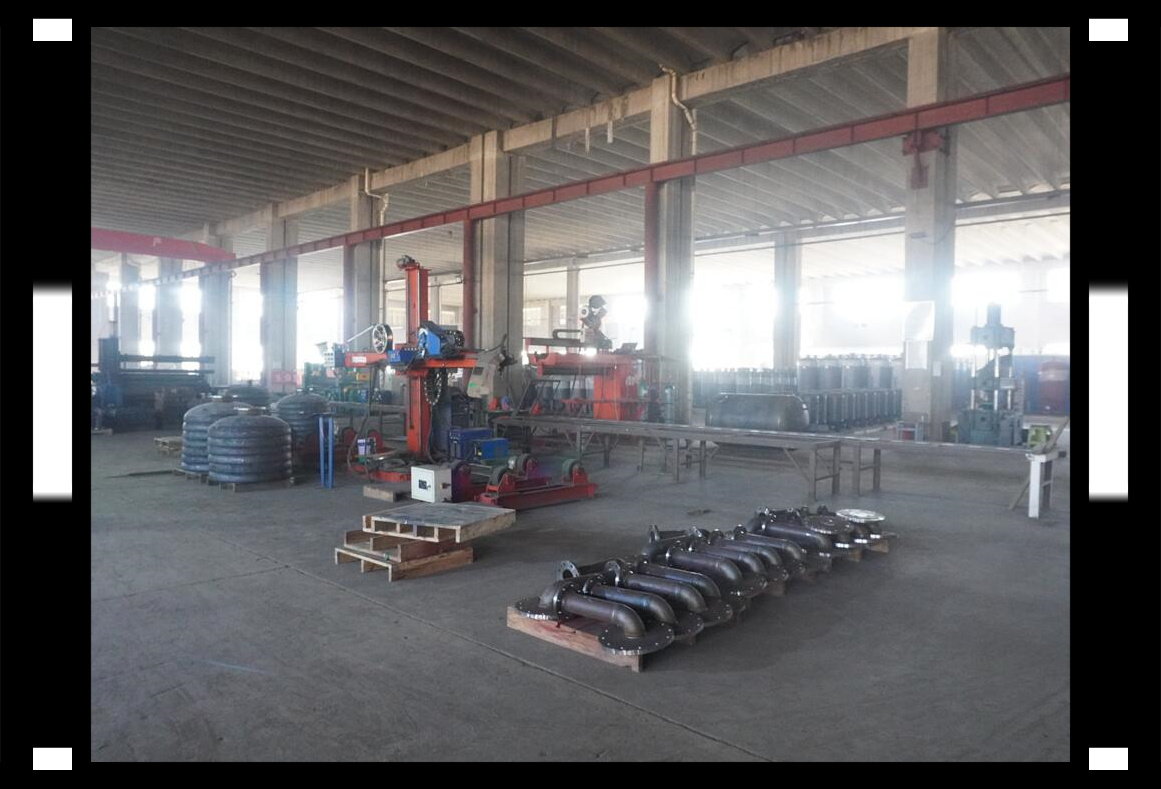
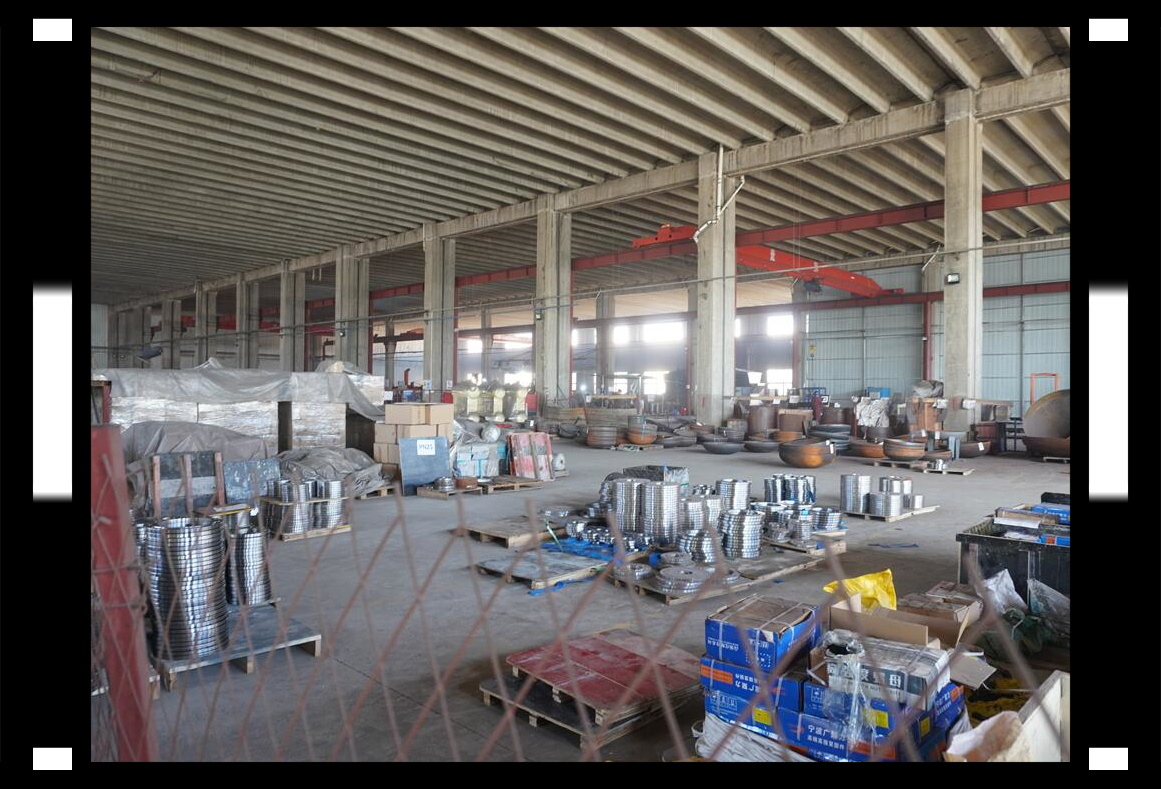
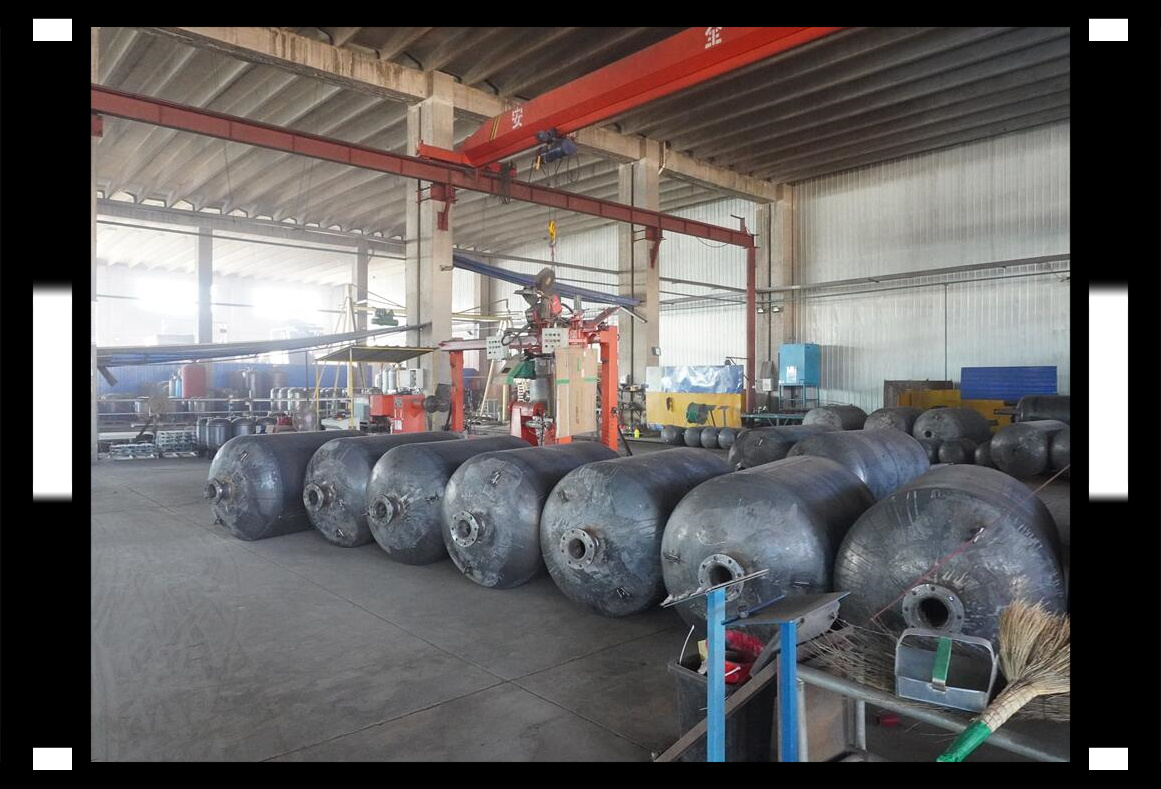
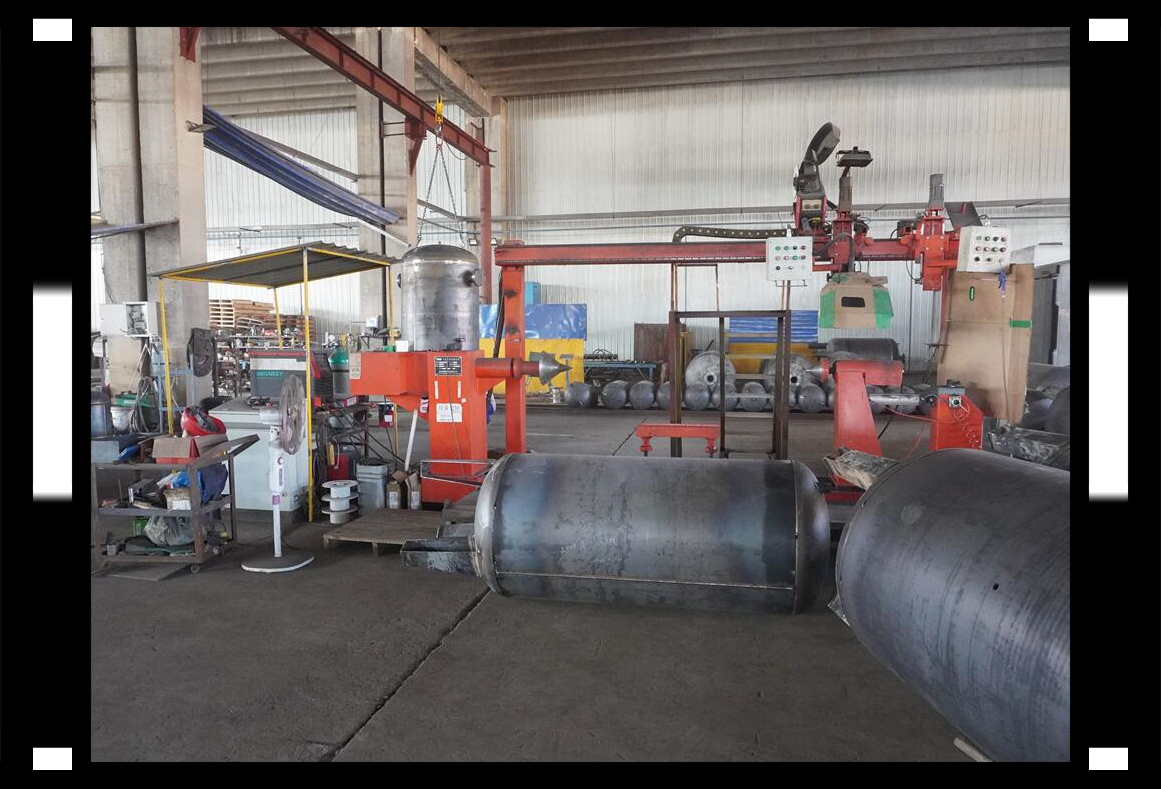
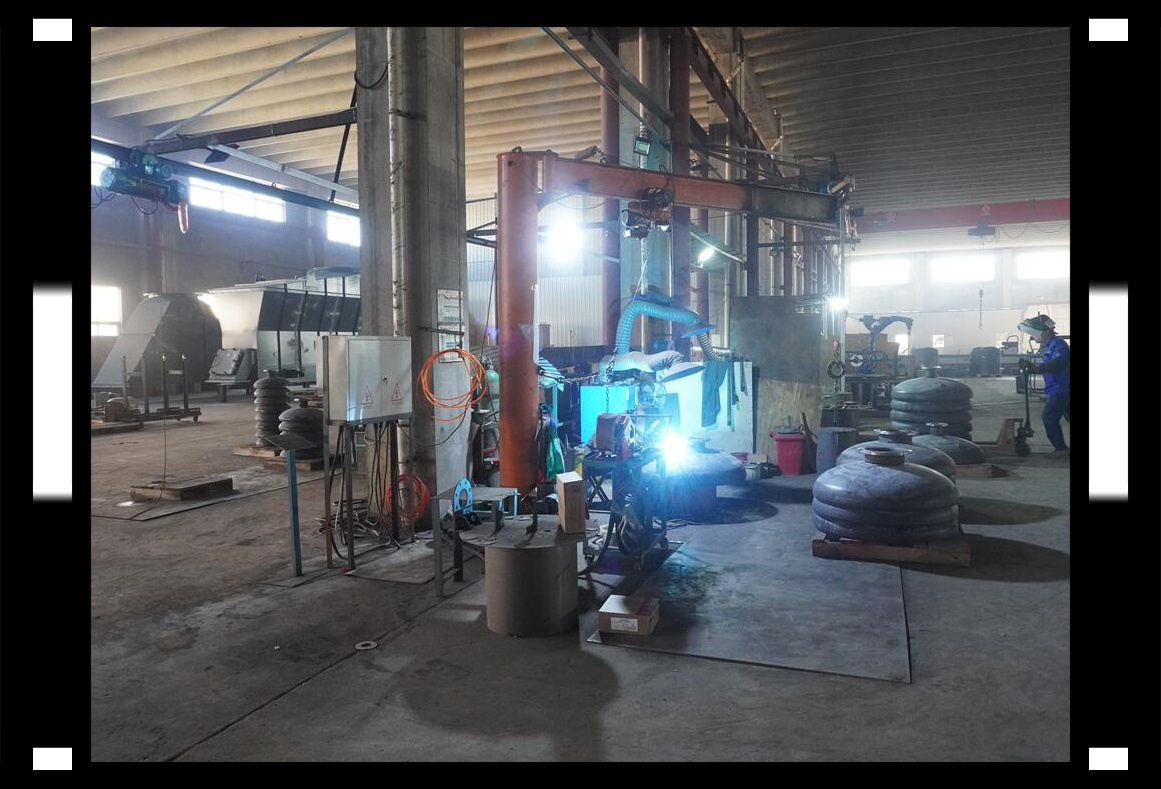
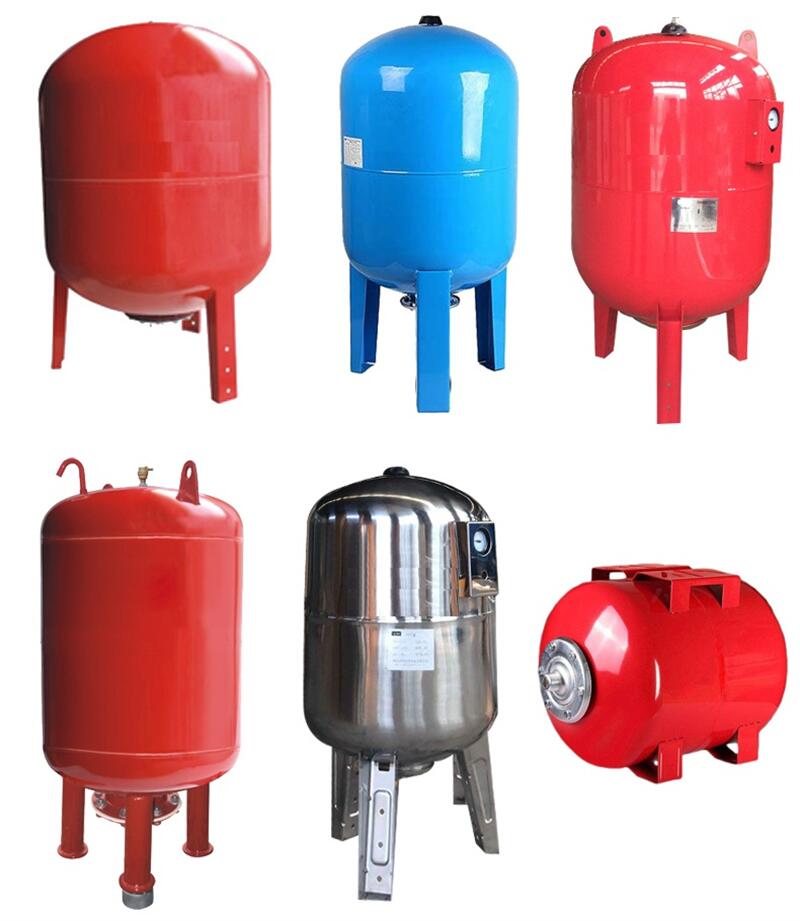
Utilizing advanced pressure vessel technology, manufacturing operations specialize in pressure expansion tanks, air/water storage tanks, air energy storage tanks, water hammer tanks, heat/cold energy storage tanks, steady flow tanks for non-negative pressure water supply equipment, and coupled tanks. Services span research and development, manufacturing, processing, sales, and maintenance. Available materials include carbon steel, stainless steel, duplex steel, and others. The products are primary components for constant pressure variable frequency water supply systems, non-negative pressure water supply systems, heating networks, solar systems, underfloor heating, fire protection, air energy systems, air conditioning, and municipal water supply infrastructure (preventing water hammer) to ensure stable and energy-efficient operations.