Engineered for Maximum Efficiency, Reliability, and Harsh Outdoor Environments

The global portable solar lighting landscape is undergoing a massive transformation driven by technological convergence, urgent energy security concerns, and the worldwide push for environmental sustainability. Once considered basic tools for off-grid rural lighting, contemporary portable solar light systems have transitioned into highly integrated micro-energy stations. These units leverage high-efficiency monocrystalline PV modules, advanced battery management systems (BMS), and rugged structural designs capable of performing in the most demanding ecosystems on Earth.
According to recent industry forecasts, the demand for decentralized solar infrastructure is growing at an exponential rate. Leading market forces include the increasing frequency of grid disruptions caused by extreme weather, expansion of humanitarian projects in off-grid regions, and the emergence of "outdoor-recreation-as-a-lifestyle" demographics. Industrially, portable solar lights are no longer optional accessories but critical, life-saving capital equipment. Custom OEM integrations are vital, as commercial buyers demand custom voltage parameters, specialized mounting accessories, intelligent sensor integration, and specific housing durability ratings to match localized environmental parameters.
"Technological convergence in the portable solar sector has moved beyond basic illumination. Today's systems integrate multi-functional energy distribution, high-frequency IoT connectivity, and unmatched battery stability, creating a resilient bridge to energy independence."
A key development trend is the shift toward Lithium Iron Phosphate (LiFePO4) chemistries, replacing legacy Lead-Acid and Nickel-Cadmium configurations. Lithium platforms deliver three to four times the cycle life (exceeding 3000-5000 cycles at 80% DoD), significantly reducing the Total Cost of Ownership (TCO) for municipal and commercial buyers. Simultaneously, integrating Maximum Power Point Tracking (MPPT) logic controllers directly into portable units has optimized photovoltaic energy conversion by up to 30% under diffuse or low-light atmospheric conditions, ensuring operational stability during winters and heavy overcast periods.
For procurement officers, NGO coordinators, and military supply chain directors, purchasing portable solar lighting solutions involves complex technical requirements. Sourcing teams prioritize reliability and strict compliance over simple upfront cost considerations. When operating in high-stress, remote environments—whether for disaster response, mineral extraction sites, or humanitarian outposts—the failure of a solar power system can carry significant operational consequences.
B2B search queries reveal key priorities that drive the selection of a manufacturing partner:
Industrial installations demand verified compliance with international testing frameworks. Procurement guidelines require manufacturers to present accredited documentation, including CE, UL, RoHS, UN38.3 (for battery transport safety), and IEC 62262 impact protection metrics. A lack of validated test data presents compliance risks for global EPC contractors.
Standard off-the-shelf options rarely meet specific project requirements. Organizations seek manufacturers capable of adjusting electrical outputs, altering charge profiles, integrating dual hybrid power inputs (such as wind or mechanical dynamos), and embedding custom branding and specific aesthetic modifications for regional markets.
Sourcing agents look beyond the initial purchase price to evaluate long-term maintenance costs. They focus on modular system architectures that allow for straightforward component swapping (e.g. replacing individual battery cells or LED panels) to avoid full-system replacements and reduce waste.
Anhui Aryam Energy Co., Ltd. is a leading provider of advanced renewable energy solutions, dedicated to delivering reliable, efficient, and sustainable power systems for residential, commercial, industrial, and utility-scale applications worldwide. Through continuous innovation and a strong commitment to clean energy development, Aryam Energy has established itself as a trusted partner in the global transition toward a low-carbon future.
The company specializes in the research, development, manufacturing, and integration of solar energy systems, energy storage solutions, hybrid power systems, and intelligent microgrid technologies. Leveraging cutting-edge engineering expertise and strict quality management standards, Aryam Energy provides comprehensive energy solutions tailored to diverse market needs, particularly in regions facing energy shortages, unstable grid infrastructure, or increasing demand for sustainable power generation.
Mission Statement: "Empowering Sustainable Energy for a Better Future." Aryam Energy drives long-term value for customers while actively contributing to global carbon reduction goals and sustainable social development.
With a professional R&D team and a growing portfolio of proprietary technologies, Aryam Energy continuously invests in innovation to enhance system performance, energy efficiency, and long-term reliability. Its products and solutions are designed to meet international standards and have been successfully deployed across Asia, Africa, the Middle East, Europe, and Latin America, serving customers in more than 100 countries and regions.
Aryam Energy's product portfolio includes solar inverters, energy storage systems, hybrid inverters, lithium battery solutions, solar water pumping systems, microgrid systems, and customized renewable energy projects. The company is committed to providing integrated energy solutions that maximize energy independence, reduce operational costs, and support environmental sustainability.
Driven by the vision of becoming a globally recognized clean energy technology leader, Aryam Energy actively collaborates with distributors, EPC contractors, government agencies, international organizations, and development partners to promote renewable energy adoption worldwide. By combining technological innovation, product excellence, and customer-centric service, Anhui Aryam Energy Co., Ltd. continues to deliver smart, reliable, and environmentally responsible energy solutions that help build a greener and more sustainable world.
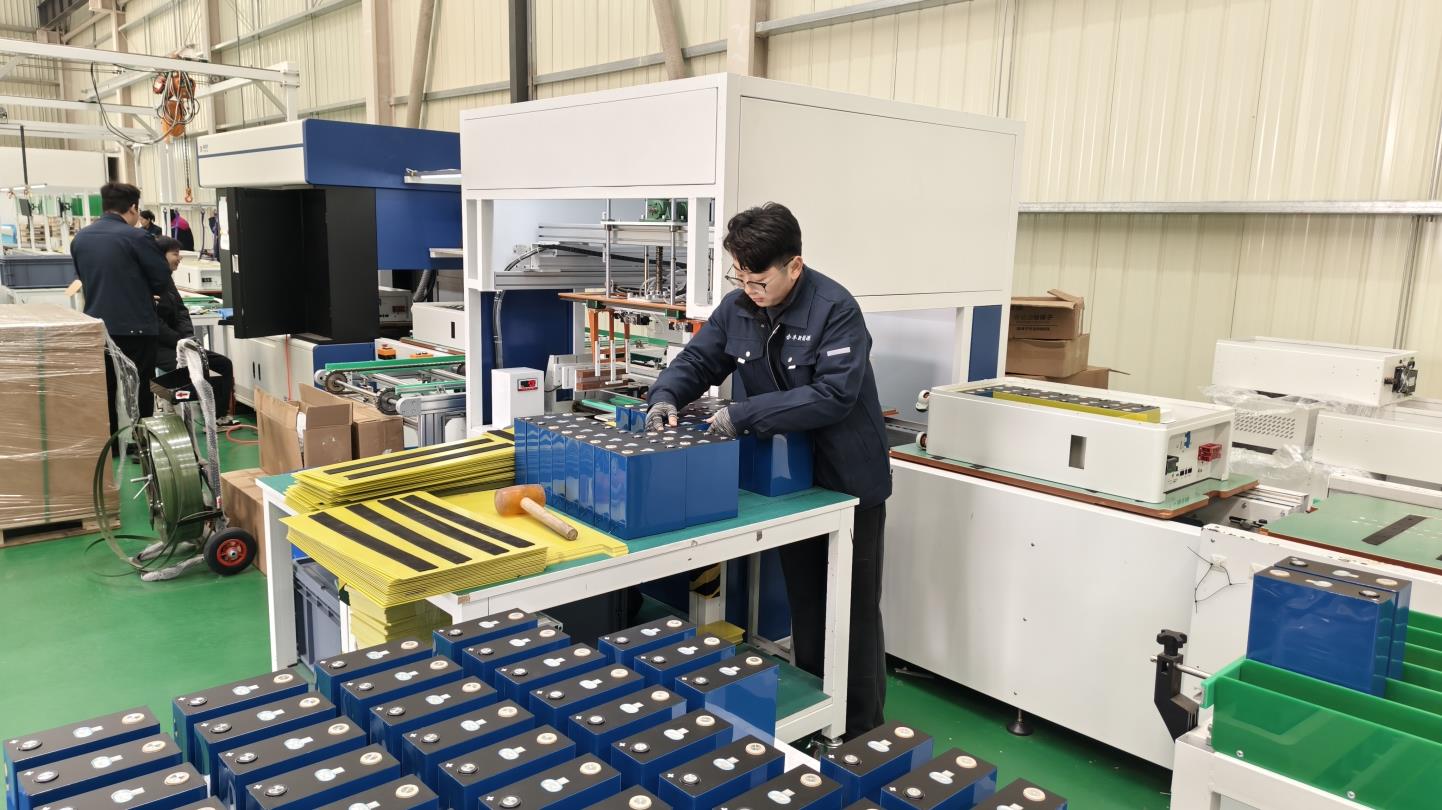
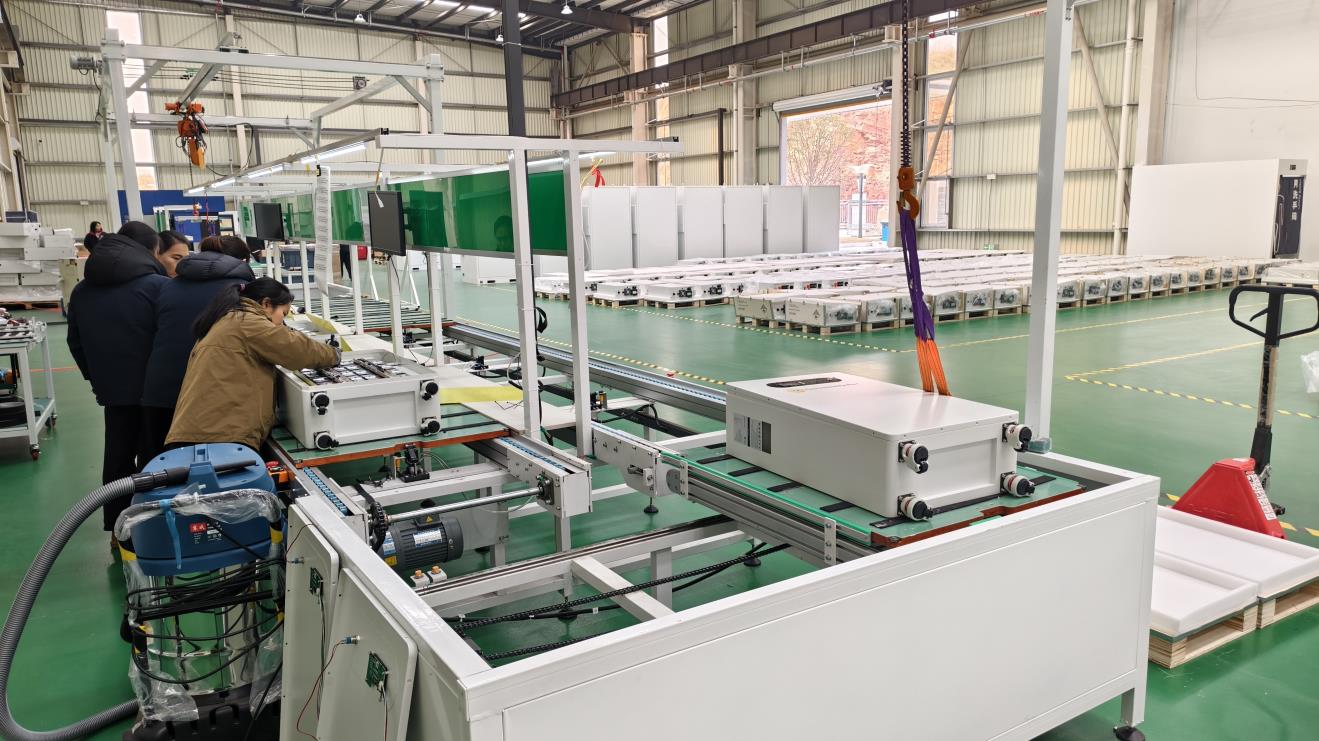
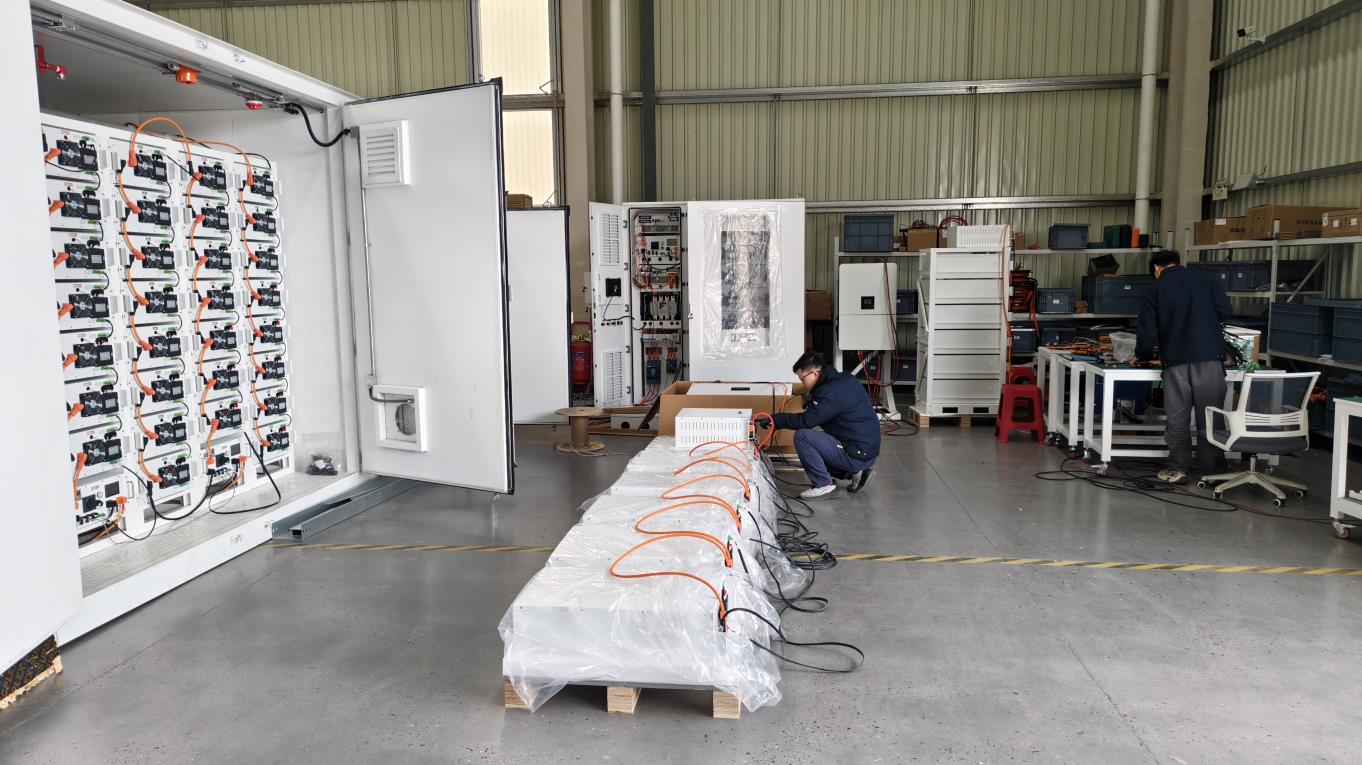
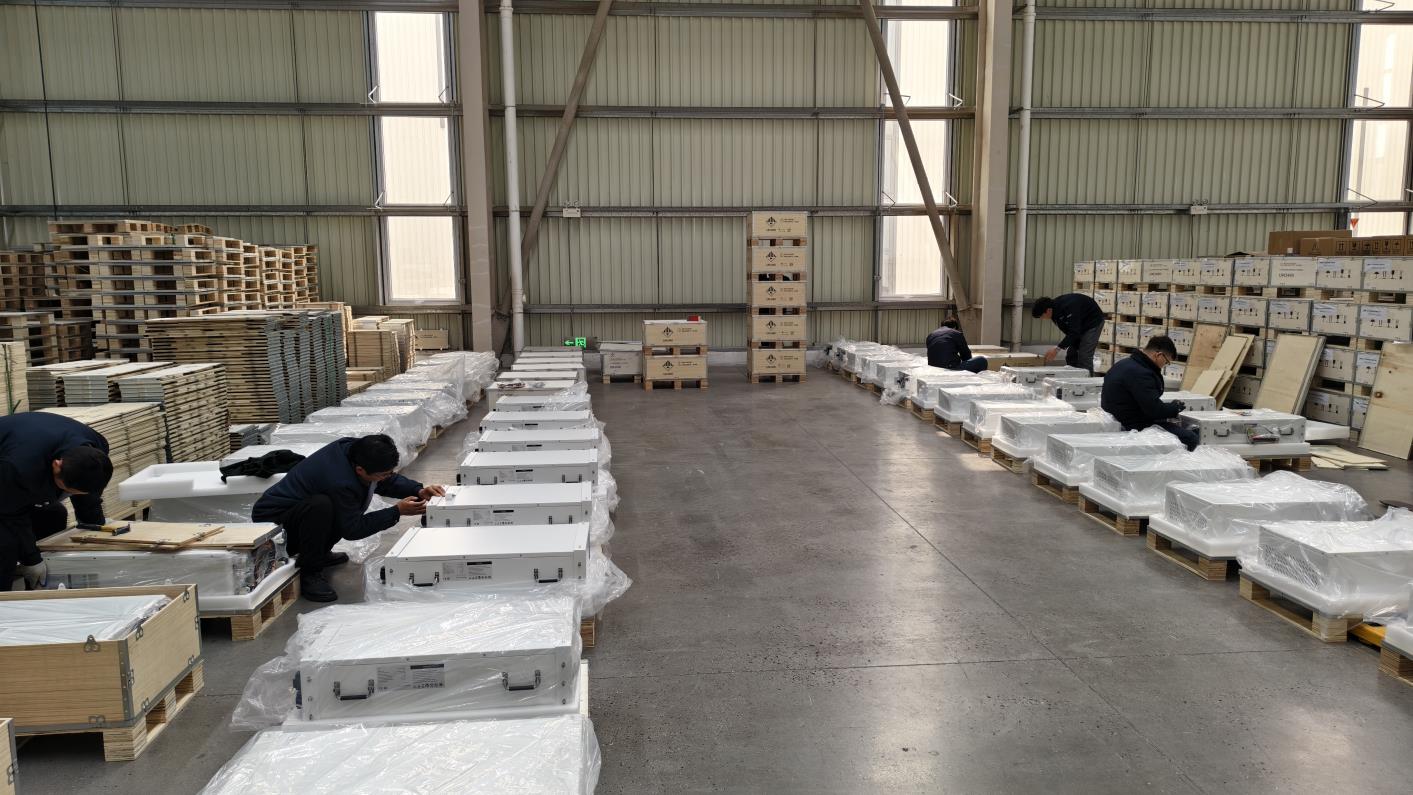
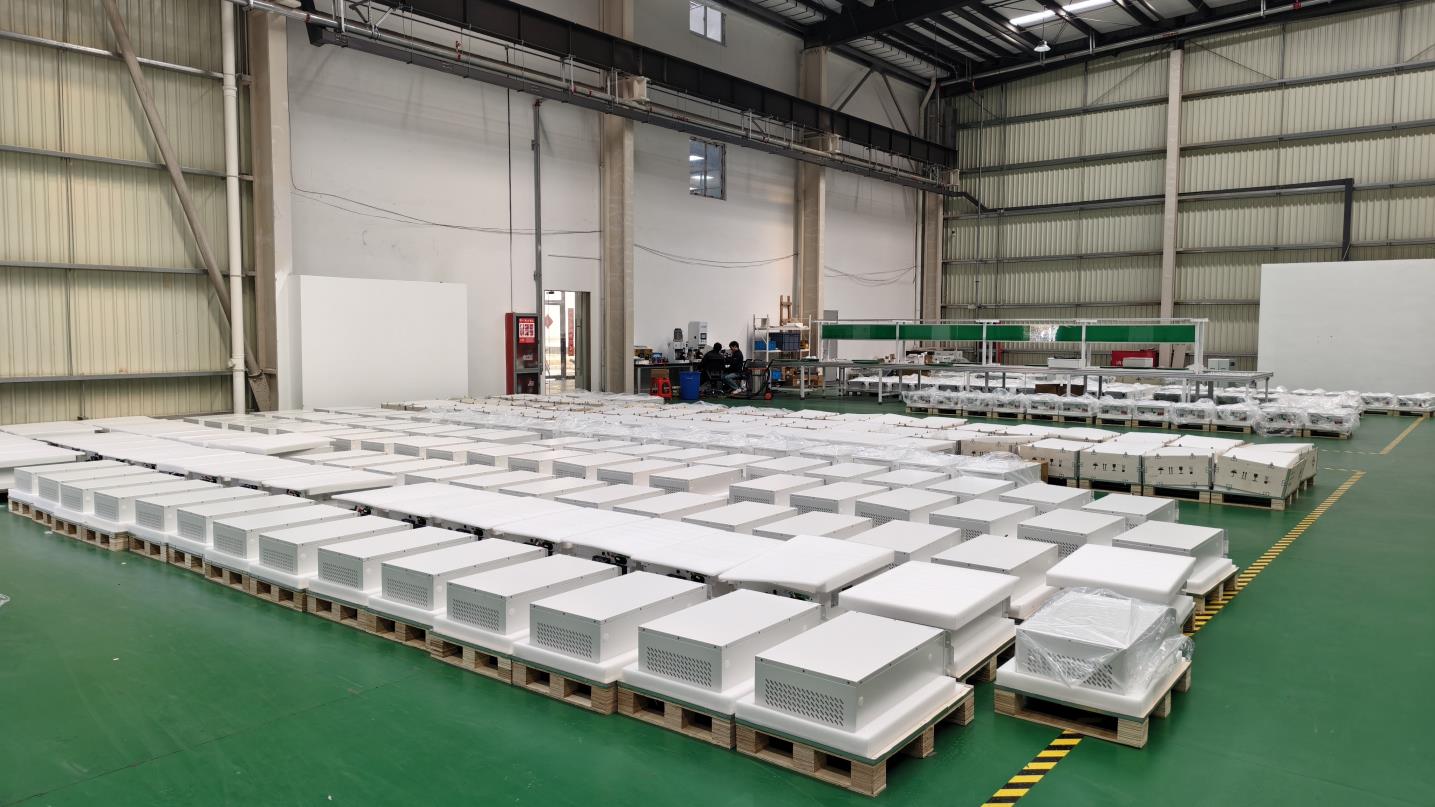
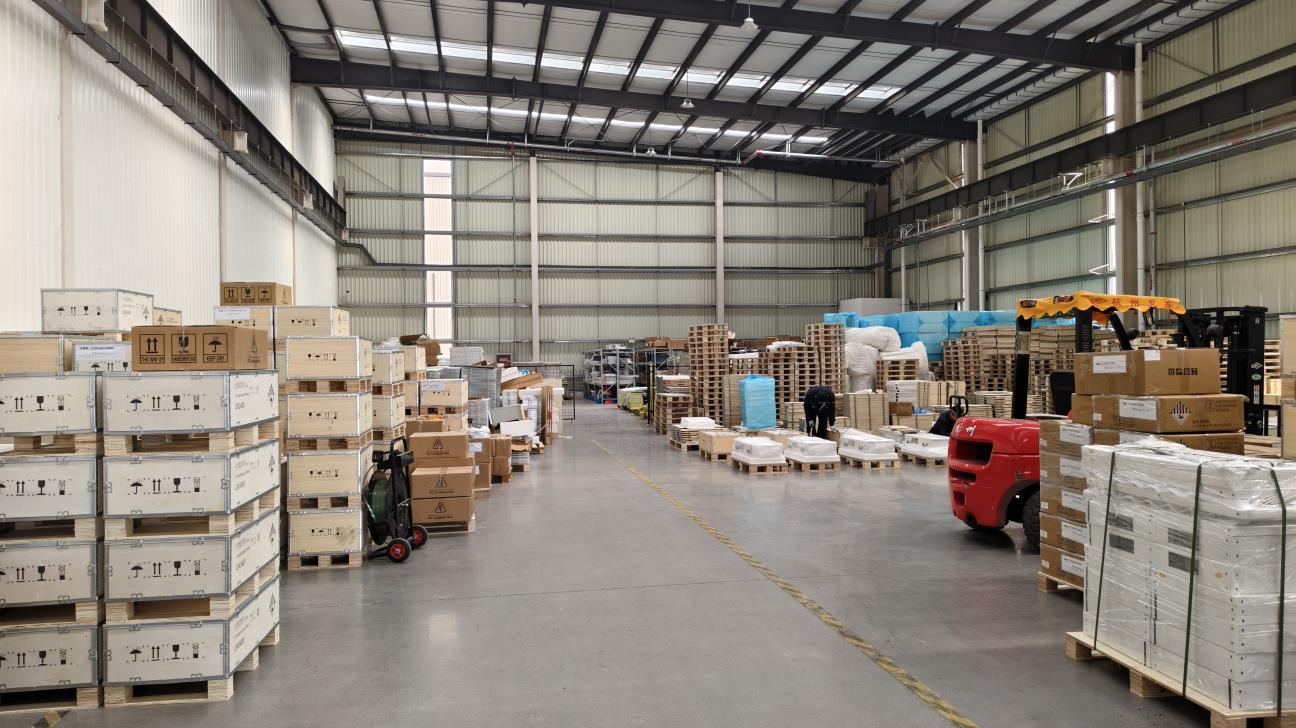
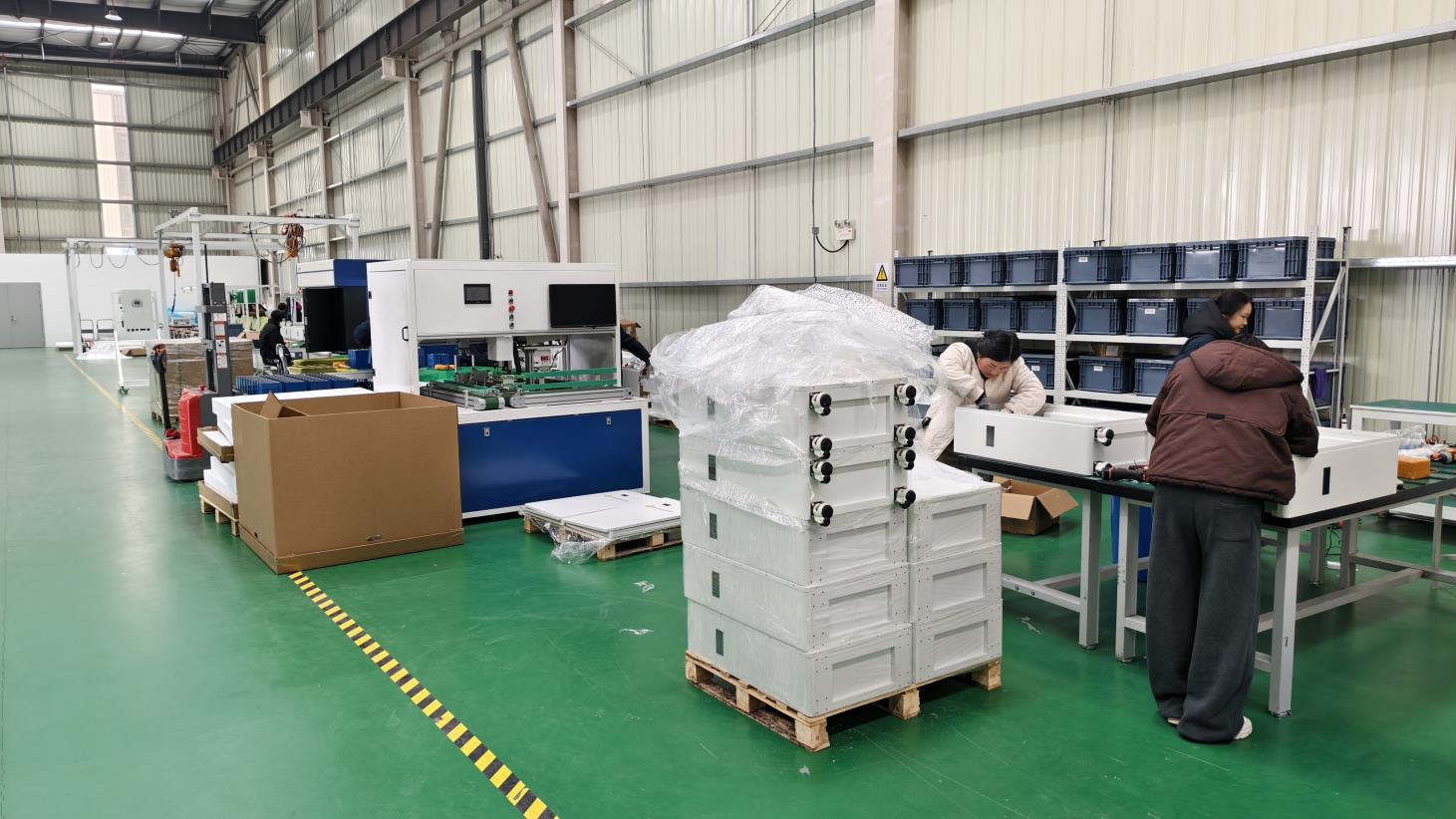
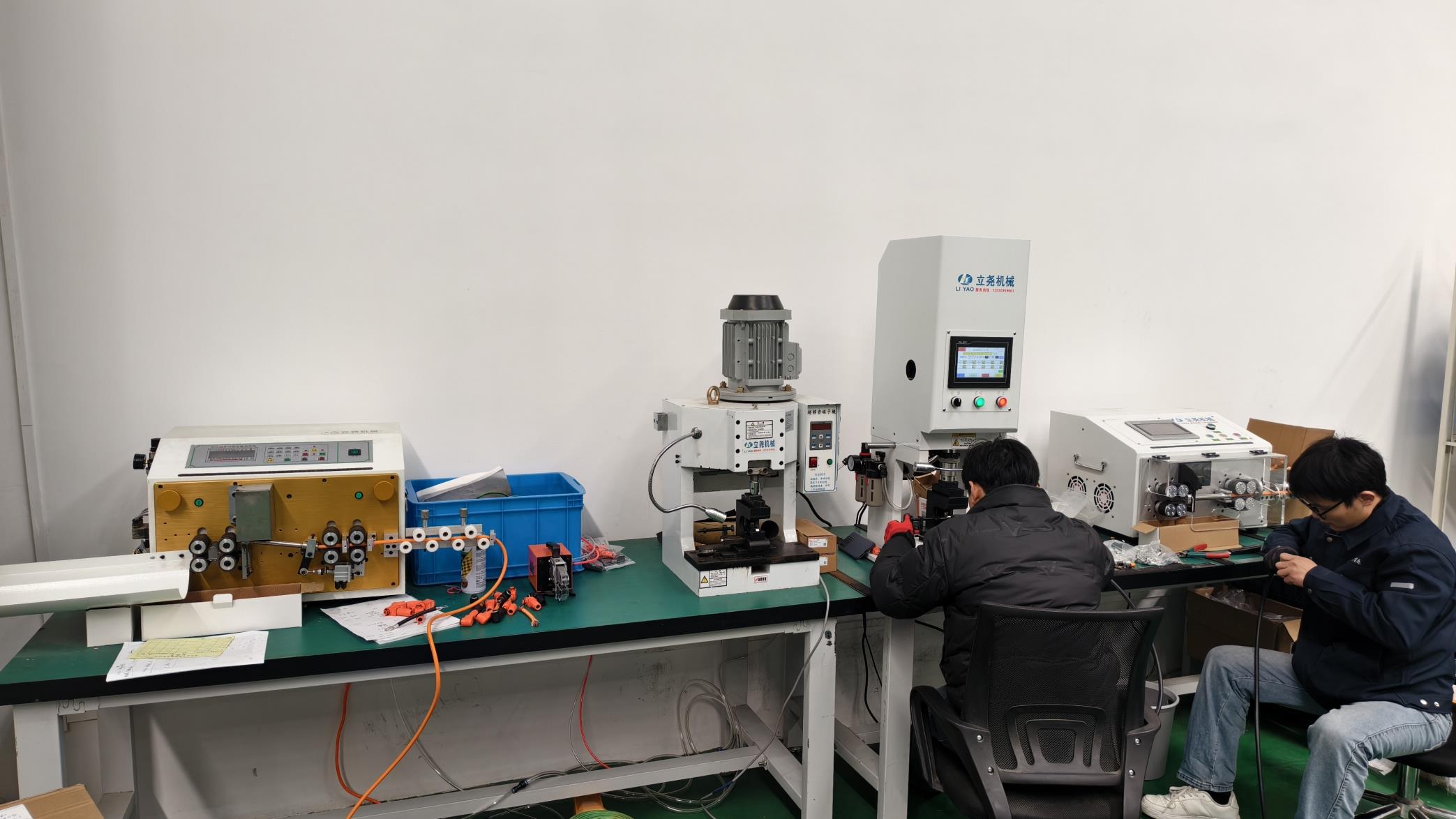
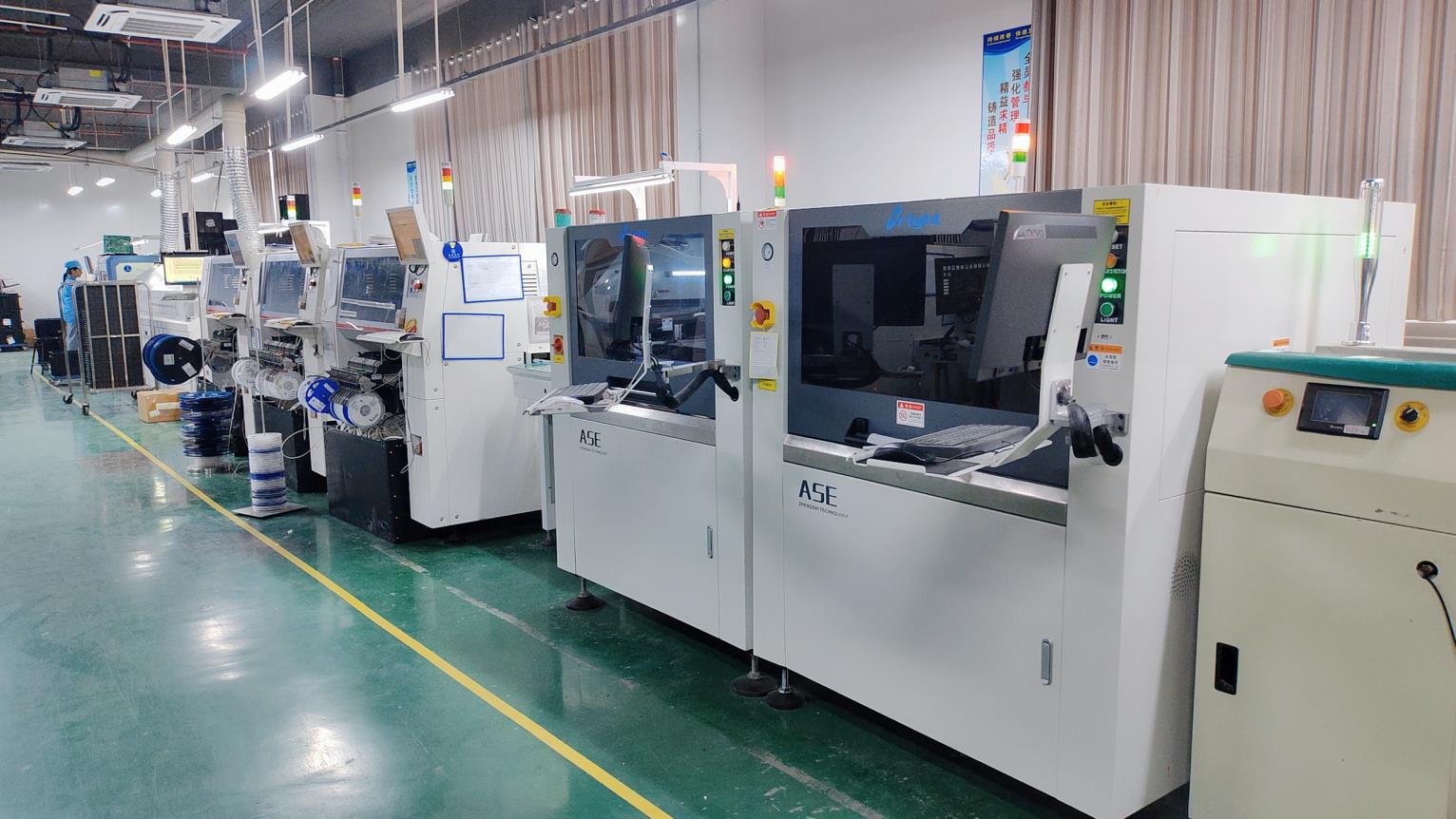
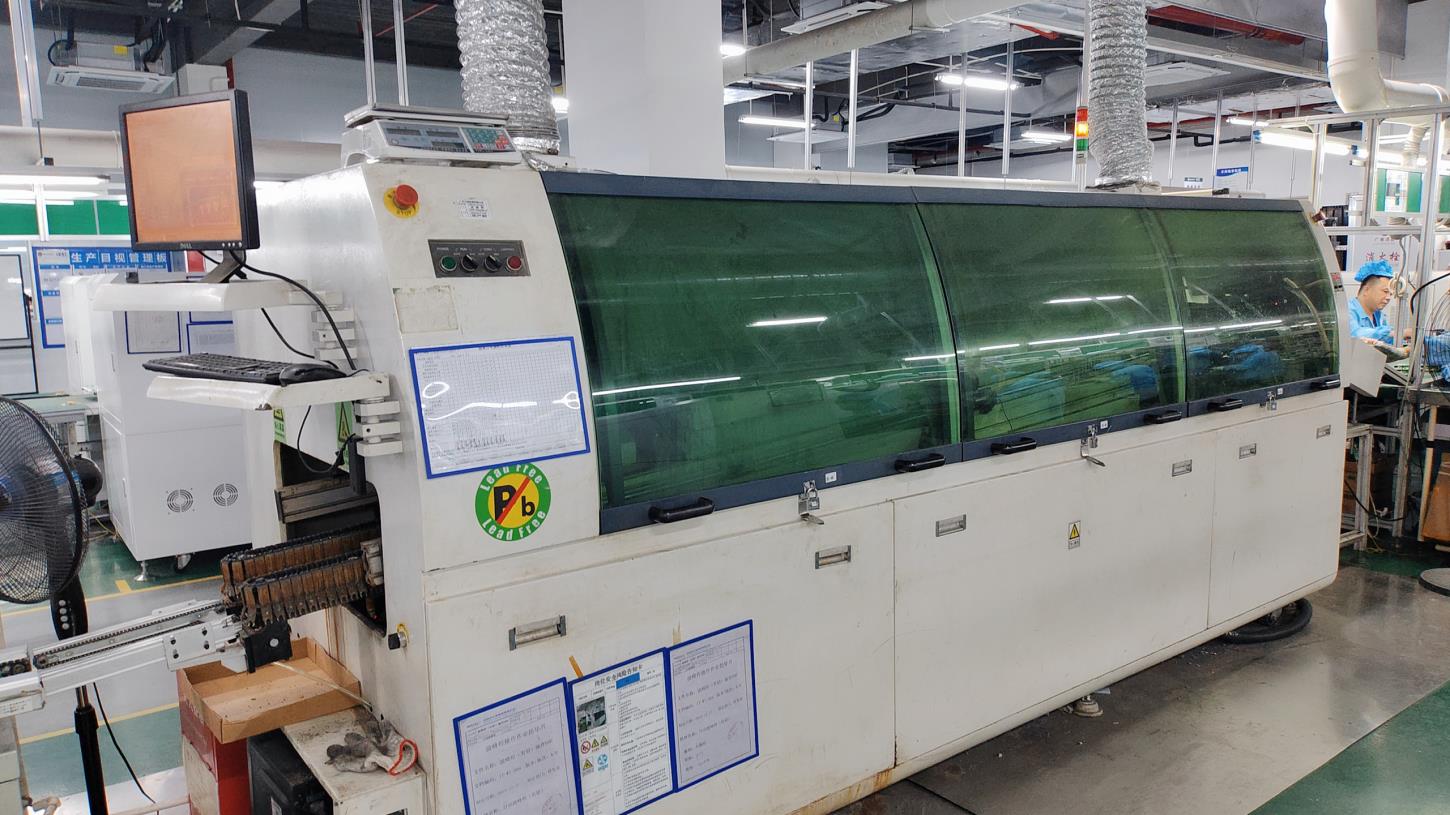
Anhui Aryam Energy’s production facility is engineered to ensure reliability, precision, and high throughput. Our Factory 4.0 model leverages automation, real-time quality control telemetry, and structural safety standards. By maintaining complete vertical control over the manufacturing lifecycle—from SMT board printing to wave soldering, precision wiring assembly, battery cycling, and environmental chambers testing—we secure a highly resilient supply chain that protects our partners from sudden price swings and delivery delays.
Below is a step-by-step look at our advanced manufacturing workflow, highlighting our commitment to quality at every phase:
Sustainable solar solutions require localized engineering adjustments. Environmental factors like high humidity, salty sea air, extreme heat, and sub-zero temperatures require specialized design modifications. Aryam Energy designs and configures its systems to meet the unique demands of three distinct operational profiles:
The Challenge: High relative humidity, persistent salt spray, and extreme storm systems that degrade structural metals and standard electronics.
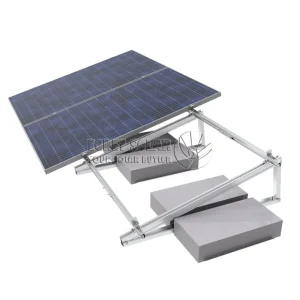
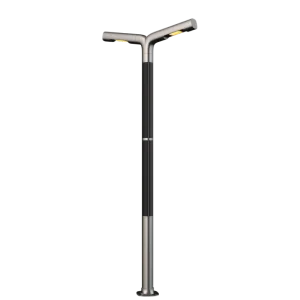
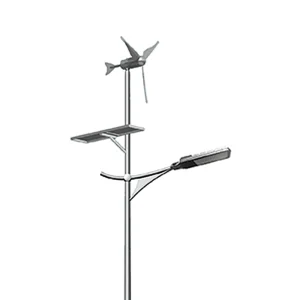
Aryam Solution: We use marine-grade anodized aluminum support structures, anti-corrosive PV coatings, and IP67-sealed junction boxes. This protects systems like our Hybrid Wind/Solar Street Lights, ensuring long-term performance in coastal and island regions.
The Challenge: High levels of ambient dust, intense UV exposure, and wide temperature swings from day to night.
Aryam Solution: We deploy sand-repellent glass surface treatments on panels to minimize dust accumulation and avoid hotspots. Additionally, we use high-temperature resistant LiFePO4 chemistry with active cooling designs, keeping our portable power stations operating reliably in hot desert climates.
The Challenge: The need for immediate setup, simple operation for non-technical users, and drop-resistant casing during rapid transport.
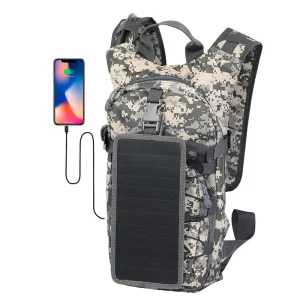
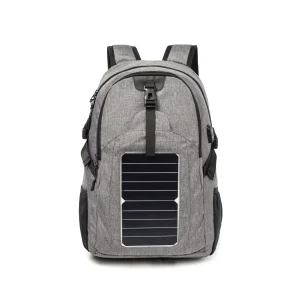
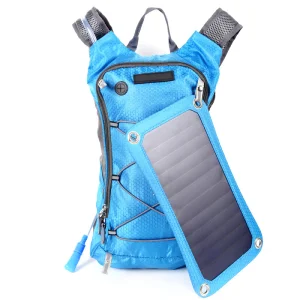
Aryam Solution: We design lightweight, impact-resistant structures, like our *Tactical Hydration Solar Backpacks* and plug-and-play solar connector kits. These systems allow field medical staff and rescue teams to establish critical power quickly without complex tools.
A portable solar power system is only as strong as its weakest component. Under the E-E-A-T framework, we provide transparent engineering data to show the material quality that underpins Anhui Aryam Energy products:
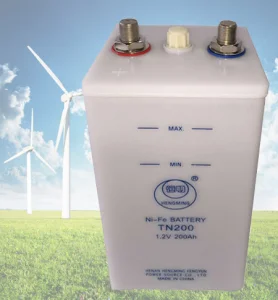
Our Nickel-Iron and Lithium Iron Phosphate (LiFePO4) storage batteries are designed for long-term cycling. Our Ni-Fe systems support operational lifespans of up to 35 years, making them ideal for heavy industrial and municipal installations that require reliable performance over decades.
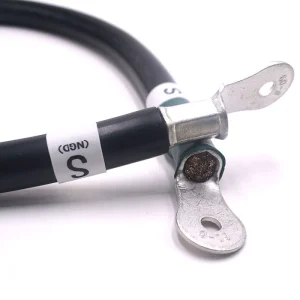
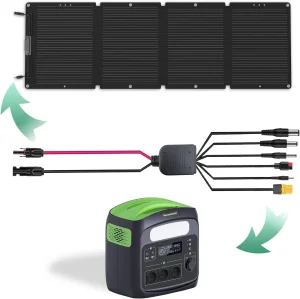
We use high-purity copper and weather-resistant PVC jacket insulation in our 6-in-1 universal solar adapter cables and custom photovoltaic lines. This design reduces line resistance, minimizes heat generation under 35A current loads, and ensures long-term UV resistance outdoors.
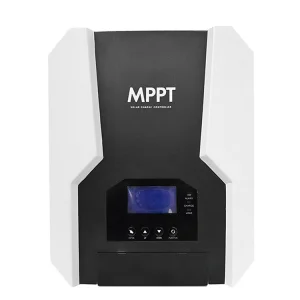
Our automated MPPT controllers feature high tracking speeds and run on advanced firmware. They dynamically adjust the system's electrical operating point to maximize yield from monocrystalline panels, even in fast-changing weather and partial shade.
Here are detailed answers to key engineering, logistical, and technical questions regarding OEM customization of portable solar light systems and related accessories:
Nickel-Iron (Ni-Fe) batteries are known for their exceptional durability. They can last up to 35 years, resist deep discharging damages, tolerate overcharging, and handle extreme temperatures without thermal runaway risks. This makes them ideal for fixed off-grid industrial systems. On the other hand, Lithium Iron Phosphate (LiFePO4) batteries provide high energy density, a lighter weight, compact physical size, and higher round-trip efficiency (95% compared to Ni-Fe's 65-70%). This makes LiFePO4 the preferred choice for portable power stations, tactical gear, and compact solar configurations.
Our OEM workflow begins with detailed client specification analysis. This includes input/output voltage needs, run-time requirements, solar resource data for target regions, and environmental durability goals. Our R&D engineering team designs custom PCB layouts on our SMT lines, programs charge controllers, and modifies housing molds for specific impact and water protection ratings. We then build prototypes and run them through thermal, vibration, and water testing before initiating full mass production.
Our products comply with major global safety and shipping standards. Our batteries and power units carry UN38.3 test reports, which are required for secure international maritime and air transport. In addition, our systems hold CE, UL, RoHS, and FCC certifications, ensuring smooth customs processing and compliance with regulatory codes in Europe, the Americas, the Middle East, and Asia-Pacific markets.
Our smart MPPT controllers feature auto-detect logic for multiple battery system voltages (typically 12V, 24V, 36V, and 48V auto-recognition). The controller monitors the PV array's output voltage and adjusts the duty cycle to charge the battery bank at its optimal voltage level. This protects the batteries from over-voltage damage and maximizes solar array harvest efficiency throughout the day.
Our outdoor streetlights, including hybrid solar-wind installations, feature IP65 or IP67 ratings. We achieve this by using high-grade silicone gaskets, anti-corrosive anodized aluminum frames, UV-resistant polycarbonate lenses, and waterproof cable glands. Additionally, our circuit boards undergo conformal coating treatments on the SMT line, protecting sensitive electronics from moisture, dust, salt fog, and chemical exposure.
Engineered for Commercial, Industrial, and Residential Energy Independence
 Aryam Energy