China Wholesale Solar Aluminum Frames Manufacturer & Supplier

Premium Grade Anodized PV Structural Profiles & Advanced Solar Integration Solutions for Utility-Scale Systems

Industrial Whitepaper: High-Precision Extruded Aluminum Frames for Global Photovoltaic Deployment

An In-Depth Engineering & Strategic Sourcing Guide for Energy Developers, EPC Contractors, and Module Manufacturers

In the rapidly evolving global renewable energy landscape, the structural integrity of photovoltaic (PV) modules stands as a fundamental pillar ensuring operational longevity, safety, and investment returns. Anhui Aryam Energy Co., Ltd. is a leading provider of advanced renewable energy solutions, dedicated to delivering reliable, efficient, and sustainable power systems for residential, commercial, industrial, and utility-scale applications worldwide. Through continuous innovation and a strong commitment to clean energy development, Aryam Energy has established itself as a trusted partner in the global transition toward a low-carbon future.
The design, chemistry, and structural tolerance of a solar module's outer frame directly affect its resistance to mechanical stresses such as severe wind loads, snow accumulations, thermal expansion, and galvanic corrosion. As solar installations transition to harsher environments—including coastal areas with high salinity, desert tracking arrays exposed to windborne abrasives, and high-altitude regions subject to extreme thermal cycling—the demands placed on extruded aluminum frames have risen exponentially. This whitepaper analyzes the current engineering standards, strategic sourcing practices, and future technology trends defining solar frame manufacturing today.
6005-T6
High-Tensile Alloys
25+ Years
Design Service Life
15-20 μm
Anodization Thickness
100+
Countries Served

Key Industry Trends Shaping Solar Aluminum Frame Manufacturing

Evaluating the shift towards larger formats, bifacial integration, and low-carbon aluminum sourcing.

Large-Format Module Structuring

The transition of the PV industry towards larger wafer standards (such as M10 and G12) has expanded module surface areas significantly. This shift demands highly optimized frame designs capable of maintaining stiffness and resisting twisting under load without adding excessive weight. Advanced cross-sectional geometries are now standard to minimize materials usage while maximizing structural stability.

🔄

Bifacial Module Compatibility

Bifacial solar modules, which generate power from both sides, require frames with specialized mounting systems and reduced backside shadows. Innovative profile geometries minimize rear shading, maximizing back-side albedo light absorption. In addition, integration with single-axis tracking systems requires frames to withstand persistent rotational forces.

🌱

Sustainability & Circular Economy

Decarbonizing the supply chain is a key priority for modern project developers. Aluminum production is traditionally energy-intensive; however, the shift toward recycled aluminum scrap and hydro-powered smelting processes has drastically reduced the carbon footprint of frames. Closed-loop recycling programs ensure that frames can be repurposed at the end of their 30-year lifecycle.

To keep pace with these market shifts, manufacturing practices must evolve beyond simple metal extrusion. Modern manufacturers utilize highly automated precision machining, automated punching, and advanced electrolytic anodization lines. This ensures that every aluminum frame profile meets strict mechanical tolerances and offers superior surface protection, preventing early failure and electrical grounding issues.

Global Enterprise Procurement Requirements

Critical quality vectors, risk mitigation, and structural validation standards for international supply chains.

⚙️ Mechanical & Material Standards

International EPC firms and developers operate under stringent regulatory and bankability frameworks. To satisfy institutional lenders, components must prove compliance with structural calculations and material certifications. The selection of aluminum alloys—primarily 6063-T5, 6063-T6, and 6005-T6—is determined by their yield strength, tensile properties, and extrusion characteristics. 6005-T6 is increasingly specified for large-format utility-scale modules due to its superior mechanical resistance under high wind and snow load conditions.

🛡️ Corrosion Protection via Precision Anodization

The durability of a solar frame relies heavily on its anodized oxide layer. Standard industrial atmospheres require a minimum oxide thickness of 10 to 15 microns. However, for installations in highly corrosive marine, agricultural, or industrial environments, procurement specifications often mandate a thickness of 15 to 25 microns. This protective barrier prevents oxidation, maintains electrical insulation, and stops galvanic corrosion when the frame contacts copper or steel grounding hardware.

📊 Essential Sourcing Verification Checklist
  • Chemical Composition Verification: Spectrometric analysis reports confirming precise alloying elements (Silicon, Magnesium, Iron, etc.).
  • Dimensional Tolerances: Adherence to strict tolerances (typically within ±0.1mm to ±0.2mm) to ensure smooth integration with automated PV assembly lines.
  • Tensile Strength Testing: Verification of yield strength and elongation limits using calibrated destructive pull tests.
  • Anodizing Seal Quality: Acid-dissolution tests and eddy-current thickness checks to verify the integrity and durability of the oxide layer.
  • Supply Chain Transparency: Full traceability from the raw aluminum ingot to the finished frame profile.

Macro Industry Solutions: Bridging Frameworks & System Performance

How high-performance frame engineering integrates with system design to improve Levelized Cost of Energy (LCOE).

Solar frames are not just structural shells; they are the interface connecting the PV module to the physical world. In utility-scale solar arrays, frames work in tandem with racking and tracking systems to distribute dynamic mechanical loads. During high-wind events, wind-induced vibrations (vortex shedding) can cause microcracks in silicon wafers if the frame is too flexible. By customizing the profile geometry of the aluminum frame, structural engineers can increase the module's moment of inertia, preventing flex and extending wafer life.
Furthermore, commercial and industrial (C&I) rooftop solar requires lightweight mounting options. Heavy steel frameworks are often unsuitable for older roofs. Lightweight, high-strength aluminum frames and racking systems provide a safe, structurally sound alternative that minimizes roof load while streamlining the installation process.

Utility-Scale Optimization

Engineered profiles designed to interface seamlessly with modern single-axis trackers, reducing assembly times and field labor costs.

Harsh Weather Resilience

Extruded frameworks verified to withstand wind loads up to 2400 Pa and snow loads up to 5400 Pa, ensuring long-term reliability in sub-zero or high-altitude conditions.

Anti-PID & Grounding Integration

Advanced frame anodization properties combined with optimized grounding paths to mitigate Potential Induced Degradation (PID).

Aryam Energy's Manufacturing Excellence & Production Processes

A transparent look into our quality control, automated assembly lines, and testing procedures.
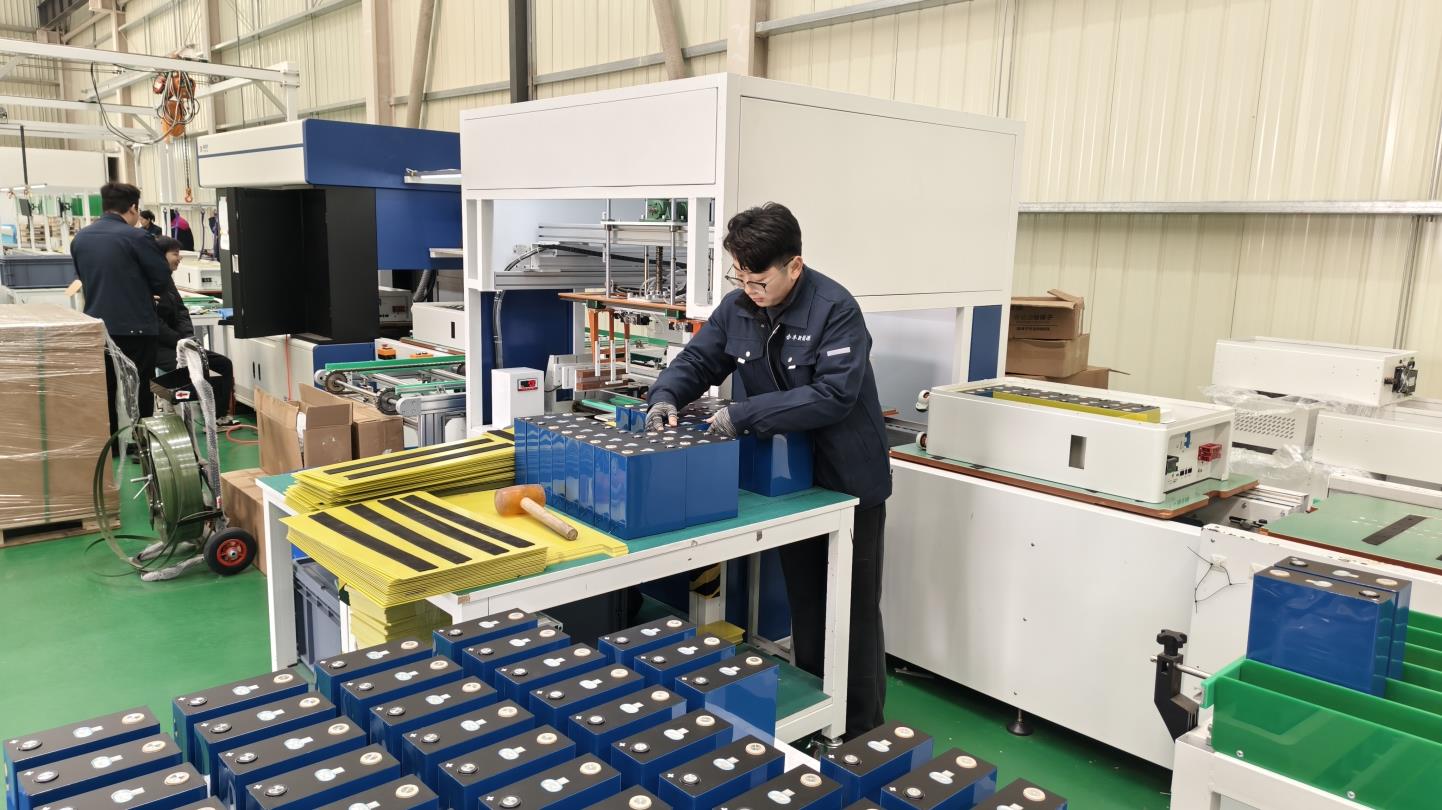
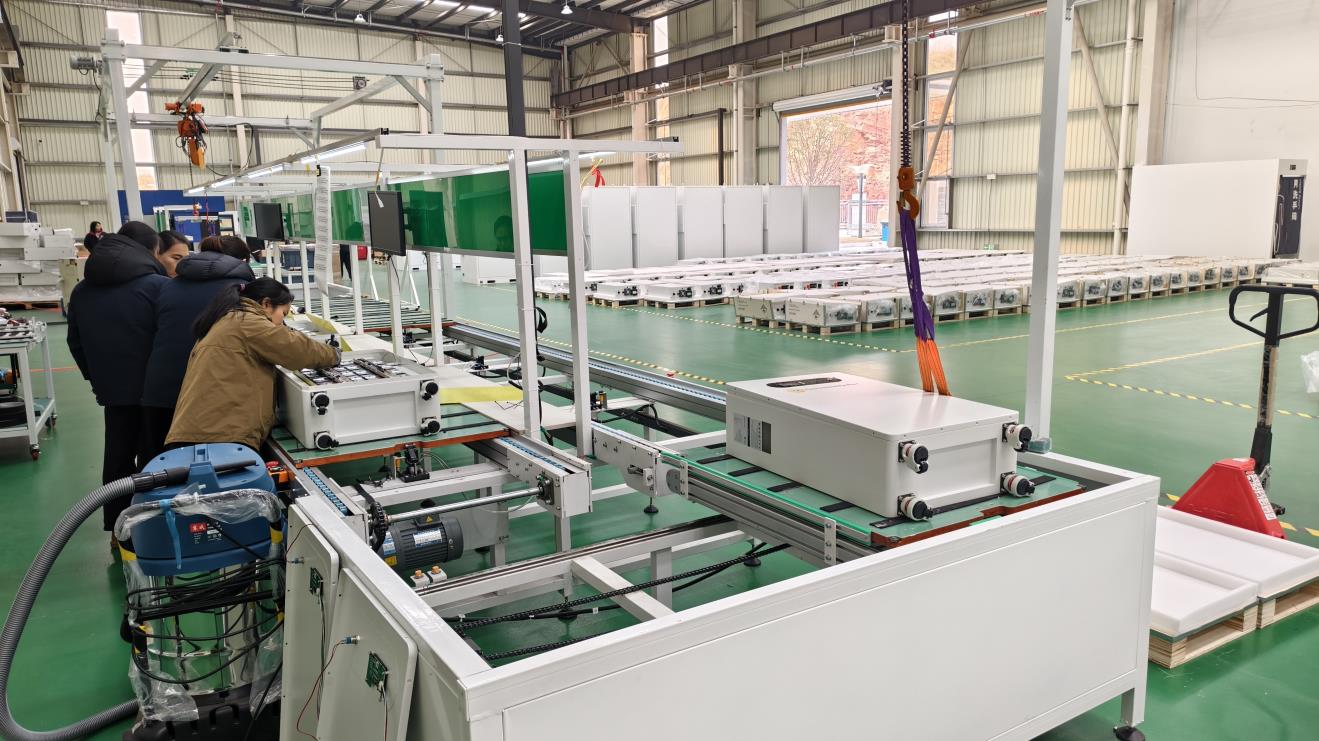
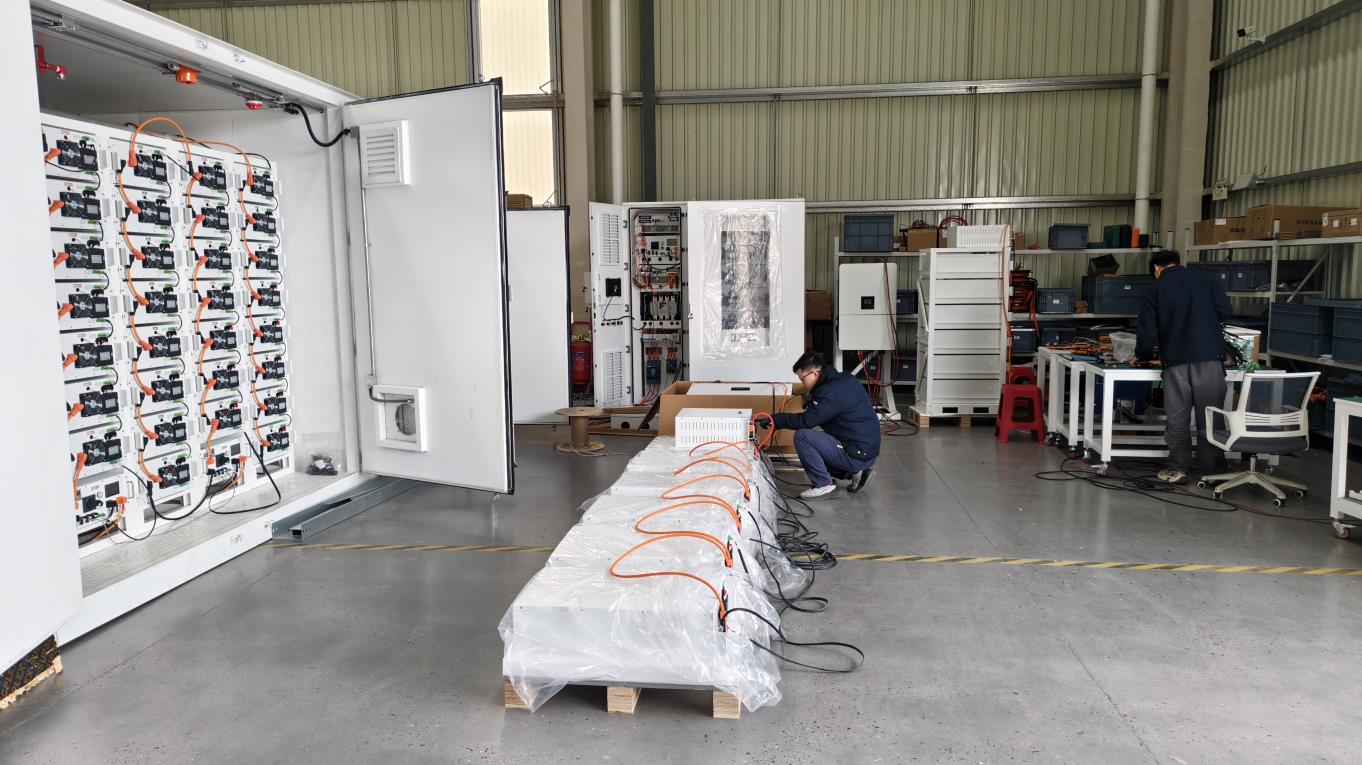
The company specializes in the research, development, manufacturing, and integration of solar energy systems, energy storage solutions, hybrid power systems, and intelligent microgrid technologies. Leveraging cutting-edge engineering expertise and strict quality management standards, Aryam Energy provides comprehensive energy solutions tailored to diverse market needs, particularly in regions facing energy shortages, unstable grid infrastructure, or increasing demand for sustainable power generation.
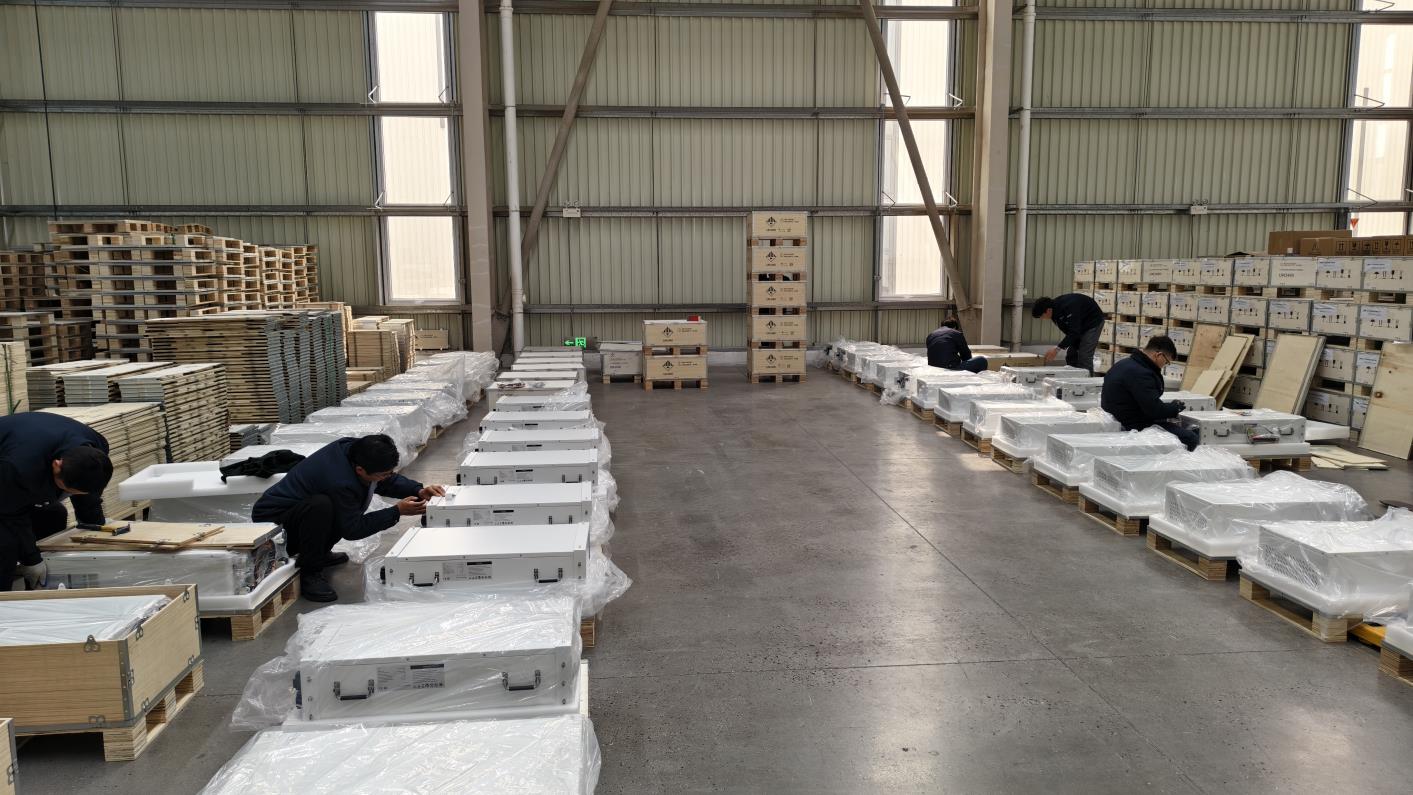
With a professional R&D team and a growing portfolio of proprietary technologies, Aryam Energy continuously invests in innovation to enhance system performance, energy efficiency, and long-term reliability. Our manufacturing facilities are equipped with automated production tools and high-precision instruments to ensure that every finished product aligns with international benchmarks.
Welding Process
Welding
Assembling Process
Assembling
Testing Process
Testing
Packing Process
Packing
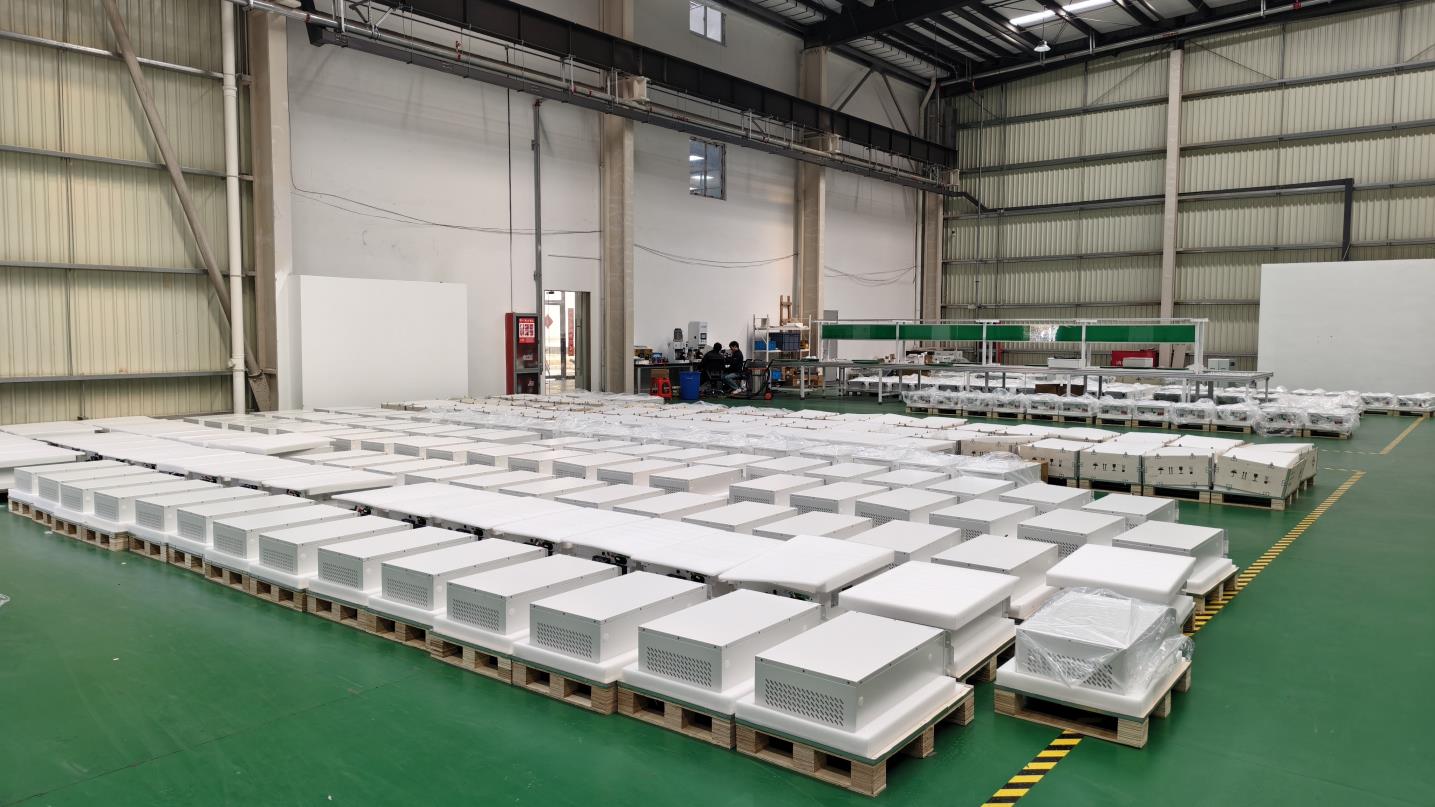
Finished Product
Finished Product
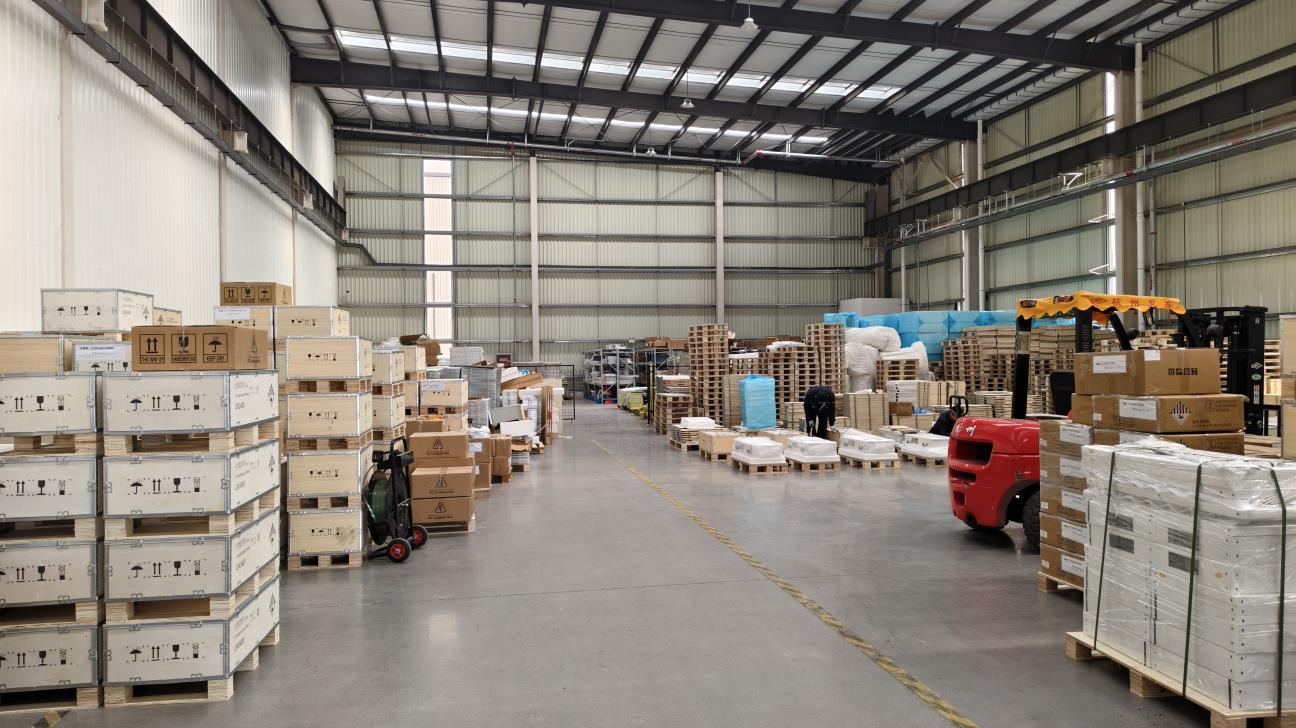
Warehouse Storage
Warehouse
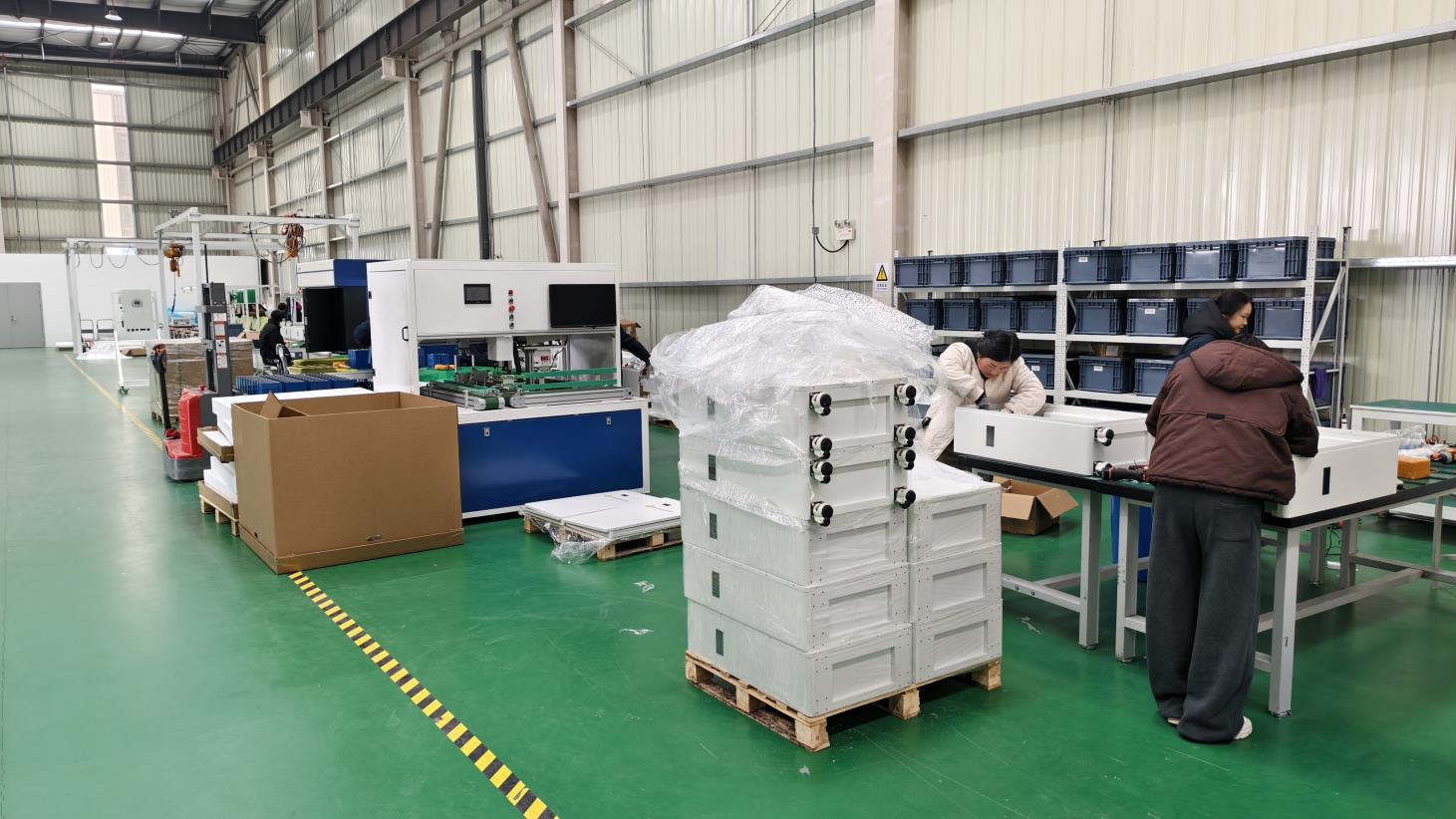
Assembly Line
Assembly Line
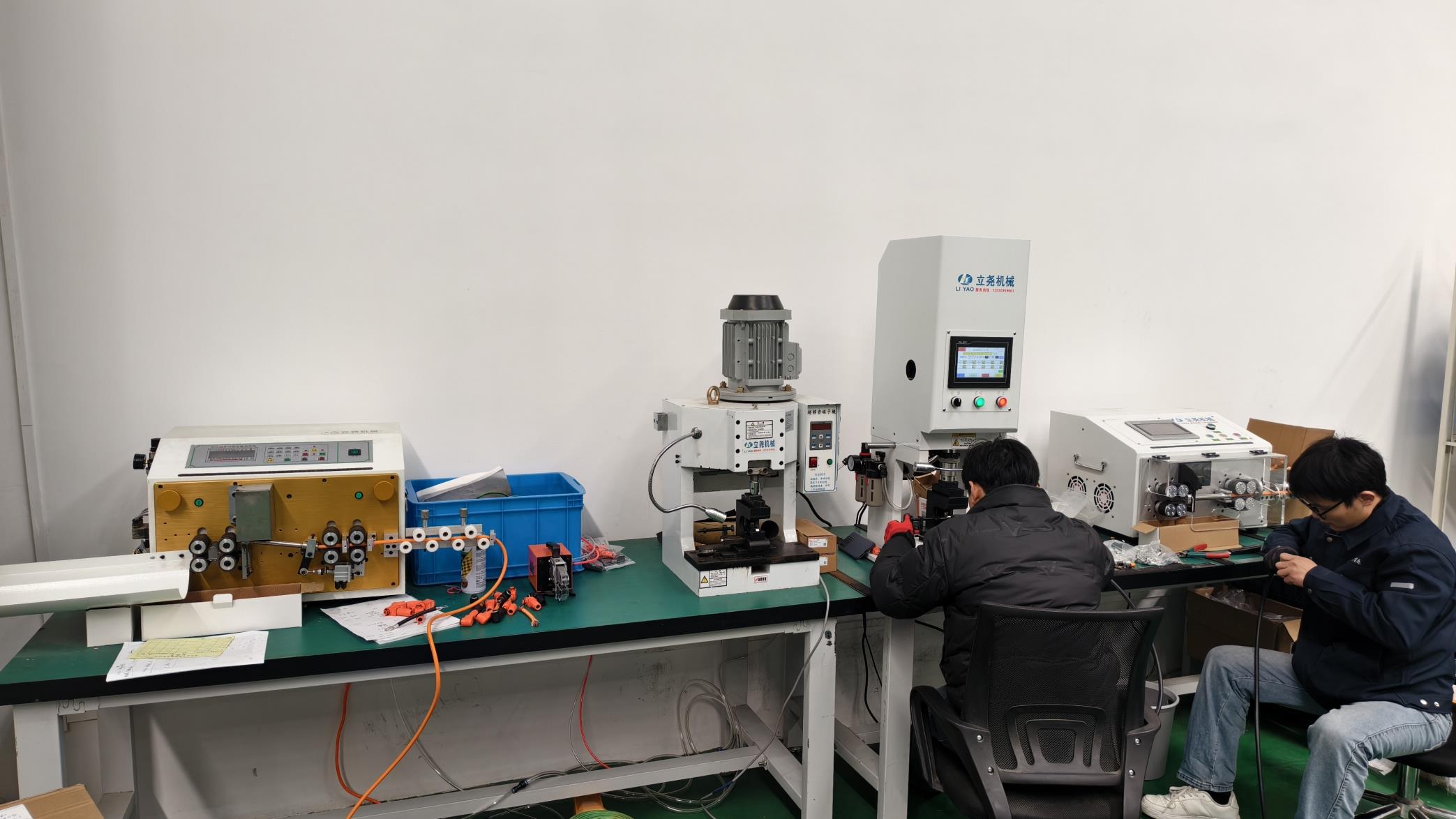
Wire Stripper
Wire Stripper
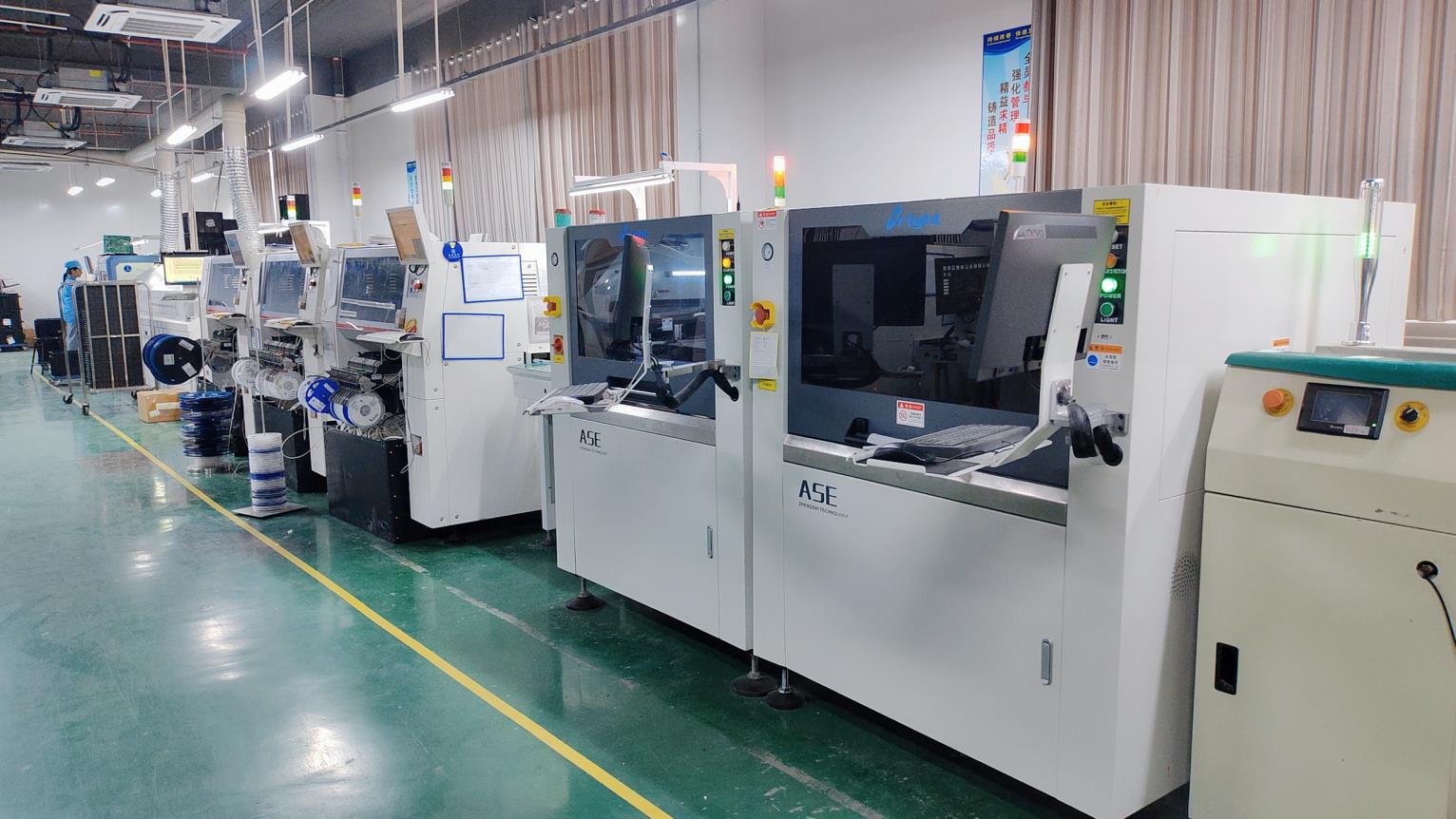
SMT Line
SMT Line
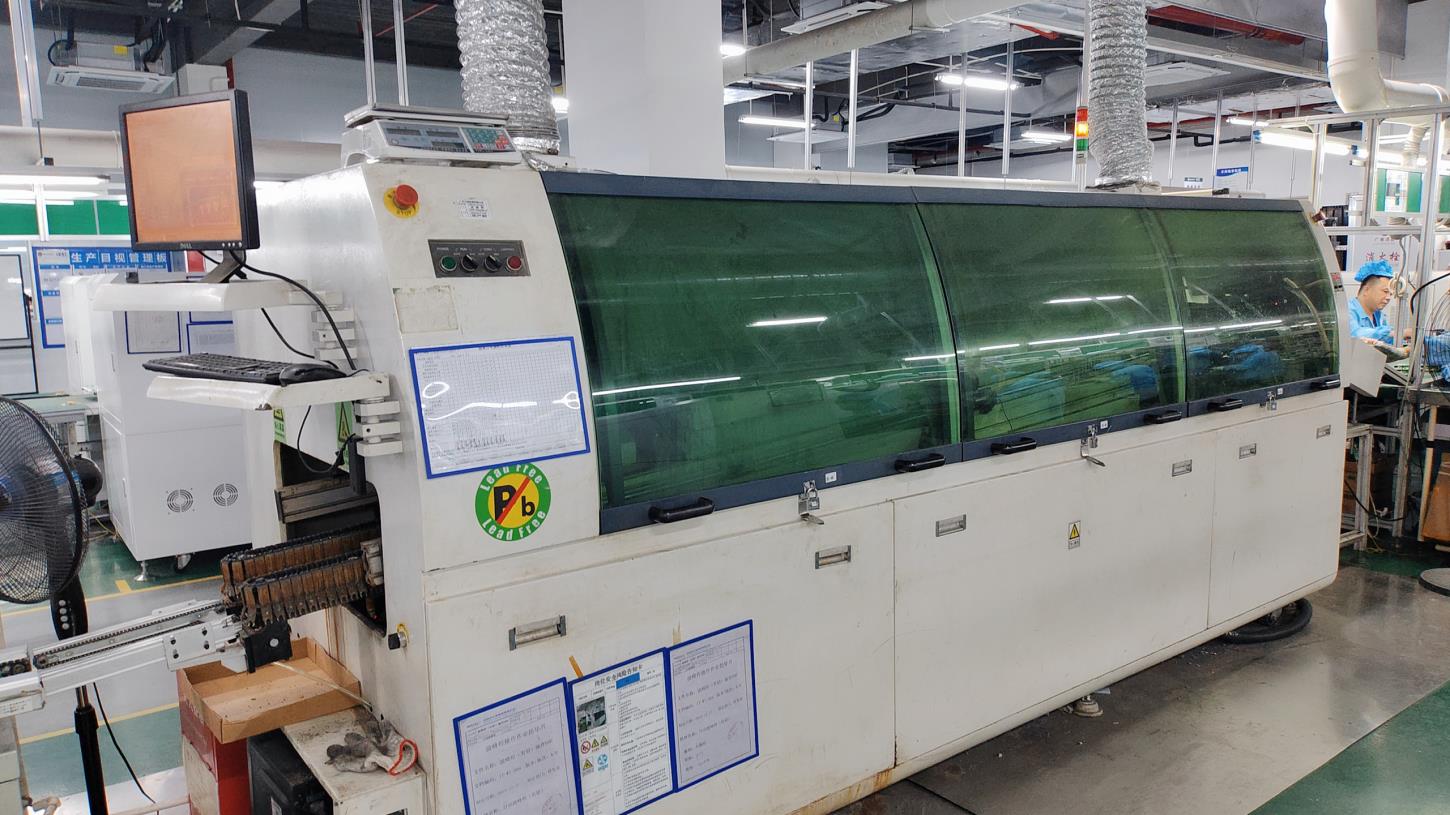
Wave Soldering Machine

Localization Support & Compliance Assurance

Navigating complex international markets with localized logistics, regulatory adherence, and technical services.

Global deployment of solar infrastructure requires local compliance, local distribution support, and strict alignment with regional installation standards. Aryam Energy has developed a global presence, exporting key products and system technologies to more than 100 countries across Asia, Africa, the Middle East, Europe, and Latin America. We support our customers through three primary channels:
📜

Regulatory Compliance

We ensure that our structural components and systems comply with localized certifications including UL, CE, TÜV Rheinland, and MCS. Structural calculation sheets are designed to align with Eurocode 9 (structural design of aluminum) and ASCE 7 (wind and seismic loads in the US).

🚢

Supply Chain Management

We offer flexible shipping options (FOB, CIF, DDP) and assist with local customs clearance. This minimizes logistics friction, prevents demurrage charges, and ensures project timelines are met.

🛠️

Local Engineering Services

Our engineering support team offers on-site and remote integration guidance, helping project planners optimize racking configurations and frame selection for localized soil, wind, and seismic conditions.

Technological Roadmap & Future Outlook

Pioneering the next generation of PV structural technology and green manufacturing.

To support the global transition toward a low-carbon economy, our long-term research and development efforts focus on:
  • Ultra-High-Strength Alloys: Developing next-generation aluminum-silicon-magnesium alloys that increase yield strength by 15% while reducing structural weight.
  • Smart PV Framing: Integrating low-cost sensor mounts directly into the aluminum frame channel to monitor module deformation and ambient environmental conditions in real time.
  • Carbon-Neutral Production: Transitioning our aluminum extrusion supply chain toward primary smelting powered by hydropower and solar energy, helping developers achieve lower Scope 3 greenhouse gas emissions.
  • Tool-Free Fastening Mechanisms: Designing click-and-lock frame structures that speed up mechanical installation in the field and reduce the need for specialized tools.
Driven by the vision of becoming a globally recognized clean energy technology leader, Aryam Energy actively collaborates with distributors, EPC contractors, government agencies, international organizations, and development partners to promote renewable energy adoption worldwide. Through our mission of "Empowering Sustainable Energy for a Better Future," the company strives to create long-term value for customers while contributing to global carbon reduction goals and sustainable social development.

Frequently Asked Questions (FAQ)

Technical and procurement inquiries addressed by our senior engineering team.

Why is aluminum the dominant material for solar module frames?
Aluminum offers an exceptional strength-to-weight ratio, which simplifies transport and installation while resisting mechanical deformation. Furthermore, its natural oxide film—enhanced through industrial anodization—provides superior resistance to environmental corrosion. It is also highly recyclable and electrically conductive, making grounding simpler.
What alloy grade is recommended for utility-scale PV installations?
For large-format modules (e.g., 550W+ or 700W+ panels) exposed to high wind or snow loads, 6005-T6 alloy is highly recommended due to its superior tensile strength and yield performance compared to standard 6063-T5. For typical residential and commercial rooftop modules, 6063-T5 or 6063-T6 provides a cost-effective, durable solution.
How does anodization thickness affect solar frame lifespan?
Anodization thickness directly correlates with corrosion resistance. Standard environments require a layer of 10 to 12 microns. For coastal areas, chemical plants, or locations with high humidity and salinity, we recommend a thickness of 15 to 25 microns to prevent pitting corrosion and maintain structural integrity for 25+ years.
How does Anhui Aryam Energy Co., Ltd. ensure dimensional accuracy?
We use high-precision CNC machining centers and automated cutting and punching machinery. Dimensional tolerances are held within ±0.1mm, ensuring compatibility with automated mounting systems and preventing installation issues in the field.
Can you customize solar mounting brackets and frames to OEM specifications?
Yes. We provide complete OEM and ODM design services. Our R&D department collaborates with clients to engineer customized profiles, finish coatings, and mounting hole configurations based on specific structural loads, wind ratings, and project configurations.