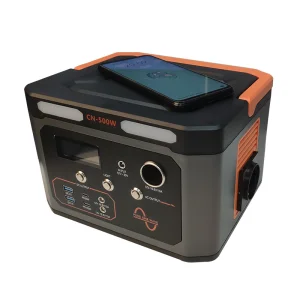
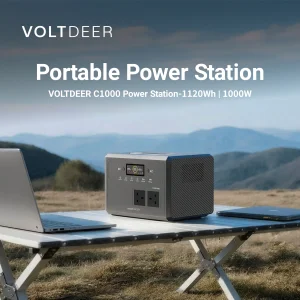
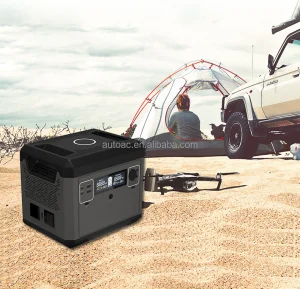
Anhui Aryam Energy Co., Ltd. stands at the forefront of the global energy transition, functioning as a top-tier designer, manufacturer, and exporter of advanced clean energy solutions. With a persistent focus on high-efficiency silicon cell architectures, smart energy storage systems (BESS), hybrid microgrids, and localized off-grid technologies, Aryam Energy has developed an extensive portfolio designed to address the challenges of modern energy infrastructures.
Our engineering capabilities encompass the full spectrum of solar design. We specialize in research, development, and high-precision production of TopCon bifacial PV modules, lithium iron phosphate (LiFePO4) storage batteries, off-grid and hybrid intelligent inverters, and high-performance solar thermal water heating solutions. By matching rigorous manufacturing standards with targeted research, we ensure that every watt generated yields maximum reliability for commercial, industrial, municipal, and residential installations across the globe.
China’s leadership in the solar energy sector is not merely a product of scale; it is the result of deeply integrated supply chains, cluster engineering ecosystems, and heavy capital reinvestments in technology. As an established industrial partner, Anhui Aryam Energy leverages these geographic and structural benefits to deliver unmatched Levelized Cost of Energy (LCOE) optimization to our global clients.
From raw polysilicon processing and ingot pulling to wafer slicing, cell doping, and module assembly, the complete supply chain exists within a tight industrial radius. This shields procurement from volatile shipping disruptions and ensures stable material costs.
Our proximity to glass manufacturers, structural aluminum extruders, and advanced polymer encapsulation suppliers allows Aryam Energy to transition from cell physics research to high-volume commercial production within months, rather than years.
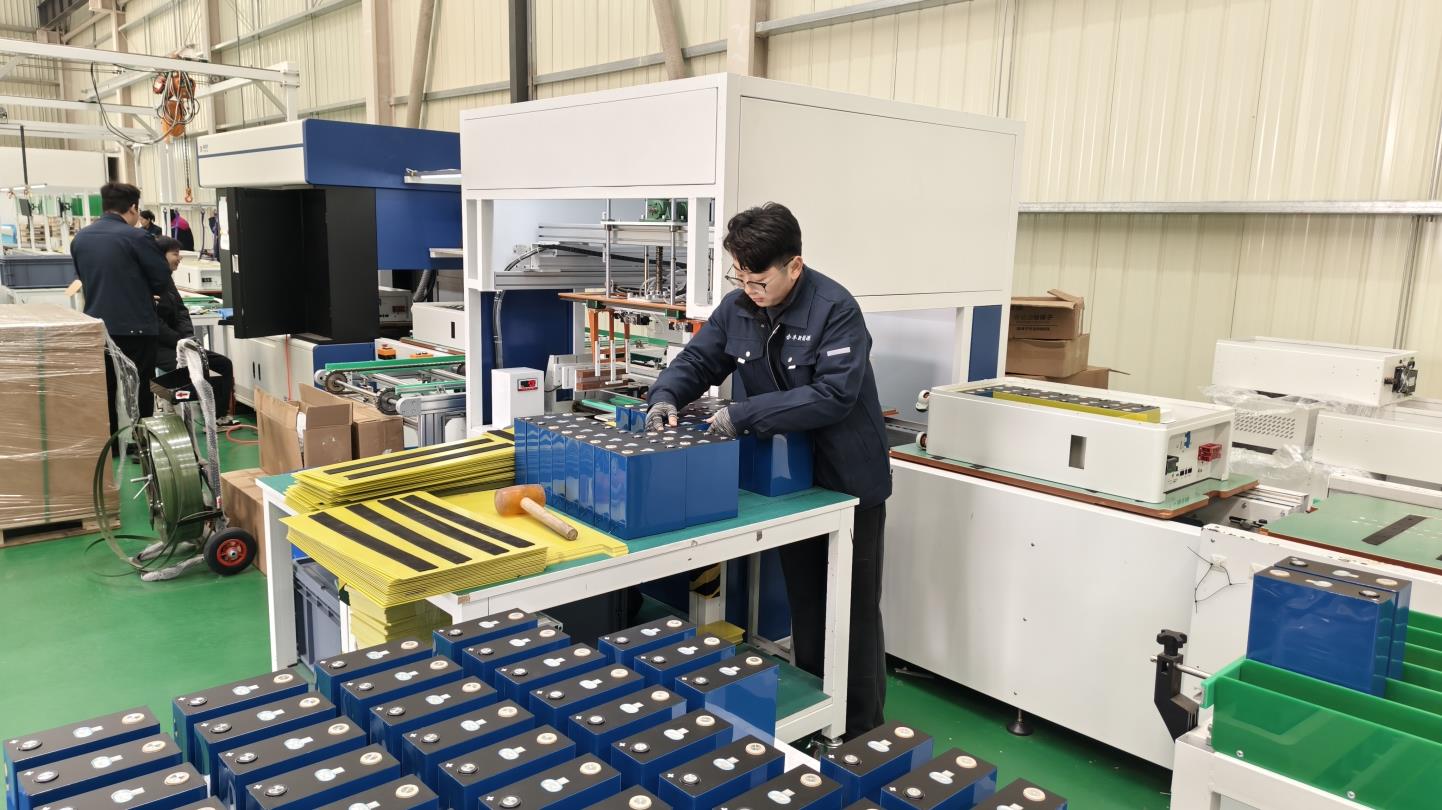
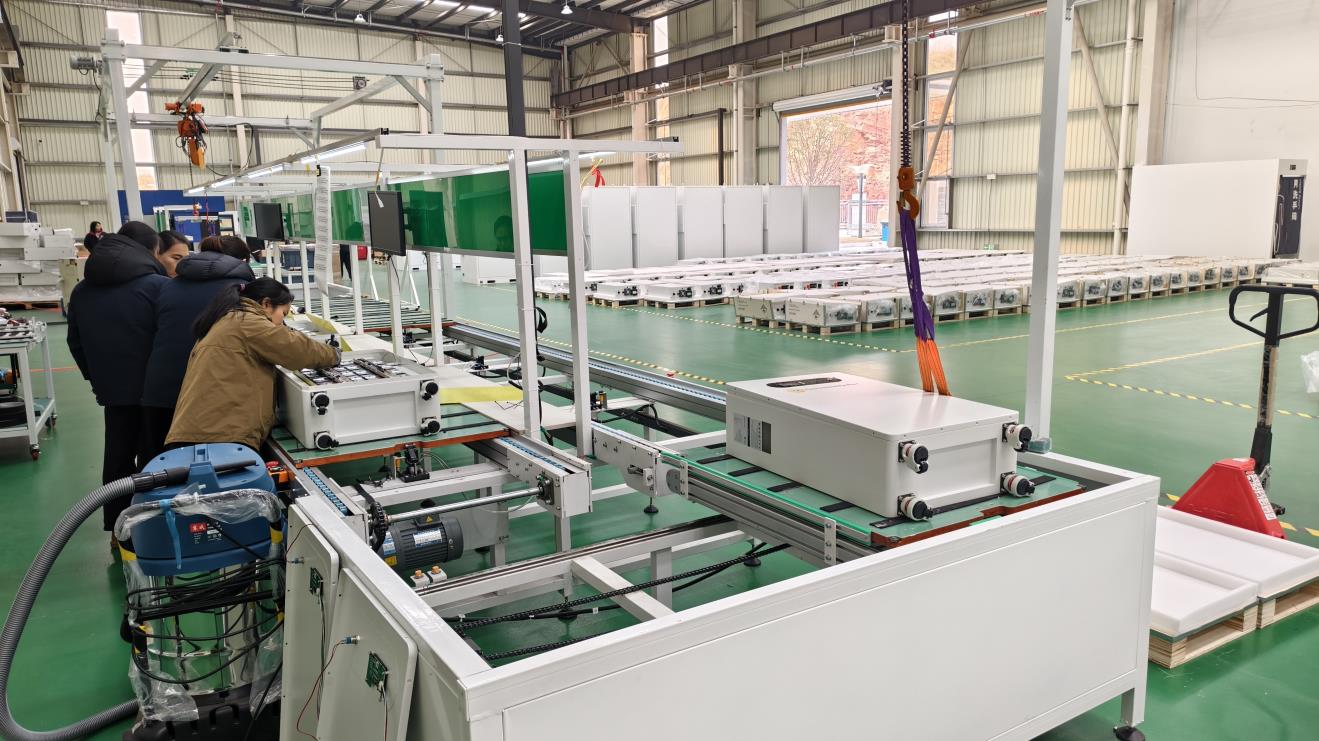
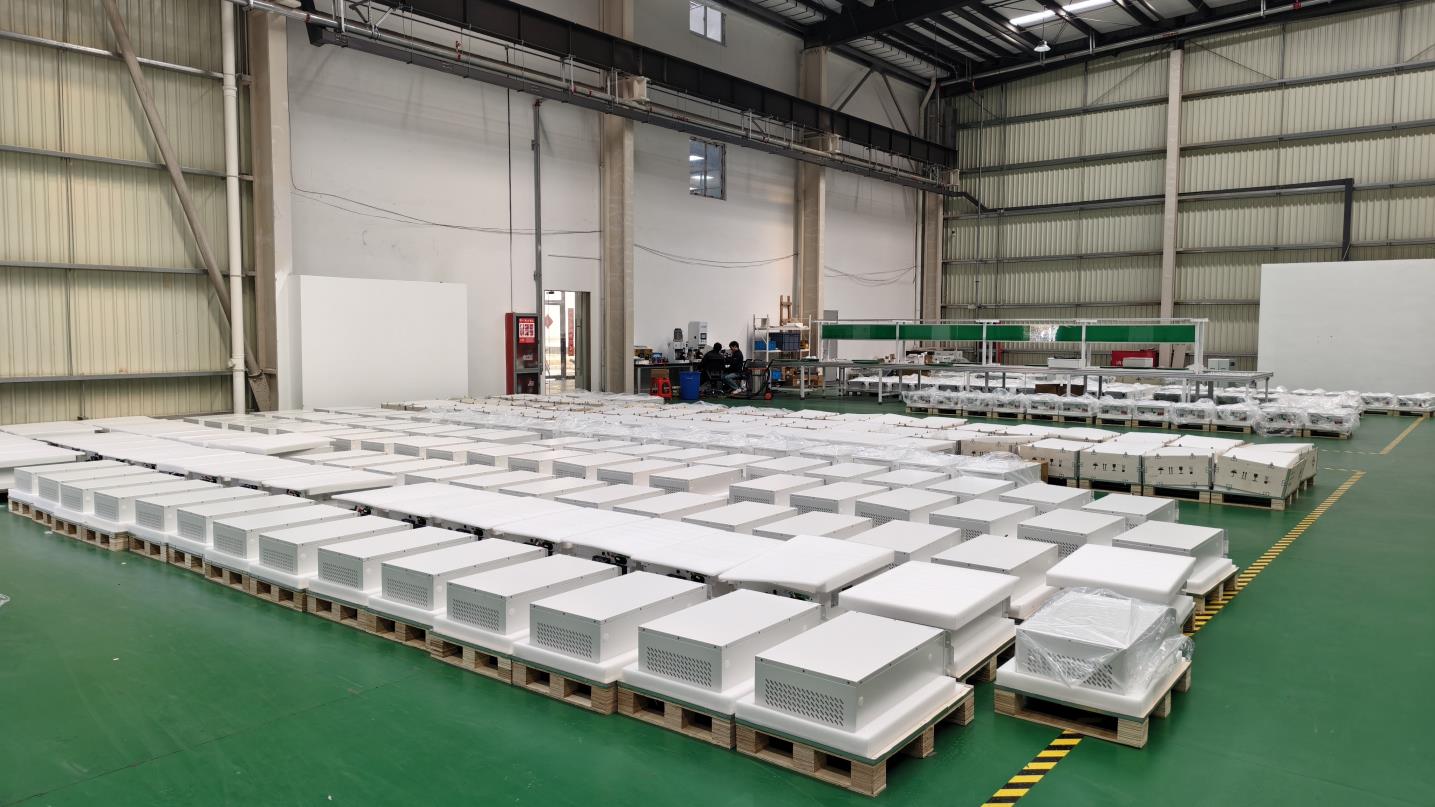
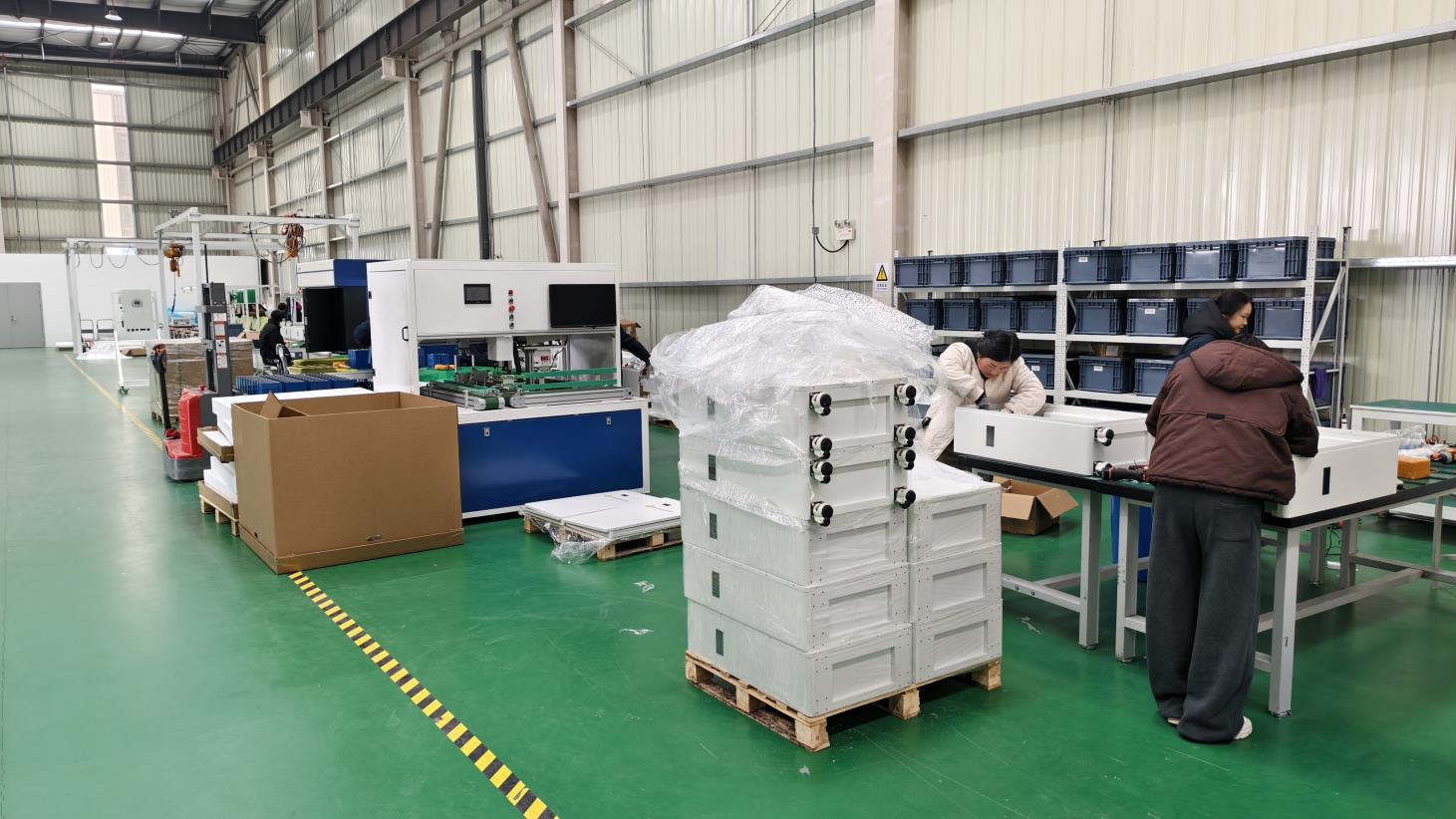
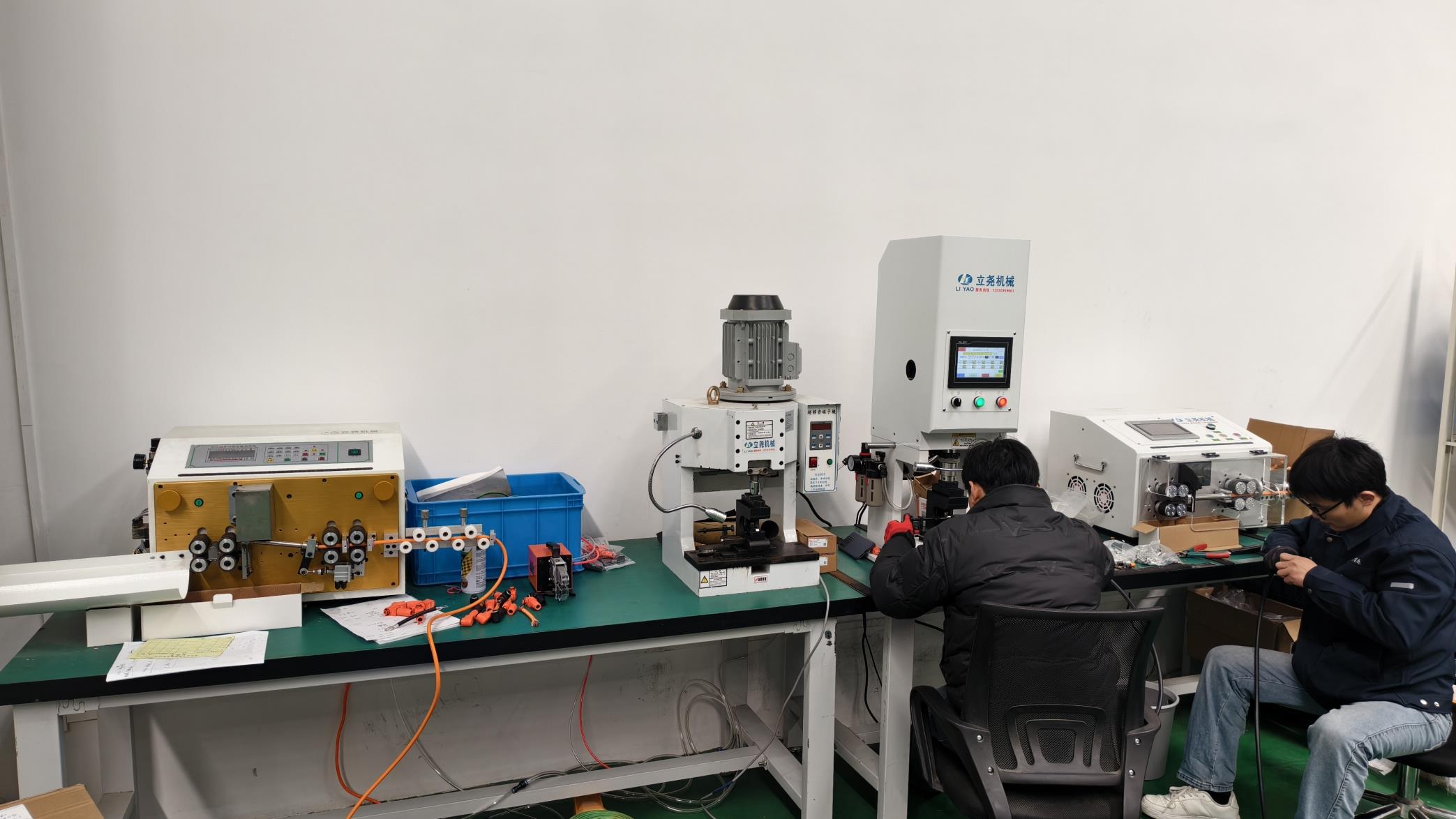
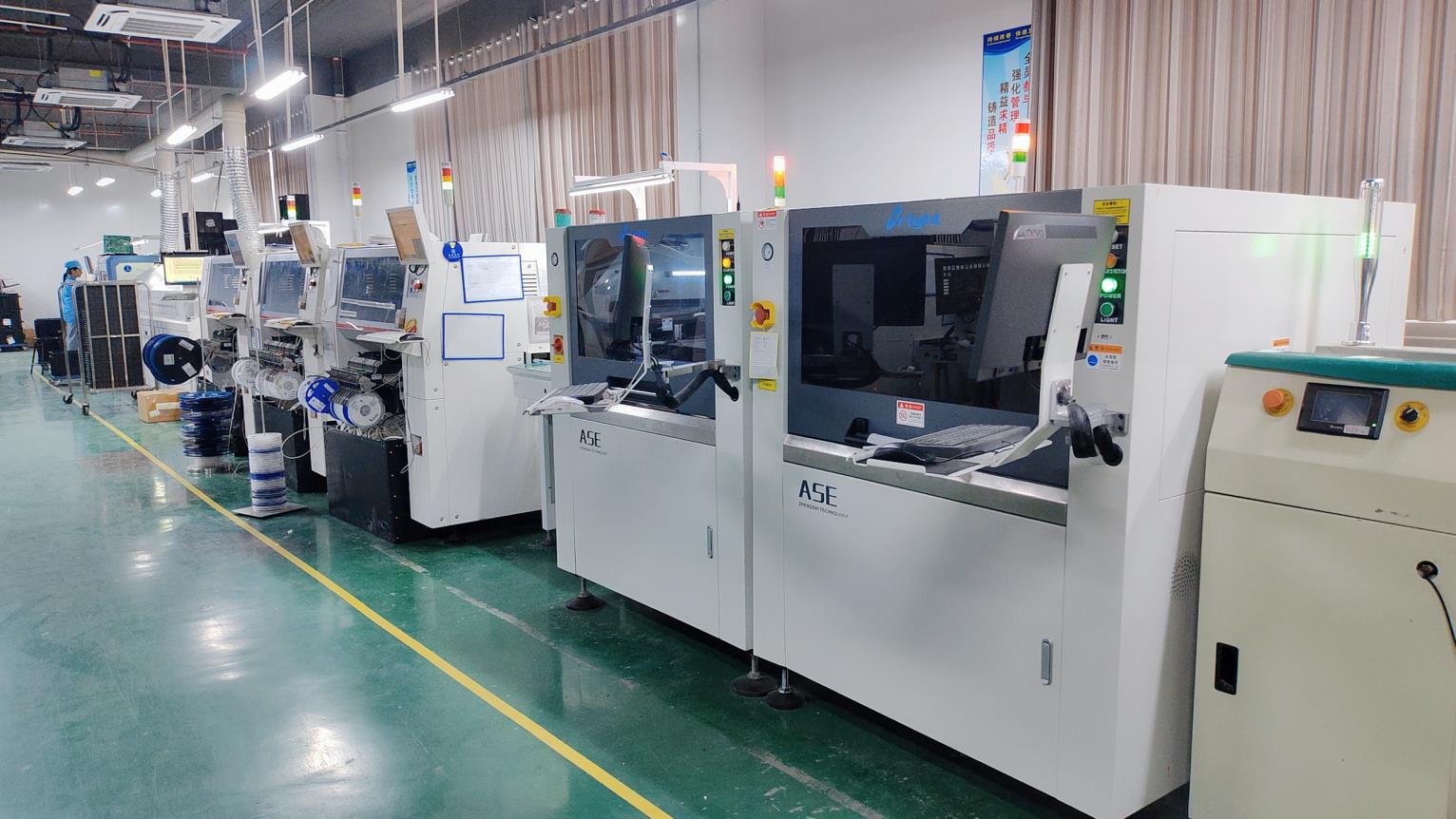
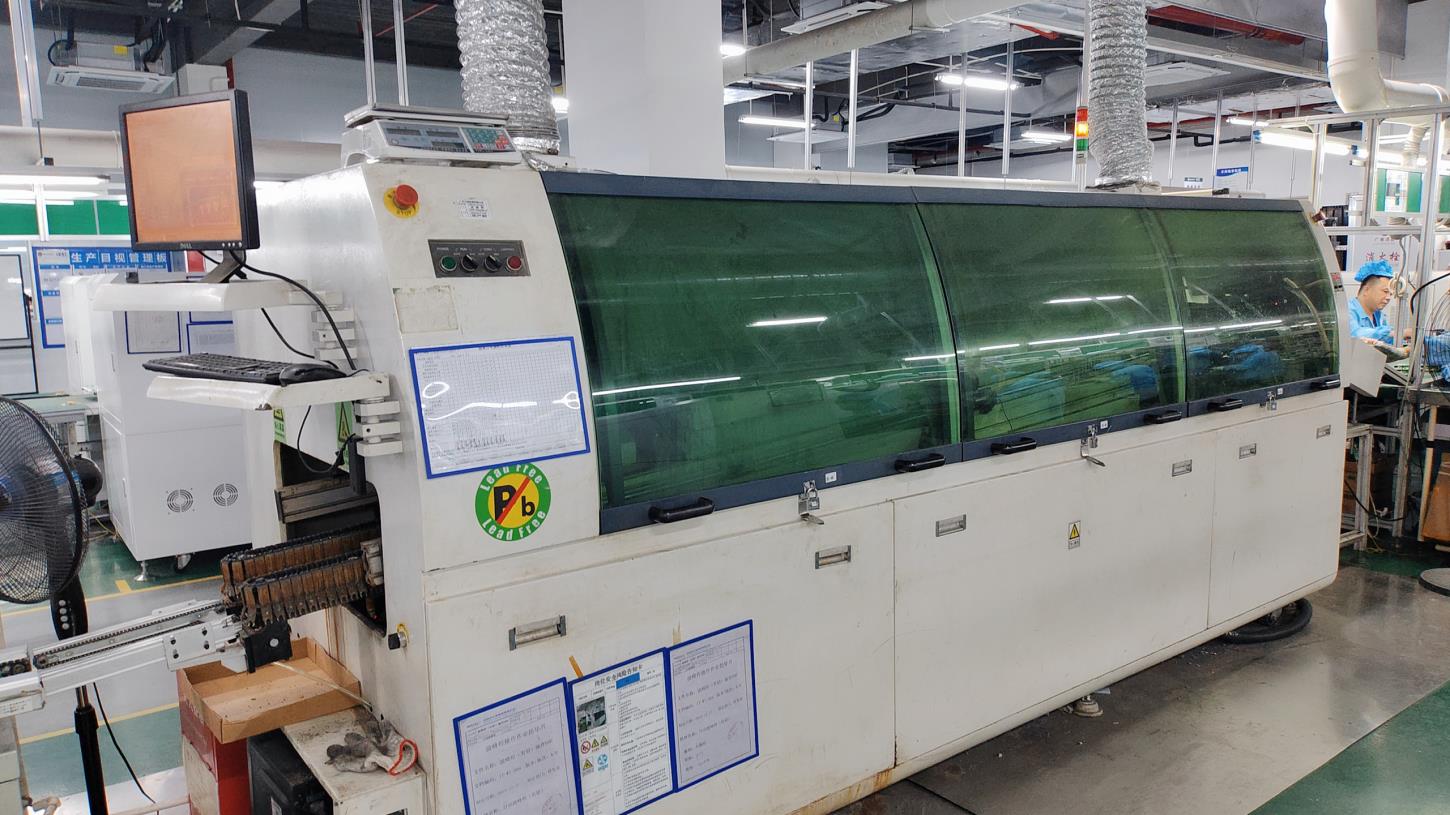
Our facilities implement advanced automation like SMT (Surface Mount Technology) and wave soldering lines with automated optical inspection (AOI) systems. We conduct high-precision testing to eliminate micro-cracks and hot spots before delivery.
By positioning our factory within Anhui’s clean energy manufacturing cluster, Anhui Aryam Energy Co., Ltd. maximizes cost efficiency without sacrificing quality control. We apply rigorous QA/QC processes to ensure that all exported products comply with international standards such as CE, IEC, UL, and RoHS, maintaining stable operation under diverse environmental stresses.
Solar technology is undergoing a rapid transition from legacy P-type PERC architectures to high-efficiency N-type TopCon (Tunnel Oxide Passivated Contact) and Heterojunction (HJT) technologies. Aryam Energy is at the center of this transition, engineering systems that yield significantly higher energy densities over their operating life.
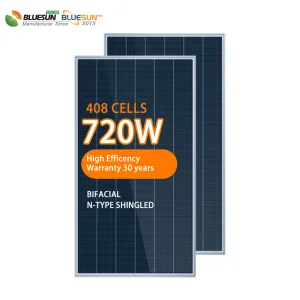
Our TopCon series (including our 700W, 710W, and 720W bifacial N-type modules) achieves cell conversion efficiencies exceeding 22.5%. Traditional PERC modules suffer from higher Light-Induced Degradation (LID) and LeTID. N-type substrates feature zero boron-oxygen defect complexes, resulting in minimal power degradation in their first year of service.
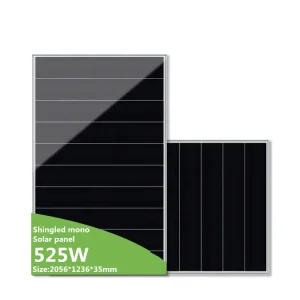
Furthermore, our Shingled Solar Panels eliminate traditional ribbon connections. By slicing cells into narrow strips and overlapping them with electrically conductive adhesives (ECA), we maximize the active generation area. This design minimizes resistive losses, mitigates shading penalties, and improves thermal performance under high-temperature conditions.
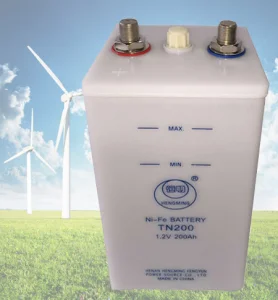
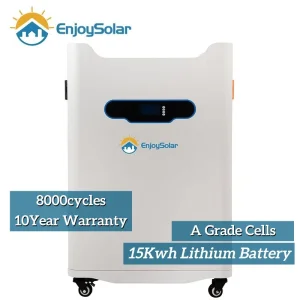
Energy generation represents only one side of the transition; storage is essential for system stability. Aryam Energy provides two main battery technologies tailored for different lifecycle requirements:
Clean energy demands vary widely by region and project scale. A residential rooftop in the EU requires a different design strategy than a mining microgrid in Australia or an agricultural solar water pump in sub-Saharan Africa. Aryam Energy engineers localized solutions to match these specific requirements:
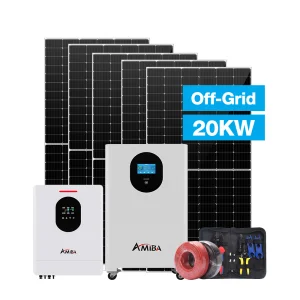
Our complete systems (ranging from 5kW to 20kW) combine hybrid inverters, MPPT charge controllers, and modular LiFePO4 batteries. They integrate smoothly with local grid connections and generator backups to support home energy independence.
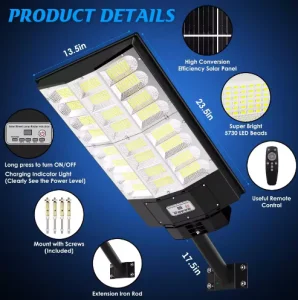
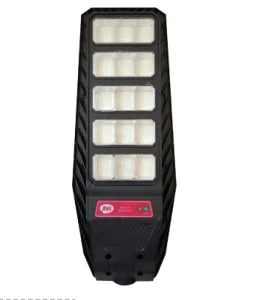
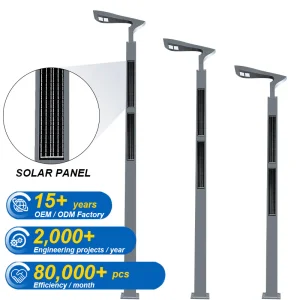
Our integrated and hybrid AC/DC solar LED street lights (100W to 1000W) feature IP65/IP67 waterproof ratings, smart microwave motion sensors, and automated dusk-to-dawn controllers. They are designed to withstand coastal winds and heavy monsoons.
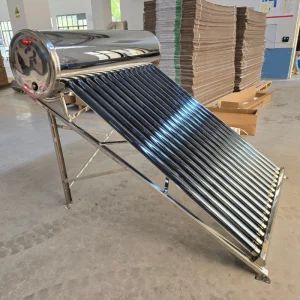
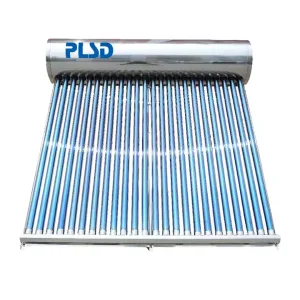
We supply solar thermal water heating solutions for residential, hotel, and light industrial settings. These systems replace traditional high-draw electric boilers, lowering overall carbon footprint and reducing operating expenses.
International sourcing of clean energy products requires navigating complex technical compliance, import logistics, and tariff environments. At Aryam Energy, we structure our manufacturing and distribution models to help global EPC contractors, wholesale distributors, and governmental agencies mitigate these operational risks.
Our compliance framework includes comprehensive testing and certifications:
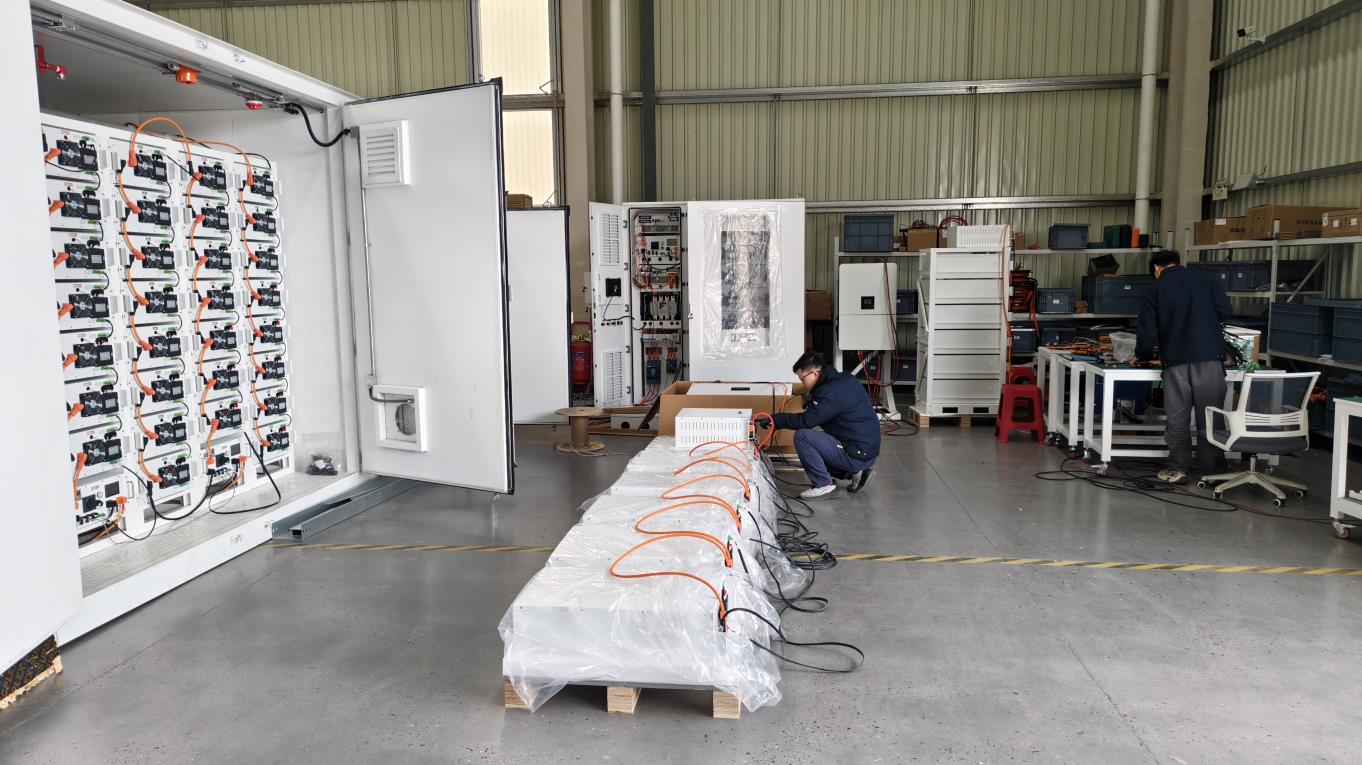
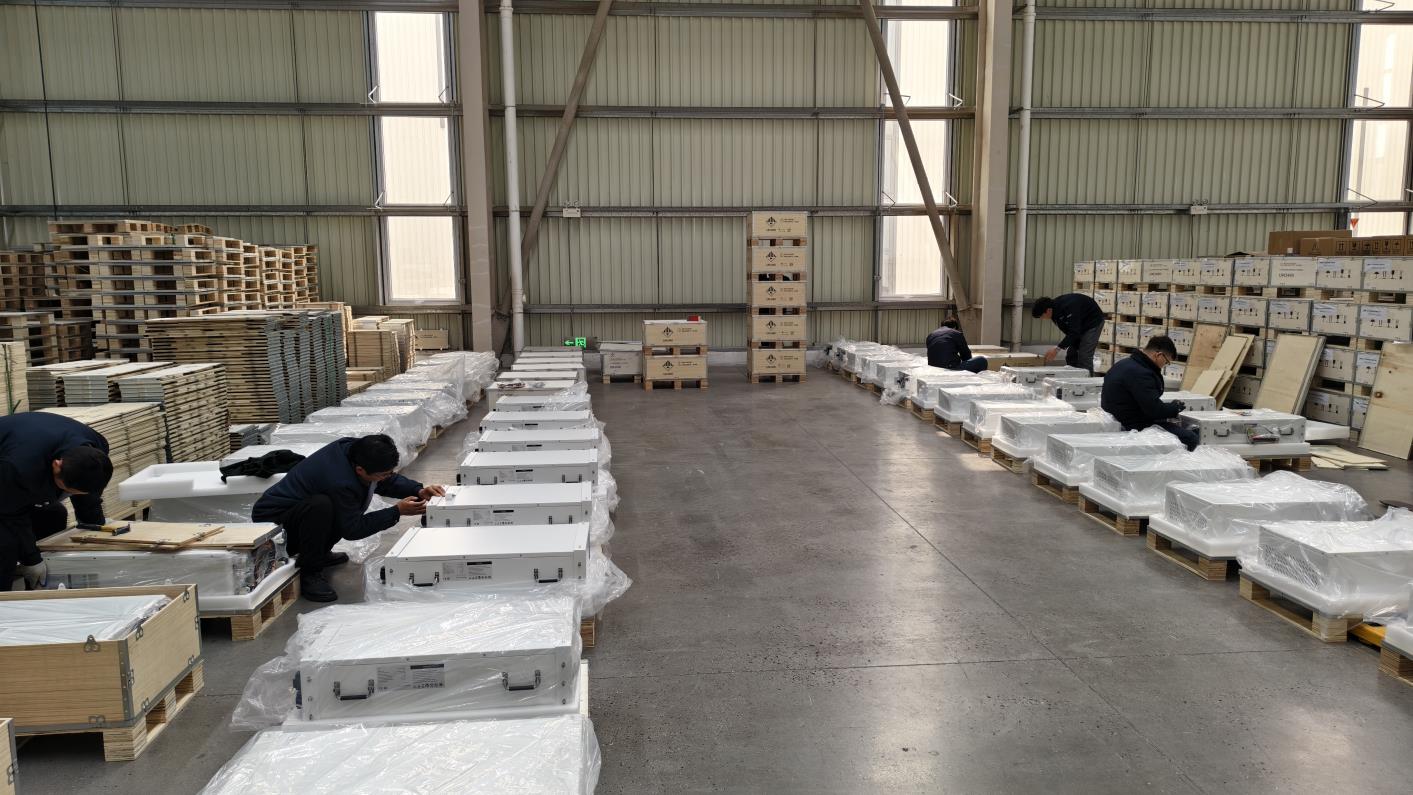
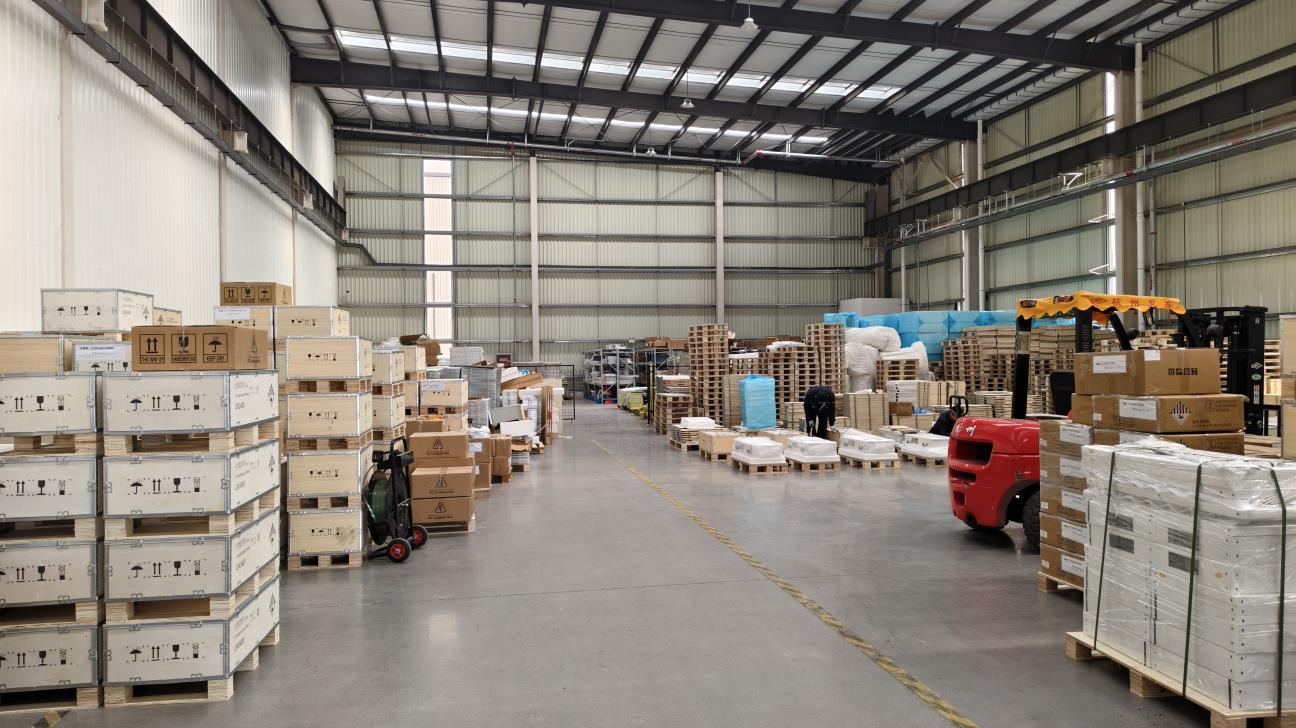
Quality assurance at Anhui Aryam Energy is built upon a foundation of advanced automation, process standardization, and multi-stage testing protocols. From the initial SMT board assembly to the final system configuration, our processes ensure that every component meets rigorous international performance standards.
Below are detailed answers to key technical questions from procurement officers, engineering consultancies, and system integrators.
N-type TopCon panels offer a higher bifaciality rate (up to 80-85% compared to 70% for PERC) and a better temperature coefficient (-0.30%/°C). They are also virtually immune to Light-Induced Degradation (LID) because their phosphorus-doped silicon base prevents the formation of boron-oxygen complexes. This translates to an estimated 3% to 5% increase in lifetime energy yield.
LiFePO4 remains the standard for high-efficiency, space-constrained residential and commercial applications due to its high round-trip efficiency (95%) and high energy density. However, for critical infrastructure in remote areas, Nickel-Iron batteries offer distinct durability benefits. They have a 35-year design life, are highly resistant to thermal runaway, and can withstand extreme temperatures (-30°C to +60°C) as well as regular deep discharge cycles without permanent capacity loss.
Shingled solar modules connect cell strips in parallel columns, which alters their performance under shade. In a standard module, shading a single row can disable a complete bypass diode section. Shingled modules distribute currents through parallel paths, maintaining power output from the unshaded portions of the panel and minimizing overall mismatch losses.
Our streetlights are designed with IP65-rated ABS housings, high-impact polycarbonate lenses, and corrosion-resistant hardware. They utilize MPPT charging controllers to optimize energy conversion in overcast conditions. The integrated LiFePO4 battery compartments are thermally insulated to maintain stable operating temperatures and extend battery lifecycle.
 Aryam Energy