China Top Solar HVAC Systems Factory & Supplier

Advanced Solar Air Conditioning, Intelligent High-Capacity Battery Storage, and Zero-Carbon Commercial HVAC Integration Solutions for Global Enterprises

Featured PV Components & HVAC System Assets (Part I)

Explore our precision-engineered solar connection systems, high-efficiency battery packs, and intelligent hybrid climate controllers. Essential components designed for multi-megawatt industrial infrastructure and local residential applications.
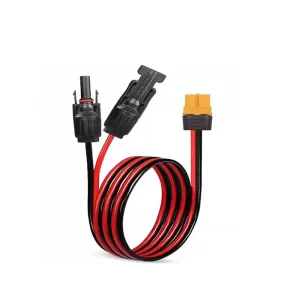
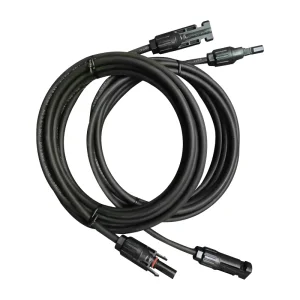
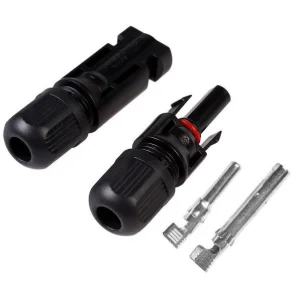
High Quality MC4 Solar Cable Male Female Connector

High Quality MC4 Solar Cable Male Female Connector PV System Connector XT60 Wire Harness

View Technical Details
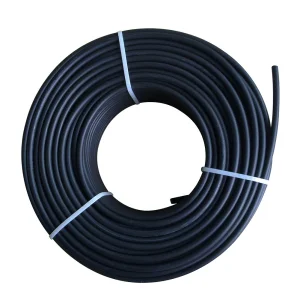
2.5mm 4mm 6mm Pv Solar Connector Cable Core

2.5mm 4mm 6mm PV Solar Connector Cable Core One or Two 1000V 1500V PV Wire Harness

View Technical Details
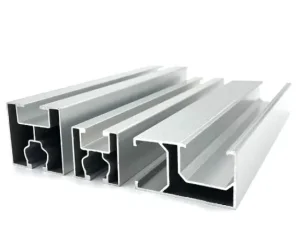
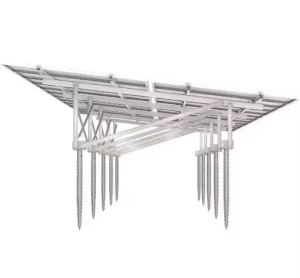
Aluminum Solar Panel Rails Mounting System

Aluminum Solar Panel Rails Quantity-Made Mounting System for Optimal Performance

View Technical Details
6mm Photovoltaic Connector Cable

6mm Photovoltaic Connector Cable High-Temp Radiation-Resistant Solar Outdoor DC Cable

View Technical Details
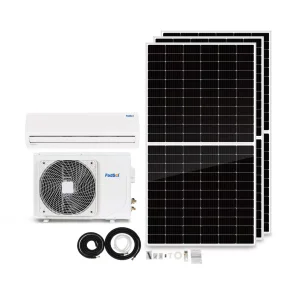
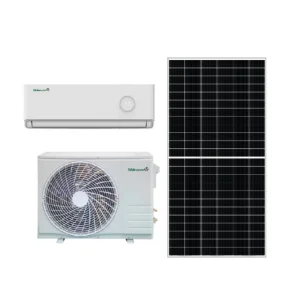
Solar Powered AC DC Hybrid Air Conditioner

New 9000BTU 12000BTU 18000BTU 24000BTU AC DC Hybrid Split Solar Powered Air Conditioner

View Technical Details
IP67 Waterproof Solar Panel Cable Connector

IP67 Waterproof 2.5mm² 4mm² 6mm² 30A 1000V PV DC Solar Anti-Backflow Connector

View Technical Details
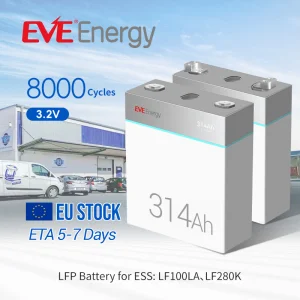
Eve 314ah LiFePO4 Battery Cell

Eve New Product 314ah 1004.8wh LFP 3.2V LiFePO4 Cell for Industrial Energy Systems

View Technical Details
LiFePO4 Solar Battery Energy Storage System

LiFePO4 215kwh Industrial Commercial Air Lithium Generator Energy Storage System

View Technical Details

Executive Abstract: The Paradigm Shift in Thermal Comfort

In the era of net-zero carbon initiatives and volatile global energy markets, conventional heating, ventilation, and air conditioning (HVAC) systems represent one of the most demanding operational loads. Statistics indicate that HVAC systems consume between 40% and 50% of the total electrical budget in commercial and high-density industrial buildings. Addressing this challenge requires an direct evolution: replacing traditional utility-reliant thermal equipment with integrated, intelligent, and autonomous Solar HVAC Systems.

“Sustainable industrial growth requires an architecture that directly bridges solar photovoltaics (PV) with variable refrigerant flow (VRF) technology. By eliminating unnecessary DC-to-AC power conversions, modern plants save up to 35% in direct conversion losses, boosting systemic Round-Trip Efficiency (RTE).”

As a premier Chinese manufacturer of Solar HVAC systems, we present this comprehensive guide and engineering whitepaper to elucidate how global enterprises can deploy hybrid AC/DC and off-grid climate systems to achieve decarbonization, comply with strict energy guidelines, and radically reduce operational expenditures (OPEX).

Global B2B Procurement Dynamics & Strategic ROI Metrics

Purchasing departments in multi-national corporations face strict regulatory hurdles: Europe’s Carbon Border Adjustment Mechanism (CBAM), North America’s Title 24, and APAC’s stringent regional environmental laws. Implementing industrial-scale solar HVAC solutions is no longer merely a public relations asset; it is a critical strategy to avoid carbon penalties.

3-5 Yrs Average ROI Period
Up to 95% Peak Demand Reduction
IP67 Rating BOS Protection Grade
>6000 Cycles LFP Cell Lifespan

When evaluating suppliers, engineers must look beyond the compressor COP (Coefficient of Performance) and scrutinize the Balance of System (BOS) components. Solar HVAC operations demand robust DC electrical infrastructure: including specialized radiation-resistant DC PV cables, heavy-duty MC4 compatible anti-backflow connectors, and high-voltage DC distribution channels. Faulty or low-tier wiring harnesses cause systemic power leaks, rising resistance, and extreme fire hazards.

Macro-Industry Solutions: Sector-Specific System Integrations

Our manufacturing facility configurations adapt to diverse climatic demands and building sizes. A standard residential framework differs significantly from heavy commercial cold-storage and logistics depots.

1. Commercial & Institutional Complexes

Large-scale office buildings require peak cooling during daylight hours. Our hybrid AC/DC solar VRF units utilize direct sunlight generation without inverter losses. A centralized BMS (Building Management System) balances the utility grid when solar irradiance drops, guaranteeing seamless cooling stability.

2. Smart Agriculture & Vertical Farming

Controlled-environment agriculture demands stable moisture control and strict temperatures. Combining economical farm solar mounting systems with hybrid dehumidifying AC systems keeps crop yields stable, utilizing direct PV arrays to eliminate energy bills.

3. Off-Grid Remote & Industrial Microgrids

Remote telecom towers, military outposts, and mining quarters operate without local utility grids. These projects rely on a hybrid ecosystem combining deep-cycle LiFePO4 batteries (such as our 215kWh heavy-duty cabinets) and heavy PV panels to run 24/7 cooling.

Technical Roadmap & System Architecture

To understand the superior reliability of our Solar HVAC systems, we analyze the thermodynamic and electronic control topologies that govern our technology.

Direct-Drive DC Technology

Traditional solar air conditioners convert DC power from solar panels into AC power using a solar inverter, and then compress the gas using an AC compressor. This pathway loses up to 15% efficiency through conversion heating.

Our hybrid AC/DC technology feeds high-voltage DC power from the panels directly into the DC compressor motor. Operating voltages ranging from 80V to 380V DC eliminate the need for inverter units. When solar PV is insufficient, the system blends AC utility power automatically, without dropping the compressor speed or causing thermal fluctuations.

Thermodynamic & Electrical Topology

  • Variable Speed BLDC Compressor: Adapts cooling capacity to fluctuating solar radiation levels in real-time.
  • Zero-Crossover Power Blending: Microsecond switching between DC solar energy and grid power.
  • Optimized MPPT Input: Accommodates varying solar conditions without solar energy clipping.

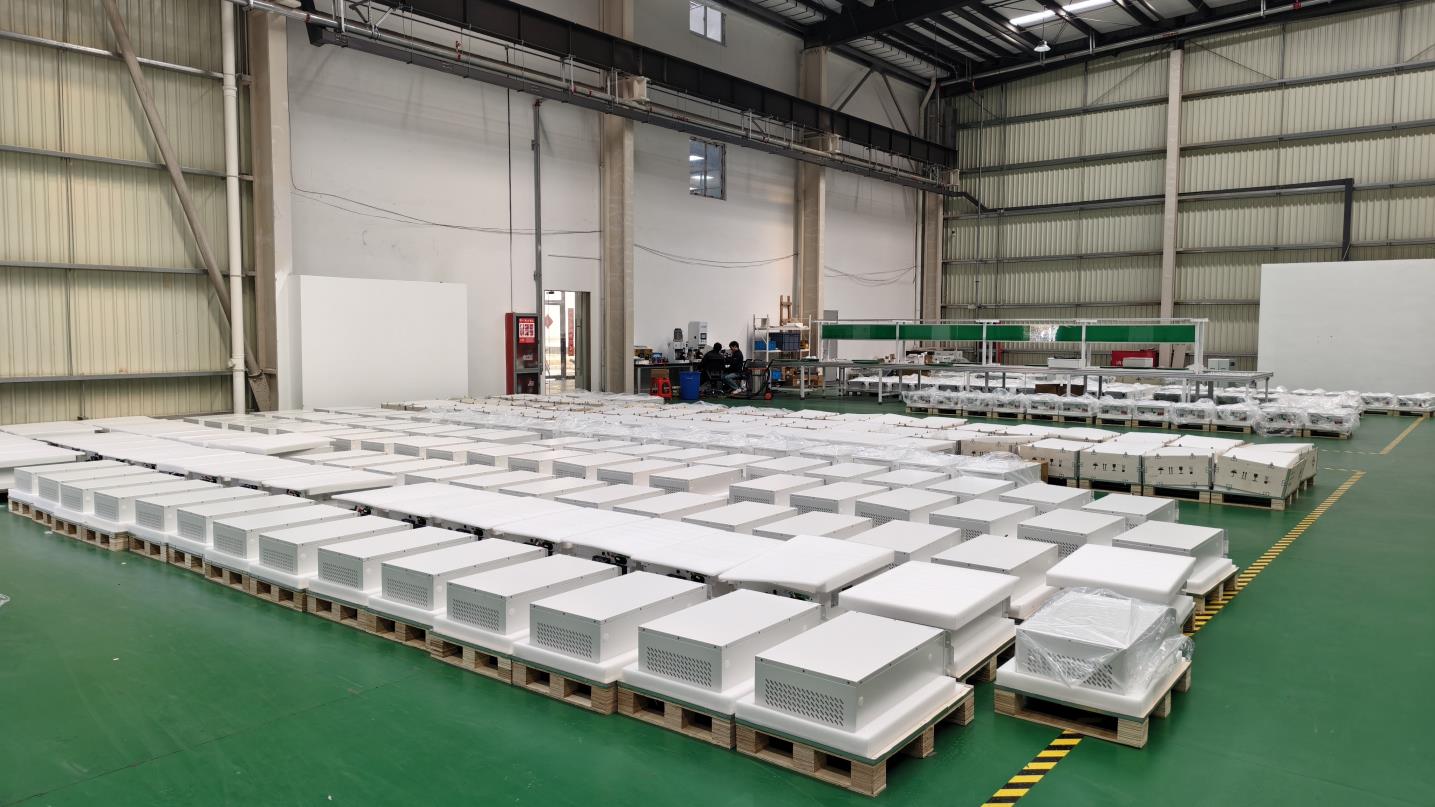
Anhui Aryam Energy Co., Ltd. — Manufacturing Infrastructure

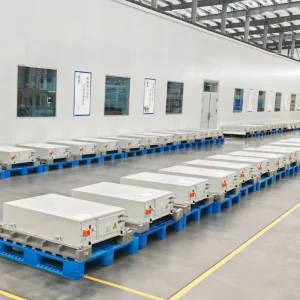
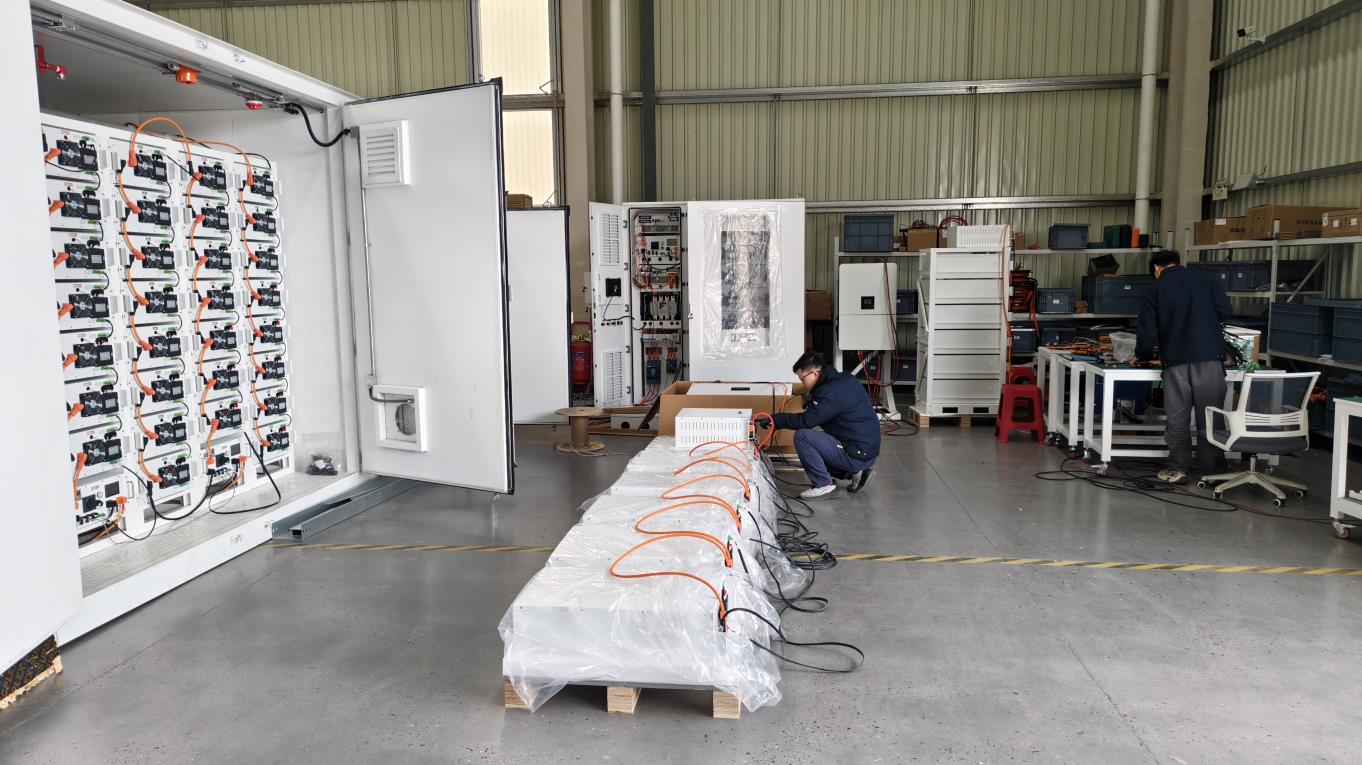
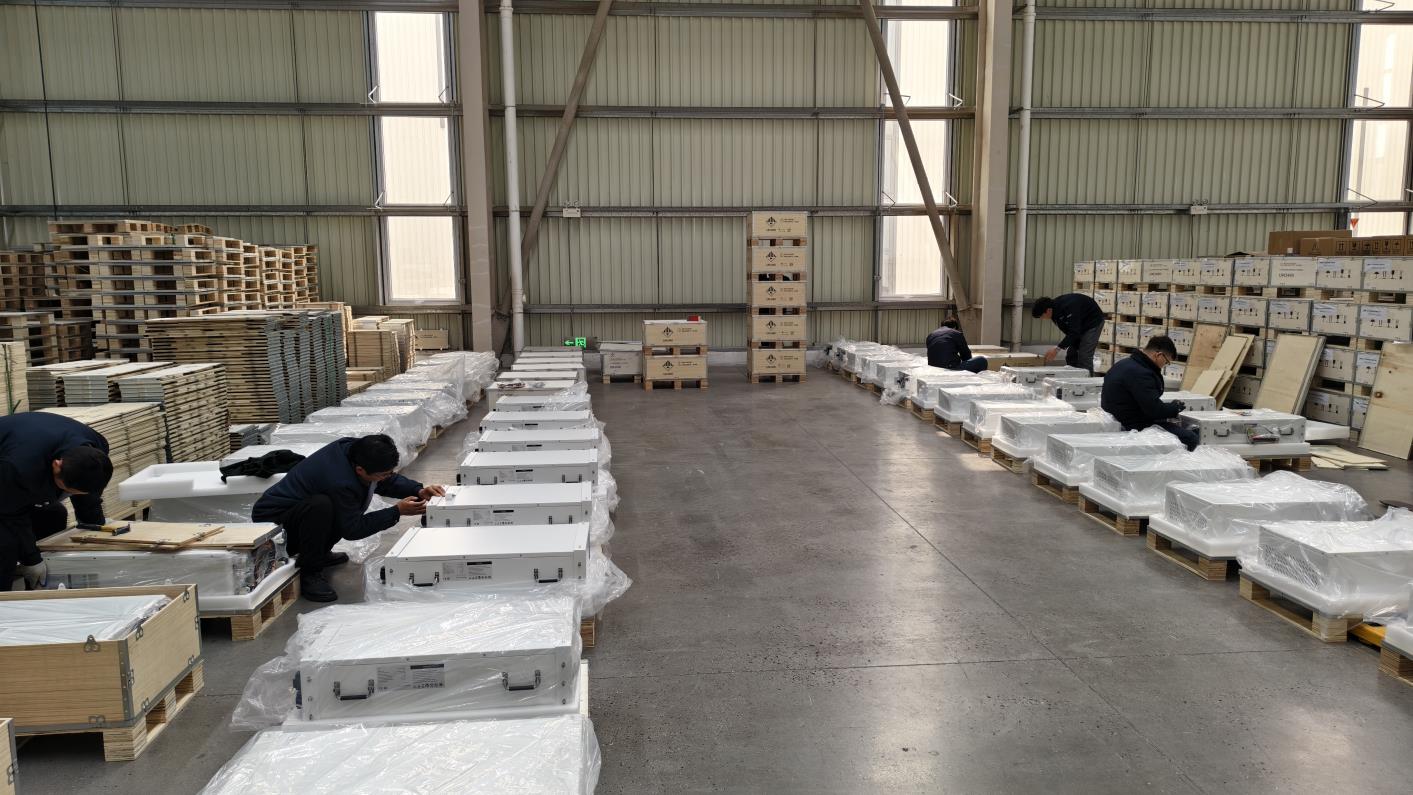
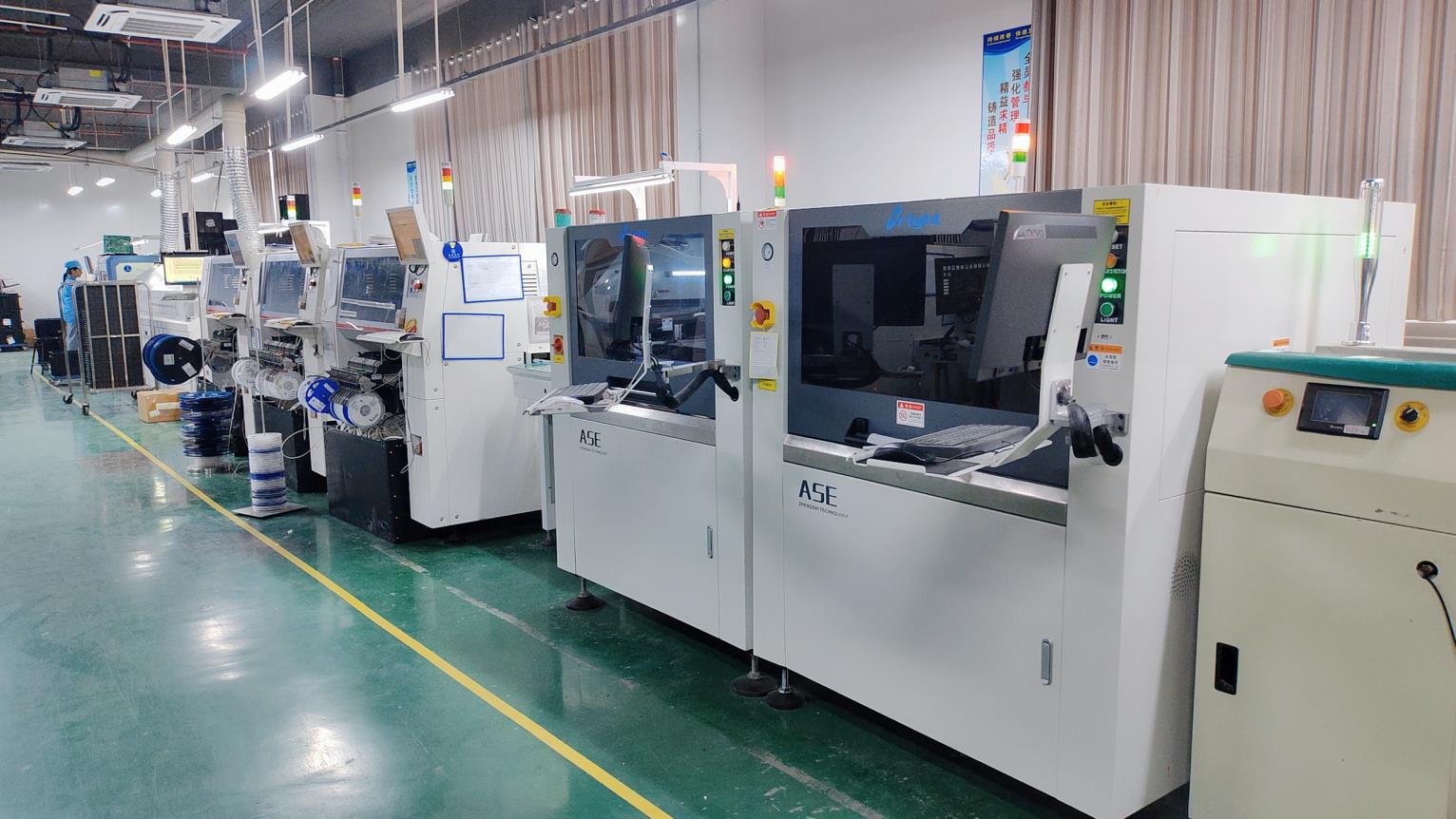
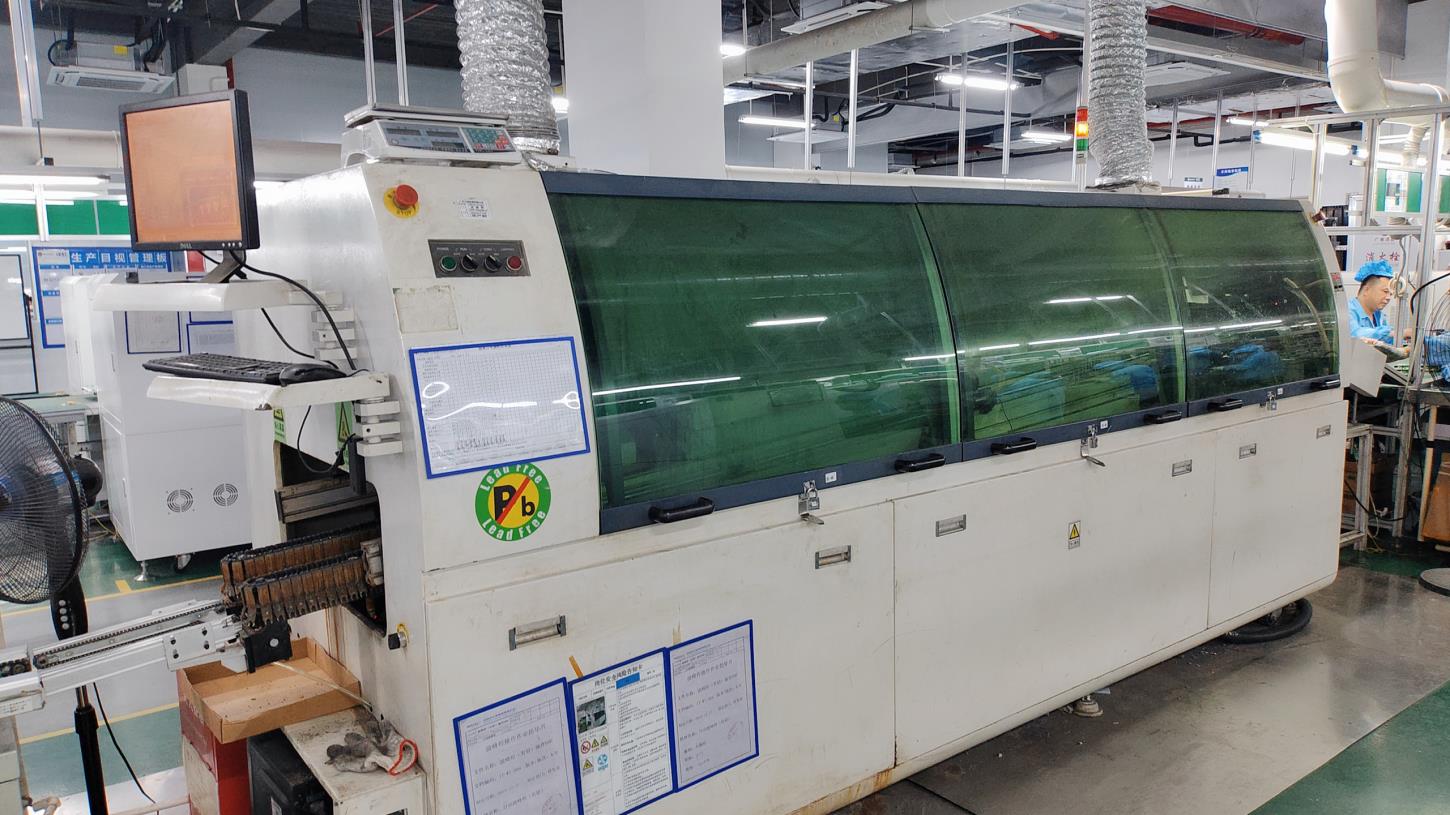
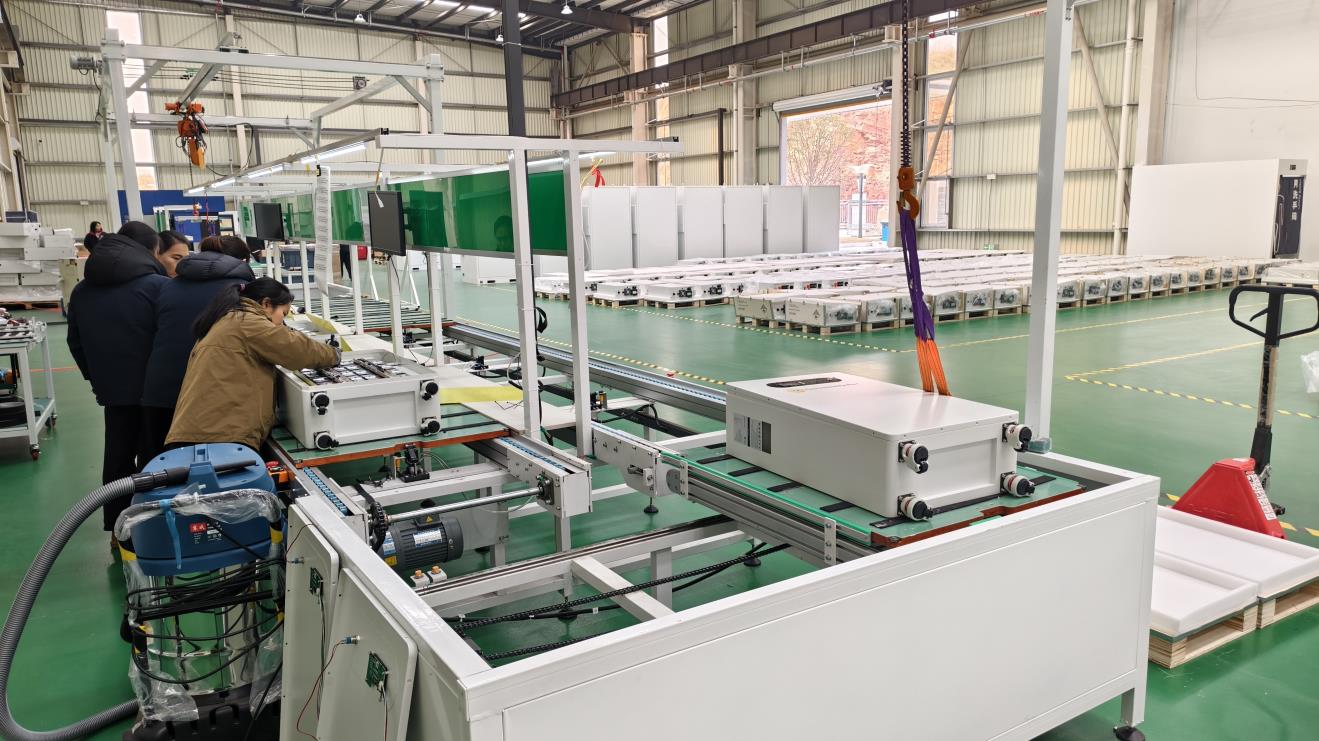
Anhui Aryam Energy Co., Ltd. is a global leader in integrating renewable energy generation with thermal technologies. With a state-of-the-art facility utilizing SMT assembly lines, wave soldering machines, and advanced quality testing chambers, we maintain a production quality standard that complies with international regulations.
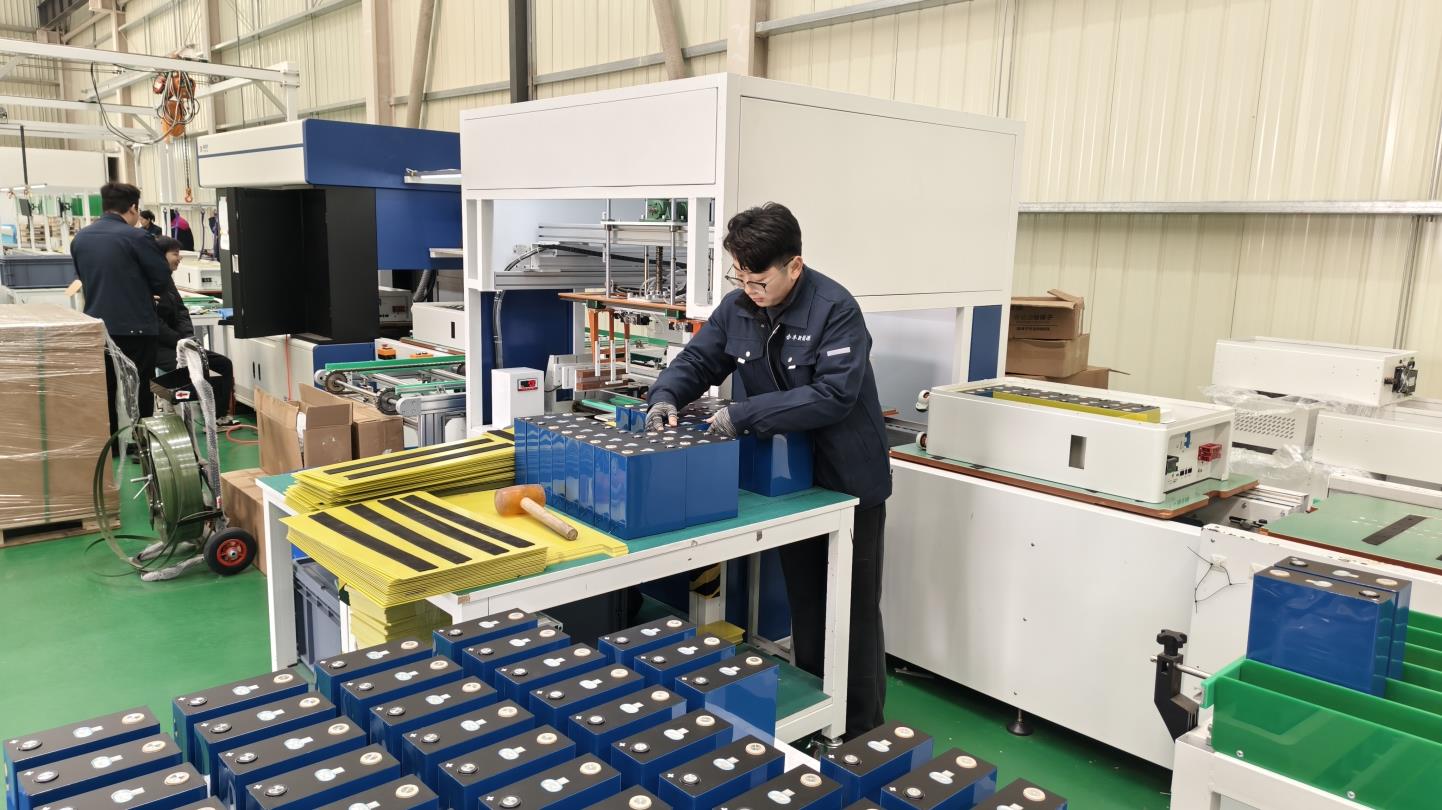
Welding Process
Welding Section
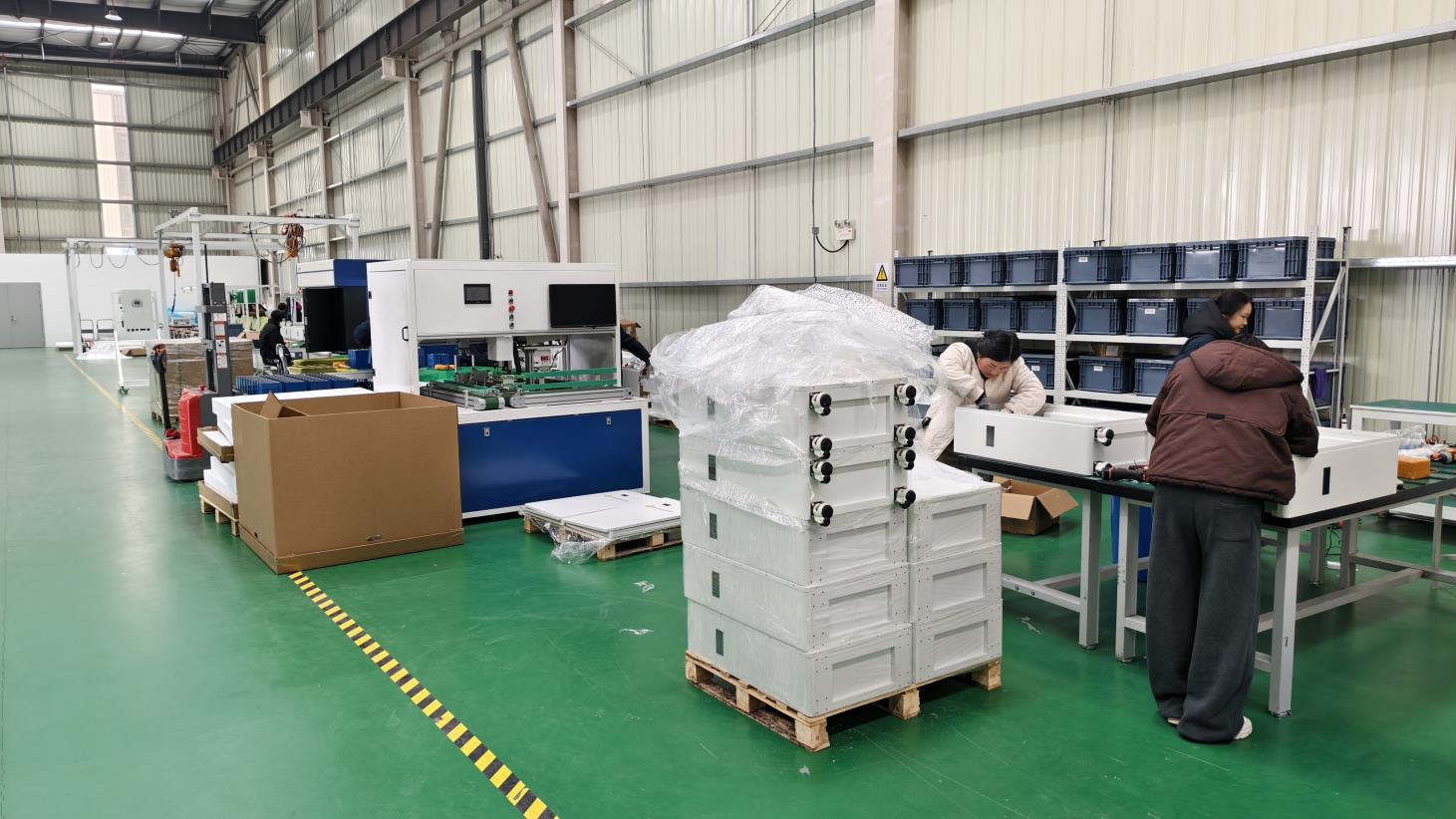
Assembling Line
Assembling Section
Testing Procedures
Rigorous Testing
Packing Line
Secure Packing
Finished Products Area
Finished Product QC
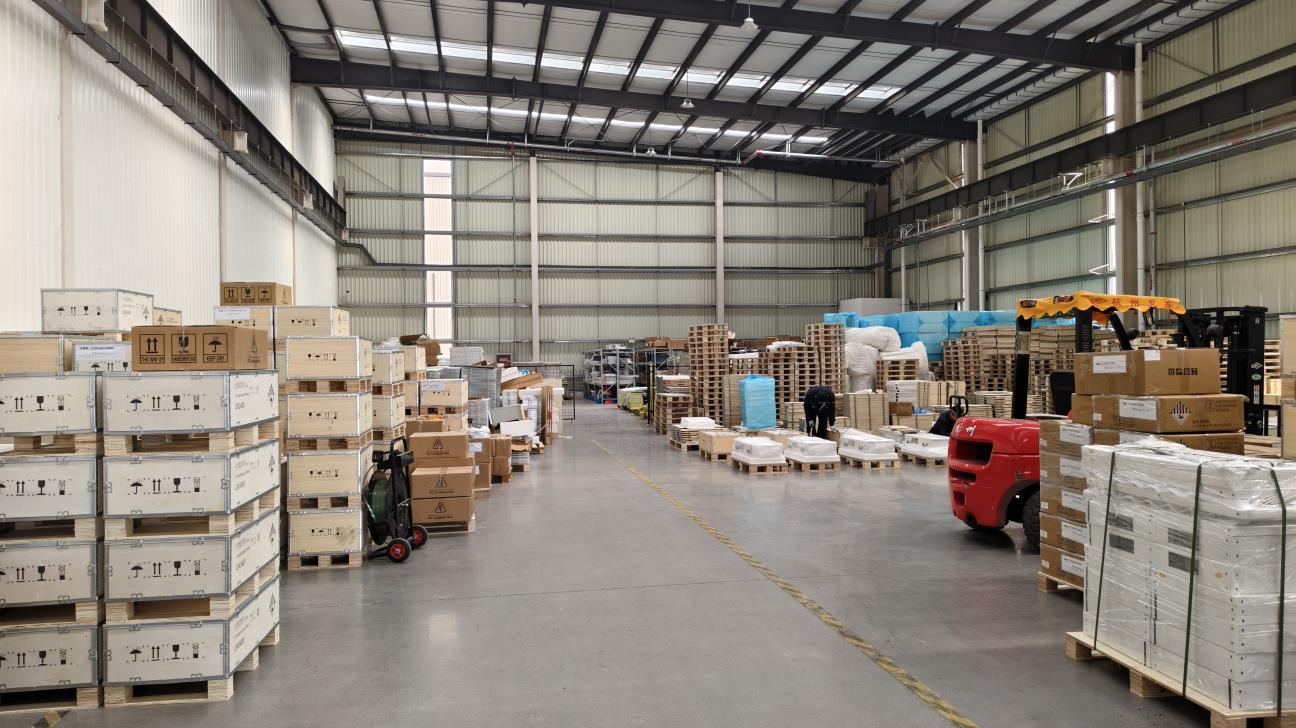
Organized Warehouse
Warehouse Logistics
Assembly Line Overview
Main Assembly Line
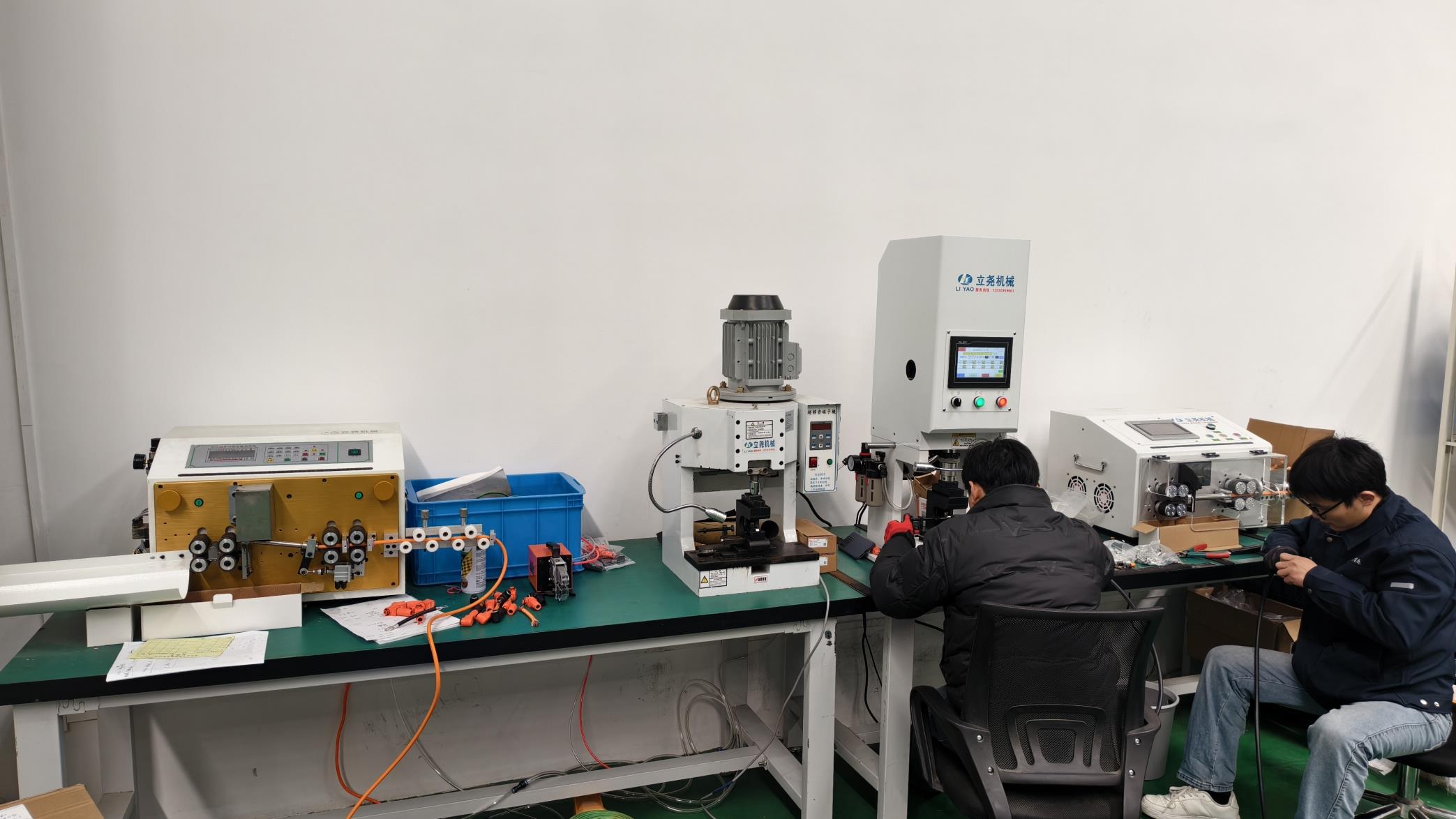
Wire Stripper Machine
Automatic Wire Stripping
SMT Line Area
High-Speed SMT Manufacturing Line
Wave Soldering Machine
Automated Wave Soldering Division

Global Standards Compliance & Localized Support

We serve utility projects and retail installations in over 100 countries. To maintain absolute safety and compliance with building codes, our products undergo strict independent testing. All connectors, cables, and structural frames meet international certification requirements:

Electrical Cable & Connection Safety

Our 1000V/1500V UV-resistant solar outdoor DC cables and IP67 waterproof MC4 adapters carry official CE, TUV, and RoHS labels, assuring long-term electrical safety even in harsh desert or maritime environments.

Battery Energy Storage Compliance

LFP lithium battery systems (utilizing grade-A Eve 314Ah cells and complete 215kWh cabinets) meet strict UN38.3, UL1973, and IEC62619 safety criteria. Active fire suppression is integrated directly into our commercial battery lines.

HVAC Mechanical Performance

Our solar hybrid wall split and dehumidifying air conditioners operate under ASHRAE-approved guidelines, boasting high SEER ratings and ozone-friendly refrigerant formulations that conform to the Montreal Protocol.

Technical FAQ: Engineering Queries & System Integration

Answering the most critical technical questions from electrical engineers, project developers, and building managers regarding Solar HVAC deployment.

How does a hybrid AC/DC solar air conditioner switch power sources in real-time?
Our hybrid systems utilize a dual-diode power-bus priority scheme inside the control system. Direct current (DC) from the PV array has priority. If solar irradiance falls, the controller uses the grid (AC power) to supply the difference. This occurs instantaneously without inverter conversion phases, ensuring constant compressor operation.
What are the advantages of Eve 314Ah cells over older 280Ah variants?
The new Eve 314Ah cell design provides high volumetric energy density in the standard cell form factor. It reduces overall cell installation counts by 12% in commercial modules like our 215kWh units, simplifying BMS monitoring, lowering connection resistance, and improving overall safety metrics.
Why is IP67 waterproofing required for solar connection harnesses?
Photovoltaic arrays face extreme UV exposure, temperature fluctuations, and moisture. An IP67 waterproof connector (e.g., our MC4 connectors) prevents water ingress, preventing ground fault issues, electrical failure, and arc fires in systems operating up to 1500V DC.
How does an anti-backflow connector enhance multi-string PV array stability?
In multi-string configurations, shading on a single panel string drops its voltage. Without anti-backflow blocking diodes, power flows backward into the shaded string, creating hot spots and damage. Our IP67 anti-backflow connectors keep currents flowing unidirectionally toward the controller.
What structural specifications prevent aluminum mounting system failure?
Our aluminum mounting rails are extruded from high-tensile AL6005-T5 alloy, finished with an anodized surface treatment thicker than 12 microns. This construction withstands wind loads up to 60m/s and snow accumulation up to 1.4kN/m², guaranteeing long durability in agricultural and rooftop applications.
Can the solar controllers automatically adapt to various battery voltages?
Yes, our premium MPPT solar charge controllers automatically identify 48V, 60V, 72V, and 96V battery systems. They utilize adaptive buck-boost charging algorithms to ensure optimal battery health and maximum energy extraction from solar panel strings.

Featured PV Components & HVAC System Assets (Part II)

Integrate these critical components to complete your zero-emission energy infrastructure. All items feature factory warranties, verified safety standards, and robust design details.
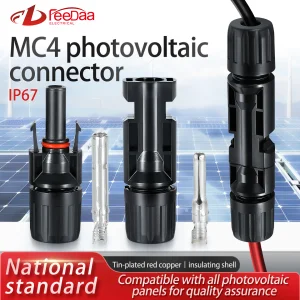
IP67 Waterproof Solar Connector MC4 Compatible

IP67 Waterproof Solar Connector 1000V 1500V DC PV Connector Compatible With MC4

View Technical Details
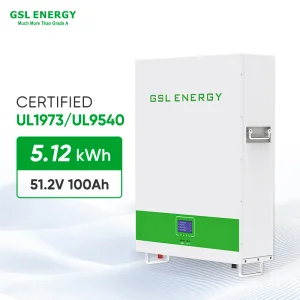
Gsl 48V 10kw 5kwh Solar Batteries Power Wall

Gsl 48V 10kw 5kwh Solar Batteries Power Wall 24V Battery Pack Powerwall 51.2V LiFePO4

View Technical Details
Hybrid Dehumidifying Solar Power Air Conditioner

Hybrid Dehumidifying Solar Power Air Conditioner with Integrated Wi-Fi Control

View Technical Details
Economical Farm Solar Mounting System

Economical Farm Solar Mounting System for Enhanced Agricultural Profitability

View Technical Details
High-End 8A Solar Street Light Charge Controller

High-End 8A Solar Street Light Controller 12V MPPT IP67 CE RoHS 10A 15A 20A 12V 24V

View Technical Details
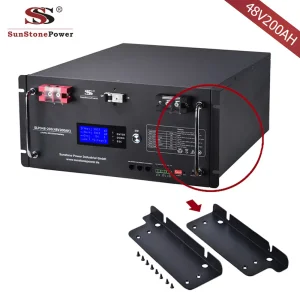
Best Lithium Ion Battery 48V200ah

Best Lithium Ion Battery 48V 200ah 6000 Cycles 80% DoD LiFePO4 Solar Battery

View Technical Details
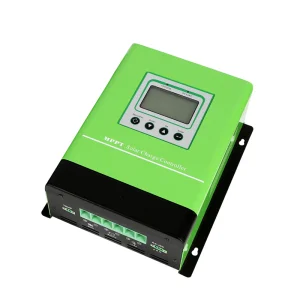
MPPT Solar Charge Controller

Automatically Identify 48/60/72/96V 50A MPPT Solar Charge Controller for Batteries

View Technical Details
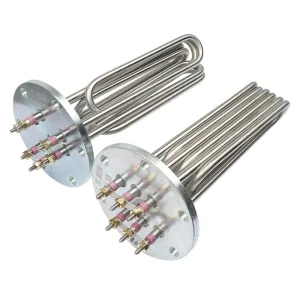
Customized Solar Immersion Heater

Customized Solar Immersion Heater Engineered for Industrial & Home Water Tanks

View Technical Details