As the global deployment of utility-scale and distributed solar photovoltaic (PV) systems continues its exponential expansion, maintaining high operational efficiency remains the key challenge for operators. Solar soiling—the accumulation of dust, pollen, bird droppings, sand, and industrial particulates on the surface of panels—presents a major economic threat. Studies indicate that soiling can lead to an immediate power generation drop of 10% to 35% depending on geographic locations, resulting in billions of dollars of cumulative lost energy yield worldwide.
To address this critical challenge, high-performance, automated, and water-efficient solar panel cleaning equipment has transitioned from a niche operational maintenance utility to a core structural asset. Anhui Aryam Energy Co., Ltd. leads this transition by exporting engineered cleaning systems that are designed to survive the harshest operational environments while maintaining optimal panel transmittance.
"Without regular automated cleaning, dry and semi-arid solar installations face rapid output decay. Relying on manual cleaning methods introduces higher labor safety risks, exorbitant operational expenses, and significant water consumption. Modern robotic and intelligent track cleaning equipment provides the only sustainable mechanism to ensure high ROI on solar investments."
Across the global energy landscape, solar systems are increasingly deployed in regions with high direct normal irradiance (DNI)—most notably the Middle East and North Africa (MENA) region, parts of India, Australia, and the southwestern United States. Ironically, these high-solar regions are also prone to severe atmospheric dust, desert sandstorms, and water scarcity. This intersection creates a dual challenge: panels require frequent cleaning to maintain performance, yet water is a precious, high-cost commodity.
In Europe and parts of East Asia, the focus trends toward Commercial and Industrial (C&I) rooftops. For these installations, safety constraints and high labor costs rule out manual wash methods. As a result, the market demand has pivoted toward lightweight crawling robots, semi-autonomous wash vehicles, and smart integrated clean systems that can operate without scratching the high-performance anti-reflective coatings (ARC) of modern N-type Topcon or bifacial modules.
By preventing optical loss, advanced cleaning reduces the LCOE by ensuring the system performs at its modeled efficiency throughout its operational life.
Localised accumulation of dirt or bird droppings creates localized electrical resistance, causing hot spots that can permanently damage PV cells.
Certified equipment utilizes materials that avoid scratching glass or micro-cracking wafers, keeping your module warranties secure.
China has established itself as the global epicenter for renewable energy hardware. As a leading manufacturer and exporter in Anhui, China, Anhui Aryam Energy Co., Ltd. leverages a highly sophisticated local supply chain ecosystem. From precision engineering of carbon fiber poles to the integration of advanced lithium iron phosphate (LiFePO4) battery packs, Chinese manufacturers deliver unrivaled cost-to-performance metrics.
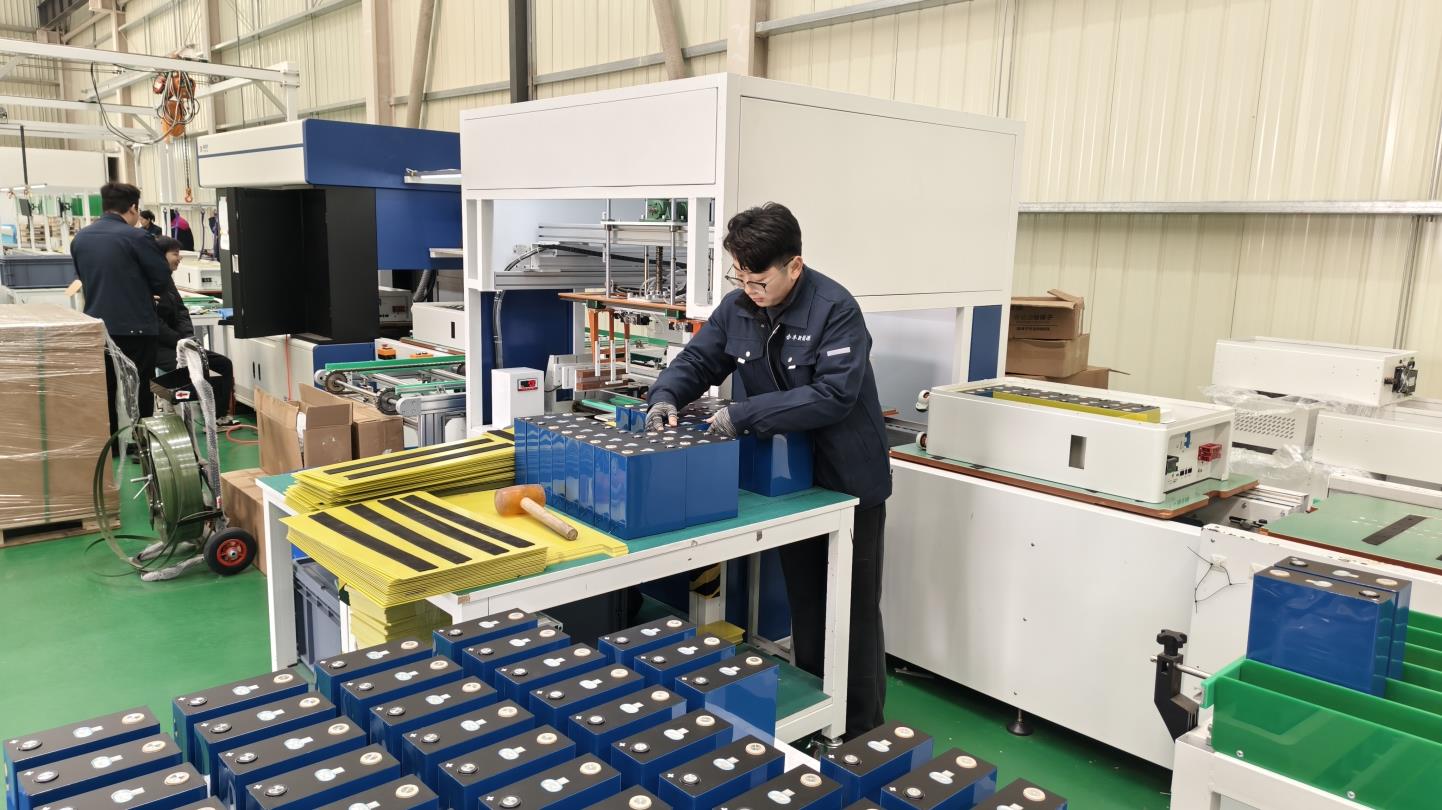
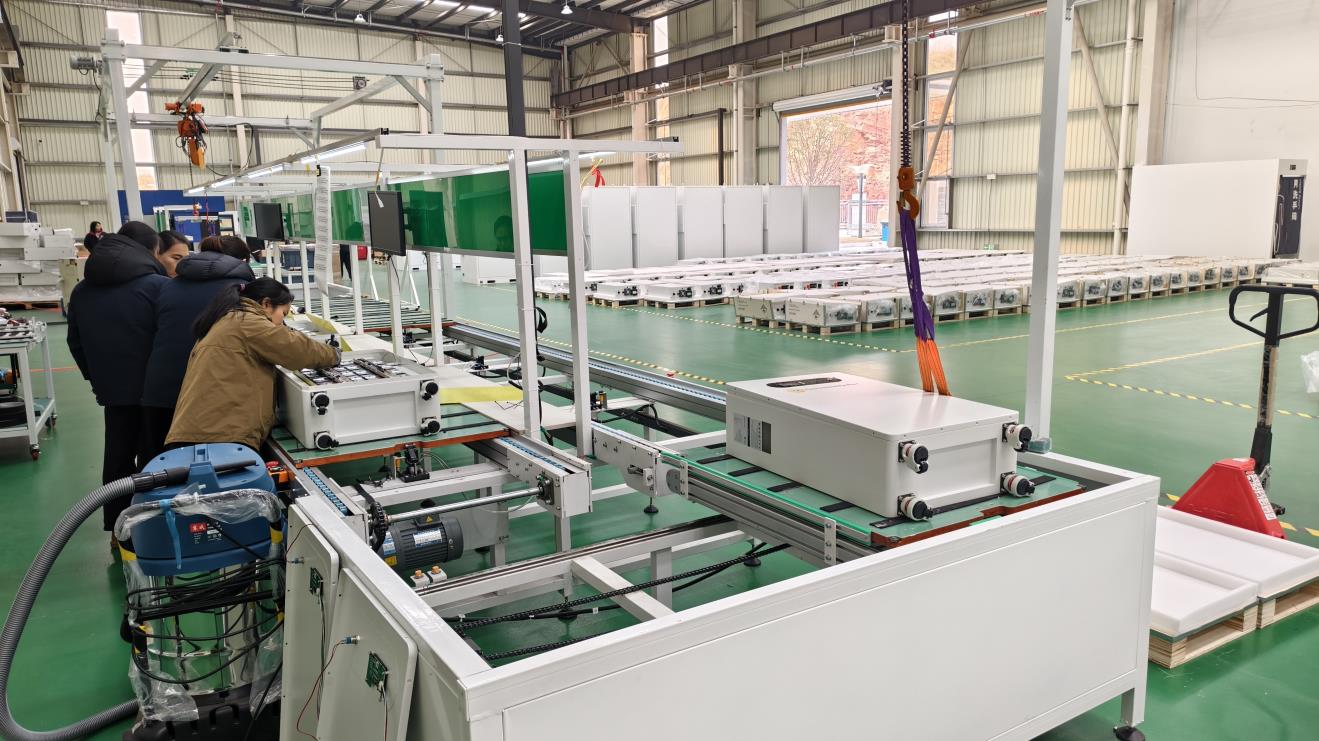
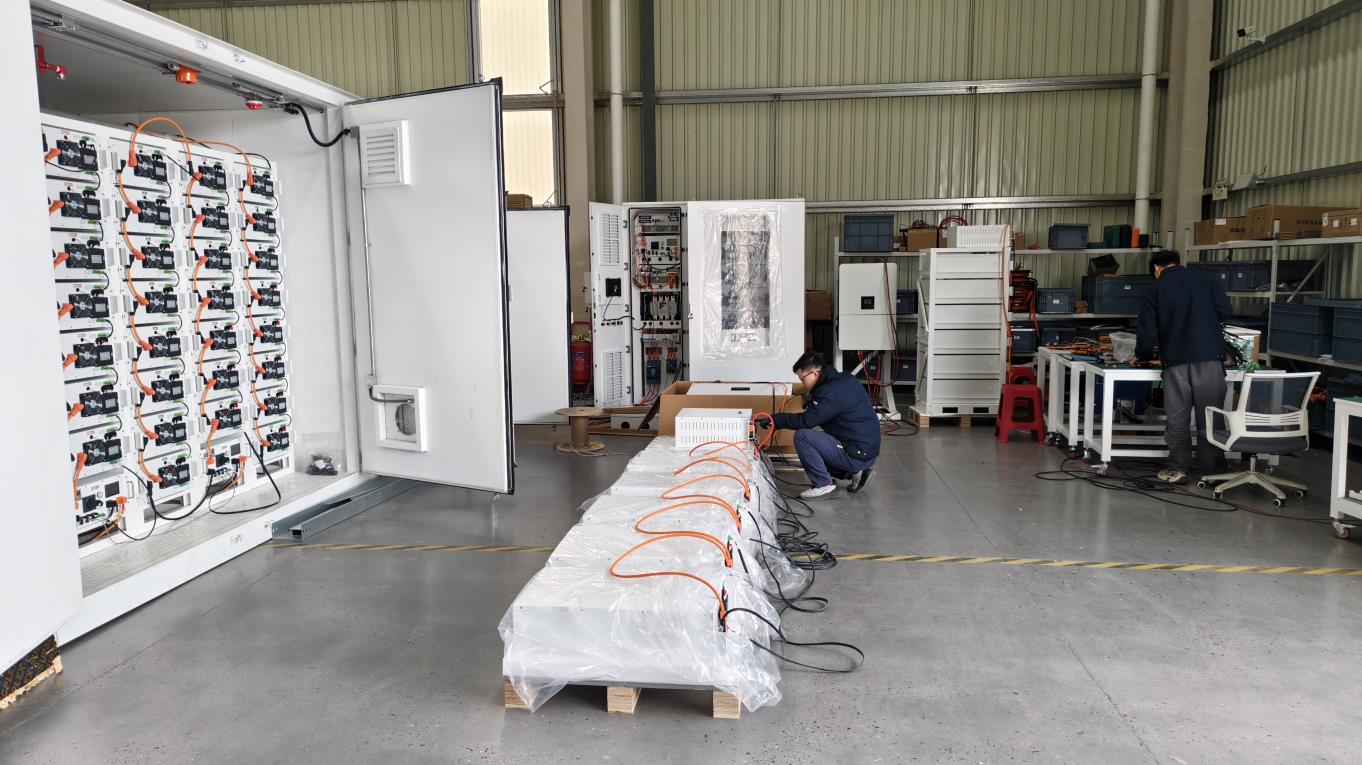
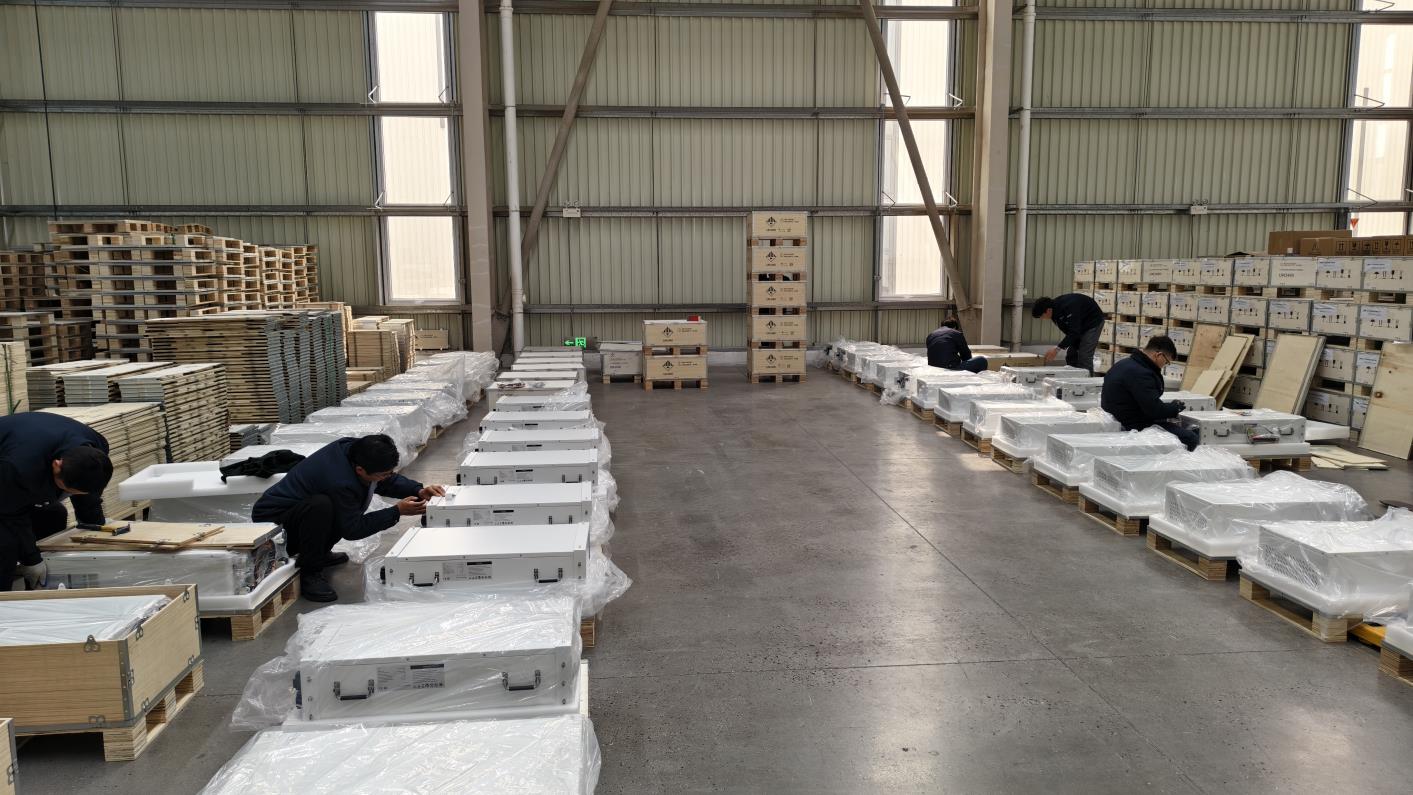
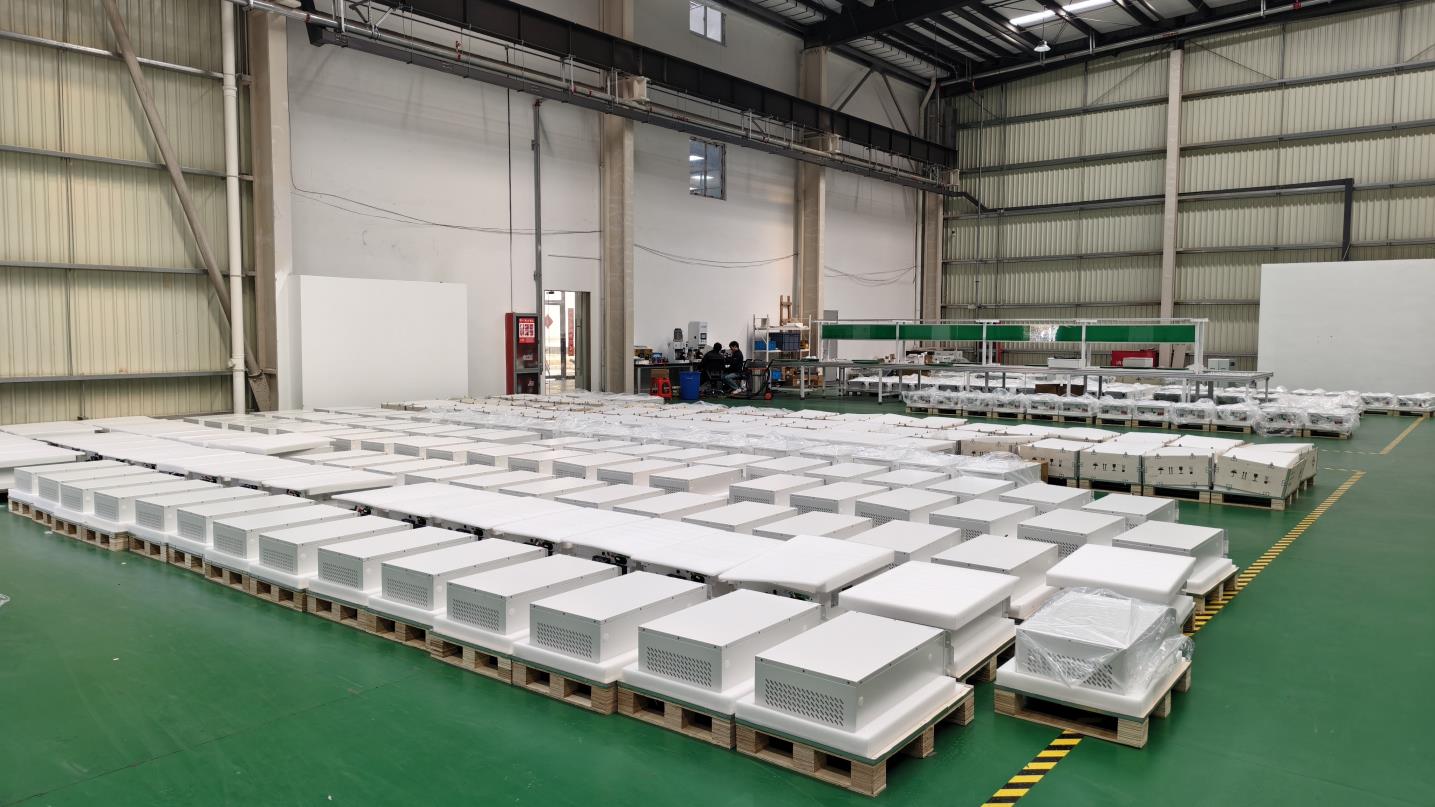
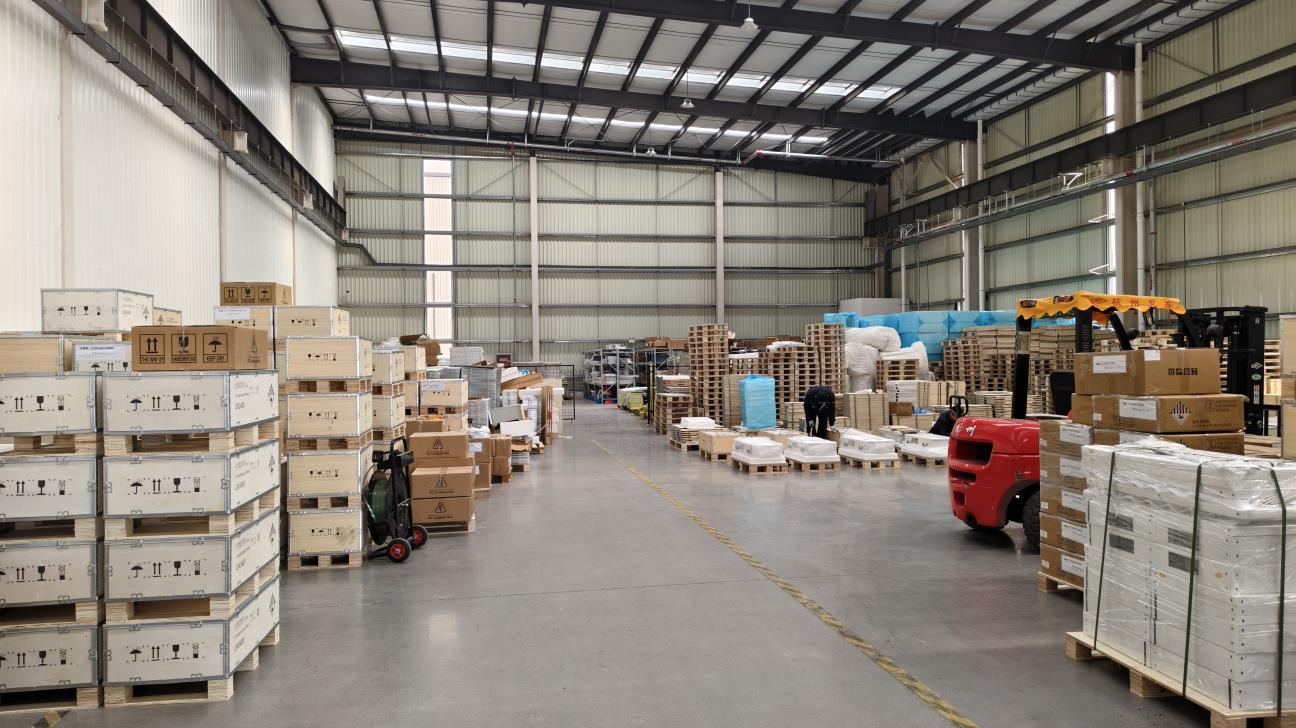
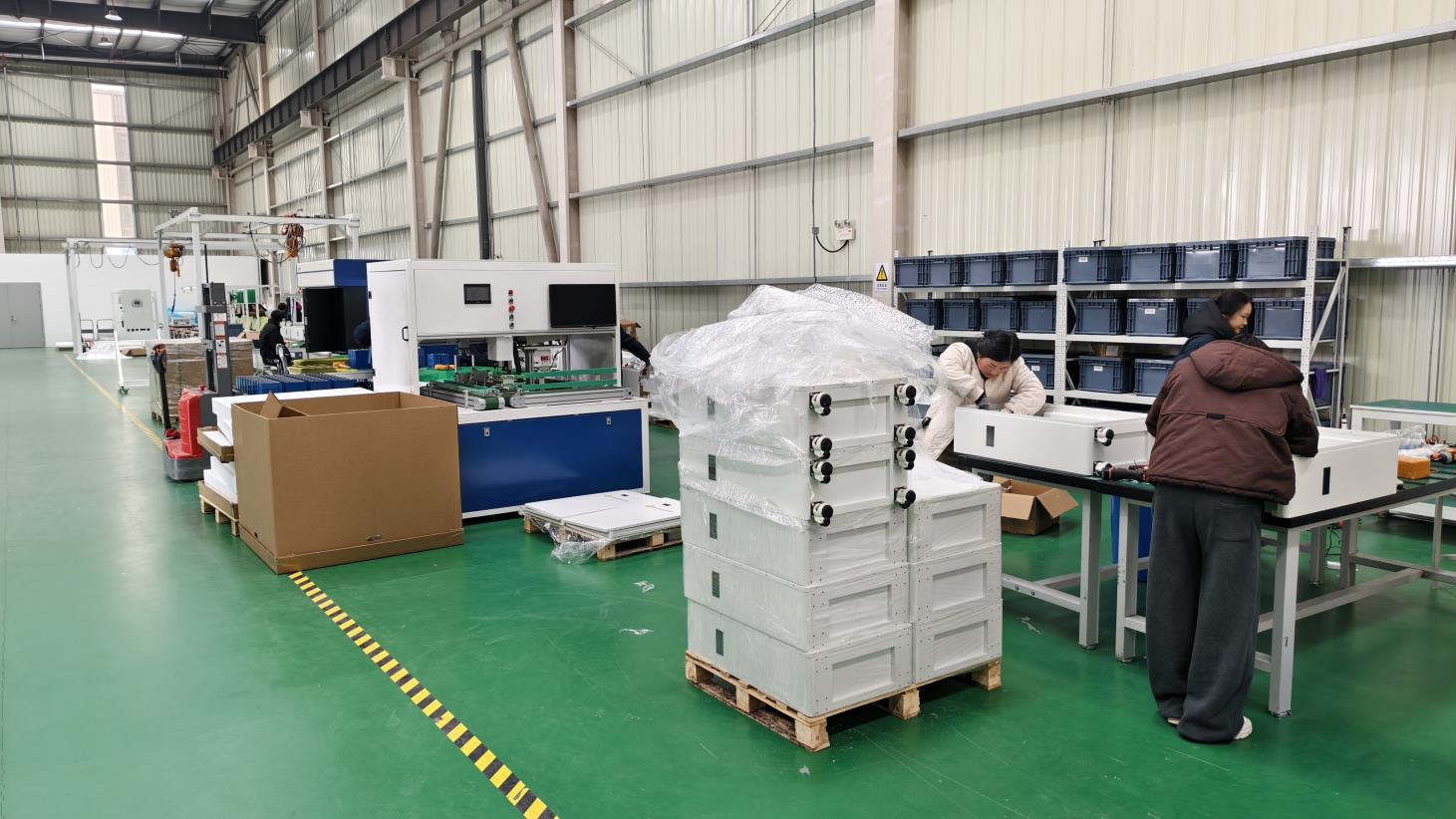
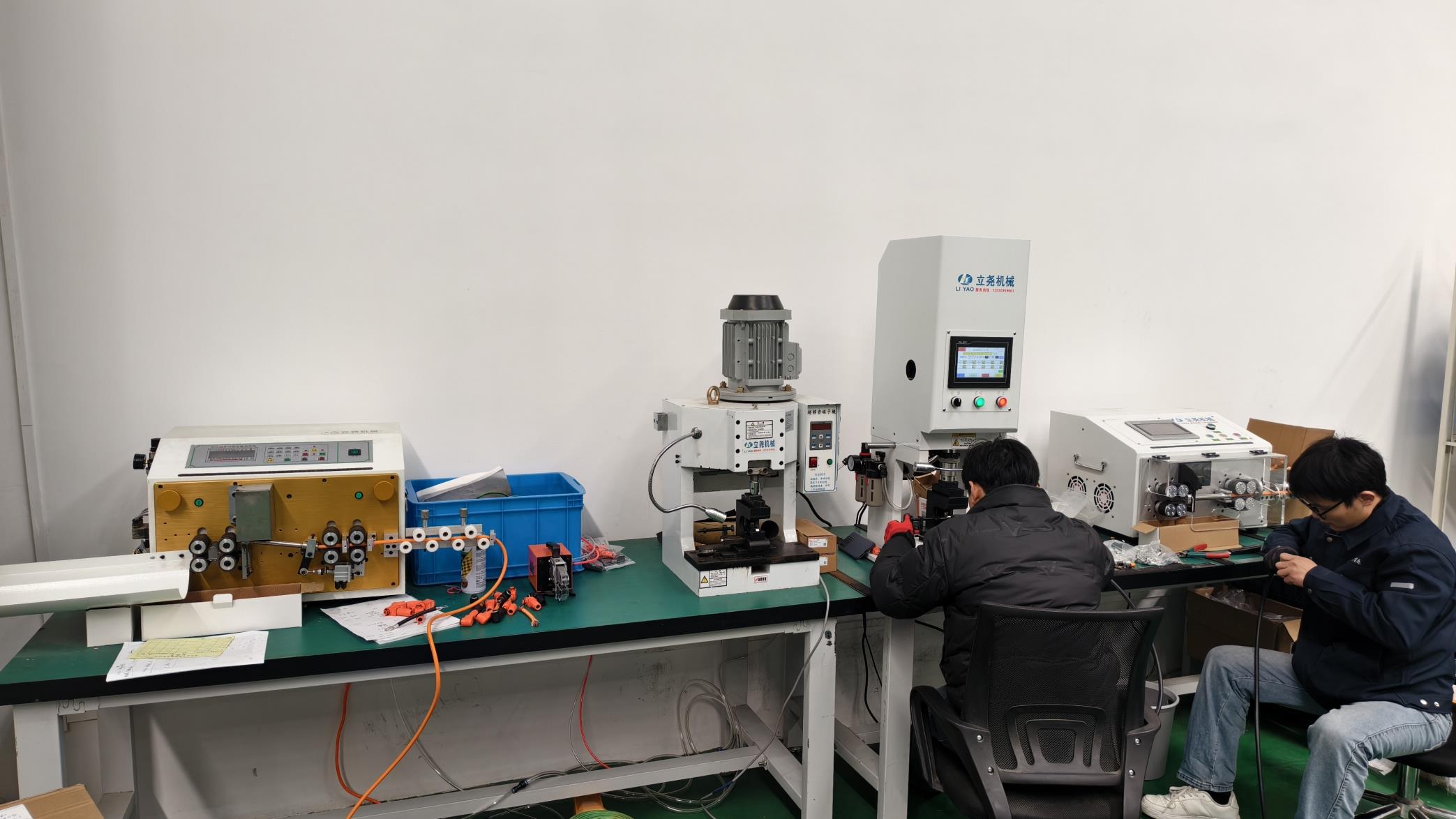
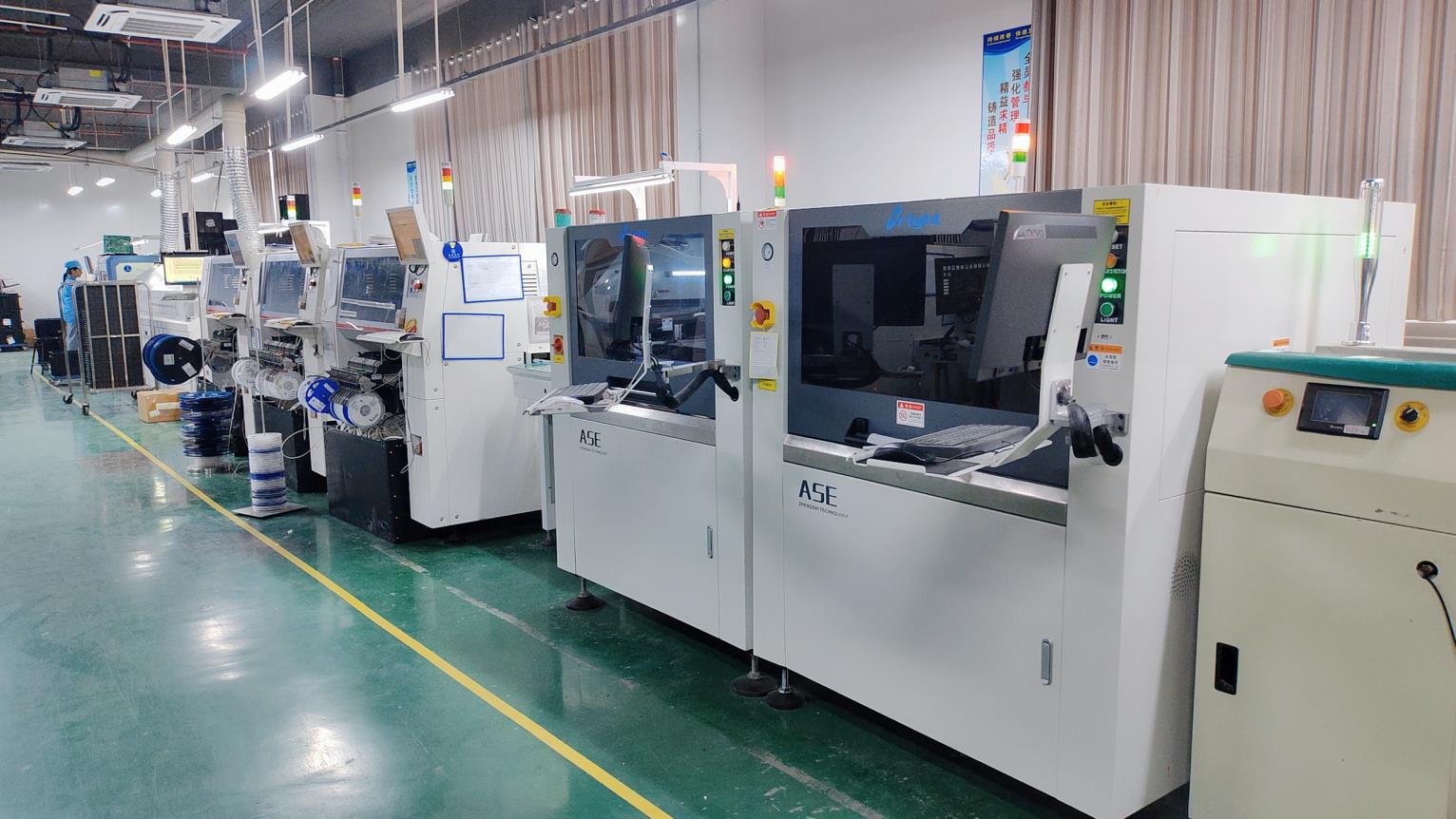
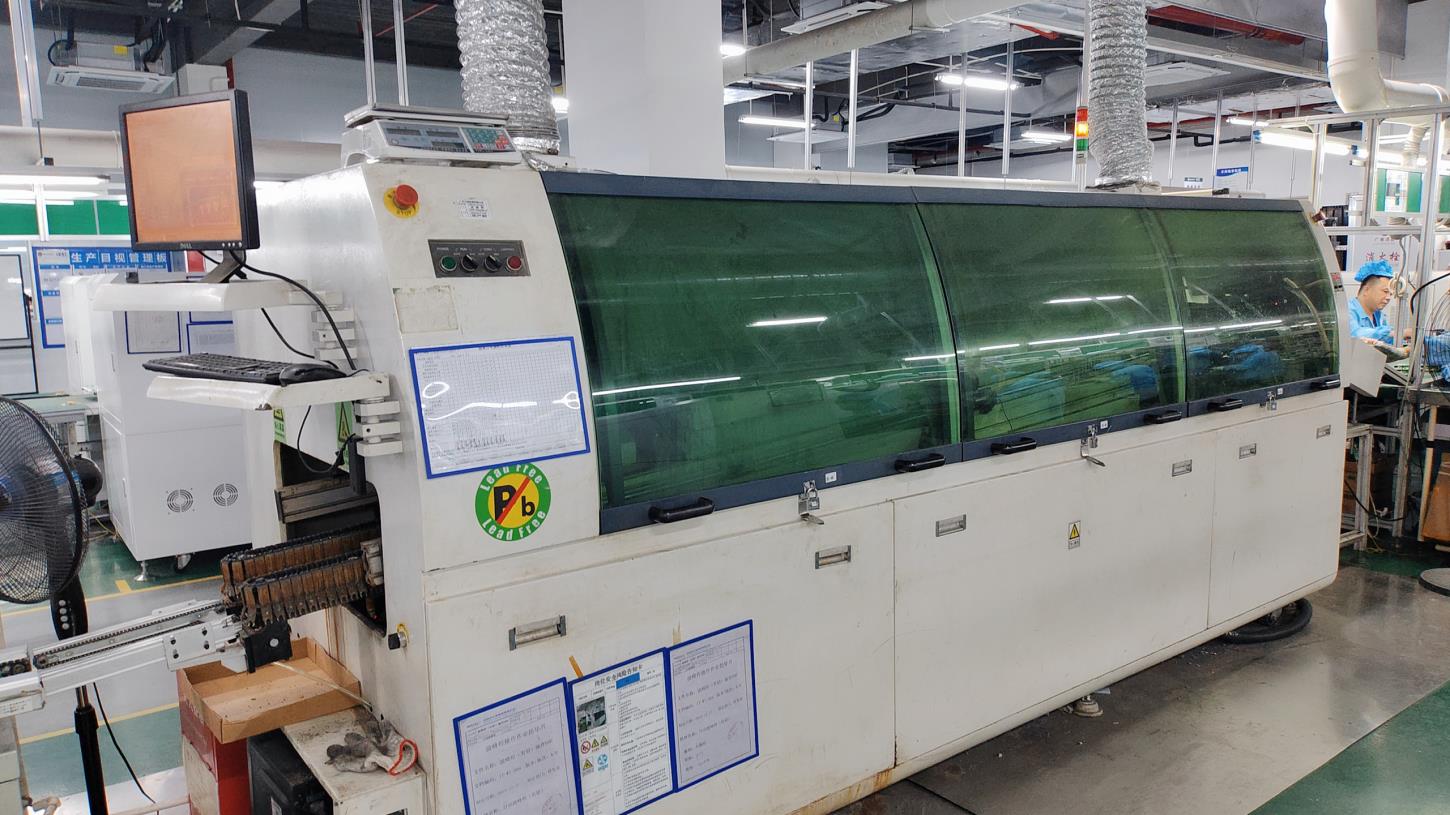
The efficiency of Chinese solar cleaning equipment exporters is not merely built on cost reduction, but on rapid hardware iteration. The proximity of R&D labs to active component suppliers enables weekly updates to electronic control systems, SMT line optimization, and mechanical modifications. In our state-of-the-art facilities, automated production flows, wave soldering machines, and rigorous high-voltage insulation testing guarantee that every cleaning product or integrated energy component is constructed for long-term outdoor survival.
| Comparison Metric | Chinese Exporter Standards (e.g. Aryam Energy) | Western OEM Brands | Manual / Local Methods |
|---|---|---|---|
| Manufacturing Lead Time | 2 - 4 Weeks (Highly adaptable supply chain) | 8 - 12 Weeks | N/A (Inconsistent) |
| Battery Pack Integration | High-capacity LiFePO4 / Li-Polymer (Proprietary tech) | Standard Li-ion (Outsourced) | Manual (No electrical parts) |
| Material Quality | Aircraft-grade Aluminum / High-modulus Carbon Fiber | Standard Carbon Fiber / Steel alloy | Plastic / Heavy glass fiber |
| Customization Capabilities | OEM/ODM specific brush length, voltage, and mount | Rigid product catalogs | None |
| Average Cost Metric | Optimal (Factory-direct cost structure) | Premium (High overhead markup) | Low CapEx / Extremely High OpEx |
There is no one-size-fits-all solution for photovoltaic system cleaning. The optimal cleaning equipment must be chosen based on the site's geography, scale, water access, and specific installation style.
These arrays face fine, high-adhesion silica dust. Waterless, autonomous crawler robots utilizing high-frequency spiral micro-fiber brushes are the primary solution, ensuring daily cleaning cycles without wasting water.
C&I rooftop arrays often feature varied tilts, obstacles, and weight limitations. Lightweight, hand-operated telescopic carbon fiber poles with water-fed rotating brushes provide a safe, agile, and cost-effective approach.
Agri-PV modules are mounted high off the ground to allow crops or livestock underneath. Specialized high-reach vehicle-mounted mechanical arm brushes are utilized to clean overhead panels quickly without disrupting farming operations.
The solar cleaning industry is moving rapidly toward automation, digitalization, and eco-friendly technologies. We identify three macro trends shaping the procurement choices of utility developers and asset managers:
Rather than manual dispatch, next-generation solar parks will employ residential "docking stations" for cleaning robots. Guided by AI predictive algorithms that assess local weather forecasting and real-time string monitoring data, these robots will launch autonomously only when the exact ROI of the cleaning cycle offsets the battery wear, minimizing intervention.
With water scarcity escalating globally, wet cleaning is being restricted by local environmental regulations. New specialized electrostatic dust removal bars and dry microfiber spinning systems brush away 99% of loose particulates without a single drop of water, resolving the environmental compliance bottleneck.
Legacy cleaning machines were heavy and risked causing micro-fractures in silicon wafers. The next generation of systems leverages ultra-light carbon fiber frames, distributed tracks to lower surface pressure, and high-efficiency rechargeable lithium battery packs, ensuring structural safety for N-type and thin-film modules.
Anhui Aryam Energy Co., Ltd. is a leading provider of advanced renewable energy solutions, dedicated to delivering reliable, efficient, and sustainable power systems for residential, commercial, industrial, and utility-scale applications worldwide. Through continuous innovation and a strong commitment to clean energy development, Aryam Energy has established itself as a trusted partner in the global transition toward a low-carbon future.
The company specializes in the research, development, manufacturing, and integration of solar energy systems, energy storage solutions, hybrid power systems, and intelligent microgrid technologies. Leveraging cutting-edge engineering expertise and strict quality management standards, Aryam Energy provides comprehensive energy solutions tailored to diverse market needs, particularly in regions facing energy shortages, unstable grid infrastructure, or increasing demand for sustainable power generation.
With a professional R&D team and a growing portfolio of proprietary technologies, Aryam Energy continuously invests in innovation to enhance system performance, energy efficiency, and long-term reliability. Its products and solutions are designed to meet international standards and have been successfully deployed across Asia, Africa, the Middle East, Europe, and Latin America, serving customers in more than 100 countries and regions.
Purchasing professional-grade solar panel cleaning equipment from China requires checking crucial structural parameters. To ensure longevity and safety of your solar assets, verify these technical specifications:
 Aryam Energy