Decarbonizing Low-Altitude Aviation: Next-Gen Solar UAV Integration, Industrial Clean Energy Storage & Balancing Systems by Aryam Energy
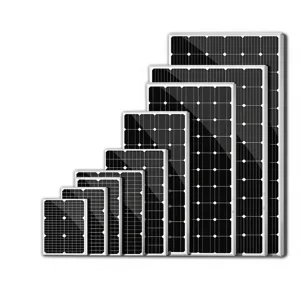
Explore our core infrastructure components engineered to support solar UAV ground operations, remote telemetry systems, and off-grid microgrids.
The intersection of unmanned aviation and photovoltaic technology has catalyzed a paradigm shift in aerial operations. Solar drones, traditionally classified under High-Altitude Pseudo-Satellites (HAPS) or long-endurance low-altitude surveillance assets, represent the vanguard of sustainable commercial aviation. By converting solar irradiance directly into electrical propulsion and payload energy during flight, these platforms overcome the critical threshold constraints of legacy lithium-polymer batteries and internal combustion systems.
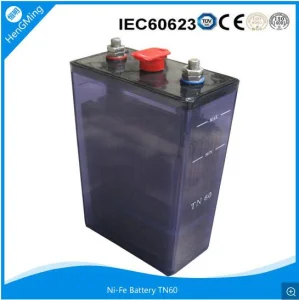
Currently, the industrial demand for continuous flight profiles—ranging from multi-day border patrols to permanent agricultural monitoring and disaster-recovery communications—is surging. Unlike conventional drones that require frequent landing and battery swaps, solar-powered systems harness solar energy through surface-integrated, flexible photovoltaic cells. Excess energy harvested during peak daylight hours is stored within optimized battery chemistries, such as ultra-high-density lithium-ion or robust lithium-iron-phosphate (LiFePO4) systems, to power the propulsion arrays through nocturnal phases. This uninterrupted cycle enables continuous multi-day or even multi-week operations.
As a prominent engineering facilitator and manufacturer of balancing systems, Anhui Aryam Energy Co., Ltd. supplies critical power components, highly efficient PV cell frameworks, and custom lithium battery management assemblies to global UAV developers. This supports the end-to-end efficiency required to achieve net-zero flight paths.
Solar-powered UAVs are changing operational possibilities in remote, high-altitude, and grid-isolated environments globally.
Continuous border surveillance demands persistent operational presence. Solar drones can fly along national borders or over vast exclusive economic zones (EEZs) for extended periods without refueling. Carrying lightweight thermal cameras and radar payloads, they scan thousands of square kilometers, providing real-time data feeds to ground command stations via satellite link.
Across massive agricultural zones in regions like South America, North America, and Australia, real-time crop health monitoring is vital. Equipped with multispectral sensors, solar-powered aircraft scan expansive crop fields daily. This provides farmers with direct indicators of moisture levels, nitrogen deficiencies, and pest infestations.
Traditional utility companies monitor power lines and oil pipelines using manned helicopters or short-range multirotors. Solar-powered fixed-wing UAVs present a cost-effective alternative, flying thousands of miles autonomously. The integration of high-resolution mapping systems helps identify grid faults, overgrown vegetation, and structural pipeline threats early.
The next decade of solar-powered flight is defined by advancements in materials science, battery chemistries, and AI-driven navigation. Key focus areas include:
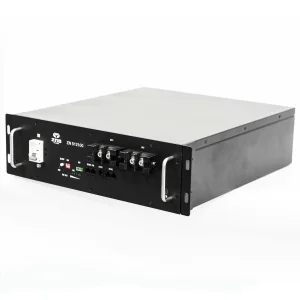
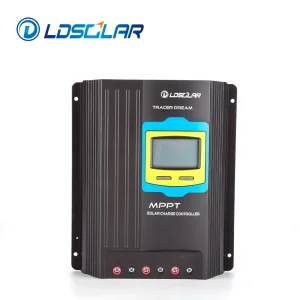
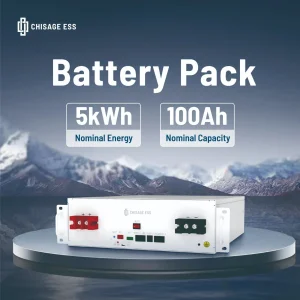
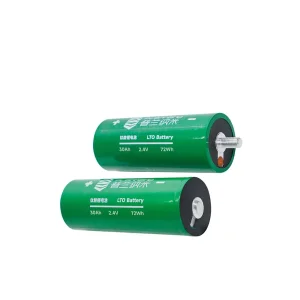
Aryam Energy supports this technological transition by developing high-capacity LiFePO4 battery modules (such as our 51.2V rack-mounted units) and MPPT controllers. These sub-systems are engineered to withstand low pressure and extreme cold in upper atmospheric layers.
China's leadership in the solar UAV supply chain is built on vertically integrated production ecosystems. Manufacturers can source lightweight carbon composites, high-efficiency solar cells, advanced battery management systems (BMS), and precision brushless motors within single industrial clusters. This integration shortens development cycles and reduces logistics costs.
Anhui Aryam Energy Co., Ltd. operates advanced manufacturing facilities designed to meet global quality standards. Below is a closer look at our production workflow and modern infrastructure:
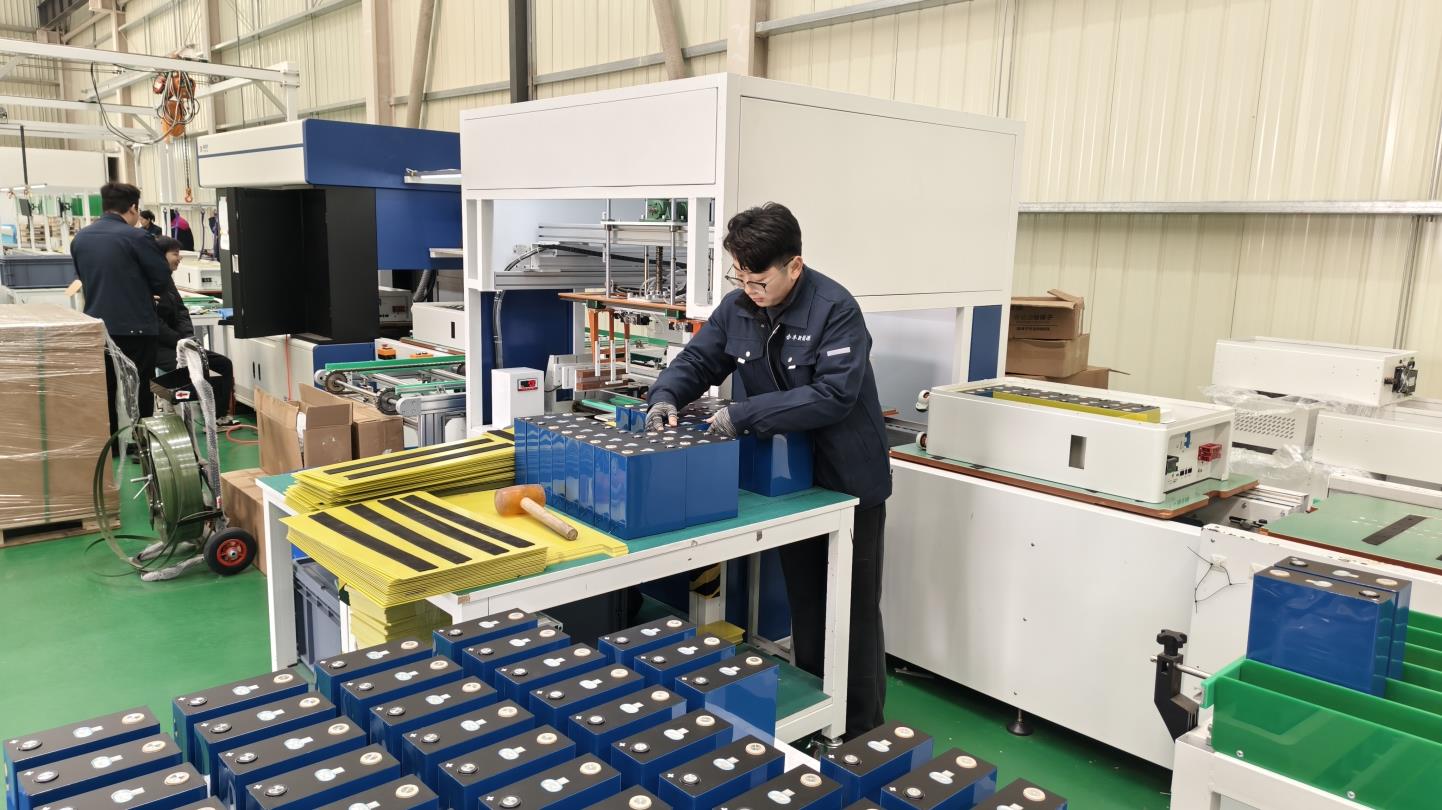
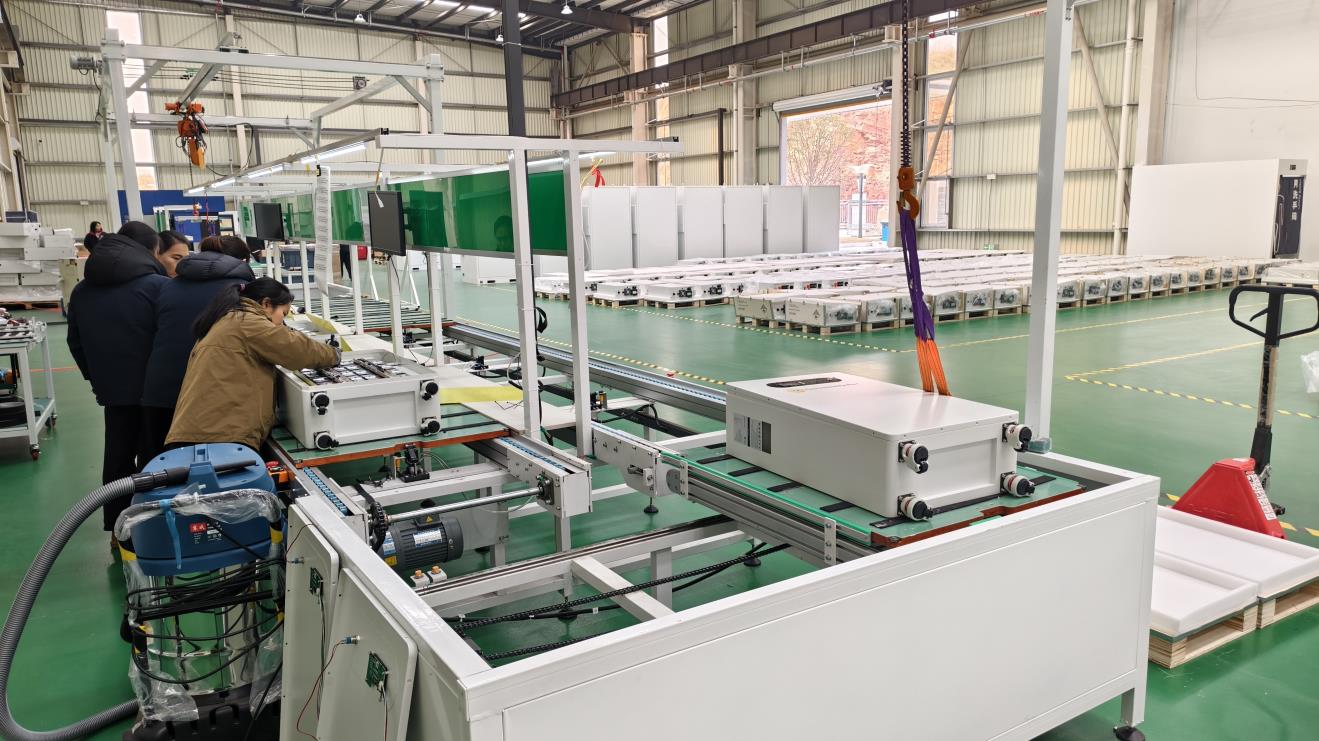
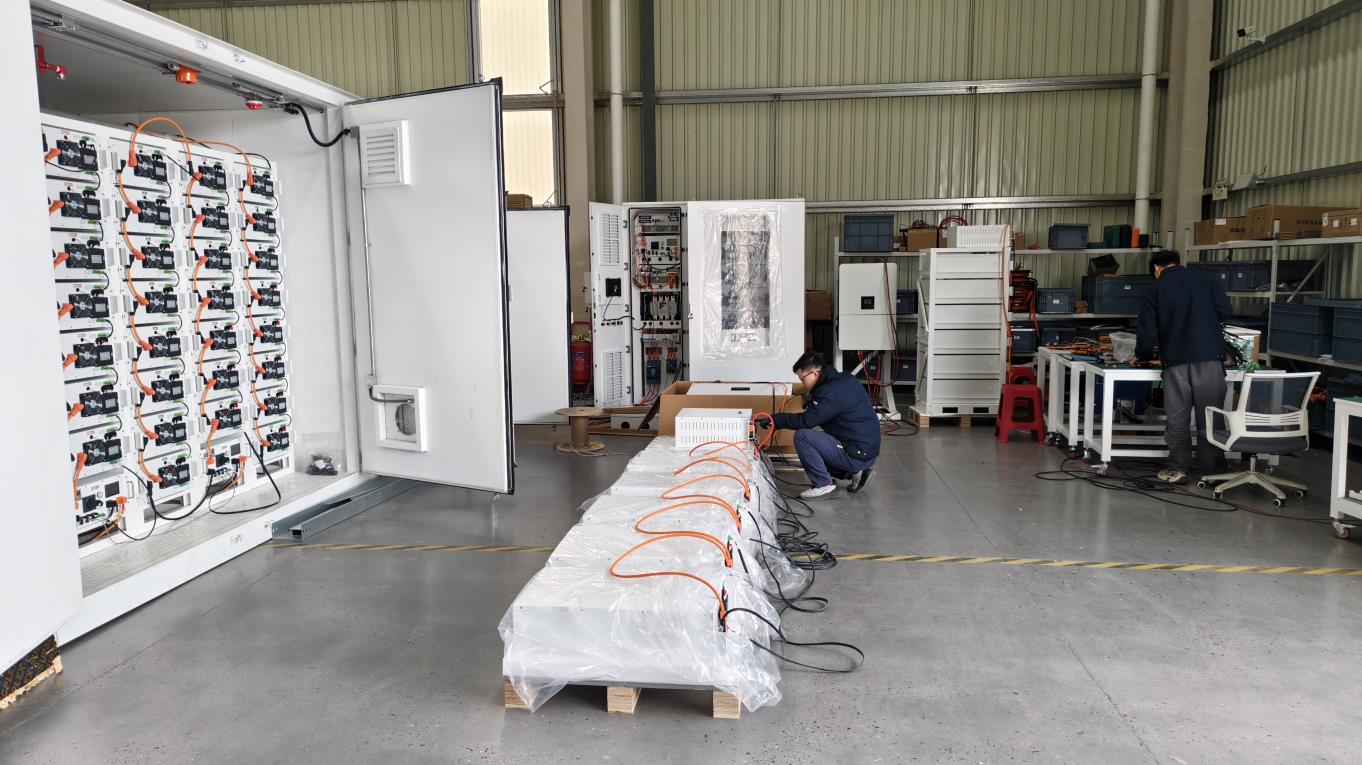
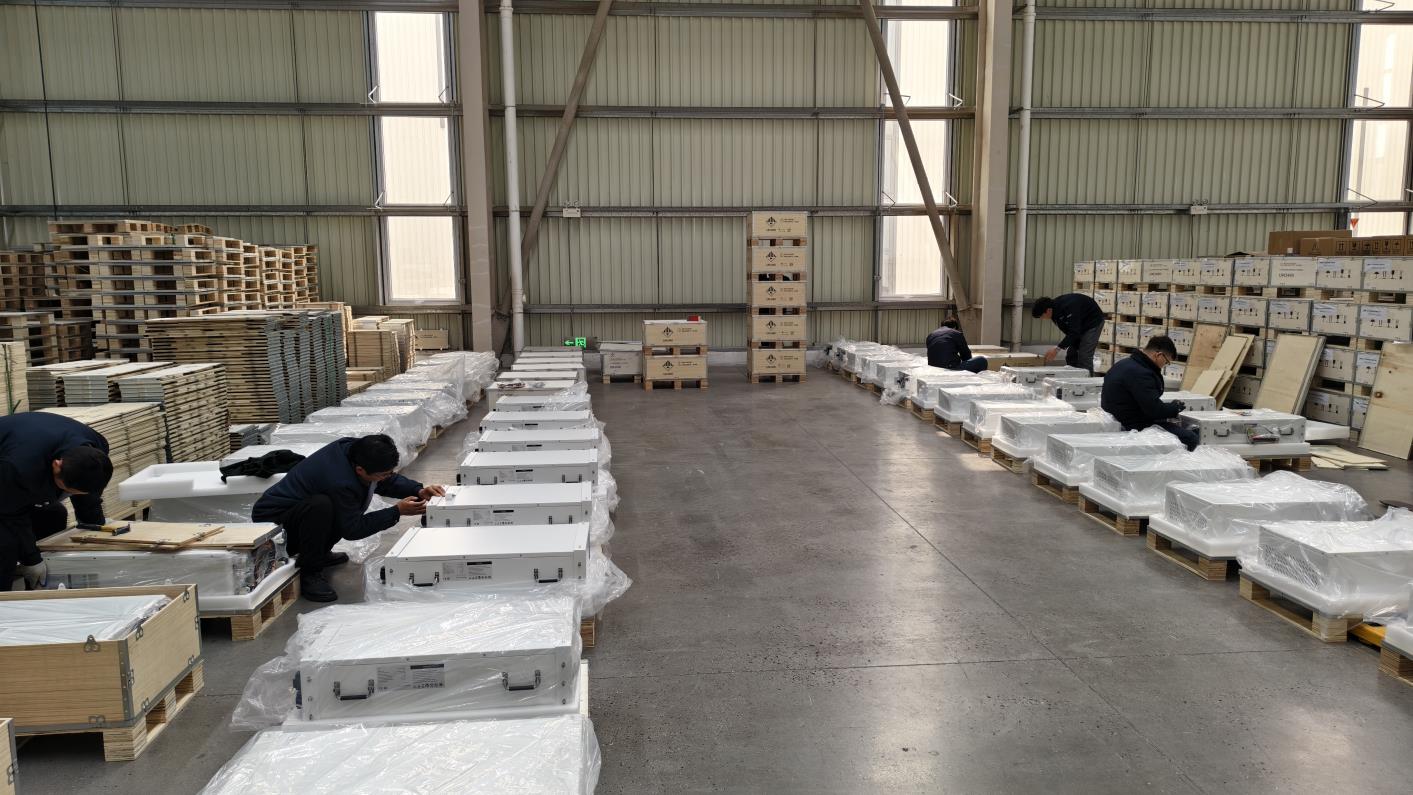
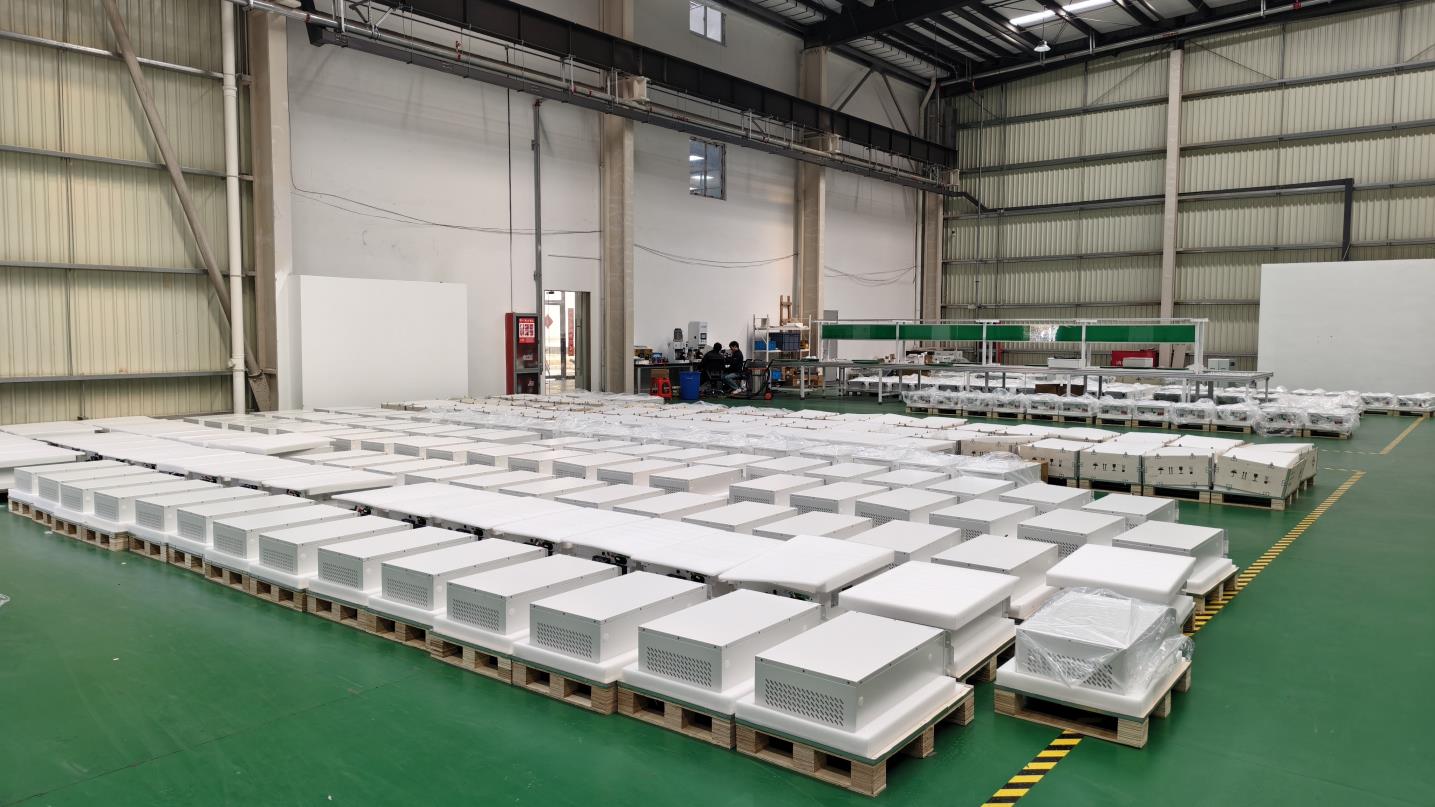
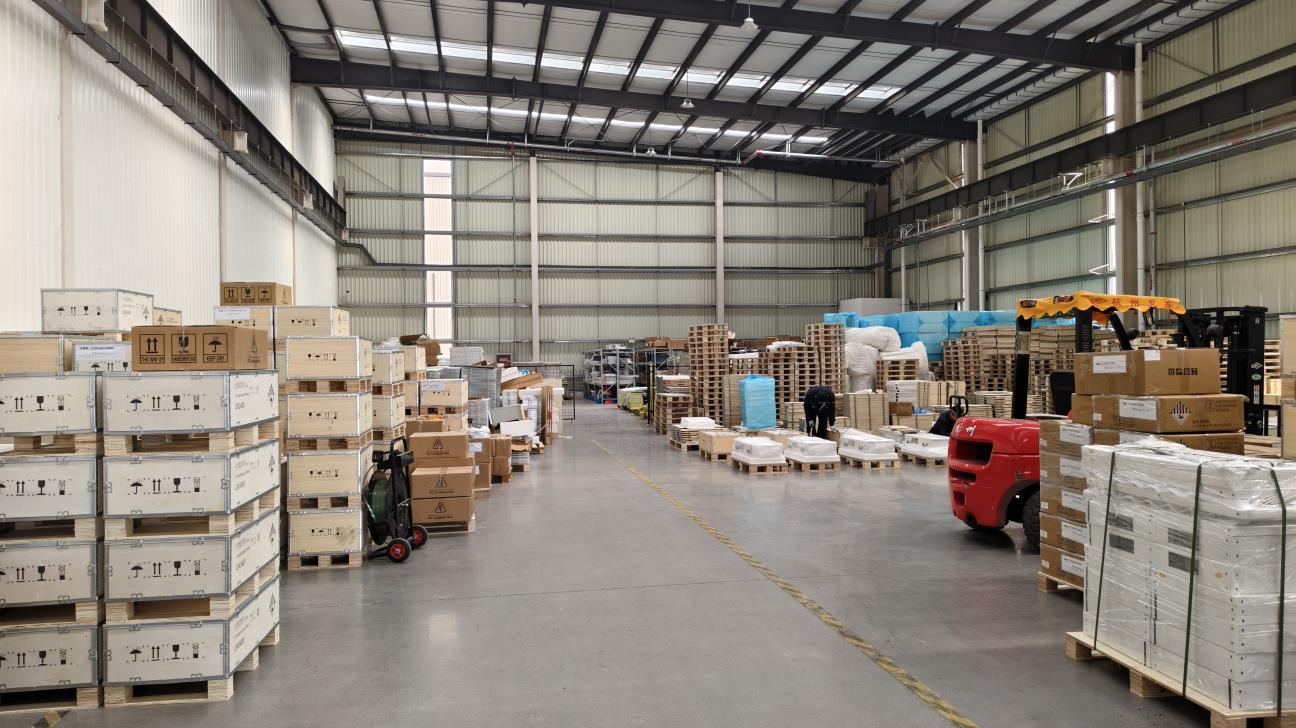
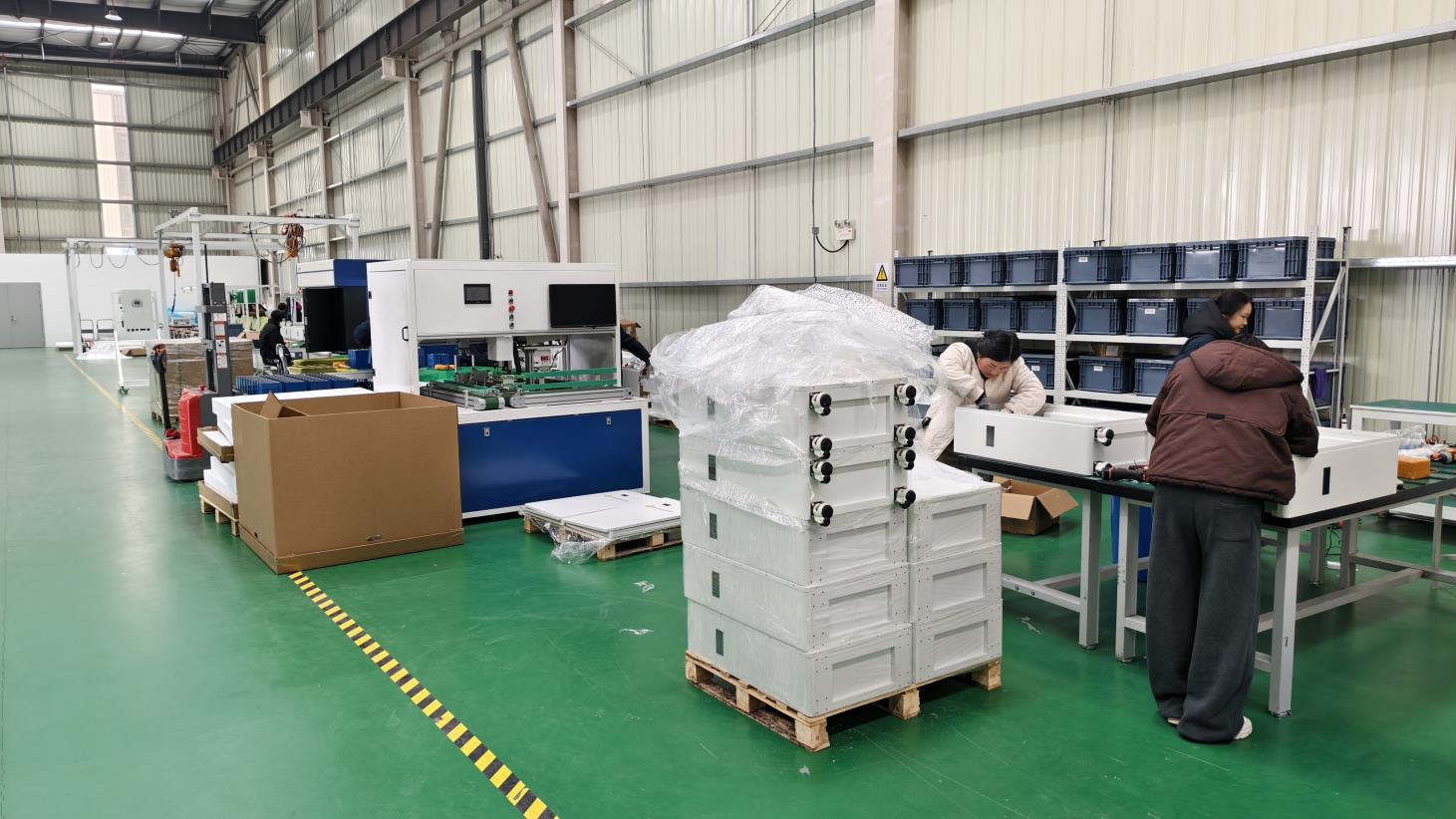
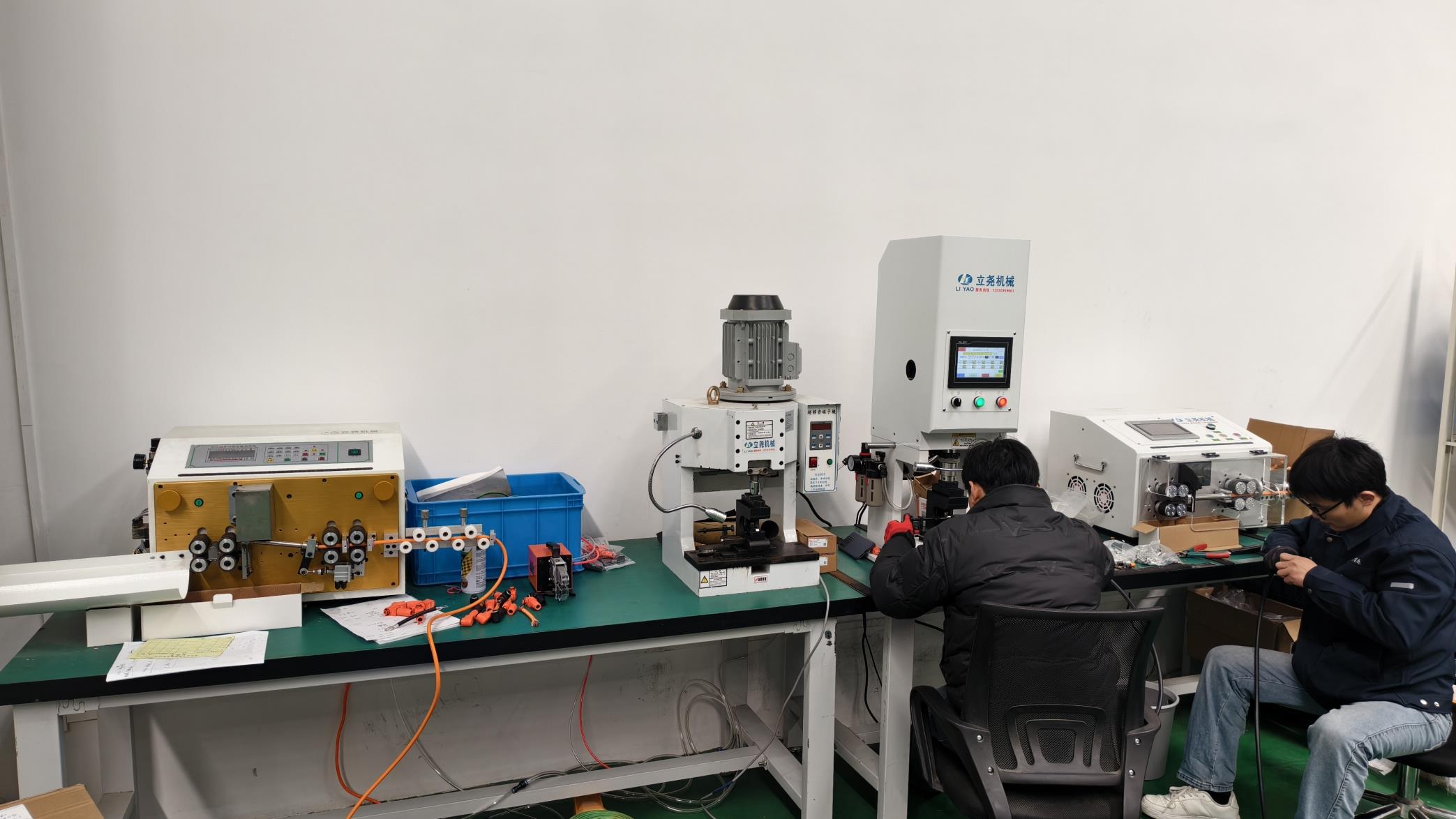
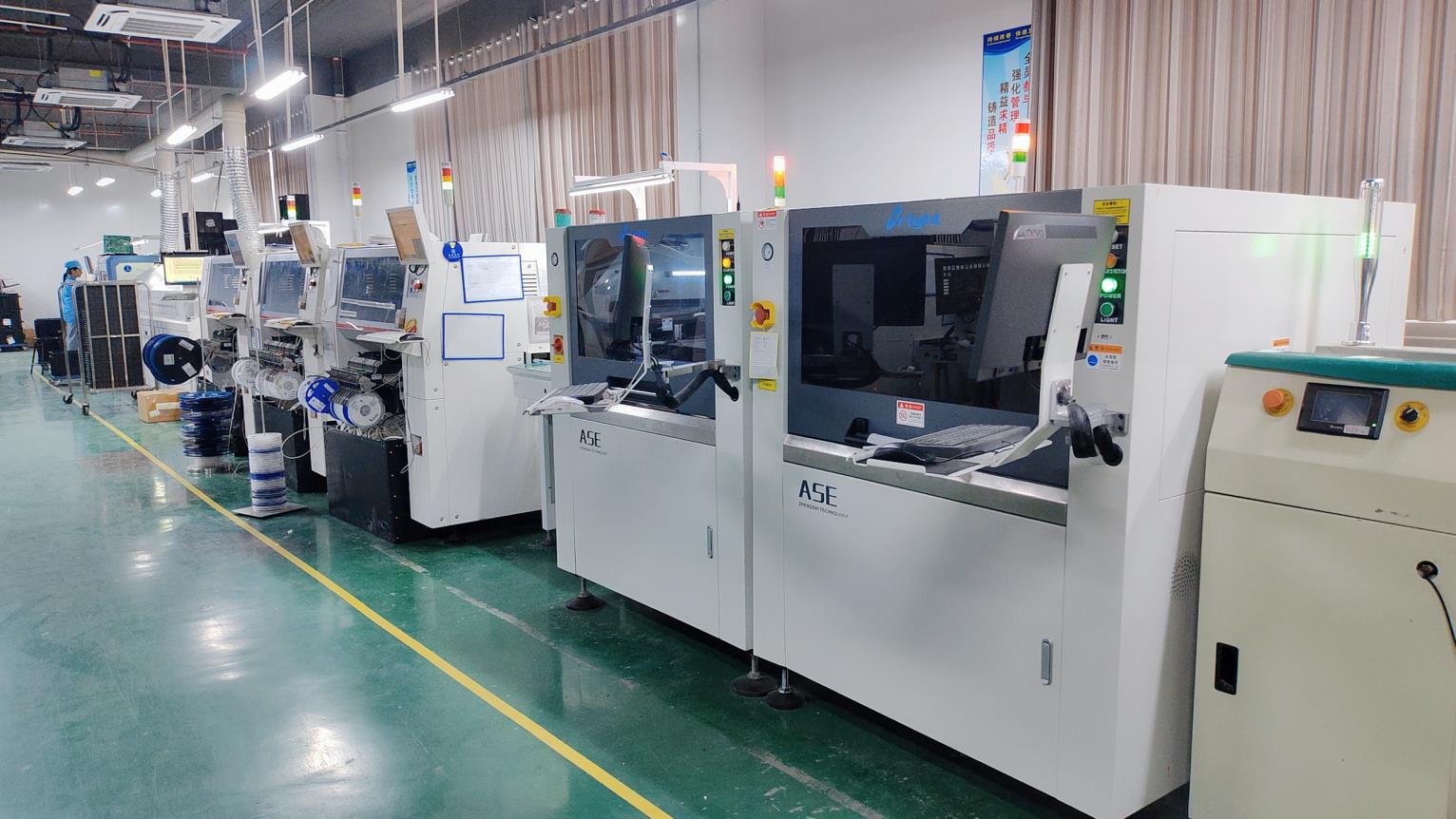
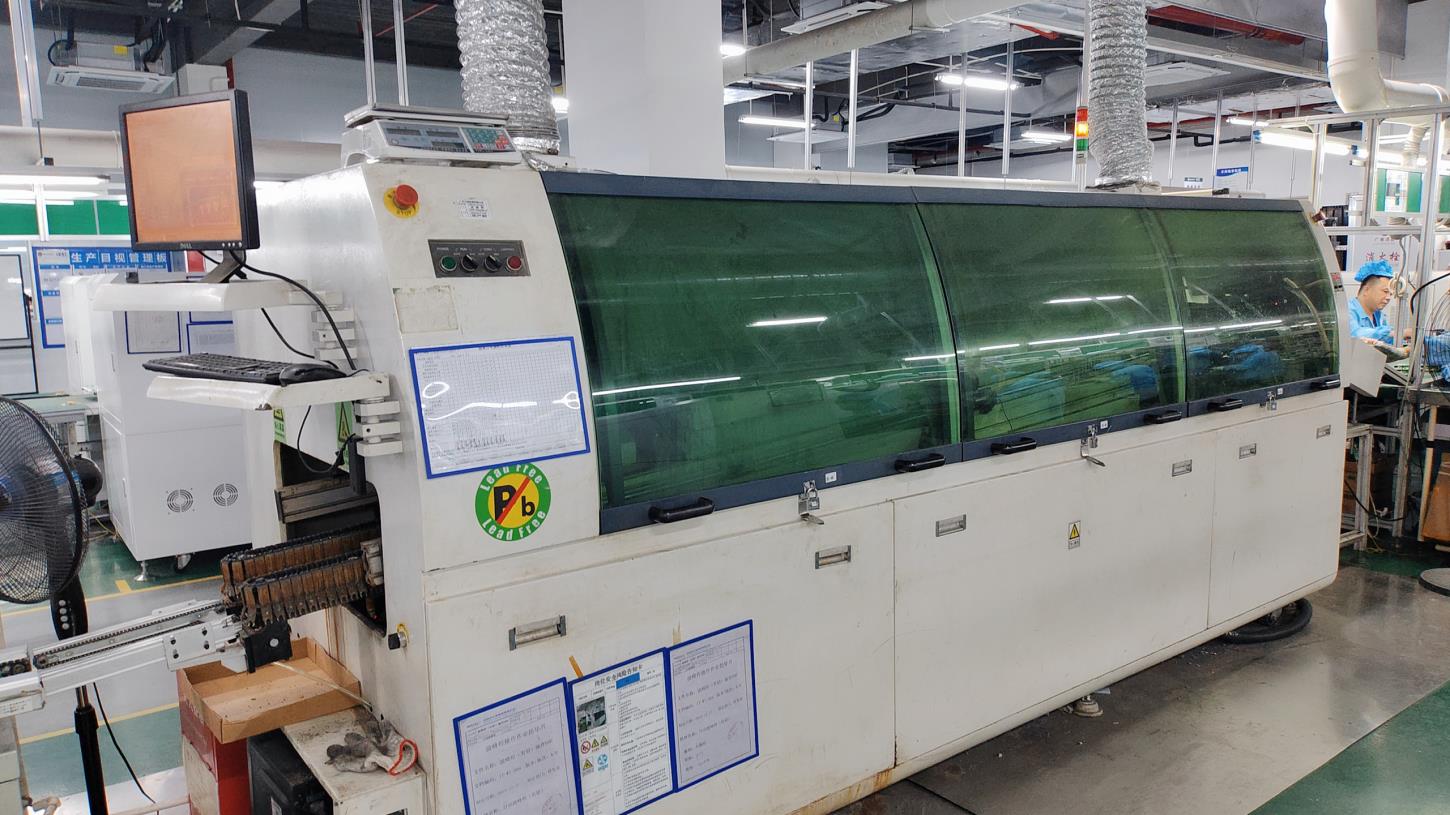
Operating solar UAV systems globally requires compliance with regional civil aviation and environmental standards. We support our customers through strict testing and certifications to ensure seamless deployment.
Our manufacturing processes comply with international safety and quality standards, including CE, UN38.3, and TUV. This guarantees safe handling, transport, and operation of lithium-based energy storage components.
We provide comprehensive technical documentation, remote installation support, and localized maintenance services to help partners optimize their systems and navigate regional compliance requirements smoothly.
Find answers to common questions about solar-powered UAV technology, operational guidelines, and system integration.
Anhui Aryam Energy Co., Ltd. is a leading provider of advanced renewable energy solutions, dedicated to delivering reliable, efficient, and sustainable power systems for residential, commercial, industrial, and utility-scale applications worldwide. Through continuous innovation and a strong commitment to clean energy development, Aryam Energy has established itself as a trusted partner in the global transition toward a low-carbon future.
The company specializes in the research, development, manufacturing, and integration of solar energy systems, energy storage solutions, hybrid power systems, and intelligent microgrid technologies. Leveraging cutting-edge engineering expertise and strict quality management standards, Aryam Energy provides comprehensive energy solutions tailored to diverse market needs, particularly in regions facing energy shortages, unstable grid infrastructure, or increasing demand for sustainable power generation.
With a professional R&D team and a growing portfolio of proprietary technologies, Aryam Energy continuously invests in innovation to enhance system performance, energy efficiency, and long-term reliability. Its products and solutions are designed to meet international standards and have been successfully deployed across Asia, Africa, the Middle East, Europe, and Latin America, serving customers in more than 100 countries and regions.
Aryam Energy's product portfolio includes solar inverters, energy storage systems, hybrid inverters, lithium battery solutions, solar water pumping systems, microgrid systems, and customized renewable energy projects. The company is committed to providing integrated energy solutions that maximize energy independence, reduce operational costs, and support environmental sustainability.
Driven by the vision of becoming a globally recognized clean energy technology leader, Aryam Energy actively collaborates with distributors, EPC contractors, government agencies, international organizations, and development partners to promote renewable energy adoption worldwide. Through its mission of "Empowering Sustainable Energy for a Better Future," the company strives to create long-term value for customers while contributing to global carbon reduction goals and sustainable social development.
By combining technological innovation, product excellence, and customer-centric service, Anhui Aryam Energy Co., Ltd. continues to deliver smart, reliable, and environmentally responsible energy solutions that help build a greener and more sustainable world.
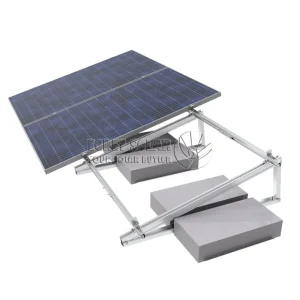
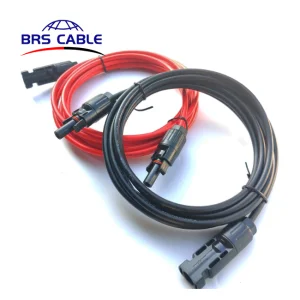
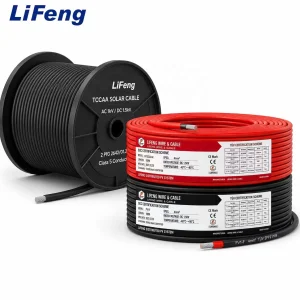
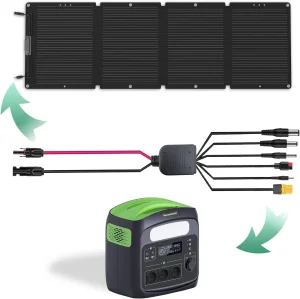
Complete your installations with our range of high-efficiency cables, MPPT charge controllers, mounting systems, and high-capacity storage modules.
 Aryam Energy