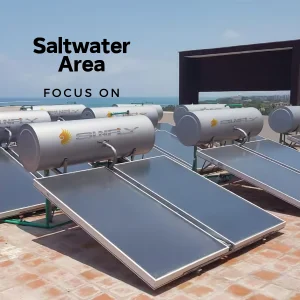
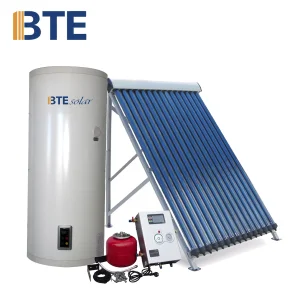
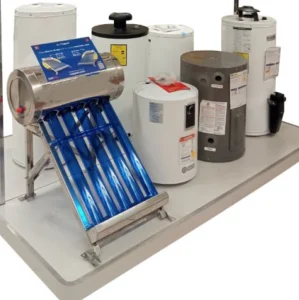
Optimized for low winter temperatures and seasonal radiation profiles, these systems feature advanced freeze protection and optimized absorption coatings to secure maximum efficiency in Central Bohemia and beyond.
As the European Union intensifies its decarbonization targets through the Energy Performance of Buildings Directive (EPBD), the Czech Republic is undergoing a major structural shift in heating utility profiles. Historically reliant on localized gas infrastructure and centralized district heating networks, Czech residential complexes, industrial facilities, and agricultural hubs are transitioning to high-efficiency decentralized thermal solutions.
The Czech Republic is situated in a transitional temperate climate zone (Köppen *Cfb*), defined by hot summers and cold, cloudy winters. Solar radiation levels vary from roughly 950 kWh/m² in northern industrial corridors like Ústí nad Labem, up to 1,200 kWh/m² in southern vineyard regions such as South Moravia (Jihomoravský kraj). Consequently, solar thermal design must accommodate low winter solar elevations, significant snowfall loads, and deep sub-zero ambient temperatures down to -30°C.
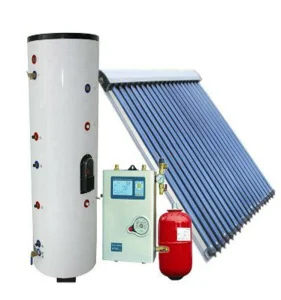
Traditional thermosiphon solar systems with passive fluid movement are susceptible to freezing and rupture under central European winter conditions. Our structural engineering utilizes dual-loop indirect pressurized systems containing non-toxic food-grade propylene glycol heat transfer fluids, safeguarding components against high thermal expansion and crystallization.
The Czech state offers significant capital support schemes to offset renewable investment costs. Programs such as the Nová zelená úsporám (New Green Savings) fund residential solar thermal installations, while the Operational Programme Enterprise and Innovations for Competitiveness (OP PIK / OP TAK) supports industrial boiler refits. The inclusion of energy-efficiency certificates under these frameworks acts as a powerful financial multiplier, providing up to 50% CAPEX rebates for qualified commercial projects.
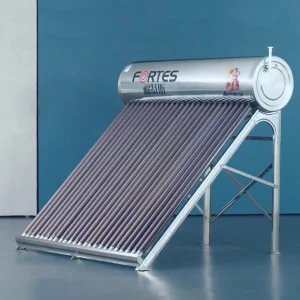
By integrating high-efficiency evacuated tube collectors or flat-plate collector arrays, facility operators can expect payback periods shortened from 8-10 years to under 4.5 years, especially when offsetting high-tariff industrial electrical heating systems.
Understanding the micro-engineering behind thermal absorption layers, heat transfer dynamics, and system integration is crucial for maximizing yield in central Europe. The choice between flat-plate configurations and evacuated tube systems determines a project's winter output stability.
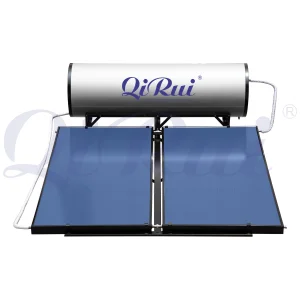
Utilizing high-transmittance tempered solar glass (exceeding 92% optical transmittance) combined with selective blue-sputtered PVD absorption coatings (titanium oxide/silicon oxide). Designed to offer minimal wind resistance and excellent self-cleaning properties during snowmelt seasons. Highly suitable for summer-peak domestic hot water demands in recreational properties, pensions, and residential blocks in Prague and Brno.
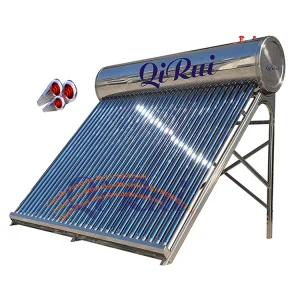
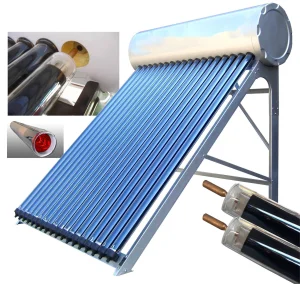
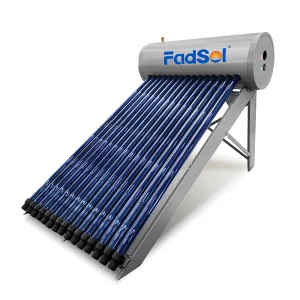
Featuring dual-wall borosilicate glass tubes with vacuum insulation down to 10⁻³ Pa. The low heat-loss coefficient (a₁ < 1.5 W/m²K) guarantees thermal generation even under sub-zero winter temperatures and low-light ambient skies. Copper heat-pipes inside the vacuum tubes isolate the fluid path, preventing total system shutdowns in the rare event of a single-tube fracture.
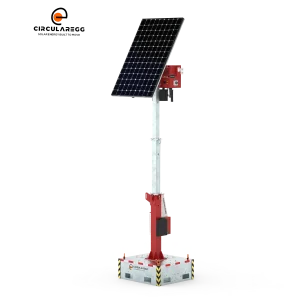
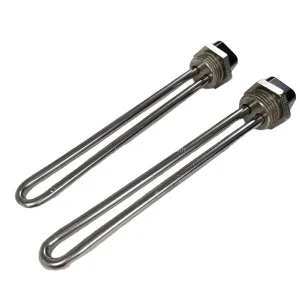
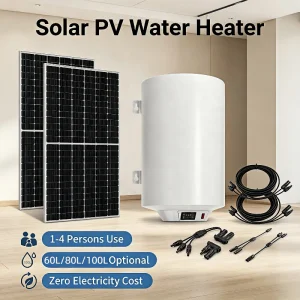
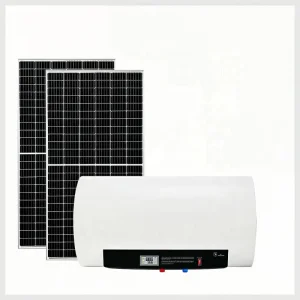
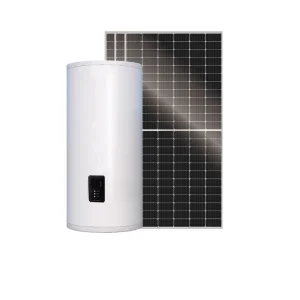
A cutting-edge technological trend matching PV solar arrays directly with high-performance DC heating elements inside insulation tanks. Without complicated fluid loops, pumps, or glycol components, PV-direct configurations offer exceptional reliability, zero stagnation risk, and simplified building authority approvals across Czech municipal zones.
| Performance Parameters | High-efficiency Evacuated Tube System | Selective Coating Flat Plate System | PV-Direct Water Heater (DC) |
|---|---|---|---|
| Average Winter Efficiency (-5°C Ambient) | 52% - 58% (High output under diffused light) | 28% - 35% (Convective losses occur) | 60% - 65% (Stable output, electrical transmission) |
| Stagnation Protection Requirement | High (Requires expansion vessel sizing) | Medium (Requires pressure relief valves) | None (Electronic controllers manage load) |
| Maintenance Interval | Bi-annual fluid check & visual tube inspection | Annual check of anti-freeze fluid pH | Minimal (Digital monitoring, dry heating elements) |
| Nová zelená úsporám Compliance | Compliant (SVT certified list) | Compliant (SVT certified list) | Compliant (Category specific subsidies) |
Explore our specialized range of pressurized systems, compact designs, and scaleable industrial solar water heaters tailored for robust operation in Czech agricultural cooperatives and manufacturing lines.
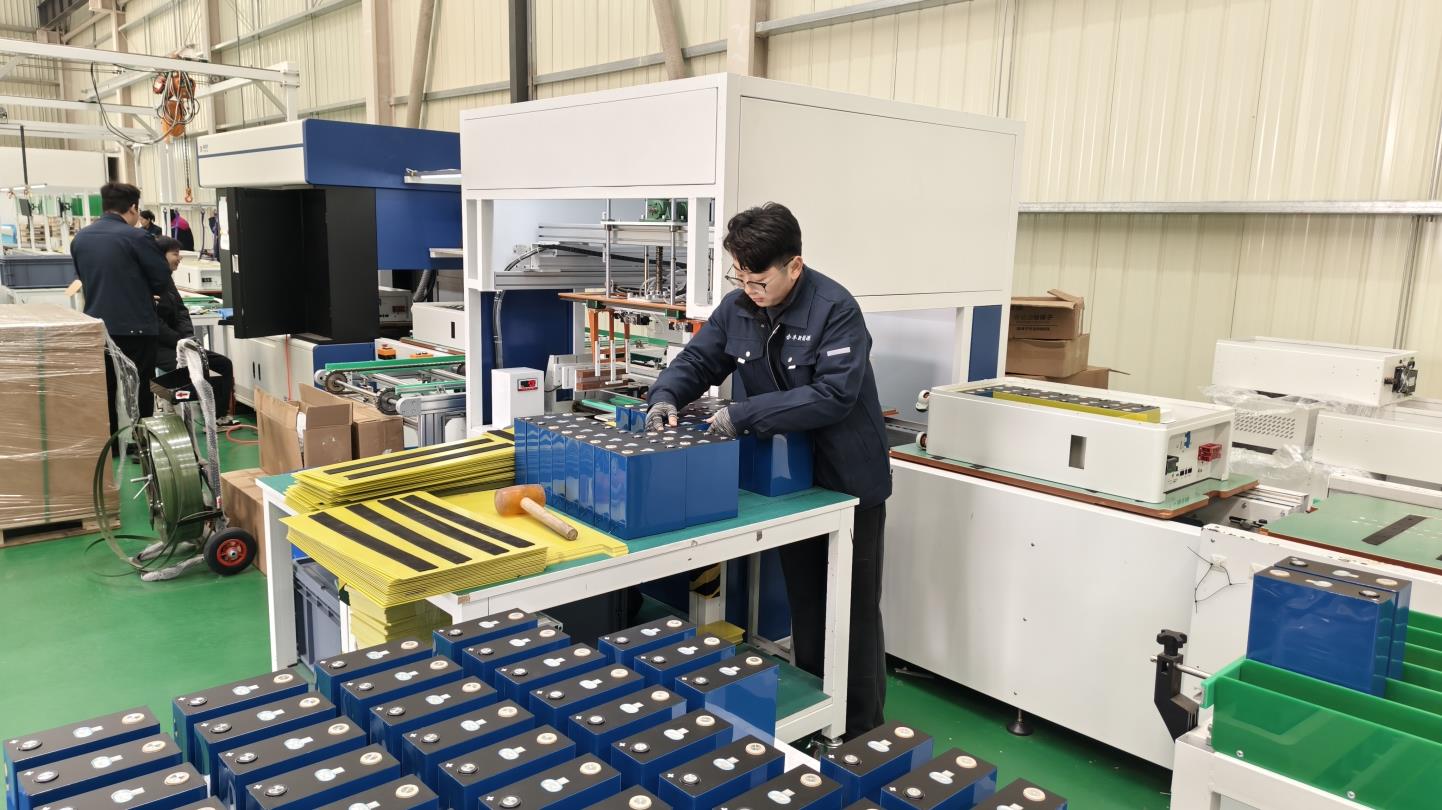
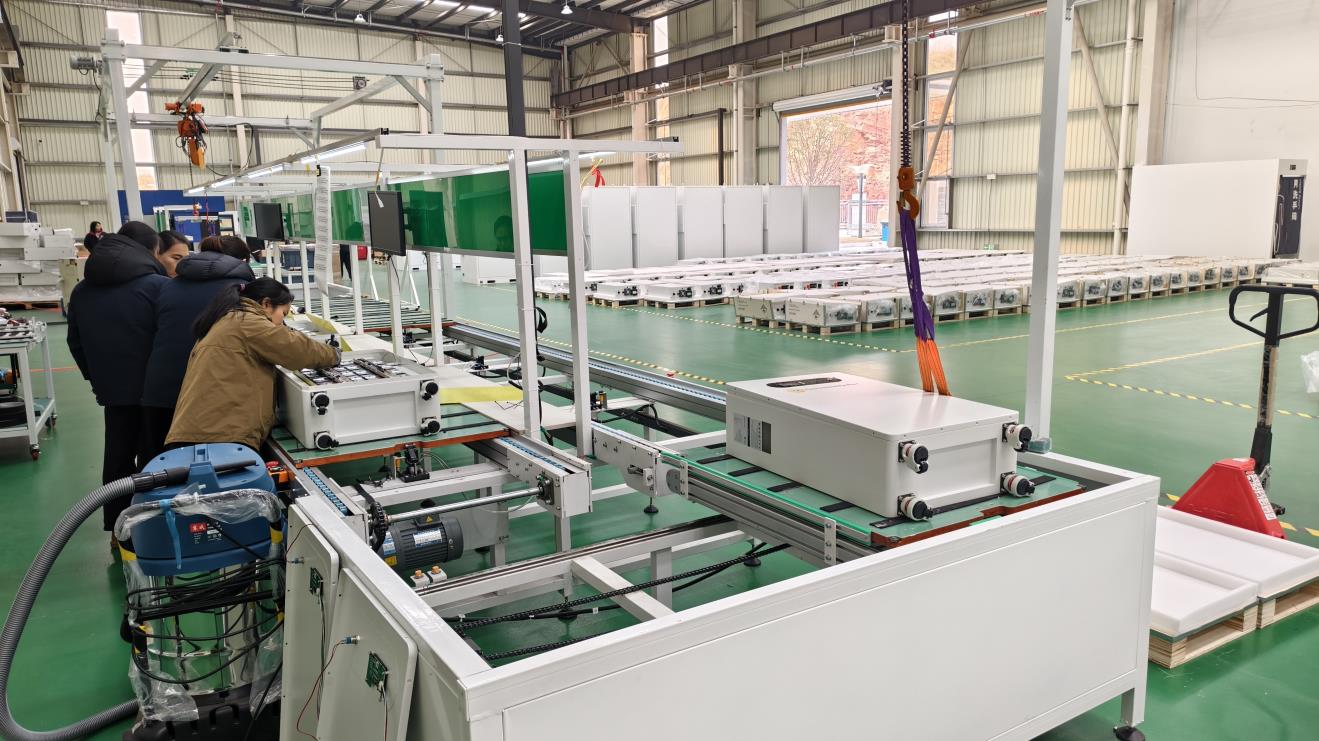
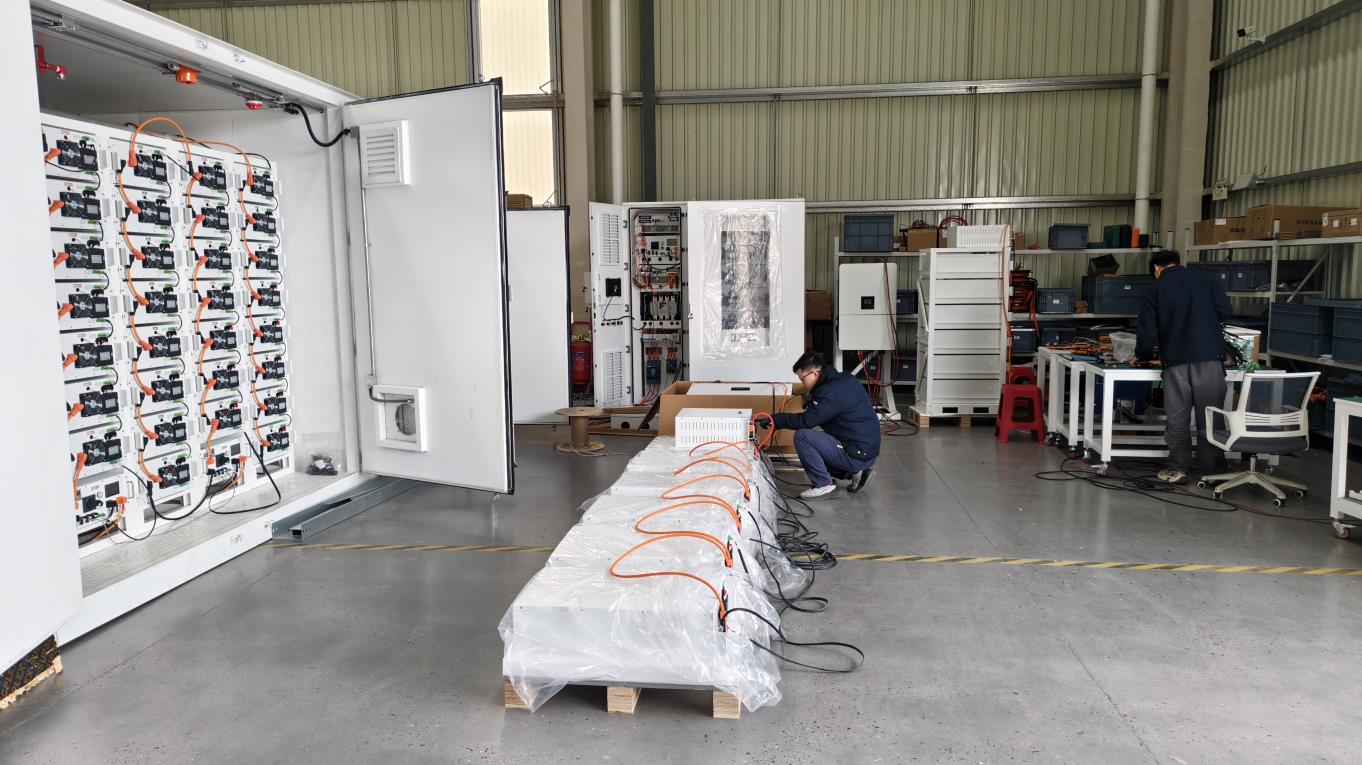
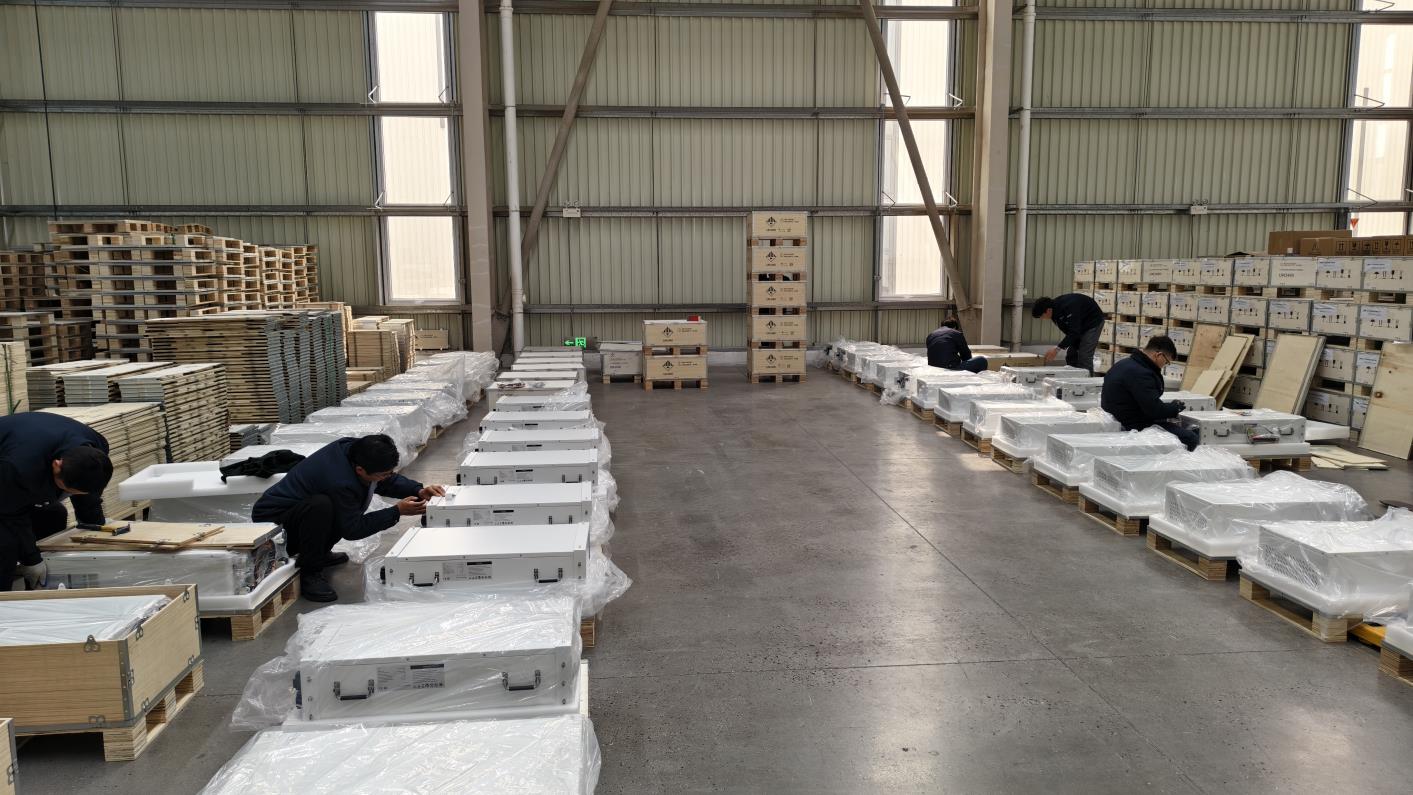
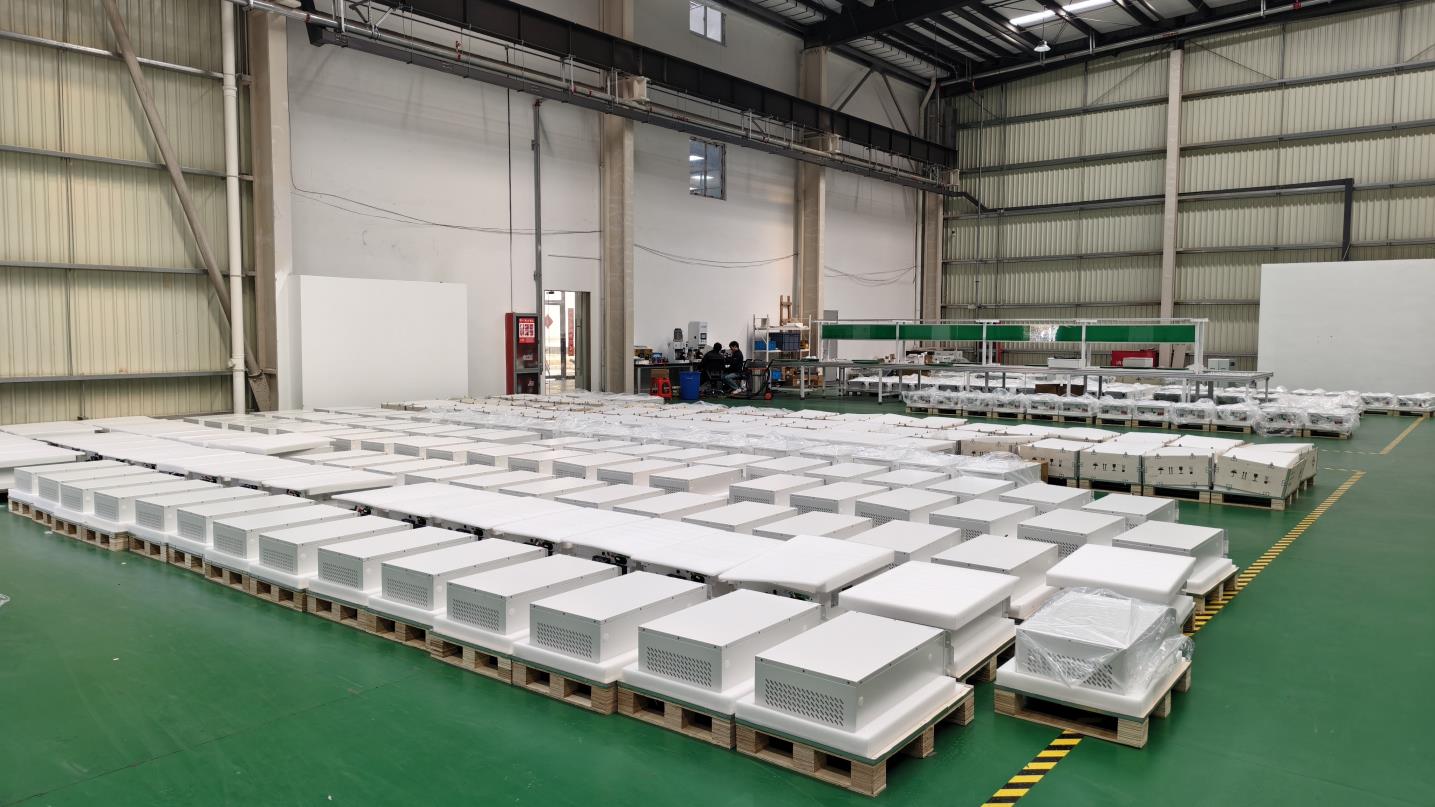
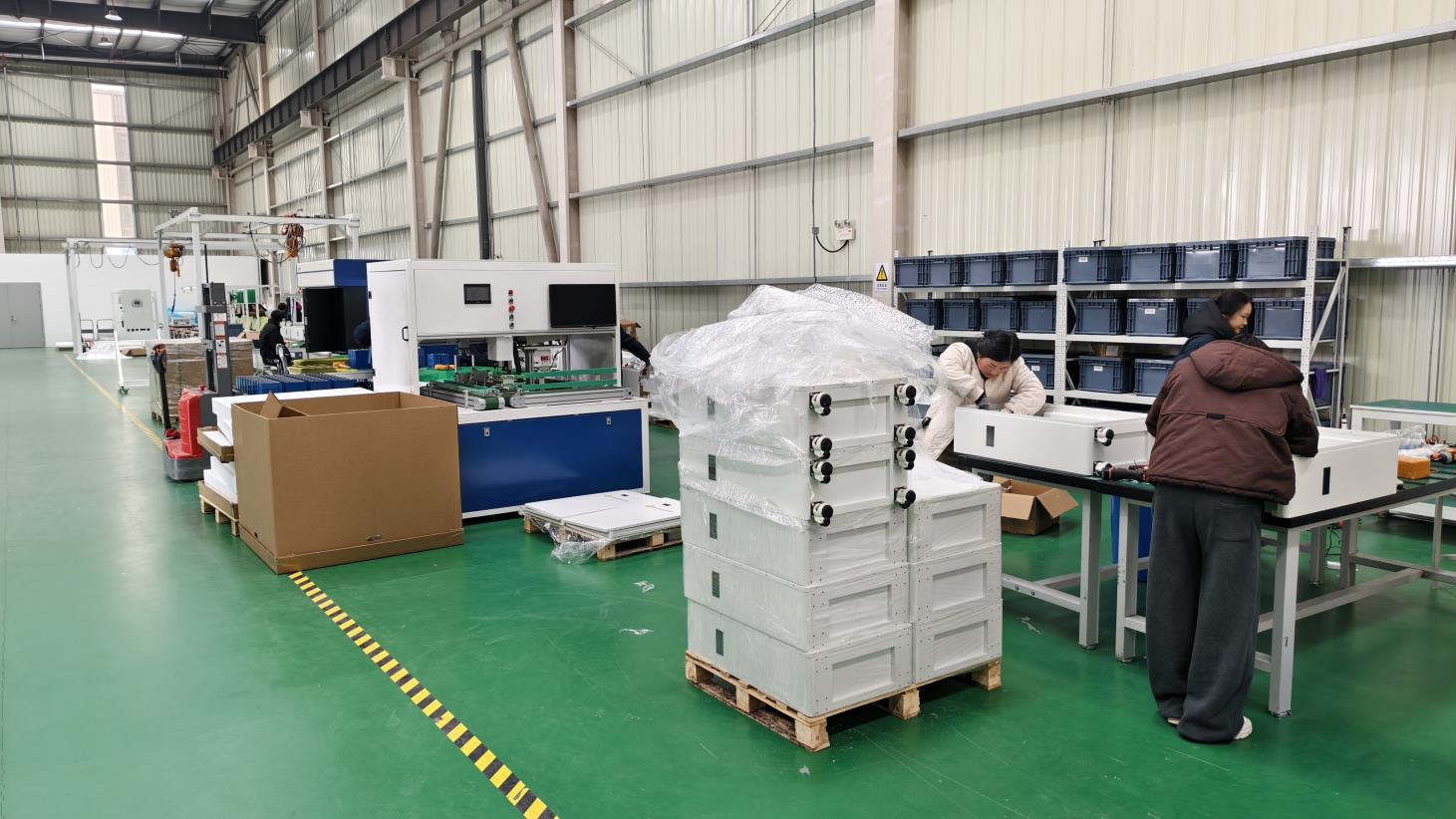
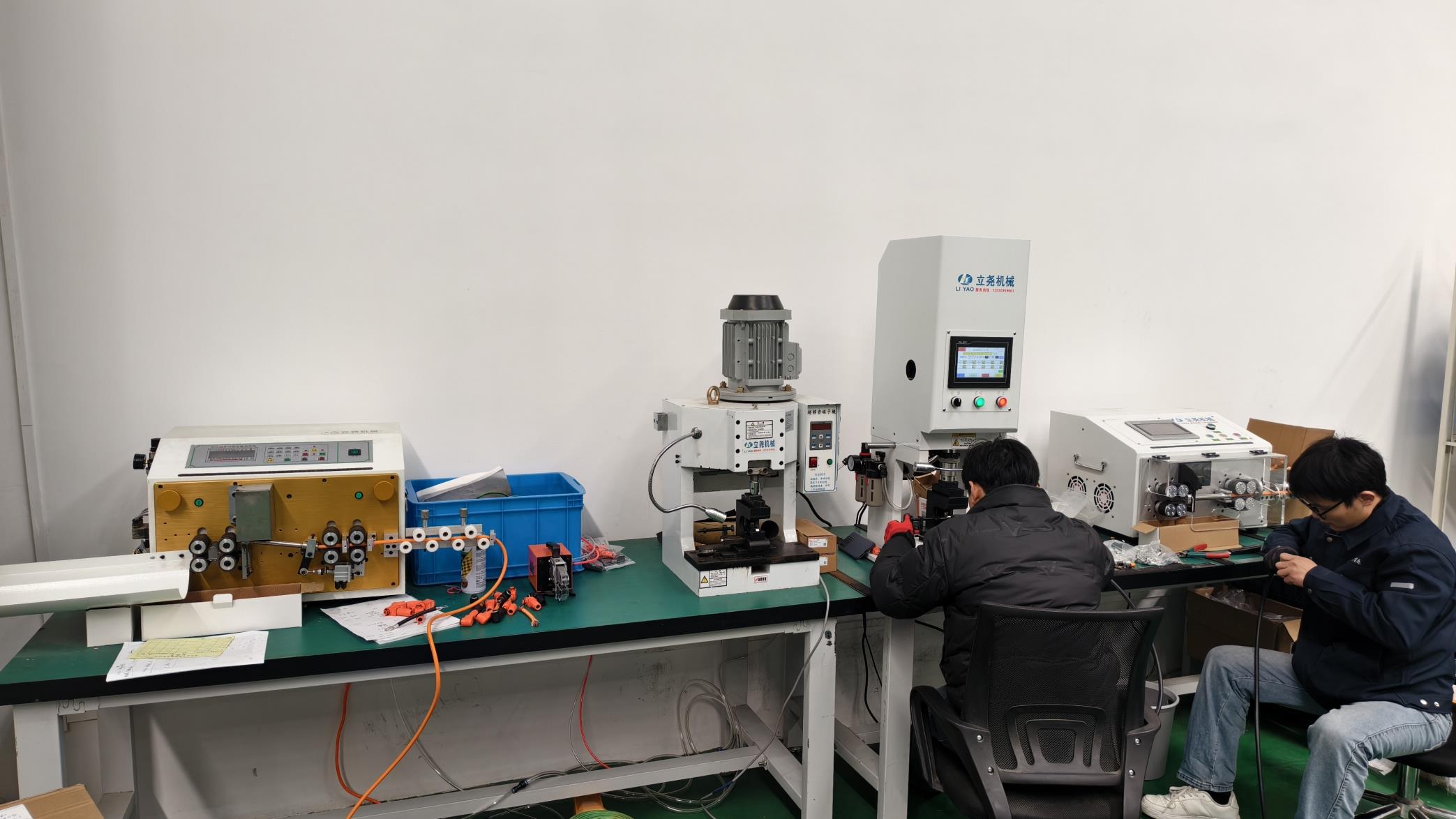
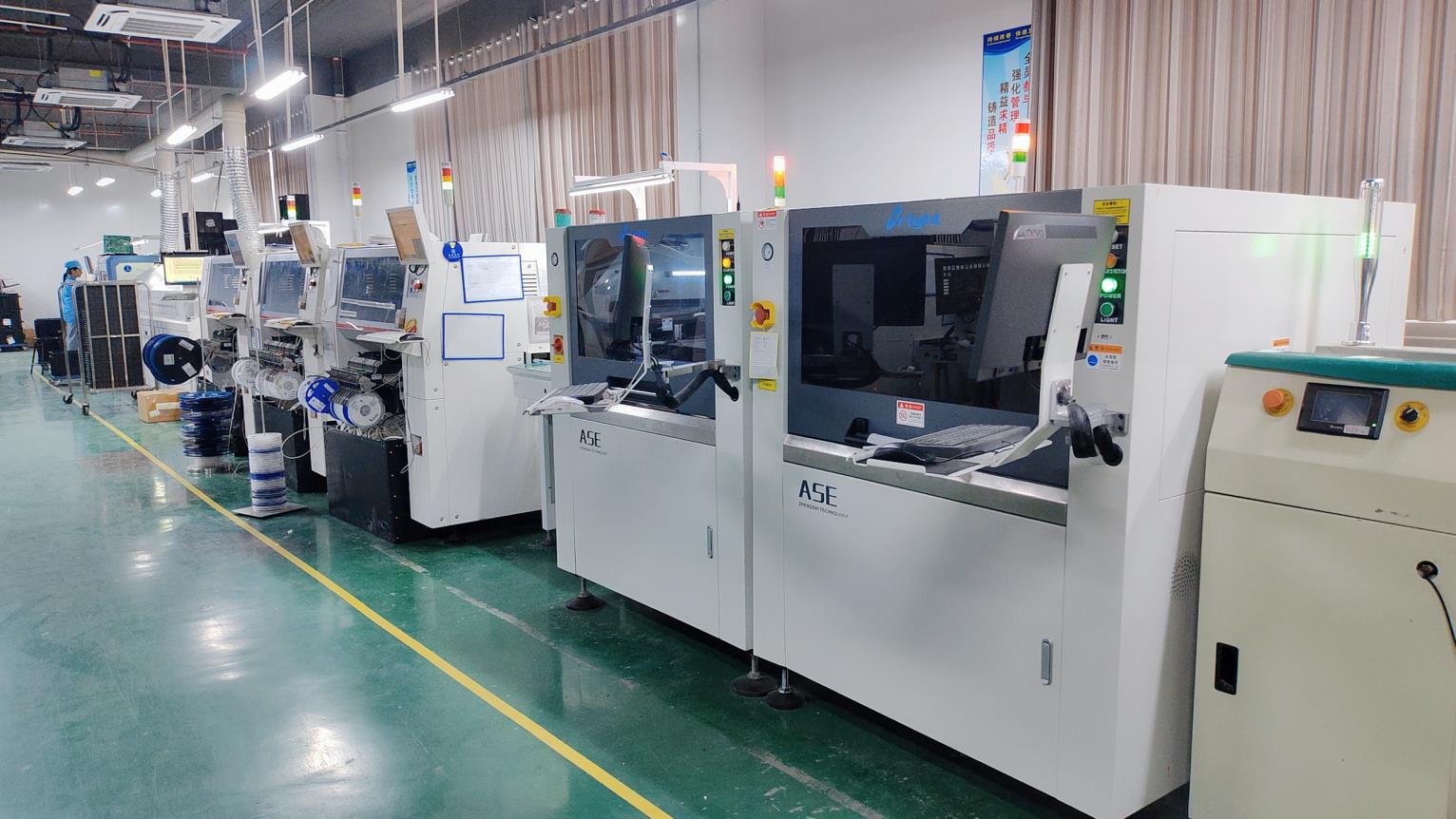
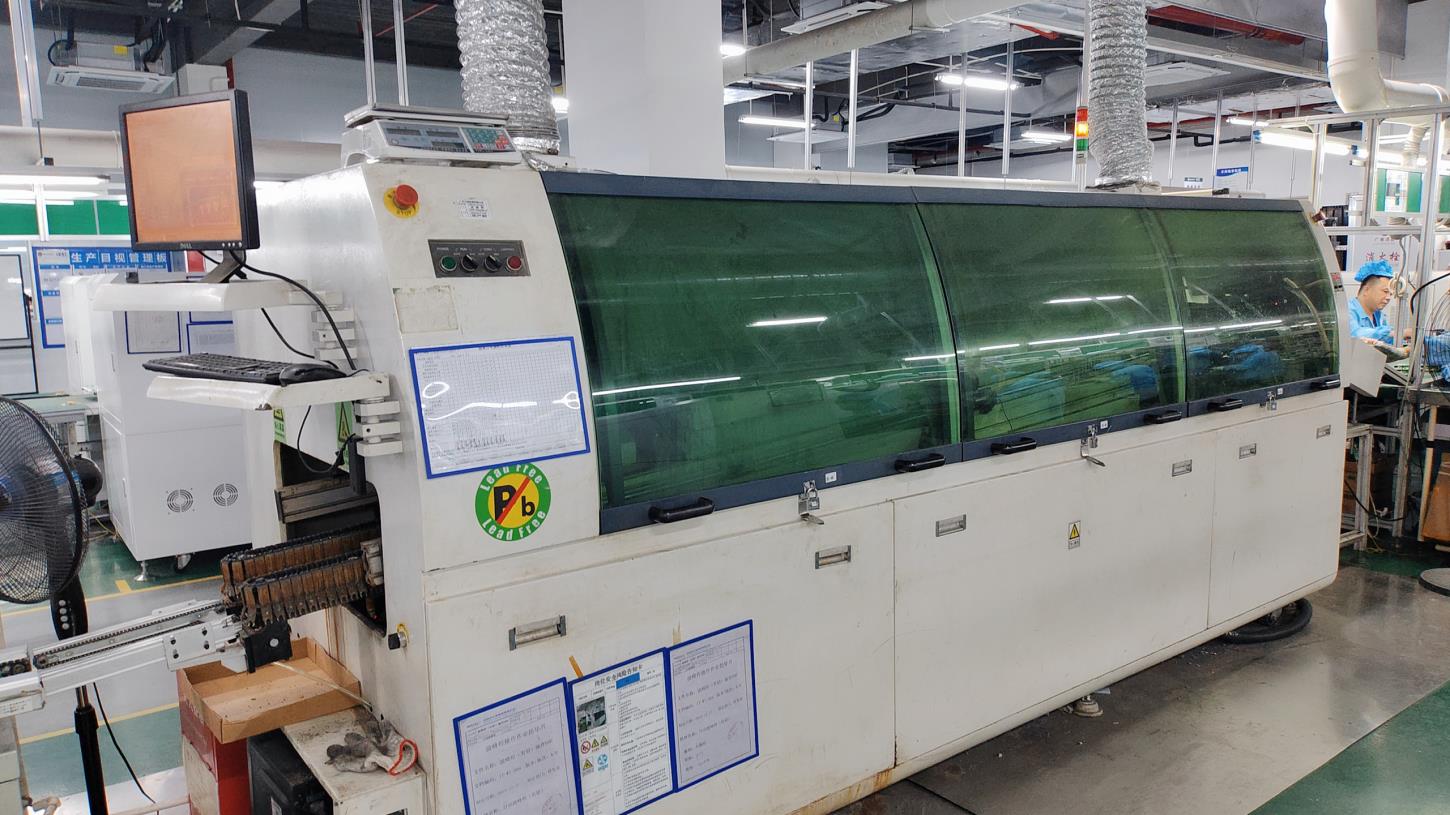
At the center of our global supply network is Anhui Aryam Energy Co., Ltd., a forward-looking enterprise focused on clean energy transition. We deploy advanced automated assembly lines, high-frequency TIG welding procedures, and sophisticated smart control design to secure unmatched reliability in demanding markets like the Czech Republic.
Through continuous innovation and a strong commitment to clean energy development, Aryam Energy has established itself as a trusted partner in the global transition toward a low-carbon future. The company specializes in the research, development, manufacturing, and integration of solar energy systems, energy storage solutions, hybrid power systems, and intelligent microgrid technologies. Leveraging cutting-edge engineering expertise and strict quality management standards, Aryam Energy provides comprehensive energy solutions tailored to diverse market needs, particularly in regions facing energy shortages, unstable grid infrastructure, or increasing demand for sustainable power generation.
With a professional R&D team and a growing portfolio of proprietary technologies, Aryam Energy continuously invests in innovation to enhance system performance, energy efficiency, and long-term reliability. Its products and solutions are designed to meet international standards and have been successfully deployed across Asia, Africa, the Middle East, Europe, and Latin America.
For B2B procurement managers, sourcing solar thermal arrays for installations in Plzeň, Ostrava, or Prague requires balancing localized compliance with global supply chain efficiency. Decarbonizing hot water usage in industries like manufacturing, brewing, food processing, and hospitality requires highly structured integration planning.
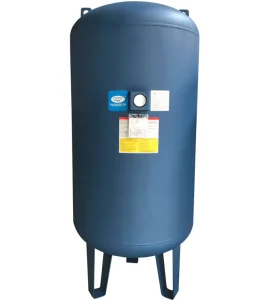
Large commercial applications—such as hotel chains, sport arenas, and healthcare institutions—frequently require complex water tank capacities ranging from 1,000L to 10,000L. Anhui Aryam Energy provides custom OEM stainless steel water storage tanks equipped with high-efficiency enamel coatings and custom multi-coil configurations. This design allows for simultaneous inputs from solar collector fields, auxiliary boilers, and heat pumps, building a resilient multi-source energy hub.
Our engineering team delivers pre-packaged split pressurized systems designed to interface with building management systems (BMS) via Modbus protocols, allowing real-time thermal monitoring and automatic legionella thermal disinfection cycles.
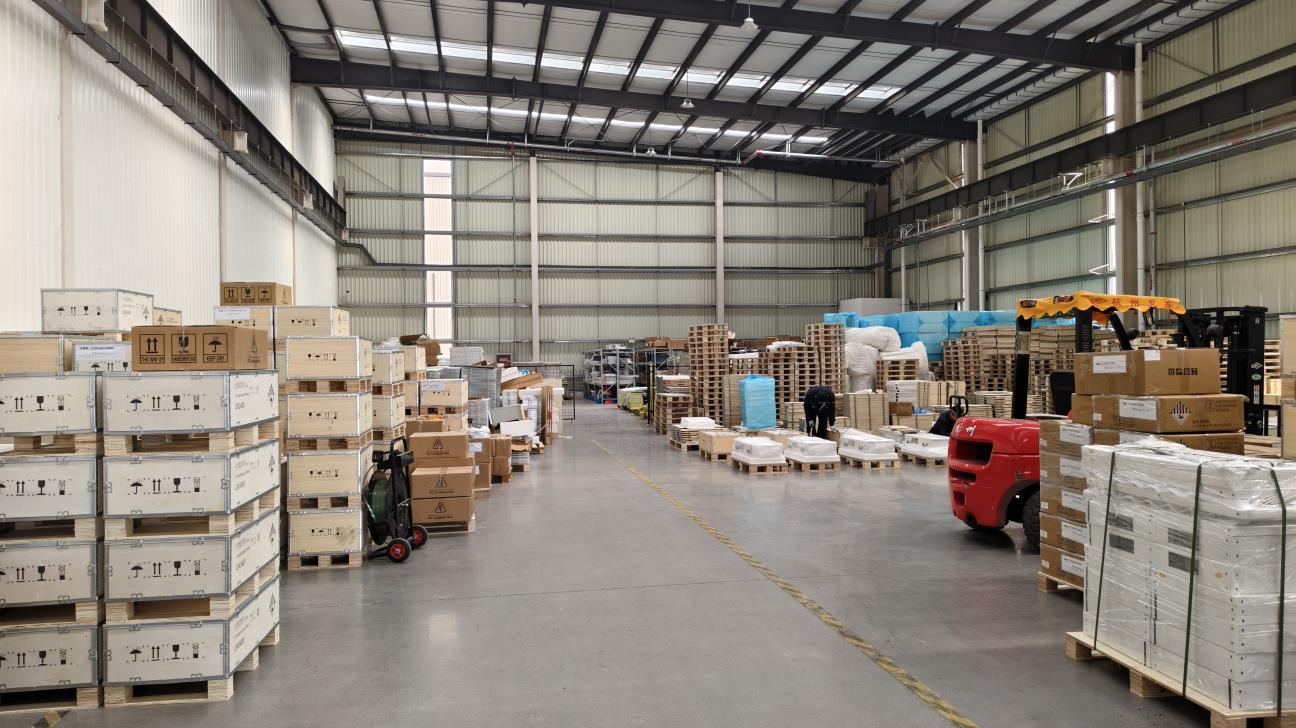
Managing the shipping, customs, and overland delivery of bulky thermal systems to landlocked Central European destinations requires seasoned logistical planning. We offer customized packaging options including reinforced wooden crates to secure vacuum tubes and specialized palletizing for heavy enamel buffer tanks. Our transit routes leverage reliable German (Hamburg/Bremerhaven) and Polish (Gdańsk) sea corridors before connecting directly to inland Czech rail terminals in Prague, ensuring secure delivery schedules.
Every shipment is delivered with comprehensive certifications, technical documentation, pressure testing protocols, and compliance files to streamline Czech border clearance processes.
Compliance with EU directives is mandatory for accessing local subsidies and receiving building permissions. The Czech Republic enforces strict guidelines regarding pressure safety, thermal efficiency, and water quality.
The Solar Keymark is the primary quality label for solar thermal products in Europe. It assures buyers that our systems comply with EN 12975 standards and deliver the exact thermal yields claimed. Without this certification, solar installations are ineligible for the Czech *Nová zelená úsporám* program.
Pressurized solar systems must conform to the Pressure Equipment Directive (2014/68/EU). Our tanks undergo stringent hydrostatic pressure tests at 1.5 times the maximum rated operating pressure (often testing up to 12 Bar for 9 Bar operation), ensuring long-term structural integrity.
Internal copper coils and enamel-lined inner steel layers comply with strict European food-grade sanitary standards. This prevents heavy metal contamination and minimizes calcium scale formation under the typical hard-water conditions found across central Bohemian aquifers.
Browse our complete catalog of solar water heaters and components certified for import, distribution, and commercial installation in the Czech Republic and wider EU zones.
Get professional, engineering-focused answers regarding design standards, deployment considerations, and international logistics of commercial solar heating projects in the Czech Republic.
We configure the primary heat-transfer loop with a dedicated concentration of non-toxic propylene glycol (typically 40% to 50% concentration), lowering the freezing point to between -25°C and -35°C. This primary loop runs through a high-performance stainless steel heat exchanger inside the insulated buffer tank, separating the glycol circuit from the potable domestic hot water (DHW) supply. The automated control system activates anti-freeze recirculation cycles if temperatures hit critical safety thresholds.
Yes. Compliance is achieved by meeting standard Solar Keymark (EN 12975) certifications and ensuring the technical specifications are listed under the SVT (Code of Environmentally Friendly Products) database managed by the Czech Ministry of the Environment. B2B procurement partners can request the official performance reports required to complete subsidy applications.
Our commercial-grade installations are designed for a 20-to-25-year operational lifespan. Annual preventative maintenance consists of measuring the thermal fluid's pH and concentration levels, inspecting the pressure safety relief valves, and checking sacrificial magnesium anodes (or electronic active anodes) inside the enamel water tanks to prevent galvanic corrosion.
Flat plate collectors are mounted at steeper angles (45° to 60°) in Central Europe to shed snow quickly as the glass warms up from diffuse solar radiation. Evacuated tubes insulate so effectively that the outer glass remains cold, causing snow to slide off slightly slower. However, the round profile of the tubes naturally allows snow to blow through or slide between them, exposing parts of the absorption surface to maintain basic energy generation.
 Aryam Energy