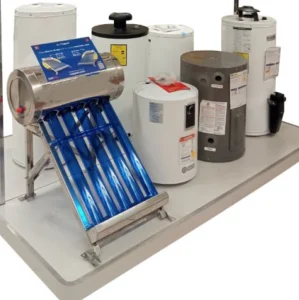
Highly adaptable products optimized for tropical radiation, coastal corrosion, and rural agricultural applications.
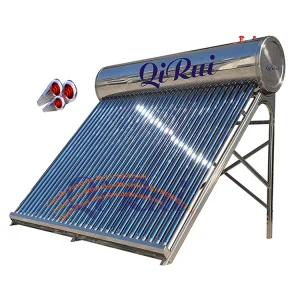
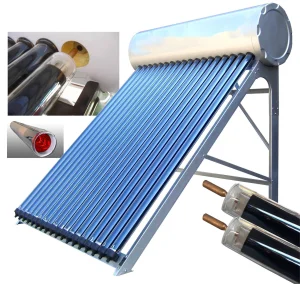
Analysis of Levelized Cost of Heat (LCOH), grid independence, and regulatory synergy with the National Decarbonization Plan.
Costa Rica stands out as a global champion for renewable electricity, regularly running on close to 100% clean energy derived from geothermal, hydro, and wind resources. However, thermal energy consumption represents a significant decarbonization bottleneck. Industrial boilers, steam production, commercial sanitation, and residential hot water supply in regions like Guanacaste, San José, and Alajuela still rely heavily on LPG (Liquefied Petroleum Gas), diesel, or high-cost resistive electrical grid heating.
By deploying advanced solar thermal water heaters, commercial operators, agro-industrial plants, and high-end eco-resorts can directly convert abundant tropical solar irradiance into thermal energy. This solar utility bypasses grid transformations entirely, boosting system COP (Coefficient of Performance) to levels that PV-to-electric heat pumps struggle to reach. Under the National Decarbonization Plan 2018–2050 (Plan Nacional de Descarbonización), the electrification of heat and the integration of solar thermal architectures are eligible for preferential financing and key tax exemptions, making direct-solar investments highly lucrative.
Levelized Cost of Heat (LCOH) drops by up to 75% when replacing grid-tied electrical element heaters with centralized thermo-siphon or active split solar collector arrays.
Assists hospitality properties in achieving high ranks in the CST (Certification for Sustainable Tourism) system managed by the Costa Rican Tourism Board (ICT).
Operating in Costa Rica presents specific environmental dynamics: coastal humidity in Puntarenas and Limón causes rapid oxidation of standard steel brackets, while high-altitude areas near Cartago require freeze protection for solar tubes. Furthermore, volcanic microclimates near Arenal carry airborne trace sulfur compounds that demand SUS316L marine-grade stainless steel tanks or heavy-duty enamel-jacketed pressure vessels to avoid premature system corrosion.
Developing high-performance solar collectors requires precise engineering of vacuum gaps, selective absorption coatings, and internal heat pipes. China’s advanced industrial hubs host the world's most integrated solar thermal supply chain, enabling unmatched quality control, automated assembly, and testing procedures.
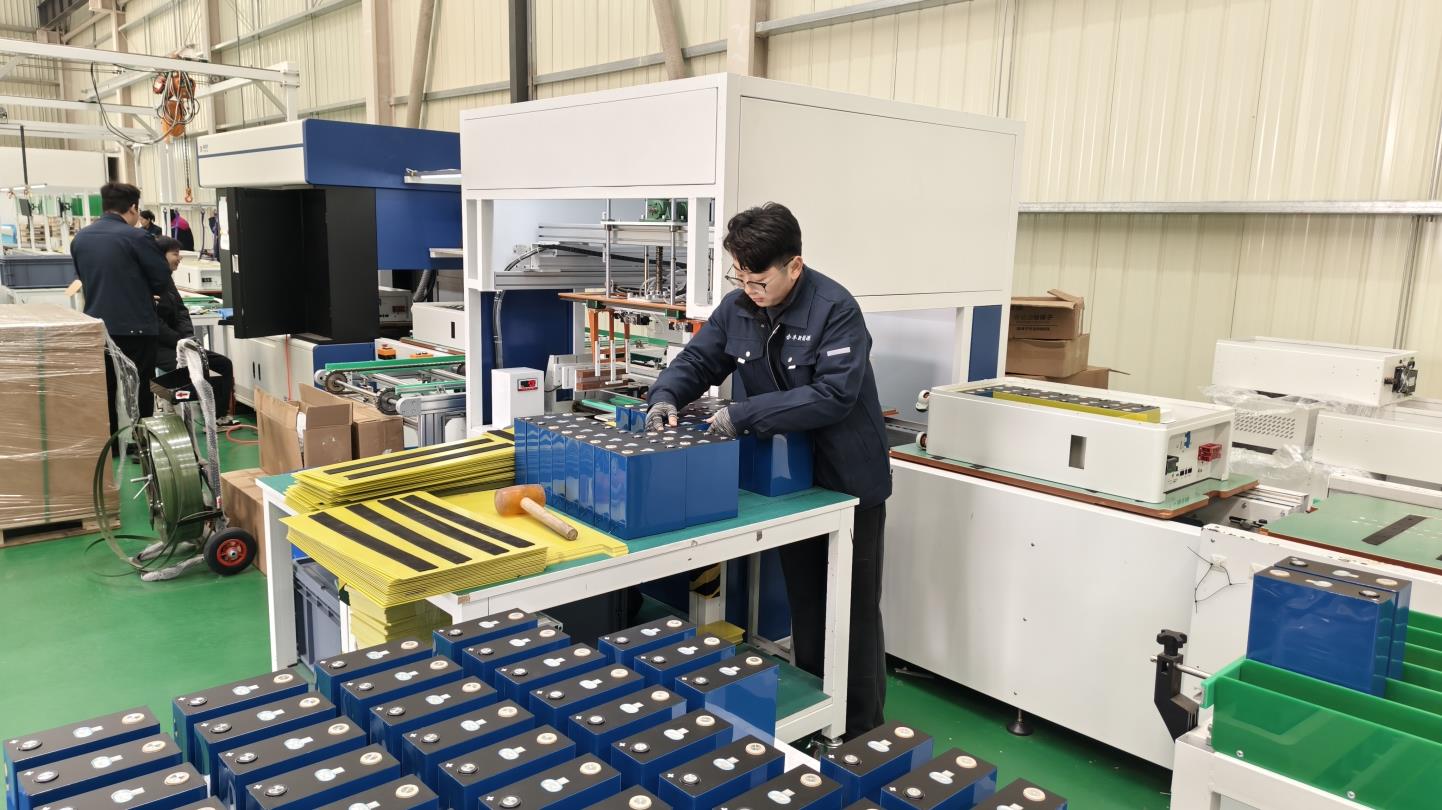
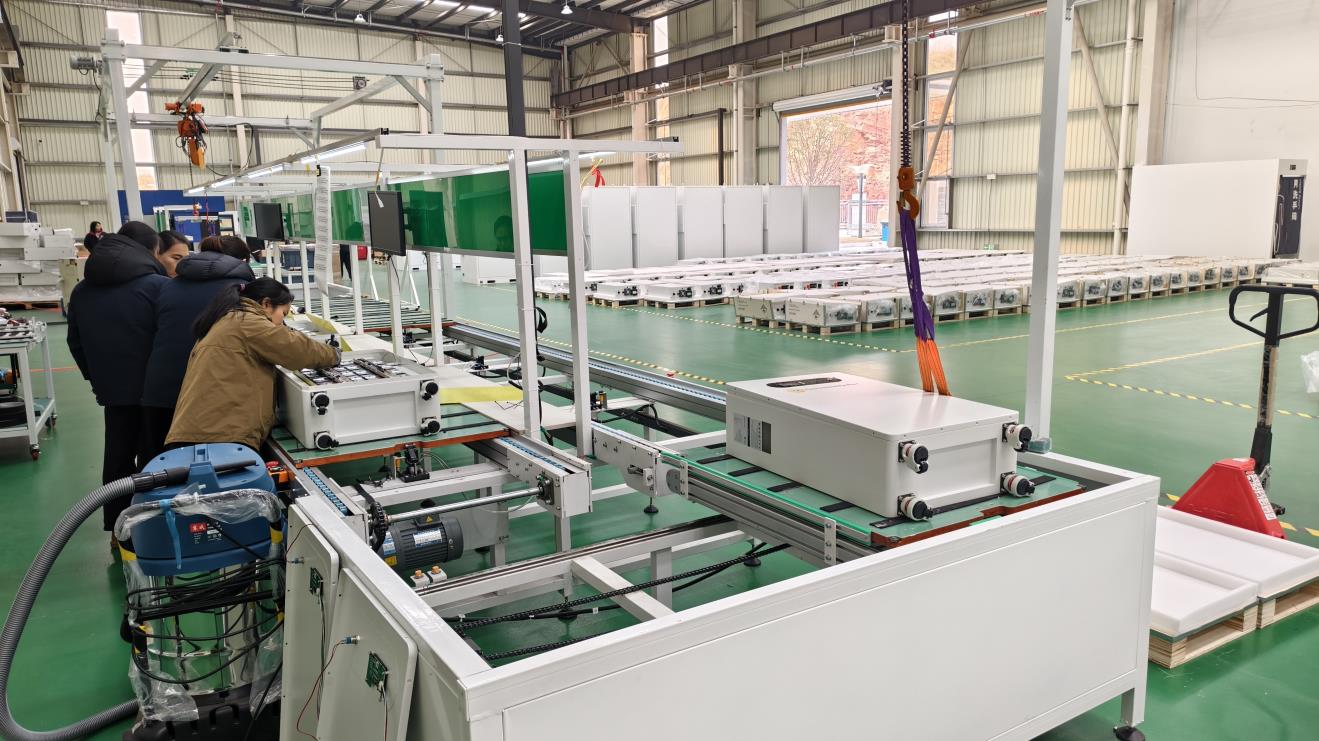
Anhui Aryam Energy Co., Ltd. leverages this industrial advantage, executing end-to-end quality assurance from structural steel welding to SMT circuit boards for system controllers. By automating production, we reduce unit assembly variations to virtually zero, ensuring that high-pressure flat-plate and evacuated tube systems meet the rigorous demands of international certifications (including Solar Keymark and CE standards).
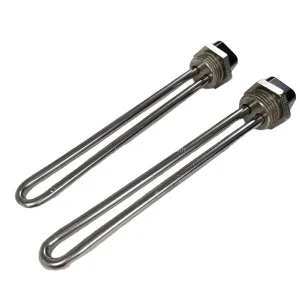
For global importers, buying directly from a manufacturing facility in China translates to substantial freight consolidation savings, custom-branding capability, and the availability of OEM replacement parts (such as electric immersion heating elements, pressure relief valves, and intelligent solar controller modules).
Inside Anhui Aryam Energy Co., Ltd. — Delivering robust renewable engineering via advanced automated manufacturing processes.
Anhui Aryam Energy Co., Ltd. is a leading provider of advanced renewable energy solutions, dedicated to delivering reliable, efficient, and sustainable power systems for residential, commercial, industrial, and utility-scale applications worldwide. Through continuous innovation and a strong commitment to clean energy development, Aryam Energy has established itself as a trusted partner in the global transition toward a low-carbon future.
Our company specializes in the research, development, manufacturing, and integration of solar energy systems, energy storage solutions, hybrid power systems, and intelligent microgrid technologies. Leveraging cutting-edge engineering expertise and strict quality management standards, Aryam Energy provides comprehensive energy solutions tailored to diverse market needs, particularly in regions facing energy shortages, unstable grid infrastructure, or increasing demand for sustainable power generation.
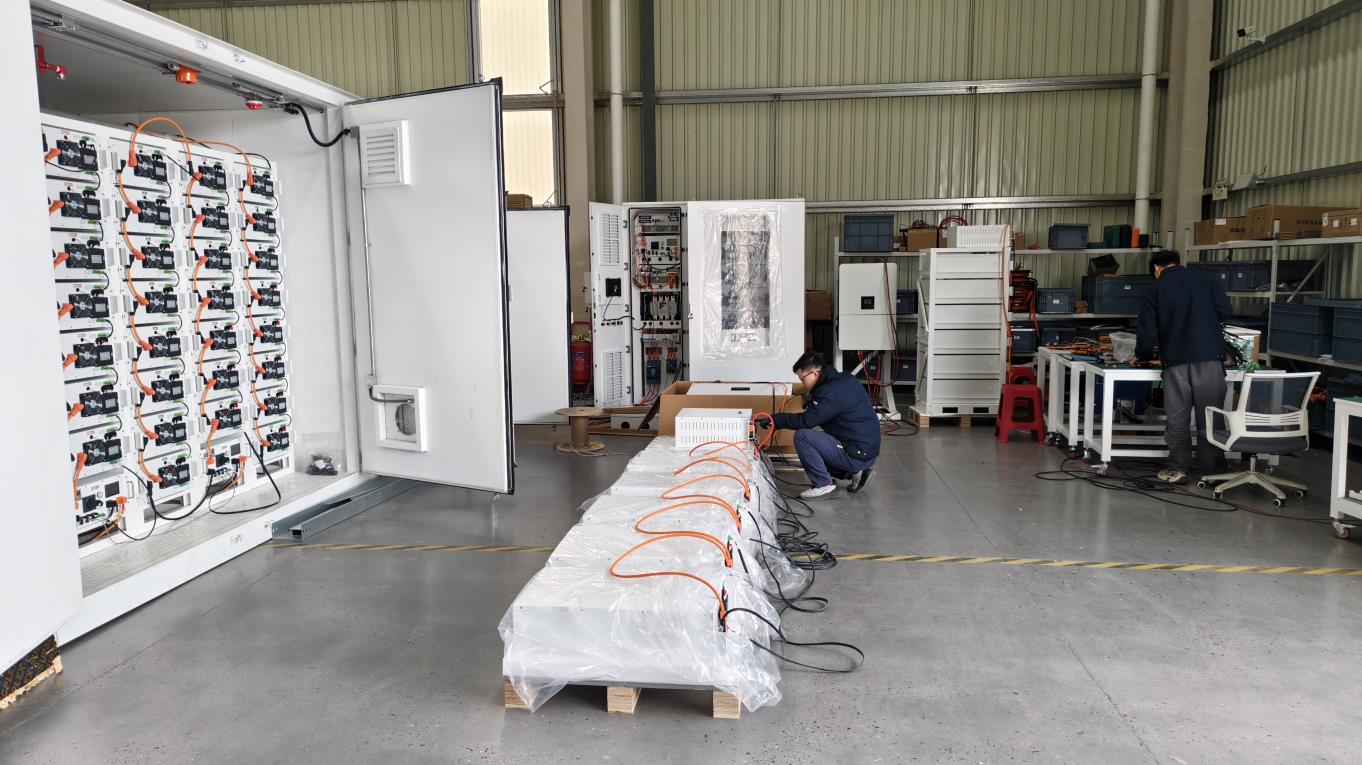
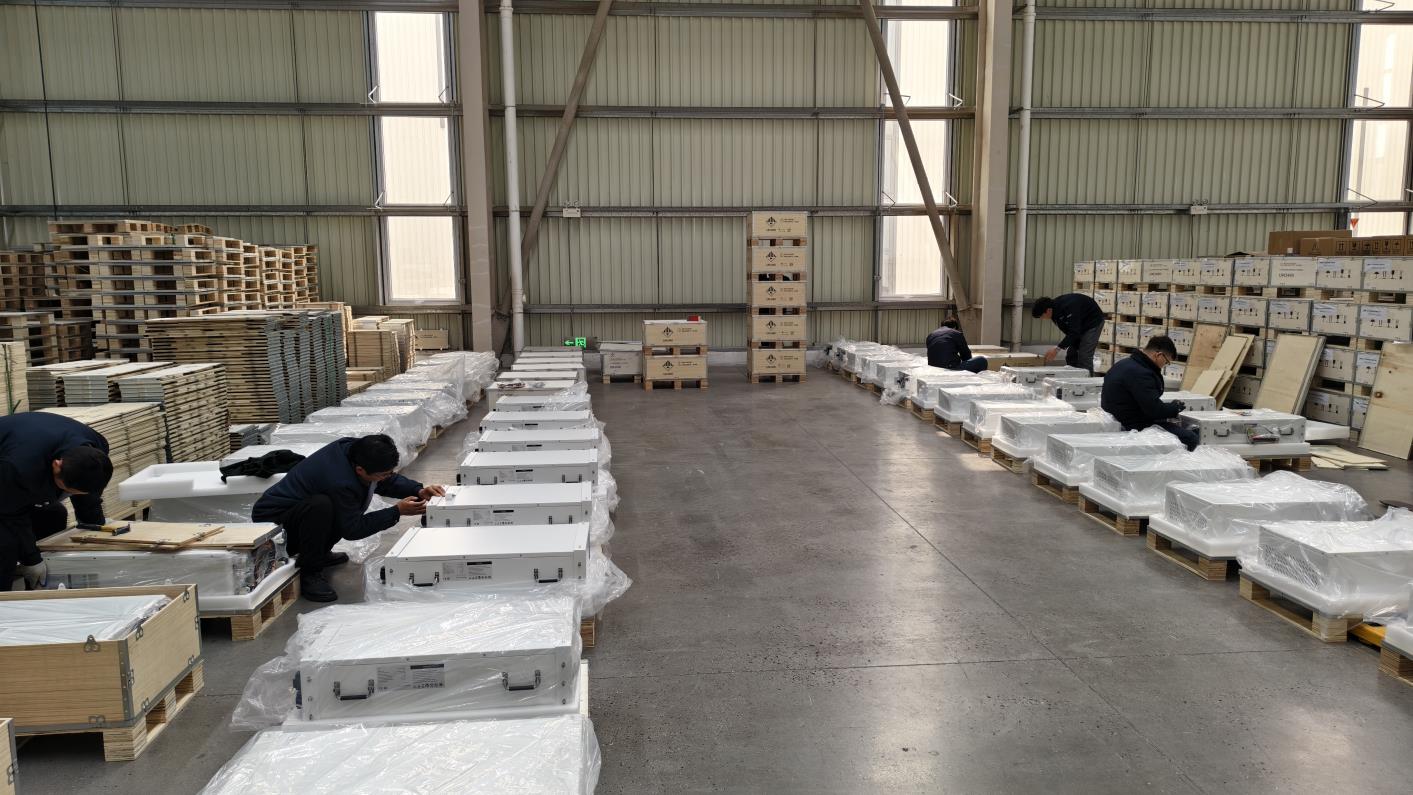
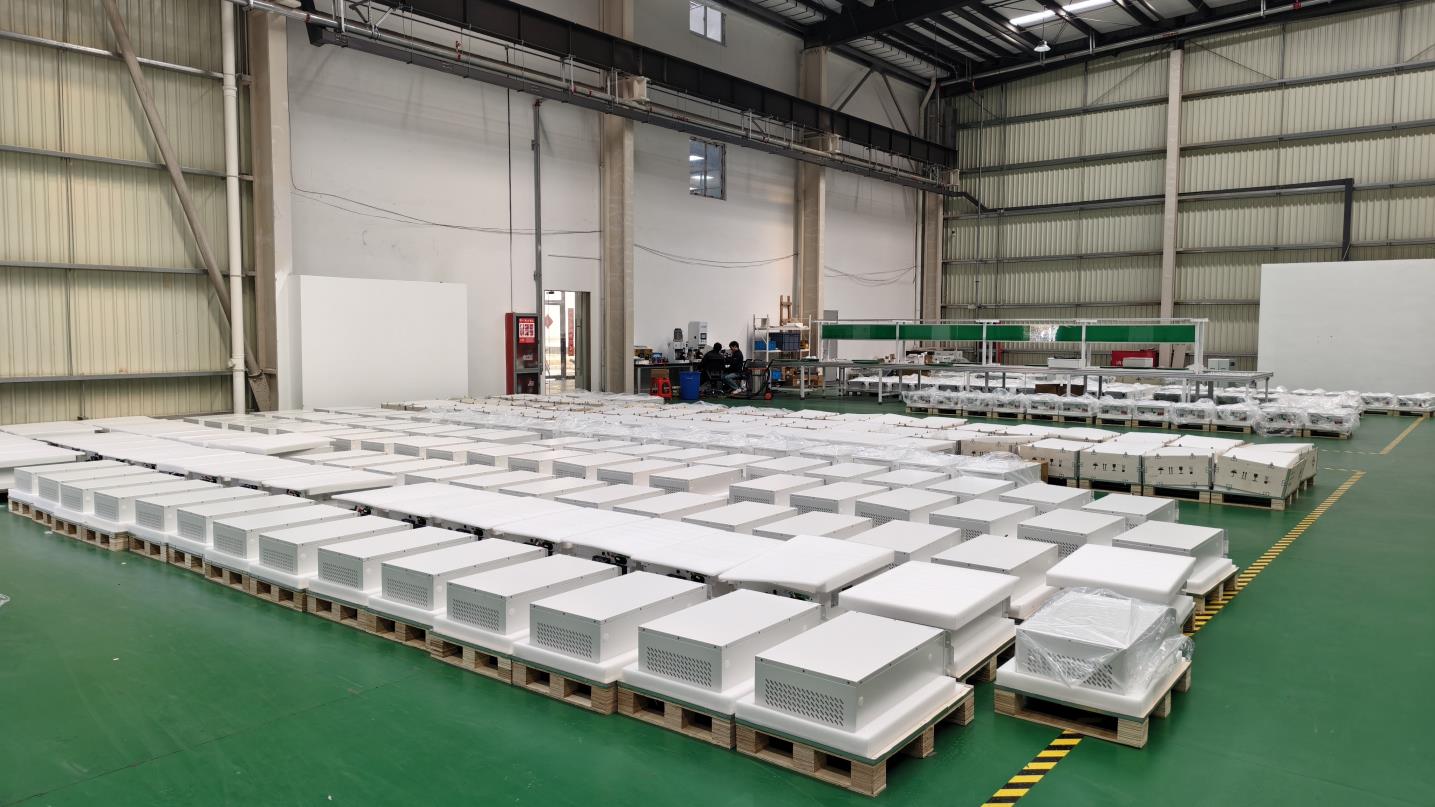
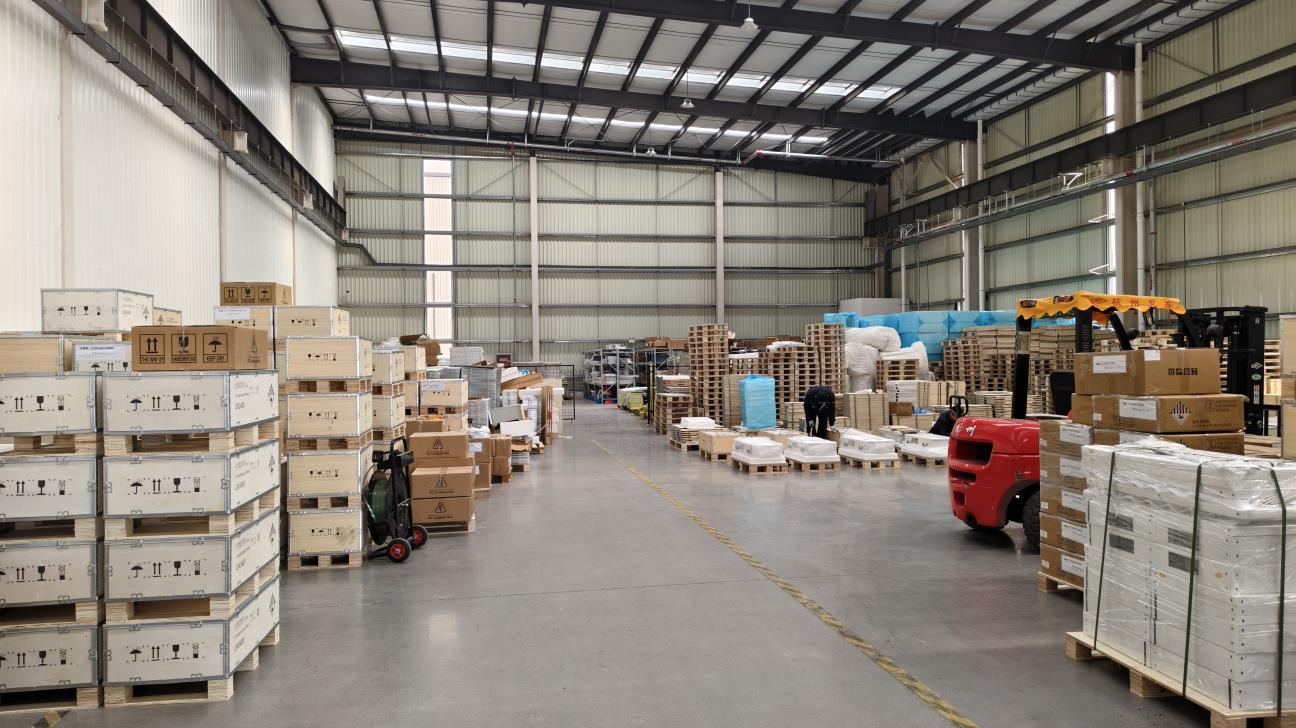
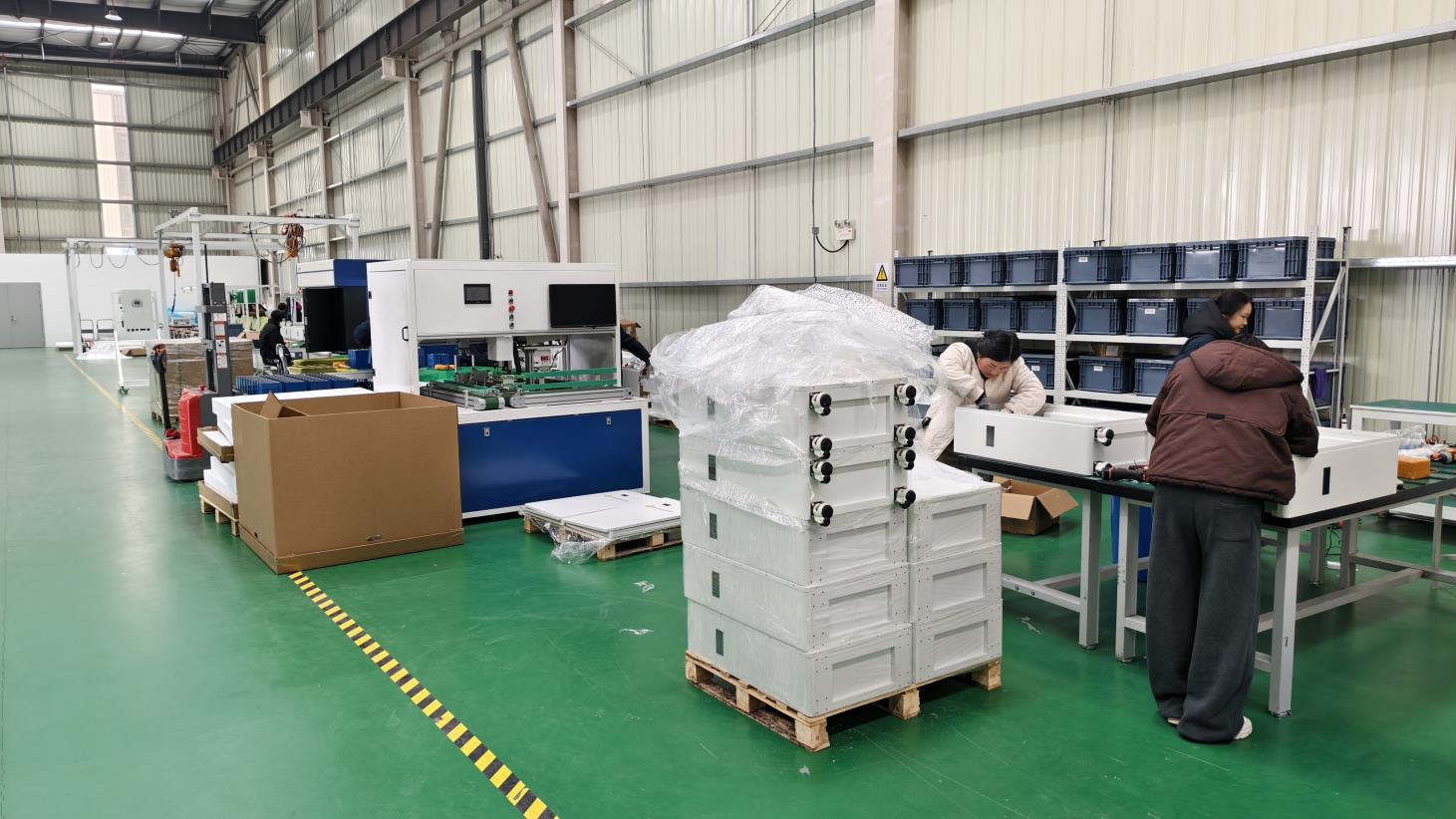
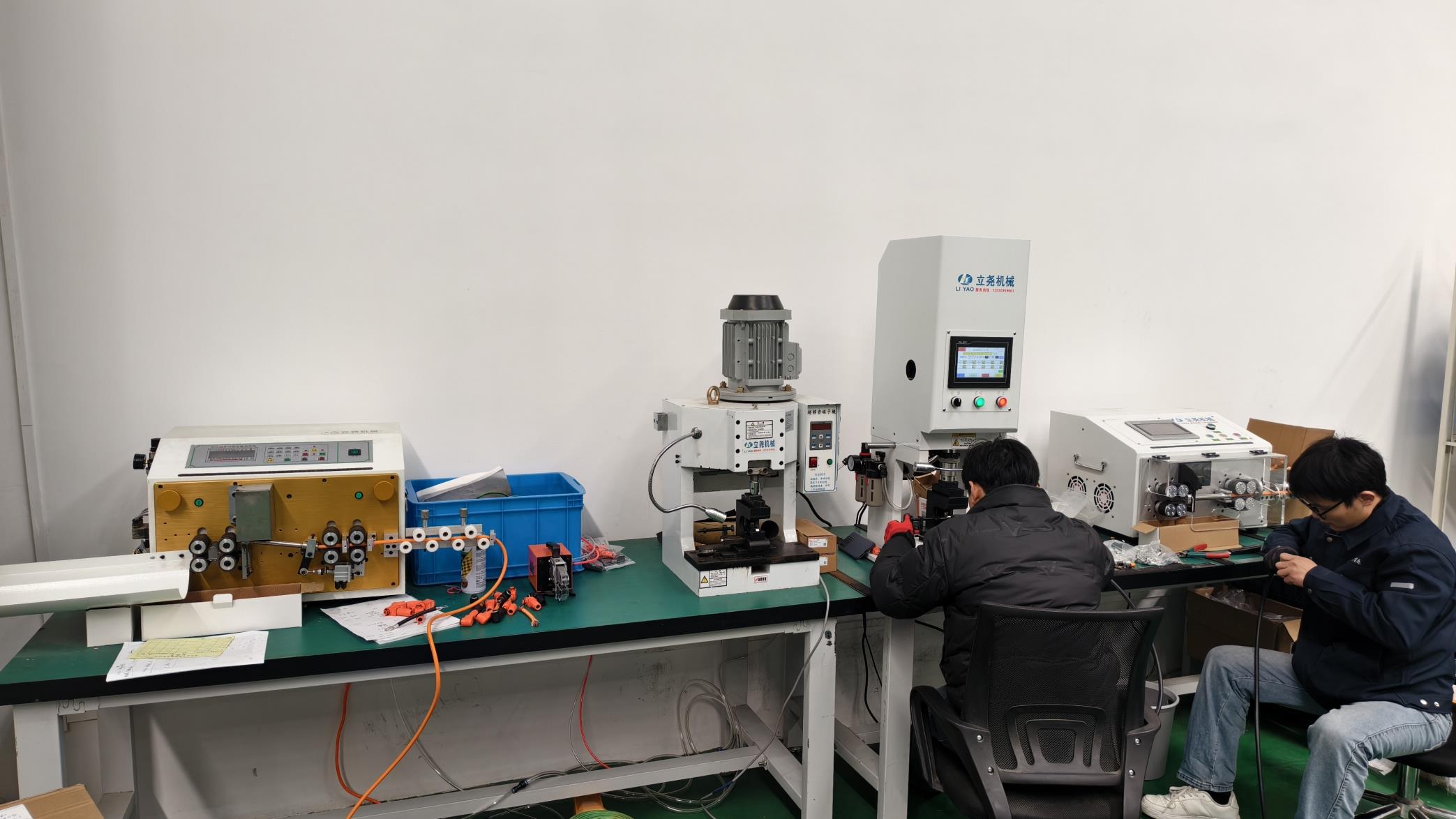
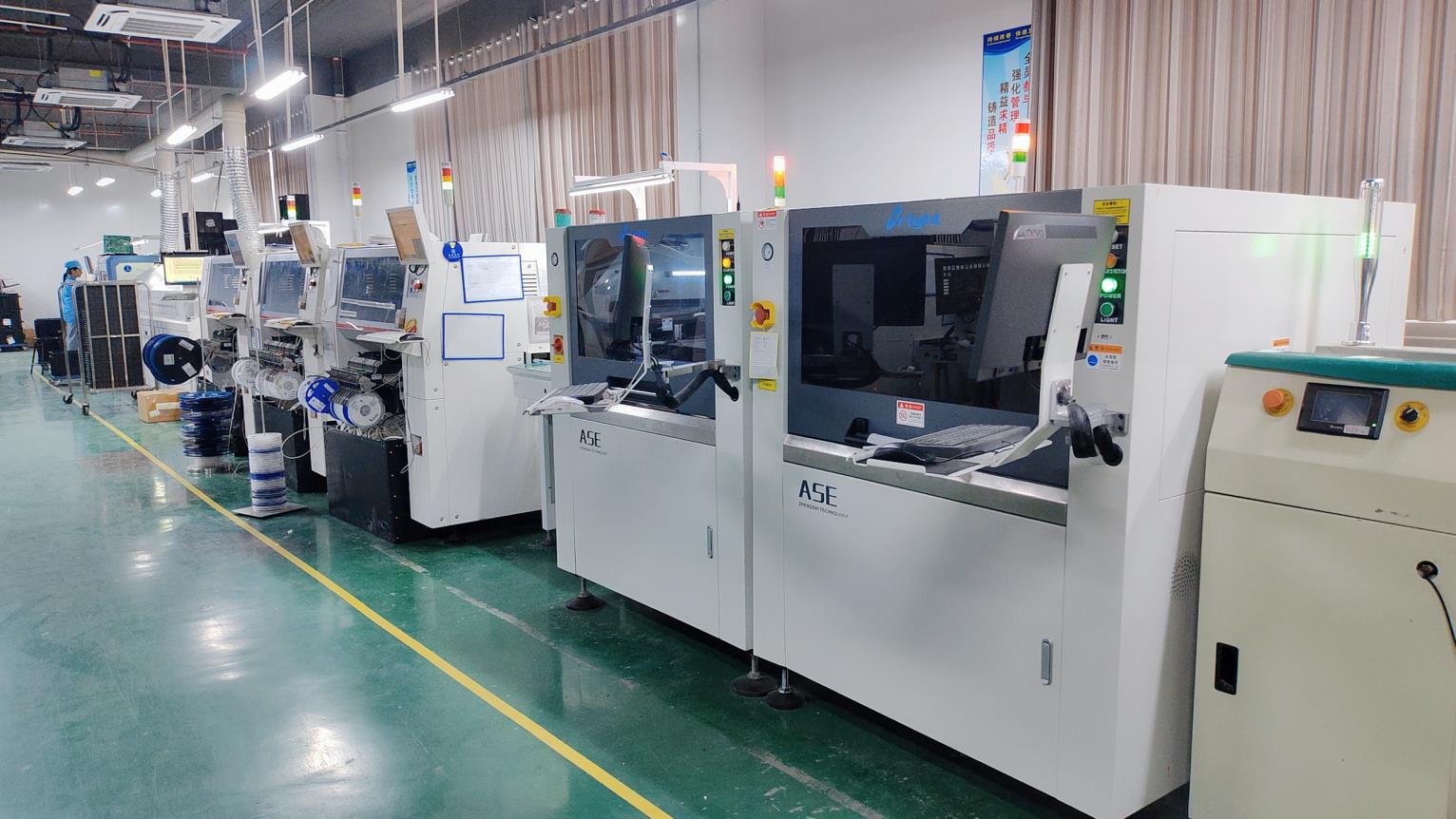
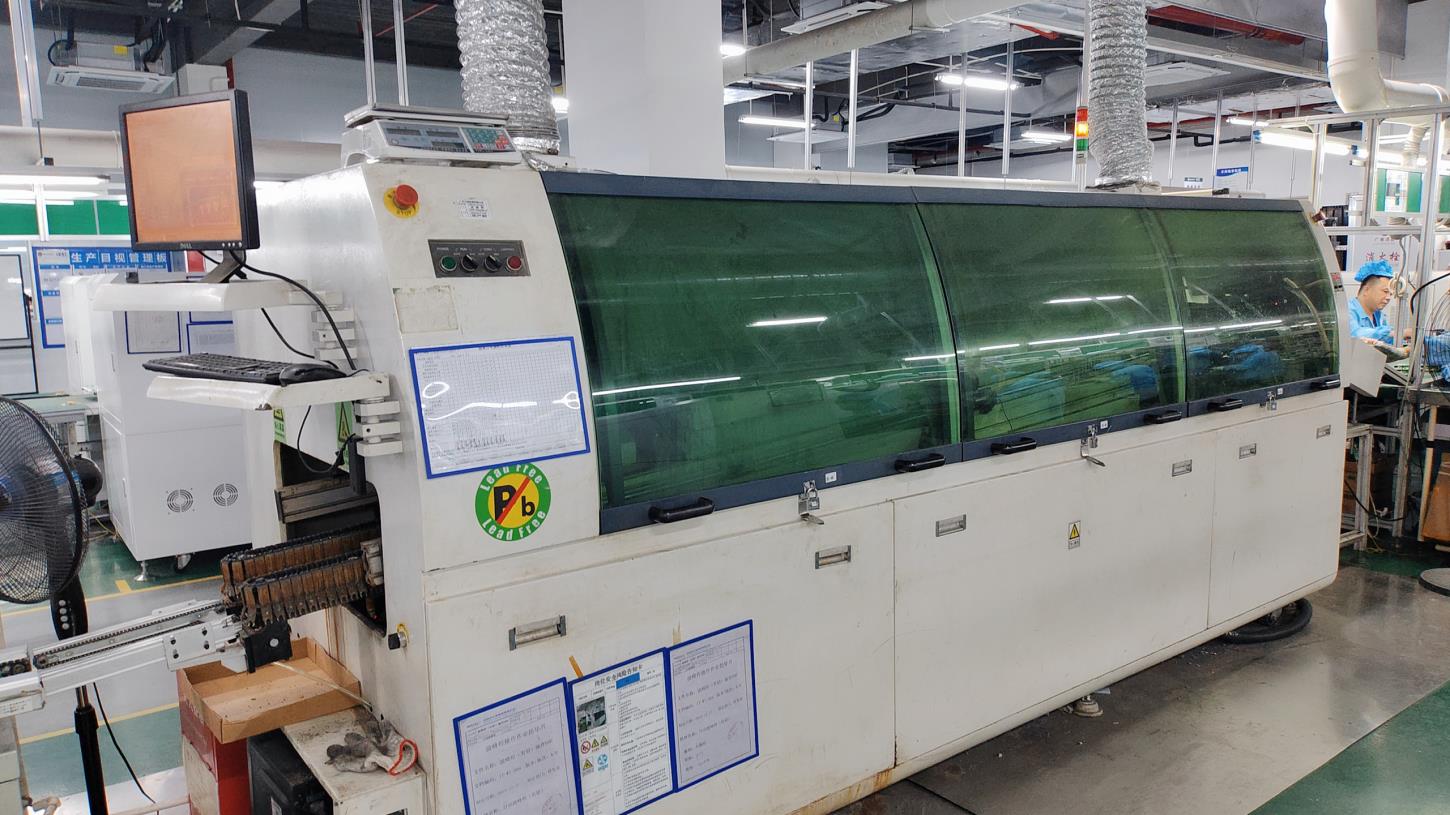
With a professional R&D team and a growing portfolio of proprietary technologies, Aryam Energy continuously invests in innovation to enhance system performance, energy efficiency, and long-term reliability. Our solar thermal systems, hybrid storage integration, and smart controllers are designed to meet international standards and have been successfully deployed across Asia, Africa, the Middle East, Europe, and Latin America, serving customers in more than 100 countries and regions.
Engineered specifically to solve industrial, commercial, and agricultural clean-heating challenges.
Hotels along the Guanacaste and Nicoya Peninsulas consume huge volumes of hot water for guest baths and laundry. Deploying central pressurized solar hot water plants eliminates the reliance on unstable grids, providing continuous clean heat even during rainy seasonal periods.
Sanitation procedures in the dairy industry (such as in San Carlos) and coffee washing stations require water temperatures between 60°C and 85°C. Our split heat pipe collectors and high-efficiency immersion backups deliver highly stable heat levels, drastically lowering factory operating costs.
Modern luxury villas in Escazú or Santa Ana are upgrading to PV-thermal hybrid systems. Integrating sleek flat-plate solar panels or wall-mounted compact heaters preserves the aesthetic value of rooftops while offering reliable hot water outputs.
For remote organic farms, access to stable electricity is limited. Our heavy-duty stainless-steel storage tanks act as efficient buffers for well-water networks, optimizing water management for agricultural storage and livestock handling.
Select from our comprehensive list of heavy-duty commercial solar boilers and domestic thermal systems.
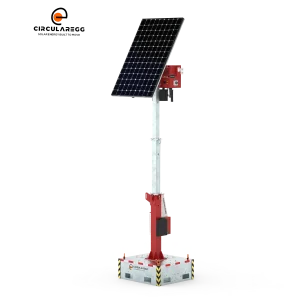
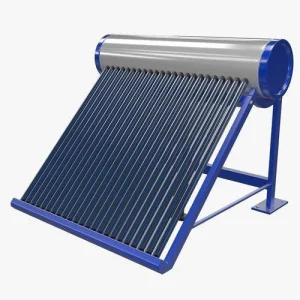
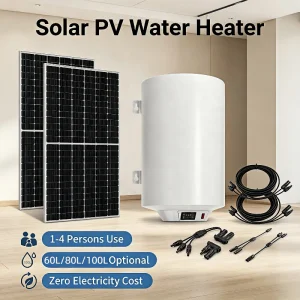
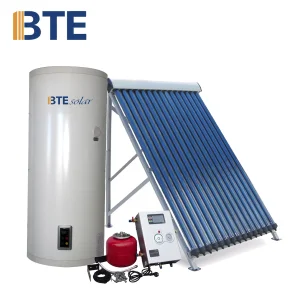
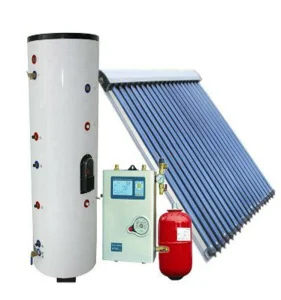
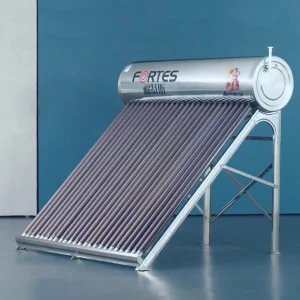
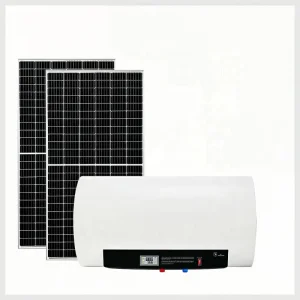
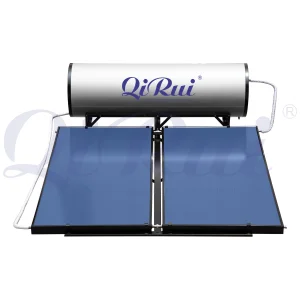
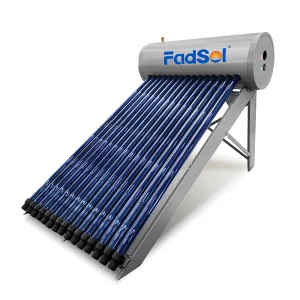
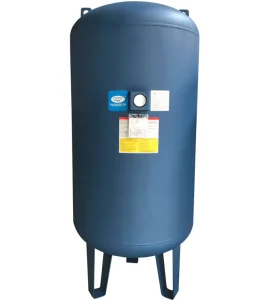
Understanding the evolution from simple thermosiphons to integrated smart solar thermal systems.
Over the past decade, the global solar water heating sector has shifted from basic glass-tube designs to pressurized smart PV-thermal integrated configurations. Large-scale procurement entities look for specific engineering features to minimize operating costs and guarantee system longevity:
Early thermal systems suffered from scaling and internal tank corrosion due to fluctuating water quality. Modern commercial tanks utilize double-layered enamel coatings that prevent direct contact between water and raw steel, combined with 50mm high-density polyurethane insulation layers to achieve negligible standby heat losses (less than 1.5°C over a 12-hour night).
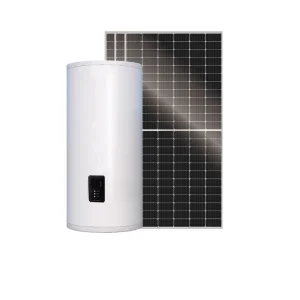
Our specialized premium models combine direct-drive solar photovoltaic power with advanced thermal elements. Instead of using complex plumbing pipes on the roof, these models utilize solar panels that run high-frequency DC elements inside the tank. This eliminates heat-exchange loops, fluid leaks, and roof weight loads, representing a major technological leap for sustainable building designers.
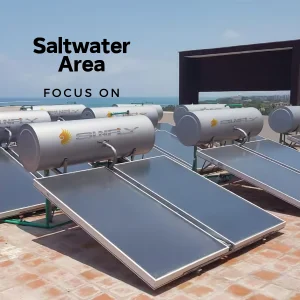
For coastal areas like Puntarenas or Guanacaste, salt air corrosion is a critical issue. The outer casing of our units utilizes powder-coated galvanized steel or marine-grade aluminum alloys. The mounting brackets are constructed with double-welded thick steel plates, ensuring they withstand seismic forces and heavy tropical storms.
Essential insights for engineers, project developers, and procurement officers in Central America.
Split pressurized systems keep the water tank hidden inside or in a low utility room, while only the flat collectors or vacuum tubes sit on the roof. The water inside the system is pressurized to match the building's main water pressure, providing a steady and strong flow.
In contrast, low-pressure gravity systems rely on the height difference of the roof tank to supply water. They are simpler and cheaper, but are not suited for multi-story buildings or luxury hotels that require high-pressure hot water.
High humidity combined with sea salt air accelerates galvanic corrosion. To combat this, we recommend specifying tanks with SUS316L stainless steel inner walls or advanced enamel jackets, along with heavy-duty magnesium rods. Magnesium anodes attract corrosive elements, protecting the tank steel from oxidizing. We also use powder-coated aluminum mounting brackets instead of basic galvanized steel frames for coastal installations.
Yes. Although solar thermal systems work best under direct sunlight, they still capture diffused radiation during overcast days. For prolonged heavy rains, our systems feature integrated smart controllers that activate high-efficiency auxiliary electric heating elements (like our 1.5kW to 4.5kW immersion heaters) to ensure continuous hot water supply.
Our products comply with international quality and safety benchmarks, including CE, ISO9001, and Solar Keymark certification standards. Our manufacturing facility is audited regularly, and all pressurized tanks undergo strict hydraulic pressure testing at 1.2 MPa to guarantee safety under standard operating pressures.
Direct-drive PV solar heaters use solar panels to generate DC electricity, which is routed directly to a specialized heating element inside the water tank. This design does not require water loops, pumps, expansion tanks, or roof piping. It avoids the risk of freezing, overheating, or fluid leaks, offering a low-maintenance solution for modern homes and commercial projects.
Get in touch with our engineering team to request customized design drawings, bulk shipping quotes, and specialized system configurations.
 Aryam Energy