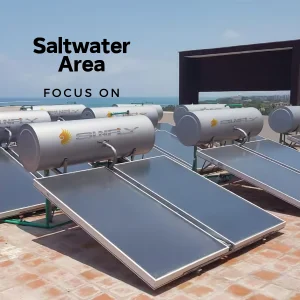
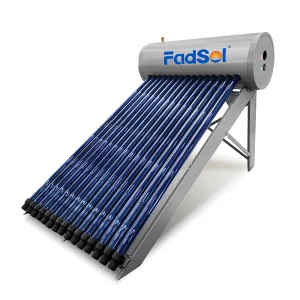
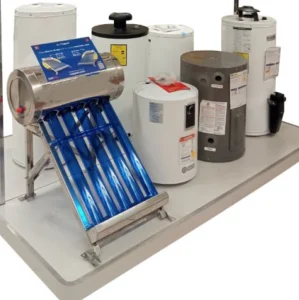
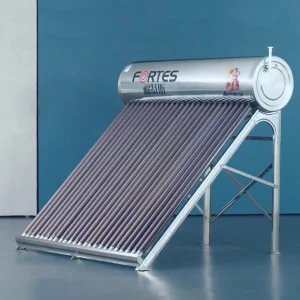
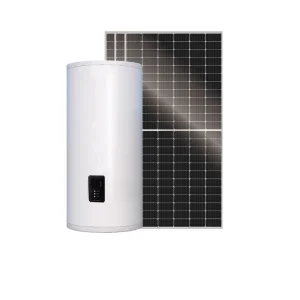
Specially pre-selected systems designed to withstand highly humid equatorial climates, coastal salt spray, and unstable off-grid configurations.
Located in the Gulf of Guinea, the democratic republic of São Tomé and Príncipe (STP) represents a classic Small Island Developing State (SIDS) facing substantial energy challenges. Historically dependent on imported fuel oils and diesel generation, the national utility EMAE (Empresa de Água e Electricidade) struggles with grid stability, recurring blackouts, and high transmission losses. With fuel import bills constituting a significant strain on the national GDP, transitioning to localized, off-grid renewable resources is no longer just an environmental goal; it is a critical macroeconomic necessity.
In STP's commercial and industrial operations, burning diesel to produce heat or relying on electrical resistance water heaters powered by diesel generators results in an astronomical LCOH—often exceeding $0.38 per kWh equivalent. Standard solar thermal collectors, once installed, reduce thermal energy generation costs to less than $0.04 per kWh, offering payback periods under 3 years for hotels, fish processing plants, and public clinics.
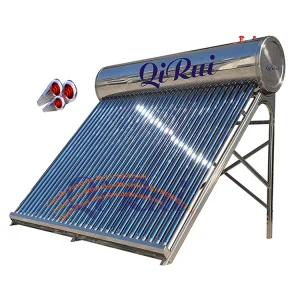
São Tomé and Príncipe possesses excellent solar resource availability, with average global horizontal irradiance (GHI) ranging from 4.8 to 5.4 kWh/m²/day. This abundant solar energy can easily fulfill up to 90% of the domestic, agricultural, and industrial hot water requirements. By using evacuated tube and flat-plate collector technologies, commercial institutions can significantly drop their peak electrical demand, directly stabilizing the island's fragile localized microgrids.
Procurement departments sourcing solar water heaters for São Tomé and Príncipe must prioritize materials certified to withstand extreme tropical marine atmospheric conditions. Atmospheric corrosivity in coastal regions of São Tomé, Santo António, and Neves is categorized as C5-M (Very High Marine) under ISO 9223. This demands strict specifications to prevent system failure within the first few years of deployment.
| Component | Standard Material | C5-M Marine Grade Specification (Recommended) | SIDS Operating Benefit |
|---|---|---|---|
| Water Storage Tank Shell | SUS 304 Stainless Steel | SUS 316L / Duplex 2205 Stainless Steel | Prevents pitting corrosion from high-salinity air. |
| Inner Tank Coating | Standard Polyurethane | High-Density Vitreous Enamel Coating | Resists aggressive well water, preventing galvanic erosion. |
| Frame & Brackets | Galvanized Steel | Anodized Al-Alloy (6005-T5) or Hot-Dip Galvanized (>85μm) | Eliminates structural rust from monsoon rains. |
| Seals & Gaskets | Standard EPDM Rubber | UV-Stabilized Silicone Polymer | Prevents cracking under intense equatorial UV. |
Furthermore, heavy tropical depressions and monsoonal winds affect the island group annually. System mounting structures must be engineered to withstand wind velocities of up to 45 m/s (approx. 160 km/h). Integrated flat-plate collectors present a lower aerodynamic profile and are highly recommended for high-wind coastal zones, while evacuated tubes with high-strength borosilicate glass (3.3 mm thickness) are ideal for inland mountainous areas such as Monte Café, where cooler ambient air temperatures make thermal insulation paramount.
Implementing solar water heating technology at scale provides key solutions for three core economic pillars of the island nation:
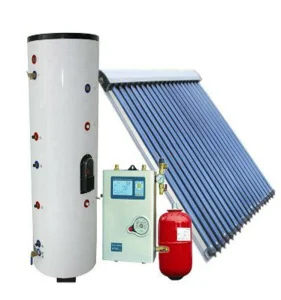
Luxury establishments in areas like Bom Bom Island Resort or Ilhéu das Rolas require premium hospitality comforts while striving for zero-carbon targets. High-pressure, split-collector solar heating systems isolate the heavy water tanks from the roofline, maintaining aesthetic architectural profiles. Heat-exchanger loops ensure hot water is delivered instantaneously at constant pressures, utilizing smart solar controller interfaces to modulate temperature and manage auxiliary electric boosters seamlessly during overcast weeks.
Agriculture drives STP's export economy. High-grade organic cocoa and coffee processing requires precise wash temperatures. Implementing centralized industrial arrays of 500-liter storage systems operating in series allows processing units to maintain wash temperatures between 50°C and 70°C. By bypassing wood-burning dryers or fossil-fuel boilers, agricultural cooperatives can achieve certified organic, carbon-neutral status, commanding premium prices in European and North American markets.
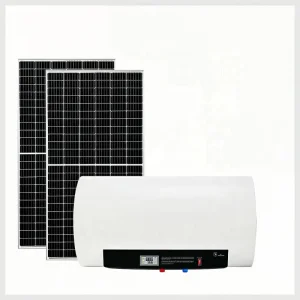
Decentralized district clinics, particularly in remote regions like Caué and Lembá, need reliable hot water for sanitization, laundry, and maternal wards. Grid outages compromise standard electrical heaters. Low-pressure thermosiphon or integrated pressurized solar heaters operate completely independently of the grid, ensuring continuous sanitization capacity even during total blackouts, utilizing backup solar photovoltaic inputs where possible.
The solar thermal industry is evolving past isolated thermosiphon units. The future of hot water generation in remote island grids lies in system hybridization and digital control logic.
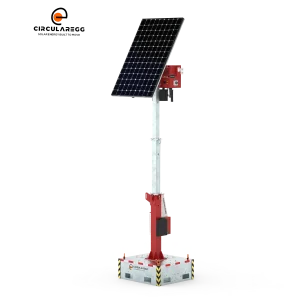
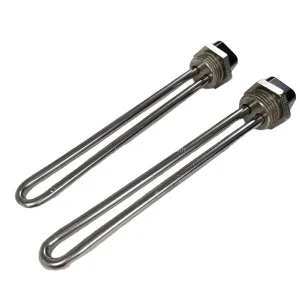
To support agricultural infrastructure, rural farms, and clean water processing, we provide specialized high-capacity vessels and off-grid utilities designed for heavy operational loads.
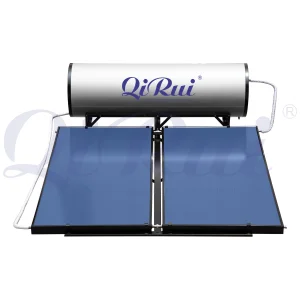
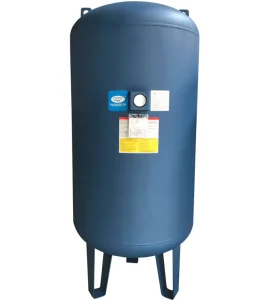
Procuring solar infrastructure for STP requires navigating customs logistics, maritime freighting to the Port of São Tomé (Ana Chaves Bay), and guaranteeing compliance with international quality baselines. Working with Anhui Aryam Energy guarantees a streamlined procurement cycle:
Anhui Aryam Energy Co., Ltd. is a leading provider of advanced renewable energy solutions, dedicated to delivering reliable, efficient, and sustainable power systems for residential, commercial, industrial, and utility-scale applications worldwide. Through continuous innovation and a strong commitment to clean energy development, Aryam Energy has established itself as a trusted partner in the global transition toward a low-carbon future.
The company specializes in the research, development, manufacturing, and integration of solar energy systems, energy storage solutions, hybrid power systems, and intelligent microgrid technologies. Leveraging cutting-edge engineering expertise and strict quality management standards, Aryam Energy provides comprehensive energy solutions tailored to diverse market needs, particularly in regions facing energy shortages, unstable grid infrastructure, or increasing demand for sustainable power generation.
With a professional R&D team and a growing portfolio of proprietary technologies, Aryam Energy continuously invests in innovation to enhance system performance, energy efficiency, and long-term reliability. Its products and solutions are designed to meet international standards and have been successfully deployed across Asia, Africa, the Middle East, Europe, and Latin America, serving customers in more than 100 countries and regions.
Aryam Energy's product portfolio includes solar inverters, energy storage systems, hybrid inverters, lithium battery solutions, solar water pumping systems, microgrid systems, and customized renewable energy projects. The company is committed to providing integrated energy solutions that maximize energy independence, reduce operational costs, and support environmental sustainability.
Driven by the vision of becoming a globally recognized clean energy technology leader, Aryam Energy actively collaborates with distributors, EPC contractors, government agencies, international organizations, and development partners to promote renewable energy adoption worldwide. Through its mission of "Empowering Sustainable Energy for a Better Future," the company strives to create long-term value for customers while contributing to global carbon reduction goals and sustainable social development.
By combining technological innovation, product excellence, and customer-centric service, Anhui Aryam Energy Co., Ltd. continues to deliver smart, reliable, and environmentally responsible energy solutions that help build a greener and more sustainable world.
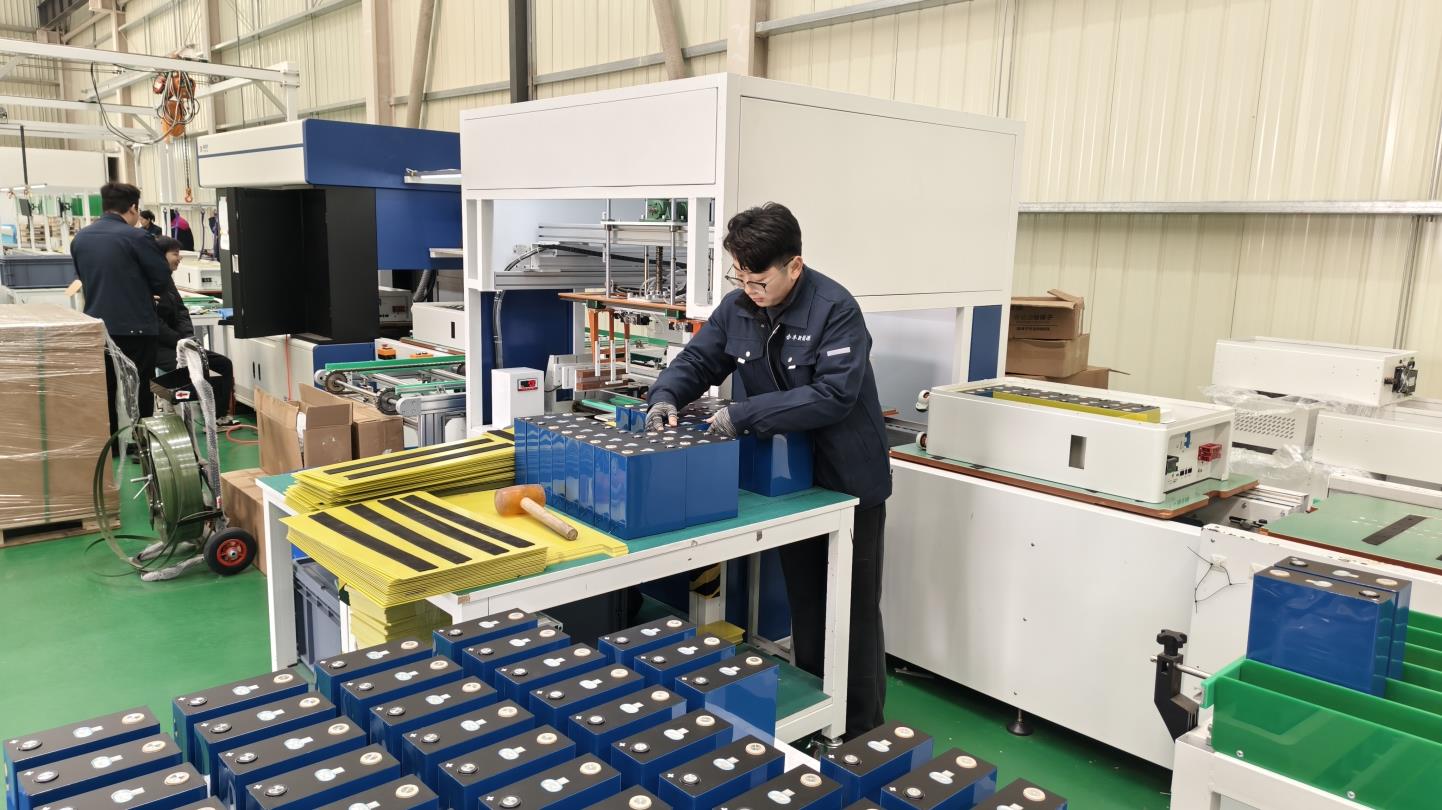
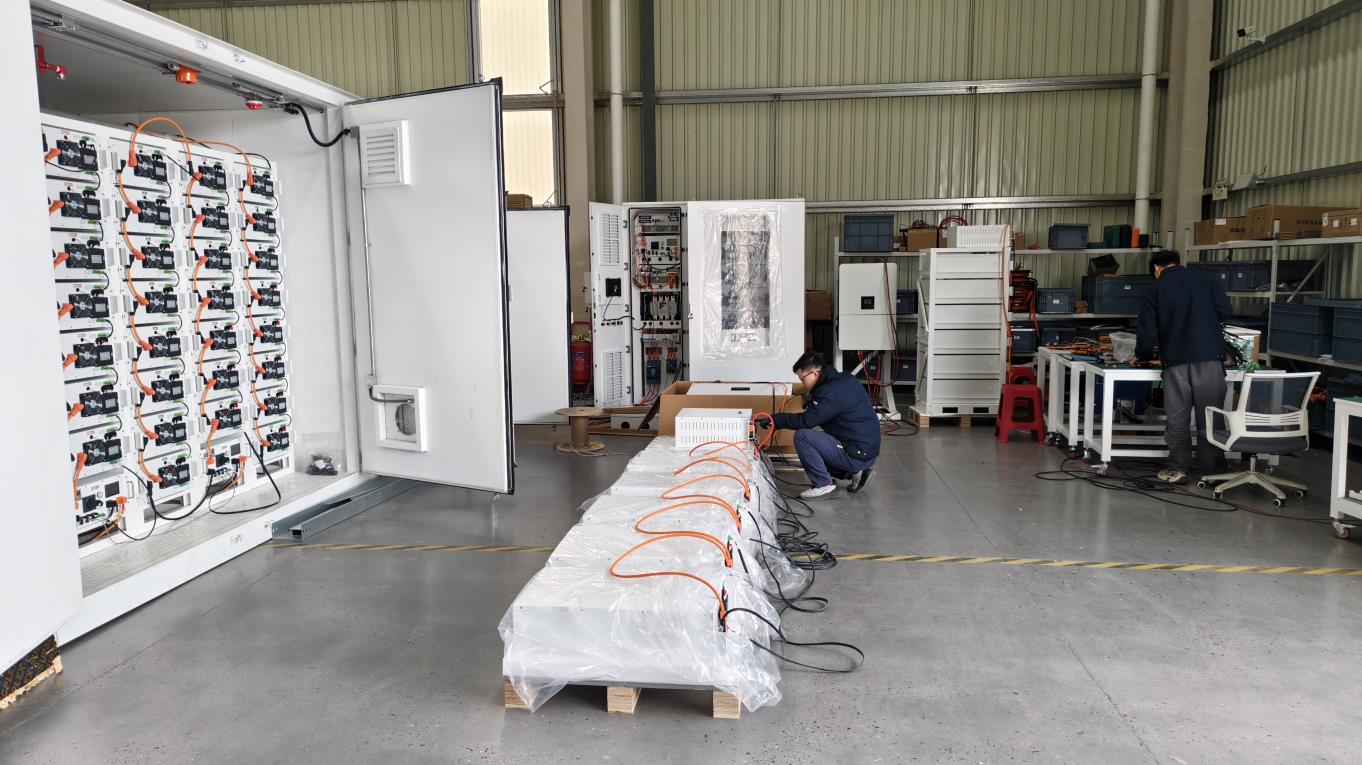
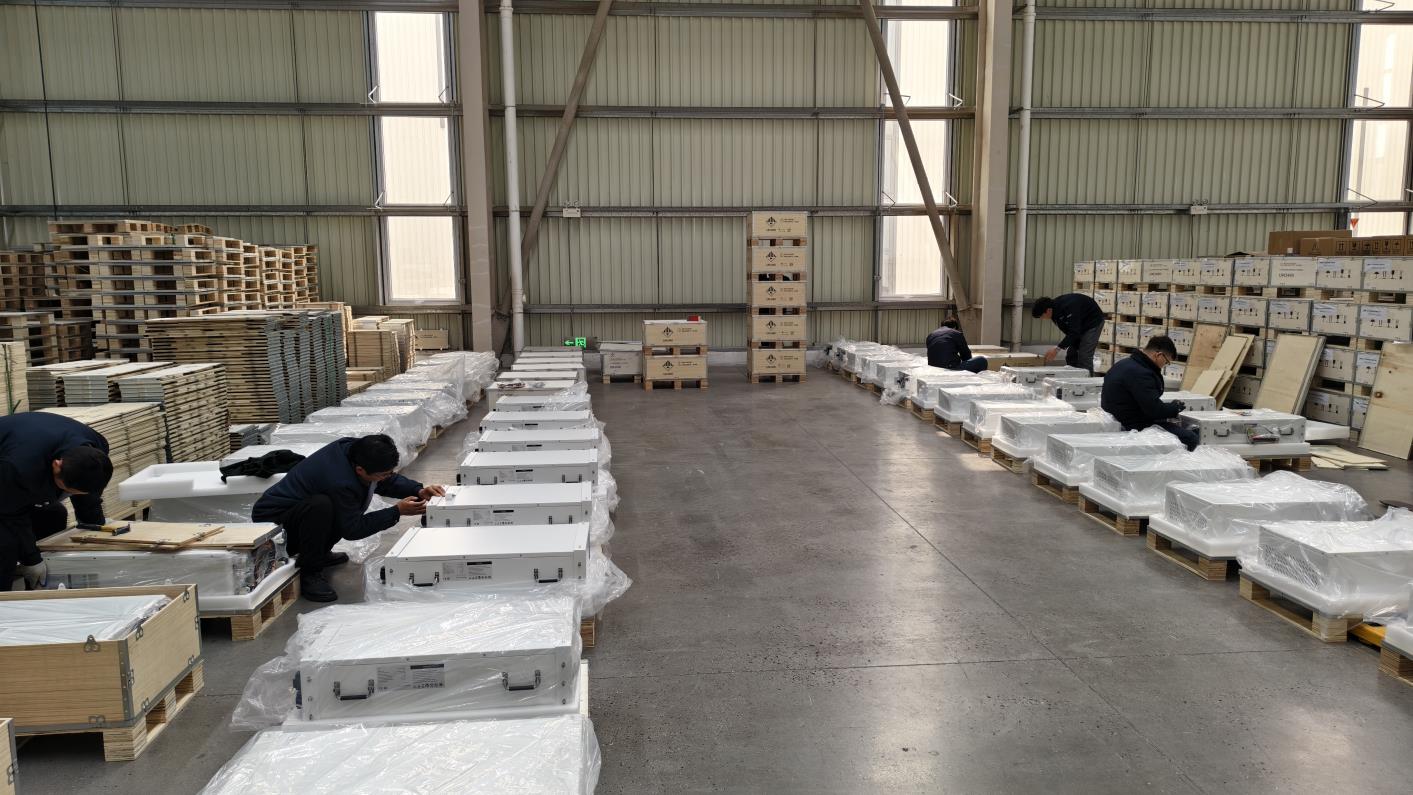
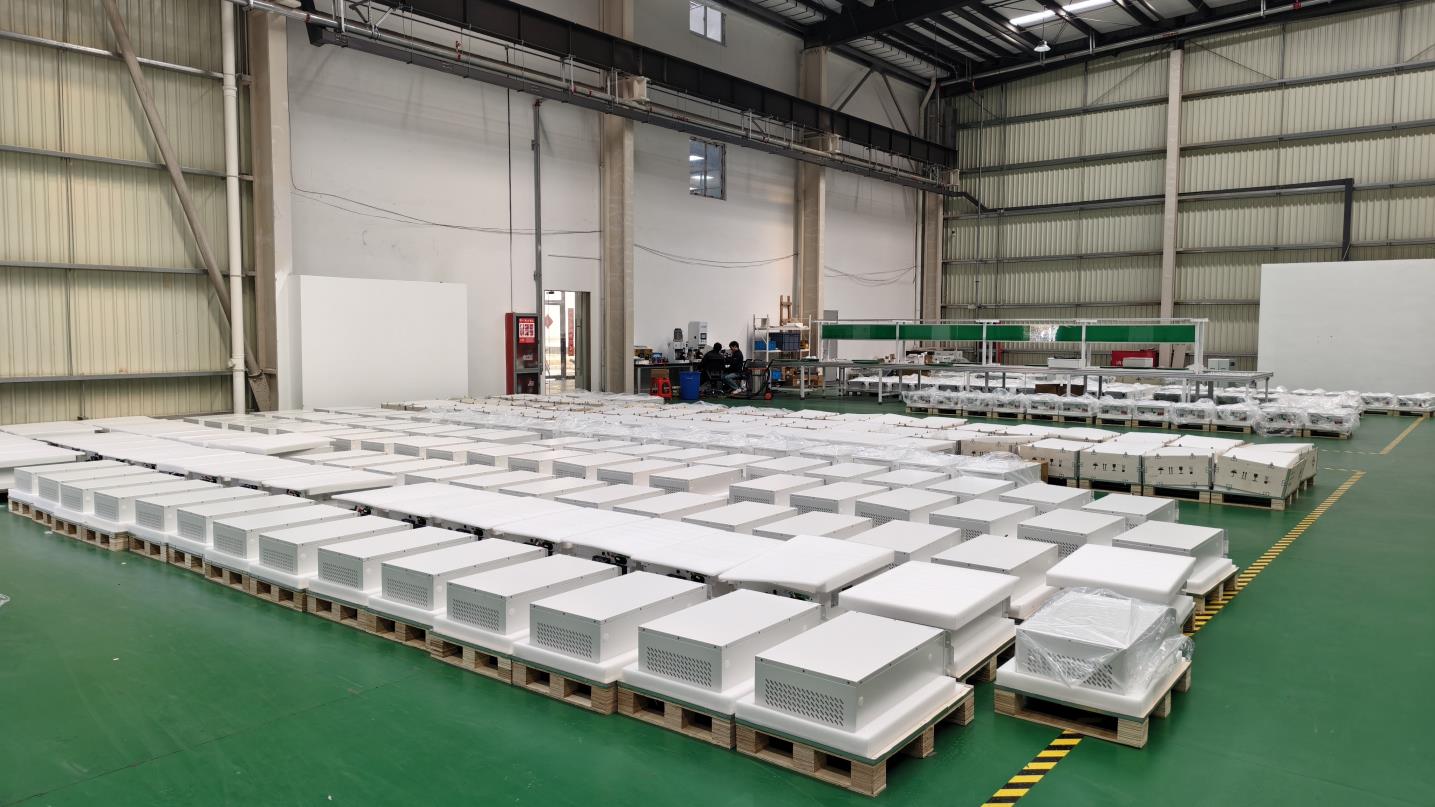
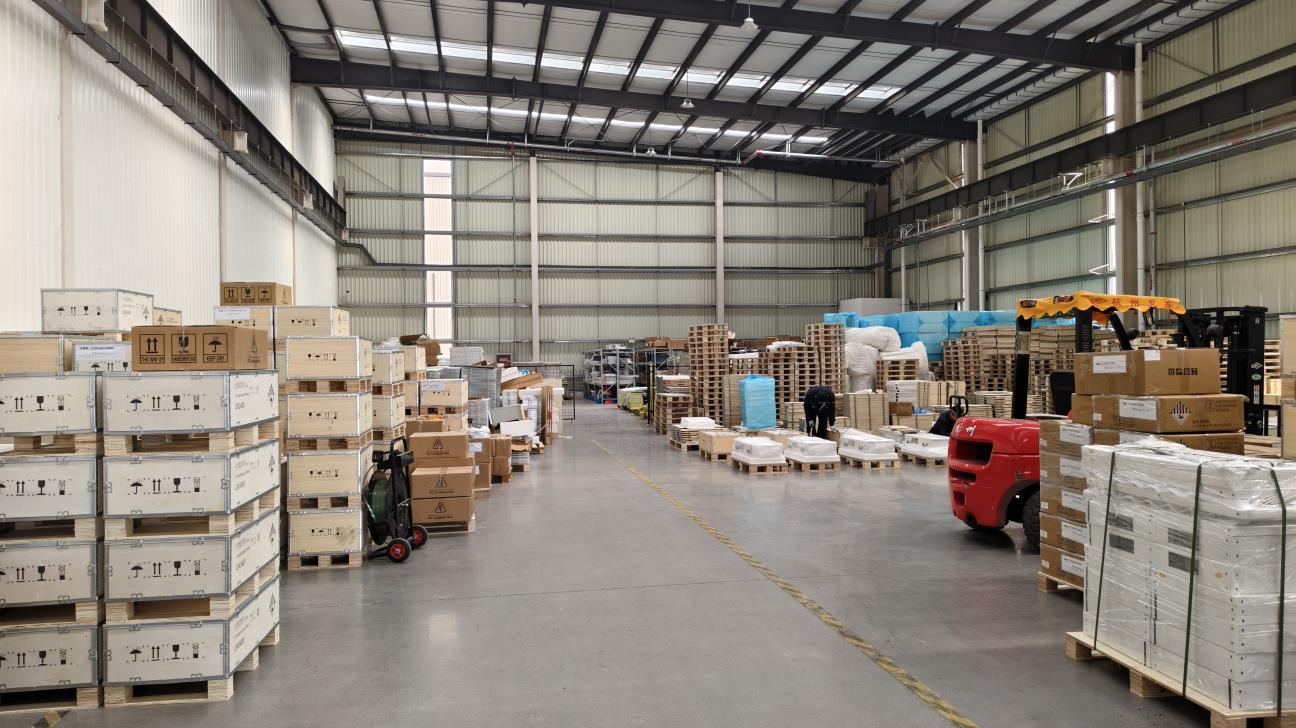
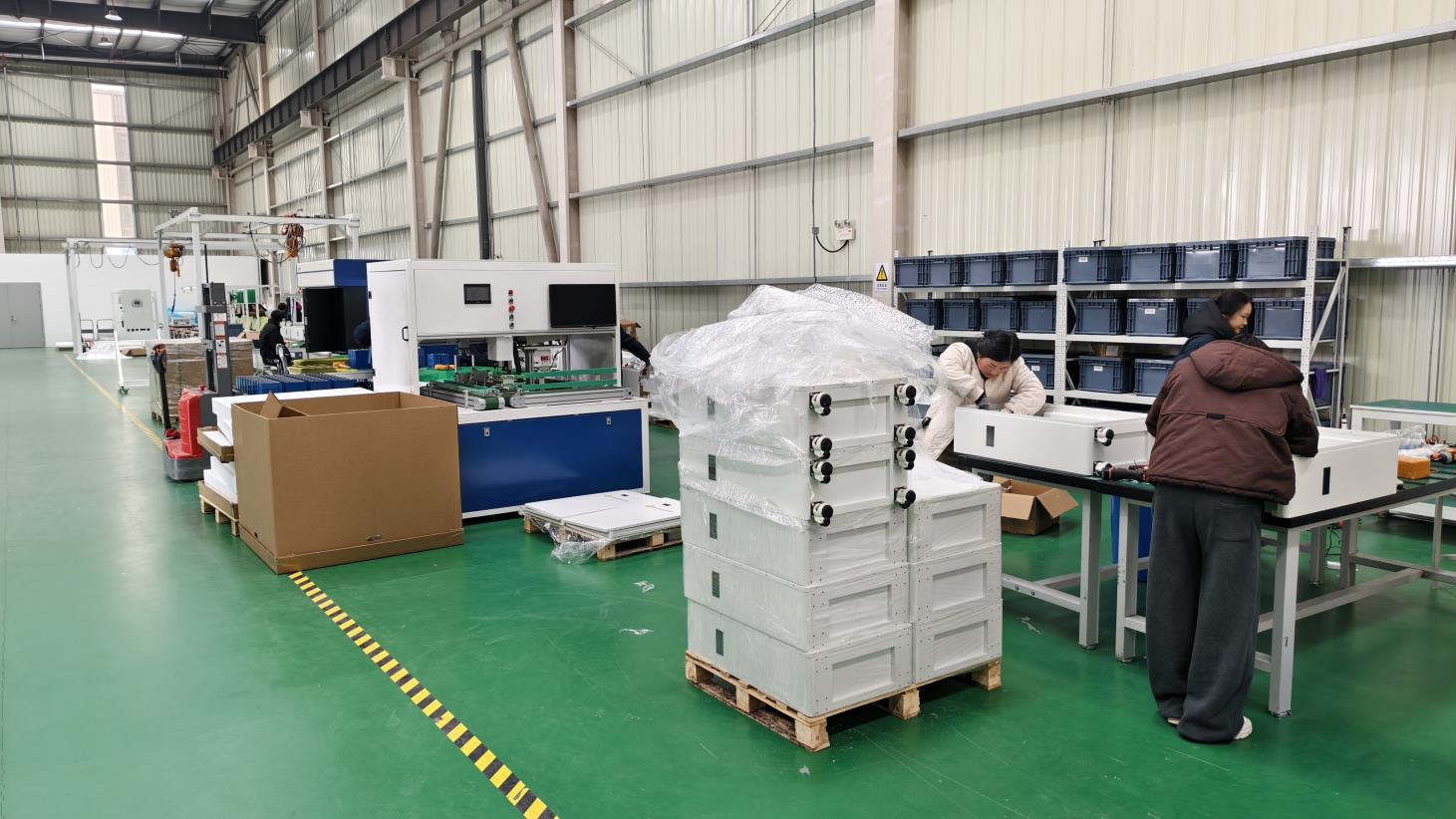
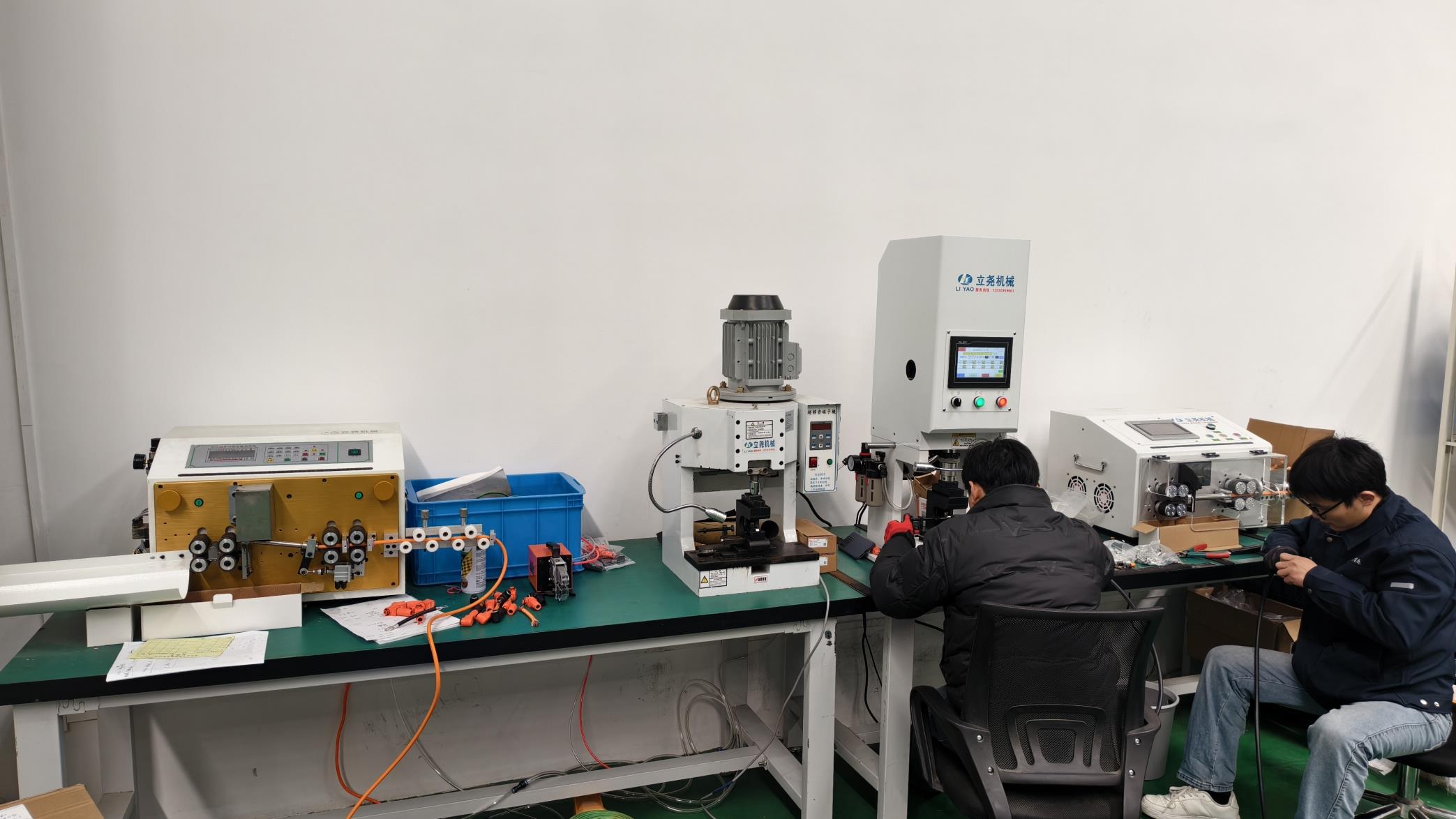
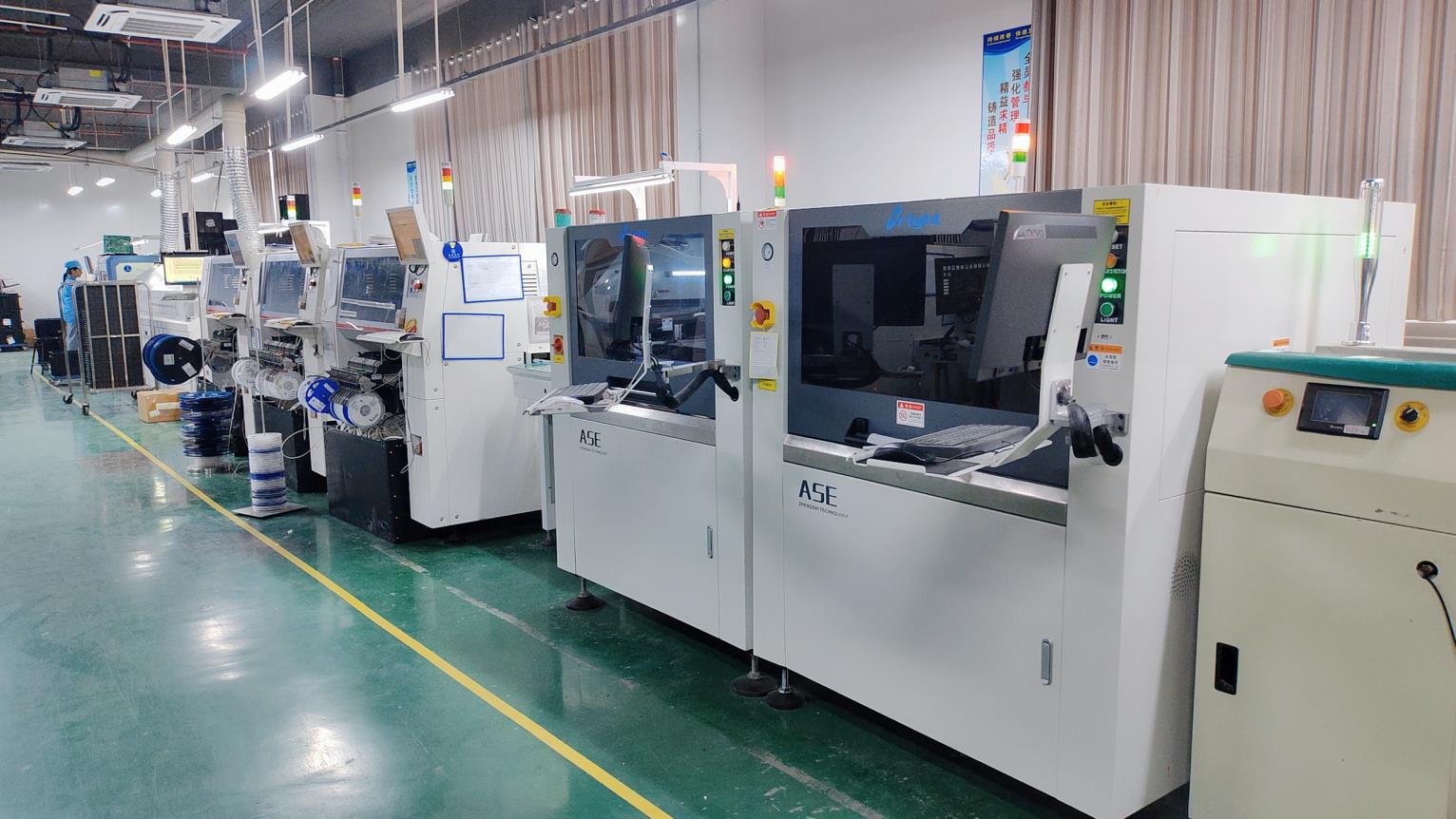
High-precision surface mount technology for controller boards.
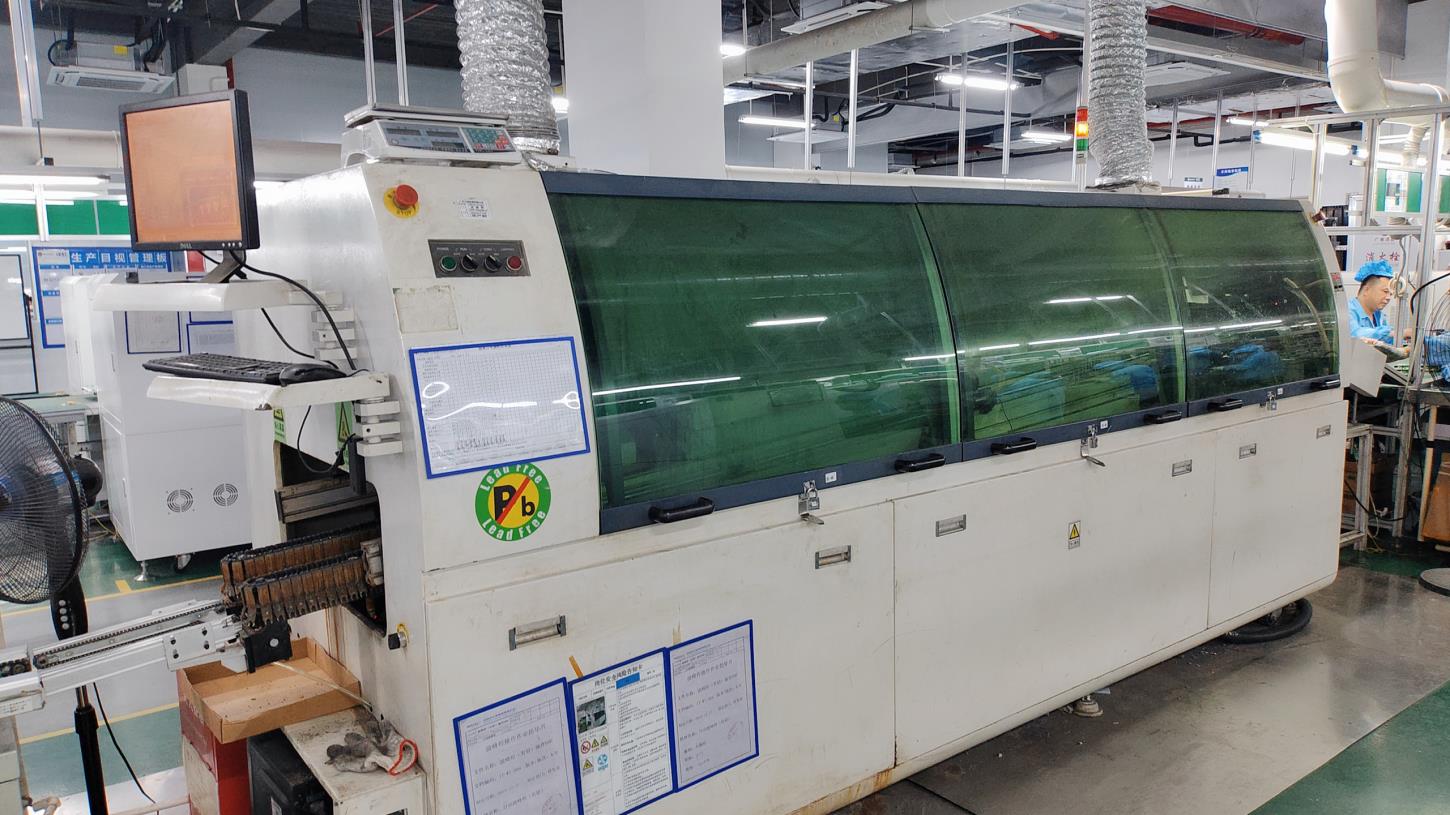
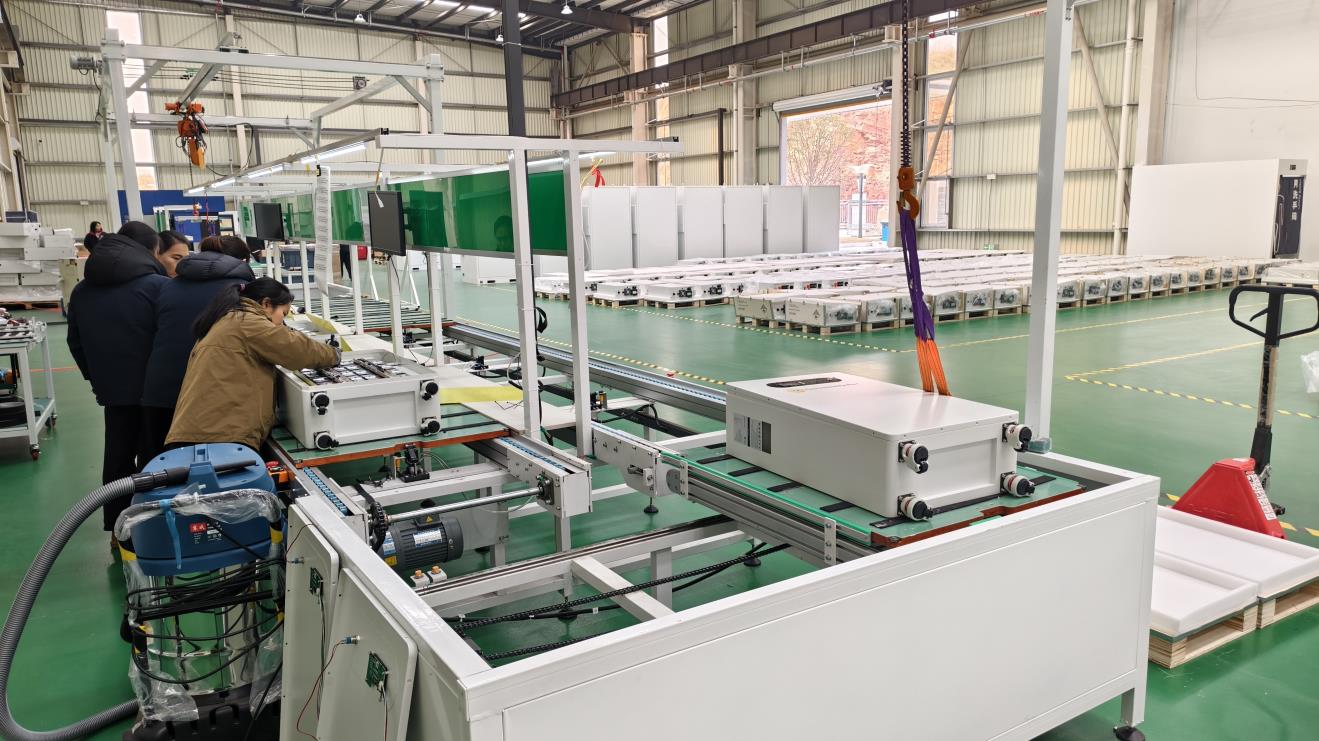
Industrial automated soldering for structural power components.
Get answers to critical installation, maintenance, and technical queries directly from our engineering team.
Select and inspect our range of solar heaters, backup heating systems, and off-grid solutions built for high-humidity equatorial zones.
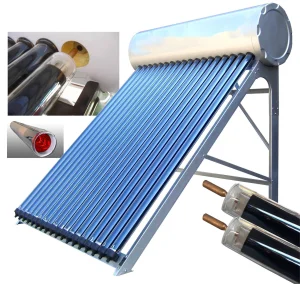
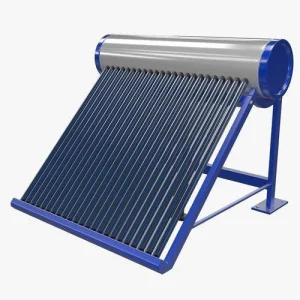
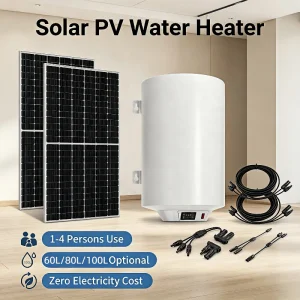
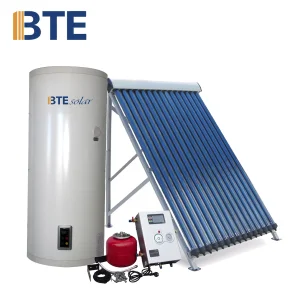
Contact our engineering desk today to receive customized technical design options, localized freight estimates, and C5-M compliant system configurations tailored for São Tomé and Príncipe.
Send Inquiry Now Aryam Energy