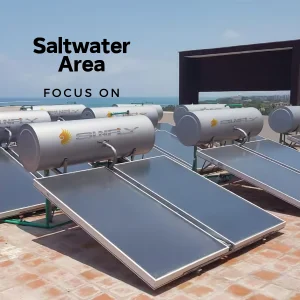
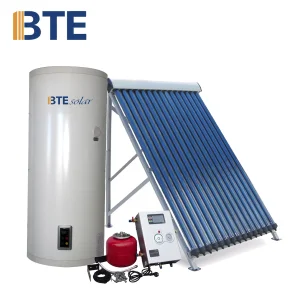
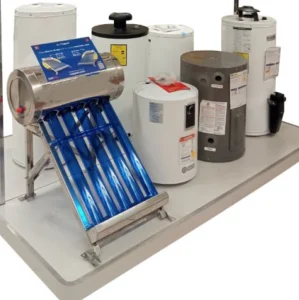
Immediate availability and high-performance options for industrial and commercial projects in Metro Manila and surrounding provinces.
Whitepaper Analysis: Decentralized Heating, Grid Parity, and Carbon Abatement in the NCR Region.
Metro Manila, the economic heart of the Philippines, operates under some of the highest retail electricity tariffs in the Association of Southeast Asian Nations (ASEAN) region. Driven by dependence on imported fossil fuels and structural issues in transmission networks, businesses and households in districts like Makati, Bonifacio Global City (BGC), and Quezon City face substantial operational overheads. Generating domestic and commercial hot water using direct resistance grid heating has become financially unsustainable for high-volume users such as hotels, hospitals, food processing facilities, and wellness centers.
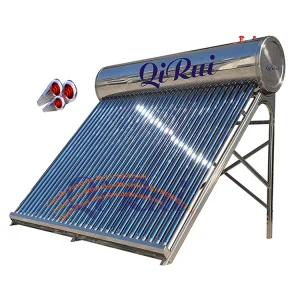
Under Republic Act No. 9513 (The Renewable Energy Act of 2008) and localized environmental mandates, green building certifications (such as BERDE and LEED) are actively shifting commercial developments toward thermal solar integration. The high average daily solar irradiance in Luzon (ranging between 4.5 to 5.5 kWh/m²/day) presents an ideal thermodynamic environment for evacuated tube and flat-plate collector systems. By transitioning water heating loads to solar thermal energy, Manila-based developers can expect an ROI payback period within 18 to 26 months, coupled with a massive reduction in Scope 1 carbon footprint.
Engineering solar water heaters for the Manila market requires strict adherence to localized climatic variables. The Philippines experiences an average of 20 typhoons annually. Standard solar mounting structures designed for continental markets will fail under the wind loads of Super Typhoons. Therefore, systems intended for local installation must feature heavy-duty, hot-dip galvanized steel or high-grade aluminum alloy mounting frames capable of withstanding winds up to 250 km/h.
Furthermore, coastal proximity—particularly along Manila Bay, Pasay, and Parañaque—exposes outdoor equipment to high concentrations of atmospheric salinity. Without structural optimization, premature galvanic corrosion will compromise solar storage tanks and collector frames. Our engineering standards dictate the utilization of SUS304-2B or SUS316L stainless steel inner tanks, paired with marine-grade PVDF outer casings, to resist salt-air corrosion and ensure a operational lifespan exceeding 15 years.
On a global scale, the solar water heating industry is transitioning from simple low-pressure thermosiphon designs to sophisticated, closed-loop pressurized systems, hybrid PV-thermal (PVT) setups, and direct-drive PV electric water heaters. Key global developments include:
Anhui Aryam Energy Co., Ltd. - State-of-the-Art Production Lines Ensuring International Quality Benchmarks.
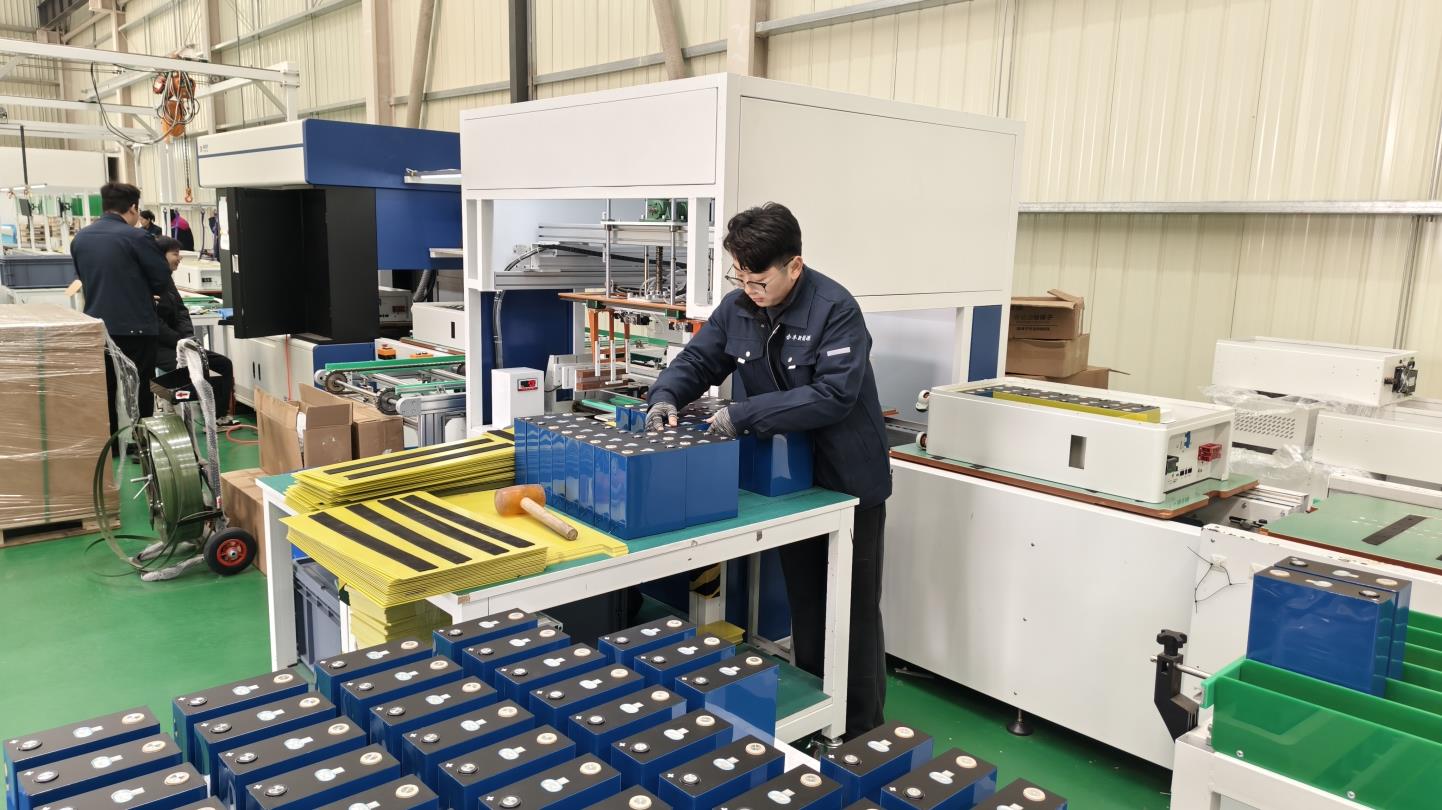
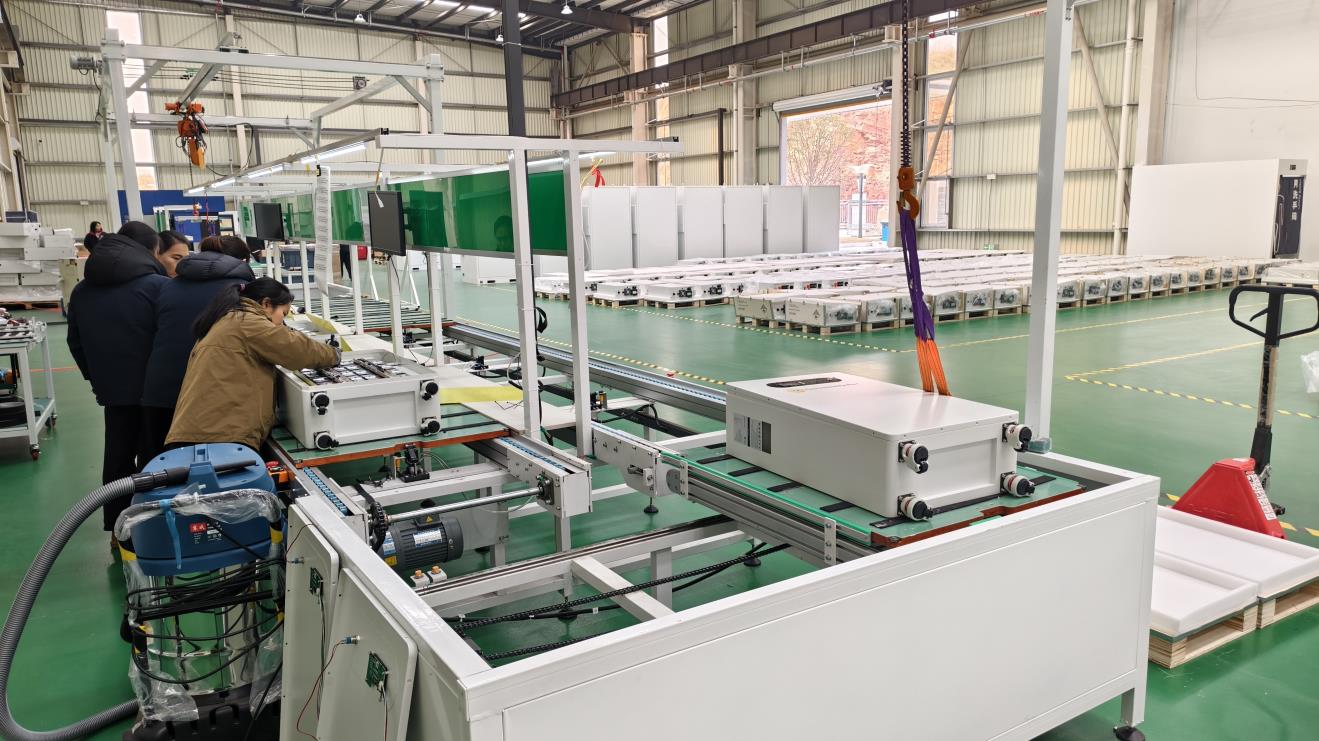
Our manufacturing facility leverages Industry 4.0 automation to guarantee dimensional accuracy, robust weld integrity, and exceptional thermal efficiency. By employing advanced robotic welding stations, automated Surface Mount Technology (SMT) lines for system controllers, and high-pressure polyurethane insulation foaming lines, we deliver solar thermal products that easily surpass European Solar Keymark and North American SRCC standards.
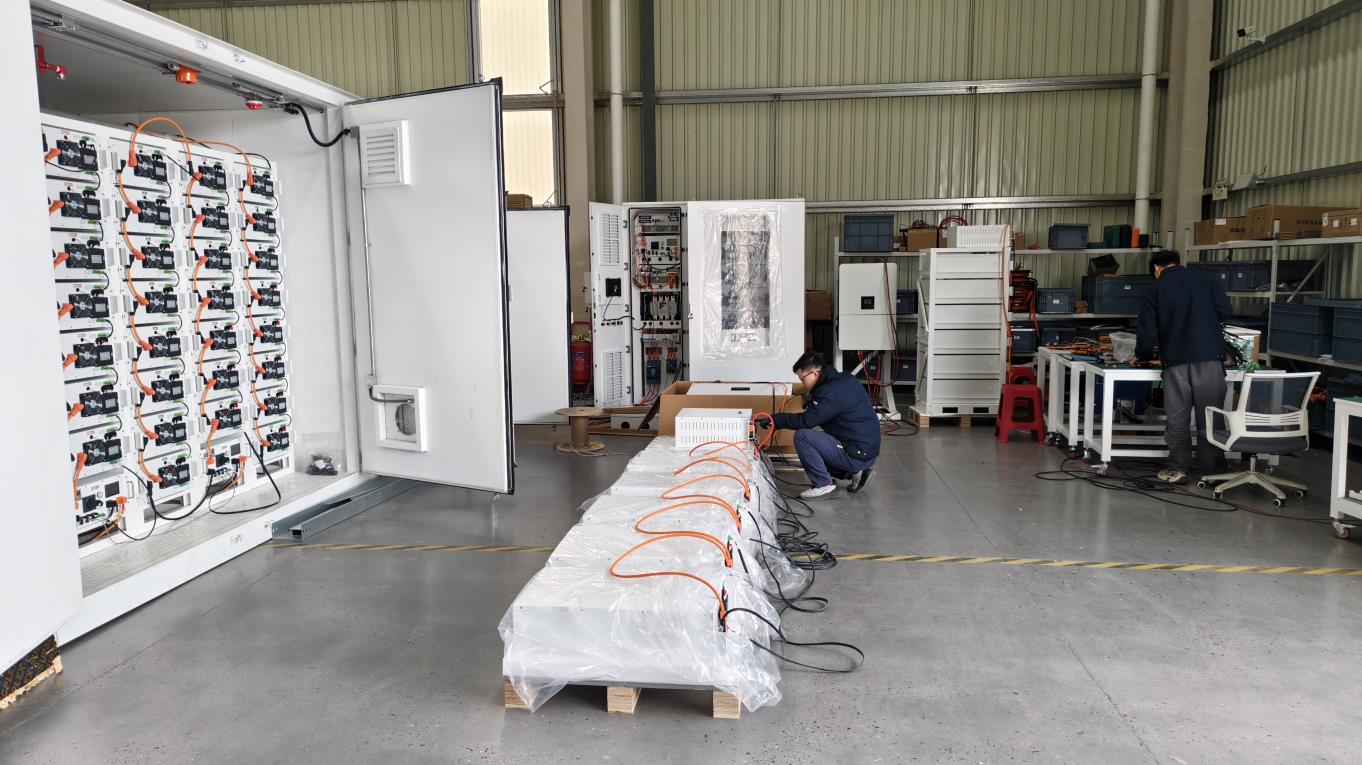
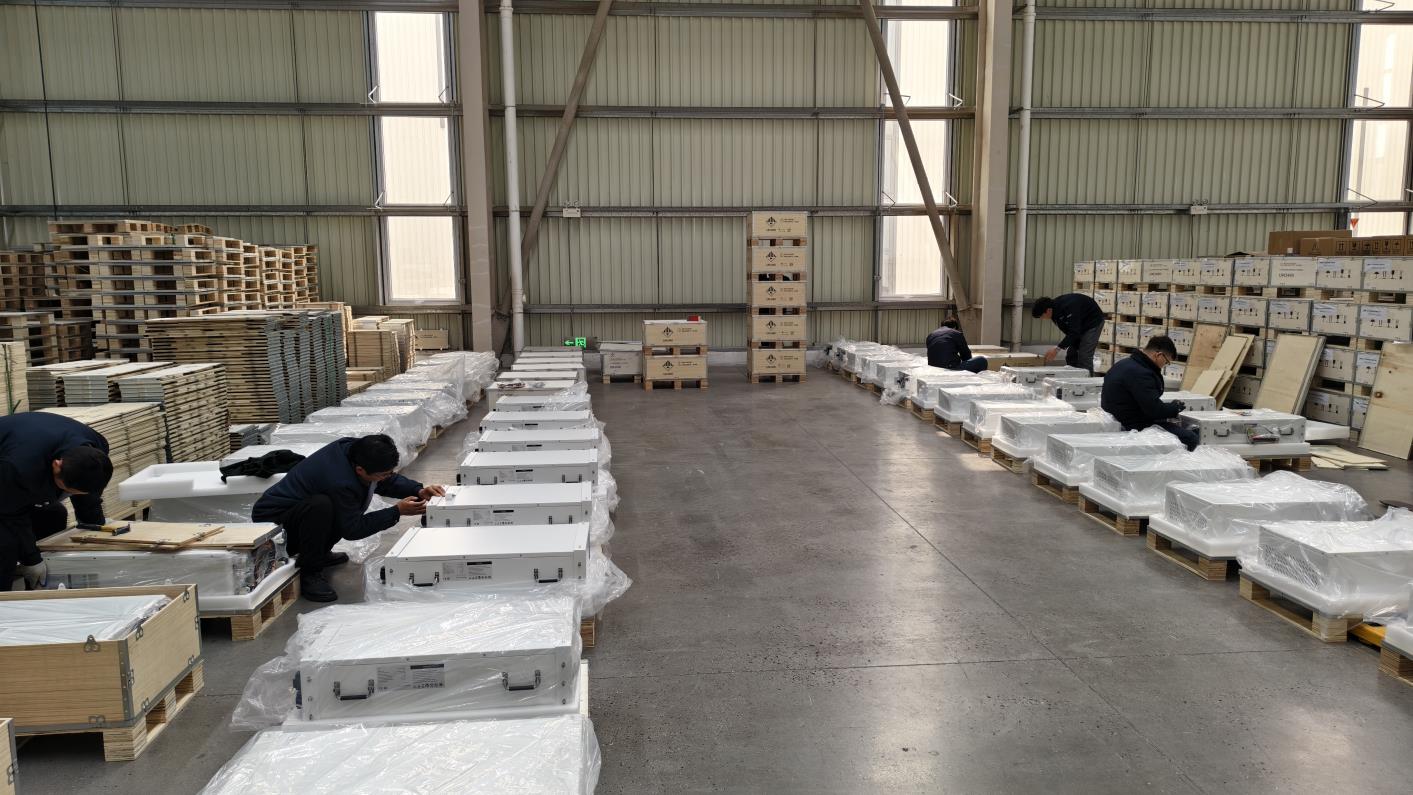
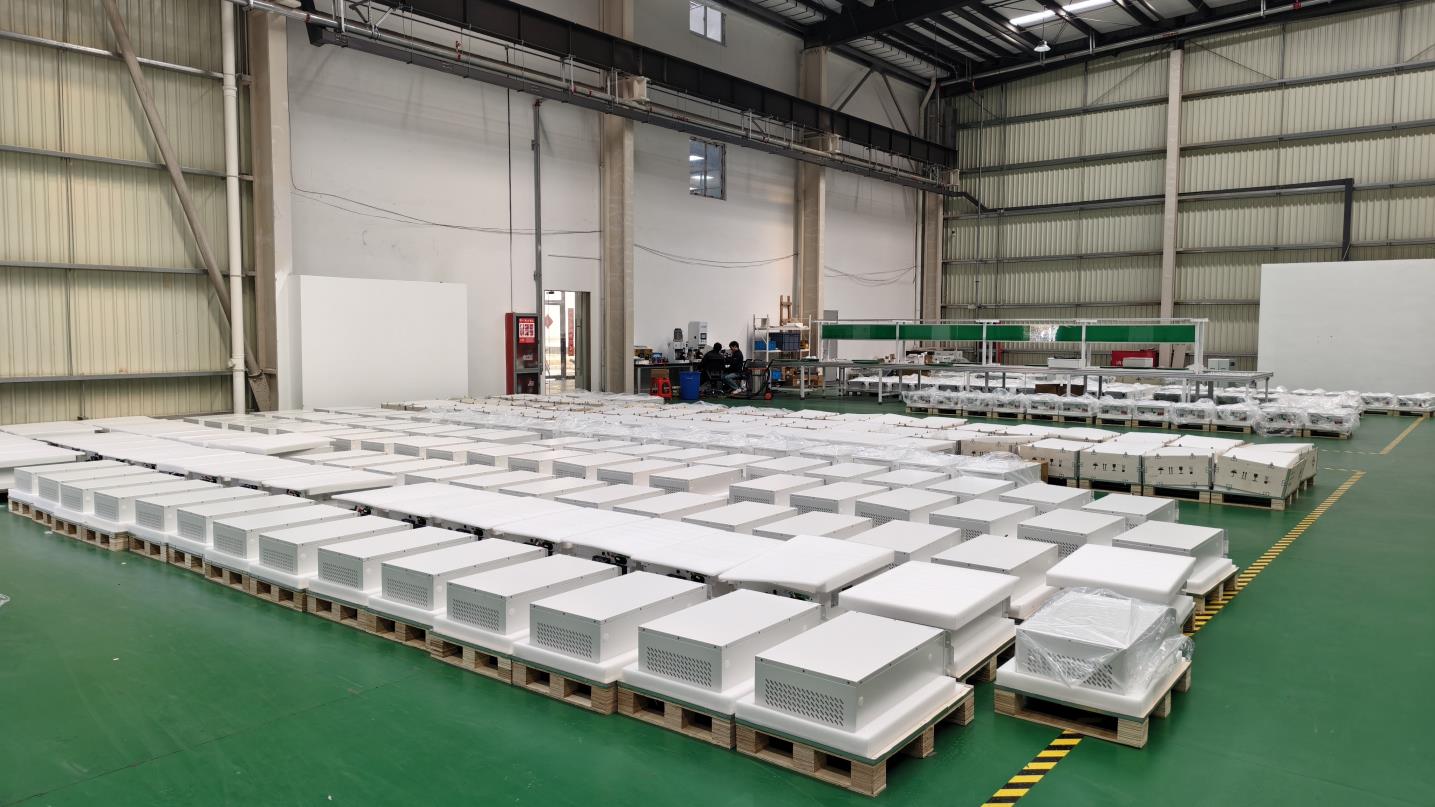
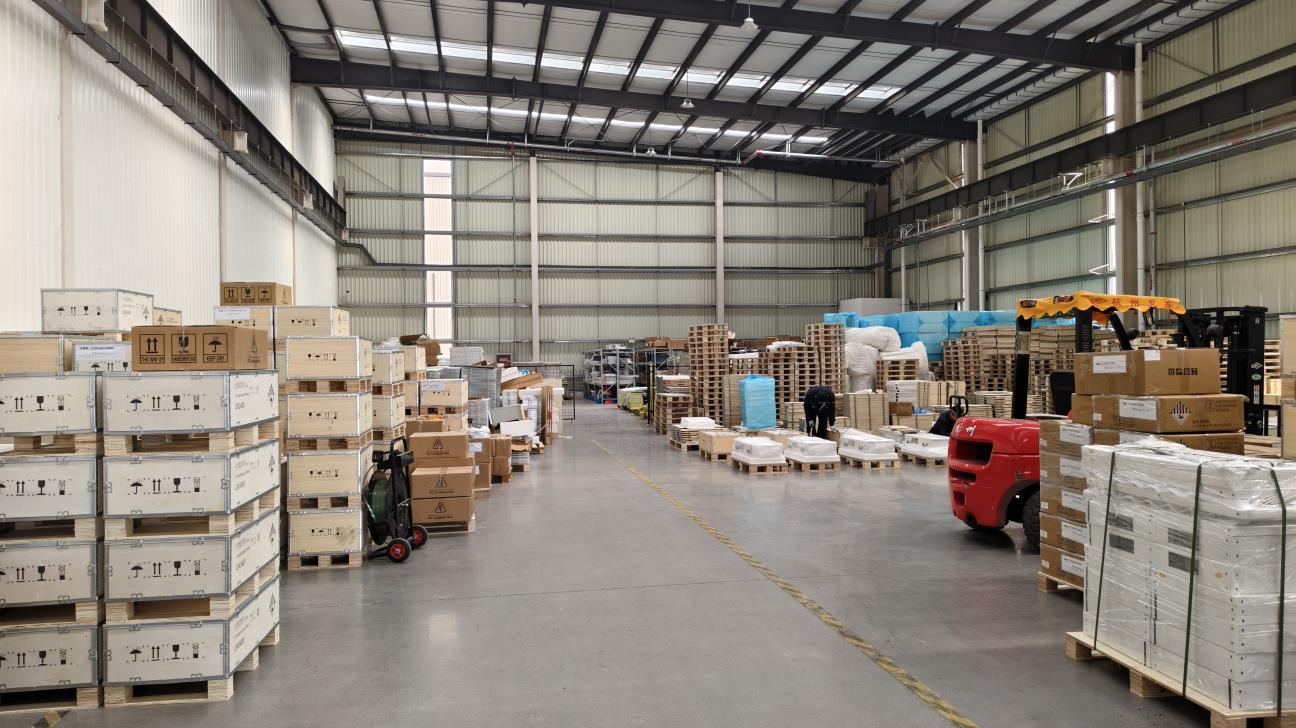
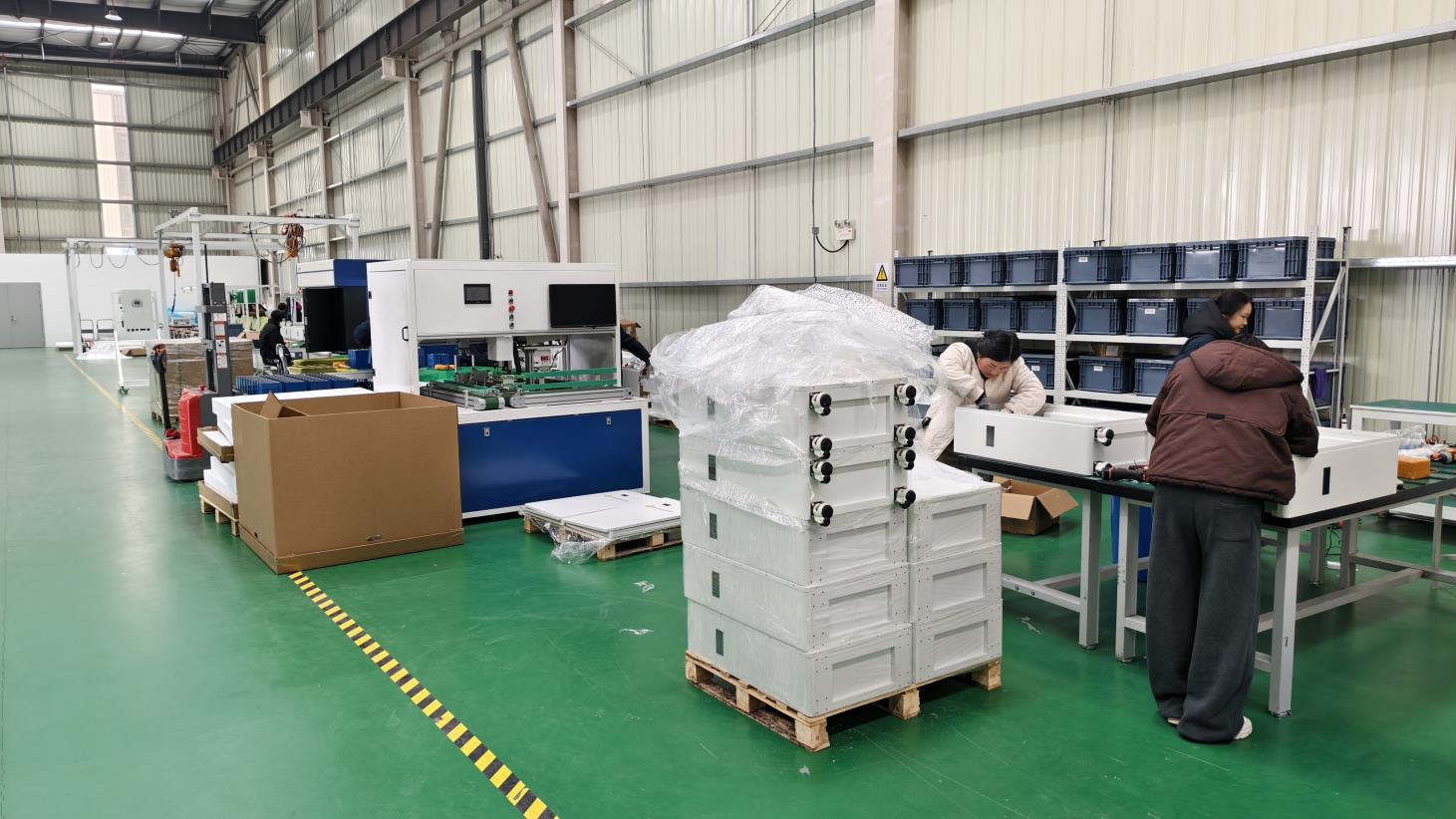
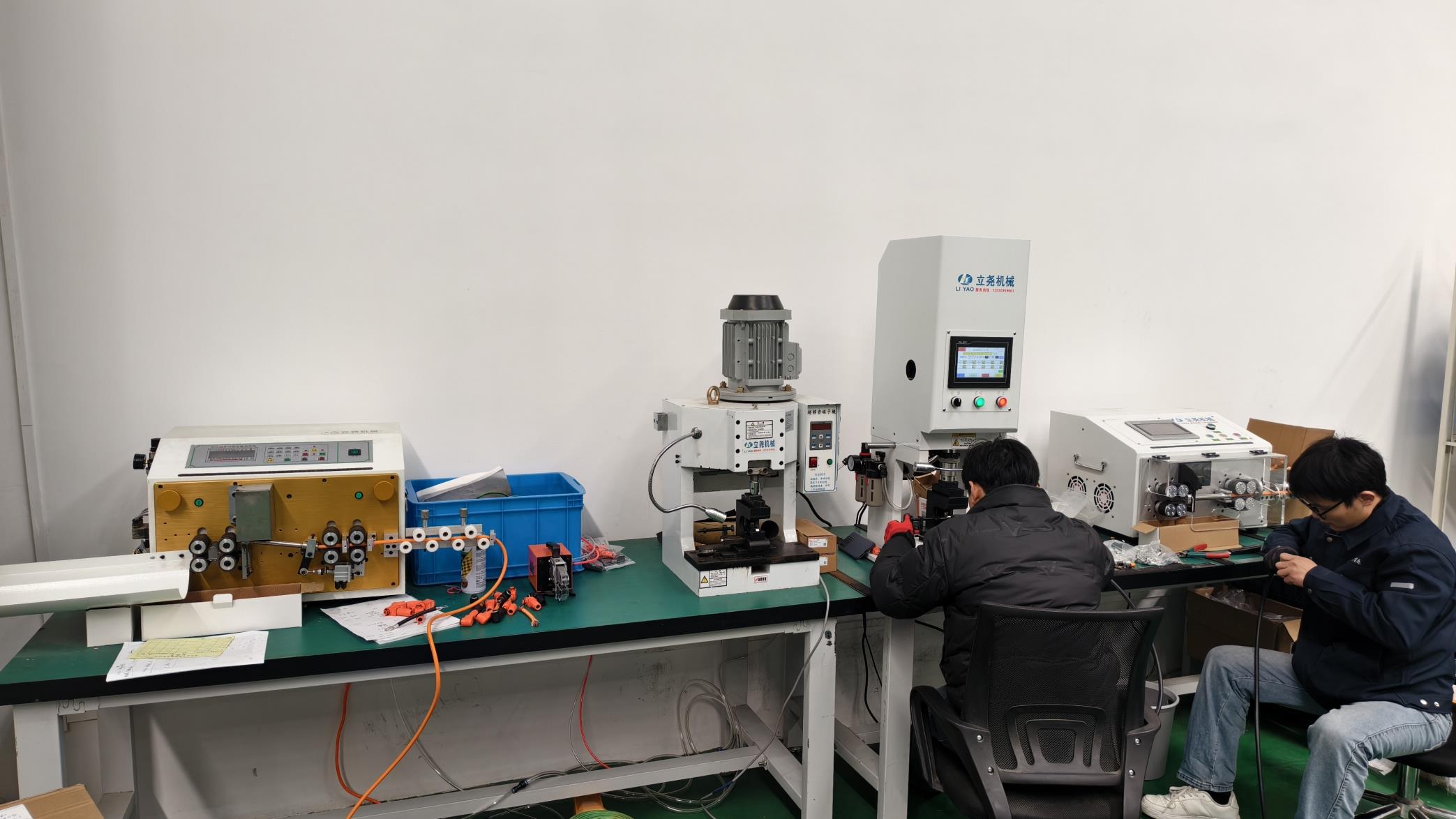
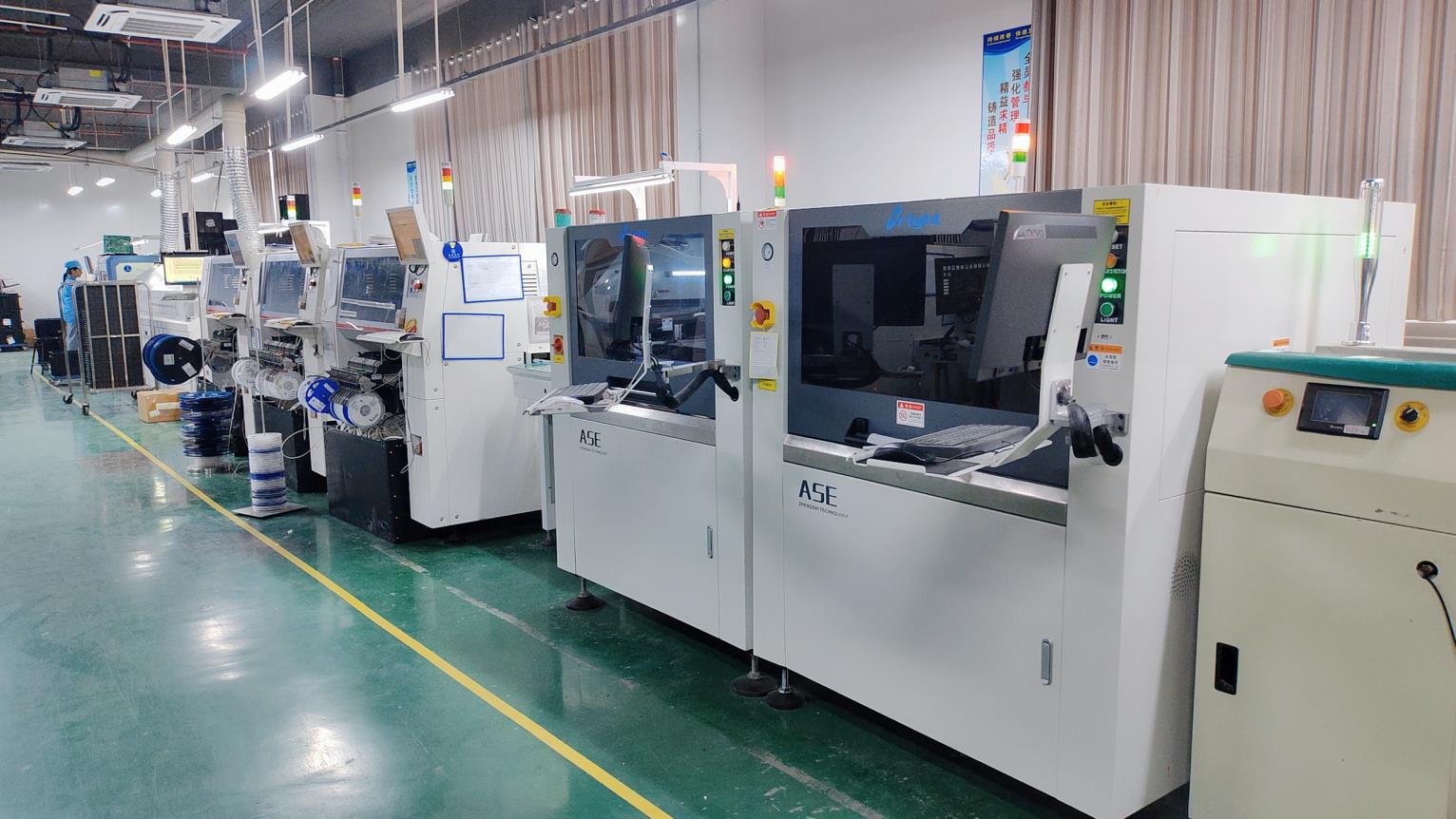
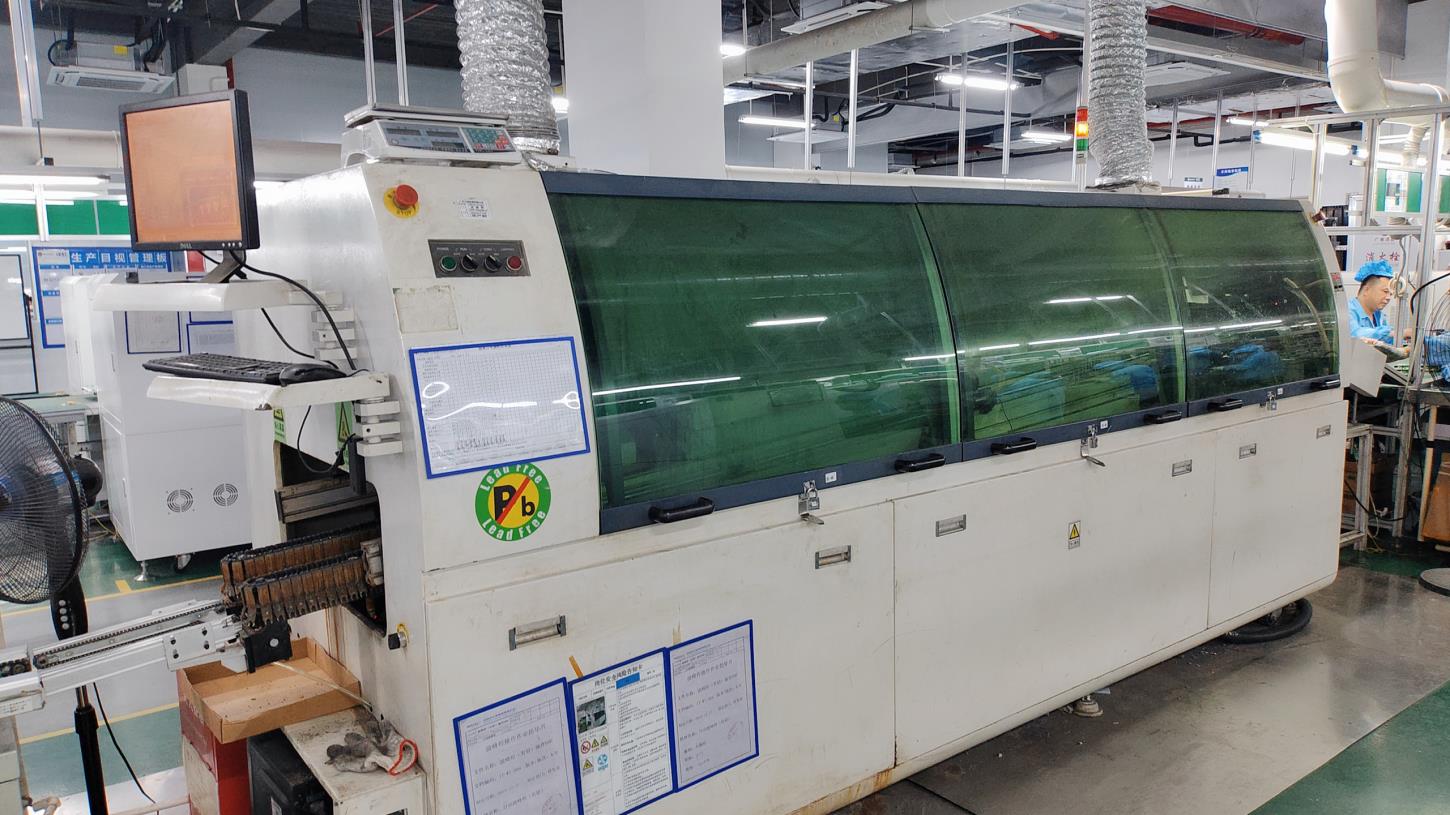
Every solar water heater leaving our factory undergoes a series of mandatory stress tests:
Empowering Sustainable Energy for a Better Future through Technological Innovation.
Anhui Aryam Energy Co., Ltd. is a leading provider of advanced renewable energy solutions, dedicated to delivering reliable, efficient, and sustainable power systems for residential, commercial, industrial, and utility-scale applications worldwide. Through continuous innovation and a strong commitment to clean energy development, Aryam Energy has established itself as a trusted partner in the global transition toward a low-carbon future.
The company specializes in the research, development, manufacturing, and integration of solar energy systems, energy storage solutions, hybrid power systems, and intelligent microgrid technologies. Leveraging cutting-edge engineering expertise and strict quality management standards, Aryam Energy provides comprehensive energy solutions tailored to diverse market needs, particularly in regions facing energy shortages, unstable grid infrastructure, or increasing demand for sustainable power generation.
With a professional R&D team and a growing portfolio of proprietary technologies, Aryam Energy continuously invests in innovation to enhance system performance, energy efficiency, and long-term reliability. Its products and solutions are designed to meet international standards and have been successfully deployed across Asia, Africa, the Middle East, Europe, and Latin America, serving customers in more than 100 countries and regions.
Aryam Energy's product portfolio includes solar inverters, energy storage systems, hybrid inverters, lithium battery solutions, solar water pumping systems, microgrid systems, and customized renewable energy projects. The company is committed to providing integrated energy solutions that maximize energy independence, reduce operational costs, and support environmental sustainability.
Tailored engineering strategies designed for critical industries across Luzon, Visayas, and Mindanao.
Hotels in Manila, Palawan, and Boracay require consistent high-volume hot water deliveries without grid dependency. Our closed-loop split pressurized systems integrate seamlessly with smart energy management systems to handle peak loads during tourist season.
Industrial food plants in Cavite & Laguna Technoparks utilize massive steam boilers. By preheating feed water from 25°C to 85°C using solar evacuated tube matrices, factories cut LPG/Coal combustion volumes by up to 45%, achieving swift decarbonization goals.
Condominium developers in BGC and Ortigas face building code regulations targeting green energy usage. Centralized roof-mounted solar collectors with pressurized thermal storage minimize individual unit energy usage while meeting building load profiles.
Explore our complete range of certified thermal solar heaters and components, suitable for diverse commercial, industrial, and residential setups.
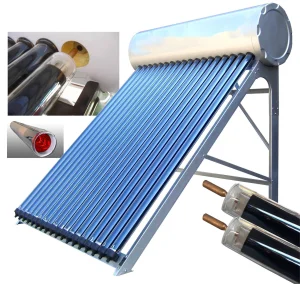
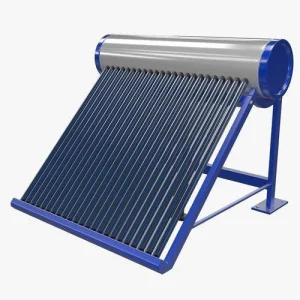
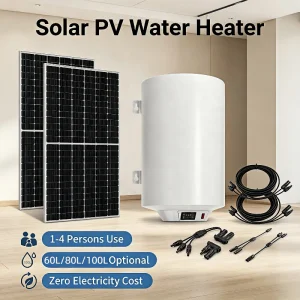
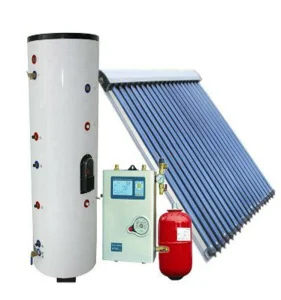
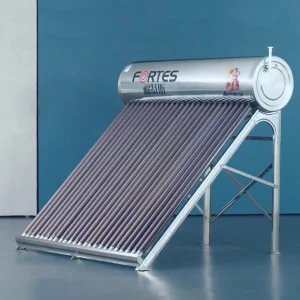
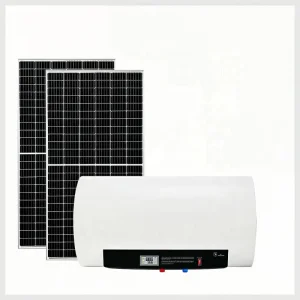
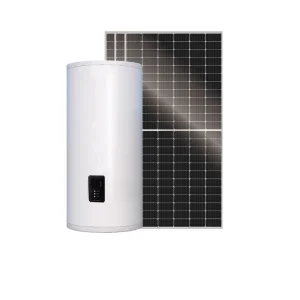
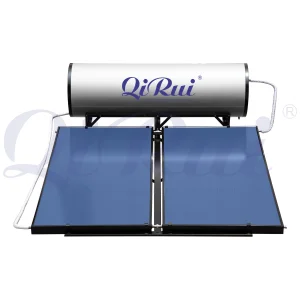
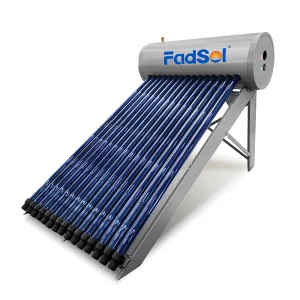
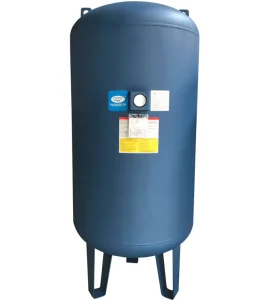
Providing deep information gain for procurement officers and building engineers operating in the Philippines.
Answer: Both systems are effective but serve different needs. Flat Plate Collectors are highly durable, featuring low profile tempered glass surfaces that are structurally resilient against typhoon-driven flying debris. They are optimal for direct rooftop exposures on commercial structures in Manila. Evacuated Tubes have higher thermal efficiency and can capture diffuse solar radiation on overcast, rainy days typical of the monsoon season. However, they must be specified with high-strength borosilicate glass to survive severe weather cycles.
Answer: Hard water containing high levels of calcium carbonate causes calcification and scaling inside standard steel tanks and collector loops. For the Manila market, we recommend our pressurized indirect systems where the potable water does not directly circulate through the solar panels. Additionally, our high-density enamel coated inner tanks and integrated magnesium anode rods attract mineral deposits, preserving structural tank walls and heating elements.
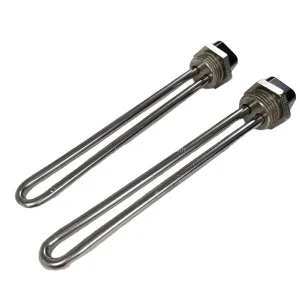
Answer: Our solar water heaters are built with smart auxiliary ports that interface with high-efficiency electric immersion elements, gas heaters, or centralized heat pumps. An automated solar controller tracks water temperature inside the tank. During prolonged periods of low solar output, the controller engages the backup element only when temperature drops below setpoints, minimizing grid electricity usage.
Answer: Given the current Meralco commercial electricity rates of over ₱10-12 per kWh, thermal solar is highly cost-effective. A mid-sized hotel or industrial food packaging facility converting their hot water usage from grid-powered elements to a solar thermal system will realize a complete ROI payback period of approximately 1.5 to 2 years, followed by 10+ years of near-zero-cost heat generation.
Answer: Yes. Our commercial frames are manufactured from high-tensile structural aluminum alloys or hot-dip galvanized steel (65µm coating minimum). Every system can be customized with structurally reinforced triangular anchor legs engineered to withstand winds of up to 250 km/h, aligning with National Structural Code of the Philippines (NSCP) guidelines.
Connect directly with our engineering division to receive customized technical layouts, system design calculations, and detailed commercial volume pricing for the Manila market.
Send Inquiry Now Aryam Energy