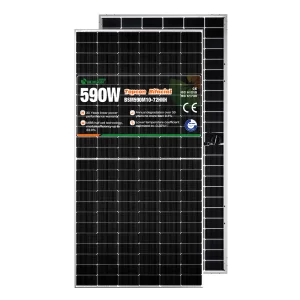
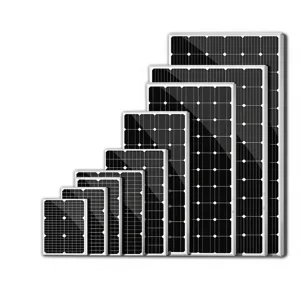
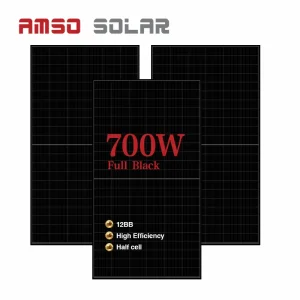
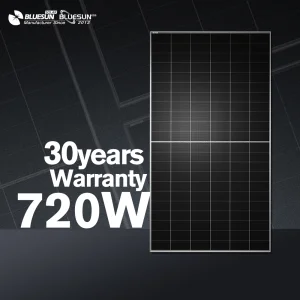
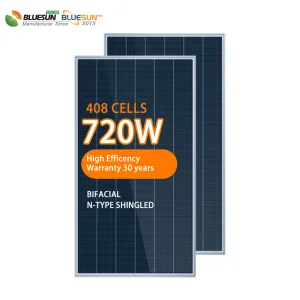
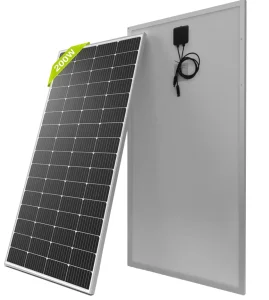
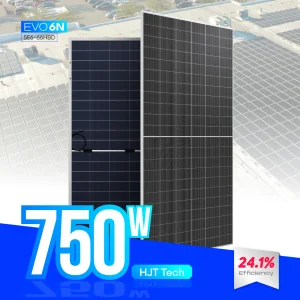
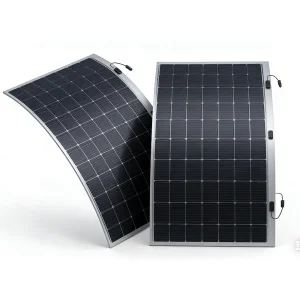
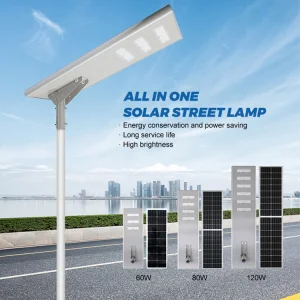
Highly adaptive photovoltaic components optimized for high-irradiation zones, local grid configurations, and industrial installations across North Africa.
Egypt is experiencing an unprecedented structural transition towards green energy. As part of its Integrated Sustainable Energy Strategy (ISES) 2035, the Egyptian government has committed to producing 42% of its total electricity generation capacity from renewable sources by 2035. Blessed with vast desert expanses and some of the world's highest levels of Direct Normal Irradiation (DNI) ranging between 2,000 and 3,200 kWh/m²/year, the nation stands as a focal point for massive utility-scale installations, industrial operations, and agricultural reclamation networks.
The landmark achievement of the Benban Solar Park in Aswan, which generates approximately 1.8 GW of clean electricity, showcases Egypt's readiness to absorb heavy PV infrastructure. This industrial growth has driven local contractors, EPC entities, and regional governments to seek highly specialized, durable solar components that can survive harsh weather while maintaining optimal generation capabilities.
To satisfy this immense demand, Egypt's import policies and technological preferences have transitioned from basic polycrystalline systems to advanced, high-efficiency monocrystalline structures. Specifically, N-Type TOPCon and Heterojunction (HJT) module technologies are preferred because they mitigate the power degradation associated with high heat coefficients—a standard challenge in the Sahara Desert.
Operating solar arrays in Egyptian geographical conditions involves overcoming the challenge of desert soiling. Dust accumulation can degrade solar panel generation output by up to 30% within weeks if left unmitigated. Consequently, panels installed in Egypt require unique glass coatings and specific frame parameters to endure regular cleaning operations and reduce sand adhesion.
Leading-edge manufacturers are integrating anti-soiling hydrophilic coatings alongside robust borosilicate protective glass. This glass structure resists surface micro-scratches caused by wind-driven sandstorms. Furthermore, the selection of bifacial modules ensures that reflected albedo light from the surrounding desert sand is absorbed by the rear side of the panel, generating up to 25% more energy than standard monofacial installations.
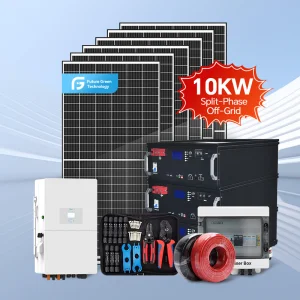
For local operations—spanning agricultural water pumping along the Nile delta and remote desert installations—rugged, off-grid architectures integrated with advanced battery storage systems provide critical operational continuity.
23.5%
Peak Module Efficiency
30 Yrs
Linear Performance Warranty
100+
Countries Deployed Globally
IP68
Junction Box Desert Resilience
Anhui Aryam Energy Co., Ltd. leads the clean tech wave by delivering high-caliber, resilient components designed to power global energy independence.
Anhui Aryam Energy Co., Ltd. is a leading provider of advanced renewable energy solutions, dedicated to delivering reliable, efficient, and sustainable power systems for residential, commercial, industrial, and utility-scale applications worldwide. Through continuous innovation and a strong commitment to clean energy development, Aryam Energy has established itself as a trusted partner in the global transition toward a low-carbon future.
The company specializes in the research, development, manufacturing, and integration of solar energy systems, energy storage solutions, hybrid power systems, and intelligent microgrid technologies. Leveraging cutting-edge engineering expertise and strict quality management standards, Aryam Energy provides comprehensive energy solutions tailored to diverse market needs, particularly in regions facing energy shortages, unstable grid infrastructure, or increasing demand for sustainable power generation.
With a professional R&D team and a growing portfolio of proprietary technologies, Aryam Energy continuously invests in innovation to enhance system performance, energy efficiency, and long-term reliability. Its products and solutions are designed to meet international standards and have been successfully deployed across Asia, Africa, the Middle East, Europe, and Latin America, serving customers in more than 100 countries and regions.
Aryam Energy's product portfolio includes solar inverters, energy storage systems, hybrid inverters, lithium battery solutions, solar water pumping systems, microgrid systems, and customized renewable energy projects. Driven by the vision of becoming a globally recognized clean energy technology leader, Aryam Energy actively collaborates with distributors, EPC contractors, government agencies, and development partners to promote renewable energy adoption worldwide.
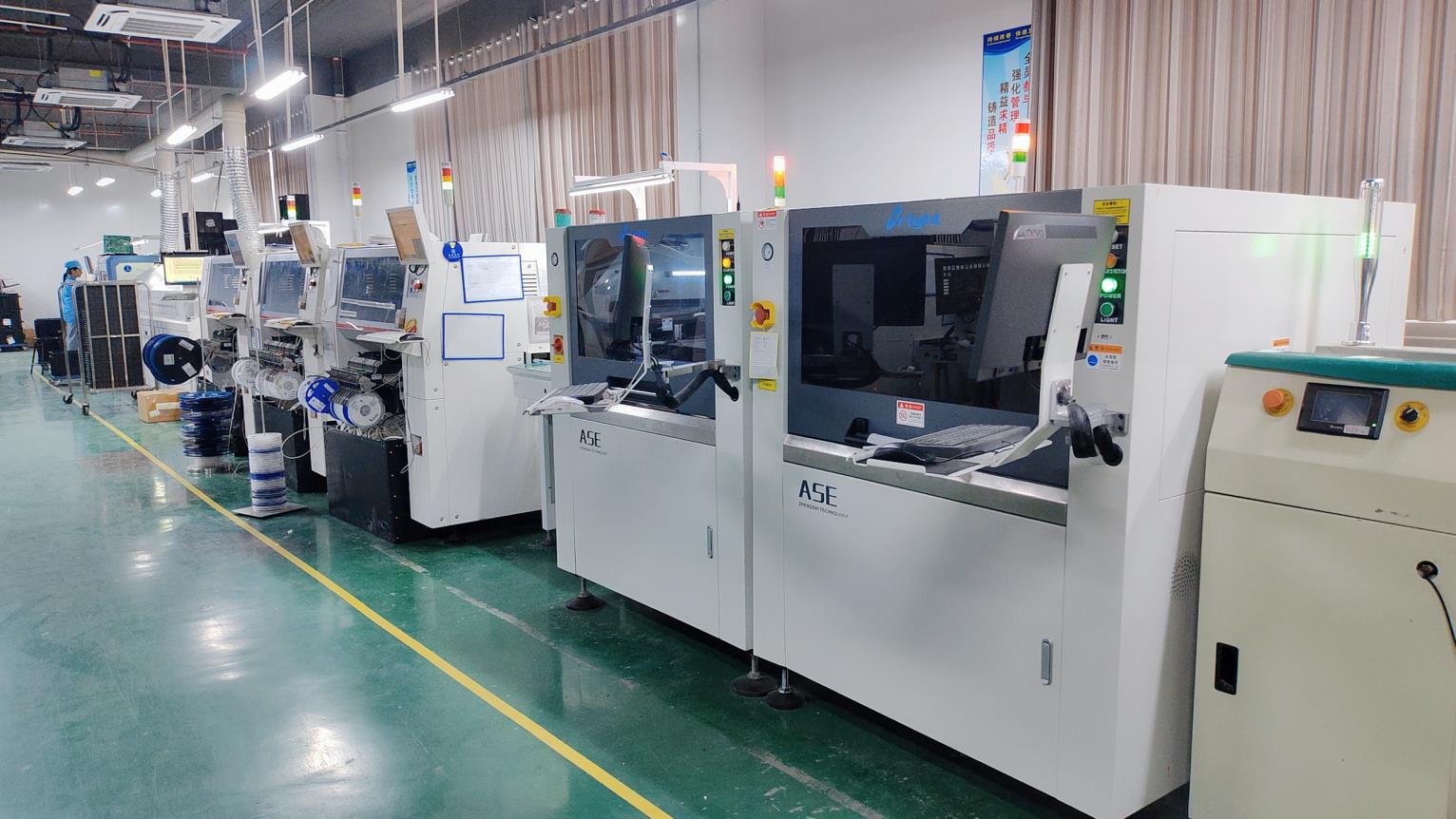
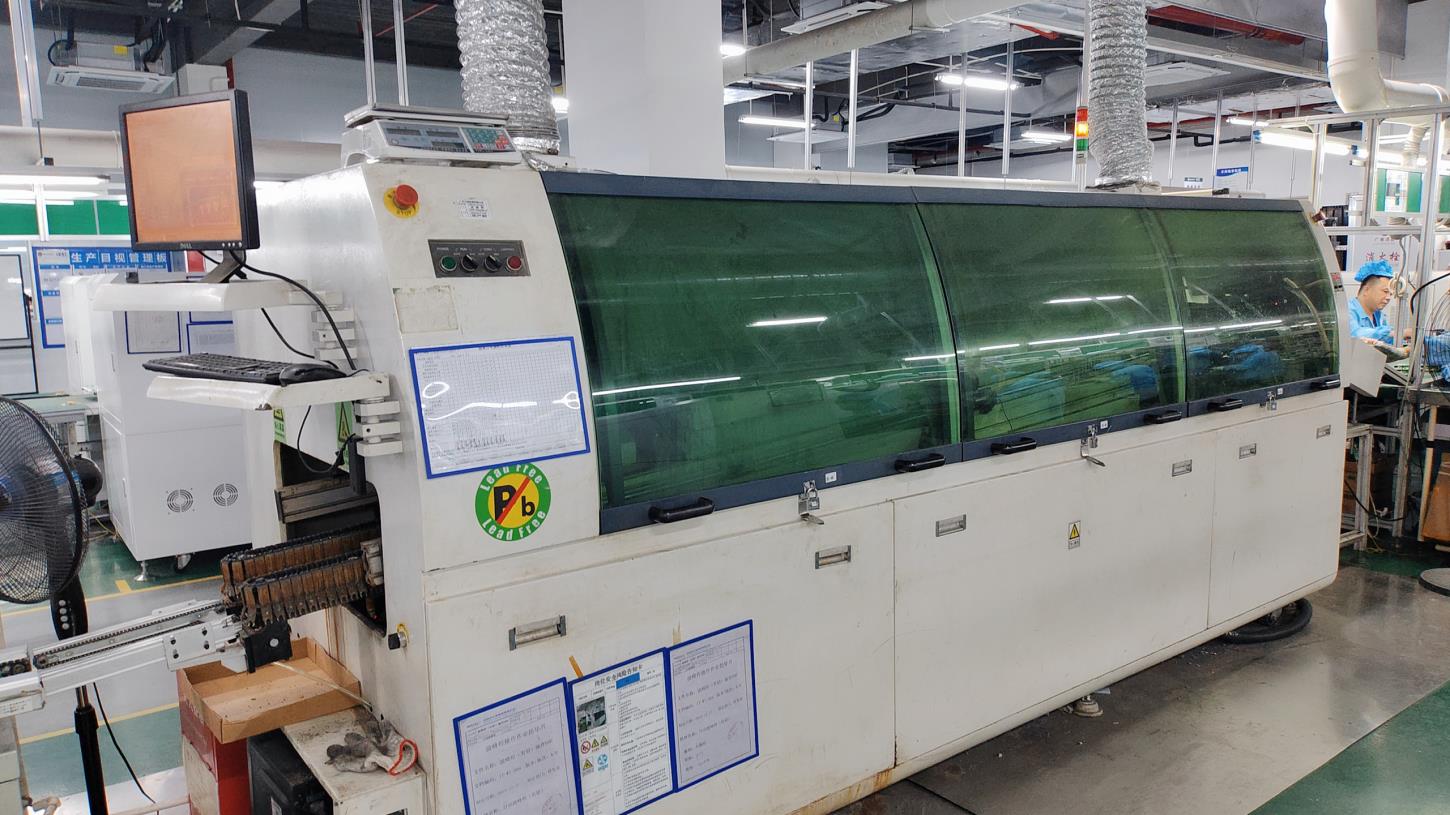
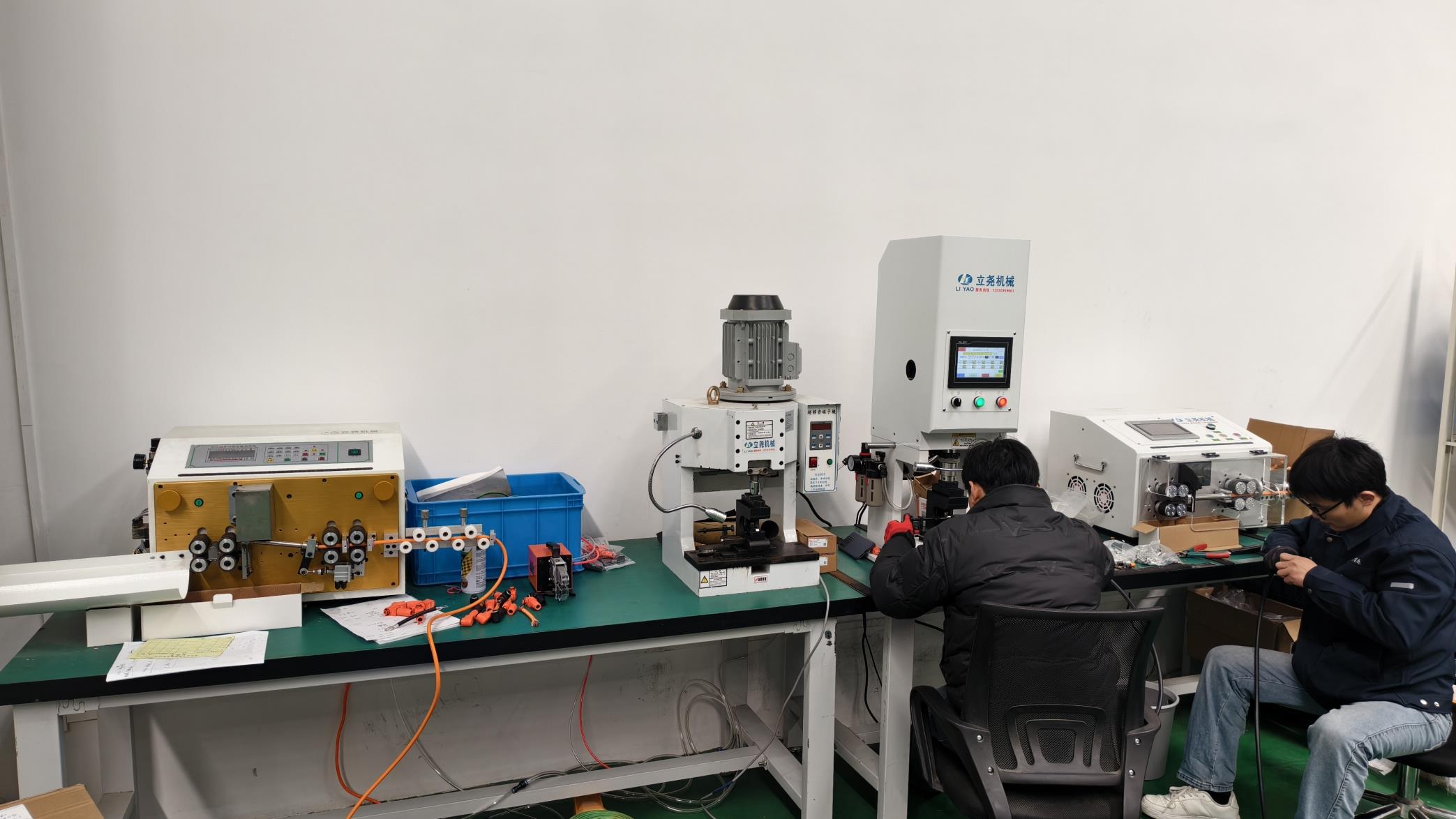
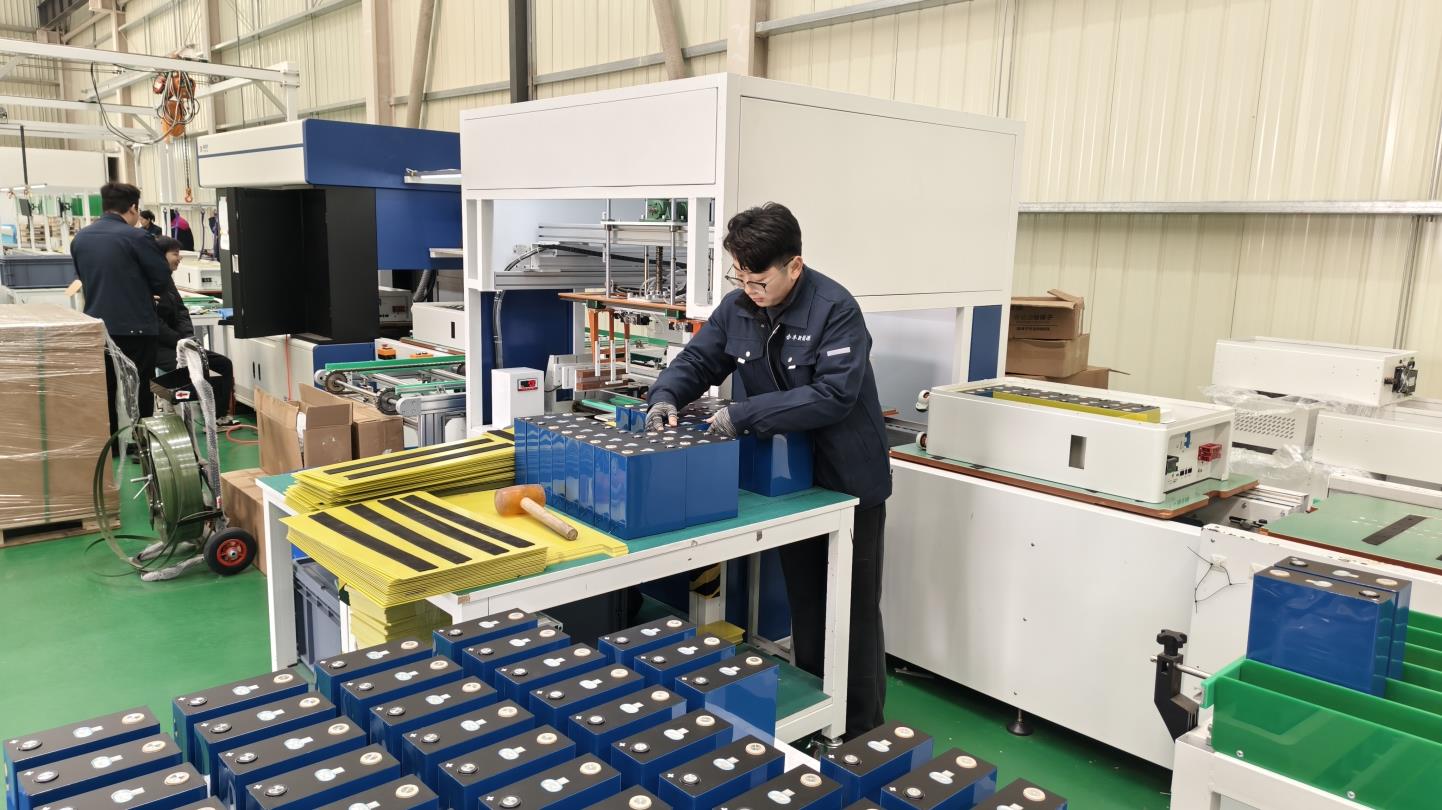
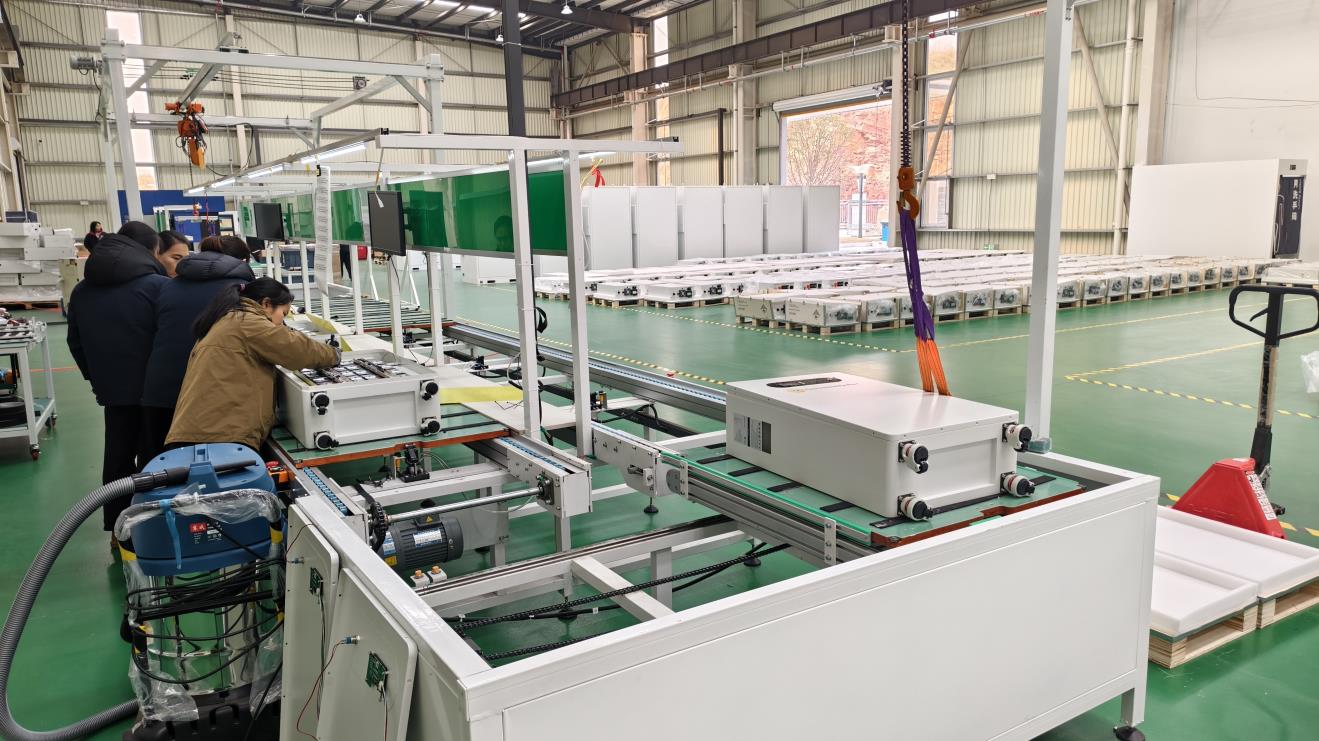
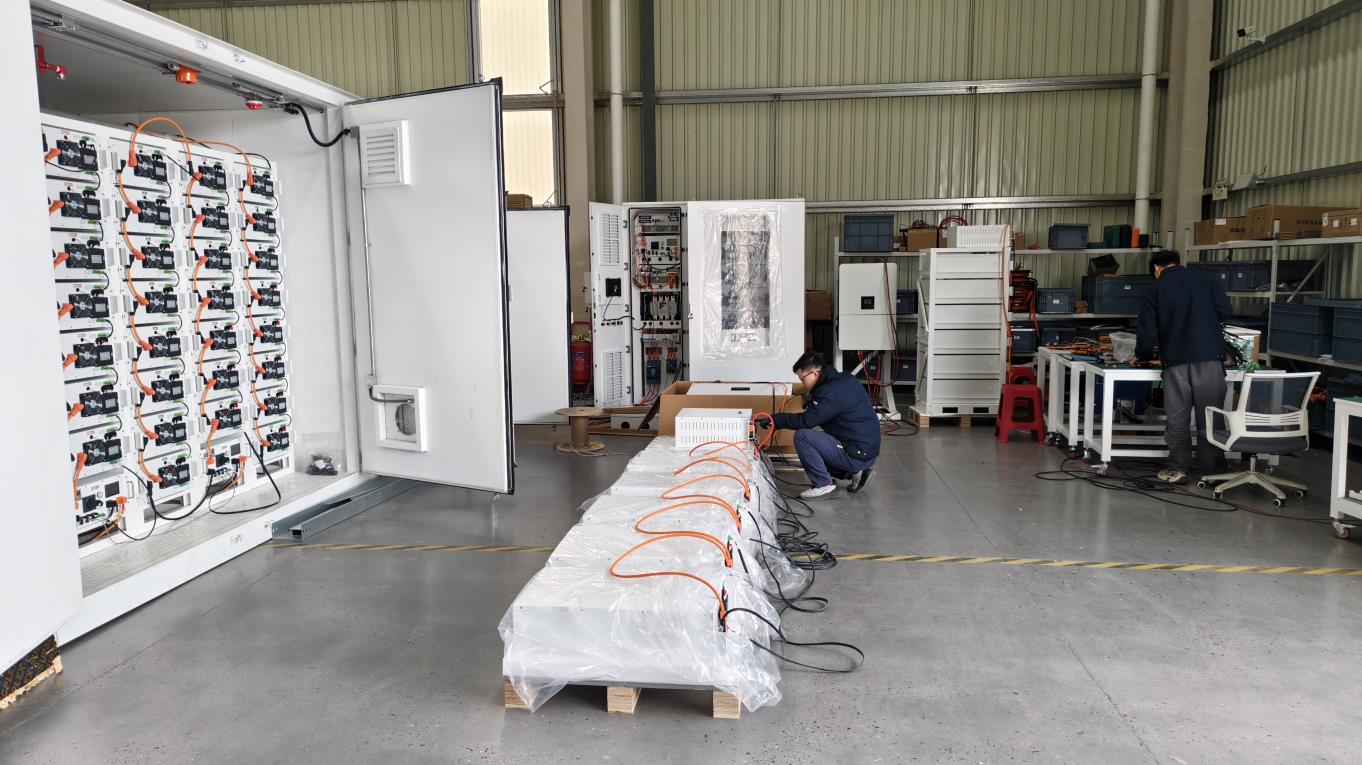
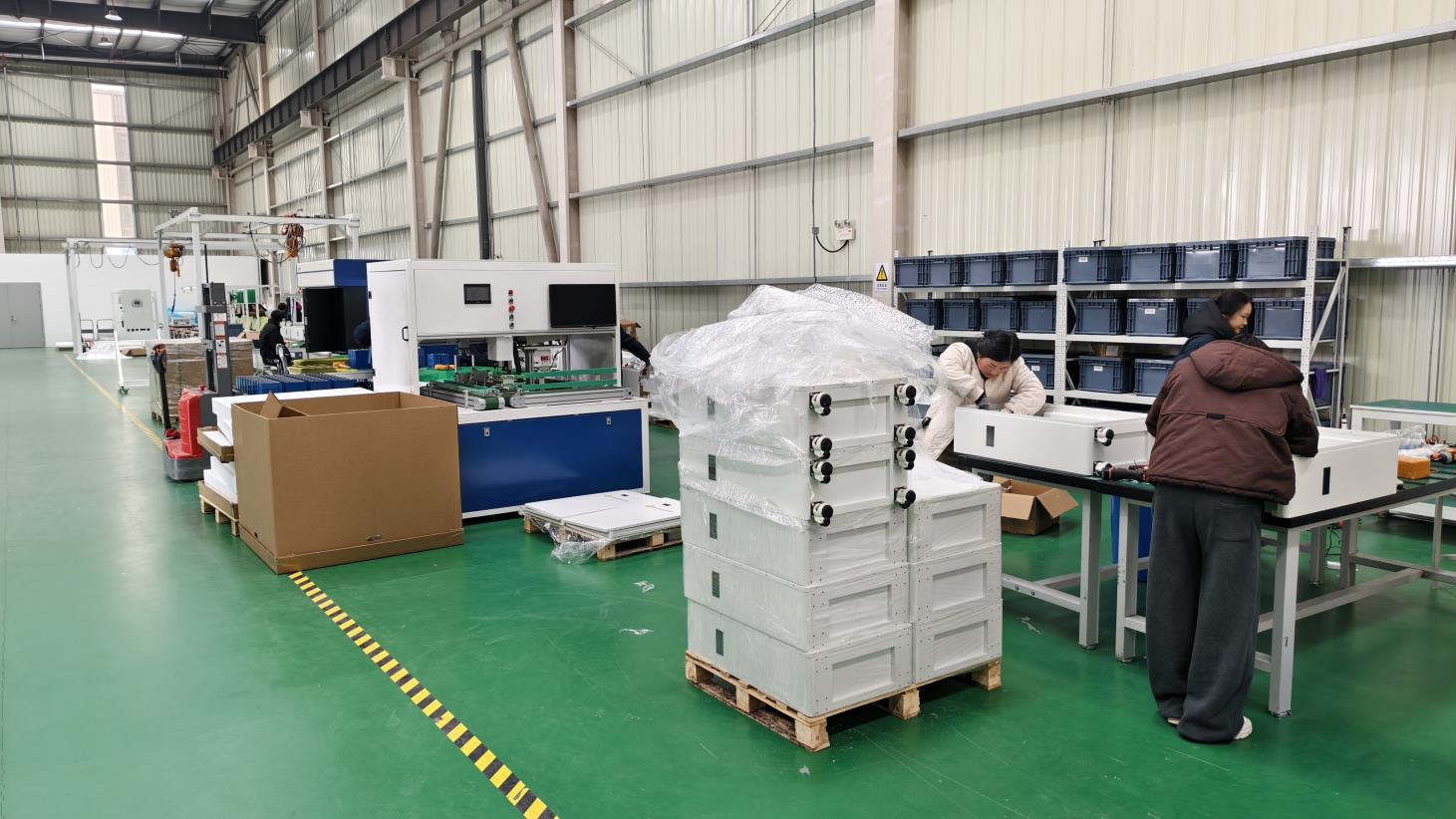
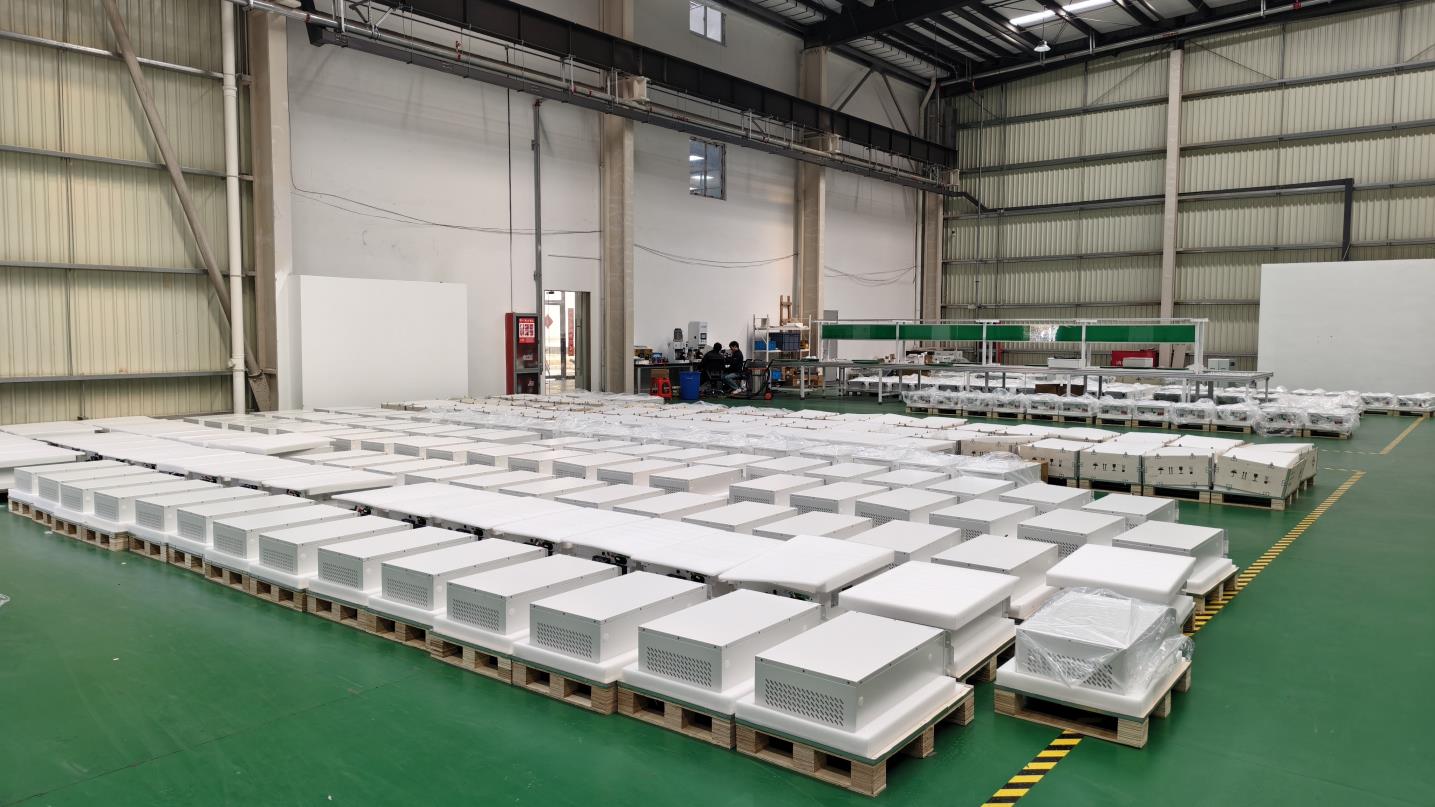
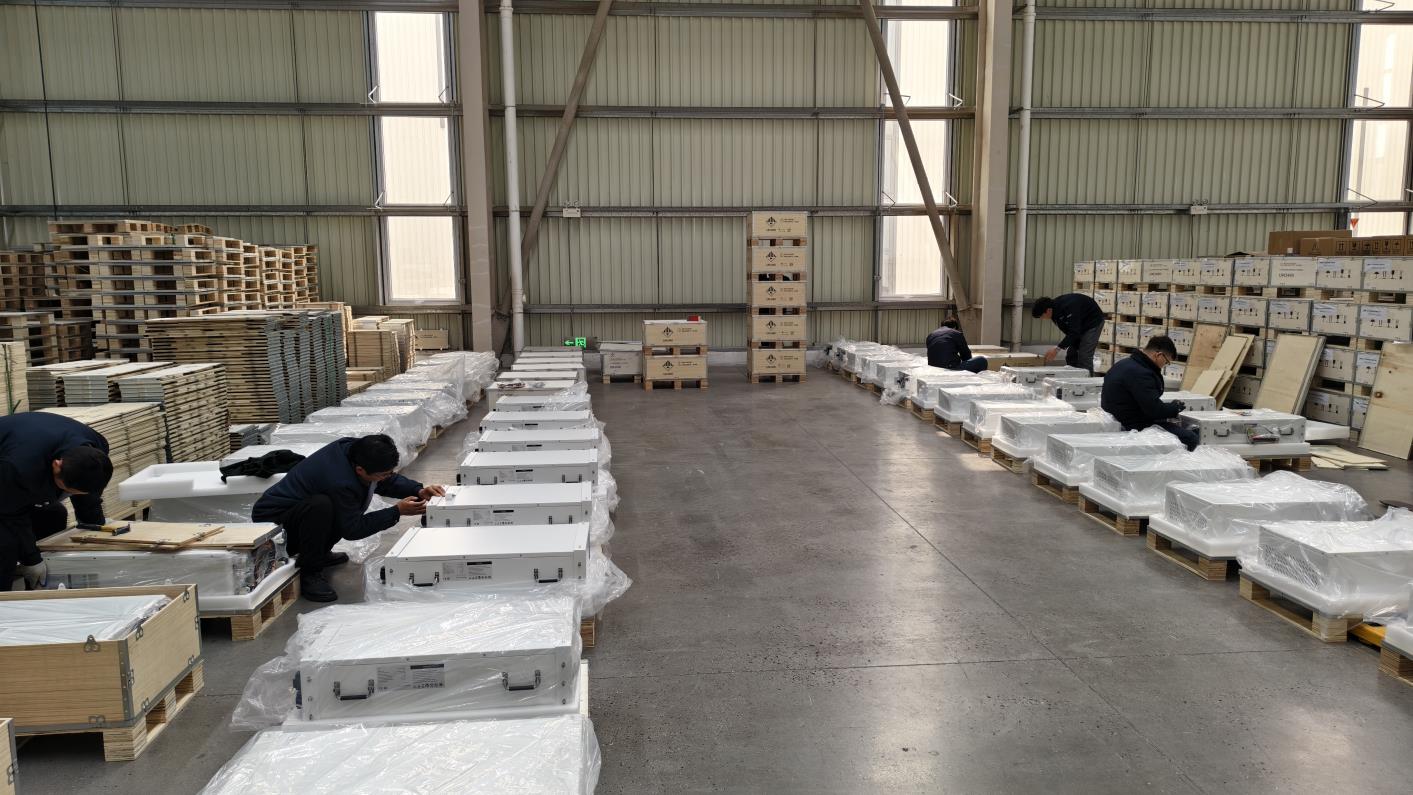
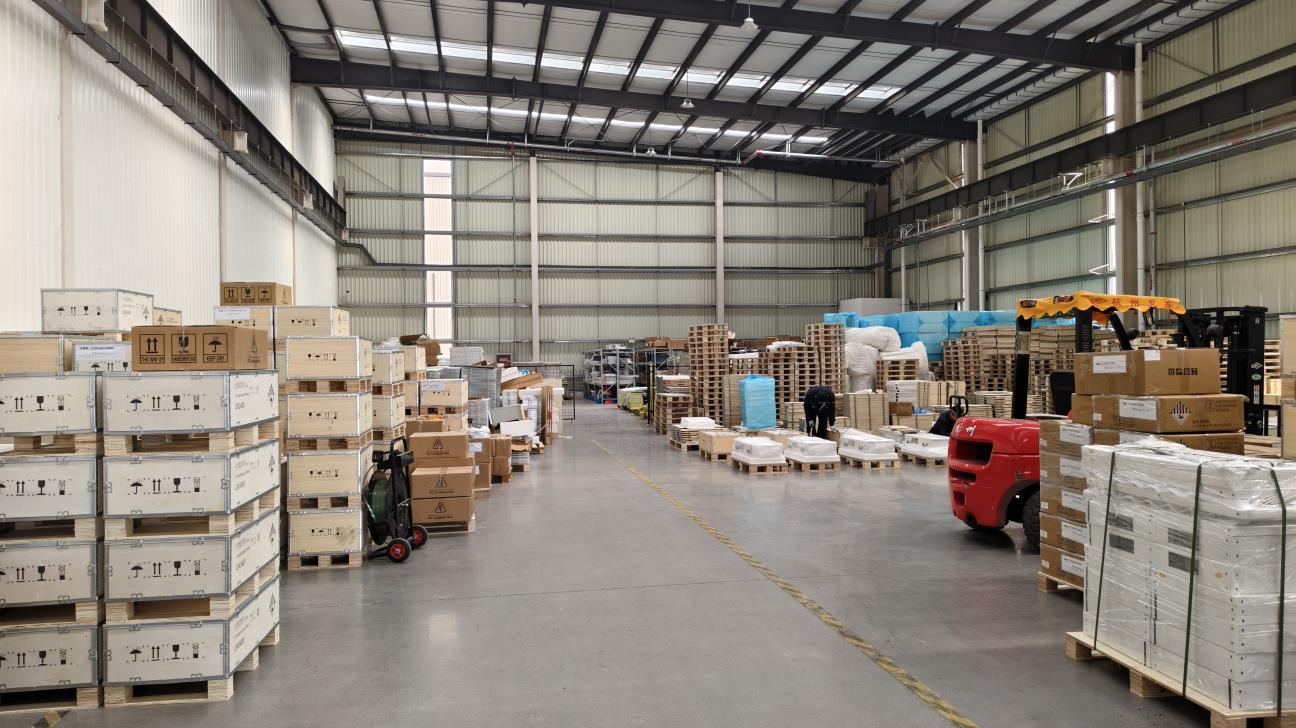
Every step in our smart manufacturing facility is optimized to guarantee maximum component durability, chemical resistance, and high efficiency.
Choosing the right solar cell architecture is crucial for avoiding severe thermal degradation in high ambient temperatures.
| Feature Parameter | P-Type PERC Module | N-Type TOPCon Module | Heterojunction (HJT) Module |
|---|---|---|---|
| Temperature Coefficient | -0.37% / °C to -0.40% / °C | -0.30% / °C to -0.32% / °C | -0.26% / °C (Safeguards power in summer) |
| LID (Light-Induced Degradation) | 1.5% to 2.0% in Year 1 | Almost 0% (Gallium/Boron free) | 0% (Excellent stability) |
| Bifaciality Factor | 70% ± 5% | 80% ± 5% | 85% to 90% (High rear sand albedo gain) |
| Dust Resiliency & Anti-Soiling | Standard hydrophobic layer | Advanced AR/Antifouling coating | Custom Borosilicate Anti-abrasive Glass |
| Product Lifespan Warranty | 25 Years linear performance | 30 Years linear performance | 30 Years premium linear performance |
Analyzing future innovations in photovoltaic modules, balance of system (BOS) components, and desert-ready mounting frames.
As installation sites move deeper into the Sahara, utilizing high albedo values from light-colored sands becomes critical. Modern tracker systems tilt bifacial panels to absorb rear-side reflections, improving yield by up to 25% without expanding panel footprint.
Tandem silicon-perovskite modules are approaching efficiency rates of 28% in laboratories. Manufacturers are engineering packaging structures that protect sensitive materials from intense desert UV radiation and thermal cycles.
The expansion of remote farming hubs in Egypt requires solar generation combined with long-duration BESS (Battery Energy Storage Systems) to keep smart drip-irrigation pumps running overnight.
Common inquiries from PV project engineers, EPC contractors, and bulk procurement officers in Egypt.
Solar panels are rated at STC (Standard Test Conditions, 25°C). In desert environments, module operating temperatures can exceed 70°C. Under these conditions, standard panels suffer performance loss. Panels with a low temperature coefficient, such as HJT (-0.26%/°C) or TOPCon (-0.30%/°C), maintain higher power output during hot midday hours.
Imported modules must meet international standards. To connect to the Egyptian national grid, the Egyptian Electricity Holding Company (EEHC) and local authorities typically require IEC 61215 (design qualification), IEC 61730 (safety qualification), and CE/TÜV compliance.
Dust buildup blocks light and lowers module efficiency. Standard modules require frequent cleaning, which increases operating costs (OPEX) and risks scratching the glass. Anti-soiling glass uses hydrophilic or hydrophobic coatings that shed dust with minimal water usage. This preserves high energy yields and lowers overall maintenance costs.
Aryam Energy coordinates closely with local custom brokers at major entry ports like Alexandria, Port Said, and Suez. We provide required documentation, including original Certificates of Origin, Bill of Lading, packing lists, and testing reports, to facilitate smooth customs clearance.
High-durability solar modules, complete kits, and junction components designed to withstand desert conditions.
 Aryam Energy