Explore our premier configurations designed for off-grid operation, municipal infrastructure, and localized microgrids.
Countries Supplied Globally
LFP Cell Cycle Durability
Extensive Systems Warranty
PV Cell Conversion Efficiency
The global transition from centralized, fossil-fuel-dominated grids toward decentralized renewable infrastructure has elevated Stationary Battery Energy Storage Systems (BESS) into a key pillar of grid modernizations. As utility companies integrate massive photovoltaic (PV) arrays and wind farms, grid volatility increases exponentially. Stationeries batteries serve as critical grid-balancing assets, executing peak shaving, frequency regulation, and load leveling.
In Europe, North America, and parts of the Asia-Pacific region, Commercial and Industrial (C&I) organizations are adopting BESS to hedge against volatile electricity spot pricing and capacity charges. Behind-the-meter (BTM) storage setups optimize local PV self-consumption, offering businesses a tangible reduction in Levelized Cost of Energy (LCOE) while providing a robust defense against grid outages.
Furthermore, standardizations such as UL 9540A and IEC 62619 have shifted the focus toward thermal stability and safety, driving rapid adoption of Lithium Iron Phosphate (LiFePO4) over legacy nickel-manganese-cobalt (NMC) chemistries due to its superior safety profile and extended lifecycle parameters.
Mitigate the intermittent generation profiles of utility-scale wind and solar installations via automated millisecond-level frequency containment response.
Charge systems during low-cost off-peak cycles and discharge during premium tariff windows, yielding direct operational expenditure benefits.
Construct independent local distribution grids for remote utility zones, deep mining, and critical telecom installations across emerging markets.
Examine our highly specialized manufacturing procedures that ensure thermal management, structural integrity, and exceptional electrical performance in each unit exported.
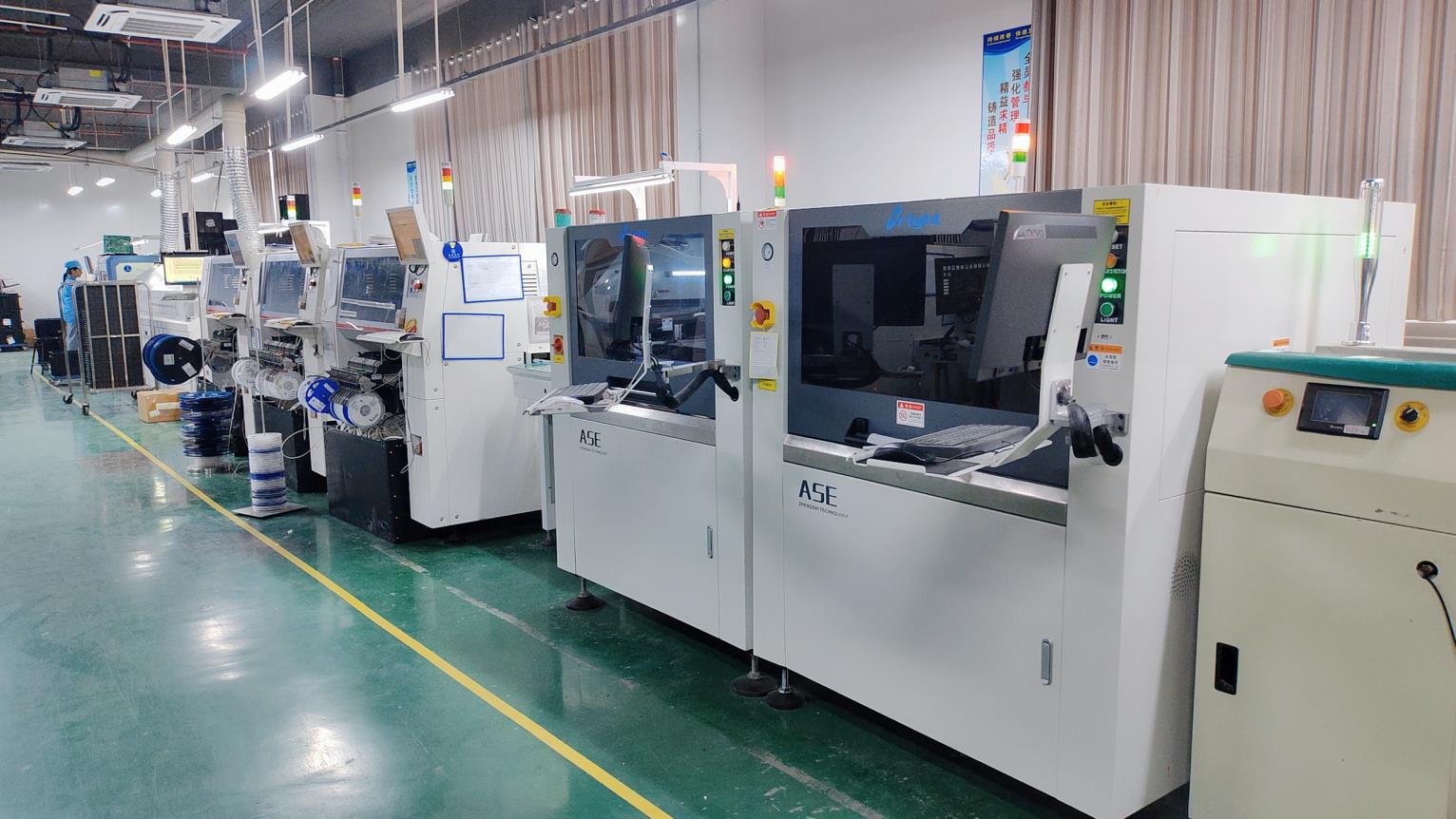
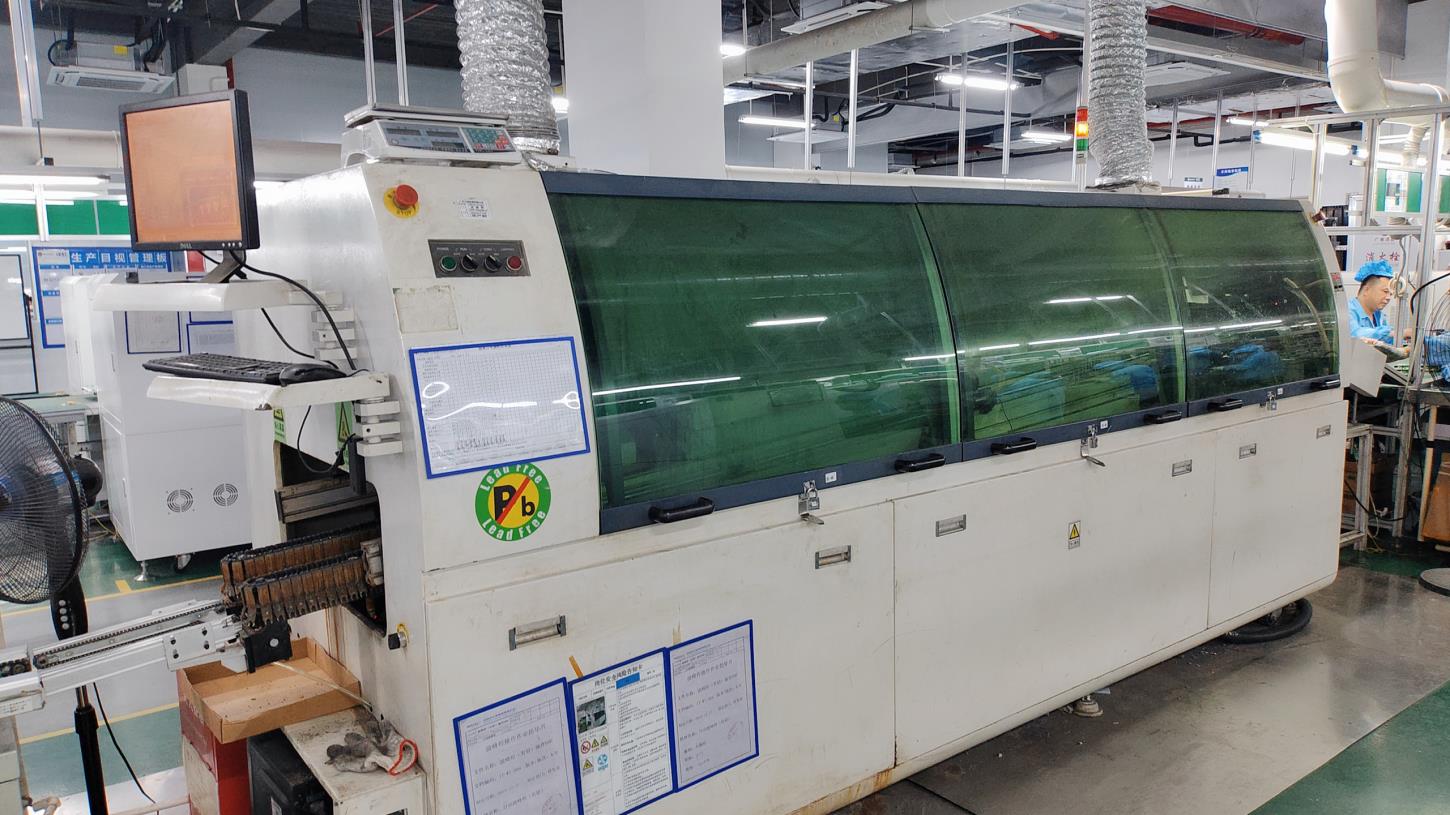
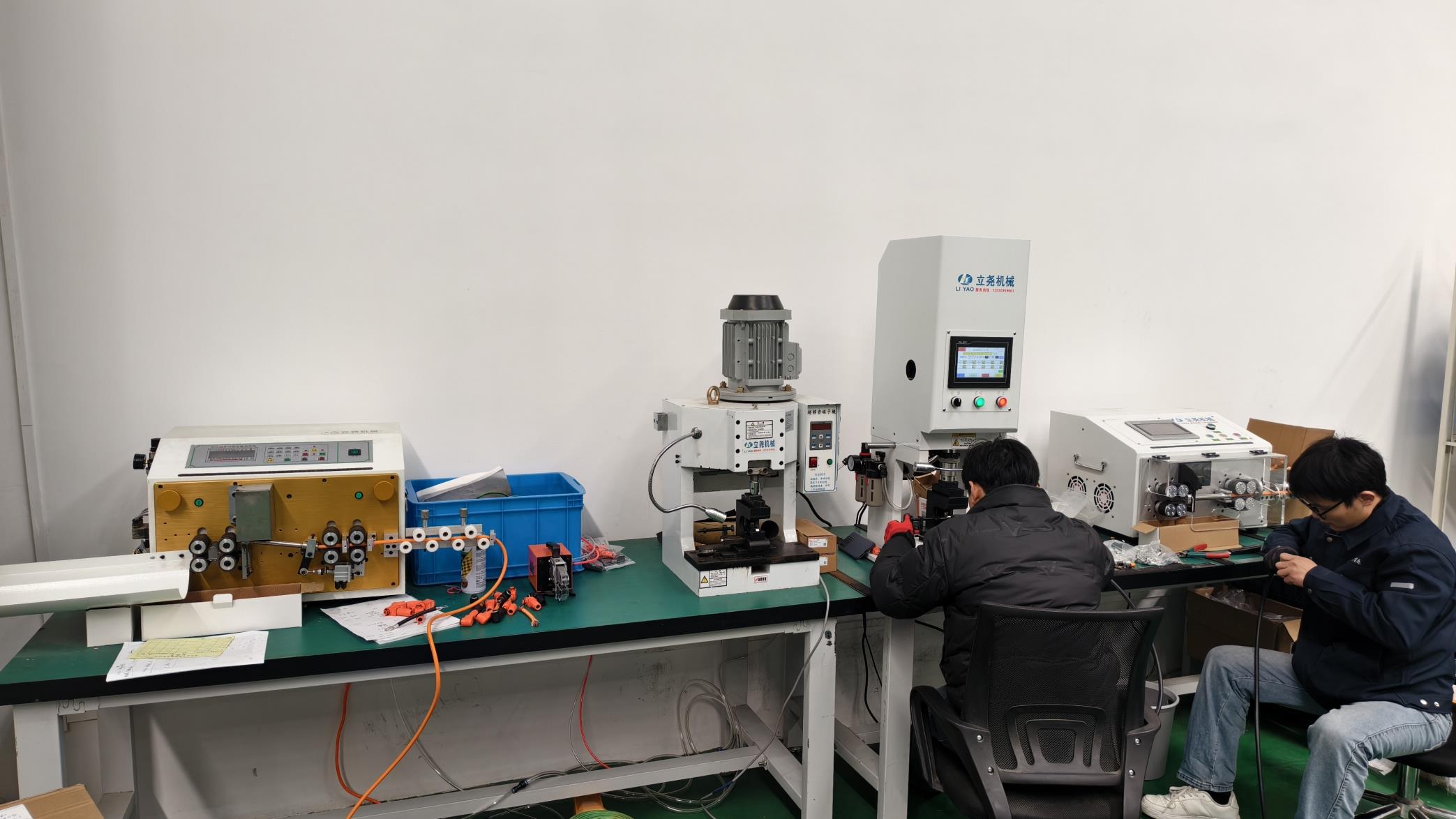
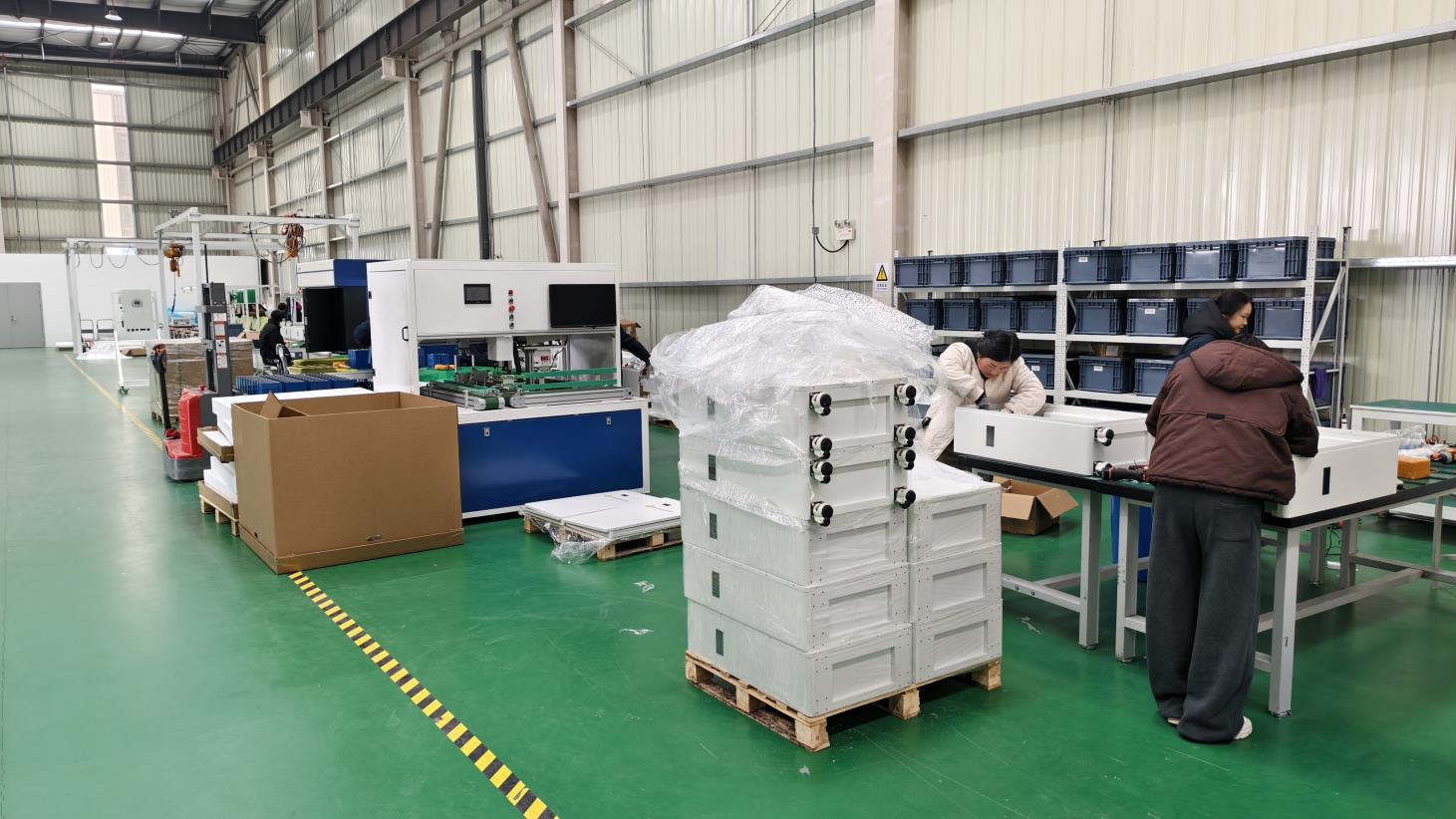
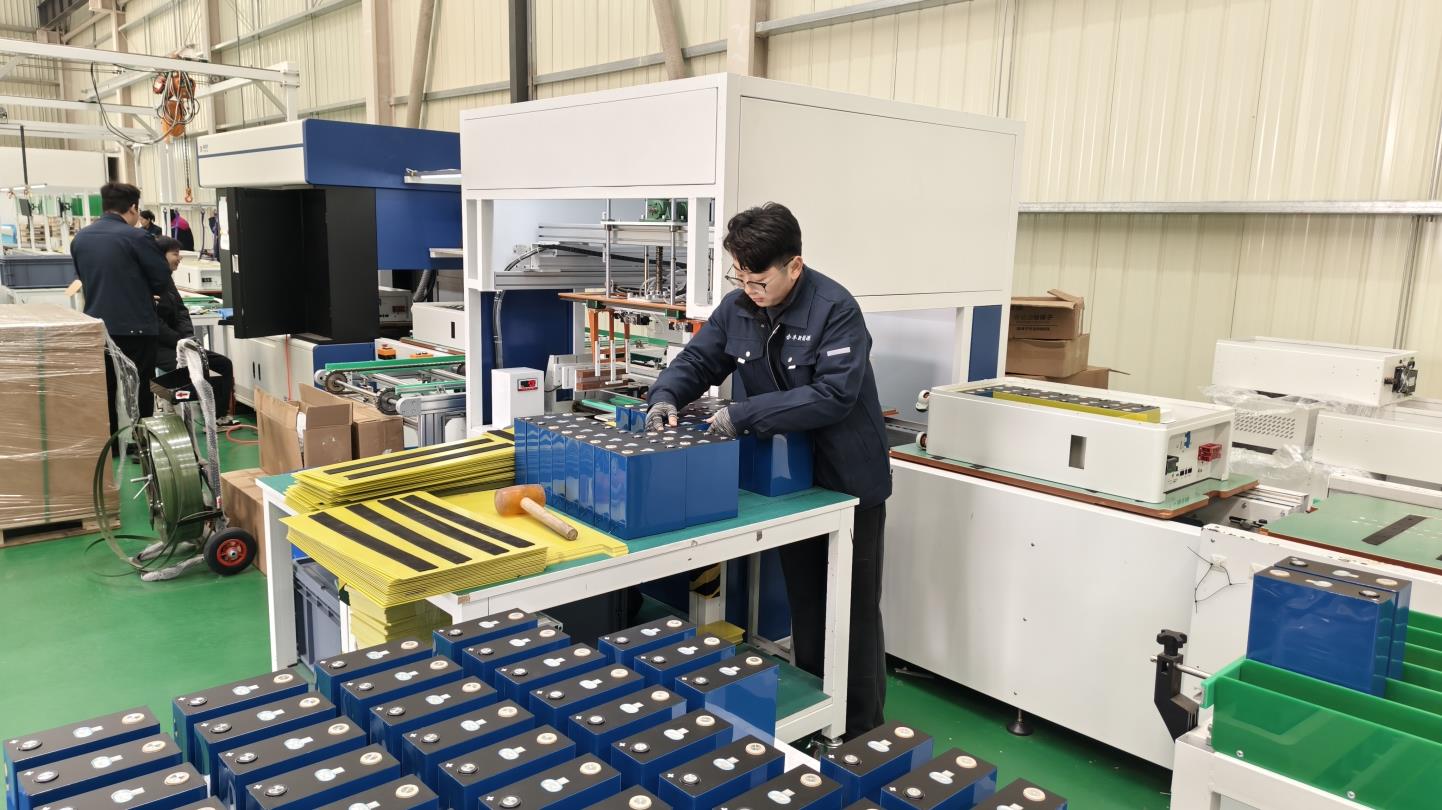
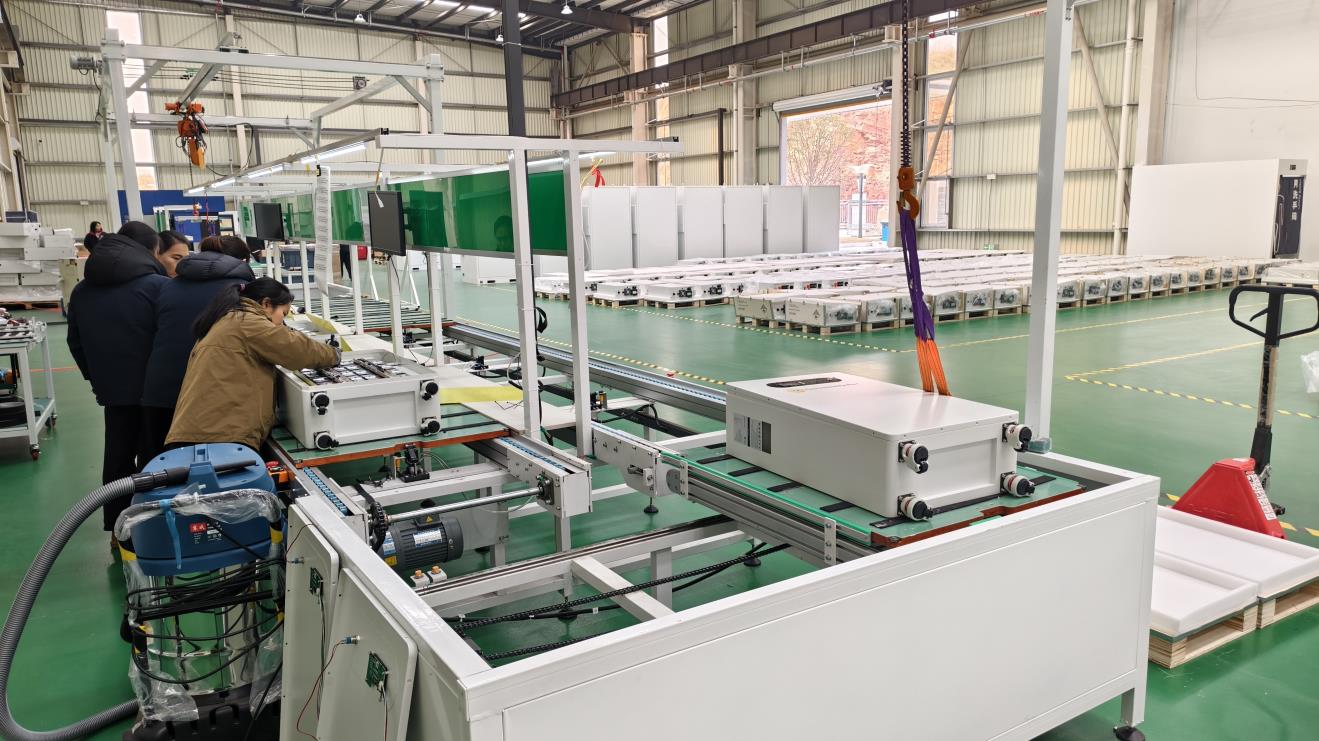
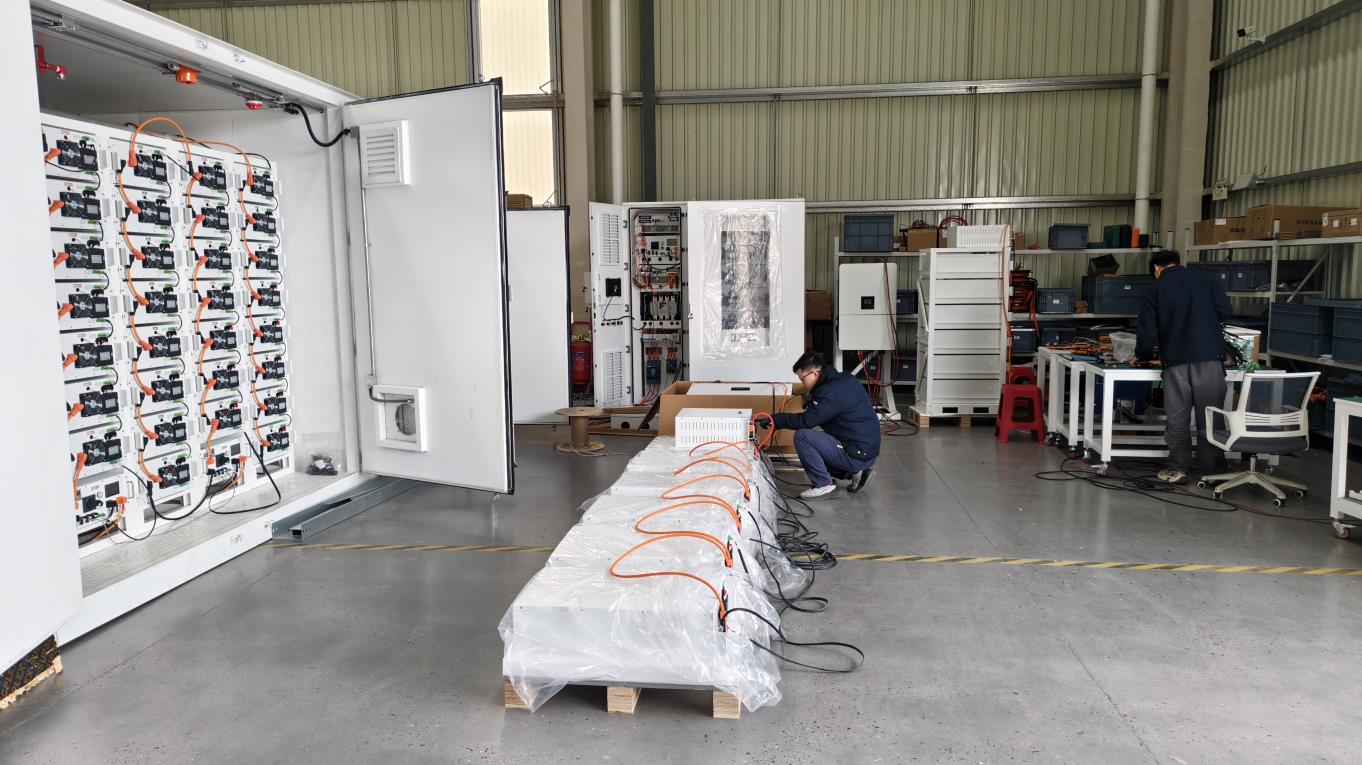
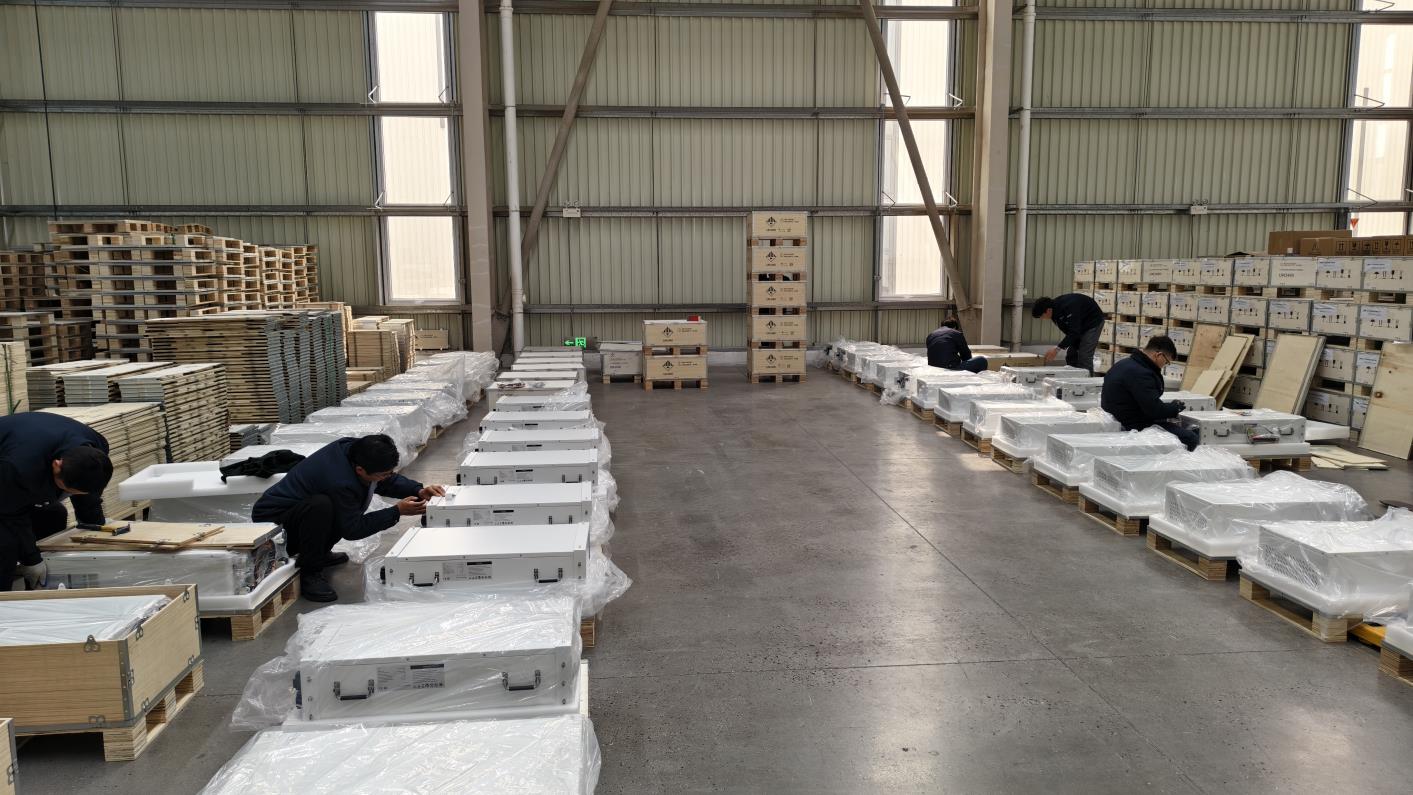
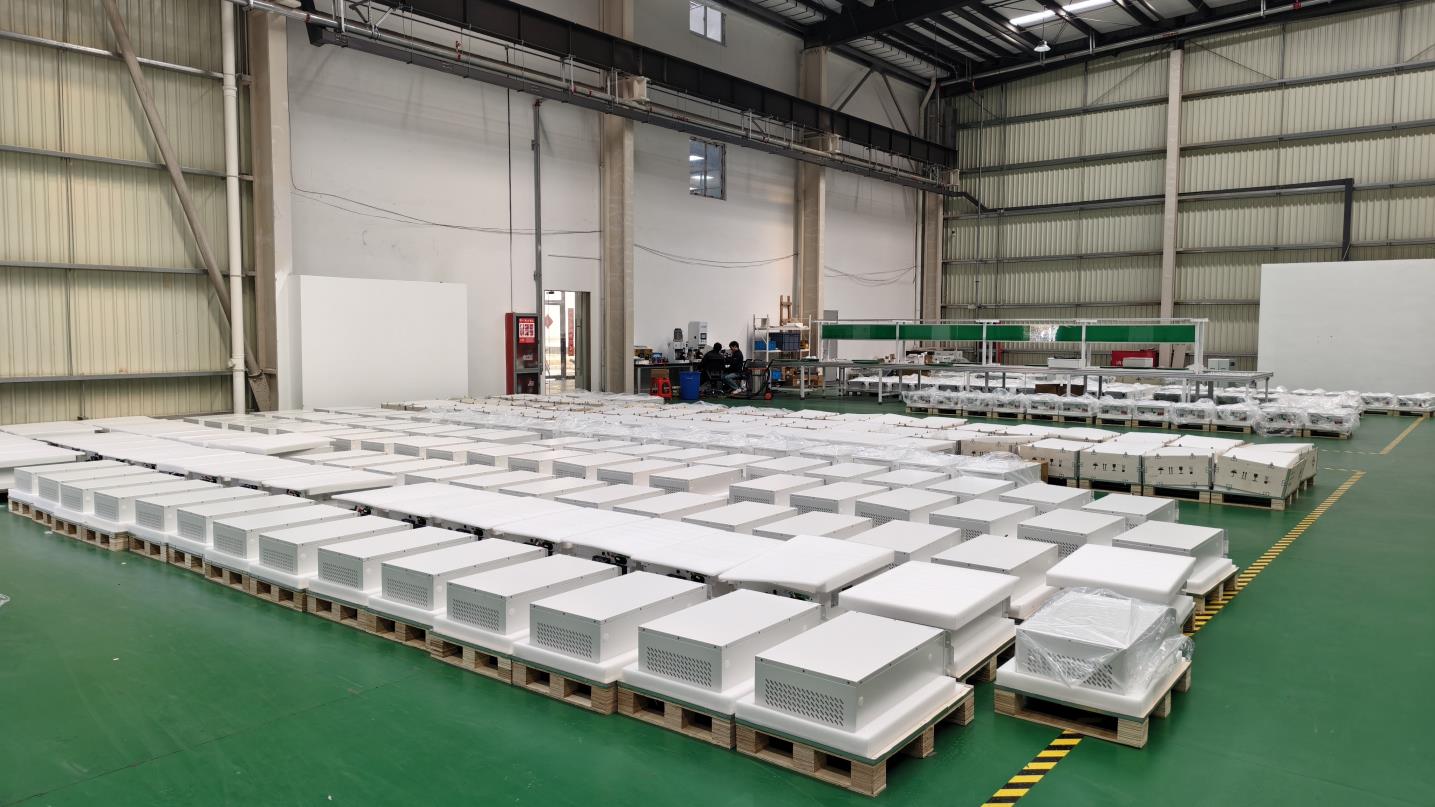
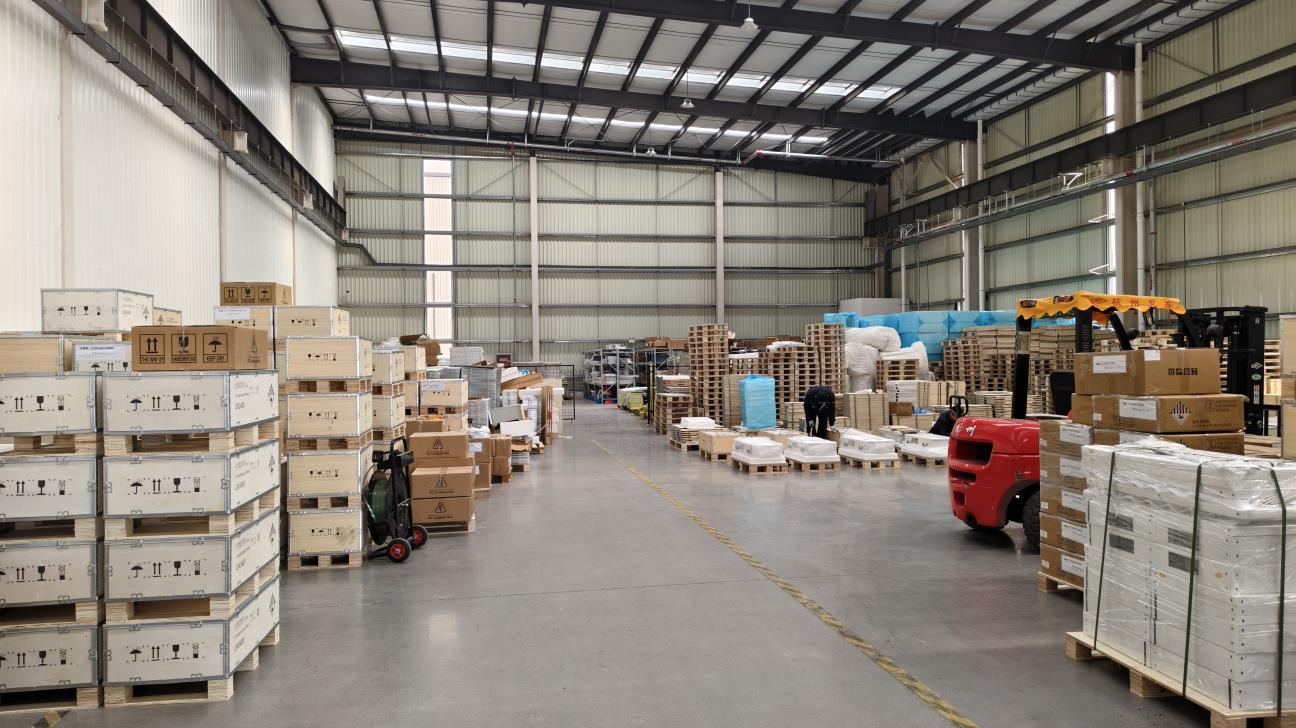
China's dominance in the stationary battery landscape is driven by integrated supply chain clusters, advanced manufacturing technologies, and massive capital efficiencies. This concentration enables manufacturers like Anhui Aryam Energy Co., Ltd. to optimize raw material processing, cell manufacturing, and balance of system (BOS) assembly under one highly efficient ecosystem.
This localized supply chain eliminates shipping bottlenecks and reduces raw material transport costs. Key inputs—ranging from battery grade lithium carbonate and copper foils to complex battery management systems (BMS)—are sourced directly within regional hubs. Consequently, Anhui Aryam Energy achieves competitive cost-per-kilowatt-hour rates while implementing rigorous quality standards.
We manage everything from cell sorting and custom BMS development to thermal simulation and structural shell assembly in-house, minimizing integration failure rates.
Our surface-mount technology (SMT) lines and automated wave soldering processes achieve consistent micro-soldering precision, ensuring long-term hardware reliability.
Every stationary battery module undergoes multi-stage charge-discharge cycling at elevated temperatures to detect cell degradation anomalies prior to global dispatch.
From remote island communities to modern urban high-rises, our stationary solutions are optimized for diverse geographic and operational demands.
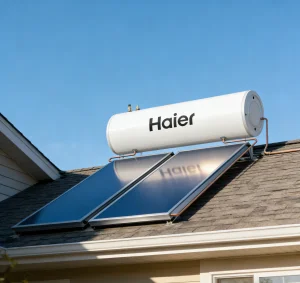
In areas lacking grid access, integrating pressurized solar water heaters with high-voltage battery storage provides consistent hot water and irrigation power, even during extended periods of low sunlight.
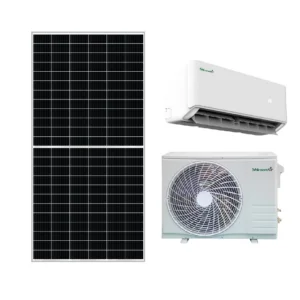
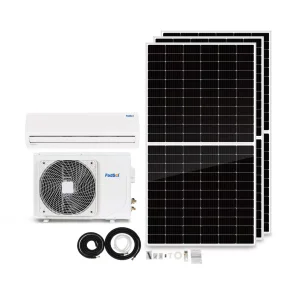
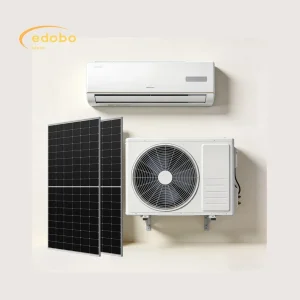
Our off-grid stand-alone solar air conditioning units run directly off DC battery setups, helping agricultural storehouses, remote laboratories, and modular offices manage thermal loads without diesel backup generators.
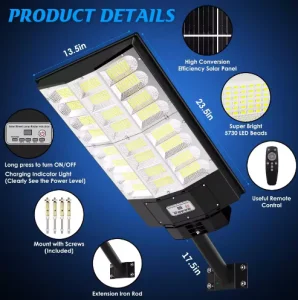
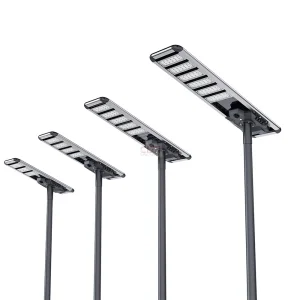
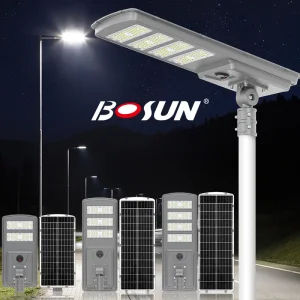
Custom IP66 rated integrated streetlights combine advanced MPPT algorithms and high-density LFP packs to deliver reliable illumination in coastal regions and harsh highway environments.
The stationary energy storage industry is moving toward higher voltage systems (often exceeding 800V DC) to minimize I²R transmission losses and reduce wiring costs. Concurrently, the standard battery chemistry is shifting toward large-capacity LFP cells (such as 314Ah), which offer increased energy density within standard 20-foot containerized enclosures.
Enterprise procurement professionals are increasingly prioritizing suppliers that offer transparent Levelized Cost of Storage (LCOS) projections, robust end-of-life recycling programs, and fully integrated smart BMS designs compatible with major inverter brands. In this evolving market, Anhui Aryam Energy Co., Ltd. supports corporate buyers through scalable configurations and thorough engineering documentation.
Explore answers to common technical, commercial, and operational questions about our stationary battery solutions.
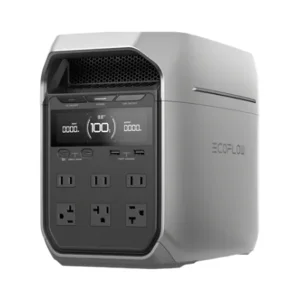
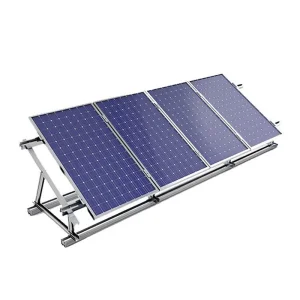
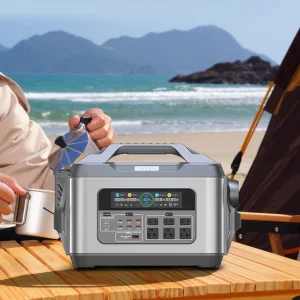
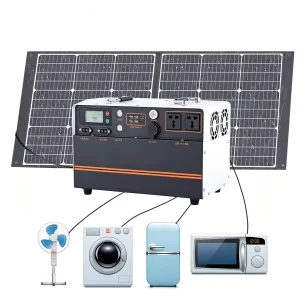
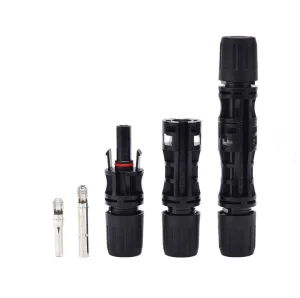
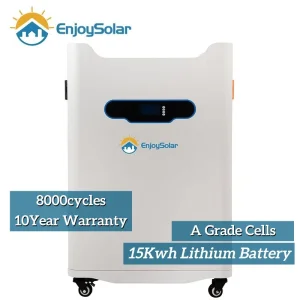
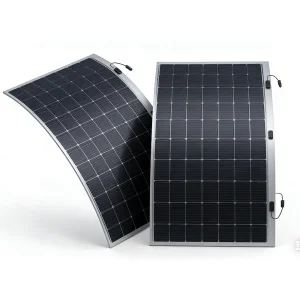
Browse our balance-of-system hardware, mounting structures, and portable generators designed to support commercial and residential installations.
 Aryam Energy