Explore our premium grade solar components and integrated refrigeration systems engineered for robust performance and operational longevity.
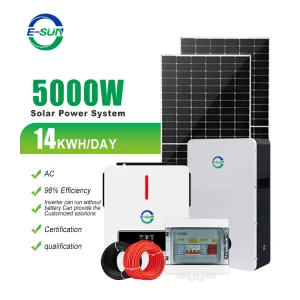
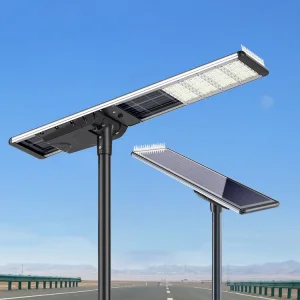
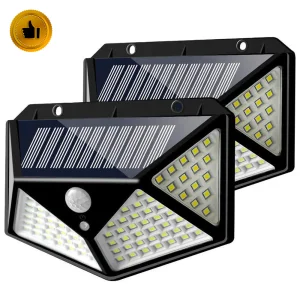
The global shift towards renewable-powered logistics has thrust solar refrigeration equipment into the center of industrial modernization. As traditional grid systems face capacity overloads and fluctuating fuel costs rise, multi-national enterprise buyers look for vertically integrated manufacturing partners that produce robust DC (Direct Current) compressors, MPPT-optimized controller setups, and resilient battery storage arrays. The critical metric has shifted from simple upfront cost analysis to lifetime Total Cost of Ownership (TCO) and system efficiency coefficients (COP).
By optimizing direct PV-to-compressor engineering, leading global suppliers bypass conversion inefficiencies traditional AC inverters produce. High-grade systems operate directly off DC power inputs (ranging between 12V to 380V), mitigating energy losses by up to 22%. Consequently, organizations seeking off-grid medical storage, remote military outposts, and agricultural preservation networks depend on highly standardized factories equipped to handle these extreme thermodynamic configurations.
Global procurement teams prioritize three primary technical variables when auditing potential solar cooling factories:
Combining complete vertical integration with engineering precision to deliver commercial-scale solar cold chains globally.
Anhui Aryam Energy Co., Ltd. stands as a prime example of Chinese manufacturing dominance within the green energy transition. The company specializes in the research, development, manufacturing, and integration of solar energy systems, energy storage solutions, hybrid power systems, and intelligent microgrid technologies. Leveraging cutting-edge engineering expertise and strict quality management standards, Aryam Energy provides comprehensive energy solutions tailored to diverse market needs, particularly in regions facing energy shortages, unstable grid infrastructure, or increasing demand for sustainable power generation.
China's strategic industrial clusters offer unprecedented supply chain advantages for solar cooling projects. With immediate geographical access to raw lithium processing facilities, PV silicon refining centers, and top-tier compressor manufacturers (like GMCC or highly customized DC hermetic setups), manufacturers like Aryam Energy can compress delivery lead times significantly while guaranteeing raw material consistency. This localized supply integration ensures lower structural costs without sacrificing engineering tolerances.
With a professional R&D team and a growing portfolio of proprietary technologies, Aryam Energy continuously invests in innovation to enhance system performance, energy efficiency, and long-term reliability. Its products and solutions are designed to meet international standards and have been successfully deployed across Asia, Africa, the Middle East, Europe, and Latin America, serving customers in more than 100 countries and regions. From high-capacity home hybrid heating and cooling kits to multi-ton agricultural cold storage panels, the company bridges the gap between solar generation and thermodynamic application.
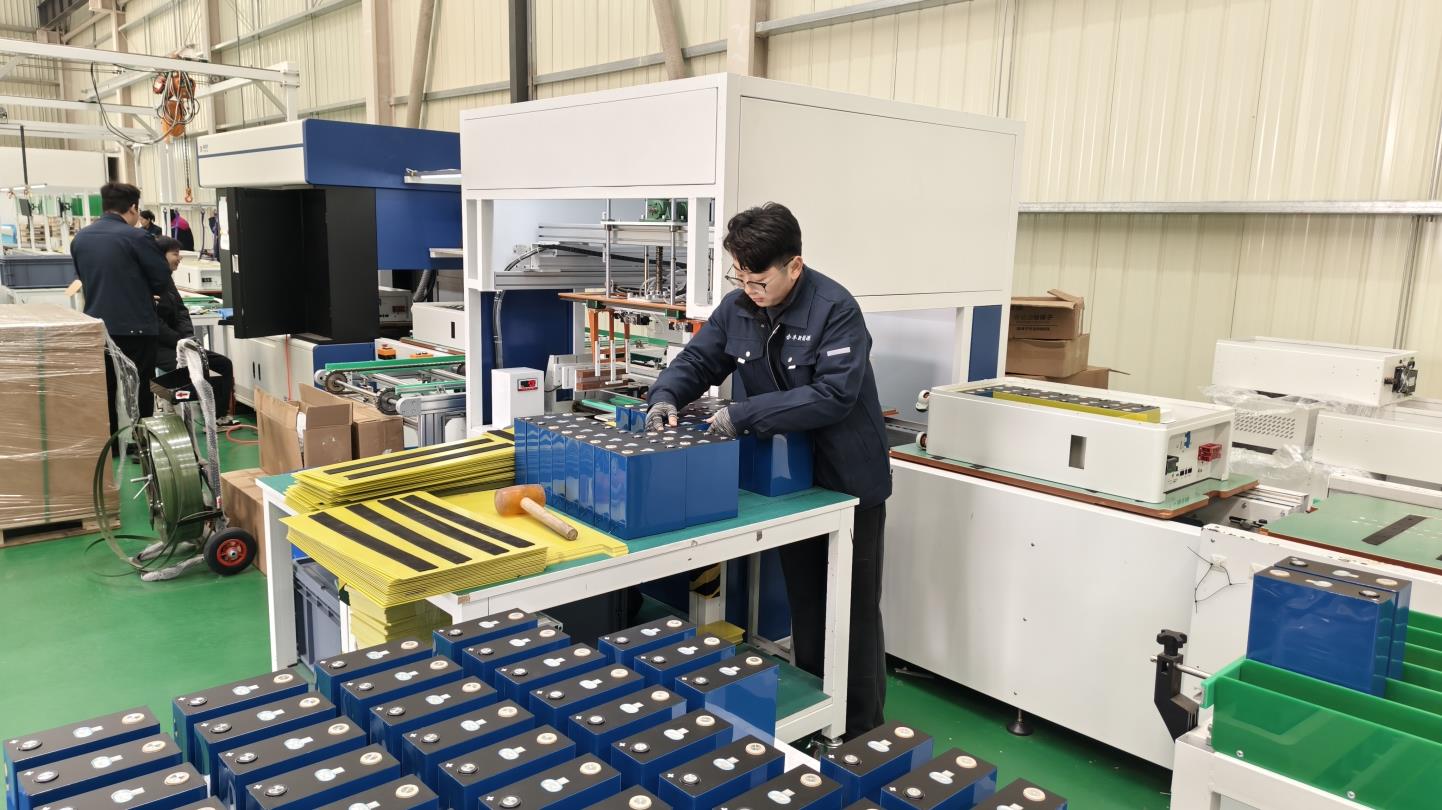
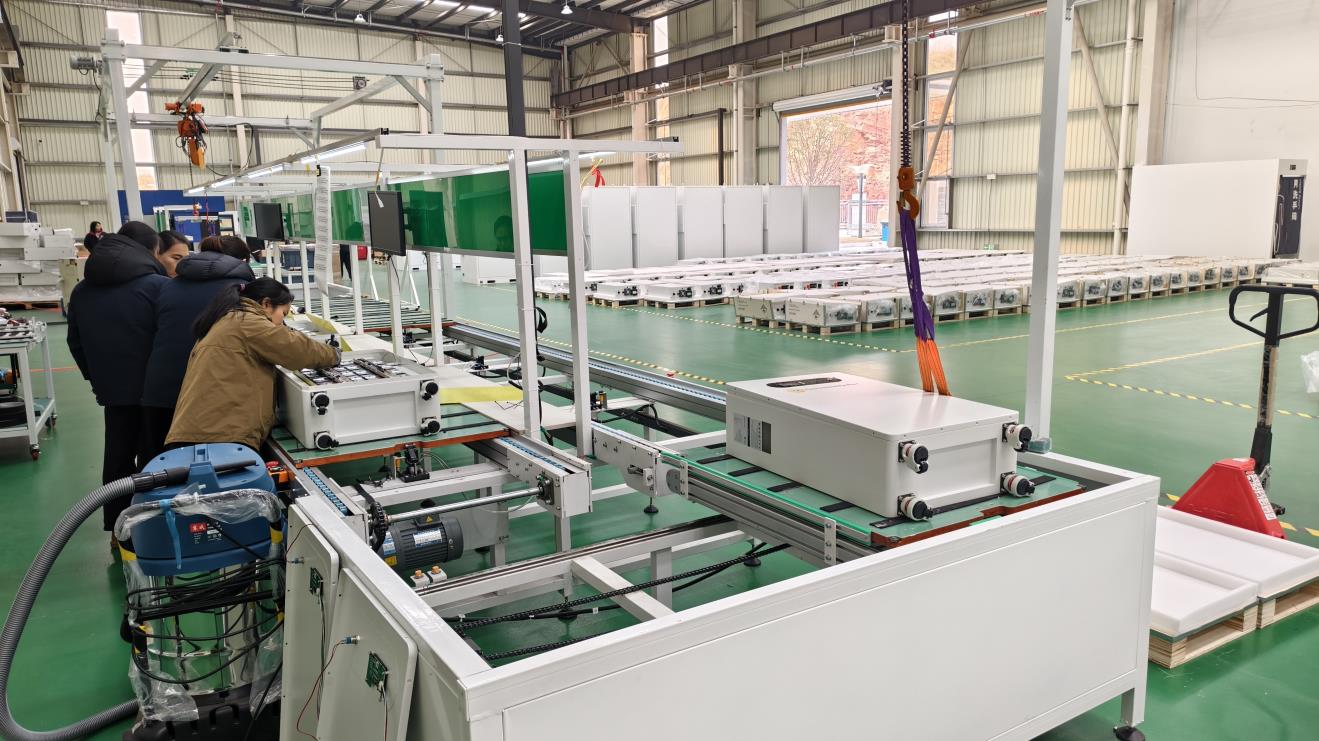
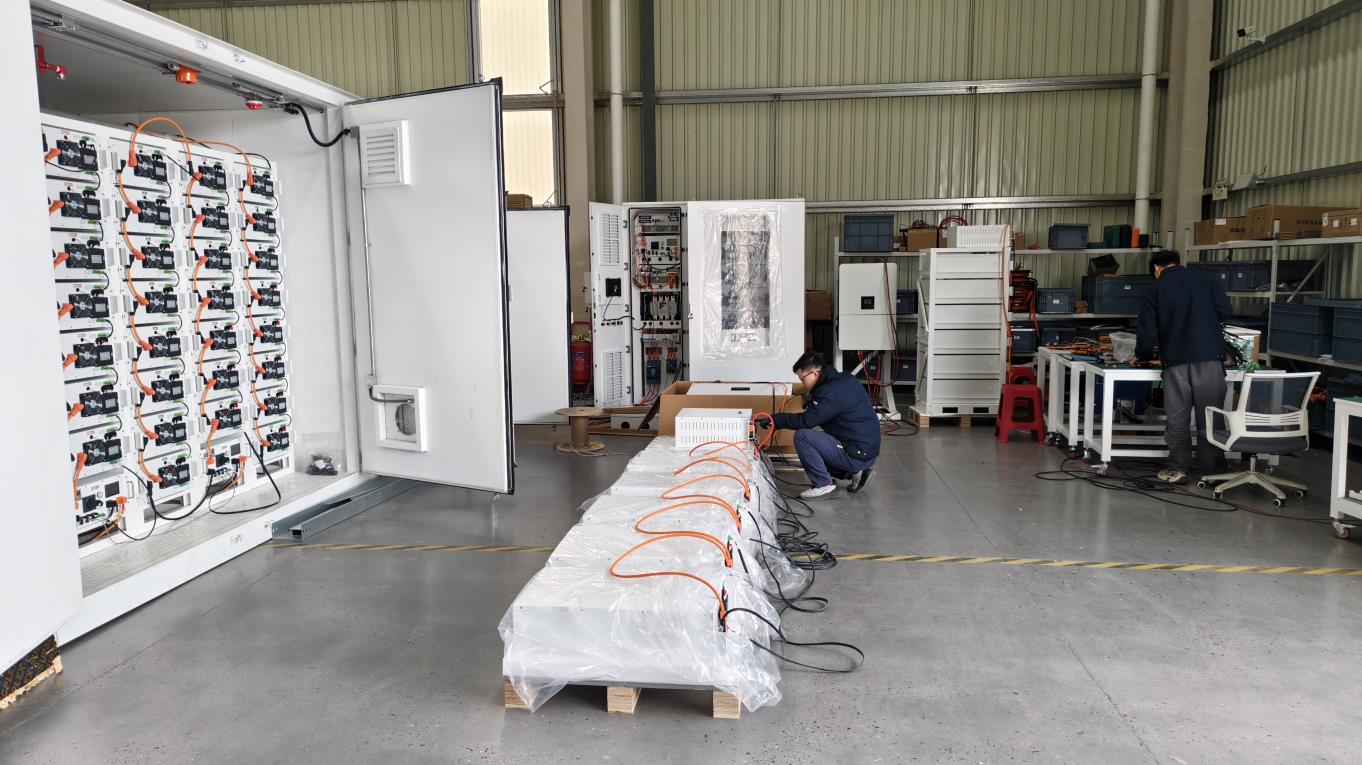
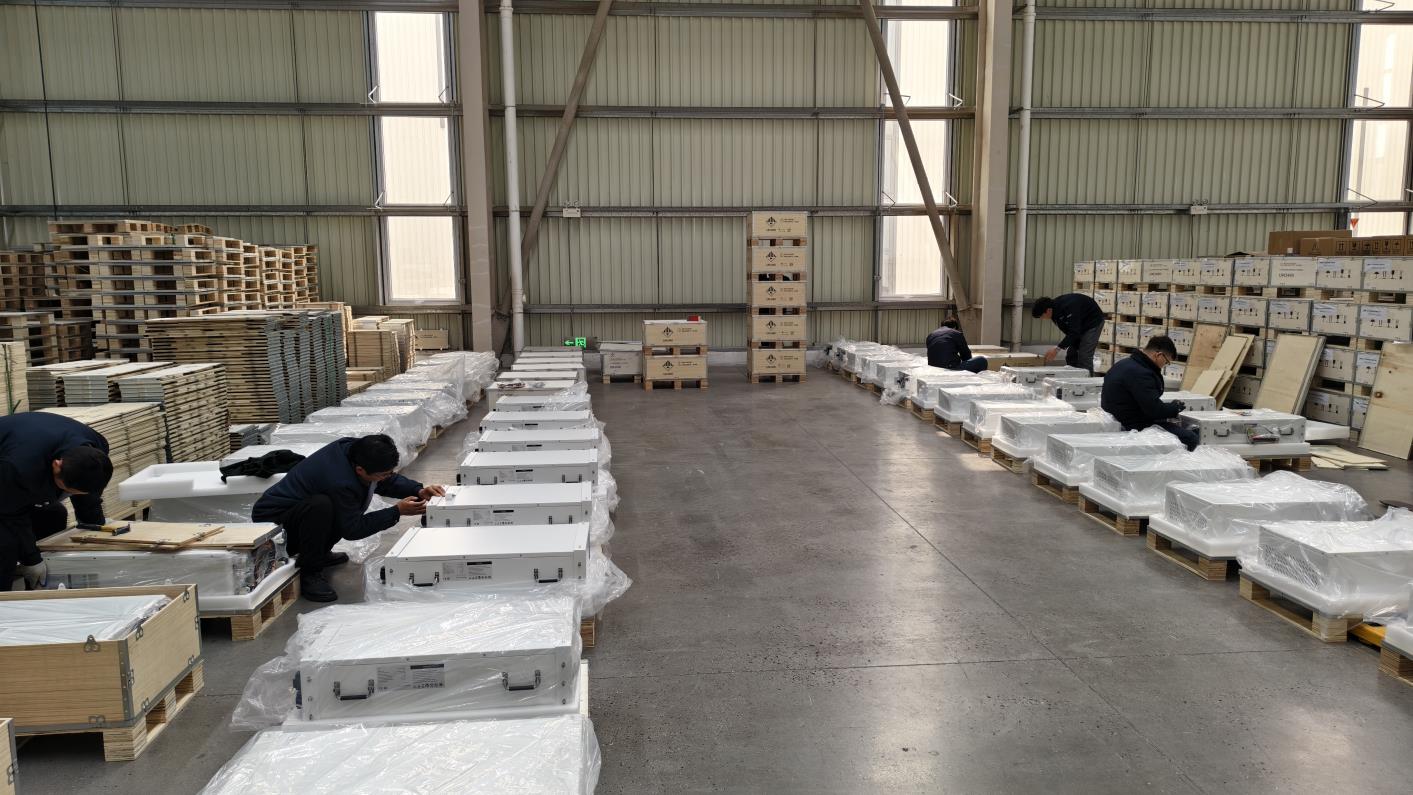
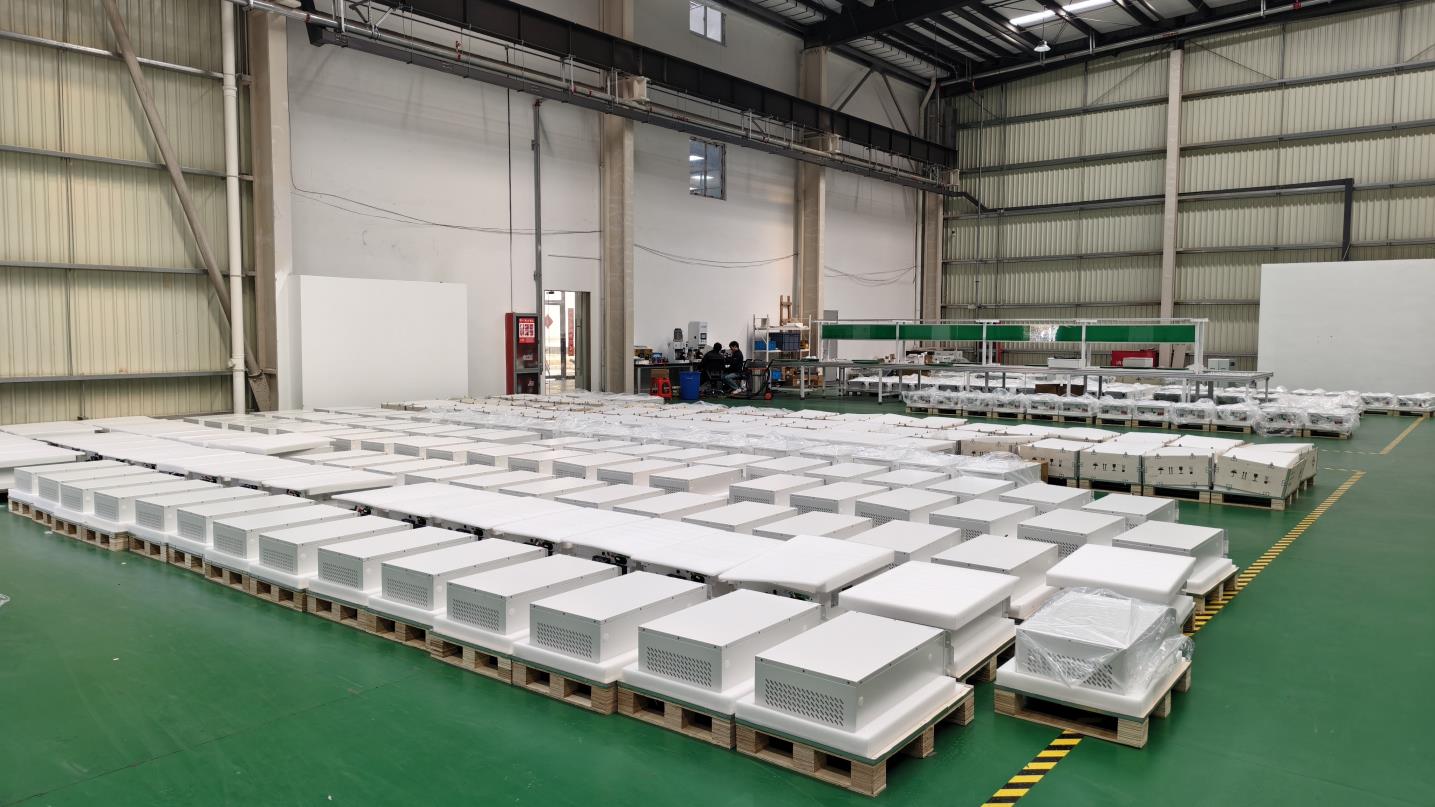
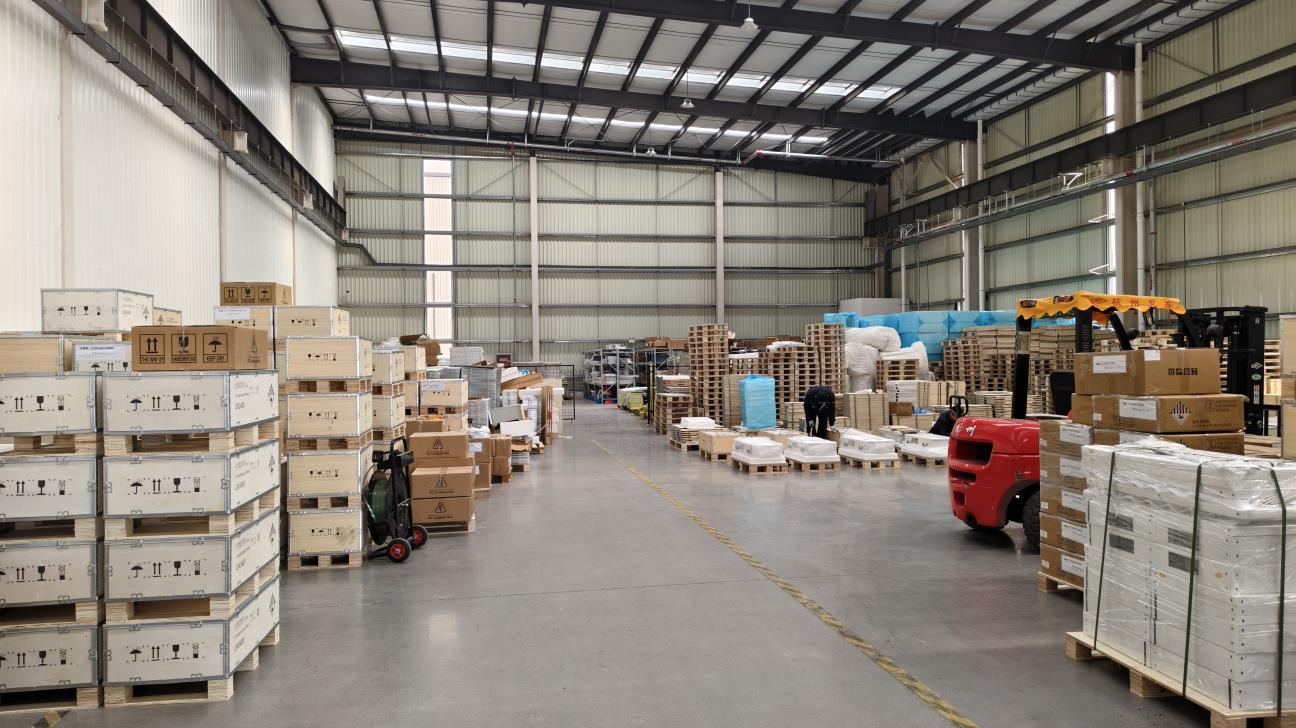
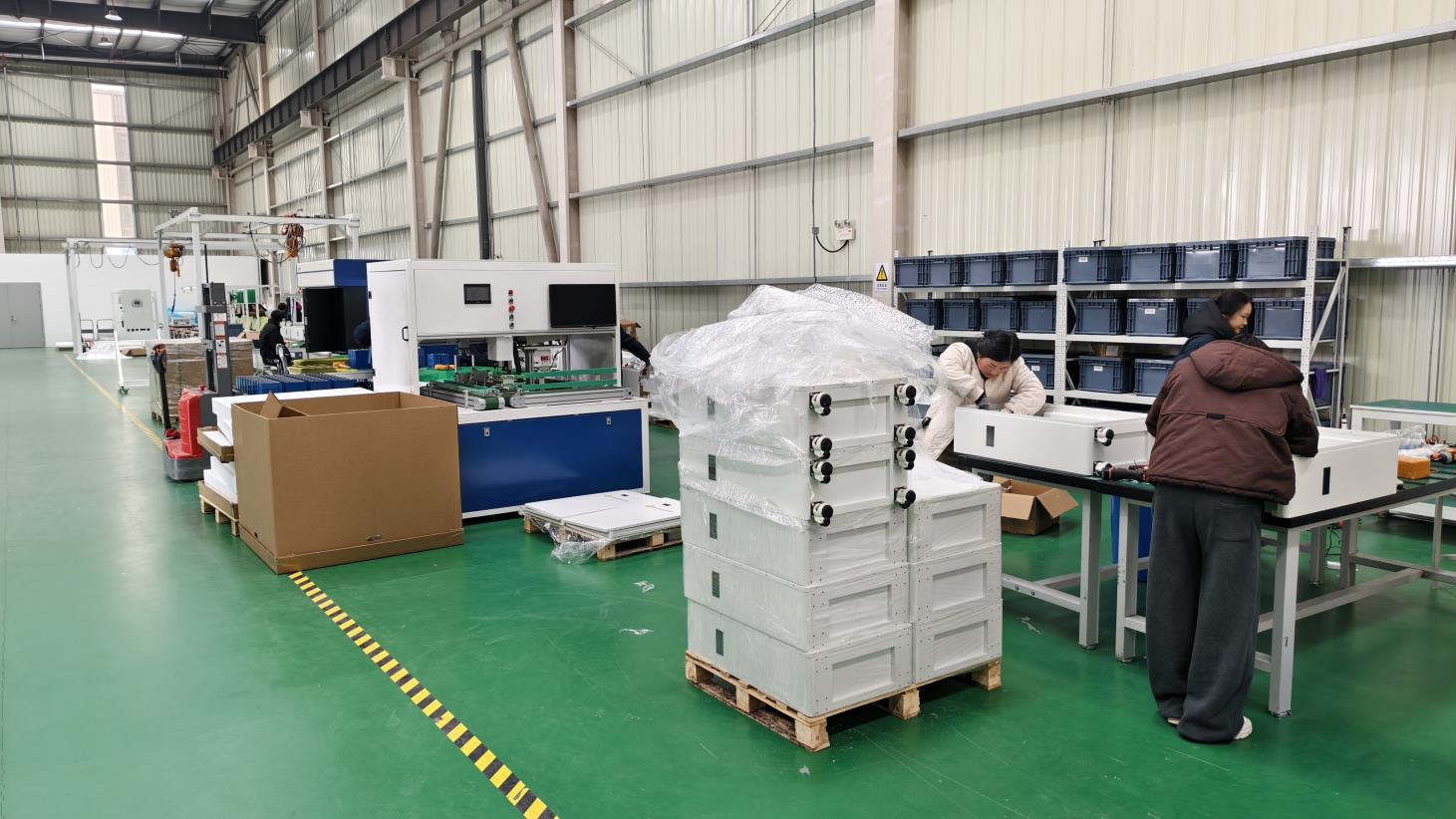
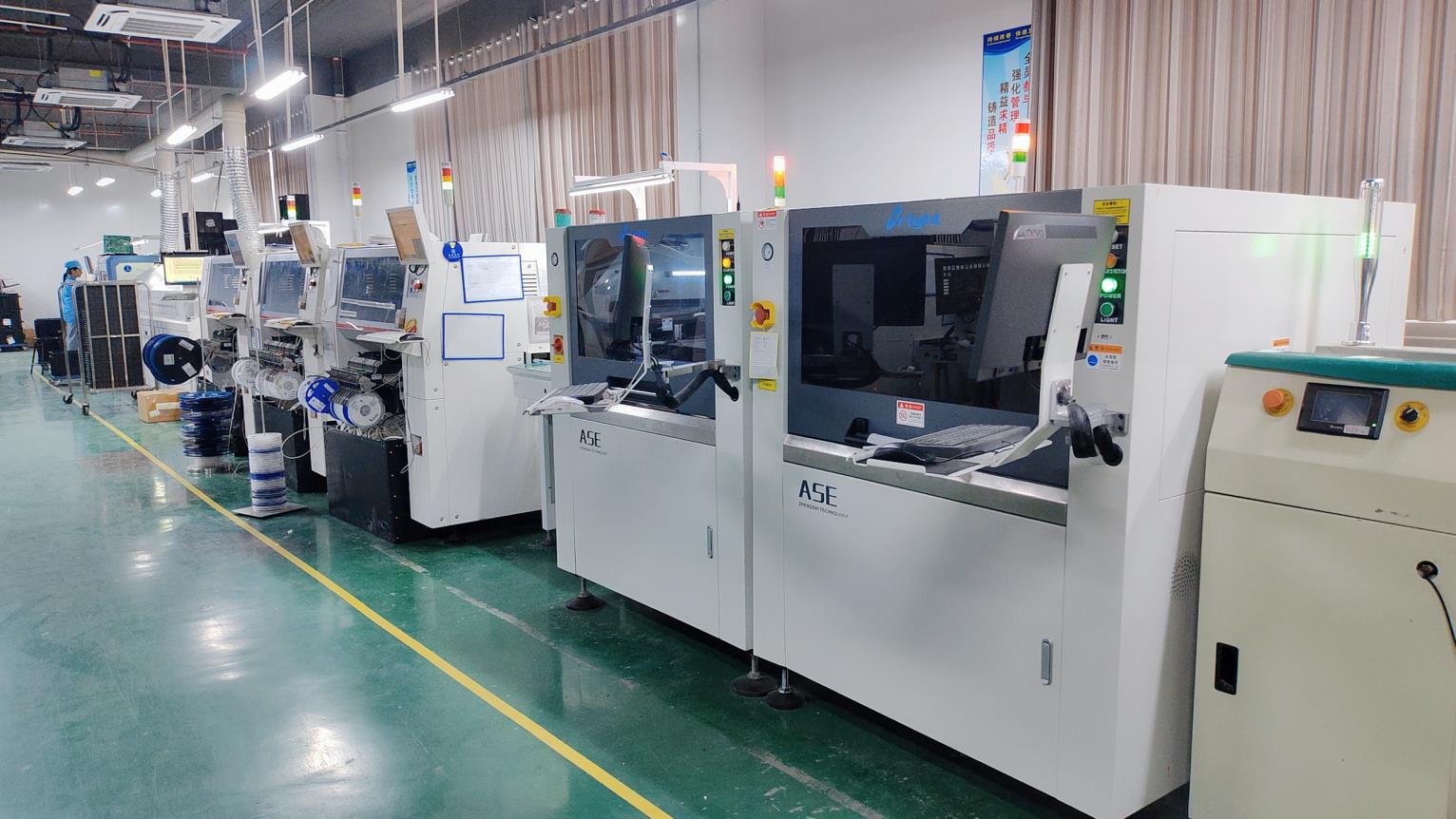
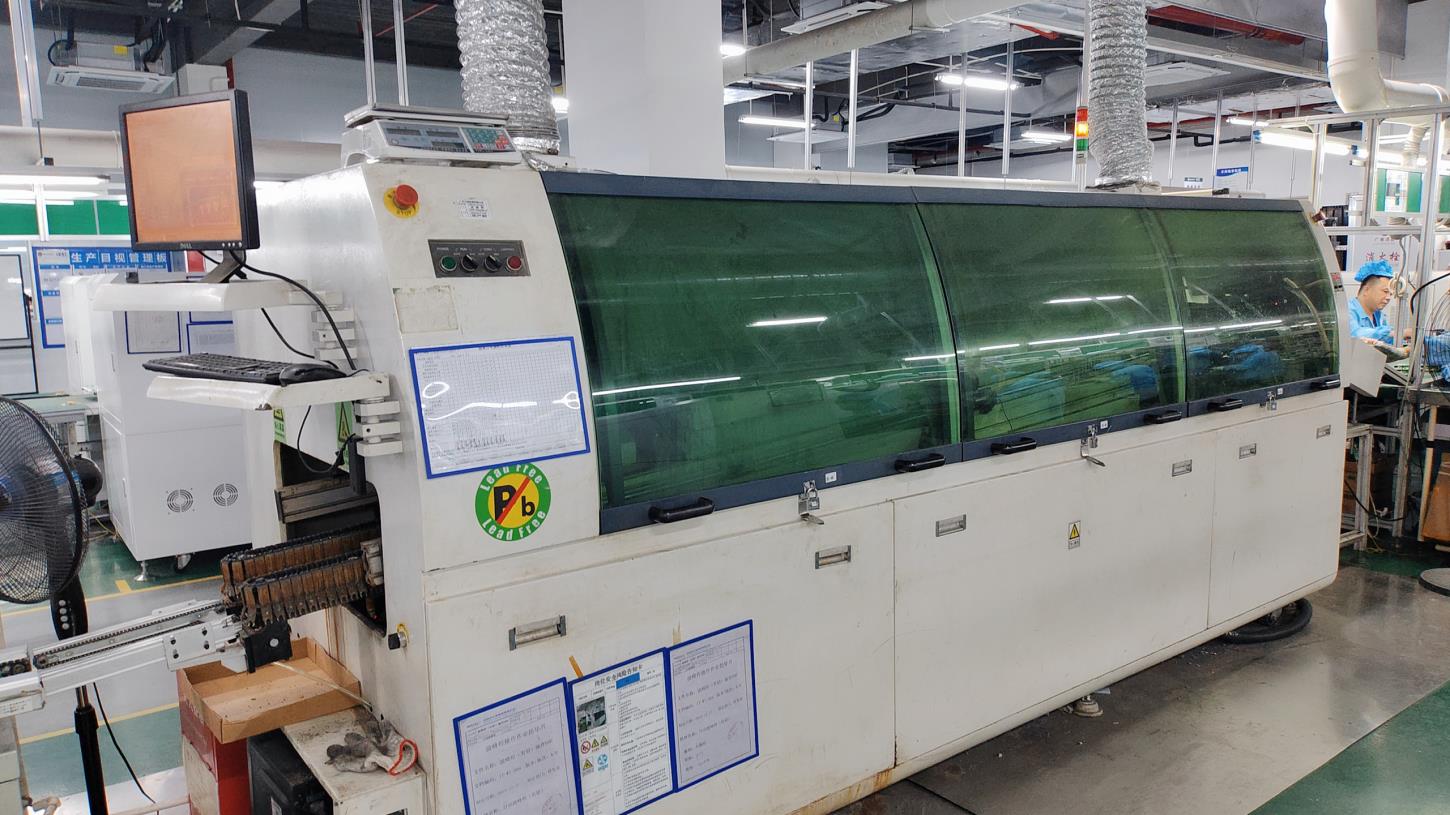
The manufacturing complexity of industrial-scale cooling equipment requires strict quality checks at every production stage. The integrated assembly lines at modern Chinese plants utilize SMT (Surface Mount Technology) processes for automated controller production, wave soldering machines to guarantee component connection integrity, and automated testing chambers to subject cooling loops to simulated extreme ambient climates.
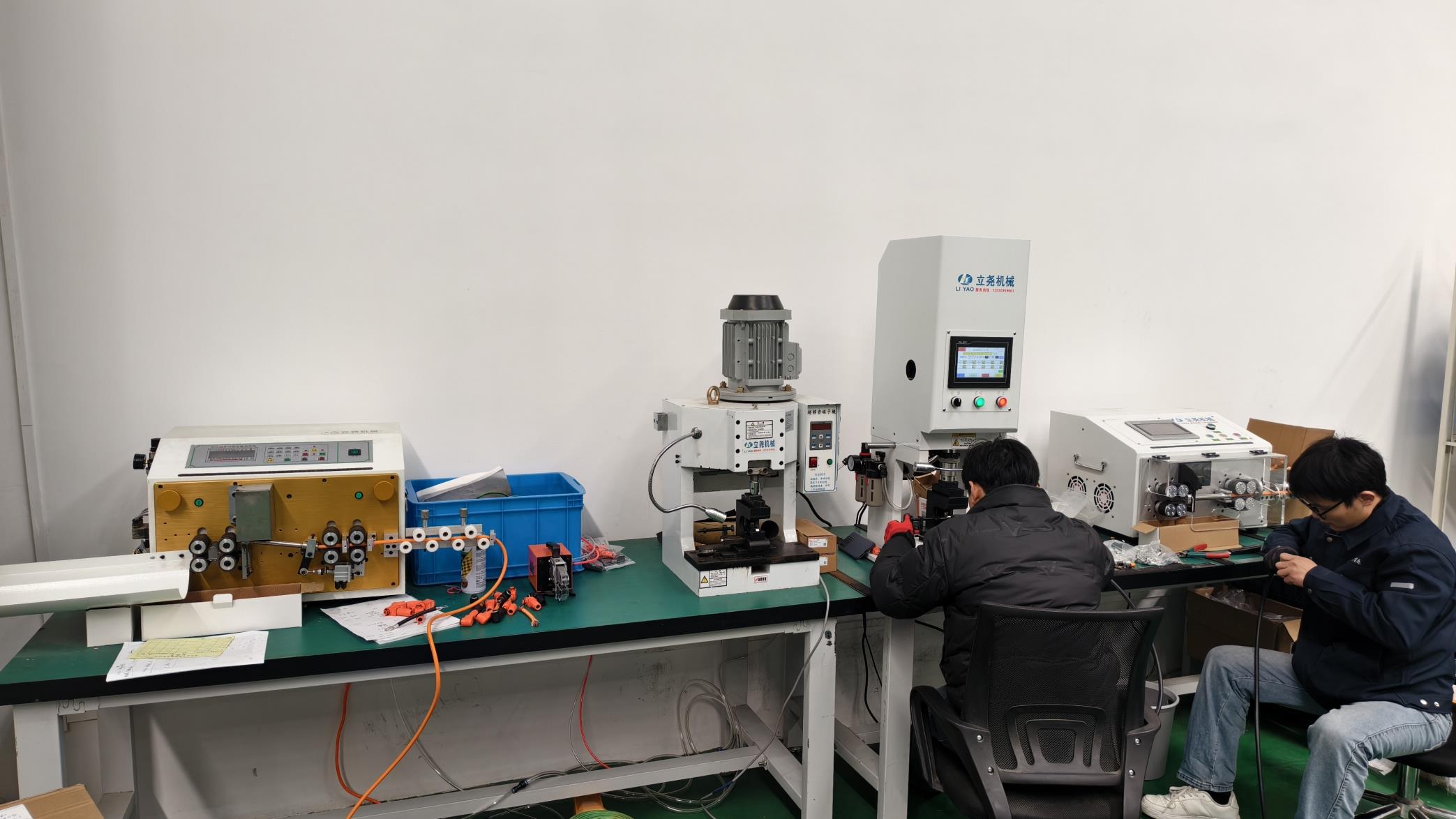
By keeping core processes such as wire stripping, SMT controller assembly, structural welding, and thermodynamic vacuum testing under one roof, Aryam Energy keeps defective PPM (parts-per-million) rates to negligible margins. For global B2B procurement partners, this translates to predictable system performance, reduced field maintenance costs, and guaranteed system lifespans exceeding 15 years.
To access high-stakes B2B markets, our equipment strictly maintains certifications across major jurisdictional frameworks:
Navigating global electrical and grid requirements is a key concern for commercial importers. A solar cooling unit intended for deployment in the GCC region requires radically different compressor thermal insulation and condensing design compared to systems destined for Central Europe. Modern manufacturers must implement "tropicalization engineering" protocols, configuring cooling systems to withstand prolonged periods of dust exposure and ambient conditions that push up to 55°C without triggering automatic thermal shutoffs.
Furthermore, grid-interactive capability (hybrid off-grid/on-grid designs) demands that smart inverters dynamically adjust to localized grid fluctuations. In developing areas where grid voltage oscillates wildly (from 140V to 270V), the integrated hybrid systems developed by Aryam Energy provide voltage protection buffers, safeguarding delicate compressor electronics. Additionally, local support networks must be supplied with direct-replacement component kits, including modular DC control boards, thermal expansion valves, and standardized replacement wire sets to guarantee field uptime.
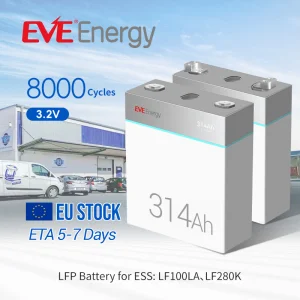
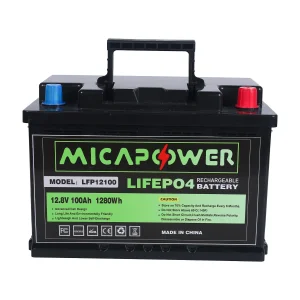
Regulatory compliance is equally critical. For instance, shipping integrated lithium storage containers demands complete compliance with UN38.3 transport safety regulations. Without these strict testing frameworks, shipping companies will not transport large-scale battery banks, halting the deployment of off-grid projects. Ensuring that the factory produces fully certified LiFePO4 cells (such as Eve 314Ah or specialized 12V packs) represents the difference between a successful project roll-out and customs delays.
Analyzing the real-world deployment of clean-energy refrigeration systems across key global industries.
In regions like Sub-Saharan Africa and Southeast Asia, post-harvest losses can compromise up to 40% of fresh produce before reaching market destinations. Placing solar-powered, walk-in cold rooms directly at rural farm collection hubs addresses this problem. These systems utilize modular solar panels (such as 700W bifacial panels) to drive variable-speed DC compressors during daylight hours. Excess energy is directed into high-capacity LiFePO4 battery banks (e.g., 15kWh storage systems) to sustain cooling through the night, maintaining a constant 2°C to 8°C environment without grid connection.
Distributing life-saving vaccines requires strict adherence to temperature limitations. Solar Direct Drive (SDD) refrigeration technology eliminates the need for battery storage systems by using "ice bank" thermal storage. During sunlight hours, the solar array powers the compressor to freeze water into an ice mantle inside the refrigerator walls. In times of cloud cover or night, this thermal mass maintains the internal cabinet temperature for several days. This method avoids the maintenance and wear issues of battery banks in remote health clinics.
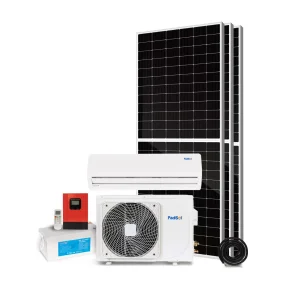
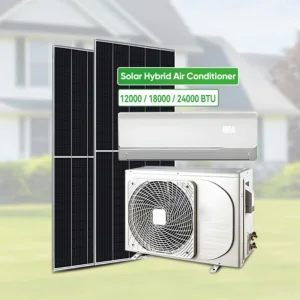
Beyond standard product cooling, high-capacity split solar air conditioning units (such as Deye 12,000 to 24,000 BTU wall-mounted systems) provide active climate control for off-grid operations. By taking DC inputs directly from solar arrays, these systems reduce energy conversion steps, maintaining room temperature in field offices, telecommunication shelters, and remote security installations. When combined with backup diesel generation, these setups function as smart hybrid grids, prioritizing solar and switching to secondary fuel systems only when storage is exhausted.
Critical engineering and logistics questions answered by our system specialists.
DC compressors connect directly to DC solar panels and energy storage systems via matching charge controllers, avoiding the losses associated with AC-to-DC conversion. Traditional AC configurations require an inverter, which introduces a 10% to 22% conversion loss. Direct DC setups run more efficiently, generate less heat, and offer better start-up performance when operating under limited solar power conditions.
A tropicalized (T3 rating) refrigeration unit is designed to operate in ambient temperatures up to 43°C (and up to 55°C peak) without overloading the system. This requires larger condensing units, thicker polyurethane insulation (often 80mm to 100mm instead of 50mm), and high-temperature oil in the compressor. Without a T3 design, standard commercial cooling units suffer from drop-offs in COP and system lifespans in tropical regions.
Yes, hybrid solar air conditioners (like the Deye models listed) can operate directly from PV input during peak sun hours without battery storage. When solar output decreases, the system draws supplementary power from the grid or a backup generator. This setup avoids the upfront investment in battery storage, though it requires grid connection or an alternative power source for operation outside daylight hours.
LiFePO4 (Lithium Iron Phosphate) battery chemistry provides a cycle life of 4000 to 6000 cycles at 80% Depth of Discharge (DoD), compared to the 500 to 1000 cycles of lead-acid options. They also exhibit higher thermal stability, lower weight, and higher charge efficiency. This ensures they can absorb the peak output of a solar array without overheating, providing a reliable power supply for continuous cooling loops.
Industry standards specify a 5 to 10-year warranty on solar panels and 3 to 5 years on lithium batteries and inverter systems, with compressor units covered for 3 to 5 years under normal operating conditions. Leading manufacturers offer comprehensive performance guarantees alongside local replacement parts kits to facilitate quick maintenance.
Complete your off-grid infrastructure with matching storage cells, solar climate control systems, and silent back-up generators.
 Aryam Energy