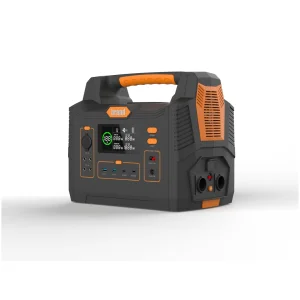
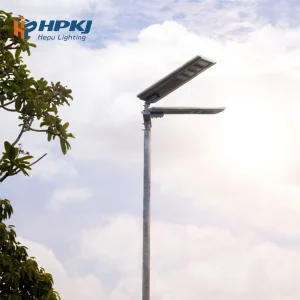
Explore state-of-the-art solar and storage systems certified for global utility, industrial, and residential implementations.
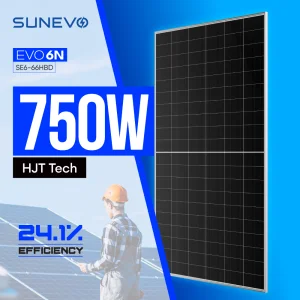
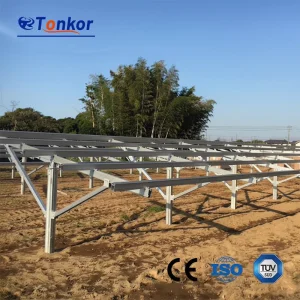
Within utility-scale solar farms and commercial installations, the racking and mounting infrastructure represents the mechanical backbone of the entire asset. While photovoltaic modules generate the electrical current and inverters convert it, solar mounting systems dictate the physical integrity, aerodynamic resilience, and operational lifespan of the power plant. Underestimating structural specification parameters directly correlates with structural failures during extreme weather events, accelerating degradation of micro-cracks in solar cells, and eventual voiding of project insurance coverages.
As structural engineers and global procurement heads look to mitigate financial risk, evaluating manufacturing plants demands a deep understanding of metallurgy, quality control protocols, and structural analysis methodologies. An optimal supplier must balance raw material yield strength with aerodynamic geometries to minimize steel and aluminum tonnages without sacrificing performance under wind, snow, and seismic loading events.
Navigating the global market for solar racking requires a metrics-driven framework. Tier 1 exporters must demonstrate compliance with internationally recognized testing standards and structural certifications. Here are the core evaluation indicators used to determine the world’s leading solar mounting manufacturers:
Exporters must supply aerodynamic analysis reports from recognized laboratories (e.g., CPP or RWDI). Dynamic wind analysis ensures the structural geometry handles flutter, gallop, and torsional vibrations rather than relying solely on static calculations.
Verify base materials are minimum AL6005-T5 for aluminum structures (with anodizing thickness exceeding Class IV / 25 microns) or hot-dip galvanized steel (minimum HDG coating weight of 600 g/m² or Zn-Al-Mg coatings) for C4/C5 marine environments.
The facility must possess verified certifications: UL 2703 (for grounding/bonding), AS/NZS 1170 (Australia/New Zealand), Eurocode 9 (Europe), and IBC 2021 (United States). Lack of structural stamps will stall local engineering sign-offs.
China is home to the most comprehensive supply chain clusters for solar racking systems, exporting over 75% of global structural systems. The competitive advantages offered by Chinese factories go far beyond pricing models:
Major hubs in Jiangsu, Zhejiang, Fujian, and Anhui provinces are located near primary steel mills and aluminum extrusion foundries. This geographic proximity drastically reduces domestic logistics costs, provides direct control over alloying ingredients, and secures rapid turnaround times for specialized dies.
Leading Chinese exporters have converted to robotic welding cells, fully automated multi-stage punching machines, and highly uniform anodization baths. This eliminates mechanical inconsistencies common in manual fabrication and ensures tolerances within ±0.5mm across millions of components.
Chinese steel mills and fabrication factories have rapidly adapted ZAM coated steel structures, replacing traditional post-machining hot-dip galvanization. ZAM offers self-healing properties on cut edges, superior surface hardness, and enhanced performance in high-humidity/alkali environments.
Most large-scale exporters feature engineering departments capable of modeling systems in PVsyst, AutoCAD, and SAP2000. They convert customer topographical maps, soil geotechnical reports, and local weather criteria directly into optimized structural bill of materials (BOM).
Standardized configurations do not translate across diverse geography. Solar mounting systems must undergo geo-specific adaptations to ensure performance longevity:
Environments characterized by high chloride salinity, continuous relative humidity, and salt spray require specialized protection. Anodized aluminum (AL6005-T5 with minimum 25μm coating thickness) or High-Grade Zn-Al-Mg (ZAM) coated steel with 400g/m² coatings are mandatory to prevent premature oxidation and galvanic corrosion at contact points.
Utility-scale arrays in arid territories face structural challenges from high wind shear, dust scour, and sand build-up. Systems require wind deflector optimization, dual-damping shock absorbers for tracking systems, and deep-embedded concrete piles or ground screw foundations designed to resist severe pull-out loads.
Agri-PV requires high ground clearance (typically 2.5m to 4.5m) to allow heavy farming machinery to navigate underneath. This elevates the center of gravity, demanding highly rigid structural frames, wider spans, and larger structural member profiles to counter increased wind-lever effects.
Cold-climate regions require optimized tilt-angles (often above 30 degrees) to facilitate passive snow shedding. Structural members must have cross-sections designed for heavy vertical static loads, and module clamps must be engineered to prevent frame deformation under heavy snow slippage.
Anhui Aryam Energy Co., Ltd. represents the cutting-edge of Chinese clean energy integration and material engineering excellence.
Anhui Aryam Energy Co., Ltd. is a leading provider of advanced renewable energy solutions, dedicated to delivering reliable, efficient, and sustainable power systems for residential, commercial, industrial, and utility-scale applications worldwide. Through continuous innovation and a strong commitment to clean energy development, Aryam Energy has established itself as a trusted partner in the global transition toward a low-carbon future.
The company specializes in the research, development, manufacturing, and integration of solar energy systems, energy storage solutions, hybrid power systems, and intelligent microgrid technologies. Leveraging cutting-edge engineering expertise and strict quality management standards, Aryam Energy provides comprehensive energy solutions tailored to diverse market needs, particularly in regions facing energy shortages, unstable grid infrastructure, or increasing demand for sustainable power generation.
With a professional R&D team and a growing portfolio of proprietary technologies, Aryam Energy continuously invests in innovation to enhance system performance, energy efficiency, and long-term reliability. Its products and solutions are designed to meet international standards and have been successfully deployed across Asia, Africa, the Middle East, Europe, and Latin America, serving customers in more than 100 countries and regions.
Aryam Energy's product portfolio includes solar inverters, energy storage systems, hybrid inverters, lithium battery solutions, solar water pumping systems, microgrid systems, and customized renewable energy projects. The company is committed to providing integrated energy solutions that maximize energy independence, reduce operational costs, and support environmental sustainability.
Driven by the vision of becoming a globally recognized clean energy technology leader, Aryam Energy actively collaborates with distributors, EPC contractors, government agencies, international organizations, and development partners to promote renewable energy adoption worldwide. Through its mission of "Empowering Sustainable Energy for a Better Future," the company strives to create long-term value for customers while contributing to global carbon reduction goals and sustainable social development.
By combining technological innovation, product excellence, and customer-centric service, Anhui Aryam Energy Co., Ltd. continues to deliver smart, reliable, and environmentally responsible energy solutions that help build a greener and more sustainable world.
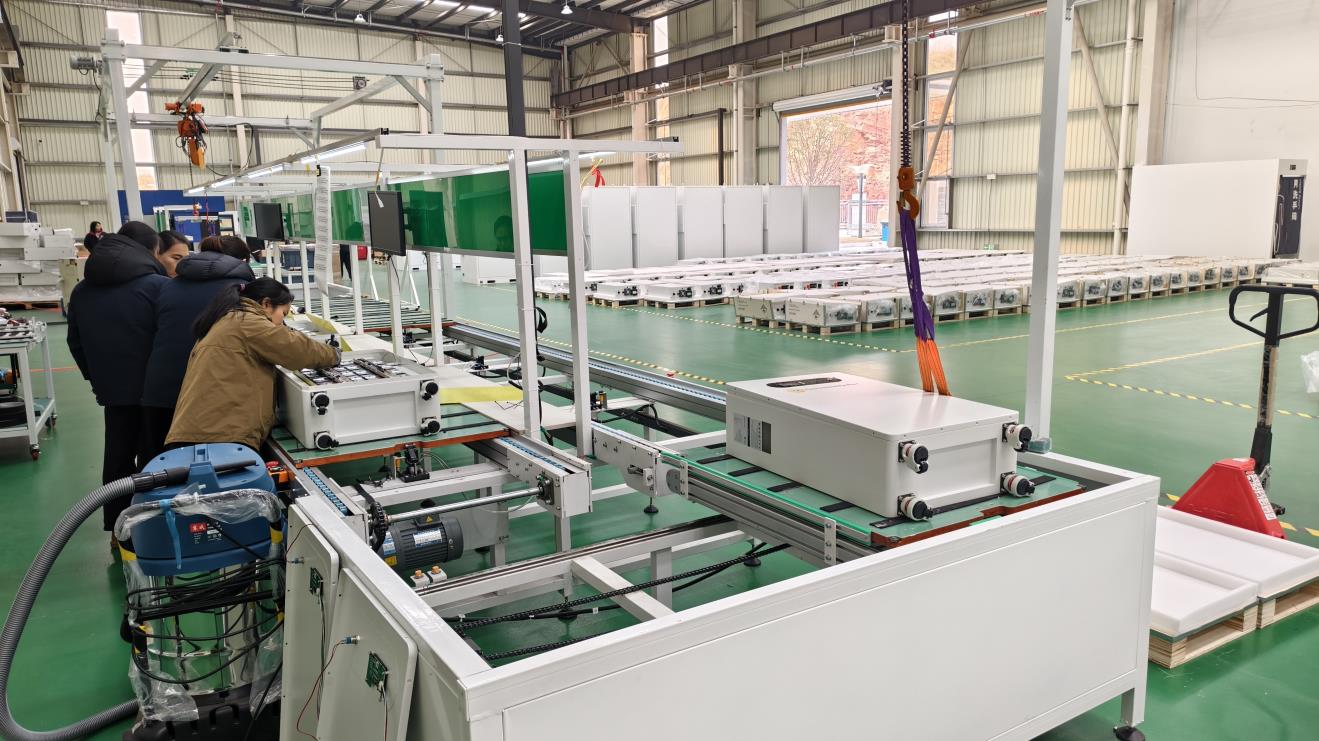
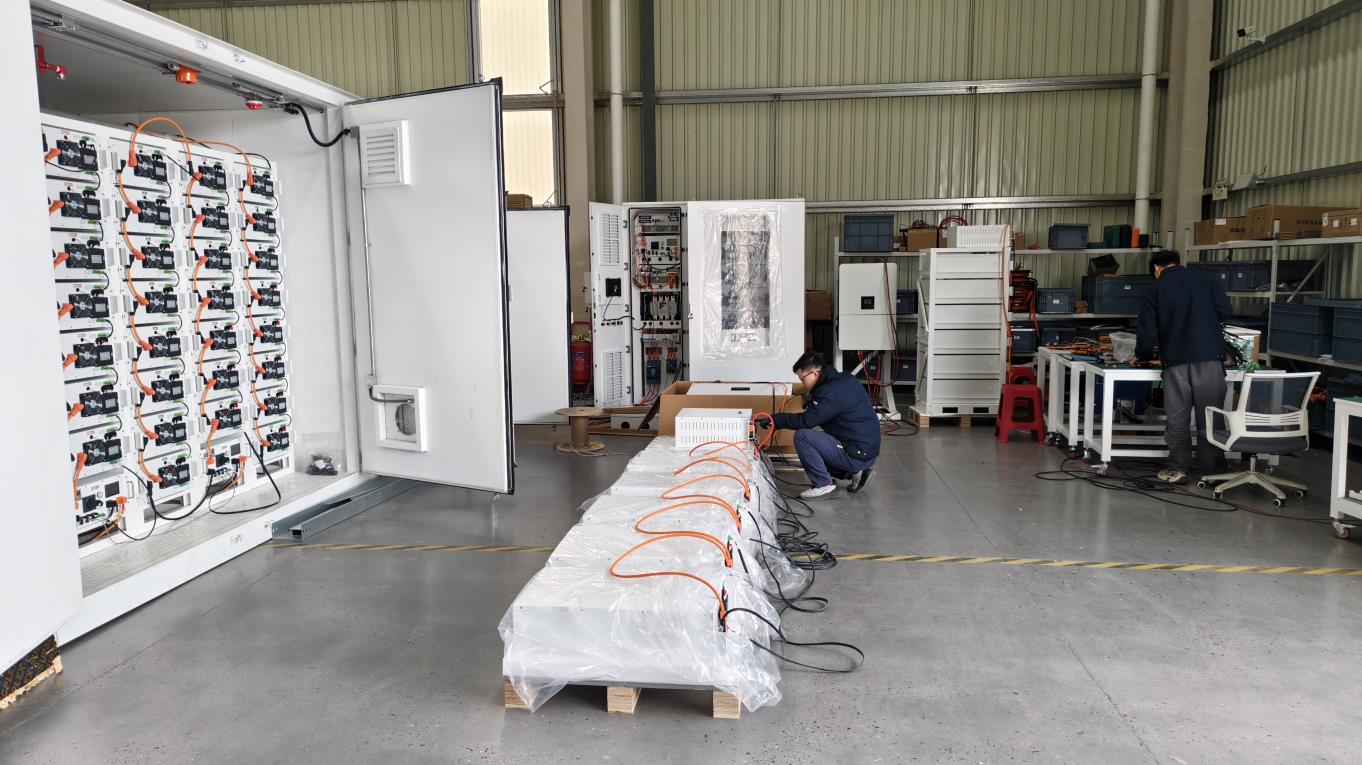
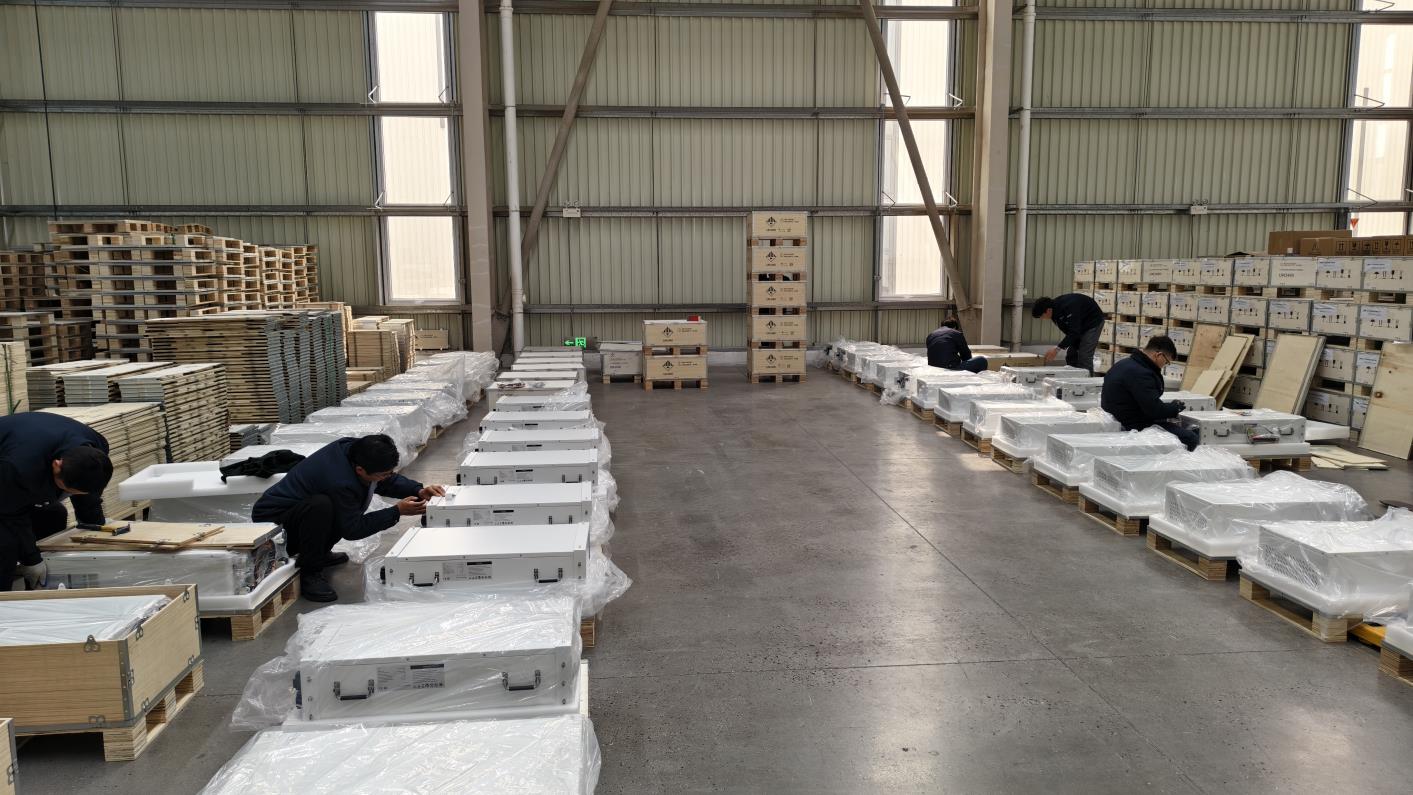
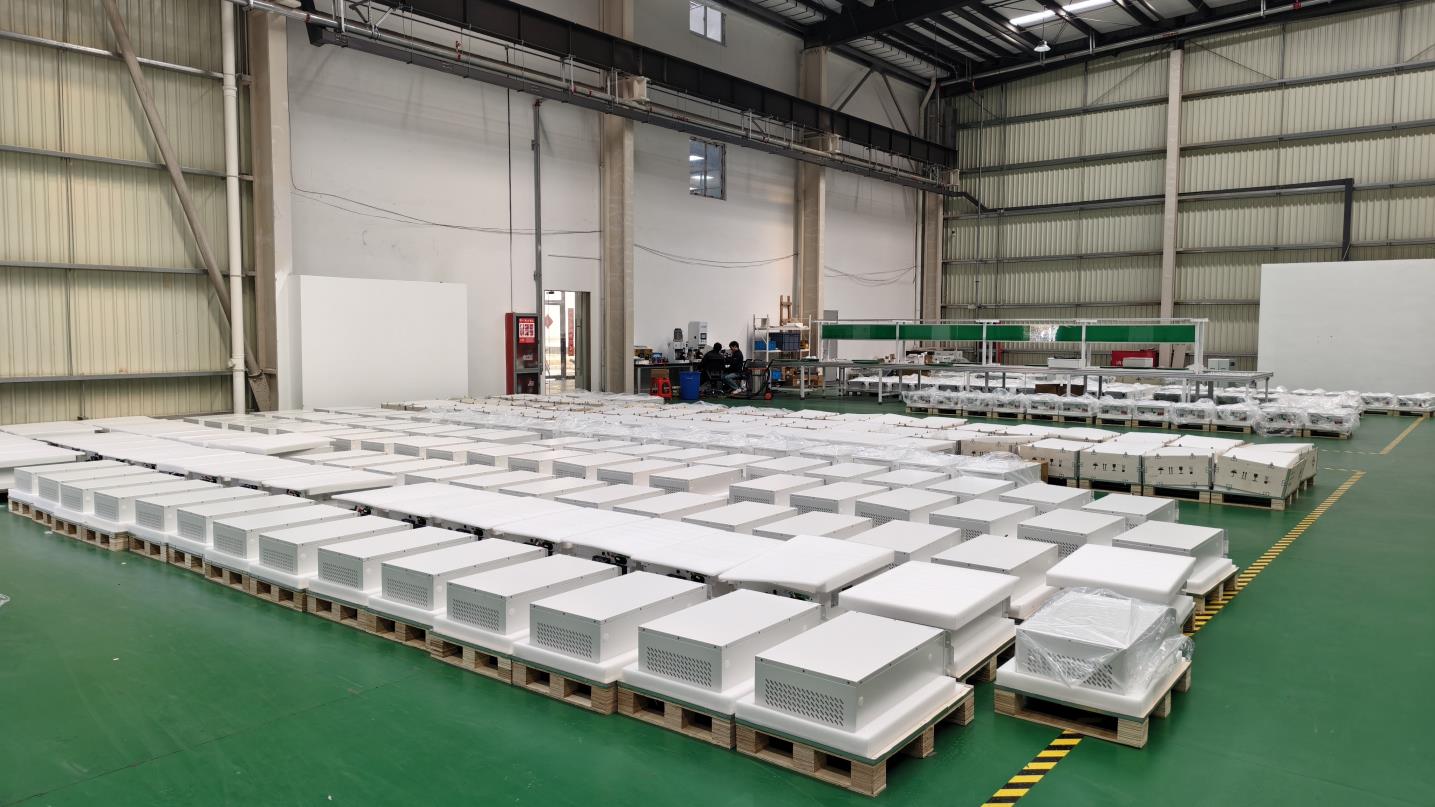
Direct photographic records of raw material preparation, assembly configurations, stress testing, and final product packaging stages in our export manufacturing facility.
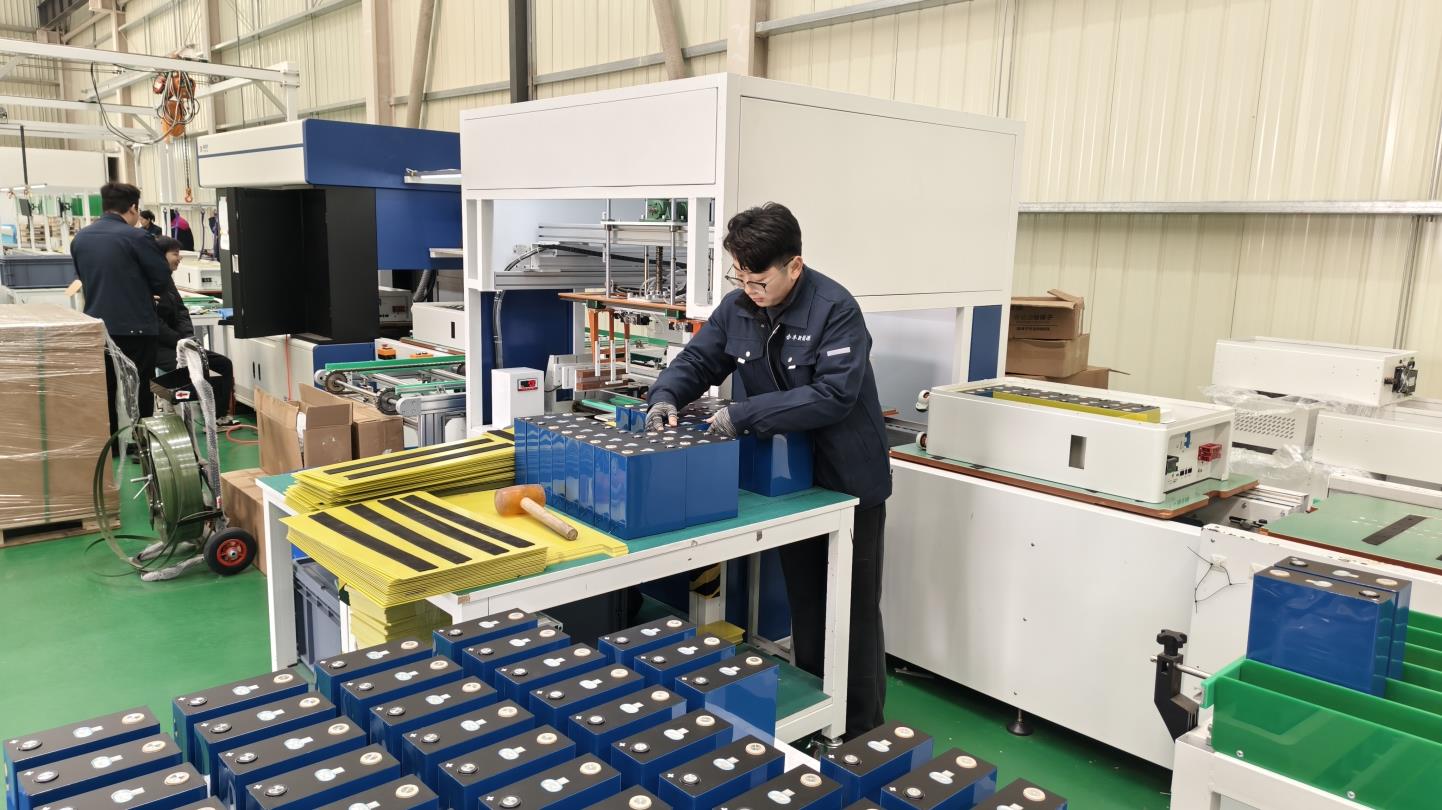
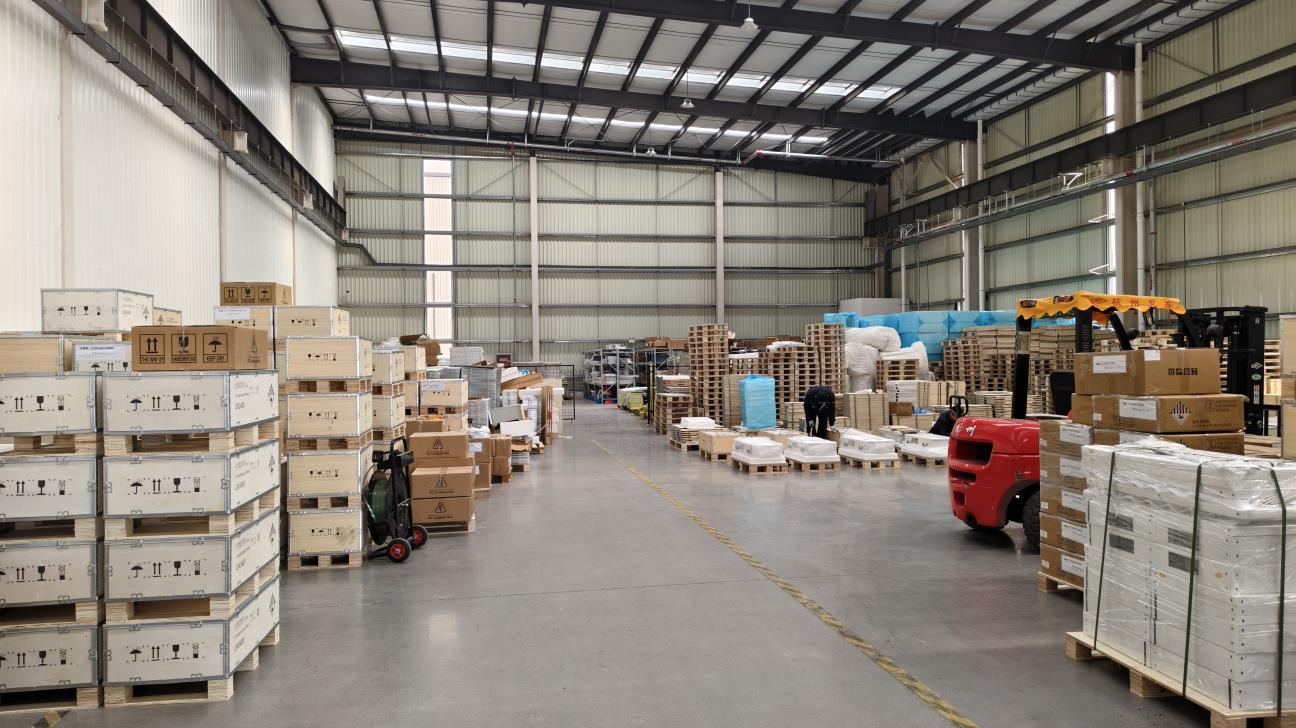
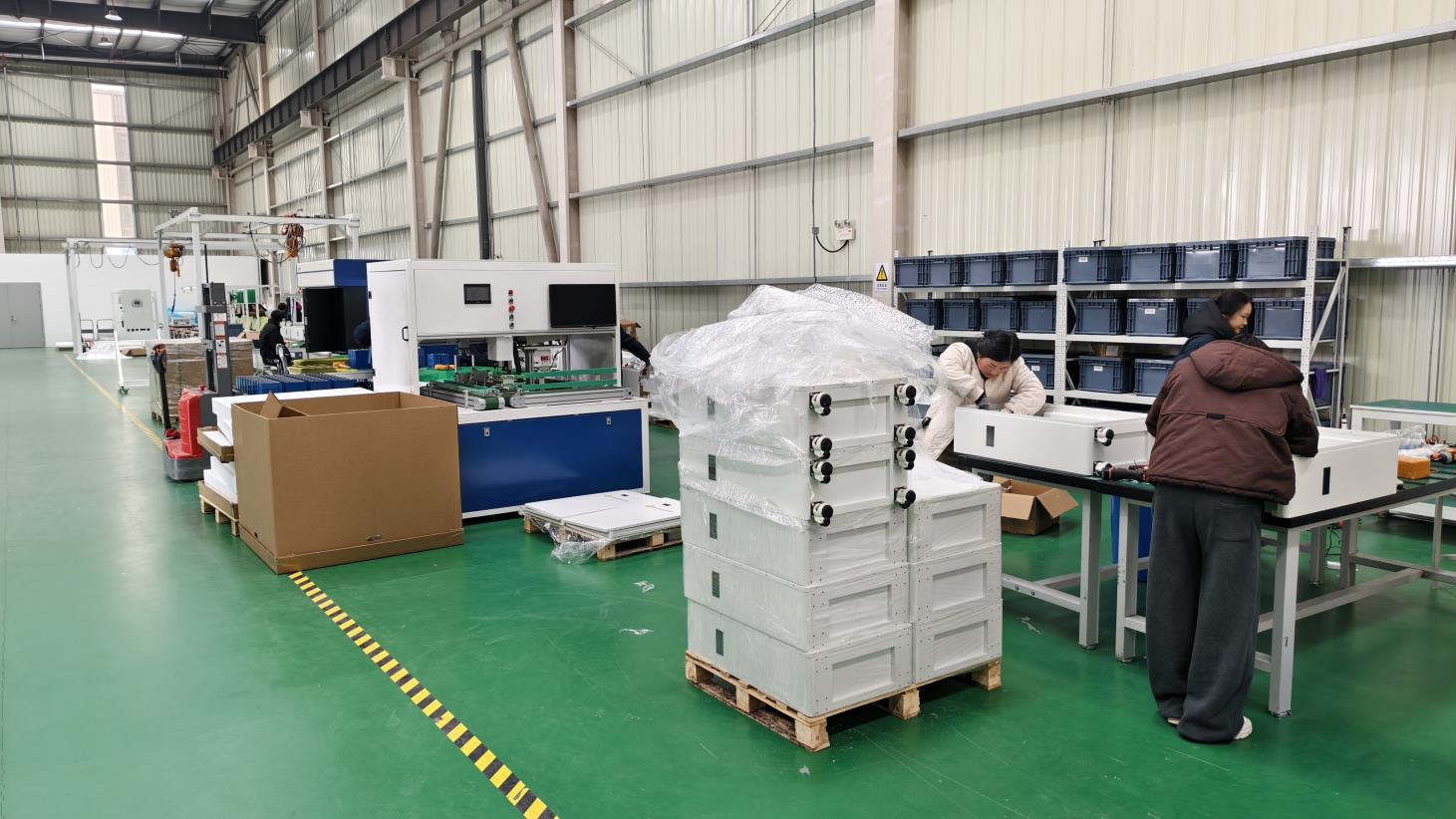
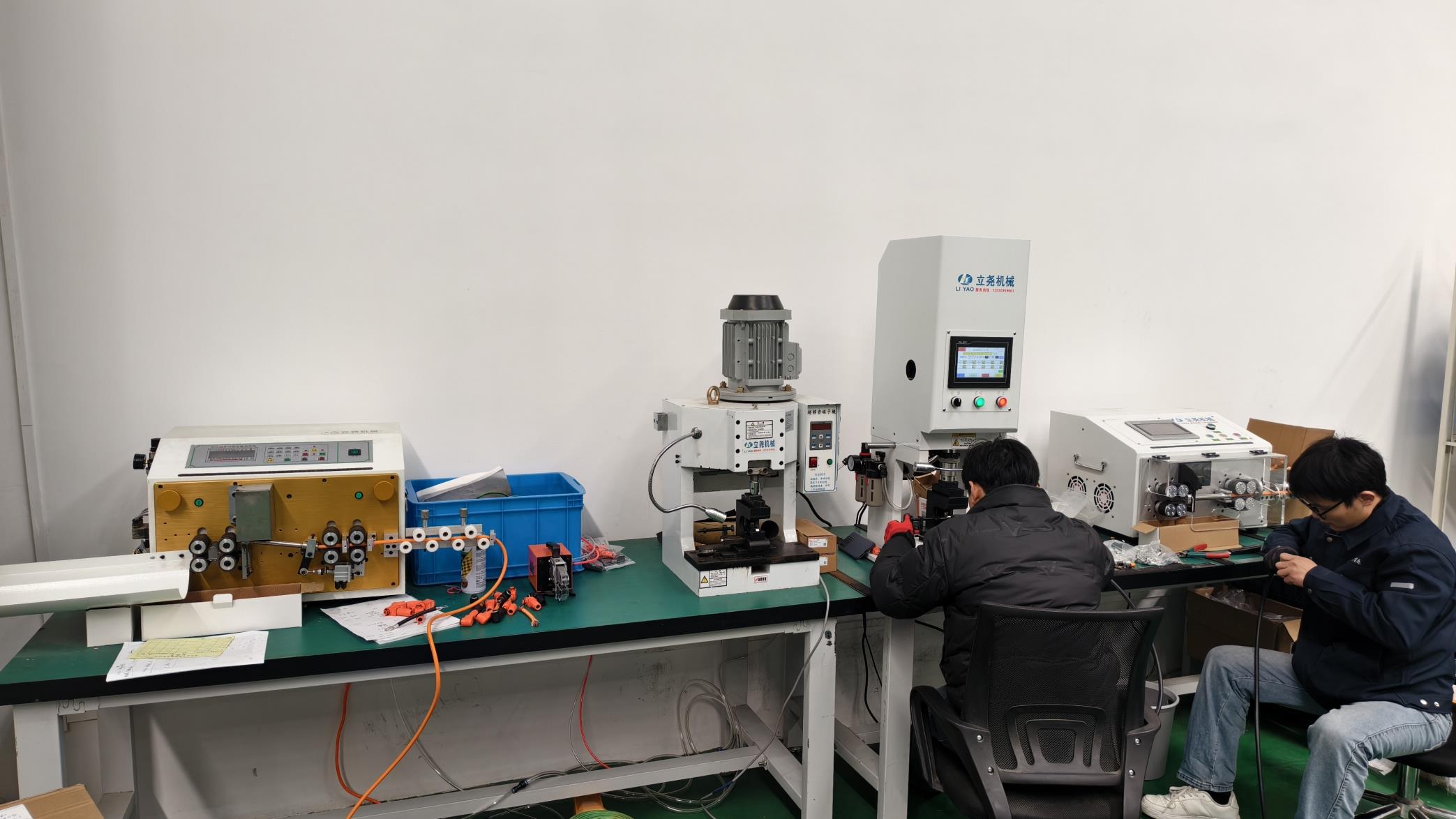
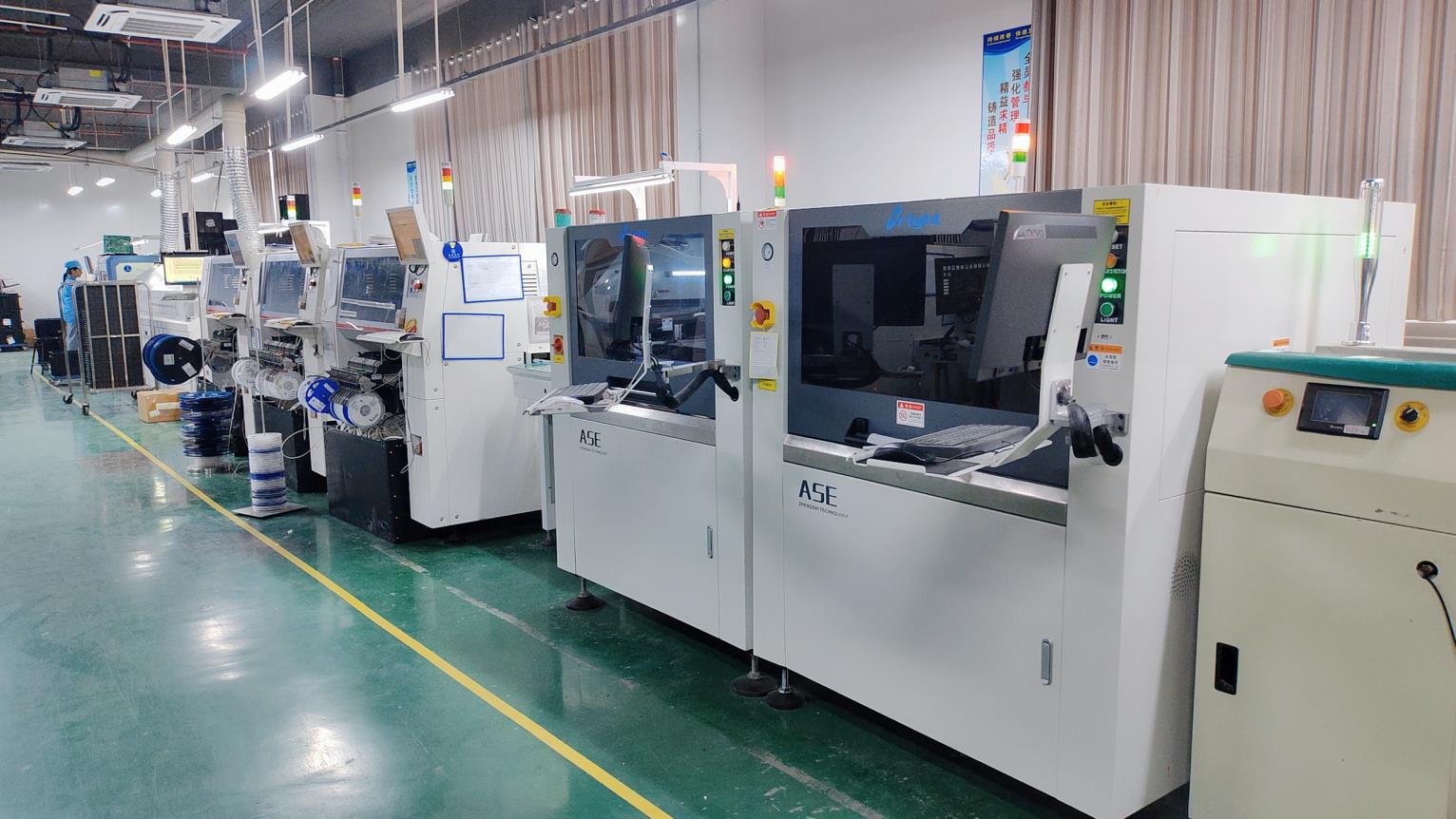
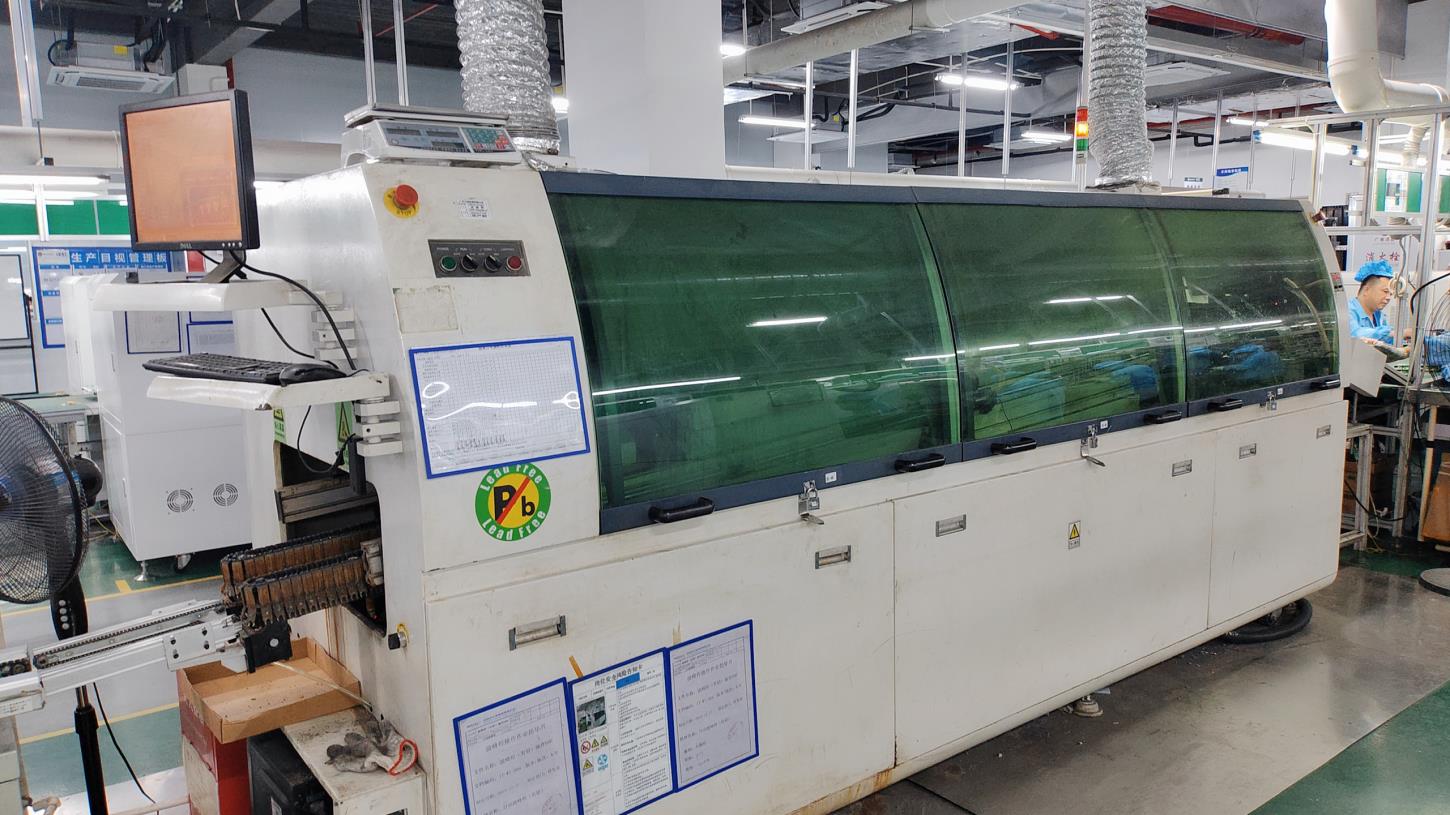
For international EPC contractors purchasing solar mounting structures, managing quality assurance risks across borders demands rigorous inspection gates. The checklist below outlines essential inspection points during factory audits and product delivery:
The solar racking landscape is adapting rapidly to meet the requirements of higher-power modules and changing project environments. Let's look at the key technological trends shaping structural designs:
Next-gen racking integrates astronomical algorithms and smart sensor systems. Tracking structures continuously adapt module tilt angles in real-time, matching cloud movement to optimize light capture and prevent structural damage during sudden wind shifts.
By leveraging high-tensile steel grades (like S350GD and S420GD), manufacturers can reduce mounting structural weights by 12-18% without sacrificing load limits. This delivers direct savings on project logistics and installation time.
To address rising site labor costs, modern suppliers deliver pre-folded profiles, drop-in quick-locking module clamps, and factory-fastened joints. This design minimizes field tools and reduces mechanical assembly labor times by up to 40%.
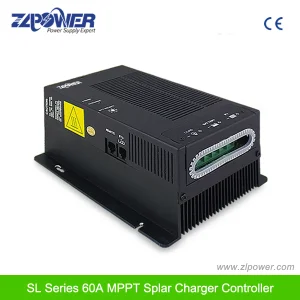
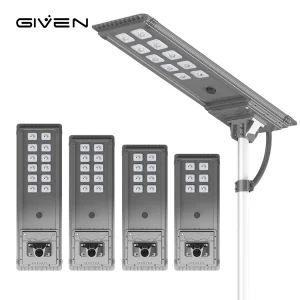
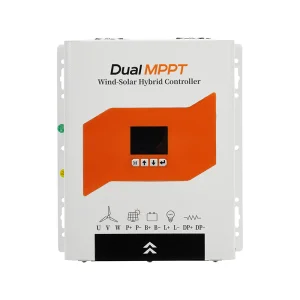
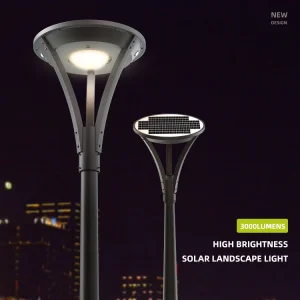
Complete your system procurement with our certified solar controllers, energy storage batteries, and utility street lighting.
 Aryam Energy