Premium hardware assets engineered for structural integration and edge energy optimization
A deep dive into industrial telemetry, data acquisition pipelines, and sensor arrays
Modern commercial, industrial, and utility-scale photovoltaic (PV) generation facilities no longer operate as passive electrical generation units. To remain grid-compliant, maximize financial yield, and mitigate performance degradation, solar systems require structured telemetry networks. A robust solar energy monitoring system acts as the nervous system of the PV installation, converting physical irradiance and electrical output indicators into actionable, microsecond-level metrics.
The standard telemetry architecture deployed by top-tier suppliers typically consists of three primary technological layers:
This includes physical sensors installed at the array. Key components include thermopile pyranometers (Class A secondary standards compliant with ISO 9060), back-of-module temperature sensors, string monitoring units (SMUs), smart energy meters (supporting bidirectional class 0.2S billing accuracy), and micro-inverter data aggregators.
These local hardware hubs interface with inverters, trackers, and weather stations via serial connections (RS-485 Modbus RTU) or ethernet (Modbus TCP). They execute real-time polling, perform local data deduplication, hold non-volatile buffers to guard against network dropouts, and encrypt data before uplink transmission.
The centralized cloud engine processes incoming telemetry via MQTT or HTTPS protocols. Advanced platforms employ predictive algorithms to automate IV curve analysis, isolate degradation patterns, track Performance Ratio (PR) according to IEC 61724-1, and instantly dispatch maintenance crews.
By shifting from basic, reactive monitoring (waiting for an inverter shut-down alert) to predictive monitoring (identifying micro-cracks or dust accumulation via string deviation analytics), global operators can reduce Operation & Maintenance (O&M) overhead by up to 25% while maintaining the system's Levelized Cost of Energy (LCOE) targets.
Evaluating standard frameworks of the industry's leaders
To identify the top 10 solar energy monitoring factories and suppliers globally, industry procurers must look beyond marketing claims and evaluate technical competencies, manufacturing capacity, and supply-chain stability. Leading suppliers demonstrate advanced proficiency across key criteria:
| Evaluation Parameter | Industry Standard Threshold | Premium Manufacturer Capabilities |
|---|---|---|
| Hardware MTBF | > 50,000 Operating Hours | > 100,000 Hours (Industrial-grade semiconductor component paths) |
| Measurement Precision | Class 1.0 (IEC 62053-21) | Class 0.2S / 0.5S (Ultra-high-precision telemetry and billing integration) |
| Protocol Interoperability | Basic Modbus RTU / TCP | Modbus, DNP3, IEC 60870-5-104, MQTT, OPC UA, IEC 61850 compatibility |
| Data Ingestion Latency | 5 - 15 Minute polling intervals | Sub-second real-time telemetry streaming for grid-tied dynamic controls |
| Environmental Resistance | IP65 Rating, -20°C to 60°C | IP67/NEMA 4X, -40°C to 85°C (Extreme desert or sub-zero installations) |
Furthermore, leading monitoring manufacturers are defined by their software ecosystems. Top suppliers do not simply supply data loggers; they deliver integrated APIs capable of feeding real-time energy production models directly into grid balancing platforms, energy storage management suites (BEMS), and Virtual Power Plants (VPPs).
Emerging trends in edge AI, decentralization, and smart grid orchestration
Traditionally, evaluating current-voltage (I-V) curves across thousands of PV strings required manual measurements using handheld tracers. Next-generation monitoring hardware executes automated, inline, string-level I-V curve tracing without interrupting system power generation. By running edge algorithm routines on gateway controllers, these systems diagnose soil build-up, shadow shading, PID (Potential Induced Degradation), and micro-cracks in real time, delivering automated diagnoses directly to plant supervisors.
As distributed energy resource (DER) deployment grows, monitoring hardware must transition from passive reading to active control. Modern systems feature bidirectional telemetry paths, allowing grid operators or aggregated software brokers to adjust active and reactive power outputs dynamically. This supports peak shaving, battery management integration, and immediate compliance with local grid codes.
For remote installations where wired fiber infrastructure is cost-prohibitive, next-generation telemetry relies on low-power, wide-area cellular networks. Integrated NB-IoT and 5G RedCap (Reduced Capability) communication chips ensure high data density, long transmission ranges, and superior signal penetration through structural metal framing, all while keeping network operational costs to a minimum.
Customized monitoring designs for varying scale applications
Designed for large installations exceeding 100MW, these systems require sub-station level integration. High-speed RTUs process telemetry over fiber networks, syncing with local SCADA platforms and regional grid controllers. Features include advanced weather station integrations, tracker monitoring, and active dynamic reactive power regulation.
Focused on optimizing self-consumption rates and managing complex hybrid setups. The hardware integrates solar trackers, battery energy storage systems (BESS), and backup diesel generators. The platform automatically balances load requirements to prevent export violations and minimize demand charges.
Tailored for residential installations, these systems focus on ease of use, simple wireless connectivity (WiFi/Zigbee/Thread), and smart home integration. These setups often manage hybrid appliances, home batteries, and EV charging stations, presenting user-friendly insights on custom mobile applications.
Safeguarding physical assets and digital infrastructure from modern threats
As solar energy becomes a primary source of utility-scale power generation, monitoring networks are increasingly targeted by cyber threats. Consequently, top-tier monitoring factories must design their hardware and firmware architectures under strict compliance with cybersecurity frameworks, such as IEC 62443 and NERC CIP. Ensuring security at the hardware root level prevents unauthorized control access and mitigates spoofing risks on critical control networks.
Moreover, grid compliance dictates strict telemetry standards in different regions. For example, systems deployed in the United States must align with IEEE 1547-2018 for interoperability, while European installations must comply with local grid codes (such as EN 50549) regarding reactive power compensation and low-voltage ride-through (LVRT) behaviors. Working with a supplier that maintains these certifications guarantees smooth commissioning and avoids costly compliance modifications down the line.
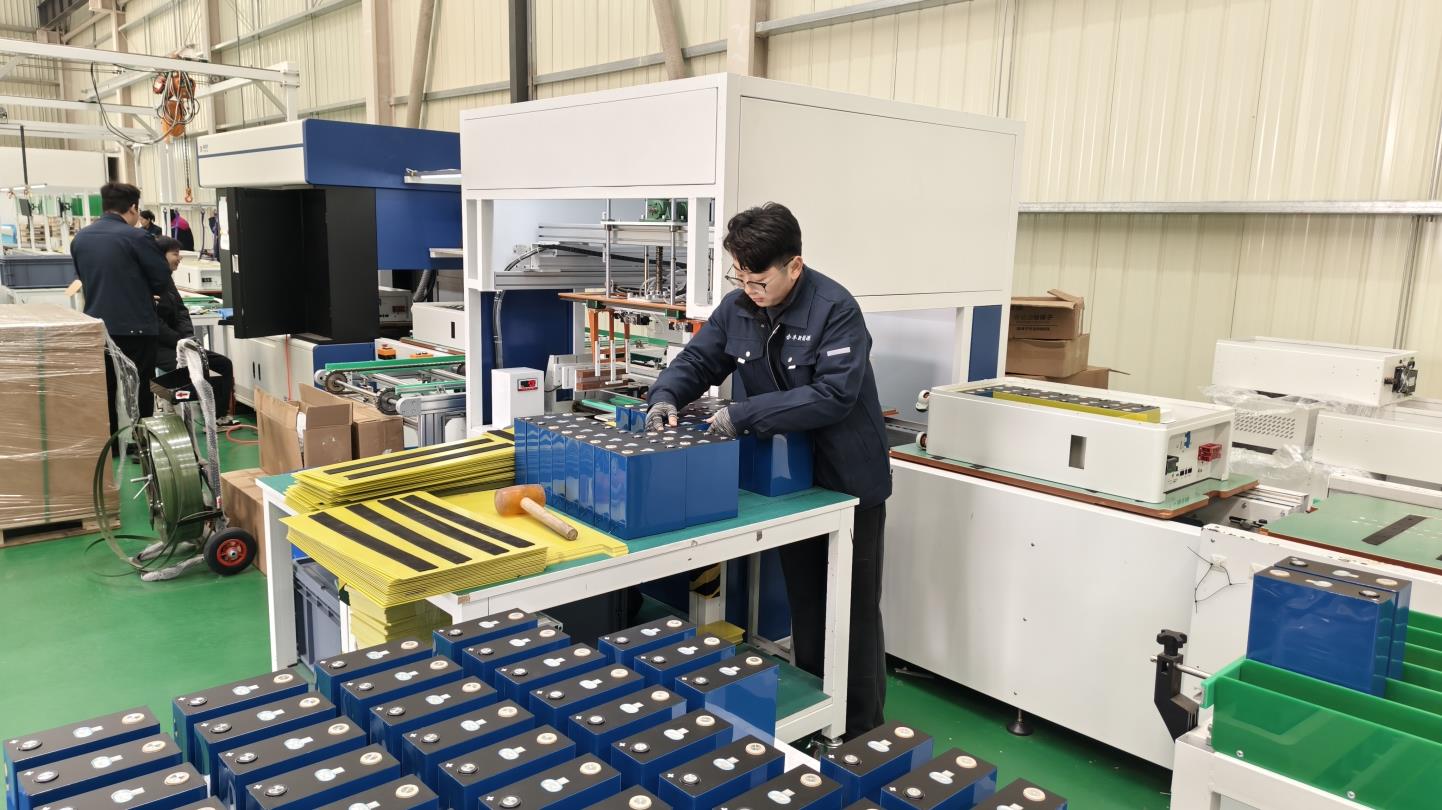
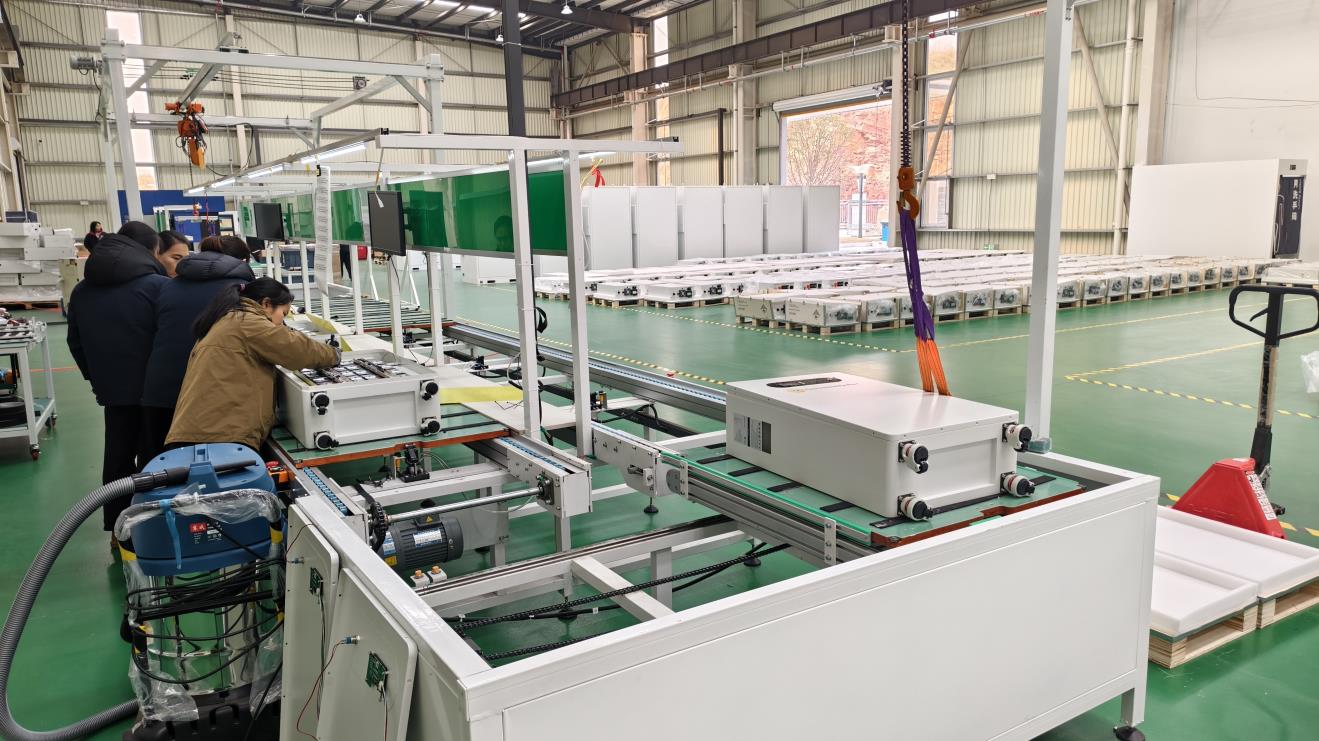
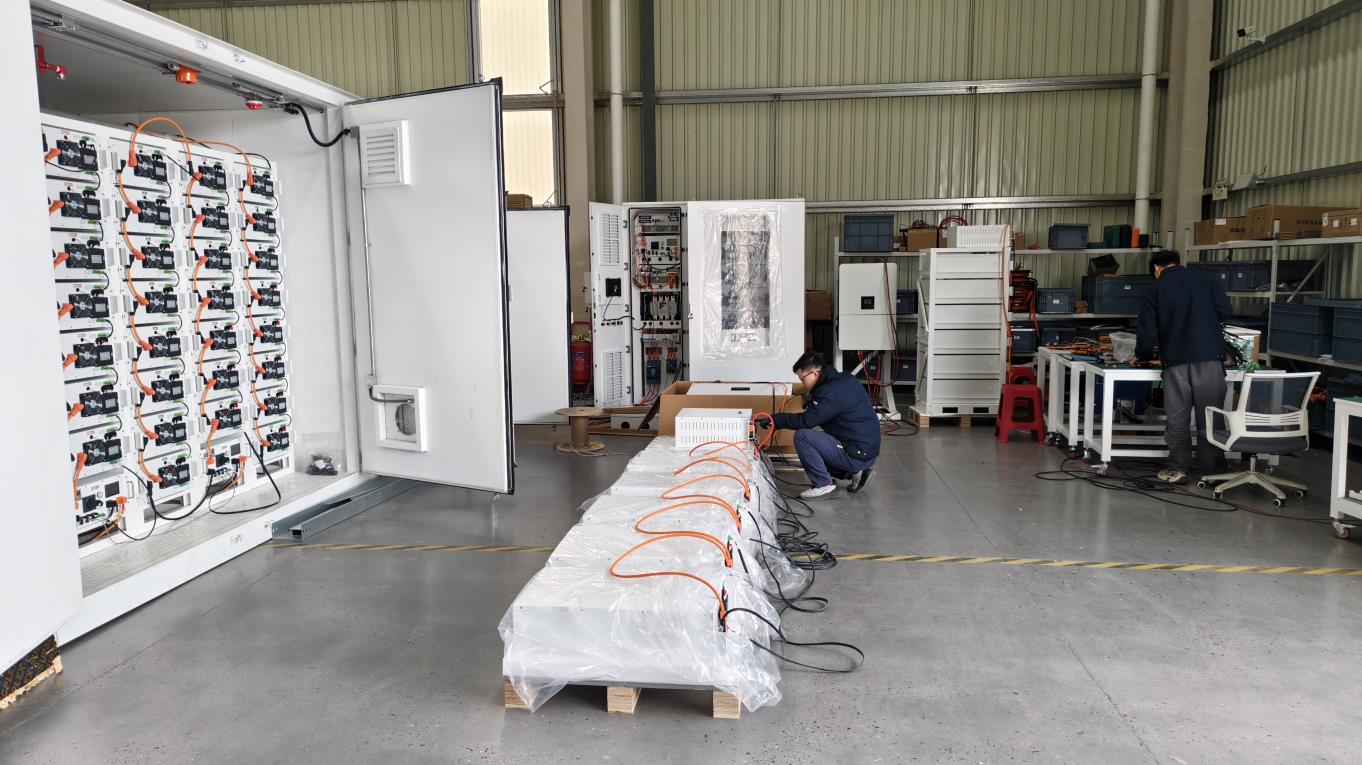
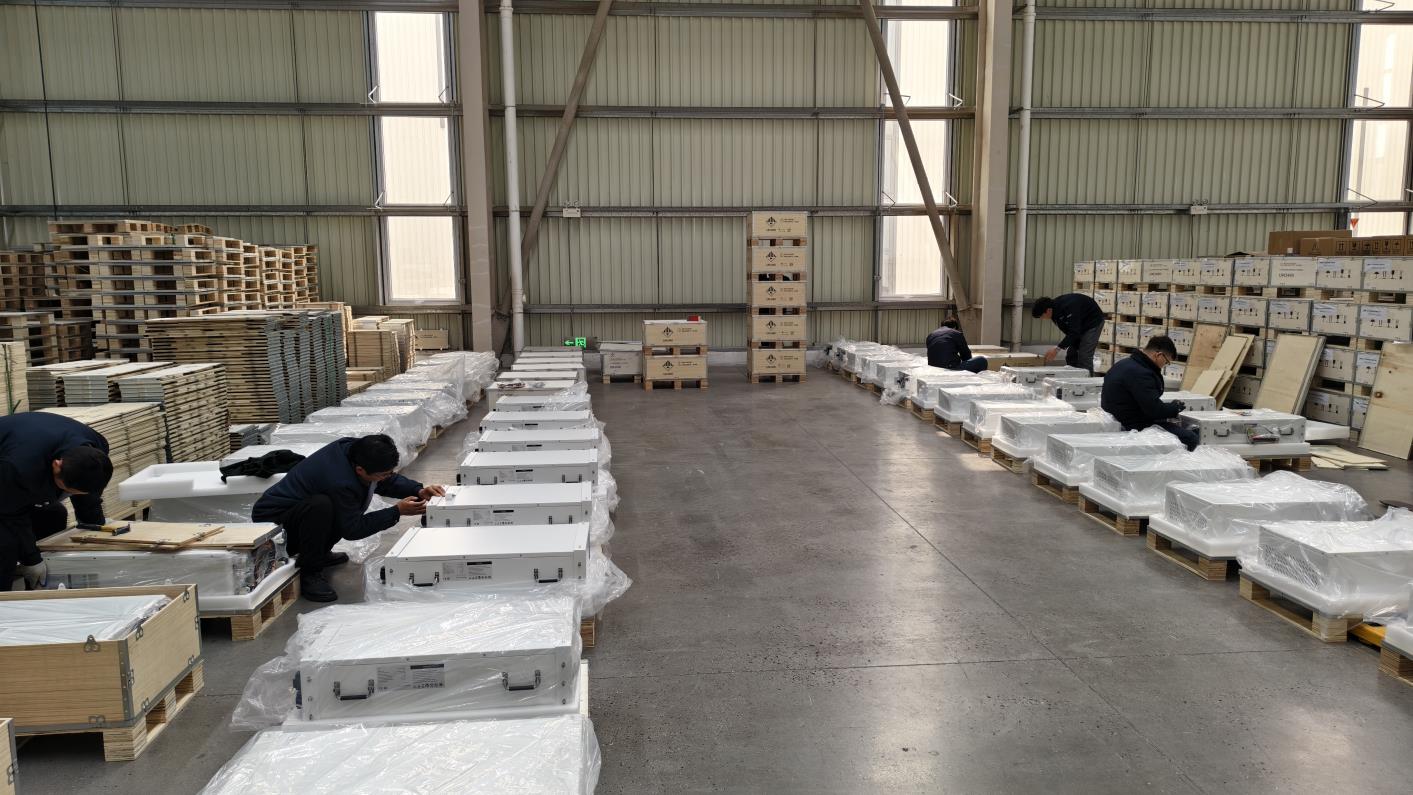
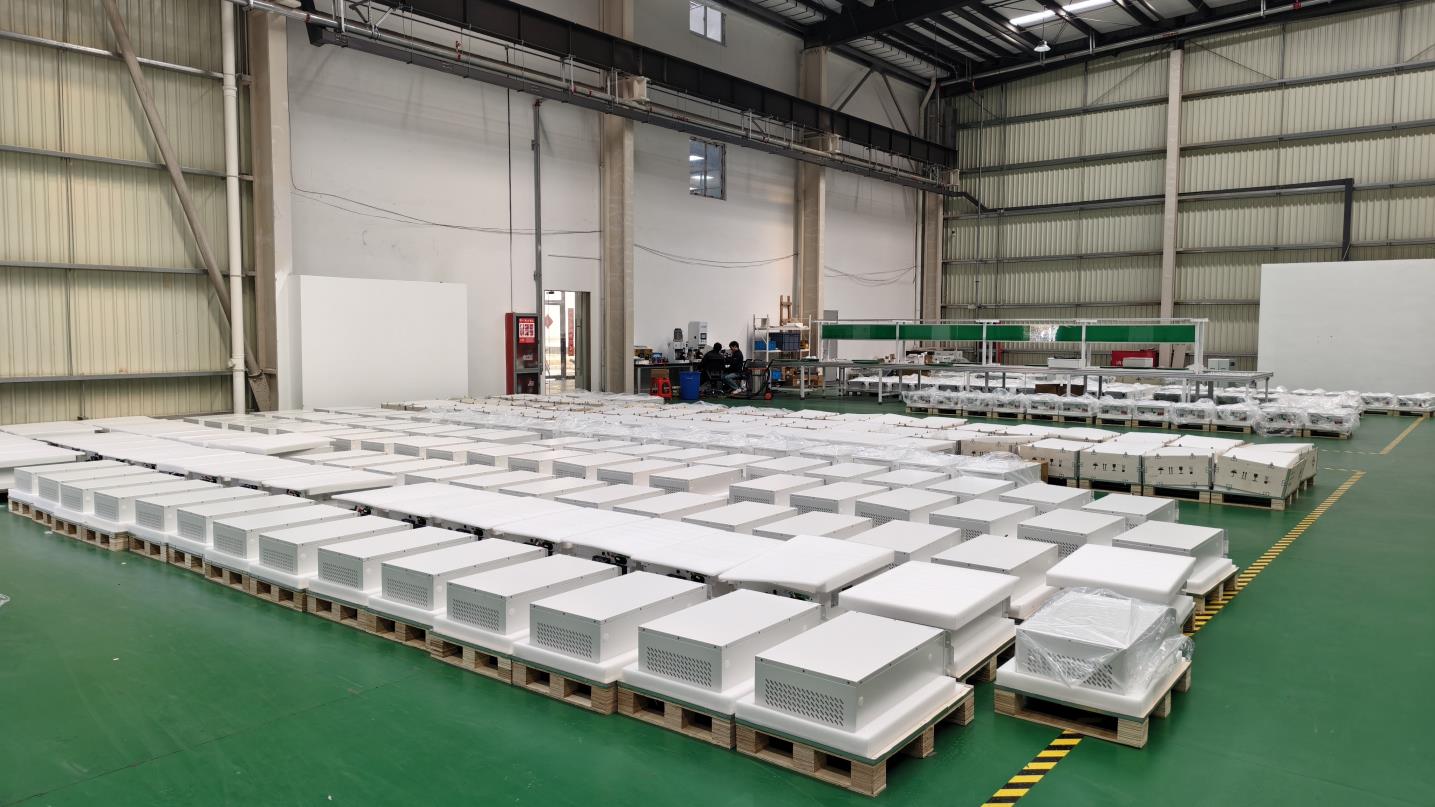
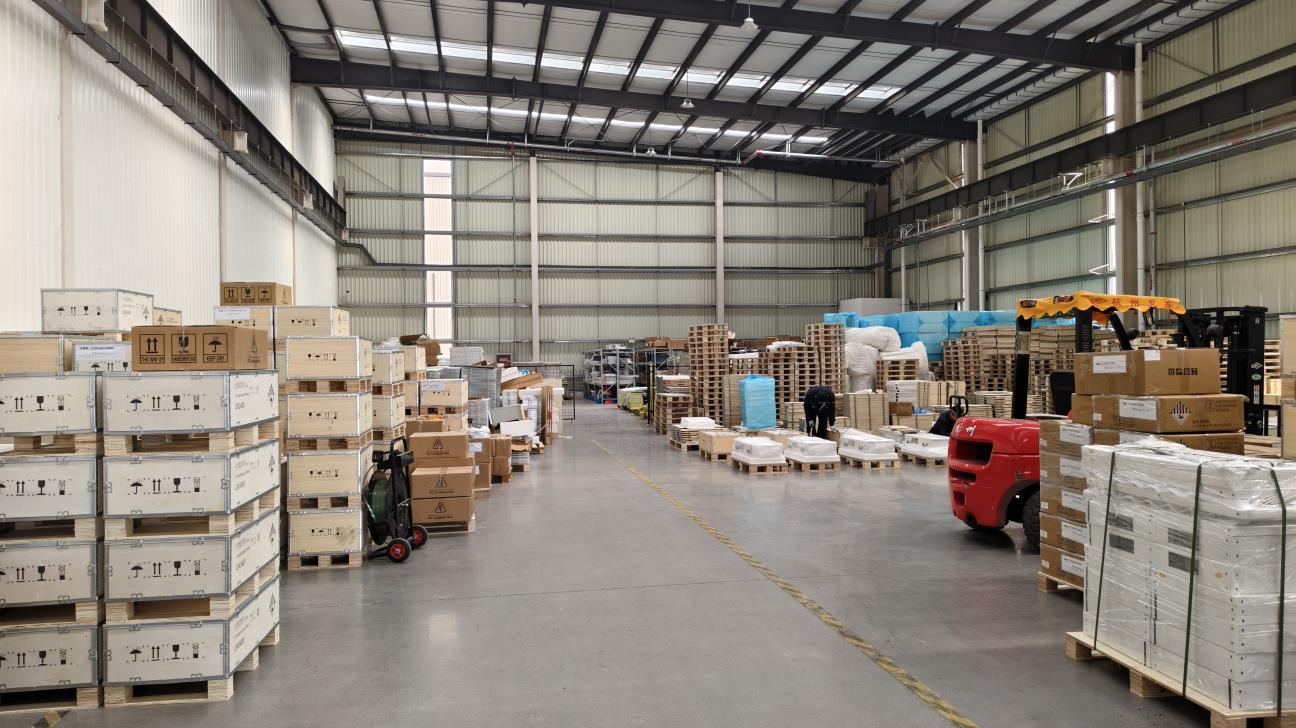
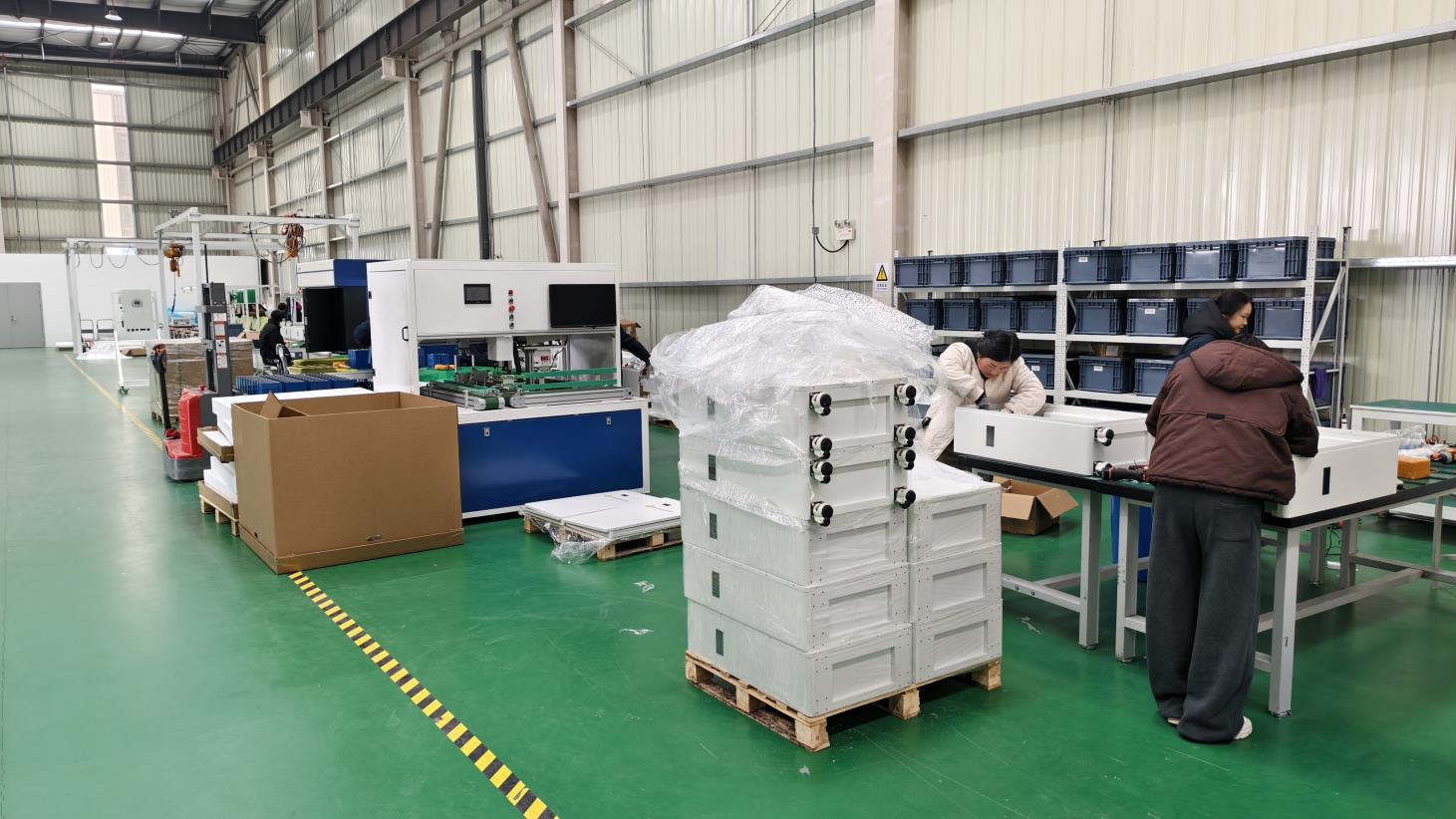
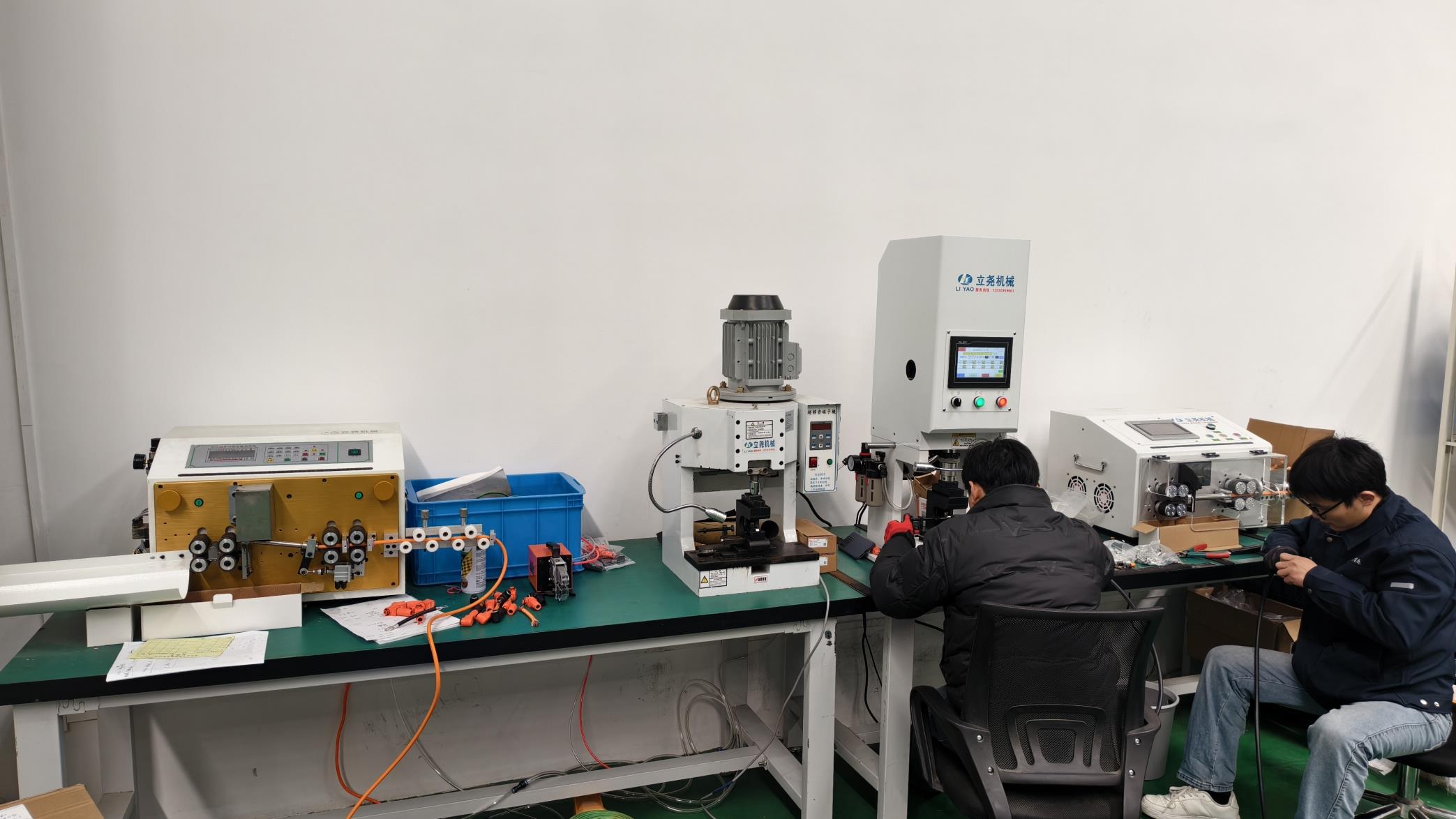
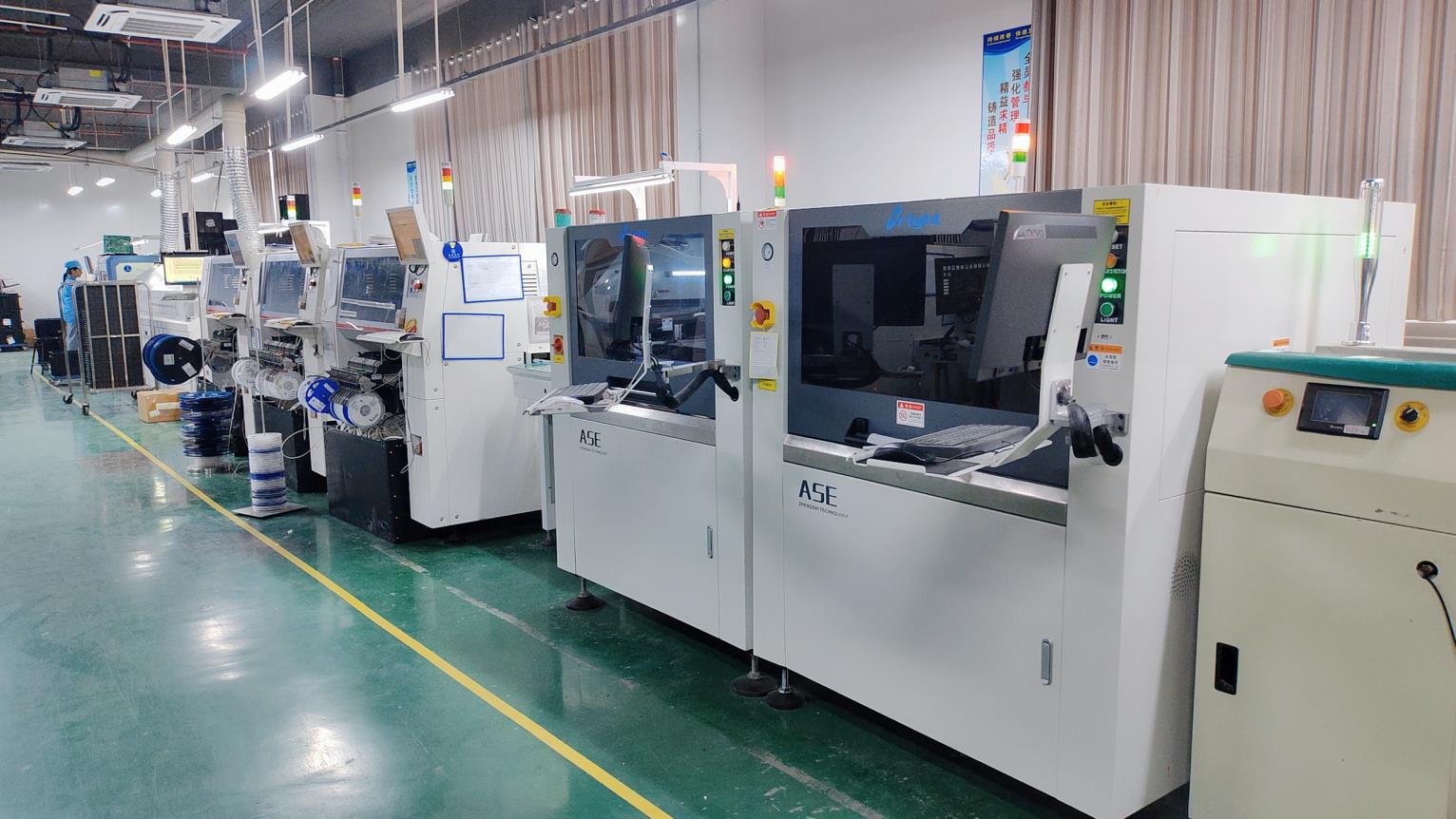
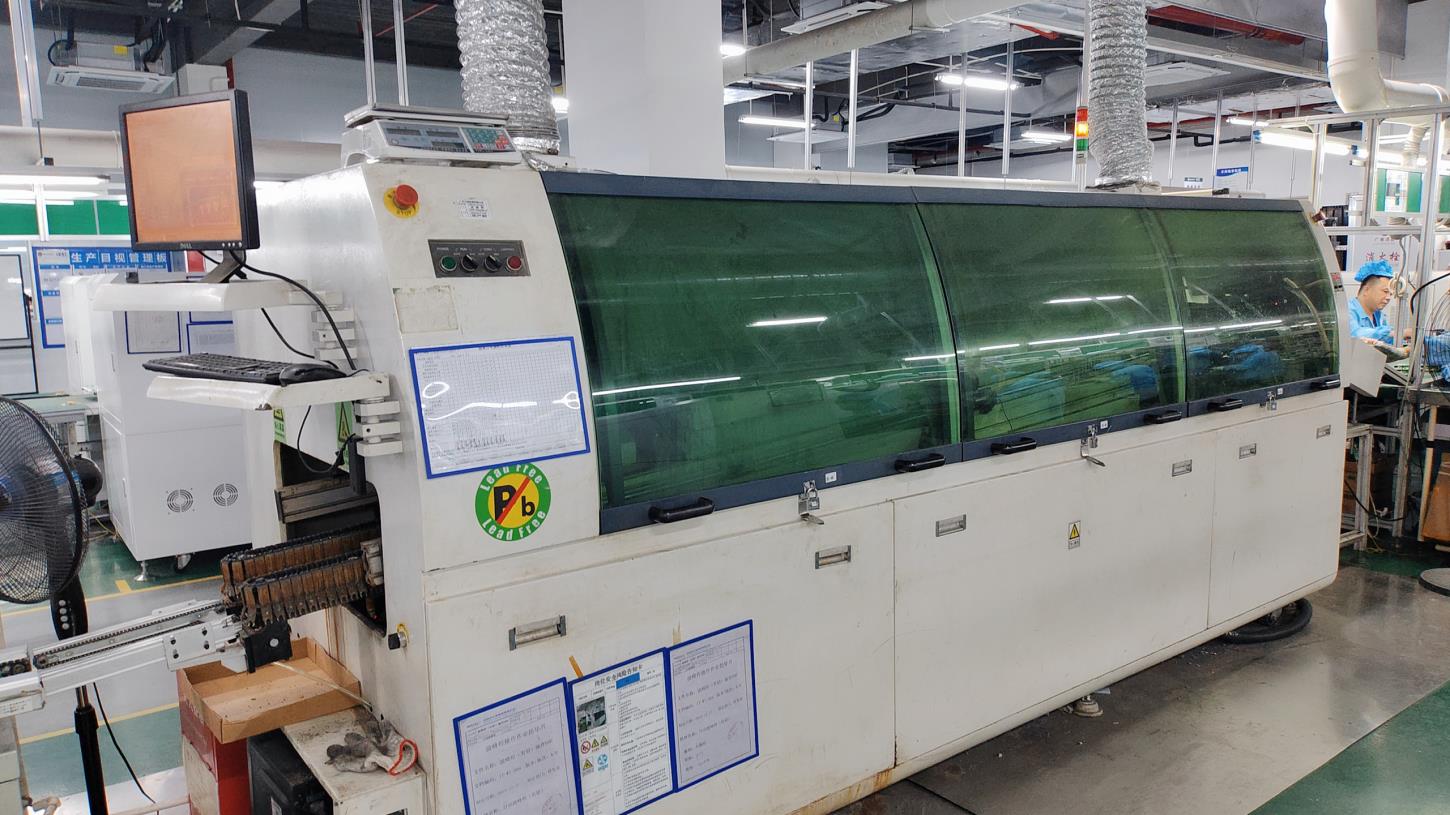
Inside the highly automated manufacturing facilities of Anhui Aryam Energy Co., Ltd.
Anhui Aryam Energy Co., Ltd. is a leading provider of advanced renewable energy solutions, dedicated to delivering reliable, efficient, and sustainable power systems for residential, commercial, industrial, and utility-scale applications worldwide. Through continuous innovation and a strong commitment to clean energy development, Aryam Energy has established itself as a trusted partner in the global transition toward a low-carbon future.
The company specializes in the research, development, manufacturing, and integration of solar energy systems, energy storage solutions, hybrid power systems, and intelligent microgrid technologies. Leveraging cutting-edge engineering expertise and strict quality management standards, Aryam Energy provides comprehensive energy solutions tailored to diverse market needs, particularly in regions facing energy shortages, unstable grid infrastructure, or increasing demand for sustainable power generation.
With a professional R&D team and a growing portfolio of proprietary technologies, Aryam Energy continuously invests in innovation to enhance system performance, energy efficiency, and long-term reliability. Its products and solutions are designed to meet international standards and have been successfully deployed across Asia, Africa, the Middle East, Europe, and Latin America, serving customers in more than 100 countries and regions.
Aryam Energy's product portfolio includes solar inverters, energy storage systems, hybrid inverters, lithium battery solutions, solar water pumping systems, microgrid systems, and customized renewable energy projects. The company is committed to providing integrated energy solutions that maximize energy independence, reduce operational costs, and support environmental sustainability.
Driven by the vision of becoming a globally recognized clean energy technology leader, Aryam Energy actively collaborates with distributors, EPC contractors, government agencies, international organizations, and development partners to promote renewable energy adoption worldwide. Through its mission of "Empowering Sustainable Energy for a Better Future," the company strives to create long-term value for customers while contributing to global carbon reduction goals and sustainable social development.
By combining technological innovation, product excellence, and customer-centric service, Anhui Aryam Energy Co., Ltd. continues to deliver smart, reliable, and environmentally responsible energy solutions that help build a greener and more sustainable world.
Mitigating supply-chain risks and selecting high-performing hardware partners
Procuring solar energy monitoring and SCADA solutions at scale requires balancing initial capital expenditure (CAPEX) with long-term operational costs (OPEX). Selecting low-cost, non-certified hardware often results in sensor drift, protocol communication errors, and high failure rates in extreme weather conditions.
EPC contractors and developers should run suppliers through a structured technical validation process:
Does the supplier use industrial-grade components from recognized chipmakers, or are they relying on consumer-grade microcontrollers? Industrial-grade chipsets guarantee stability across wide operating temperature ranges.
Does the system support secure, encrypted Over-The-Air (OTA) firmware updates? Without OTA capabilities, patching security vulnerabilities or updating communication protocols requires manual onsite labor.
Can the monitoring hardware output raw data streams directly to third-party cloud systems, or is the data locked inside a proprietary software ecosystem? Clean, documentation-supported REST APIs and Webhook functions are critical for integrating modern SCADA networks.
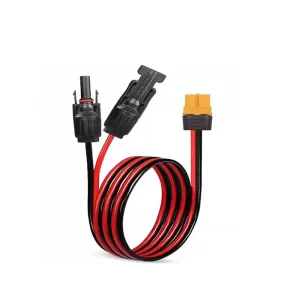
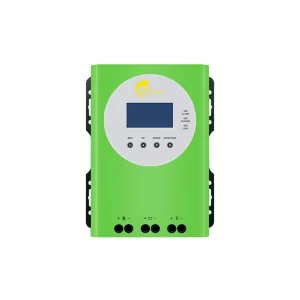
Durable components designed for heavy-duty solar array structures and electrical connections
Core answers to technical questions commonly raised by system designers and procurement engineers
 Aryam Energy