
As a global pioneer in clean energy technology, Anhui Aryam Energy Co., Ltd. is positioned at the intersection of power electronics, hardware engineering, and digital grid architectures. We deliver intelligent, integrated Solar Energy Management Systems (SEMS) designed to optimize generation, storage, and consumption across commercial, industrial, and residential verticals.
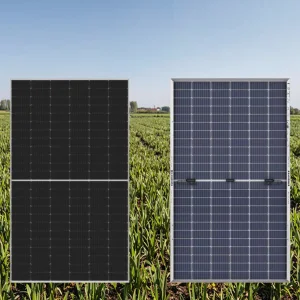
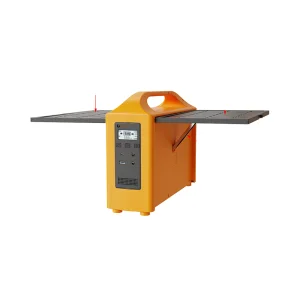
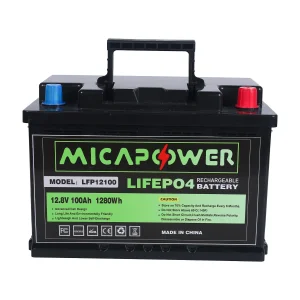
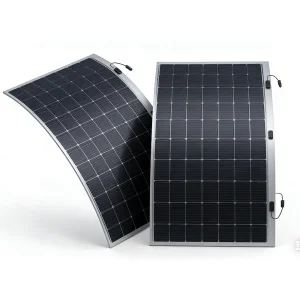
By leveraging state-of-the-art research and development, we bridge the gap between volatile solar power generation and stable, demand-side electricity delivery. Our comprehensive portfolio encompasses premium monocrystalline PV panels, high-density LiFePO4 battery modules, and rugged, microgrid-ready power electronics tailored for reliable operation in over 100 countries.
Modern energy grids require real-time control. Advanced SEMS utilize machine learning algorithms to process historical consumption patterns, meteorological forecasts, and real-time utility rates. By aligning generation profiles with active battery storage dispatch, systems minimize demand charges and optimize feed-in tariff yields.
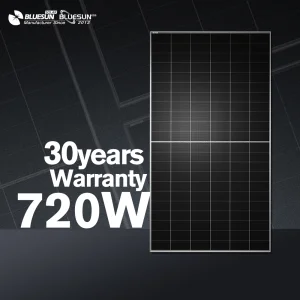
The adoption of Heterojunction (HJT) double-sided bifacial PV modules has dramatically improved yield parameters. Unlike traditional PERC technology, HJT yields higher conversion rates under low-light environments and features lower temperature coefficients, making continuous management systems crucial for stabilizing dynamic multi-directional energy paths.
Decentralized battery energy storage systems (BESS) are transforming consumer sites into grid-responsive assets. A central management platform dynamically pools residential and commercial storage capacities, allowing grid operators to orchestrate virtual power plants (VPPs) that stabilize frequency and absorb system over-voltages.
Global EPC contractors and renewable asset investors demand verified reliability. In modern energy projects, procurement decisions transcend initial module costs, focusing heavily on lifetime performance margins, supply chain track records, and strict regulatory compliance.
Critical criteria include:
For factories and businesses constrained by high peak-demand grid tariffs, our SEMS monitors primary load lines and dynamically injects stored battery power when local demand approaches high billing thresholds. This configuration provides a fast return on investment by optimizing distribution charges and stabilizing facility-wide voltage profiles.
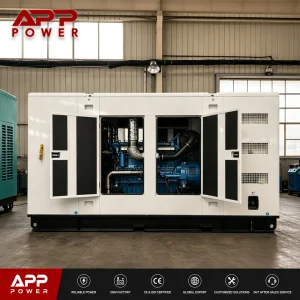
Combining high-capacity LiFePO4 battery banks with customized silent diesel generators, this hybrid setup offers uninterruptible power for base stations, construction fields, and mining facilities. Intelligent controllers manage diesel engine run-times, shifting fuel consumption down by up to 65% while relying primarily on solar energy harvesting.
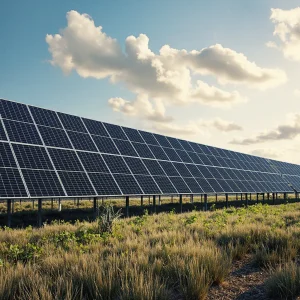
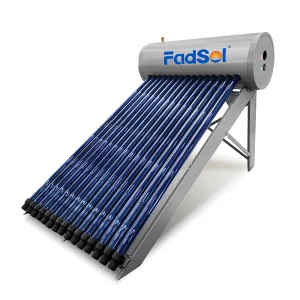
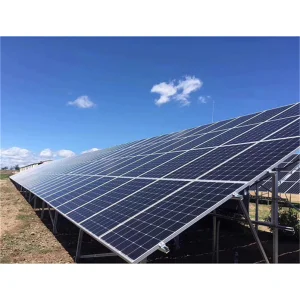
Designed for island grids and rural electrification projects, this architectural framework integrates large photovoltaic arrays, containerized battery storage, dynamic load banks, and thermal water heating systems. Central logic monitors frequency drifts and auto-coordinates distributed power sources to maintain balanced distribution.
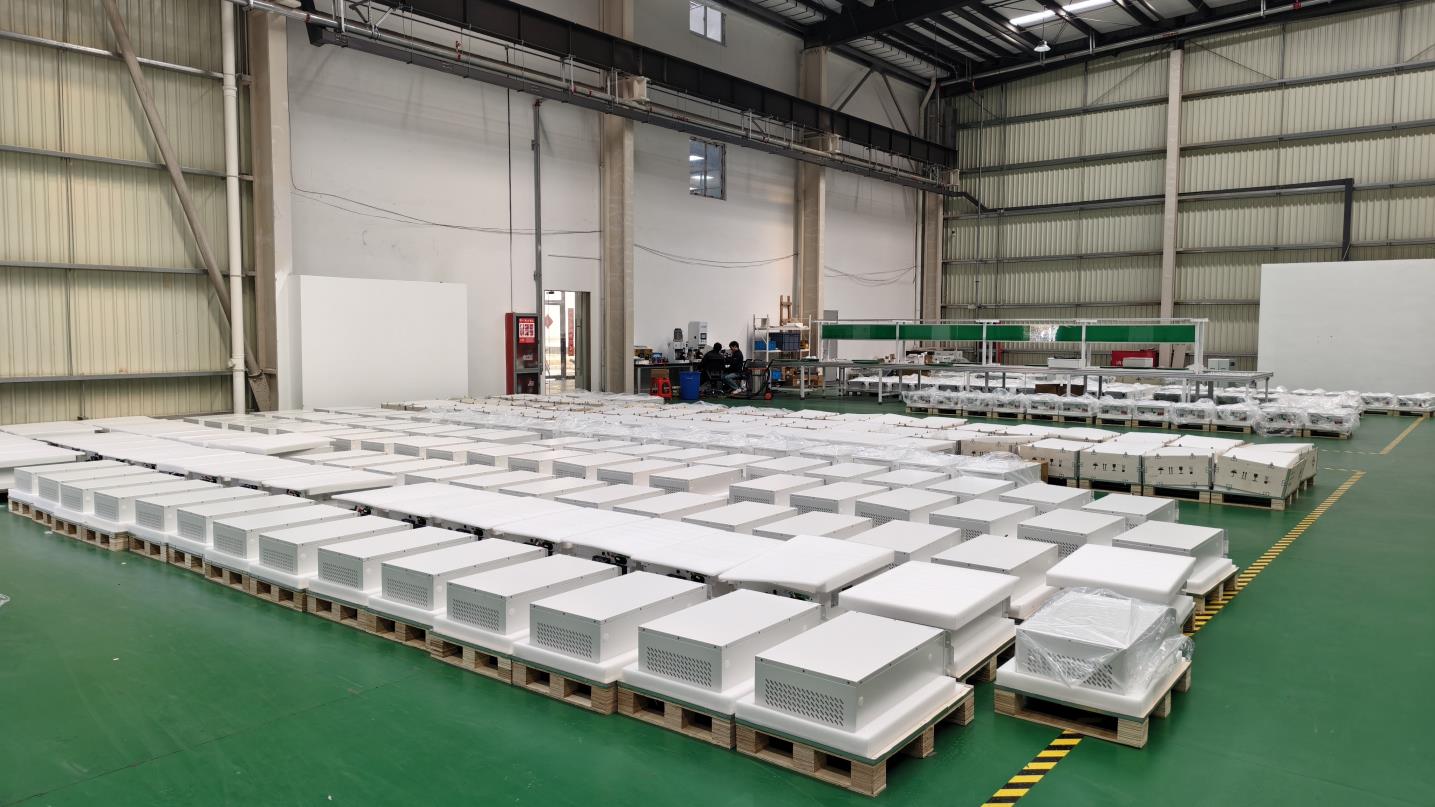
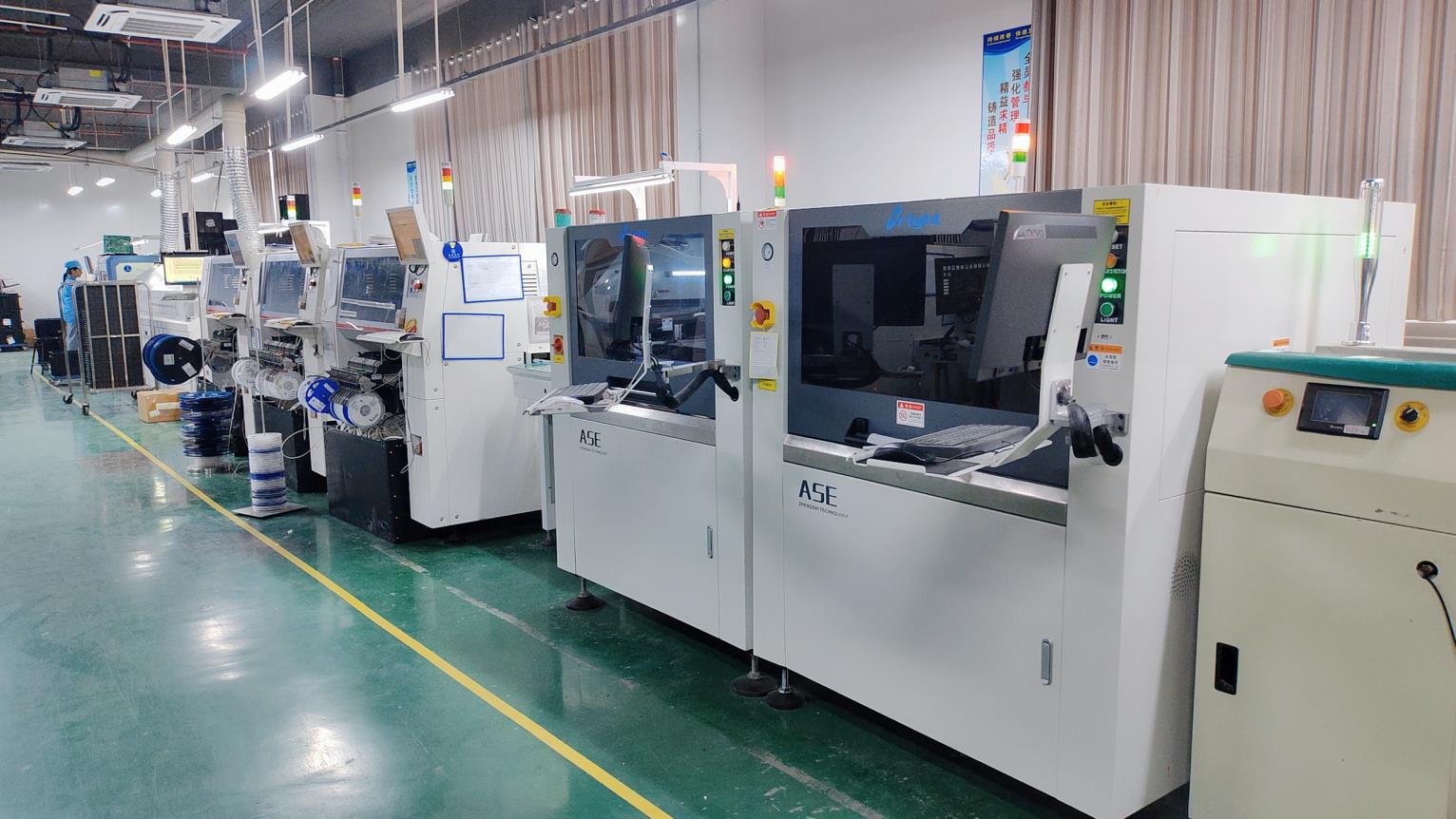
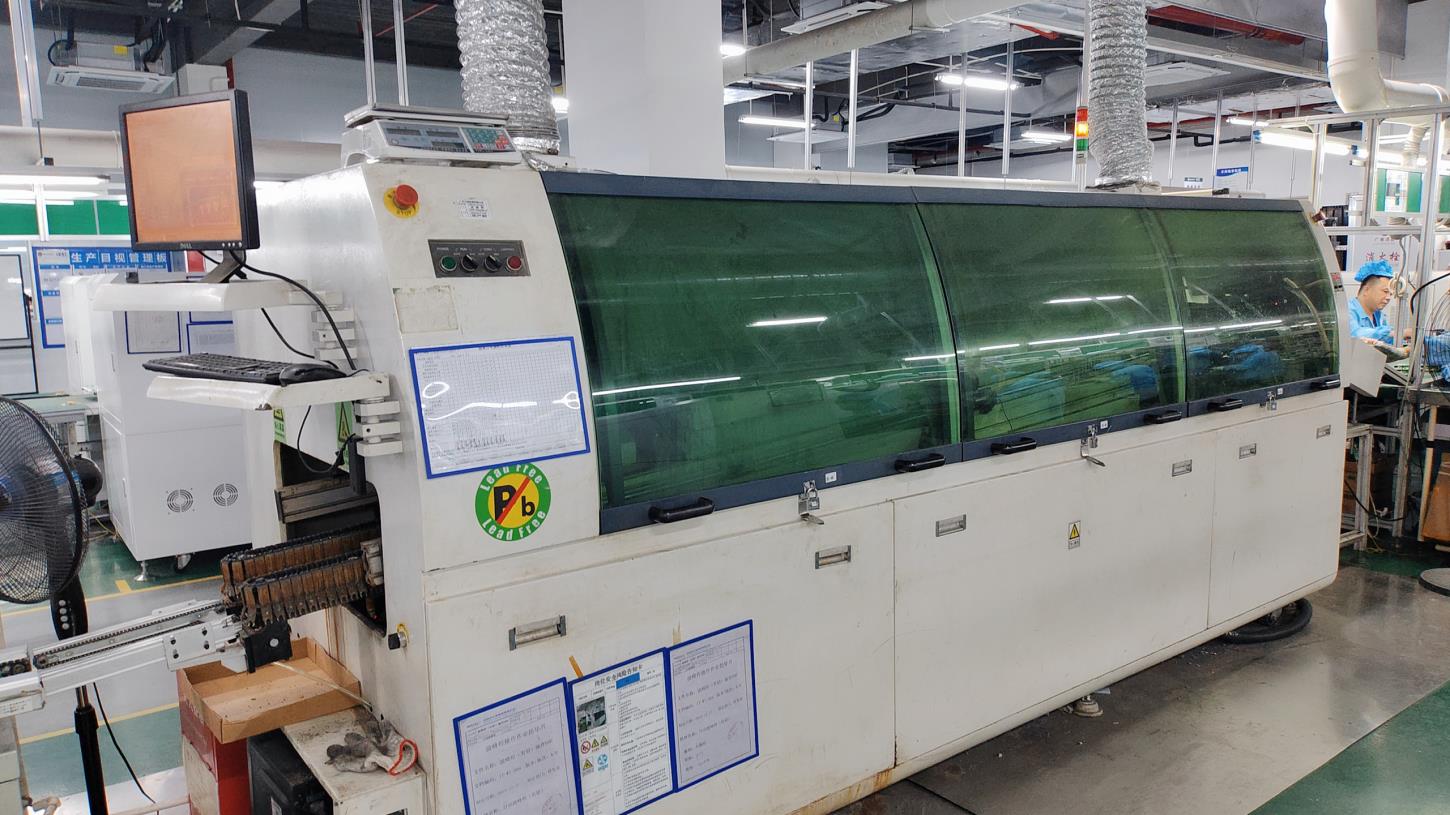
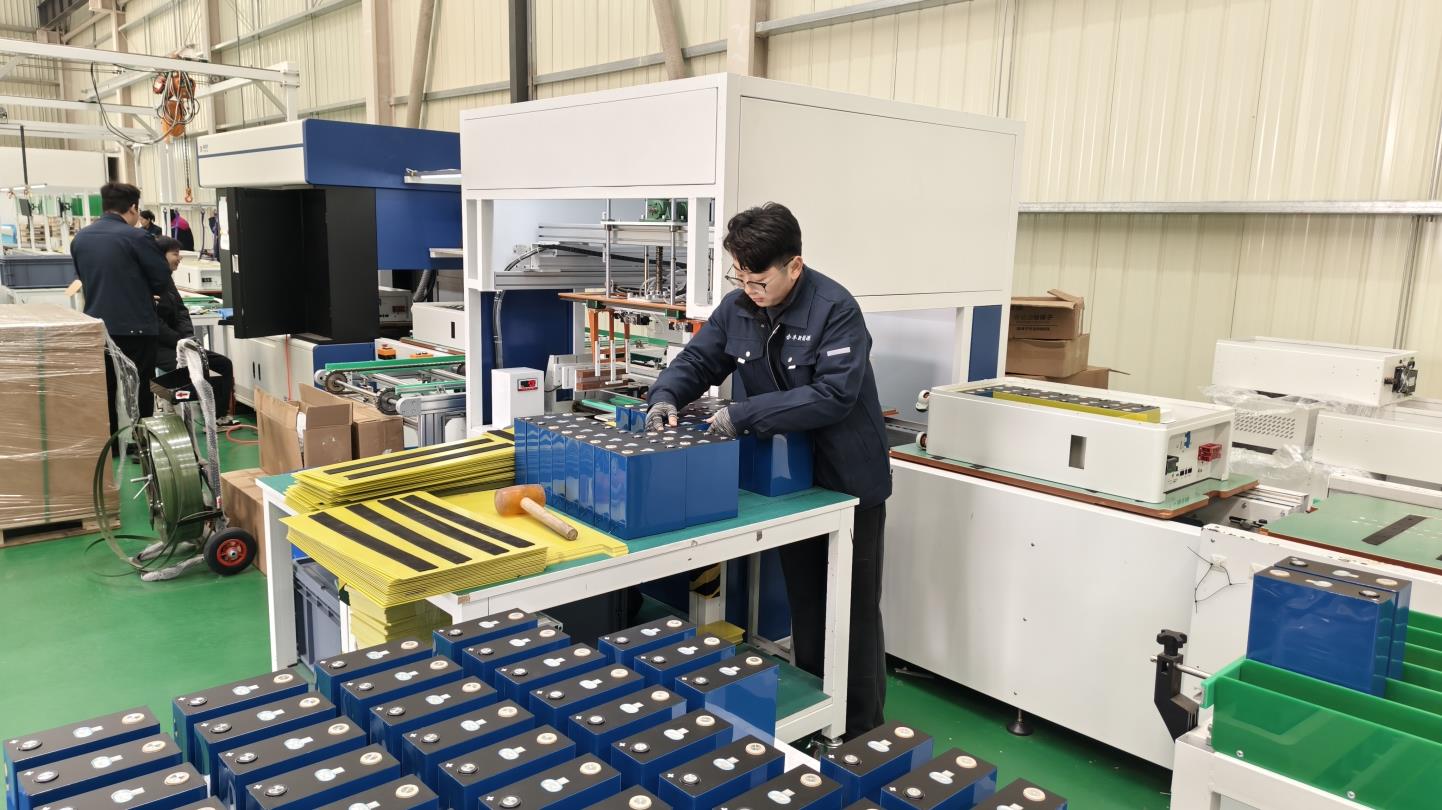
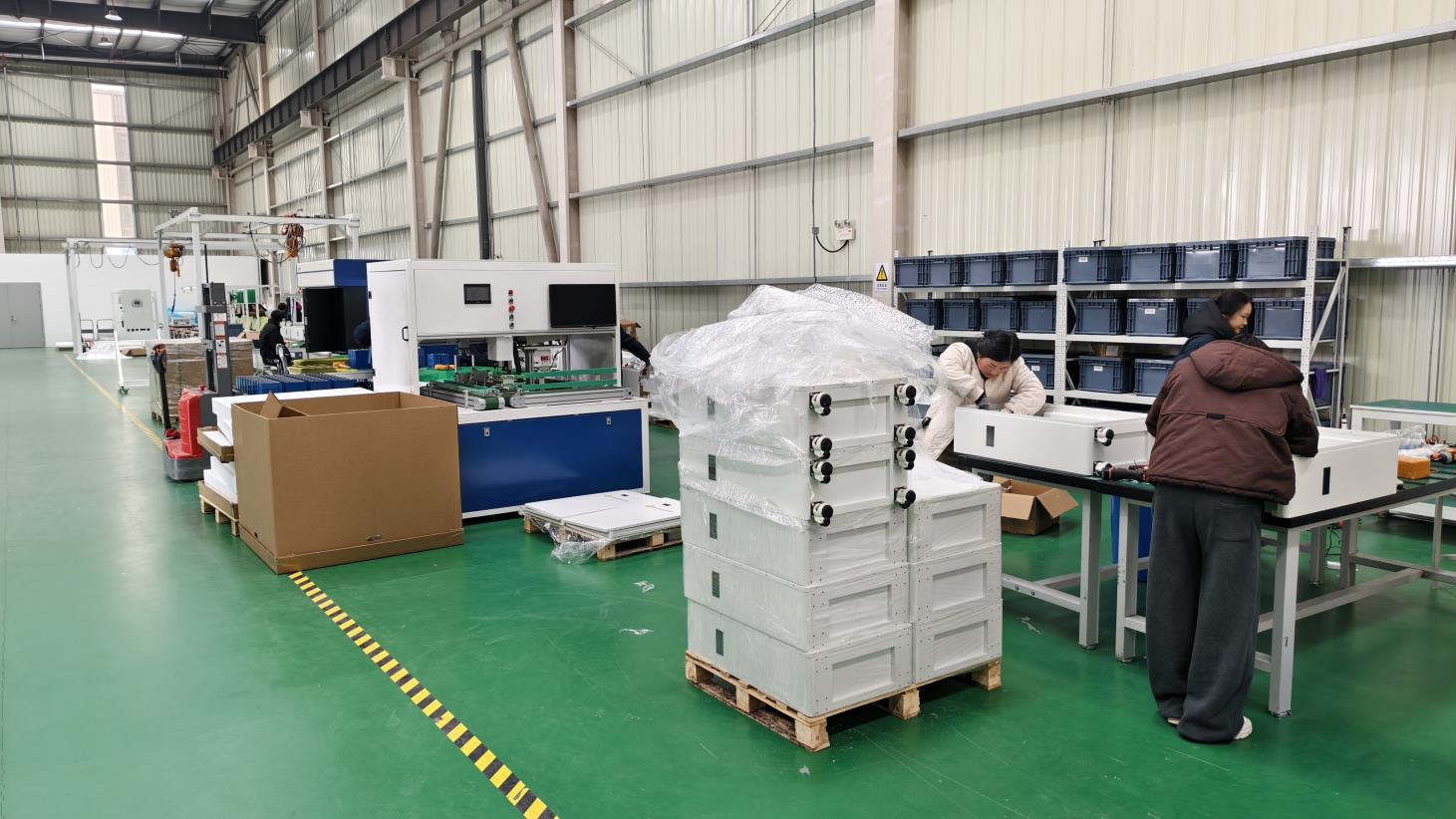
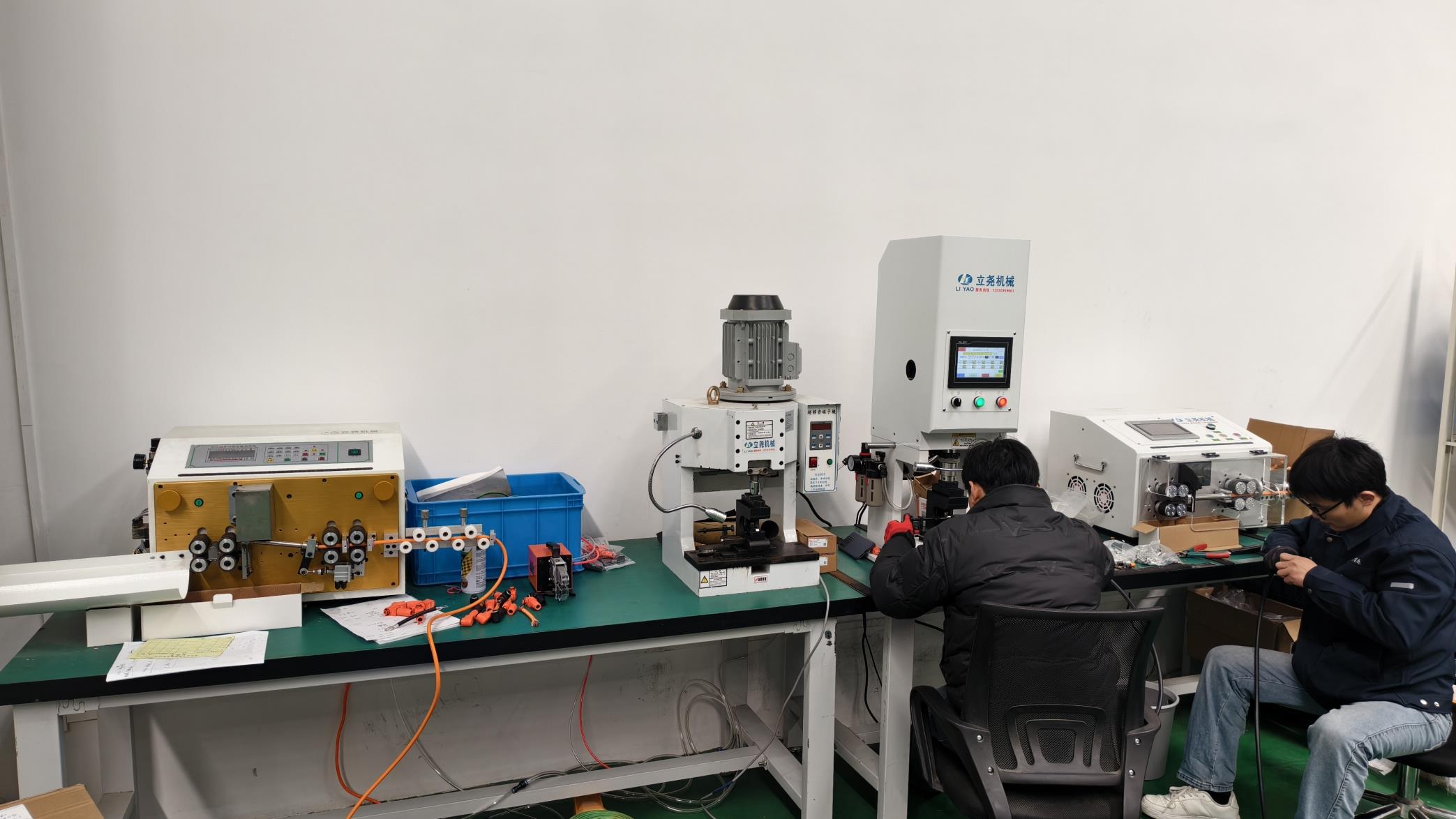
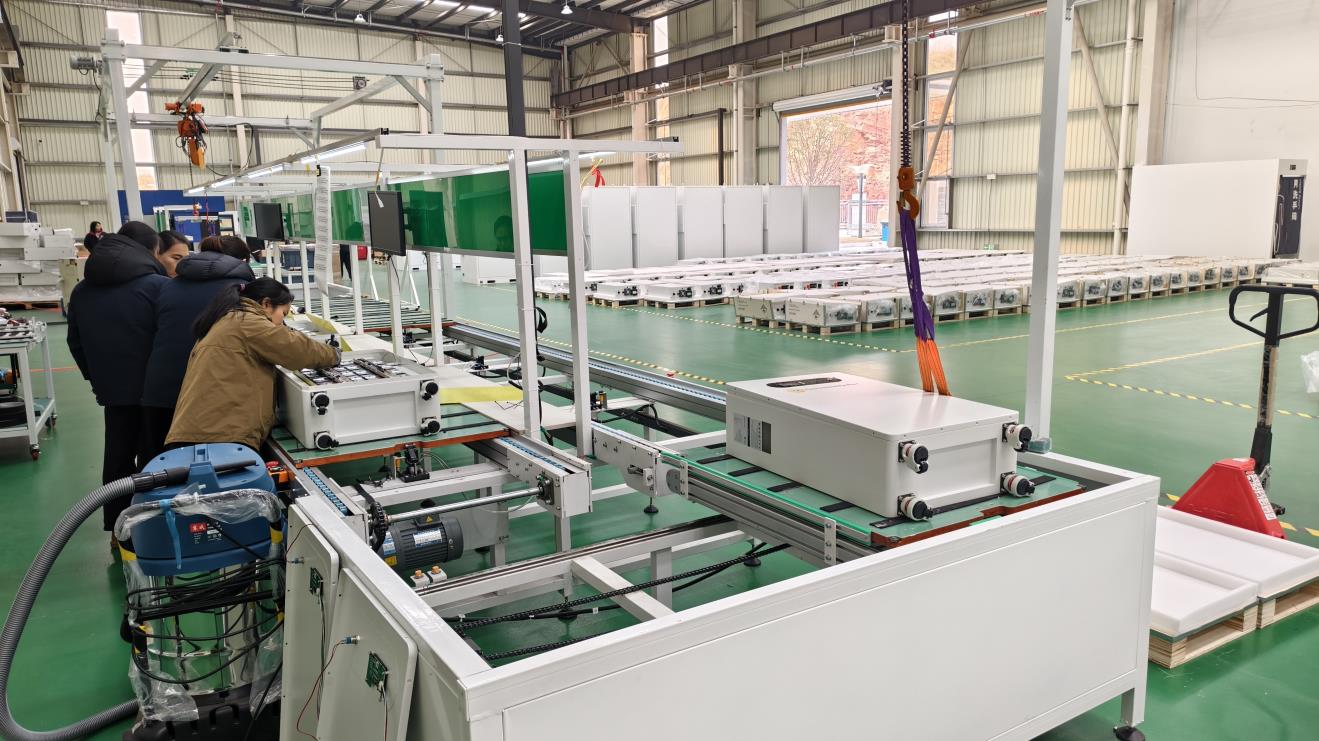
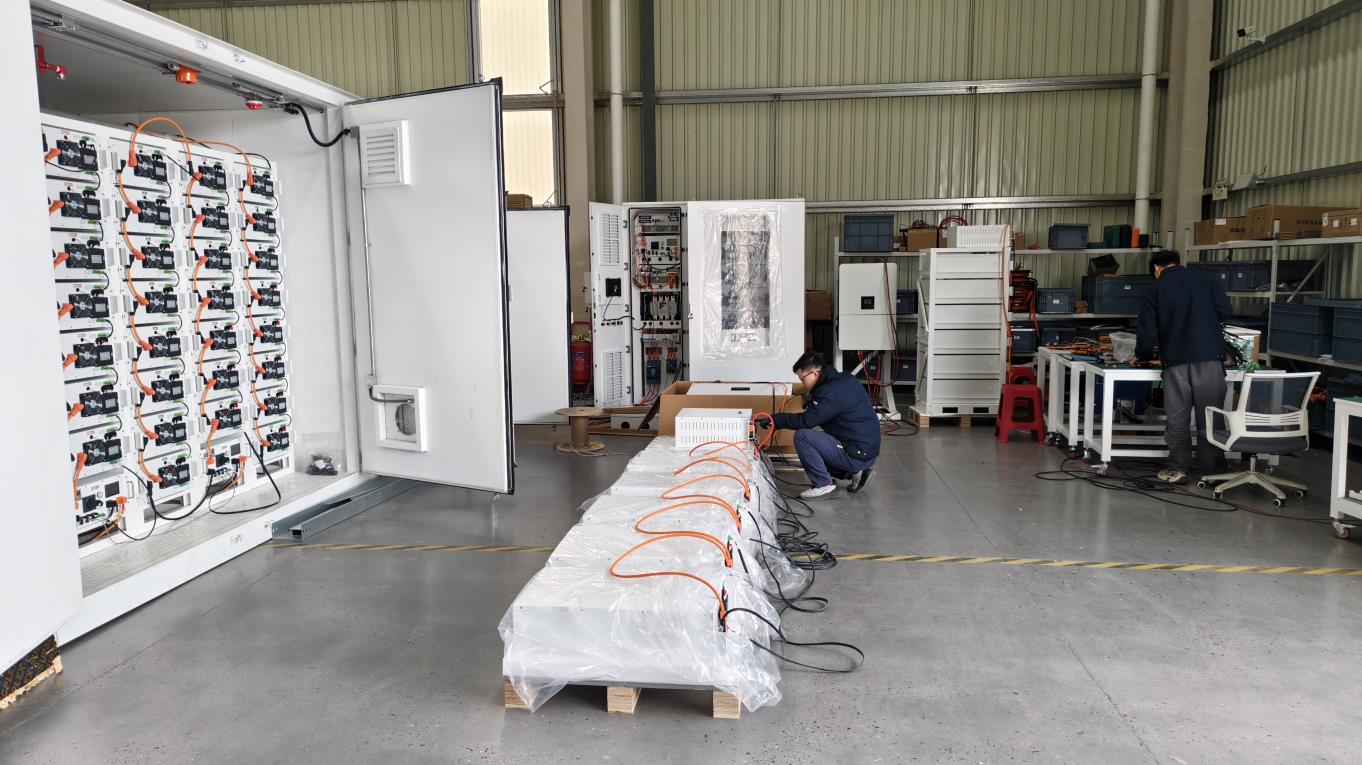
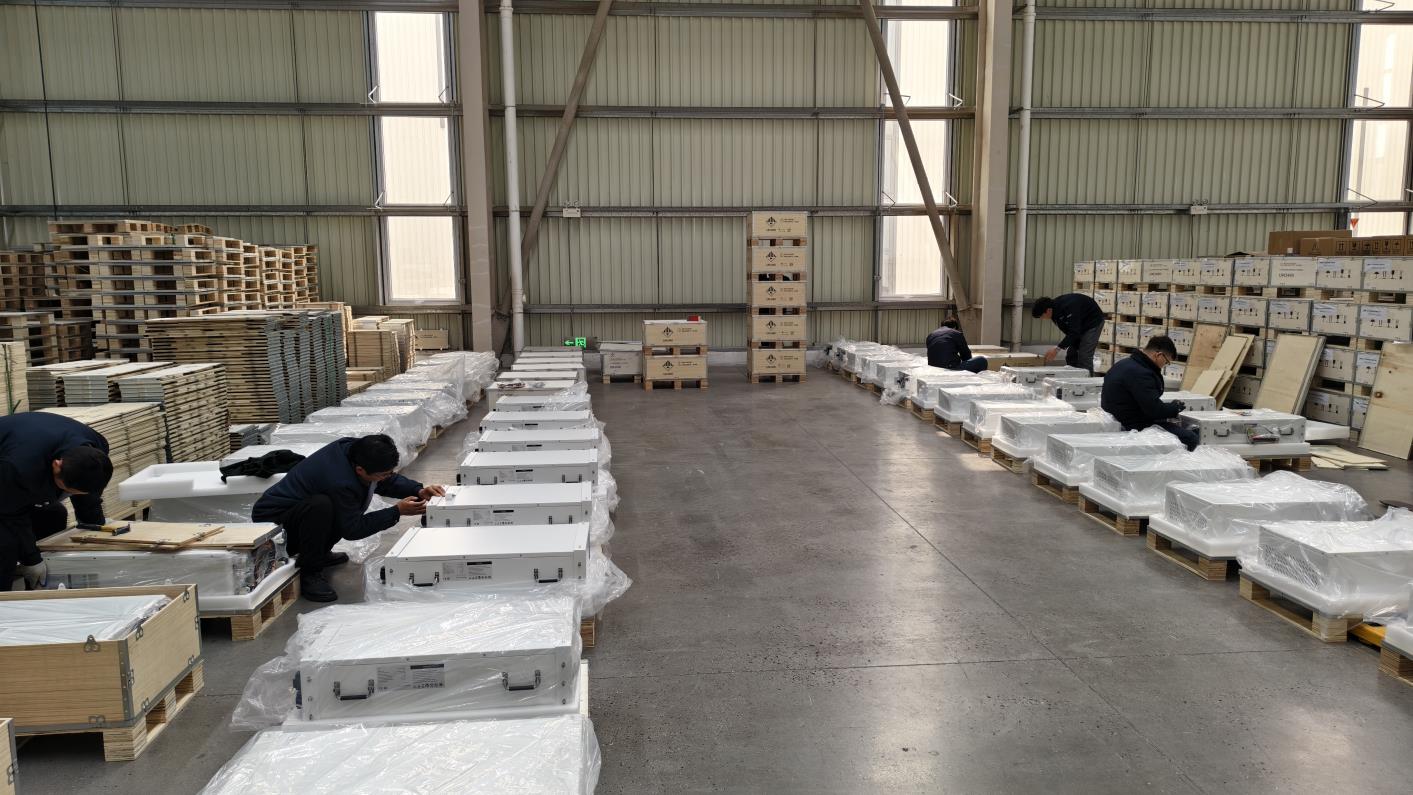
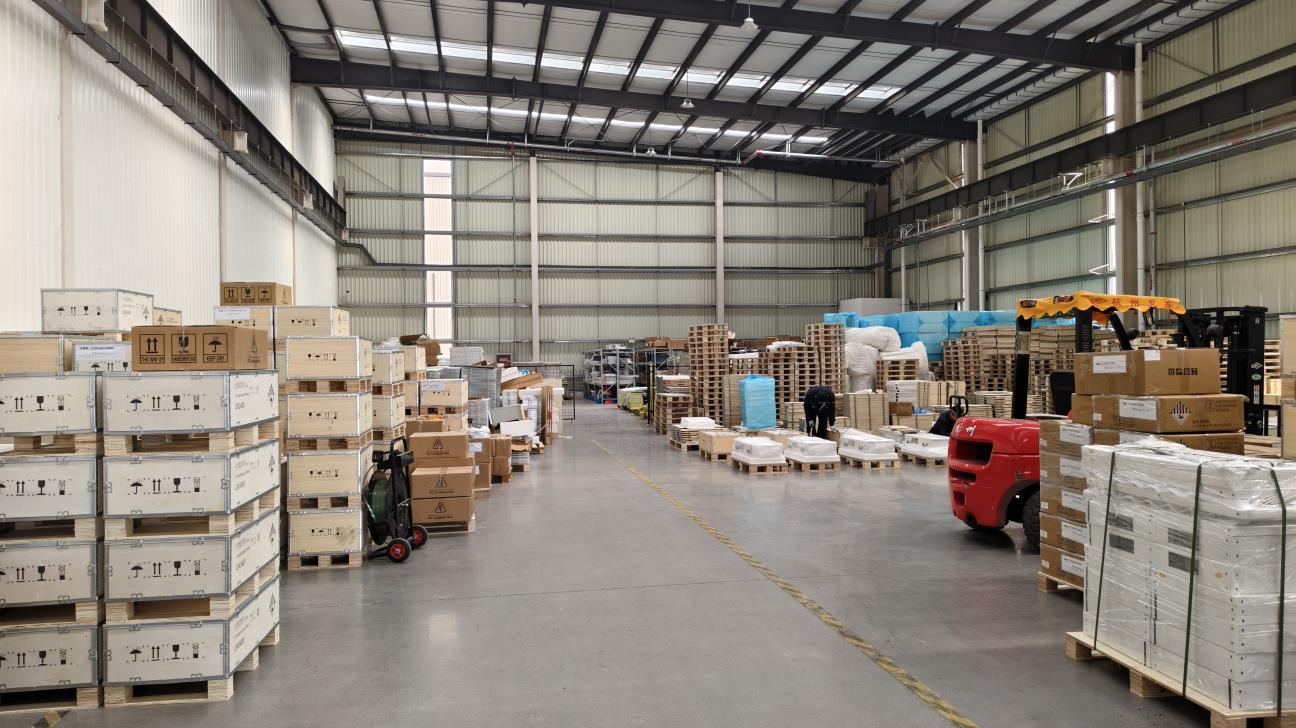
To ensure complete reliability and compliance with international standards, Aryam Energy operates vertically integrated manufacturing facilities. Each step in the production line—from Surface Mount Technology (SMT) and wave soldering to final assembly, testing, and shipping—undergoes rigorous quality audits.
Every regional utility grid operates under distinct technical constraints (e.g., IEEE 1547, EN 50549). Our power conversion components are pre-certified and feature customizable parameter profiles, allowing rapid local grid connection and avoiding regulatory bottlenecks during local site commissioning.
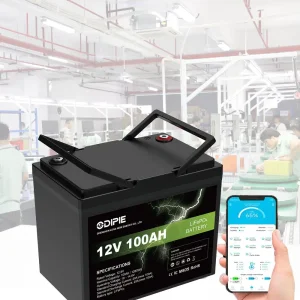
Lithium battery storage configurations meet strict global logistics and operation safety standards. Every modular LiFePO4 battery pack holds valid UN38.3 transport certification and CE marking, verifying safety against thermal runaways, pressure changes, short circuits, and mechanical impacts.
To minimize shipping delays and support high-volume regional infrastructure projects, we coordinate strategic warehouse storage structures in direct global hubs (including targeted EU regional logistics networks) for rapid delivery of bifacial solar modules, racking, and energy storage assemblies.
Our future engineering targets concentrate on increasing integration density, shortening response loops, and incorporating machine-learning optimization directly into decentralized hardware controllers. Development focuses include:
 Aryam Energy