Premium components, storage systems, and mobile deployment platforms engineering by leading factories.
In an era marked by rapid geopolitical energy shifts, grid instability, and aggressive decarbonization directives, procurement of off-grid solar electric generators has evolved from a functional purchasing task to a key strategic operation.
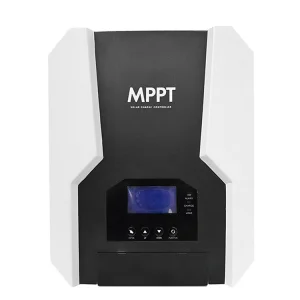
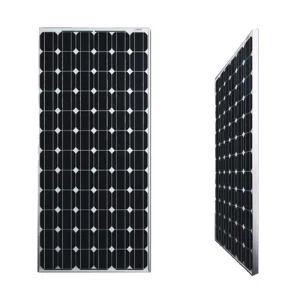
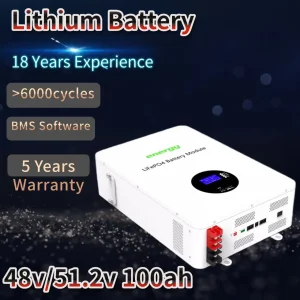
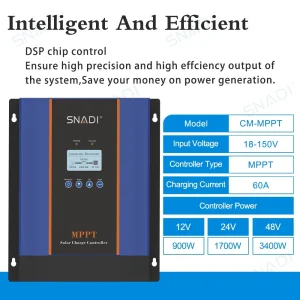
The global demand for reliable, independent energy has propelled solar electric generators into the forefront of industrial, commercial, and residential infrastructure. A solar electric generator is no longer defined merely as a small battery with a PV panel; it encompasses integrated systems comprising high-efficiency photovoltaic modules, maximum power point tracking (MPPT) regulators, advanced Lithium Iron Phosphate (LiFePO4) storage arrays, and sophisticated thermal control units. Decarbonizing operations while lowering the Total Cost of Ownership (TCO) remains the highest priority for key purchasing agents globally.
Distinguishing tier-1 factories from lower-end assembly shops requires examining strict production, compliance, and R&D parameters:
China manufactures over 80% of the world’s solar PV modules and lithium battery energy storage systems (BESS). This dominance is powered by:
Unparalleled Supply Chain Density: From raw lithium processing and wafer slicing to electronic semiconductors, China’s industrial zones house every segment of the supply chain in close proximity. This drastically reduces production timelines and material transportation costs.
High-Performance Automated Manufacturing: Using advanced SMT lines, automatic wire strippers, and wave soldering machines ensures precise assembly, minimizing human error and enhancing overall product yield.
Scale & Cost Efficiency: Chinese mega-factories pass down economies of scale to international distributors, EPC contractors, and OEM partners, allowing them to procure tier-1 tech at competitive rates.
Understanding these macro-industry shifts helps procurement managers future-proof their supply chains:
An authoritative leader in advanced renewable energy solutions, specializing in industrial R&D and production integration.
Anhui Aryam Energy Co., Ltd. is a leading provider of advanced renewable energy solutions, dedicated to delivering reliable, efficient, and sustainable power systems for residential, commercial, industrial, and utility-scale applications worldwide. Through continuous innovation and a strong commitment to clean energy development, Aryam Energy has established itself as a trusted partner in the global transition toward a low-carbon future.
The company specializes in the research, development, manufacturing, and integration of solar energy systems, energy storage solutions, hybrid power systems, and intelligent microgrid technologies. Leveraging cutting-edge engineering expertise and strict quality management standards, Aryam Energy provides comprehensive energy solutions tailored to diverse market needs, particularly in regions facing energy shortages, unstable grid infrastructure, or increasing demand for sustainable power generation.
With a professional R&D team and a growing portfolio of proprietary technologies, Aryam Energy continuously invests in innovation to enhance system performance, energy efficiency, and long-term reliability. Its products and solutions are designed to meet international standards and have been successfully deployed across Asia, Africa, the Middle East, Europe, and Latin America, serving customers in more than 100 countries and regions.
Aryam Energy's product portfolio includes solar inverters, energy storage systems, hybrid inverters, lithium battery solutions, solar water pumping systems, microgrid systems, and customized renewable energy projects. The company is committed to providing integrated energy solutions that maximize energy independence, reduce operational costs, and support environmental sustainability.
Driven by the vision of becoming a globally recognized clean energy technology leader, Aryam Energy actively collaborates with distributors, EPC contractors, government agencies, international organizations, and development partners to promote renewable energy adoption worldwide. Through its mission of "Empowering Sustainable Energy for a Better Future," the company strives to create long-term value for customers while contributing to global carbon reduction goals and sustainable social development.
Every component and system engineered by Anhui Aryam Energy undergoes strict, multi-phase Quality Control testing to ensure reliability under extreme conditions.
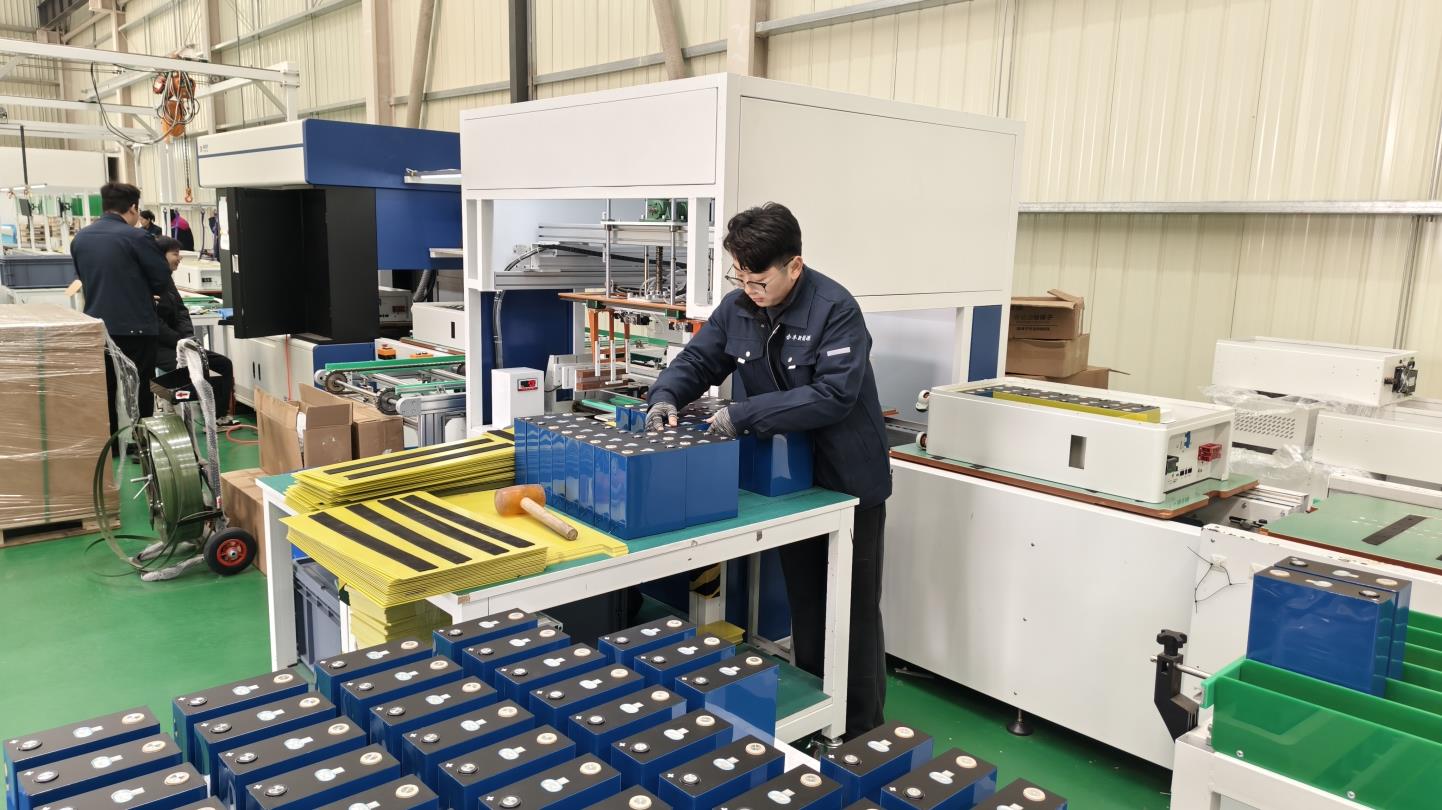
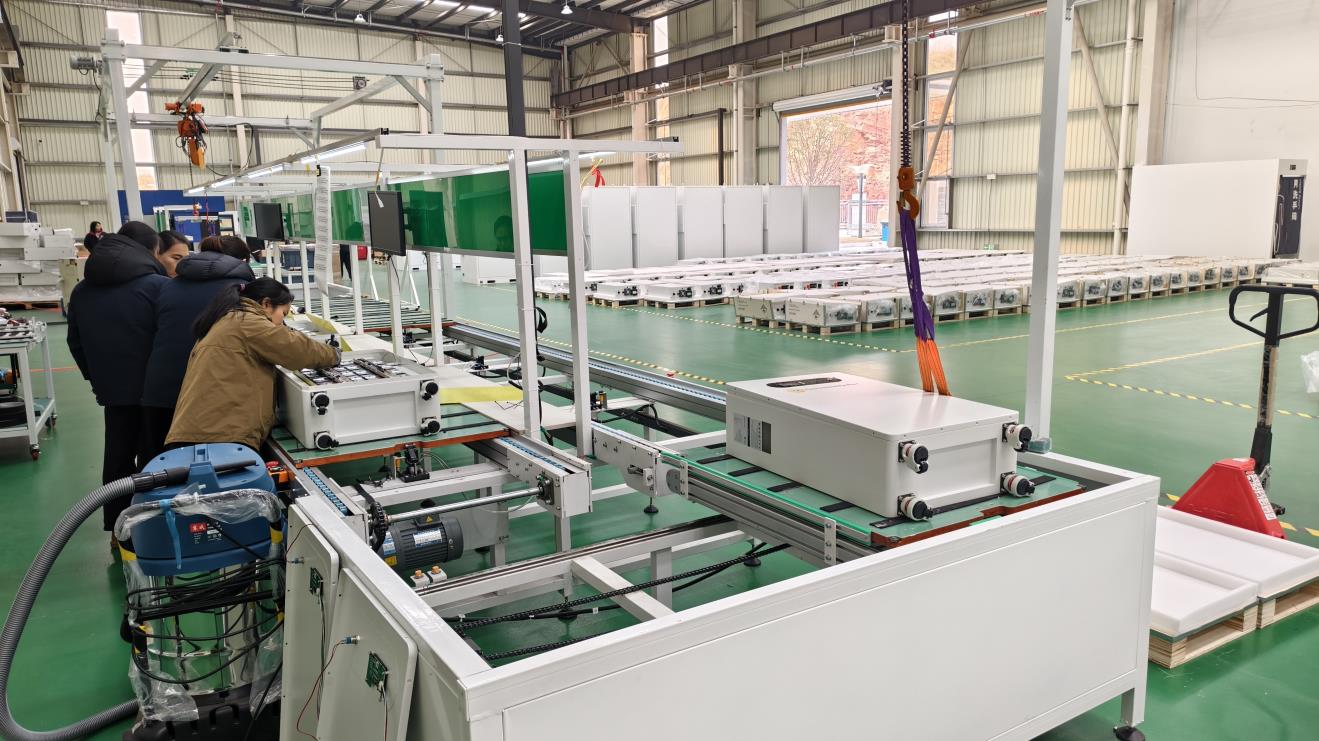
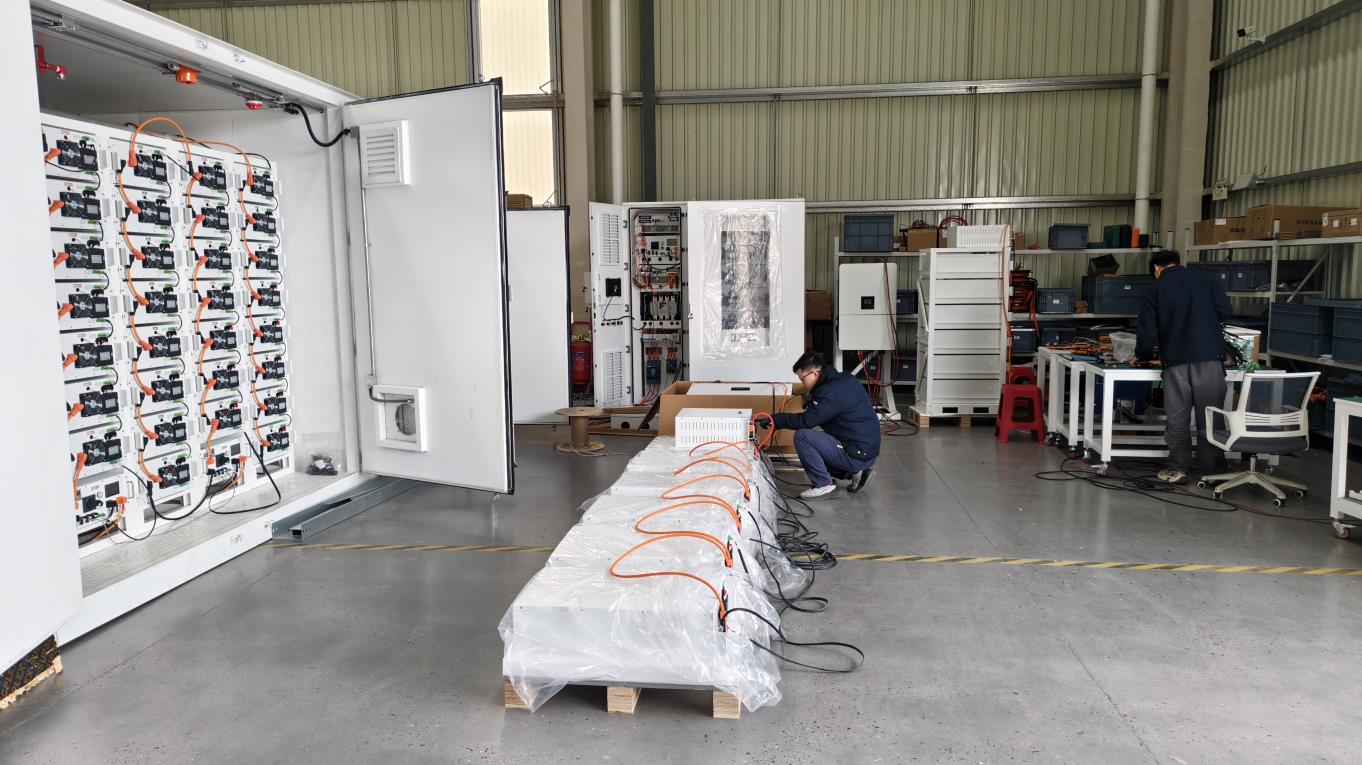
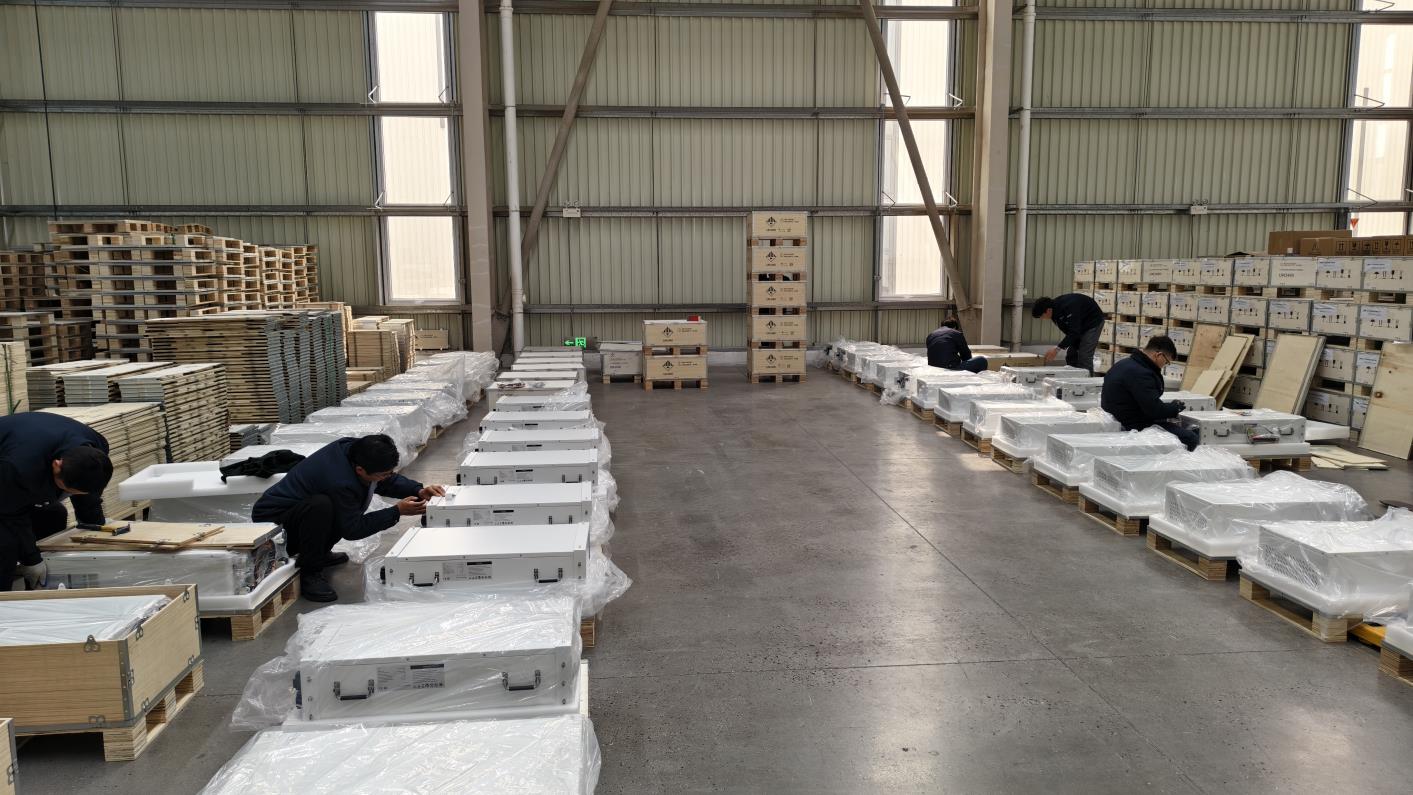
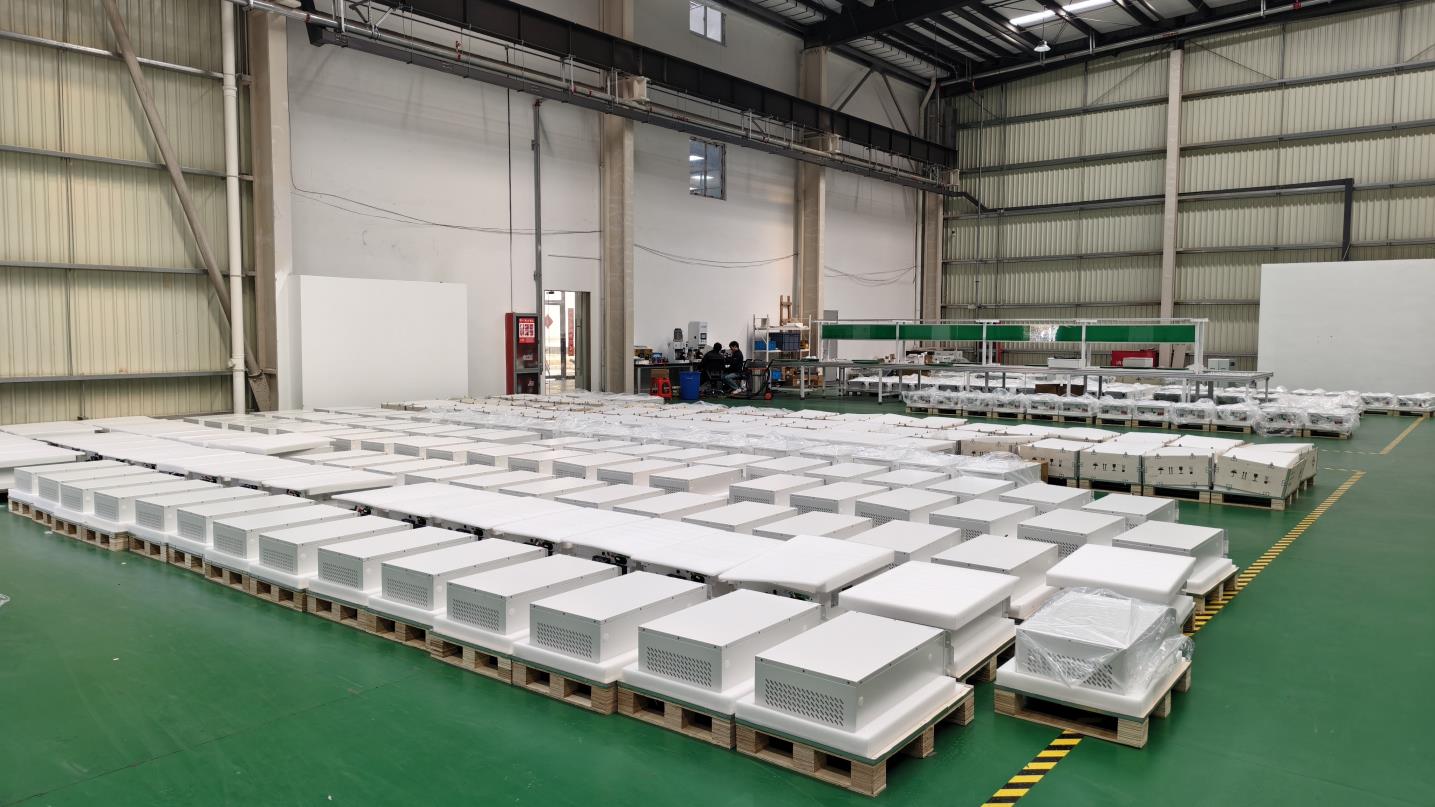
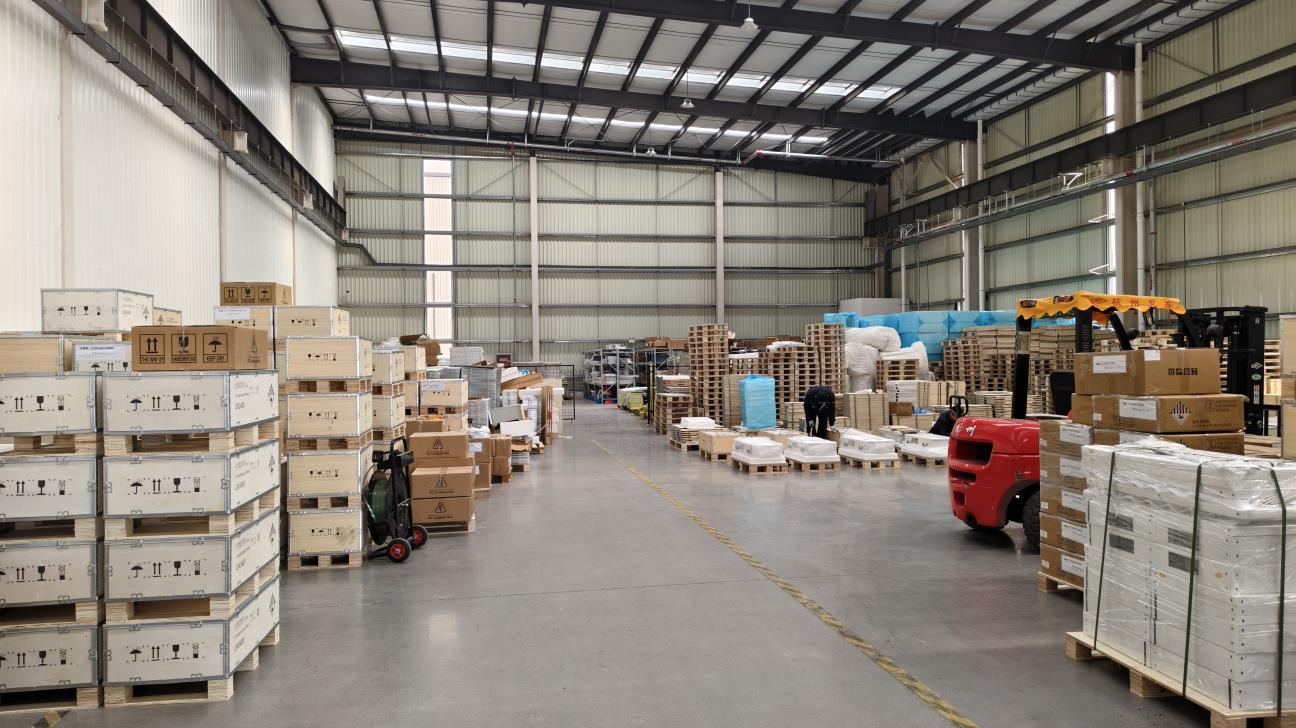
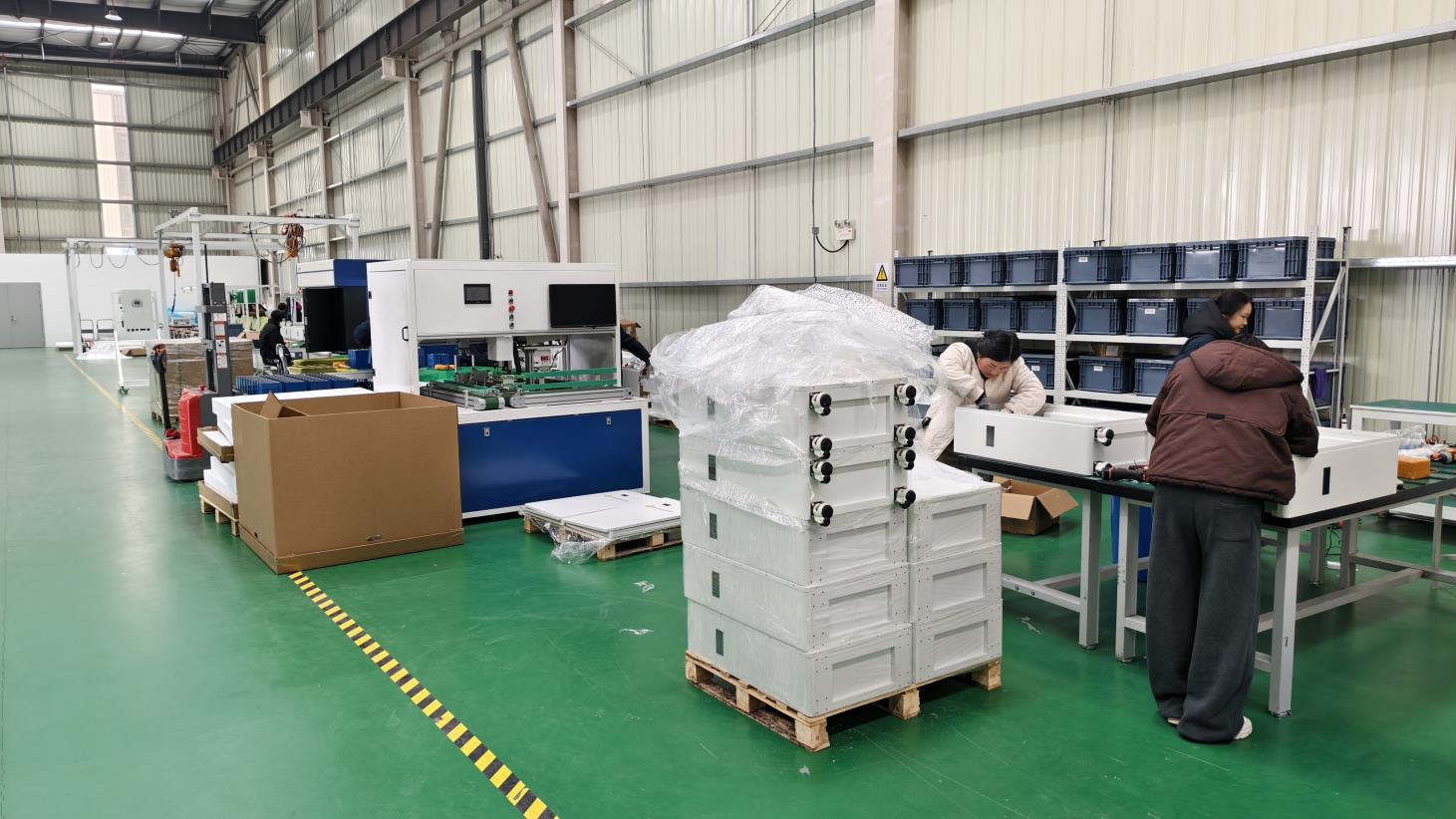
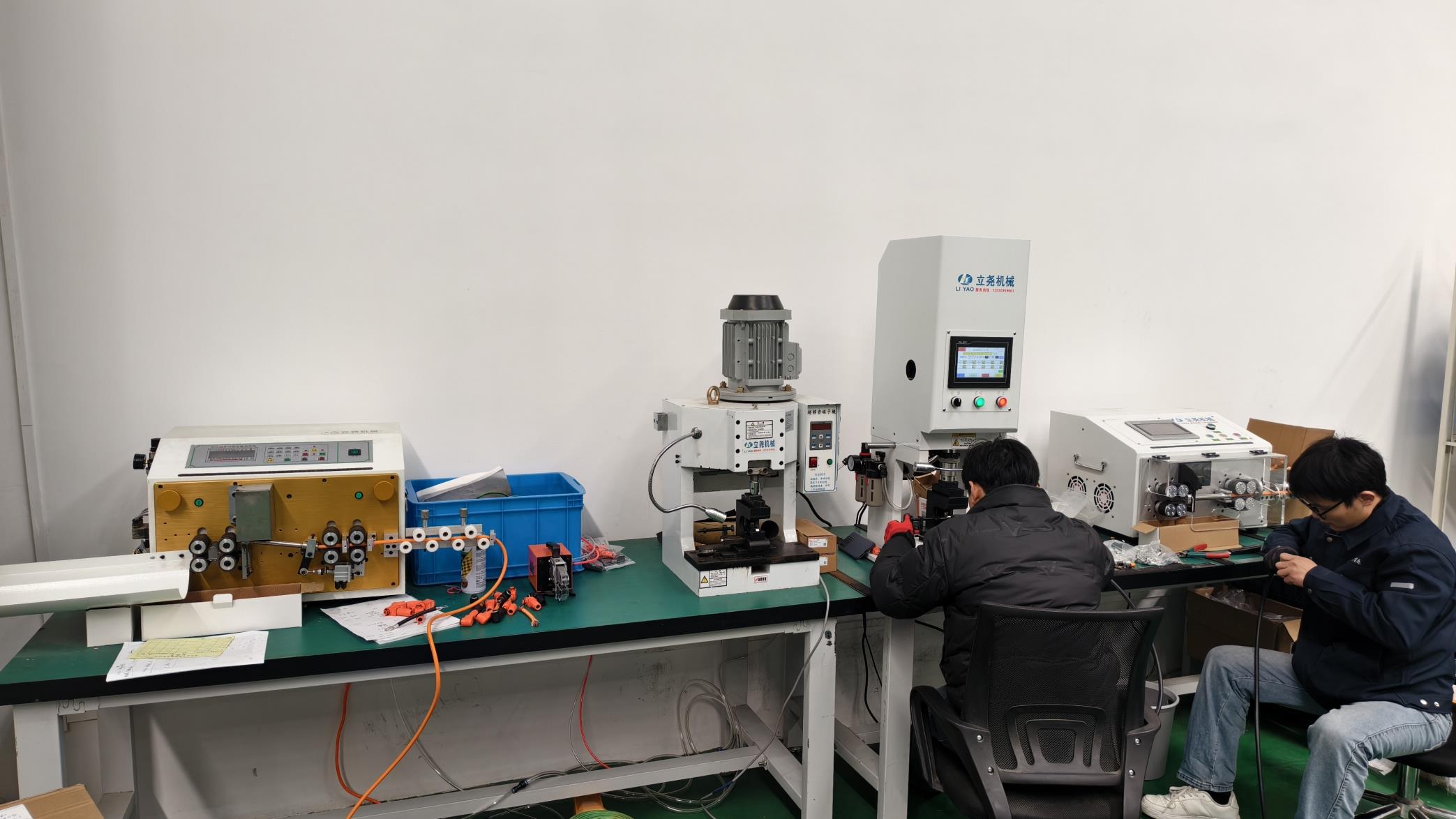
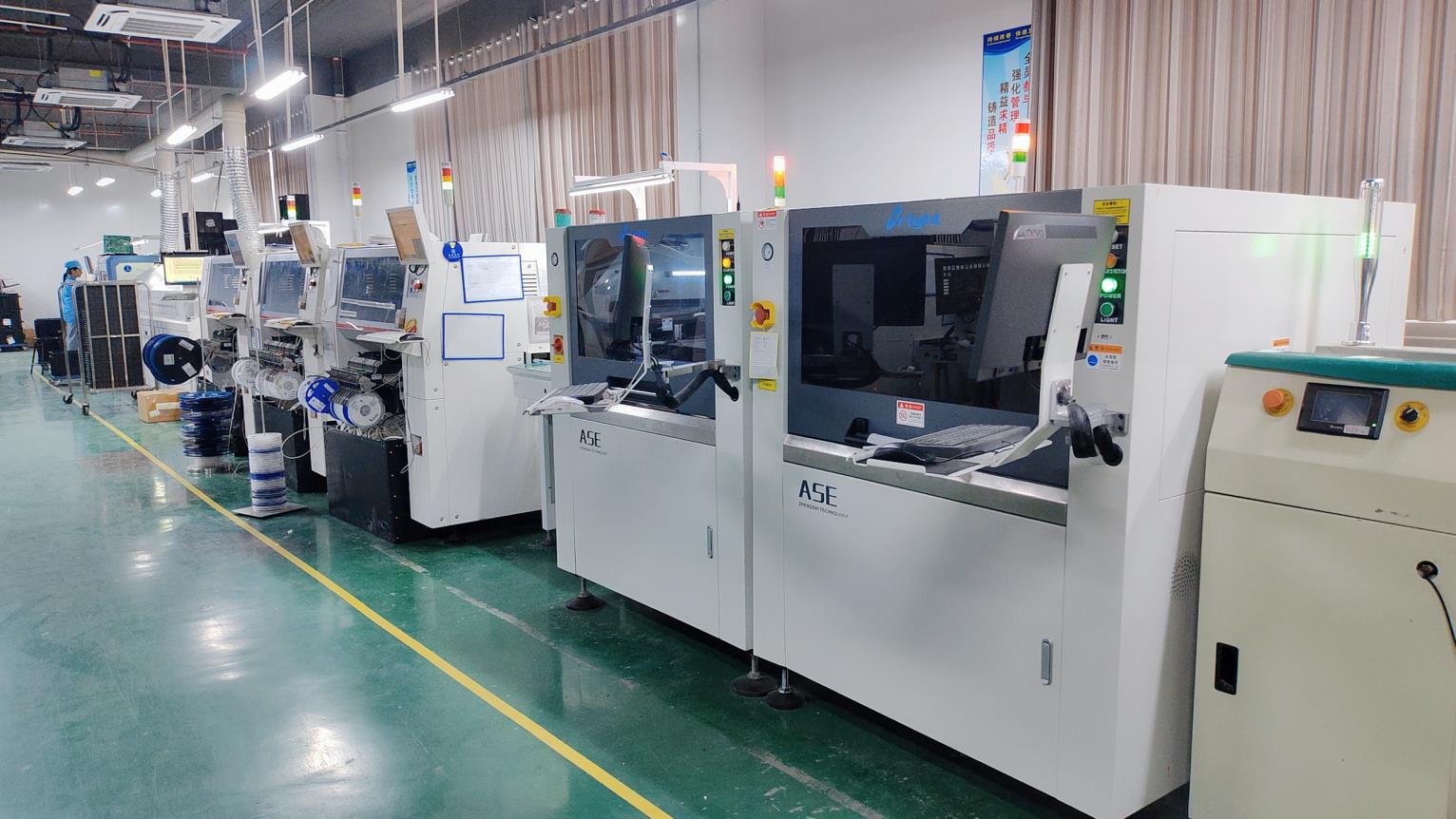
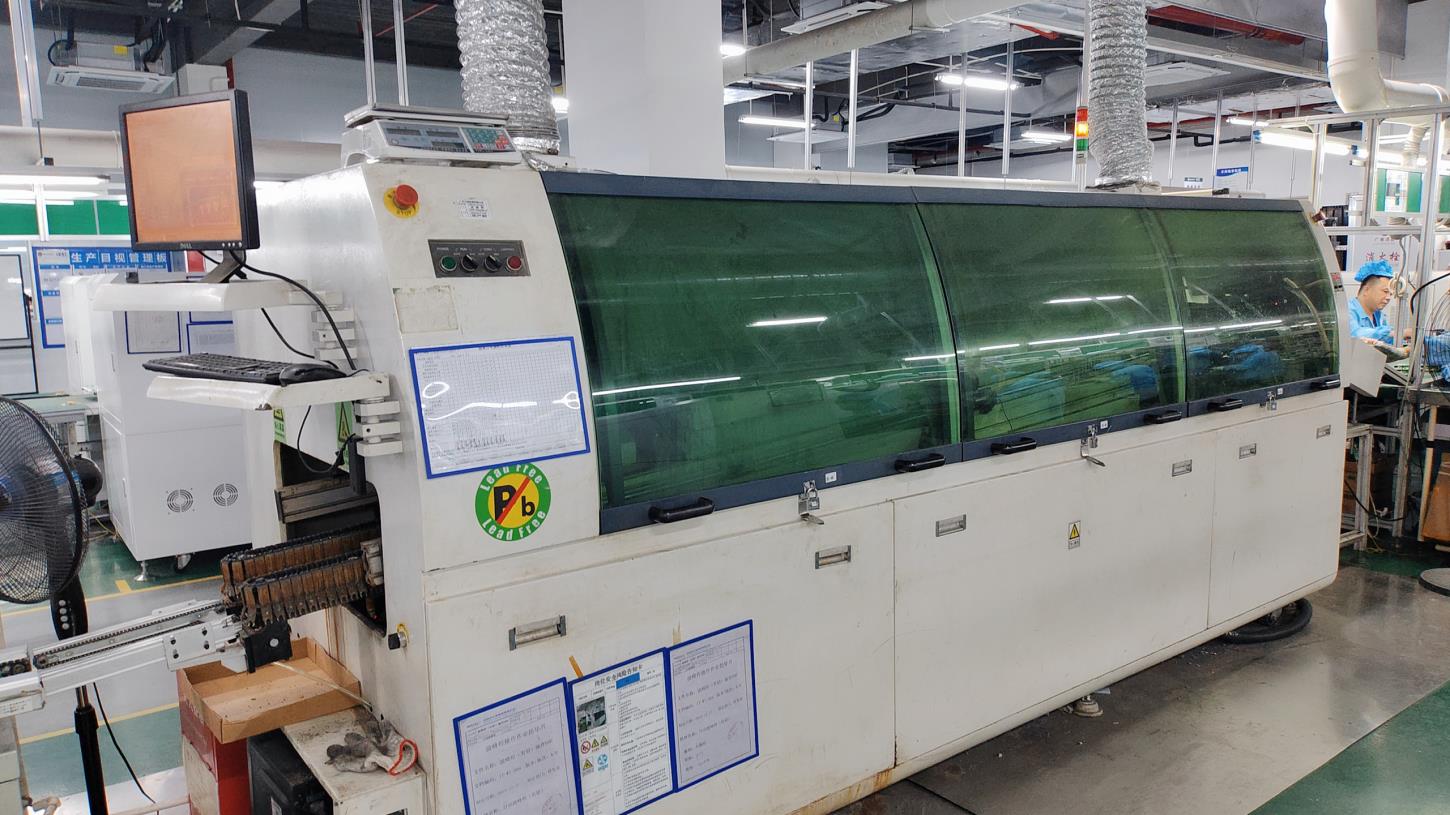
How off-grid power structures adapt to diverse industrial sectors, climate conditions, and deployment scales.
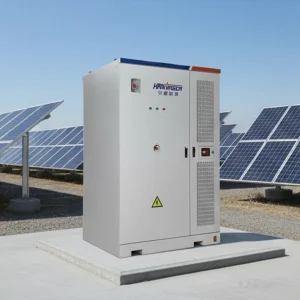
Large-scale operations require robust power backups to manage peak load charges and prevent outages. Implementing high-capacity lithium storage installations (e.g., 80kW to 260kWh systems) provides uninterrupted power, maximizing operational uptime for factories, server hubs, and commercial complexes.
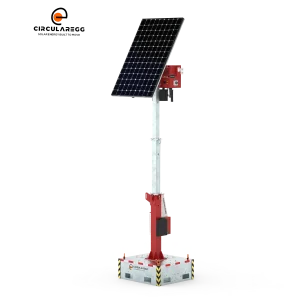
Remote communication hubs and construction sites demand heavy-duty, mobile power. Deploying mobile solar trailer-mounted LED systems provides reliable, zero-emission lighting and cellular transmission power, eliminating the need to transport and burn diesel fuel in remote areas.
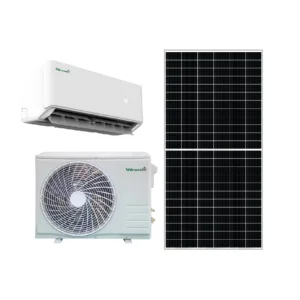
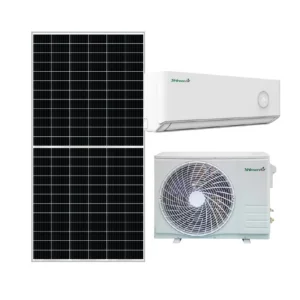
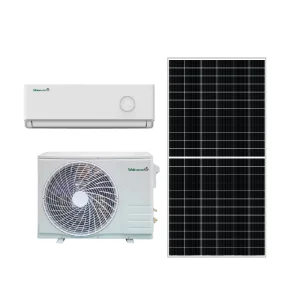
Integrating zero-carbon, dehumidifying solar air conditioners directly into greenhouses and rural residential buildings addresses climate control needs in hot and humid areas. This setup reduces grid dependence and ensures crops or residents remain comfortable using clean, self-generated energy.
Technical insights and purchasing guidance directly from our factory engineering team.
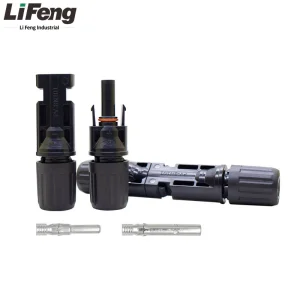
Premium specialized hardware, high-efficiency solar air conditioning systems, and industrial PV cabling components.
 Aryam Energy