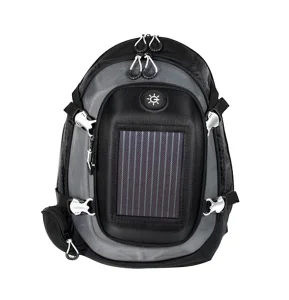
In the last decade, the solar backpack has evolved from a novelty for outdoor enthusiasts into a critical tool for digital nomads, emergency responders, and field engineers. As global reliance on mobile technology increases, the demand for decentralized, portable power sources has skyrocketed. Modern solar backpack suppliers are no longer just sewing bags; they are integrating high-efficiency monocrystalline cells with advanced voltage regulators and Li-Polymer buffers to ensure safe charging for high-end electronics.
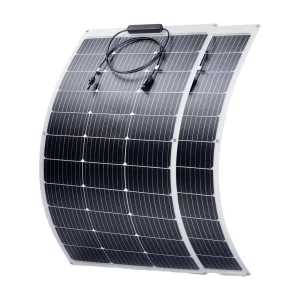
Usage of CIGS (Copper Indium Gallium Selenide) flexible solar cells allows for lighter, more durable backpacks that can withstand extreme weather conditions without cracking.
Smart solar backpacks now feature Bluetooth-enabled apps to monitor charging speeds, battery health, and solar exposure in real-time.
Leading suppliers are adopting recycled PET (rPET) fabrics and PFC-free coatings to align with the global shift toward circular economy principles.
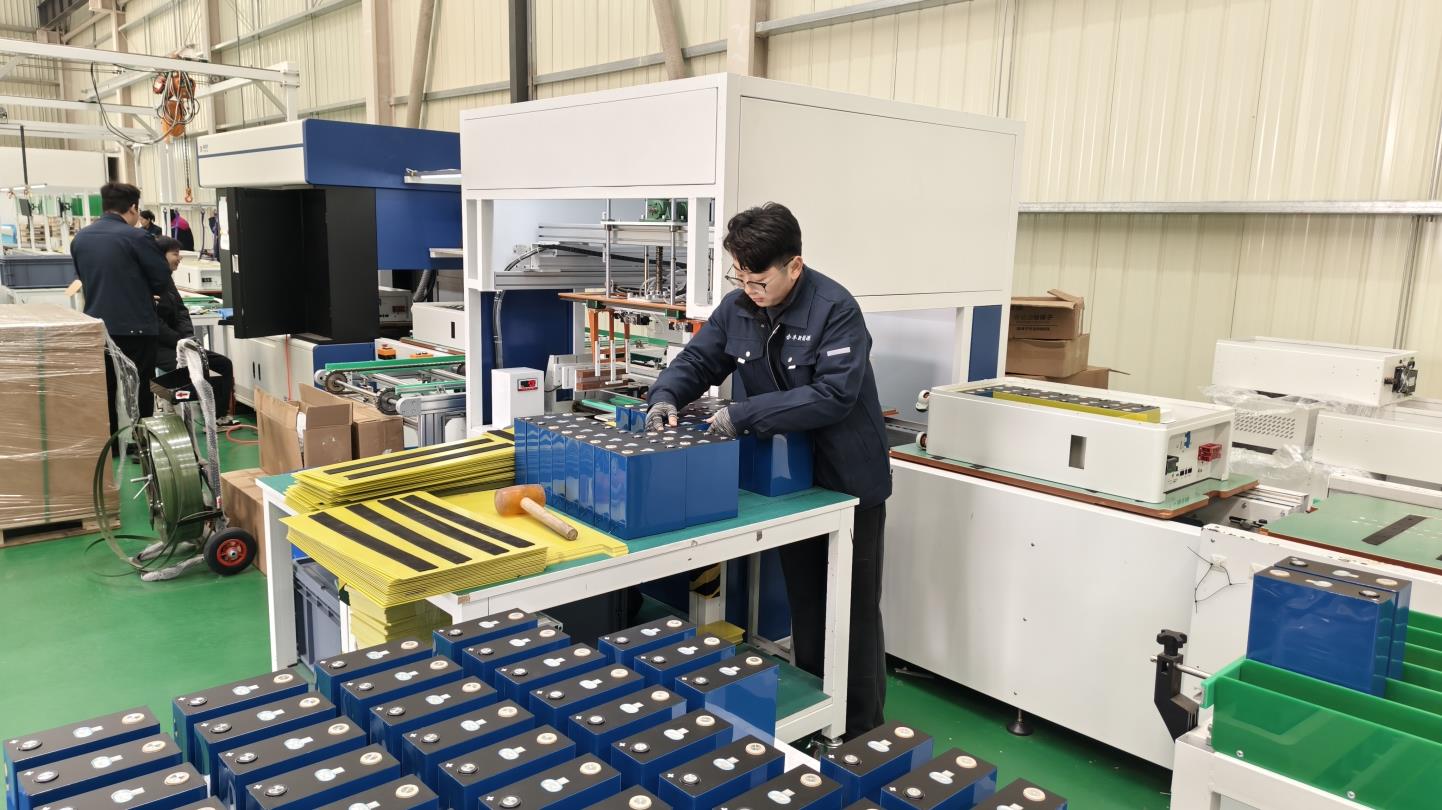
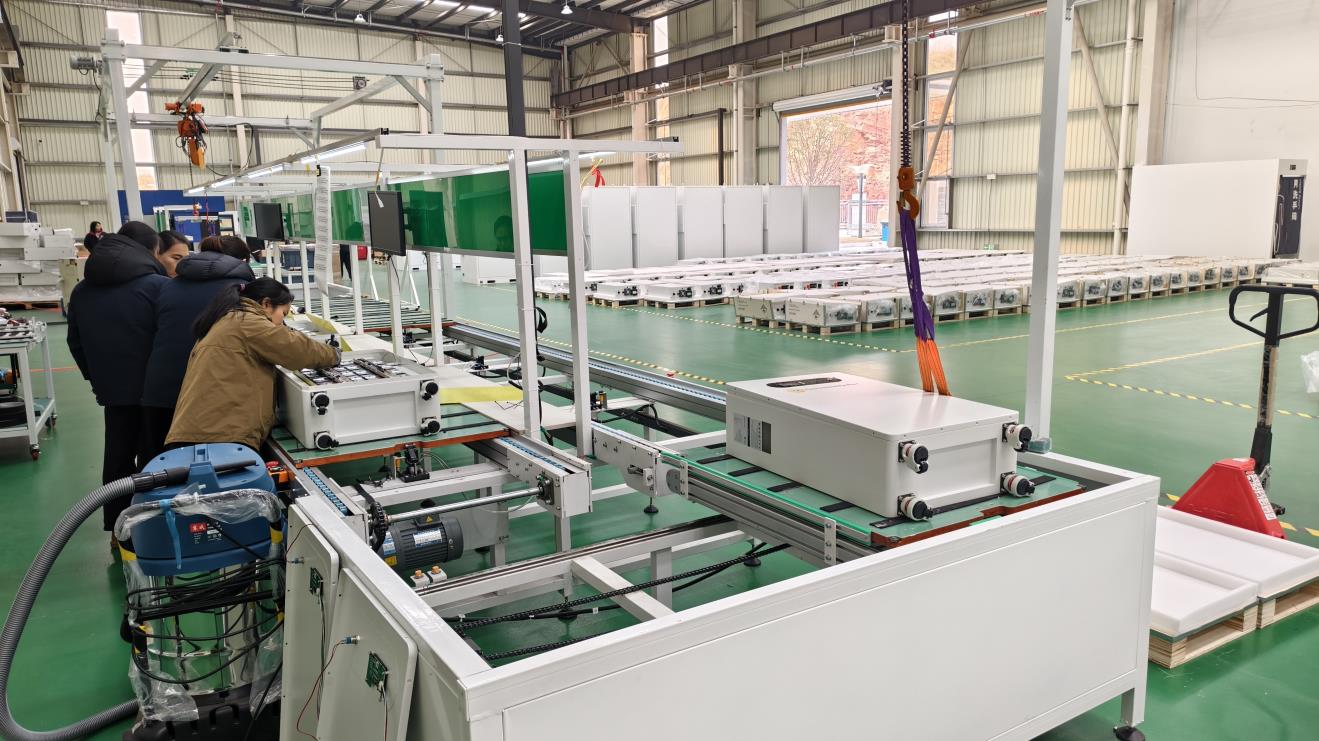
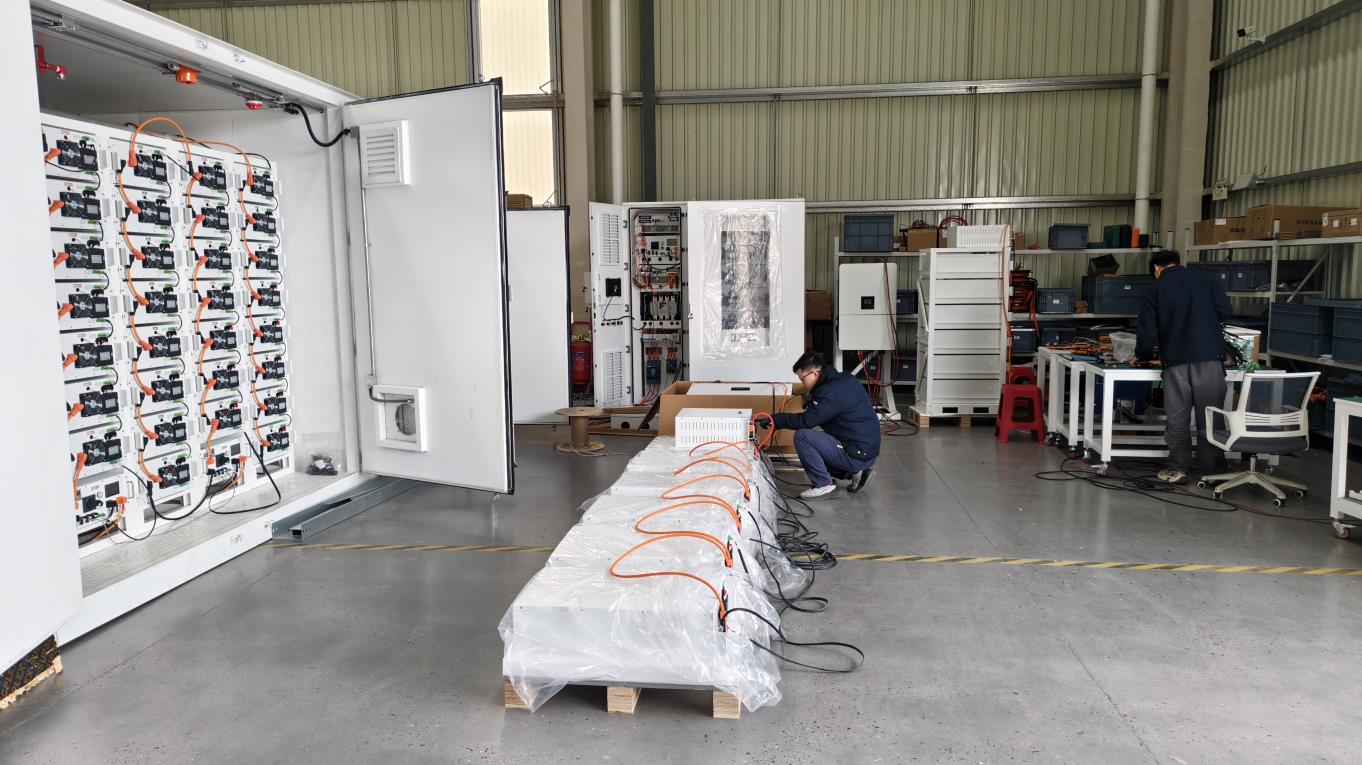
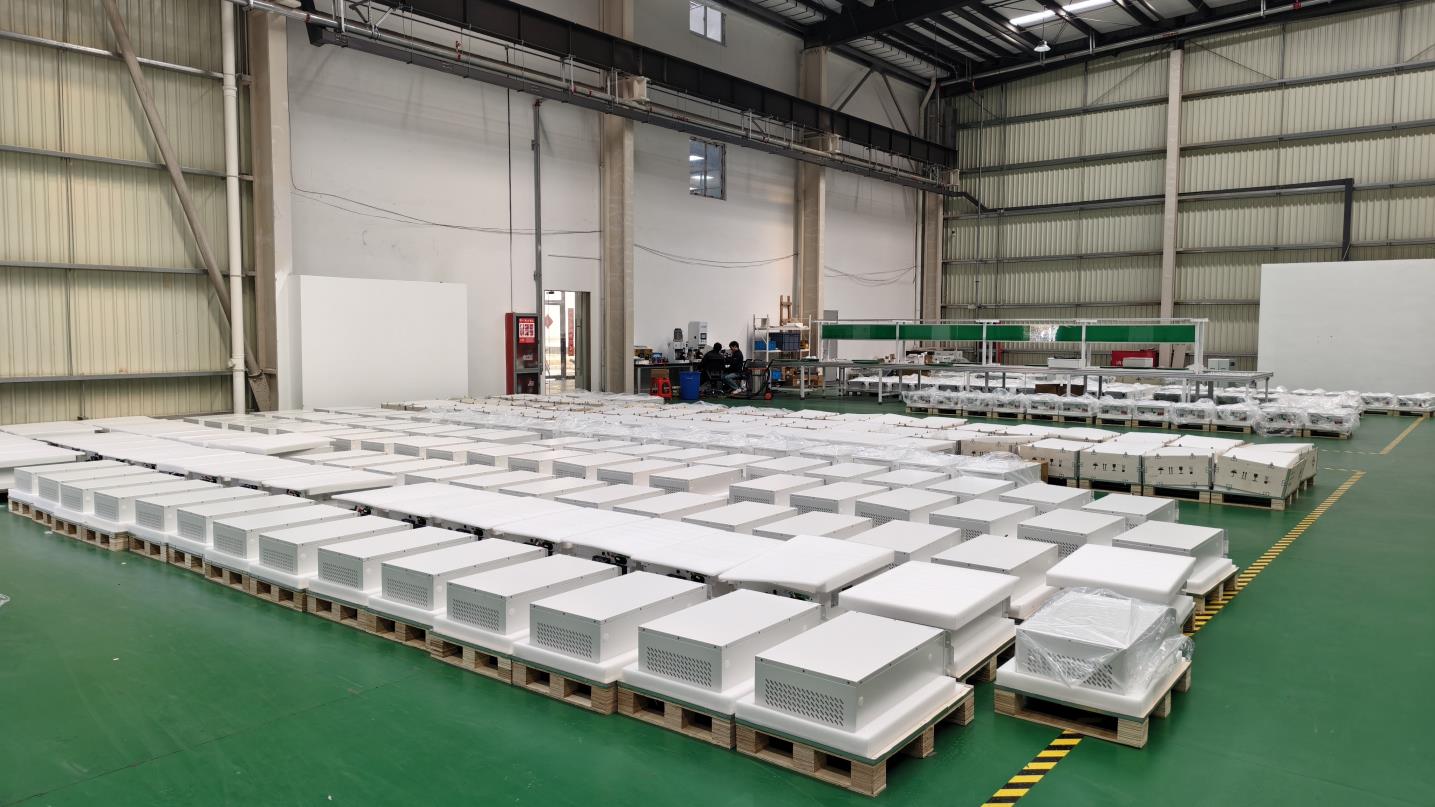
Anhui Aryam Energy Co., Ltd. is a leading provider of advanced renewable energy solutions, dedicated to delivering reliable, efficient, and sustainable power systems for residential, commercial, industrial, and utility-scale applications worldwide. Through continuous innovation and a strong commitment to clean energy development, Aryam Energy has established itself as a trusted partner in the global transition toward a low-carbon future.
Leveraging cutting-edge engineering expertise and strict quality management standards, Aryam Energy provides comprehensive energy solutions tailored to diverse market needs, particularly in regions facing energy shortages or increasing demand for sustainable power generation.
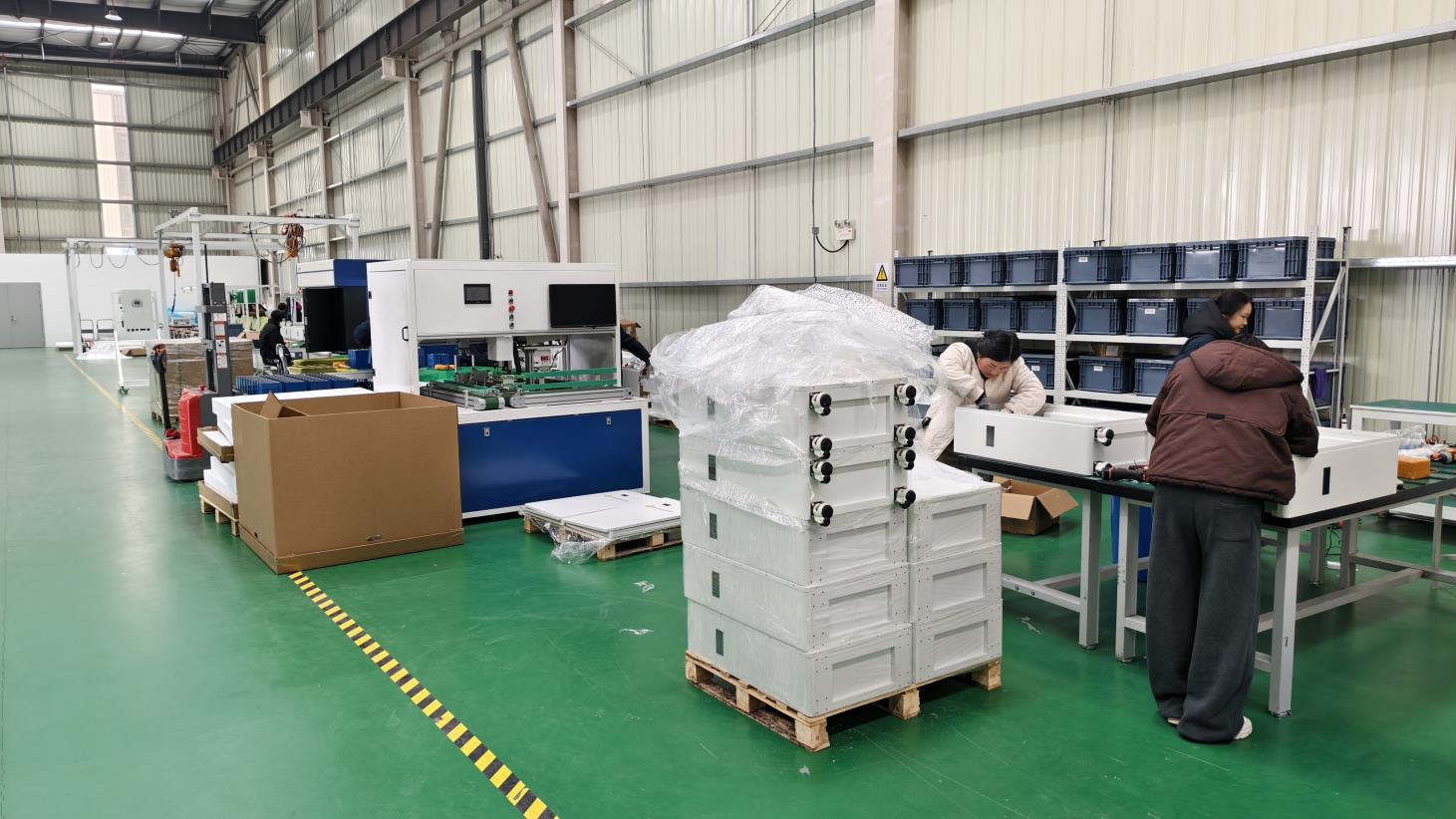
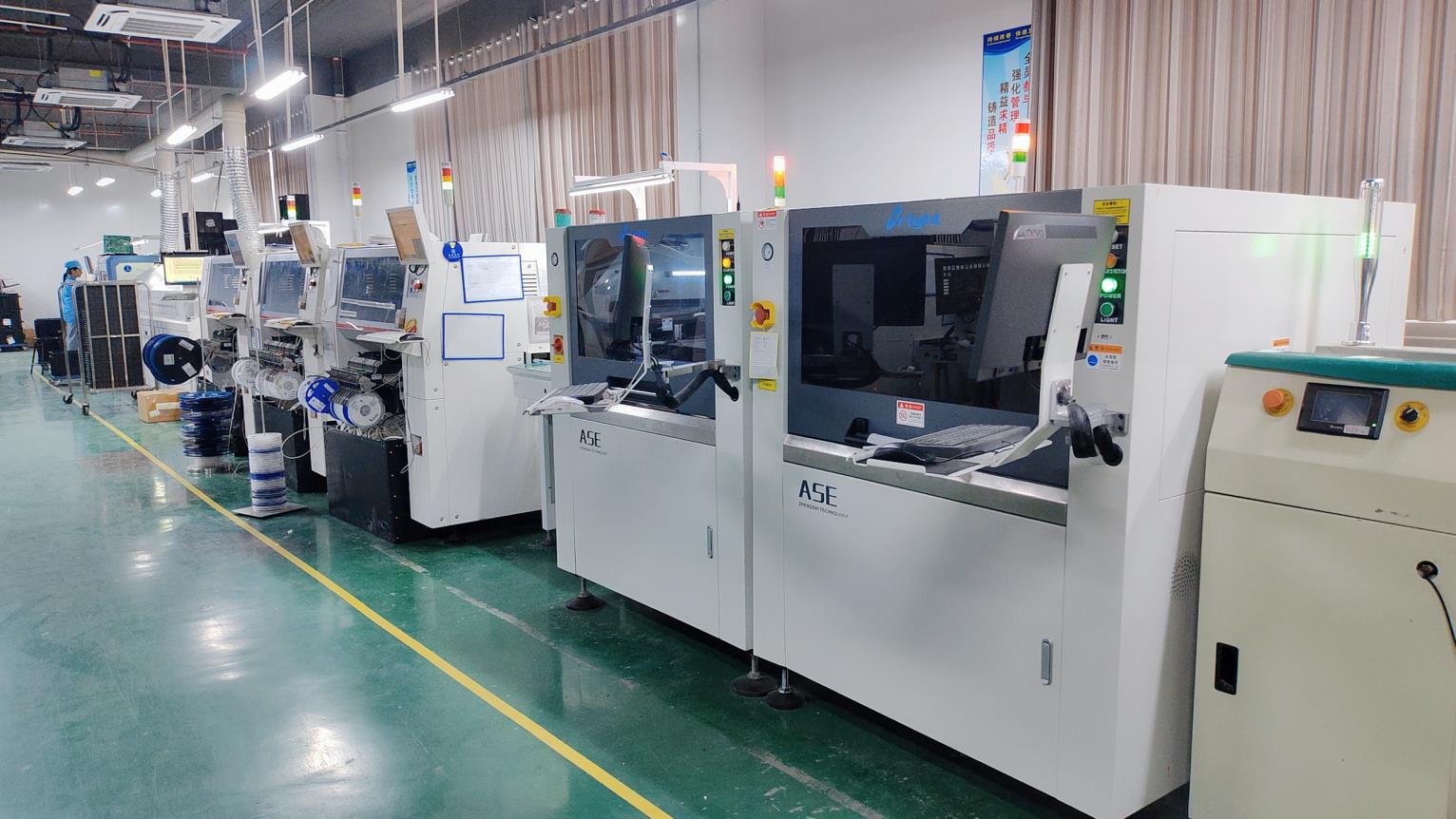
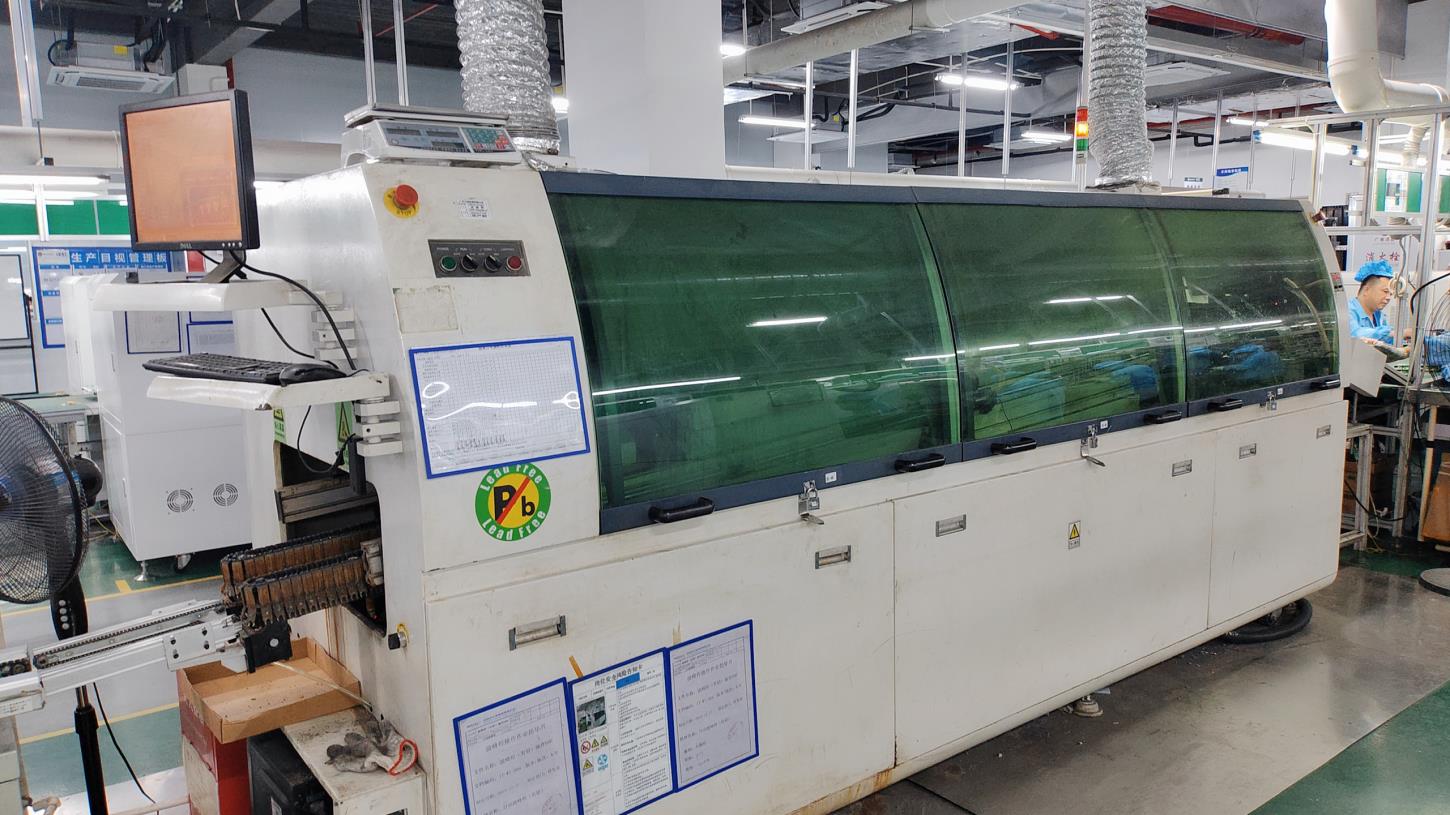
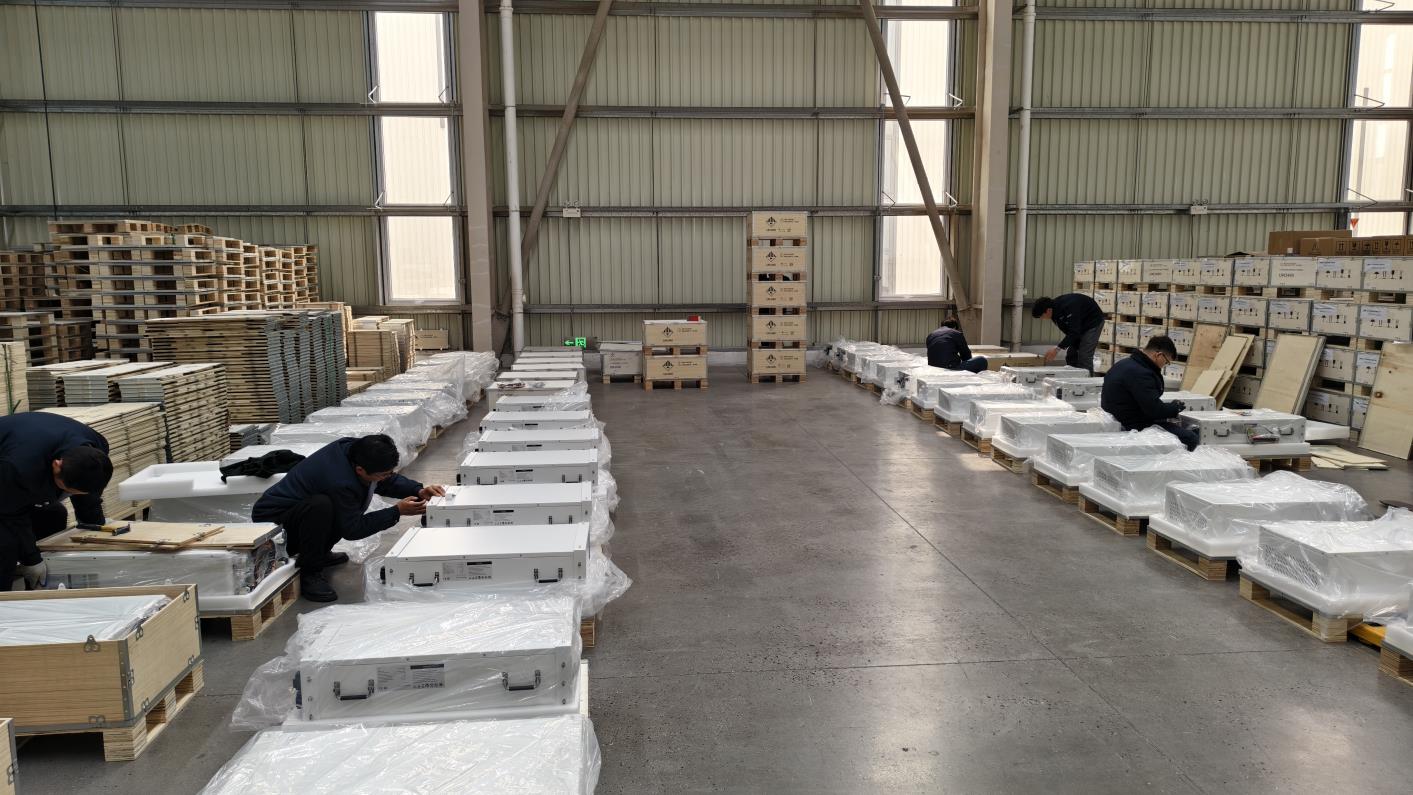
The core advantage of sourcing from top-tier Chinese solar suppliers lies in the Industrial Cluster Effect. Within the Anhui and Jiangsu solar belts, the entire supply chain—from raw silicon processing to final PCB assembly—is localized. This proximity reduces lead times and allows for rapid prototyping (OEM/ODM) that Western competitors often cannot match.
Large-scale procurement for disaster relief agencies (UN, Red Cross) focuses on "LCOE" (Levelized Cost of Energy) at a portable scale. Durability and ease of repair are paramount.
High-end tech firms use customized solar backpacks as ESG-compliant gifts, driving demand for "OEM New Fashion" designs that don't look like "survival gear."
Energy companies and surveyors require integrated solar solutions to keep laptops and satellite phones charged in remote grids, where traditional power is non-existent.
In the "Top 10 Solar Backpacks Supplier" search space, users often get lost in price comparisons. However, an expert SEO perspective reveals that Information Gain is found in understanding the Charge Controller Topology. Cheap suppliers use linear regulators which waste 40% of solar energy as heat. Top-tier suppliers like Anhui Aryam Energy utilize MPPT (Maximum Power Point Tracking) miniaturized circuits, ensuring that even in partial shade, your devices receive a steady current. This technical E-E-A-T (Expertise) is what separates a gimmick from a life-saving tool.
Q1: How long does it take to charge a smartphone via a solar backpack?
A: Most 7W to 10W solar panels found in professional backpacks can charge a standard smartphone in 2-4 hours under direct peak sunlight, comparable to a wall charger.
Q2: Are these solar backpacks waterproof?
A: Yes, top suppliers use IP65 or IP67 rated solar panels and water-resistant fabrics (Oxford 1680D) to ensure the electronics remain safe during rain.
Q3: Can a solar backpack charge a laptop?
A: Only specific high-output models (20W+ with DC output or integrated PD 60W power banks) are capable of charging laptops. Our premium industrial range supports these requirements.
Q4: Why source from Anhui Aryam Energy instead of local retailers?
A: Sourcing directly from the manufacturer provides 30-50% cost savings, customization options (Logo/Features), and direct access to the latest solar cell technologies (96% efficiency cells).
 Aryam Energy