The global construction and architectural fields are undergoing a historic transformation. Standard building envelopes, once designed exclusively to insulate, are evolving into active, intelligent generation interfaces. At the absolute center of this paradigm shift is the integration of Custom OEM Solar Window Shades. Unlike traditional retrofitted PV configurations, these advanced window treatment assemblies function simultaneously as high-efficiency thermal barriers, solar glare mitigators, and clean electricity generators.
By capturing incident solar radiation directly on vertical and inclined building planes, solar window shades optimize architectural space that was previously underutilized. As an expert B2B supplier and manufacturer, we build smart shade architectures that mitigate indoor HVAC thermal cooling loads by up to 45% while feeding green power back into smart building microgrids or localized storage systems.
The macro-economic context for smart solar envelopes is driven by rigorous international energy mandates. In Europe, the Energy Performance of Buildings Directive (EPBD) commands that all new buildings achieve Net-Zero emission standards. In the United States, ASHRAE Standard 90.1 sets aggressive energy efficiency ceilings that are virtually impossible to meet without active local energy harvesting. As key manufacturers, our OEM supply pipelines serve large-scale infrastructure developments spanning commercial office parks, public transport terminals, hospitals, and warehouse hubs.
By implementing decentralized solar facades, commercial facilities transform from pure energy sinks into active grid nodes. The deployment of smart solar window shades is particularly vital in highly urbanized high-rise areas where roof surface area is minimal relative to the building's total volume. The vertical perimeter facade provides a vast, uninhibited surface area optimized to capture low-angle winter sun, generating consistent, predictable clean power throughout the seasonal cycle.
The technological horizon of solar shading systems is marked by three critical trends:
Traditional rigid silicon cells are progressively sharing the market with ultra-flexible, lightweight thin-film copper indium gallium selenide (CIGS) and organic photovoltaic (OPV) technologies. These thin-film variants allow solar shades to curve, roll, and flex inside slim cassettes without cracking or losing conductivity.
Contemporary solar window shades no longer operate statically. They are connected to localized weather stations and building automation systems (BAS) via Modbus, BACnet, or wireless Zigbee protocols. Using real-time solar tracking algorithms, the shades adjust their angle dynamically to maximize light filtration and generation capacity.
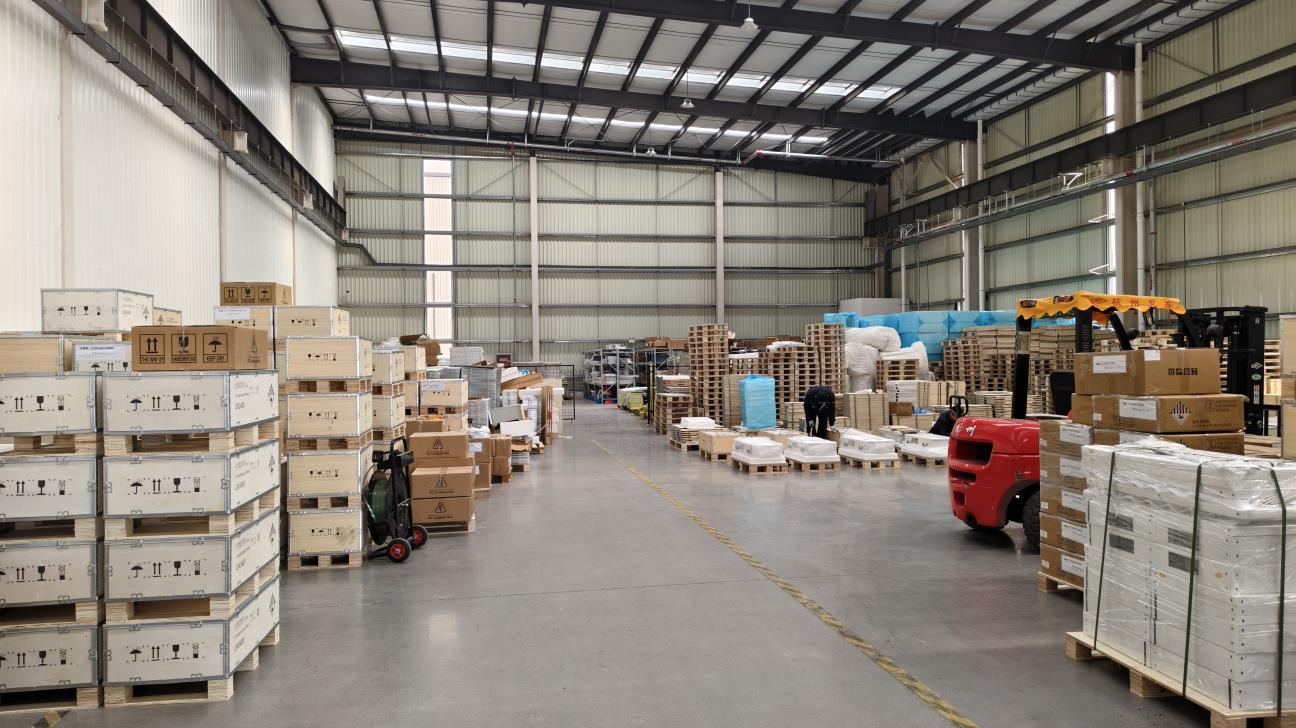
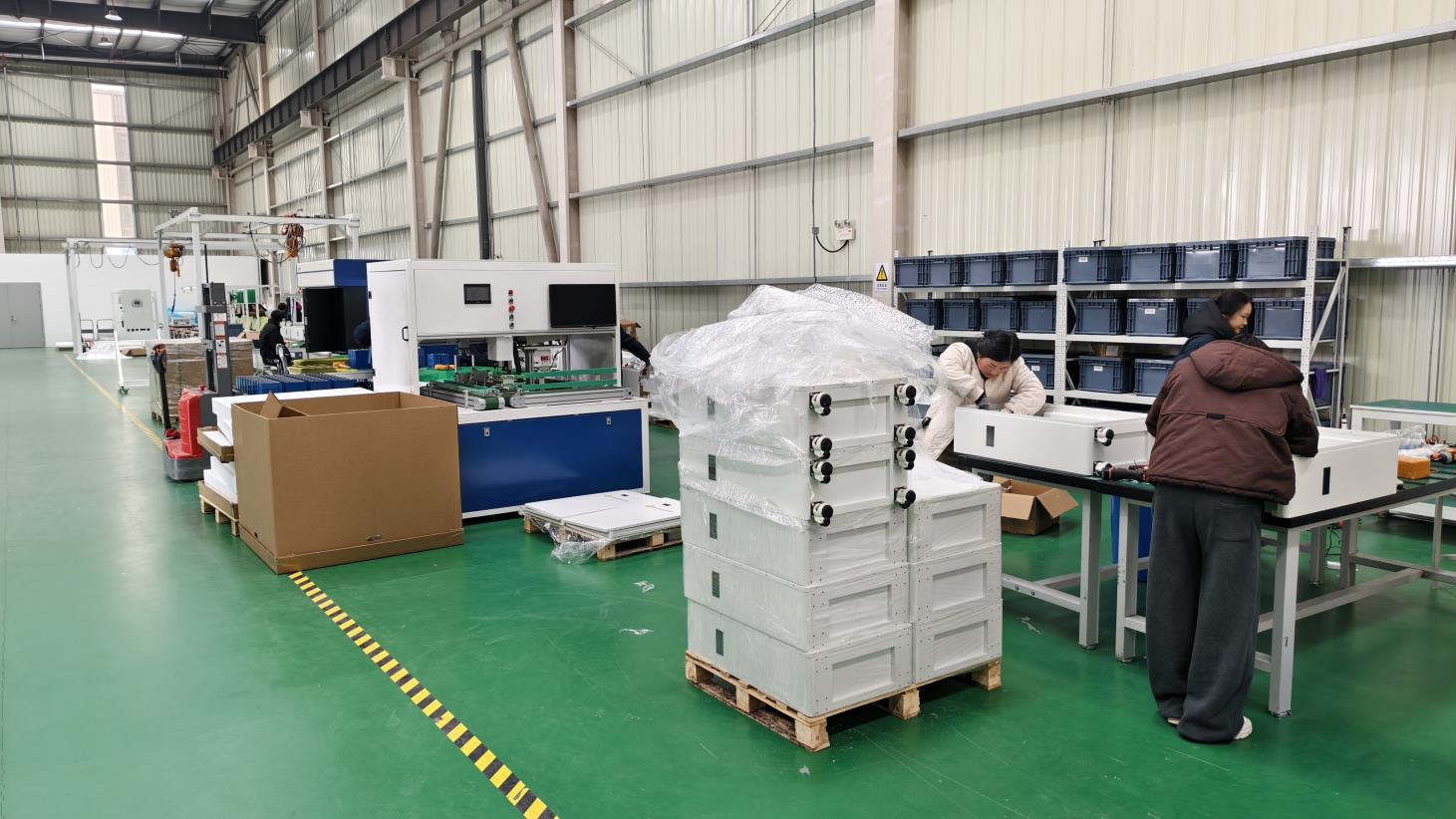
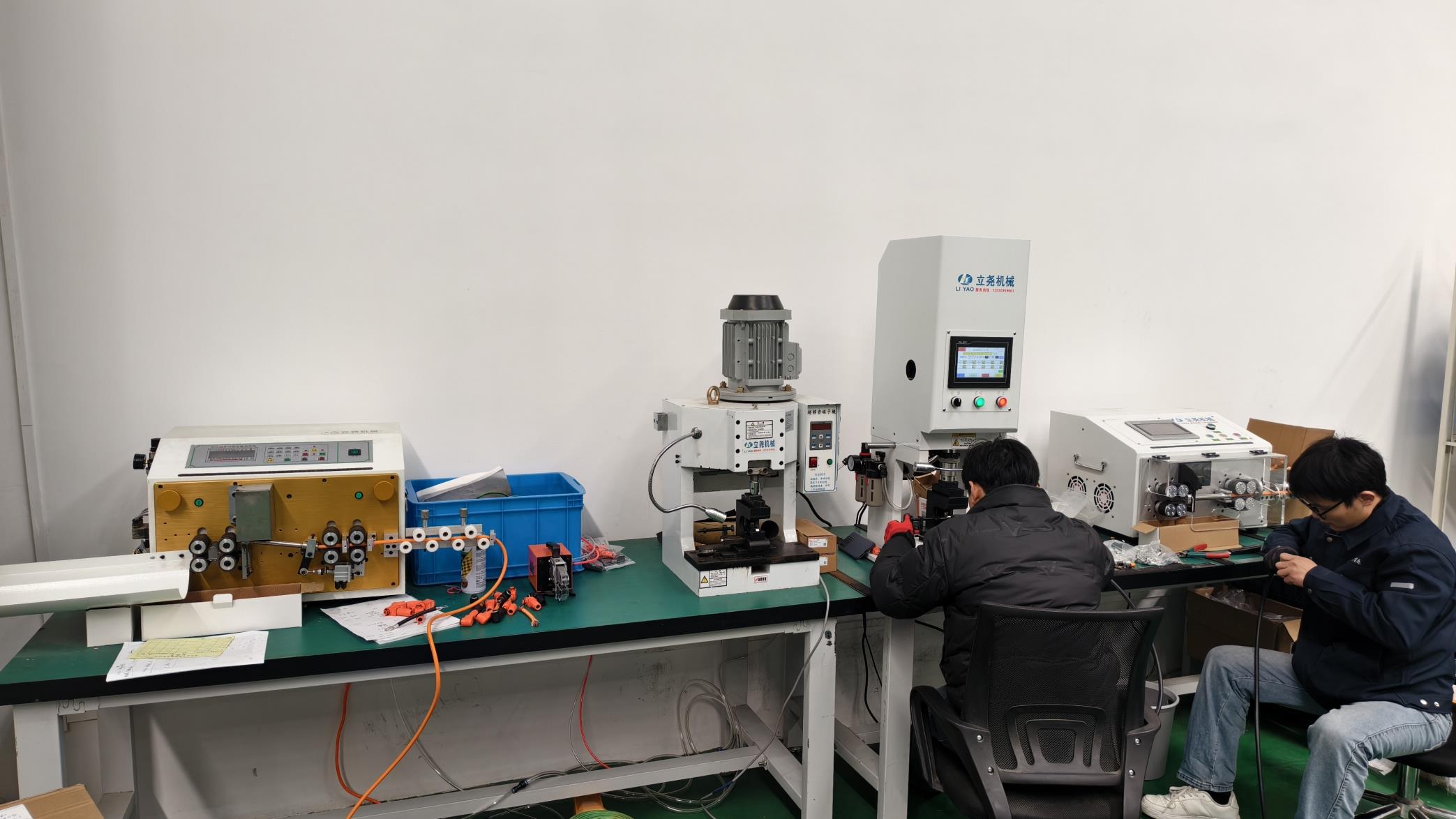
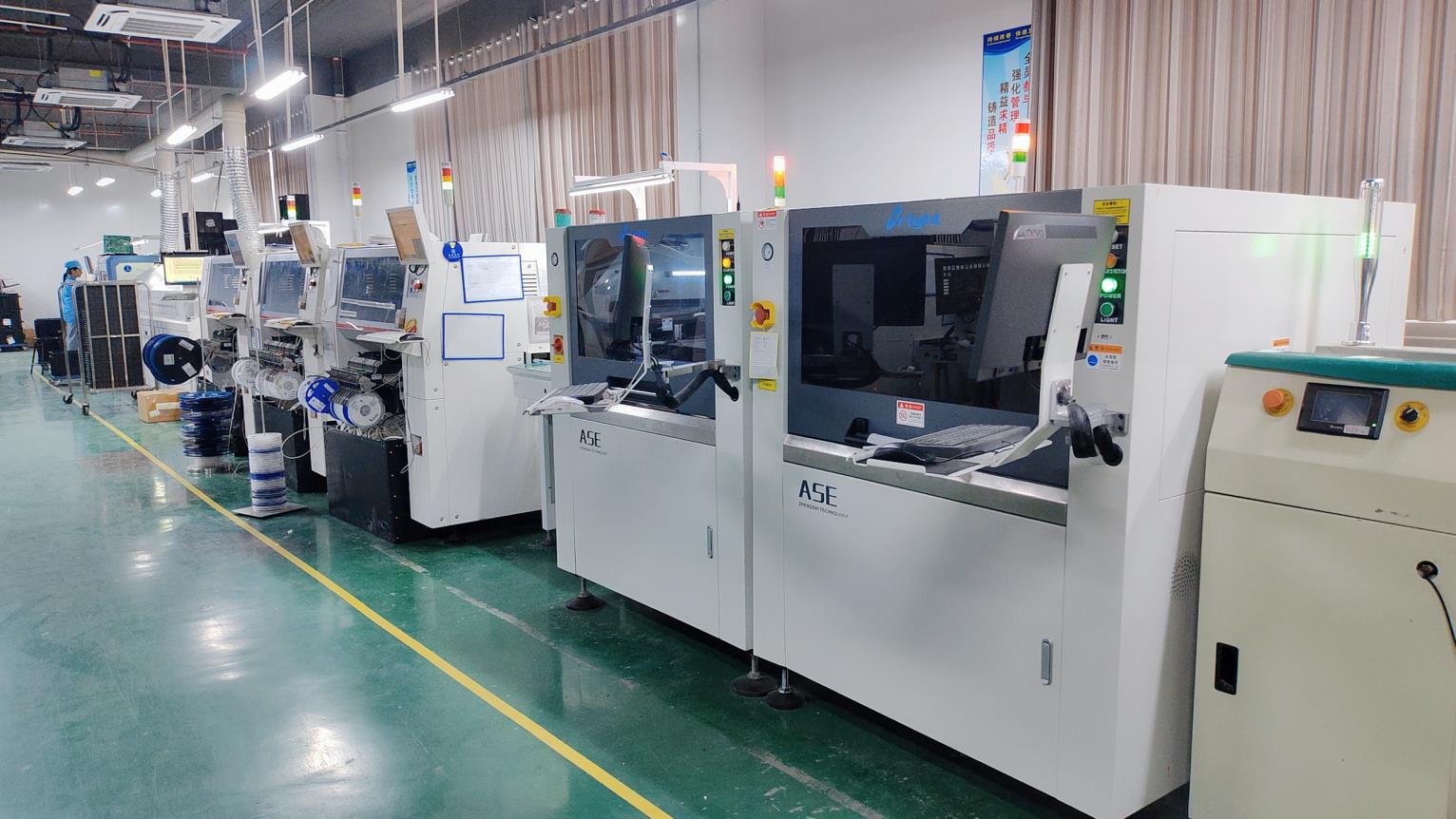
Anhui Aryam Energy Co., Ltd. is a leading provider of advanced renewable energy solutions, dedicated to delivering reliable, efficient, and sustainable power systems for residential, commercial, industrial, and utility-scale applications worldwide. Through continuous innovation and a strong commitment to clean energy development, Aryam Energy has established itself as a trusted partner in the global transition toward a low-carbon future.
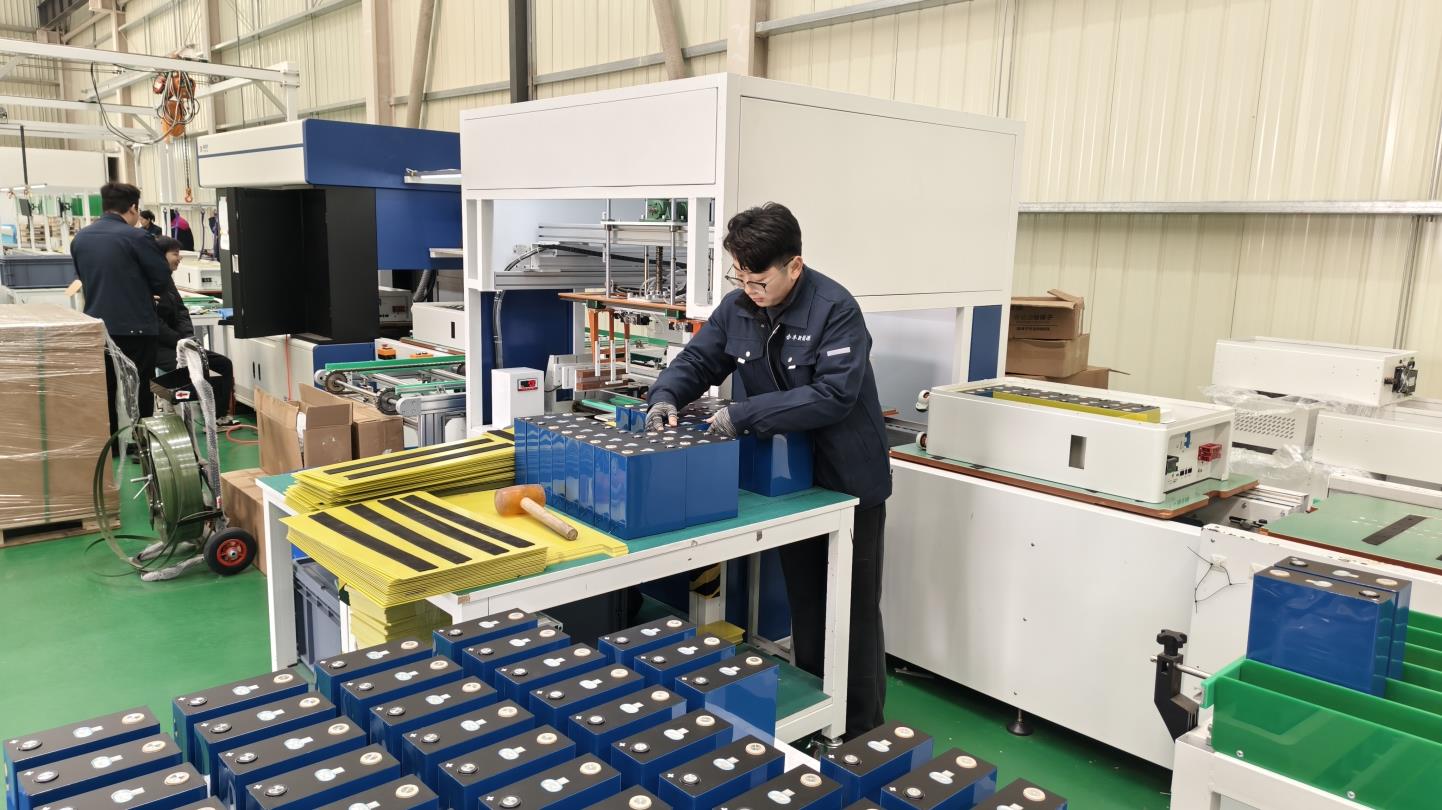
The company specializes in the research, development, manufacturing, and integration of solar energy systems, energy storage solutions, hybrid power systems, and intelligent microgrid technologies. Leveraging cutting-edge engineering expertise and strict quality management standards, Aryam Energy provides comprehensive energy solutions tailored to diverse market needs, particularly in regions facing energy shortages, unstable grid infrastructure, or increasing demand for sustainable power generation.
With a professional R&D team and a growing portfolio of proprietary technologies, Aryam Energy continuously invests in innovation to enhance system performance, energy efficiency, and long-term reliability. Its products and solutions are designed to meet international standards and have been successfully deployed across Asia, Africa, the Middle East, Europe, and Latin America, serving customers in more than 100 countries and regions.
Aryam Energy's product portfolio includes solar inverters, energy storage systems, hybrid inverters, lithium battery solutions, solar water pumping systems, microgrid systems, and customized renewable energy projects. The company is committed to providing integrated energy solutions that maximize energy independence, reduce operational costs, and support environmental sustainability.
Driven by the vision of becoming a globally recognized clean energy technology leader, Aryam Energy actively collaborates with distributors, EPC contractors, government agencies, international organizations, and development partners to promote renewable energy adoption worldwide. Through its mission of "Empowering Sustainable Energy for a Better Future," the company strives to create long-term value for customers while contributing to global carbon reduction goals and sustainable social development.
Building designs are shifting away from standalone structures toward active grid participants. The roadmap below tracks the progressive convergence of solar harvesting fabrics with intelligent micro-infrastructure systems:
Integration of low-power DC motors directly powered by built-in thin-film solar strips. These shades require no external wiring infrastructure and operate fully off-grid, storing buffer power in integrated micro-lithium batteries.
Real-time communication with HVAC systems to perform solar thermal balancing. High-efficiency solar shade nodes communicate wind load, temperature differential, and power output telemetry directly to building control hubs.
Transition from opaque dynamic shades to semi-transparent solar harvesting glass panes that preserve architectural sightlines while continually harvesting solar radiation across the visible and infrared light spectrums.
Different regions present unique climates and architectural environments that dictate tailored OEM configurations:
These locations experience low-angle sun during winter and short daylight cycles. Vertical solar shades configured with high-performance tracking systems capture the horizontal radiation profile perfectly. This system acts as both a protective thermal envelope against sub-zero winds and a valuable supplemental power generator when traditional rooftop solar panels are covered in snow.
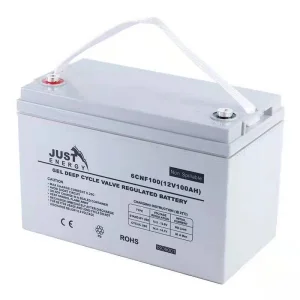
In these regions, intense solar radiation causes high cooling demands. The priority here is preventing solar heat gain. Solar window shades with optimized reflective backsheets and high density PV cells capture maximum energy while blocking thermal energy transfer. Integrated backup energy solutions (such as our high-performance lithium battery kits) store daytime power to run cooling systems through the evening.
 Aryam Energy