Explore our premium selection of deep-cycle LiFePO4 batteries, MPPT controllers, and solar water systems designed to anchor high-performance purification plants.
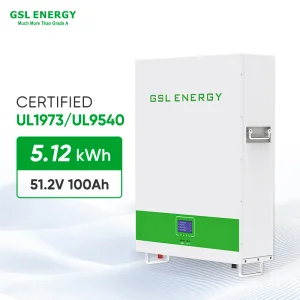
Anhui Aryam Energy Co., Ltd. stands as a preeminent developer and exporter of advanced solar-powered clean technology, integrating sustainable off-grid infrastructure with cutting-edge electronics. We focus on creating comprehensive energy profiles that supply, control, and protect critical systems across household, commercial, industrial, and agricultural contexts globally.
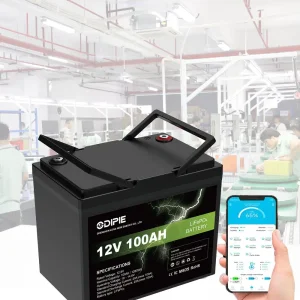
Recognizing the intimate link between energy security and resource availability, our corporate mandate focuses on designing systems that leverage PV technology, robust MPPT controllers, and stable lithium iron phosphate (LiFePO4) storage arrays to supply high-demand systems, including decentralized water purifiers, deep-well pumps, and off-grid utility infrastructure.
From initial design parameters to international deployment, our engineering teams focus on resilience. We serve local developers, governmental projects, and private sector importers across Asia, South America, the Middle East, and Africa, bringing dependable power and clean water solutions to over 100 countries.
By matching efficient PV generation with state-of-the-art power control and energy storage, we eliminate the operational constraints traditionally caused by unstable electrical grids and localized pollution.
Decentralization, smart grid communication, and advanced solar integration are reshaping water security protocols globally.
Modern treatment architectures utilize hybrid energy inputs to maintain continuous operations. Combining solar panels with wind turbines or robust secondary battery storage mitigates daylight interruptions, guaranteeing steady clean water output.
Modern solar engines employ intelligent tracking algorithms that yield up to 99% of energy from panels even during overcast conditions, ensuring that water treatment membranes receive continuous optimal power levels.
Smart water purification arrays are increasingly equipped with remote sensors that transmit performance metrics—including TDS reduction, membrane pressures, and battery health indexes—directly to central monitoring software.
The global transition to decentralized water purification is driven by the limits of municipal utility networks. Communities and industrial estates face deteriorating water supply pipes and rising electricity costs. Integrating solar energy directly with membrane filtration (such as Reverse Osmosis or Ultrafiltration) avoids high grid connections and minimizes ongoing operation costs.
In response to these trends, manufacturers now design systems that run directly on solar power without requiring expensive AC conversion. By employing specialized DC-native pumps, advanced MPPT controls, and high-performance LiFePO4 batteries, modern solar water purifiers reduce energy loss during conversion, guaranteeing highly reliable and clean water access in remote locations.
Deciphering technical requirements, compliance certifications, and system configurations for volume international buyers.
For engineering, procurement, and construction (EPC) contractors and municipal developers, system reliability is the primary consideration. When calculating the TCO of solar-powered water purification networks, the cost of replacing low-tier batteries and controllers often exceeds the initial setup cost. Because of this, global buyers prioritize components with long service lives, such as lithium iron phosphate (LiFePO4) storage arrays with service life cycles of 4000 to 6000 times at 80% DOD (Depth of Discharge).
Standard municipal water purification units are insufficient for off-grid sites that deal with high mineral concentrations or biological contaminants. B2B buyers require custom OEM design pathways that adjust the purification process depending on the source water analysis:
When selecting manufacturing partners, B2B buyers look for the following criteria to ensure high product quality and compliance:
| Feature Requirement | Minimum B2B Spec | Our standard capability |
|---|---|---|
| Energy Storage Chemistry | Lead-Acid / Standard Li-Ion | LiFePO4 Grade-A Cells (up to 6000 cycles) |
| Water Protection (IP) | IP54 Enclosures | IP65/IP67 Waterproofing for enclosures |
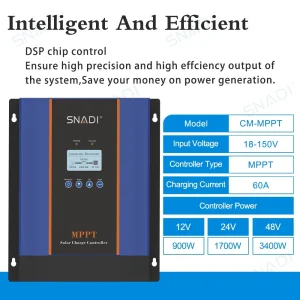
| Charge Control Tech | PWM Controllers | High-efficiency MPPT (60A to 100A options) |
| Certificates | Basic CE | CE, RoHS, UN38.3, MSDS, ISO9001 |
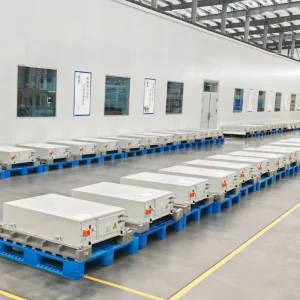
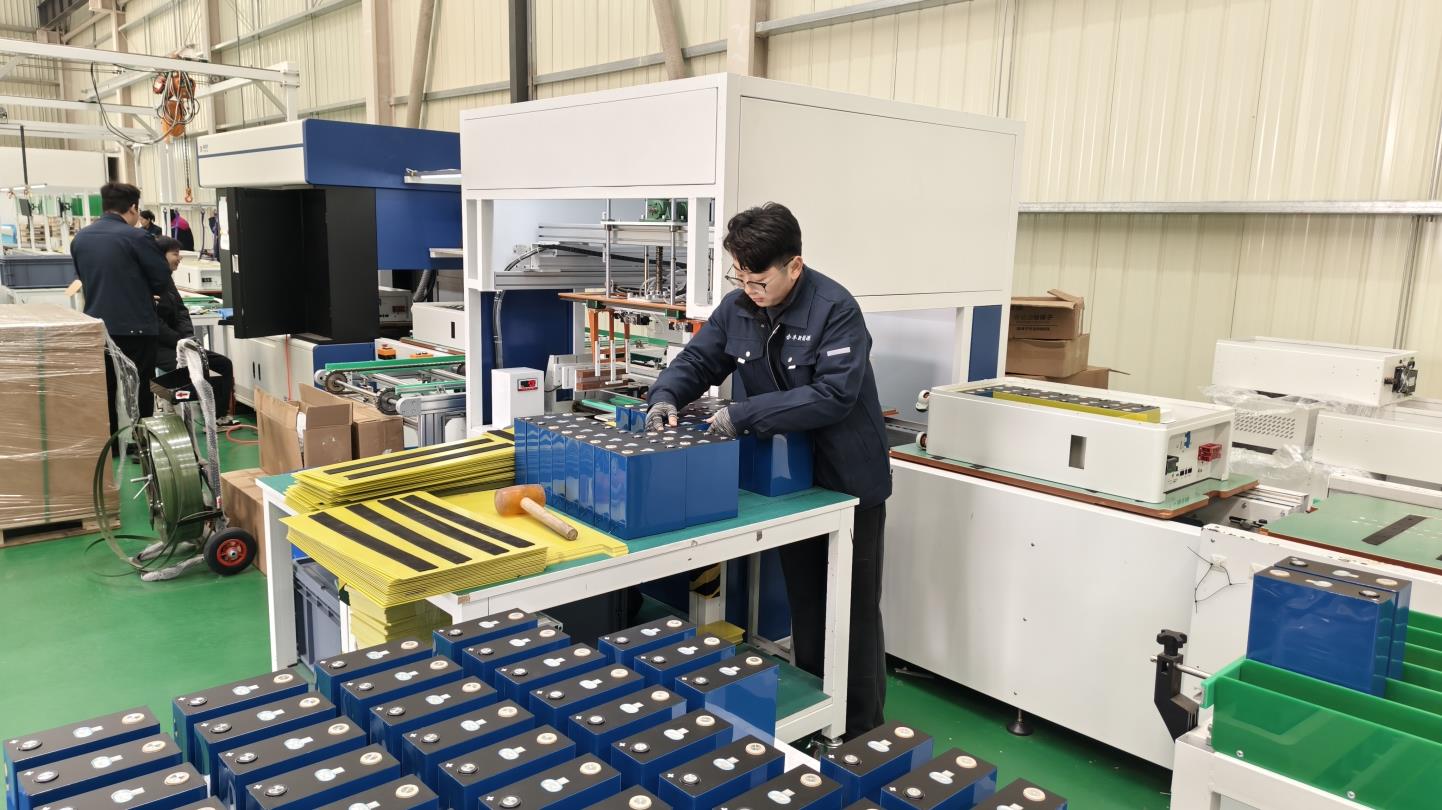
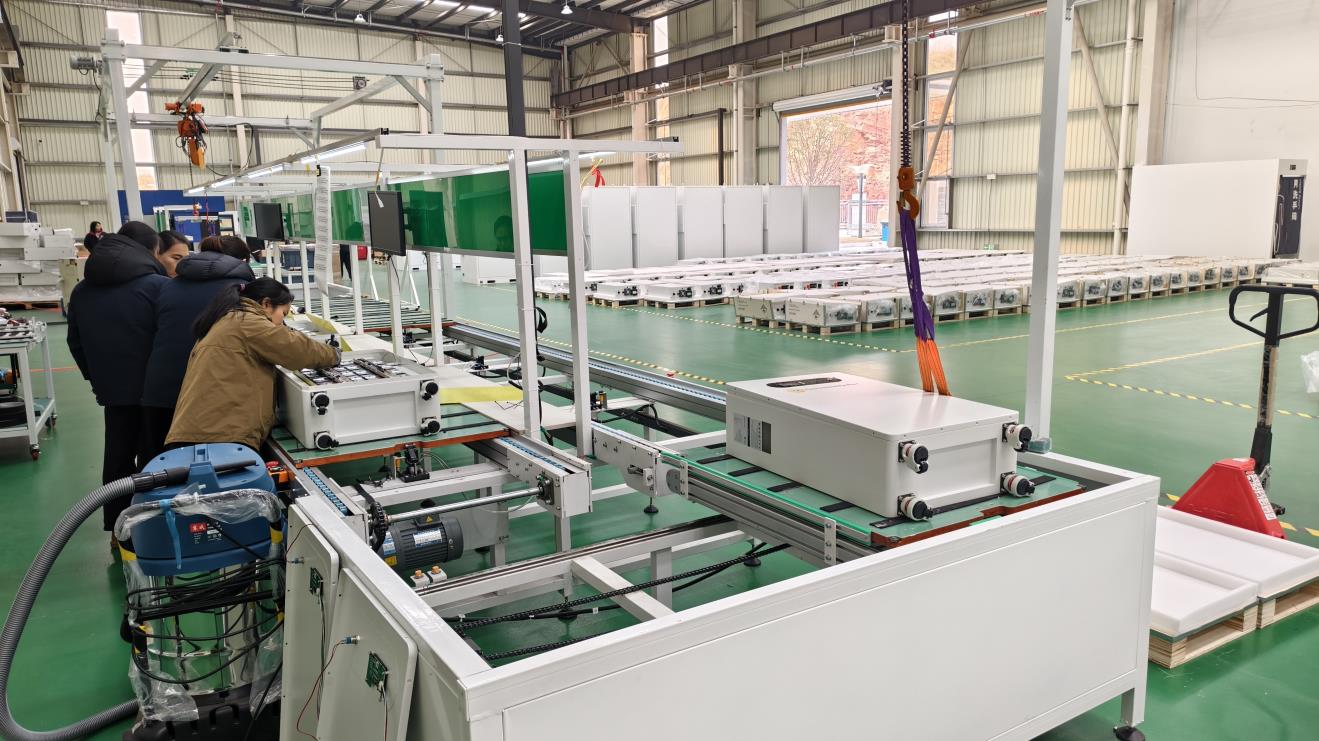
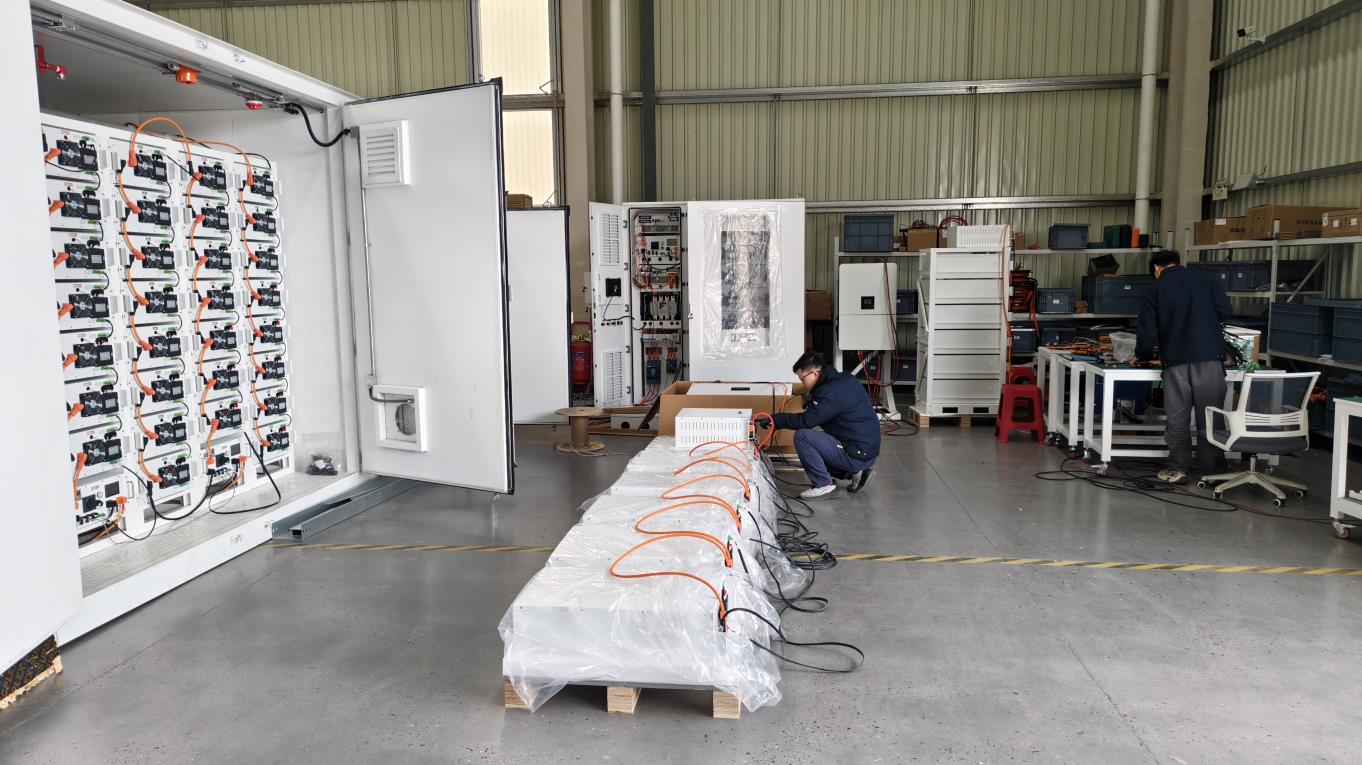
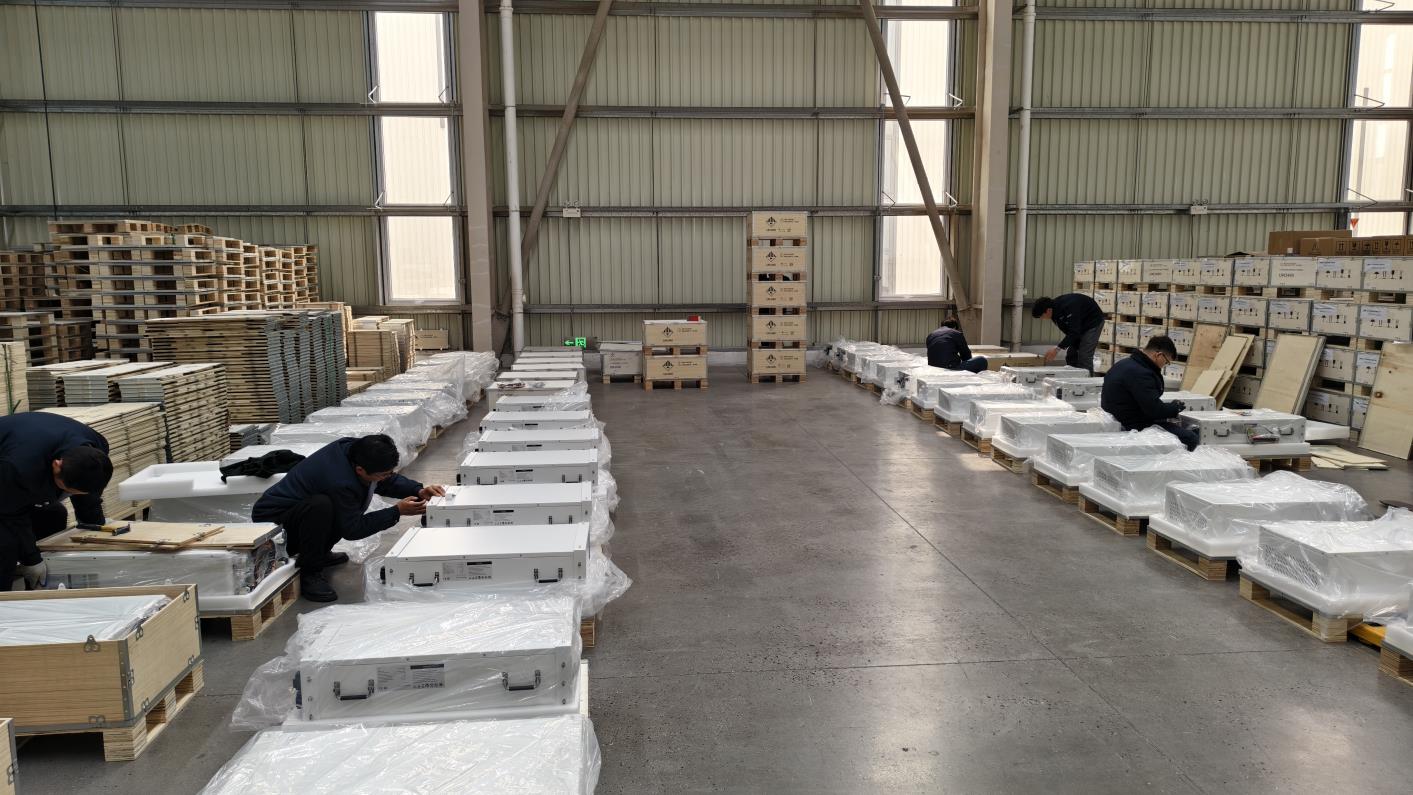
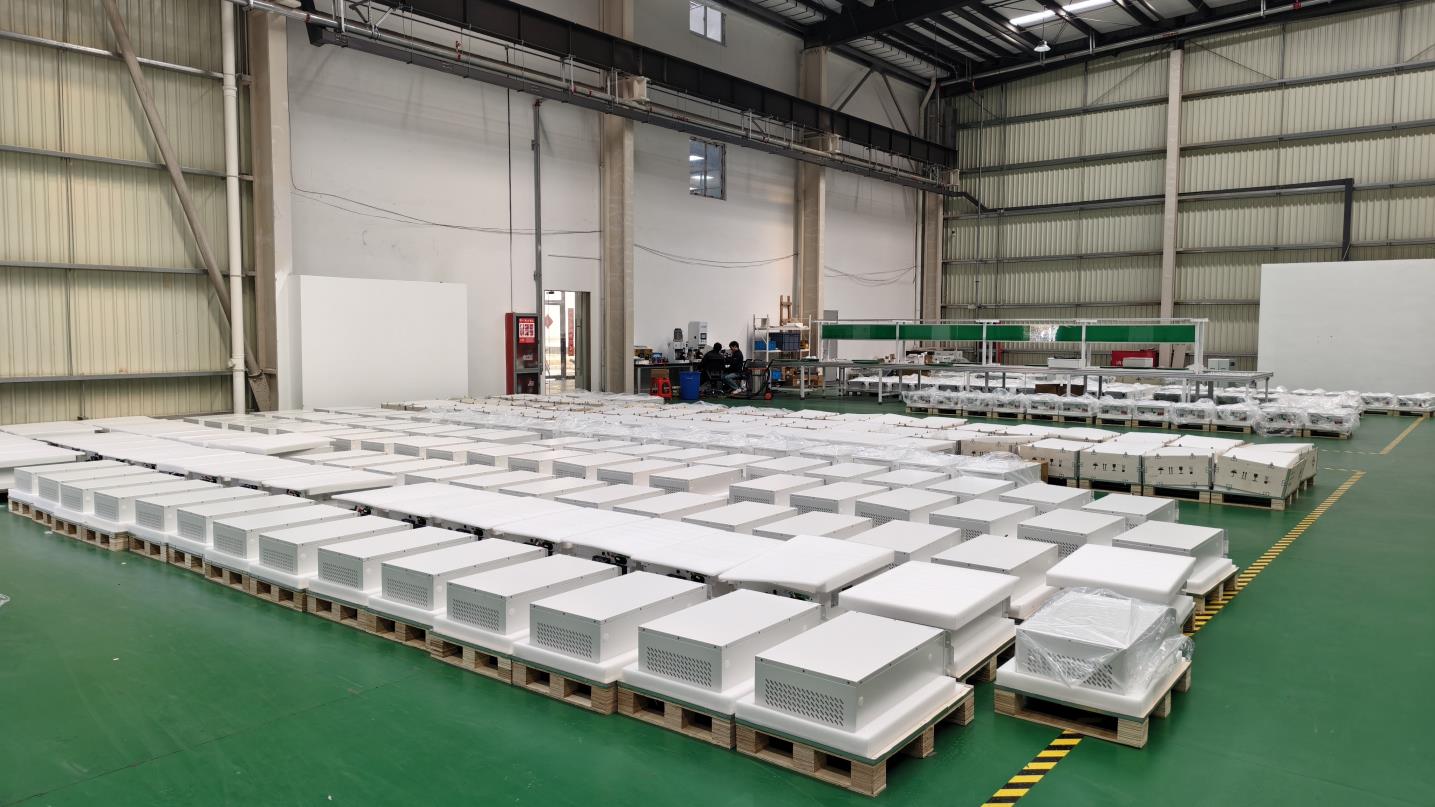
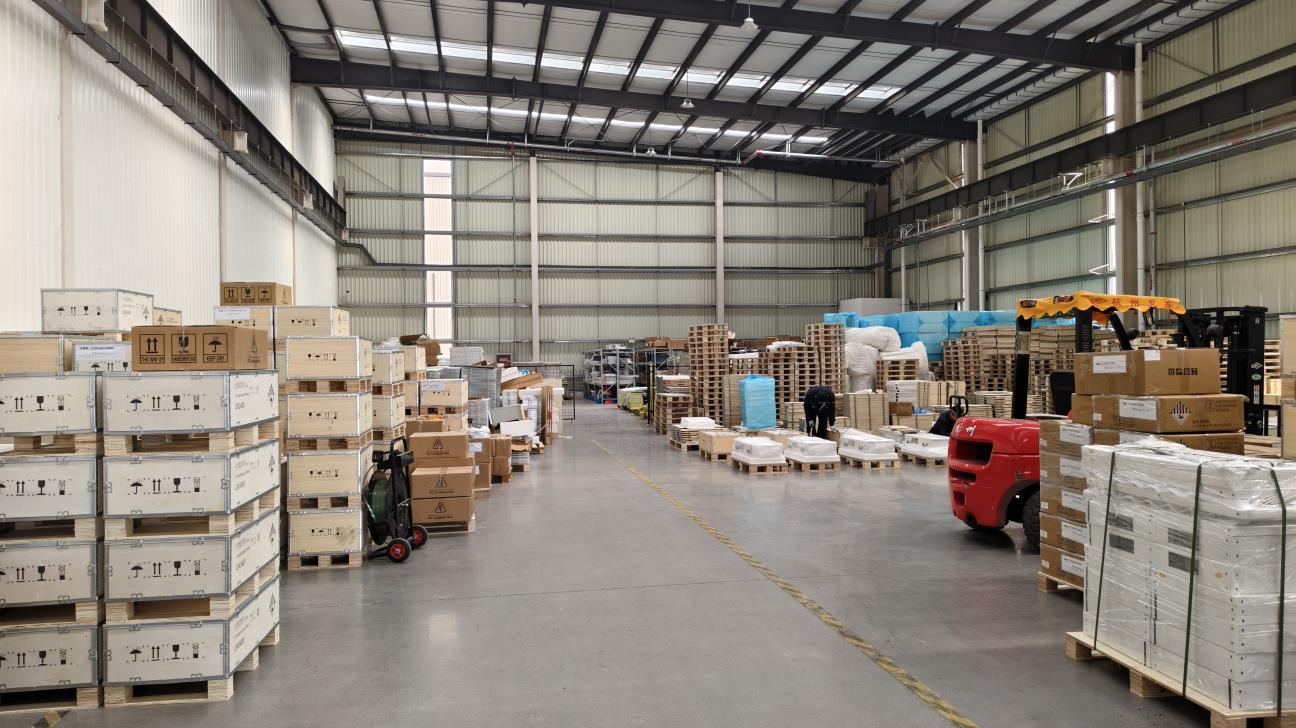
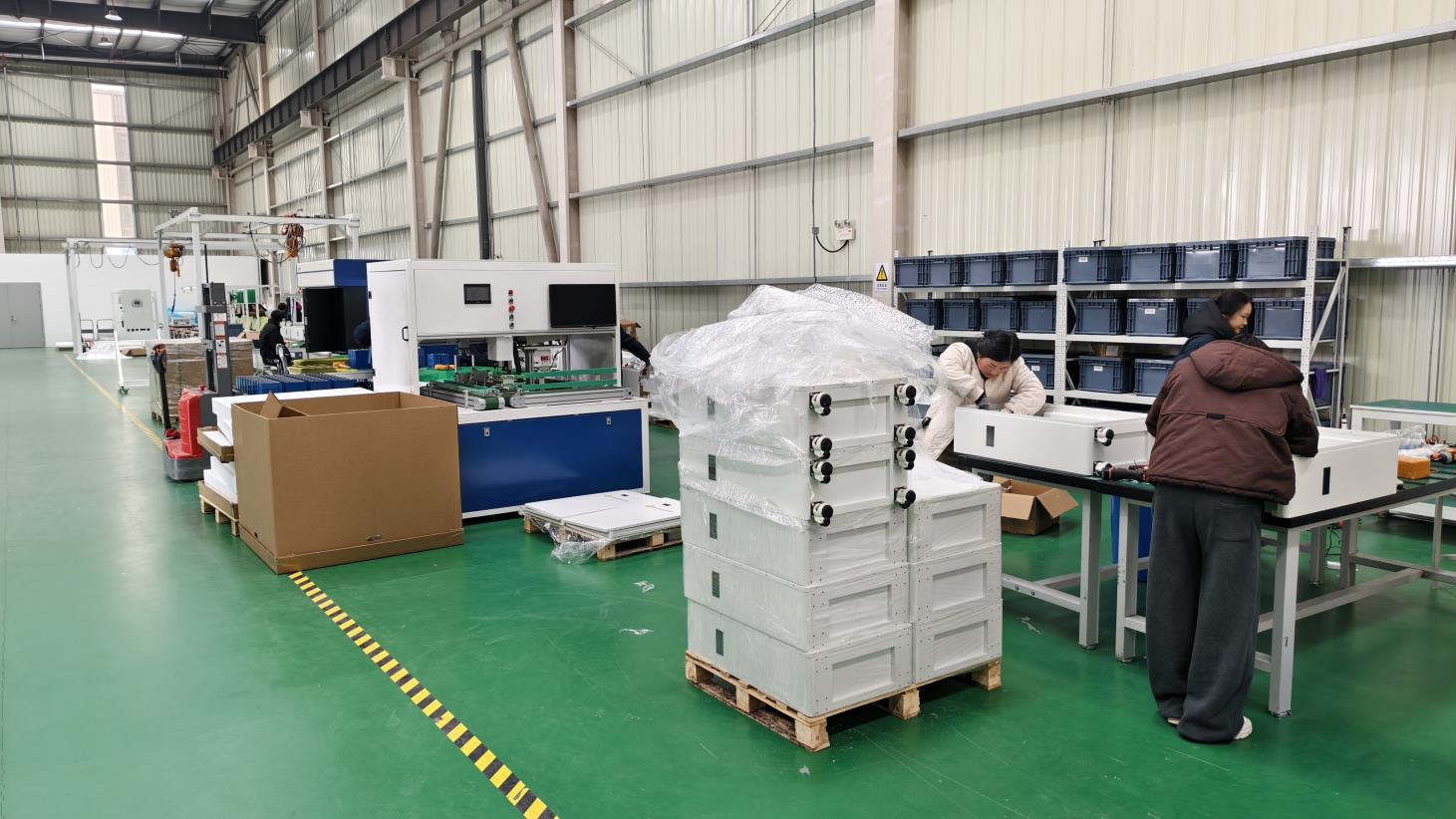
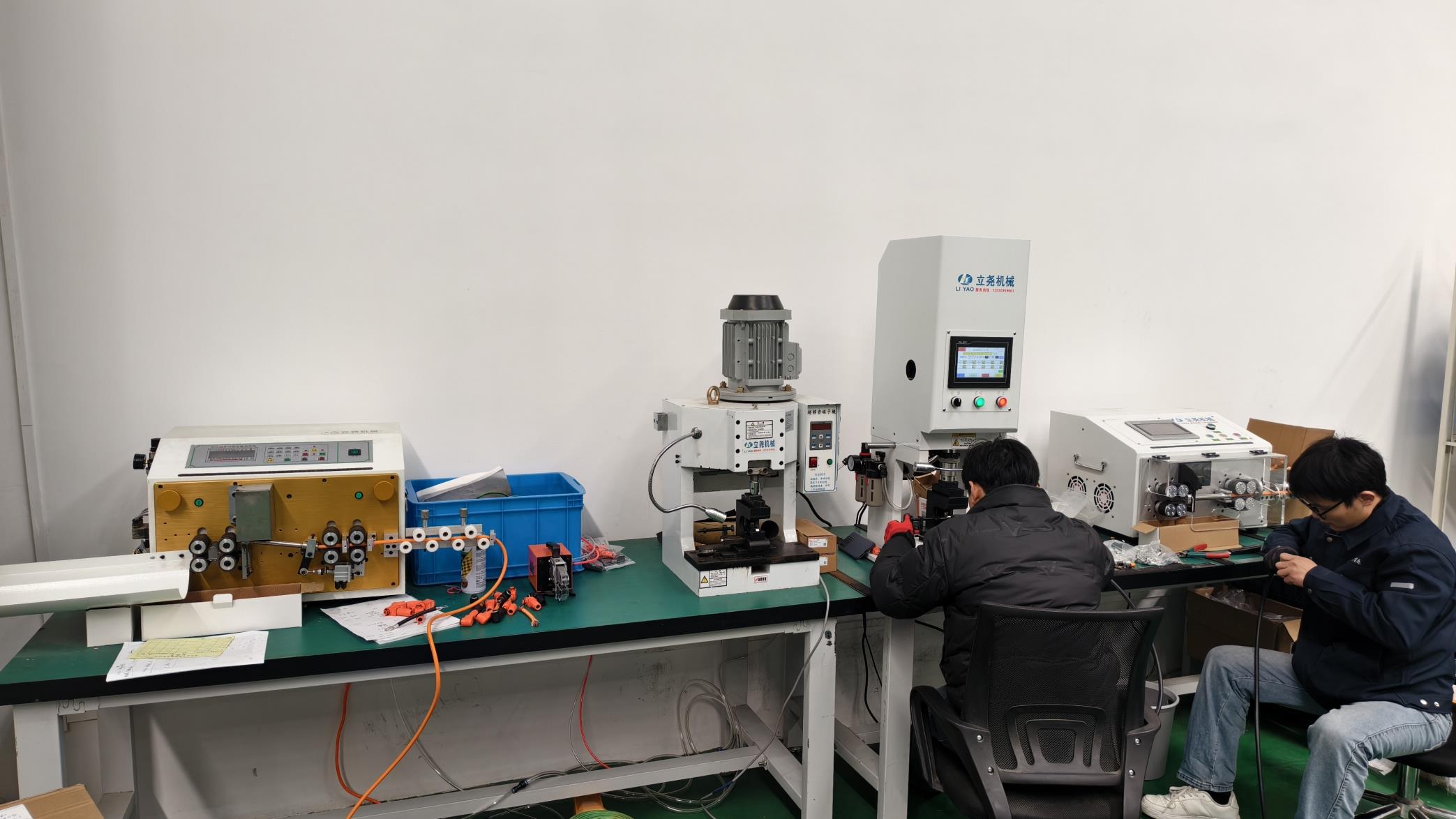
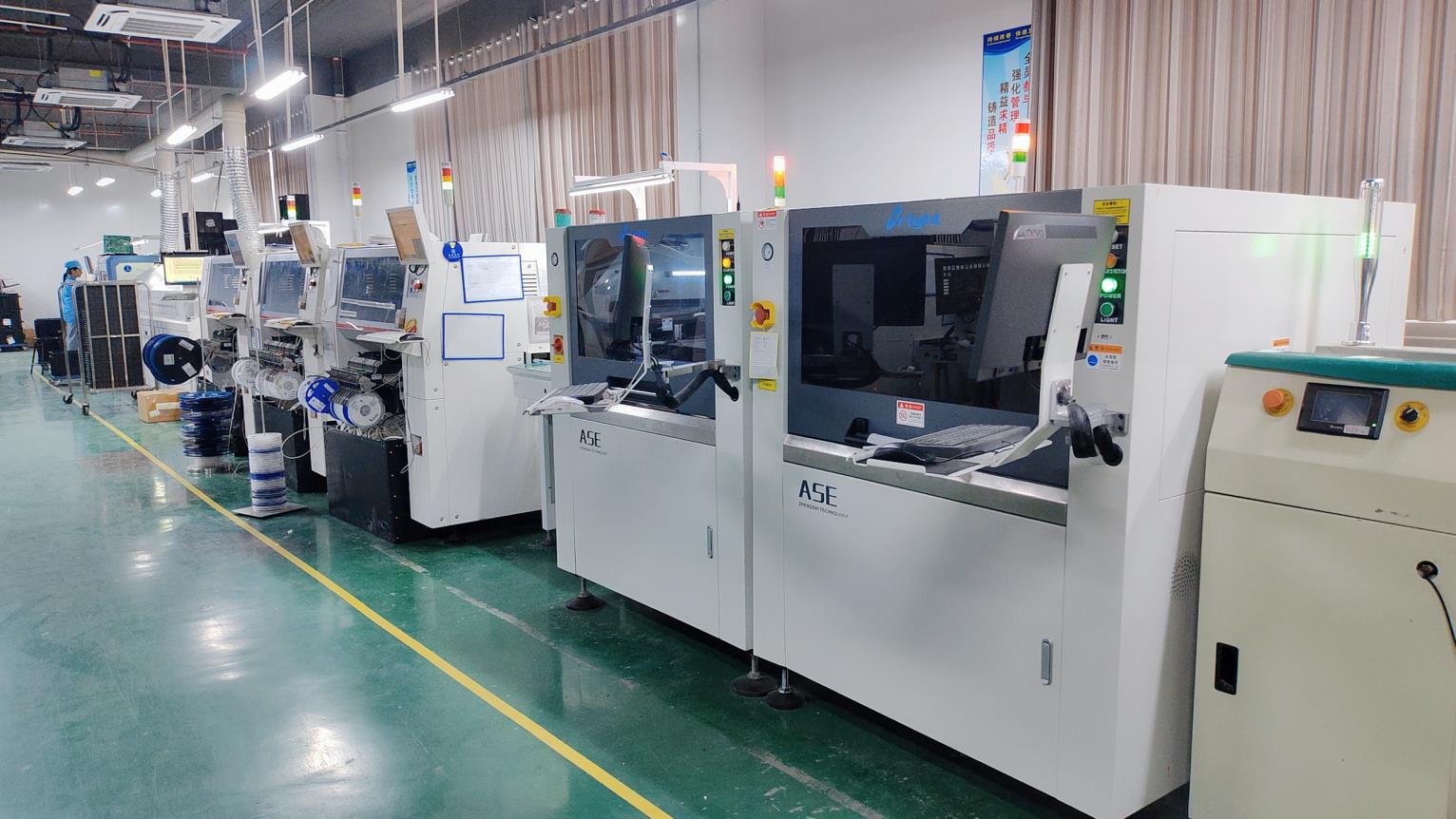
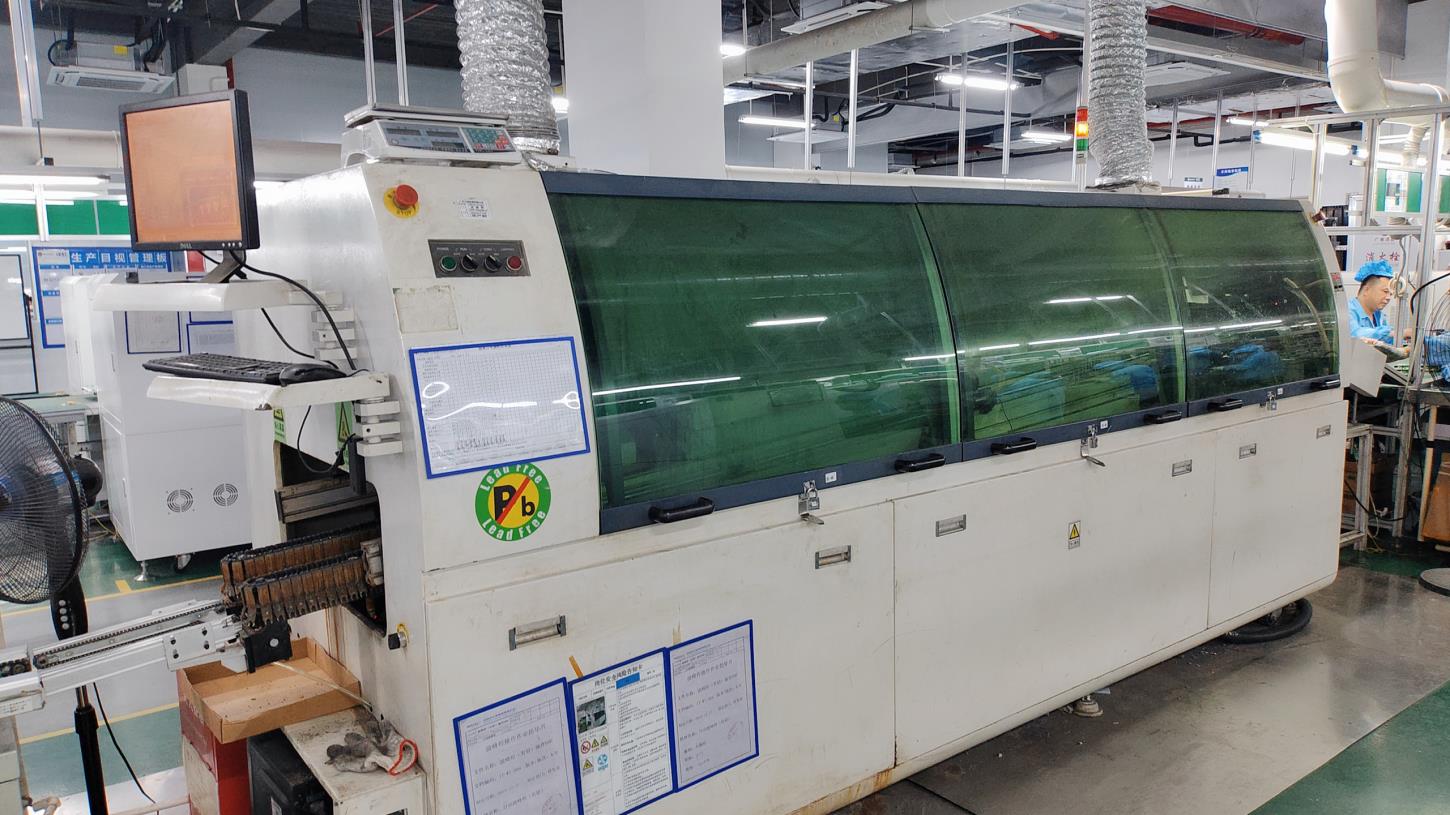
Inside Aryam Energy's advanced production environment, showing how automated manufacturing delivers high accuracy and consistent quality.
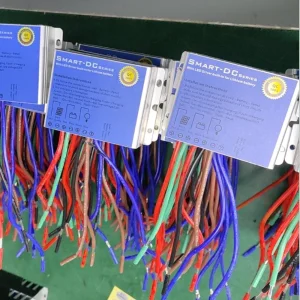
Aryam Energy’s production systems are located in China’s advanced industrial manufacturing hub. Our facility leverages high-speed automation and precise quality control protocols. Our factory operates automated SMT lines, wave soldering machines, and automated electrical testers to ensure every circuit board, battery management system (BMS), and solar controller meets demanding design parameters.
By using automated processes for surface mounting, casing assembly, and final systems testing, we prevent human errors and deliver highly reliable products. This robust manufacturing setup allows us to keep production cycles short while maintaining strict quality standards across all OEM orders.
How our solar integration systems provide reliable solutions in the world’s most challenging environments.
Remote locations often lack clean utility lines. Solar-powered filtration setups powered by 200Ah battery banks provide clean water to small villages, reducing the risk of waterborne illnesses without needing grid connectivity.
When earthquakes or storms disable local water grids, mobile solar systems with integrated lithium batteries can be deployed quickly. These units process local surface water into clean drinking water immediately.
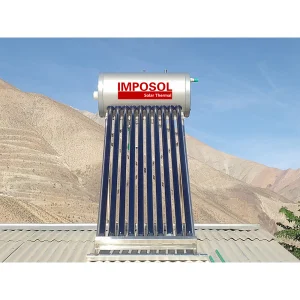
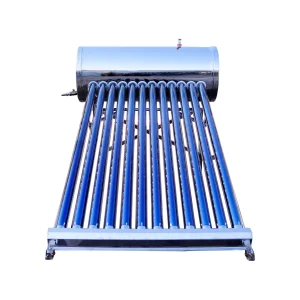
Eco-resorts and off-grid lodges use solar water heaters and purification systems to keep their carbon footprints low, ensuring a reliable supply of hot, clean water without relying on diesel generators.
In addition to small-scale deployments, commercial operations such as agricultural sites and food processing plants use solar-powered water filtration to ensure consistent operations. By installing reliable solar storage batteries, operators can run water pumps and UV treatment units throughout the night, reducing peak-hour energy costs and avoiding municipal water supply shutdowns.
Technical insights on design specifications, system integration, and purchasing options for volume buyers.
The typical production timeline ranges from 25 to 35 days, depending on the custom component configuration. This schedule includes assembly line processes, SMT placement, and a mandatory 48-hour high-temperature aging test for quality assurance.
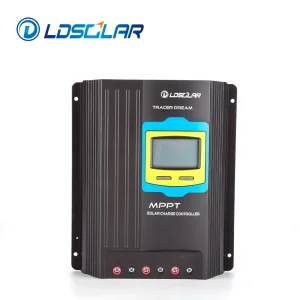
MPPT (Maximum Power Point Tracking) controllers track the solar panel's operating voltage in real-time, matching it to the changing weather conditions. This tracking provides up to 30% higher power output compared to older PWM controllers, allowing water pumps to maintain consistent filtration rates even under light cloud cover.
Lithium Iron Phosphate (LiFePO4) chemistry offers significant longevity and performance advantages. They support up to 6000 cycles at 80% Depth of Discharge (compared to only 500 cycles for lead-acid), can handle faster charge times, and maintain a constant power discharge. This stability is critical for sensitive water filtration systems and reduces replacement costs over time.
Every system goes through a strict multi-step testing process. This includes automated optical inspection (AOI) of PCBs, high-load test simulations to check electrical safety under pressure, and automated water-exposure tests for all IP65/IP67 rated enclosures.
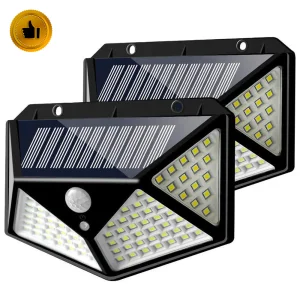
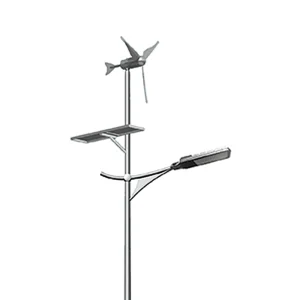
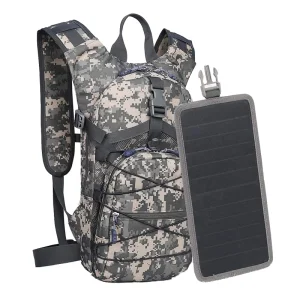
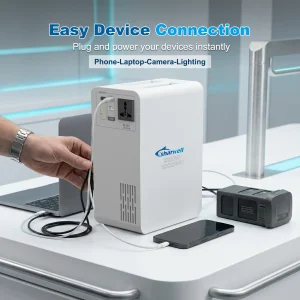
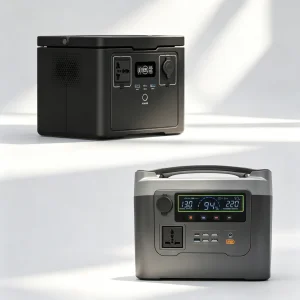
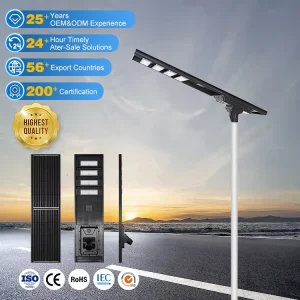
Further power control systems, outdoor kits, solar lighting systems, and high-efficiency portable stations to support your off-grid setups.
 Aryam Energy