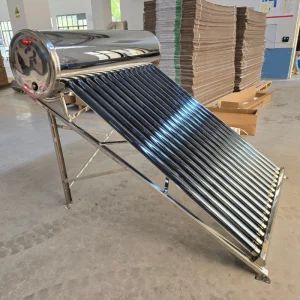
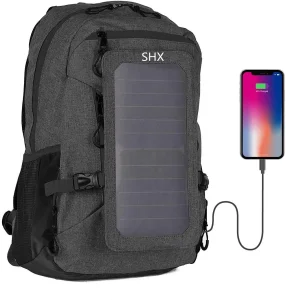
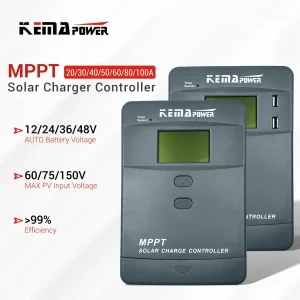
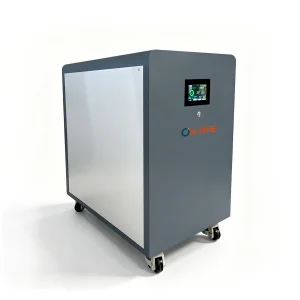
Core hardware assets integrated within advanced solar power design frameworks for global industrial, commercial, and off-grid implementations.
The modern renewable energy industry is undergoing a digital and physical revolution. Historically, solar array layout planning, shadow analysis, and balance of system (BoS) component selection were treated as fragmented tasks. Engineers depended on offline desktop CAD platforms that separated hardware performance from layout planning. Today, Solar Power Design Tools are shifting toward unified digital twin ecosystems. By leveraging machine learning (ML), high-fidelity geographical mapping, and real-time operational simulation, modern planning systems allow engineering teams to model energy outputs with unprecedented accuracy.
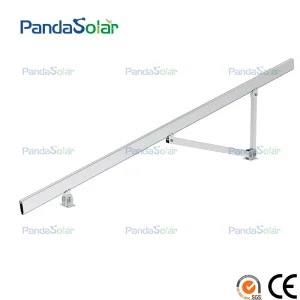
A crucial factor in this evolution is the transition from standalone software to design systems that are deeply integrated with actual manufacturing parameters. Leading EPC (Engineering, Procurement, and Construction) companies no longer just design layouts; they build models linked directly to the physical specifications of MPPT controllers, mounting structures, and energy storage configurations. Consequently, factories in China are transforming to support this integration by providing digitized product datasets (such as electrical profiles, thermal coefficients, and mechanical parameters) directly in formats compatible with leading solar design tools.
"Integrating precise mechanical profiles of aluminum mounting components or ground screw structures into design software allows engineers to reduce structural margins, saving up to 15% in structural costs while maintaining strict safety standards under high wind loads."
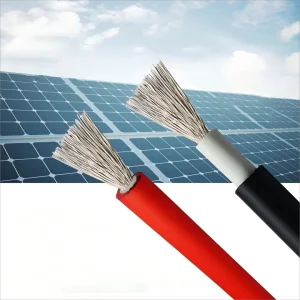
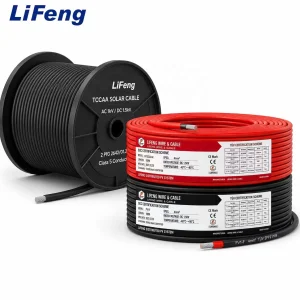
Modern design software is increasingly cloud-based, offering real-time collaboration across remote engineering teams. Algorithms are now capable of automated topological routing, calculating optimal electrical layouts for high-voltage DC circuits while minimizing line losses. This advancement has driven high demand for specialized materials like XLPE insulated tinned copper PV cables, which must be rated correctly within the software parameters to guarantee system longevity under extreme thermal stressors. By simulating varying environmental scenarios, designers can select the optimal cable dimensions (e.g., 4mm², 6mm², or 10mm²) to match predicted voltage drops and maximize system performance.
As corporate entities, utility organizations, and municipal authorities commit to ambitious decarbonization targets, their procurement needs have shifted from individual components to completely integrated, pre-validated systems. In this context, sourcing platforms and EPC companies are looking for China-based solar power design tools factories that can deliver both software assets (custom layout design parameters, performance algorithms) and high-quality, physical hardware. A primary goal is reducing the levelized cost of energy (LCOE) by eliminating supply chain mismatches between software models and physical products.
Quality assurance represents another critical demand. Procurement managers need products that comply with strict international regulatory standards, such as IEC 61215, UL 1703, and CE certifications. Suppliers must prove that their physical manufacturing lines run with rigorous, multi-point inspection protocols, minimizing field failures and ensuring that system behaviors accurately reflect digital twin projections.
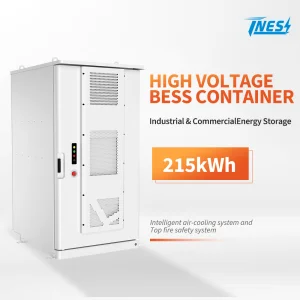
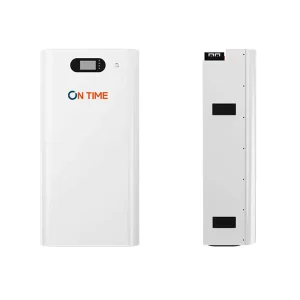
Procurement teams require a broad range of products to address diverse installation contexts, including utility-scale commercial setups, portable systems, and residential projects. For example, large projects depend on high-voltage commercial storage units, such as 215kWh air-cooled energy storage systems, which demand high structural integrity and advanced battery management systems (BMS). On the other hand, remote installations, field operations, and domestic projects need mobile, agile solutions like 32kWh portable lithium battery power carts. Recognizing and planning for this diversity is essential to designing and delivering resilient, fit-for-purpose energy solutions.
Providing clear technical value, strict quality verification, and reliable engineering solutions to ensure your clean energy investments deliver optimal returns.
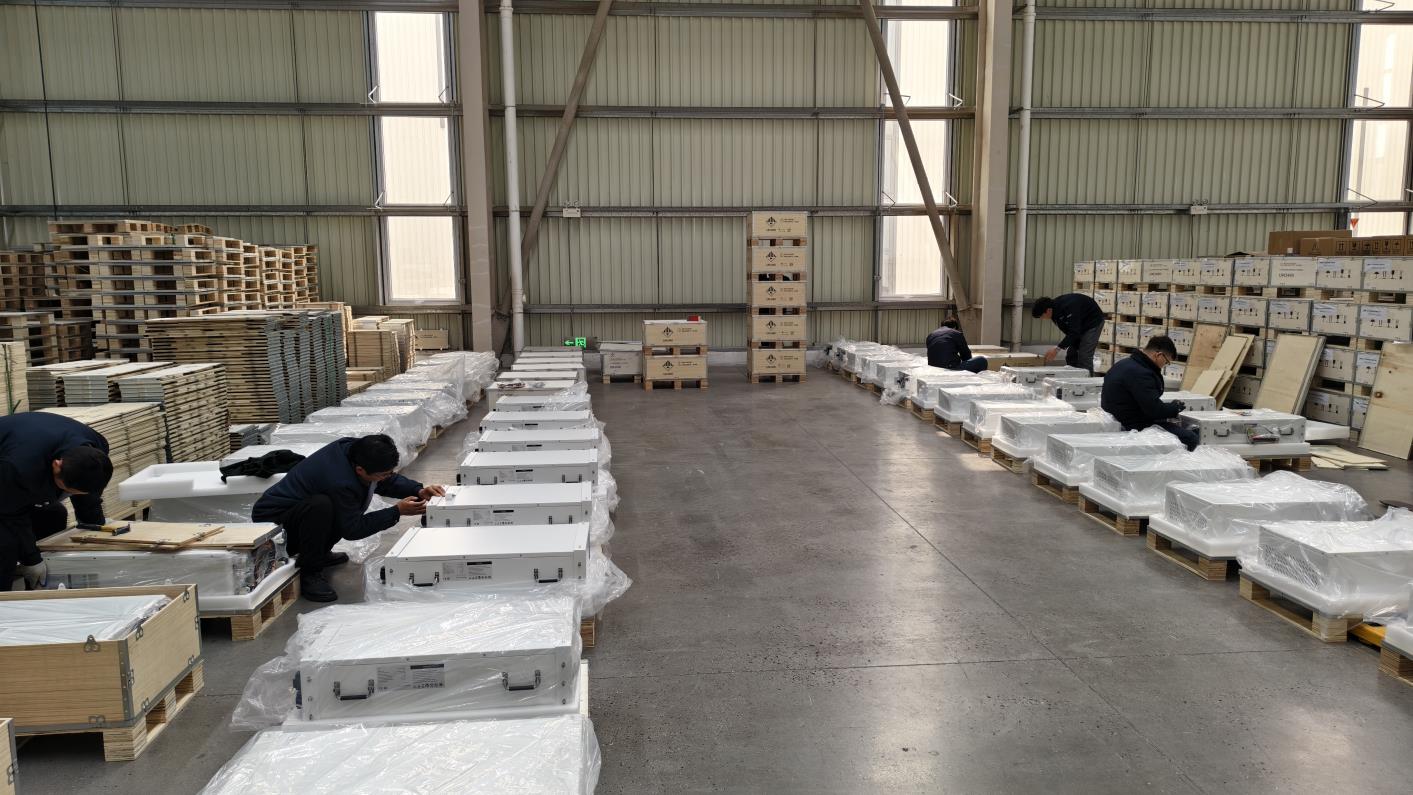
We source premium raw materials and execute multi-point testing protocols to ensure all components, from aluminum frames to high-efficiency PV cables, meet demanding international standards.
Our professional R&D team designs flexible, high-efficiency solar solutions, optimizing product architectures to maximize energy capture and simplify on-site installation.
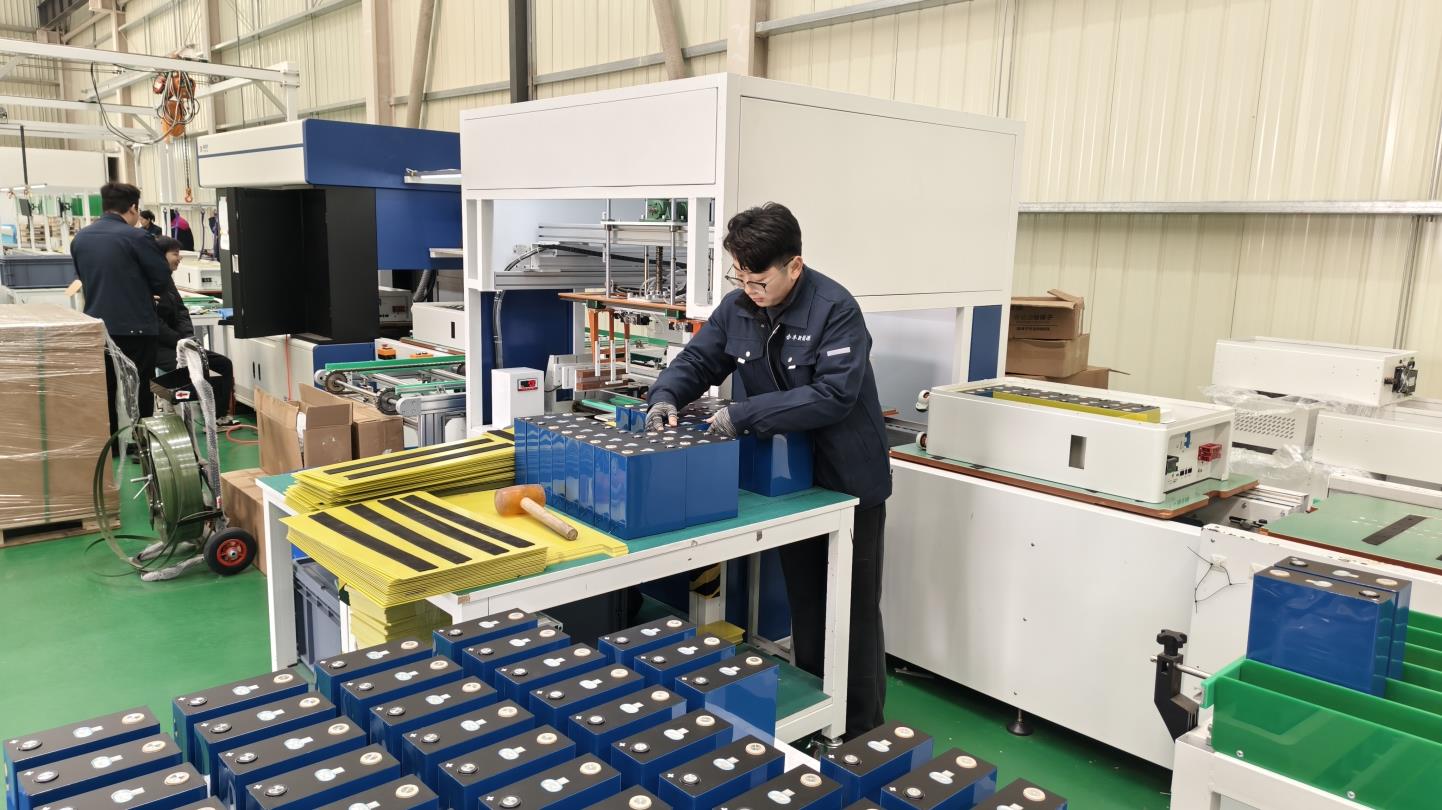
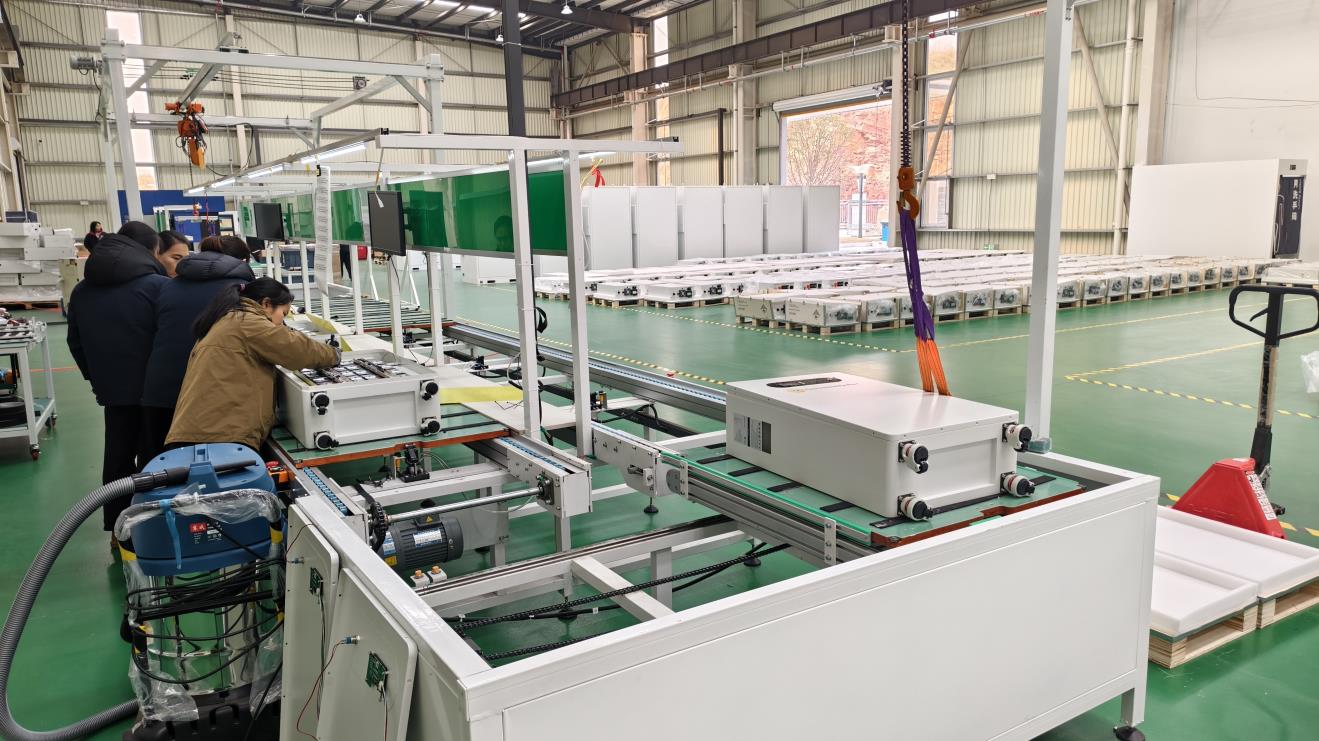
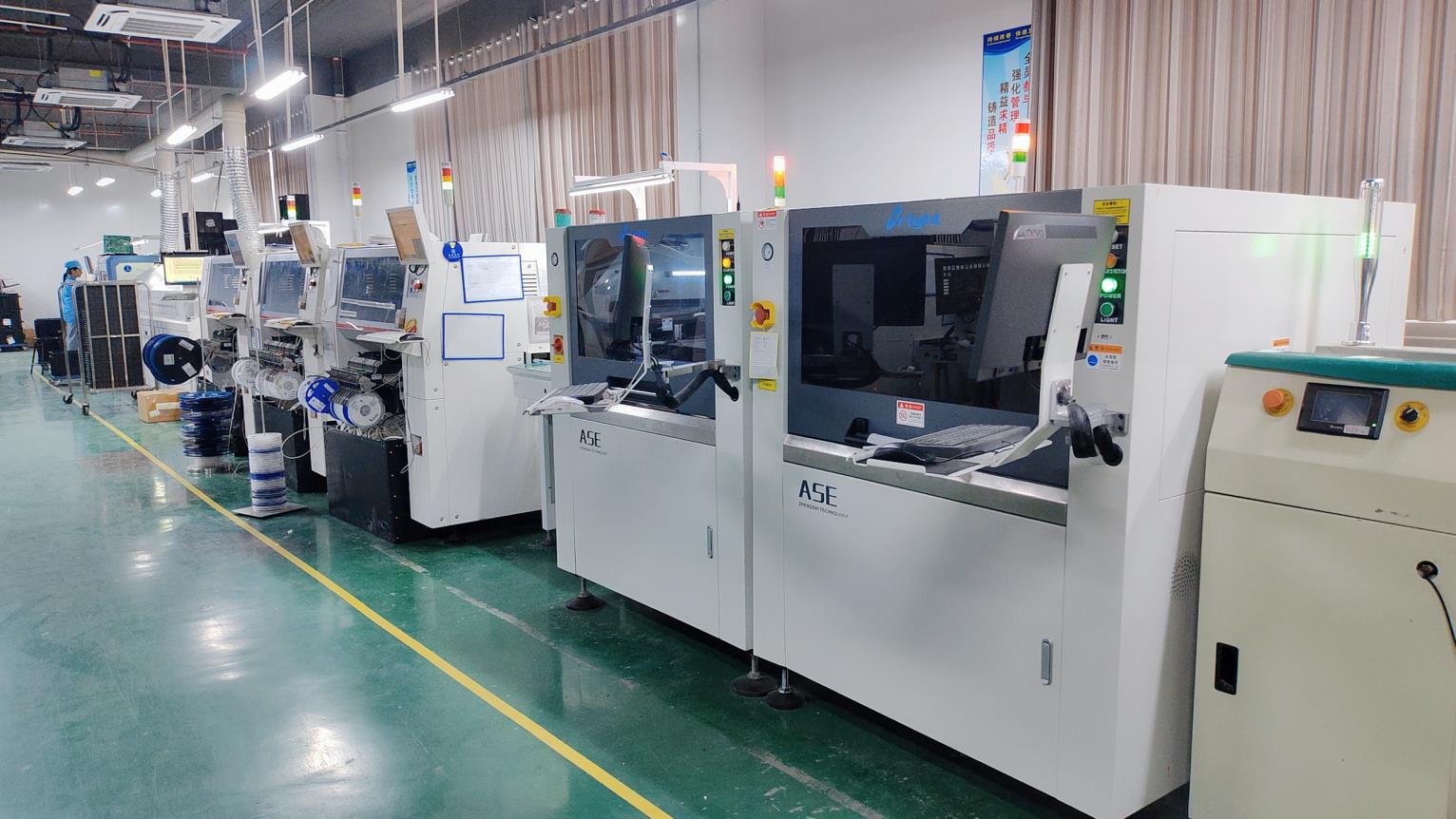
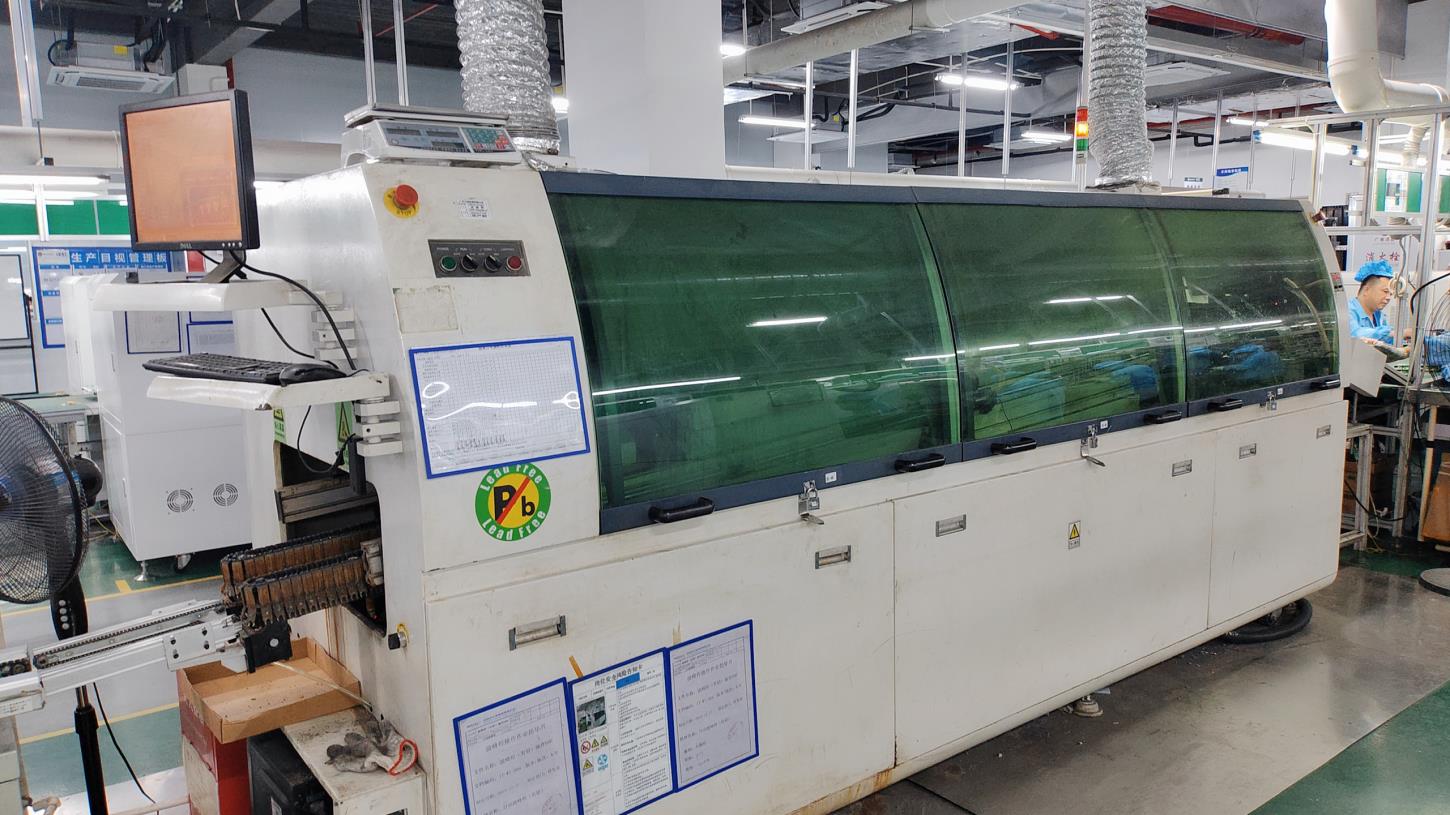
We leverage automated SMT lines, wave soldering machines, and computerized testing setups to deliver consistent, precision-engineered products with high-volume capacity.
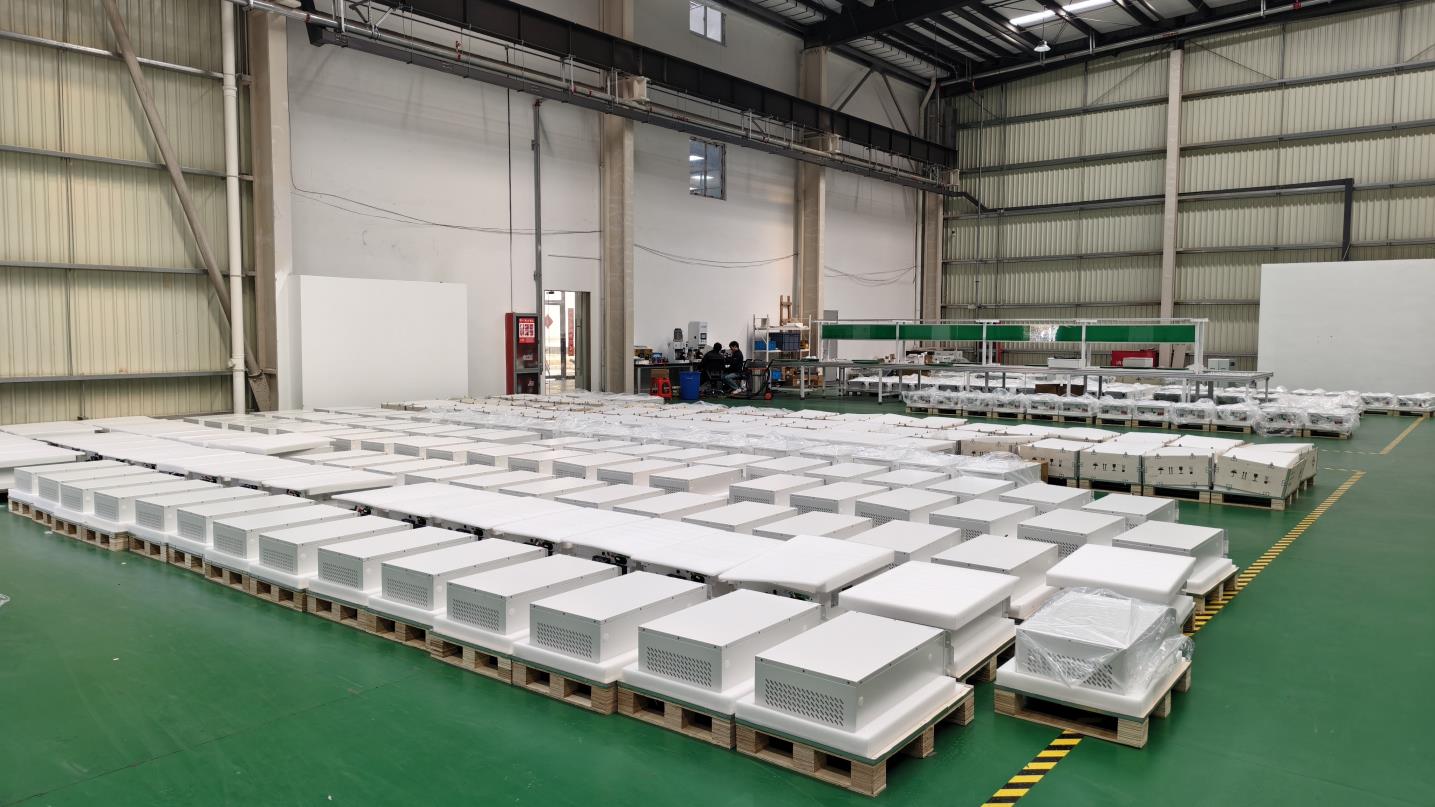
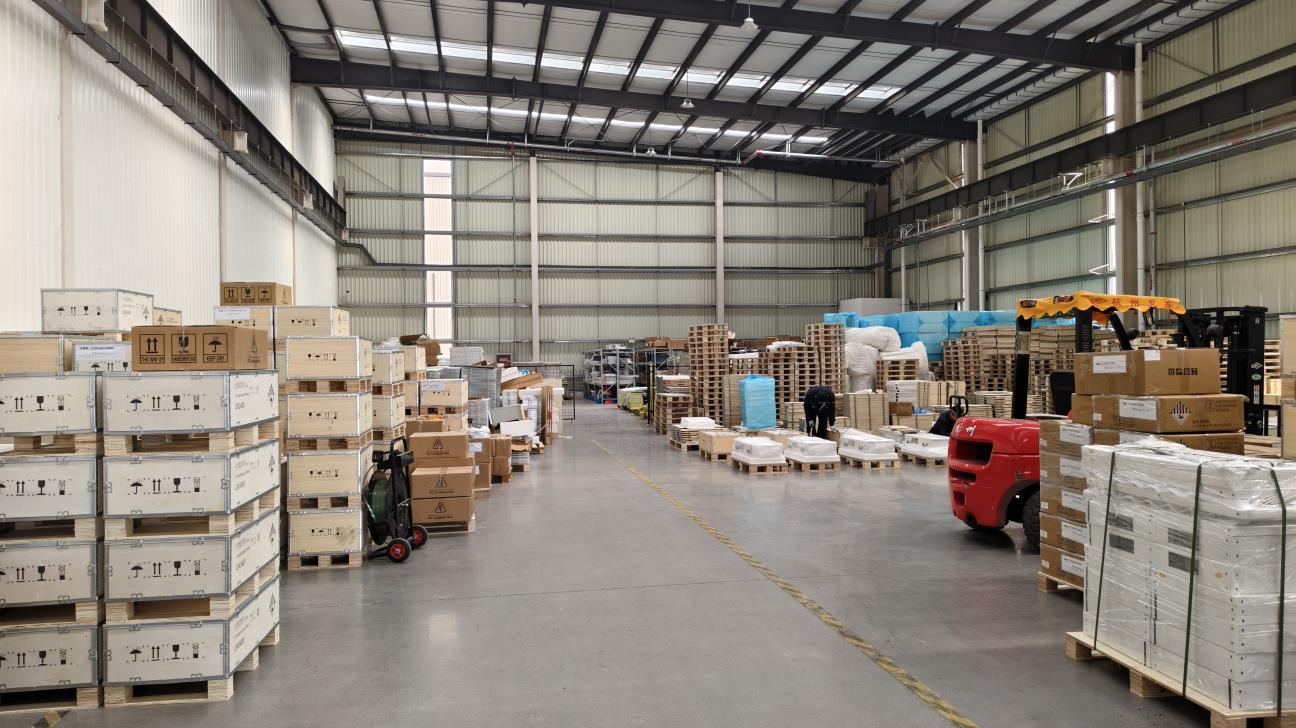
At the center of China's dominance in the solar equipment manufacturing space is the transition to Industry 4.0 Smart Factories. Rather than functioning as simple assembly plants, modern factories operate as integrated networks. Every manufacturing phase—from incoming raw materials to final validation—is tracked using advanced Manufacturing Execution Systems (MES) and ERP databases.
As a leading provider in this field, Anhui Aryam Energy Co., Ltd. stands out by delivering advanced, reliable clean energy technologies for residential, commercial, industrial, and utility projects worldwide. Through constant innovation and a dedication to clean energy development, Aryam Energy has earned a reputation as a trusted partner in the transition to sustainable power. The company focuses on the research, development, and manufacturing of solar energy systems, energy storage solutions, hybrid power configurations, and intelligent microgrids. With a professional R&D team and a strong portfolio of proprietary technologies, the company continuously improves system performance, energy efficiency, and long-term reliability.
Aryam Energy’s products and solutions are engineered to meet strict international standards and have been successfully deployed in more than 100 countries and regions across Asia, Africa, the Middle East, Europe, and Latin America. The portfolio spans solar inverters, lithium battery systems, solar water pumps, microgrid architectures, and custom renewable energy solutions. Driven by a mission of "Empowering Sustainable Energy for a Better Future," Anhui Aryam Energy Co., Ltd. focuses on reducing operational costs, supporting global carbon reduction targets, and creating lasting value for customers.
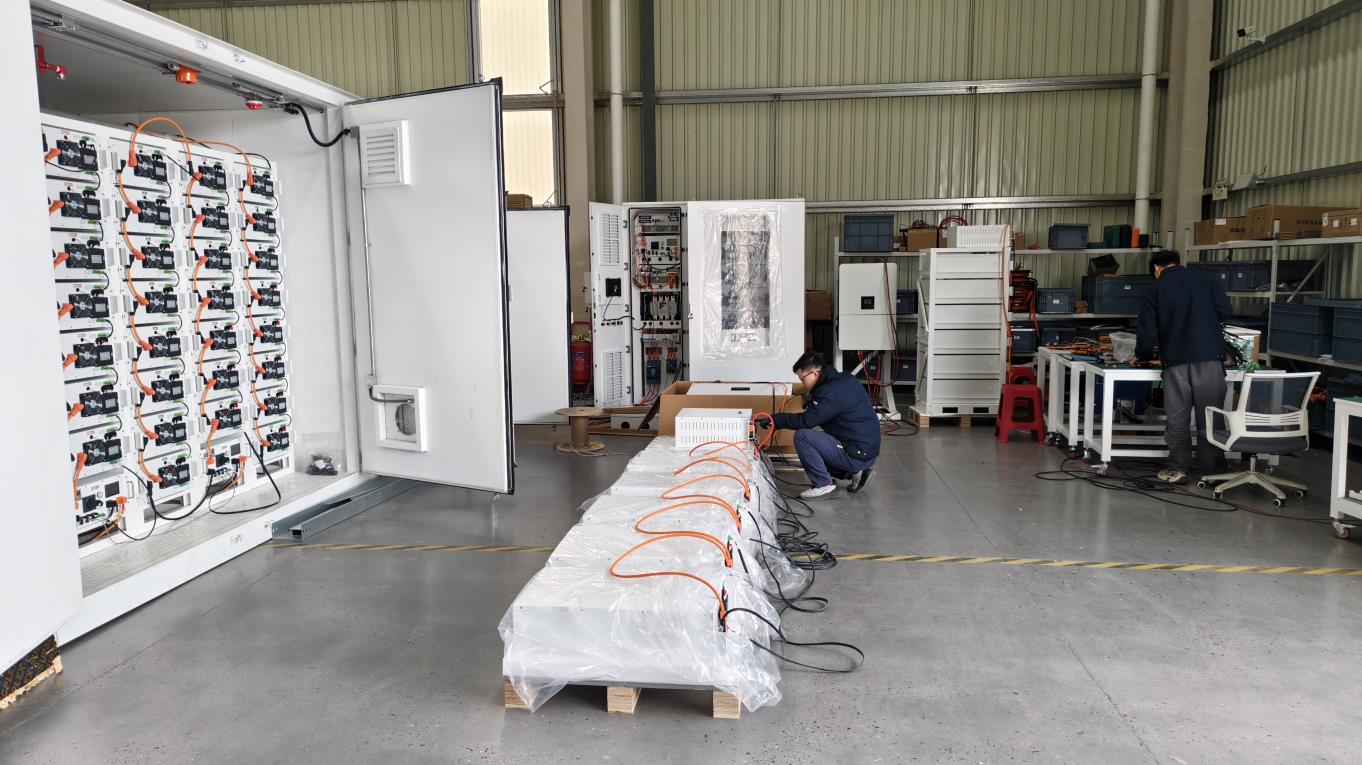
"Our factory mitigates supply chain risks by vertically integrating mechanical processing, precision electronic assembly, and high-voltage testing. This minimizes vendor dependencies and ensures high quality control across all production stages."
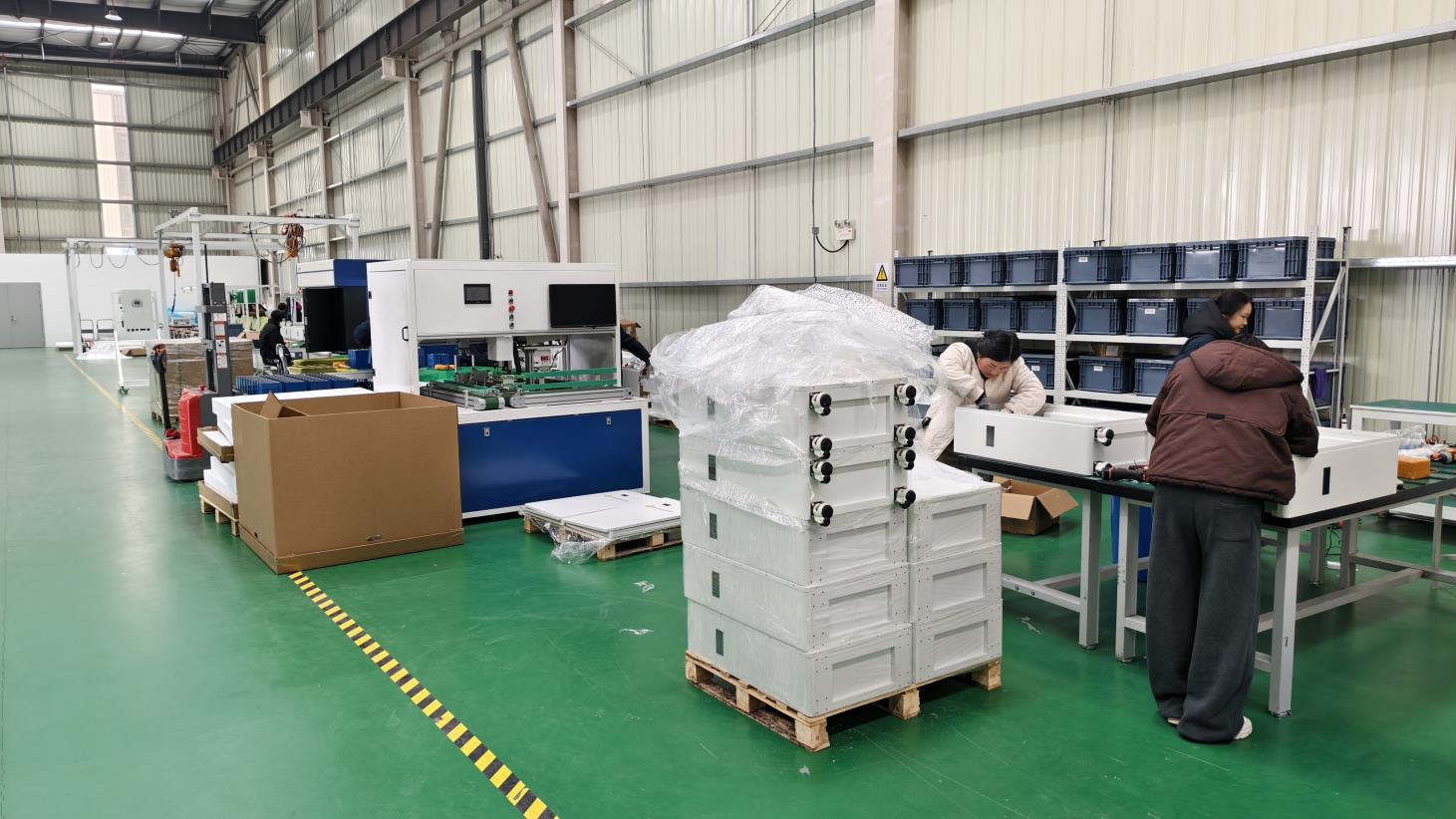
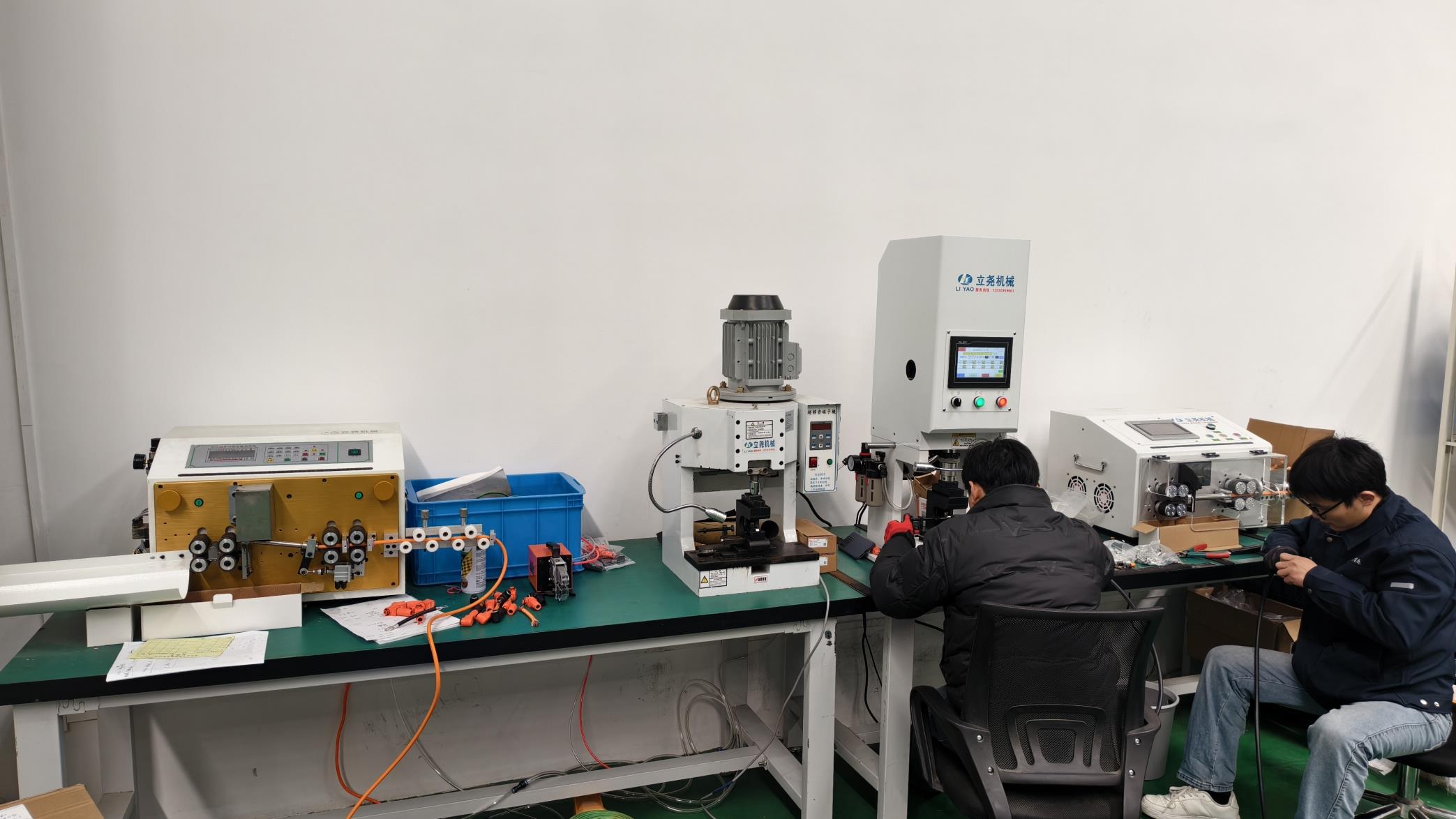
Modern production facilities utilize automated welding, Surface Mount Technology (SMT) lines, and computerized wave soldering. These automated systems reduce errors, ensure reliable thermal profiles on circuit boards, and maintain structural consistency across mounting brackets and charge controllers. By combining structural and electrical engineering under a single quality control standard, our facilities deliver highly reliable, field-ready products.
Take a step inside Anhui Aryam Energy's advanced manufacturing plant to see our quality controls, production lines, and clean energy solutions in action.
Clean energy deployment requires tailoring solutions to local environments. System designers must account for factors like local wind speeds, seismic forces, solar angles, and humidity levels when specifying hardware. A system engineered for hot, humid coastal climates requires very different components than one designed for sub-zero high-altitude settings.
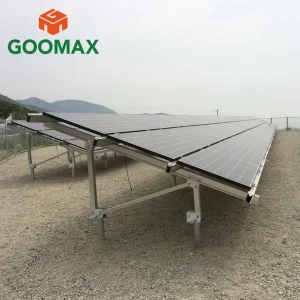
Large ground-mount projects require heavy-duty structural components. In areas with loose soil or uneven terrain, engineering designs specify systems like durable ground screw mounting brackets. Using ground screws instead of traditional concrete foundations shortens installation times, reduces environmental disruption, and lowers site-preparation costs. Designing these layouts in digital tools allows engineers to optimize spacing, minimize shading losses, and plan cable routes effectively to keep voltage losses under 1%.
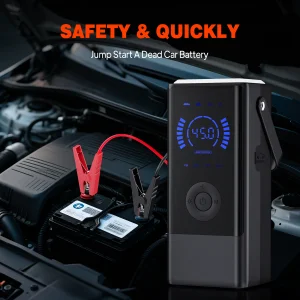
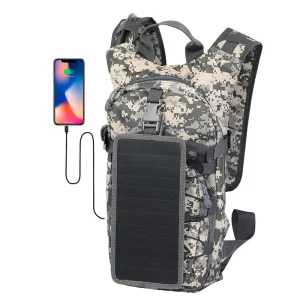
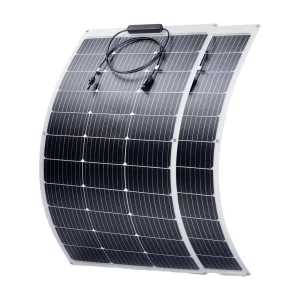
For operations located far from the main grid—such as field research, mining, or agricultural outposts—reliable power is critical. These sites rely on heavy-duty, portable setups like 32kWh mobile lithium power carts. Having integrated power systems allows field crews to quickly set up operations with minimal configuration. In these remote locations, designers often pair portable storage with highly efficient flexible monocrystalline panels, which provide high output and can be easily installed on temporary shelters or vehicles.
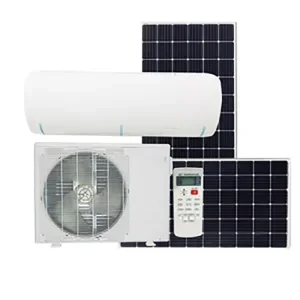
Urban commercial buildings often face space constraints and fluctuating electrical loads. In these settings, engineers commonly use hybrid configurations, integrating grid power, solar arrays, and energy storage with high-efficiency heating and cooling, such as hybrid DC solar air conditioners. These systems optimize energy consumption by using solar power directly during peak cooling hours, reducing overall demand on the local grid and lowering utility bills.
High-durability cabling, portable units, and system accessories designed to ensure clean energy installations perform reliably in the field.
Providing clear, expert answers to common queries regarding solar power system designs, component compatibility, and manufacturing specs.
Design software uses localized environmental variables, system voltage targets, and layout parameters to calculate voltage drops across DC paths. This data helps engineers choose the correct cabling specifications—such as cross-sectional areas of 4mm², 6mm², or 10mm²—and determine whether standard tinned copper or insulated XLPE configurations are best suited to prevent energy losses.
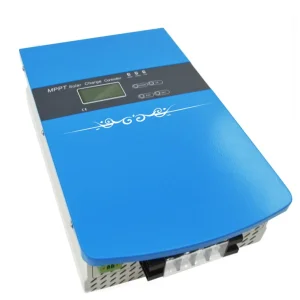
Maximum Power Point Tracking (MPPT) controllers continuously monitor the voltage and current output of PV panels to ensure the system operates at its peak power point. Compared to standard Pulse Width Modulation (PWM) systems, MPPT controllers can improve power harvest efficiency by 20% to 30%, which is essential for large-scale energy storage and battery management.
Ground screws provide a fast, secure foundation that can be installed in a variety of soil conditions. They eliminate the need for excavation and concrete curing, which reduces site preparation times. Additionally, ground screw installations cause minimal site disruption and are easy to remove or relocate if the system needs to be updated.
Anhui Aryam Energy Co., Ltd. applies strict quality control protocols at each phase of production. We use automated optical inspection during SMT component placement, conduct structural strength tests on mounting brackets, perform thermal profiling during wave soldering, and execute high-voltage insulation tests on our completed energy storage and battery systems.
Yes, our physical components and integrated hardware are engineered to meet global compliance rules, including IEC, UL, and CE certifications. By aligning our physical product tolerances with standard design tools, we help ensure your projects comply with local grid connection requirements and performance benchmarks.
 Aryam Energy