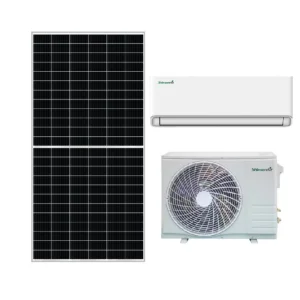
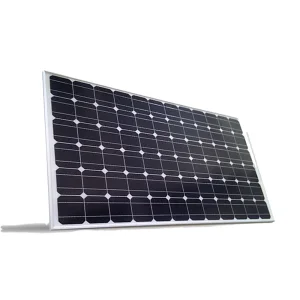
Direct from Anhui Aryam Energy Co., Ltd. — Engineered for operational stability, vibration resistance, and peak energy conversion in the field.
An authoritative breakdown of shifting user expectations, cell technologies, and the rise of high-voltage mobile architectures.
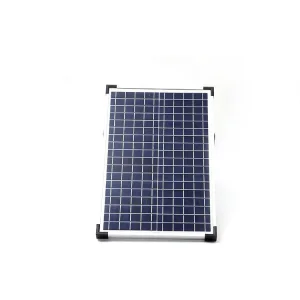
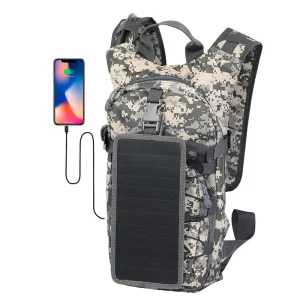
Efficiency density is the critical constraint of mobile PV installations. The physical footprint of an RV roof limits panel area. Consequently, manufacturers are moving away from traditional P-type PERC cells. N-Type Tunnel Oxide Passivated Contact (TOPCon) and Heterojunction (HJT) technologies are becoming the industry standard. These architectures achieve module efficiencies exceeding 22.5% and demonstrate superior temperature coefficients (down to -0.3%/°C). This ensures that even in hot desert boondocking scenarios where roof temperatures can surpass 75°C, power output remains stable, preventing the severe thermal degradation common in older PV systems.
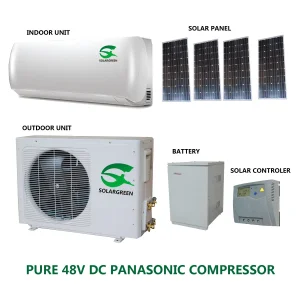
Voltage drops and excessive wire cross-sections represent major hurdles in low-voltage mobile systems. Traditional 12V architectures require massive, heavy copper conductors (often exceeding 00 AWG) to carry power from controllers to batteries without critical resistive losses. Transitioning to 48V systems allows for a 75% reduction in current for the same wattage, permitting thinner, more manageable wiring and significantly lowering overall kit weight. Furthermore, modern RV solar systems feature integrated, multi-source DC-DC charging that aggregates PV generation with vehicle alternator output, optimizing recharge profiles under varying travel conditions.
Analyzing key requirements for industrial distributors, specialty builders, and global fleet operators.
Global B2B procurement professionals face complex compliance, performance, and logistics challenges when sourcing solar kits for RVs. B2B buyers require solutions that offer simplified field installation to reduce labor costs, along with high durability to withstand continuous road vibrations, thermal shock, and exposure to moisture. In regions like North America and the EU, certification compliance is a baseline requirement. Products must satisfy standards such as UL 458 (for power converters in mobile applications), CE, RoHS, and UN38.3 certifications for lithium battery logistics.
"Standardized modular components, plug-and-play MC4/Anderson connectivity, and pre-commissioned battery management systems are no longer options; they are core requirements for minimizing warranty claims and field failure rates."
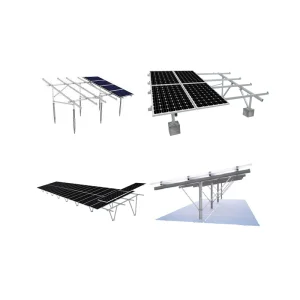
Wholesale buyers also prioritize supply chain transparency and customization capability (OEM/ODM). Suppliers must be able to adapt structural mounts for different RV roof profiles (aerodynamic curved mounts, high-load aluminum racking) and provide custom cable lengths with premium XLPE insulation to prevent dry-rotting. Additionally, smart monitoring integration—such as Bluetooth, CAN bus, and RS485 communication protocols—is increasingly required, allowing fleet management systems to monitor energy levels across hundreds of active mobile units in real time.
How advanced production automation, SMT precision, and rigorous testing guarantee reliability in harsh road environments.
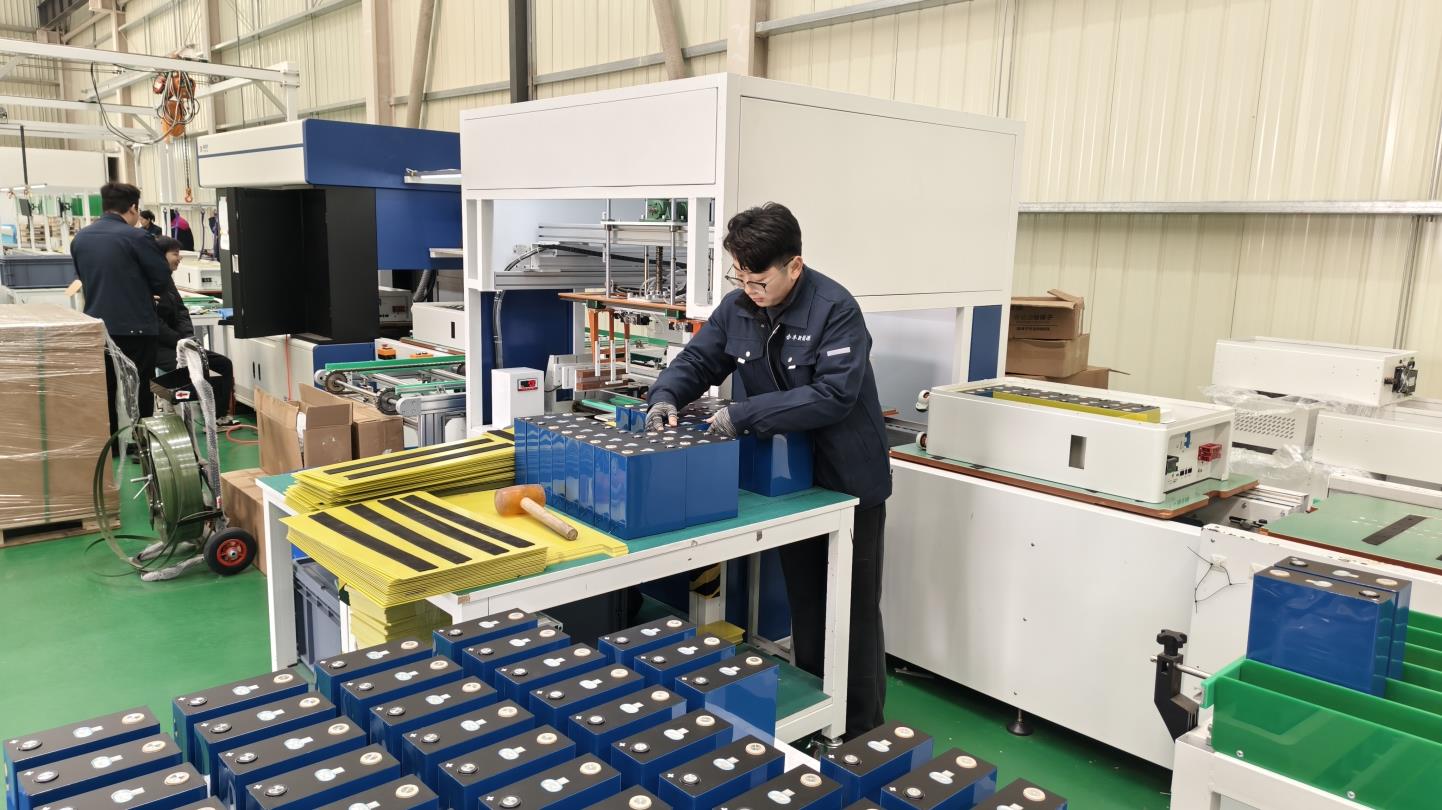
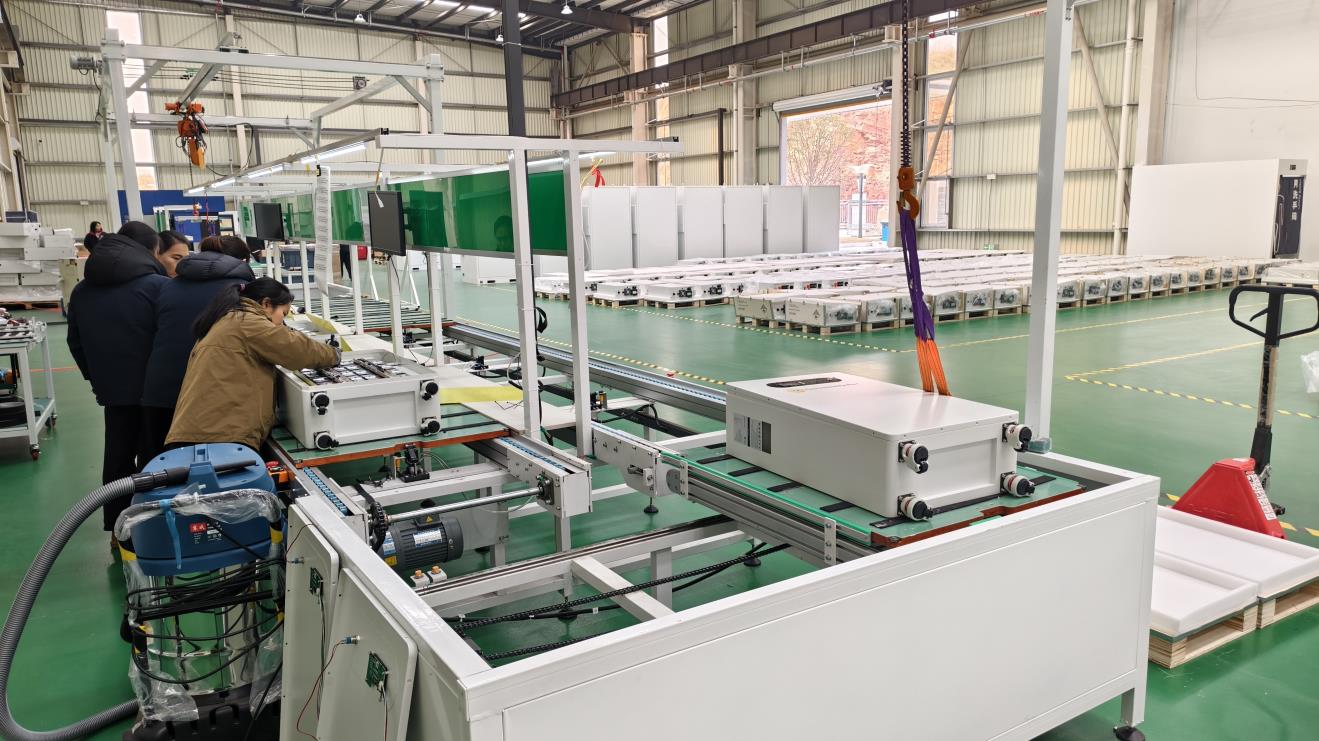
PCB assemblies within MPPT solar controllers and pure sine wave inverters are vulnerable to micro-cracking and solder fatigue caused by low-frequency road vibrations. Advanced manufacturers utilize high-speed SMT lines and automated optical inspection (AOI) to eliminate structural defects. Wave soldering processes are calibrated using real-time thermal profiles, ensuring robust bond joints that resist thermal expansion and contraction cycles.
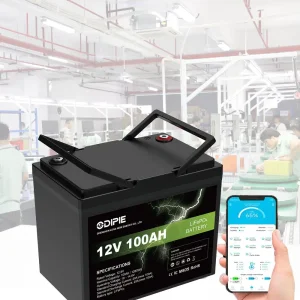
Before leaving the factory floor, every power unit and lithium pack undergoes automated multi-stage testing. This includes high-rate discharge tests, thermal chamber cycling (ranging from -20°C to 60°C), and physical vibration simulation tables that mimic thousands of miles of highway travel. Complete tracing systems track every single cell's internal resistance and capacity profiles, ensuring that multi-cell lithium batteries are balanced and safe for long-term use.
A global clean energy leader delivering advanced, integrated power systems to over 100 countries and regions.
A visual look inside our Factory 4.0 manufacturing processes, showing our advanced assembly and quality assurance workflows.
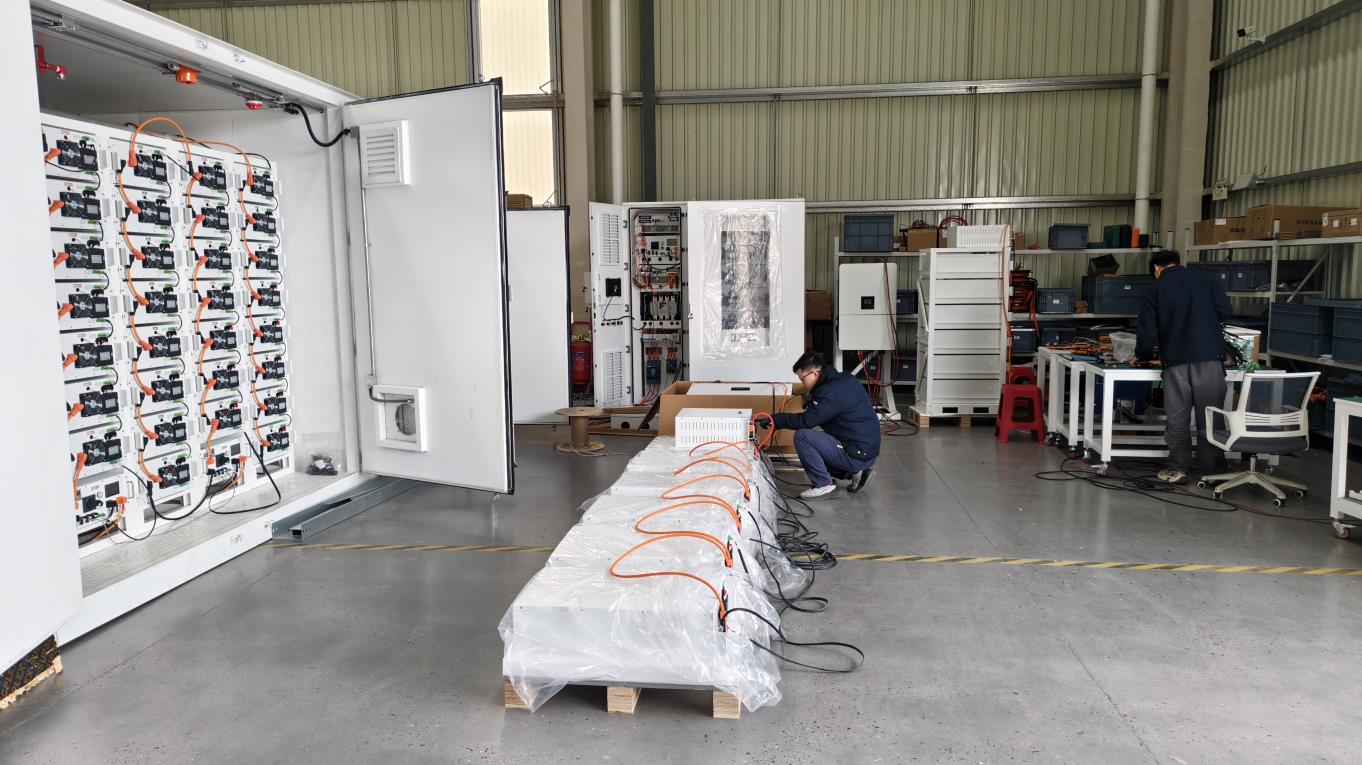
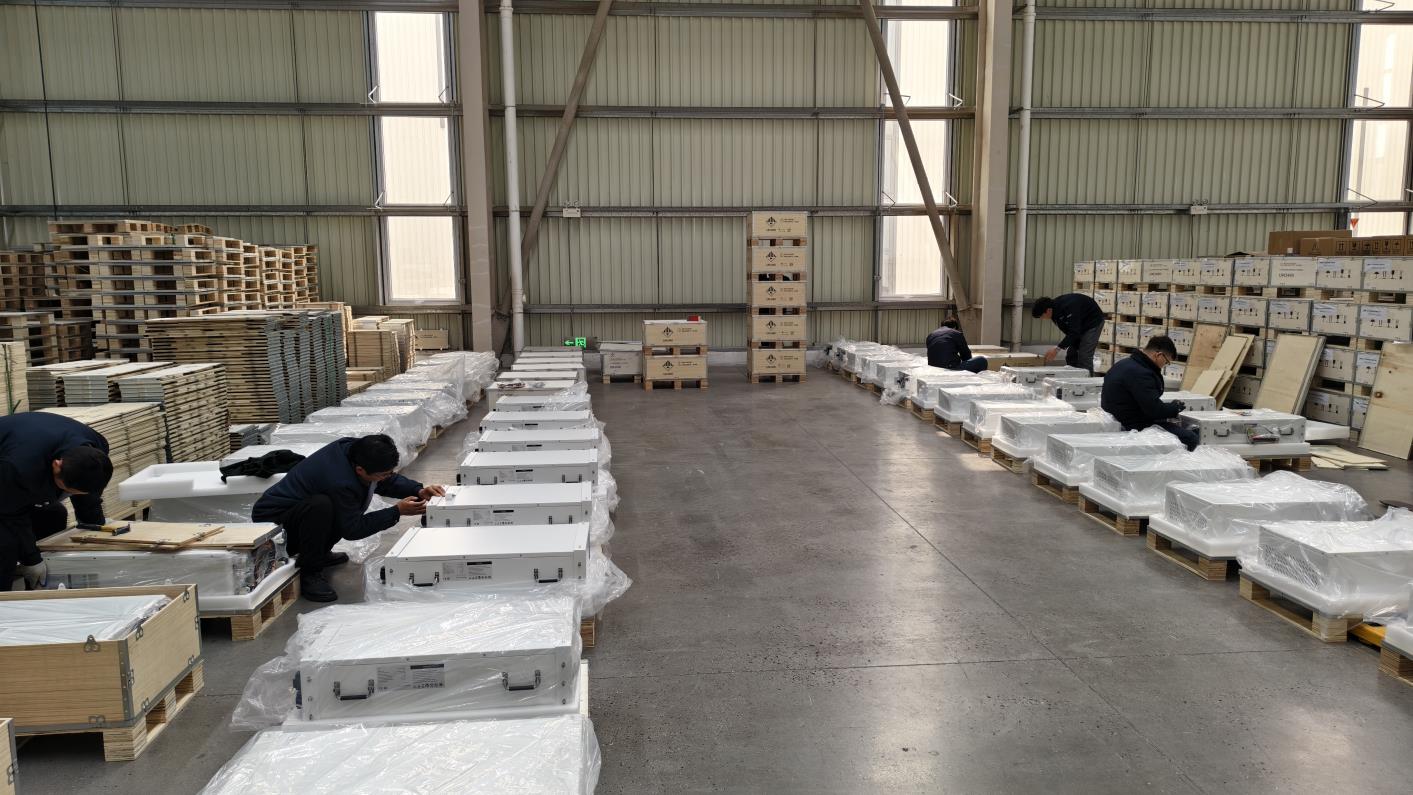
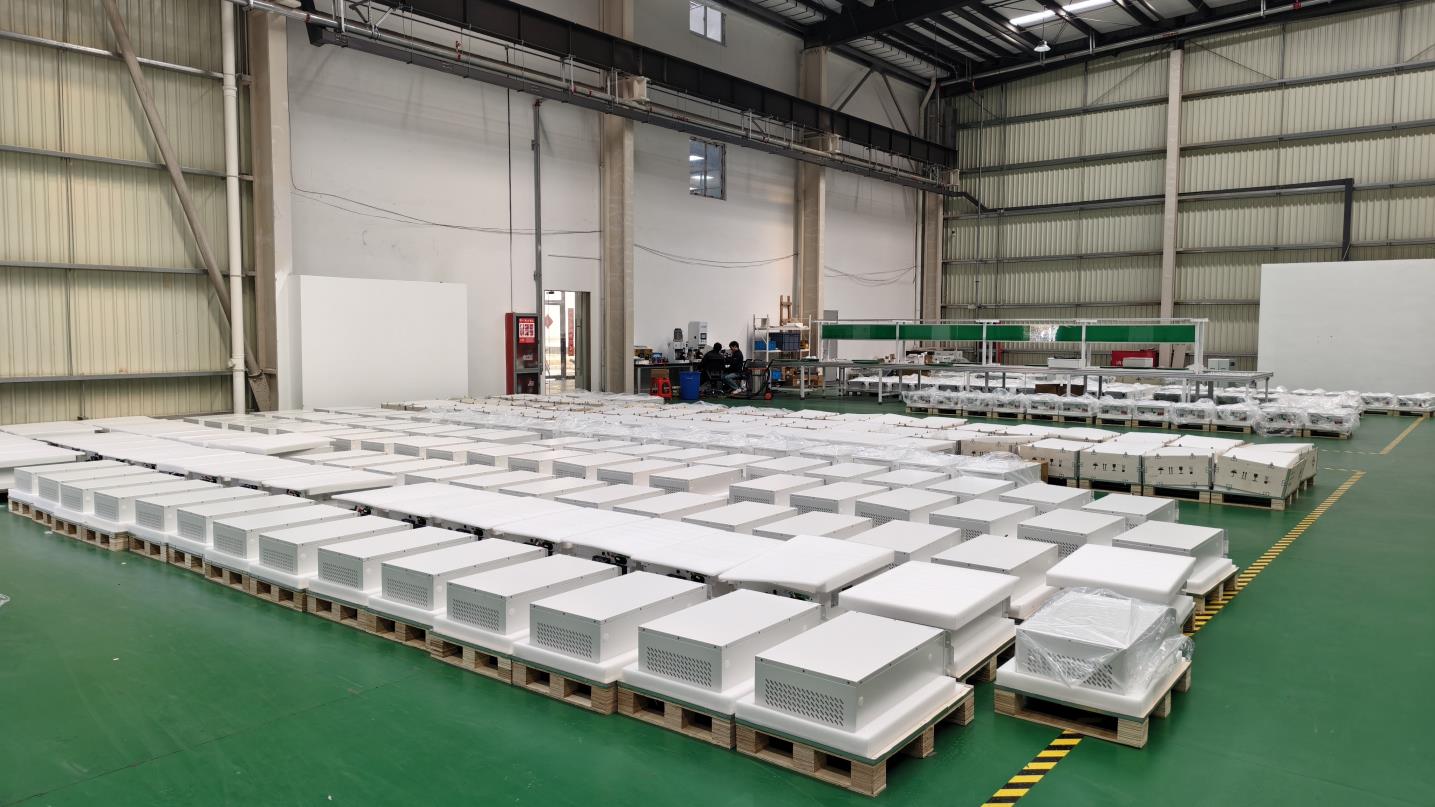
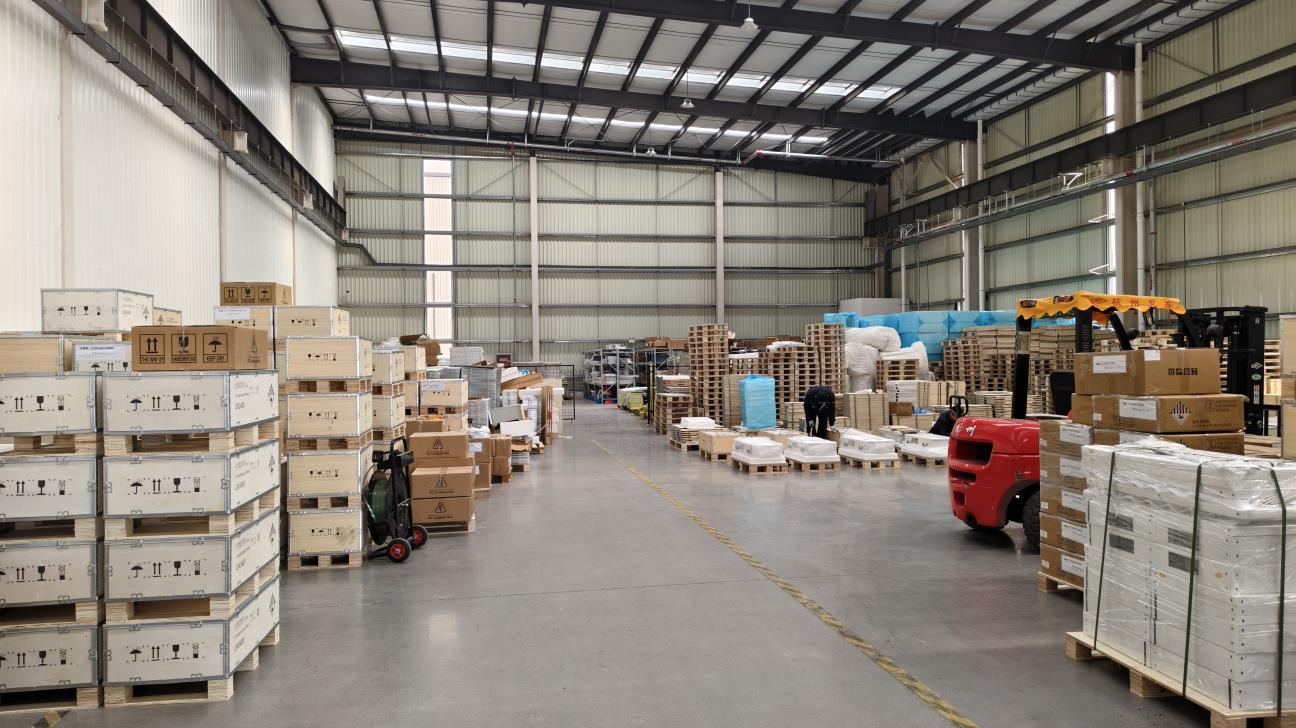
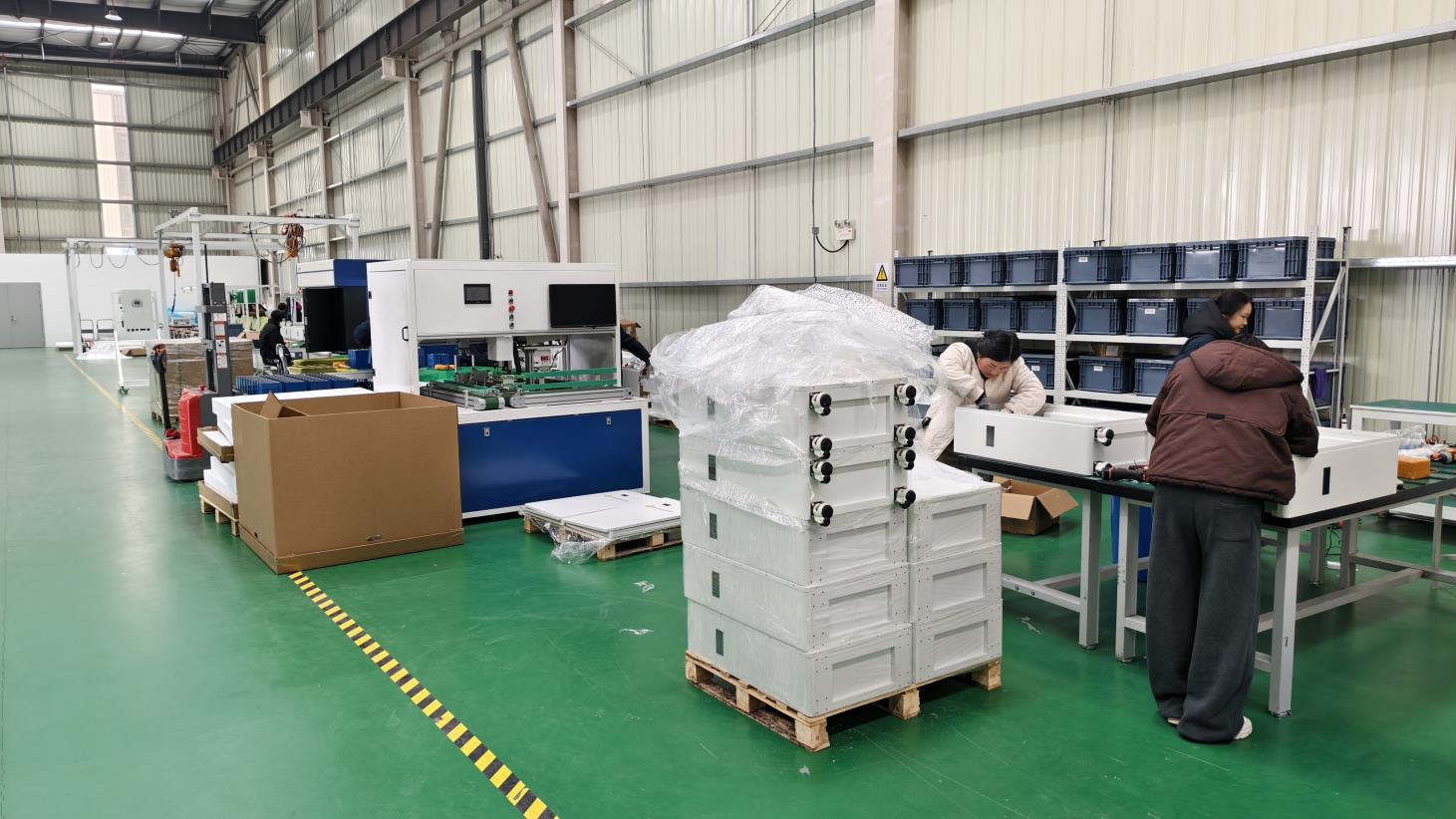
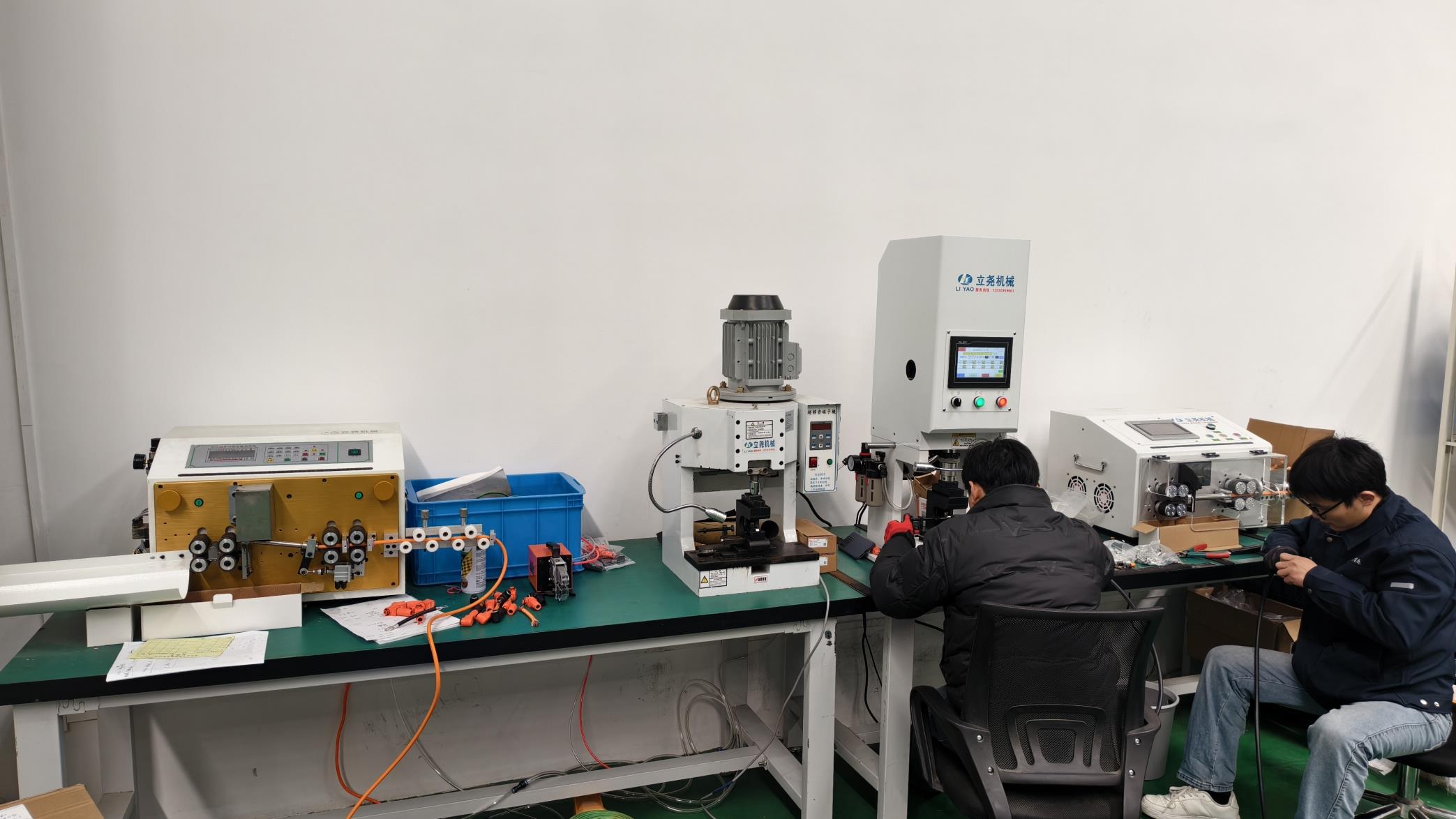
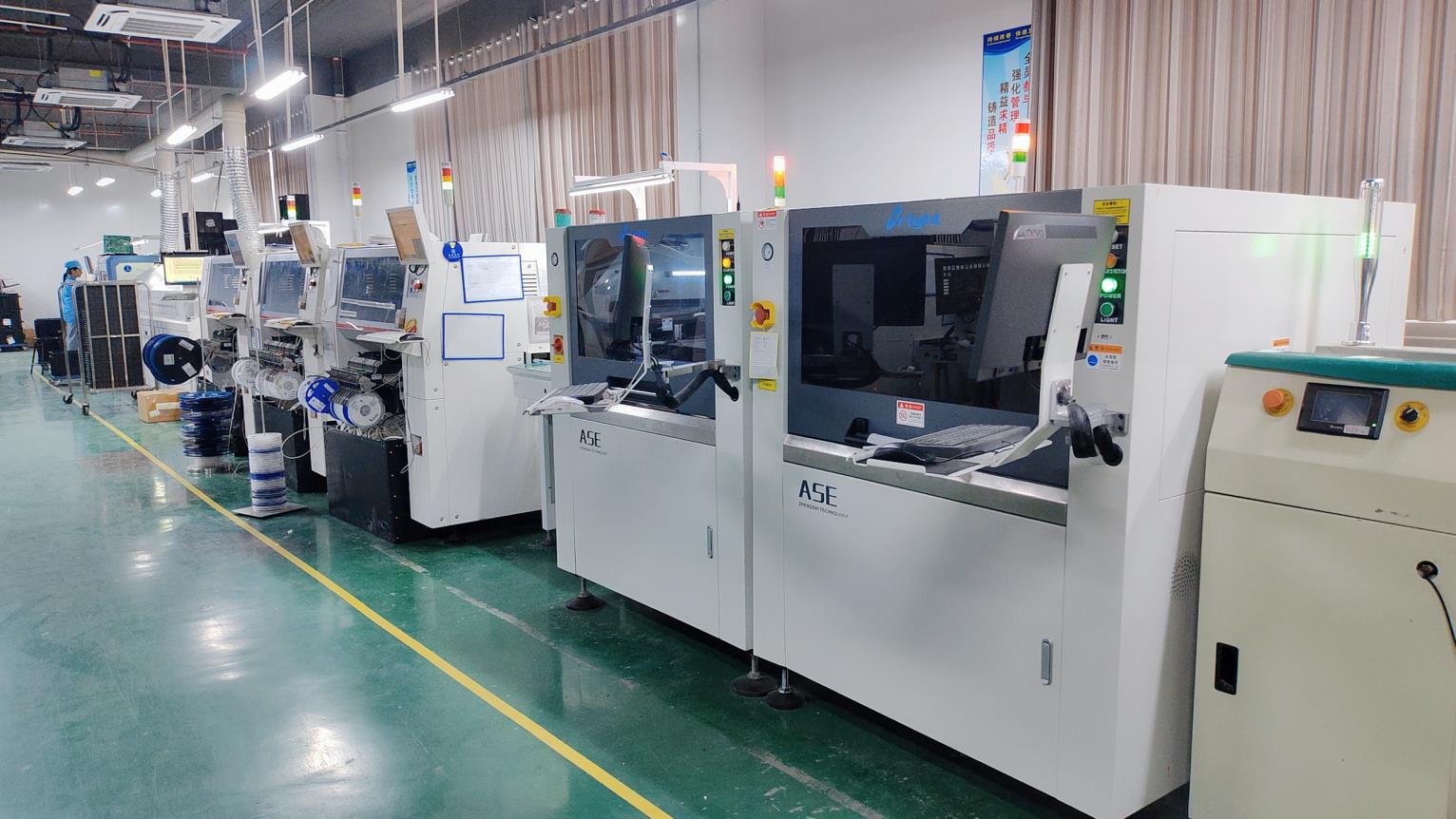
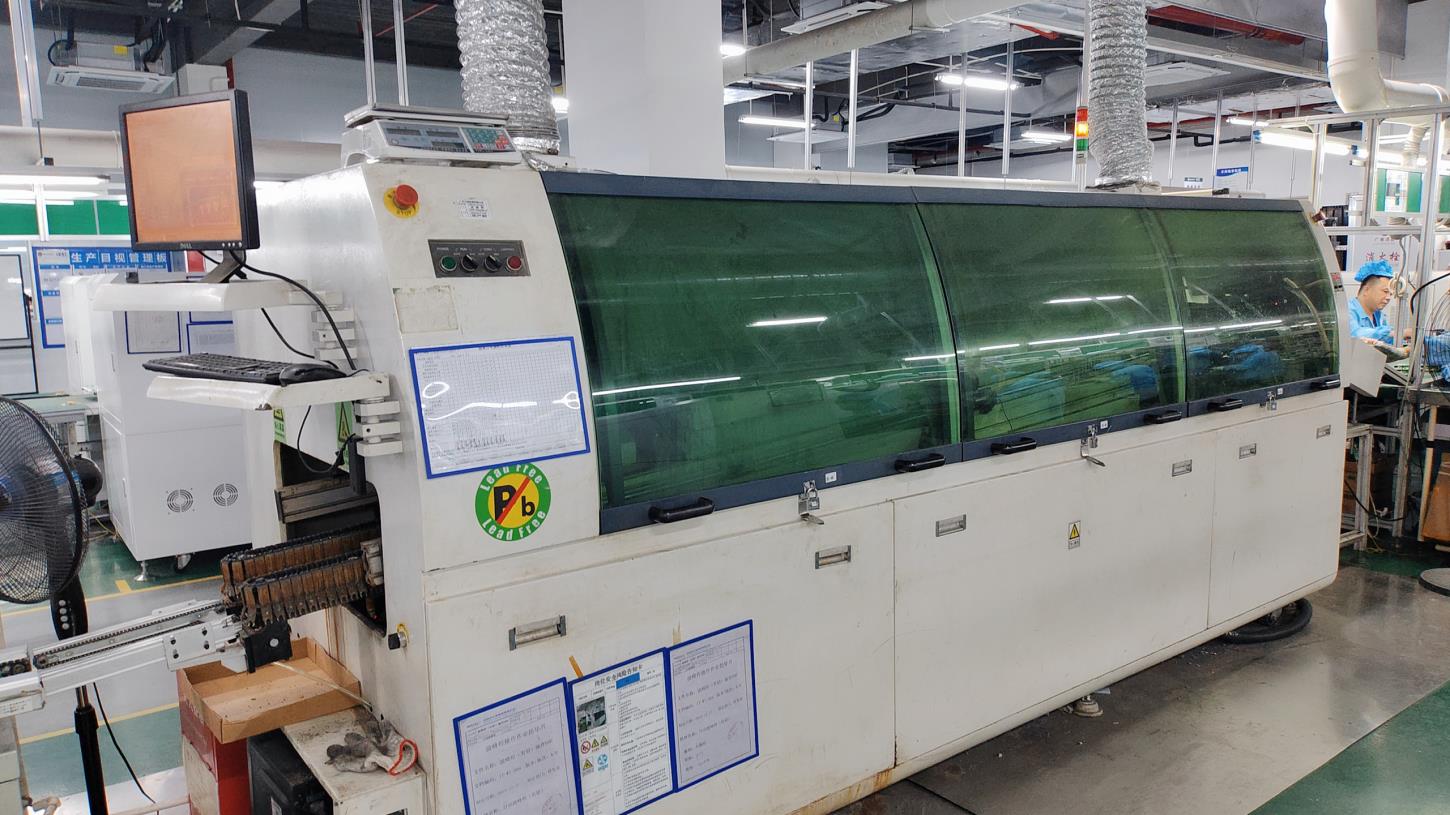
From overlanding down under to industrial fleet logistics, discover how mobile solar adapts to localized climates and operations.
In desert environments such as the American Southwest, the Australian Outback, or parts of the Middle East, solar modules are subjected to extreme thermal environments. In these conditions, standard panels can suffer from significant voltage drop. System designers must specify N-Type cells with low temperature coefficients. Additionally, cooling strategies for under-chassis lithium battery enclosures and thermal ventilation for multi-kilowatt hybrid inverters are critical to maintaining stable operation.
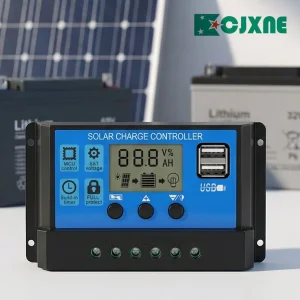
For northern European and Canadian off-grid travelers, low solar angles and frequent overcast days demand high-sensitivity charge controllers. MPPT controllers designed with ultra-fast tracking speeds optimize energy harvest from transient sunlight. Incorporating tilt-adjustable mounting systems allows users to change panel angles relative to the sun, maximizing solar collection in winter.
Beyond recreation, utility vehicles, command units, mobile clinics, and delivery fleets are increasingly adopting heavy-duty solar setups. These commercial applications require high reliable power systems capable of running diagnostic equipment, refrigeration, and communications gear. Industrial-grade off-grid power systems, backed by stable LiFePO4 chemistry and reliable structural racking, provide the energy density and durability needed to keep fleet operations online.
Answering key design, performance, and engineering questions for off-grid RV solar systems.
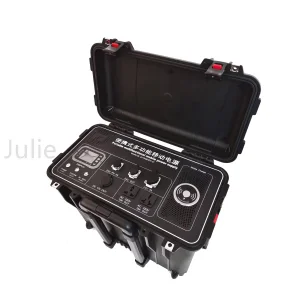
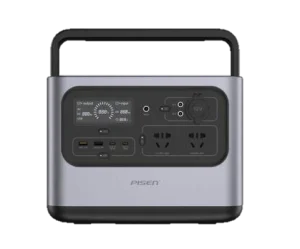
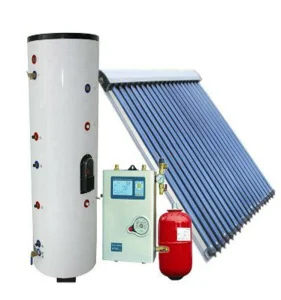
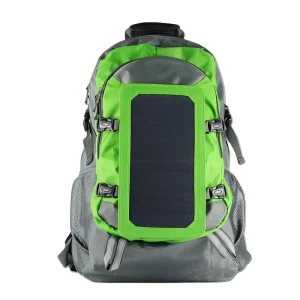
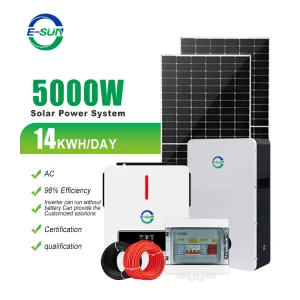
Complete portable systems and heavy-duty hybrid arrays for field work, remote deployment, and disaster recovery.
 Aryam Energy