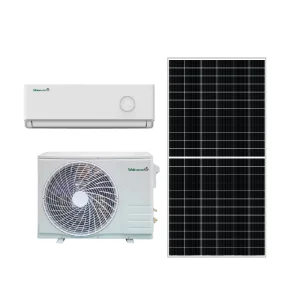
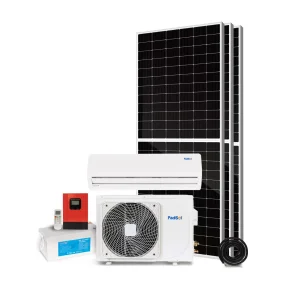
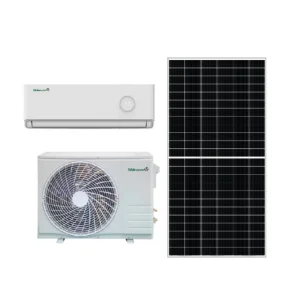
Engineered for high performance under fluctuating seasonal climates. These units combine grid intelligence with optimized direct solar photovoltaic integration.
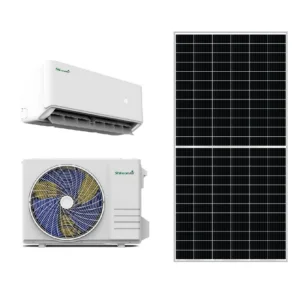
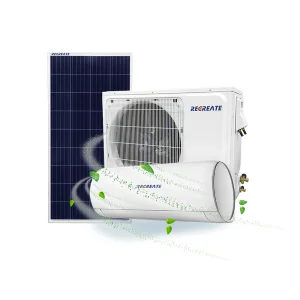
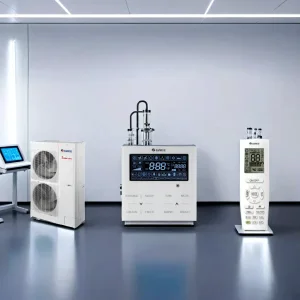
The Philadelphia metropolitan area is undergoing a profound energy transition. Driven by the City’s Climate Action Playbook, which targets carbon neutrality by 2050, commercial and residential properties face mounting pressure to eliminate direct fossil-fuel combustion and lower electricity demand during peak operational hours.
Traditional electric cooling units draw immense power from the PECO grid, resulting in high demand charges during hot, humid summer afternoons. By utilizing solar-powered air conditioners, commercial real estate developers, warehouse operators, and multi-family property owners in Pennsylvania can significantly lower their baseline operating costs.
Additionally, with C-PACE (Commercial Property Assessed Clean Energy) financing fully active in Philadelphia County, local businesses can finance 100% of their solar HVAC upgrades with long-term, low-cost capital tied directly to the property tax assessment.
During Mid-Atlantic heat waves, peak electricity pricing triggers severe demand surcharges. Our hybrid ACDC systems draw power directly from solar arrays when irradiation is highest, which matches peak cooling demand.
Philly’s historic building stock in Old City and Center City requires non-invasive HVAC installation. Split-system DC solar air conditioners avoid the need for complex, heavy ductwork and massive electrical panel upgrades.
Under the Inflation Reduction Act (IRA), solar HVAC installations in Philadelphia qualify for up to a 30% Investment Tax Credit (ITC), alongside local utility incentives for commercial energy efficiency.
Heating, Ventilation, and Air Conditioning (HVAC) systems account for over 50% of energy consumption in commercial and industrial structures globally. Adopting solar thermal and direct PV-to-compressor technologies represents a key step forward for sustainable development.
Decarbonization policies, including the European Union's Net Zero Industry Act and America's EPA regulations, are phasing out traditional F-gases. Solar HVAC technologies use advanced DC eco-compressors to align with global climate regulations.
Unstable grids in developing areas and high electricity costs in developed markets make traditional cooling systems vulnerable. Decentralized solar cooling provides localized, resilient operations independent of utility grid outages.
Modern hybrid energy systems skip the traditional DC-to-AC conversion steps. Feeding raw solar energy directly to the variable-speed compressor minimizes energy transmission losses by up to 15%.
Understanding the mechanical and electrical variations in solar air conditioning systems is essential for proper industrial application and specification planning.
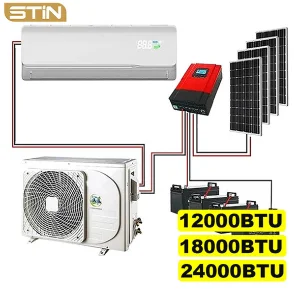
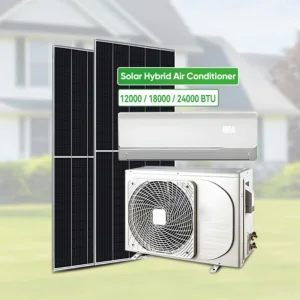
These systems run concurrently on solar-generated DC power and utility-supplied AC power. The internal power management system dynamically prioritizes DC inputs. During peak daytime sun, the unit operates entirely on PV power. On cloudy days or during night cycles, it automatically blends in grid power without requiring manual switching or external changeover panels.
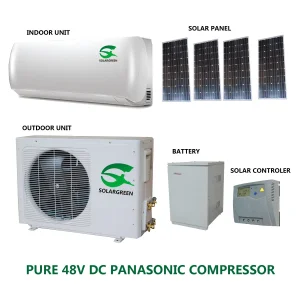
Engineered for off-grid applications or locations requiring absolute power isolation. These systems utilize a pure DC compressor operating at 48V DC. They connect to a charge controller and a dedicated LiFePO4 battery storage bank, providing continuous cooling through extended periods without sunlight.
Our units feature built-in MPPT (Maximum Power Point Tracking) algorithms. This technology continuously adjusts the input voltage of the solar panel array to maximize wattage output, especially under the diffuse lighting conditions common in Mid-Atlantic autumns.
Equipped with low-vibration, variable-frequency BLDC compressors that avoid the high starting current of traditional induction motors, enabling smooth startups even with minimal solar output.
Discover how regional facilities apply solar air conditioning technology to lower grid dependence and support green building retrofits.
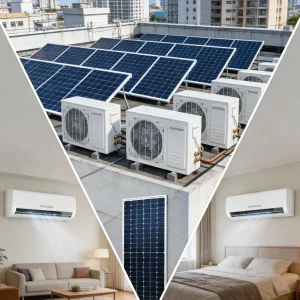
Flat-roofed distribution centers in Northeast Philadelphia and nearby Jersey ports provide optimal solar exposure. Installing hybrid solar air conditioning converts this space into a localized energy source, reducing high-volume cooling expenses.
Historic structures in Center City often face strict limitations on structural modifications and cannot support bulky centralized ductwork. Compact, wall-mounted mini-split solar units provide cooling while preserving historical architecture.
Solar heating and cooling units help developers meet Philadelphia green building standards, reducing long-term energy costs for low-income residents and supporting stable operating expenses.
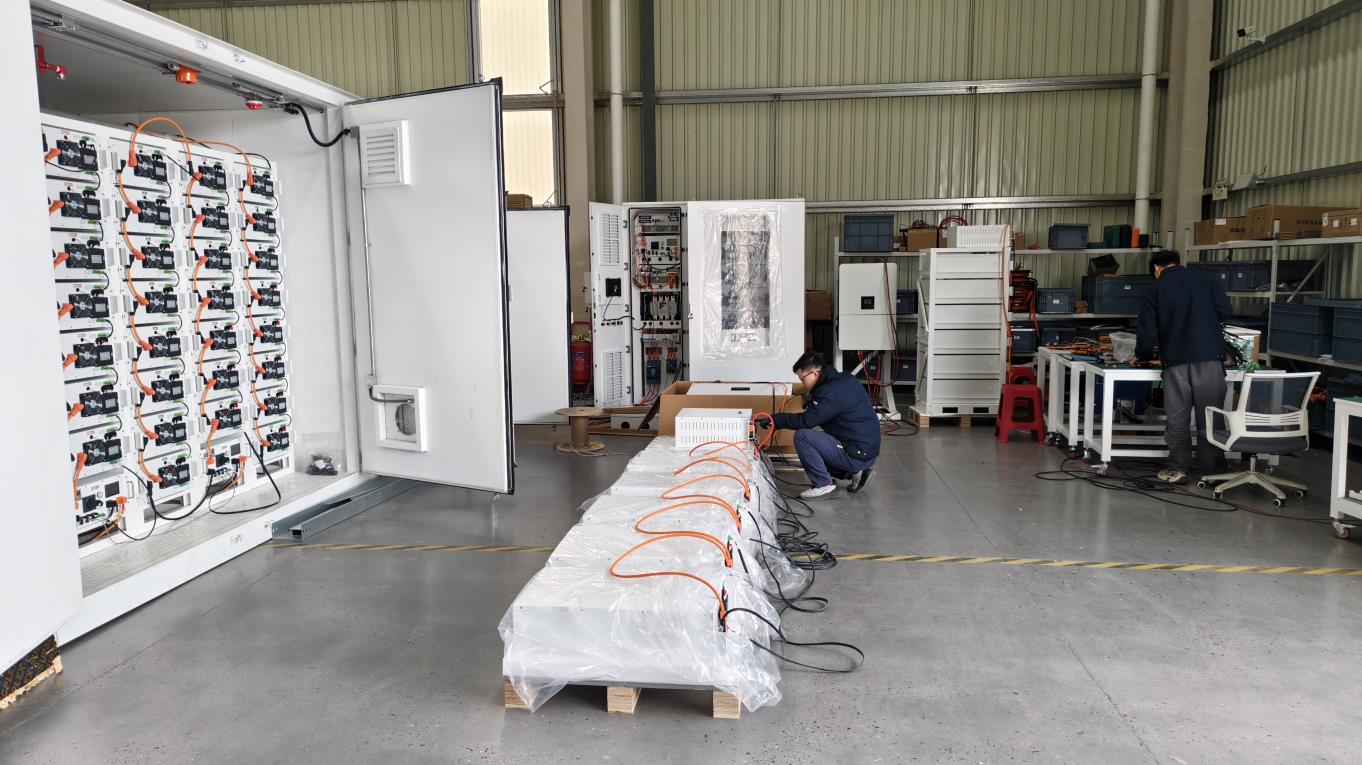
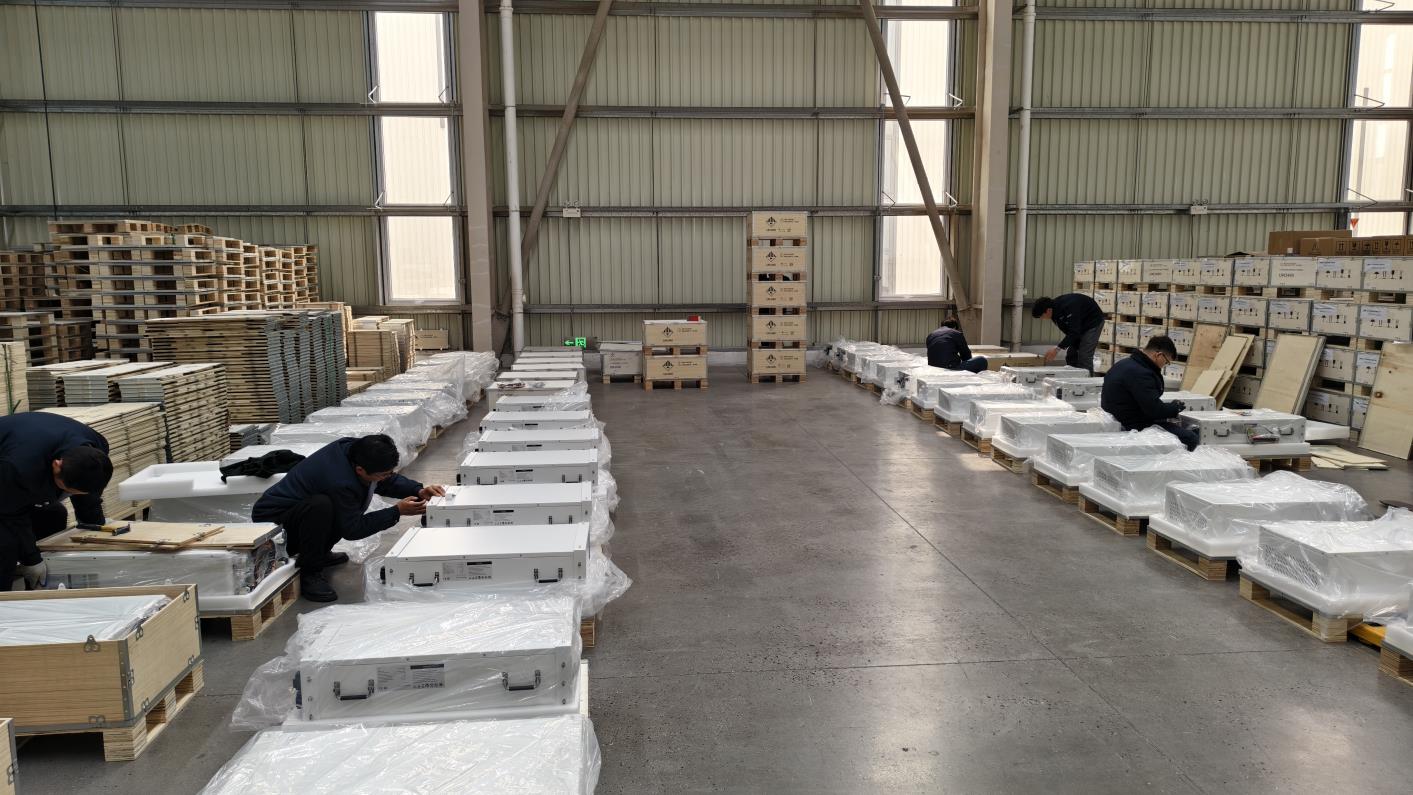
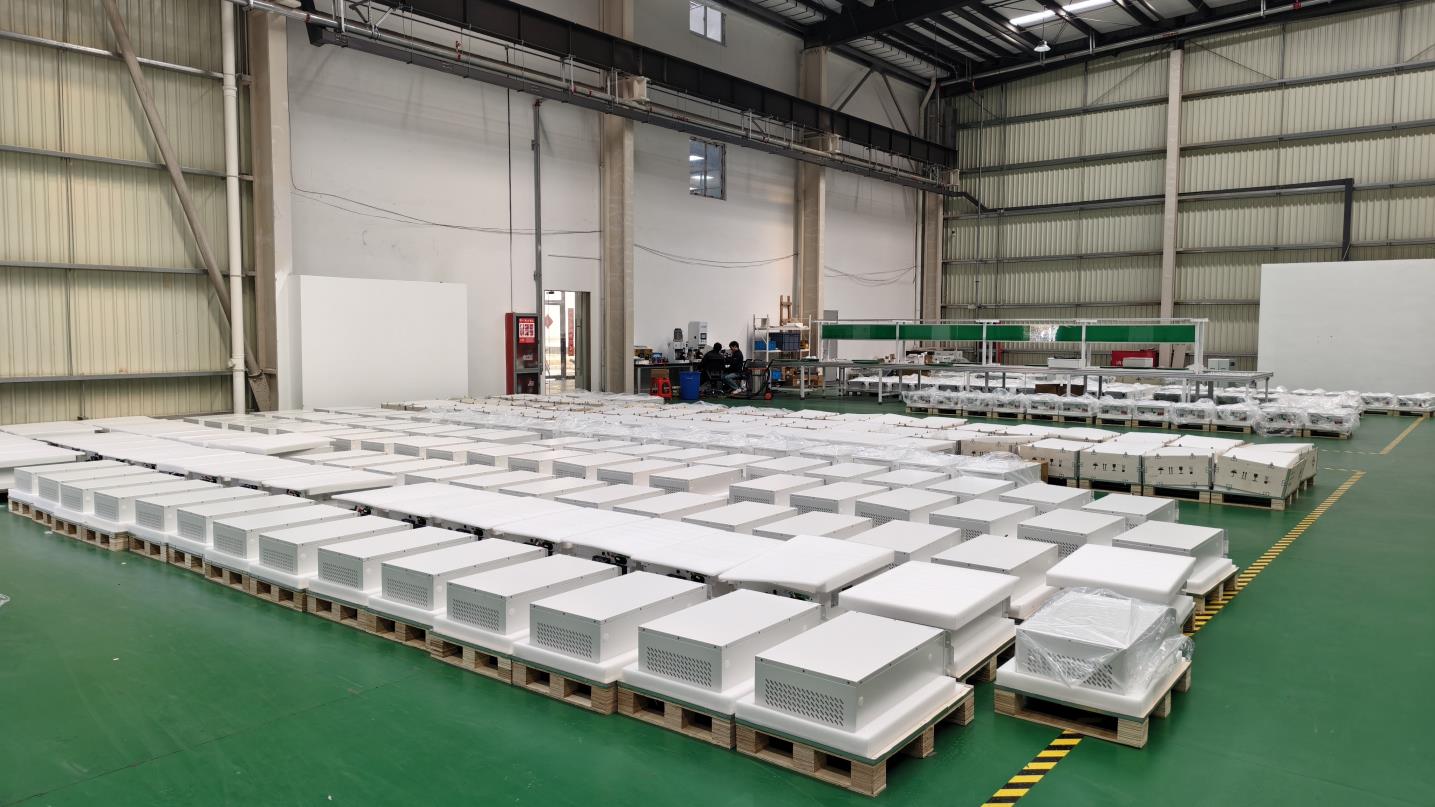
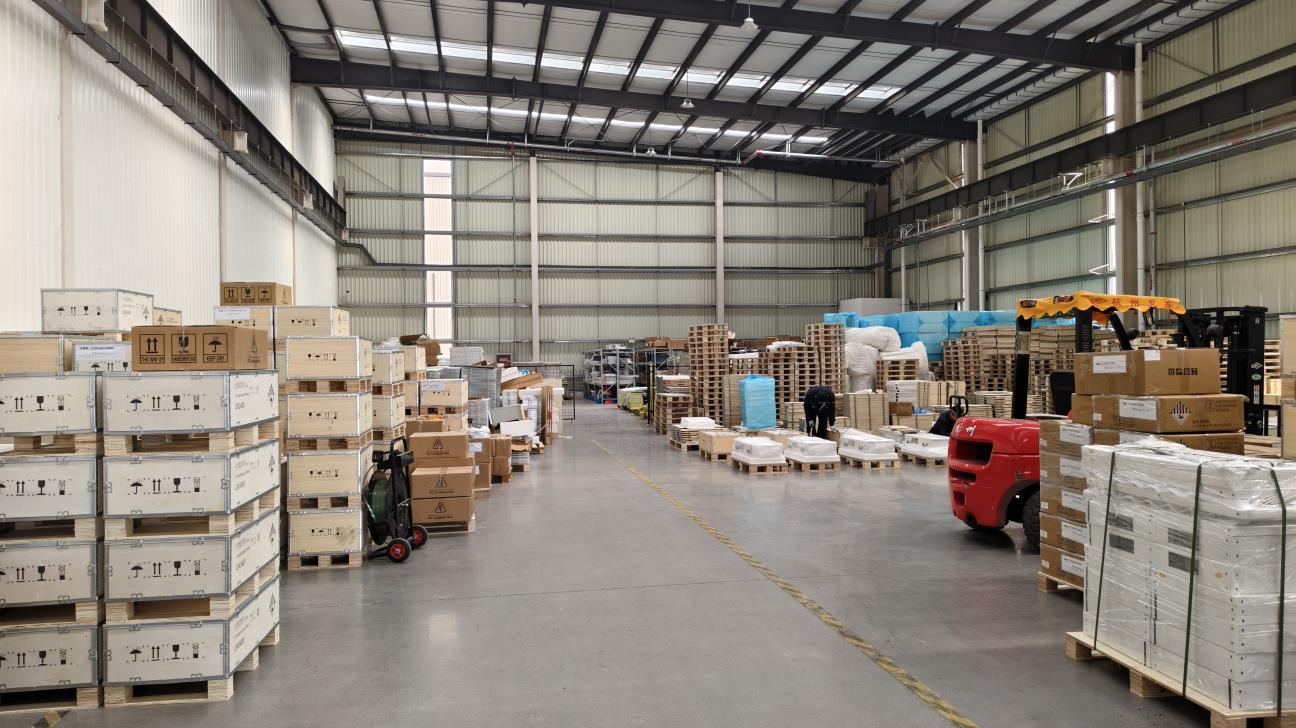
Anhui Aryam Energy Co., Ltd. is a leading provider of advanced renewable energy solutions, dedicated to delivering reliable, efficient, and sustainable power systems for residential, commercial, industrial, and utility-scale applications worldwide. Through continuous innovation and a strong commitment to clean energy development, Aryam Energy has established itself as a trusted partner in the global transition toward a low-carbon future.
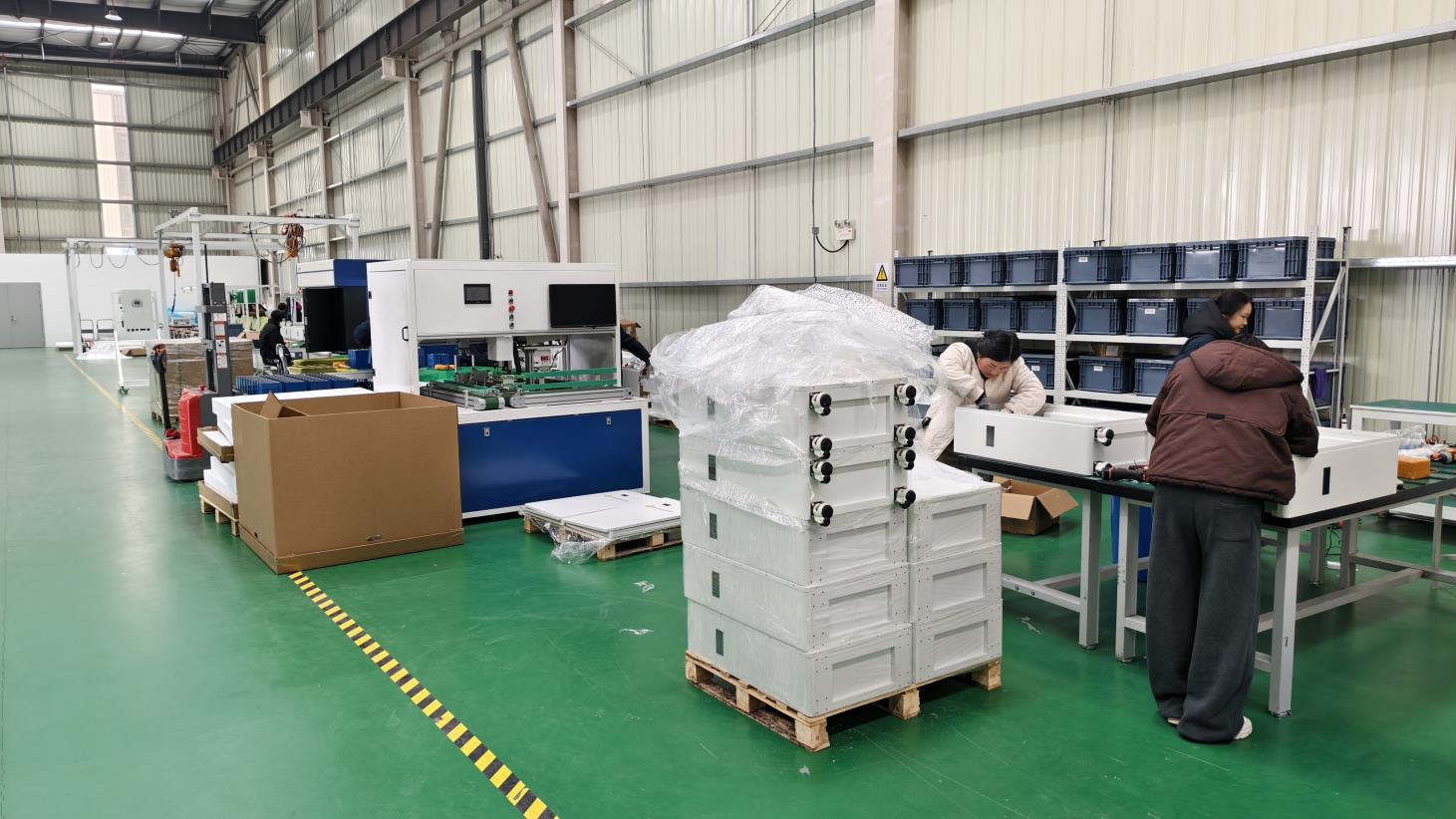
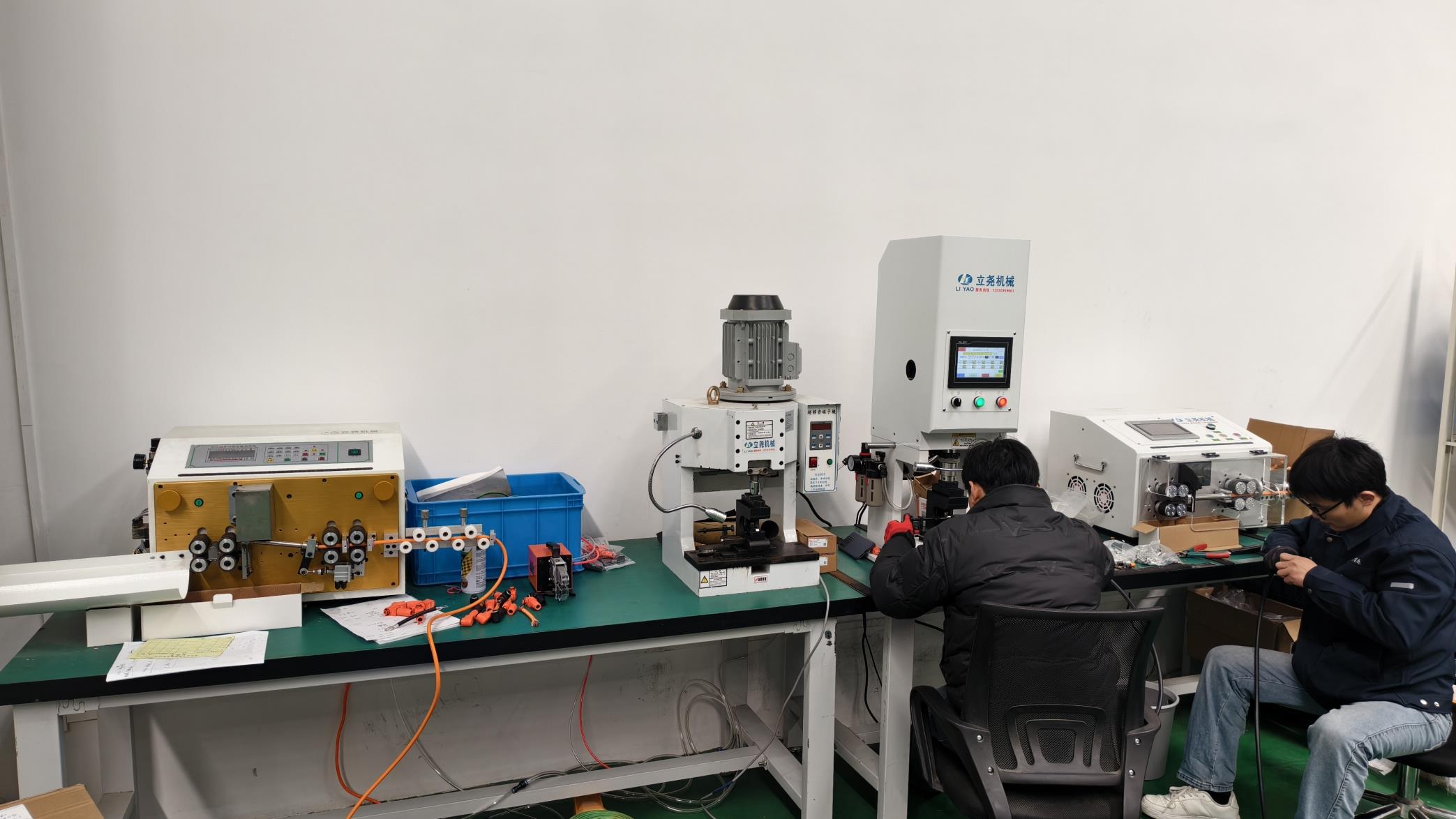
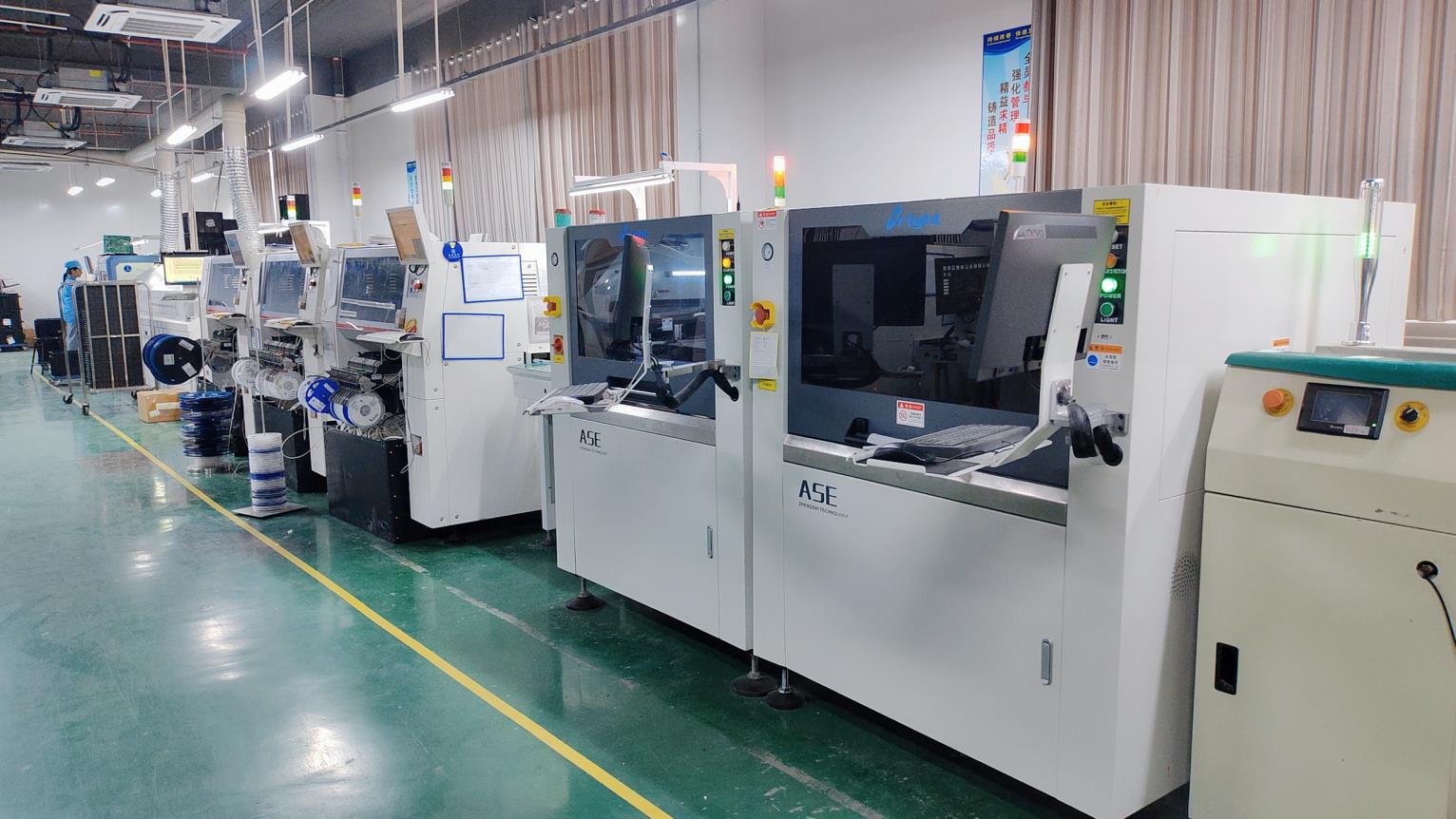
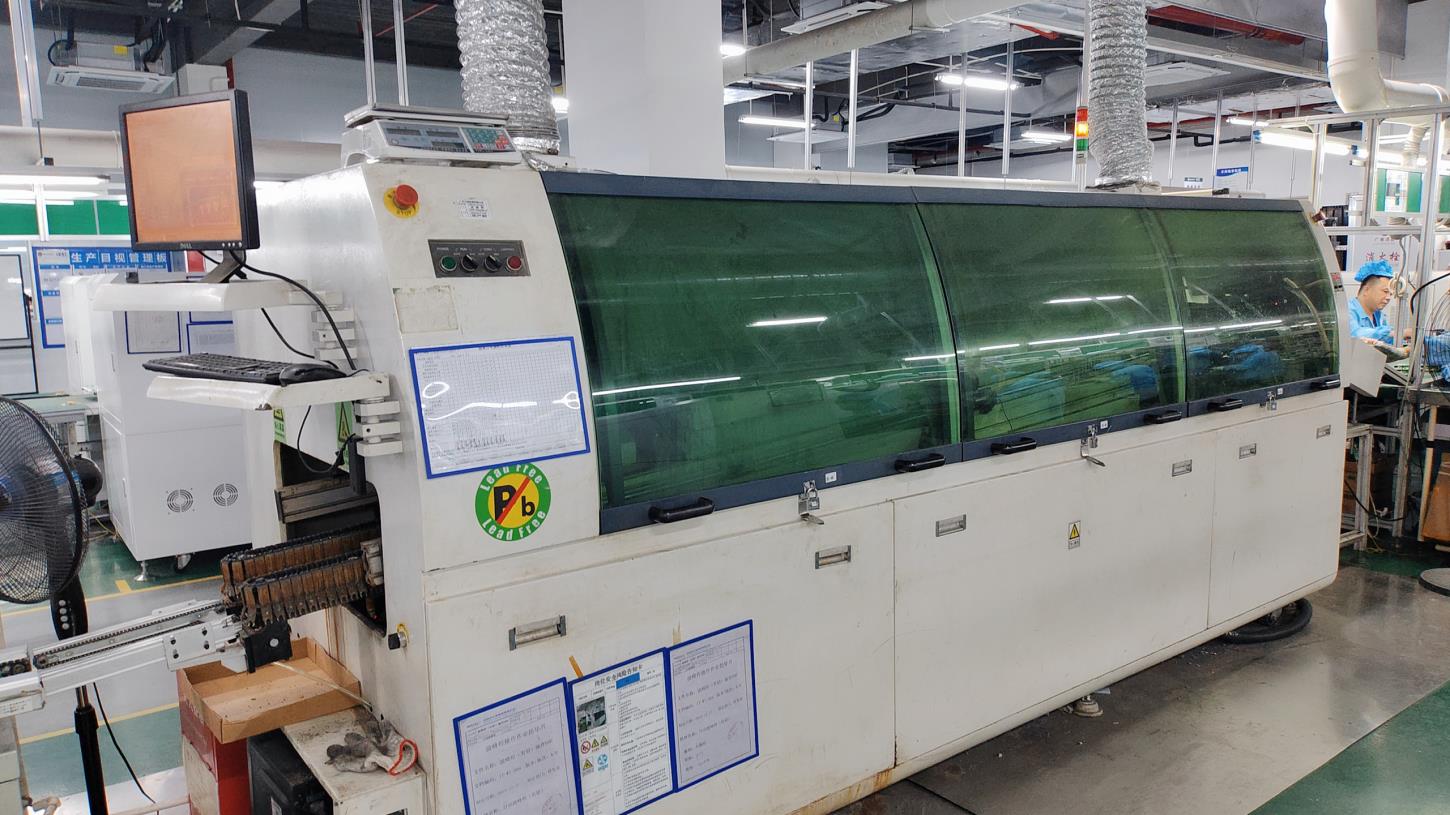
The company specializes in the research, development, manufacturing, and integration of solar energy systems, energy storage solutions, hybrid power systems, and intelligent microgrid technologies. Leveraging cutting-edge engineering expertise and strict quality management standards, Aryam Energy provides comprehensive energy solutions tailored to diverse market needs, particularly in regions facing energy shortages, unstable grid infrastructure, or increasing demand for sustainable power generation.
With a professional R&D team and a growing portfolio of proprietary technologies, Aryam Energy continuously invests in innovation to enhance system performance, energy efficiency, and long-term reliability. Its products and solutions are designed to meet international standards and have been successfully deployed across Asia, Africa, the Middle East, Europe, and Latin America, serving customers in more than 100 countries and regions.
Aryam Energy's product portfolio includes solar inverters, energy storage systems, hybrid inverters, lithium battery solutions, solar water pumping systems, microgrid systems, and customized renewable energy projects. The company is committed to providing integrated energy solutions that maximize energy independence, reduce operational costs, and support environmental sustainability.
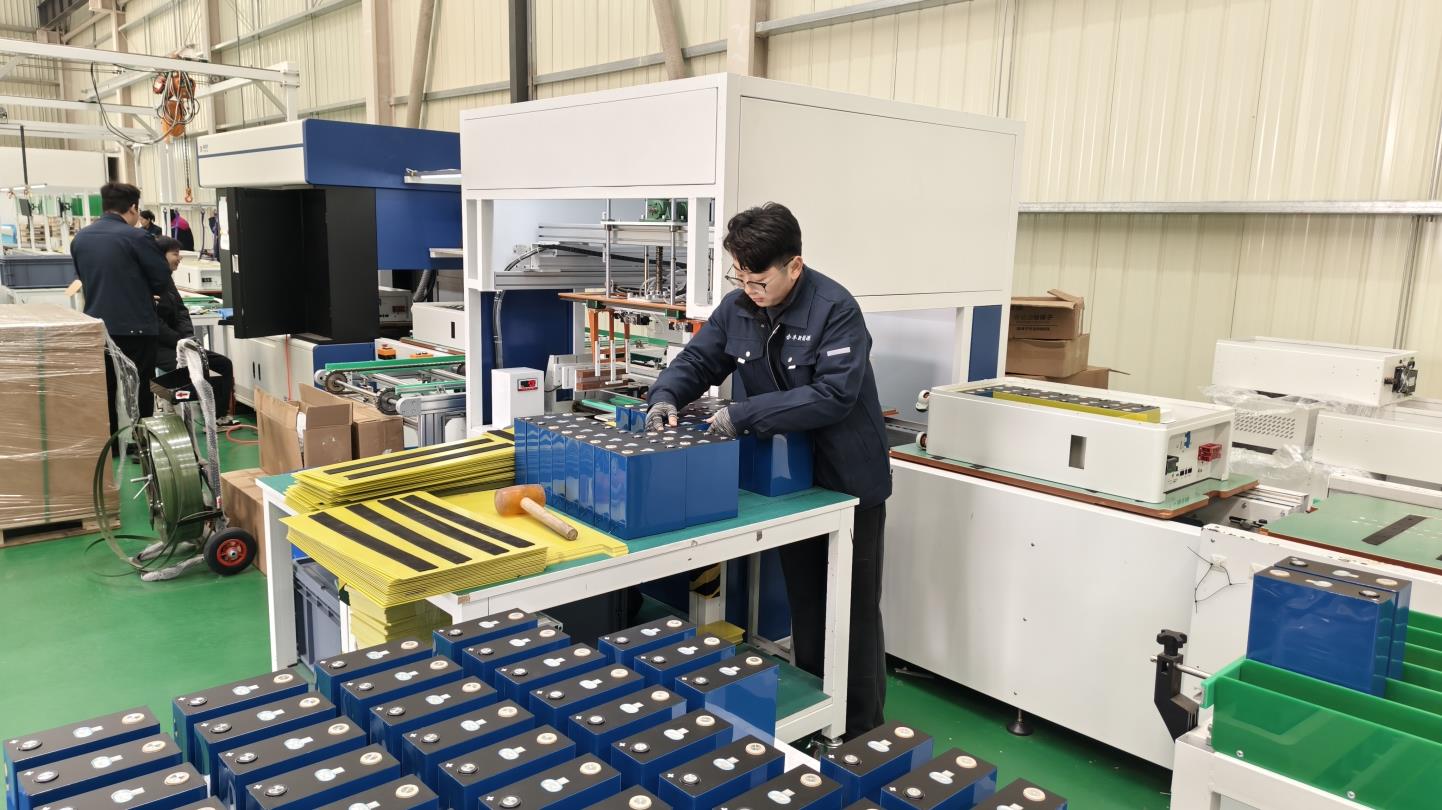
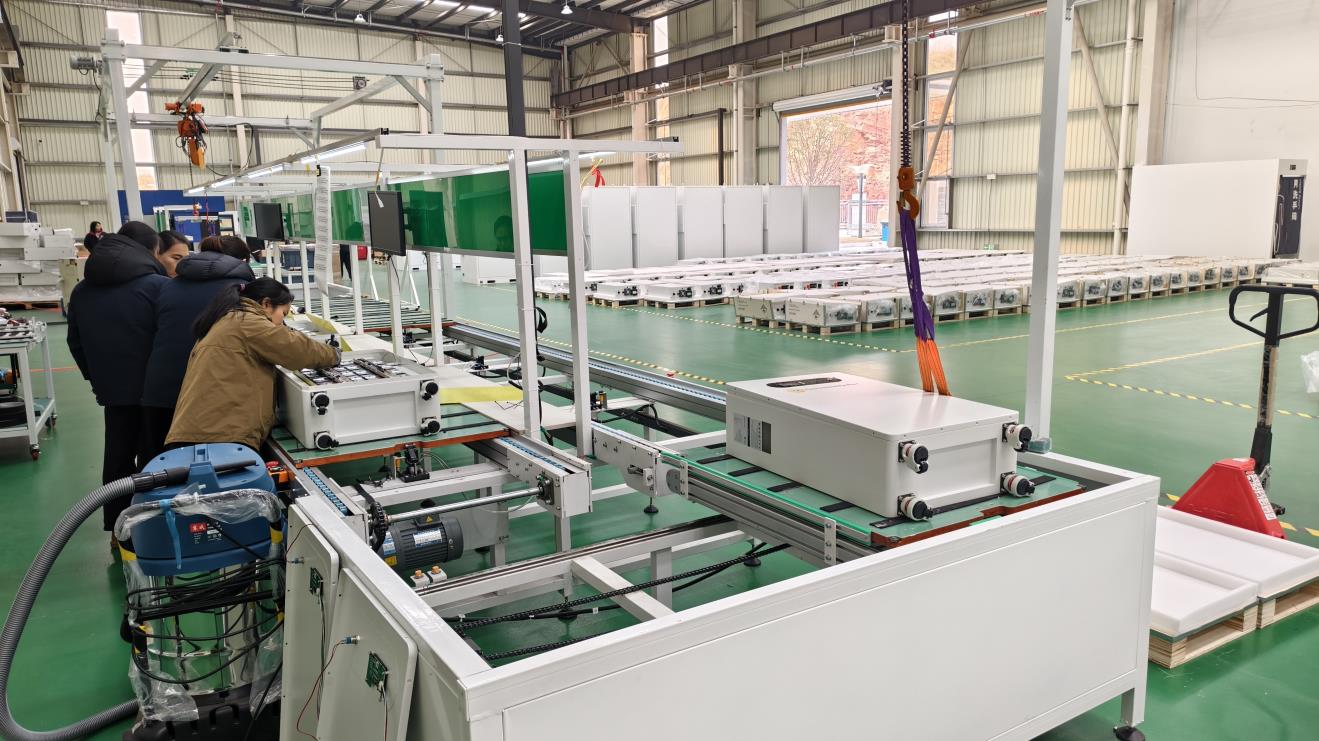
Our equipment complies with safety standards for electrical heat pumps, air conditioners, and dehumidifiers, facilitating local permitting in Philadelphia.
Our ACDC hybrid units feature dedicated DC isolator connections to meet National Electrical Code (NEC) solar PV safety requirements.
High SEER2 performance qualifies installations for utility efficiency rebates and federal tax deductions under Section 179D for commercial buildings.
Installing alternative energy systems in the City of Philadelphia requires compliance with local building codes, electrical permitting, and utility interconnection standards.
Aryam Energy’s solar HVAC equipment is designed to simplify project approvals. Our hybrid systems route solar power directly to the compressor, avoiding grid-feedback in areas where net-metering approval is delayed or unavailable. This speeds up deployment by bypassing complex utility interconnection agreements.
For grid-interactive systems, our built-in protection systems maintain power quality, preventing harmonic distortion from affecting surrounding building electronics.
Aryam Energy focuses on integration and efficiency to support future smart building and localized grid networks.
We are transitioning our product lines to next-generation refrigerants, such as R-32 and R-290, lowering global warming potential while maintaining thermal efficiency in extreme temperatures.
Our upcoming systems feature OpenADR (Open Automated Demand Response) compliance, enabling commercial building operators to automatically adjust energy draw during grid stress events.
We are testing integrated thermal storage systems that convert excess daytime solar output into cooling potential (chilled water or phase-change materials), reducing the need for chemical battery storage.
Explore our complete range of high-efficiency solar heating and cooling systems designed for Mid-Atlantic weather patterns.
Everything you need to know about implementing solar-powered HVAC technology in the Mid-Atlantic region.
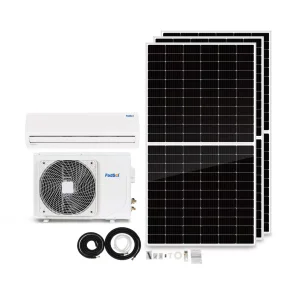
Our ACDC Hybrid Solar Air Conditioners connect to both the solar PV array and the standard utility grid. A built-in power management controller monitors the incoming DC voltage from the solar panels. When solar output decreases due to clouds or sunset, the system automatically draws grid AC power to maintain target temperatures. This process is seamless and does not require external transfer switches or batteries.
Yes. Under the federal Inflation Reduction Act, solar HVAC installations qualify for the 30% ITC when integrated with a solar PV system. For commercial installations, these systems may also qualify for accelerated depreciation (MACRS) and utility rebates, reducing the net system cost.
For commercial facilities operating primarily during daytime hours, the payback period ranges from 3 to 5 years. This is due to the alignment of cooling demands with peak solar production hours, reducing high demand charges during seasonal heat peaks.
The maintenance requirements for the indoor split units are identical to standard heat pumps (filter cleanings, seasonal coil checks). The solar components require periodic visual inspections and panel cleanings to maximize light absorption. The DC compressors run at lower operating temperatures than standard AC units, which helps extend their mechanical life.
Yes. Mini-split configurations require only small wall openings for refrigerant lines, avoiding the ductwork retrofits that are often restricted in historic buildings. Solar panels can be mounted on flat roofs out of view from historical streetscapes.
Contact our application engineers for a custom sizing analysis, local utility rebate evaluations, and a commercial project estimate.
 Aryam Energy