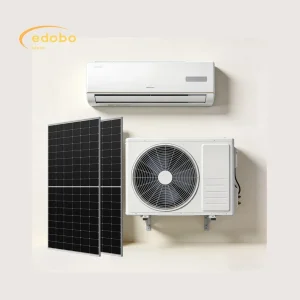
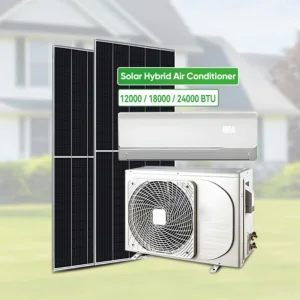
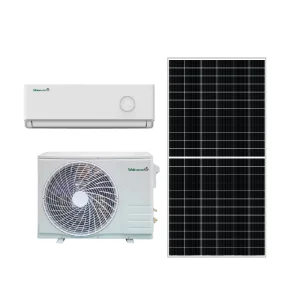
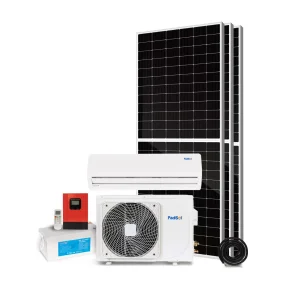
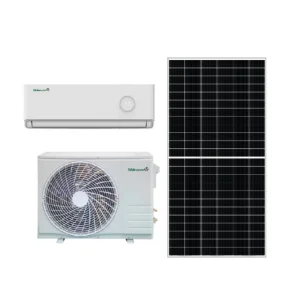
High-efficiency, low-carbon off-grid and hybrid AC/DC technologies engineered for California energy codes.
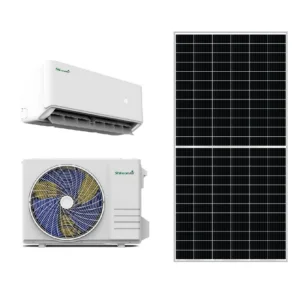
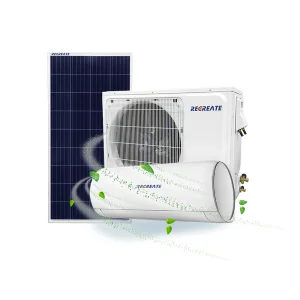
Decarbonization, CAISO Grid Strains, and the Economics of Solar Cooling in Southern California.
Southern California is facing an unprecedented transformation in its energy architecture. The transition from Net Energy Metering 2.0 to NEM 3.0 (Net Billing Tariff) in April 2023 dramatically reduced the export rates for rooftop solar by approximately 75-80%. For developers, commercial operators, and residential builders in Los Angeles, this shift changed the economic calculus of clean energy systems. Exporting excess solar power back to Southern California Edison (SCE) is no longer highly profitable.
Instead, the financial return is now maximized by consuming generated solar energy onsite—a process known as self-consumption. Air conditioning accounts for up to 50-70% of summer electrical consumption in typical SoCal buildings. Utilizing direct DC-coupled solar air conditioners allows commercial facilities and homeowners to utilize solar generation directly, bypassing grid inverter conversion losses and battery cycling wear.
SCE's Time-of-Use (TOU) rates hit their peak during hot summer afternoons (typically 4:00 PM to 9:00 PM)—exactly when HVAC demand is highest. Our advanced hybrid solar air conditioners operate natively off DC power generated by PV arrays during peak sunlight, and seamlessly blend AC power from the grid as the sun sets. By leveraging high-efficiency DC brushless scroll compressors, our systems reduce grid draw to near-zero during standard peak rate windows, shielding businesses from peak demand charges.
Furthermore, local mandates like the California Building Standards Code (Title 24) push for net-zero energy compliance in new constructions. Integrating solar HVAC systems provides direct compliance pathways, drastically reducing the required Home Energy Rating System (HERS) offset requirements.
How Anhui Aryam Energy Co., Ltd. Bridges Technical Precision with Global Logistics Efficiency.
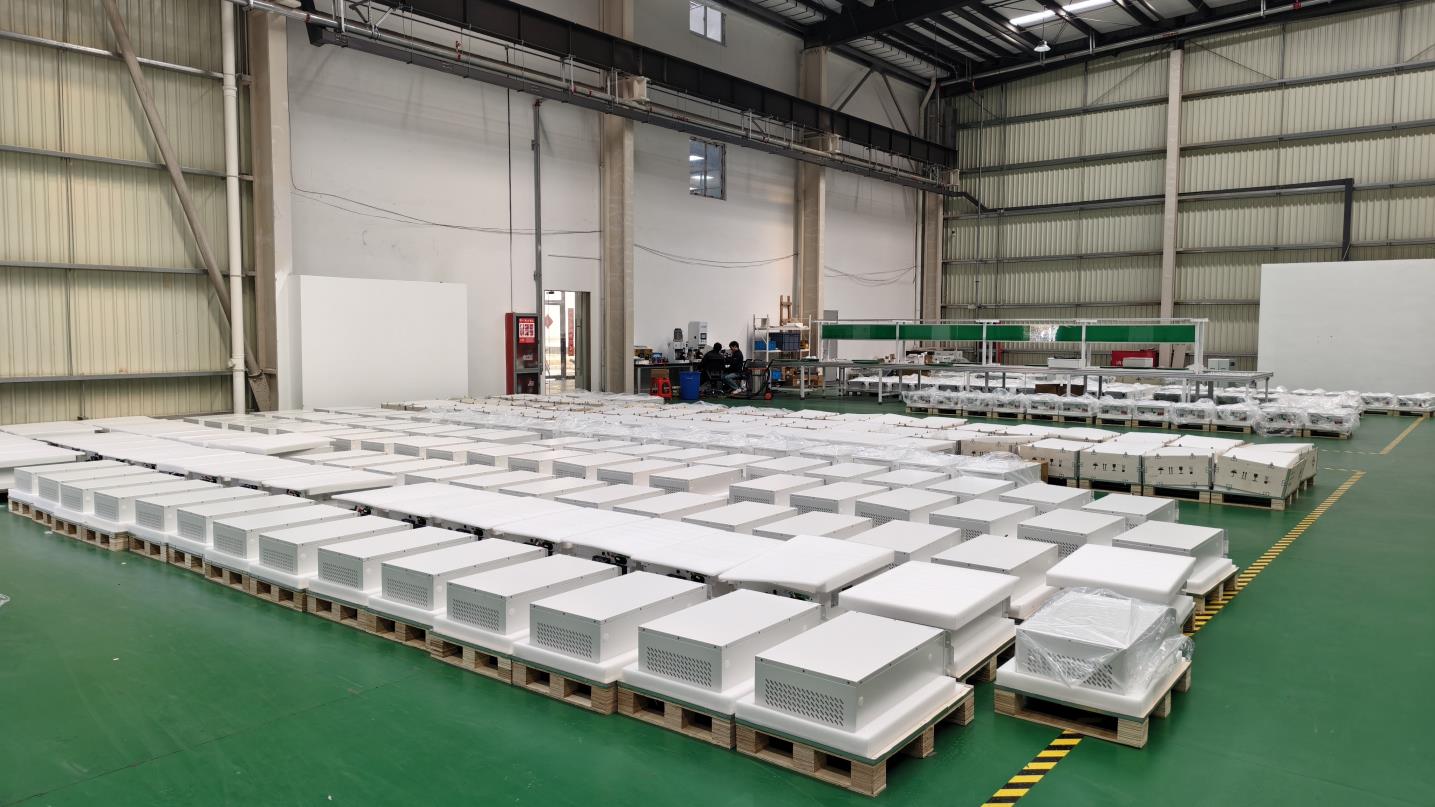
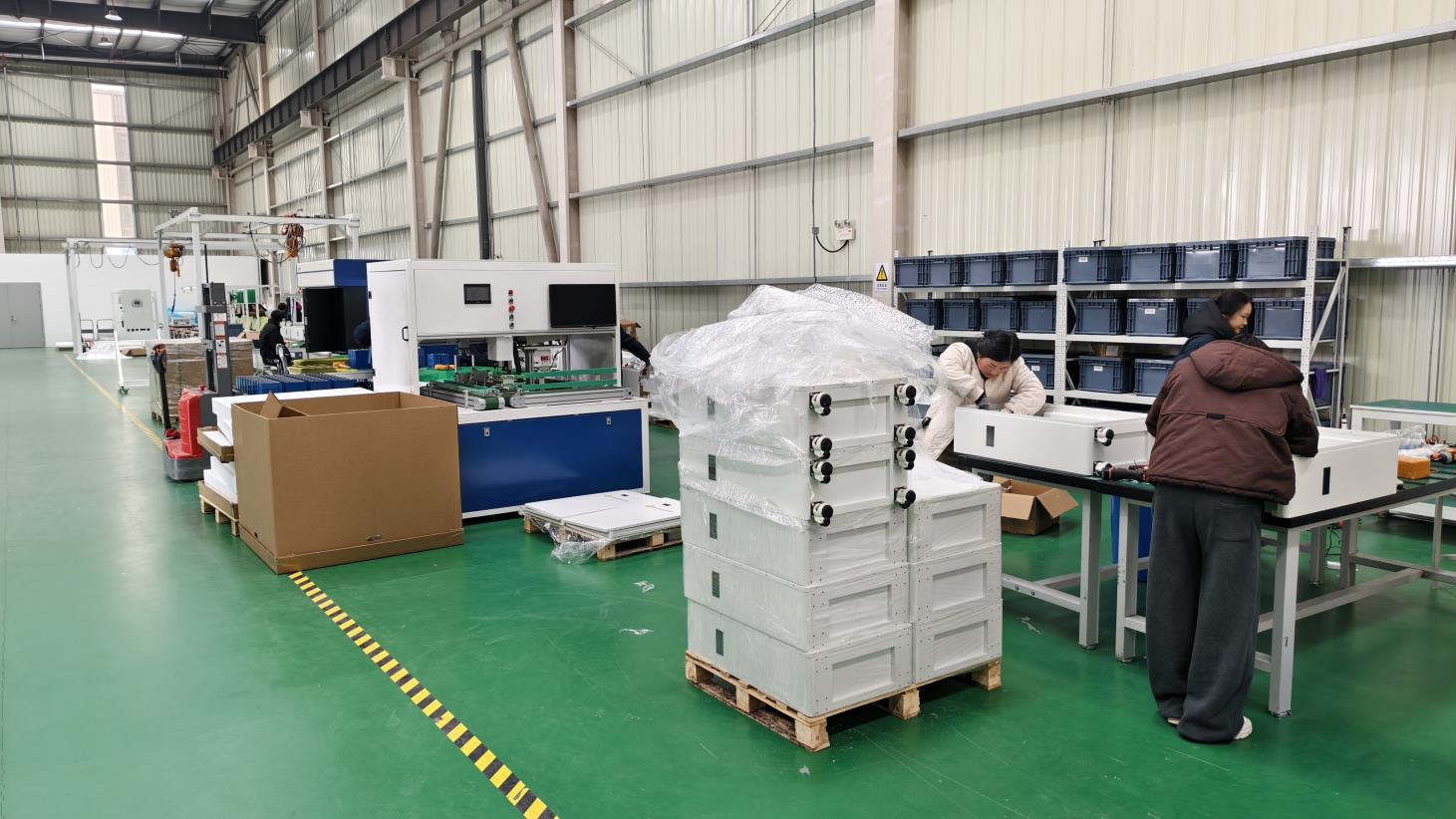
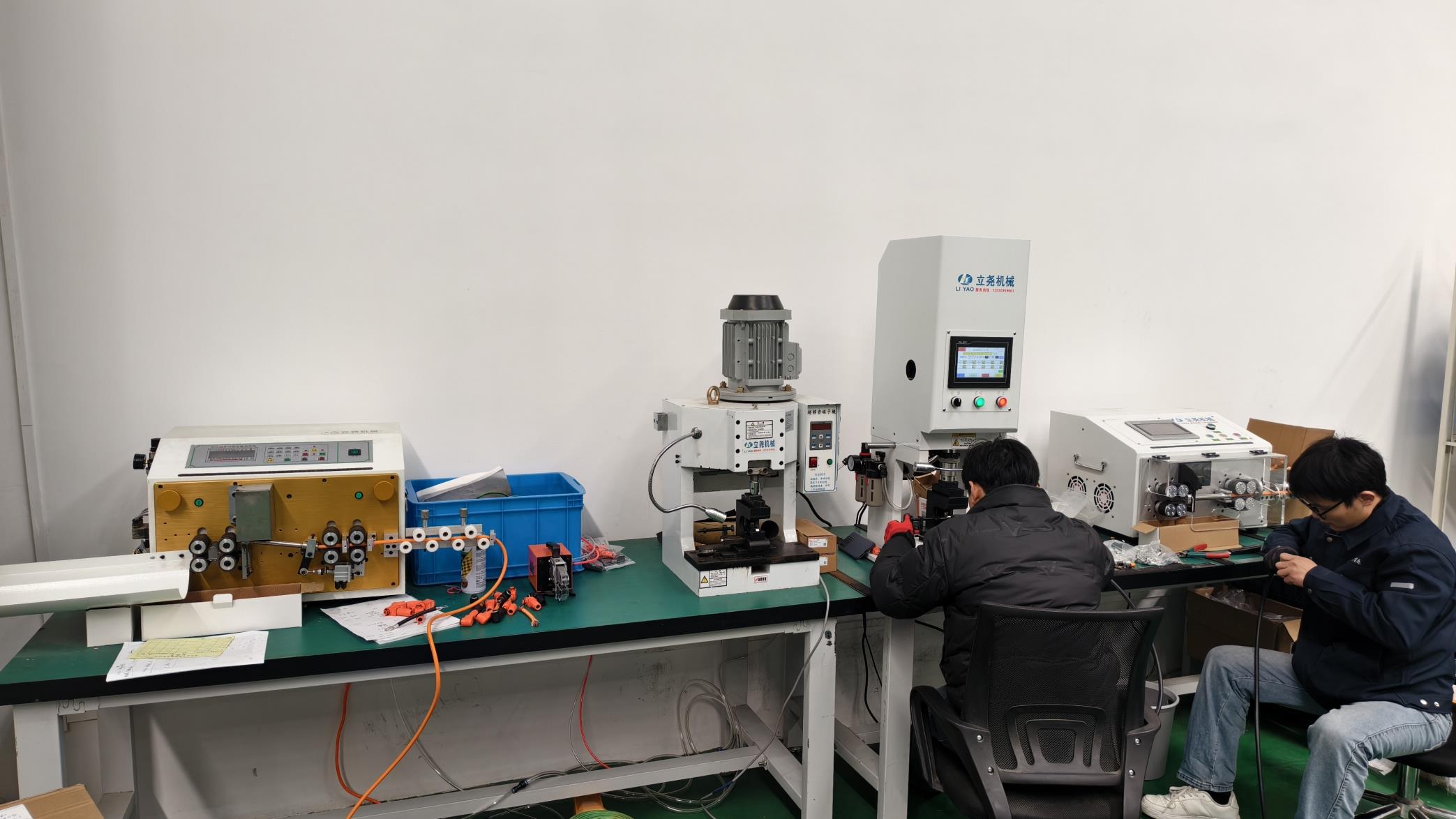
Manufacturing solar HVAC systems requires highly integrated components, including DC variable frequency compressors, SMT controllers, DC motors, and advanced refrigerant flow systems. Chinese production ecosystems, specifically located in key energy manufacturing corridors, bring together component suppliers, raw materials, and electronics fabricators under tight geographical proximity.
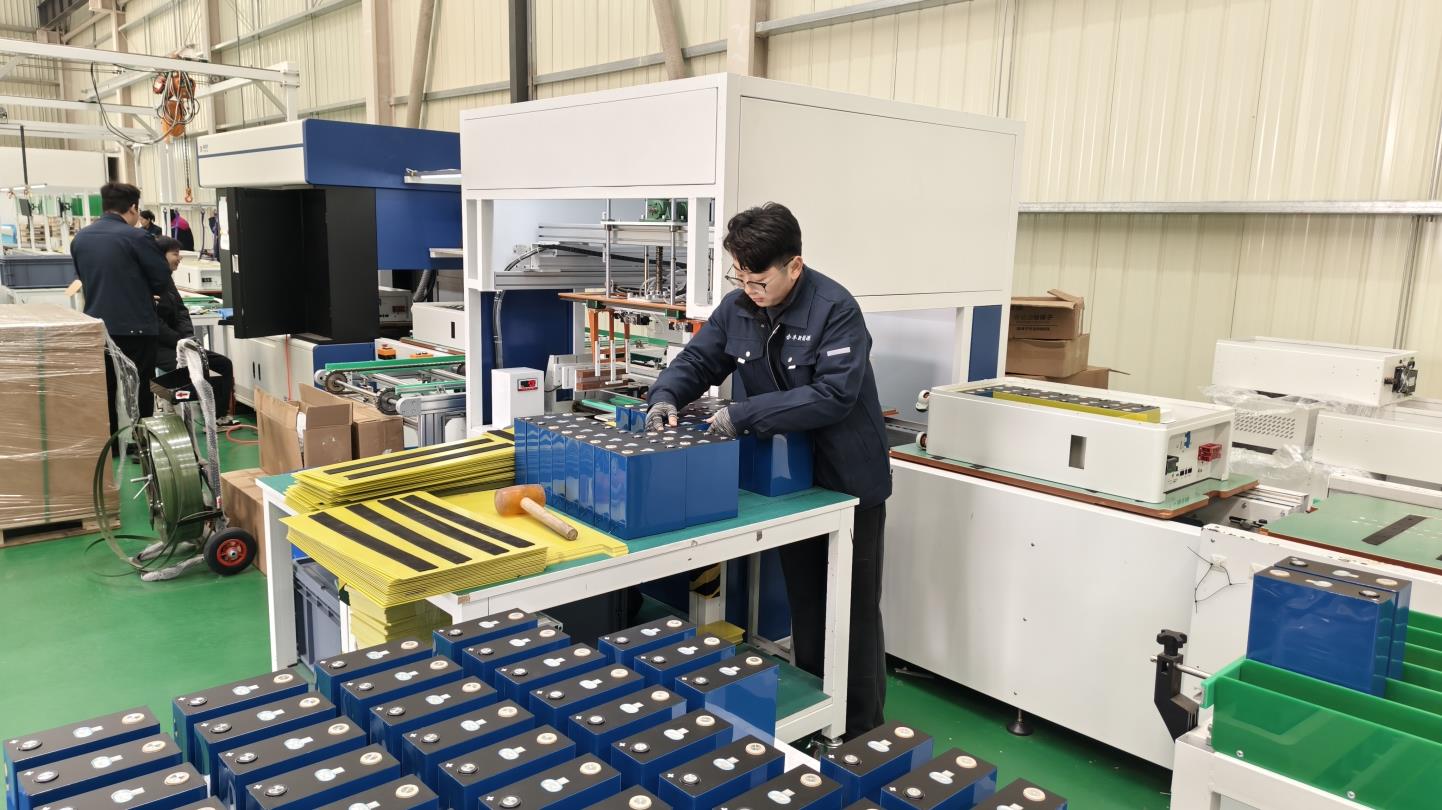
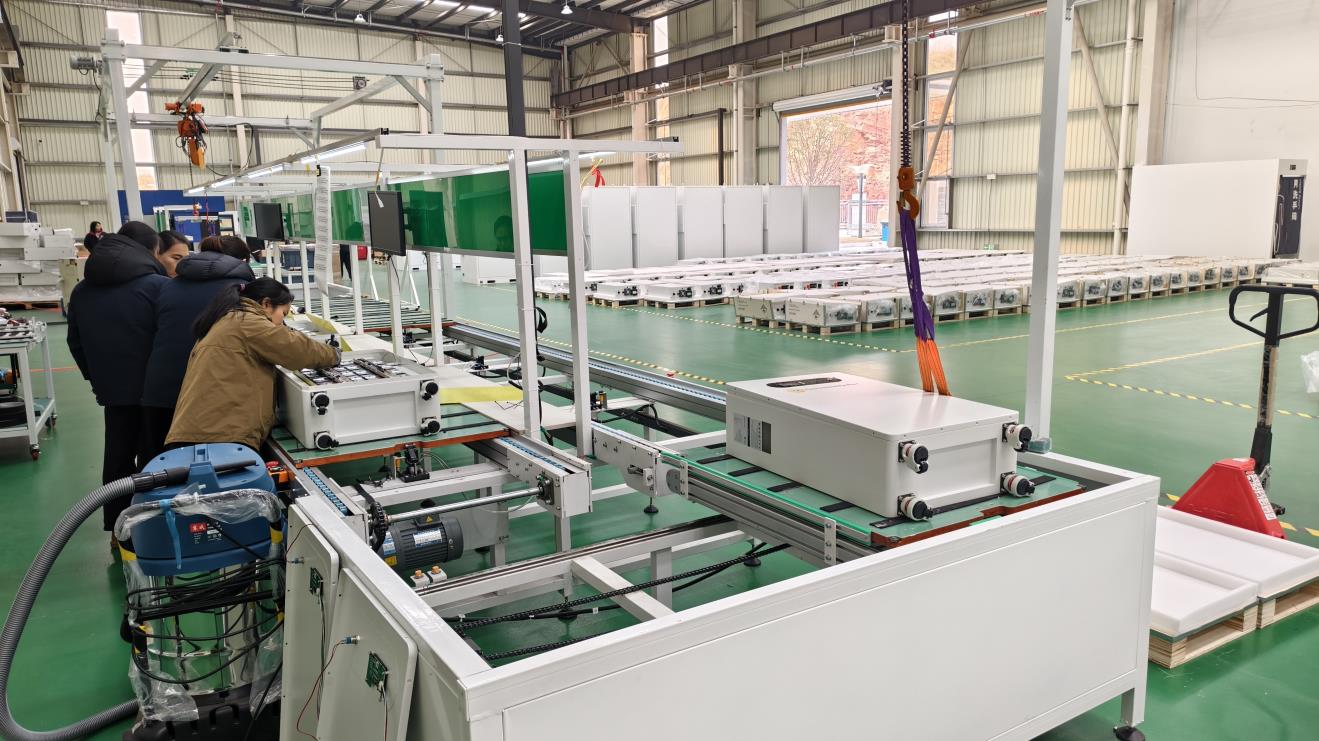
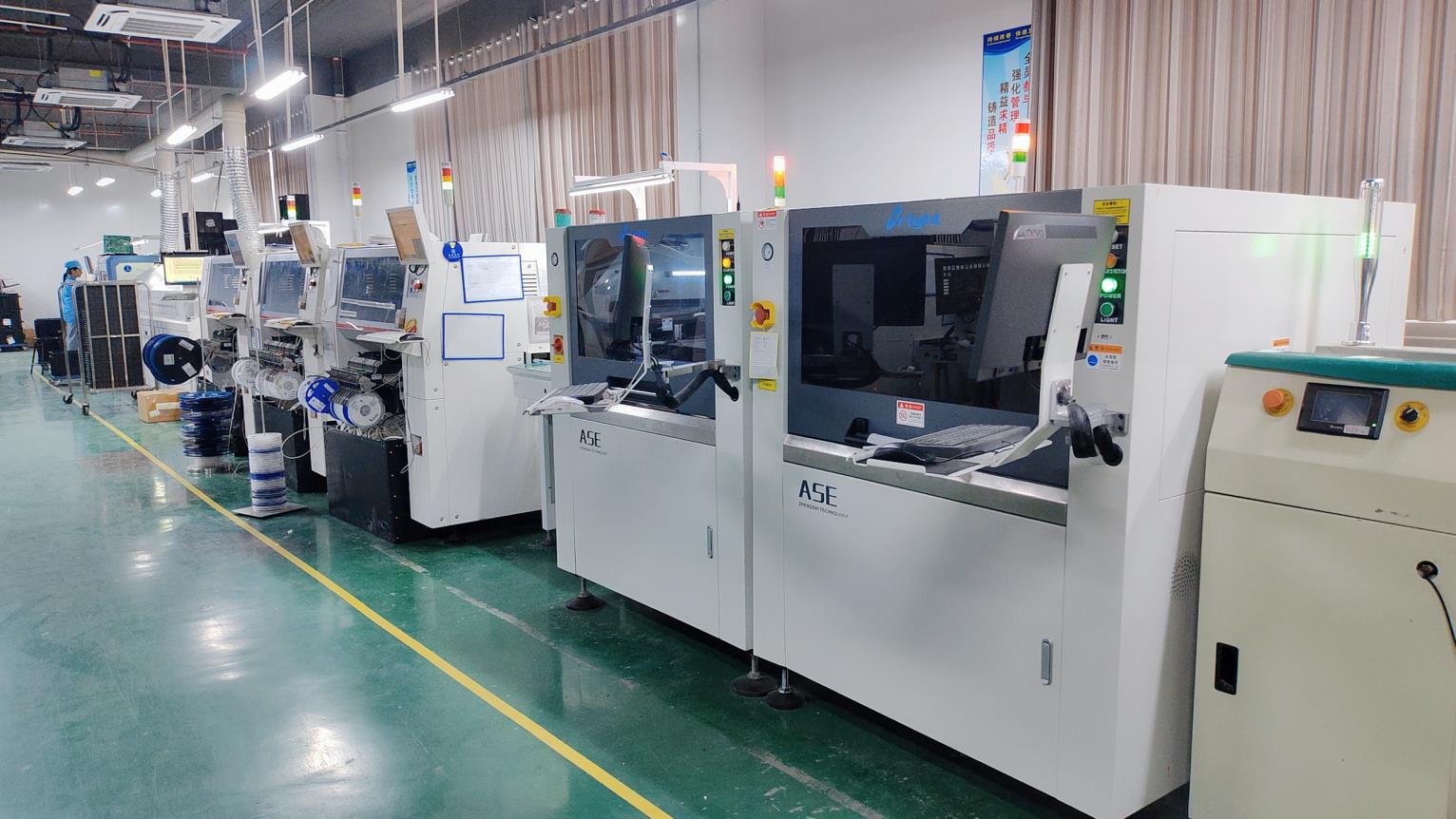
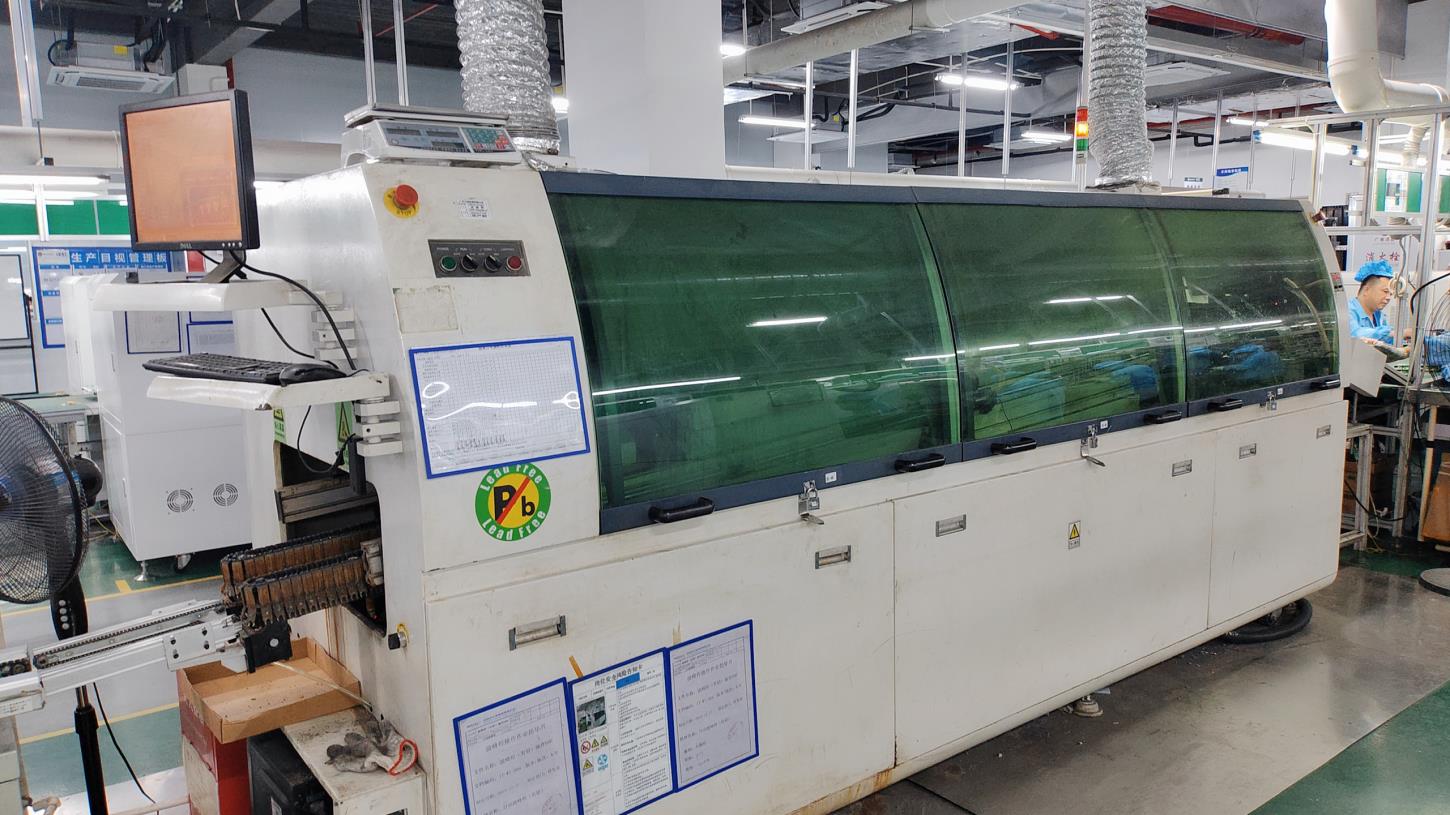
Anhui Aryam Energy Co., Ltd. implements rigorous multi-stage quality control methodologies. From SMT surface mounting for control boards to wave soldering, and automated pressure testing of heat exchangers, our engineering workflows ensure zero leakage and optimal thermal performance under severe ambient temperatures up to 55°C (131°F).
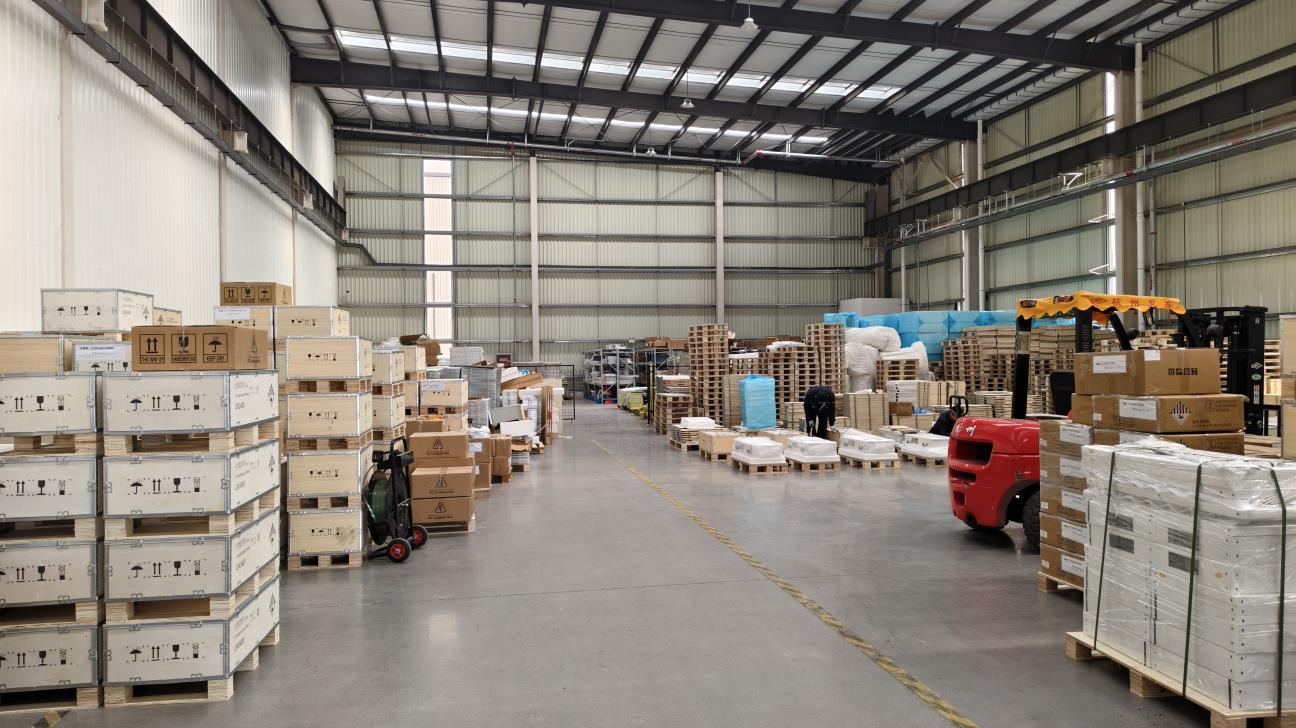
With immediate proximity to international shipping hubs, Aryam Energy coordinates seamless container freight to the Port of Los Angeles and Port of Long Beach. This optimized pipeline lowers import overheads, giving US-based EPC firms, wholesale distributors, and mechanical contractors direct factory pricing without long logistical delays.
Engineered solutions for coastal, valley, and desert microclimates in Los Angeles.
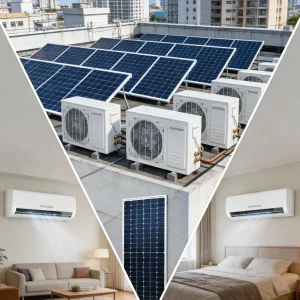
With temperatures regularly exceeding 100°F (38°C) in San Bernardino, Ontario, and Riverside counties, warehouse cooling is a critical employee safety and operational issue. Traditional roof-mounted HVAC arrays draw heavy currents, leading to massive demand charges. Installing off-grid or hybrid solar air conditioners, linked directly to large-footprint flat roofs, allows warehouses to run cooling directly from daylight sun, ensuring safe work environments with zero grid strain.
The construction boom of backyard ADUs across Los Angeles has put extra strain on local distribution transformers. Under Title 24, ADUs must meet high energy efficiency targets. A native 48V off-grid mini-split solar air conditioner allows builders to deliver autonomous HVAC zoning. This avoids expensive grid upgrades for the primary home, allowing the ADU to maintain a separate, fully self-sustained solar thermal offset.
For coastal LA cities like Santa Monica, Venice, and Long Beach, humidity control is just as important as cooling. High humidity levels make standard ACs run inefficiently. Our specialized Wi-Fi Dehumidifying Solar Air Conditioners actively regulate indoor moisture levels using smart solar power, preventing mold growth and moisture damage without inflating the facility's baseline utility costs.
In hilly regions (such as the Santa Monica Mountains or Angeles National Forest), pulling utility lines to remote equipment shelters, agricultural installations, or wireless repeaters is cost-prohibitive. Using a 48V DC off-grid solar-powered split AC system guarantees continuous climate control for sensitive hardware. Operating completely independent of utility infrastructure, these systems prevent overheating shut-downs during CAISO Public Safety Power Shutoffs (PSPS).
Innovations reshaping global commercial and industrial temperature management.
Traditional AC systems convert DC solar energy to AC power using costly inverters, resulting in a 10-18% efficiency loss. Modern systems use native DC brushless scroll compressors that run directly from PV voltage ranges, achieving unmatched performance and eliminating the vulnerability of inverter failure points.
Smart integrations allow operators to monitor solar energy yield, power consumption, and thermal profiles. Through Wi-Fi-enabled cloud dashboards, building managers can optimize solar utilization, scheduling deep pre-cooling when solar irradiation is at its highest, shifting thermal loads away from peak pricing hours.
Globally, regulations are driving the phase-down of older HFCs. Leading-edge solar air conditioners utilize environmentally responsible refrigerants like R32 and R290. These feature significantly lower Global Warming Potential (GWP) and higher heat transfer capabilities, ensuring compliance with future environmental standards.
Direct factory sourcing of high-performance hybrid and off-grid configurations.
A globally recognized supplier of advanced residential, commercial, and utility-scale solar HVAC solutions.
Anhui Aryam Energy Co., Ltd. is a leading provider of advanced renewable energy solutions, dedicated to delivering reliable, efficient, and sustainable power systems for residential, commercial, industrial, and utility-scale applications worldwide. Through continuous innovation and a strong commitment to clean energy development, Aryam Energy has established itself as a trusted partner in the global transition toward a low-carbon future.
The company specializes in the research, development, manufacturing, and integration of solar energy systems, energy storage solutions, hybrid power systems, and intelligent microgrid technologies. Leveraging cutting-edge engineering expertise and strict quality management standards, Aryam Energy provides comprehensive energy solutions tailored to diverse market needs, particularly in regions facing energy shortages, unstable grid infrastructure, or increasing demand for sustainable power generation.
With a professional R&D team and a growing portfolio of proprietary technologies, Aryam Energy continuously invests in innovation to enhance system performance, energy efficiency, and long-term reliability. Its products and solutions are designed to meet international standards and have been successfully deployed across Asia, Africa, the Middle East, Europe, and Latin America, serving customers in more than 100 countries and regions.
Technical answers regarding solar air conditioning installations, electrical setups, and performance profiles.
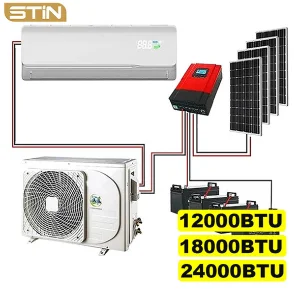
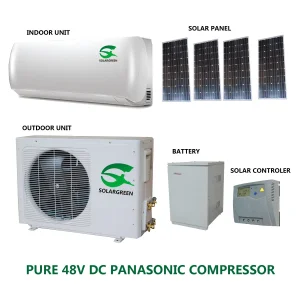
An ACDC Hybrid system connects to both your solar panels (DC) and the electrical utility grid (AC). It utilizes a smart internal power-management board that prioritizes DC solar power, drawing AC utility power dynamically only when solar output drops (e.g., during cloud cover or at night). An Off-Grid (100% DC) system operates exclusively off DC energy (such as a 48V battery bank connected to a PV array) and does not connect to the utility grid, making it ideal for remote applications, cabins, and off-grid setups.
Under California's NEM 3.0 net billing tariff, the credits received for exporting excess solar energy back to SCE are greatly reduced. Because solar HVAC systems draw power during the peak generation hours of the day, they maximize self-consumption. This avoids exporting energy at low credit rates, keeping your power consumption local and maximizing the direct financial return on your PV installation.
To comply with the city of Los Angeles and California statewide electrical codes, equipment must carry certified listings under standards such as UL 1995 or UL 60335-2-40 (Safety of Household and Similar Electrical Appliances), and AHRI certification for efficiency ratings. Anhui Aryam Energy systems are designed, manufactured, and tested to meet international performance and safety standards.
Yes, 100% off-grid 48V DC solar air conditioners will continue to function fully during utility grid blackouts, as they rely on local battery banks and direct solar panels. For Hybrid AC/DC systems, they require a baseline utility connection to maintain stability, unless paired with an off-grid battery storage inverter setup that creates a local microgrid.
Connect with our engineering specialists for custom solar HVAC sizing calculations, direct factory container pricing, and bulk delivery details to the Port of Los Angeles.
Send Inquiry Now Aryam Energy