
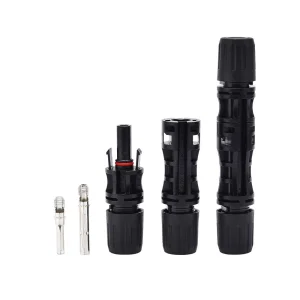


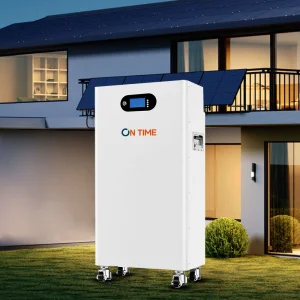
As the international community accelerates its path toward net-zero carbon operations, the demand for high-performance solar charge inverters has scaled from a niche off-grid application into the cornerstone of global grid stabilization and industrial energy resilience. In modern electrical topologies, a solar charge inverter is not merely a component that converts DC generated by photovoltaic panels into grid-compliant AC; it functions as the intelligent edge of the microgrid, coordinating power flows between PV arrays, electrochemical energy storage systems (BESS), and localized loads.
From a commercial and industrial (C&I) perspective, the deployment of robust charge-inverter technologies directly addresses the challenges of high grid tariffs, peak demand surcharges, and power quality degradation. In regions with fragile grid infrastructure, such as Sub-Saharan Africa and sections of Central and South Asia, solar charge inverters equipped with advanced Maximum Power Point Tracking (MPPT) inputs ensure that critical loads—ranging from commercial cold chains to telecommunication transceivers—remain energized regardless of grid status. The reliability of these units directly impacts the operational lifespan of expensive downstream equipment, mitigating the risks associated with harmonic distortions, voltage sags, and frequency fluctuations.
Understanding the dynamic operational requirements across geographic territories is paramount for utility planners and EPC contractors. Our global logistics and technical deployment divisions have noted key regulatory and environmental criteria that dictate inverter selection:
Anhui Aryam Energy Co., Ltd. is a leading provider of advanced renewable energy solutions, dedicated to delivering reliable, efficient, and sustainable power systems for residential, commercial, industrial, and utility-scale applications worldwide. Through continuous innovation and a strong commitment to clean energy development, Aryam Energy has established itself as a trusted partner in the global transition toward a low-carbon future.
The company specializes in the research, development, manufacturing, and integration of solar energy systems, energy storage solutions, hybrid power systems, and intelligent microgrid technologies. Leveraging cutting-edge engineering expertise and strict quality management standards, Aryam Energy provides comprehensive energy solutions tailored to diverse market needs, particularly in regions facing energy shortages, unstable grid infrastructure, or increasing demand for sustainable power generation.
With a professional R&D team and a growing portfolio of proprietary technologies, Aryam Energy continuously invests in innovation to enhance system performance, energy efficiency, and long-term reliability. Its products and solutions are designed to meet international standards and have been successfully deployed across Asia, Africa, the Middle East, Europe, and Latin America, serving customers in more than 100 countries and regions.
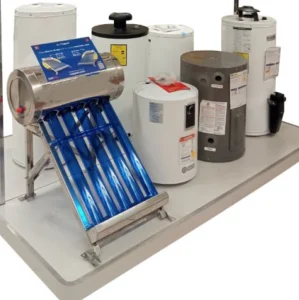
Aryam Energy's product portfolio includes solar inverters, energy storage systems, hybrid inverters, lithium battery solutions, solar water pumping systems, microgrid systems, and customized renewable energy projects. The company is committed to providing integrated energy solutions that maximize energy independence, reduce operational costs, and support environmental sustainability.
Driven by the vision of becoming a globally recognized clean energy technology leader, Aryam Energy actively collaborates with distributors, EPC contractors, government agencies, international organizations, and development partners to promote renewable energy adoption worldwide. Through its mission of "Empowering Sustainable Energy for a Better Future," the company strives to create long-term value for customers while contributing to global carbon reduction goals and sustainable social development.
By combining technological innovation, product excellence, and customer-centric service, Anhui Aryam Energy Co., Ltd. continues to deliver smart, reliable, and environmentally responsible energy solutions that help build a greener and more sustainable world.
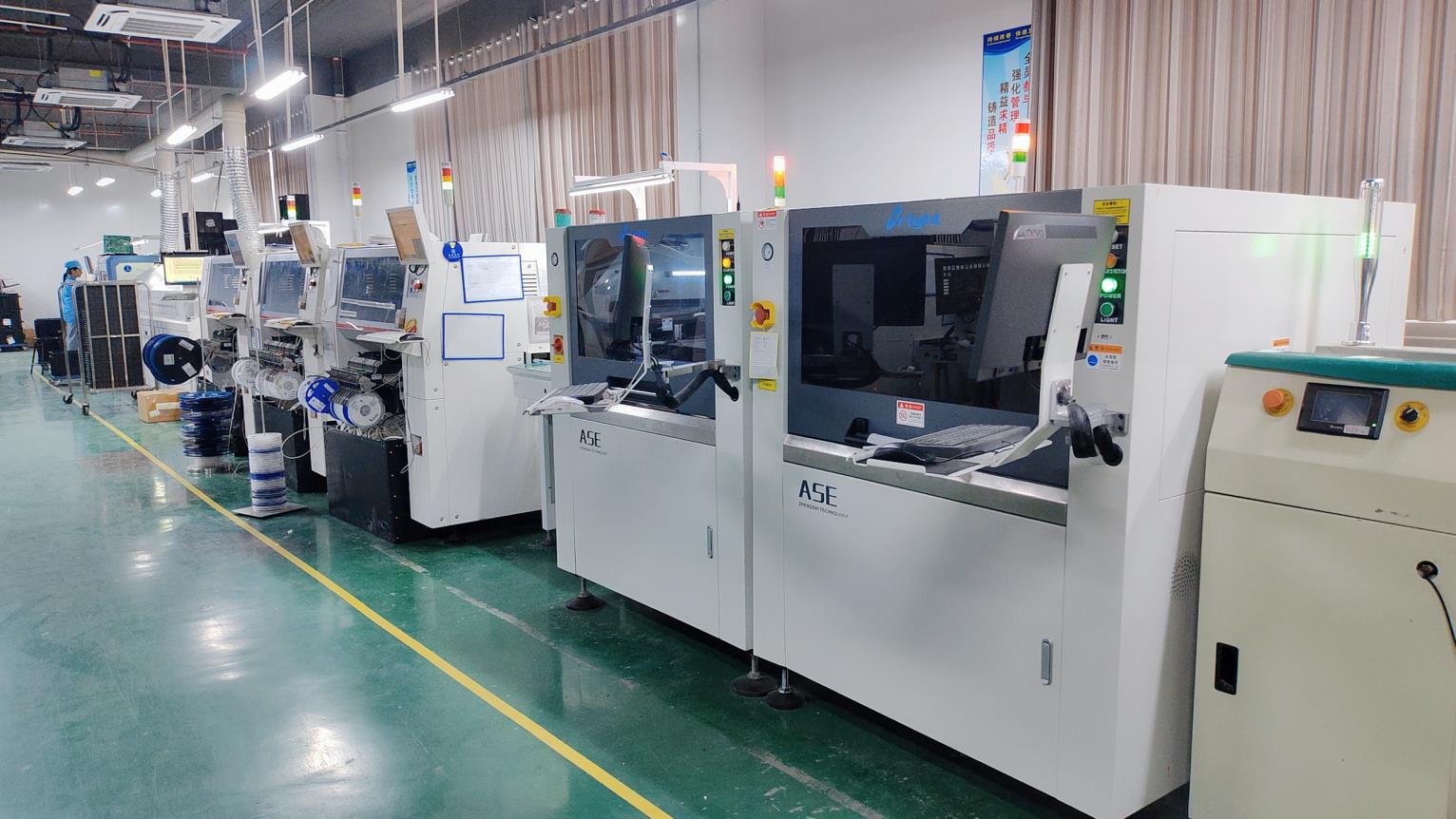
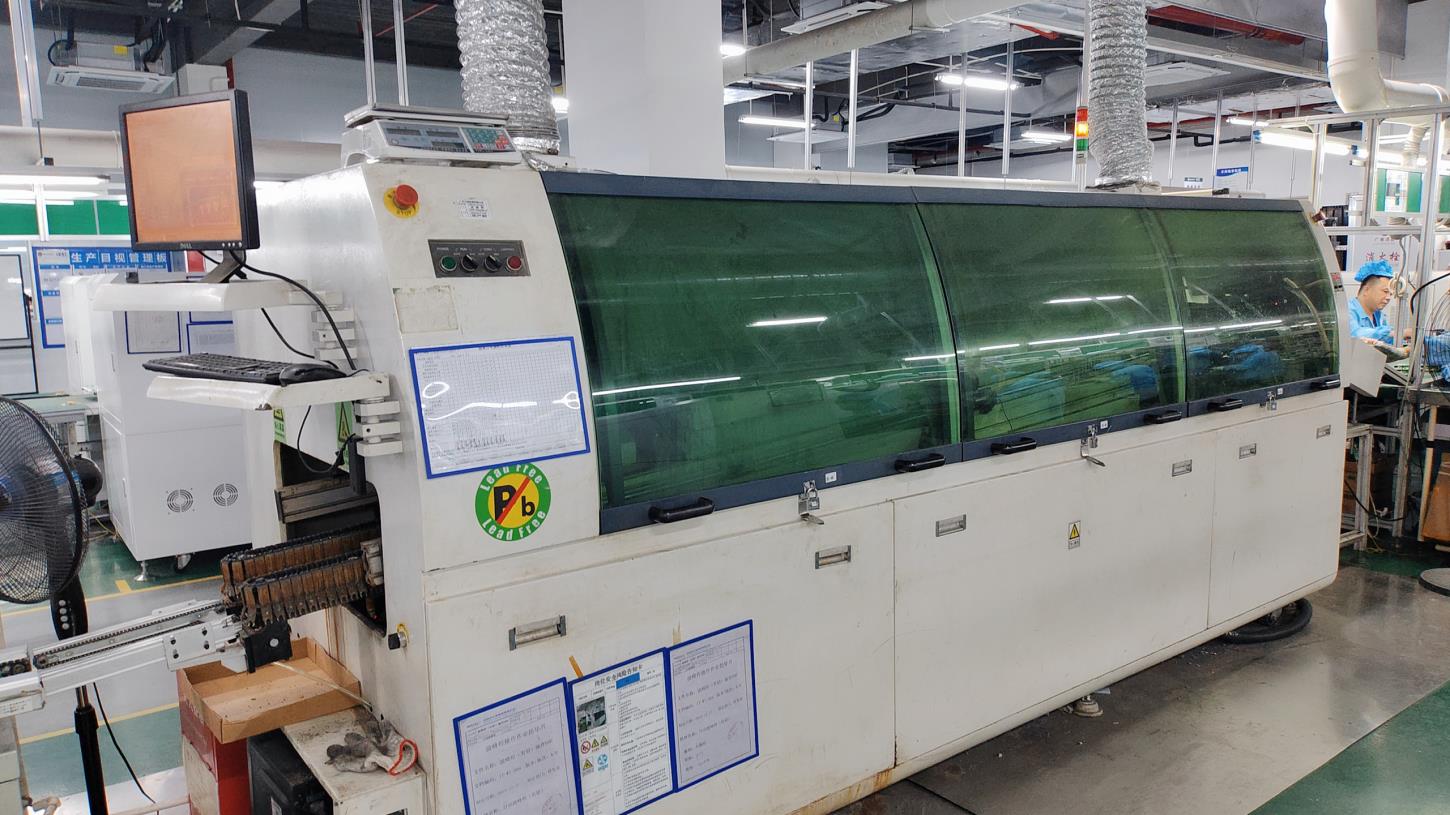
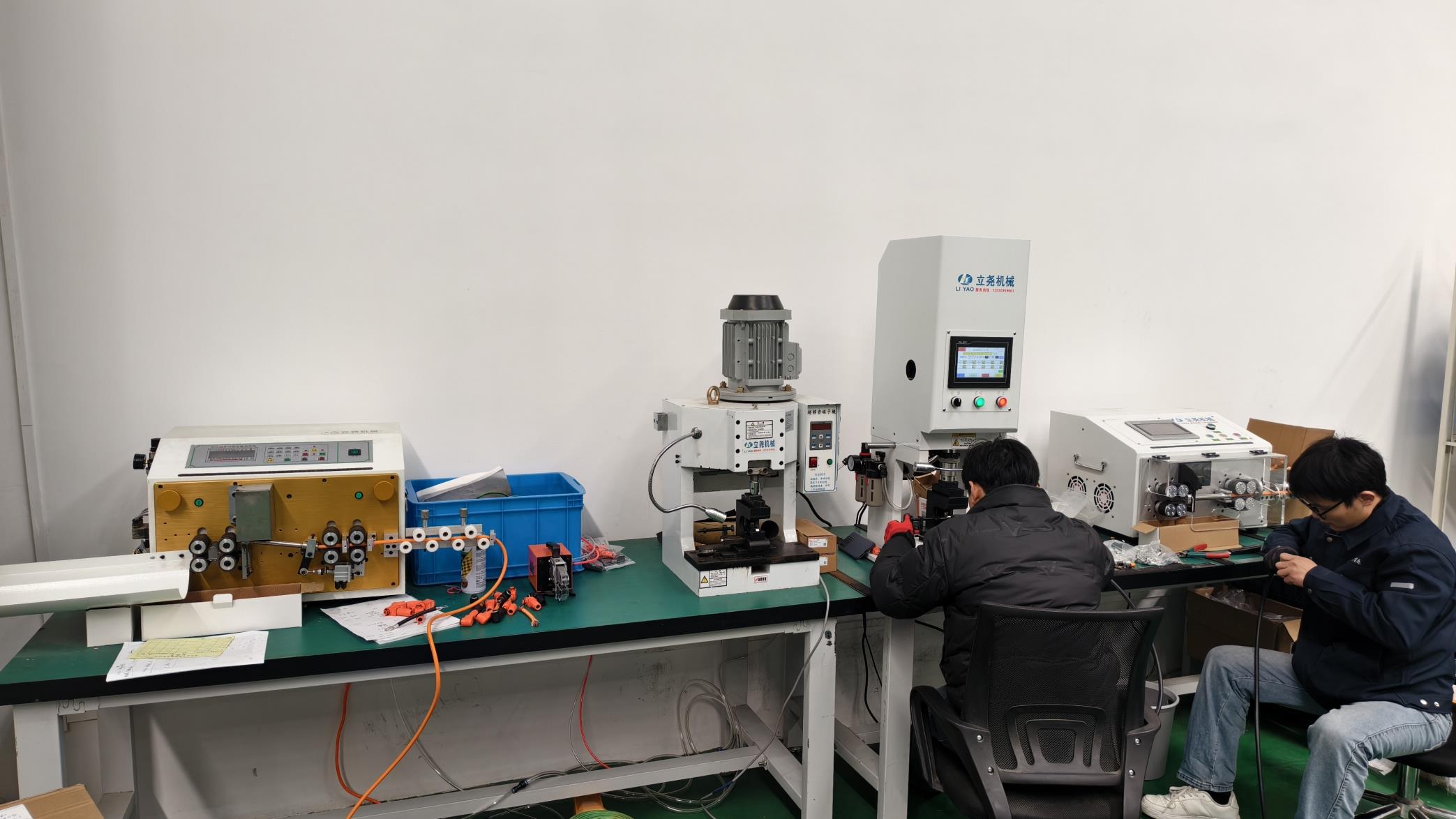
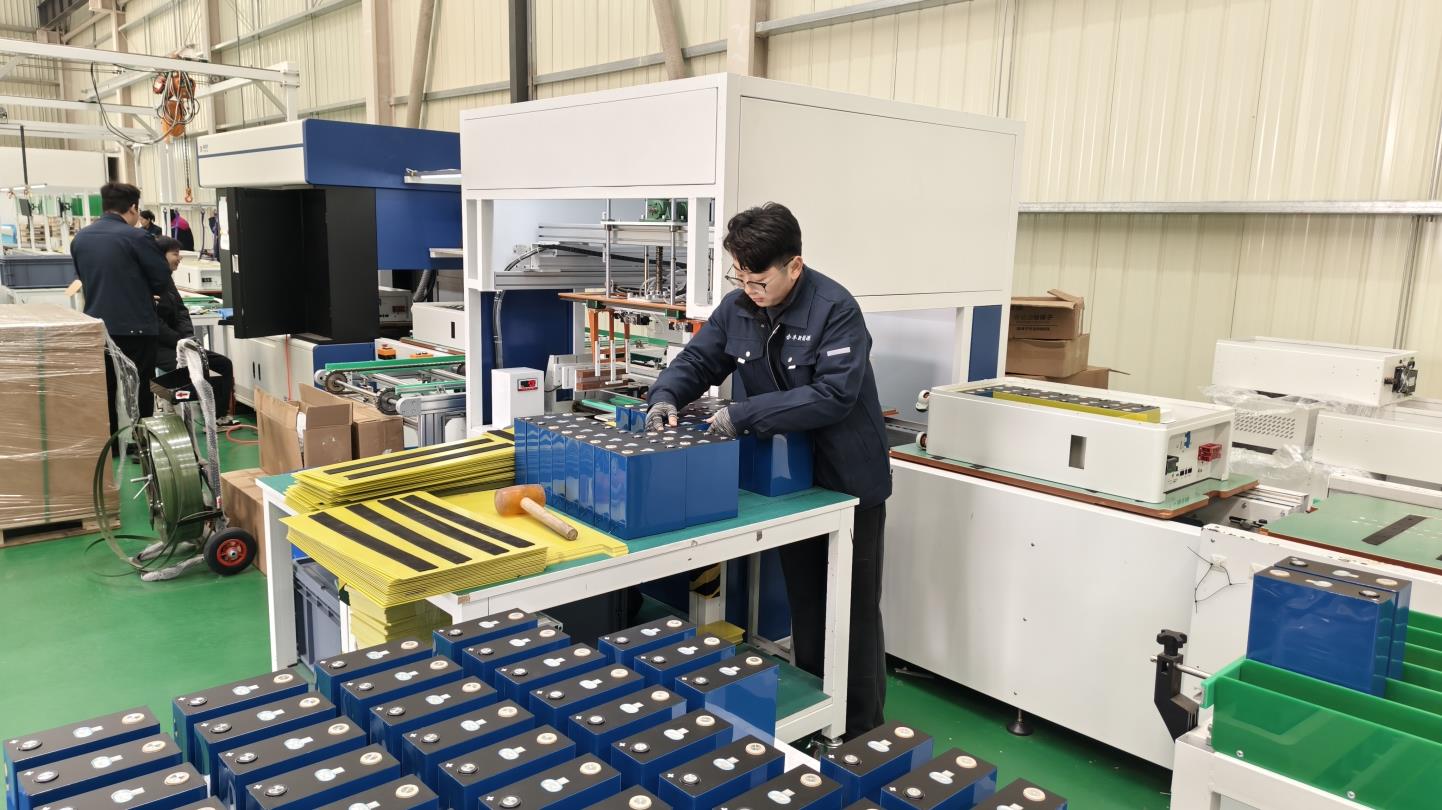
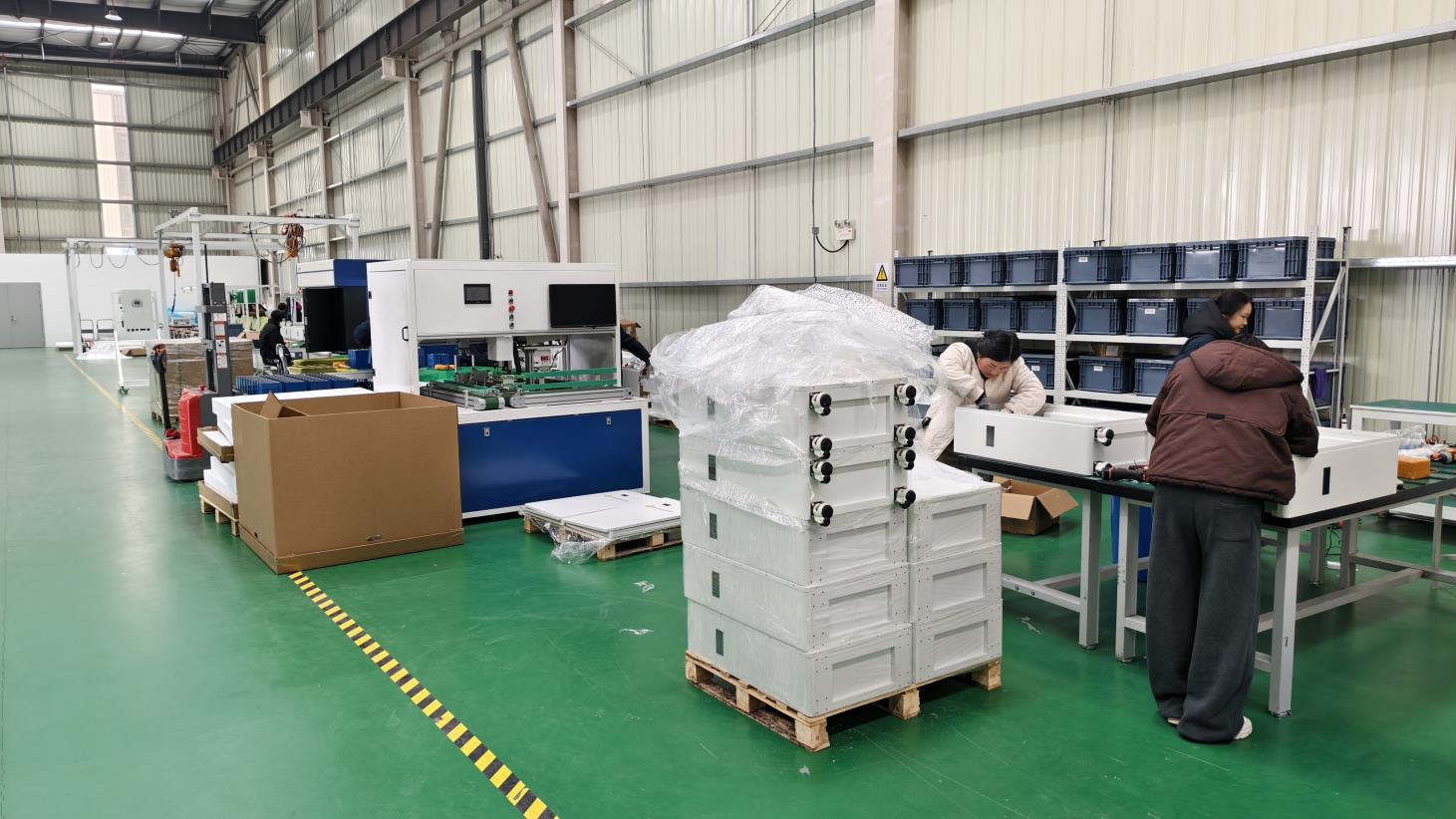
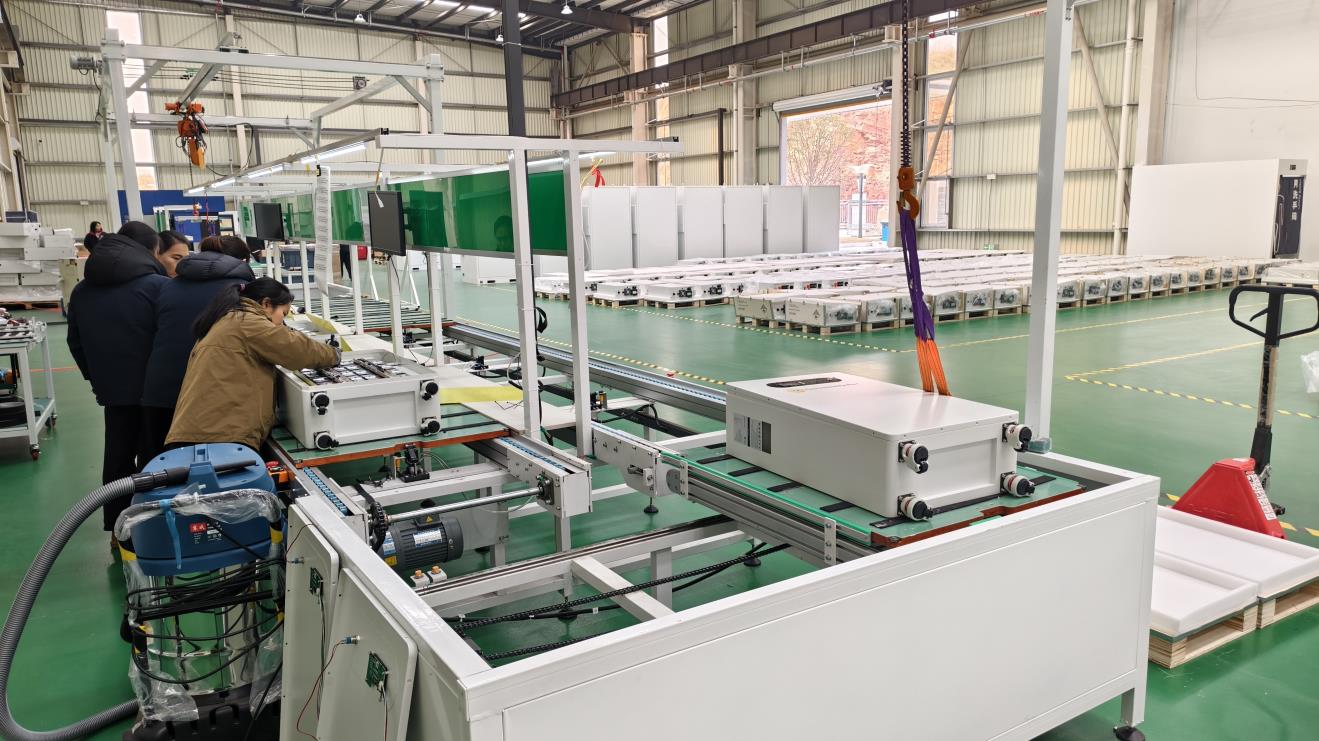
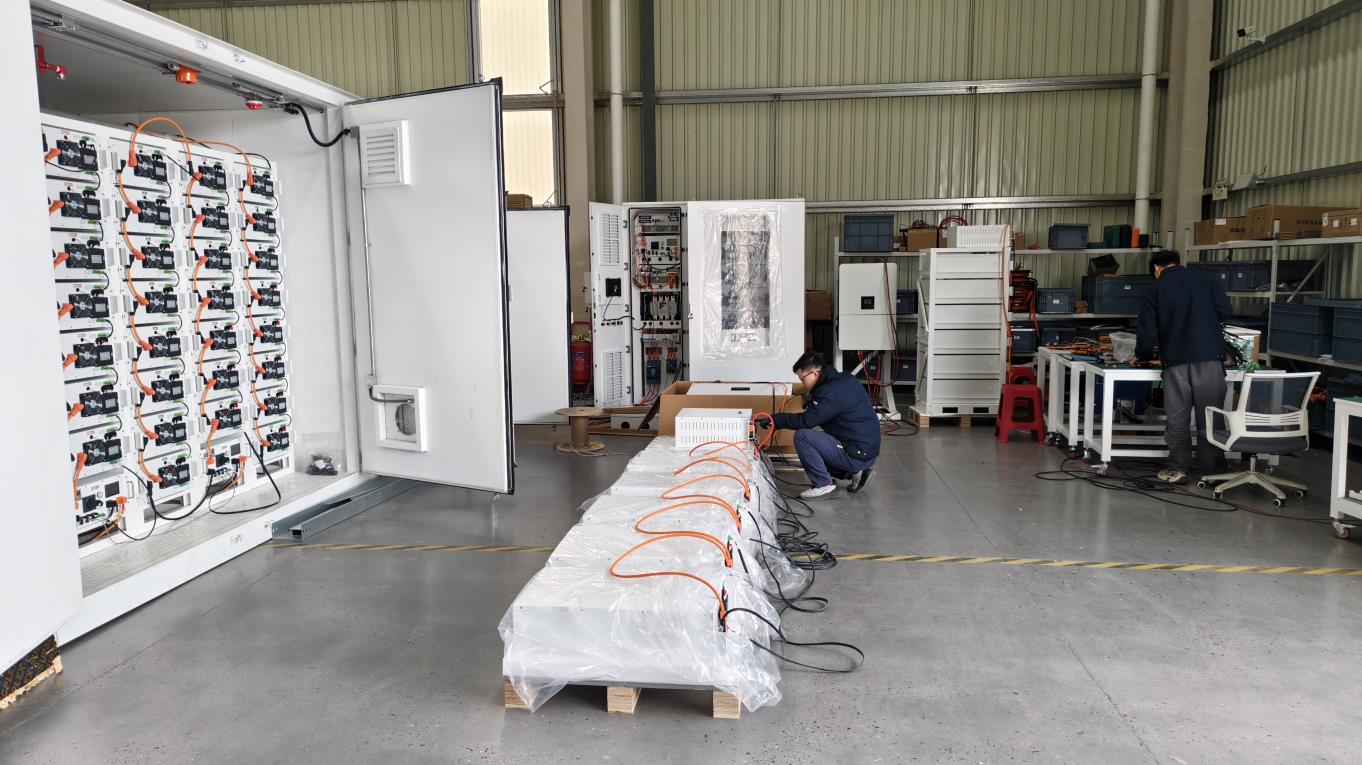
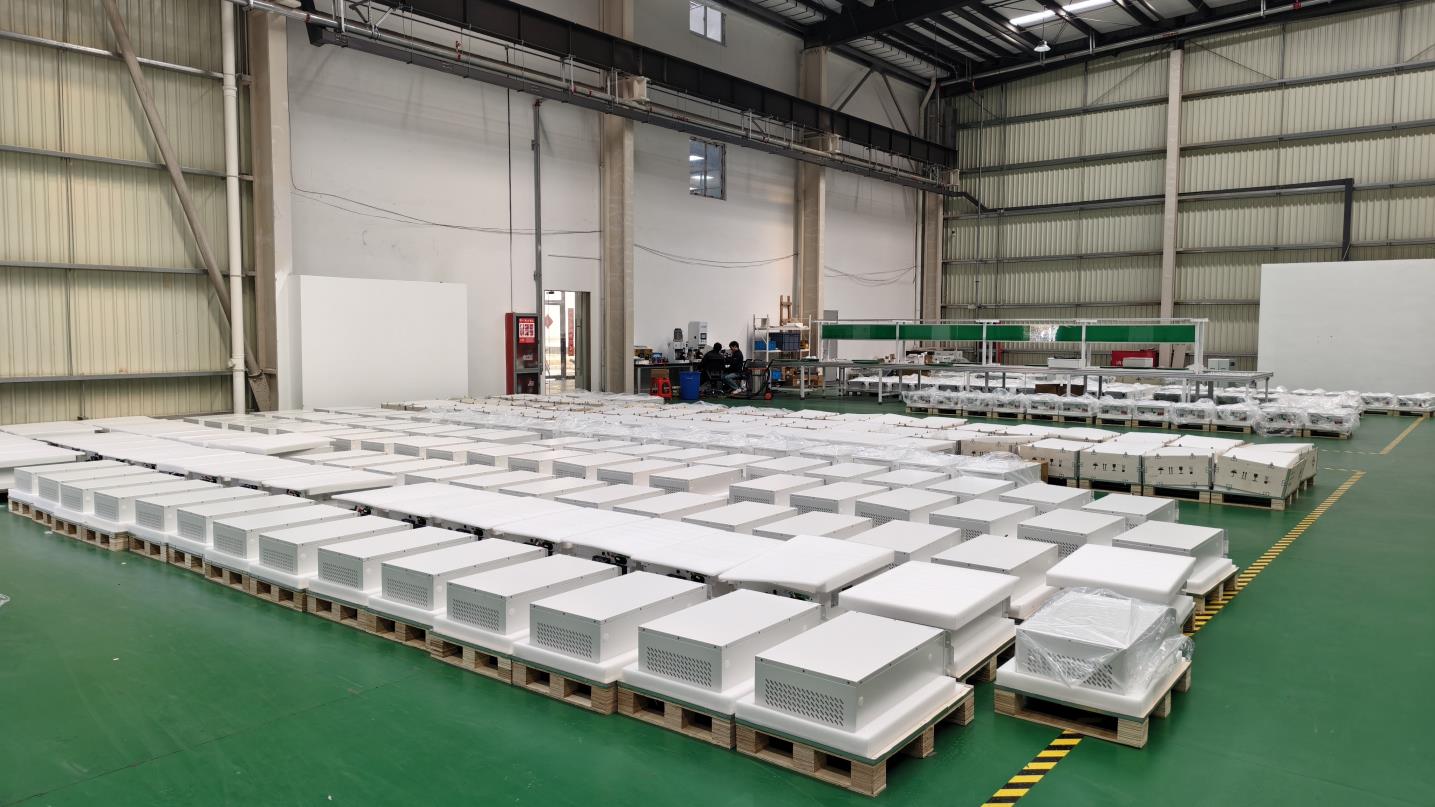
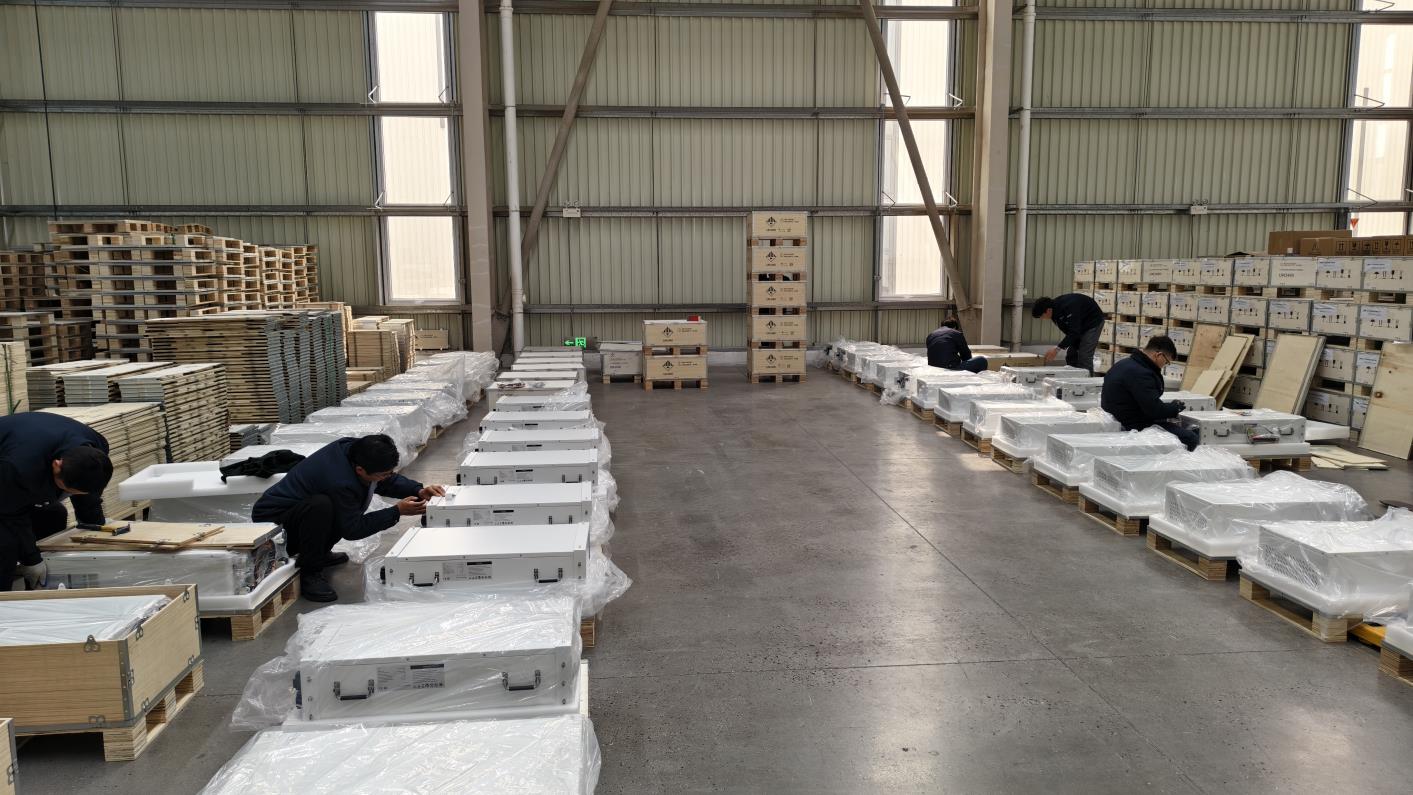
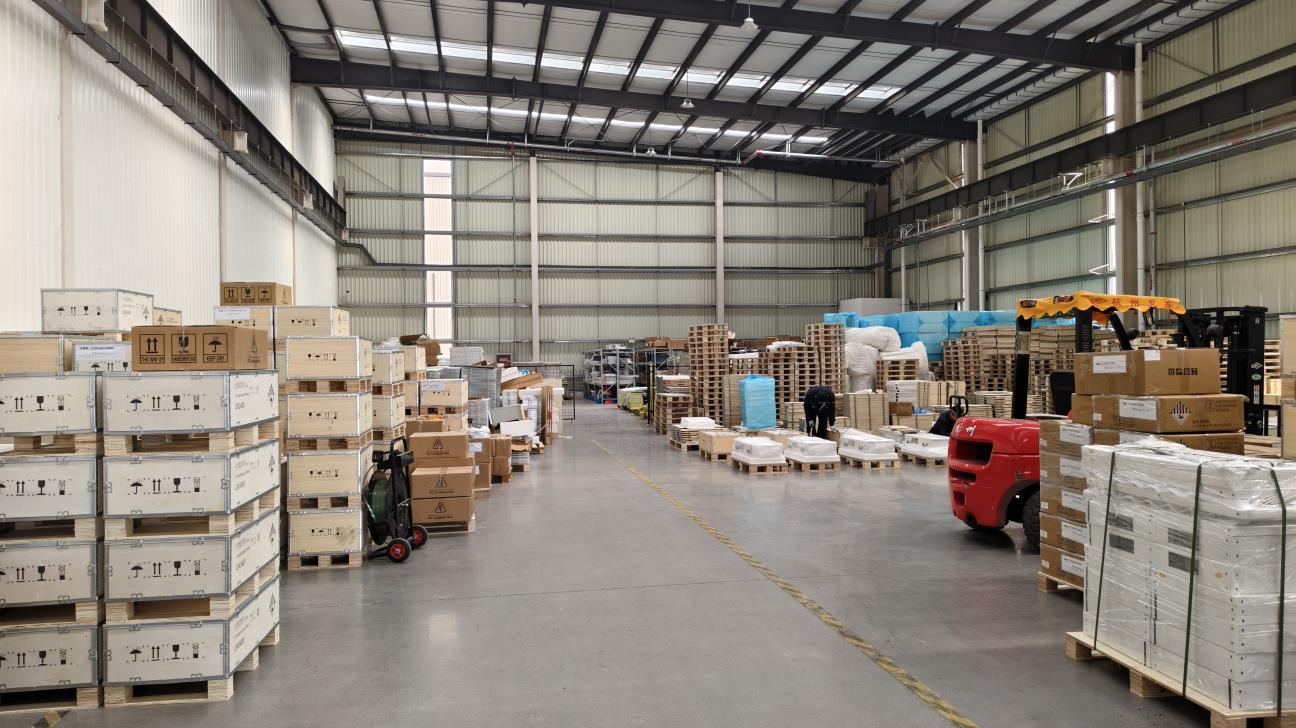
The solar energy sector is undergoing a profound architectural transition. Traditional silicon insulated-gate bipolar transistors (IGBTs) are gradually reaching their theoretical physics-based efficiency ceilings. Leading-edge manufacturers, including Aryam Energy, are actively incorporating wide-bandgap (WBG) semiconductors, notably Silicon Carbide (SiC) and Gallium Nitride (GaN), into the primary high-frequency conversion stages of solar charge inverters.
SiC and GaN materials display vastly superior electron saturation velocity and breakdown electric field strength compared to classic silicon. This permits inverter systems to operate at significantly higher switching frequencies (often exceeding 100 kHz) without suffering proportional switching losses. The operational consequences are revolutionary: inductor and capacitor physical footprints are reduced by up to 50%, saving chassis weight and material costs, while conversion efficiencies consistently exceed 98.8% under variable loading parameters.
Hardware optimization is only half the equation. The modern grid requires *software-defined power electronics* that adapt dynamically to volatile load profiles. Our latest engineering iterations focus on:
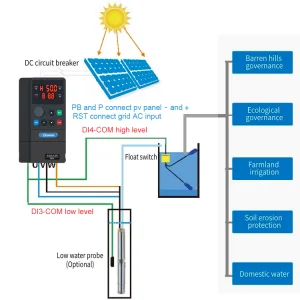
In rural farming sectors, establishing steady electrical connections is cost-prohibitive. High-surge solar pump inverters (e.g., 22kW models) run dynamic MPPT algorithms directly linked to variable-speed three-phase AC pumps, avoiding complex battery banks and lowering capital expenditure.
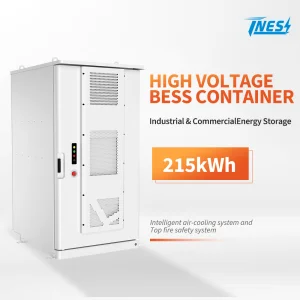
In highly industrialized metropolises, high demand charges hit businesses during afternoon peaks. High-voltage air-cooled storage system configurations charge via PV arrays during morning hours, then discharge to cover internal building load spikes, yielding major utility-bill savings.
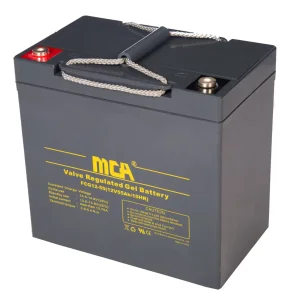
Mining operations and scientific installations require highly resilient, redundant energy hubs. Parallel-redundant hybrid charge inverters connected to Gel VRLA or LiFePO4 batteries deliver up to 100kW of continuous power, backed by diesel-generator automatic start controls.
By tailoring localized energy systems to these specific demands, Aryam Energy has minimized project design cycles while maximizing return on investment (ROI). Our engineers integrate structural parameters including seasonal solar radiation values (PSH), localized grid codes, wind loading values for panel racking, and ambient temperature swings to deliver highly optimized energy infrastructures.
Maximum Power Point Tracking (MPPT) inverters feature advanced DC-to-DC converters that constantly adjust their input voltage and current to harvest the absolute maximum power of the PV array. This allows the PV array to run at its optimum operating voltage (Vmp) independent of the battery terminal voltage. In contrast, Pulse Width Modulation (PWM) controllers pull the PV array's voltage down to match the battery voltage, resulting in severe mismatch losses and reducing overall system efficiency by 20% to 30%. MPPT architectures are critical for modern high-efficiency, multi-panel residential and commercial solar installations.
As internal component temperatures rise (primarily within the inductors and semiconductor switches), electrical resistance increases, and the heat dissipation capacity drops. This triggers "thermal derating," where the inverter limits its maximum output power to protect internal circuitry from thermal runaway. Aryam Energy combats this through advanced heat sink topology design, multi-stage smart-fan controllers, and the inclusion of wide-bandgap SiC semiconductors, which operate safely at much higher junction temperatures without triggering derating thresholds.
Total Harmonic Distortion (THD) is a measure of how closely the output AC waveform matches a perfect sine wave. High THD values (>5%) introduce unwanted harmonics, which generate excess heat in copper windings, cause motor-driven appliances to hum or fail, and can corrupt sensitive medical or laboratory instrumentation. Aryam Energy's hybrid inverters feature a pure sine wave output with THD < 2% under full load. This ensures seamless operation of precision loads and minimizes grid interference.
No. Standard low-voltage (LV) inverter systems typically interface with 48V nominal battery configurations, utilizing heavy gauge copper wiring to manage high currents. High-voltage (HV) setups operate in the range of 200V to 600V. Mixing these configurations without dedicated step-down/up converters will damage the inverter circuits or trigger automatic overvoltage shutdowns. Choosing the correct inverter version that matches the battery module voltage is vital for safe and code-compliant installations.





 Aryam Energy