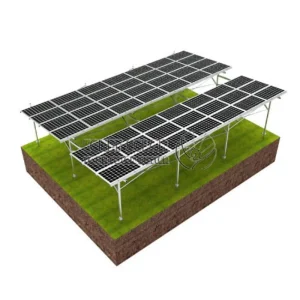
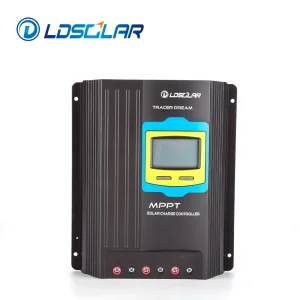
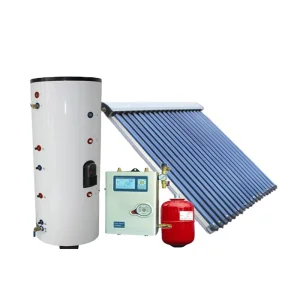
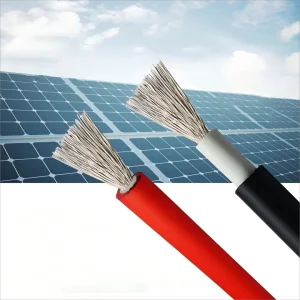
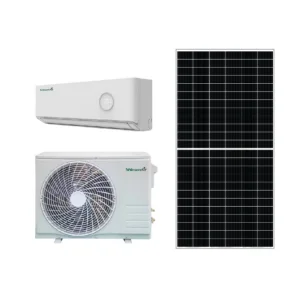
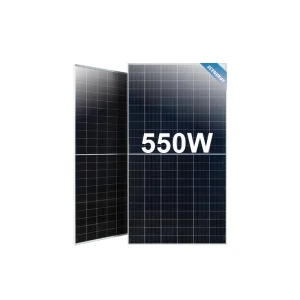
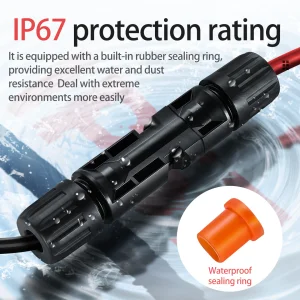
Premium selection of PV modules, connectors, and mounting solutions supporting advanced direct solar heating systems.
Analyzing the macro-economic shifts, decarbonization policies, and technological evolution dominating the industrial solar thermal market.
As the global community accelerates its transition to carbon neutrality under ESG frameworks and tight international decarbonization mandates, the commercial heating sector has emerged as a focal point for thermodynamic optimization. Among these, commercial, municipal, and high-end residential pool heating represents a disproportionately high consumer of baseline thermal energy. Traditionally reliant on natural gas boilers or high-emission electric resistance heaters, the global aquatic facility industry is undergoing a structural transition toward highly efficient solar pool heating technologies.
According to current market intelligence, the global solar pool heater market is projected to grow at a CAGR of over 6.8% through 2032. This growth is heavily driven by skyrocketing fossil fuel prices, stricter carbon emission penalties, and direct government subsidies targeting clean energy integration. For instance, in regions such as Southern Europe, the Sunbelt of the United States, Australia, and parts of Latin America, solar thermal collector arrays have become a standard specification for municipal leisure complexes, university athletic centers, and luxury eco-resorts. Industrial solar pool heaters function as a direct application of low-temperature solar thermal engineering, converting solar irradiance into clean heat with system conversion efficiencies often exceeding 75-80% under peak conditions—surpassing photovoltaic-only pathways for heating applications.
However, importing and executing solar thermal arrays at a commercial scale requires deep technical evaluation. Global procurement departments do not merely seek manufacturers; they demand engineering partners capable of delivering materials that withstand severe environmental stresses: extreme ultraviolet (UV) radiation, fluctuating chemical concentrations (chlorine, bromine, and saline ozone systems), high operating pressures, and cyclic thermal stresses. Therefore, identifying the top factories and exporters requires looking beyond simple price-per-square-meter metrics to assess polymer compounding expertise, structural design, and absolute system reliability.
An in-depth review of polymer compounding, collector thermodynamics, and next-generation hybrid systems.
Unglazed solar collectors remain the most cost-effective and thermodynamically efficient solution for low-to-medium temperature pool heating. Historically, standard plastics degraded rapidly under intense sunlight and chemical exposure. Modern leading manufacturers utilize specialized polymer compounds, notably **stabilized polypropylene (PP)** and **ethylene propylene diene monomer (EPDM) rubbers**. These polymers are blended with proprietary UV inhibitors (typically carbon black and hindered amine light stabilizers or HALS) to shield the molecular bonds from UV-induced photo-oxidation. This technical formulation ensures a product life expectancy of 15 to 20 years, even in extreme UV environments like the Australian outback or the Middle Eastern deserts.
For applications where ambient temperatures drop significantly, or where year-round heating is required in cold climates, unglazed collectors suffer from convective heat losses. In these scenarios, the technological roadmap shifts toward **glazed flat-plate collectors** or **evacuated tube solar collectors**. Glazed collectors utilize low-iron tempered solar glass and selective absorber coatings (such as black chrome or titanium anodized coatings) to trap long-wave infrared radiation, significantly minimizing thermal loss to the atmosphere. This enables commercial facilities to operate pools even in high-latitude regions, bridging the gap between solar thermal heat generation and variable local weather conditions.
The latest frontier in solar pool heating is the integration of **PVT (Photovoltaic-Thermal)** technology. PVT panels generate both electricity and thermal energy simultaneously. The circulation of pool water through a heat exchanger integrated into the back of the PV panel cools the photovoltaic cells (increasing their electrical efficiency by up to 12-15% in hot climates) while pre-heating the pool water. This dual-action thermodynamic cycle represents the pinnacle of resource utilization and is increasingly favored by forward-thinking architects and commercial developers designing net-zero energy buildings.
How top manufacturers design custom systems for different climatic zones and installation scale demands.
In regions such as Canada, Northern Europe, and the Northern US, the main engineering challenges are freezing temperatures and low solar angles. Factories exporting to these areas must provide robust **drain-back systems** or **closed-loop indirect heating systems** containing non-toxic propylene glycol. When solar radiation is insufficient, the system automatically drains the water or glycol mix back into a holding tank, preventing destructive pipe bursts and freezing within the collector array. These systems are typically paired with high-efficiency titanium heat exchangers to ensure safe, corrosion-free heat transfer between the glycol loop and the pool water.
Conversely, in tropical environments like Southeast Asia or the Caribbean, solar irradiance is consistently high, but so is humidity and atmospheric salinity. Here, the primary concerns are structural degradation due to salt-spray corrosion and high-velocity wind loads (typhoons/hurricanes). Exporters targeting these markets must utilize marine-grade hardware (316 stainless steel or anodized aluminum mounting structures) and ensure their solar collector arrays have been wind-tunnel tested to withstand gusts exceeding 240 km/h. Furthermore, the collectors must feature self-cleaning, low-friction surface geometries to prevent dust and pollen build-up, which can degrade thermal absorption over time.
For municipal pools and commercial waterparks, system sizing and hydraulic balancing are critical. An uneven flow rate across a massive collector array leads to localized overheating and accelerated material fatigue. Elite manufacturers design custom hydraulic layouts using the **Tichelmann principle** (equal path length piping) and provide integrated solar controllers. These smart control panels continuously monitor solar collector temperature (T1) and pool water temperature (T2), modulating variable-speed circulation pumps to maximize heat transfer efficiency and prevent thermal shock to the structural piping.
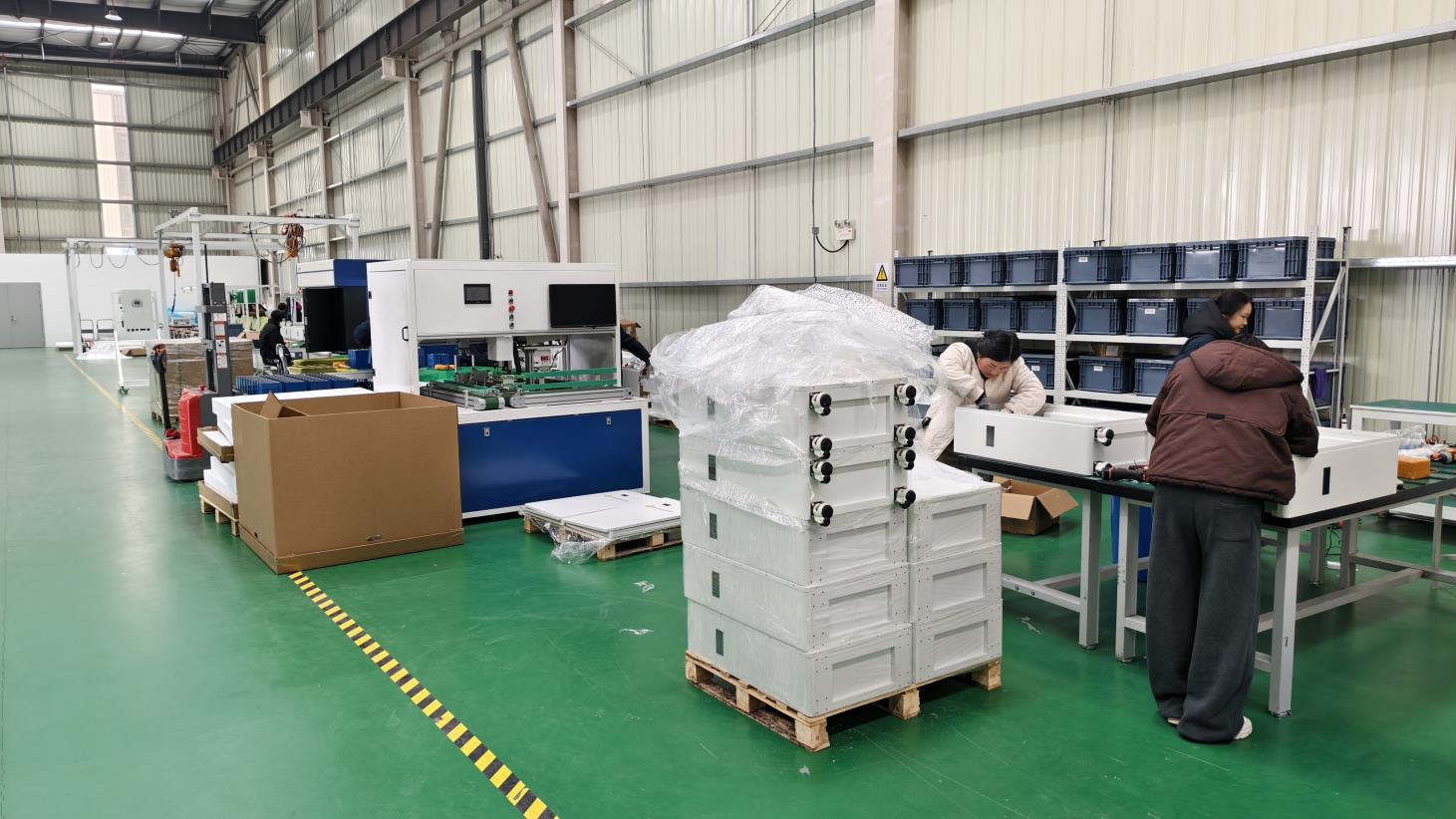
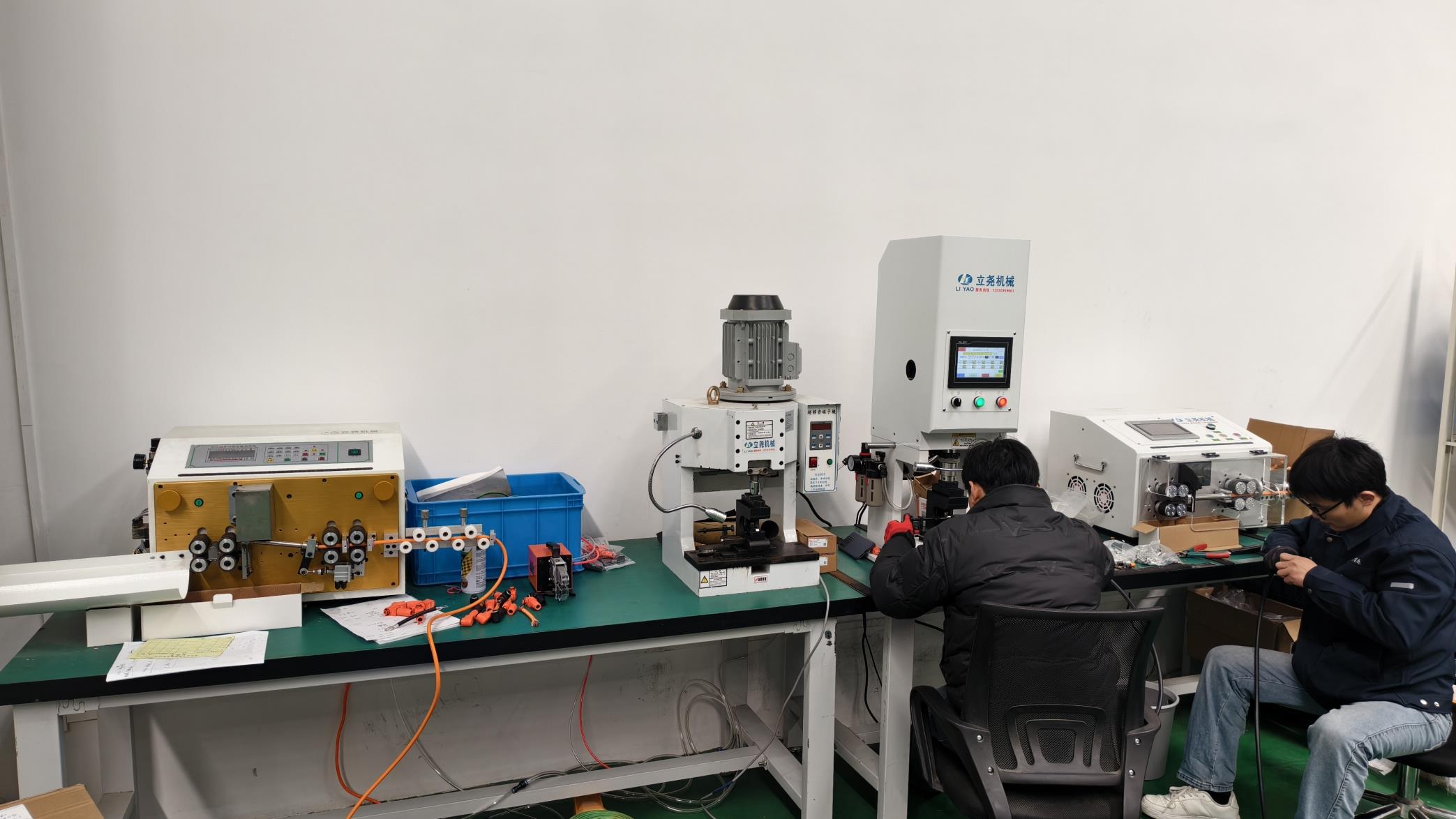
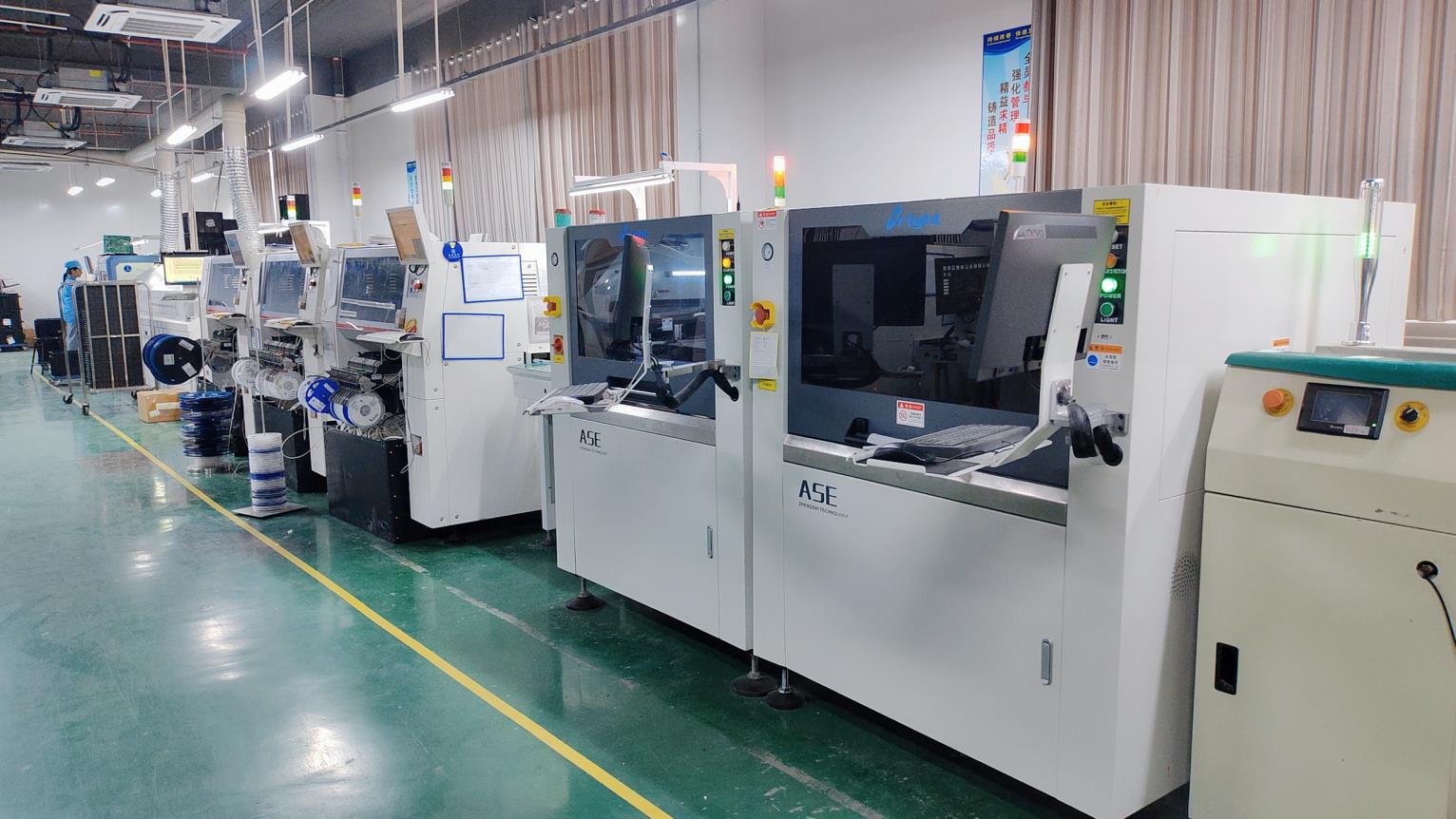
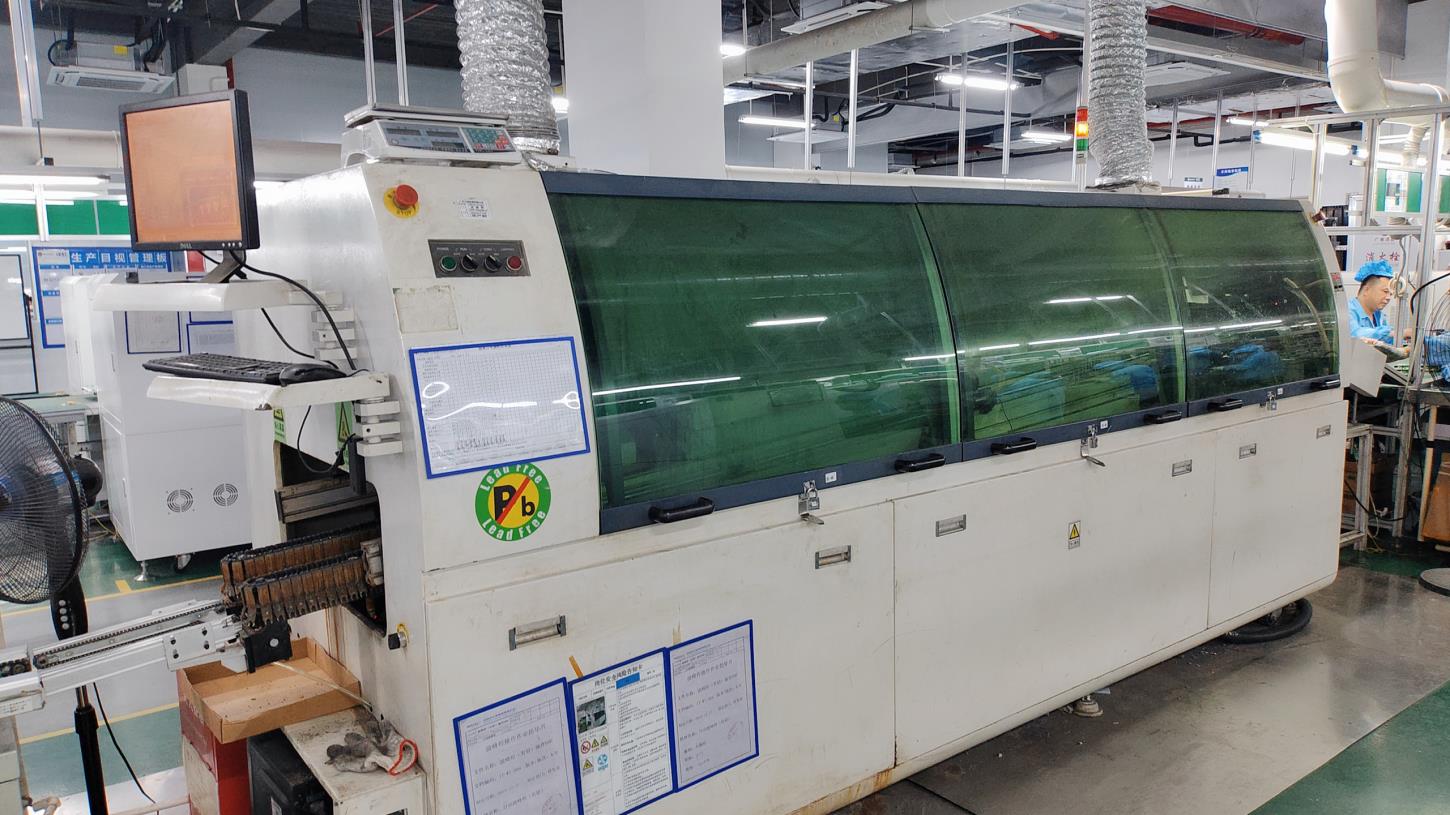
A trusted global leader in advanced renewable energy solutions, SMT production, and integrated solar system manufacturing.
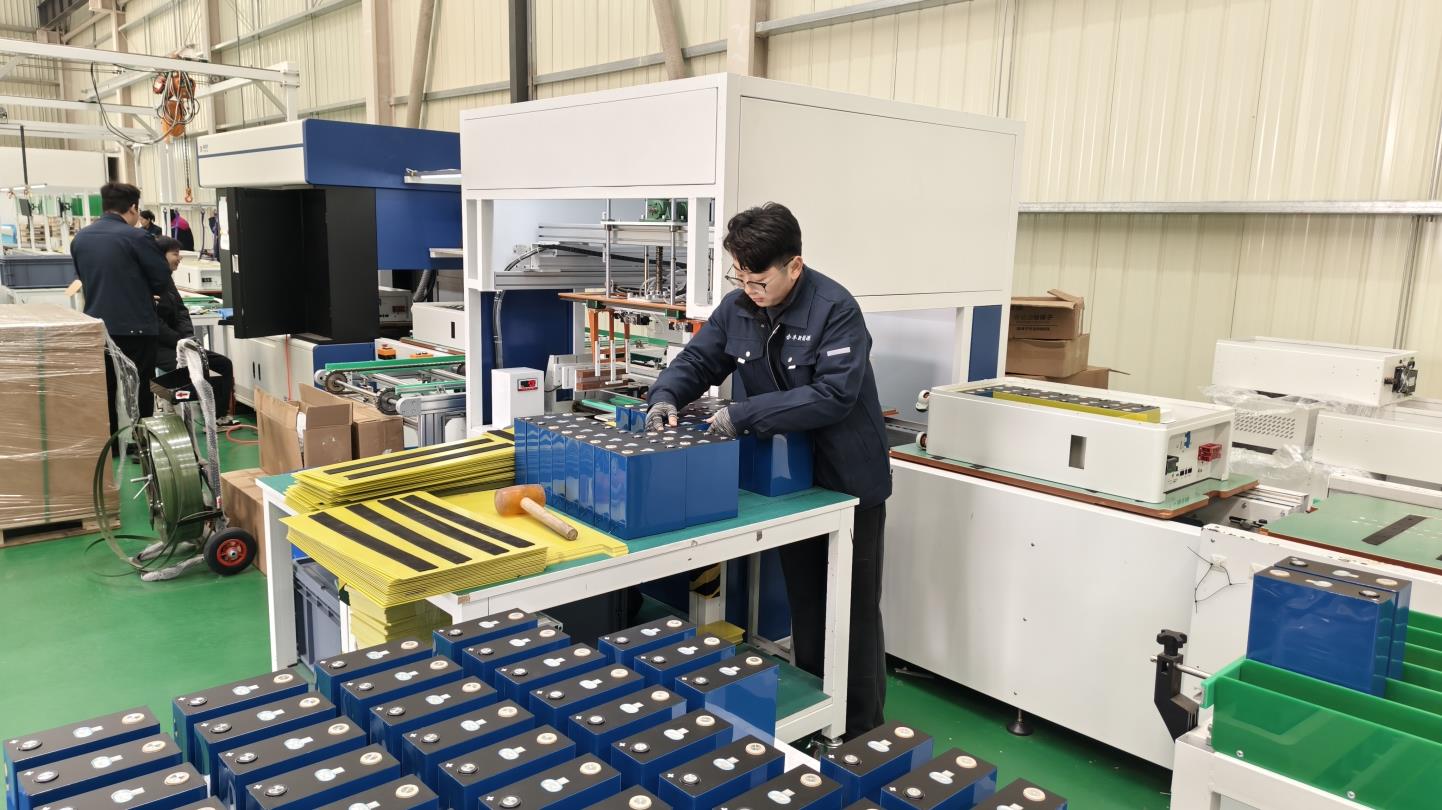
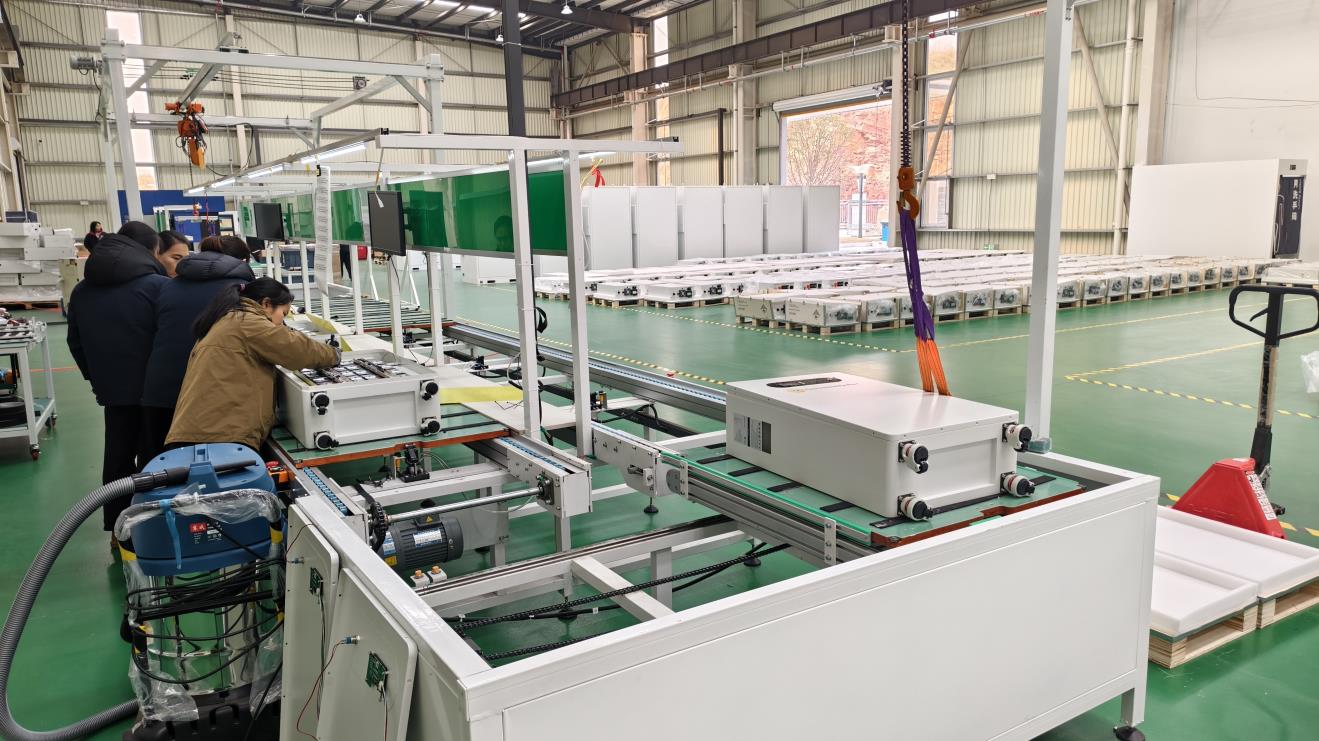
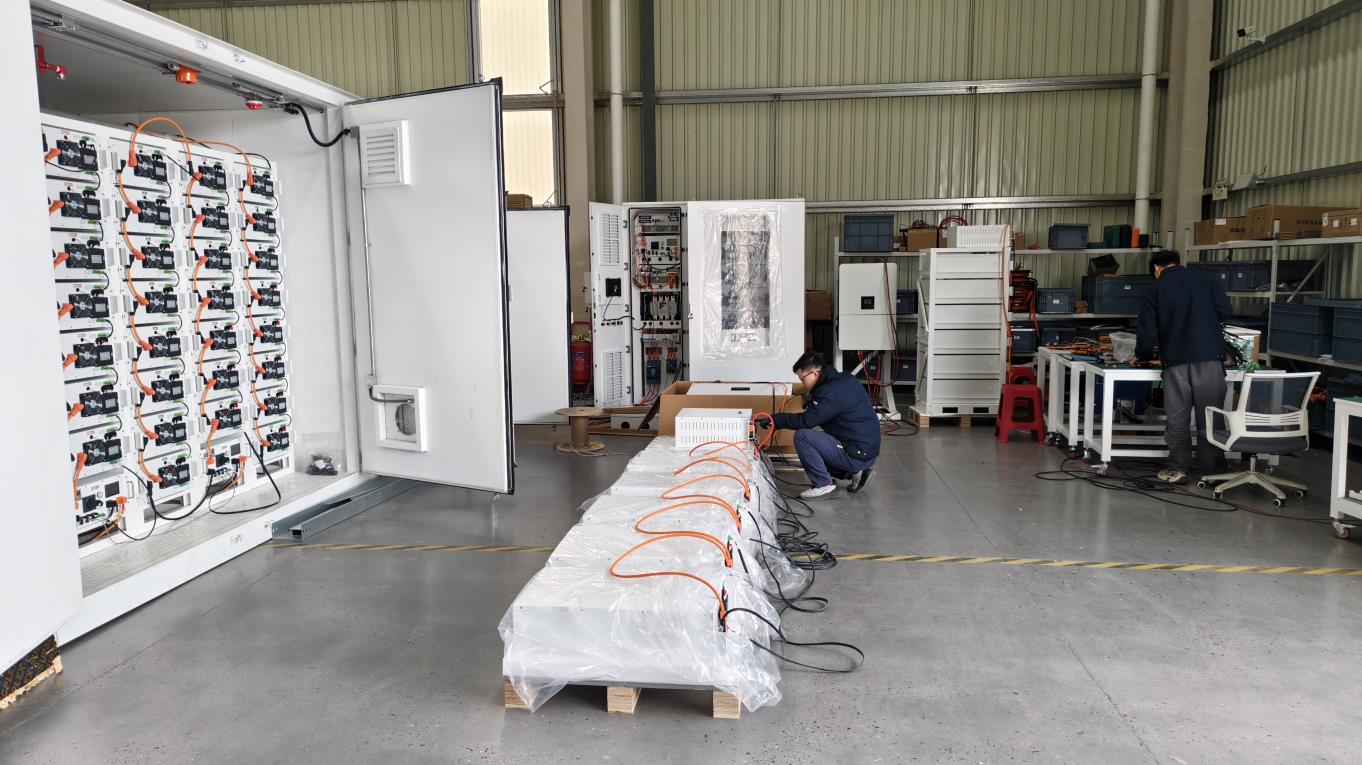
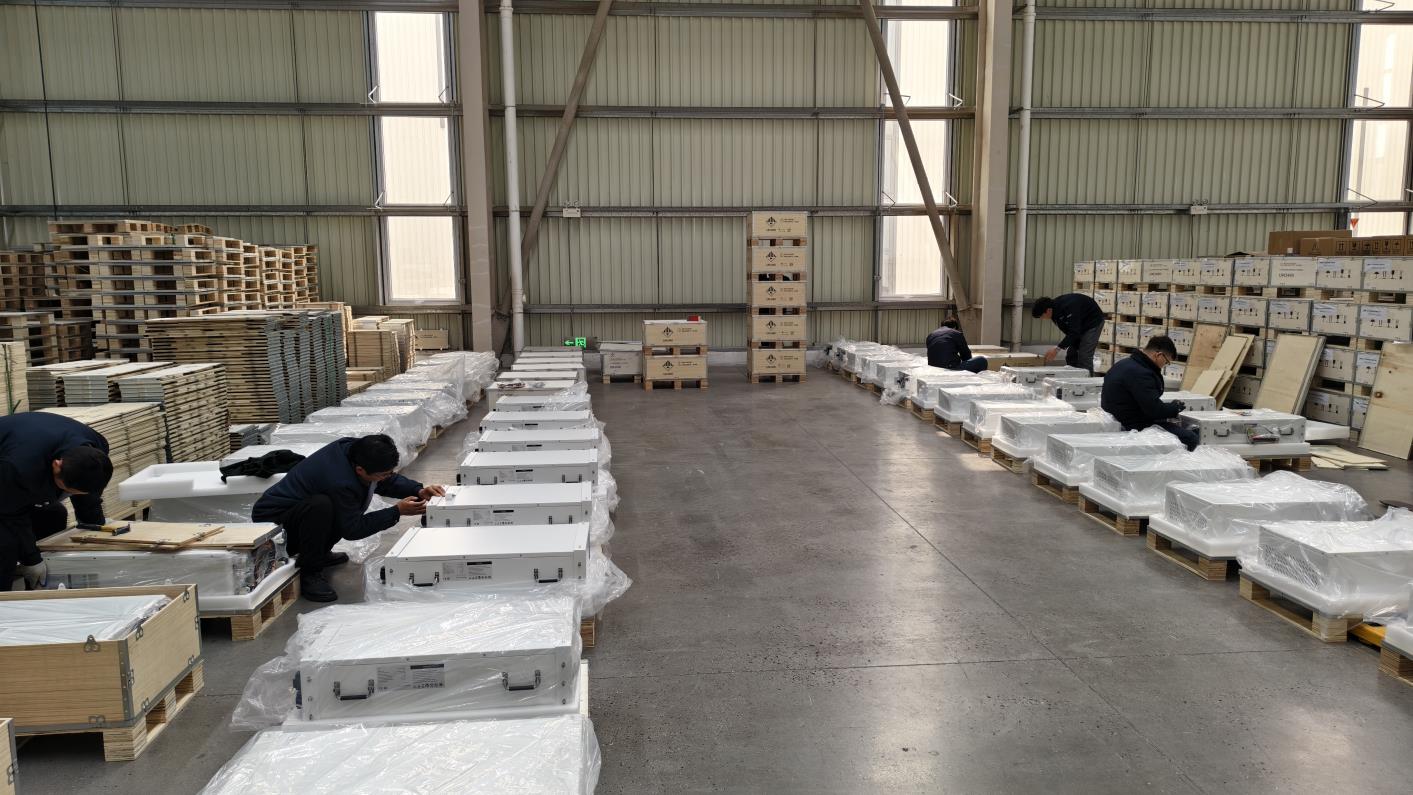
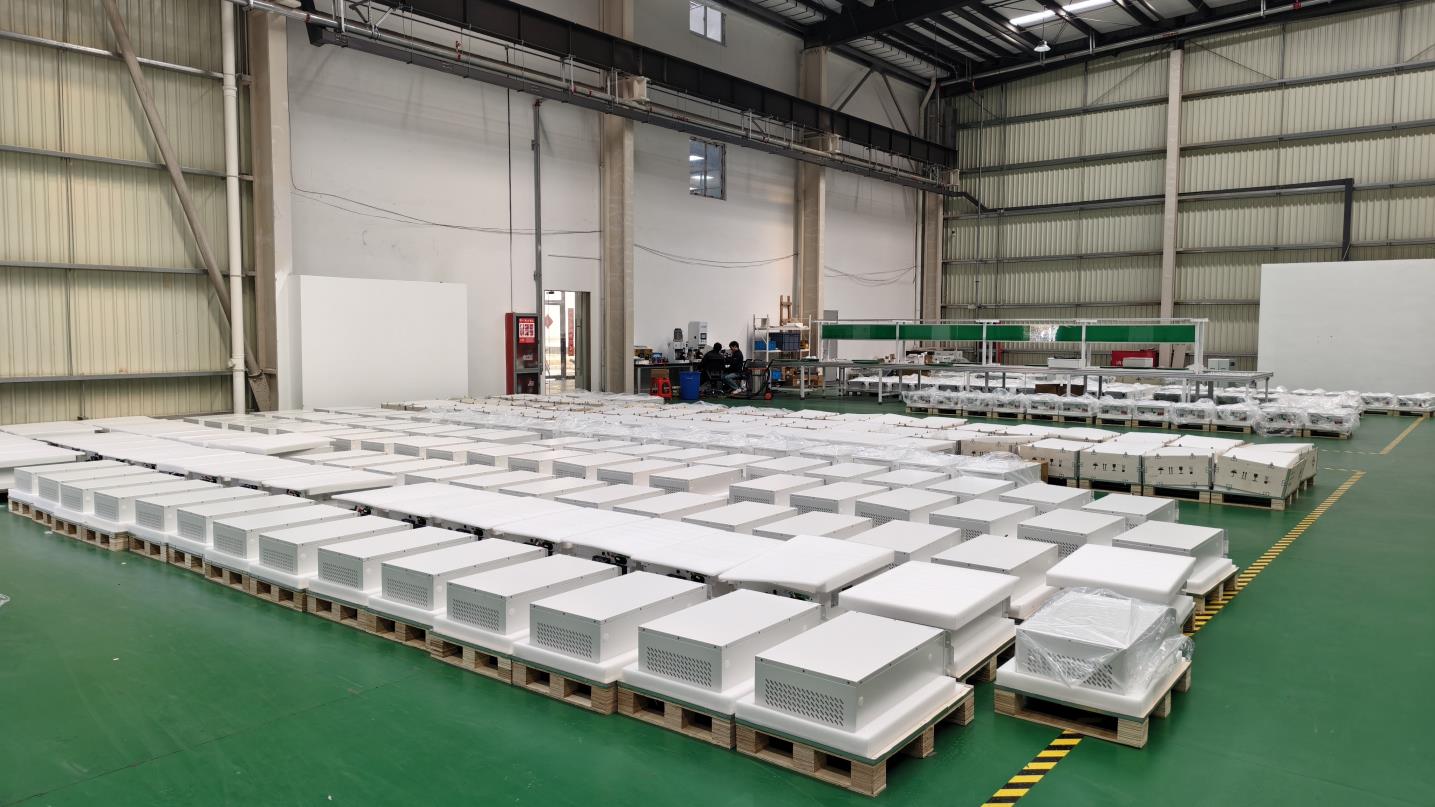
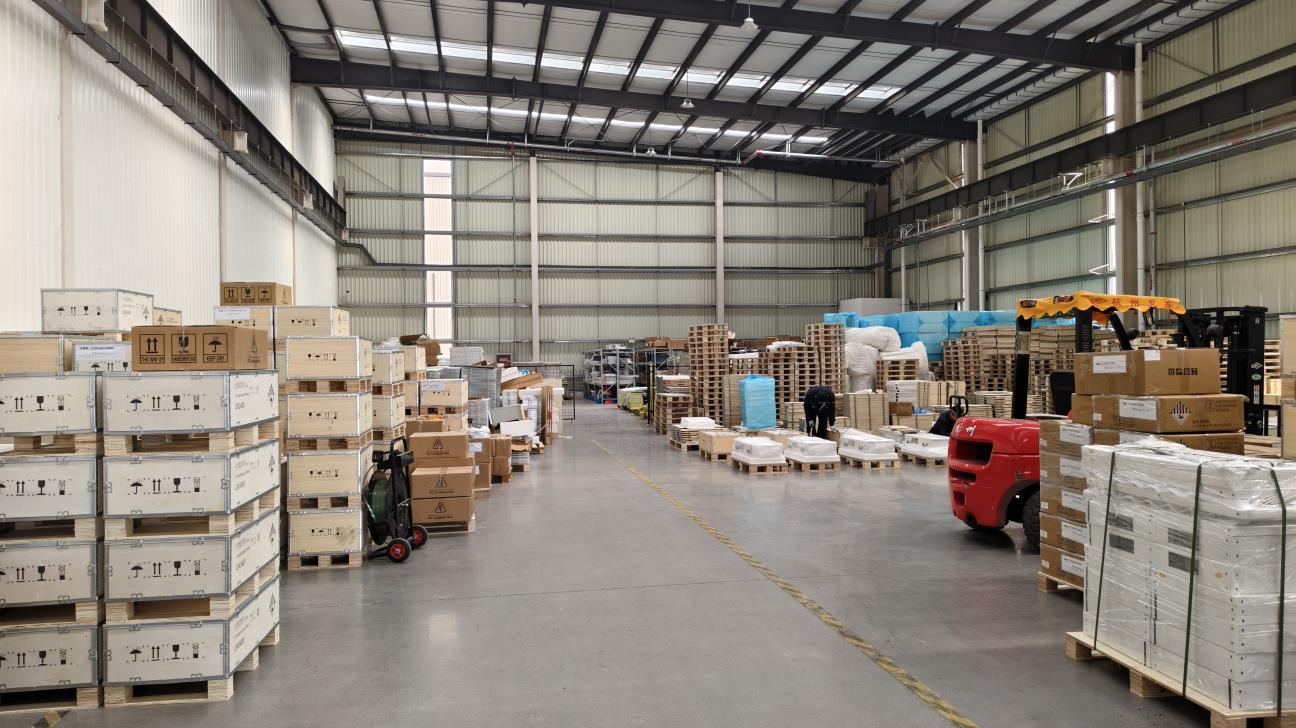
Anhui Aryam Energy Co., Ltd. is a leading provider of advanced renewable energy solutions, dedicated to delivering reliable, efficient, and sustainable power systems for residential, commercial, industrial, and utility-scale applications worldwide. Through continuous innovation and a strong commitment to clean energy development, Aryam Energy has established itself as a trusted partner in the global transition toward a low-carbon future.
The company specializes in the research, development, manufacturing, and integration of solar energy systems, energy storage solutions, hybrid power systems, and intelligent microgrid technologies. Leveraging cutting-edge engineering expertise and strict quality management standards, Aryam Energy provides comprehensive energy solutions tailored to diverse market needs, particularly in regions facing energy shortages, unstable grid infrastructure, or increasing demand for sustainable power generation.
With a professional R&D team and a growing portfolio of proprietary technologies, Aryam Energy continuously invests in innovation to enhance system performance, energy efficiency, and long-term reliability. Its products and solutions are designed to meet international standards and have been successfully deployed across Asia, Africa, the Middle East, Europe, and Latin America, serving customers in more than 100 countries and regions.
Aryam Energy's product portfolio includes solar inverters, energy storage systems, hybrid inverters, lithium battery solutions, solar water pumping systems, microgrid systems, and customized renewable energy projects. The company is committed to providing integrated energy solutions that maximize energy independence, reduce operational costs, and support environmental sustainability. Driven by the vision of becoming a globally recognized clean energy technology leader, Aryam Energy actively collaborates with distributors, EPC contractors, government agencies, international organizations, and development partners to promote renewable energy adoption worldwide. Through its mission of "Empowering Sustainable Energy for a Better Future," the company strives to create long-term value for customers while contributing to global carbon reduction goals and sustainable social development.
Key technical parameters and standards for evaluating Top 10 solar pool heater factories.
When selecting a manufacturing partner for utility or commercial solar projects, procurement managers must evaluate several technical criteria. Price competition is secondary to thermal longevity, certification, and hydraulic efficiency. Below is an audit guide detailing what to request from potential OEM/ODM partners:
Top factories must back their performance claims with internationally recognized certifications. Do not accept internal laboratory reports as sufficient proof of compliance. Request certifications such as SRCC OG-100 (USA Solar Rating & Certification Corporation), Solar Keymark (Europe), or test reports compliant with ISO 9806 (Test methods for solar thermal collectors). These standards ensure that thermal output claims, wind resistance metrics, and structural integrity parameters have been validated by third-party testing organizations.
For polymer-based unglazed collectors, the purity of the raw polypropylene or EPDM is paramount. Inquire directly about the source of the polymer resins and the percentage of virgin material utilized. Virgin resins exhibit superior mechanical strength and UV degradation resistance compared to recycled compounds. Audit the factory’s quality control protocols for extrusion. The wall thickness of individual flow tubes must be uniform; minor variations under high extrusion speeds can create localized weak spots that may fail under typical thermal expansion or water-hammer conditions.
A solar thermal field is only as strong as its connections. The coupling mechanism between individual collectors must accommodate high thermal expansion rates. Modern, professional systems utilize specialized compression fittings, high-grade EPDM connector hoses, or integrated interlocking headers. Avoid factories relying on low-grade PVC glues or rigid pipe couplings for collector interconnection. These rigid connections will experience fatigue and leak as the system cycles between day and night temperatures.
In-depth responses to critical design, installation, and performance questions regarding commercial solar pool heating.
High-quality, UV-stabilized polymer collectors (manufactured from EPDM or premium polypropylene with HALS additives) have a typical operational life expectancy of 15 to 20 years. To achieve this, the system must be installed with proper vacuum relief valves to prevent structural collapse under negative pressures, and local water chemistry (pH, chlorine levels) must be maintained within standard operating parameters.
Traditional solar thermal collectors are optimized strictly for low-temperature heat generation and are more cost-effective per square meter. PVT systems, while having a higher initial capital expense, generate both electrical energy (to offset facility pump and lighting loads) and thermal energy. Additionally, the continuous cooling of the PV portion by the circulating pool water increases its electrical generation efficiency by up to 15% in hot climates compared to standalone PV.
Sizing calculations depend on pool surface area, target temperature rise, average wind velocity, and daily solar irradiance (measured in kWh/m²/day). Generally, in warm climates, the collector surface area should equal 50% to 70% of the pool's surface area. In cooler, high-wind, or northern regions, this ratio must be increased to 80% to 100% (or higher) to compensate for higher convective losses and lower ambient temperatures.
The standard engineering solution is a drain-back system. When the controller detects that the collector temperature is approaching freezing, or when solar thermal harvest is insufficient, the system pump shuts down, and gravity drains all water from the outdoor collectors back into the pool or a reservoir tank. Closed-loop systems using non-toxic propylene glycol and titanium heat exchangers are also common in severe climates.
Pool water contains high levels of corrosive sanitizing agents (chlorine, bromine, salt-water chlorination systems, ozone). Copper or standard stainless steel heat exchangers degrade rapidly when exposed to these chemicals under high temperatures. Titanium offers near-complete resistance to galvanic corrosion and chemical degradation, ensuring system longevity and preventing heavy-metal contamination of pool water.
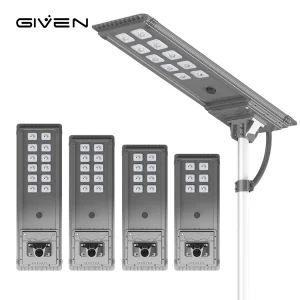
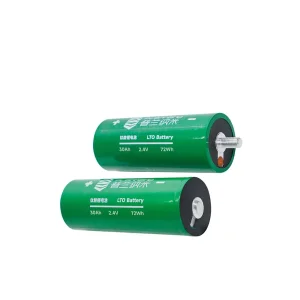
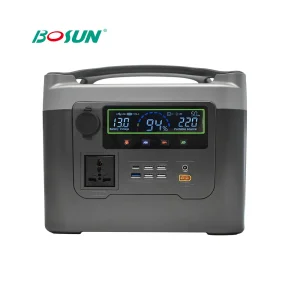
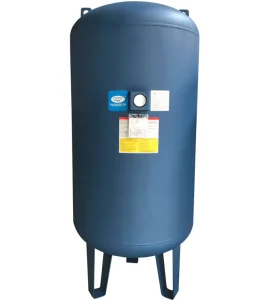
Complete your design with high-performance solar water storage, heat pumps, backup batteries, and lighting systems.

 Aryam Energy