Pre-engineered structural mounting, heavy-duty electronics, and power distribution systems designed to meet industrial solar carport specifications.
Anhui Aryam Energy Co., Ltd. is a leading provider of advanced renewable energy solutions, dedicated to delivering reliable, efficient, and sustainable power systems for residential, commercial, industrial, and utility-scale applications worldwide. Through continuous innovation and a strong commitment to clean energy development, Aryam Energy has established itself as a trusted partner in the global transition toward a low-carbon future.
The company specializes in the research, development, manufacturing, and integration of solar energy systems, energy storage solutions, hybrid power systems, and intelligent microgrid technologies. Leveraging cutting-edge engineering expertise and strict quality management standards, Aryam Energy provides comprehensive energy solutions tailored to diverse market needs, particularly in regions facing energy shortages, unstable grid infrastructure, or increasing demand for sustainable power generation.
With a professional R&D team and a growing portfolio of proprietary technologies, Aryam Energy continuously invests in innovation to enhance system performance, energy efficiency, and long-term reliability. Its products and solutions are designed to meet international standards and have been successfully deployed across Asia, Africa, the Middle East, Europe, and Latin America, serving customers in more than 100 countries and regions.
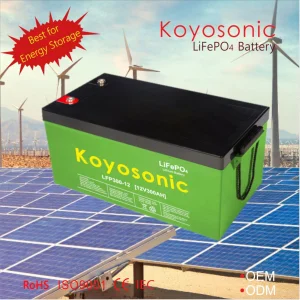
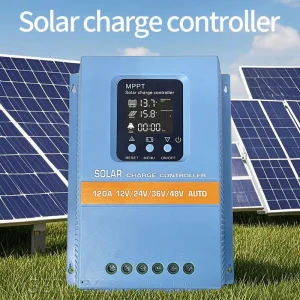
Aryam Energy's product portfolio includes solar inverters, energy storage systems, hybrid inverters, lithium battery solutions, solar water pumping systems, microgrid systems, and customized renewable energy projects. The company is committed to providing integrated energy solutions that maximize energy independence, reduce operational costs, and support environmental sustainability. Guided by the mission of "Empowering Sustainable Energy for a Better Future," the company strives to create long-term value for global partners.
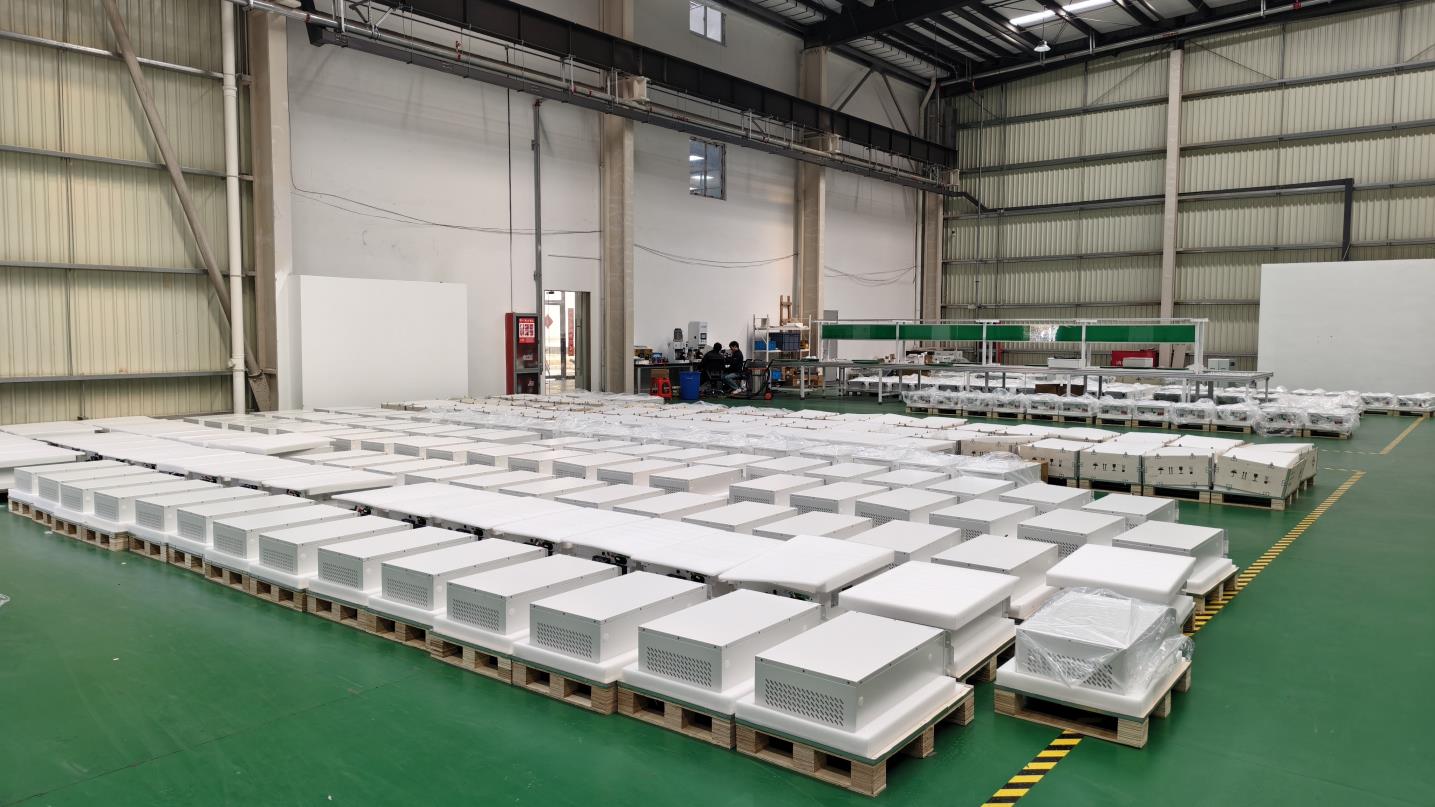
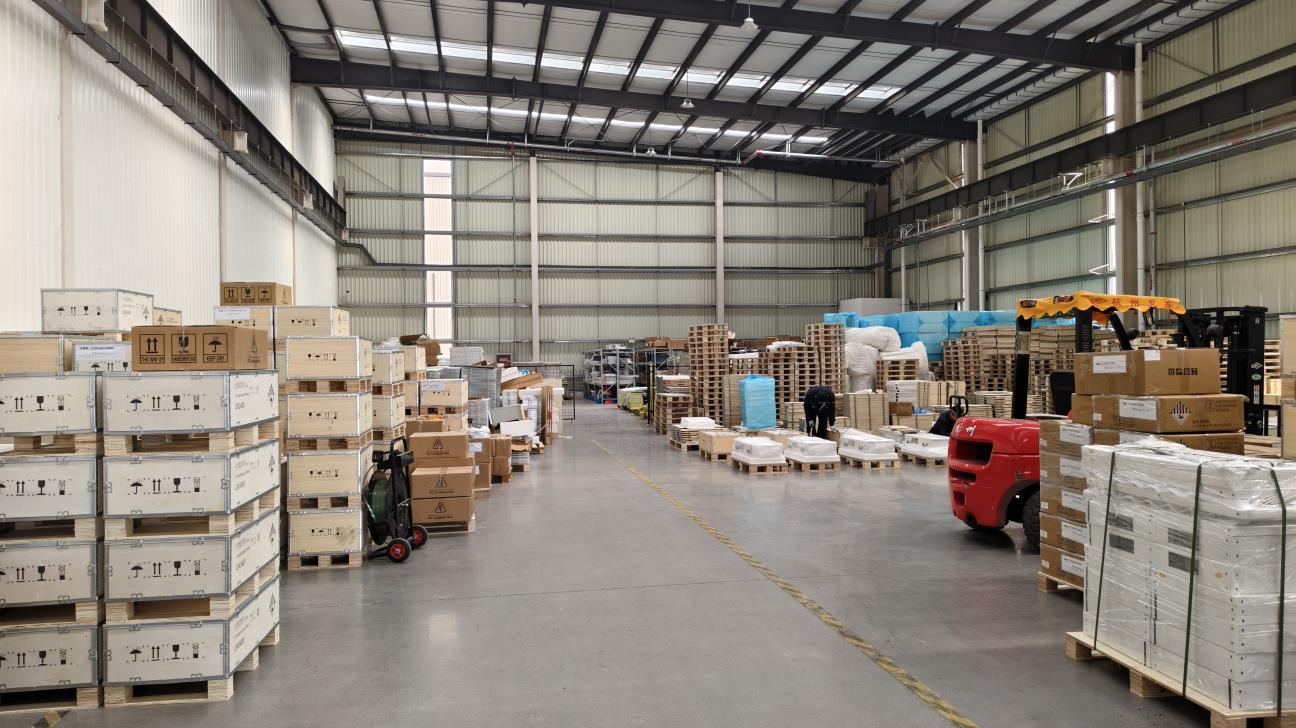
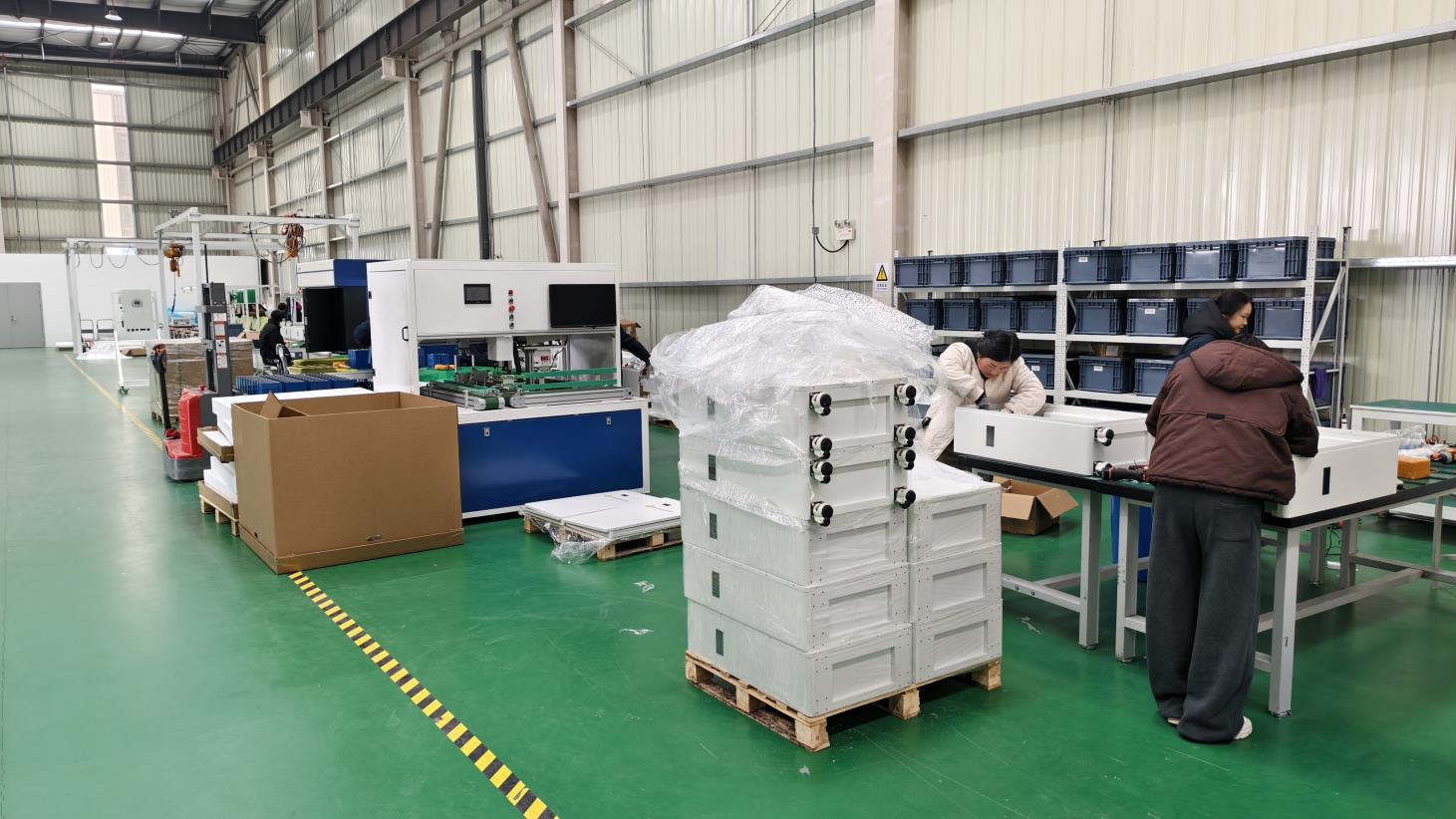
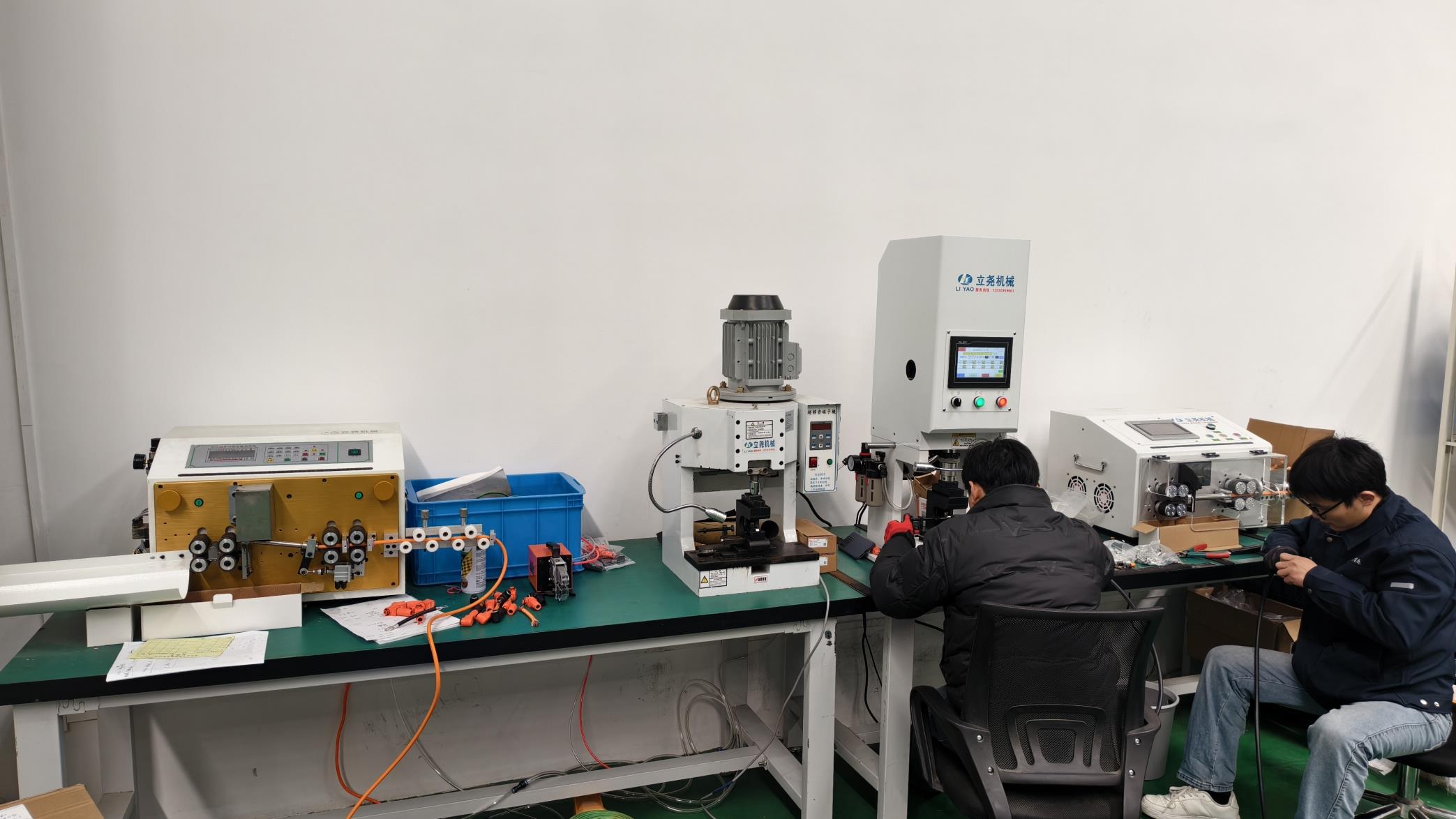
Inside our advanced production line: How we implement strict Quality Management (ISO 9001) at every stage of the manufacturing cycle, from structural welding to automated wave soldering.
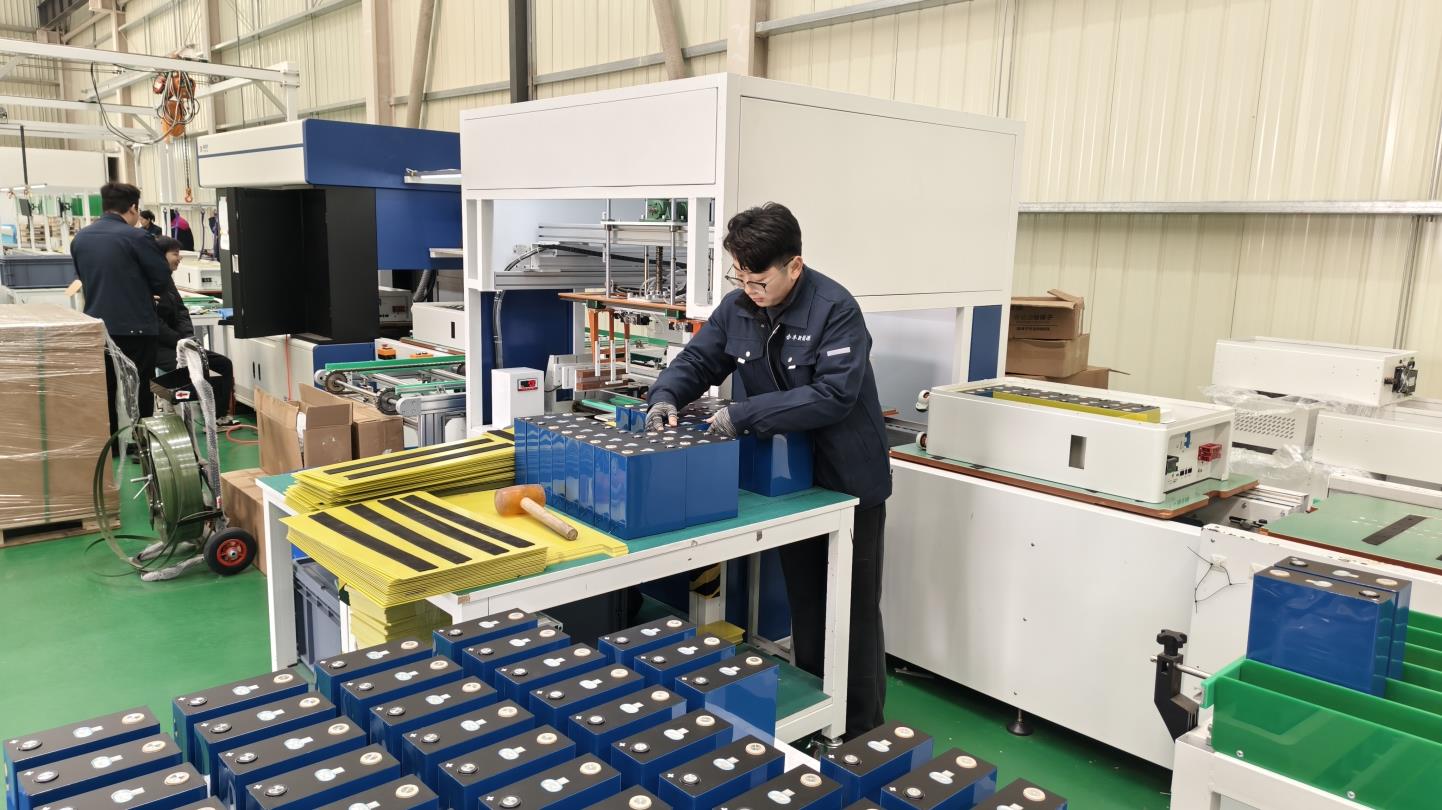
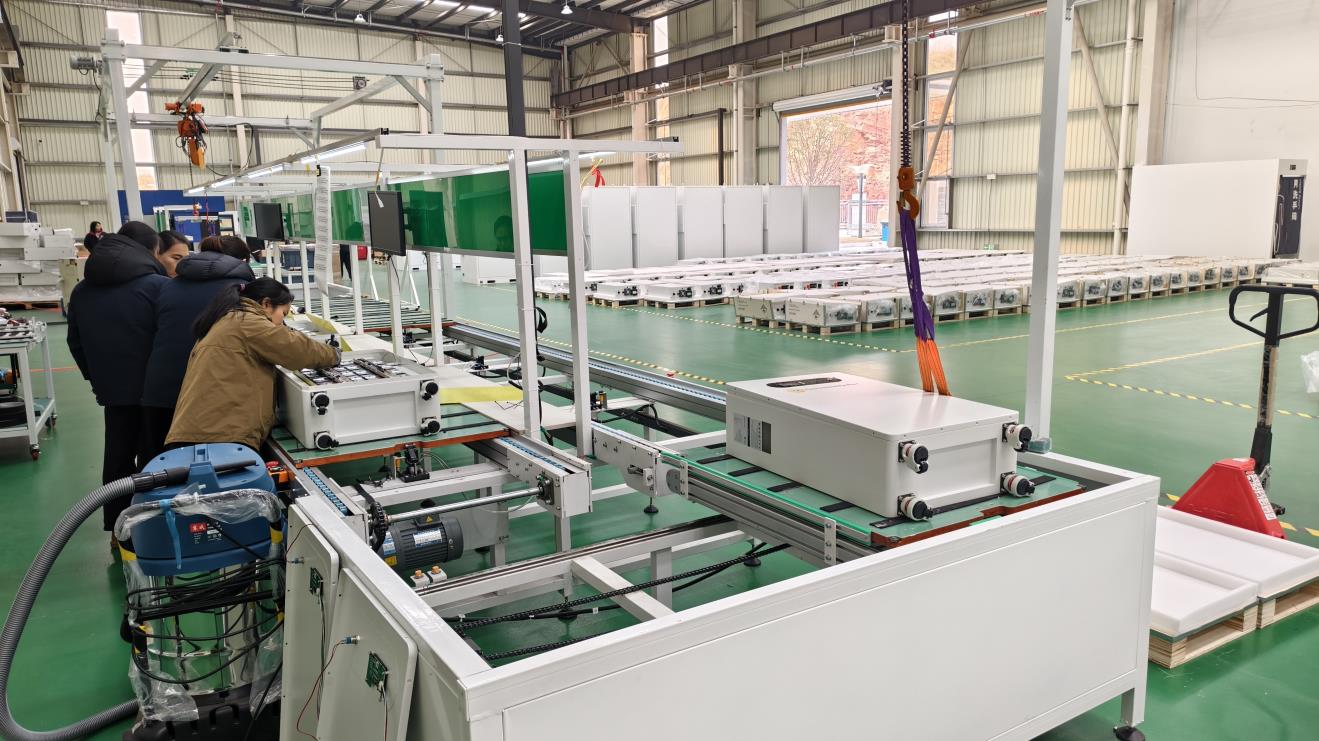
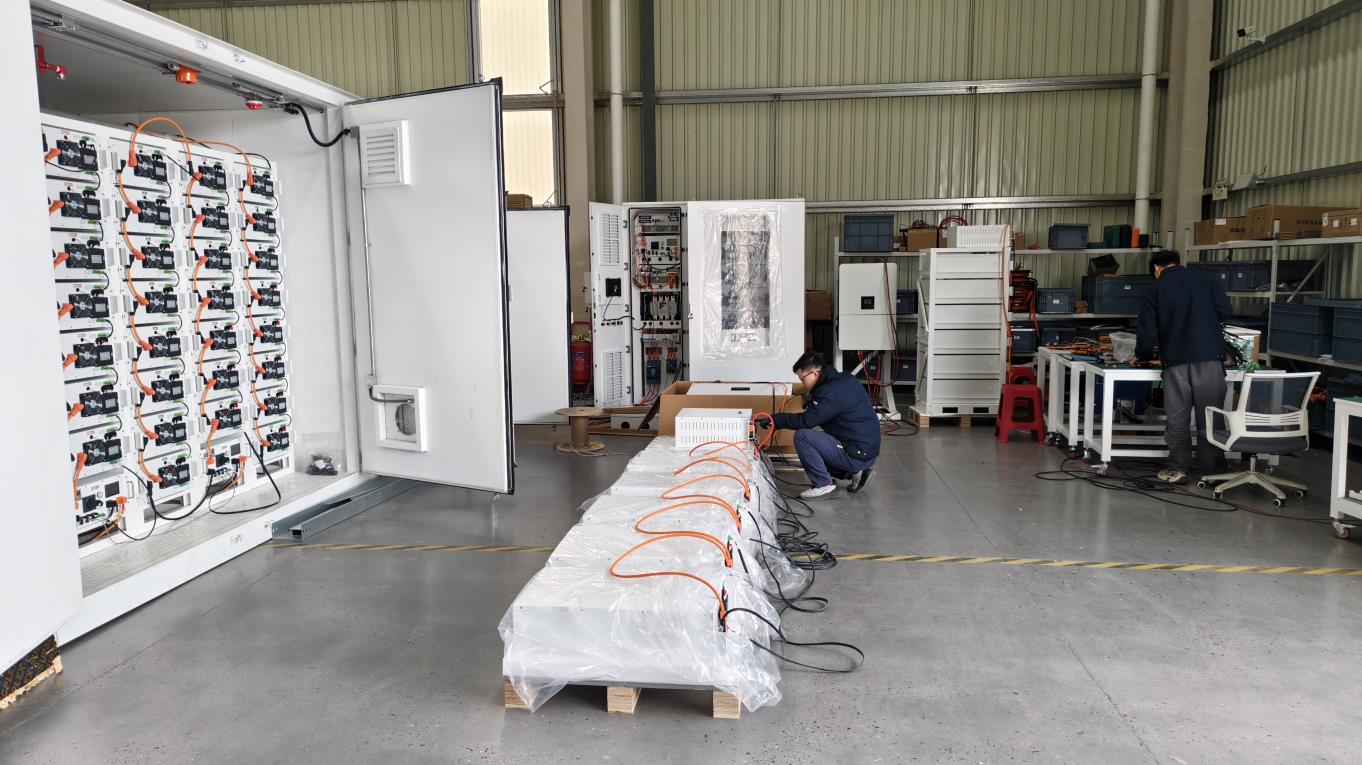
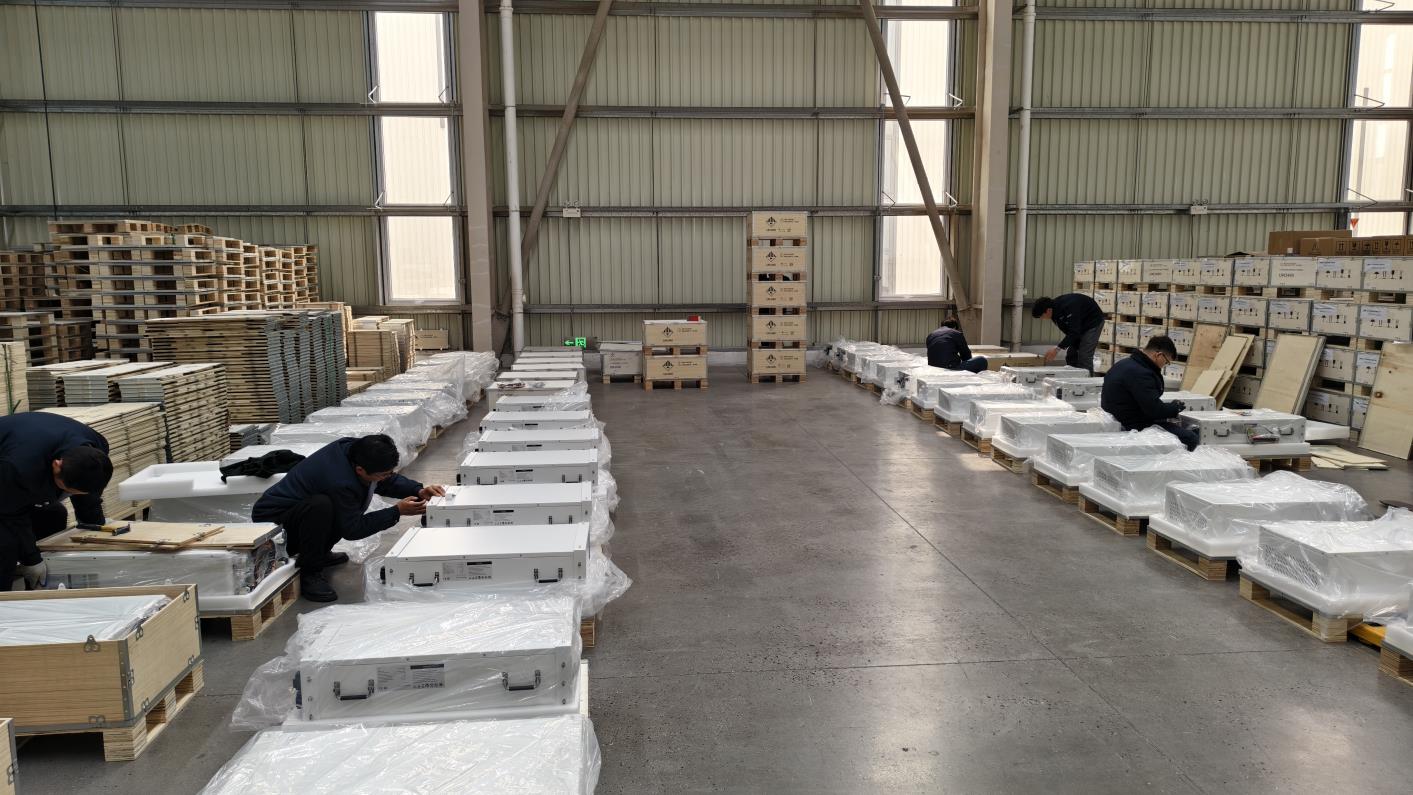
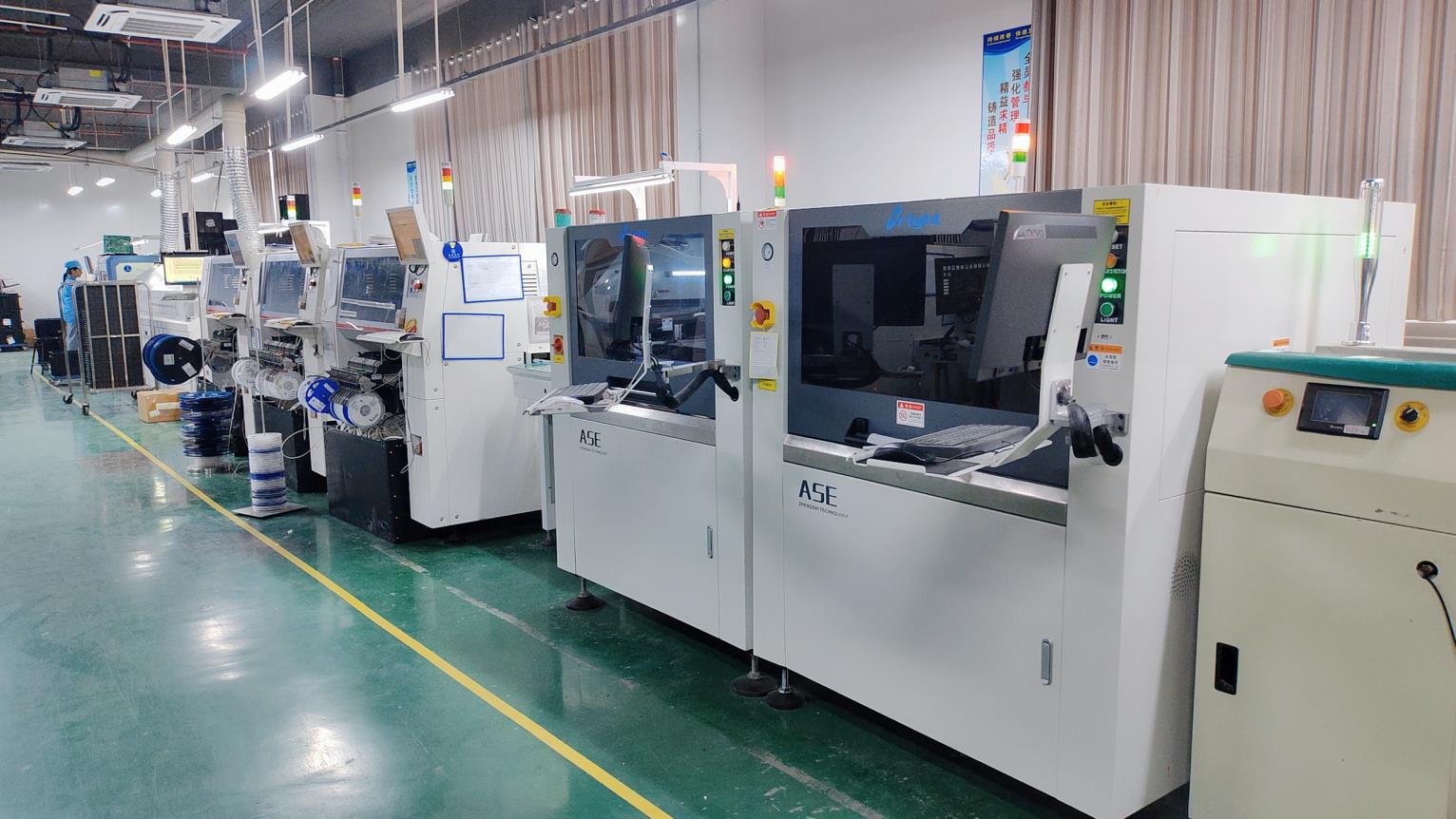
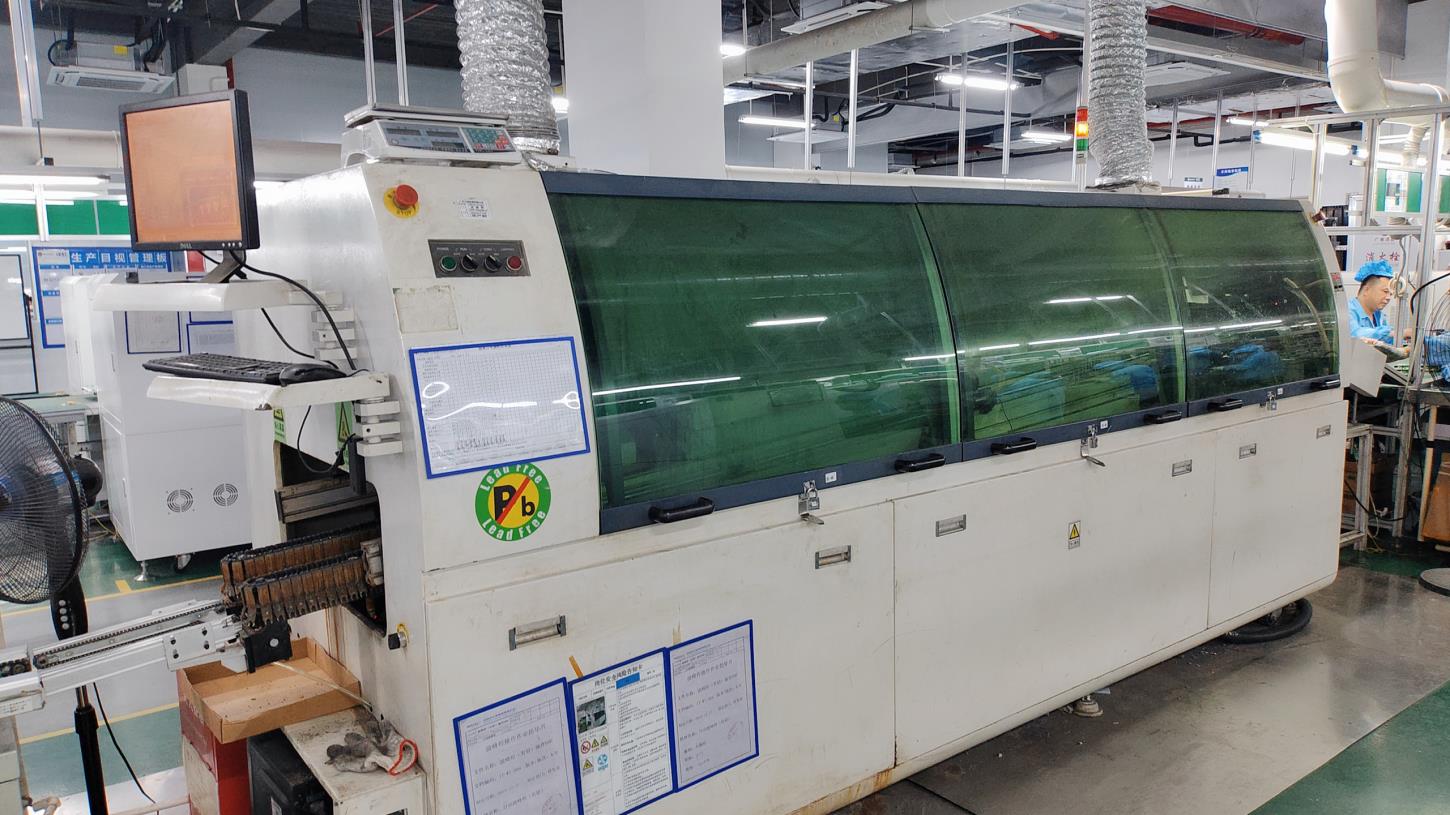
In the global market for clean energy mounting systems, China has solidified its position as the premier manufacturing powerhouse. The competitive advantage offered by Chinese solar carport factories stretches far beyond simple labor cost arbitrage. The true value lies in the concentration of raw material refinement, automated steel extrusion, and rapid engineering iteration, all located within integrated industrial zones. By optimizing the supply chain, manufacturers can drastically lower the overall Balance of System (BOS) cost, allowing international EPC contractors to maximize profitability on utility-scale parking projects.
A key structural component of any solar carport is its framing and mounting structure, typically made from high-strength aluminum alloys (such as AL6005-T5) or hot-dip galvanized carbon steel (Q235B or Q345B). Chinese factories leverage domestic access to large-scale smelting and extrusion plants, meaning structures can be customized to achieve wind and snow load capacities specified by local building codes, including ASCE 7-16 (USA), Eurocode 3 (Europe), and AS/NZS 1170 (Australia). Additionally, advanced protective coatings such as zinc-aluminum-magnesium (ZAM) are applied in-house, ensuring these systems withstand harsh corrosive environments for upwards of 25 years.
By purchasing pre-engineered solar carport systems directly from specialized factories, buyers eliminate intermediate markup margins of up to 35%. Direct engineering alignment ensures structural tolerances are pre-validated through Finite Element Analysis (FEA) models, mitigating the risk of field installation failures and reducing labor hours at the job site.
The solar carport industry is evolving from simple shade structures into active energy hubs. Key macroeconomic drivers, such as the rapid adoption of electric vehicles (EVs) and rising commercial grid tariffs, are pushing businesses to optimize real estate. The most significant development is the rise of the "Solar-Storage-Charging" triad. In this architectural framework, the carport is not just mounting PV panels, but is fully integrated with adjacent battery storage systems (BESS) and smart EV charging infrastructure.
Furthermore, policy mandates in regions like the European Union are accelerating this transition. In France, for example, legislation now requires existing and new parking lots with spaces for more than 80 vehicles to cover at least 50% of their area with solar canopies. This trend is expected to scale globally, forcing real estate investment trusts (REITs), airports, municipal entities, and logistics centers to secure long-term manufacturing agreements with reliable solar carport exporters.
| Parameters | Steel Structures (Q235B / Q345B) | Aluminum Structures (AL6005-T5) | Zinc-Aluminum-Magnesium (ZAM) |
|---|---|---|---|
| Primary Application | Large utility-scale & high snow load zones | Commercial parking & coastal areas | Highly corrosive & agricultural installations |
| Corrosion Resistance | Medium (Depends on Hot-Dip Galvanization) | High (Anodized protective layer) | Ultra-High (Self-healing properties) |
| Weight to Strength Ratio | High structure weight, superior raw strength | Lightweight, fast assembly, lower foundation cost | Optimal weight, superior longevity |
| BOS Cost Impact | Lower material cost, higher logistics cost | Higher material cost, lower shipping & labor | Moderate material cost, low lifecycle maintenance |
Corporate procurement of solar carports is rarely a one-size-fits-all process. Factors such as foundation design, structural span, clearance height, and water drainage must be tailored to the site. For instance, commercial developments often prefer Y-type or T-type single-post cantilevered configurations. These designs optimize space, making it easier for vehicles to park and navigate, whereas industrial fleet depots often opt for cost-effective double-post (W-type) setups to span multiple spaces.
Additionally, waterproof design is critical for high-end corporate complexes. Top-tier manufacturers solve this by utilizing structural drainage systems. Instead of simple rubber gaps that degrade under UV radiation, premium designs feature overlapping aluminum water gutters beneath the PV modules. This directs rainwater to downspouts inside the support posts, keeping the parking area completely dry below.
Solar carports must be engineered to withstand the specific climatic conditions of their deployment location. A structure designed for the desert heat of the Middle East will fail if installed in the snowy regions of Northern Europe or the typhoon-prone coastlines of Southeast Asia. Understanding these localized engineering demands is key to ensuring the longevity of your solar investment.
In locations prone to tropical storms, carports require robust anchoring and aerodynamic design. Factories use finite element analysis (FEA) to calculate stress points, specifying thicker-gauge steel profiles and reinforced ground anchors (such as heavy concrete pad foundations or deep-cast bored piers). The structural connections must use high-tensile fasteners to prevent module uplift under dynamic wind pressure.
To prevent structural collapse under the weight of accumulated snow, carports in these areas feature steep pitch angles (typically 10 to 15 degrees) to encourage natural snow shedding. Additionally, cross-braced frame geometries and reinforced purlins are utilized to handle static loads exceeding 1.5 kN/m², ensuring safe operation throughout the winter.
Marine environments with high salt spray accelerate galvanic corrosion where steel and aluminum connect. Exporters address this by using isolation pads to prevent direct contact between dissimilar metals, alongside robust anodization treatments (minimum 15 microns) and marine-grade stainless steel (SUS304/316) hardware to maintain structural integrity.
In desert areas, dust build-up (soiling) significantly reduces panel efficiency. To counter this, structures can be designed to integrate automated robotic cleaning tracks. Furthermore, the framing must accommodate expansion joints to prevent warping caused by large temperature swings between day and night.
Clear, direct answers to the most common engineering and logistical questions asked by B2B buyers, EPC partners, and project developers.
Reputable manufacturers employ dedicated structural engineering teams who design systems using specialized software like SAP2000 or ANSYS. Designs are calculated to align with specific regional codes (such as ASCE 7-16 in the US or Eurocode 3 in Europe), factoring in localized wind loads, snow loads, and seismic conditions. Project-specific structural calculations stamped by a locally registered Professional Engineer (PE) can also be arranged to streamline the permitting process.
A properly engineered solar carport has a design lifespan of 25 to 30 years, matching the performance warranty of the PV modules. For steel carports, protection is achieved through hot-dip galvanization (ISO 1461), applying a zinc coating thickness of at least 85 microns to defend against corrosion. For aluminum carports, an anodized coating (class AA15 or higher) protects against oxidation, making them ideal for coastal and high-humidity environments.
There are two main water management options. The first is a non-waterproof design, which allows rain to drain through the gaps between modules. This is a budget-friendly option suitable for dry regions. The second is a fully waterproof design, which uses specialized EPDM rubber gaskets between panels and a system of integrated aluminum gutters. Rainwater is channeled into these gutters and directed to downspouts within the support columns, keeping the parking deck dry below.
Yes, modern solar carports are increasingly designed to use bifacial solar panels. Because carports stand high above the ground, they can leverage the albedo effect—reflecting light from the parking surface onto the back of the modules. Depending on the color of the pavement (light concrete vs. dark asphalt), bifacial panels can increase overall system yield by 10% to 20%.
The choice of foundation depends on soil conditions and wind load requirements. The most common options are cast-in-place concrete ballast blocks (minimizing ground disruption), bored concrete piers (providing excellent uplift resistance in high-wind zones), and steel ground screws (offering fast installation in suitable soil conditions).
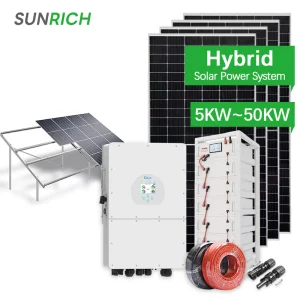
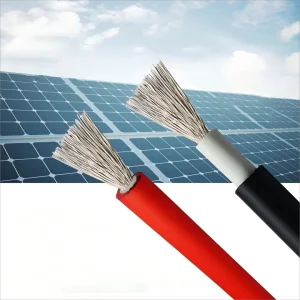
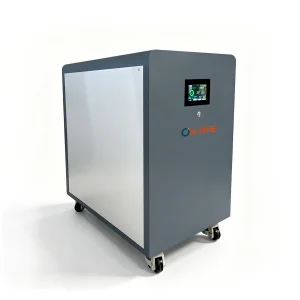
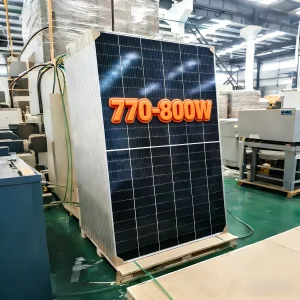
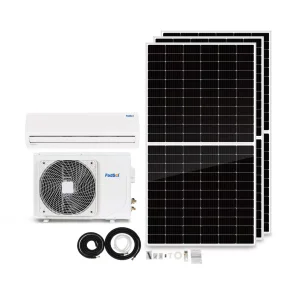
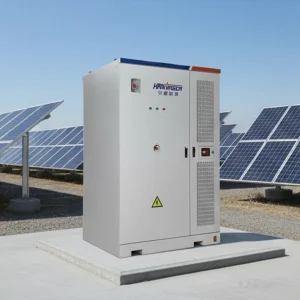
High-efficiency monocrystalline PV panels, commercial energy storage systems, and cabling designed to complete utility-grade solar carport installations.
 Aryam Energy