Deploying custom OEM/ODM modules designed to operate in challenging environments. Discover our high-performance baseline hardware designed for modern utility-scale, industrial, and residential grid infrastructures.
Information Gain: Transitioning from Commodity to Tailored Engineering
In the rapidly changing global energy transition landscape, standard off-the-shelf photovoltaic components are no longer sufficient to meet complex localized requirements. Developers of utility-scale, commercial, and industrial (C&I) projects increasingly require custom OEM configurations to address specific constraints in microgrid integration, land availability, structural wind loads, and grid integration compliance.
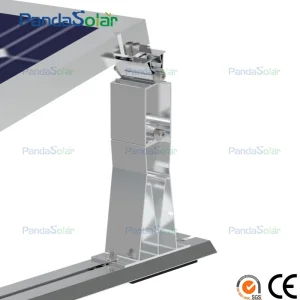
By opting for Custom OEM Solar Project Development, engineering, procurement, and construction (EPC) firms can lower their Levelized Cost of Energy (LCOE). OEM integration ensures that structural brackets, tracker assemblies, and customized battery chemistry matrices match the specific solar insolation values and soil bearing profiles of the project site. This structural and electrical cohesion reduces balance of system (BOS) costs while protecting against localized degradation from humidity, dust, and corrosive environments.
E-E-A-T Paradigm: High-Quality Engineering & System Interoperability
Modern solar installations demand complete systems that operate seamlessly together. From n-type tunnel oxide passivated contact (TOPCon) cell technologies to active mechanical trackers, each component must perform reliably under high voltage stress (typically 1500V systems).
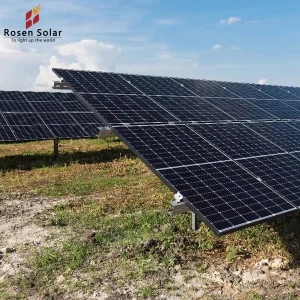
Integrating Rosen TOPCon technology with black frame options. Delivering up to 1000W output with high bifaciality ratings, ensuring maximum ground albedo recovery even in low-insolation areas.
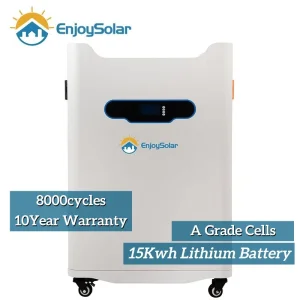
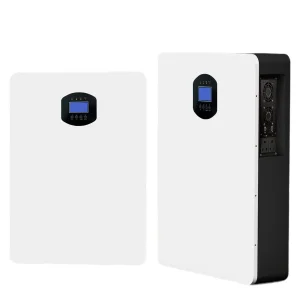
Lithium Iron Phosphate solutions with voltages spanning 12V to 51.2V and capacities up to 314Ah. Featuring active smart BMS and a 10-year manufacturer warranty for secure energy shifting.
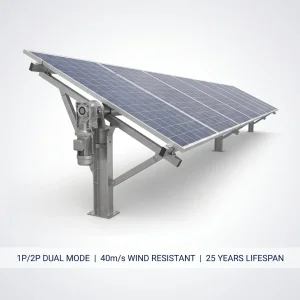
High-precision dual-axis tracking mounts integrated with real-time astronomical algorithms. Dramatically improves generation performance by up to 25% compared to fixed-tilt installations.
Anhui Aryam Energy Co., Ltd. Factory Tour & Process Integration
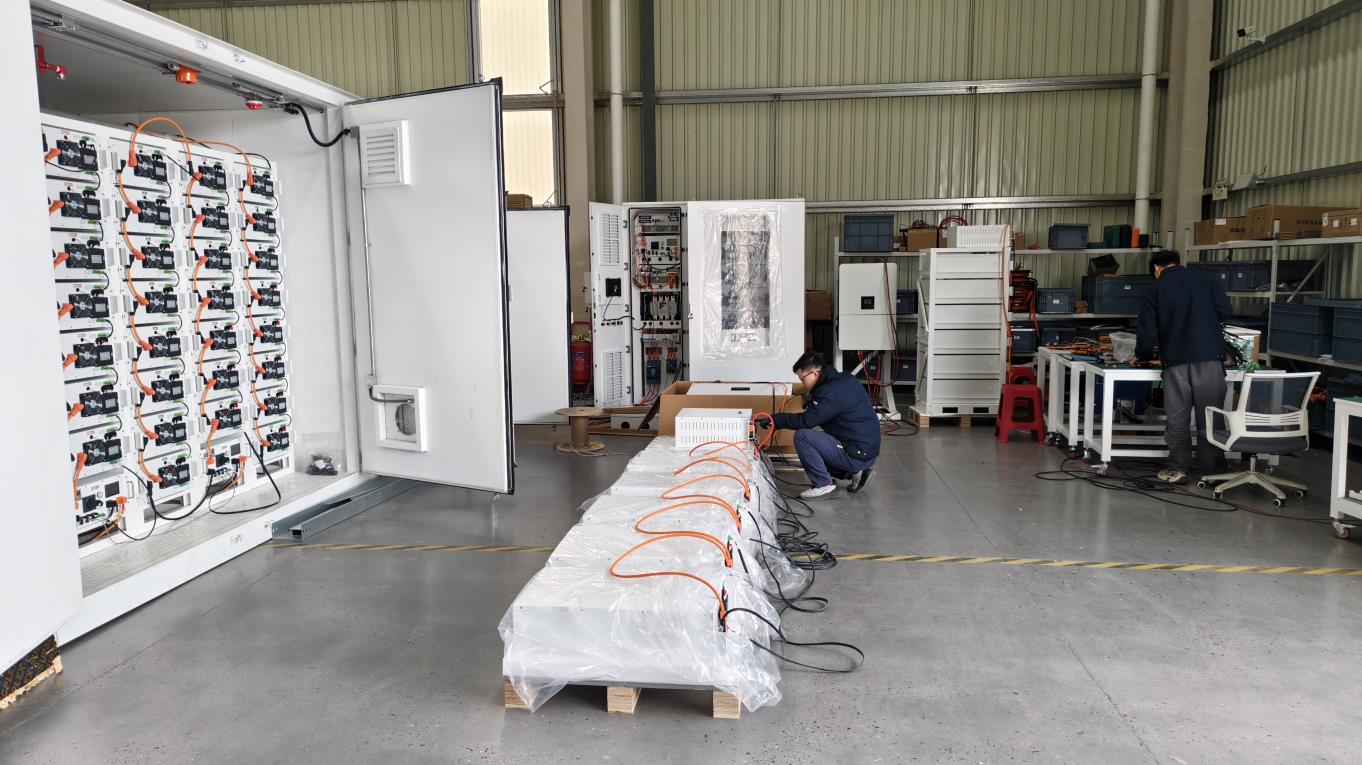
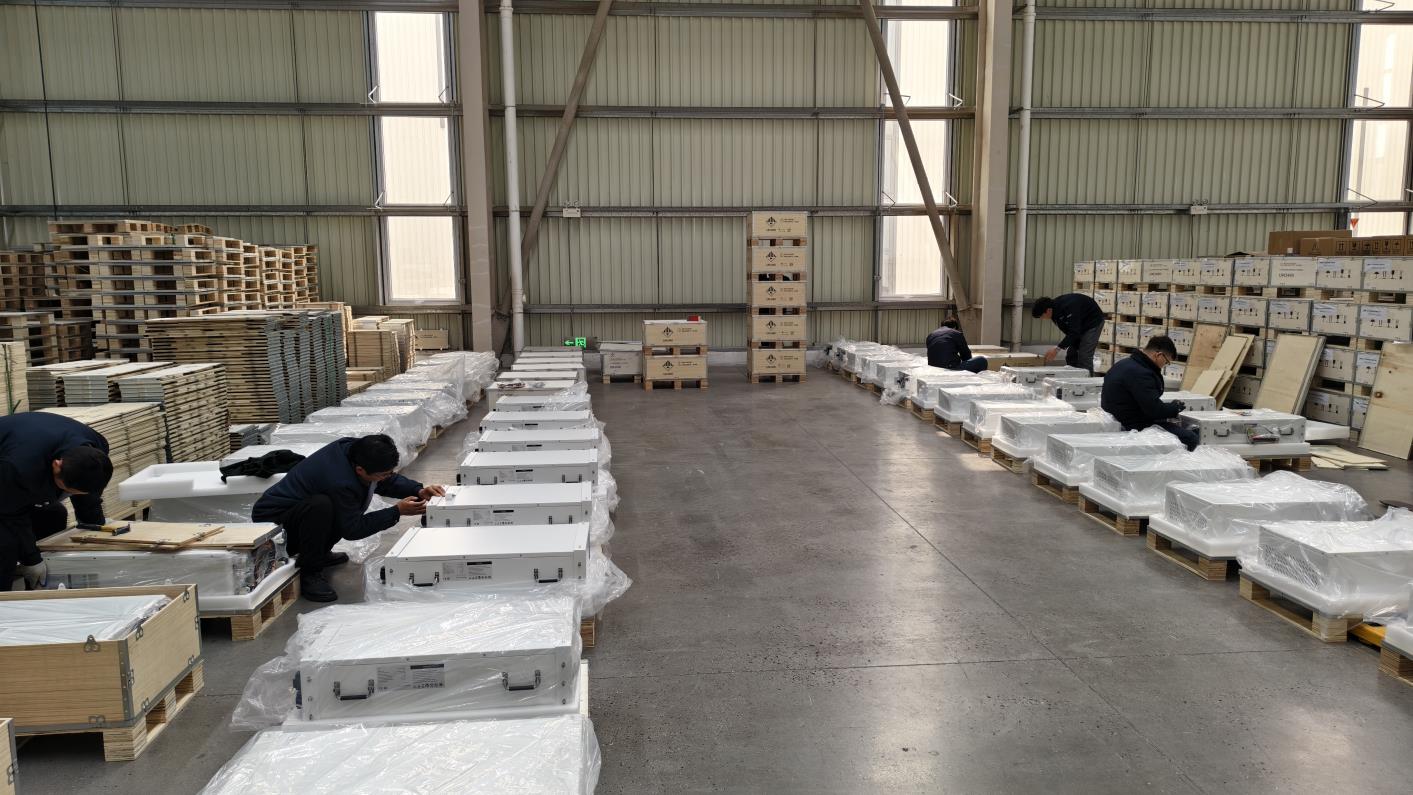
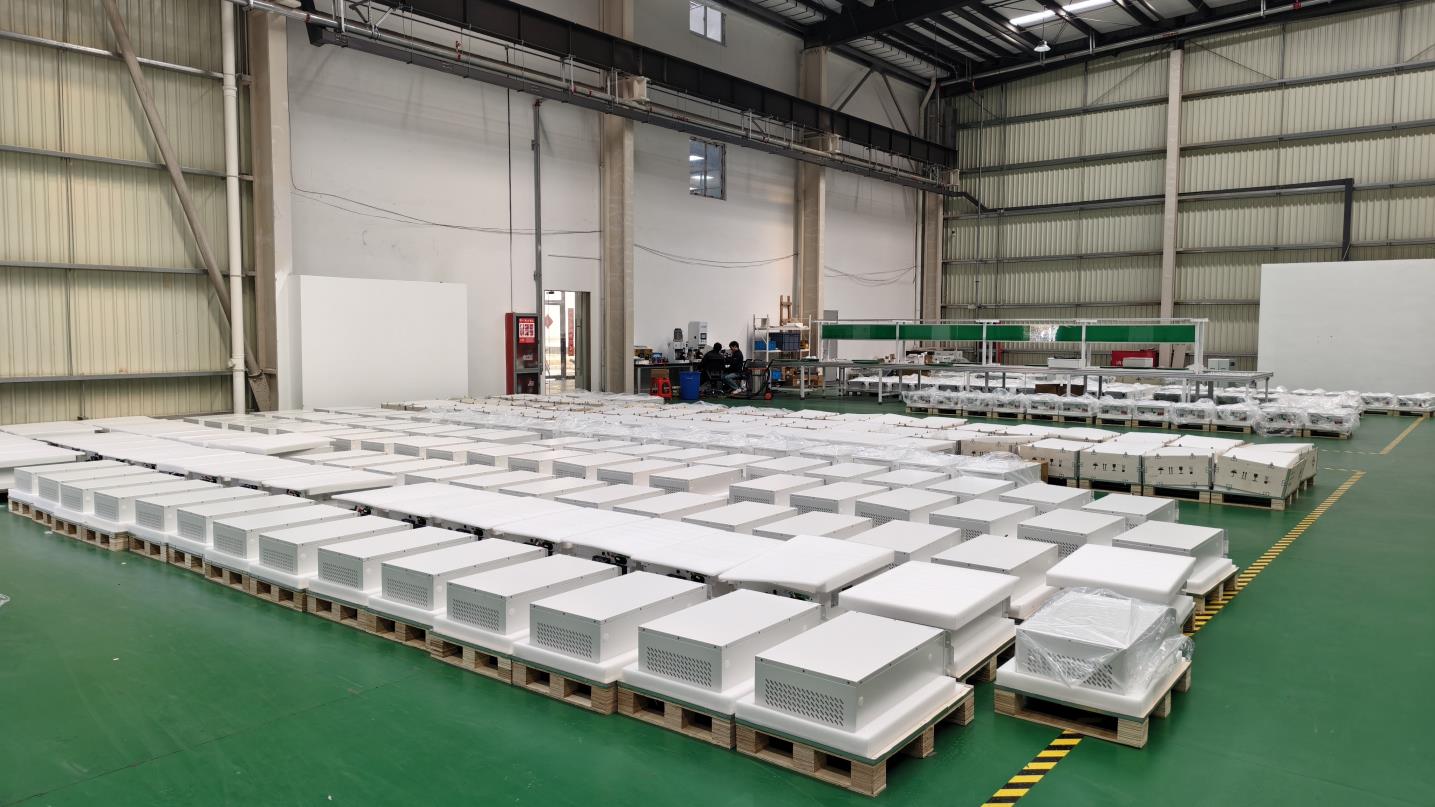
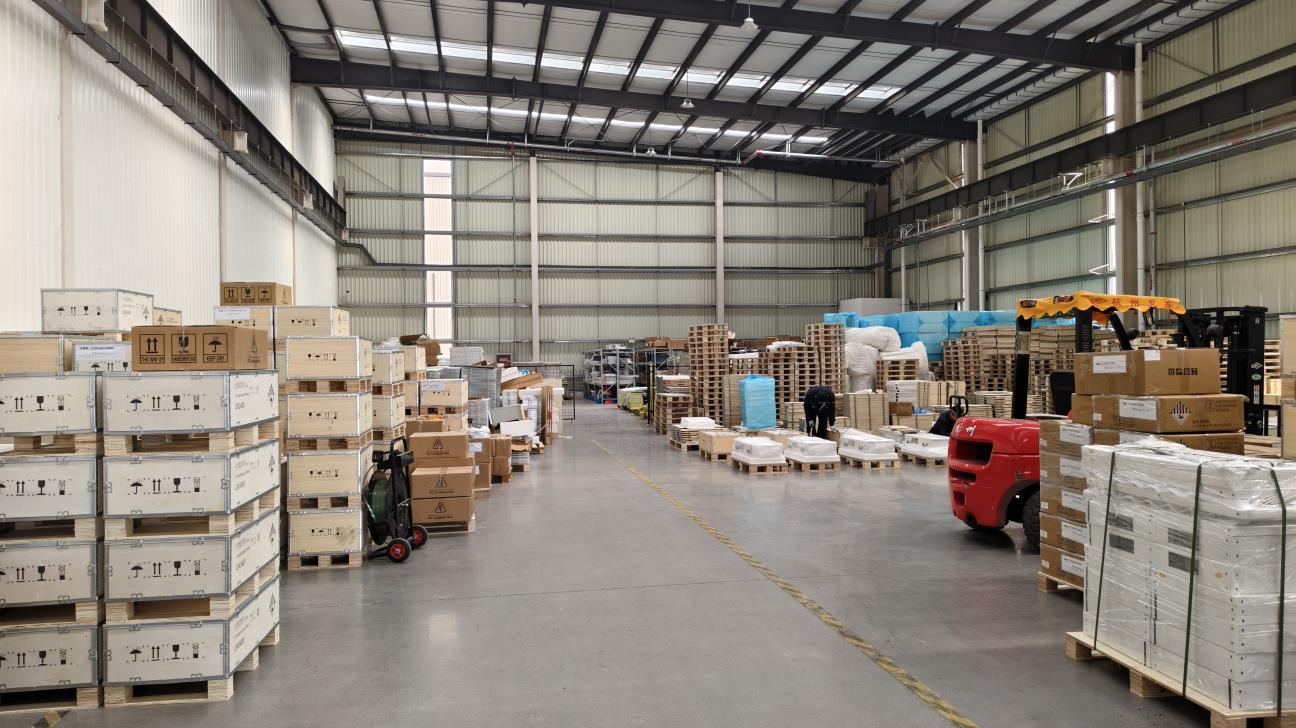
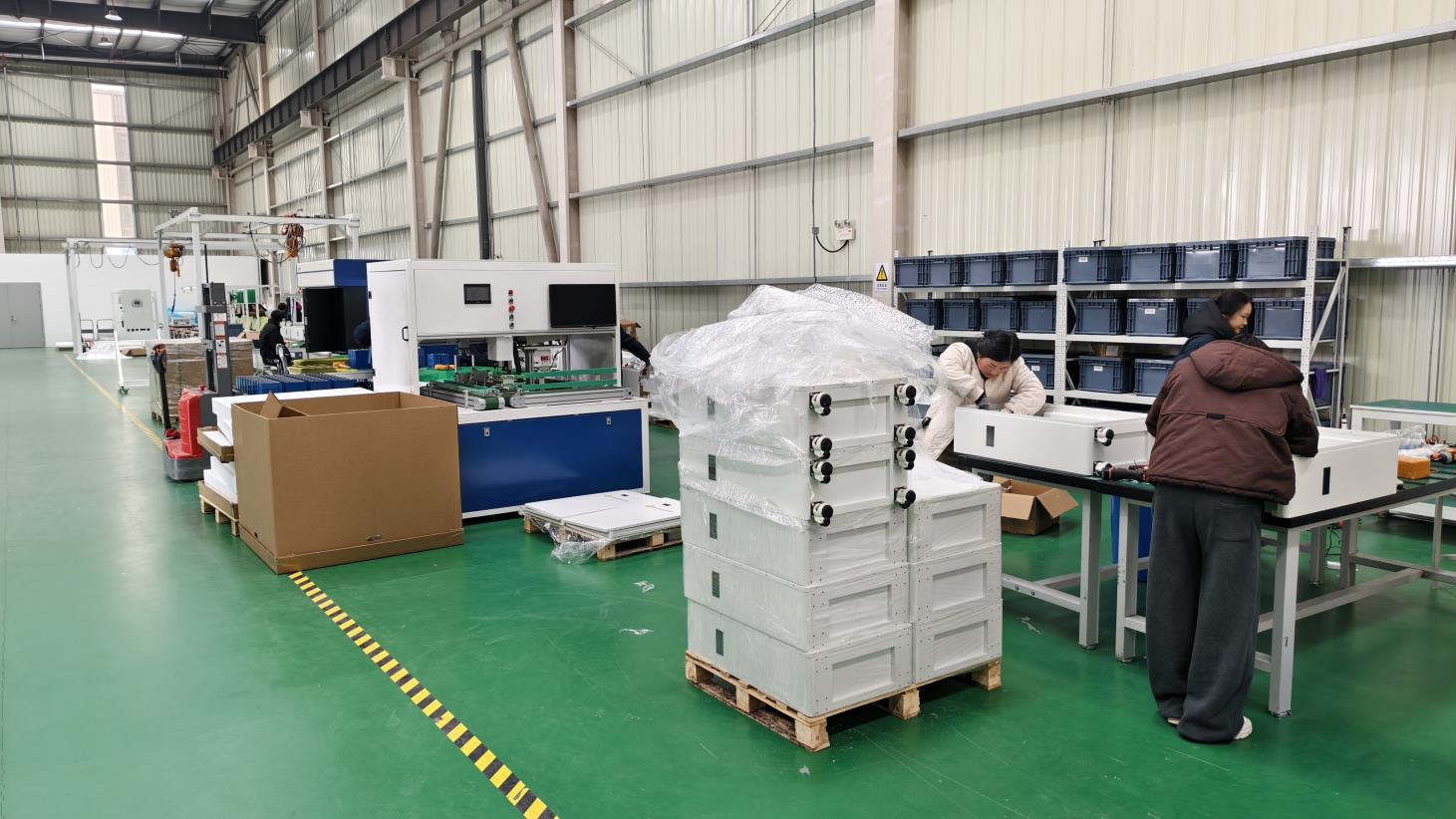
China remains the global anchor for photovoltaic and energy storage supply chains. Anhui Aryam Energy Co., Ltd. exemplifies this manufacturing capability, combining technical research, precision engineering, and vertical production integration to deliver premium renewable solutions. Operating across multiple countries, Aryam Energy provides custom OEM capabilities designed for grid systems that require high reliability and cost efficiency.
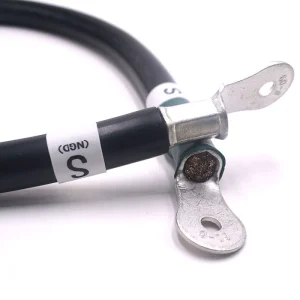
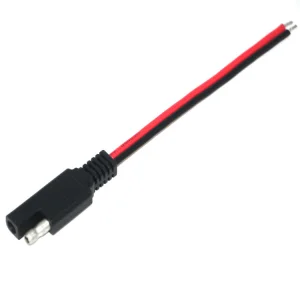
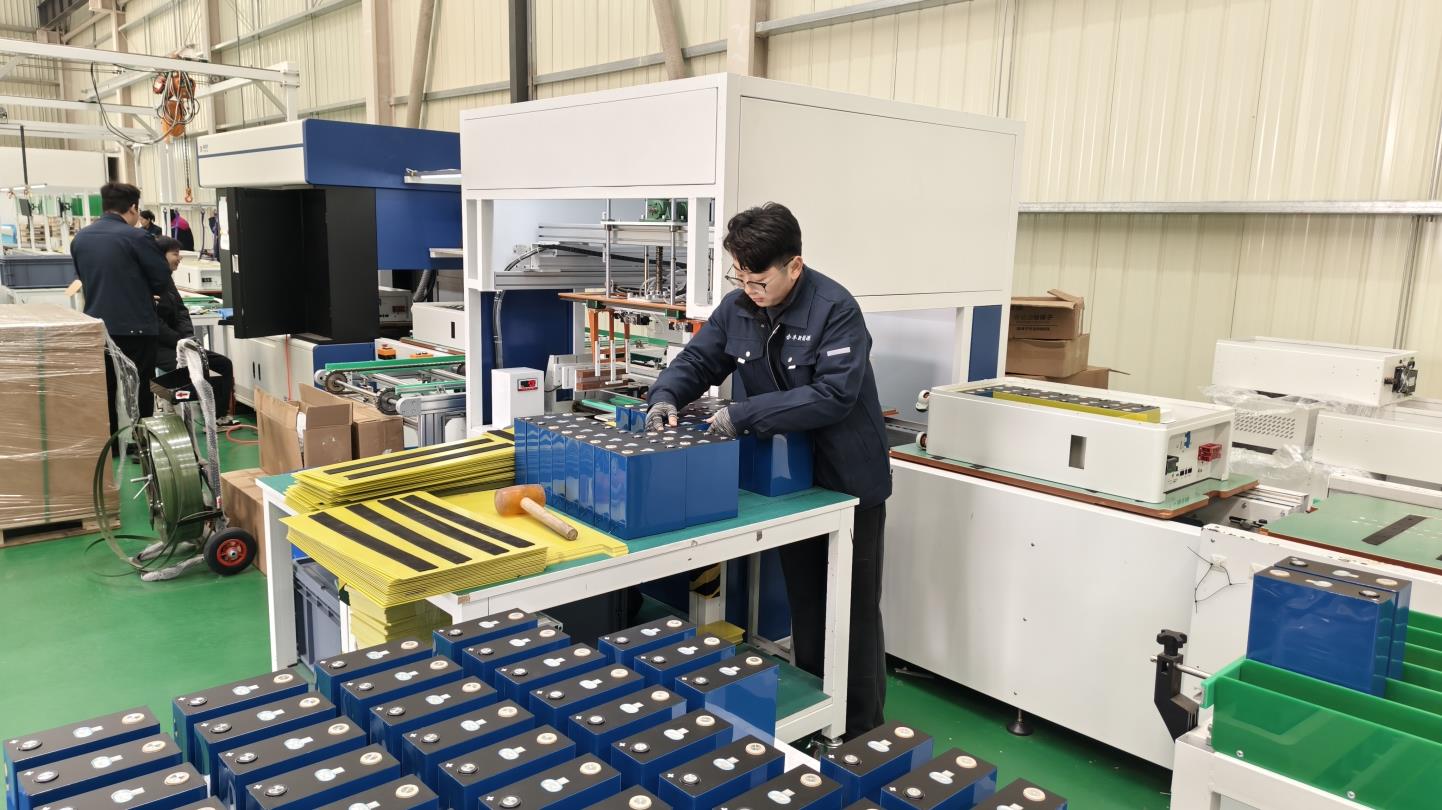
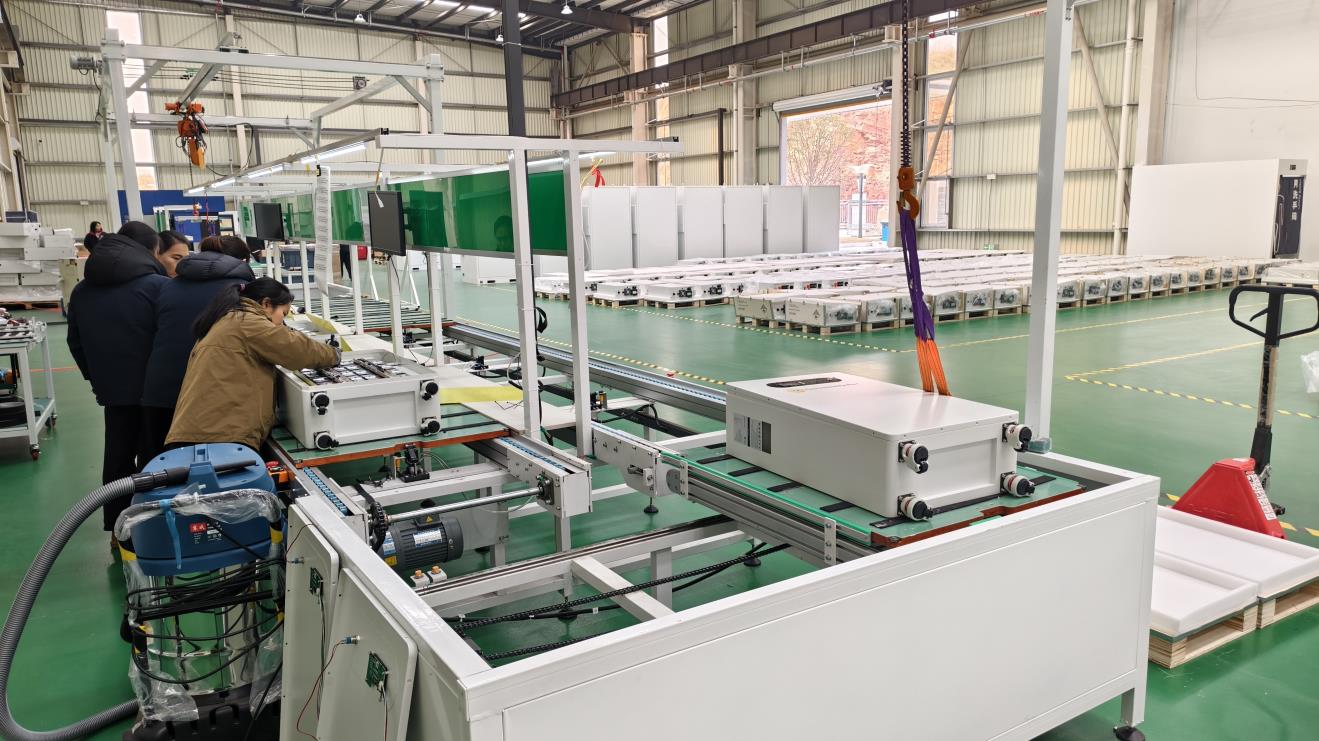
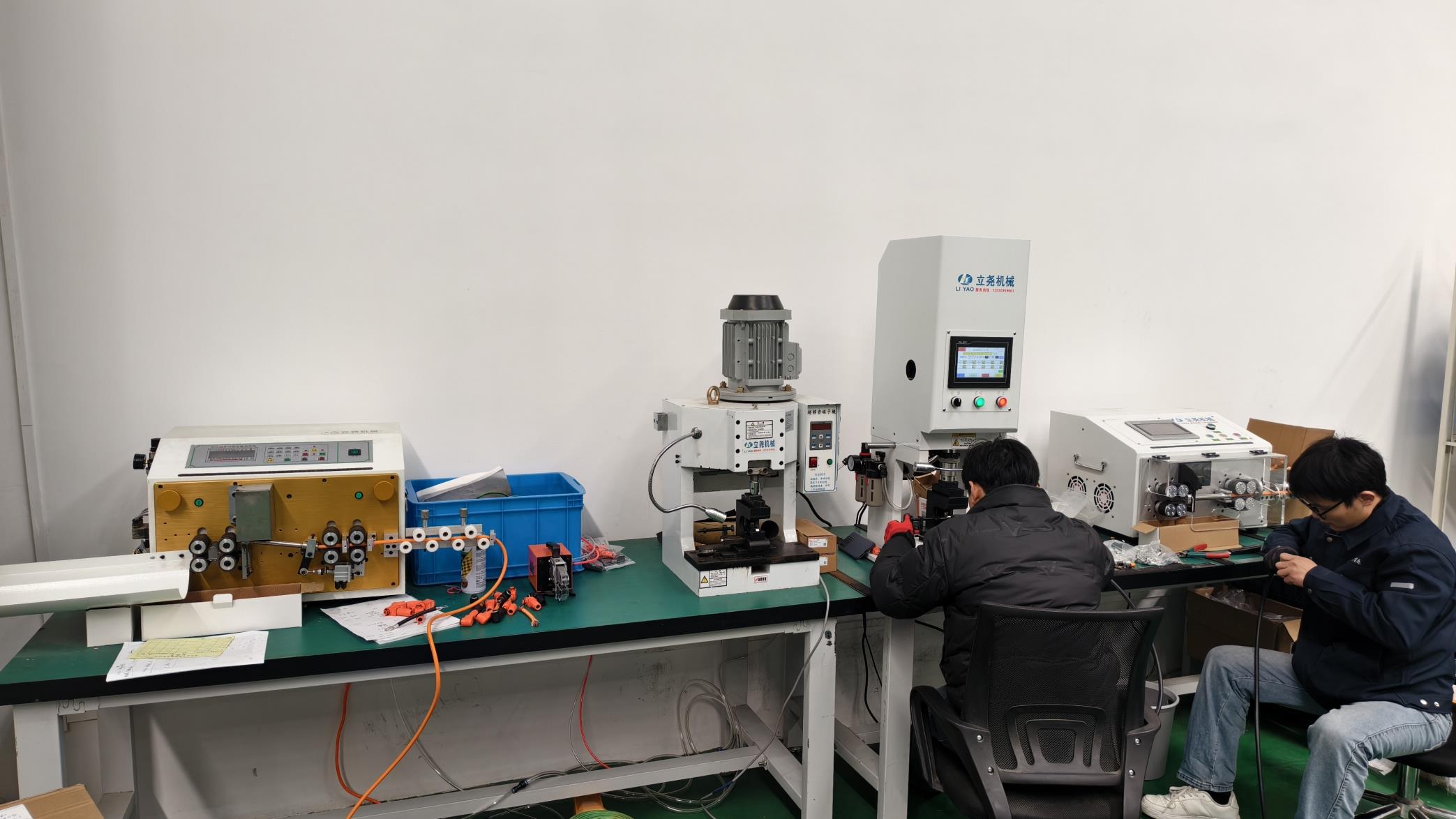
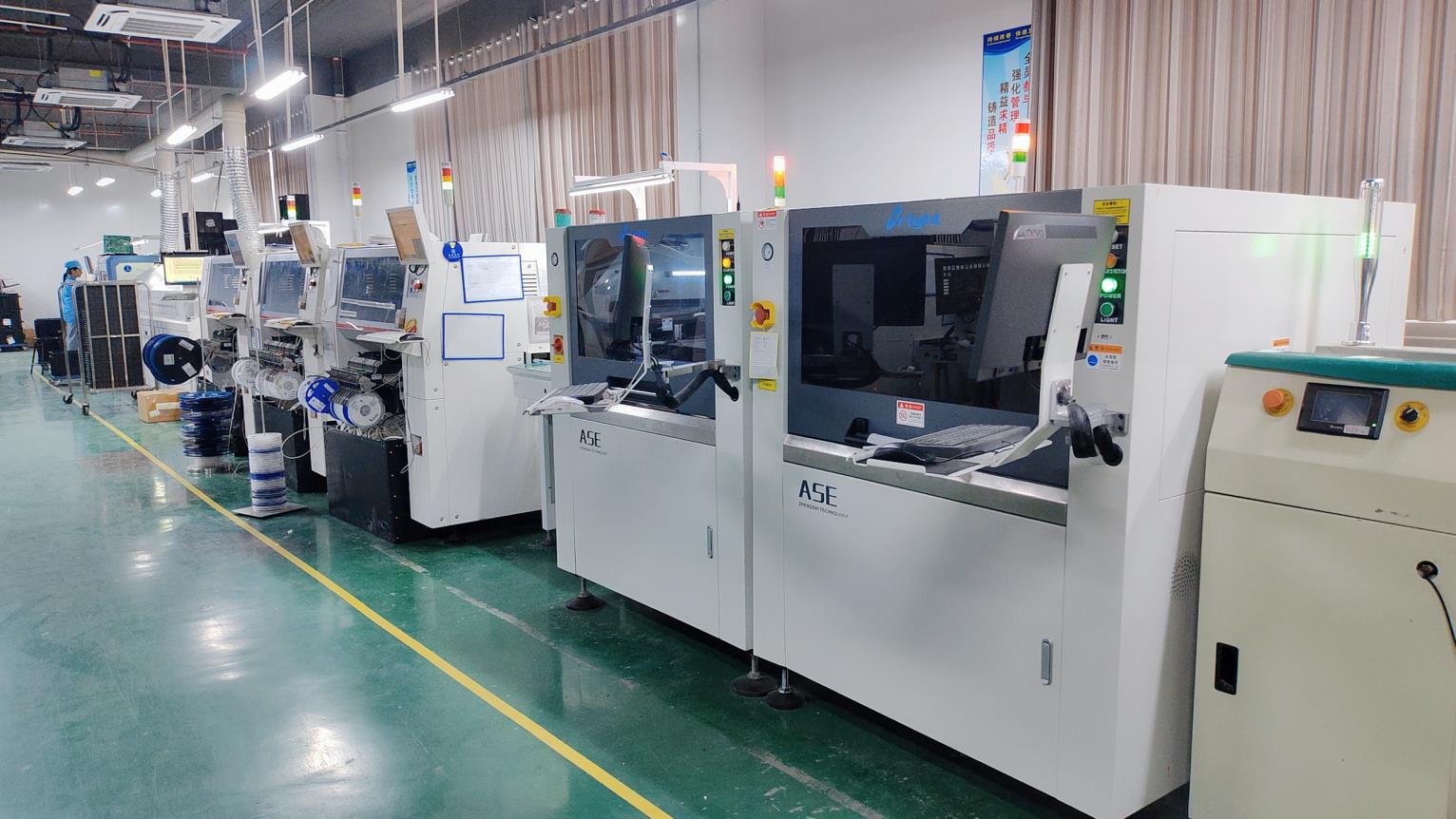
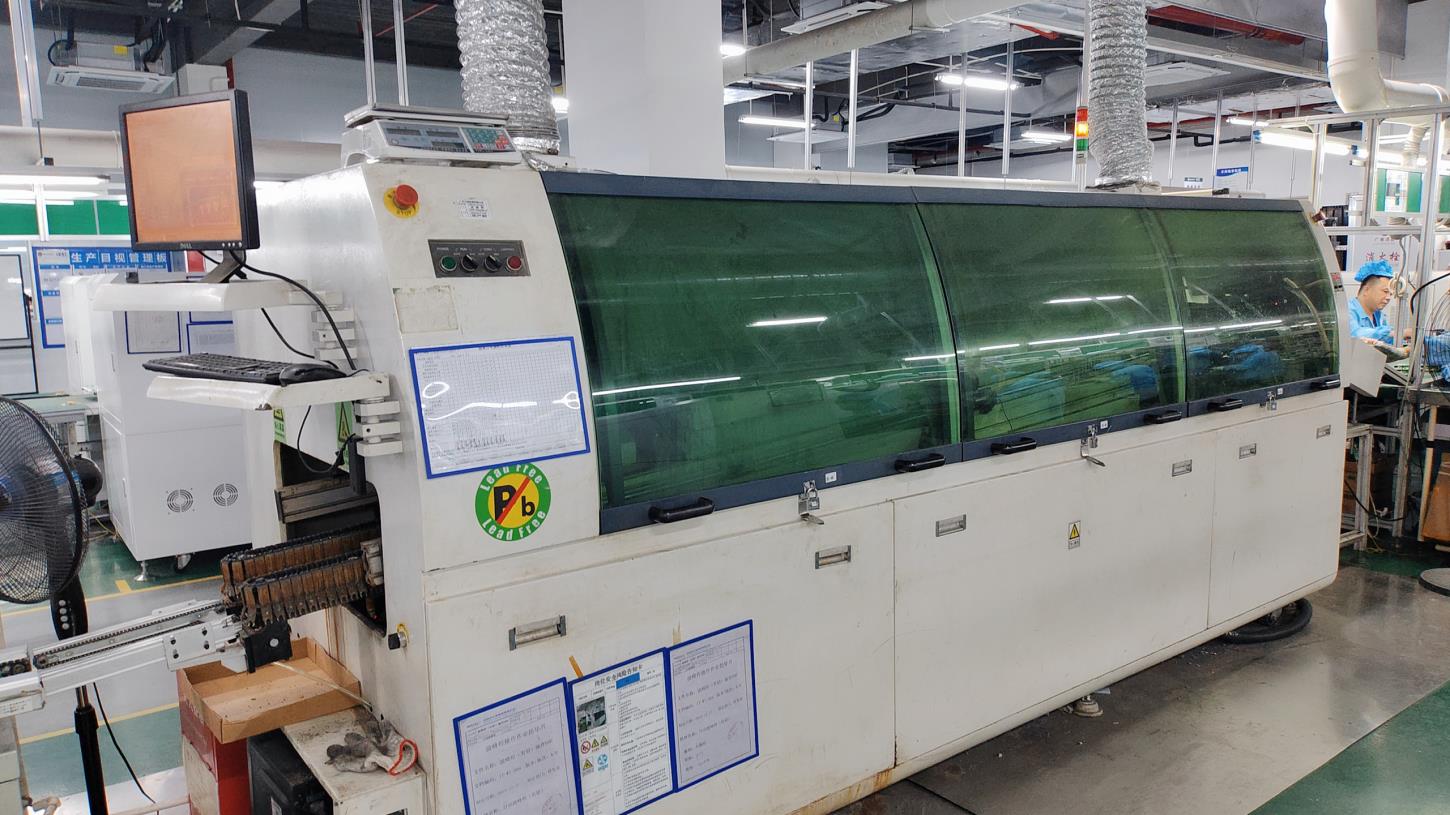
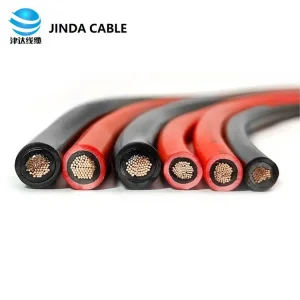
Aryam Energy's modern production lines use automated surface-mount technology (SMT), automated wave soldering machines, and advanced wire stripping configurations. These systems minimize human error, improve component tolerances, and ensure that every hybrid inverter, charge controller, and custom bracket meets international performance standards before shipment.
Technical Evolution from 2025 to 2030
Global application scenarios require highly localized solutions. For agricultural regions, integrating solar with farming (agrivoltaics) requires elevated, widely spaced racking that allows farming machinery to pass underneath while generating clean energy. In urban C&I projects, ballasted concrete roof systems are preferred to avoid roof penetrations and maintain building structural integrity.
Deploying hybrid inverter systems that combine battery storage and generator controls. This provides reliable backup power in areas with unstable grid infrastructure.
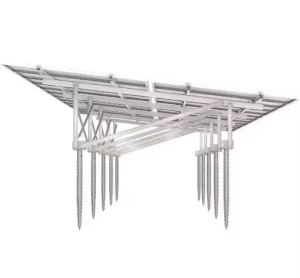
Using corrosion-resistant, high-clearance support structures tailored for farms, protecting crops while generating stable power.
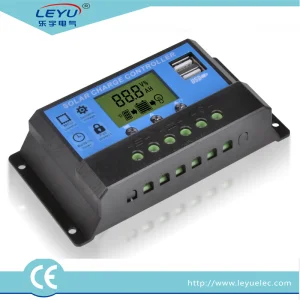
Integrating machine learning algorithms into charge controllers and energy systems to optimize performance based on regional weather predictions.
Reliable Engineering, Certificates, and Structural Stability
For global utility-scale solar projects, compliance with regional safety, structural, and grid interconnection codes is essential. Aryam Energy is committed to meeting stringent certification standards. Our structural materials are built to withstand high wind and snow loads, while our electrical equipment is manufactured in compliance with international certification standards including TUV, CE, and IEC.
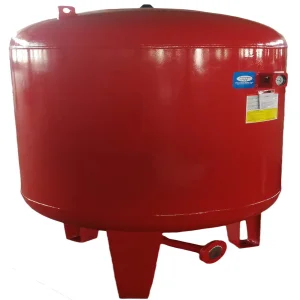
To ensure reliable operation under harsh conditions, we utilize premium components such as pressurized steel vessels for solar thermal heating and specialized double-axis tracking systems. By performing comprehensive mechanical stress analysis, thermal imaging, and high-voltage isolation tests on every production run, we help developers mitigate project risks and secure long-term financing.
Technical information and support for EPC contractors, sourcing teams, and project engineers.
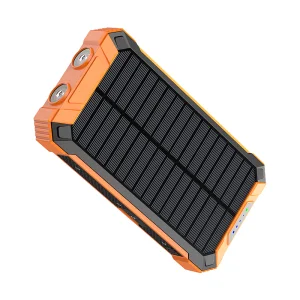
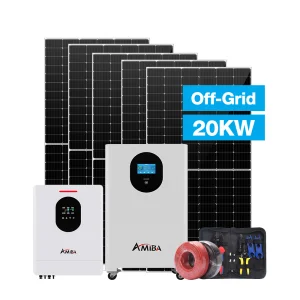
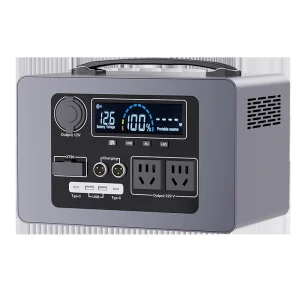
Explore our complete off-grid solar packages, hybrid wall-mounted storage solutions, and portable backup options designed for camping, construction sites, and emergency backup power.
 Aryam Energy