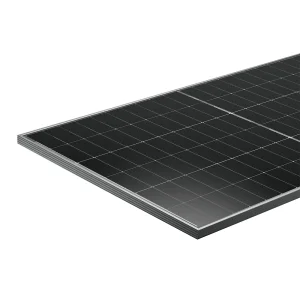
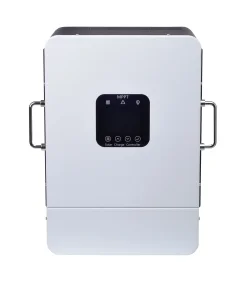
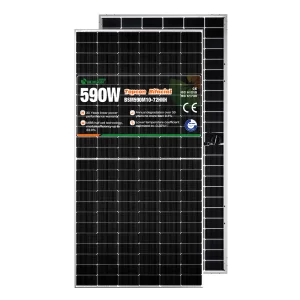
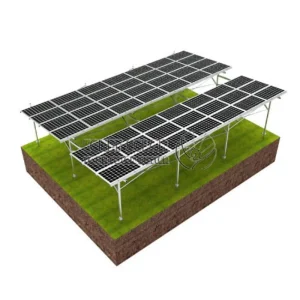
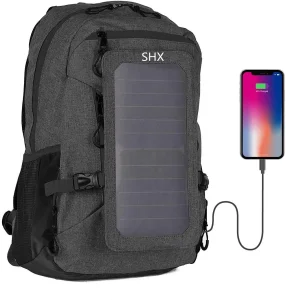
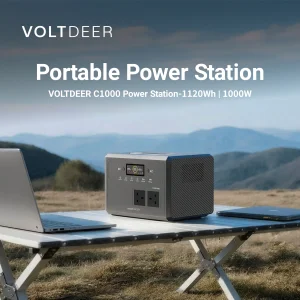
Explore our flagship portable energy devices, solar panels, and smart hybrid control modules engineered to meet strict international standards.
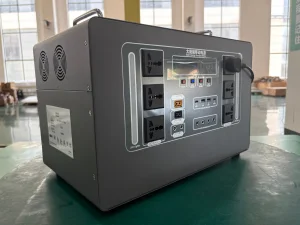
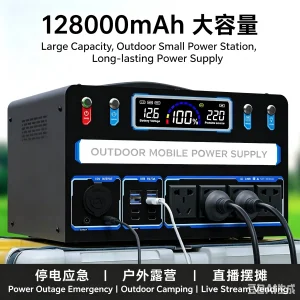
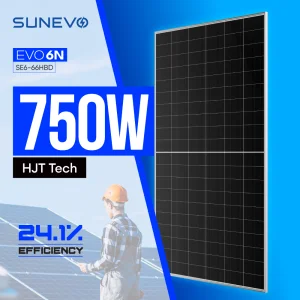
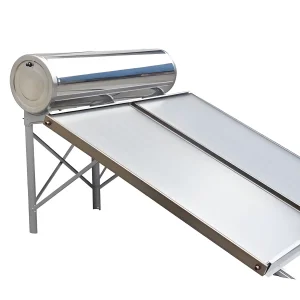
The global transition toward decentralized clean energy infrastructure has elevated the portable solar generator from a recreational camping accessory to an indispensable asset for critical commercial, industrial, and emergency utility applications. Faced with increasing grid instability, extreme weather conditions, and escalating carbon taxation, enterprises worldwide are turning to resilient, off-grid battery energy storage systems (BESS).
In high-stakes commercial environments, reliable backup power systems guarantee operational continuity. Industrial operations, remote infrastructure monitoring, humanitarian missions, mobile medical installations, and geographical field operations rely heavily on heavy-duty, high-capacity portable solar power generators to mitigate downtime risks. Equipped with lithium iron phosphate (LiFePO4) chemistries, complex battery management systems (BMS), and high-efficiency MPPT controllers, modern systems ensure seamless peak shaving and stable frequency outputs.
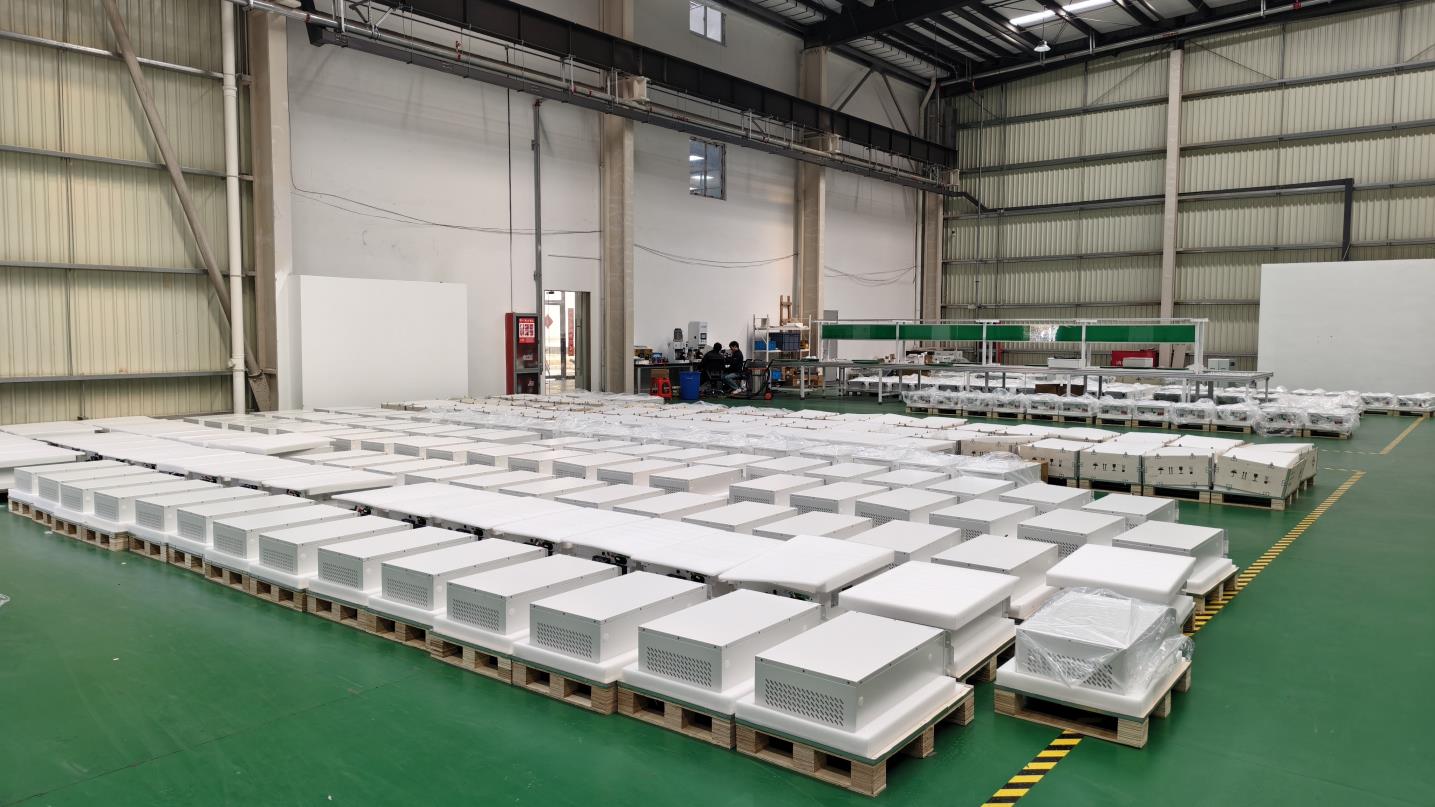
Understanding why Chinese manufacturers maintain an absolute monopoly on clean energy storage technologies and export quality control.
China processes over 75% of the world's lithium-ion battery raw materials. This complete raw material integration ensures Anhui Aryam Energy Co., Ltd. can procure high-grade A-class cells, pure copper windings, and advanced semiconductor components with negligible lead times.
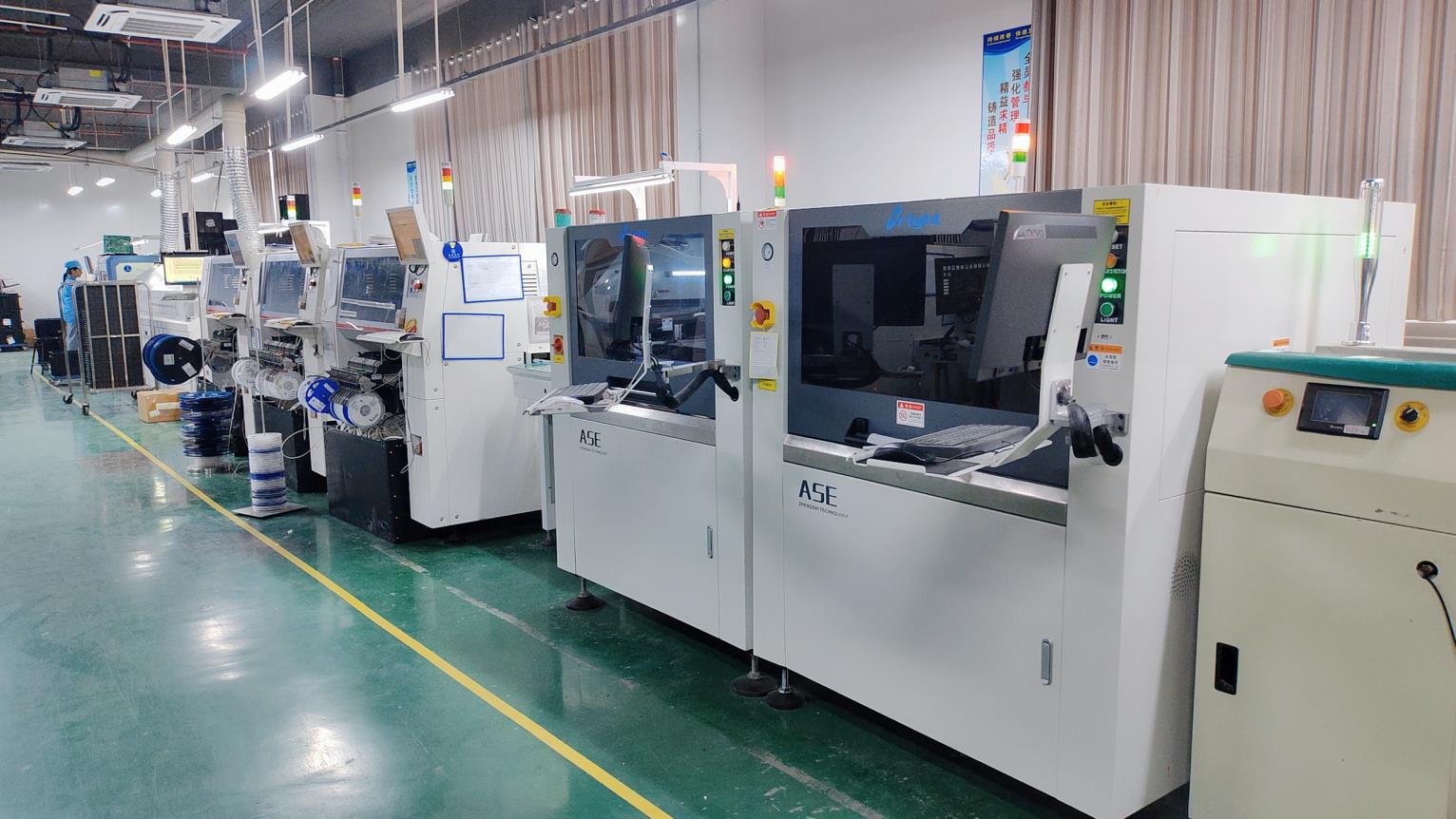
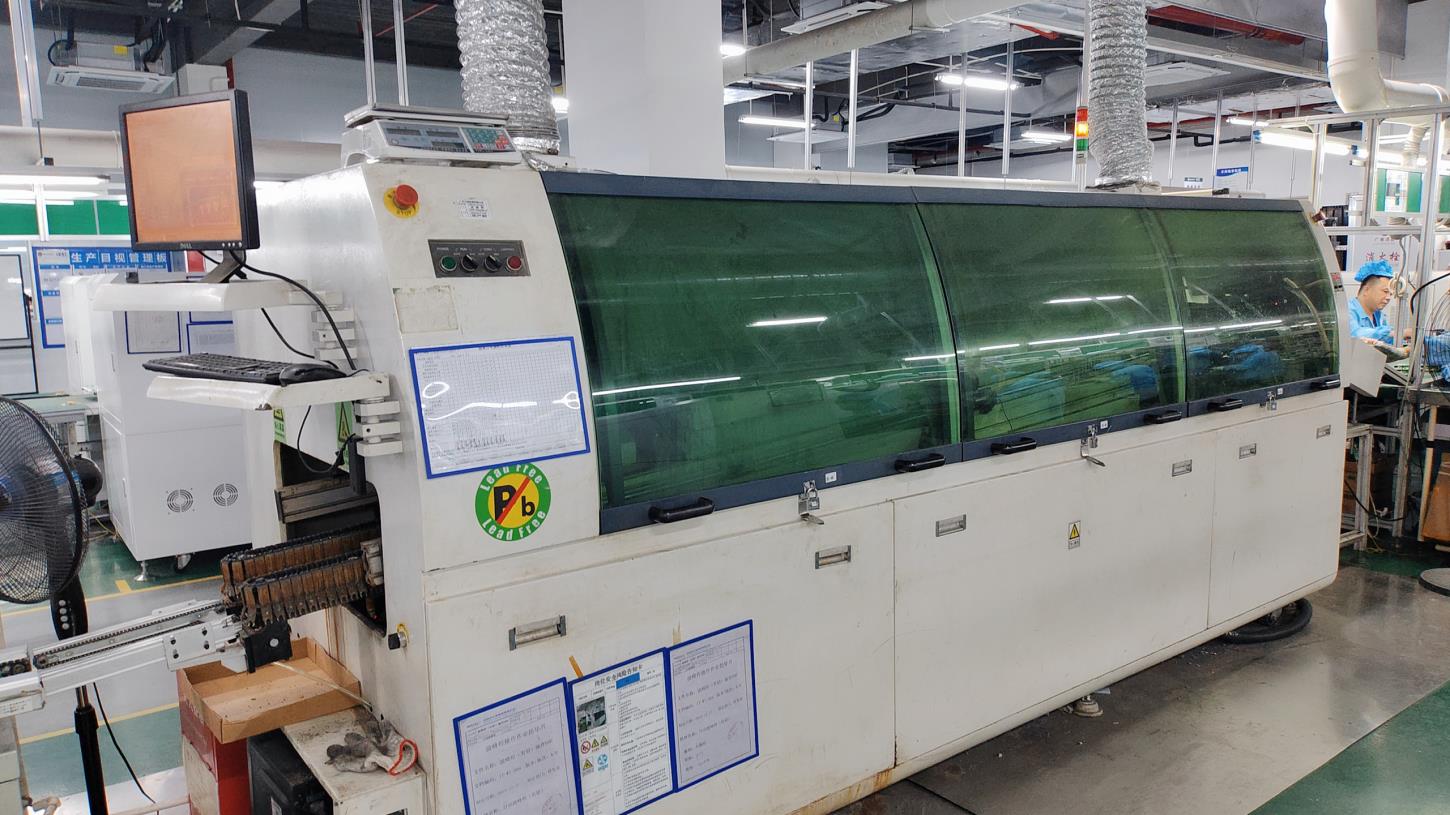
By leveraging advanced Surface Mount Technology (SMT) and automated wave soldering systems, our production lines achieve unmatched component precision. Manual solder defects are virtually eliminated, resulting in superior field durability for the integrated PCBA controllers.
Every portable solar generator undergoes rigorous safety checks, including high-current discharge profiles, thermal overload simulation, vibration analysis for mobile usage, and drop-tests to meet UN38.3, CE, and FCC certification mandates.
Expert procurement professionals prioritize long-term Total Cost of Ownership (TCO) over raw initial price. Chinese state-of-the-art facilities combine advanced engineering designs (such as bidirectional inverter systems that recharge stations from 0% to 80% in under 90 minutes) with strict quality verification processes. Partnering with a manufacturer that possesses deep vertical integration guarantees that replacement parts, firmware upgrades, and scalable modular battery integrations remain active and supported for a decade or more.
From remote monitoring equipment to critical disaster relief, our solutions are engineered for operational excellence in extreme environments.
High-capacity units (e.g., 1600Wh / 2000W) serve as instant UPS (Uninterruptible Power Supply) systems. They protect critical network storage, hardware racks, and business workstations during unexpected urban grid outages, preventing data loss and operation pauses.
In regions experiencing natural catastrophes, portable solar generator kits provide emission-free, silent power to mobile medical stations, field diagnostic gear, satellite communication gear, and water purifiers without needing fossil fuel supply chains.
Geographical survey arrays, meteorological observation decks, off-grid surveillance systems, and pipeline infrastructure diagnostic tools utilize custom hybrid solar systems to maintain autonomous operation throughout seasonal climate swings.
The next decade of portable power will be defined by three critical vectors: increased energy density, smart ecosystem integration, and ultra-high speed charging performance.
Solid-state battery cells represent the next major evolution step, offering nearly double the energy density of traditional lithium-ion, thereby dramatically reducing carrying weight. Concurrently, integration with Artificial Intelligence-driven Power Management Systems (AI-PMS) enables smart load profiling. These systems learn ambient temperature spikes and user load behaviors to dynamic-voltage regulate and maximize battery cell lifespans. Additionally, advancements in bidirectional silicon carbide (SiC) inverters now make charging times under one hour standard across major industrial setups.
For corporate distributors, government procurement departments, and large-scale EPC installers, evaluating potential factories involves verifying critical certifications.
For legal entry into key Western markets, systems must carry valid certificates. These include European CE, RoHS, and German TÜV/GS certifications; North American UL1741/UL2743 standards; and transport-critical UN38.3 certifications to govern hazardous cargo safety regulations.
Top tier buyers look for strong customization capabilities: modifying structural sheet metal, introducing private-labeled user interfaces, incorporating high-frequency/low-frequency inverter topologies, or designing tailored battery capacities for specific national power grids.
Under E-E-A-T criteria, safety is paramount. High-quality generators must integrate premium Battery Management Systems (BMS) offering redundant circuit protection against over-voltage, over-current, over-charge, over-discharge, short-circuits, and extreme temperatures.
A premier global clean energy technology provider specializing in cutting-edge R&D, precision manufacturing, and strict quality verification processes.
Anhui Aryam Energy Co., Ltd. is a leading provider of advanced renewable energy solutions, dedicated to delivering reliable, efficient, and sustainable power systems for residential, commercial, industrial, and utility-scale applications worldwide. Through continuous innovation and a strong commitment to clean energy development, Aryam Energy has established itself as a trusted partner in the global transition toward a low-carbon future.
The company specializes in the research, development, manufacturing, and integration of solar energy systems, energy storage solutions, hybrid power systems, and intelligent microgrid technologies. Leveraging cutting-edge engineering expertise and strict quality management standards, Aryam Energy provides comprehensive energy solutions tailored to diverse market needs, particularly in regions facing energy shortages, unstable grid infrastructure, or increasing demand for sustainable power generation.
With a professional R&D team and a growing portfolio of proprietary technologies, Aryam Energy continuously invests in innovation to enhance system performance, energy efficiency, and long-term reliability. Its products and solutions are designed to meet international standards and have been successfully deployed across Asia, Africa, the Middle East, Europe, and Latin America, serving customers in more than 100 countries and regions.
Aryam Energy's product portfolio includes solar inverters, energy storage systems, hybrid inverters, lithium battery solutions, solar water pumping systems, microgrid systems, and customized renewable energy projects. The company is committed to providing integrated energy solutions that maximize energy independence, reduce operational costs, and support environmental sustainability.
Driven by the vision of becoming a globally recognized clean energy technology leader, Aryam Energy actively collaborates with distributors, EPC contractors, government agencies, international organizations, and development partners to promote renewable energy adoption worldwide. Through its mission of "Empowering Sustainable Energy for a Better Future," the company strives to create long-term value for customers while contributing to global carbon reduction goals and sustainable social development.
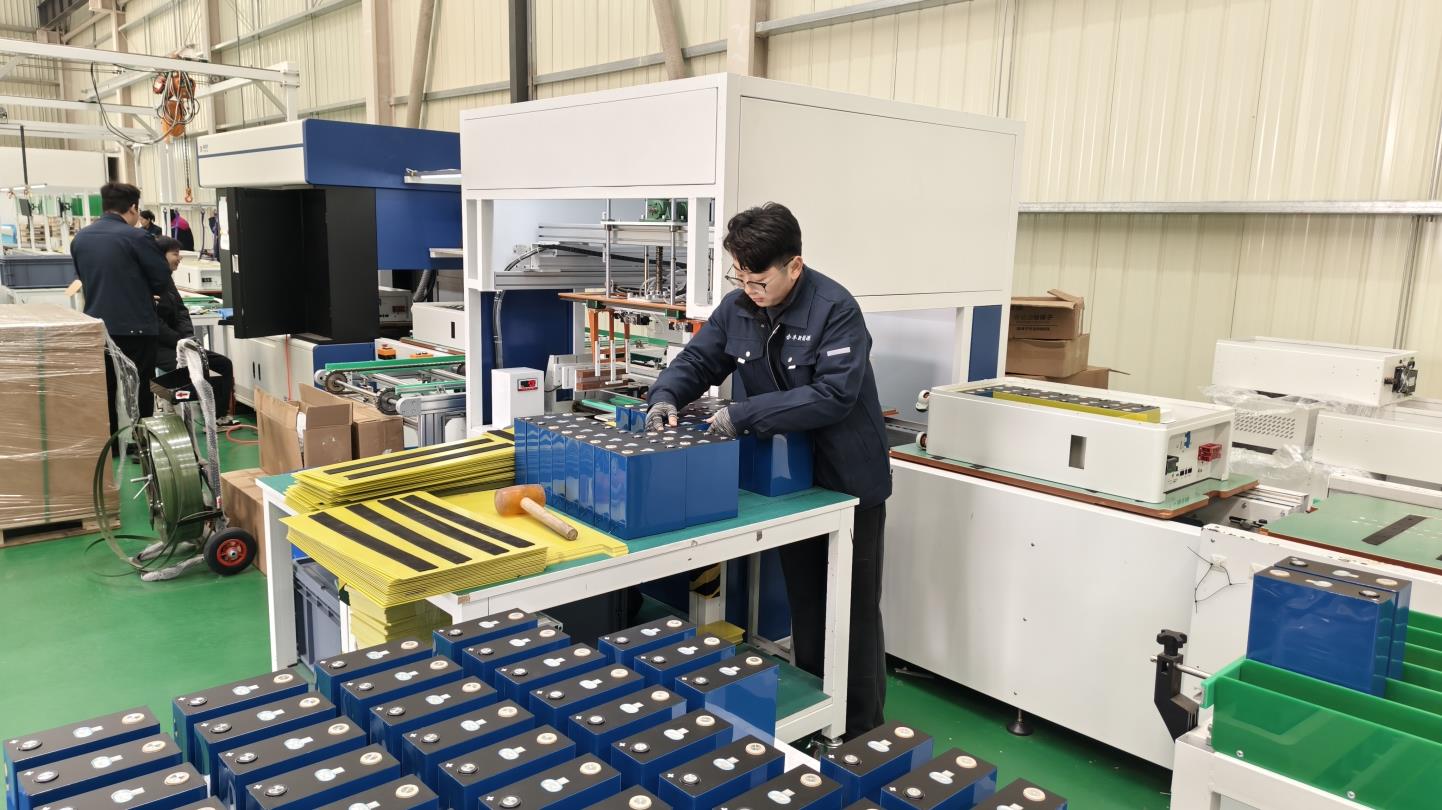
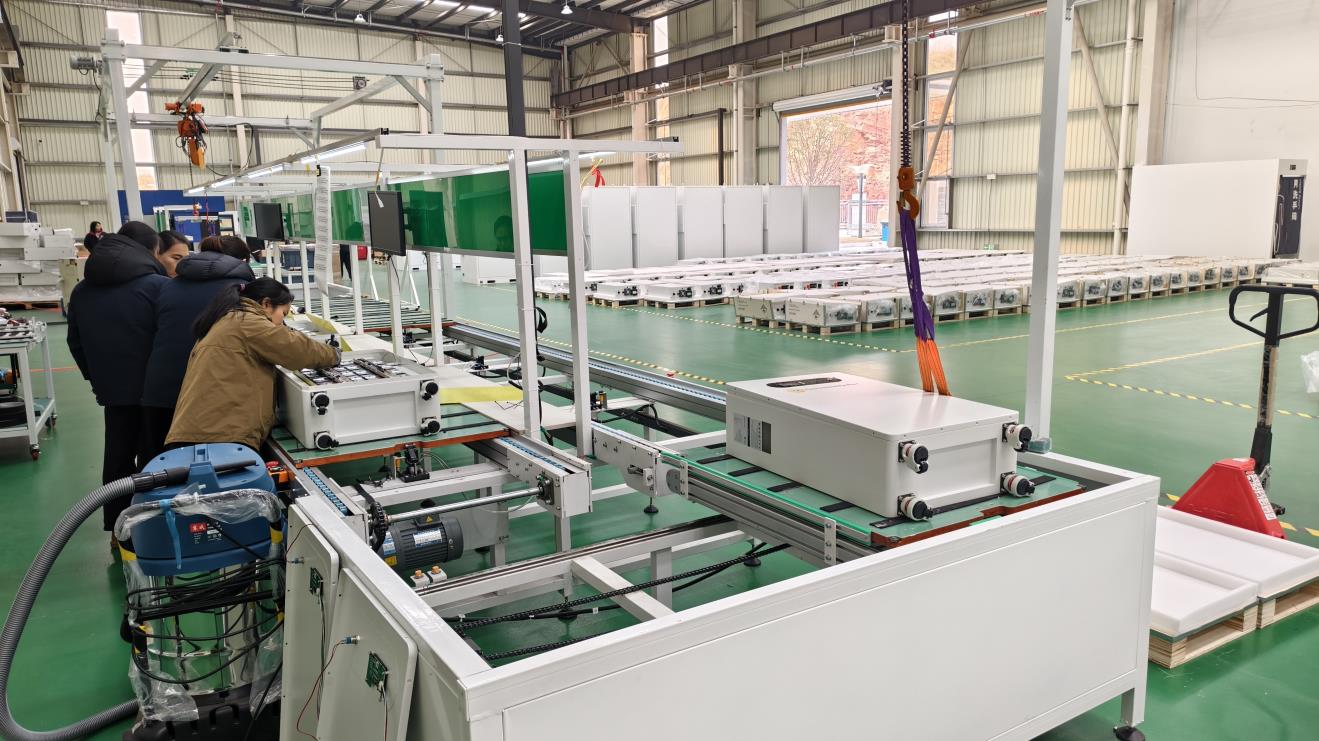
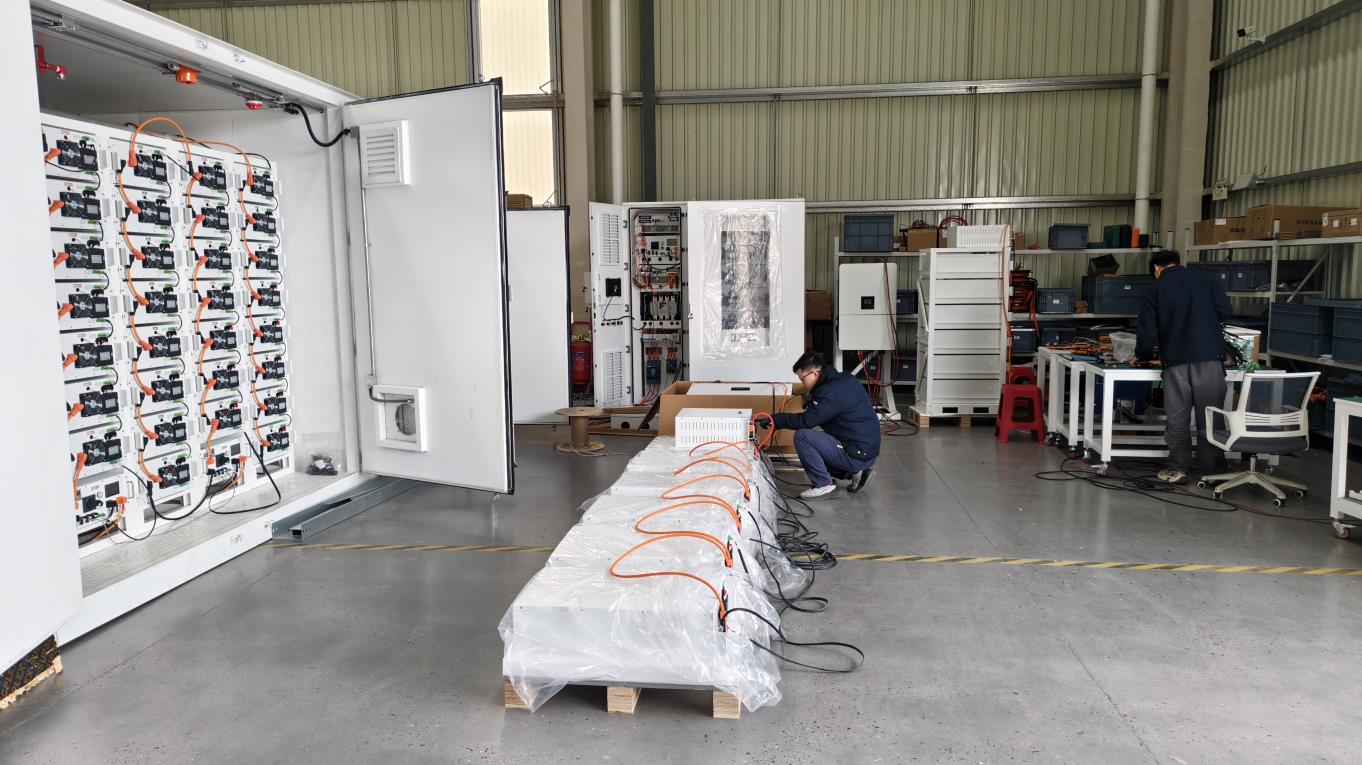
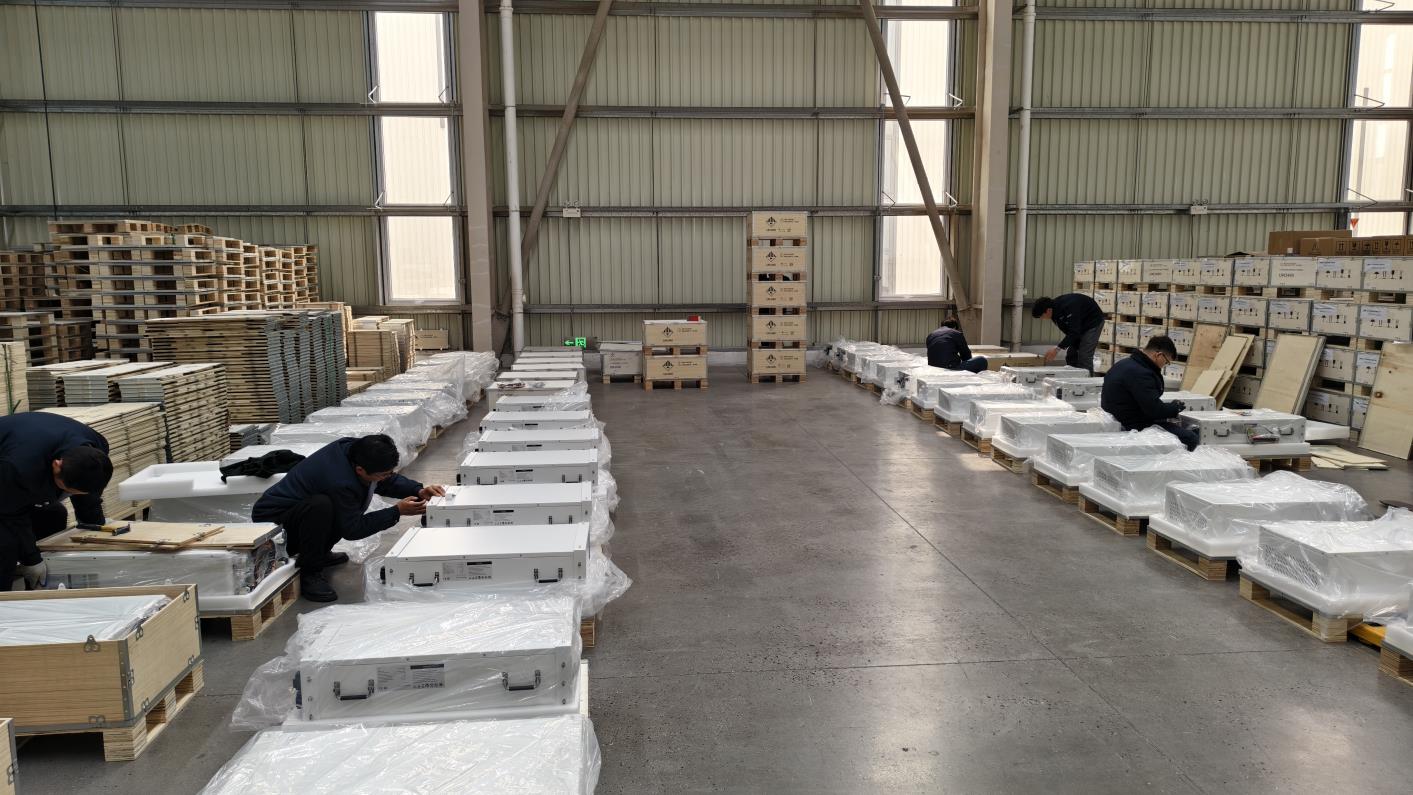
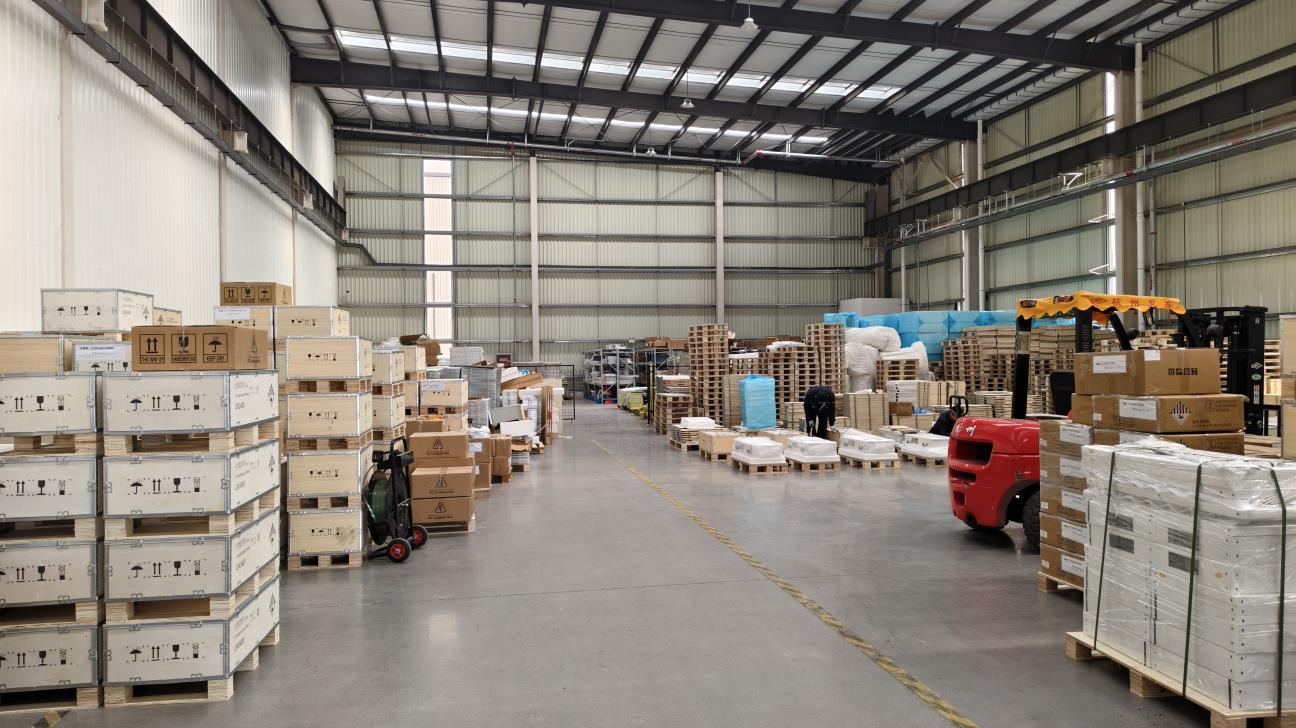
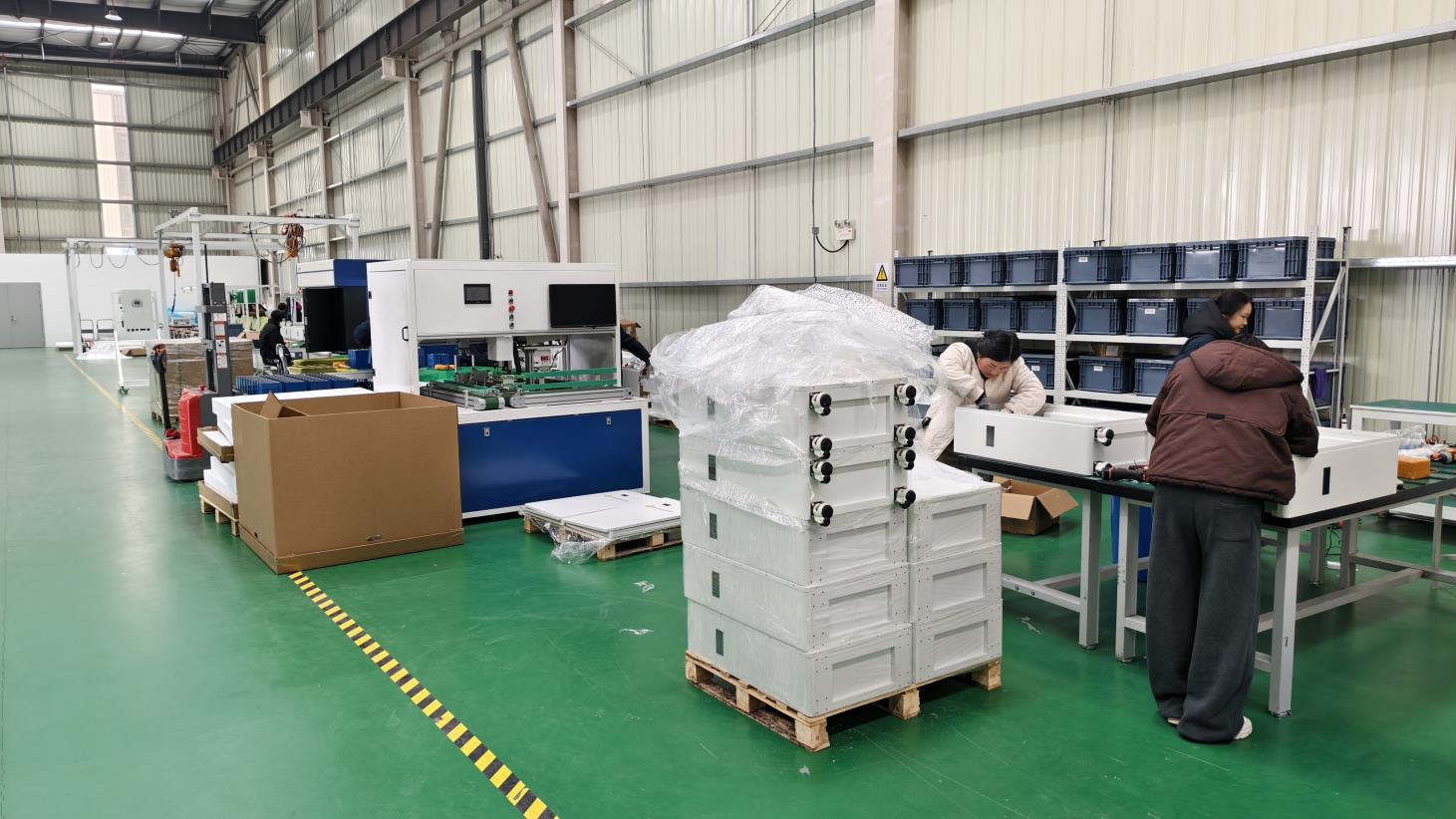
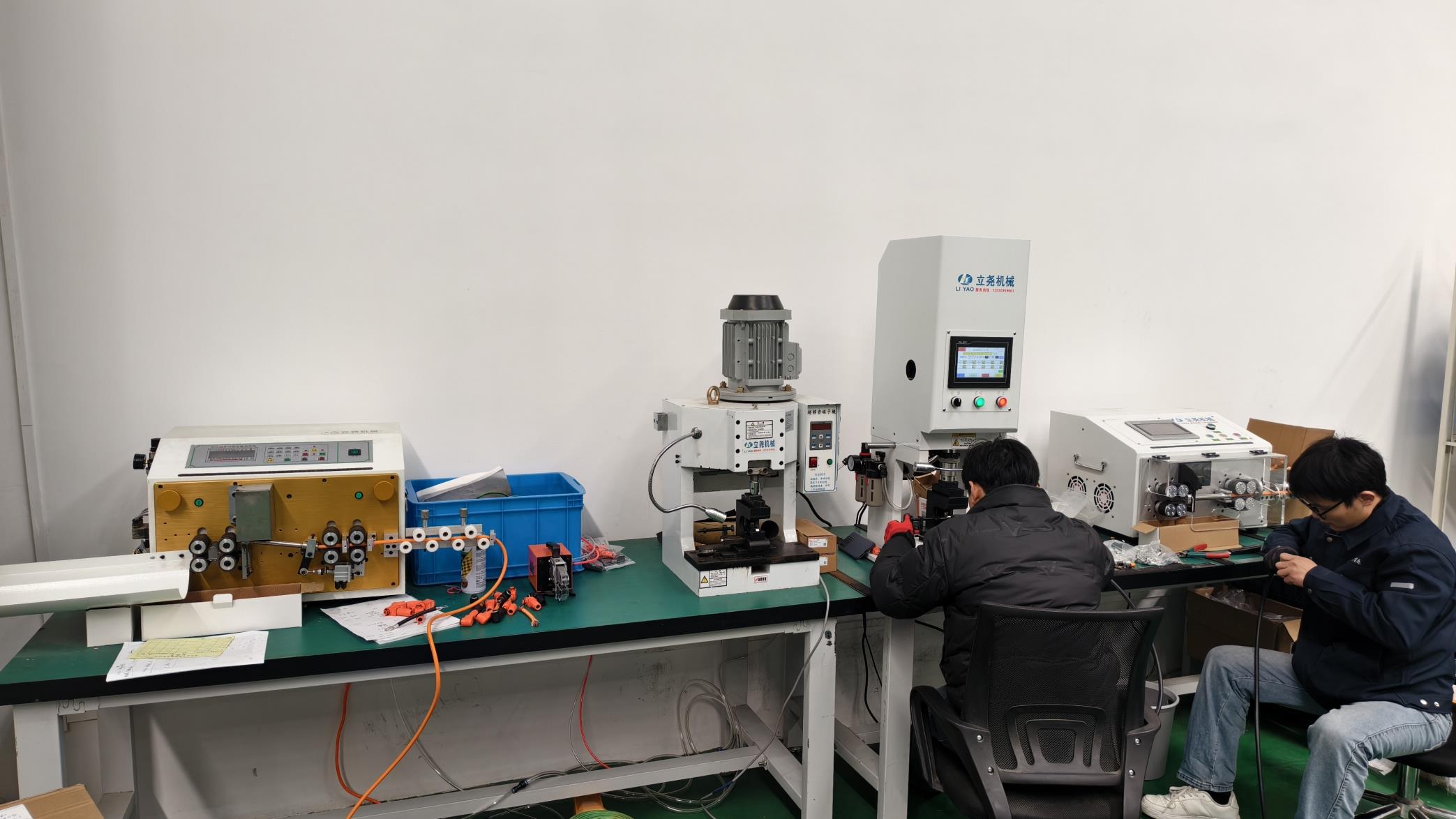
Step-by-step documentation of our quality assurance pipeline, precision manufacturing lines, testing units, and high-capacity logistics warehouse.
Explore detailed, engineering-level answers to the most common queries raised by international buyers and project engineers.
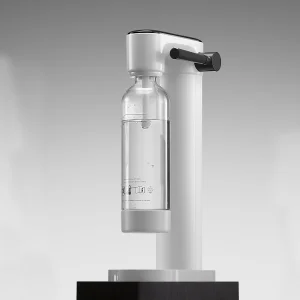
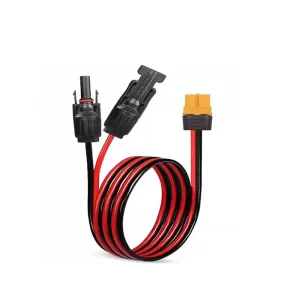
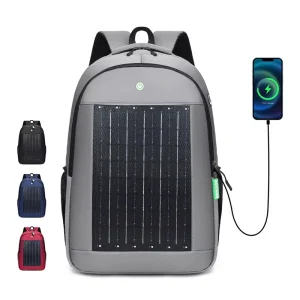
Discover our comprehensive collection of solar brackets, system cabling connectors, off-grid appliances, and specialized solar-powered gear.
 Aryam Energy