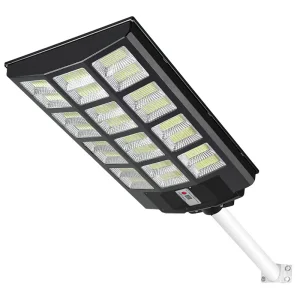
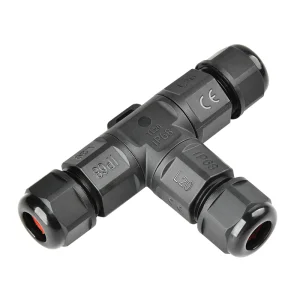
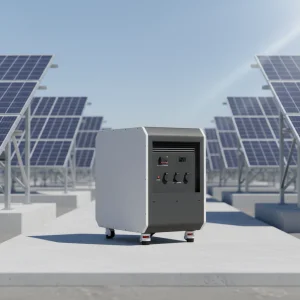
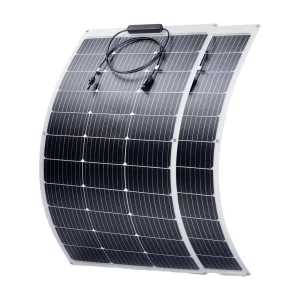
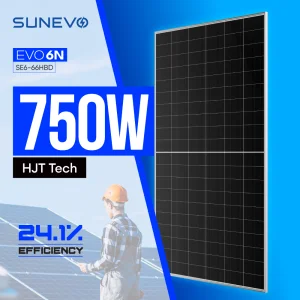
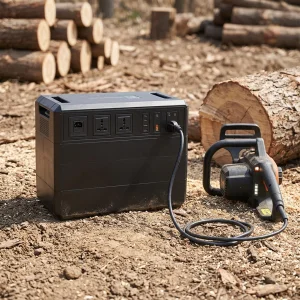
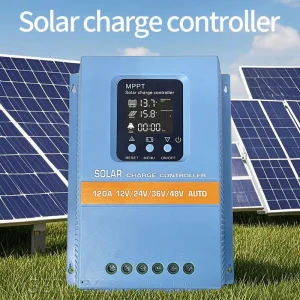
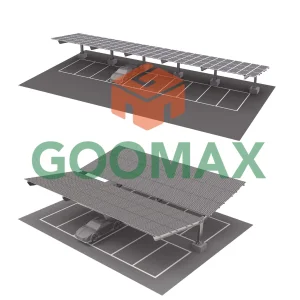
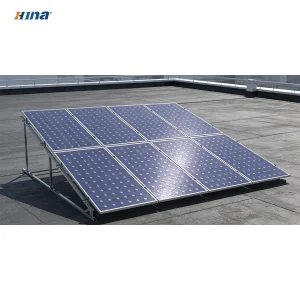
Explore our premium grade solar installations, components, and tracking subsystems built to meet stringent global certification codes.
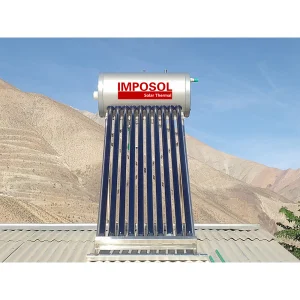
In modern utility-scale photovoltaic (PV) planning, the transition from fixed-tilt racking systems to advanced active solar tracking systems is no longer a luxury—it is an economic and technical prerequisite. Global energy transition demands higher ROI, rendering static solar architectures obsolete under most regional meteorological conditions. CE Certified Solar Tracking Systems represent the pinnacle of structural engineering, motion control, and electrical safety, allowing solar assets to actively follow the sun’s trajectory and maximize real-time energy production.
By integrating single-axis or dual-axis tracking mechanics, utility operators are achieving yield increments ranging from 15% to over 35% compared to traditional fixed configurations. This optimization directly influences the Levelized Cost of Electricity (LCOE), reducing system amortizations and paving the way for grid parity across global markets. As a certified manufacturer, our mission lies in engineering tracking systems that combine robust structural durability with intelligent, sensor-driven backtracking algorithms capable of operating in extreme climate zones.
The global solar tracking industry is undergoing rapid evolutionary progress. This technology shift is driven by three main engineering components:
Modern trackers utilize astronomical algorithms combined with real-time diffuse light sensors. When clouds block direct sunlight or terrain creates inter-row shading, the tracking control unit (TCU) dynamically adjusts the panels' slope to capture maximum diffuse radiation, avoiding localized power drop-offs.
By using double-glass bifacial modules, trackers can harvest reflected light from the ground (albedo). Advanced structures minimize structural shadows on the backside, maximizing albedo gain by up to 25% depending on surface reflectivity.
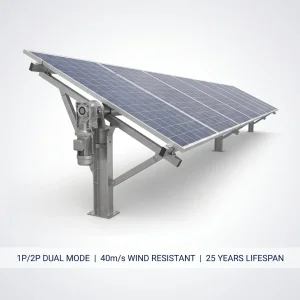
Rather than relying on mechanical linkages that stretch over hundreds of meters, high-efficiency systems now leverage individual slewing drives powered by small solar panels and independent wireless controllers (Zigbee/LoRa), drastically reducing installation labor and failure points.
Furthermore, engineering focuses on structural wind resistance. Using wind tunnel tests (such as Boundary Layer Wind Tunnel analysis), manufacturers determine optimized stow configurations. During high-wind conditions, the tracker is commanded by central anemometers to automatically lock at angles (typically 0° to 30°) that minimize aerodynamic static and dynamic flutter loads, protecting the solar assets from structural damage.
Industrial EPCs (Engineering, Procurement, and Construction) and global investment funds require strict verification matrices before committing capital to PV tracking hardware. Foremost among these demands is regulatory compliance. In the European Union and allied global markets, CE Certification is mandatory. This certification ensures that structural steel, motors, electronic controllers, and sensor apparatuses meet stringent safety standards including EN 1090-2 (Execution of steel structures), IEC 62817 (Photovoltaic systems design qualification of solar trackers), and safety regulations for electromagnetic compatibility (EMC).
| Procurement Factor | Standard / Metric Require | Impact on Project Lifecycle |
|---|---|---|
| Safety Standards | CE Mark, IEC 62817, EN 1090-2, UL 3703 | Ensures legal market entry, operational safety, and lowers insurance premiums. |
| Corrosion Resistance | ISO 12944 (C4/C5 Class), HDG coating > 80 microns | Guarantees 25+ years of structural life in highly humid, coastal, or desert environments. |
| Wind Stow Dynamics | Aerodynamic stability up to 60 m/s (3-second gusts) | Reduces structural risk during hurricanes, storms, and high wind velocity events. |
| Tracking Precision | Tracking error limit < 0.5 degrees | Optimizes module yield curves and directly boosts operational revenues. |
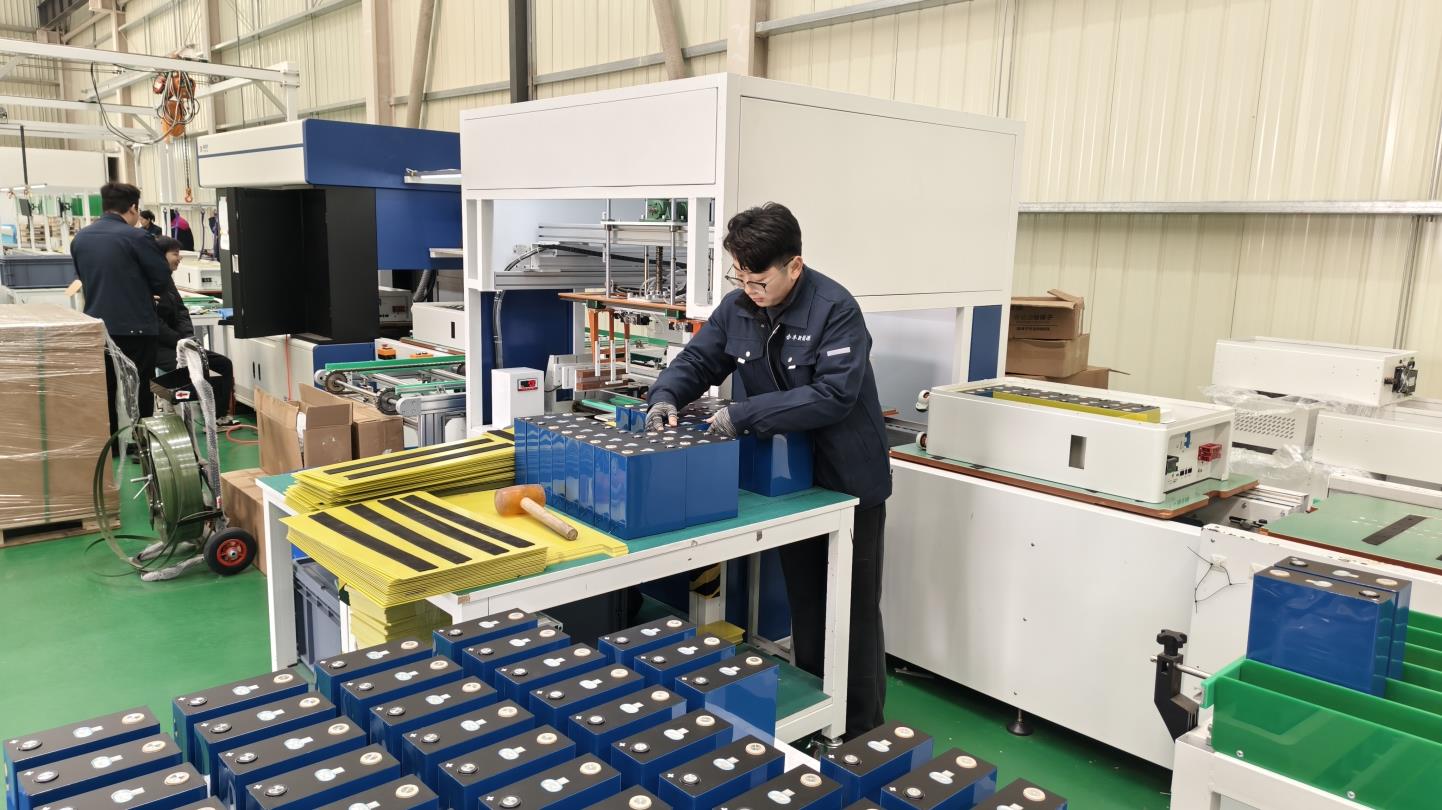
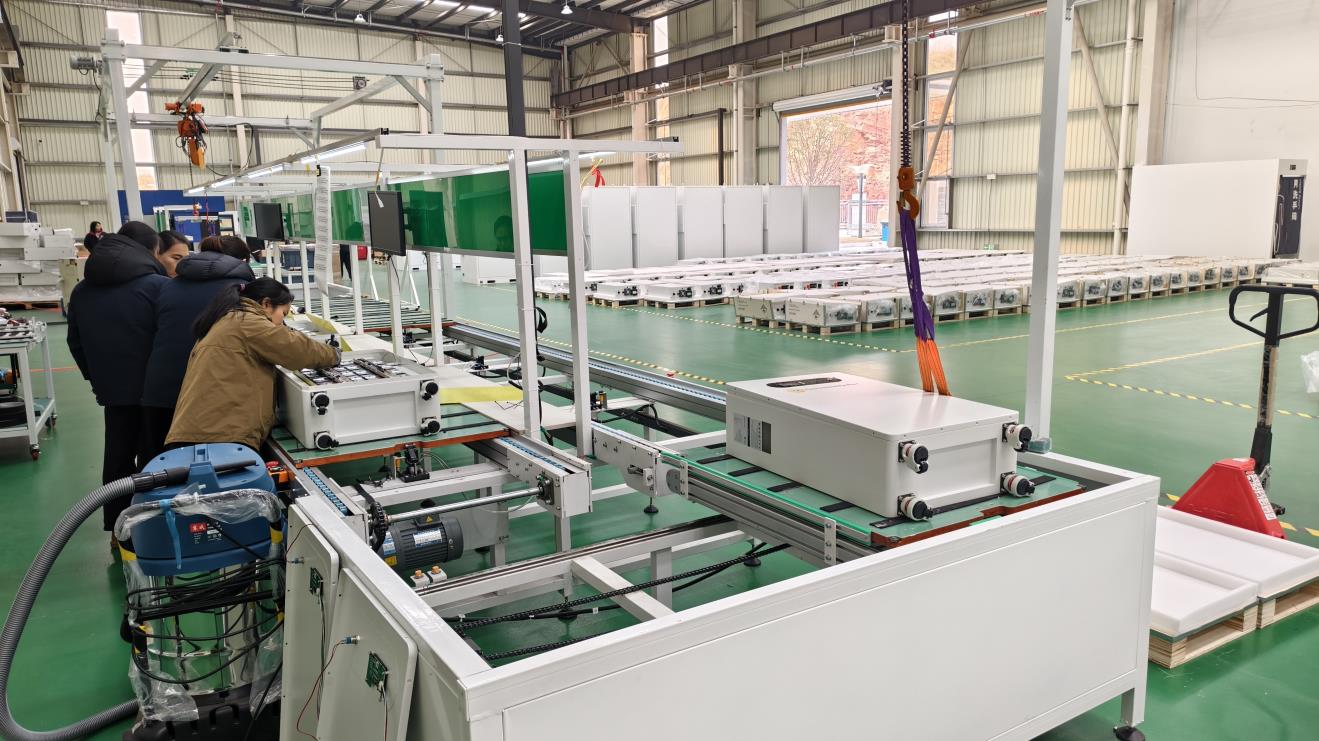
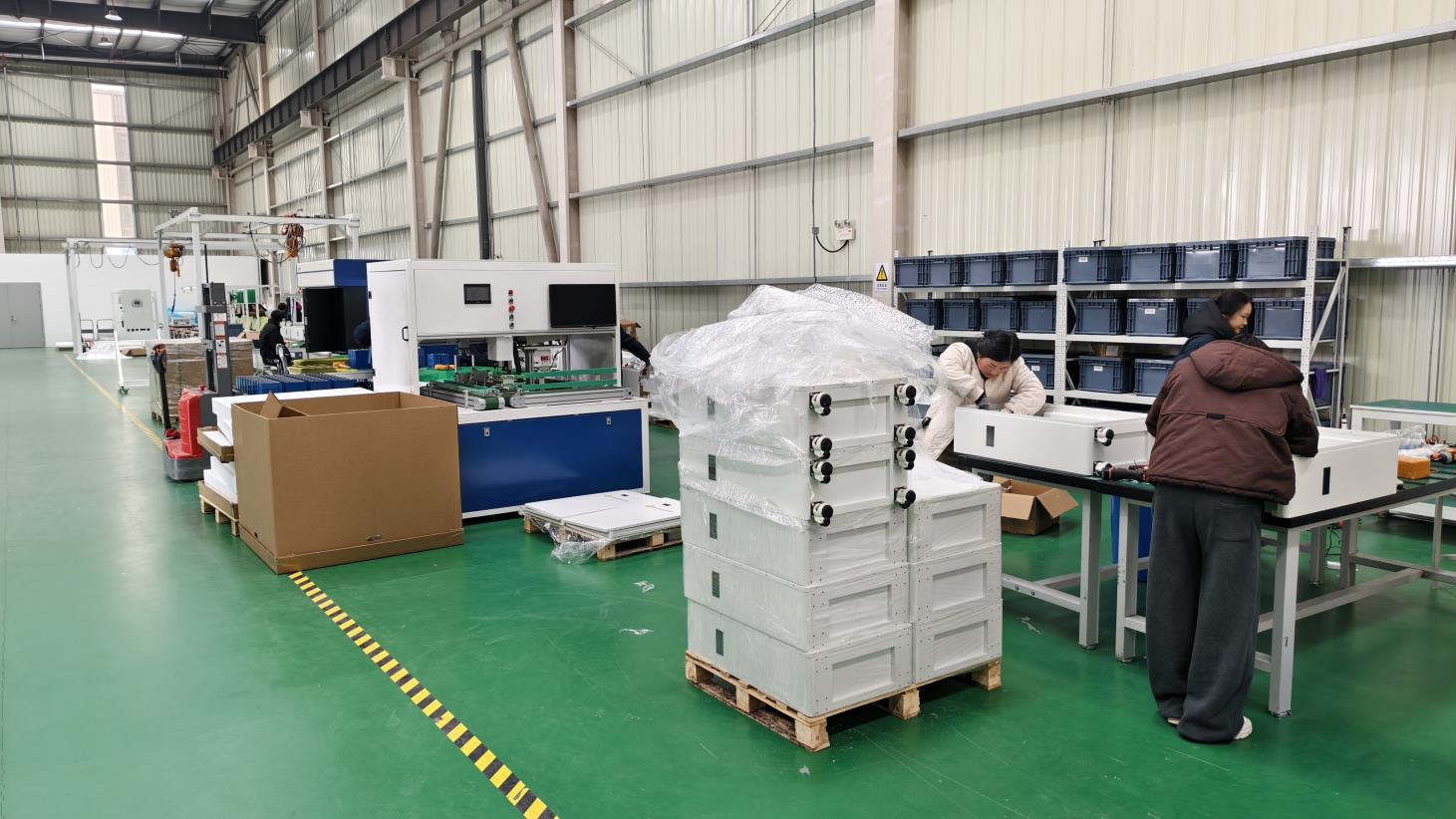
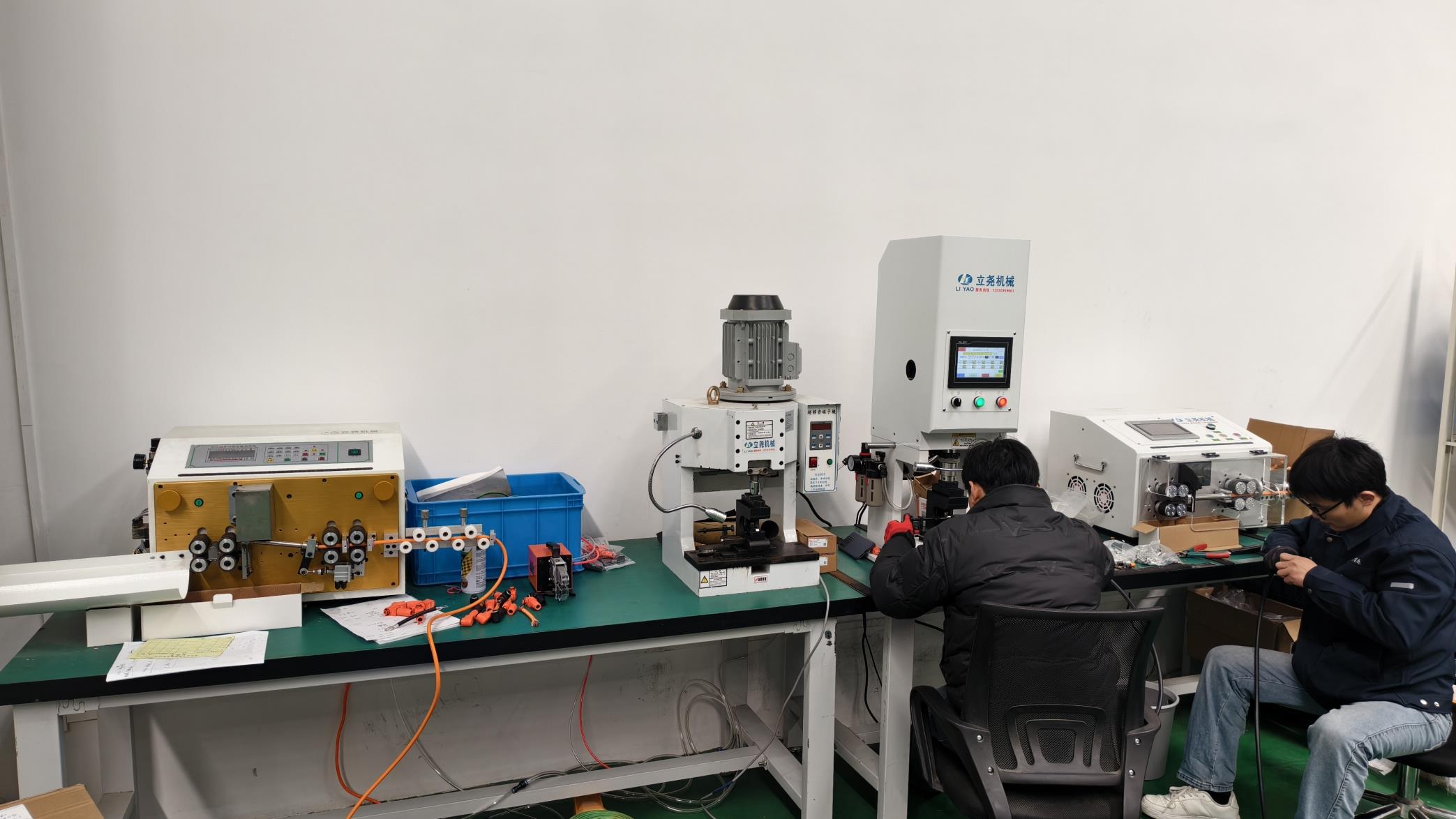
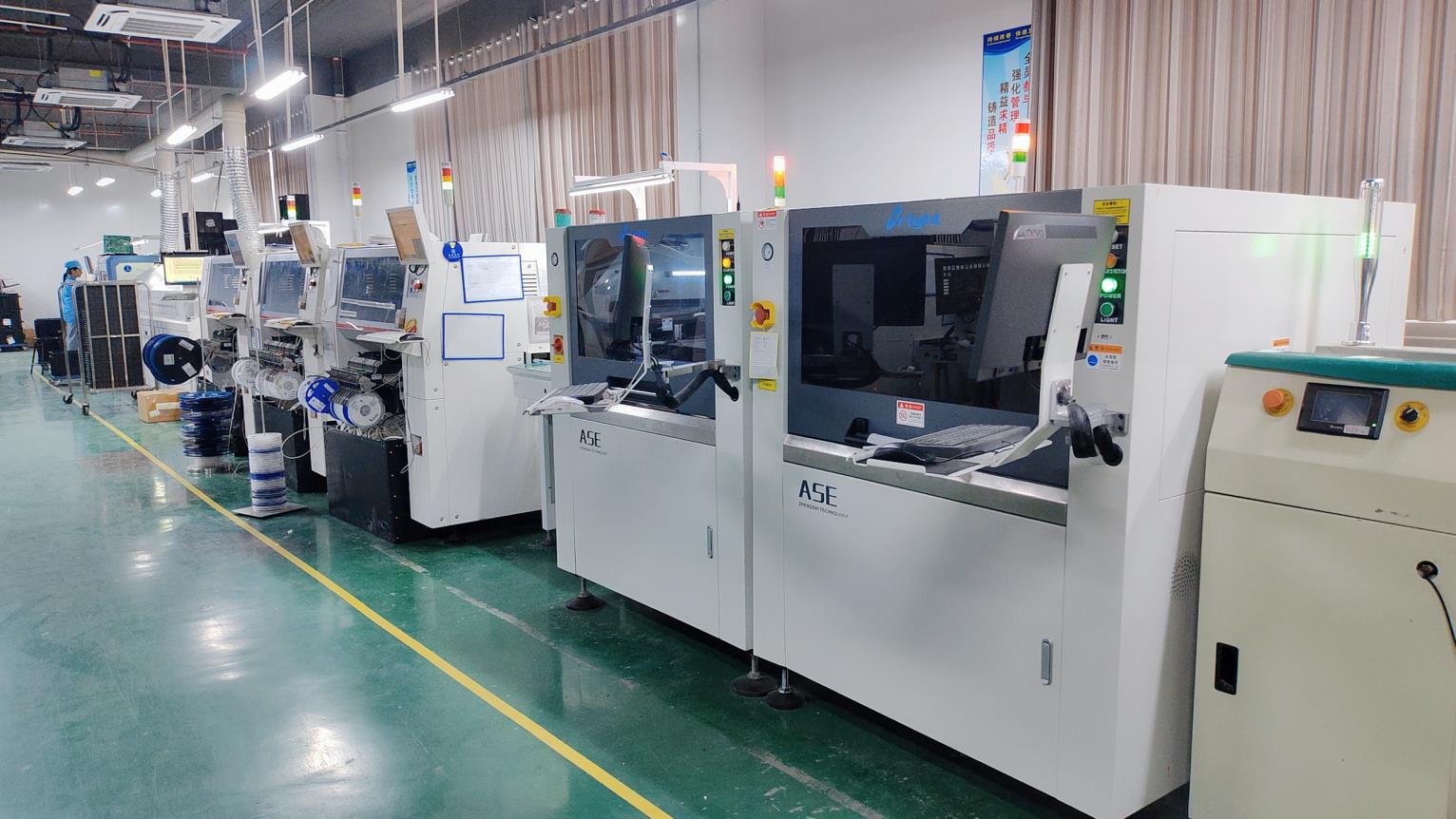
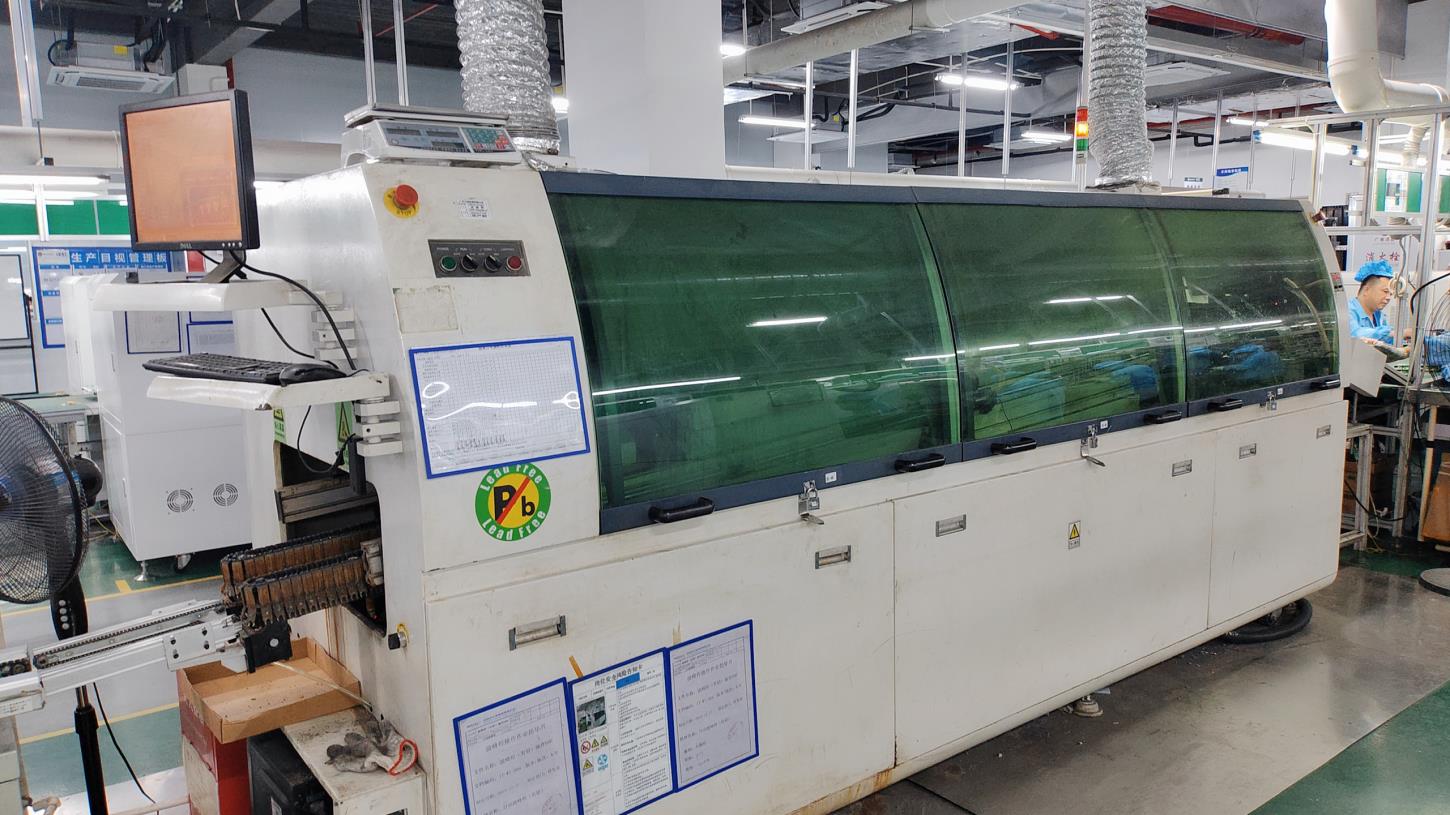
Manufacturing solar trackers demands high structural consistency and absolute precision. A variance of a few millimeters in a torque tube or driving gear can cause mechanical fatigue over a 25-year operational lifecycle. This is where Anhui Aryam Energy Co., Ltd. utilizes Industry 4.0 production environments to deliver quality and scale. By deploying automated laser cutting systems, robotic welding cells, and automated SMT (Surface Mount Technology) assembly lines, we achieve close engineering tolerances and maintain batch uniformity.
Anhui Aryam Energy Co., Ltd. is a leading provider of advanced renewable energy solutions, dedicated to delivering reliable, efficient, and sustainable power systems for residential, commercial, industrial, and utility-scale applications worldwide. Through continuous innovation and a strong commitment to clean energy development, Aryam Energy has established itself as a trusted partner in the global transition toward a low-carbon future.
Our factory capabilities cover the entire production lifecycle, including structure fabrication, SMT controller assembly, and final testing. The integration of high-performance processes like wave soldering and automated SMT manufacturing ensures our tracker controllers run robustly, even under extreme ambient temperatures (-40°C to +70°C).
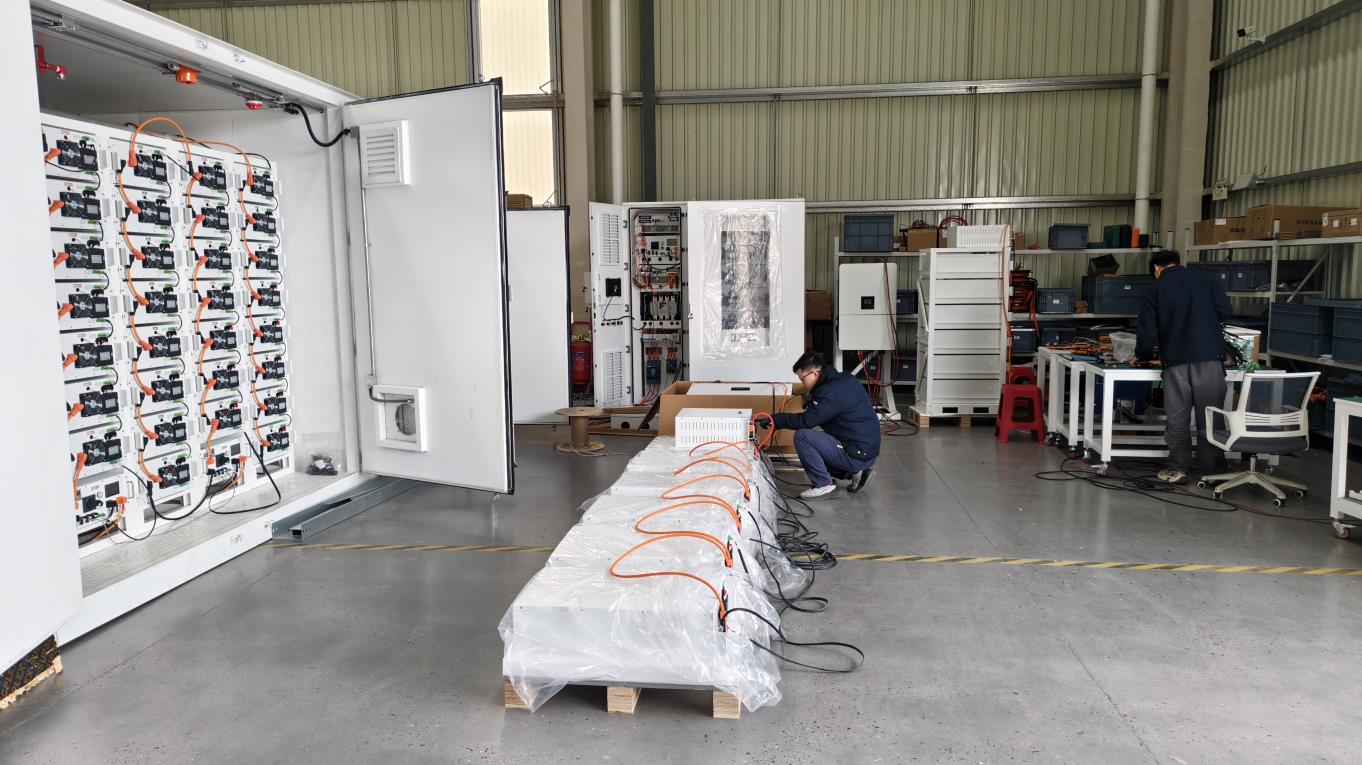
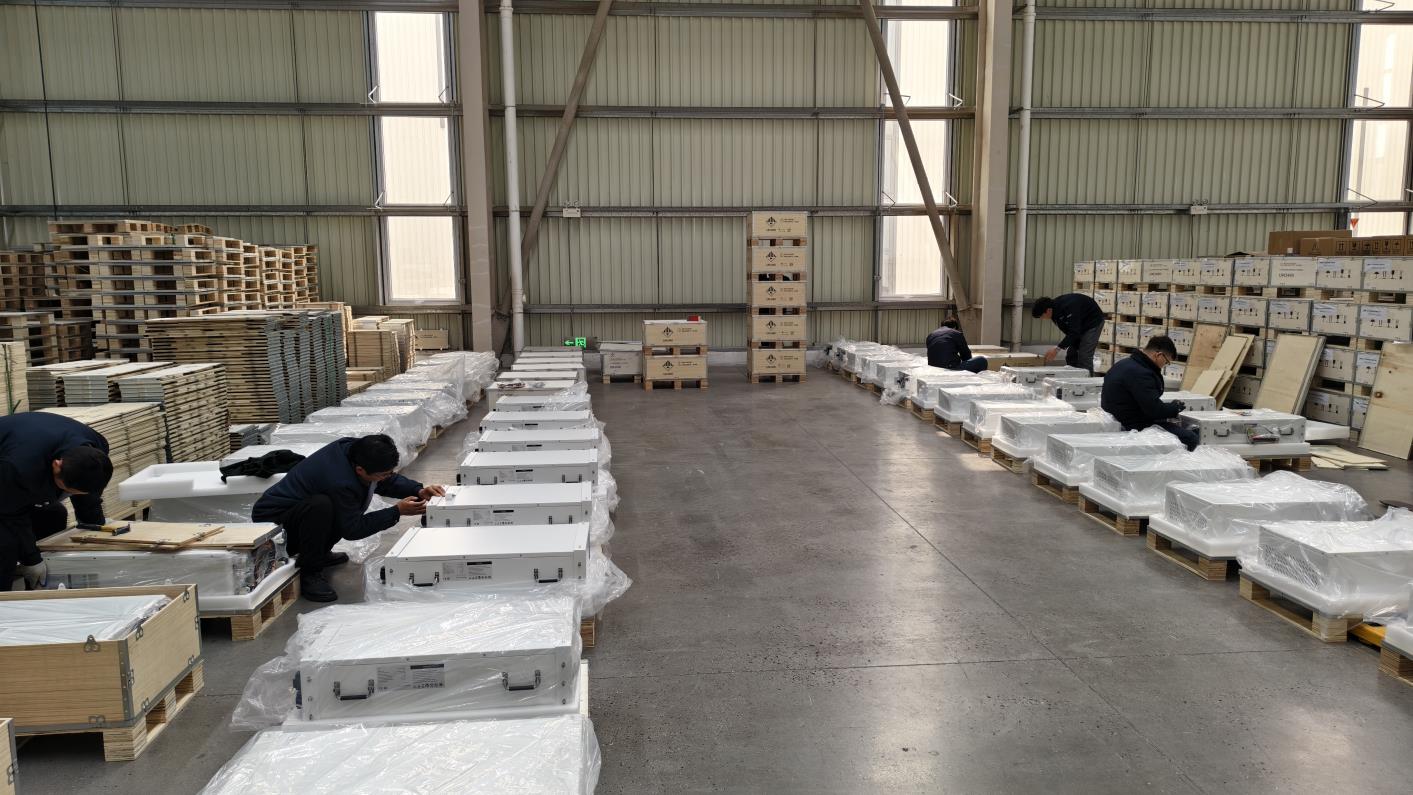
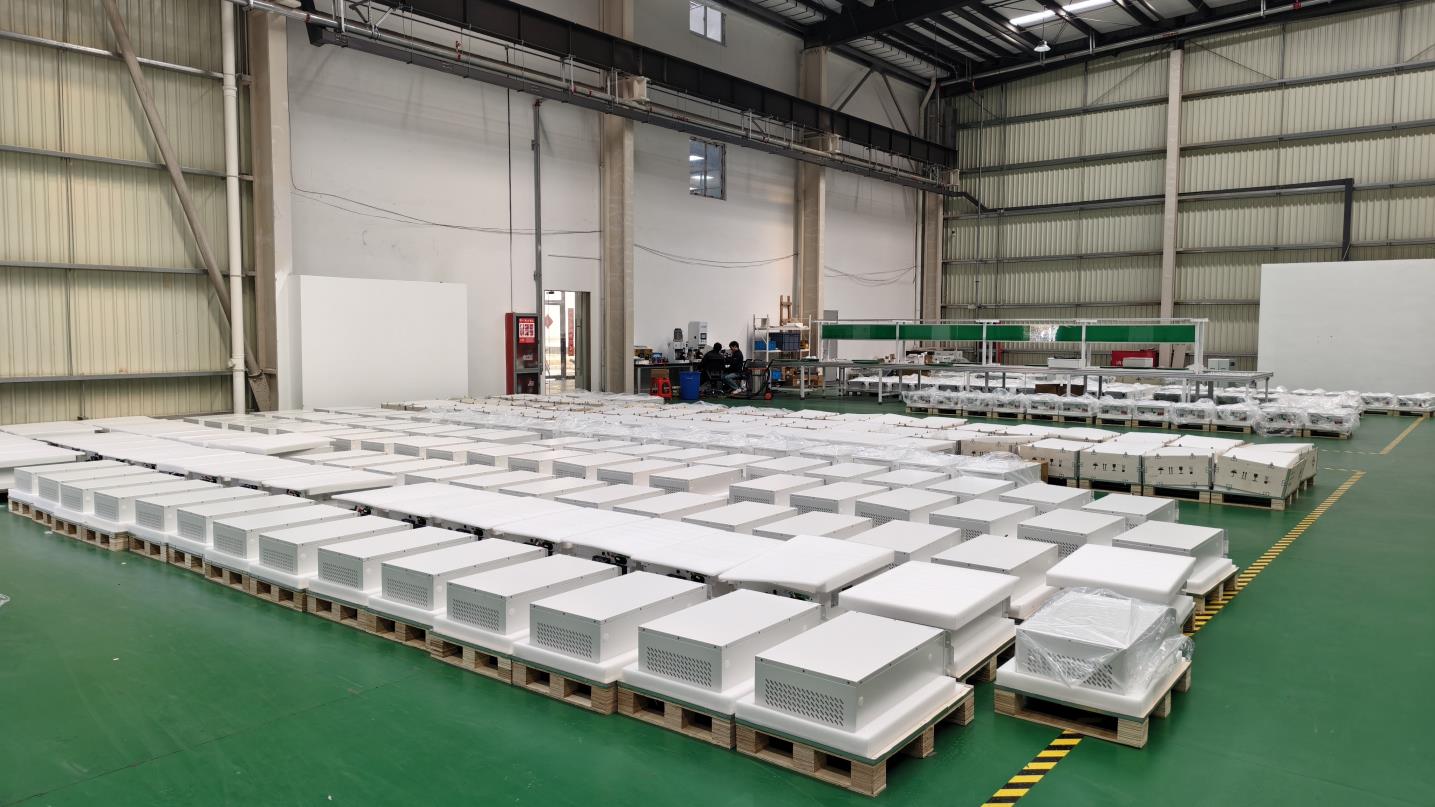
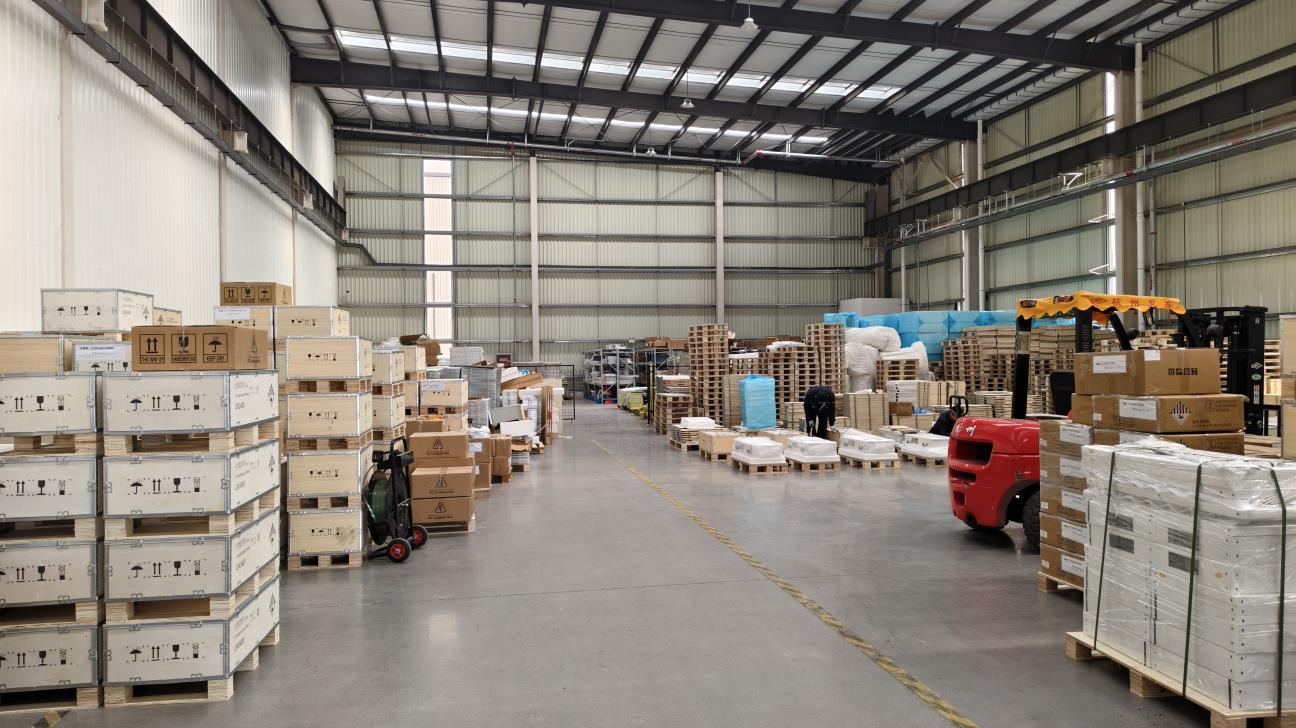
Commercial & Industrial (C&I) organizations face complex challenges, including rising grid tariffs, unstable local energy grids, and corporate carbon-reduction mandates. Deploying solar systems equipped with advanced tracking capabilities helps offset these energy overheads. Tracker systems adjust module orientations dynamically, flattening the bell-shaped production curve typical of fixed-tilt installations into a wider plateau. This extended peak output aligns with afternoon energy load profiles, reducing demand charges and optimizing energy usage.
In remote regions—such as mining operations in Chile, isolated telecom hubs in Central Africa, or agricultural facilities in the Middle East—reliability is critical. If a tracker fails, remote maintenance costs can negate the yield improvements. Systems must utilize self-lubricating polymer bearings, rugged gear drives, and dust-resistant housings. High-quality components limit maintenance to periodic visual checks and software updates, ensuring long-term performance in demanding conditions.
Universal solutions do not fit solar tracking installations. Different geoclimatic zones present varying wind, terrain, and soil conditions:
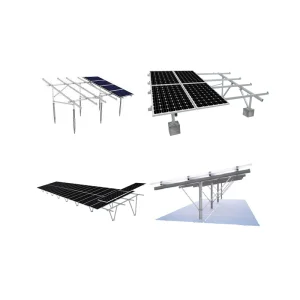
Standard long torque tube systems struggle on uneven terrain. Multi-point drive systems or short single-row trackers allow individual tracking tables to orient independently, matching irregular landscape contours without extensive civil grading.
In high-dust regions (such as the MENA region), sand build-up degrades module performance. Smart tracking control units coordinate with automated waterless cleaning robots or initiate nightly tilt sequences to minimize dust accumulation on panel surfaces.
In farming applications, trackers keep panels vertical during cultivating windows to let machinery pass through, then tilt to shield crops from extreme midday heat while letting ambient light filter down to the ground below.
Essential components, adapters, structures, and supporting sub-systems for high-performance solar installations.
 Aryam Energy