Explore our premium grade solar arrays, thermal water heaters, hybrid power controllers, and industrial hardware manufactured to exceed international safety regulations.
The global energy dynamic is undergoing a paradigm shift, transitioning rapidly from centralized fossil-fuel power plants to decentralized, intelligent, and clean systems. Distributed energy systems, specifically residential and commercial solar systems, are at the core of this revolution. Driven by ambitious carbon-neutrality targets, rising utility tariffs, and the imperative for energy grid resilience, global B2B buyers, EPC contractors, and system installers demand high-performing photovoltaic and thermal hardware. Meeting this demand requires more than simple assembly; it necessitates advanced, certified engineering that provides continuous electricity and thermal power in the most extreme climatic conditions.
As a prominent, CE-certified home solar systems manufacturer and factory, Anhui Aryam Energy Co., Ltd. stands at the forefront of this industrial transformation. Operating at the intersection of power electronics, advanced electrochemistry, and mechanical engineering, we produce end-to-end solar solutions that yield superior efficiency and long-term investment safety. This white paper details the technical architectures of modern solar microgrids, evaluates the macroeconomic developments within the industry, explores localized deployment vectors, and details our strict manufacturing procedures designed to maximize information gain and application reliability.
Anhui Aryam Energy Co., Ltd. is a leading provider of advanced renewable energy solutions, dedicated to delivering reliable, efficient, and sustainable power systems for residential, commercial, industrial, and utility-scale applications worldwide. Through continuous innovation and a strong commitment to clean energy development, Aryam Energy has established itself as a trusted partner in the global transition toward a low-carbon future.
The company specializes in the research, development, manufacturing, and integration of solar energy systems, energy storage solutions, hybrid power systems, and intelligent microgrid technologies. Leveraging cutting-edge engineering expertise and strict quality management standards, Aryam Energy provides comprehensive energy solutions tailored to diverse market needs, particularly in regions facing energy shortages, unstable grid infrastructure, or increasing demand for sustainable power generation.
With a professional R&D team and a growing portfolio of proprietary technologies, Aryam Energy continuously invests in innovation to enhance system performance, energy efficiency, and long-term reliability. Its products and solutions are designed to meet international standards and have been successfully deployed across Asia, Africa, the Middle East, Europe, and Latin America, serving customers in more than 100 countries and regions. The product portfolio includes solar inverters, energy storage systems, hybrid inverters, lithium battery solutions, solar water pumping systems, microgrid systems, and customized renewable energy projects, maximizing energy independence, reducing operational costs, and supporting environmental sustainability.
Driven by the vision of becoming a globally recognized clean energy technology leader, Aryam Energy actively collaborates with distributors, EPC contractors, government agencies, international organizations, and development partners to promote renewable energy adoption worldwide. Through our mission of "Empowering Sustainable Energy for a Better Future," we strive to create long-term value for customers while contributing to global carbon reduction goals.
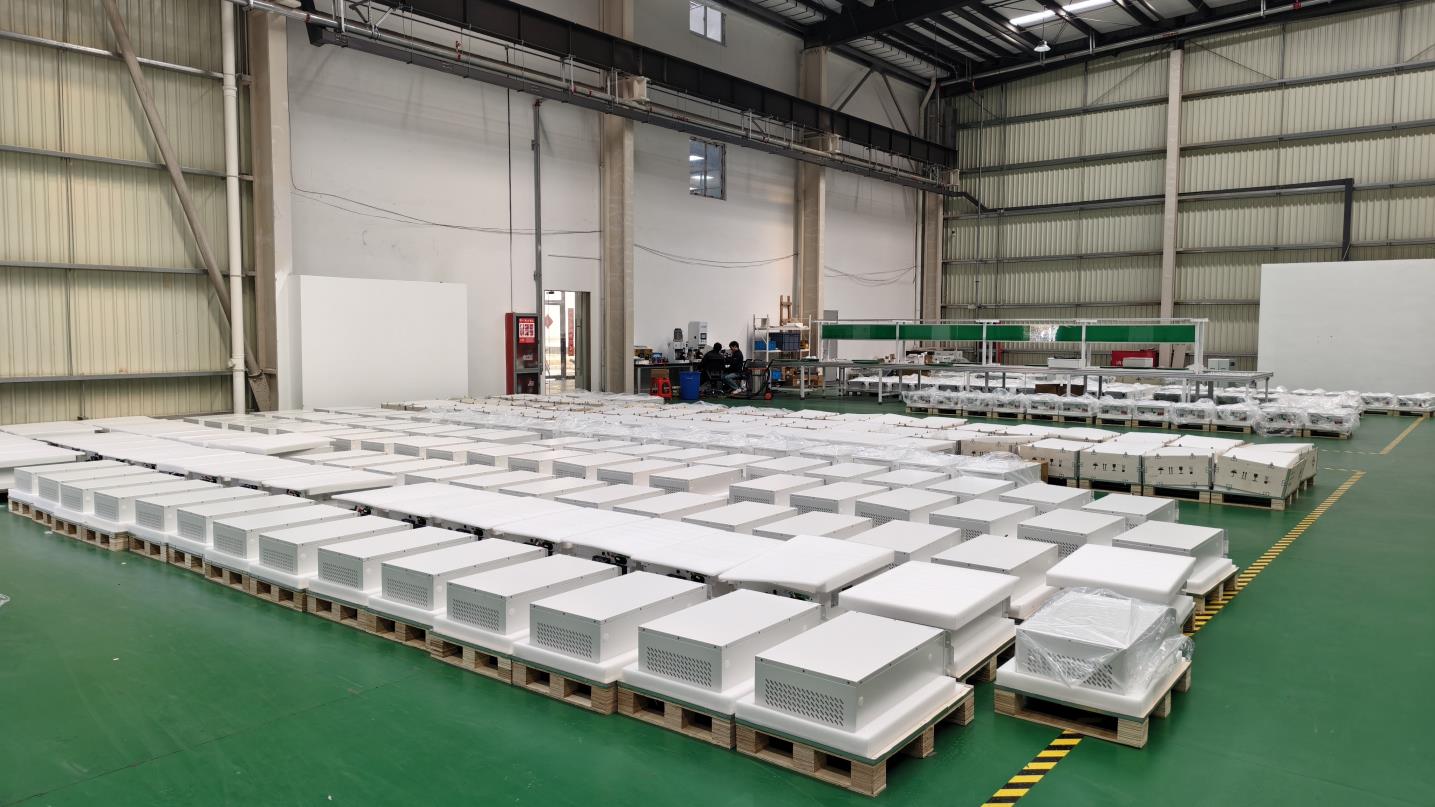
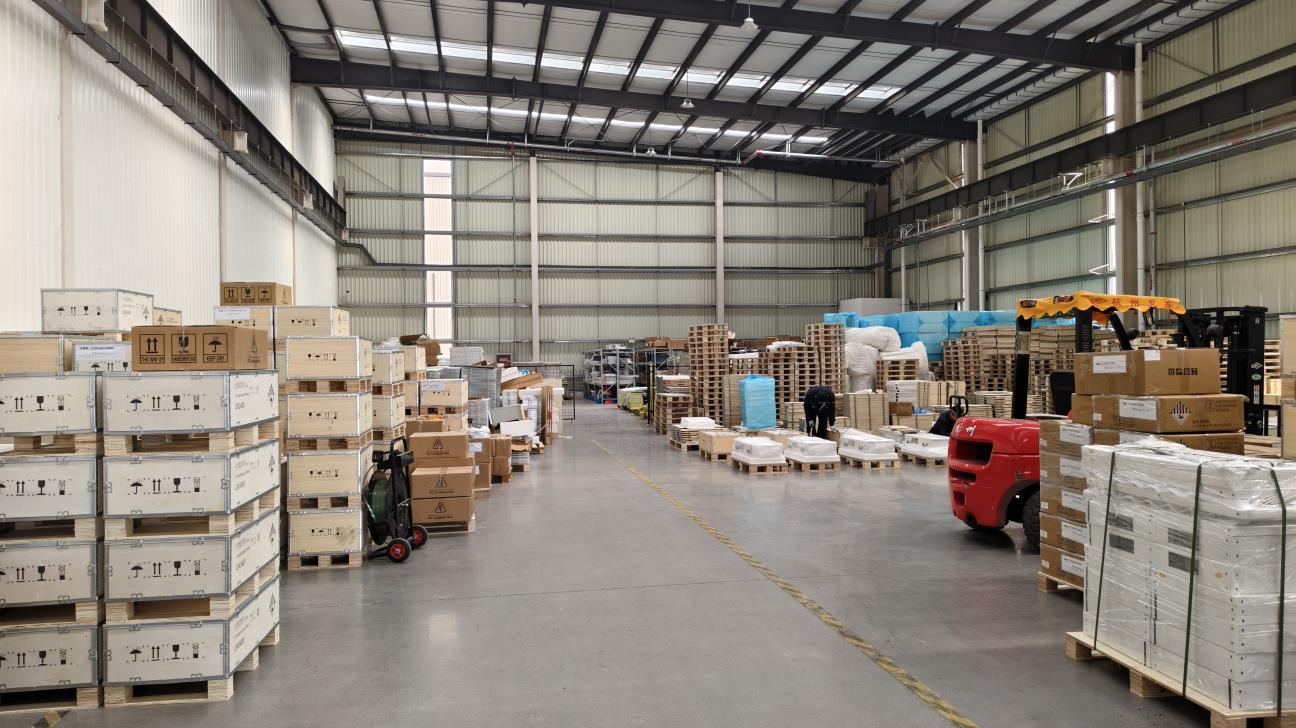
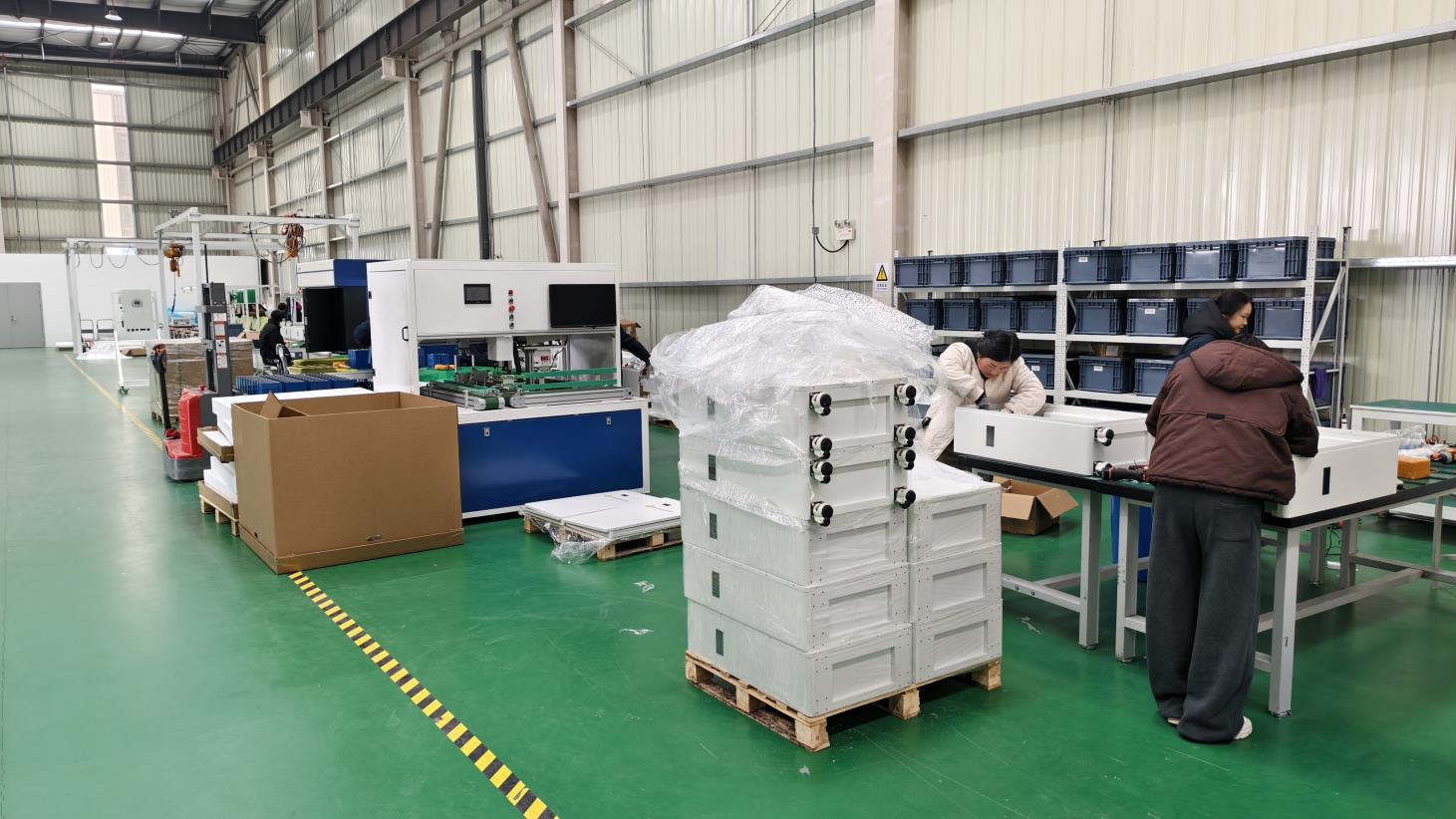
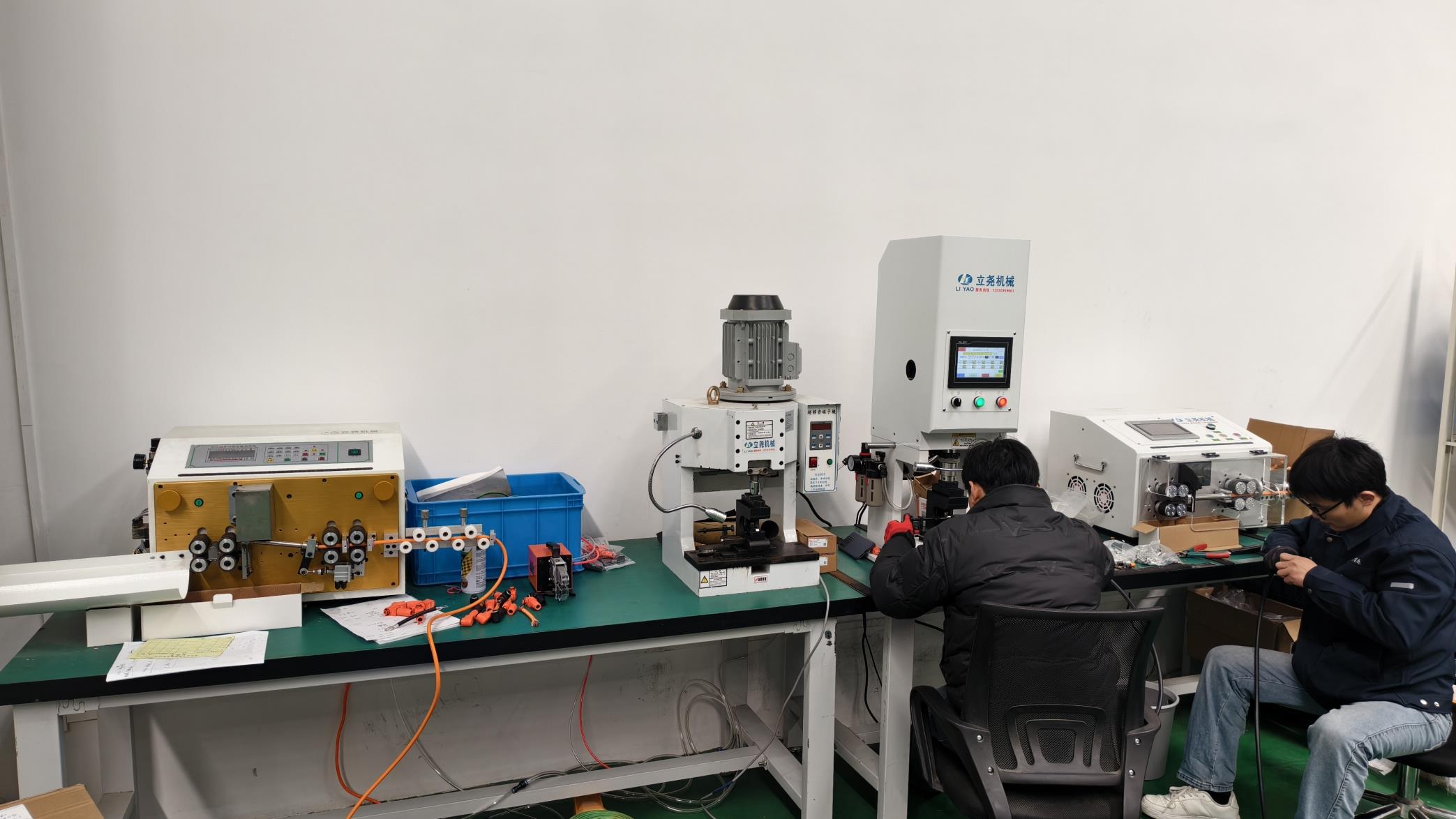
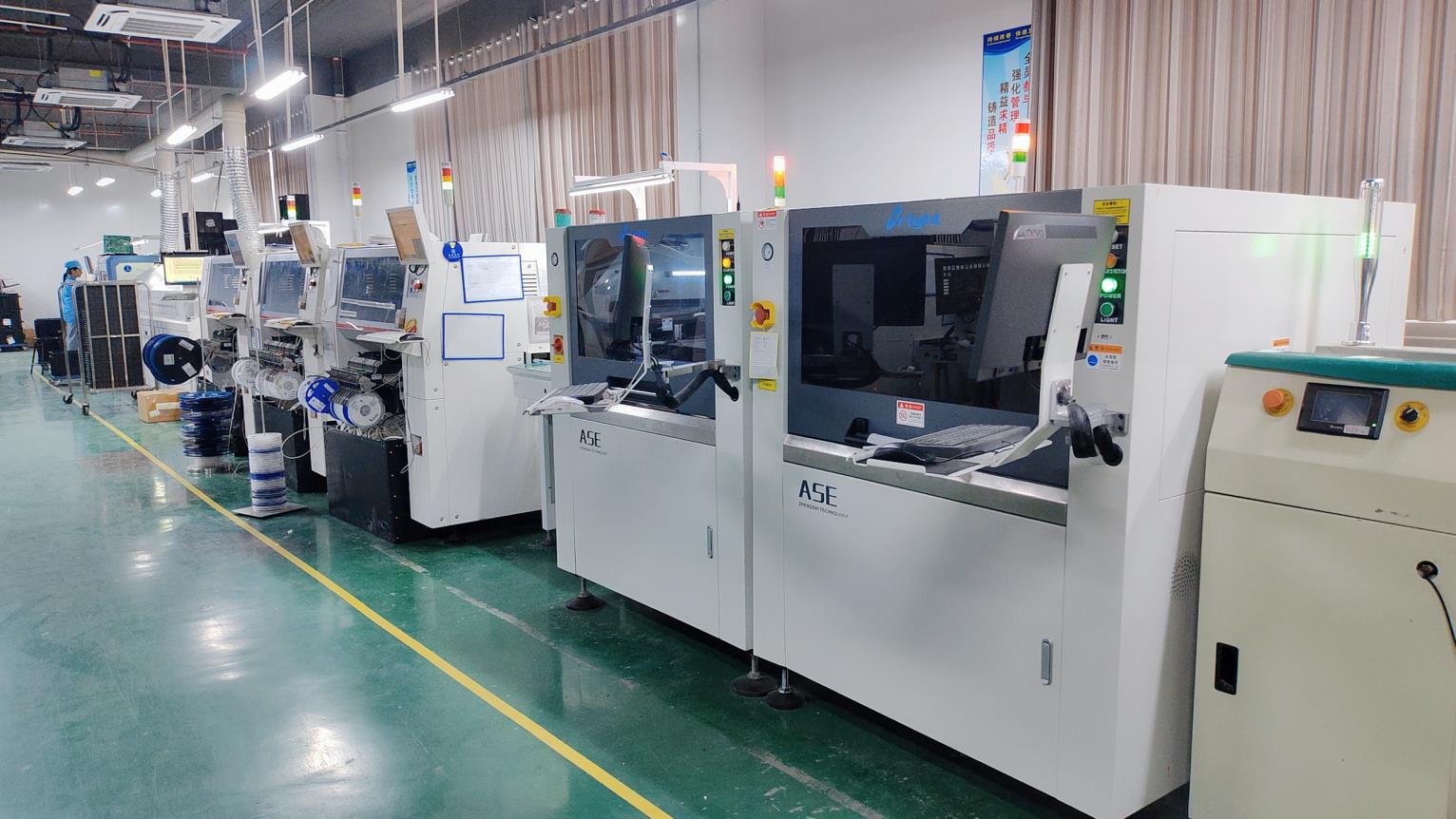
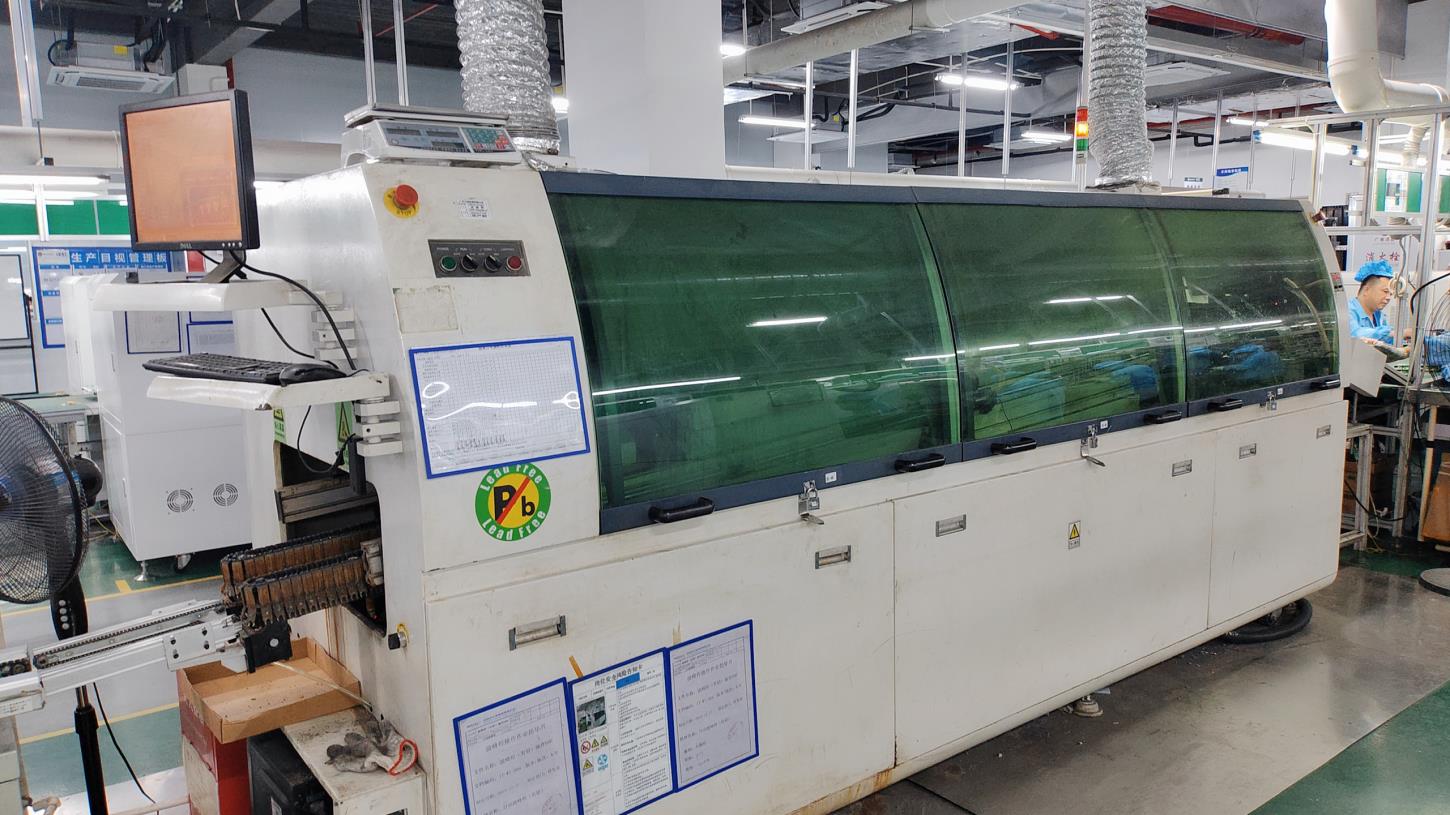
Our state-of-the-art production factory features automated SMT lines, wave soldering machinery, advanced wire stripping capabilities, precision welding facilities, and multi-stage testing setups. These industrial capabilities ensure that every component—from complex printed circuit boards in hybrid inverters to high-voltage PV cables and connectors—is manufactured to withstand decades of environmental exposure.
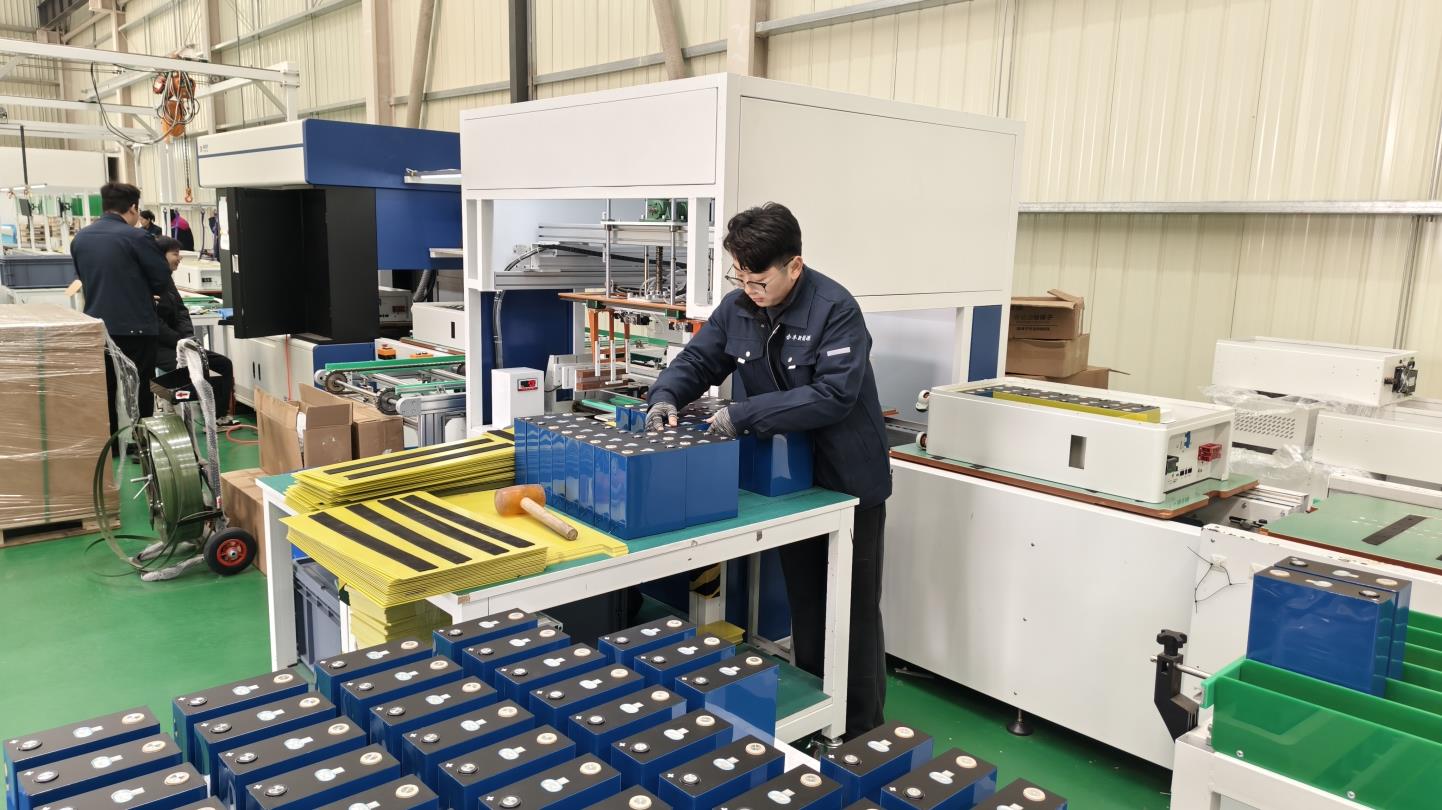
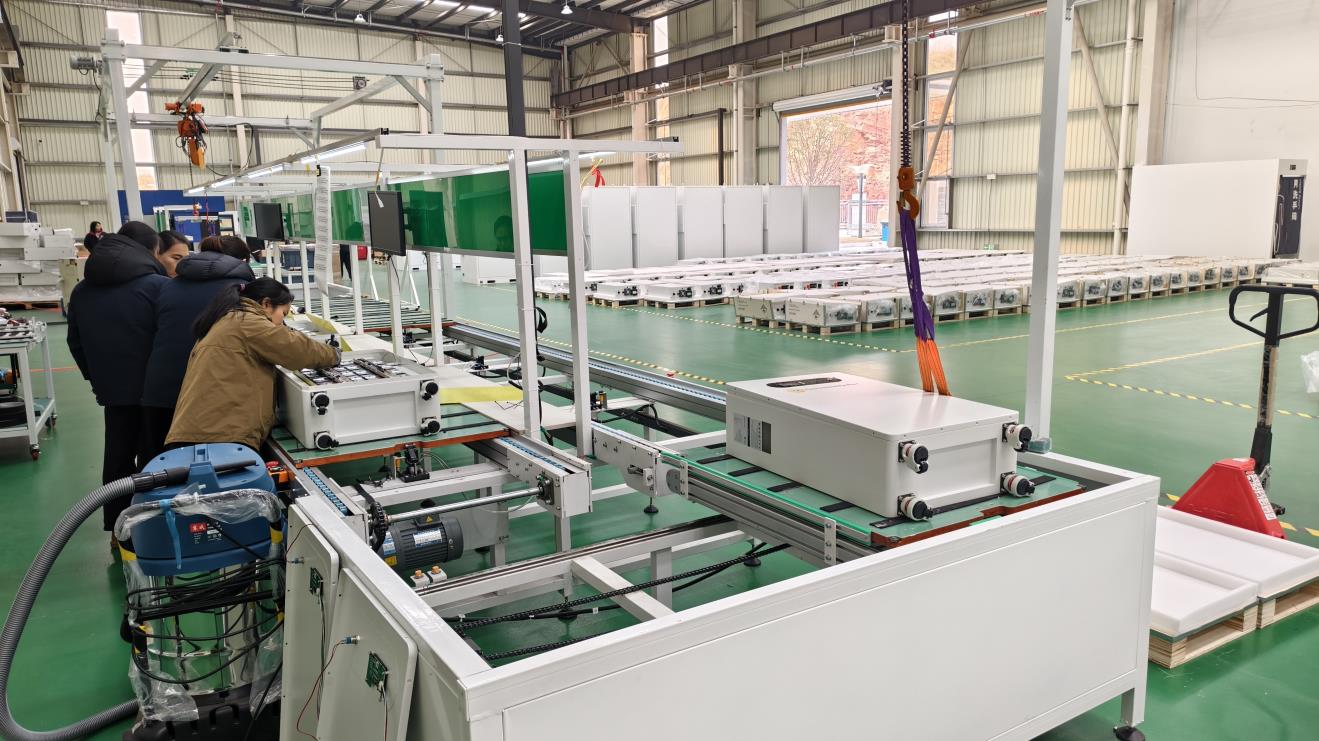
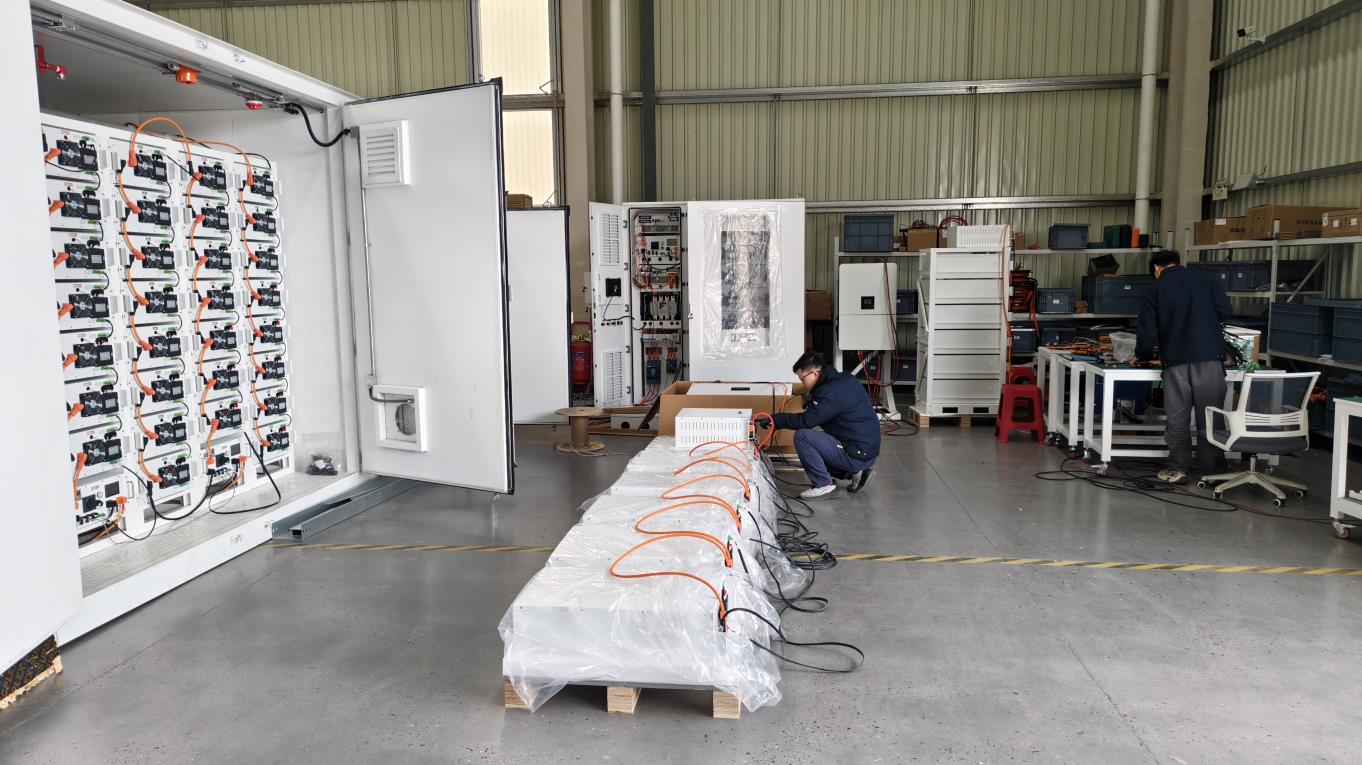
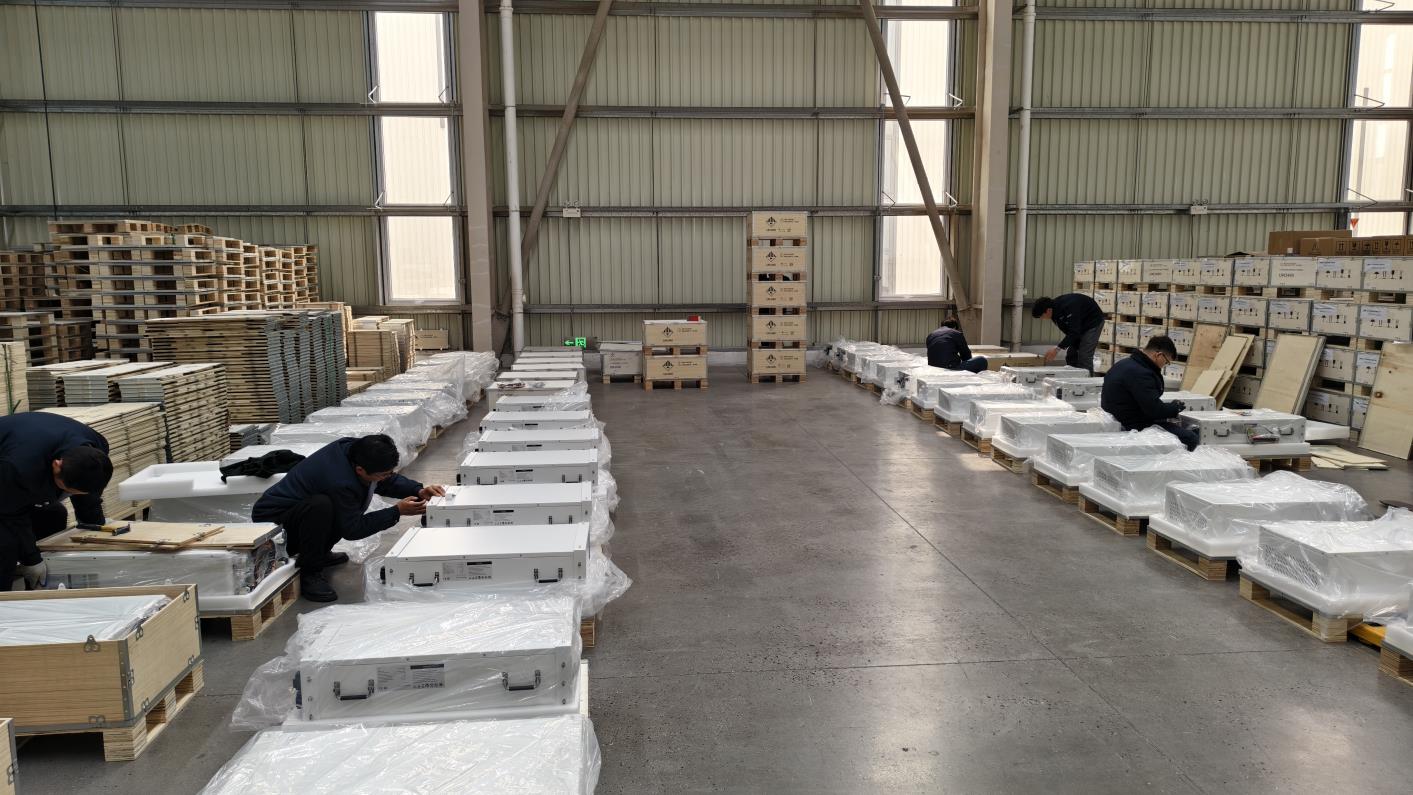
The transition toward distributed photovoltaics is governed by regional specificities and macro-level challenges. In North America and Europe, stringent grid safety regulations, fire mitigation standards, and the phasing out of traditional net metering have driven demand for localized energy storage and microinverters. Modern buyers prioritize systems that offer dynamic peak-shaving, time-of-use optimization, and compliance with grid codes (e.g., IEEE 1547 in the US or EN 50549 in the EU).
Conversely, across emerging markets in Latin America, Sub-Saharan Africa, and parts of Asia, the primary driver for solar adoption is grid instability and the high cost of diesel generation. In these regions, home solar systems must serve as reliable primary power sources rather than simple grid supplements. This shift requires hybrid topologies capable of managing multiple inputs (PV, grid, diesel generator, and battery storage) seamlessly. Off-grid systems must operate with high surge currents to handle motor-inductive loads, such as water pumps and refrigeration units, while maintaining a competitive total cost of ownership (TCO).
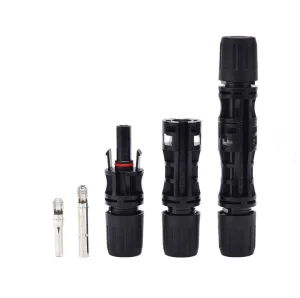
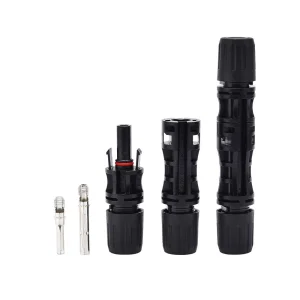
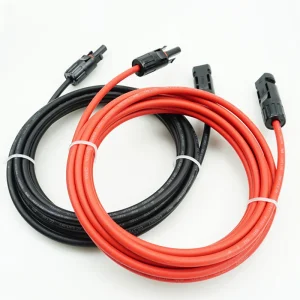
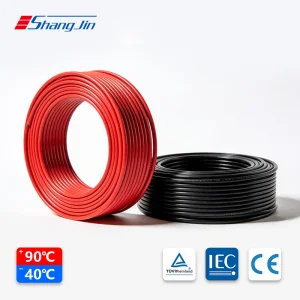
To address these global variations, Aryam Energy has developed modular system architectures. By separating critical modules and standardizing interfaces through robust hardware components like CE-marked PV extension cables and MC4-compatible connectors, we ensure that installers can scale systems easily. Our designs accommodate various mounting environments, ranging from pitched rooftops in residential zones to large-scale ground screws on agricultural sites.
Achieving E-E-A-T (Experience, Expertise, Authoritativeness, and Trustworthiness) requires complete transparency regarding technical execution. Aryam Energy structures its research and development around four key core technological pillars:
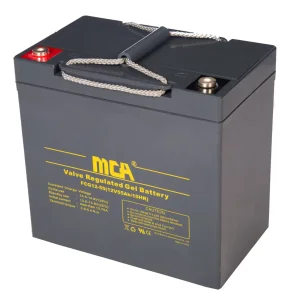
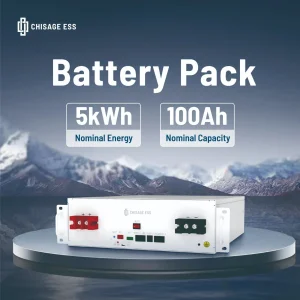
Our energy storage configurations are built around premium LiFePO4 cells. Known for high thermal stability and a long cycle life (exceeding 6000 cycles at 80% Depth of Discharge), these batteries mitigate the risk of thermal runaway. Equipped with intelligent Battery Management Systems (BMS), they communicate with hybrid inverters to monitor cell voltages, balance states of charge, and protect against over-current, over-voltage, and extreme temperatures, meeting CE and UN38.3 certifications.
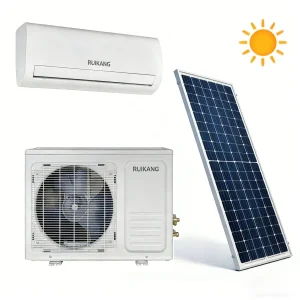
In hot climates, air conditioning accounts for up to 70% of residential energy consumption. Our hybrid 12000BTU AC/DC solar-powered air conditioner operates directly on DC power from solar panels during the day, eliminating the efficiency losses associated with DC-AC inverters. It integrates a variable-speed BLDC compressor that auto-adjusts its speed based on direct solar radiation, supplementing power from the AC grid only when solar input falls below the operational threshold.
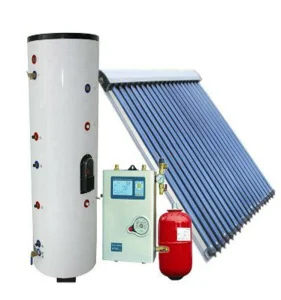
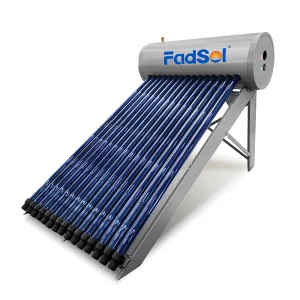
While PV systems convert solar radiation into electricity, solar water heaters capture heat directly. Our 150L Solar Keymark-certified pressurized water heater systems and split pressurized designs utilize high-vacuum borosilicate glass tubes with selective absorption coatings. Copper heat pipes transfer heat to the water tank via thermodynamic fluid circulation, preventing scale formation inside the vacuum tubes and ensuring efficient operation in freezing climates down to -30°C.
Solar energy systems must be configured to match local environmental and structural conditions. General designs often lead to failures in regions with high winds, salt spray, or limited space. Aryam Energy designs solutions tailored to specific, demanding real-world applications:
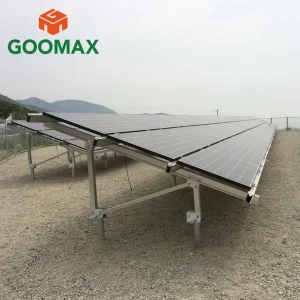
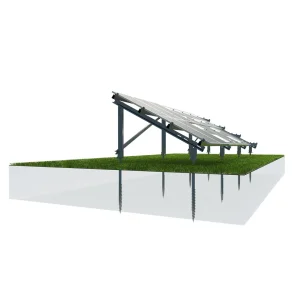
In coastal zones, mounting hardware faces continuous exposure to corrosive salt spray and high wind speeds. Standard steel brackets can corrode quickly, leading to structural failures. We address this with anodized aluminum structural components and hot-dip galvanized ground screw systems. Engineered to withstand wind loads up to 60 m/s, these systems are well-suited for coastal farms, utility-scale desert installations, and agricultural projects.
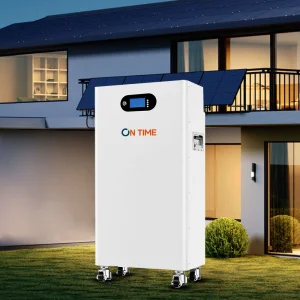
Residential homes in urban centers often deal with high energy prices and space constraints. Our 16kWh home energy storage system features a slim, stackable design that fits easily in utility rooms or garages. These units integrate with hybrid inverters to enable peak-shaving, discharging stored solar energy during peak tariff hours and recharging during off-peak periods. They also provide back-up power, switching over in under 10 milliseconds during grid outages.
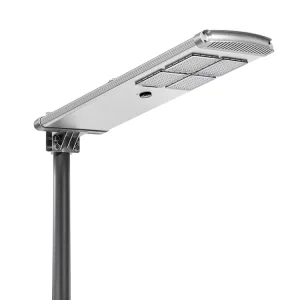
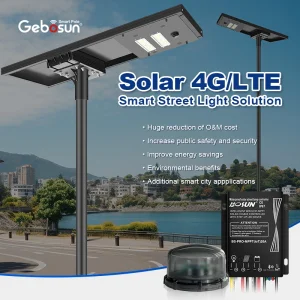
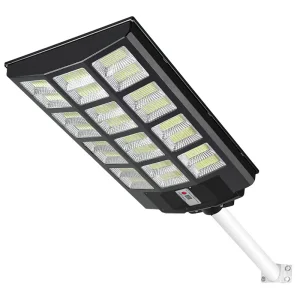
Public infrastructure projects require remote monitoring and reliable operation. Our IoT 4G/LTE smart street lighting systems include built-in micro-controllers that communicate with centralized cloud servers. Municipalities can monitor battery health, adjust brightness profiles, and detect system faults remotely. Built to IP65 waterproof standards, these fixtures feature integrated high-brightness LEDs, MPPT charge controllers, and LiFePO4 batteries, ensuring consistent operation even through multiple consecutive rainy days.
Ensure reliable electrical connectivity with our line of double-insulated cables, high-current connectors, and heavy-duty structural mountings.
 Aryam Energy