Engineered for intense tropical UV indexes and high-capacity portable device charging.
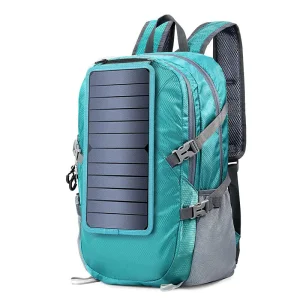
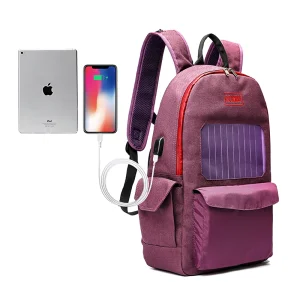
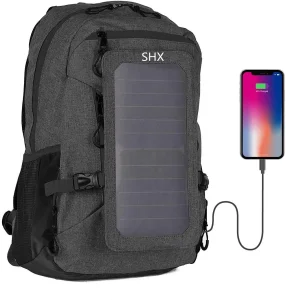
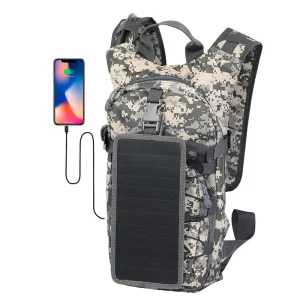
Brazil stands at the forefront of the global energy transition. Boasting one of the most decarbonized electrical grids in the G20, the nation is actively championing decentralized solar power deployment. While large-scale utility projects and residential distributed generation (GD) under Law 14.300 dominate national energy dialogues, a parallel transition is unfolding in portable off-grid power solutions. High-performance solar backpacks are rapidly transforming from high-end consumer novelties into indispensable industrial and commercial gear.
Across Brazil's vast territory, which spans over 8.5 million square kilometers, the need for reliable off-grid mobile energy is critical. Regions such as the Northeast, characterized by the Caatinga and semi-arid terrain, receive average daily solar radiation levels exceeding 5.5 kWh/m². Similarly, the expansive agricultural heartlands of Mato Grosso, Goiás, and Paraná, alongside the densely forested Amazon basin, experience intense sunlight. In these geographical landscapes, field technicians, agronomists, scientific researchers, and outdoor operators are routinely deployed away from reliable grid networks. Relying on traditional power banks with finite storage limits operations. Advanced solar backpacks equipped with high-efficiency monocrystalline solar cells solve this vulnerability by offering continuous, regenerative, real-time power generation.
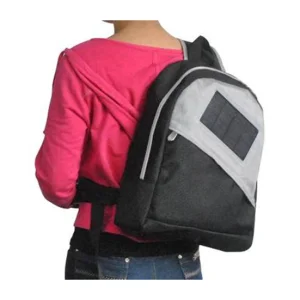
Moreover, Brazil's urban centers—including São Paulo, Rio de Janeiro, and Belo Horizonte—face unique smart mobility demands. The rapid expansion of micromobility (e-bikes, electric scooters) coupled with frequent weather-induced grid blackouts has made decentralized personal energy generation highly appealing. Urban commuters, field sales forces, and logistics couriers use solar backpacks to charge mobile communication tools, laptops, and telemetry devices on the move, establishing an uninterrupted workflow even during grid failures.
Globally, the market for wearable photovoltaics is driven by two prominent trends: the boom in outdoor lifestyle consumerism and strict corporate ESG (Environmental, Social, and Governance) directives. Major corporations, government entities, and international development agencies are actively divesting from fossil-fuel-reliant operations and embracing carbon-neutral equipment. The integration of high-efficiency solar cells into softgoods like backpacks, tactical gear, and survival kits represents a key growth sector within the portable electronics market.
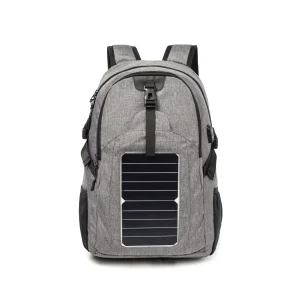
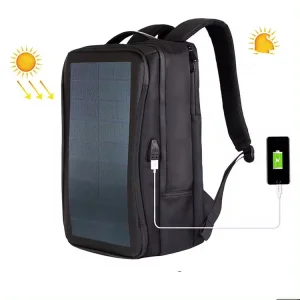
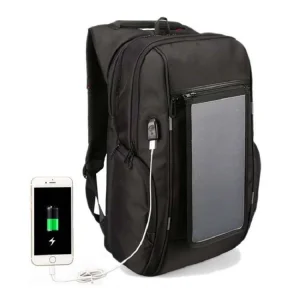
Modern solar backpacks are designed to exceed simple consumer standards. Industrial and defense sectors demand ruggedized solutions featuring CIGS (Copper Indium Gallium Selenide) or ultra-thin crystalline silicon cells. These panels are directly laminated onto heavy-duty fabrics such as 1680D ballistic nylon or Cordura. By pairing these arrays with smart power management modules featuring USB Power Delivery (PD 3.0), Qualcomm Quick Charge, and reliable step-down buck regulators, these backpacks deliver steady 5V, 9V, or 12V outputs. This makes them capable of charging not only smartphones but also tablets, drone batteries, professional DSLRs, satellite phones, and laptop computers.
How local industries and professionals utilize solar-integrated gear to optimize field performance.
In the Amazon Rainforest, humidity levels regularly reach 90% or higher, and the canopy frequently blocks direct sunlight. For environmental researchers, biologists, and ecotourists, gear durability is paramount. Our solar backpacks, built with high-transmittance ETFE (Ethylene Tetrafluoroethylene) encapsulation, resist saltwater corrosion and extreme humidity. This design ensures consistent energy capture even from indirect sunlight filtering through forest canopies, keeping satellite communicators, GPS trackers, and water analysis tools fully operational.
Brazil's agricultural heartlands, spanning Mato Grosso and Rio Grande do Sul, rely heavily on smart precision farming. Agronomists and field inspectors spend long days mapping crop health, managing drone telemetry, and monitoring automated irrigation systems. Our solar backpacks serve as a mobile power hub, ensuring drone remote controllers and rugged field tablets remain charged during extended surveys. This eliminates downtime and reduces reliance on vehicle-based charging stations.
In traffic-congested metropolitan hubs like São Paulo and Rio de Janeiro, last-mile delivery couriers and micromobility users face challenging transit conditions. Solar backpacks equipped with integrated, solar-powered turn signal LEDs enhance rider safety. By absorbing ambient sunlight during daytime travel, these backpacks power built-in LED indicators controlled by wireless handlebar remotes, offering visibility and safety during nighttime deliveries without depleting the courier's main devices.
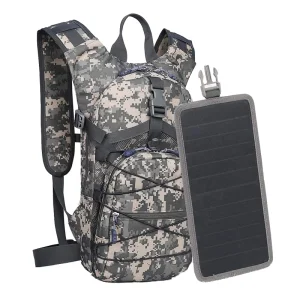
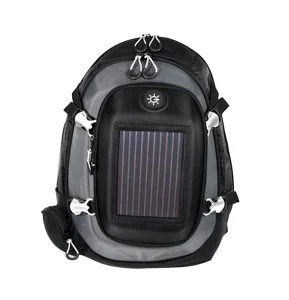
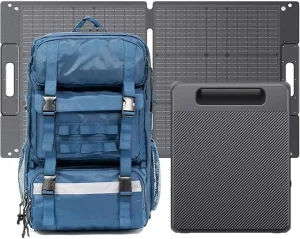
During natural disasters, flash flooding, or remote search and rescue missions along Brazil's extensive border regions, communication infrastructure can fail. Rescue workers and defense units require self-sustaining, tactical equipment. Tactical hydration solar backpacks, built to military specifications, integrate a 2-liter water bladder with a rugged 20W solar array. This combination supports personal hydration while powering emergency radios, thermal imaging cameras, and medical diagnostic equipment in challenging environments.
Why sourcing from Anhui Aryam Energy Co., Ltd. delivers maximum value, precision quality, and technical reliability.
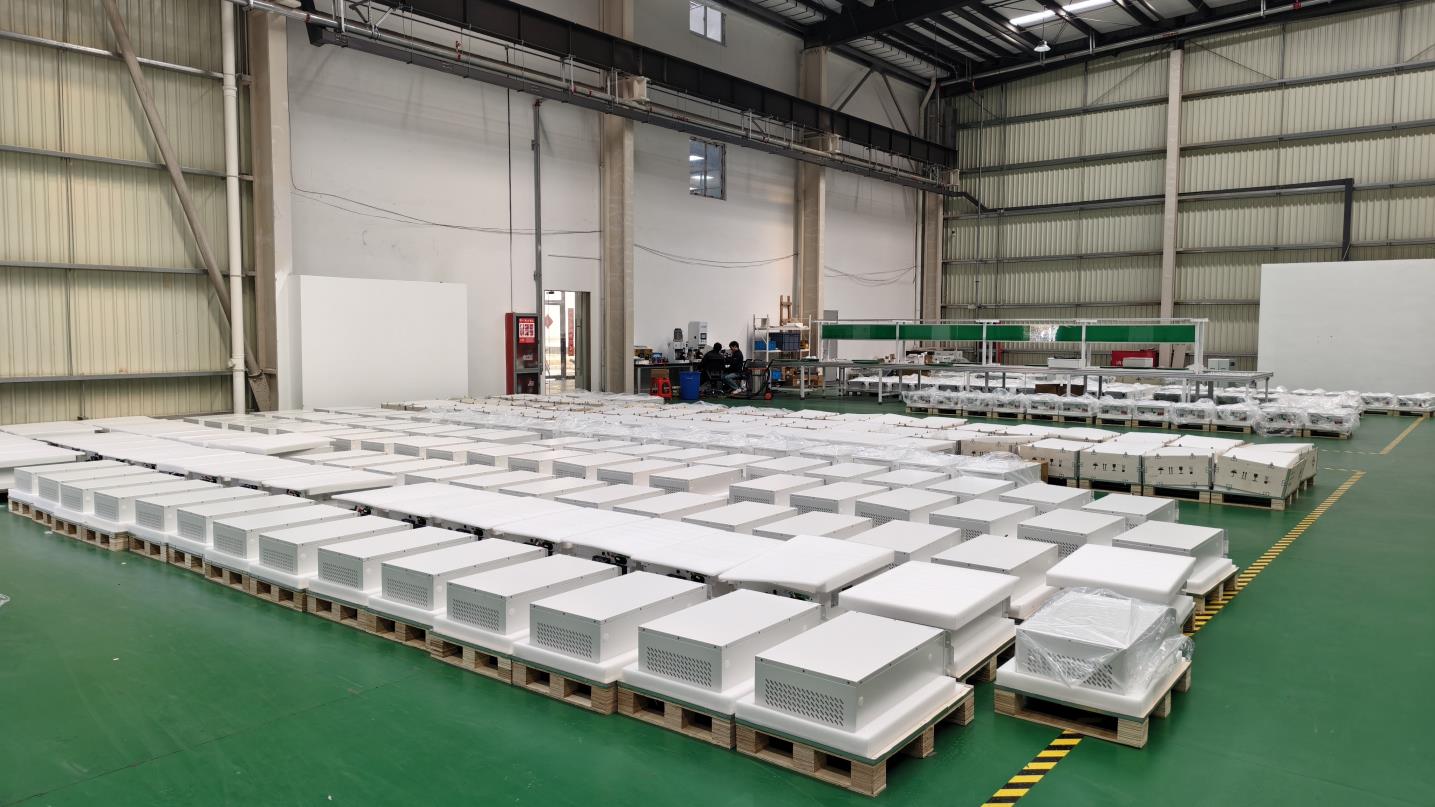
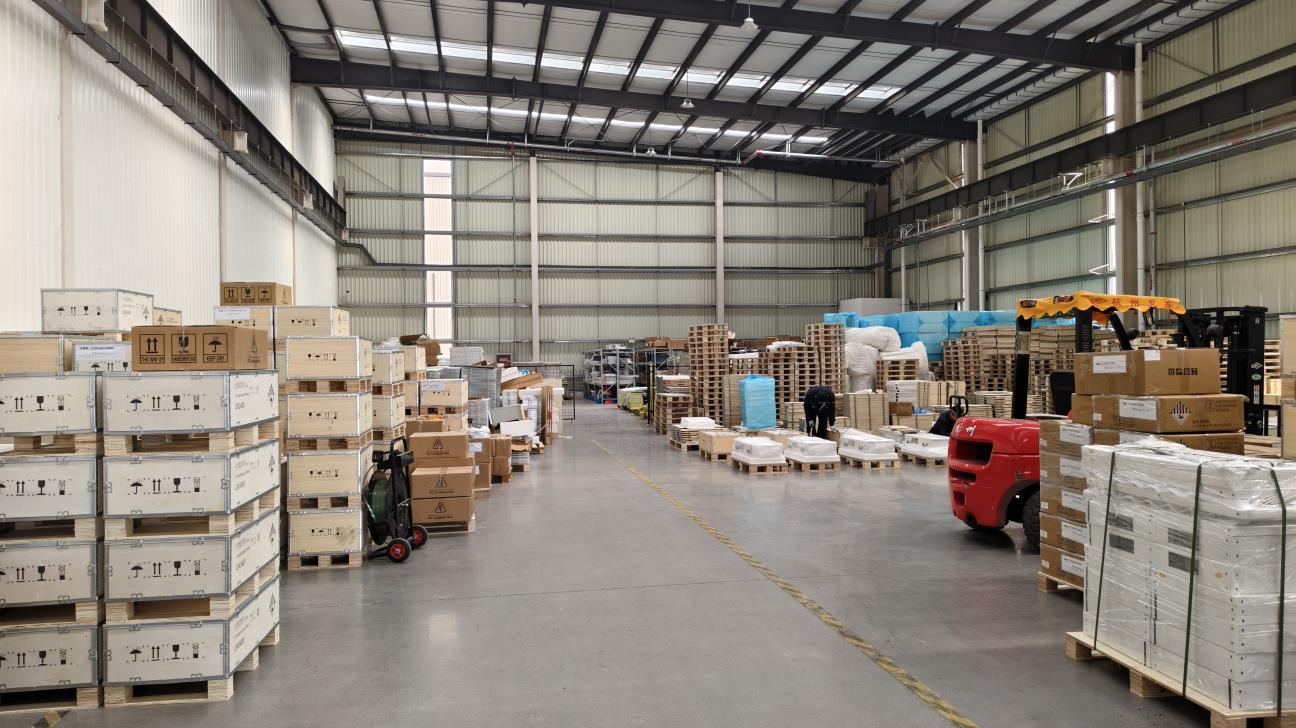
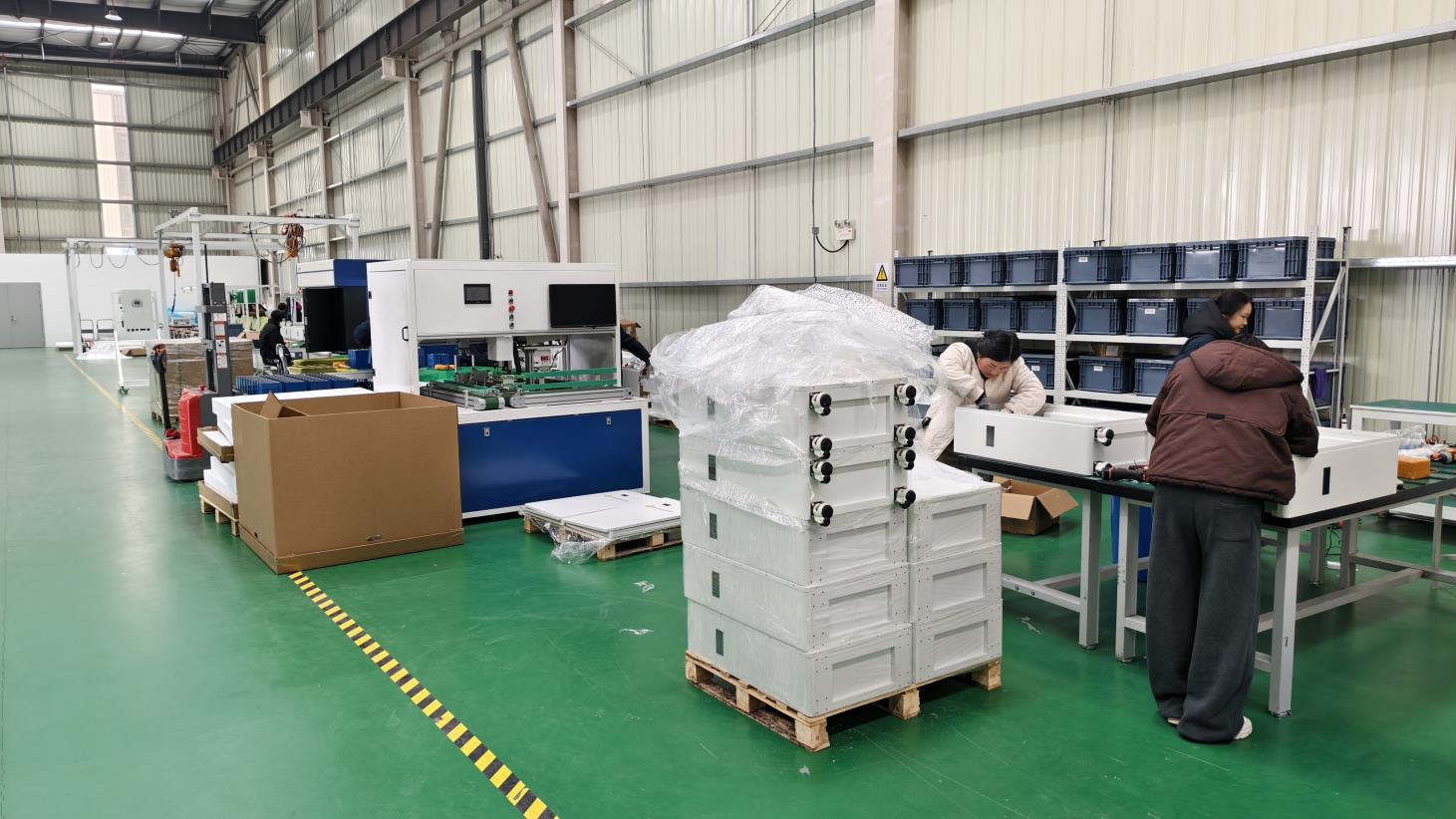
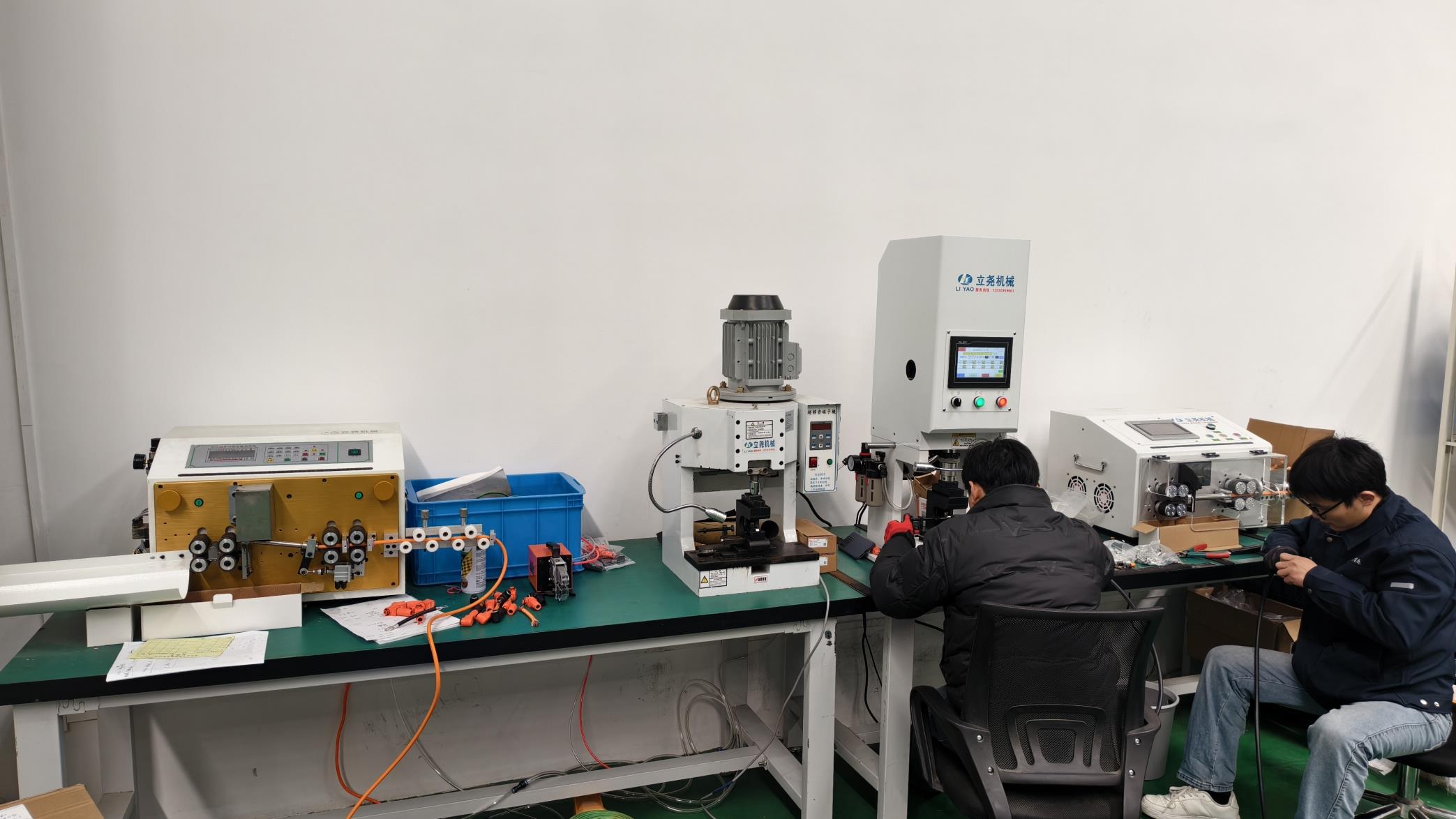
While South American distributors and retailers seek localized supply chains, the fundamental electronics and component engineering of solar softgoods require a highly integrated industrial ecosystem. China hosts the world’s most advanced photovoltaic supply chain, enabling cost-effective, high-yield manufacturing of mobile solar gear. From sourcing ultra-thin monocrystalline silicon wafers to constructing advanced polymer laminates, Chinese production lines lead in quality, consistency, and technological innovation.
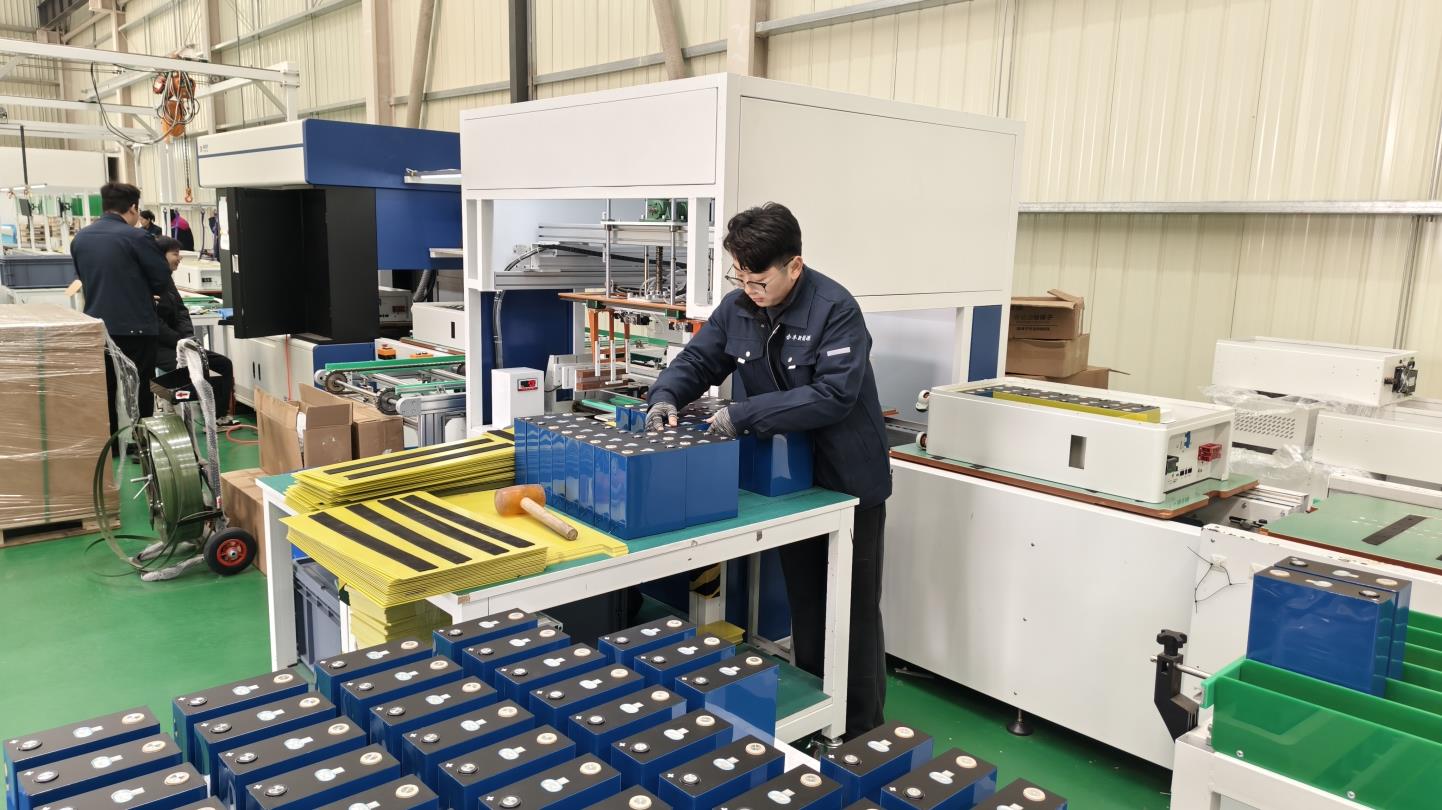
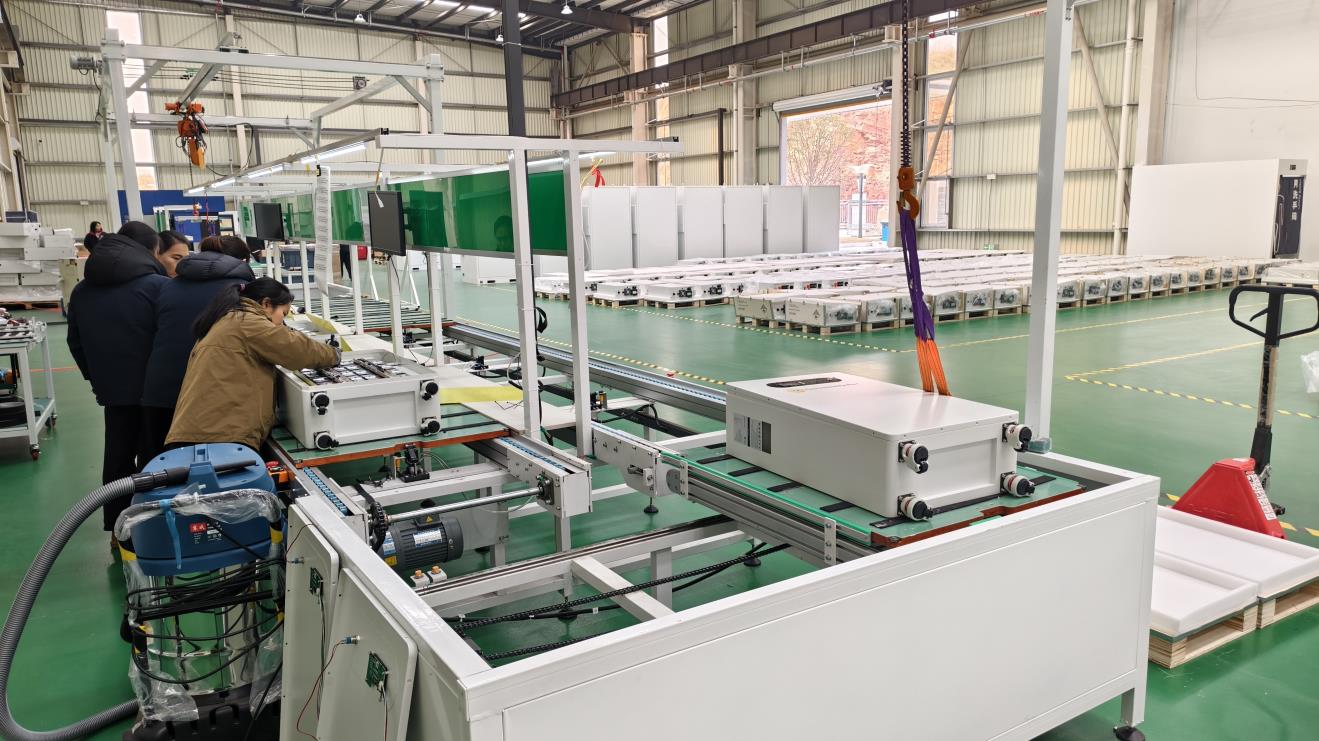
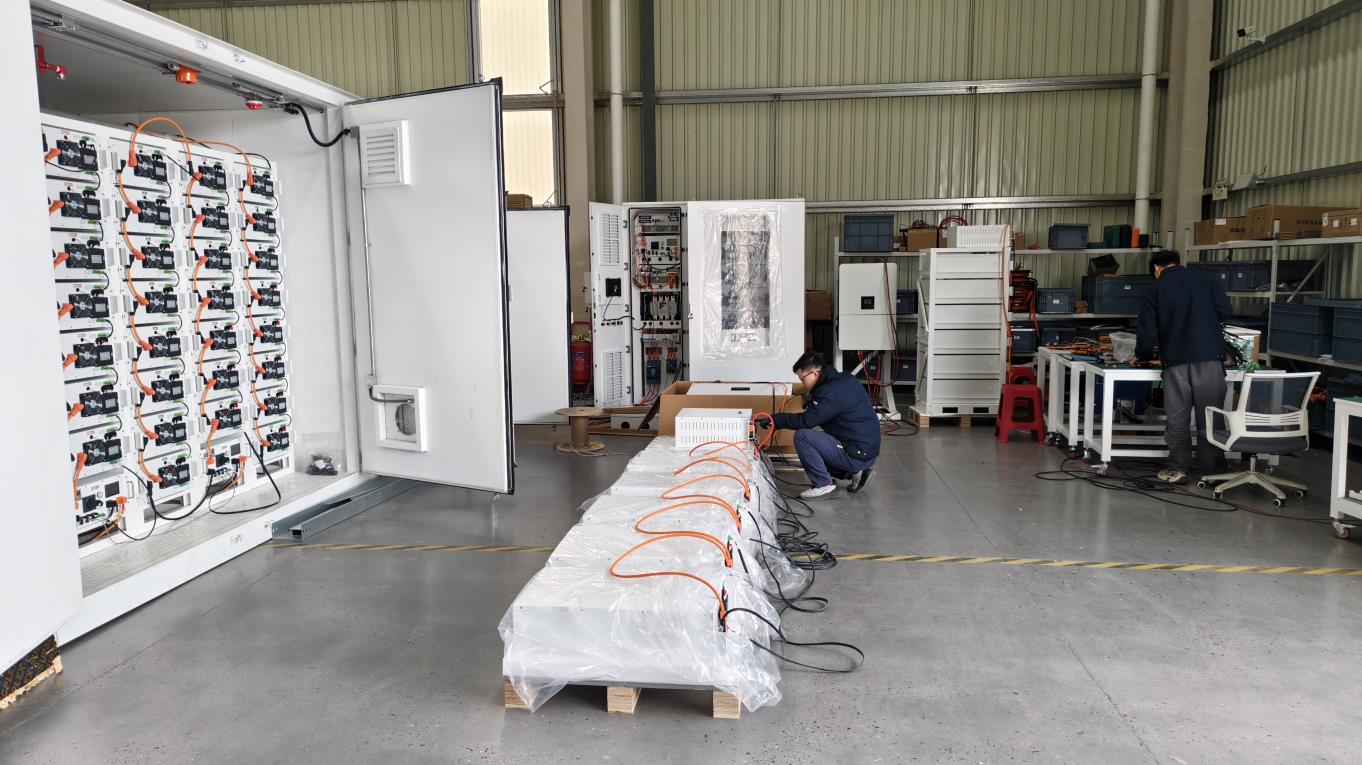
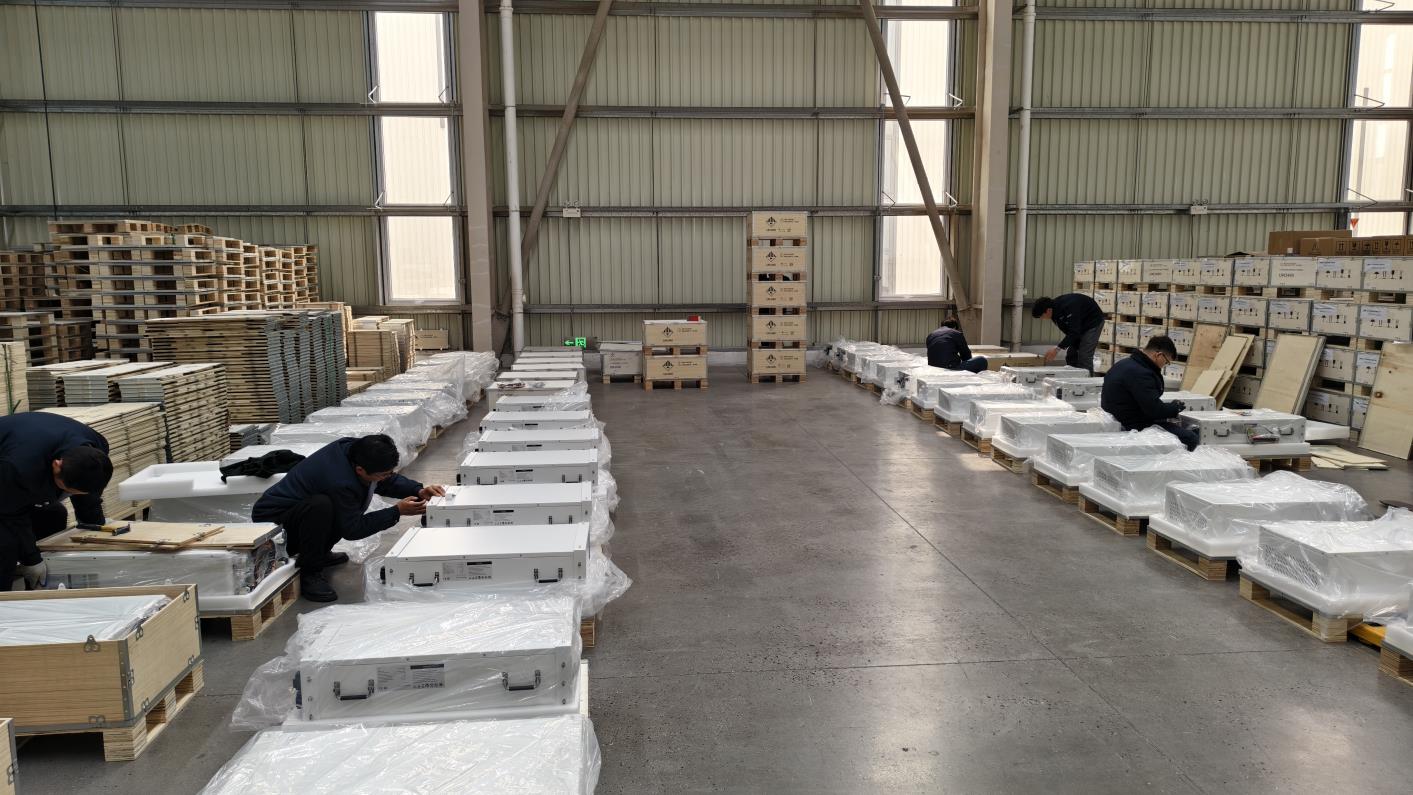
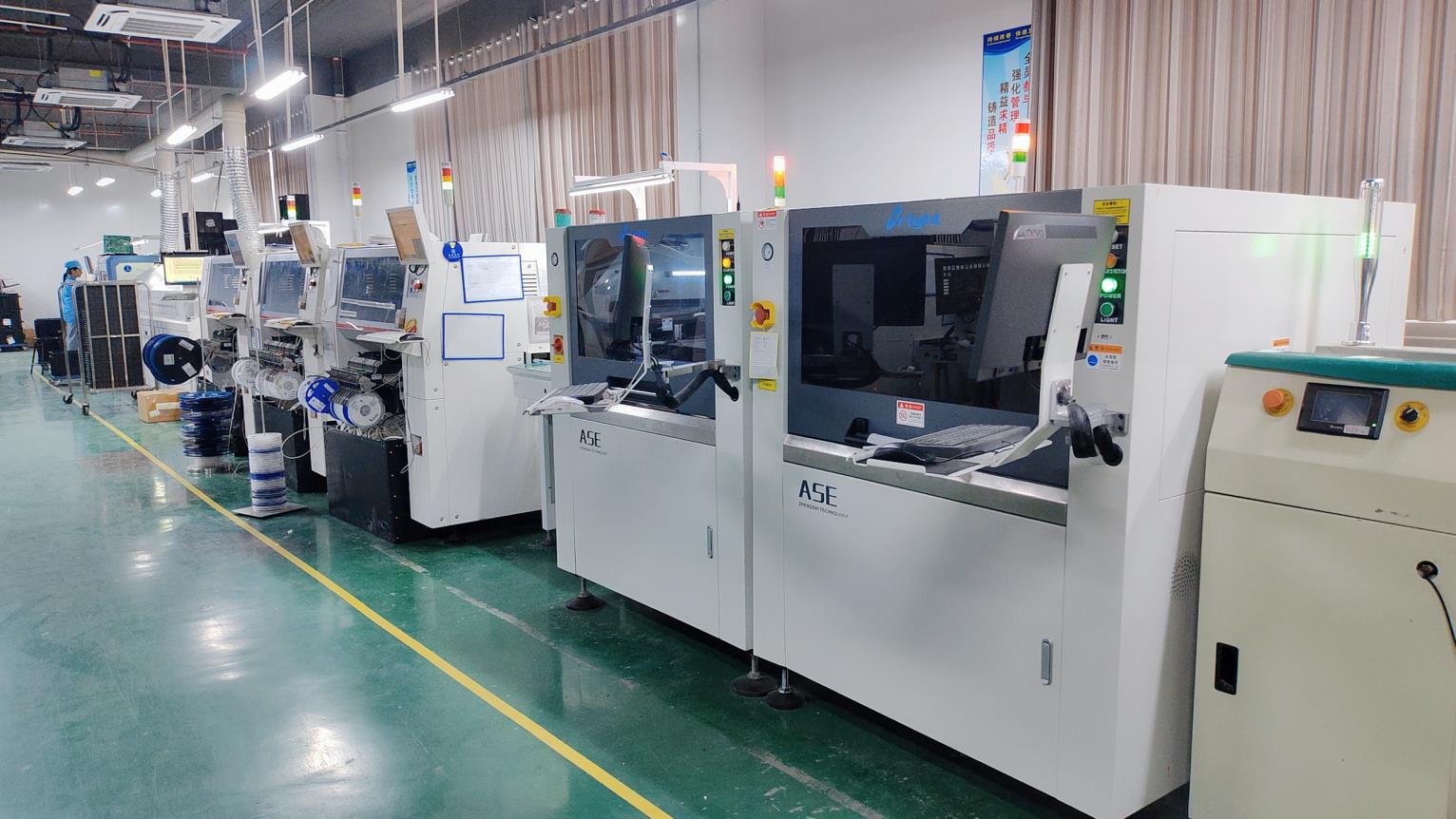
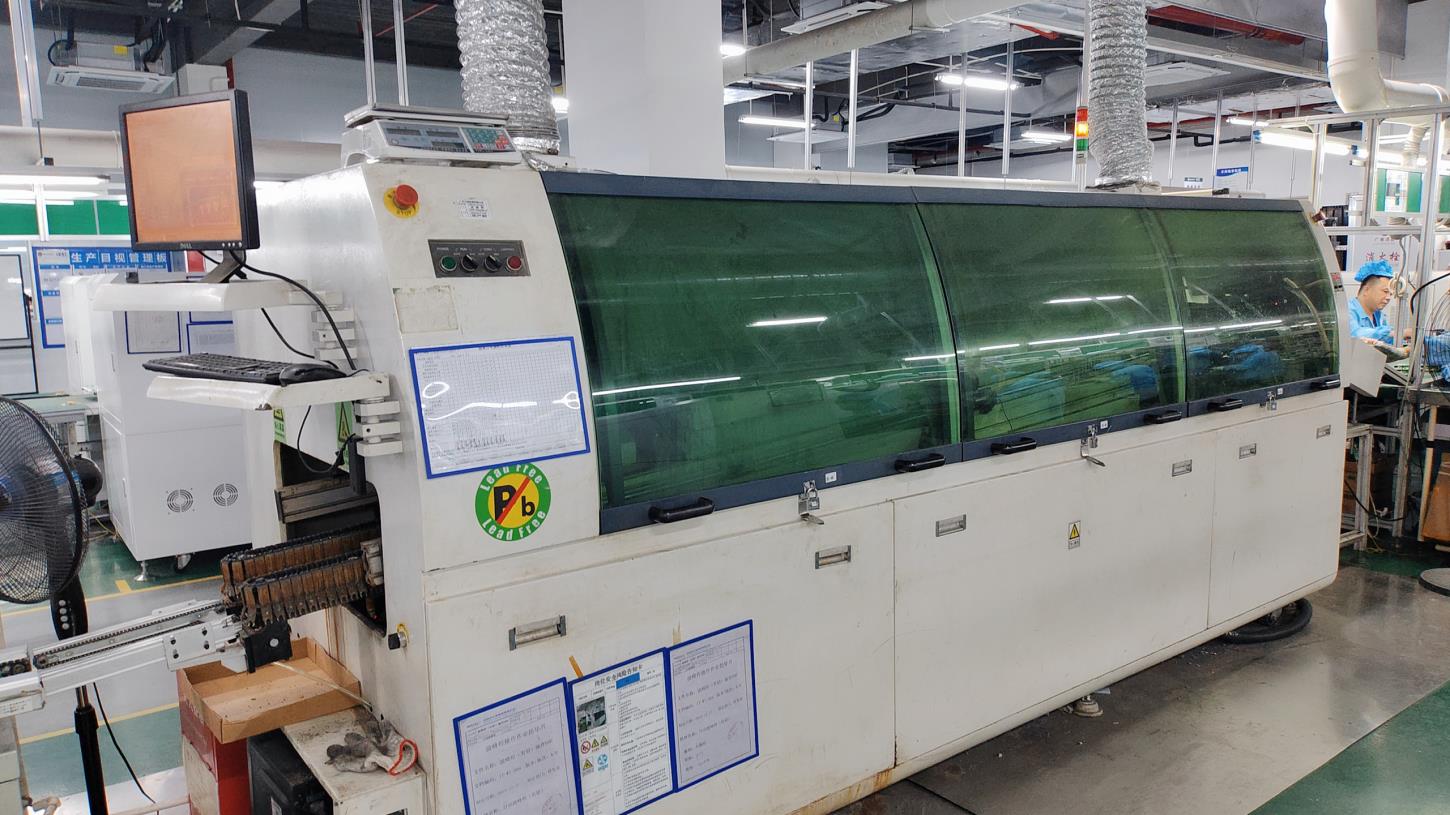
Anhui Aryam Energy Co., Ltd. is a leading provider of advanced renewable energy solutions, dedicated to delivering reliable, efficient, and sustainable power systems for residential, commercial, industrial, and utility-scale applications worldwide. Through continuous innovation and a strong commitment to clean energy development, Aryam Energy has established itself as a trusted partner in the global transition toward a low-carbon future.
The company specializes in the research, development, manufacturing, and integration of solar energy systems, energy storage solutions, hybrid power systems, and intelligent microgrid technologies. Leveraging cutting-edge engineering expertise and strict quality management standards, Aryam Energy provides comprehensive energy solutions tailored to diverse market needs, particularly in regions facing energy shortages, unstable grid infrastructure, or increasing demand for sustainable power generation.
With a professional R&D team and a growing portfolio of proprietary technologies, Aryam Energy continuously invests in innovation to enhance system performance, energy efficiency, and long-term reliability. Its products and solutions are designed to meet international standards and have been successfully deployed across Asia, Africa, the Middle East, Europe, and Latin America, serving customers in more than 100 countries and regions.
Key design innovations and materials defining the next generation of mobile solar cells.
The performance of a solar backpack depends heavily on its underlying solar cell chemistry. Traditional backpacks often used cheap, rigid amorphous silicon cells, which offered low conversion efficiencies (6% to 9%) and degraded rapidly under continuous sun exposure. Modern commercial designs utilize two primary PV technologies:
Solar irradiance naturally fluctuates based on cloud cover, tree canopy, and movement. Charging sensitive lithium batteries with variable power outputs can damage device components. To ensure safe operation, advanced solar backpacks feature smart charge controllers that provide stable voltage regulation, overload prevention, short-circuit protection, and automatic restart protocols to resume charging once sunlight returns.
| Product Category | Solar Cell Technology | Power Output | Primary Application Scenario | Waterproofing Standard |
|---|---|---|---|---|
| Tactical Hydration Solar Packs | ETFE Monocrystalline | 10W - 20W | Military Patrol, Off-Grid Trekking | IP67 / IP68 |
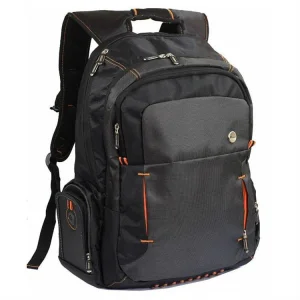
| Smart Business Laptop Packs | Laminated Monocrystalline | 7W - 12W | Urban Commutes, Business Travel | Water-Resistant Nylon |
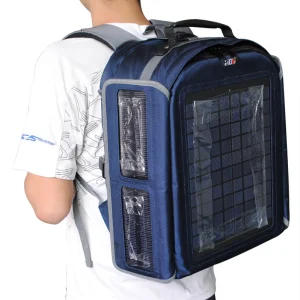
| Heavy-Duty Power Stations | Flexible CIGS / High-Power Mono | 30W - 40W | Field Research, Photography, UAV Charging | IP65 Weatherproof |
Importing solar-integrated electronics into Brazil requires navigating strict regulatory frameworks. Because these products combine textiles, PV cells, and optional power bank batteries, they fall under multiple customs categories. Importers must work closely with experienced manufacturers who can provide clear HS Code classifications, CE, RoHS, and FCC test reports, and ensure compliance with INMETRO standards for integrated electronic components to prevent customs delays at major ports like Santos or Paranaguá.
Technical and logistical insights for B2B buyers, wholesale distributors, and brand importers in Brazil.
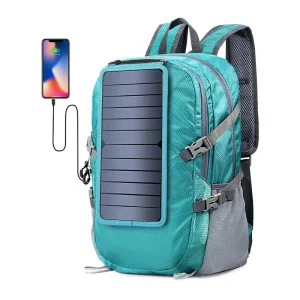
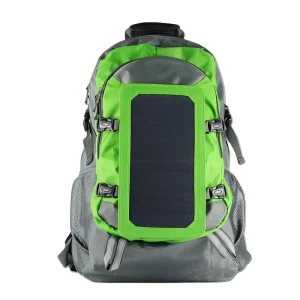
Explore our full line of solar integration options, certified for international import and distribution.
 Aryam Energy