Discover our highly trusted solar components and comprehensive energy management products engineered for resilience and efficiency.
Exploring the commercial and industrial demand patterns shaping the energy storage transition worldwide.
As the global power sector accelerates its transition from fossil-fuel baseline power toward volatile renewable sources, the stability of localized grids relies heavily on the advancement of Battery Energy Storage Systems (BESS). At the center of this technological paradigm shift sits the Solar Battery Management System (BMS) and its corresponding control hardware. The global market for Solar BMS is experiencing an unprecedented compound annual growth rate, driven by structural mandates across North America, Europe, and the Asia-Pacific region targeting net-zero carbon infrastructure.
Industrial and Commercial (C&I) sectors face double-pronged pressures: escalating grid demand tariffs and mandatory ESG (Environmental, Social, and Governance) targets. To cope, enterprises are deploying multi-megawatt battery systems to participate in peak shaving and frequency regulation markets. Modern commercial battery management is no longer merely a passive safety circuit; it is an intelligent, high-voltage active system that balances cell arrays in real-time, calculates precise State of Charge (SOC) and State of Health (SOH), and coordinates directly with hybrid grid systems. For utility operators, highly integrated BMS installations mitigate thermal runaway events while ensuring a levelized cost of energy (LCOE) that competes favorably with traditional backup generation.
Establishing technological excellence and reliable manufacturing pipelines for global renewable deployment.
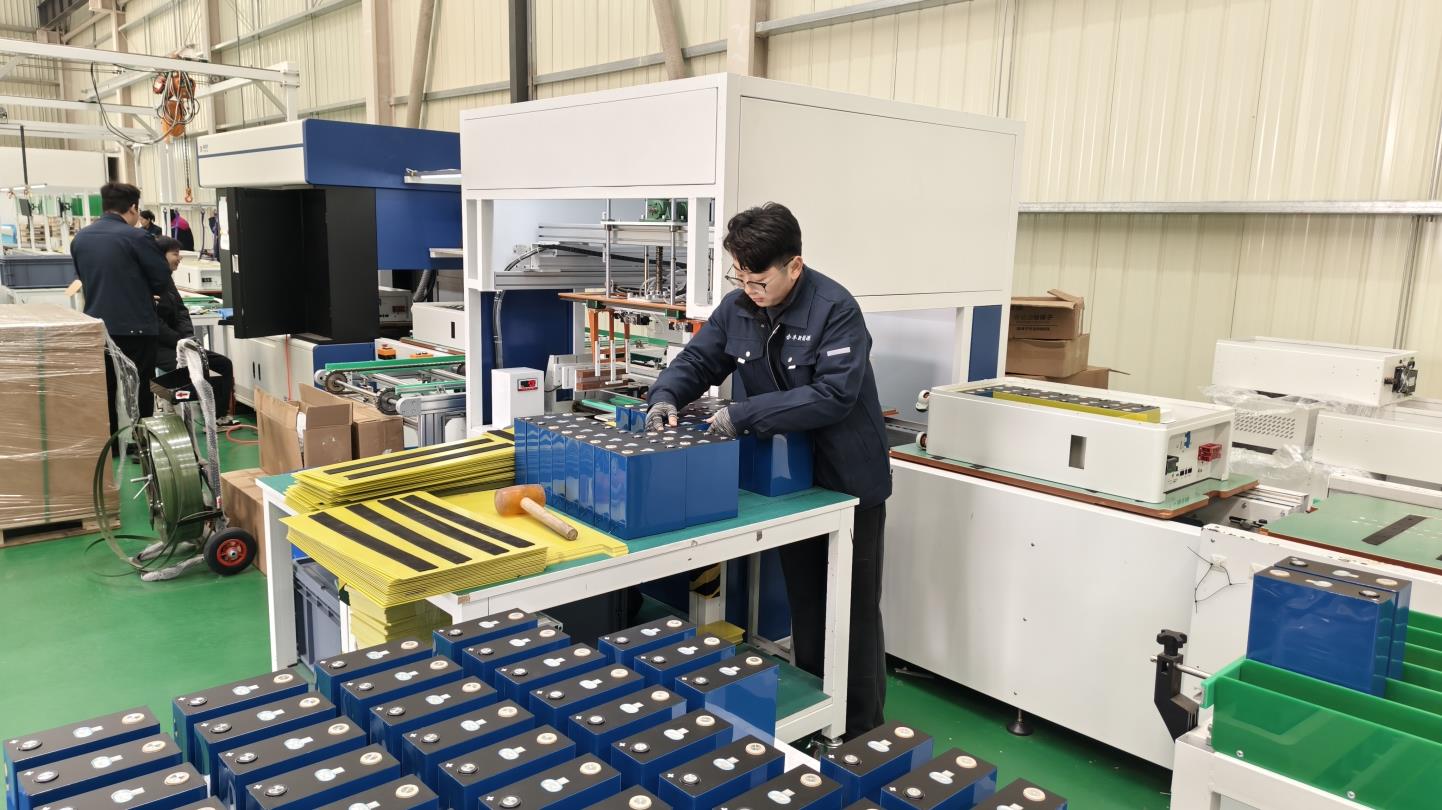
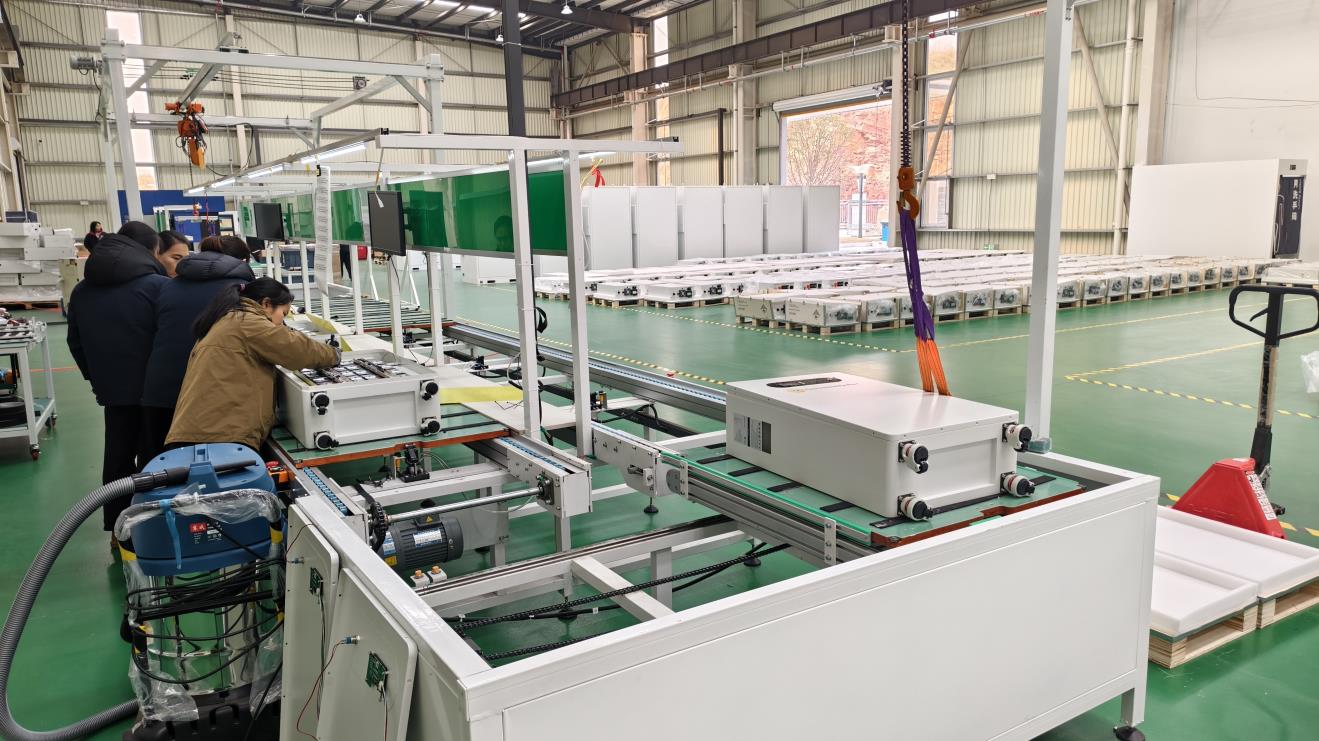
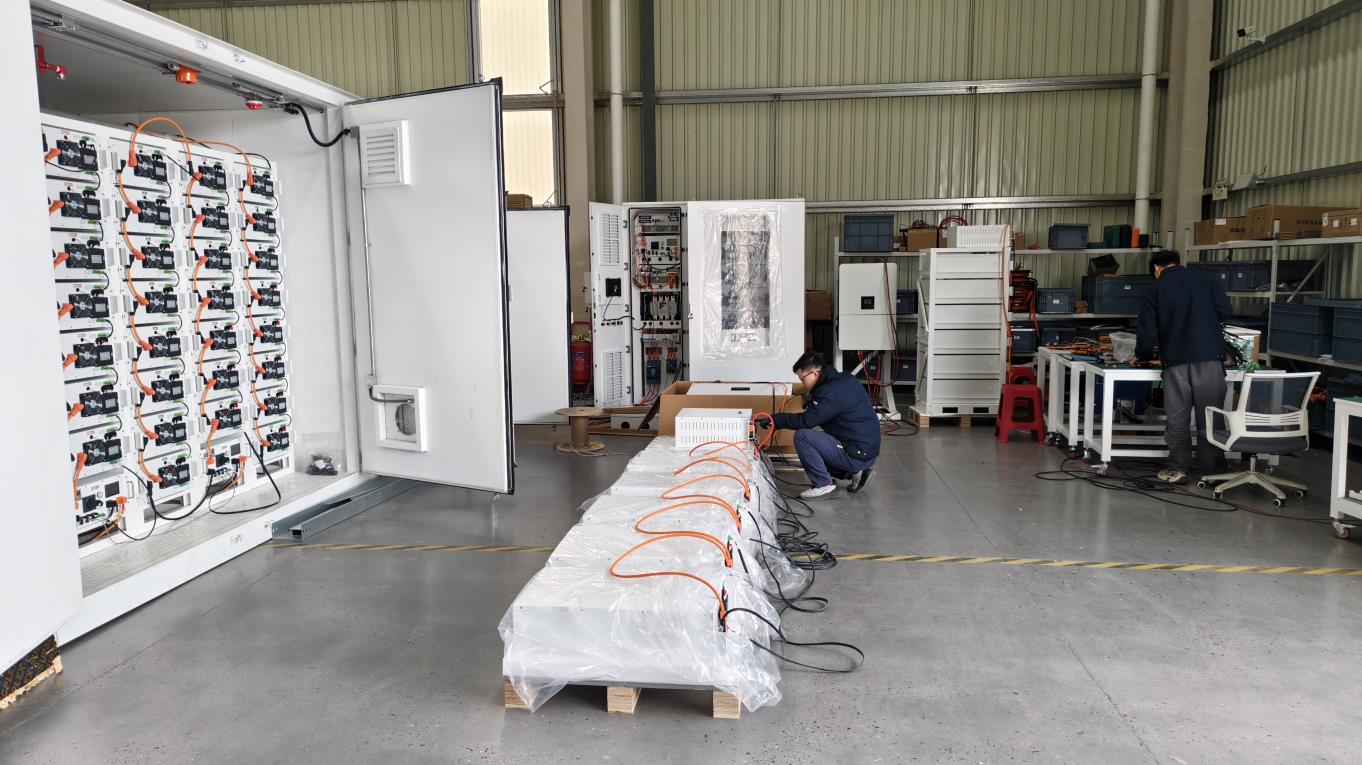
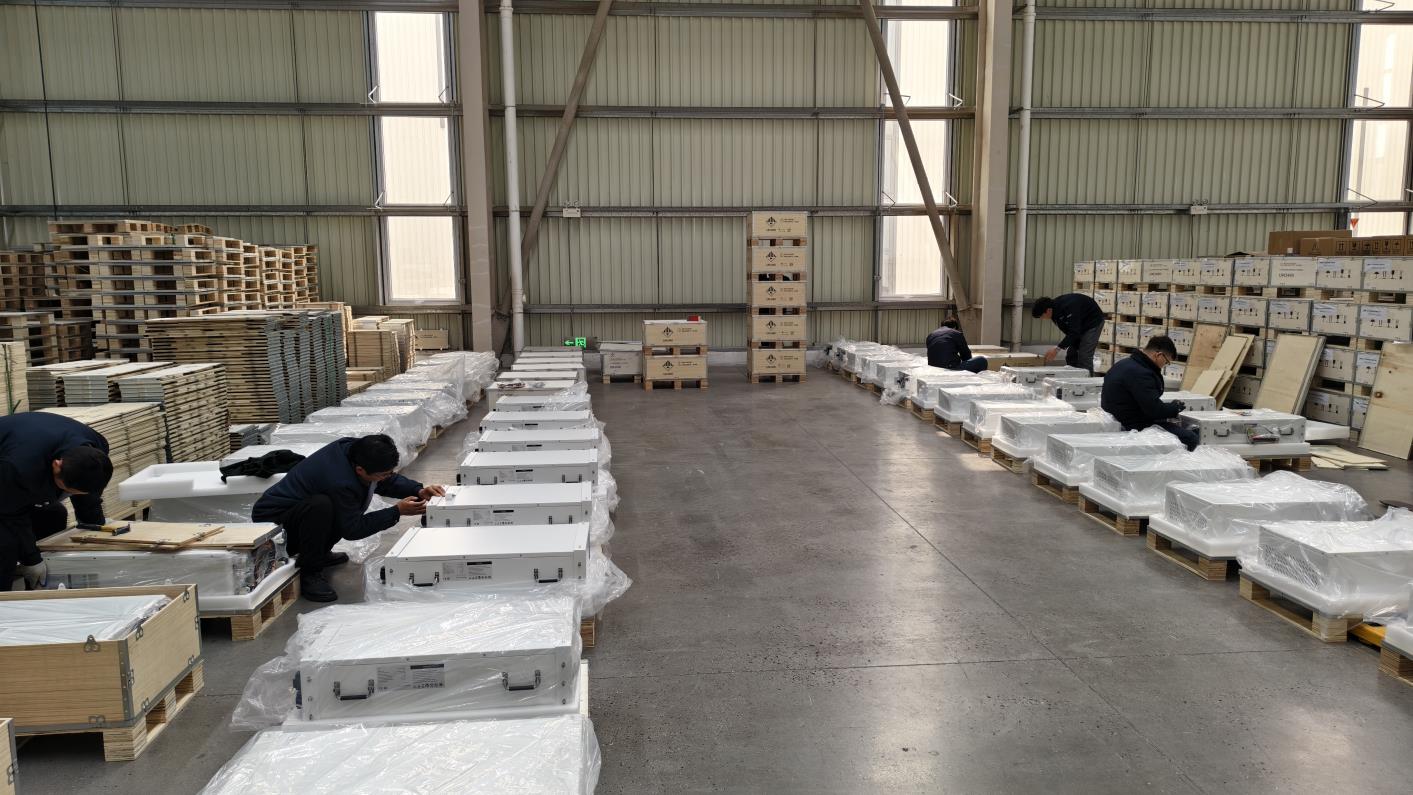
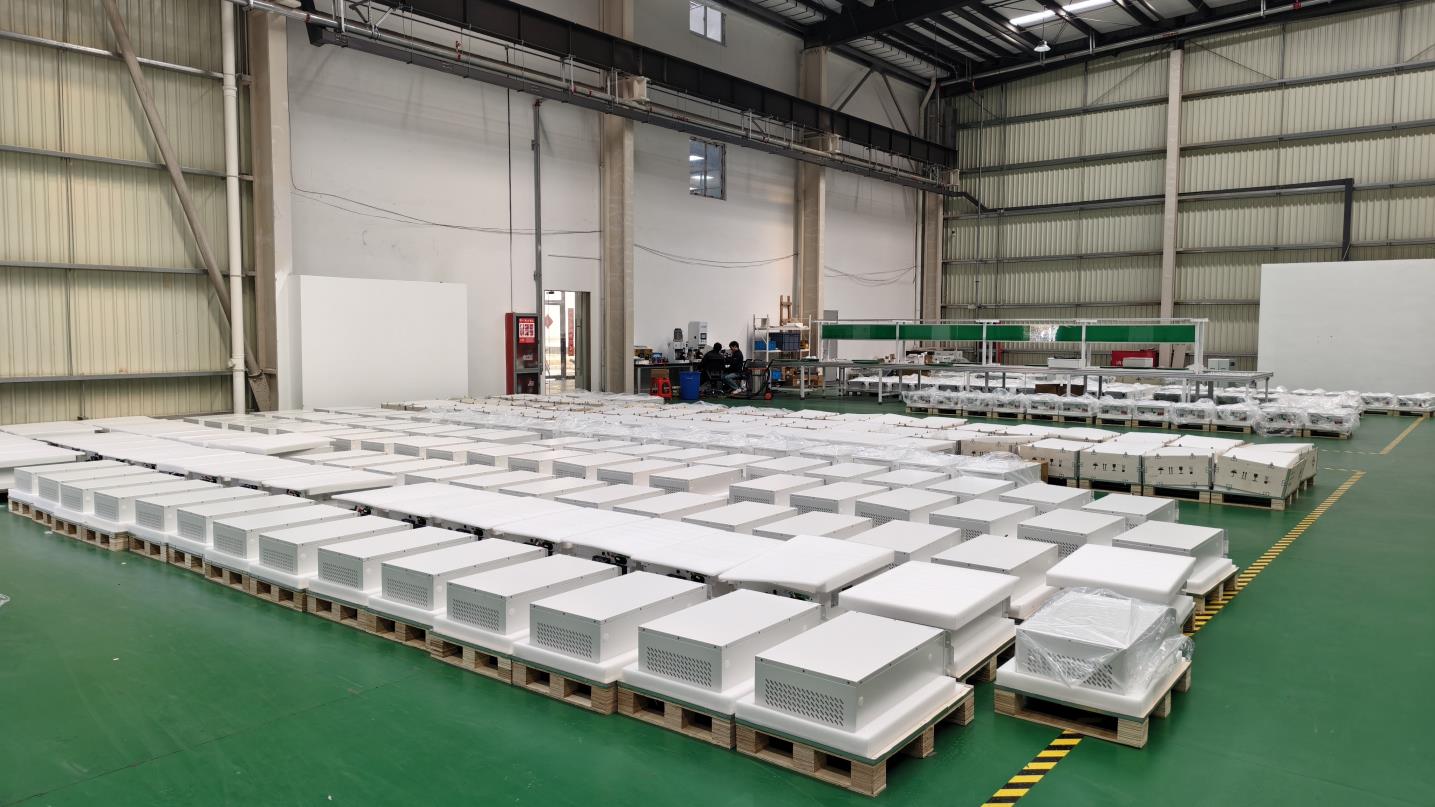
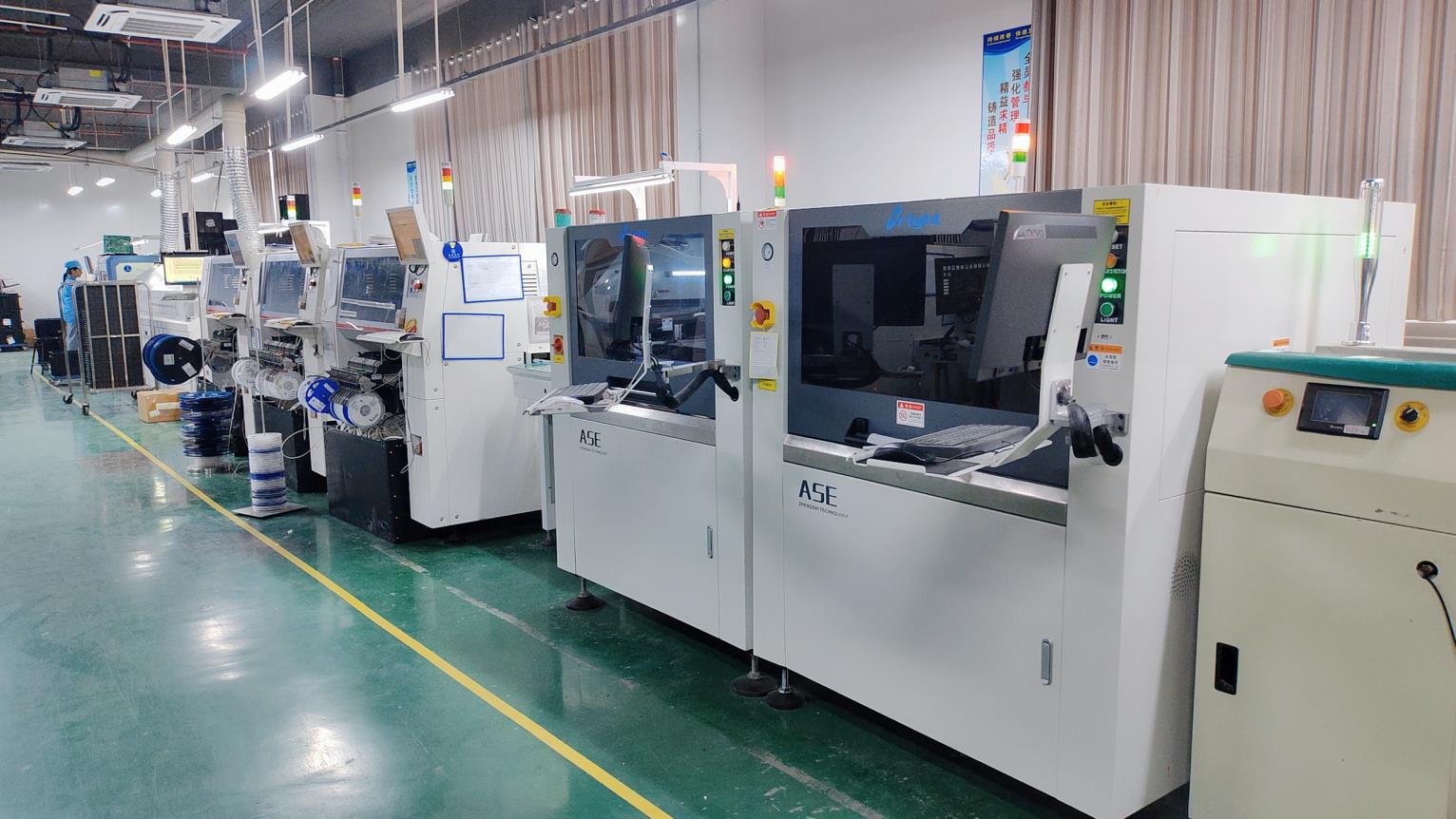
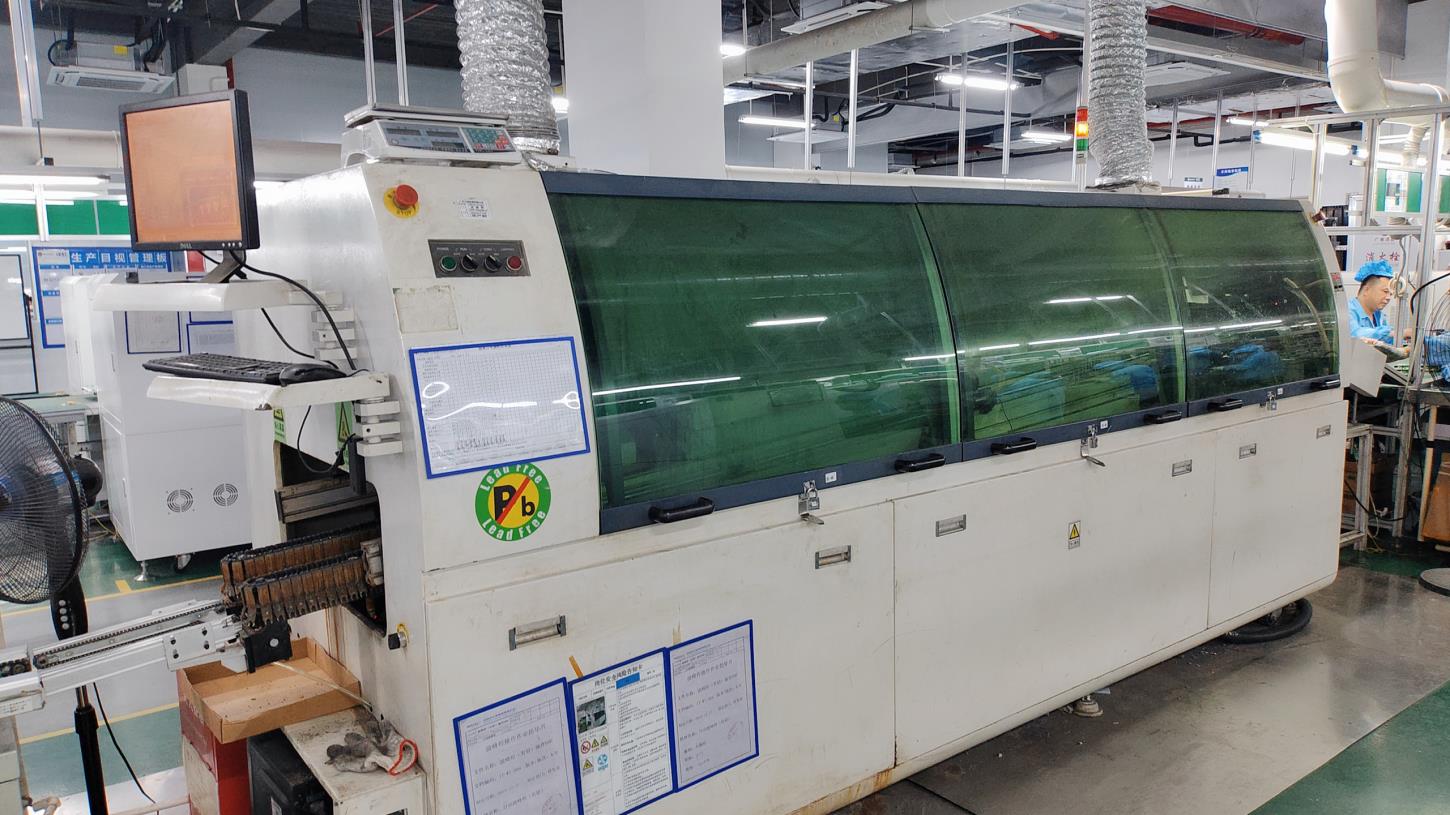
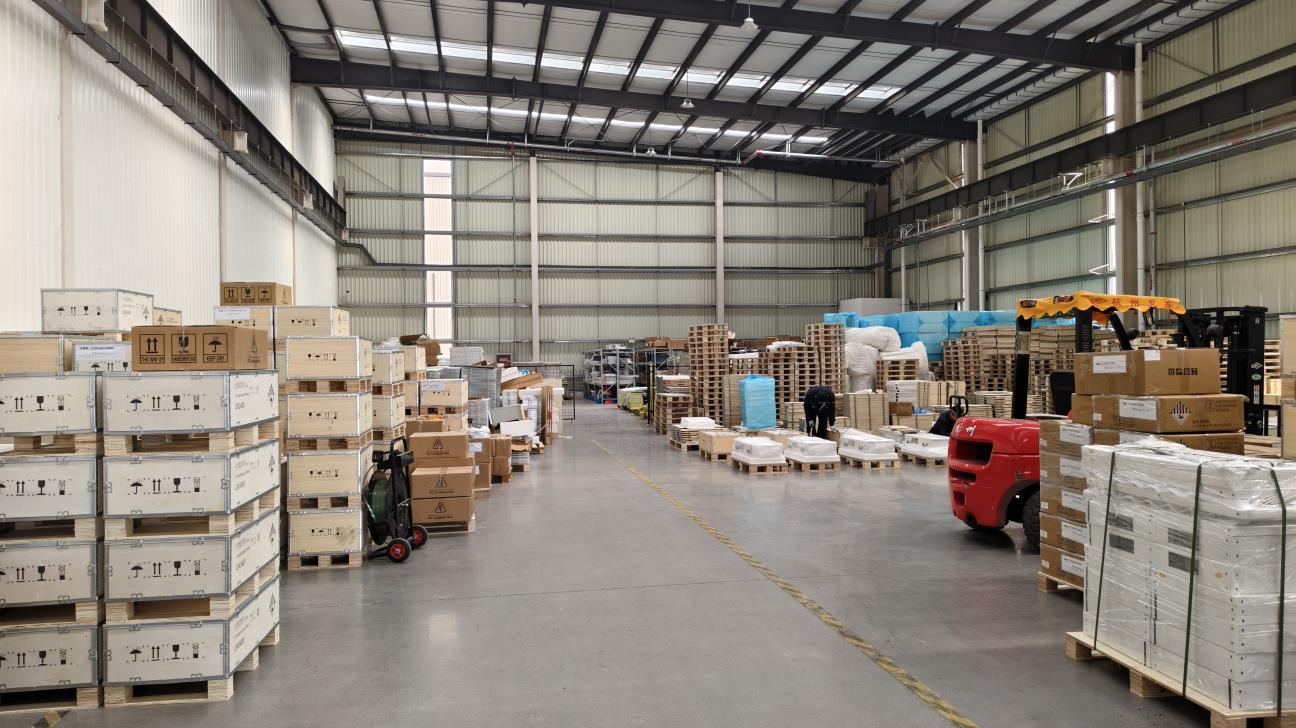
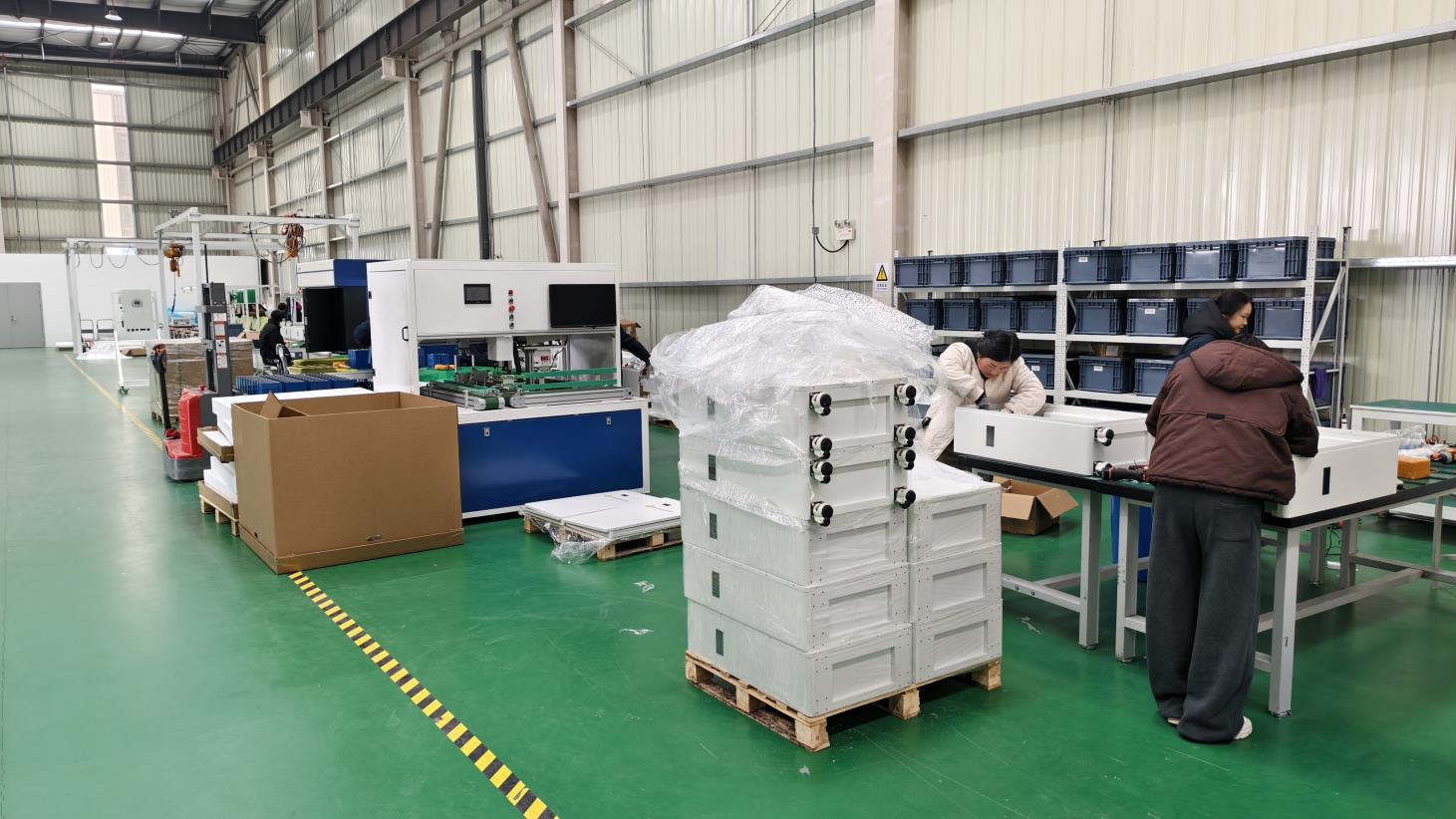
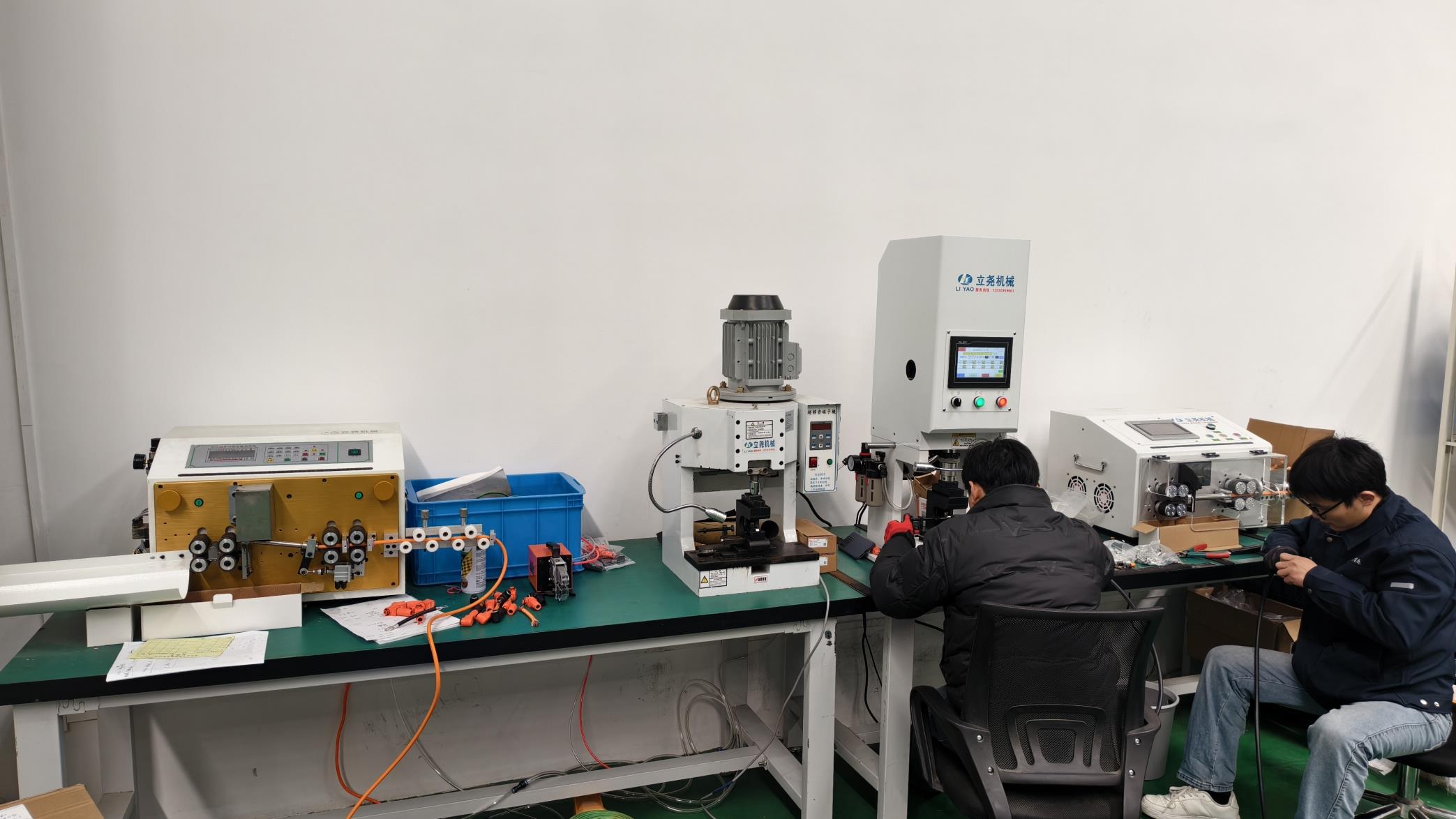
Anhui Aryam Energy Co., Ltd. is a leading provider of advanced renewable energy solutions, dedicated to delivering reliable, efficient, and sustainable power systems for residential, commercial, industrial, and utility-scale applications worldwide. Through continuous innovation and a strong commitment to clean energy development, Aryam Energy has established itself as a trusted partner in the global transition toward a low-carbon future.
The company specializes in the research, development, manufacturing, and integration of solar energy systems, energy storage solutions, hybrid power systems, and intelligent microgrid technologies. Leveraging cutting-edge engineering expertise and strict quality management standards, Aryam Energy provides comprehensive energy solutions tailored to diverse market needs, particularly in regions facing energy shortages, unstable grid infrastructure, or increasing demand for sustainable power generation.
With a professional R&D team and a growing portfolio of proprietary technologies, Aryam Energy continuously invests in innovation to enhance system performance, energy efficiency, and long-term reliability. Its products and solutions are designed to meet international standards and have been successfully deployed across Asia, Africa, the Middle East, Europe, and Latin America, serving customers in more than 100 countries and regions.
Aryam Energy's product portfolio includes solar inverters, energy storage systems, hybrid inverters, lithium battery solutions, solar water pumping systems, microgrid systems, and customized renewable energy projects. The company is committed to providing integrated energy solutions that maximize energy independence, reduce operational costs, and support environmental sustainability. Driven by the vision of becoming a globally recognized clean energy technology leader, Aryam Energy actively collaborates with distributors, EPC contractors, government agencies, international organizations, and development partners to promote renewable energy adoption worldwide.
Analyzing custom deployment parameters for maximum performance across varying regional grids.
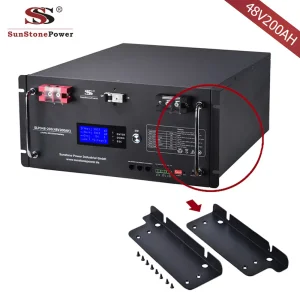
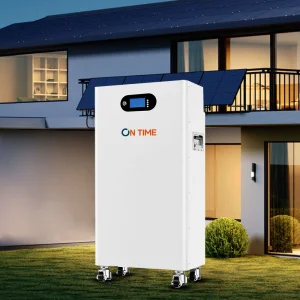
In regions such as Germany and the UK, household dynamic pricing mechanisms dictate local energy dispatching. With active BMS managing arrays like our 16kWh Home Energy Storage system, energy generated in daylight hours is stored and offset to replace peak grid tariffs. The integration of high-cycle lifespans ensures optimal return on investment under severe dynamic conditions.
Sub-Saharan and MENA regions demand decentralized water pumping and off-grid irrigation networks. By using custom-engineered MPPT control topologies and robust LiFePO4 batteries managed under extreme heat indices, remote agricultural facilities bypass utility dependencies completely, reducing maintenance overhead through localized passive heat rejection architectures.
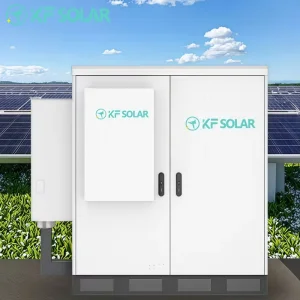
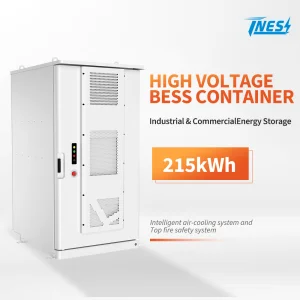
For factory compounds using heavy electric machinery, our 215kWh Air-Cooled Storage Systems act as load-buffering buffers. Intelligent battery management protocols interface with the local utility meter, discharging storage instantly when factory draw spikes. This reduces peak demand tariffs, yielding immediate utility savings and avoiding local grid upgrades.
Decoupling advanced hardware architectures and the trend toward high-voltage active cell balancing.
The solar battery management engineering pipeline is transitioning rapidly toward high-voltage, decentralized modular configurations. Historically, low-voltage (48V) systems utilized basic passive balancing methods, wasting excess charge as heat through integrated shunt resistors. Modern utility-scale demand requires high-efficiency active balancing configurations. Active balancing redistributes energy dynamically between cell groups during charging and discharging cycles, reducing degradation rates and maximizing operational run times.
Passive balancing systems typically operate with limited current (50mA to 200mA), leading to prolonged equalization phases in large capacity arrays. Modern active systems from Aryam Energy shift charge with currents up to 5A or higher, ensuring rapid equalization across series-connected configurations. This direct reduction in thermal stress yields an extended lifespan for high-capacity LiFePO4 cells, keeping degradation beneath 20% over 6,000 cycles at 80% Depth of Discharge (DoD).
The next evolutionary iteration of Solar Battery Management focuses on integration with cloud-level AI platforms. Real-time logging of impedance patterns, temperature gradients, and historic charge profiles allows predictive models to forecast cell-level failures weeks before a physical malfunction occur. Implementing early warning thermal runaway indicators at the software layer allows operators to isolate individual battery modules, drastically reducing maintenance downtime and site safety risks.
Decoupling integrated green energy topologies for modern municipal and commercial infrastructure.
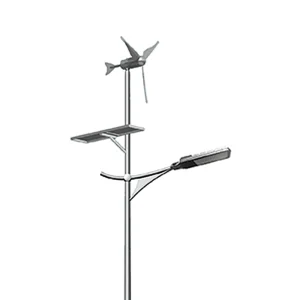
Municipal street lighting projects increasingly combine localized solar capture, micro-wind generation, and integrated battery cells. Controlled by dedicated waterproof electronics, our system optimizes street lamp draw based on historical ambient light sensing, reducing municipal energy drain to absolute zero while providing fail-proof operation under storm conditions.
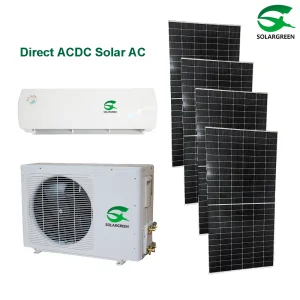
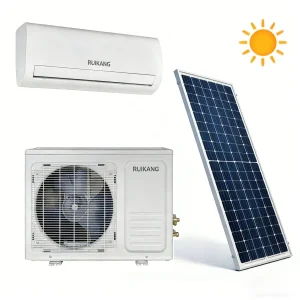
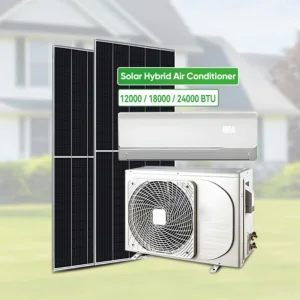
Integrating direct solar DC power into commercial indoor climate cooling changes the payback matrix of corporate structures. During peak heat indexes when solar irradiation is highest, the solar air conditioning system runs directly off photovoltaic panels with over 90% power savings, bypassing traditional AC/DC conversion loss entirely.
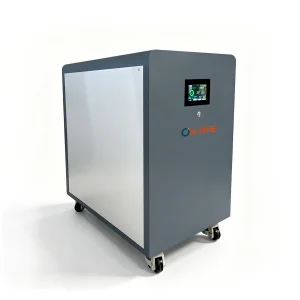
Emergency medical services, mining operations, and defense sectors require ruggedized, mobile energy platforms. Portable high-capacity energy carts equipped with rapid-deployment arrays provide reliable power output in isolated terrains, ensuring crucial telecommunications, scientific devices, and processing arrays remain powered under any conditions.
In-depth engineering insights addressing the critical criteria of solar battery systems.
Passive cell balancing bleeds off excess charge from cells with higher voltages through power resistors, converting the excess electrical energy into thermal energy. This is cost-effective but inefficient and creates local heat. Active cell balancing, on the other hand, utilizes inductive or capacitive charge-shifters to transfer excess charge from higher-voltage cells to lower-voltage cells within the string. This process preserves the energy, minimizes thermal buildup inside the pack casing, and optimizes the overall capacity output of the battery array.
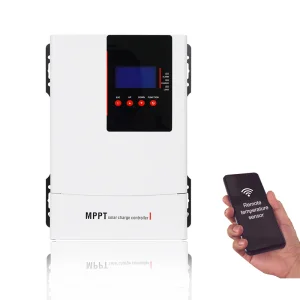
Maximum Power Point Tracking (MPPT) controllers continuously sample the output voltage and current of photovoltaic panels to calculate the optimum point for energy harvest under varying cloud conditions. Unlike PWM controllers which drag down PV voltage to match battery levels, an MPPT system dynamically varies its input impedance. This allows the solar array to operate at its Peak Power Voltage (Vmp), translating to a 20% to 30% increase in power delivery over legacy charging control hardware.
Lithium Iron Phosphate (LiFePO4) offers significant advantages for stationary commercial systems. Compared to NMC or LCO chemistries, LiFePO4 features exceptional thermal stability, reducing the risk of thermal runaway. Furthermore, LiFePO4 has a long cycle life, often exceeding 6,000 cycles at 80% Depth of Discharge (DoD), and is free from toxic heavy metals such as cobalt and nickel, making it highly sustainable.
The Battery Management System continuously monitors four parameters: cell-level voltage, charge/discharge currents, ambient temperature, and cell-surface temperature gradients. If any sensor registers values outside safe limits, the BMS triggers protective relays. This detaches the load, alerts system operators, and activates cooling fans to stabilize the temperature before an emergency occurs.
A hybrid AC/DC solar air conditioner is designed with an internal controller that accepts high-voltage DC current directly from the solar panels, alongside standard AC grid power. The compressor motor runs on DC current. By feeding DC solar power directly to the compressor, the system avoids converting DC to AC and back to DC, eliminating conversion losses. In peak daylight hours, the solar system can supply up to 100% of the cooling load without drawing power from the utility grid.
Explore our line of high-performance energy storage arrays, solar thermal heaters, and climate control units.
 Aryam Energy