High-performance off-grid systems, intelligent controllers, and PV distribution modules engineered to optimize resource efficiency and maximize product lifespan.

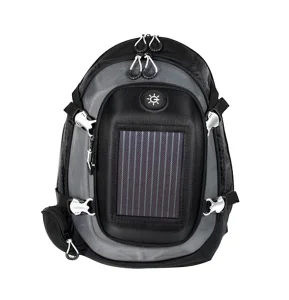


As the global clean energy transition accelerates, the installation of solar photovoltaic (PV) systems has reached unprecedented volumes. However, this massive influx of solar deployment brings a critical, looming challenge: Photovoltaic End-of-Life (EOL) management. According to reports from the International Renewable Energy Agency (IRENA), global solar PV waste is projected to reach 78 million metric tons by 2050. Leading China wholesale solar waste management manufacturers are shifting their operational horizons from simple product supply to complete circular economy integration.
To establish true sustainability, contemporary solar waste management encompasses more than simple mechanical crushing. It involves sophisticated separation methodologies designed to recover high-value materials such as high-purity silicon, silver paste, copper busbars, and low-iron glass. By re-engineering these raw materials back into the manufacturing lifecycle, industrial leaders are reducing reliance on virgin materials, driving down greenhouse gas emissions associated with primary mining operations, and maintaining strict compliance with evolving environmental mandates globally.
Search engines and industry regulators place substantial importance on the transparency of the manufacturing and recycling supply chains. Authentic information gain comes from highlighting real, physical processes, chemical extraction efficiencies, and actionable logistics solutions rather than generic definitions. To evaluate a PV manufacturer's sustainability, stakeholders must analyze the recovery metrics: thermal treatment stages that burn off the ethyl vinyl acetate (EVA) binder, chemical treatments that extract silver and silicon, and high-precision mechanical milling systems that isolate pure glass shards.
Anhui Aryam Energy Co., Ltd. is a leading provider of advanced renewable energy solutions, dedicated to delivering reliable, efficient, and sustainable power systems for residential, commercial, industrial, and utility-scale applications worldwide. Through continuous innovation and a strong commitment to clean energy development, Aryam Energy has established itself as a trusted partner in the global transition toward a low-carbon future.
The company specializes in the research, development, manufacturing, and integration of solar energy systems, energy storage solutions, hybrid power systems, and intelligent microgrid technologies. By combining state-of-the-art production techniques with stringent quality management standards, Aryam Energy delivers tailored energy ecosystems that fulfill diverse market needs across Europe, Asia, the Americas, and Africa.
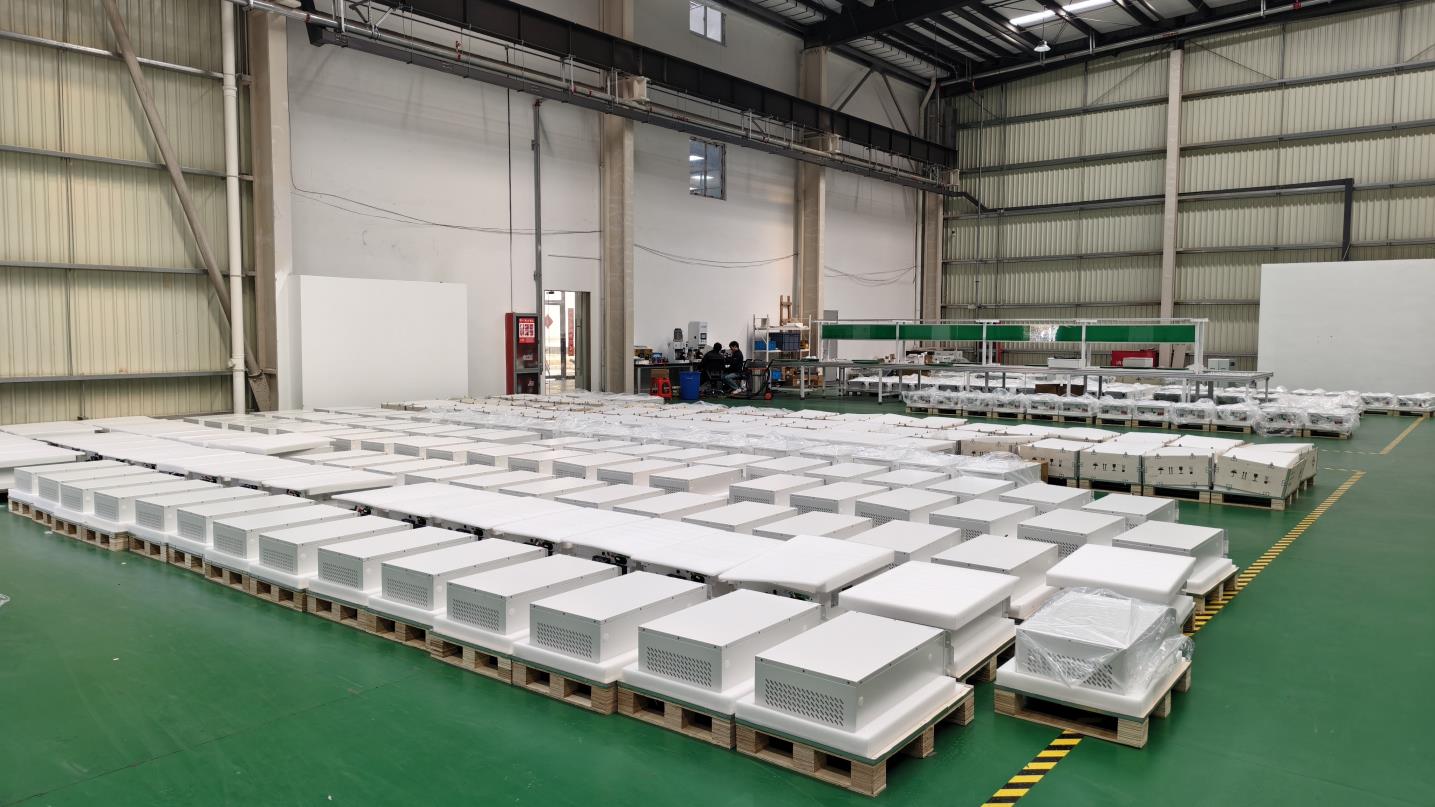
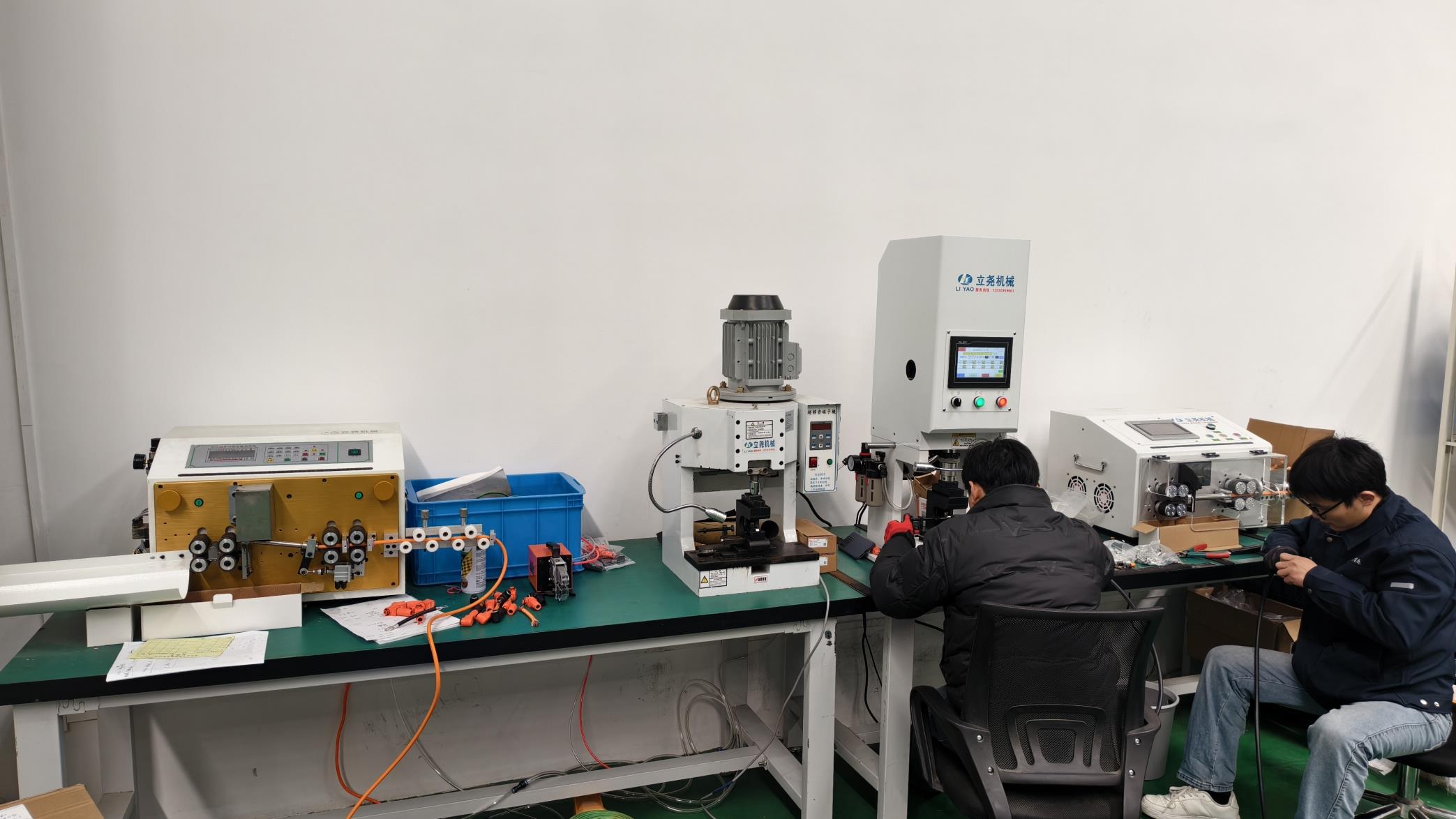
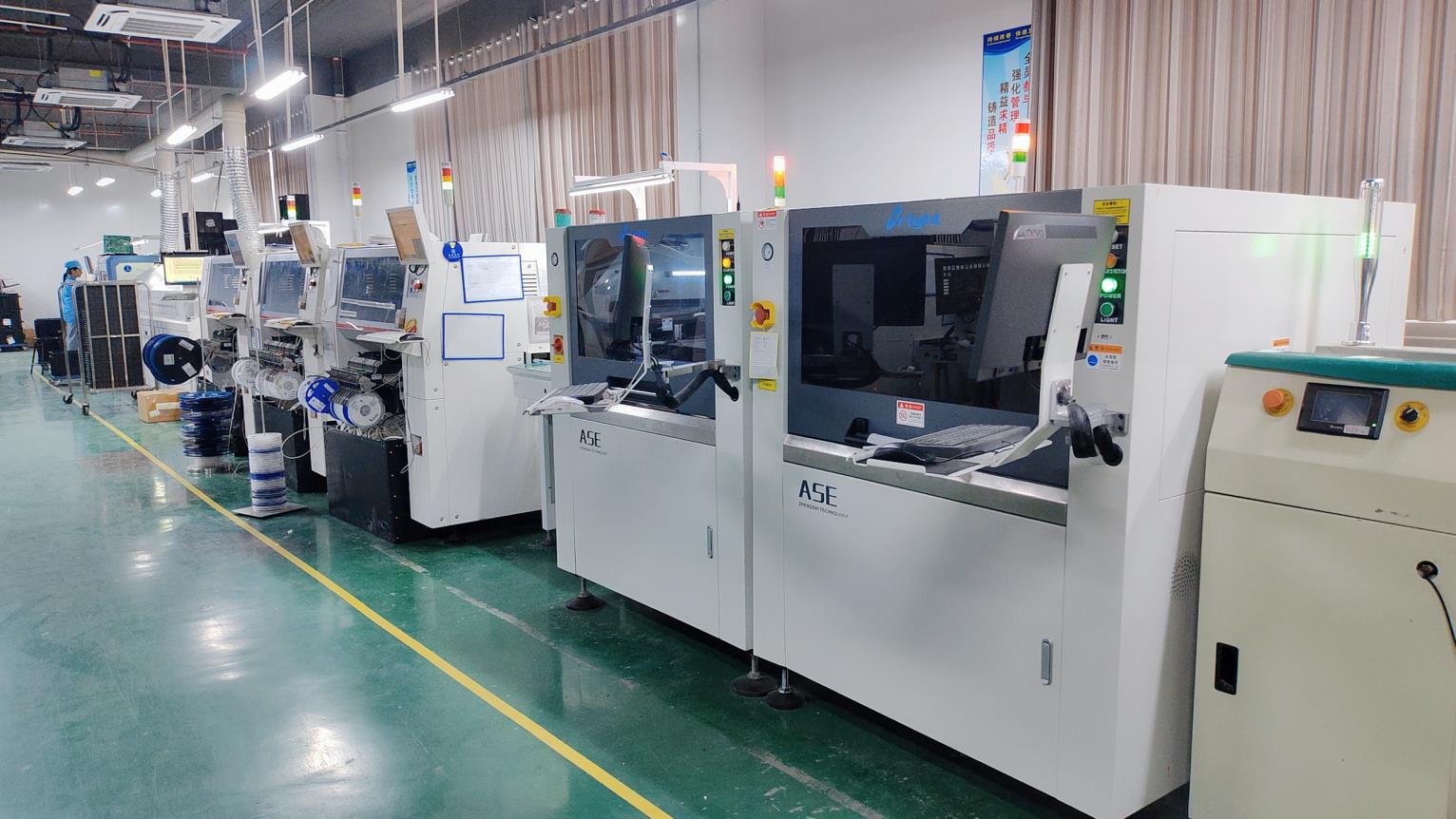
Precise workflow tracking is central to our quality assurance policies and circular waste audits.
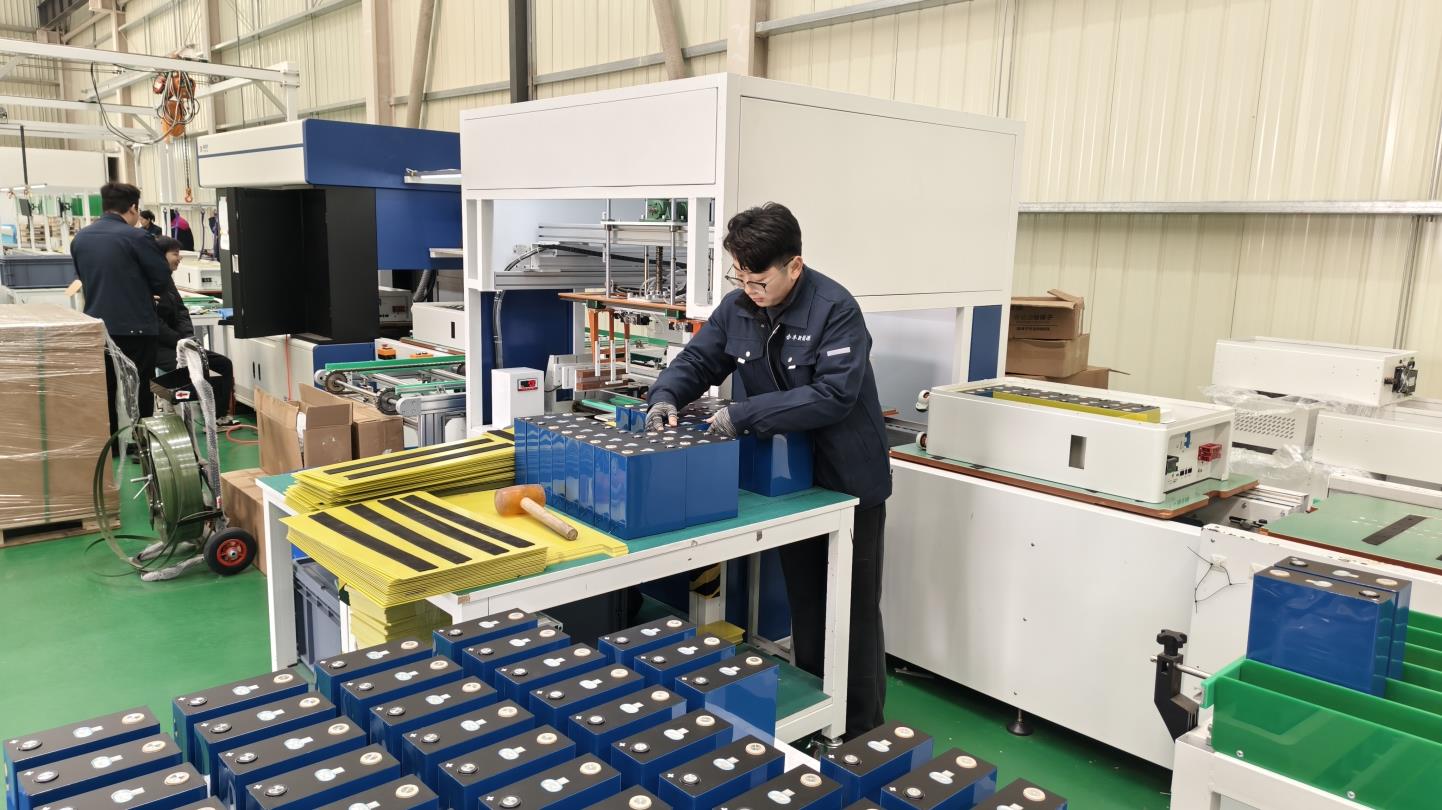
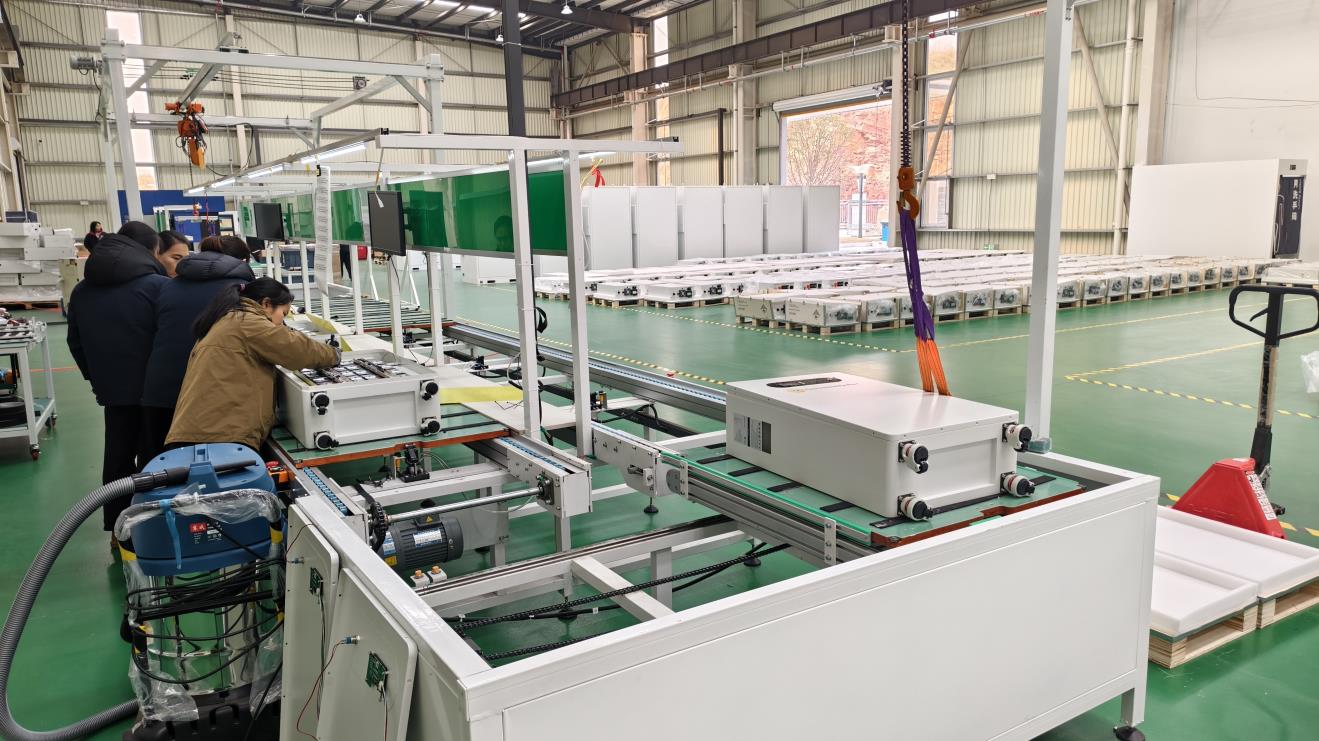
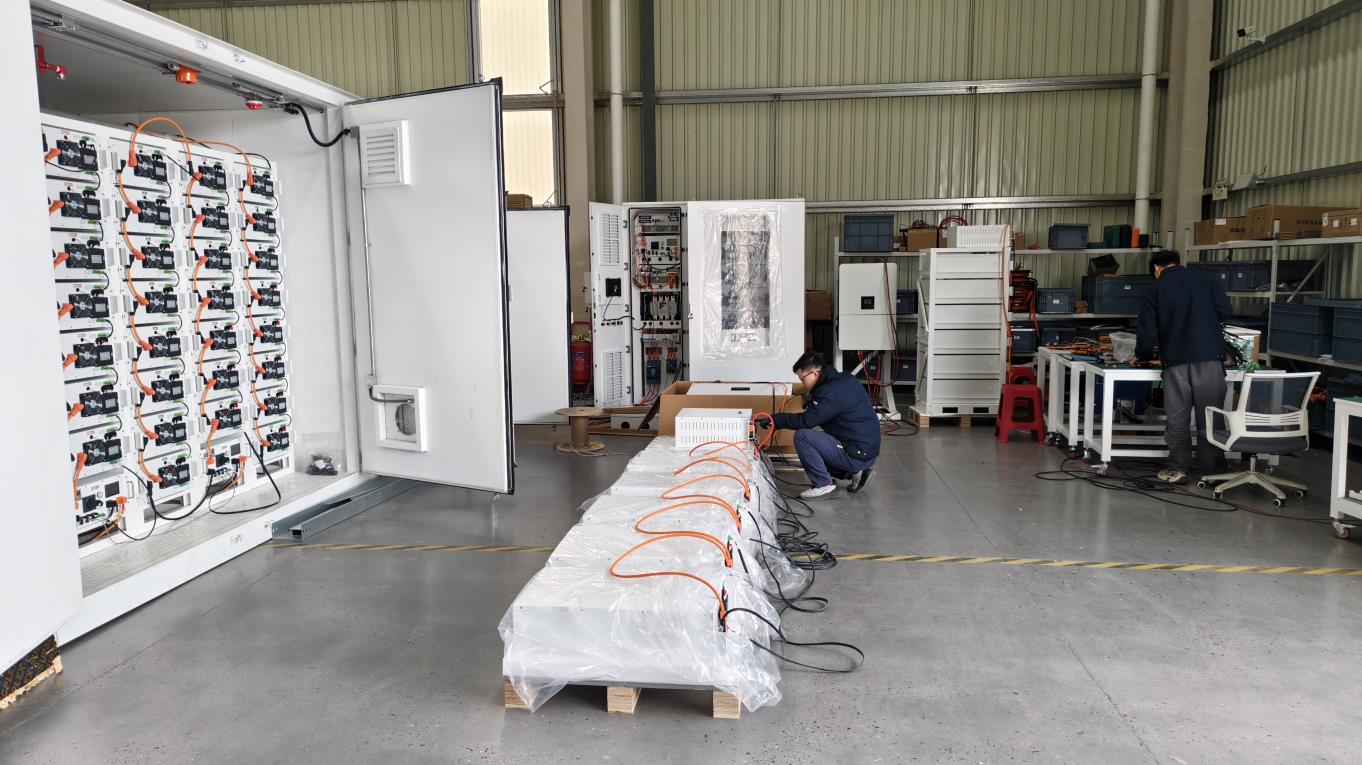
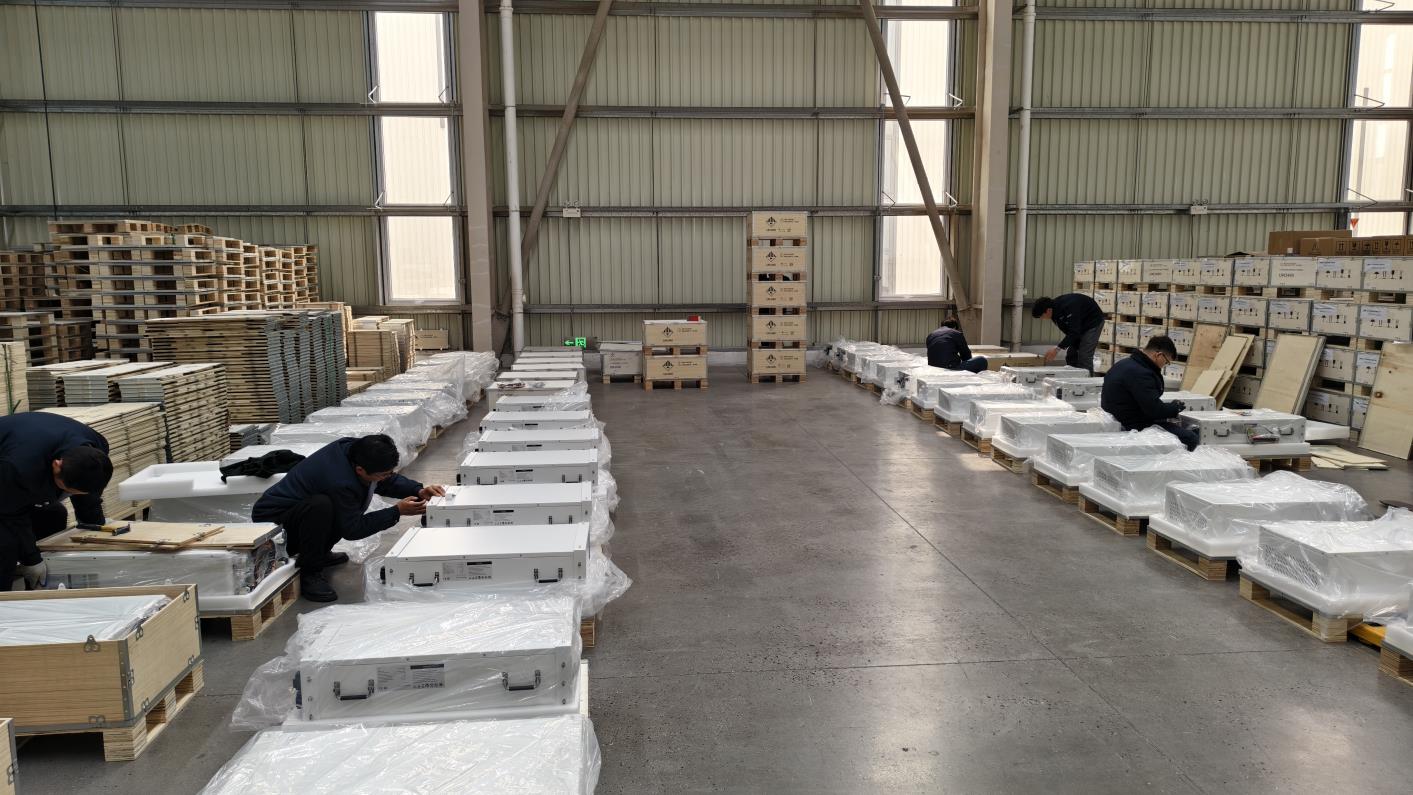
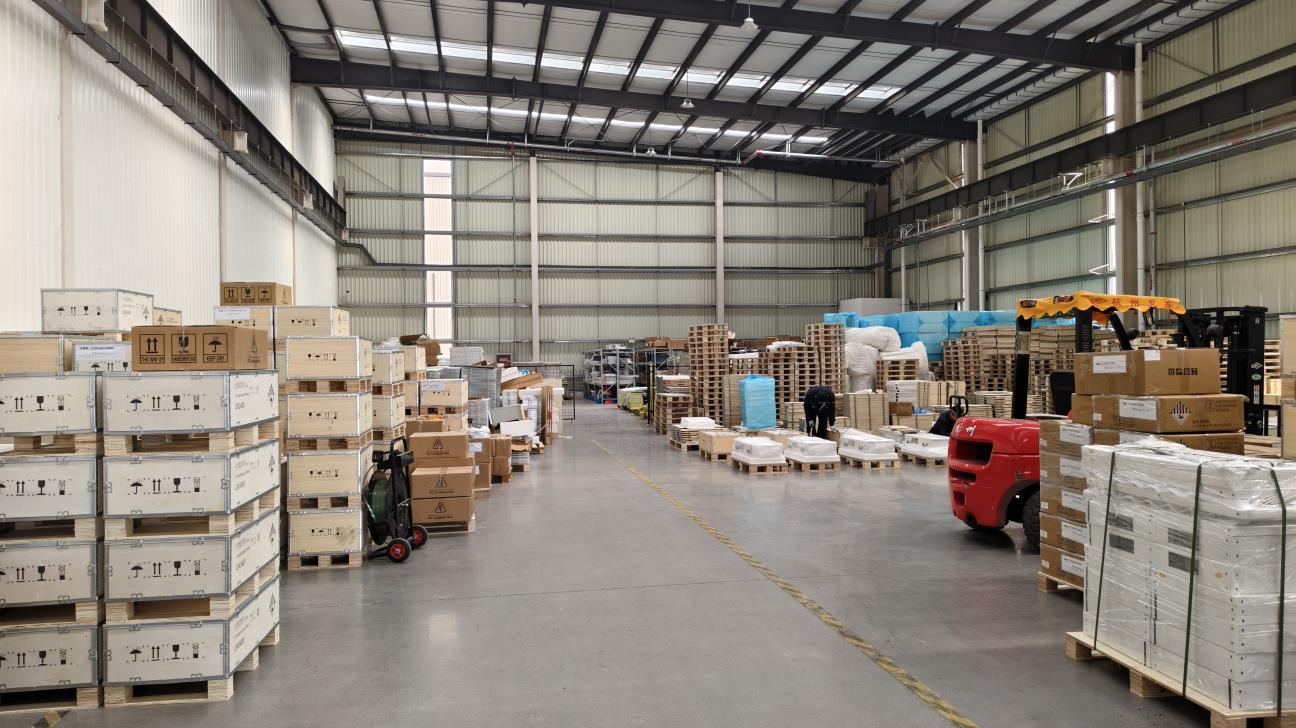
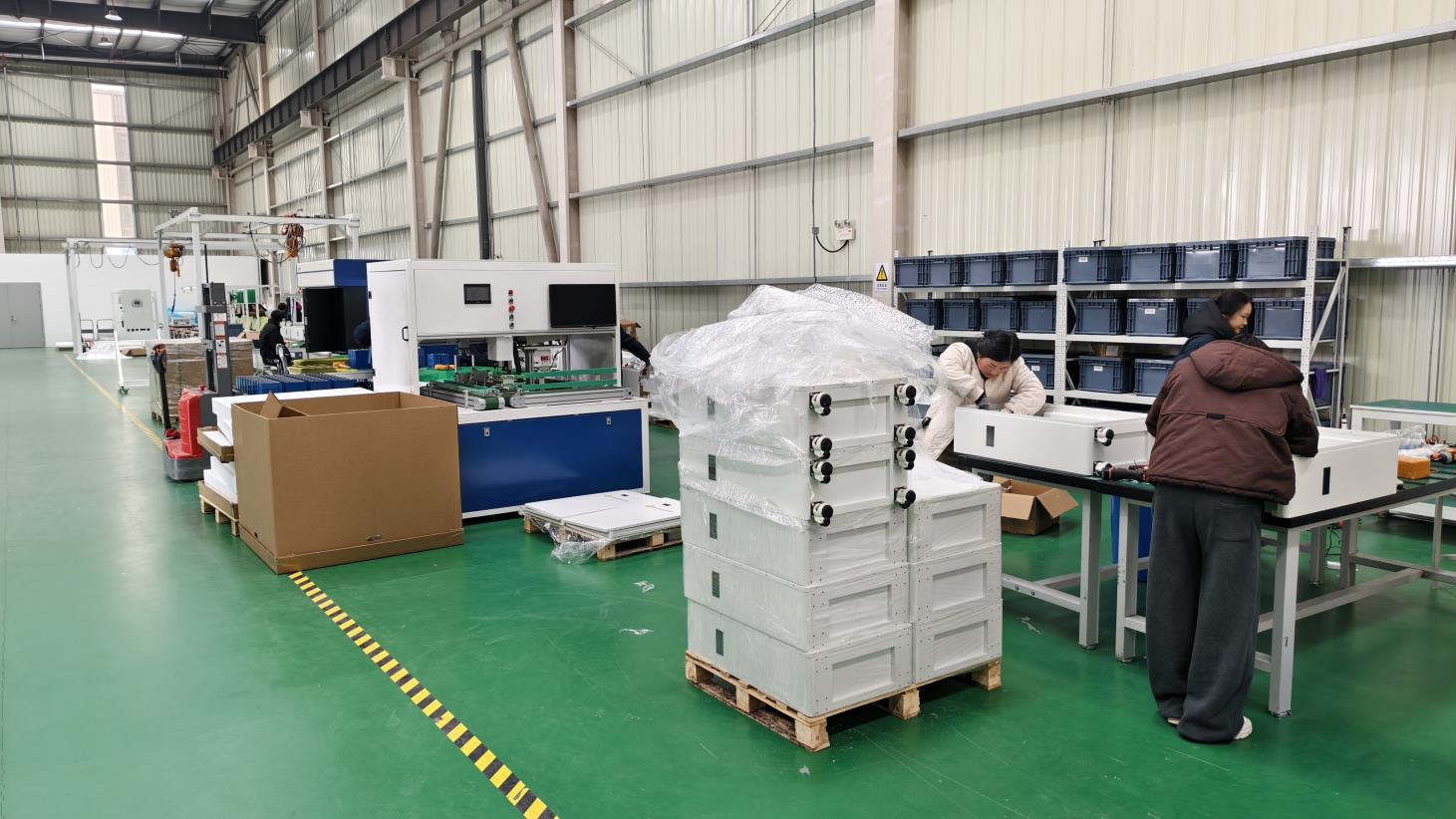
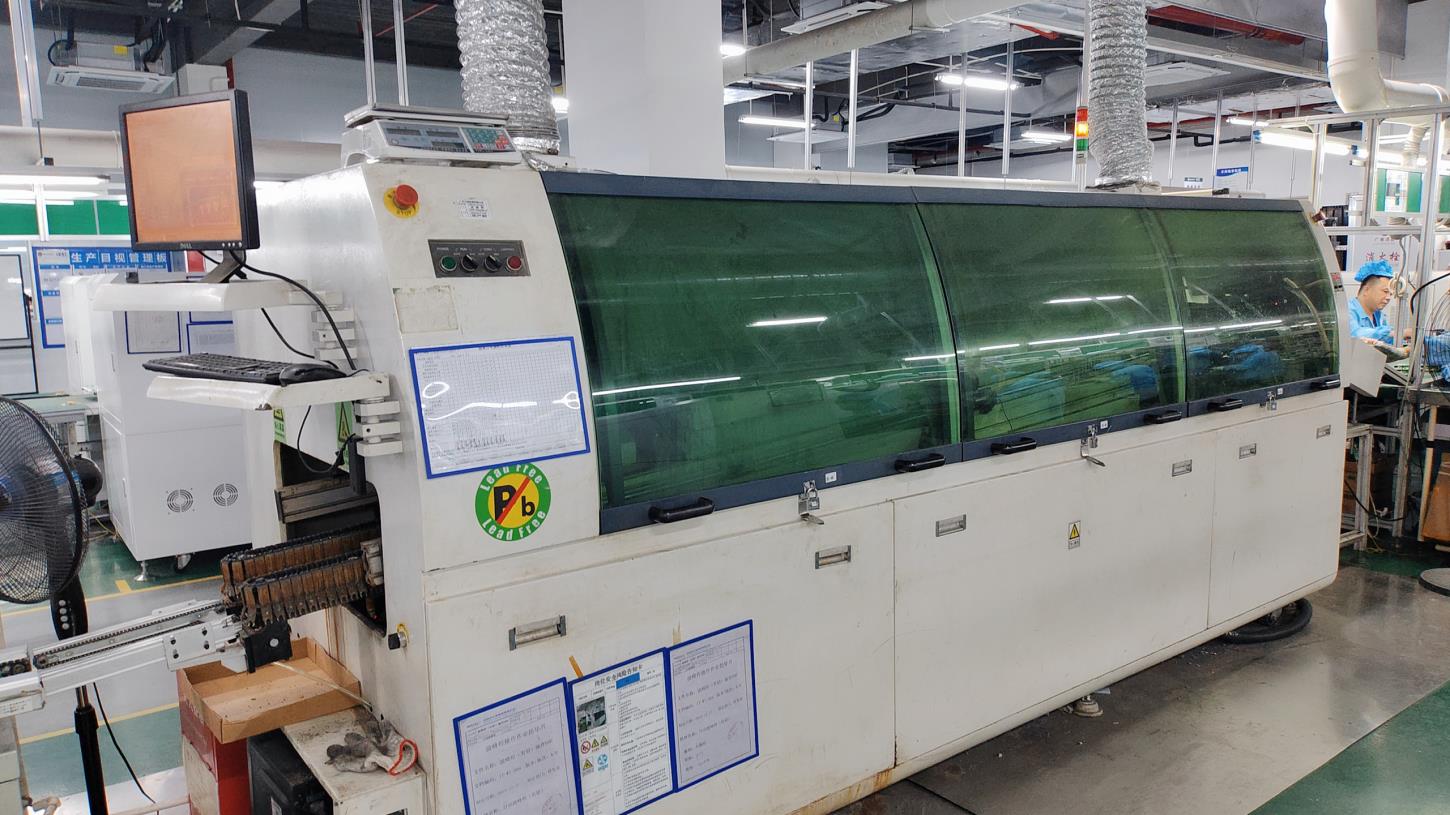
Managing decommissioned solar assets requires a thorough understanding of regional regulatory landscapes and mechanical engineering limitations. Industrial manufacturers in China are progressively designing PV modules with "End-of-Life" disassembly in mind. By utilizing lead-free solder, soluble encapsulating layers, and modular glass structures, modern solar waste management begins at the design stage—a principle known as Design-for-Recycling (DfR).
Across North America, Europe, and the Asia-Pacific region, the logistics of decommissioning utility-scale solar farms present substantial financial challenges. Transportation of bulky, heavy PV modules represents a major portion of recycling costs. China wholesale manufacturers are addressing this by building localized regional processing terminals, forming joint ventures with sorting centers, and providing modular, mobile crushing plants that minimize bulk transport demands. This strategy keeps recovery operations economically viable even in remote desert areas or mountain utility sites.
Recycling technologies can be classified into three primary processing categories:
Adhering to regulatory frameworks like Europe's WEEE (Waste Electrical and Electronic Equipment) Directive is essential. Manufacturers exporting to EU member states must ensure their distribution networks are aligned with authorized take-back schemes. Similarly, in the United States, complying with EPA RCRA hazardous waste criteria for toxic materials is critical. Wholesale suppliers are offering comprehensive testing data, certifying low-leach characteristics, and providing standardized Material Safety Data Sheets (MSDS) to ensure regulatory compliance at every stage of international import and export.
Using advanced materials to extend product lifespans to 25+ years, postponing decommissioning cycles and reducing electronic waste.
Every component, from the initial raw materials to decommissioned scrap, is traceable under global ESG tracking standards.
We assist our clients with recycling processes and support circular economy partnerships for material recovery.
Answers to technical and regulatory questions about PV recycling, material recovery processes, and wholesale logistics.
Manufacturers use thermal and chemical processing to recover high-purity silicon. First, mechanical screening isolates the PV cells. Next, thermal treatment removes the EVA encapsulant. Finally, chemical etching dissolves the silver contacts and anti-reflective coatings, leaving clean silicon wafers that can be reprocessed for industrial use.
In Europe, compliance is governed by the WEEE Directive, which requires PV suppliers to establish take-back systems. In the United States, waste classification is determined by EPA RCRA regulations, using Toxicity Characteristic Leaching Procedure (TCLP) tests. Our products are designed to meet these international standards, facilitating smooth import and recycling workflows.
While direct reuse of cells is limited by electrical degradation, the raw materials are highly recyclable. Up to 95% of the glass and aluminum, along with a significant portion of the silver, copper, and silicon, can be recovered and fed back into manufacturing supply chains for new PV components.
Design-for-recycling (DfR) uses modular assembly techniques and alternative materials to make modules easier to disassemble. While this can sometimes affect initial R&D costs, it helps reduce long-term compliance fees, disposal costs, and raw material expenses, providing a lower total cost of ownership over the project lifecycle.
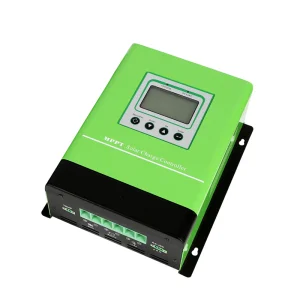
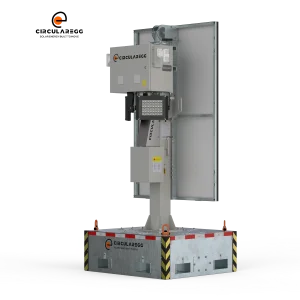
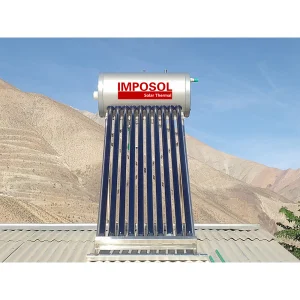
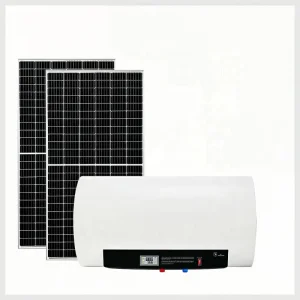
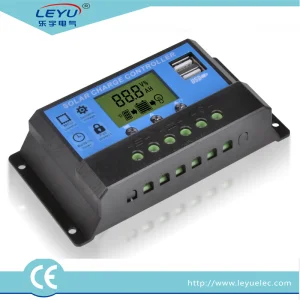
Explore our complete range of certified PV components, charge controllers, and thermal systems engineered for optimal energy management.

 Aryam Energy