China Top Solar Battery Chargers Suppliers & Exporter

Empowering global off-grid infrastructures with high-performance MPPT solar controllers, portable energy storage systems, and custom microgrid solutions.

Premium Off-Grid Solutions & Energy Chargers (Batch A)
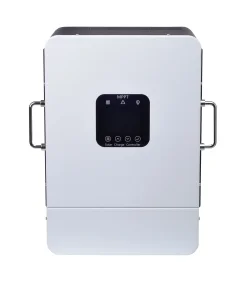
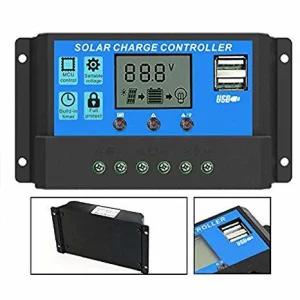
High Quality Solar Working Station Hybrid Power MPPT Charge Controller

High Quality Solar Working Station 2 Years Hybrid Power MPPT Charge Controller

Explore Technical Specifications
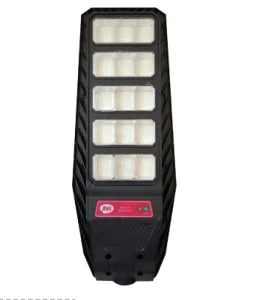
Power Dream Solar Street Lights Garden Integerteder All in One Solar Street Lights Outdoor Led Street Light

Power Dream Solar Street Lights Garden Integerteder All in One Solar Street Lights Outdoor Led Street Light

Explore Technical Specifications
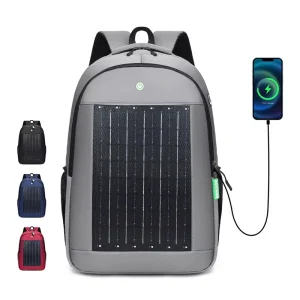
Custom Professional Supplier Motorcycle Complete Set Pilot Helmet Solar Bag Backpack Panel with USB

Custom Professional Supplier Motorcycle Complete Set Pilot Helmet Solar Bag Backpack Panel with USB

Explore Technical Specifications
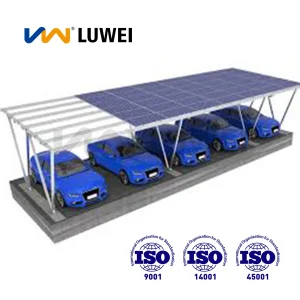
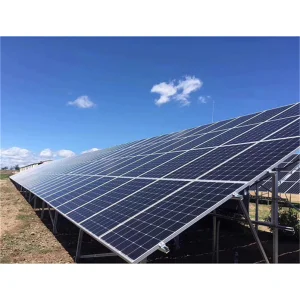
Lightweight Solar Panel Carport 10kw Kit Solar System Mounting Bracket

Lightweight Solar Panel Carport 10kw Kit Solar System Mounting Bracket

Explore Technical Specifications
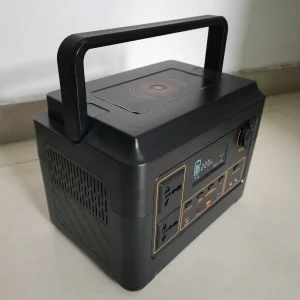
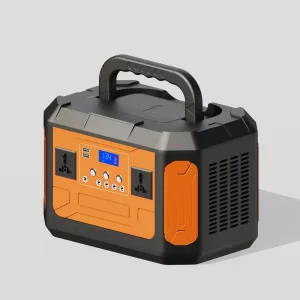
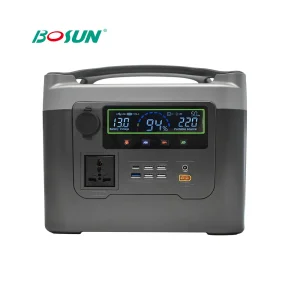
600W Portable Power Station (A Series 320-800Wh)

600W Portable Power Station (A Series 320-800Wh)

Explore Technical Specifications
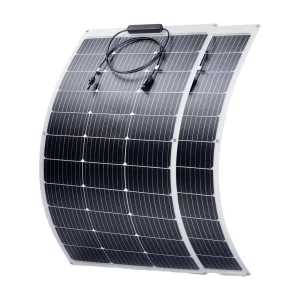
SSE-100W Flexible 18V Monocrystalline Silicon Solar Panels

SSE-100W Flexible 18V Monocrystalline Silicon Solar Panels 96% Efficiency 182mm Cell Size Mobile Batteries for Outdoor Use

Explore Technical Specifications
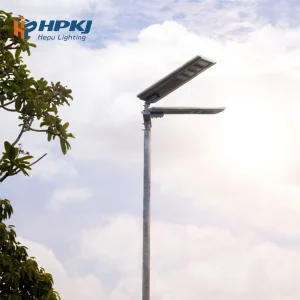
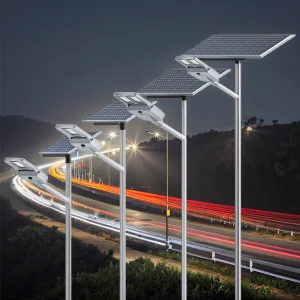
All-in-One Solar Light LED Lampe Solaire Outdoor Street Light

All-in-One Solar Light LED Lampe Solaire Outdoor Street Light with Battery Power for Road Application

Explore Technical Specifications
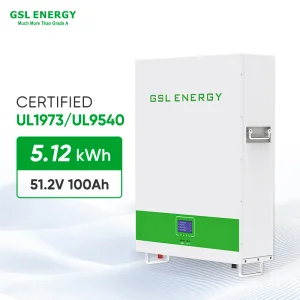
Gsl 48V 10kw 5kwh Solar Batteries Power Wall

Gsl 48V 10kw 5kwh Solar Batteries Power Wall 24V Battery Pack Powerwall 51.2V 100ah 200ah 300ah Home LiFePO4 Lithium Ion Battery

Explore Technical Specifications

The Evolution of Solar Charging Systems: Technical Trends & Core Innovations

Understanding the shift in high-efficiency photovoltaics, smart maximum power point tracking (MPPT), and modern chemical energy storage systems.

The solar battery charger industry is undergoing a profound paradigm shift. Driven by global initiatives to achieve carbon neutrality, researchers and manufacturers are pushing the boundaries of charge efficiency, thermal management, and chemical energy storage integration. From compact solar chargers used in emergency response settings to massive industrial off-grid stations, the focus has shifted toward intelligent power conversion and optimized power densities.

In traditional setups, simple pulse-width modulation (PWM) controllers were the standard. While reliable, PWM controllers struggle to bridge the gap between higher PV module voltages and lower battery voltages, causing up to 30% power loss in challenging weather conditions. Modern industrial and commercial setups have widely transitioned to Maximum Power Point Tracking (MPPT) technology. MPPT algorithms continuously scan the electrical characteristics of solar panels to lock onto the optimal operational voltage and current (V-I curve), ensuring maximum wattage transfer even under partial shading or dynamic temperature shifts.
Key Industry Drivers

  • Monocrystalline Silicon Superiority: The adoption of 182mm and 210mm large wafer cells has pushed practical conversion efficiency rates beyond 23-24%, while flexible substrates allow integration into custom portable forms.
  • Transition to LiFePO4 Chemistry: Traditional lead-acid batteries are rapidly being replaced by Lithium Iron Phosphate (LiFePO4) battery cells due to their 4,000+ lifecycle profiles and thermal stability.
  • Digital Integration & IoT Monitoring: System controllers now feature RS485, CAN bus, and Bluetooth connectivity, allowing remote cloud-based battery management.
  • IP65 & Heavy-Duty Weatherproofing: Systems deployed in harsh environments (such as highway solar lighting or remote telecommunication hubs) demand high-grade enclosures to resist dust, moisture, and corrosion.

Technical Performance Benchmarks

Aryam Energy engineers its systems to push the limits of performance. Below are the key indicators for our standard off-grid architectures:

98.5%
MPPT Efficiency
6000+
LiFePO4 Life Cycles
IP66
Protection Rating

Strategic Sourcing Guide: Meeting Global Procurement Requirements

Evaluating suppliers on design capability, component sourcing transparency, and quality assurance processes.

Tier-1 Component Procurement

For B2B buyers, system longevity is directly tied to component origin. Ensure your manufacturer uses verified A-grade monocrystalline cells, premium MOSFETs in charging circuits, and certified automotive-grade lithium cells.

OEM & ODM Engineering Customization

Whether optimizing size constraints for a portable military pack, adapting voltage thresholds for local grids, or customized brand printing, deep custom engineering capacities determine design validation timelines.

Supply Chain Resiliency

Global logistics demand structured lead times and raw material buffer stock management. Working with Anhui Aryam Energy guarantees structured production scheduling, strict quality gates, and export customs expertise.

Macro-Level Energy Solutions: Off-Grid & Commercial Infrastructures

Deploying clean energy modules at scale to offset reliance on fossil-fuel generators.

In rural electrification, disaster recovery, and remote commercial locations, relying purely on diesel generator networks leads to excessive operational costs and severe carbon emissions. By combining high-capacity solar controllers, commercial solar carports, and containerized power stations, operators can establish robust, independent localized microgrids.

An integrated approach utilizes hybrid PV-diesel-storage controllers. When solar irradiance is high, the system routes power directly to the load while storing the surplus in LiFePO4 battery banks. During periods of extended overcast, the smart system dynamically starts auxiliary diesel generators to prevent deep battery discharges, thereby extending system lifespans while reducing fuel consumption by up to 60%.

Case Study: Solar Carports & Electric Mobility

Integrating a 10kW modular carport kit with integrated battery storage allows facilities to generate green energy while offering EV charging capabilities. Structured galvanized steel racking protects the vehicles, while monocrystalline arrays capture energy to charge localized energy walls, completely isolated from grid congestion.

Smart Municipal Off-Grid Lighting

Traditional streetlights demand massive grid wiring and trenching costs. All-in-one solar streetlights utilize integrated lithium batteries and high-lumen LED emitters to operate independently. During daylight, integrated PWM or MPPT modules charge the battery pack, enabling multi-night performance even in overcast winter months.

Anhui Aryam Energy Co., Ltd. - Company Overview & Manufacturing Facility

A leading provider of advanced renewable energy solutions, serving customers across 100+ countries.

Anhui Aryam Energy Co., Ltd. is a leading provider of advanced renewable energy solutions, dedicated to delivering reliable, efficient, and sustainable power systems for residential, commercial, industrial, and utility-scale applications worldwide. Through continuous innovation and a strong commitment to clean energy development, Aryam Energy has established itself as a trusted partner in the global transition toward a low-carbon future.

The company specializes in the research, development, manufacturing, and integration of solar energy systems, energy storage solutions, hybrid power systems, and intelligent microgrid technologies. Leveraging cutting-edge engineering expertise and strict quality management standards, Aryam Energy provides comprehensive energy solutions tailored to diverse market needs, particularly in regions facing energy shortages, unstable grid infrastructure, or increasing demand for sustainable power generation.

With a professional R&D team and a growing portfolio of proprietary technologies, Aryam Energy continuously invests in innovation to enhance system performance, energy efficiency, and long-term reliability. Its products and solutions are designed to meet international standards and have been successfully deployed across Asia, Africa, the Middle East, Europe, and Latin America, serving customers in more than 100 countries and regions.

Aryam Energy's product portfolio includes solar inverters, energy storage systems, hybrid inverters, lithium battery solutions, solar water pumping systems, microgrid systems, and customized renewable energy projects. The company is committed to providing integrated energy solutions that maximize energy independence, reduce operational costs, and support environmental sustainability.

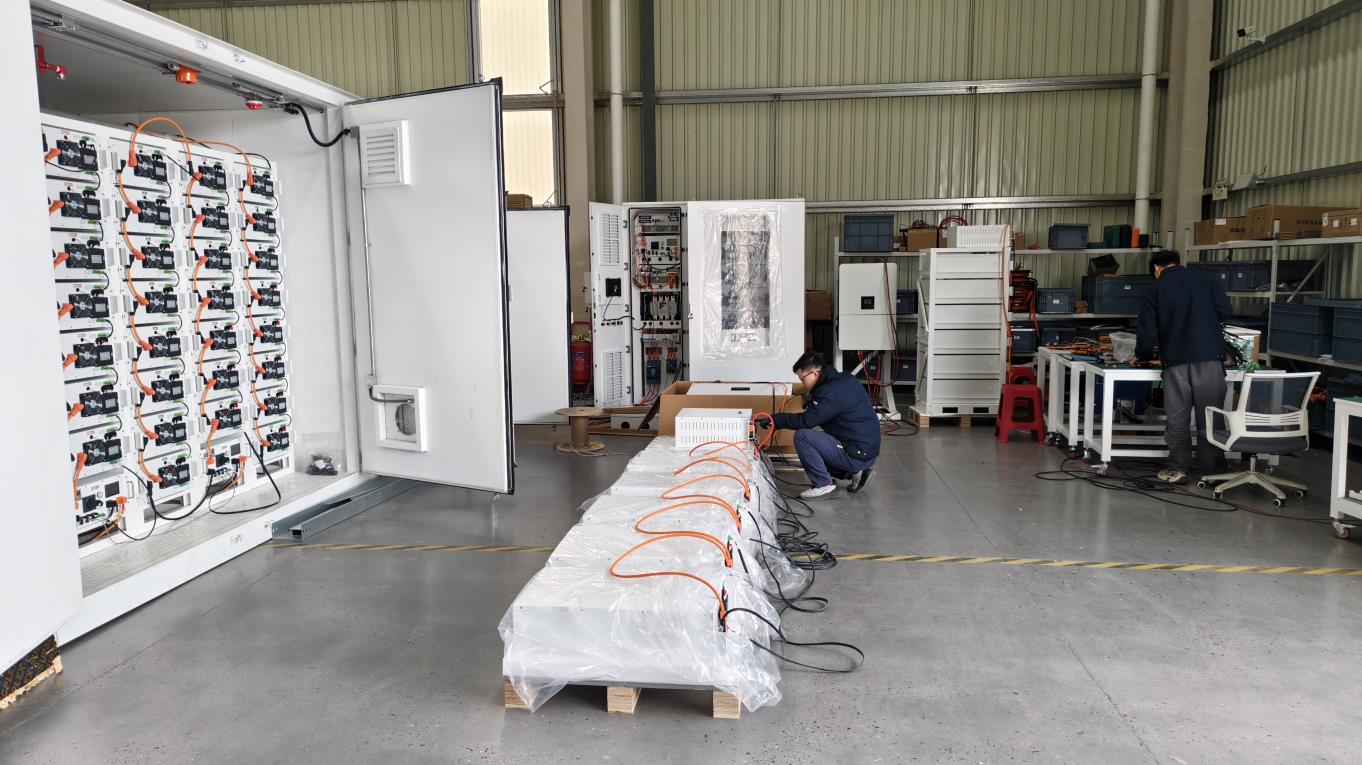
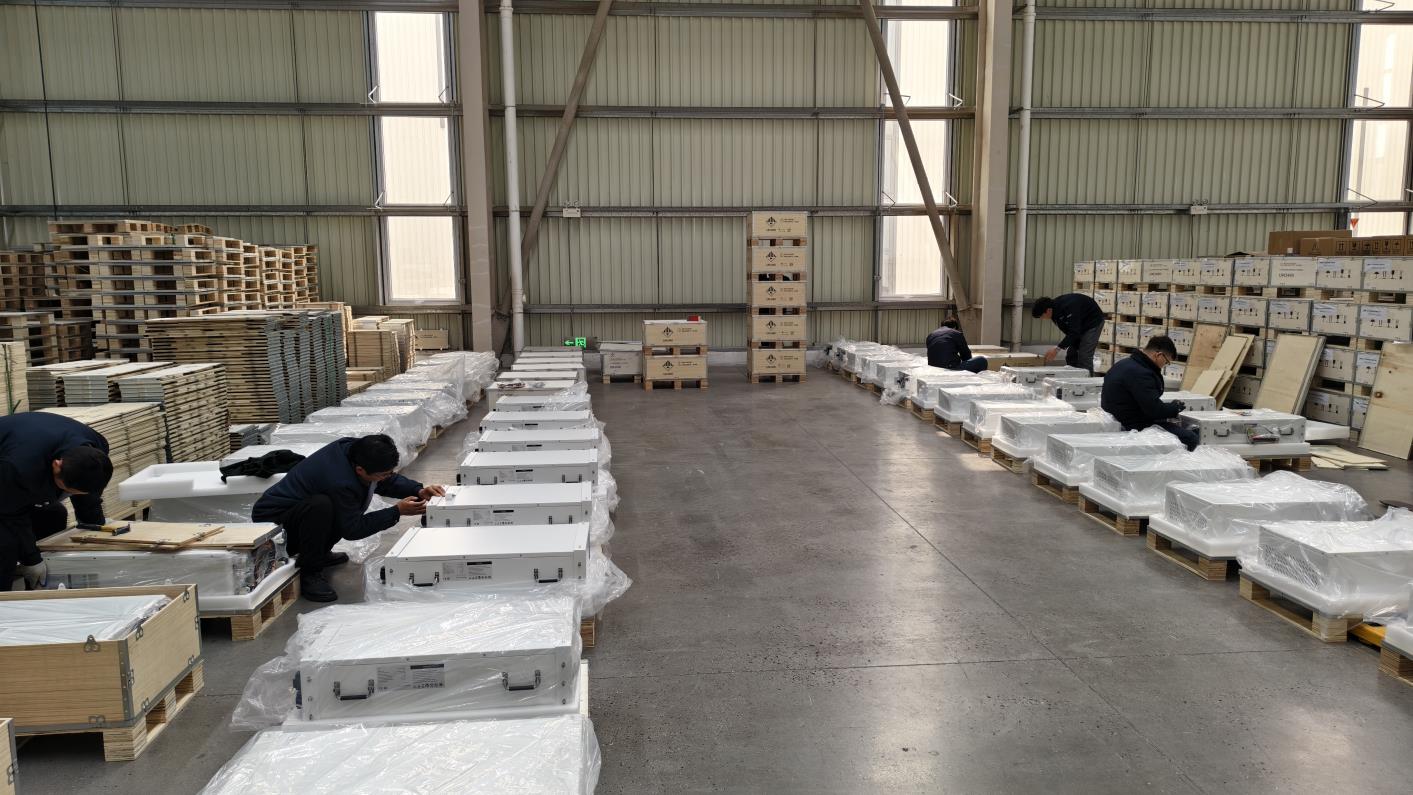
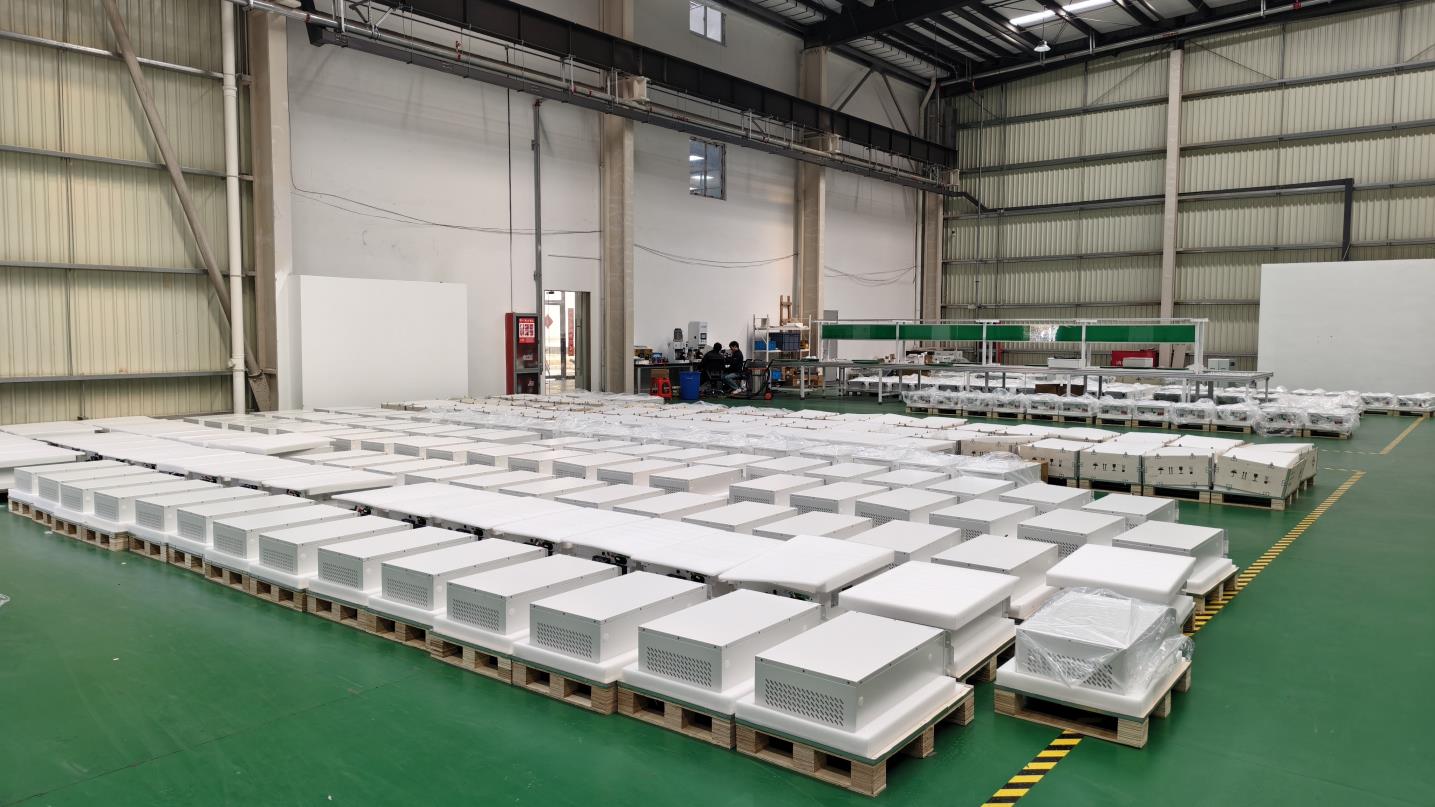
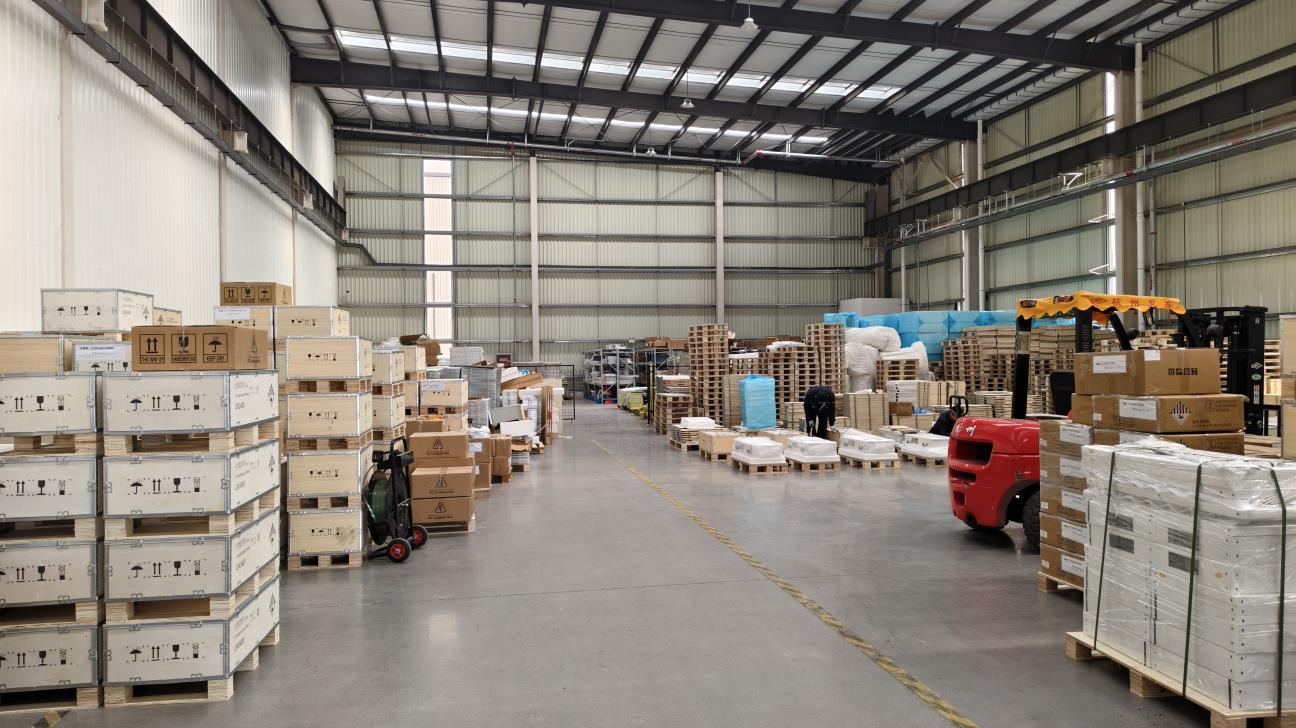
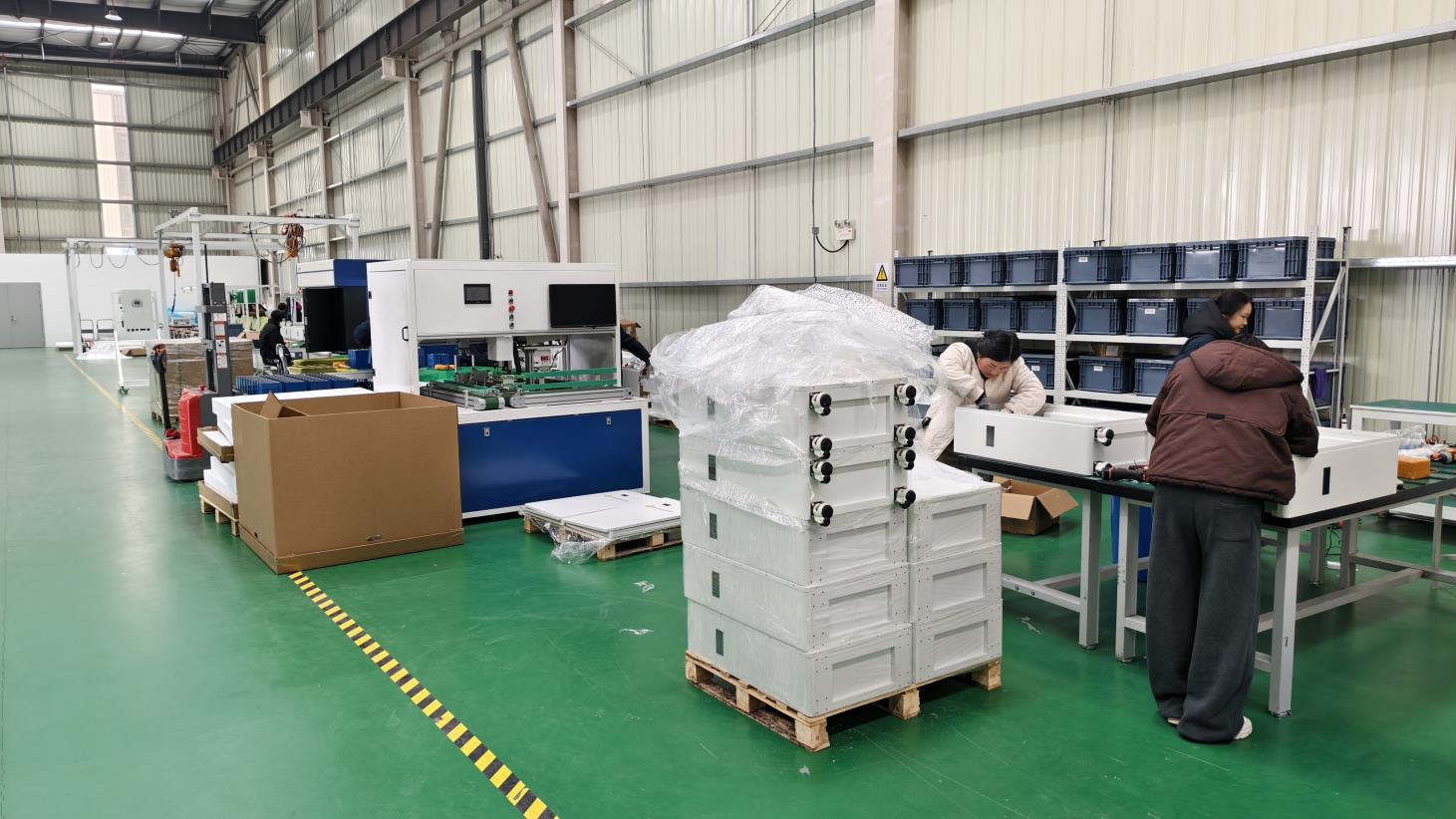
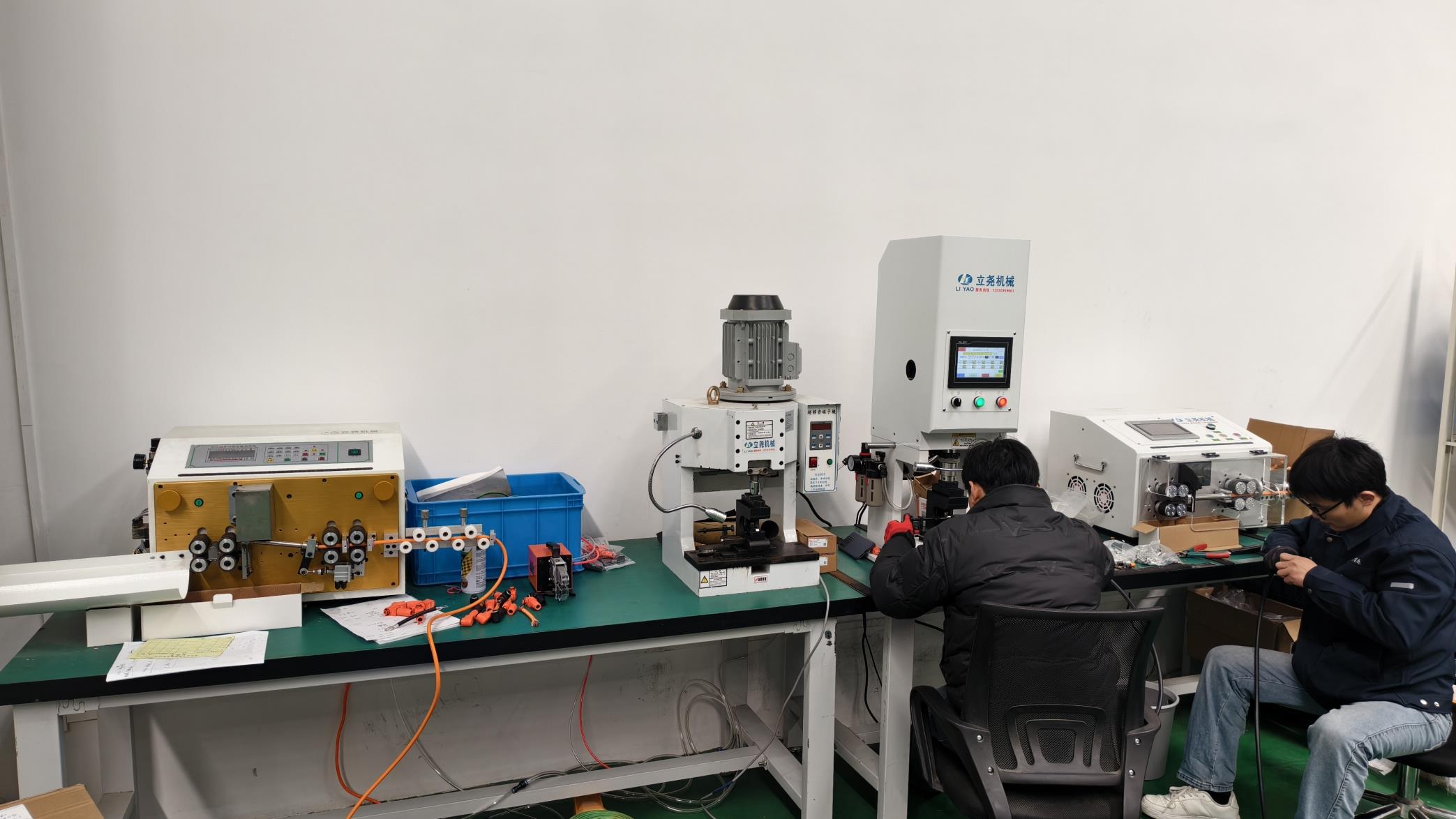
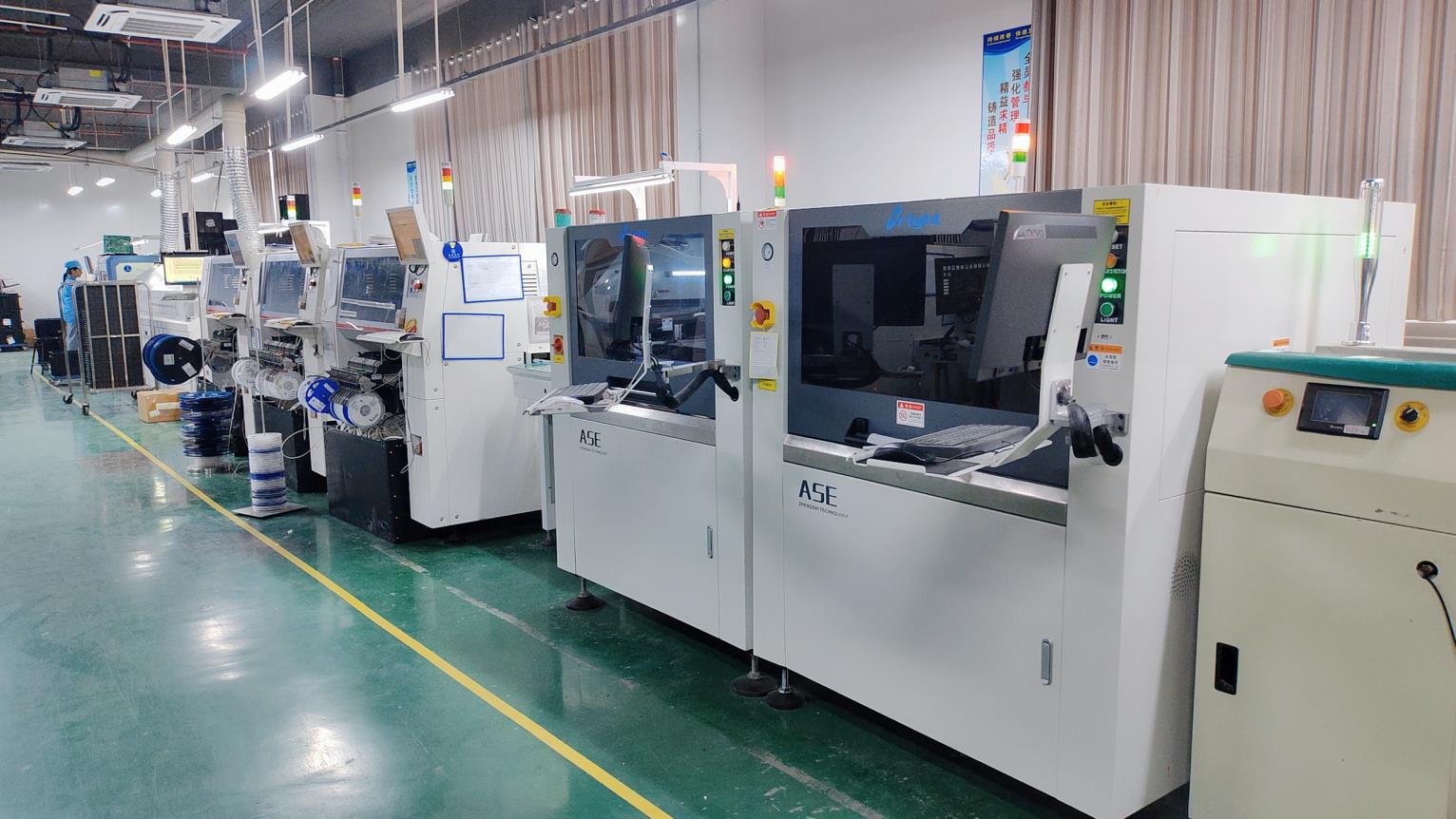
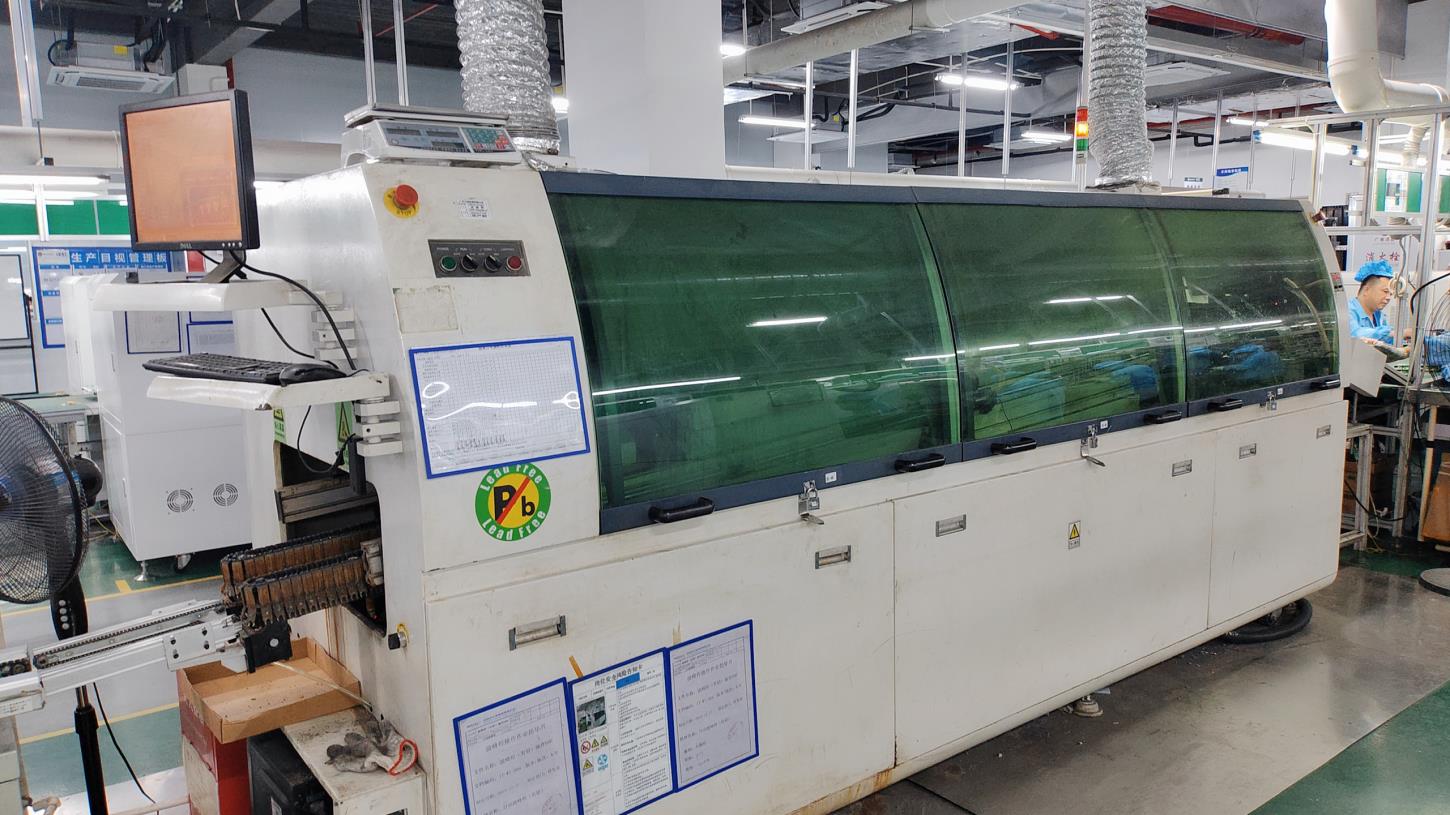
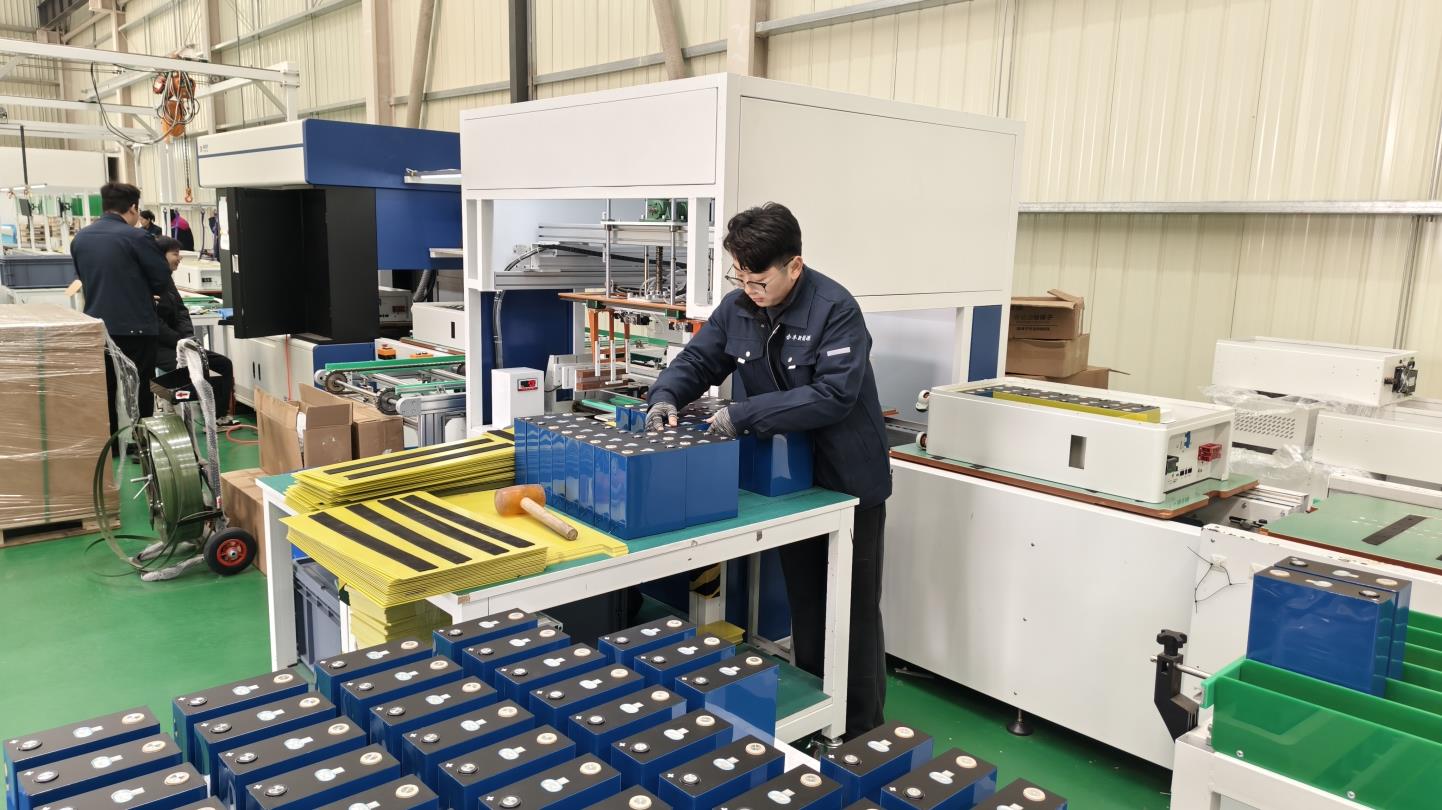
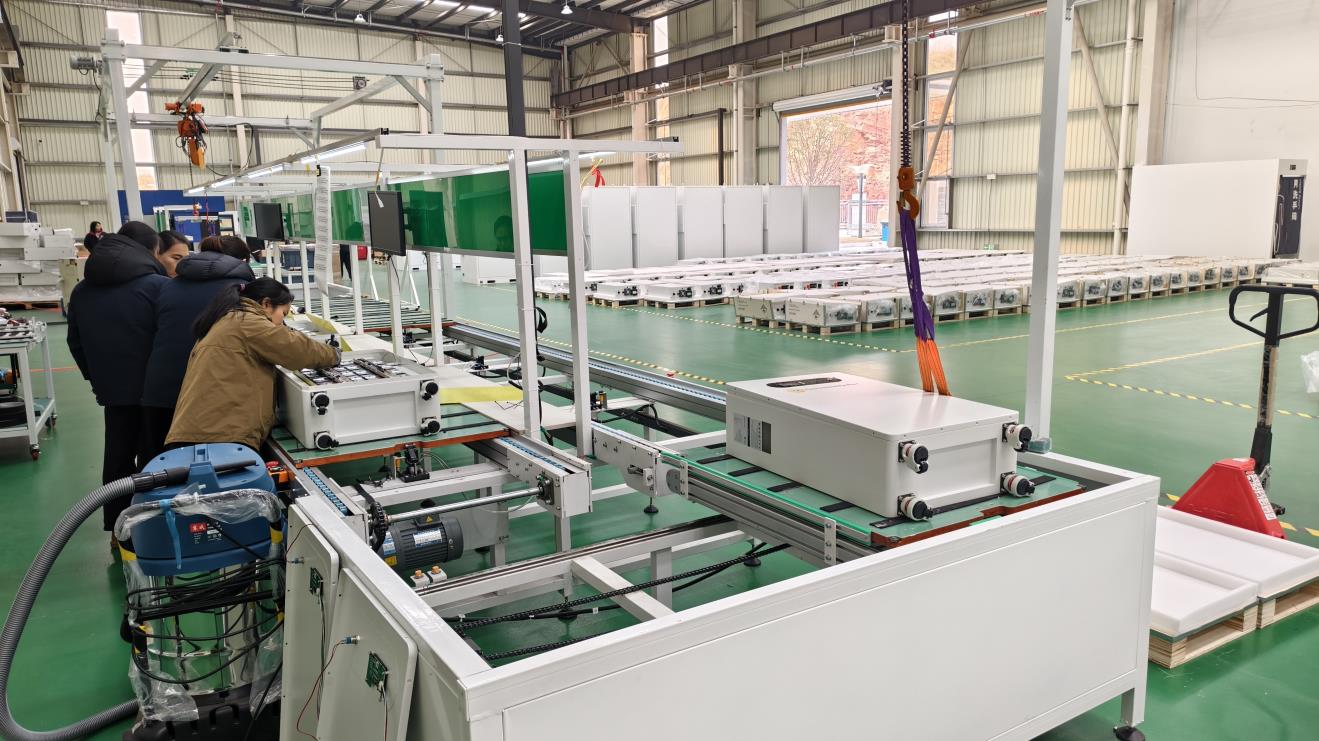
Factory Tour & Quality Control Operations

Our quality management workflow follows strict ISO 9001 guidelines at every stage, ensuring electrical integrity and robust physical construction.

Welding Station

Welding

Assembling Line

Assembling

Testing Procedures

Testing

Packing Process

Packing

Finished Product Inspection

Finished Product

Warehouse Management

Warehouse

Main Assembly Line

Assembly Line

Wire Stripper Machine

Wire Stripper

SMT Line

SMT line

Wave Soldering Machine

Wave soldering machine

Compliance, Standards & Localized Technical Support

Meeting global utility codes and dynamic regional grid connections.

Navigating global compliance framework requires engineering transparency. Solar power systems, battery walls, and mobile solar generators must undergo rigorous certification pathways before import and installation in various jurisdictions. Products from Aryam Energy are designed to comply with standard requirements across major global markets.

Key standards include CE (EN 62109-1 / -2) for European solar controller safety, RoHS for hazardous substances restriction, and IEC 62133 / UN38.3 for safe lithium transportation and operation. By prioritizing these certifications, we prevent project delays and ensure optimal safety at the installation site.

Global Compliance Checklists

  • North America: UL 1741 (Inverters), UL 1973 (Battery Pack Safety).
  • Europe: CE, EN 50549 (Grid Integration), EN 61000 (EMC Compatibility).
  • Australia: Clean Energy Council (CEC) Approved Inverters & Batteries.
  • Global Logistics: UN38.3 Battery Safety Certification for Air & Sea Cargo.

Future Outlook: The Convergence of Smart AI & Solar Battery Charging

How edge computing, new semiconductor designs, and next-gen cell chemistries are redefining power transmission.

The next decade of off-grid solar technology will be defined by smart optimization and energy density. Innovations currently transitioning from laboratory phases to production facilities include:

  1. Wide Bandgap Semiconductors (GaN & SiC): Silicon is reaching its physical limits in electrical conversion. Integrating Gallium Nitride (GaN) and Silicon Carbide (SiC) in solar charging inverters reduces switching losses, allowing higher frequencies and resulting in systems that are 30% lighter and generate less waste heat.
  2. Solid-State Battery Integration: While LiFePO4 remains the standard for stationary projects, early solid-state batteries are showing high energy density and safety, laying the groundwork for lighter, compact solar generators.
  3. AI-Powered Edge Battery Management: Smart microgrids are deploying machine learning at the device level. By analyzing historical weather patterns and local load behaviors, solar controllers can intelligently pre-charge or release power to optimize battery lifespans.
Off-Grid Systems, Accessories & Industrial Racks (Batch B)
12V /24V/48V 10A/20A/30A Solar Controller Manual PWM Solar Charge Controller

12V /24V/48V 10A/20A/30A Solar Controller Manual PWM Solar Charge Controller

Explore Technical Specifications
500W Portable Power Station Solar Generator, 120000mAh Capacity

500W Portable Power Station Solar Generator, 120000mAh Capacity

Explore Technical Specifications
High Capacity Outdoor Camping Emergency Portable Power Stations

High Capacity Outdoor Camping Emergency Portable Power Stations 1000W Solar Power Station 2000W Power Generators

Explore Technical Specifications
Factory Price Galvanized Steel Ground Mount System Solar Racking

Factory Price Galvanized Steel Ground Mount System Solar Racking Ground System Solar Panel Ground Mounting System

Explore Technical Specifications
500W Powerstation Emergency Portable Power Station IP65

500W Powerstation Emergency Portable Power Station IP65 Waterproof Outdoor Emergency High Power Charging Portable Energy

Explore Technical Specifications
High Power Outdoor 100w 120w Led Solar Panel Street Light

High Power Outdoor 100w 120w Led Solar Panel Street Light and Pole

Explore Technical Specifications
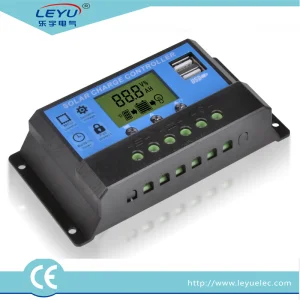
PWM Solar Charge Controller 12V/24V 30A with LCD USB

PWM Solar Charge Controller 12V/24V 30A with LCD USB

Explore Technical Specifications
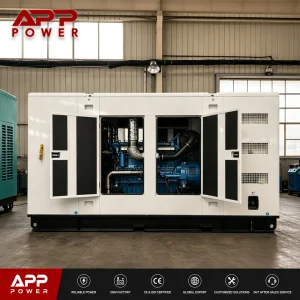
Silent Generator Combined Green Power System

Silent Generator Combined Green Power System Off-Grid Working Mode Eco-friendly Remote Site Solutions Diesel Generator

Explore Technical Specifications

Industry Technical Q&A: In-Depth Sourcing & Engineering Guidance

Addressing critical technical and logistical questions for global energy project developers.

Q1: What are the primary differences between MPPT and PWM charge controllers in industrial systems?
MPPT (Maximum Power Point Tracking) controllers track the maximum power voltage (Vmp) of solar panels to optimize energy transfer to the batteries, adjusting current dynamically. In industrial environments, MPPT controllers deliver up to 30% higher efficiency than PWM (Pulse-Width Modulation) units. PWM systems, though cost-effective and suitable for small off-grid setups, pull the solar array operating voltage down to match the battery voltage, resulting in lower efficiency.
Q2: Why are LiFePO4 batteries preferred over other lithium-ion chemistries for stationary solar storage?
Lithium Iron Phosphate (LiFePO4) chemistry offers superior thermal stability, safety, and cycle life. Unlike Nickel Manganese Cobalt (NMC) cells, LiFePO4 chemistry is highly resistant to thermal runaway and degradation, making it ideal for stationary battery walls (e.g., 48V 100Ah/200Ah systems). In addition, LiFePO4 batteries support deep discharging (up to 80-90% DoD) for over 4,000 to 6,000 cycles, lowering the Levelized Cost of Storage (LCOS) over long-term project lifespans.
Q3: How do solar-carport mounting structures handle extreme wind and seismic loads?
High-quality carport racking systems utilize hot-dip galvanized steel or high-strength anodized aluminum alloys (AL6005-T5). Engineers compute structural load-bearing parameters according to regional building codes (e.g., AS/NZS 1170, ASCE 7-10). The foundations are built using concrete piers or ground screws to withstand local wind loads up to 60m/s and seismic accelerations.
Q4: What is the optimal voltage configuration for a medium-scale off-grid power station?
For off-grid systems with power requirements above 3kW, a 48V DC configuration is the baseline standard. Higher system voltages reduce current draw, allowing thinner copper wiring, lower resistive heat losses, and improved efficiency. Large commercial systems and microgrids often transition to higher DC voltages (96V, 120V, or higher) to integrate with centralized hybrid power units.
Q5: Can flexible monocrystalline solar panels perform reliably in marine or mobile applications?
Yes, high-grade flexible panels (like our 100W/18V series) are designed for mobility. They feature high-efficiency monocrystalline silicon laminated with robust ETFE polymers. ETFE layers provide high UV resistance, flame retardance, and saltwater protection, making them ideal for integration into marine vessels, RV roofs, and portable equipment bags.
Q6: How does an "All-in-One" solar street light manage intelligent power consumption during cloudy periods?
All-in-one solar street lights utilize a built-in MPPT controller and motion sensor to manage power dynamically. When no motion is detected, the light shifts to a dimmed mode (e.g., 30% brightness) to preserve energy. Modern smart units adjust power output dynamically based on remaining battery capacity, extending battery runtimes over consecutive rainy days.
Q7: What customization (OEM/ODM) parameters are available for industrial energy storage walls?
OEM/ODM options include system voltage changes (24V, 48V, 51.2V), battery capacities, custom BMS integration (supporting protocols like CAN, Modbus, RS485), customized sheet metal enclosures, and localized branding. This allows energy system developers to integrate battery walls with specific hybrid inverter platforms.
Q8: How does a hybrid PV-diesel generator system prevent frequency instability under high load shifts?
Hybrid solar-diesel setups utilize centralized energy storage to buffer transient loads. The hybrid controller manages the diesel generator's output, using the battery bank to absorb load surges and stabilize grid frequency. This prevents generator stalling and ensures clean sine-wave output across off-grid facilities.

Connect with Aryam Energy Experts

Partner with Anhui Aryam Energy Co., Ltd. for engineering support, bulk procurement quotes, and custom off-grid system designs tailored to your project requirements.

Submit RFQ / Inquiry