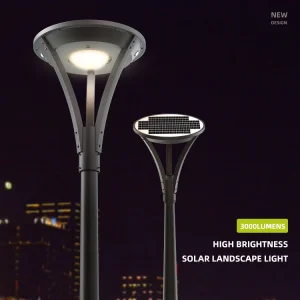
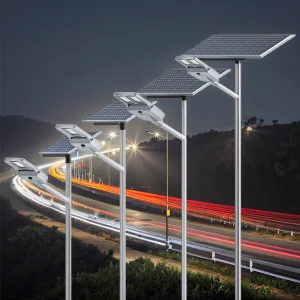
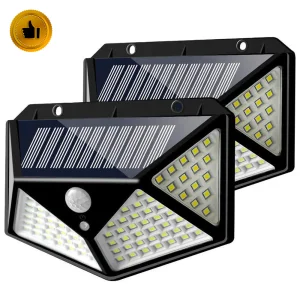
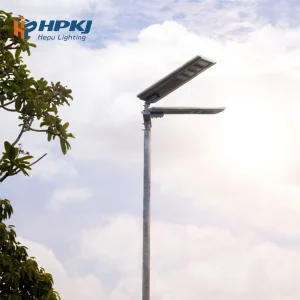
Explore our cutting-edge, highly efficient solar street lighting systems optimized for public, industrial, and off-grid municipal configurations. Engineered to operate under strict Alpine weather profiles, low winter sun conditions, and cantonal dark-sky directives.
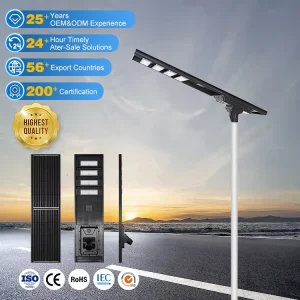
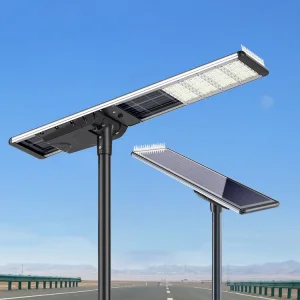
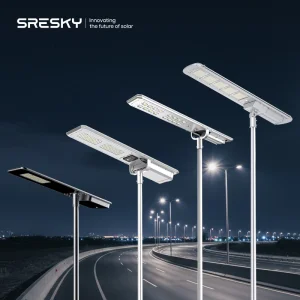
Switzerland is accelerating its transition to smart municipal infrastructure under the federal government's "Energy Strategy 2050" framework. Street lighting alone accounts for roughly 1% of the country’s total electricity consumption, leading municipalities and cantonal authorities to aggressively phase out conventional high-pressure sodium and gas-discharge lamps. High-efficiency solar street lighting systems have transitioned from niche eco-friendly installations to major commercial assets for cantons like Zurich, Bern, and Graubünden.
Swiss Light Pollution Directives (Dark Sky Switzerland): All outdoor lighting must strictly control luminous flux direction, minimizing glare and blue-light emissions that disrupt nocturnal ecosystems. Modern solar fixtures require precise asymmetric optics (G0 to G6 intensity classes) to direct light only where needed.
Sub-Zero Alpine Durability: Switzerland’s high-altitude regions experience prolonged winter periods with temperatures dropping below -20°C. Standard batteries fail under these conditions. Swiss installations require advanced low-temperature safe Lithium Iron Phosphate (LiFePO4) battery packs with integrated thermal management systems (heating jackets) to prevent degradation during cold cycles.
SIA Standard compliance: Structural integrity for brackets, poles, and panels must comply with SIA 261 standards (Action on Structures), ensuring safety against Swiss wind loads and heavy snowfall accumulations.
Furthermore, Switzerland's commitment to decarbonization encourages localized, decentralised micro-grids. Solar street lighting represents a critical pillar of this transformation, operating completely independently of the traditional power grid. This saves municipalities massive upfront civil engineering costs typically associated with trenching, cabling, and transformer allocation—particularly in rugged Alpine terrains or historic old-town sectors where ground excavation is restricted.
The global solar street lighting market is experiencing a profound paradigm shift driven by advancements in solid-state lighting, smart grid connectivity, and energy storage technologies. The convergence of IoT (Internet of Things) and solar infrastructure is converting street lamps from simple lighting fixtures into data-collecting nodes for smart city networks.
Manufacturers are shifting towards high-capacity, monocrystalline silicon photovoltaic cells combined with MPPT (Maximum Power Point Tracking) controllers. Older PWM (Pulse Width Modulation) controllers are rapidly becoming obsolete as MPPT units achieve up to 30% higher charging efficiency, especially critical under overcast conditions or short winter days.
Additionally, the integration of bifacial solar panels and vertical solar columns (cylindrical solar wraps around the pole) is gaining massive traction. These technologies mitigate dust accumulation, snow cover obstruction, and wind shear forces, while maximizing energy harvest from albedo effects (reflected light off snow and light-colored pavements), which is exceptionally relevant to Switzerland's winter microclimate.
Tailoring street lighting solutions to Switzerland’s unique geography requires addressing specific regional challenges, divided into distinct use-cases:
Deploying vertical solar wrap designs with integrated self-heating batteries. Designed to withstand extreme sub-zero temperatures and structural wind-loads up to Class II Swiss safety ratings, preventing snow accumulation from blocking PV generation.
Utilizing high-brightness, IP65 smart integrated systems with PIR motion sensors and automated dimming profiles. These lights run at 10% standby output, instantly scaling to 100% when pedestrians or cyclists approach, strictly adhering to Swiss Dark-Sky guidelines.
Configured with heavy-duty Hybrid AC/DC systems. For high-traffic logistics yards in Basel or Geneva, these lights pull power from their solar cells during peak seasons, dynamically utilizing minimal grid backup only during prolonged dark winter periods.
As the solar lighting sector continues to evolve, three main technological pillars will define the next generation of Swiss-bound outdoor lighting systems:
While LiFePO4 batteries remain the industrial gold standard due to their safety and cycle life (>3000 cycles at 80% DoD), next-generation semi-solid-state batteries are entering pilot phases. These batteries exhibit excellent thermal stability, virtually eliminating capacity fade in sub-zero alpine conditions and doubling the energy density to over 300 Wh/kg.
Standard monocrystalline silicon panels operate at 21-23% efficiency. The integration of Perovskite solar layers on silicon substrates pushes cell efficiency past 28-30%. For solar streetlights, this means smaller panel footprints are required to generate the same wattage, reducing wind load and pole structural requirements—a massive benefit for Swiss mountain roads.
Next-generation MPPT controllers will not rely on simple timers. Instead, they will integrate Edge-AI processors that run adaptive machine-learning models. By analyzing real-time charging trends and local meteorological forecasts via Wi-Fi/LoRaWAN, the controller will automatically adjust illumination profiles to guarantee light throughout the night, even during unprecedented winter blizzards.
Anhui Aryam Energy Co., Ltd. is a leading provider of advanced renewable energy solutions, dedicated to delivering reliable, efficient, and sustainable power systems for residential, commercial, industrial, and utility-scale applications worldwide. Through continuous innovation and a strong commitment to clean energy development, Aryam Energy has established itself as a trusted partner in the global transition toward a low-carbon future.
The company specializes in the research, development, manufacturing, and integration of solar energy systems, energy storage solutions, hybrid power systems, and intelligent microgrid technologies. Leveraging cutting-edge engineering expertise and strict quality management standards, Aryam Energy provides comprehensive energy solutions tailored to diverse market needs, particularly in regions facing energy shortages, unstable grid infrastructure, or increasing demand for sustainable power generation.
With a professional R&D team and a growing portfolio of proprietary technologies, Aryam Energy continuously invests in innovation to enhance system performance, energy efficiency, and long-term reliability. Its products and solutions are designed to meet international standards and have been successfully deployed across Asia, Africa, the Middle East, Europe, and Latin America, serving customers in more than 100 countries and regions.
At Anhui Aryam Energy Co., Ltd., our manufacturing facilities implement rigorous quality checks at every level. From automated SMT assembly lines for smart MPPT controllers to advanced environmental testing chambers mimicking arctic and desert conditions, we ensure every street light meets standard CE, RoHS, and TÜV certifications before dispatch.
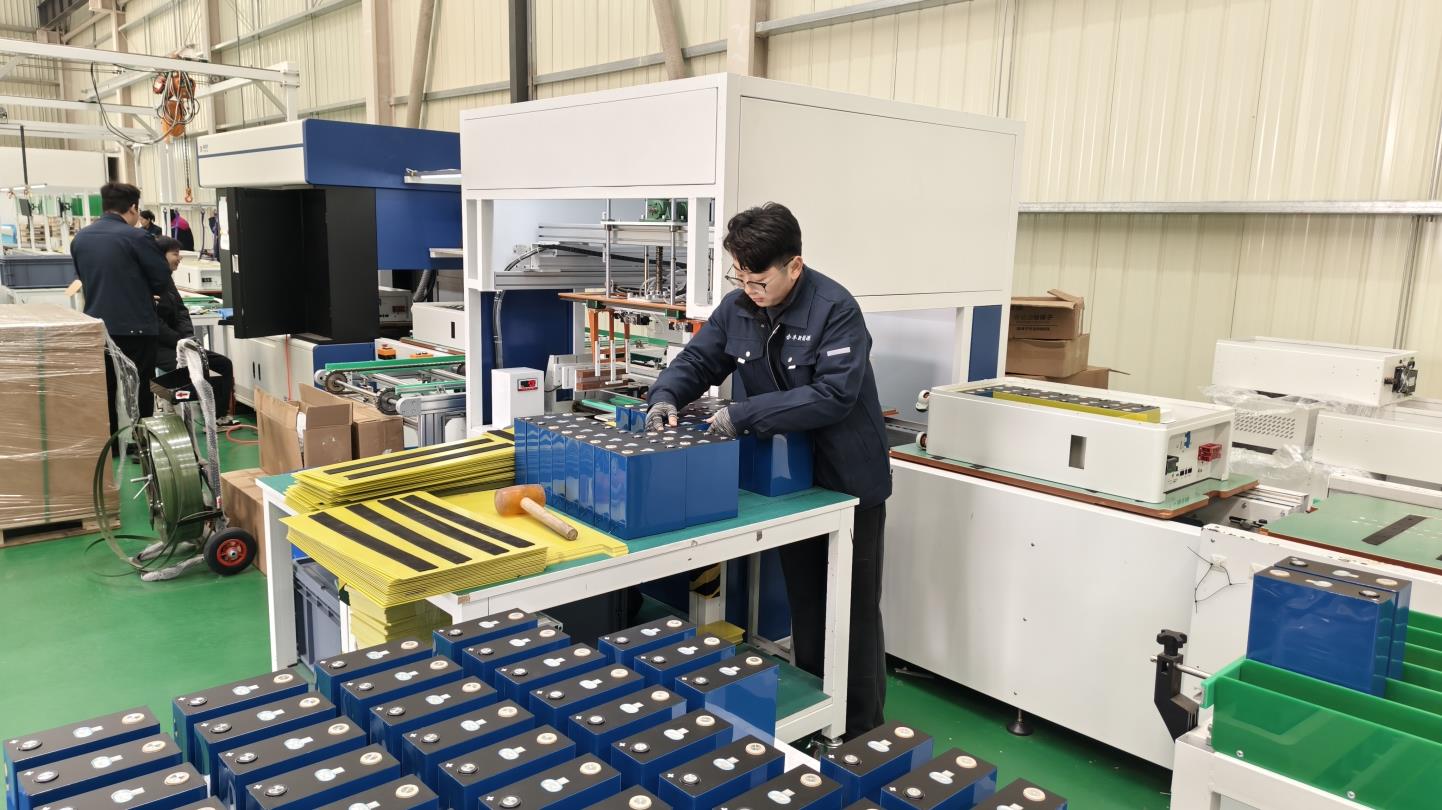
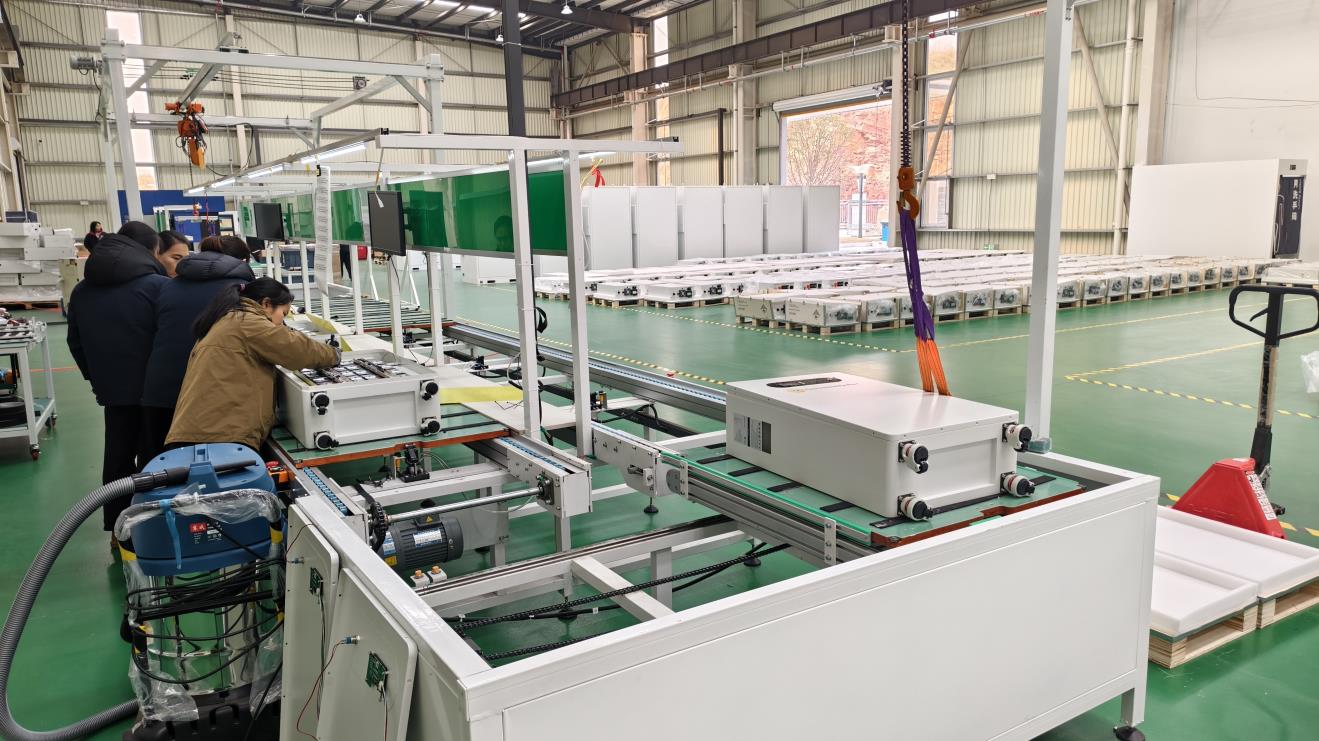
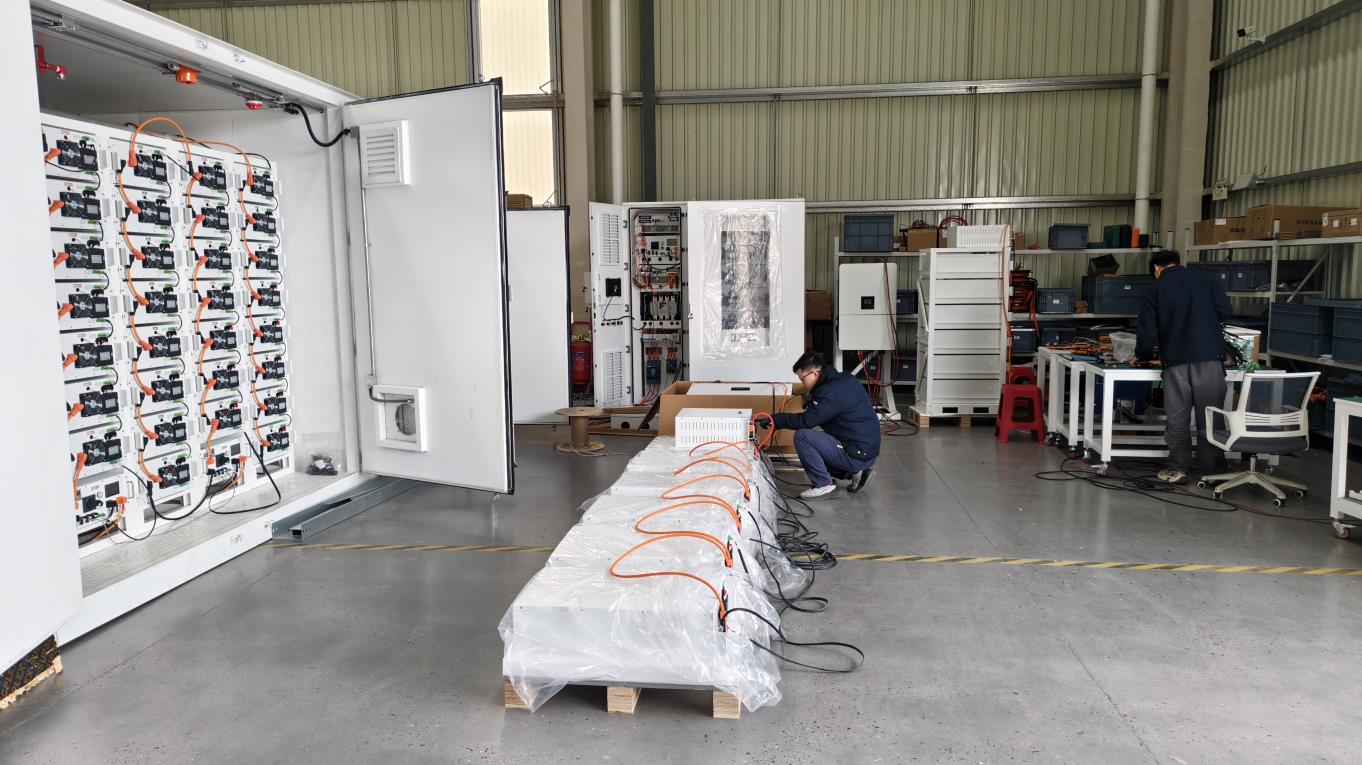
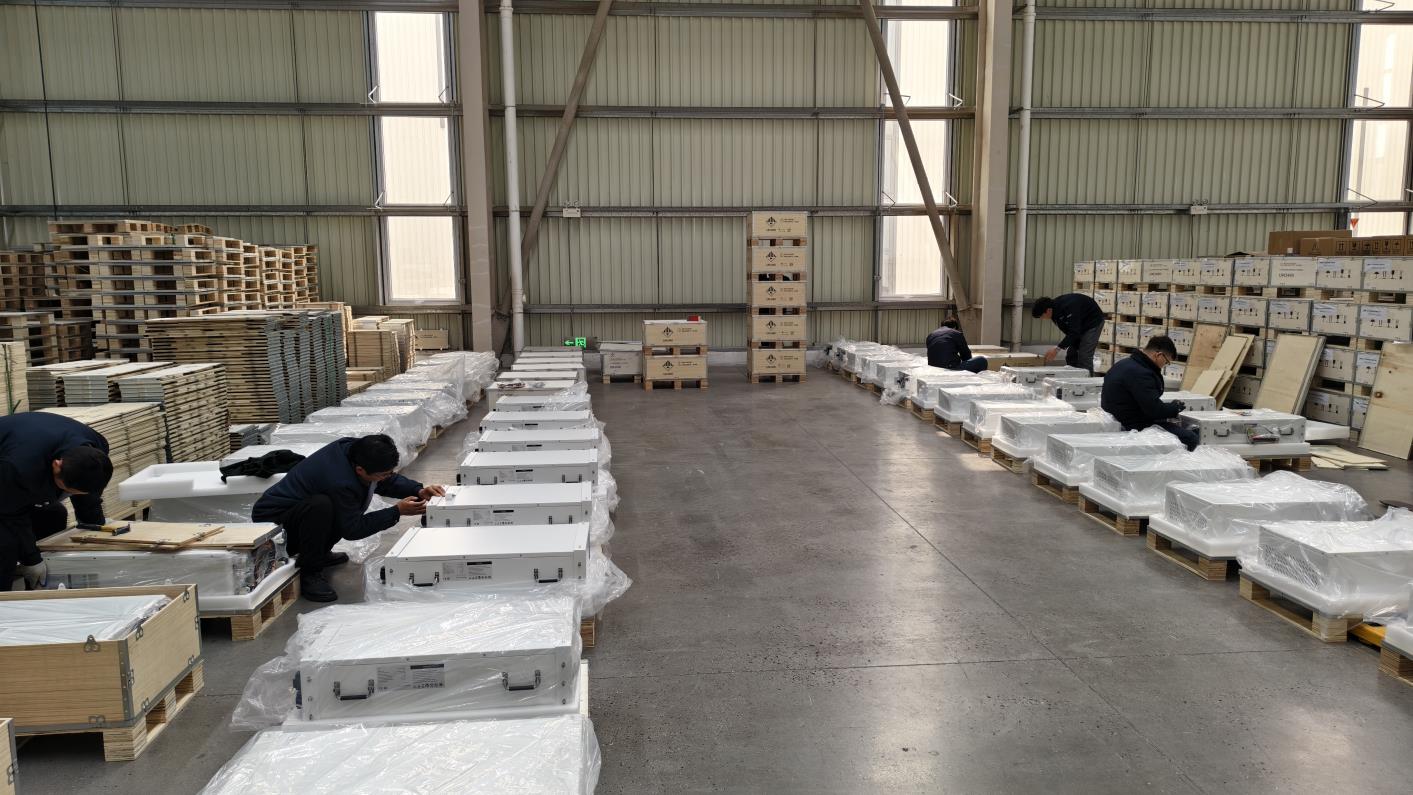
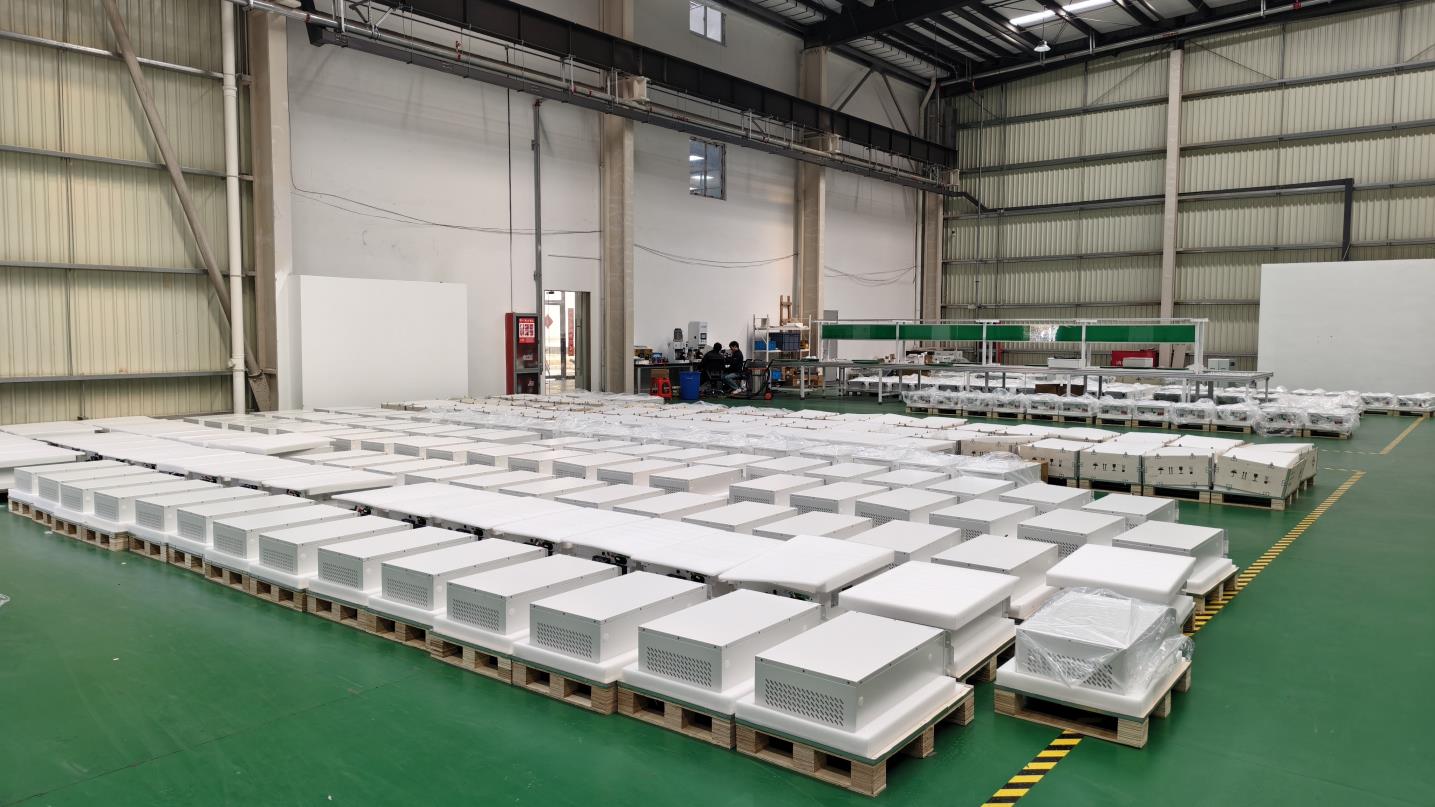
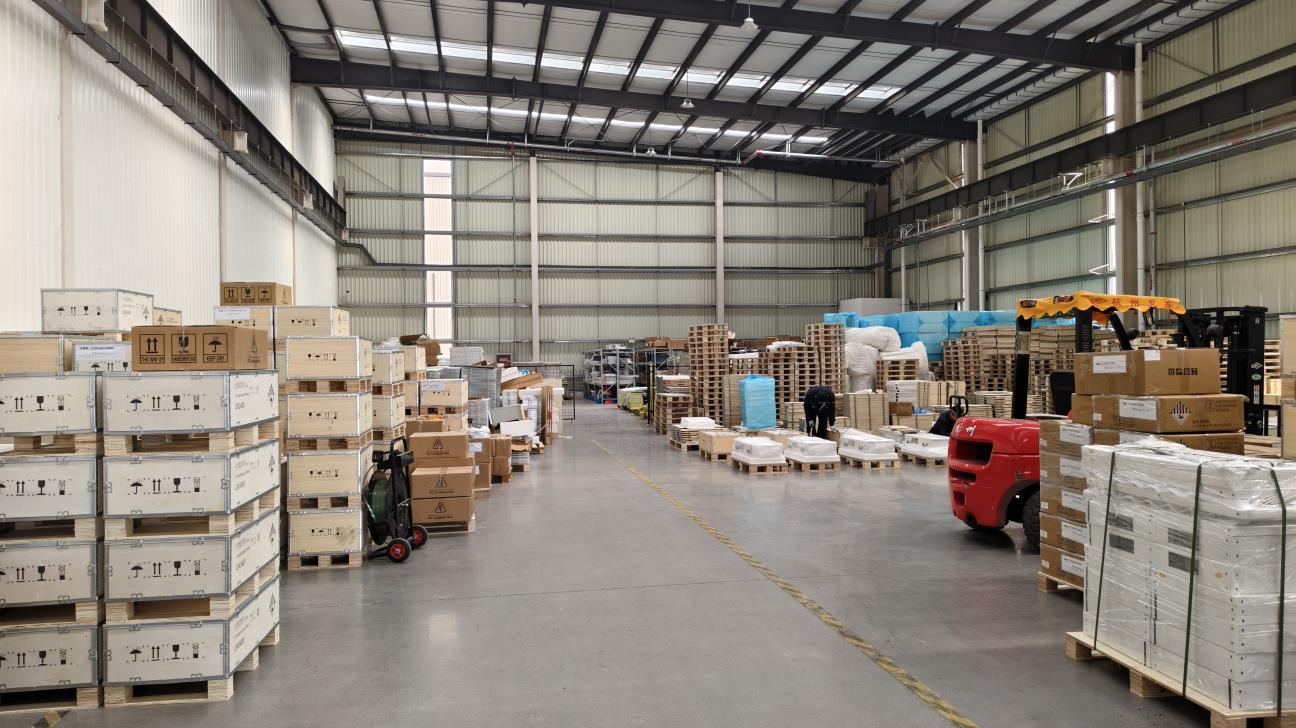
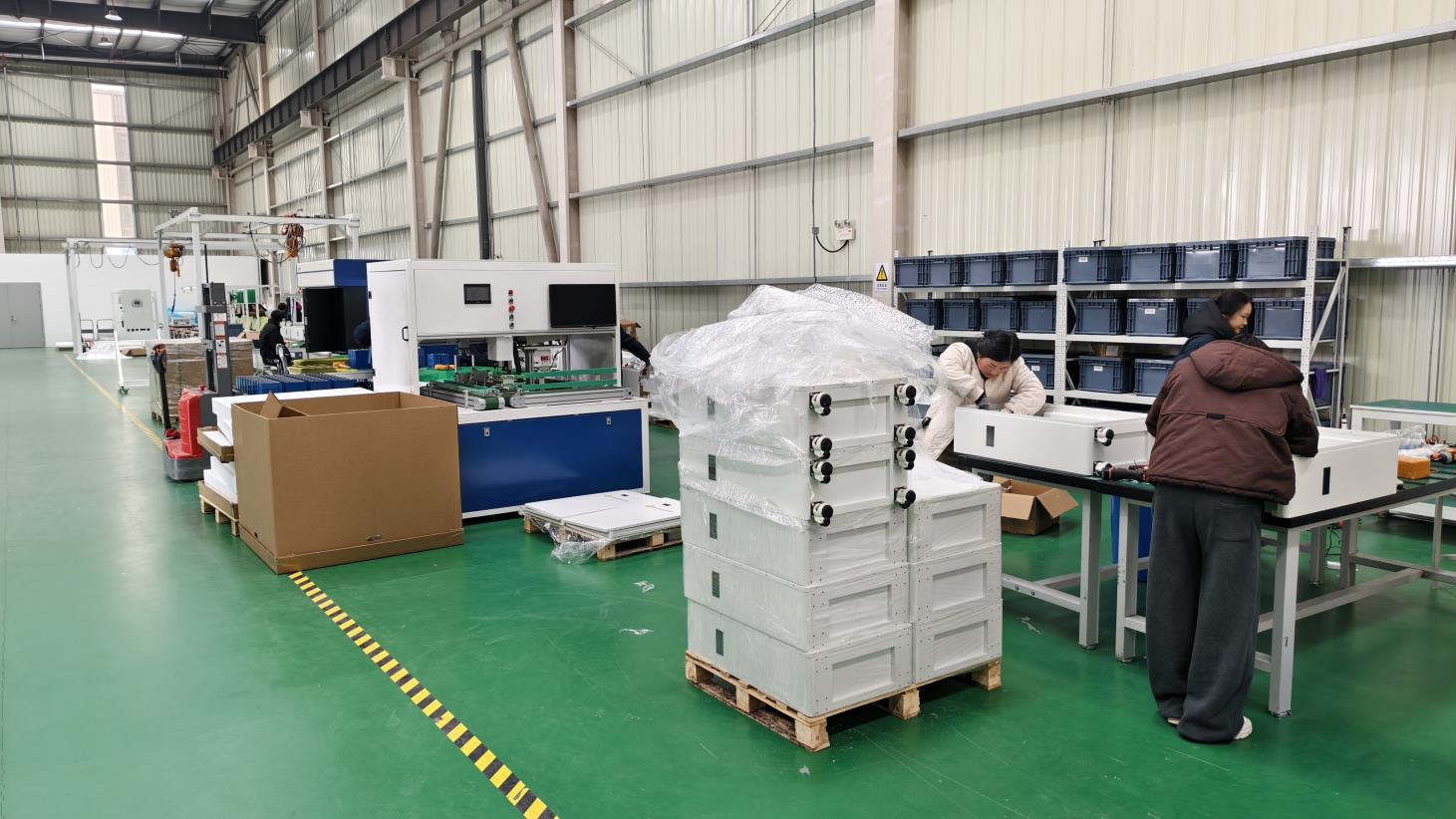
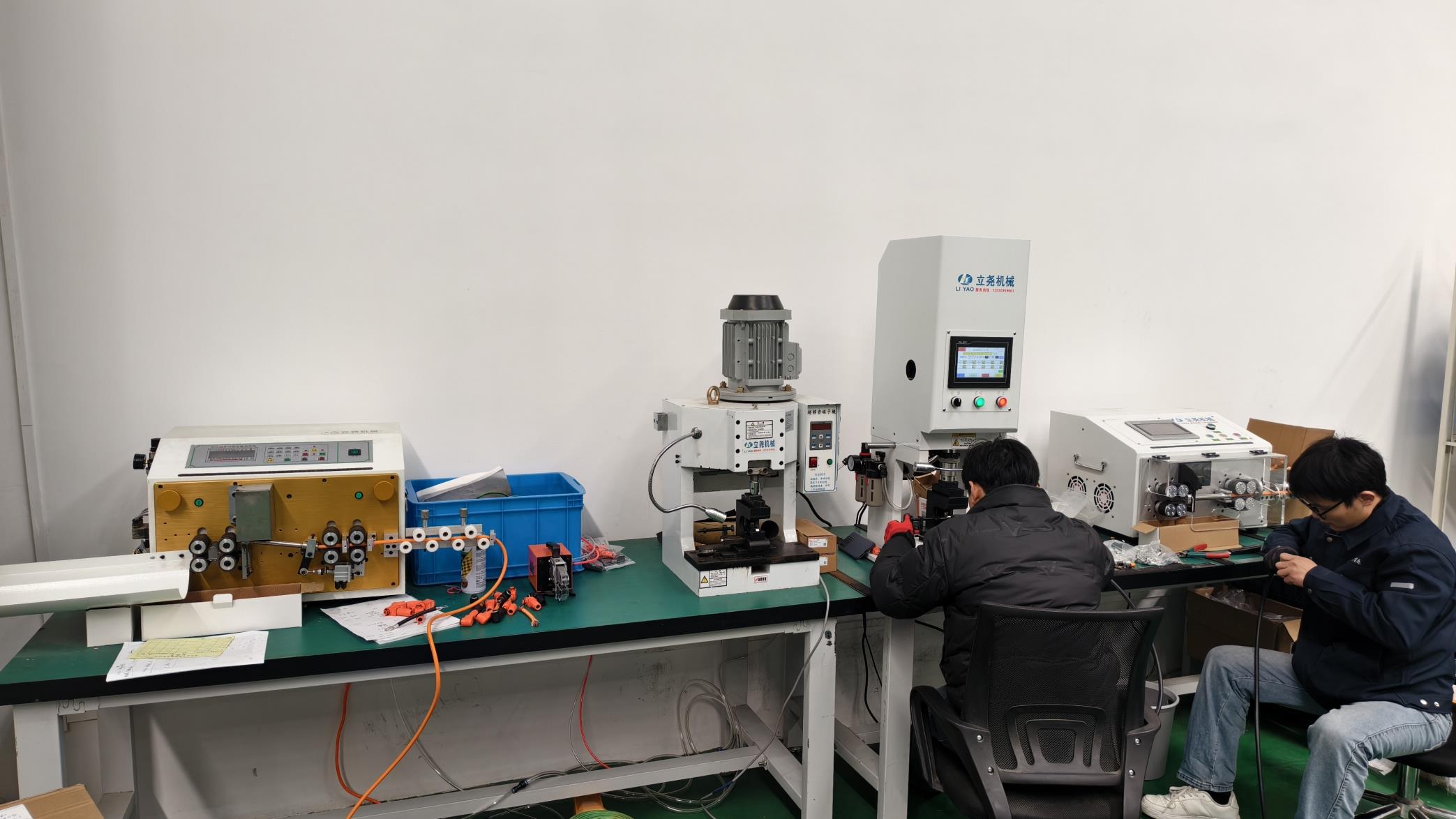
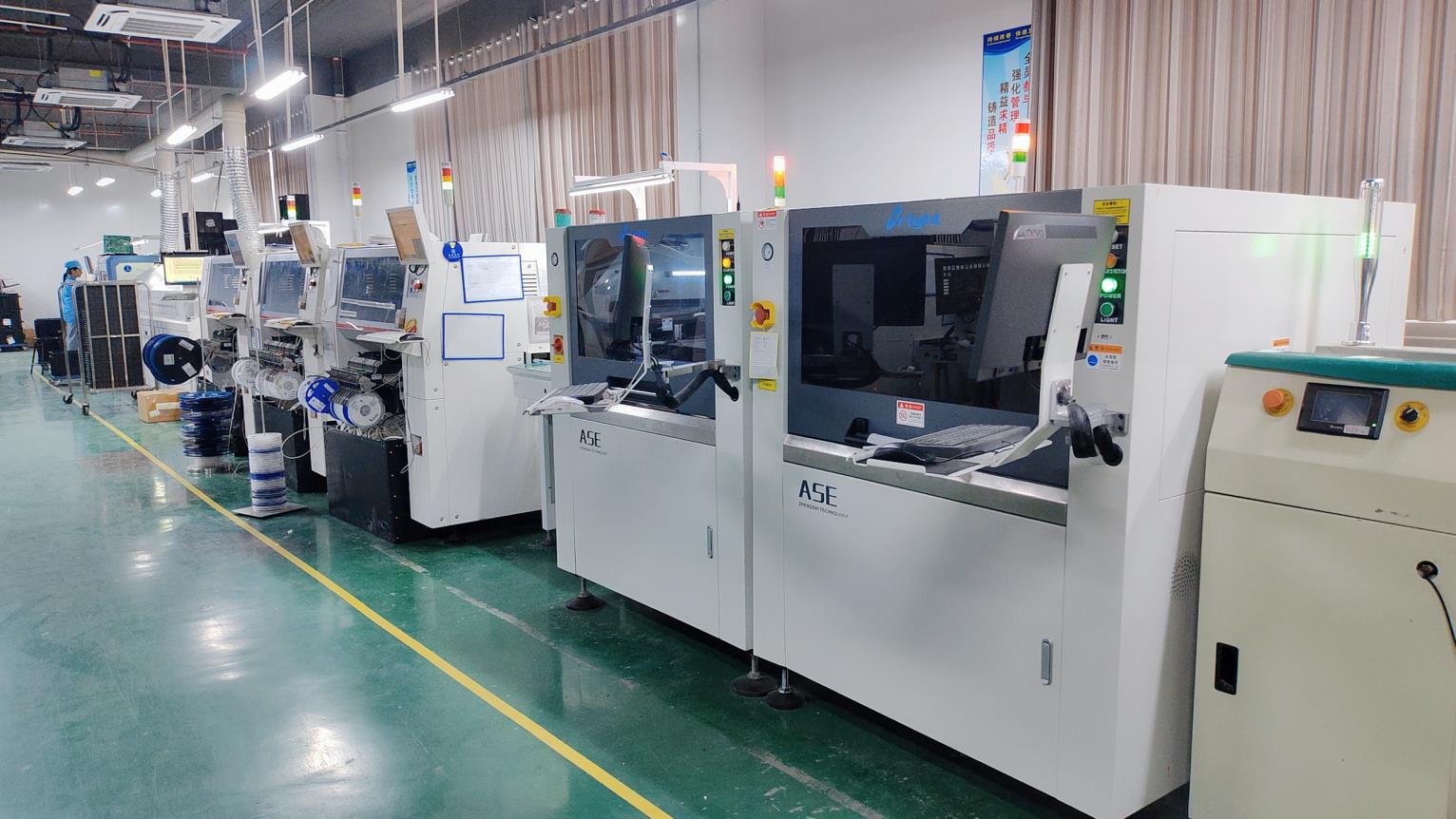
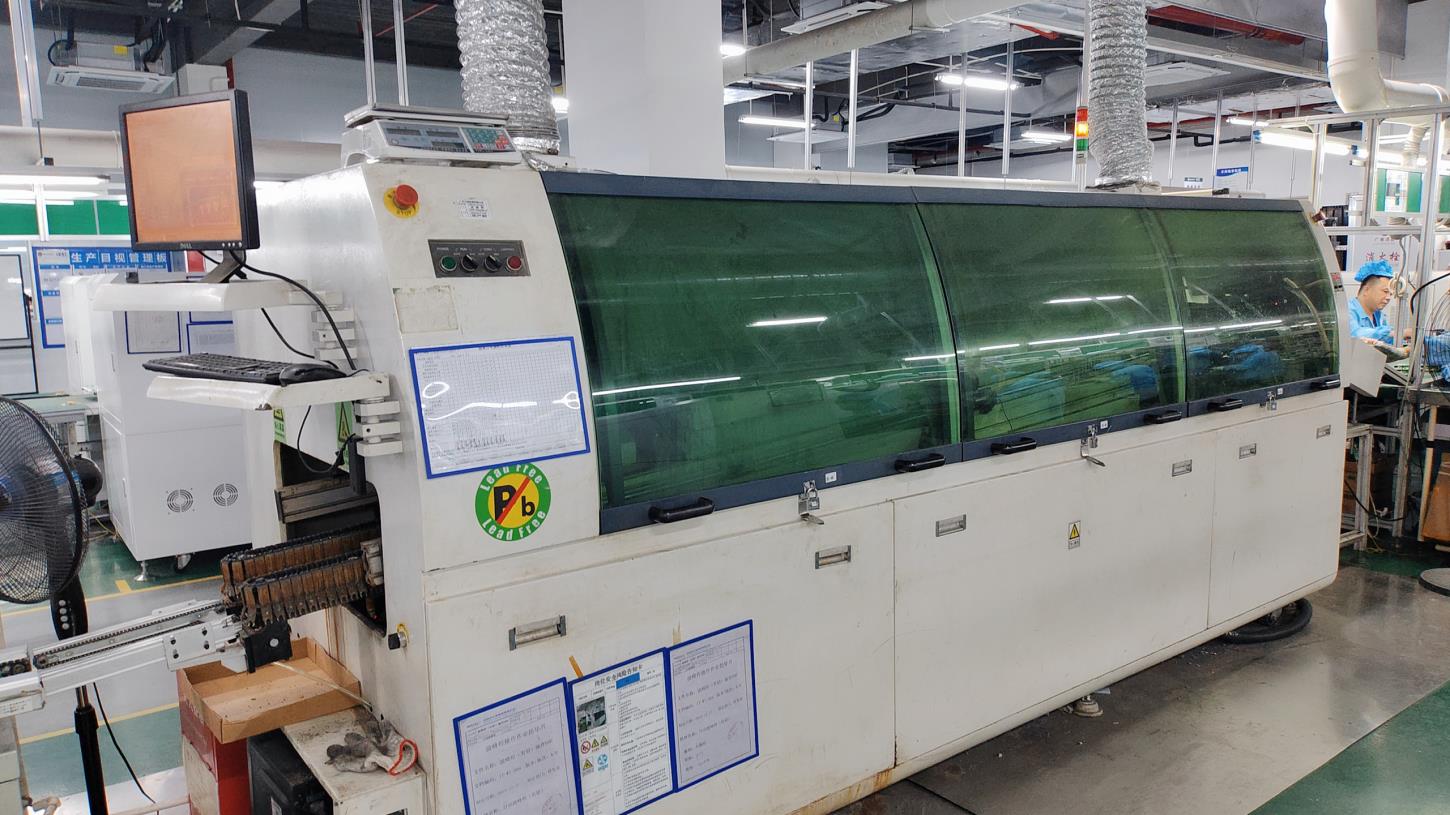
Aryam Energy's product portfolio includes solar inverters, energy storage systems, hybrid inverters, lithium battery solutions, solar water pumping systems, microgrid systems, and customized renewable energy projects. Driven by the vision of becoming a globally recognized clean energy technology leader, Aryam Energy actively collaborates with distributors, EPC contractors, government agencies, and international organizations to promote renewable energy adoption worldwide.
Comprehensive technical answers detailing compliance, operations, and procurement of solar street lighting systems in Switzerland.
 Aryam Energy