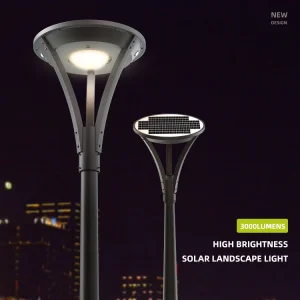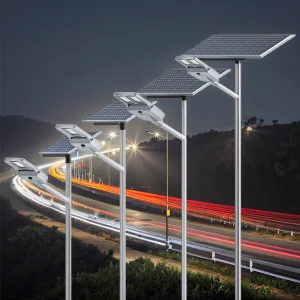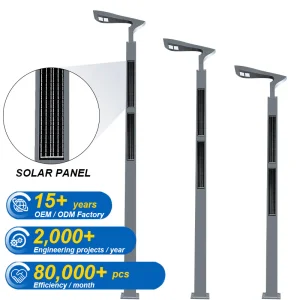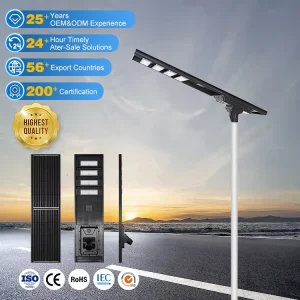
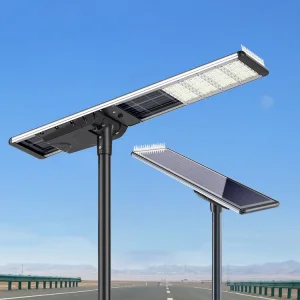
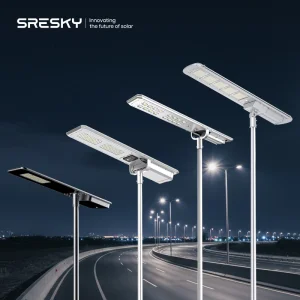
Nagoya, the capital of Aichi Prefecture and the manufacturing heart of Japan, is currently undergoing one of the most significant energy transitions in its modern history. Known worldwide as a center for the automotive, aerospace, and heavy industrial sectors, the Chubu region has traditionally been a high-energy-consuming economic hub. Under Japan's national target of achieving Net-Zero carbon emissions by 2050, the City of Nagoya has launched aggressive local green initiatives. These plans place particular emphasis on the decarbonization of local logistics, smart ports, and public transport infrastructure.
In this context, industrial street lighting represents a critical pathway to city-wide energy savings. By deploying smart solar street lights, municipal developers and manufacturing plants in Nagoya's expansive port zones, industrial parks, and residential pathways can significantly reduce their Scope 2 emissions. Crucially, solar street lights operate entirely off the grid, which provides exceptional system resilience. Given Japan's exposure to typhoons and earthquakes (such as predicted Nankai Trough scenarios), having grid-independent, localized solar lighting along coastal evacuation routes and major freight lanes is no longer just an environmental option—it is a vital pillar of disaster preparedness and civil defense.
Nagoya’s Smart City models emphasize the deployment of Internet of Things (IoT) technologies to optimize urban energy management. Modern solar street lights act as physical nodes in this ecosystem. Incorporating motion sensors, ambient light controllers, and wireless data links (such as LoRaWAN and cellular NB-IoT), these installations can be dynamically monitored from a central utility center. When a vehicle or pedestrian is detected along a port lane, the illuminance ramps up instantly. During periods of inactivity, the luminaires automatically dim to conserve stored energy, allowing systems to easily guarantee up to 5–7 continuous days of operation even during Nagoya’s overcast winter months.
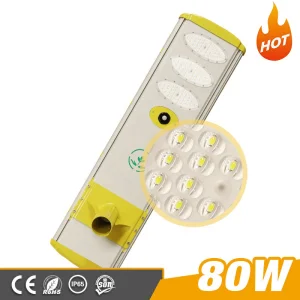
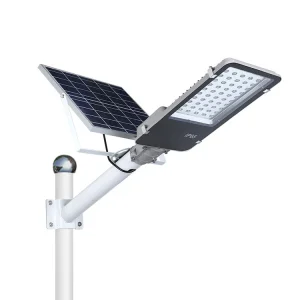
To withstand the marine, highly saline environments of the Port of Nagoya, commercial solar streetlights must satisfy stringent material and electronic specifications. A modern, industrial-grade streetlight is composed of four integrated components: the photovoltaic panel, the lithium battery pack, the controller, and the LED luminaire. Understanding these sub-systems is crucial for B2B procurement managers to ensure long-term ROI.
Unlike older polycrystalline cells, state-of-the-art solar lights utilize high-efficiency n-type TOPCon or PERC Monocrystalline silicon panels. These panels offer up to 24% conversion efficiency, generating more wattage per square centimeter. In high-latitude or coastal zones like Nagoya, where overcast or rainy conditions are frequent, n-type cells perform exceptionally well under low-light and diffuse solar radiation conditions, ensuring consistent battery charging cycles year-round.
The transition from traditional Lead-Acid and Gel batteries to Lithium Iron Phosphate (LiFePO4) chemistry represents a paradigm shift. LiFePO4 batteries offer a deep cycle life of more than 3,000–5,000 charges at 80% Depth of Discharge (DoD), compared to just 500 cycles for lead-acid alternatives. In addition, their thermal stability prevents thermal runaway, rendering them safe for urban deployments. Most importantly, built-in intelligent Battery Management Systems (BMS) manage balance, overcharge protection, and discharge limits, preventing capacity degradation over years of exposure to Nagoya's extreme seasonal shifts.
Maximum Power Point Tracking (MPPT) controllers act as the brain of the solar streetlight. By continuously tracking the voltage and current of the solar panel, MPPT technology harvests up to 30% more energy than legacy PWM (Pulse Width Modulation) controllers. Modern MPPTs are integrated with smart microprocessors that execute intelligent power management algorithms (e.g., adaptive dimming based on state-of-charge). Connected to wireless networks, these controllers report real-time status of battery health, current output, and led temperatures, allowing maintenance crews in Nagoya to proactively repair units before failure occurs.
Anhui Aryam Energy Co., Ltd. is a leading provider of advanced renewable energy solutions, dedicated to delivering reliable, efficient, and sustainable power systems for residential, commercial, industrial, and utility-scale applications worldwide. Through continuous innovation and a strong commitment to clean energy development, Aryam Energy has established itself as a trusted partner in the global transition toward a low-carbon future.
The company specializes in the research, development, manufacturing, and integration of solar energy systems, energy storage solutions, hybrid power systems, and intelligent microgrid technologies. Leveraging cutting-edge engineering expertise and strict quality management standards, Aryam Energy provides comprehensive energy solutions tailored to diverse market needs, particularly in regions facing energy shortages, unstable grid infrastructure, or increasing demand for sustainable power generation.
With a professional R&D team and a growing portfolio of proprietary technologies, Aryam Energy continuously invests in innovation to enhance system performance, energy efficiency, and long-term reliability. Its products and solutions are designed to meet international standards and have been successfully deployed across Asia, Africa, the Middle East, Europe, and Latin America, serving customers in more than 100 countries and regions.
Aryam Energy's product portfolio includes solar inverters, energy storage systems, hybrid inverters, lithium battery solutions, solar water pumping systems, microgrid systems, and customized renewable energy projects. The company is committed to providing integrated energy solutions that maximize energy independence, reduce operational costs, and support environmental sustainability.
Driven by the vision of becoming a globally recognized clean energy technology leader, Aryam Energy actively collaborates with distributors, EPC contractors, government agencies, international organizations, and development partners to promote renewable energy adoption worldwide. Through its mission of "Empowering Sustainable Energy for a Better Future," the company strives to create long-term value for customers while contributing to global carbon reduction goals and sustainable social development.
By combining technological innovation, product excellence, and customer-centric service, Anhui Aryam Energy Co., Ltd. continues to deliver smart, reliable, and environmentally responsible energy solutions that help build a greener and more sustainable world.
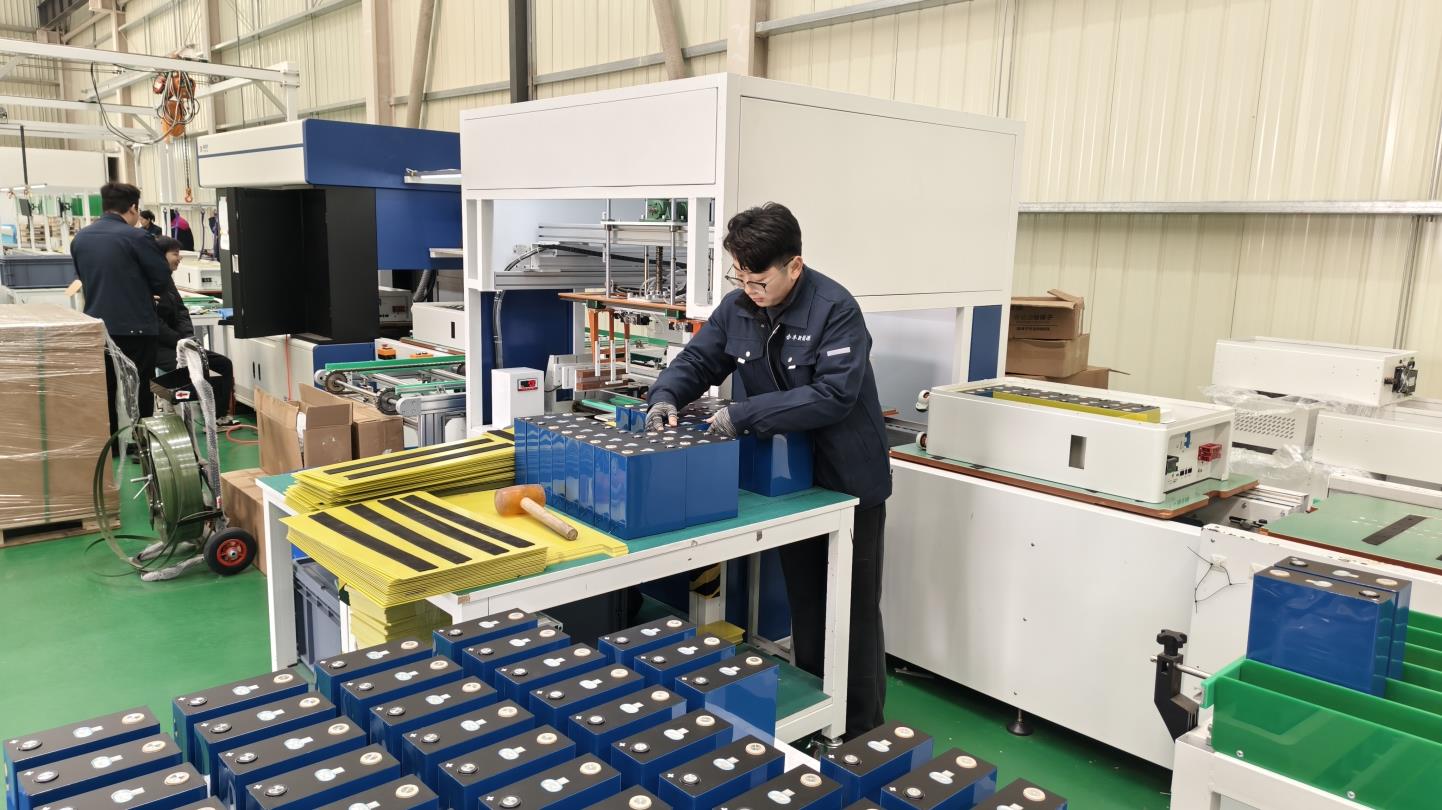
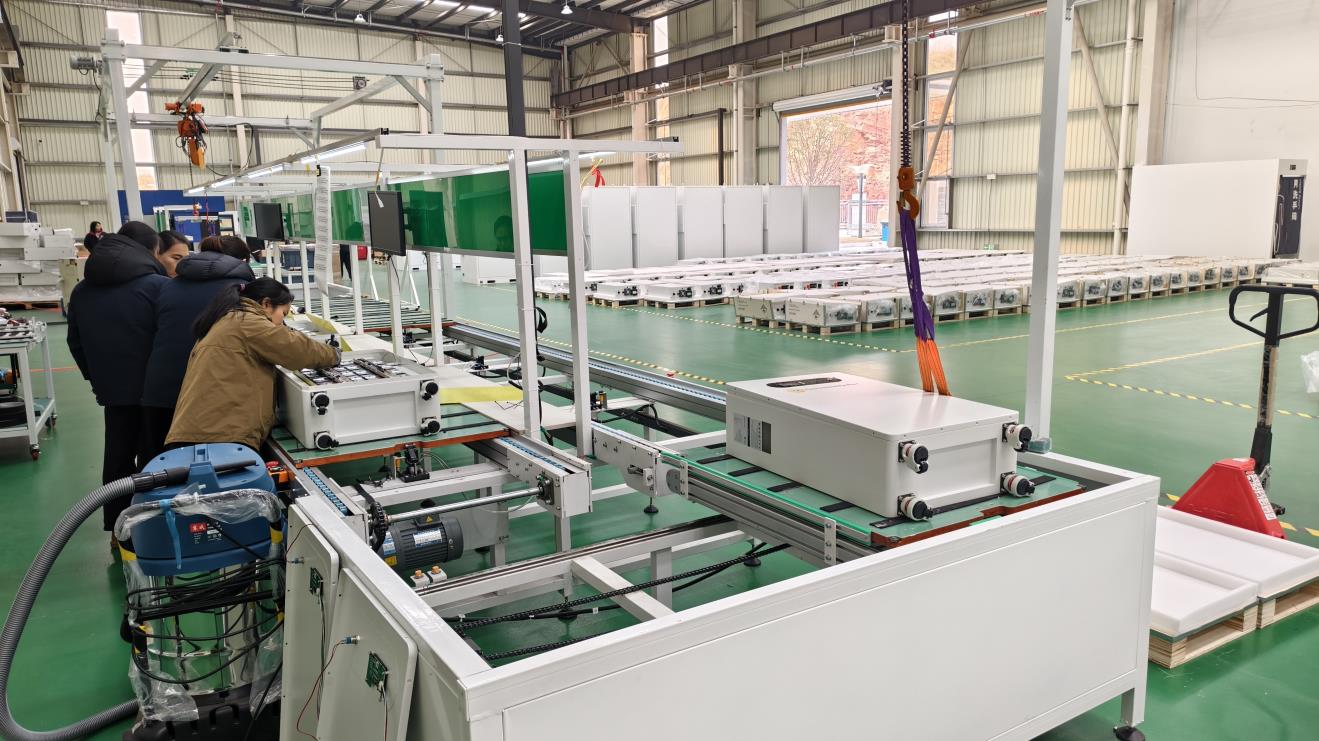
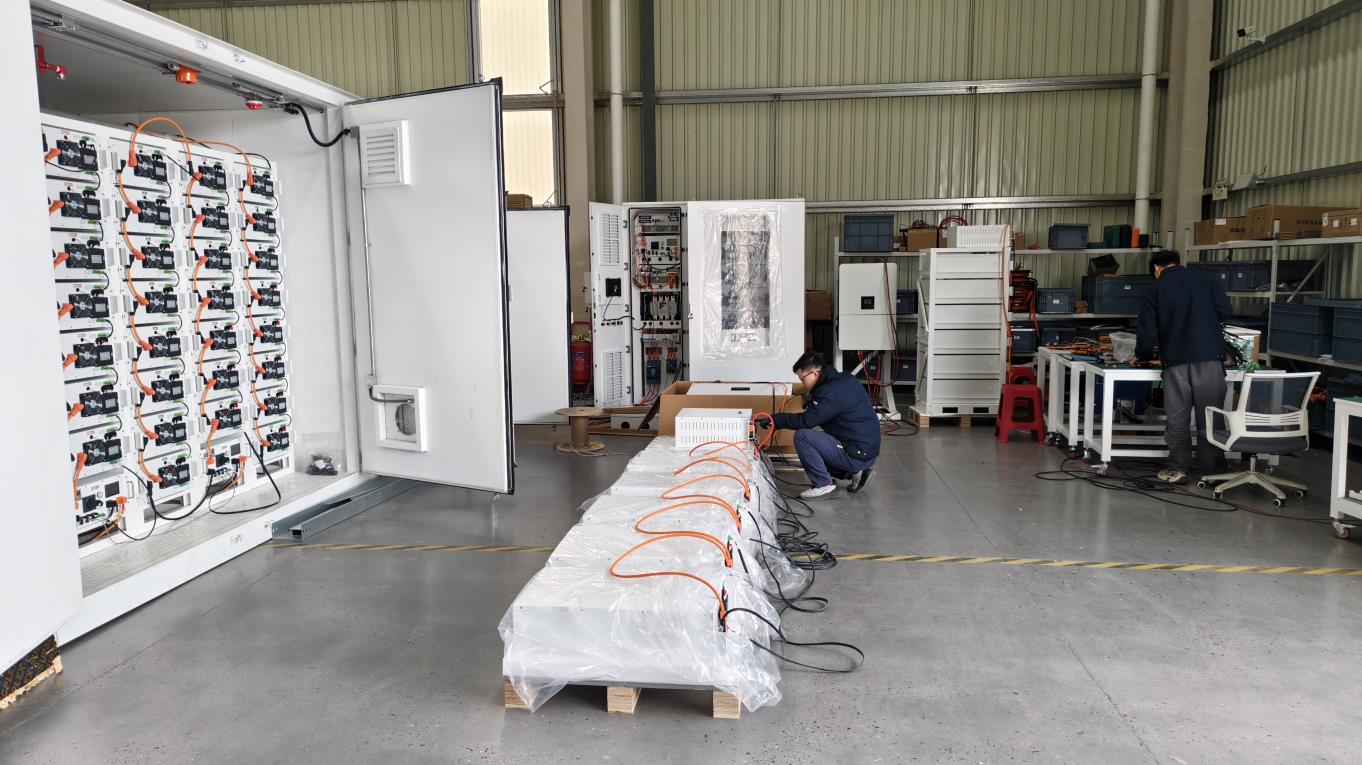
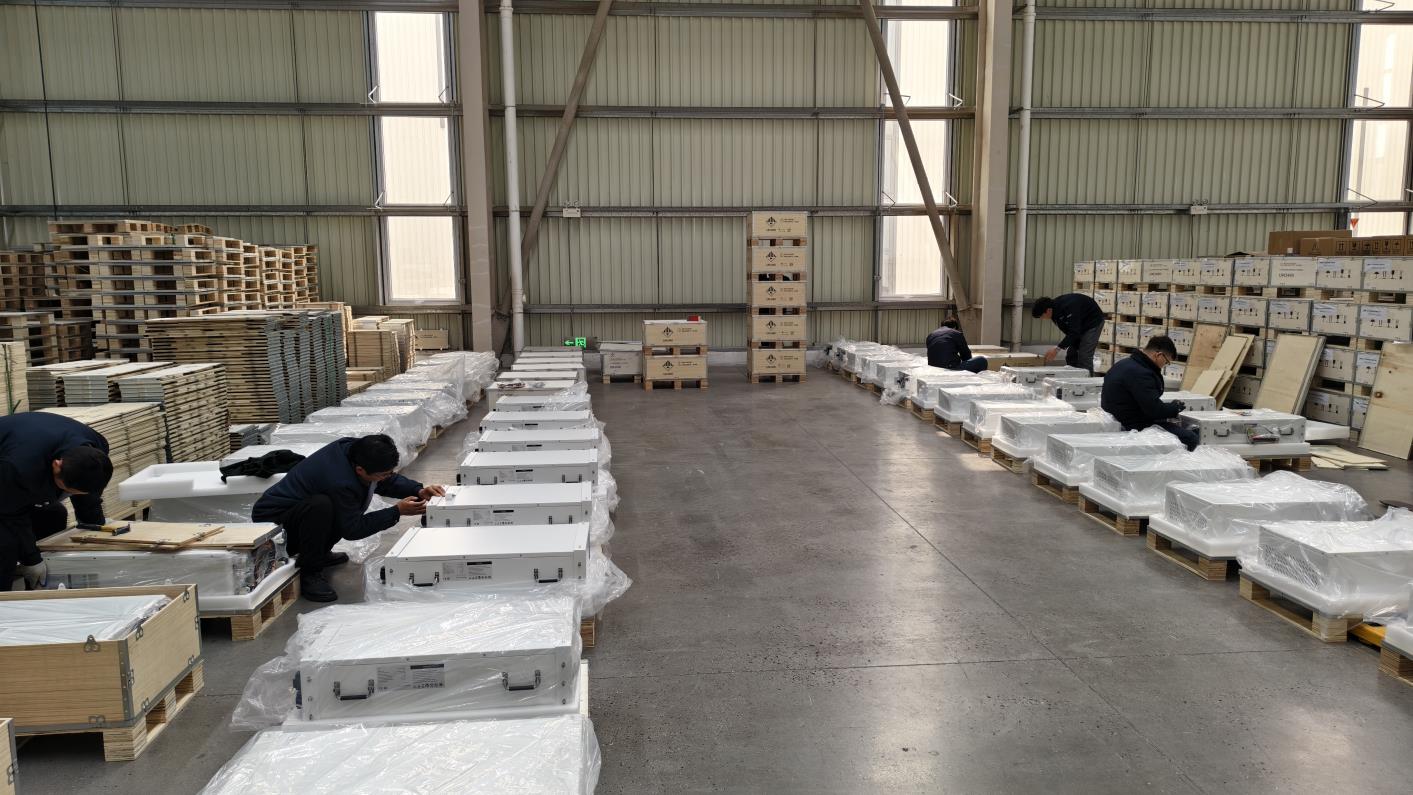
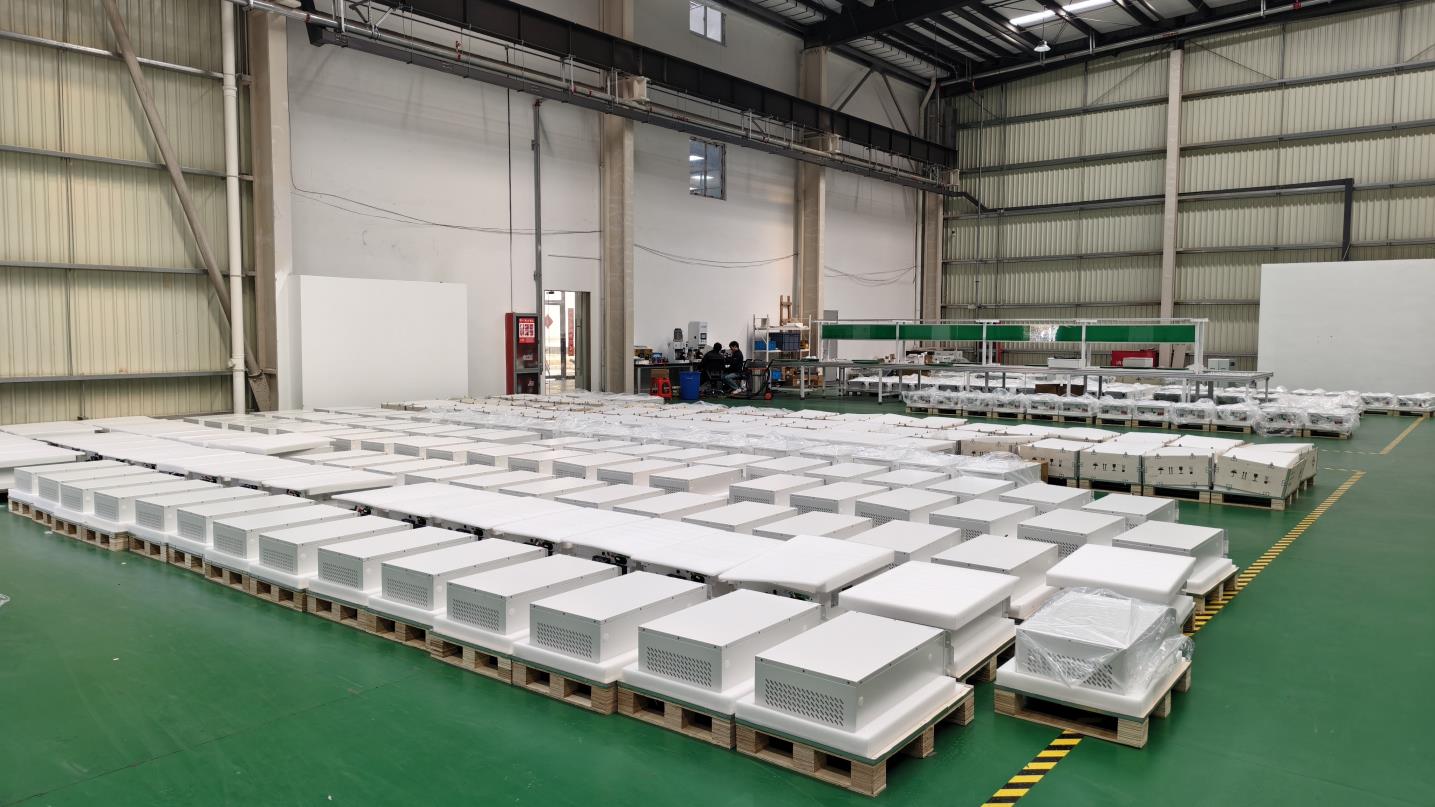
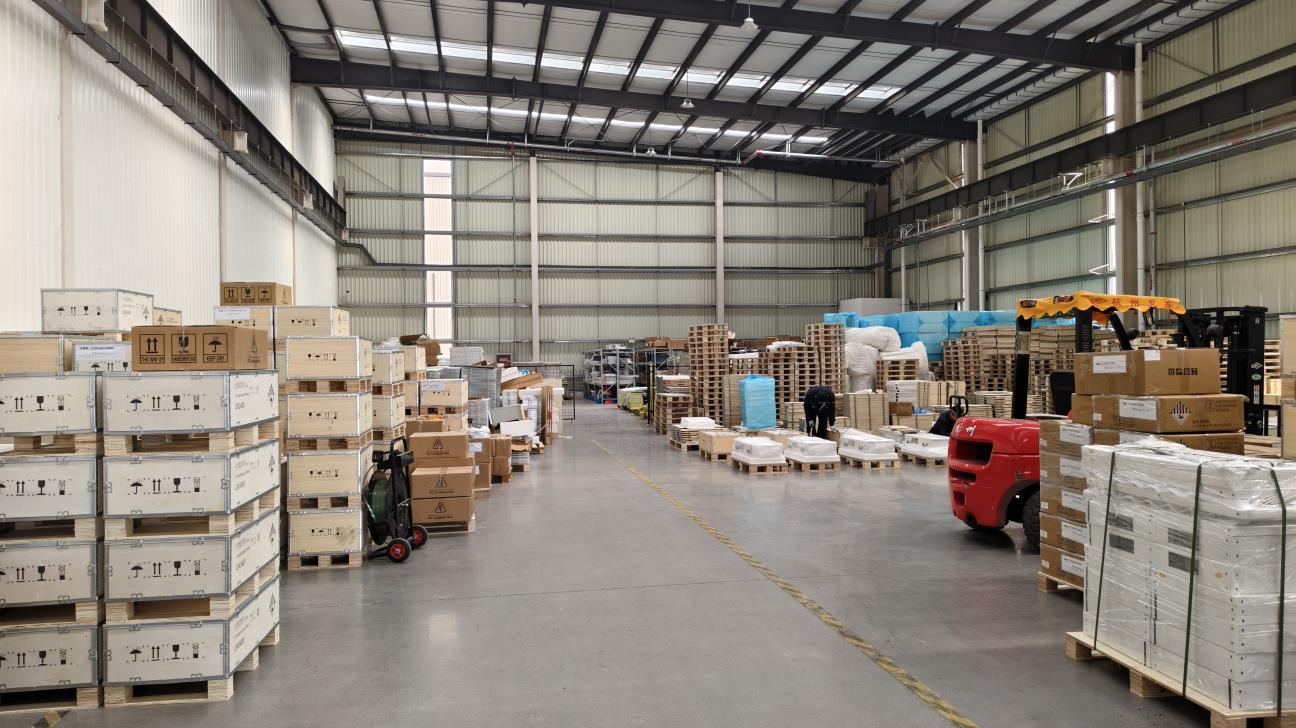
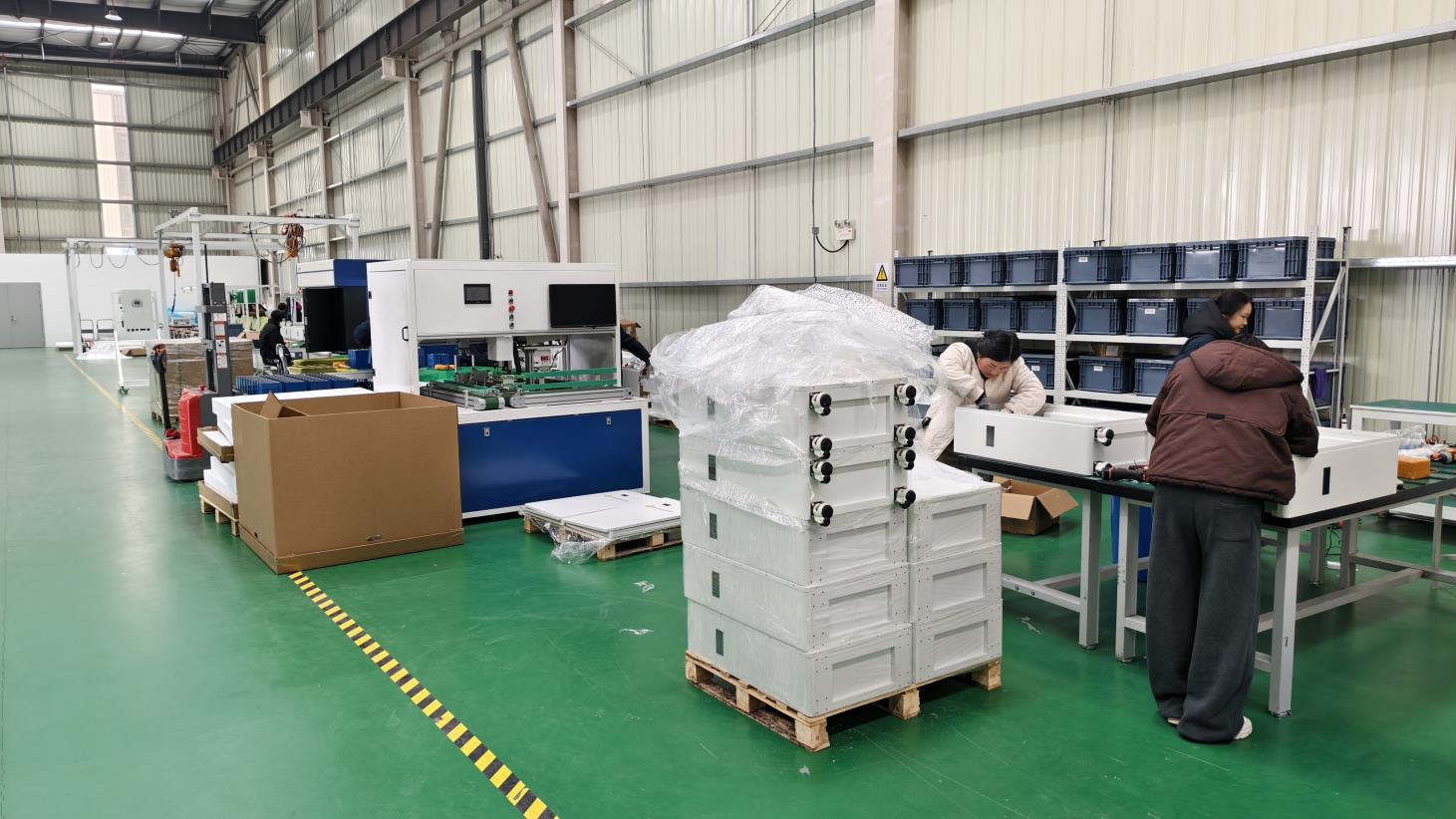
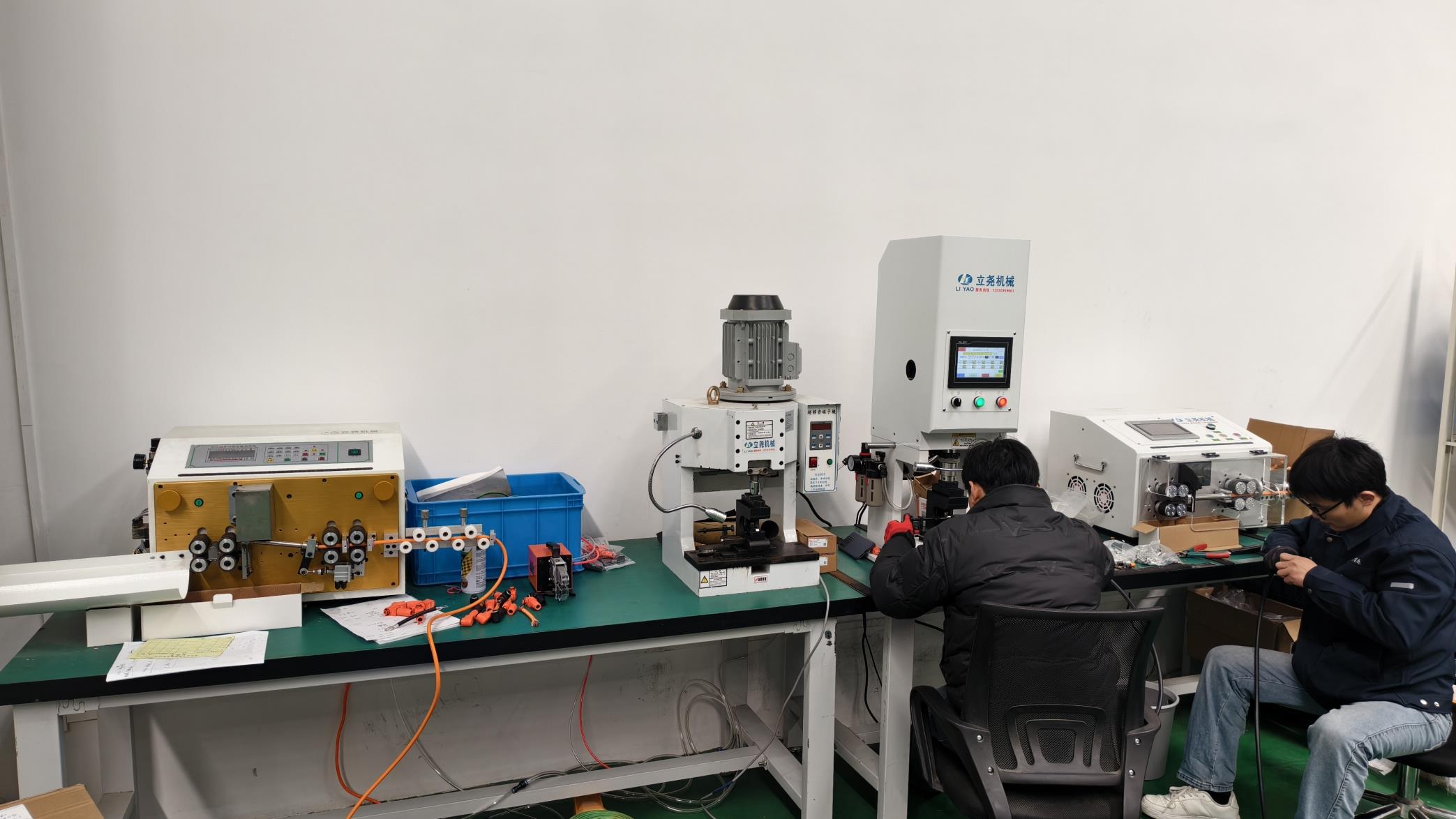
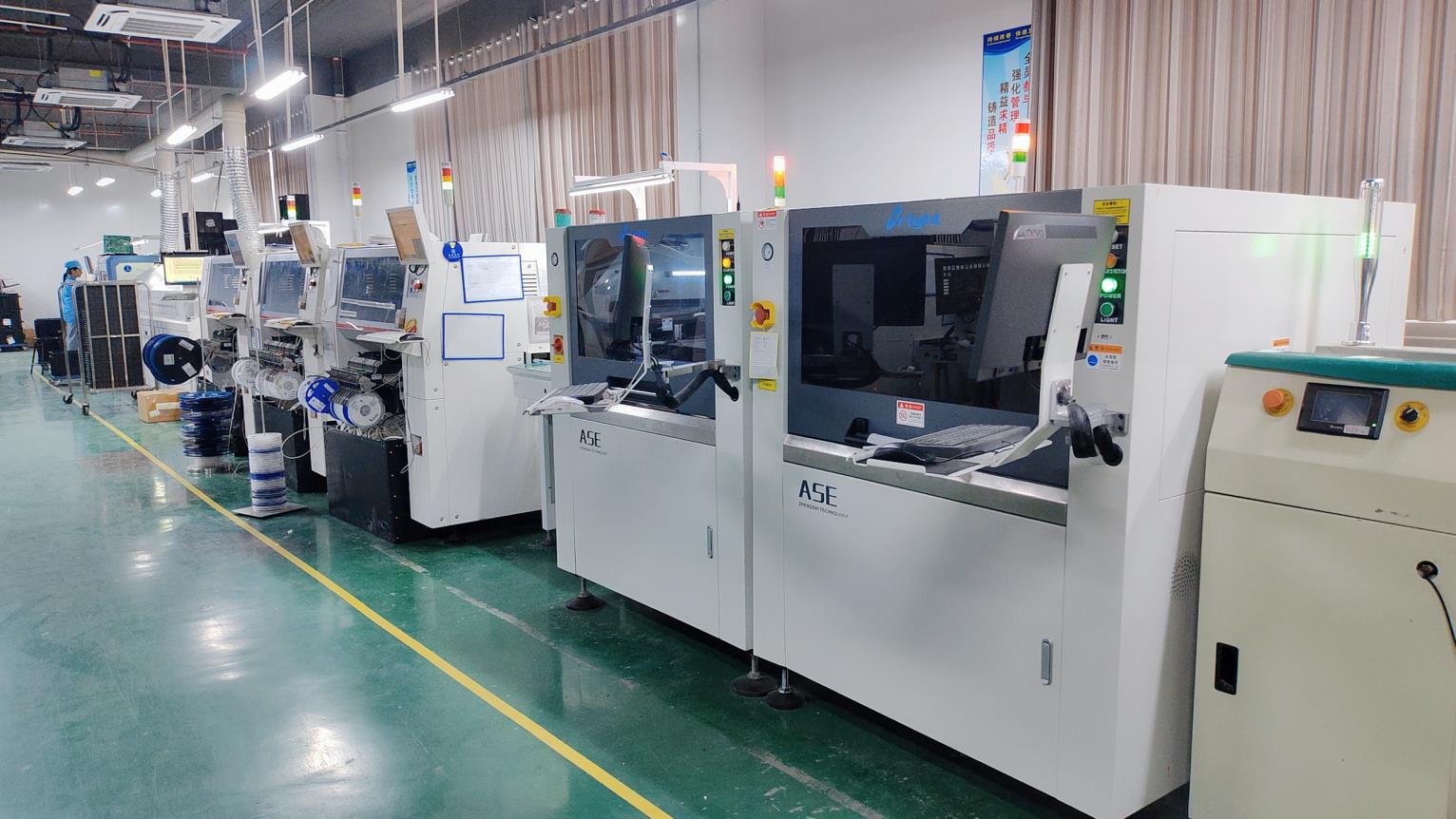
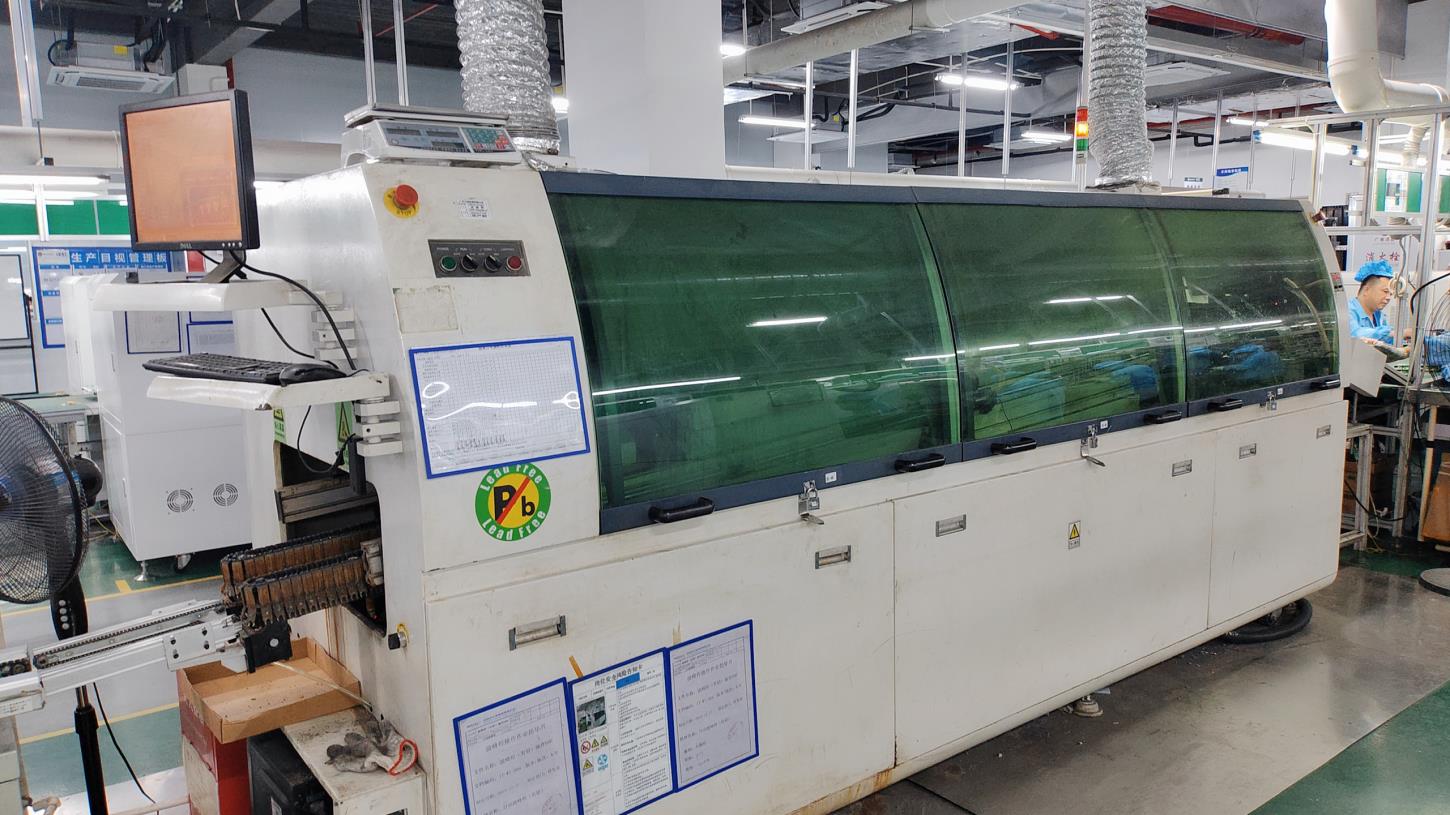
For Nagoya's logistics managers, municipal engineering offices, and B2B buyers, sourcing directly from top-tier Chinese manufacturers (such as Anhui Aryam Energy) presents major competitive advantages. Over the past decade, China has built an unparalleled industrial cluster for renewable energy products. This concentrated supply chain network encompasses raw silicon refining, cell processing, lithium chemical manufacturing, intelligent control circuit design (SMT line processes), and light fixture production. By bypassing intermediate brokers and ordering directly from Chinese manufacturers, buyers can access cutting-edge technologies while securing up to a 35% reduction in capital expenditures.
Moreover, China’s close geographical proximity to Japan facilitates streamlined maritime logistics. High-volume shipments from East China hubs (such as Shanghai and Ningbo ports) arrive directly at the Port of Nagoya in less than 7 days. This allows Japanese EPC contractors to maintain tight project timelines for municipal upgrades while minimizing overall freight costs.
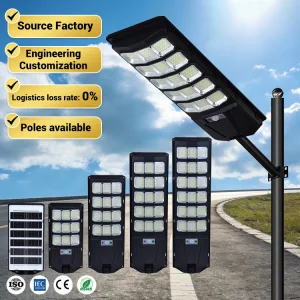
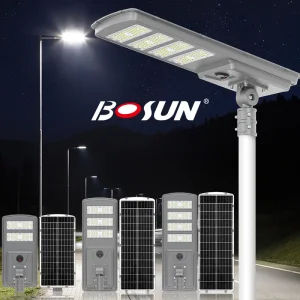
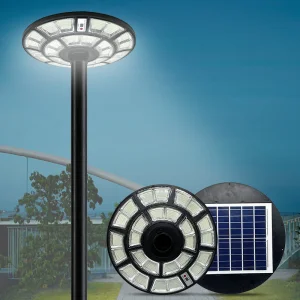
The unique geography and industrial dispersion of the Chubu region mean that lighting systems must be highly targeted. Generic products often fail due to salt corrosion, high wind loads, or inadequate battery sizing. We analyze four dominant local application scenarios below:
Nagoya Port experiences heavy, humid sea air laden with salt particles. This environment accelerates the rust and galvanic corrosion of standard aluminum and iron fixtures. Solutions deployed here require a minimum of IP66 ingress protection and specialized C5-M marine-grade anti-corrosion coatings on the outer housing. Luminaires must also feature integrated solar-wind hybrid components or low-profile, integrated aerodynamics to withstand the sustained, high-speed winds common along coastline shipping terminals.
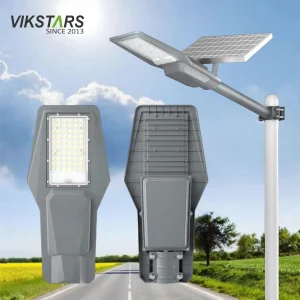
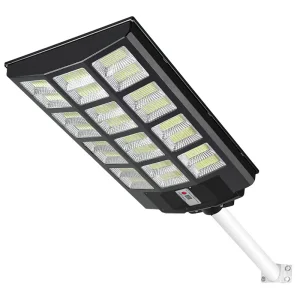
The manufacturing corridors around Toyota City and local industrial estates demand consistent, bright illumination for night shifts and large heavy-vehicle loading bays. All-in-one solar streetlights with high luminous efficiency (exceeding 180 lumens per watt) are ideal. By using customized beam optics (Type II and Type III distribution patterns), the light is directed precisely onto traffic lanes and loading decks, preventing spillover waste and minimizing light pollution in surrounding ecosystems.
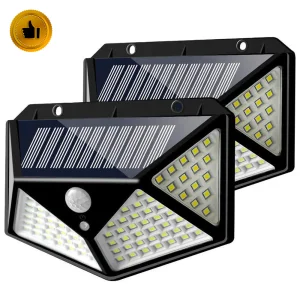
Japan’s disaster risk prevention standards require that evacuation pathways to public schools, hillsides, and community shelters stay illuminated in the wake of severe seismic events. Conventional grid-tied lights are prone to systematic failures during blackouts. Modern solar street lights configured with double-day autonomy batteries (providing up to 7 consecutive rainy days of operation) guarantee that escape routes remain safe. Intelligent PIR motion sensors reduce the luminaire to 30% brightness when empty, instantly waking to 100% output when escaping citizens or emergency vehicles approach.
Procuring solar lighting systems for commercial or municipal projects in Nagoya demands a structured compliance check. Unlike residential electronics, commercial lighting infrastructure must operate reliably in the public sphere for over a decade. B2B buyers must prioritize the following compliance and engineering standards:
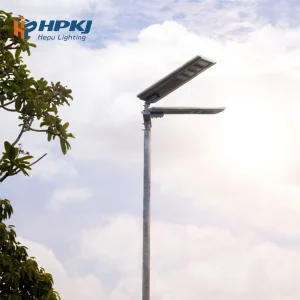
Because Aichi Prefecture lies within a typhoon corridor, the wind resistance of the entire street light assembly (solar panel angle, surface area, and steel pole structure) must be carefully calculated. Certified suppliers provide comprehensive structural reports calculating wind loads up to 45 m/s. This ensures that the physical torque created by strong coastal winds does not lead to structural fatigue or failure of the mounting bracket.
 Aryam Energy