Why Learn How to Install an Off Grid Solar Kit?

Time:2026-10-27 Author:Charlotte
0%

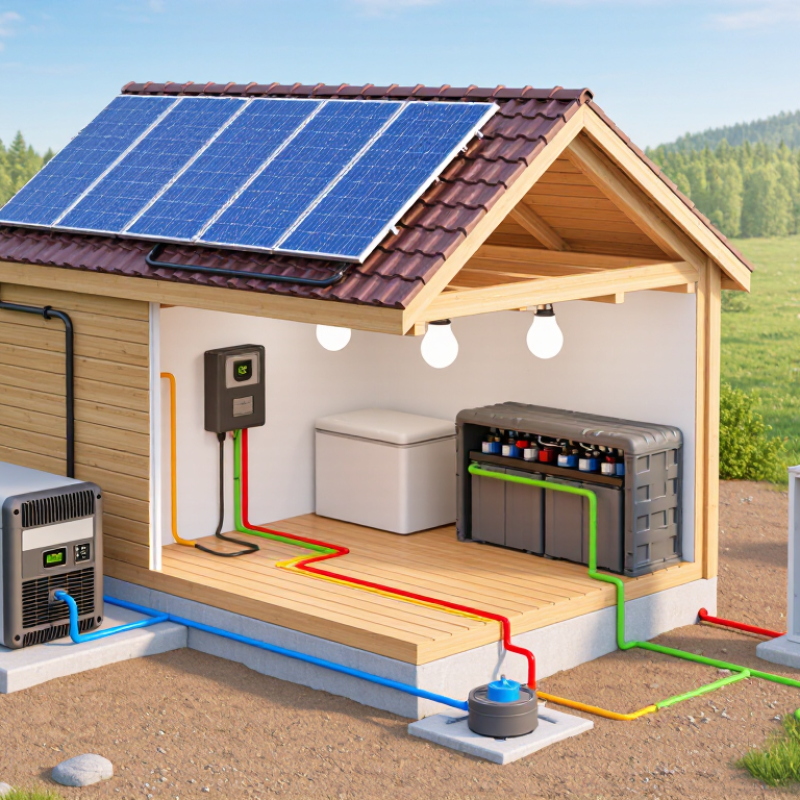
Learning how to install off grid solar kit can transform sunlight into dependable power for a cabin, workshop, or remote home. It also demands careful planning, realistic expectations, and respect for electrical safety. A solar system is more than panels on a roof. It includes batteries, a charge controller, an inverter, cables, fuses, disconnects, and suitable mounting hardware.

The learning process becomes clearer when each component has a purpose. Panels collect energy, while the controller manages charging. Batteries store power for cloudy evenings. The inverter supplies usable electricity to approved appliances. Accurate measurements matter. A small refrigerator, water pump, and several lights can require more energy than expected. Seasonal sunlight also changes system performance.

Real installation experience often reveals overlooked details. A shaded panel can reduce output sharply. A loose connection may create heat. An undersized cable can waste energy and damage equipment. I once underestimated evening consumption during early planning, and the battery reserve disappeared before morning. That mistake showed me why load calculations should precede equipment purchases.

This guide explains how to install off grid solar kit with practical steps and professional guidance. It encourages checking manufacturer instructions, local electrical requirements, and site conditions before touching any wiring. Where regulations or system size create uncertainty, a licensed electrician should inspect the work. Safety comes first. Good preparation makes the system more reliable, maintainable, and easier to improve later.
Why Learn How to Install an Off Grid Solar Kit?

Understanding Off-Grid Solar Systems and Their Energy Independence

Why Learn How to Install an Off Grid Solar Kit?

Understanding Off-Grid Solar Systems and Their Energy Independence

An off-grid solar system produces and stores electricity without relying on a public utility connection. Solar panels generate power during daylight, while batteries supply energy after sunset or during cloudy periods. A charge controller manages battery input, and an inverter changes stored direct current into usable household electricity. Each component affects the others. A small battery can limit the entire system, even when the panels are large.

Learning the installation process builds practical knowledge and improves energy decisions. You can measure daily loads, inspect roof shade, and choose suitable cable sizes. For example, a refrigerator may consume more energy than several LED lamps combined. Record appliance use with a meter for several days. My first estimate was too optimistic because I ignored nighttime loads. That mistake showed me why real measurements matter.

Energy independence also requires careful planning, not just equipment. Batteries need ventilation, temperature awareness, and regular inspection. Panels need secure mounting and clear access for cleaning. System grounding, overcurrent protection, and disconnects should follow local electrical requirements. A qualified electrician should review final connections, especially in complex installations. Off-grid living can feel empowering, but winter weather may reduce production sharply. Keeping essential loads separate from optional devices makes shortages easier to manage. Some compromises remain. That is part of the lesson.

Assessing Your Site, Energy Needs, and Solar Potential

Why Learn How to Install an Off Grid Solar Kit?

Assessing Your Site, Energy Needs, and Solar Potential

Installing an off-grid solar kit begins with measurement, not equipment. Walk around the property during morning, noon, and late afternoon. Note roof direction, open ground, tree shadows, and seasonal obstructions. A clear winter view may become shaded when nearby trees grow. During one site check, my first solar estimate was too optimistic because I ignored late-day shadows.

List every appliance and record its wattage, daily operating hours, and starting surge. Refrigerators, pumps, and power tools may briefly demand much more electricity. Separate essential loads from occasional comforts. This distinction helps size the panels, battery bank, inverter, and backup plan more realistically. Weather records also matter, since cloudy weeks can reduce production sharply.

Tips: Use a compass and a simple shading log. Measure actual appliance consumption when possible. Leave room for future loads, but avoid oversized equipment without evidence. Check local electrical requirements and installation clearances before making decisions. A qualified electrician can review grounding, wiring protection, and battery placement. Small mistakes can become expensive. Think carefully.

Choosing Compatible Components for a Reliable Solar Kit

Learning to install an off-grid solar kit starts with matching every component, not simply buying the largest panel. Compatibility comes first. Solar panels, charge controllers, batteries, inverters, cables, and protective devices must work within shared voltage and current limits. A panel may produce enough energy, yet an unsuitable controller can waste power or overcharge the battery. Check the technical specifications carefully. Measure twice.

Battery chemistry also affects the entire system design. Different batteries require different charging settings, ventilation, and temperature protection. A battery bank should store enough energy for cloudy periods without operating beyond its safe depth of discharge. The inverter must handle normal appliances and short startup surges from pumps or refrigerators. Small details matter here. A thin cable can create voltage loss, heat, and disappointing performance.

Practical installation requires more than calculations. Place panels where shadows from trees, chimneys, or seasonal growth will not reduce production. Keep cables short where possible, and use correctly rated fuses near energy sources. Follow local electrical requirements and ask a qualified professional to inspect unfamiliar connections. Field installers often discover that real consumption exceeds the original estimate. That is a useful warning, not a failure. Recheck appliance habits after installation, record daily battery levels, and leave room for careful upgrades rather than forcing incompatible parts into the system.

Why Learn How to Install an Off-Grid Solar Kit?

Choosing Compatible Components for a Reliable Solar Kit

Battery voltage must match the inverter, charge controller, wiring, and protection devices. This chart compares the usable energy of 100 Ah lithium iron phosphate battery banks at common nominal voltages. Values assume an 80% depth of discharge.

Calculation: usable energy = nominal voltage × 100 Ah × 80% ÷ 1,000. Actual results vary with battery temperature, age, load, and conversion losses.

Learning the Installation Process from Mounting to Wiring

Why Learn How to Install an Off Grid Solar Kit?

Learning installation means understanding every step, from mounting panels to checking final connections.

The IEA PVPS Trends 2024 report recorded more than 400 GW of new solar capacity worldwide in 2023. That scale shows solar’s growth, but small systems still demand careful workmanship.

Begin by selecting a shade-free mounting area with stable ground or suitable roof structure. Mark the rails, keep drainage paths clear, and tighten fasteners to the specified torque. A small alignment error can reduce output across the day. My first layout would not be perfect. Shadows change with seasons, and drawings rarely show every obstacle. Leave safe access around the array and seal roof penetrations correctly.

Wiring requires even more discipline. Measure cable length, calculate voltage drop, and choose conductors for current, temperature, and distance. Check polarity before connecting the charge controller, battery, and inverter. Use correctly rated fuses, disconnects, grounding conductors, and weather-resistant enclosures. Never rely on wire color alone. A multimeter confirms more than confidence does.

The U.S. National Renewable Energy Laboratory’s PV system cost benchmarks show that installation and soft costs remain significant, so mistakes can become expensive quickly. The Global Off-Grid Lighting Association also reports that product quality and consumer safety remain central market concerns. Follow local electrical requirements, and use a qualified electrician where regulations require one.

Managing Batteries, Maintenance, and Long-Term Performance

Learning how to install an off-grid solar kit means learning how to protect its batteries. Battery performance depends on temperature, charging limits, depth of discharge, and cable quality. A poorly tightened terminal can create heat overnight. Heat is unforgiving.

The International Energy Agency reported that global battery storage capacity grew by about 130% in 2023, reaching approximately 42 GW. This rapid growth does not remove the need for careful maintenance. Install batteries in a dry, ventilated space, away from direct sunlight. Check terminals for corrosion, inspect cables for cracks, and record voltage readings each month. Lithium-based batteries need correct charge settings, while lead-acid batteries may require electrolyte checks and equalization, depending on their design.

Long-term performance also requires realistic energy planning. Avoid draining the battery completely for routine use. Leave capacity for cloudy weather and unexpected loads. NREL’s Photovoltaic Degradation Rates report found a median solar-module degradation rate of about 0.5% per year, based on more than 2,000 systems. That figure is useful, but real systems can perform worse when dust, shading, heat, or weak maintenance are ignored.

I still find this part easy to underestimate. A clean panel cannot compensate for an aging battery or undersized wiring. Keep a simple maintenance log. Review it after each season. Small errors accumulate.

Why Learn How to Install an Off Grid Solar Kit? - Managing Batteries, Maintenance, and Long-Term Performance

Planning Dimension Typical Data or Target Why It Matters Installation and Maintenance Guidance
Daily energy demand Calculate appliance watt-hours per day; a small efficient cabin may use approximately 1–3 kWh per day. The load estimate determines the required solar array, battery bank, inverter, and backup capacity. List each appliance's watts, operating hours, and starting surge. Include system losses when sizing components.
Solar array sizing A practical starting estimate is: daily energy demand ÷ peak sun hours ÷ system efficiency. Solar production changes with season, shading, panel orientation, temperature, and weather. Use conservative winter sunlight data for the site and leave additional capacity for cloudy periods and future loads.
Battery capacity Usable battery energy = nominal battery capacity × permitted depth of discharge. Usable capacity, rather than the nameplate rating alone, determines how long loads can operate without sunlight. Provide enough capacity for the desired autonomy period, while following the battery manufacturer's voltage, temperature, and charging limits.
Battery chemistry Lead-acid batteries commonly require shallower discharge and ventilation; lithium iron phosphate batteries generally provide higher usable capacity and lower routine maintenance. Chemistry affects usable energy, weight, operating temperature, charging controls, service life, and total cost. Never mix different battery chemistries or old and new batteries in the same bank unless the system documentation specifically permits it.
Depth of discharge Use the battery maker's specified limit. Repeated deep discharges generally shorten lead-acid battery life. Keeping a reserve reduces stress on the battery and helps maintain reliable overnight operation. Set low-voltage disconnects and charge parameters according to the battery type and system instructions.
Charge controller Allow additional current capacity above the calculated maximum array output; the exact margin should follow local electrical requirements and equipment instructions. The controller regulates charging and protects the battery from unsuitable voltage or current conditions. Verify array voltage remains within the controller's cold-weather operating range and configure battery-specific charging stages.
Routine inspection Inspect the system at least every 3–6 months, and after severe weather or unusual performance. Early detection of loose connections, corrosion, overheating, water intrusion, or damaged cables can prevent larger failures. Check cable insulation, terminals, fuses, enclosures, mounting hardware, ventilation, and error logs. De-energize equipment before servicing.
Solar panel cleaning Clean when dust, pollen, bird droppings, or snow visibly reduces output; frequency depends on the local environment. Surface contamination can reduce sunlight reaching the cells and lower energy production. Use clean water and a soft tool when needed. Avoid abrasive materials and do not work on wet or electrically unsafe equipment.
Temperature management Battery operating limits vary by chemistry; charging lithium batteries below freezing can cause permanent damage unless approved heating or control systems are used. High and low temperatures affect battery capacity, charging behavior, safety, and service life. Install batteries in a dry, protected, temperature-controlled or well-ventilated location as required by the battery design.
Performance monitoring Track daily solar production, battery state of charge, load consumption, minimum battery voltage, and inverter alarms. A baseline makes it easier to identify shading, battery degradation, wiring problems, or unexpected changes in demand. Compare similar weather days rather than relying on a single reading. Investigate persistent declines promptly.
Long-term planning Plan for component replacement based on condition, usage, environment, warranty terms, and measured performance rather than a fixed universal lifespan. A solar system is a long-term electrical installation requiring periodic inspection, budgeting, and safe upgrades. Keep wiring diagrams, settings, test results, maintenance records, and installation manuals in a protected location.

Note: Values are general planning guidance. Final system sizing, wiring, protection, grounding, ventilation, and installation procedures must comply with the equipment documentation and applicable local electrical codes.

FAQS

Why is component compatibility important in an off-grid solar kit?

Panels, controllers, batteries, inverters, cables, and protection devices must share suitable voltage and current limits. A mismatch can waste energy or damage equipment. Measure twice.

How should I choose the battery for my solar system?

Match the battery chemistry with correct charging settings, ventilation, and temperature protection. Choose enough storage for cloudy days. Do not exceed its safe discharge level.

What should I check before mounting solar panels?

Select a stable, shade-free area with safe access. Check trees, chimneys, roof edges, and seasonal shadows. My first layout might not be perfect.

Can small shadows really reduce solar production?

Yes. A chimney shadow or growing tree can reduce output during important daylight hours. Inspect the site in different seasons. Drawings often miss real obstacles.

How do I choose suitable solar cables?

Calculate cable length, current, temperature, and voltage drop. Thin cables may create heat and disappointing performance. Keep cable runs short where practical.

What wiring checks are essential during installation?

Check polarity before connecting the controller, battery, and inverter. Do not trust wire colors alone. Use a multimeter.

What protection devices should an off-grid solar system include?

Use correctly rated fuses, disconnects, grounding conductors, and weather-resistant enclosures. Place fuses near energy sources. Follow local electrical requirements.

How large should the inverter be?

It must handle normal appliance demand and short startup surges. Pumps and refrigerators may briefly need extra power. Real usage can exceed estimates.

What should I do after installation?

Record daily battery levels and review appliance habits. Watch for low storage, unusual heat, or weak performance. Leave room for careful upgrades, not forced replacements.

Conclusion

Learning how to install off grid solar kit systems can help homeowners, remote workers, and property owners achieve greater energy independence while reducing reliance on utility networks. An effective system begins with evaluating the site, including sunlight exposure, roof or ground space, shading, weather conditions, and local energy demands. Estimating daily electricity use also helps determine the required solar panel capacity, battery storage, inverter size, wiring, and safety equipment.

The installation process generally involves planning the layout, securely mounting the panels, connecting charge control equipment, wiring the battery bank and inverter, and testing the system carefully. Understanding component compatibility is essential for stable and efficient operation. Long-term performance depends on monitoring energy production, maintaining clean panels, inspecting connections, managing battery charge levels, and replacing worn parts when necessary. With proper planning and regular maintenance, an off-grid solar system can provide dependable renewable power for years while supporting practical, self-sufficient energy management.

Charlotte

Charlotte

Charlotte is a seasoned marketing professional with a deep understanding of the company's portfolio and a passion for elevating its presence in the market. With a keen eye for detail and a commitment to excellence, she ensures that our professional blog is regularly updated with insightful articles......